The deep sea is full of ghosts. Not the supernatural kind, but creatures so rarely seen that our entire scientific understanding of them rests on one lonely body hauled up from the dark. Imagine trying to describe an entire city after meeting just one resident for ten minutes. That is basically what deep-sea biologists are forced to do with some of the most enigmatic animals on Earth.
What makes this even wilder is that many of these “one-hit-wonder” species were found decades ago and have never been seen again, despite better tools, better cameras, and thousands of research dives. Are they genuinely rare? Are we just looking in the wrong places? Or did we simply get incredibly lucky that one time? The truth is probably a messy mix of all three.
Below are twelve deep-sea species that, as of today, are . Some are transparent, some glow, some look like props from a horror movie. All of them share one thing: a scientific identity built on a sample so small it would make any statistician wince. Take these as reminders of how incomplete our picture of the deep ocean really is – and how much mystery still waits in the dark.
#1 The Faceless Cusk-Eel (Typhlonus nasus)
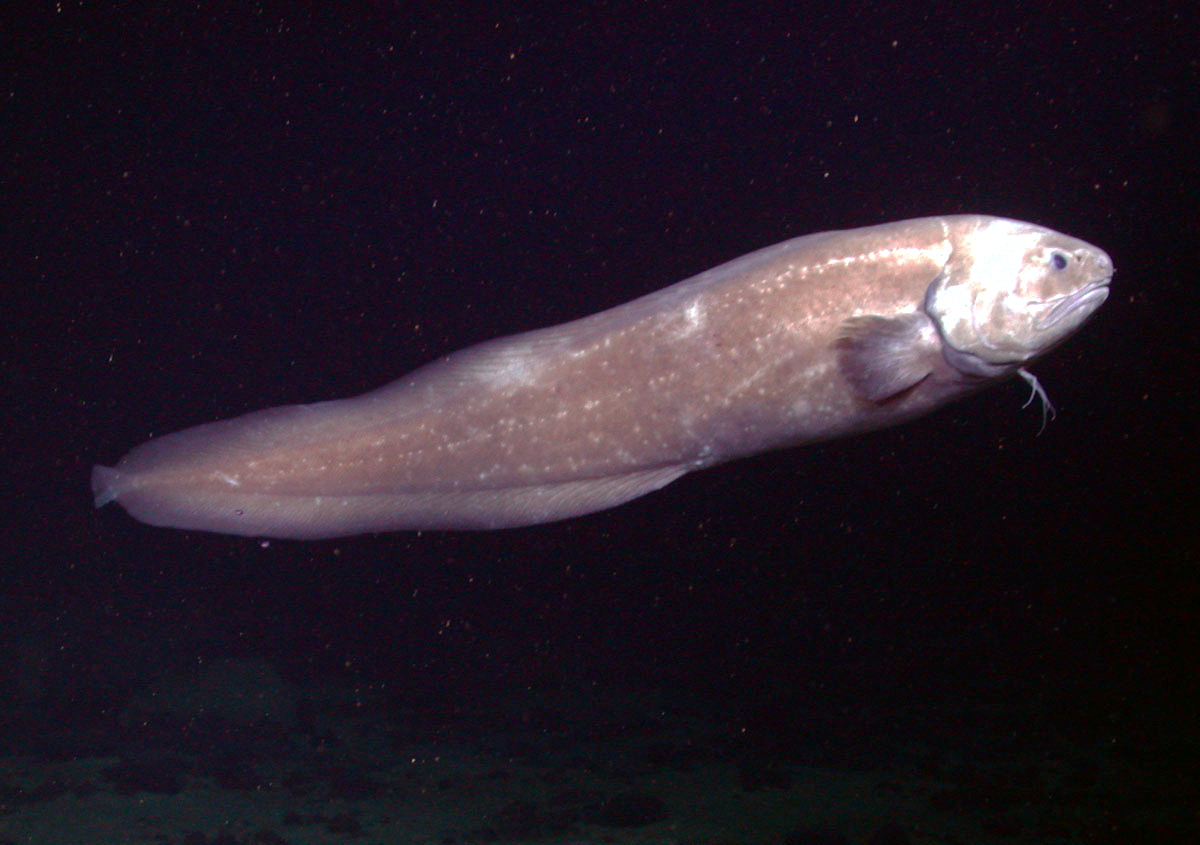
The faceless cusk-eel is one of those animals that makes you question whether you’re looking at it the right way up. When a specimen from deep waters off Australia was examined, it appeared to have no eyes and no visible face – just smooth, pale tissue where you’d expect features to be. The mouth is actually set underneath, and the small, buried eyes are almost invisible beneath the skin, an extreme adaptation to life in darkness.
Biologists think this fish lives at abyssal depths, cruising low and slow above the seafloor, feeding on small invertebrates drifting past. But beyond that, we are guessing. We do not know how it hunts, how it reproduces, or even how common it is. The single specimen offers a frozen snapshot of anatomy – but no behavior, no ecology, no life history.
What makes the faceless cusk-eel especially unsettling is how it strips away the traits we think of as basic: eyes, a clear mouth, a recognizable head. It is a quiet reminder that evolution does not care what looks “normal” to us; it only cares what works in that particular patch of pitch-black ocean. Until we find another individual, we are stuck staring at that one eerie body and extrapolating an entire species from it.
- Nearly featureless “face” with buried eyes
- Adapted to extreme deep-sea darkness
- Behavior and abundance completely unknown
#2 The Elusive Ghost Shark (Harriotta haeckeli–like Chimaera)
![#2 The Elusive Ghost Shark (Harriotta haeckeli–like Chimaera) (By fir0002 flagstaffotos [at] gmail.com
Canon 20D + Tamron 28-75mm f/2.8, GFDL 1.2)](https://nvmwebsites-budwg5g9avh3epea.z03.azurefd.net/dws/f63d42b0dc1785114f2f38efe50cdf0a.webp)
Chimaeras, often called ghost sharks, already look like deep-sea myths brought to life. One species, known from a single specimen collected in the deep North Atlantic, takes this otherworldliness to another level. It has a slender body, big winglike pectoral fins, and a long tapering tail, more like a ribbon than anything you’d call a normal fish tail. The head is armored with cartilage, and the eyes are huge and glassy, built for the faintest glimmer of light.
Unlike true sharks, chimaeras have tooth plates instead of multiple rows of sharp teeth, suggesting a diet of hard-shelled prey such as crustaceans or small mollusks. From the lone specimen, scientists can infer that this particular ghost shark likely glides just above the seabed, using subtle fin movements to hover and pounce on food. But nobody has actually watched it do any of this.
Here’s the uncomfortable part: that single individual might be the only time we encounter this species for decades. Deep-sea trawls can cover wide areas, yet still miss animals that are patchily distributed, live near rugged terrain, or are simply naturally scarce. With one ghost shark in a jar and no footage in the wild, the species lives in a strange limbo – described, named, and then effectively lost back to the deep.
#3 A One-Off Deep-Sea Anglerfish (An Unrepeatable Lure)
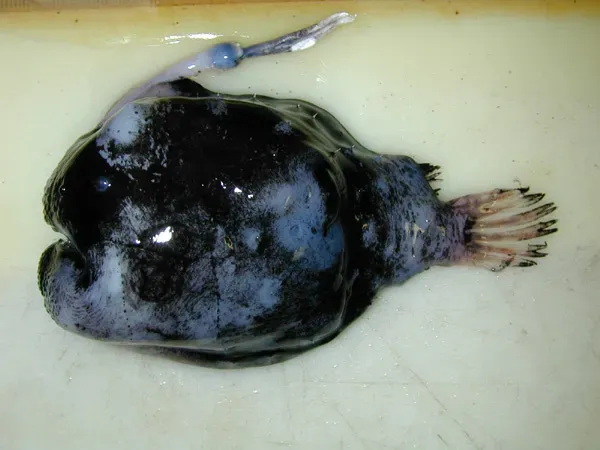
Deep-sea anglerfish are already icons of the abyss, with bioluminescent lures and nightmarish teeth. But within this group sits at least one species we know from just a single female. She was small, jet black, with a lure at the end of a thin rod sprouting from her head. That lure carried light-producing bacteria, forming a living flashlight used to attract prey in the darkness.
The bizarre twist is that many anglerfish have extreme sexual dimorphism: tiny males that fuse onto females, turning into little more than sperm-producing attachments. In this one-specimen species, no male has ever been found. That means we have no direct evidence of what its mating system looks like. We assume it follows the same pattern as related anglerfish, but that’s still an assumption based on kin, not on data.
From a single fish, we can list anatomical traits in excruciating detail – count the fin rays, describe the jaw structure, measure the lure. But we cannot say how often it feeds, how far it migrates vertically, or even how deep it usually lives, beyond the net depth that caught it. One animal on a deck tells us almost nothing about the living, breathing predator it once was.
- Known from a single female specimen
- Bioluminescent lure used to attract prey
- Mating system and male form still unknown
#4 The Singular Dumbo Relative (A Rare Deep-Sea Cirrate Octopus)
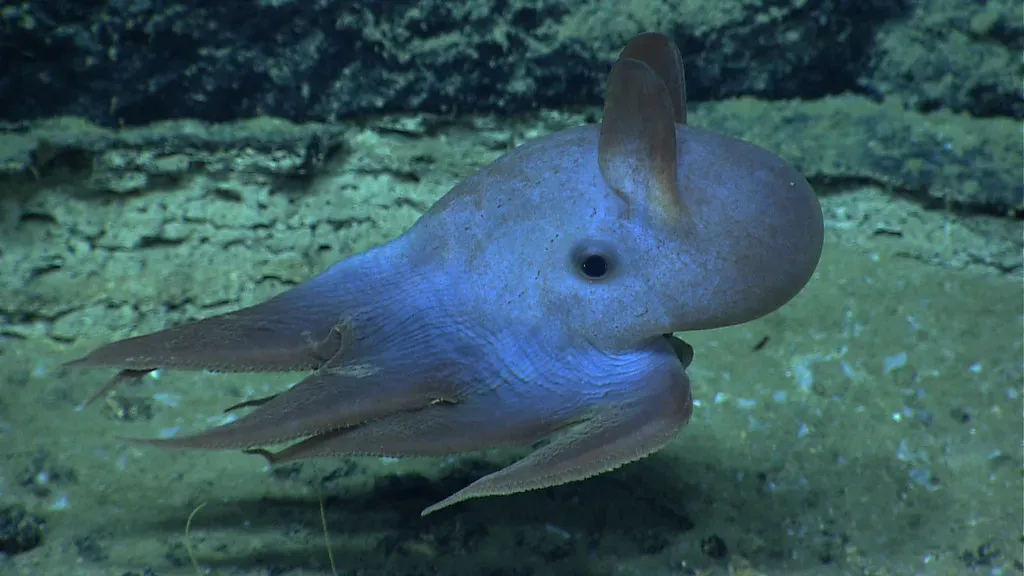
Dumbo octopuses, with their ear-like fins, are internet-famous. But not all of their relatives are so well documented. One cirrate octopus – cirrates are the finned, gelatinous group – was described from a lone specimen retrieved from abyssal depths. It had delicate, webbed arms, a soft, almost jelly-like body, and those signature fins that flap like wings as it “flies” through the water.
Cirrate octopuses are generally slow-moving, using their fins more than jet propulsion. They often drift above the sediment, picking small worms and crustaceans from the water column or seafloor. With only one representative of this species, scientists can place it within the broader Dumbo-like group and compare body shapes and suckers, but they cannot say whether this octopus lives in dense pockets or as scattered individuals across vast distances.
What fascinates me personally is how one fragile specimen can hint at an entire hidden lifestyle. Did this octopus brood its eggs on the seafloor for years, like some of its cousins? Did it live for decades in the slow-motion world of the abyss? Or was it part of a short-lived boom-and-bust cycle tied to rare food falls? We do not know – and that ignorance becomes a kind of invitation for future explorers.
#5 The Deep-Sea Snail with a Mystery Shell
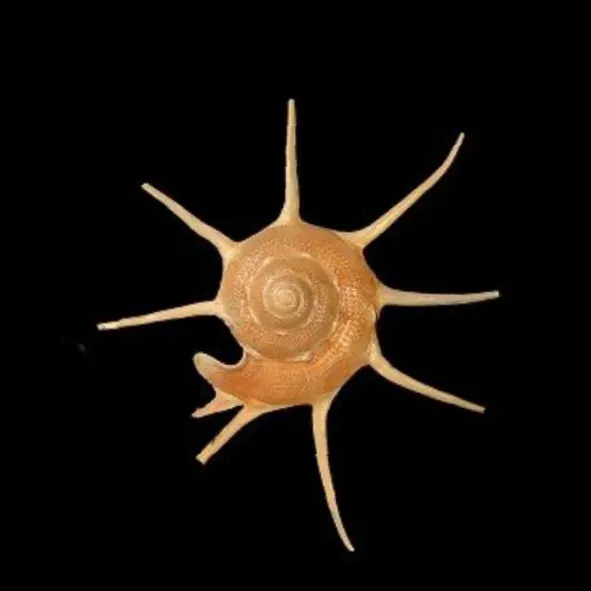
Among the weirdest one-specimen stories are deep-sea snails. One such gastropod, dredged from a remote trench, has a shell unlike any other known snail at that depth. The shell is thin but robust, with unexpected ridges and a shape that doesn’t neatly match its closest relatives living in shallower waters. It looks like a design remix of several different snail families.
From this one shell and the soft body inside it, taxonomists can trace evolutionary relationships through subtle details: the arrangement of the radula (the rasping tongue), the internal anatomy, and the shell microstructure. What they cannot do is guess how the snail actually lives day to day. Does it graze on microbial mats? Nibble at carrion? Feed on drifting detritus? A single preserved stomach does not give a lifetime diet.
It is surprisingly humbling that something as seemingly simple as a snail can stump us like this. We see the solution that evolution arrived at – a certain shell shape, a certain way of building calcium carbonate at crushing pressures – but not the problem it solved. That problem is wrapped up in local currents, food availability, and predators we probably have not described yet.
- Unique shell shape not seen in related deep-sea snails
- Collected from a remote, rarely sampled trench
- True diet and lifestyle still open questions
#6 The Single-Sighting Comb Jelly (Ctenophore from the Abyss)
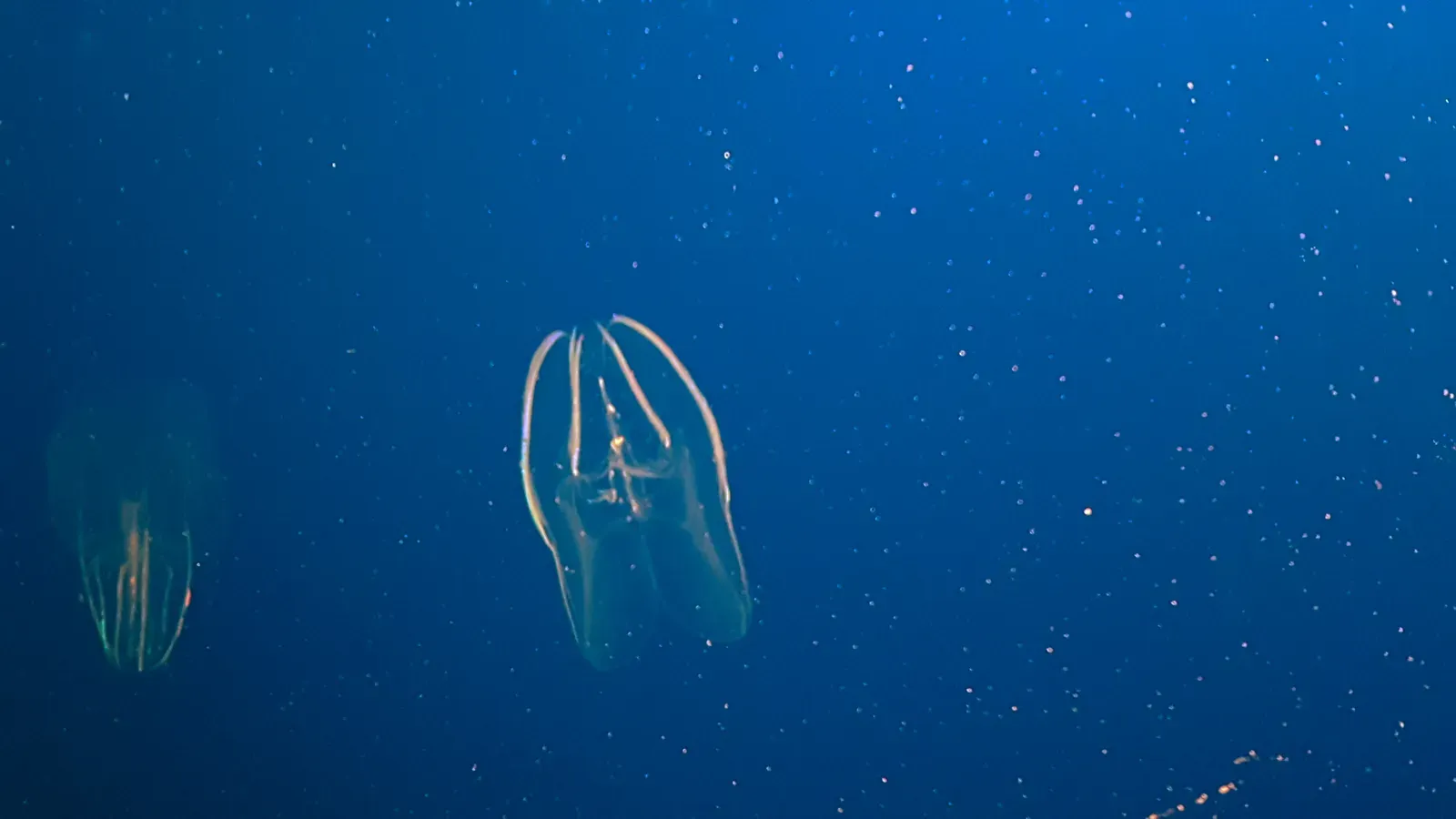
Comb jellies, or ctenophores, are already delicate and hard to collect; many disintegrate when they hit a net. One deep-sea species is known from a single fragile specimen that somehow survived capture long enough to be examined. It had shimmering comb rows – bands of tiny beating cilia – that refracted light into rainbow streaks, and long, trailing lobes unlike those of common surface comb jellies.
Because it was so gelatinous, much of its delicate structure was damaged during collection. Researchers reconstructed what they could from notes and preserved fragments, but important aspects of its original form are based on a mix of memory and best guesses. No one has filmed this species alive, not even with modern deep-sea cameras, so its true appearance in motion remains unknown.
To me, this is the most heartbreaking type of “one specimen” species. You know there was a living, glowing, moving animal that probably looked amazing in its native darkness, yet the only record we keep is a partial, collapsing body in a jar. It’s a bit like trying to understand a fireworks display from a damp scrap of burned paper.
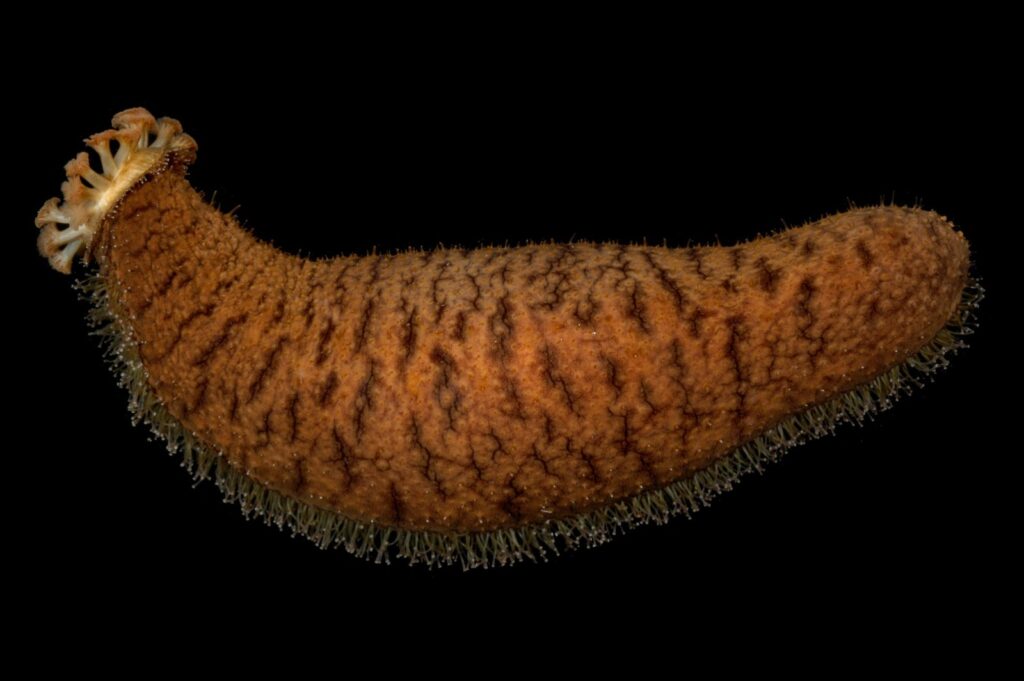
#7 An Ultra-Rare Deep-Sea Sea Cucumber
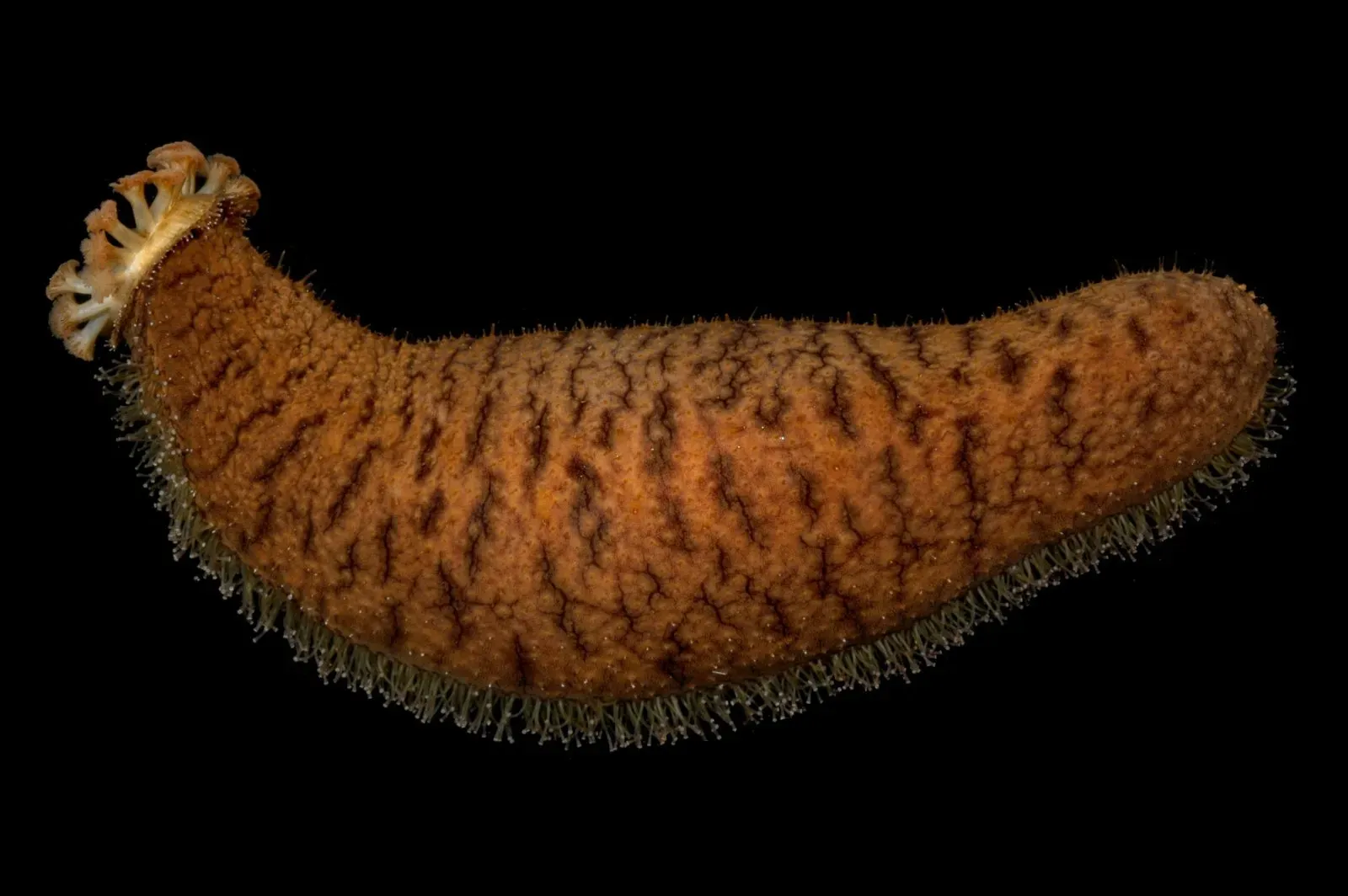
Sea cucumbers dominate many deep seafloors, hoovering up organic particles that drift down from the surface. But tucked among the common species is at least one known from a single, strange-looking individual. This particular cucumber has elaborate tube feet and extended feeding structures, suggesting it might feed not just from the sediment, but also from particles suspended in the water column.
Its body wall is studded with microscopic skeletal elements, and those tiny mineral bits are what mainly distinguish it from more familiar deep-sea cucumbers. Under a microscope, these structures look like delicate lattices or miniature anchors, and taxonomists use them like fingerprints. With only one animal, however, we cannot be sure how variable those structures are within the species or across different life stages.
Sea cucumbers are incredibly important in deep-sea ecosystems, essentially acting as vacuum cleaners that recycle nutrients. So when we find one with unusual feeding gear, it hints at some overlooked piece of the food web. Maybe this species exploits a narrow, specific niche – like a constant drizzle of plankton near a particular seamount – and that specialized lifestyle is what makes it so rarely encountered.
- Known from one weirdly specialized individual
- Microscopic skeletal elements distinguish it from relatives
- May occupy a very narrow feeding niche in the deep sea
#8 A Lone Deep-Sea Starfish with Unusual Arms
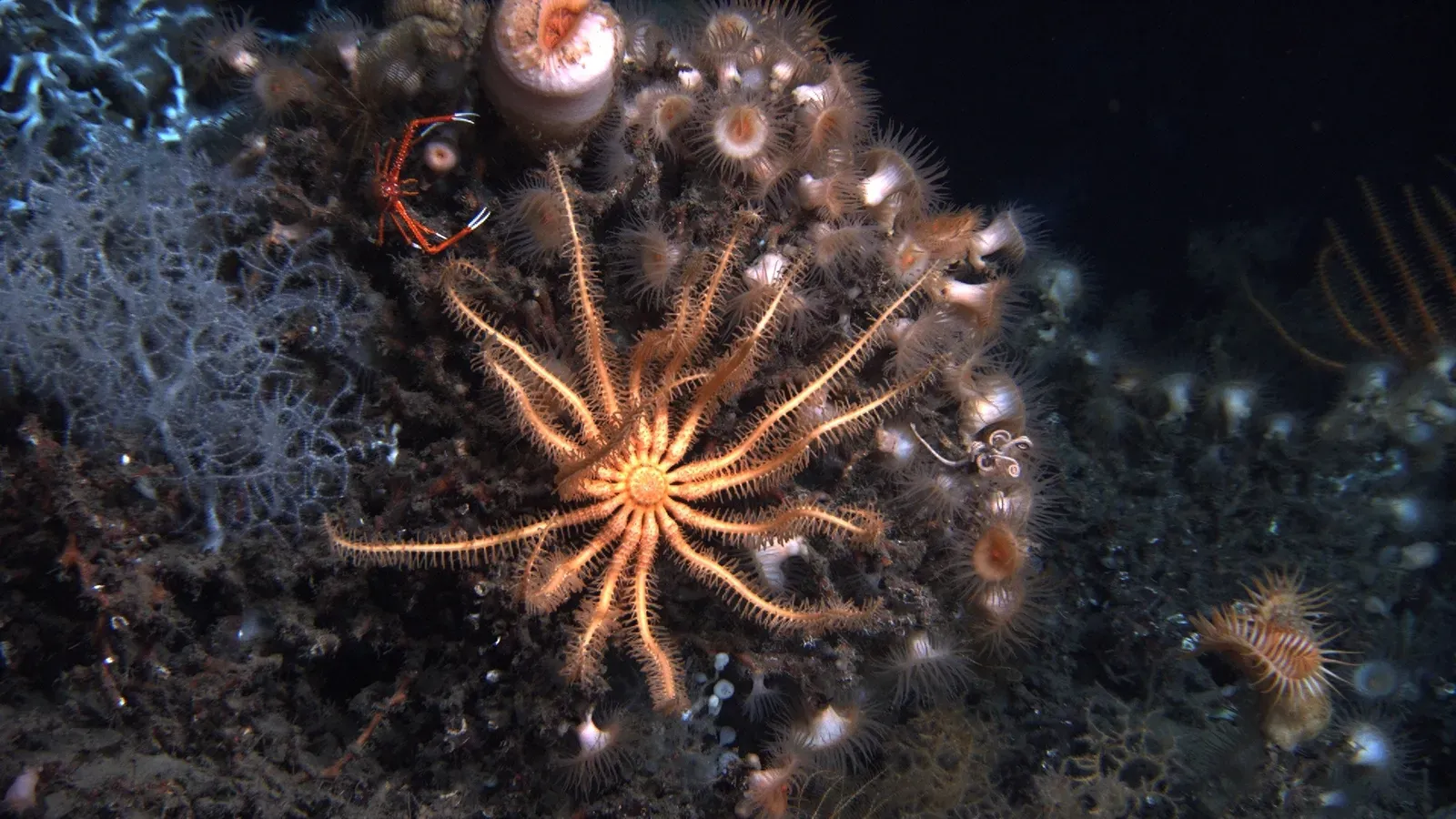
Starfish (sea stars) are often thought of as familiar tide-pool animals, yet some deep-sea species look nothing like their shallow-water cousins. One starfish, known only from a single specimen, has extra-long, slender arms radiating from a small central disc, giving it a spidery appearance. The arms are covered in tiny spines and tube feet arranged in a way that does not quite match typical deep-sea star patterns.
Based on arm structure, scientists suspect it might climb over complex terrain, perhaps clinging to rocks, coral rubble, or even sponges, rather than lounging on flat mud. The mouth side suggests it is a predator or scavenger, capable of everting its stomach over prey items to digest them externally – the standard starfish trick, but with a twist in arm reach and flexibility.
What we completely lack is context. Was this star part of a dense community on a deep reef? Was it a solitary hunter roaming a wide patch of seafloor? Did it feed mostly on dead animals, slow-moving worms, or something else entirely? The one specimen is like a single piece of a jigsaw puzzle with no picture on the box – it proves something exists, but not where it belongs.
#9 The Singular Deep-Sea Jelly with Mysterious Tentacles
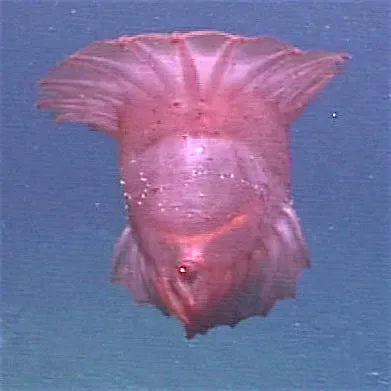
Jellyfish are notoriously hard to pin down as species, especially in the deep sea where their bodies are mostly water and easily destroyed. In one remarkable case, a deep-sea jelly was described from a single intact specimen with an odd combination of features: a bell with unusual scalloped edges and tentacles of two distinct types, some short and clustered, others long and threadlike.
This mix suggests a complex feeding strategy. The shorter tentacles may help manipulate or hold prey near the mouth, while the longer ones likely trail far behind, forming a living fishing line to snag small animals in the water. But that interpretation is built mainly on analogies to better-known jellies; nobody has watched this particular species hunt in the wild.
Modern ROV footage has revealed countless new gelatinous forms in recent years, and it is entirely possible that this one-specimen jelly has been filmed without being recognized as the same species. Without genetic samples from fresh individuals, we are stuck comparing shapes and colors, which can be deceiving in shifting deep-sea light. It is a bit like trying to identify a person based only on a blurred silhouette.
- Single preserved specimen with two distinct tentacle types
- Likely uses long tentacles like extended fishing lines
- May already be on video but not yet matched to its name
#10 A Rare Deep-Sea Crustacean from a Single Trap
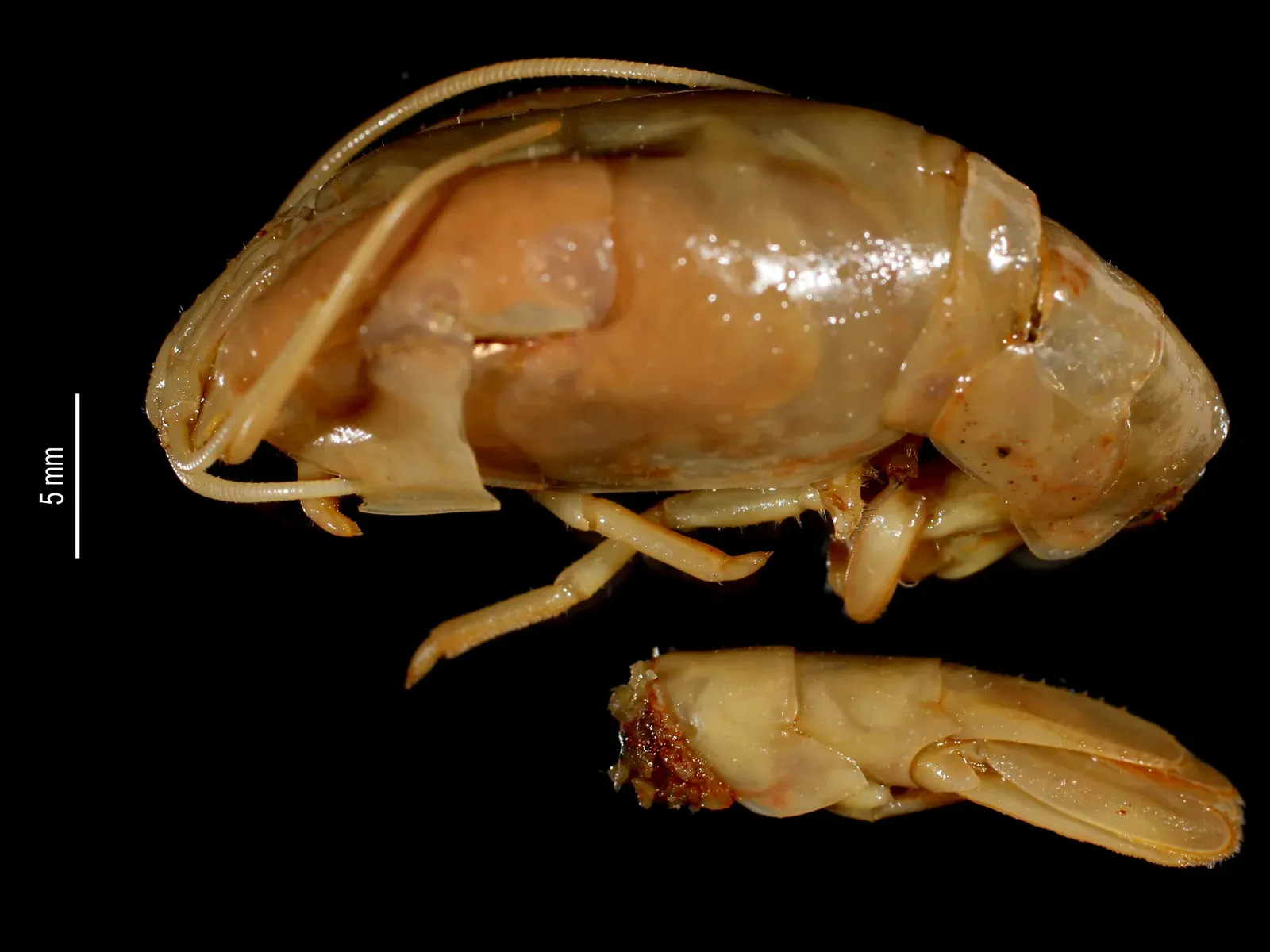
Crustaceans are the workhorses of many marine ecosystems, but some deep-sea species are so elusive that we know them from one trap haul. In one case, a bizarre crustacean – think somewhere between a shrimp and a squat lobster – was collected once and never seen again. It had elongated claws, a compressed body, and eyes that were reduced, hinting at a life in very low light.
The fine details of its carapace and appendages set it apart from relatives. Some of its leg segments are fused in ways not seen in nearby species, suggesting a unique way of walking or clinging to the substrate. The claws are shaped in a way that hints at grabbing or snipping rather than digging, so it might have been a predator, or at least an opportunistic scavenger.
There’s something almost tragic about a crustacean known from a single, fatal encounter with a baited trap. For all we know, the species might be locally common in some rugged canyon that nets and cameras barely reach. Yet in the scientific record, its entire story becomes three lines in a species description and a jar in a museum drawer.
#11 The One-Off Deep-Sea Worm from a Cold, Dark Seep
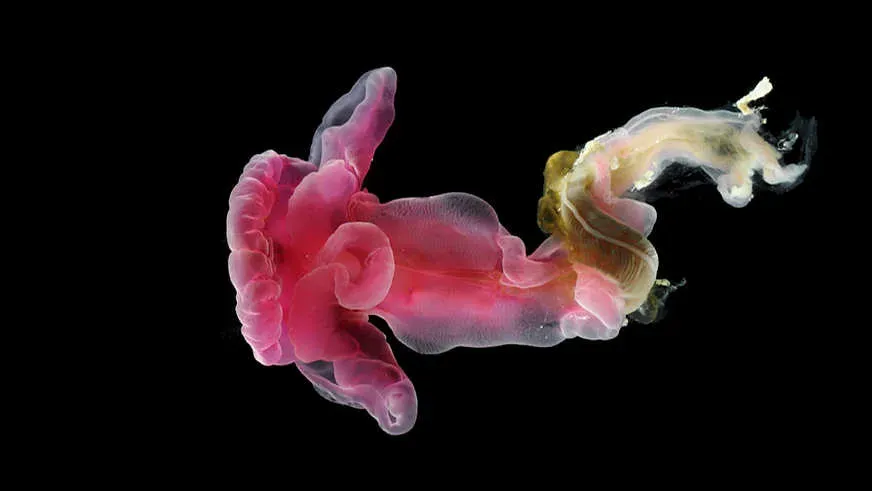
Deep-sea worms are incredibly diverse, especially around cold seeps and hydrothermal vents. One species, however, has only ever turned up as a single, slender individual living in seep sediments rich in chemicals like methane and hydrogen sulfide. Its body is segmented but smooth, with strange bristles and head structures that do not match other seep worms from the same region.
Chemical seeps often host animals with symbiotic bacteria that help them process toxic compounds or gain energy from them. There are hints – from the worm’s gill structures and internal anatomy – that it might harbor such symbionts, but that is hard to prove from one old specimen preserved in formalin. Modern molecular methods could test this, but they need fresh tissue, and there is none.
I find these seep worms especially important because they show how life can thrive on chemical energy independent of sunlight. If we only have a single representative of this species, then we likely have an incomplete picture of how many ways evolution has solved the challenge of living off chemical gradients. It is a reminder that even in places we think we know well, like famous seep sites, some inhabitants have managed to slip through our nets entirely.
- Collected once from a chemically rich cold seep
- Unusual head and bristle structures set it apart
- Possible but unproven symbiosis with bacteria
#12 The Singular Deep-Sea Fish from the Hadal Zone
Hadal zones – the deepest ocean trenches – are notoriously hard to reach. In one such trench, a single, small, pale fish was recovered that did not match any known species. Its bones were lightly built, its body soft, and its muscles reduced, all classic adaptations to the crushing pressures and low productivity of hadal depths. The eyes were tiny, suggesting little reliance on light even if faint bioluminescence is present.
Hadal fish often show extreme specialization, such as flexible skulls, modified sensory canals, and unique enzymes that let proteins function under insane pressures. This one-specimen species clearly belongs to that world, but where exactly it fits – how deep it normally lives, how far it travels along the trench, what it eats – remains a blank. Stomach contents can give a brief snapshot, but one meal does not define a diet.
If I’m honest, I think this kind of species is probably not individually rare. It is more likely that our sampling is pitiful compared with the scale of the trenches. We drop relatively few landers and send down limited ROV missions, then act surprised when the catch is sparse. In that context, a single hadal fish specimen is less an oddity and more a noisy signal screaming that we still barely understand life at the deepest edges of our planet.
Conclusion: Why One Specimen Still Matters
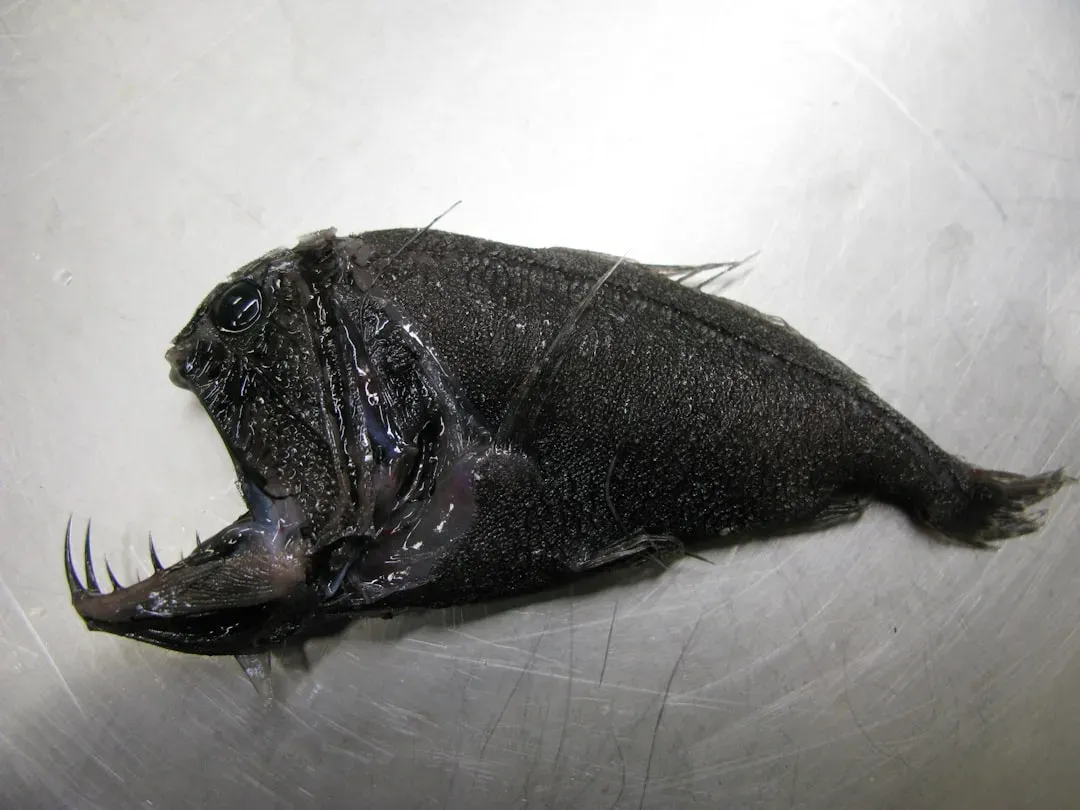
It feels almost wrong, scientifically speaking, to hang an entire species name on a single body. Yet in the deep sea, that is our reality. Nets rip delicate animals apart, ROVs cover narrow strips of terrain, and the ocean itself is unimaginably vast. A faceless cusk-eel here, a ghost shark there, a lone jelly or octopus – it is like trying to understand a rainforest after walking one narrow path for ten minutes.
Still, I think these one-specimen species are vital, even if they make biologists uncomfortable. They mark the edges of our ignorance. Each jarred fish or crumpled jelly says: here is at least one more evolutionary experiment that works well enough to survive in the deep. We might not know how abundant it is or what role it plays, but we know it exists, and that alone reshapes our sense of deep-sea diversity.
From a personal point of view, I’d rather have fragile, incomplete knowledge than pretend that nothing is there until we have a neat dataset. Waiting for perfect evidence in a place as hard to reach as the abyss is a recipe for knowing almost nothing forever. So yes, a is frustrating, but it is also a foothold – a first handhold on a cliff of mystery we are still learning how to climb.
As technology improves and more expeditions probe the deep, some of these spectral species will likely gain new faces and new stories, while others may remain legends pinned to a single label. Either way, they remind us of a simple, slightly unsettling truth: most of Earth’s biosphere lies beyond our sight, and we are only just starting to meet its residents. When you think about the ocean now, will you picture the familiar dolphins and coral reefs, or the nameless beings still waiting in the dark?