You expect noise, dust, and delays from construction sites. You don’t expect lost cities, time capsules, and entire forgotten worlds. Yet again and again, crews digging foundations or laying pipes have stumbled onto things that rewrote local history, changed laws, or even altered what we thought we knew about ancient civilizations.
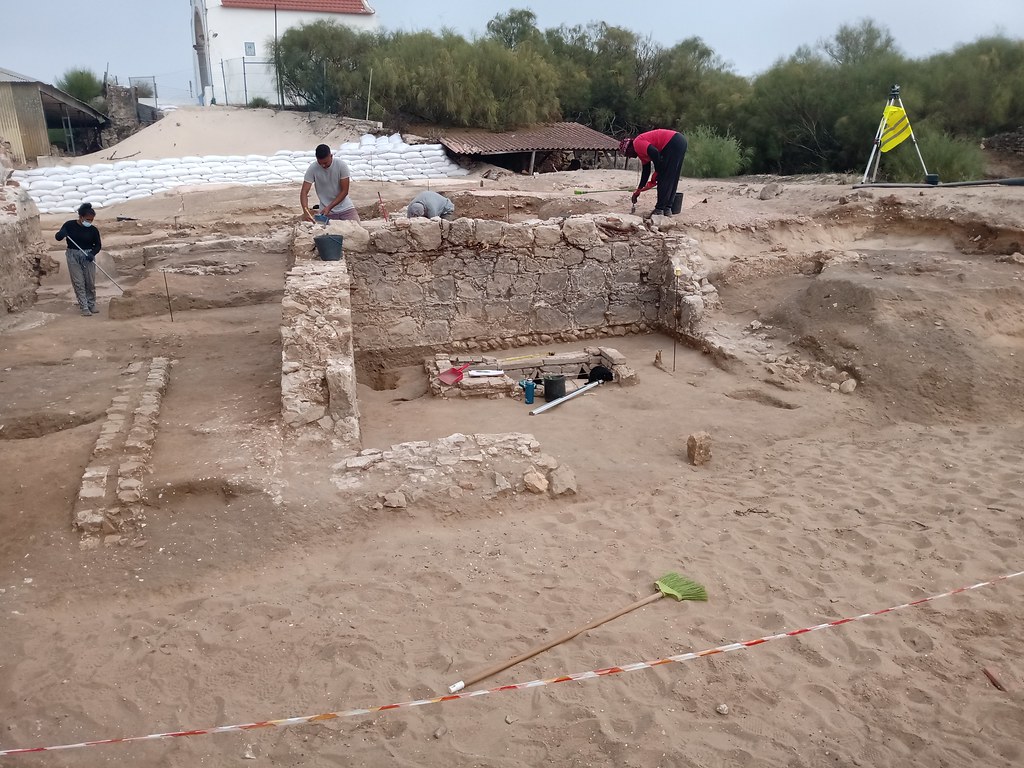
I still remember walking past a city street that had been torn open for sewer work and seeing an archaeologist’s tent pop up overnight. One day it was asphalt, the next day there were labeled bags of pottery shards and camera crews. That’s the secret life of construction: behind the safety fencing, the past is constantly trying to push back through the concrete.
Below are eleven times routine, often boring construction work accidentally turned into discovery missions. Some of these finds became global headlines; others stayed mostly local but were just as life‑changing for the people involved. Together they show how every bulldozer, every jackhammer, and every backhoe is really rolling the dice with history.
#1 The London Workers Who Kept Tripping Over History
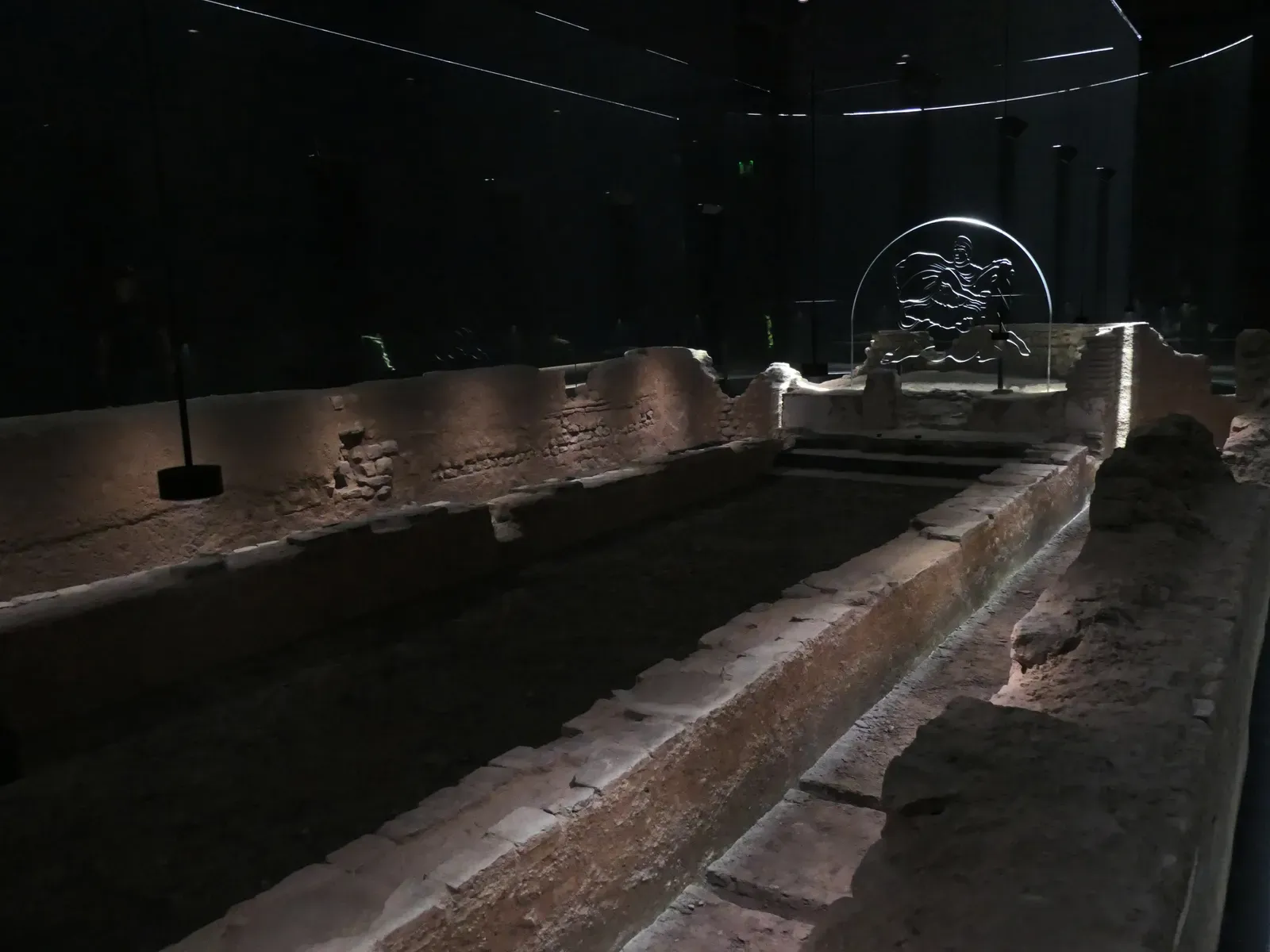
Few cities prove the collision between construction and archaeology like London. Any time workers dig for a new basement, subway tunnel, or utility line, they are just as likely to hit Roman walls or medieval cemeteries as clay and rock. It has gotten to the point where major projects routinely build archaeology into their schedule, because experience says they will almost certainly find something.
One of the most striking examples came during upgrades to rail and underground lines when crews uncovered dense layers of Roman London: shoes, tablets, coins, and the remains of timber buildings preserved in the wet soil. What started as transport engineering became a time‑travel exercise, filling museums with artifacts from everyday life nearly two thousand years ago. It showed that beneath the glass towers and busy junctions lies a layered city, with each era literally stacked on top of the last.
This kind of discovery has practical consequences. Construction plans now often include:
- Pre‑dig surveys to map likely historical hot spots
- On‑call archaeologists ready to assess finds at short notice
- Contingency time and money in case work has to pause
Instead of seeing archaeology as an annoying delay, many London projects treat it as part of doing serious work in an ancient city. Ordinary workers with hard hats and high‑vis vests have become the accidental scouts of the deep past.
#2 The Farmer’s Field That Hid China’s Terracotta Army
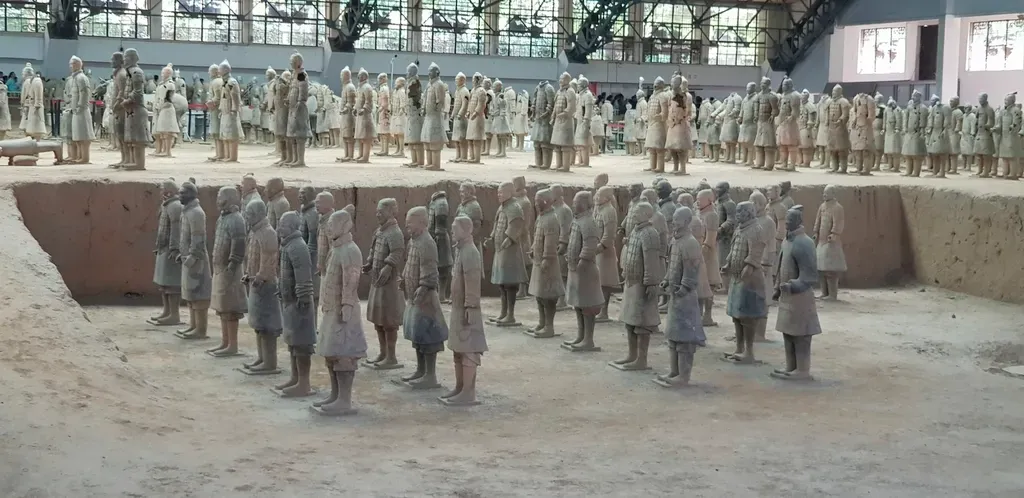
In the mid‑1970s, a group of farmers in China doing routine well‑digging work hit something that was not rock, not pipe, and certainly not what they’d planned. They had uncovered fragments of what turned out to be one of the most spectacular archaeological discoveries of the modern era: the Terracotta Army near Xi’an, thousands of life‑sized clay soldiers buried for over two millennia.
The original intention was purely practical – access to groundwater. Instead, the digging exposed a vast underground complex built to guard the tomb of China’s first emperor. Excavations revealed rank after rank of detailed figures: soldiers, horses, chariots, and officials, each with individual facial features, hairstyles, and armor patterns. It is the kind of thing you’d expect to see in a movie, not emerging from a routine construction job in a village field.
The discovery forced a complete re‑evaluation of early imperial China’s engineering and artistic capabilities. It showed:
- Highly organized large‑scale production techniques
- Sophisticated firing and coloring technologies
- Complex funerary beliefs involving armies in the afterlife
What began as a basic infrastructural task instantly became a national heritage project, reshaping tourism, scholarship, and even regional identity. It is an extreme example, but it captures just how wildly construction work can veer from its script.
#3 Subway Tunnels That Uncovered Ancient Streets

Whenever a city plans a new subway line, planners think about ridership models, tunneling methods, and station design. What they do not always fully grasp is that boring a tunnel can slice straight through buried layers of earlier cities. In many historic urban centers, subways have unintentionally cross‑sectioned time.
In places like Athens, Rome, and Istanbul, building new metro lines has turned into rolling archaeological excavations. Crews have run into Roman roads, ancient harbor installations, Byzantine churches, and long‑lost neighborhood layouts. Suddenly, engineering diagrams have to share table space with historical maps as teams figure out how to route trains without destroying irreplaceable remains.
These finds create tensions but also remarkable opportunities:
- Stations double as mini‑museums, displaying artifacts found in the dig
- Commuters literally walk past glass cases of ancient pottery and mosaics
- Cities gain a clearer picture of how earlier urban systems were organized
The irony is hard to miss: infrastructure built to move people quickly has forced cities to slow down and look backwards, reminding everyone that the ground beneath their feet is crowded with former streets and lives.
#4 Construction Crews Who Found Mass Graves and Forgotten Plagues
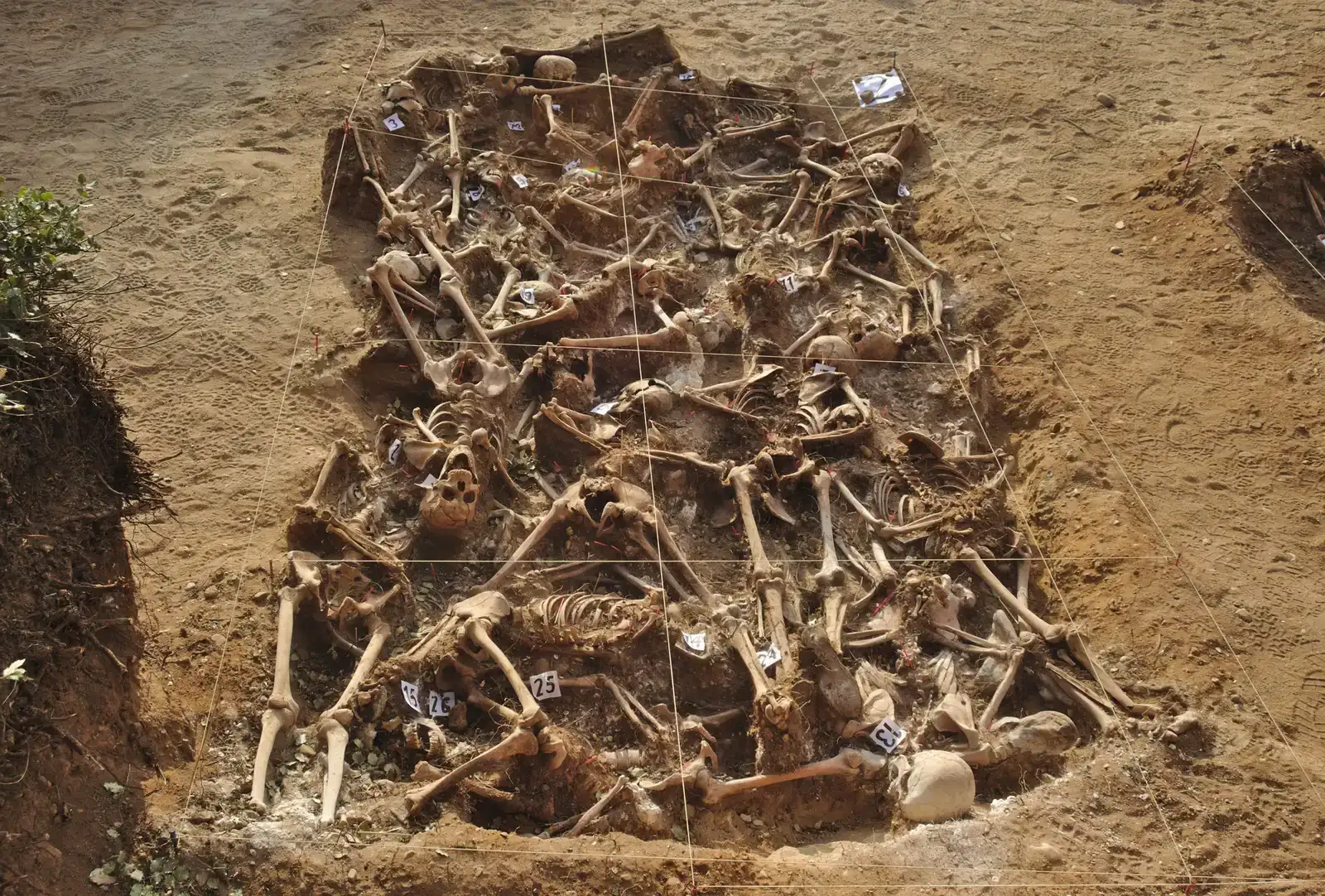
Not every discovery is beautiful or marketable. Sometimes routine construction work digs up the parts of history people would rather forget: mass graves from wars, epidemics, or marginalized communities. These finds can be deeply unsettling, yet they are vital for acknowledging and understanding past trauma.
All over Europe and North America, foundation work and road projects have unexpectedly uncovered burial pits linked to historic pandemics like the Black Death or nineteenth‑century cholera outbreaks. In some cases, crews have found hastily dug trenches used during wartime to bury soldiers or civilians. These are not the neat, labeled graves of manicured cemeteries; they are raw evidence of panic, overcrowded hospitals, and overwhelmed authorities.
While emotionally heavy, such discoveries have powerful impacts:
- They allow scientists to study ancient pathogens and how they evolved
- They bring to light groups whose deaths were never formally recorded
- They can trigger memorials or official recognition at the site
From a construction perspective, everything stops. The site changes from a zone of future development to a space demanding respect, study, and often ceremony. It is a stark reminder that ground we consider “empty” may carry unresolved human stories.
#5 The Highway That Revealed a Lost North American City
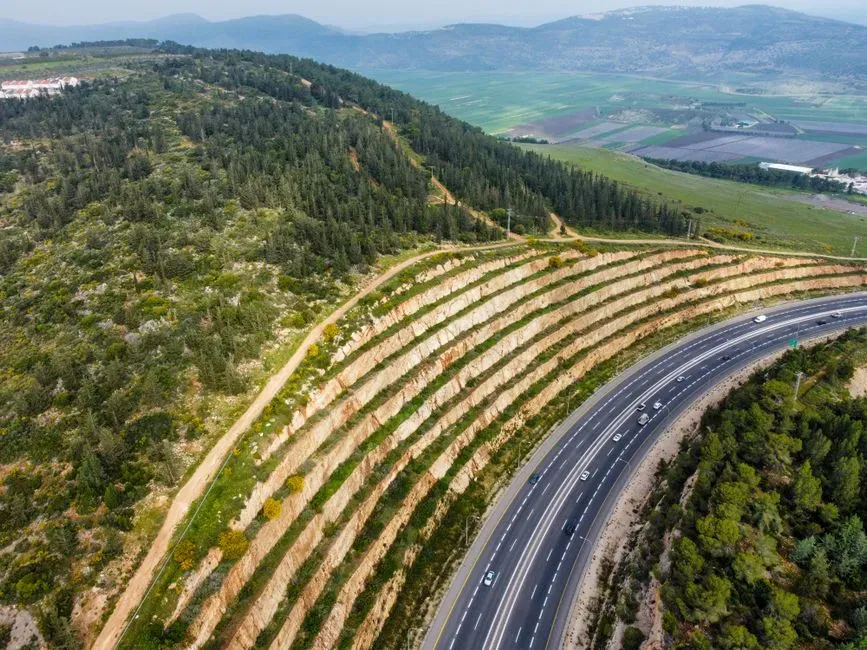
Sometimes, highway projects slice through more than hillsides. In several parts of North America, road and housing construction have unexpectedly cut into large pre‑colonial settlements that had been dismissed as minor or simply overlooked. What once looked like a few odd mounds or ridges suddenly turned out to be the remains of complex communities.
When heavy machinery peeled away topsoil for new routes, workers began finding postholes, pottery, arrowheads, and layered deposits of food waste and ash. Archaeologists brought in to assess the damage realized they were dealing with large, planned settlements that had been home to thousands of people, complete with public plazas, defensive works, and long‑distance trade networks. The discoveries did not match the older stereotype that Indigenous groups in the region had only small, scattered camps.
These construction‑driven revelations changed more than maps. They challenged long‑held narratives about how organized and populous certain areas were before European contact. As those stories shifted, so did political and cultural conversations:
- Indigenous nations gained new evidence of historic presence and complexity
- Developers were pushed to negotiate more respectfully over sensitive sites
- Public understanding of “empty land” myths began to erode
In a way, the bulldozers accidentally helped restore missing chapters of urban history, even as they risked damaging the evidence they revealed.
#6 The Office Tower Built on Top of a Shipwreck
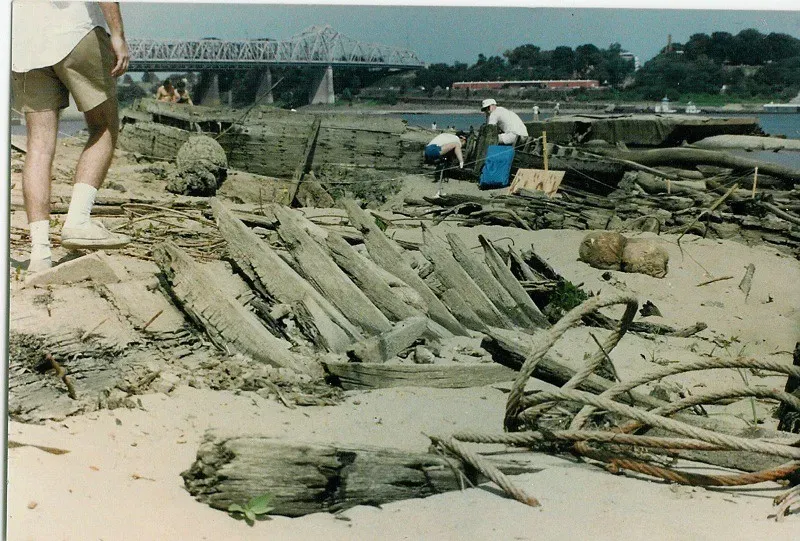
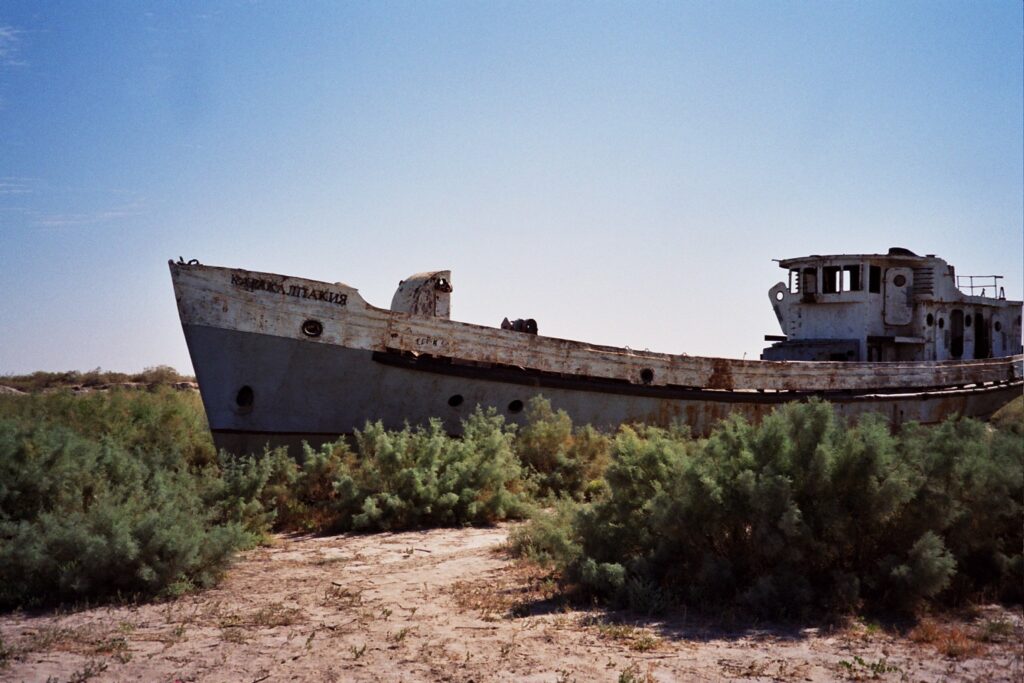
In coastal cities, digging deep for parking garages or foundations sometimes means running straight into the past harbor. Construction crews have uncovered wooden ship hulls under modern streets, preserved where old shorelines once ran. One of the more surprising patterns is just how often major waterfront developments end up perched on top of former docks and wrecks.
When deep excavations expose these vessels, they are often in shockingly good condition. Anaerobic, waterlogged conditions can protect timbers and even cargo for centuries. Workers who expected clay and gravel suddenly see curved ribs of a hull, stacked planks, and sometimes barrels or ballast stones. For a few days or weeks, the building site becomes a temporary maritime archaeology lab.
These discoveries can feel almost cinematic, yet their scientific value is very down‑to‑earth:
- They reveal how shipbuilding techniques changed over time
- They map vanished shoreline positions and dock layouts
- They preserve information about everyday trade goods and routes
Eventually, parts of the ship may be removed for conservation, scanned, or sampled. Then the garage or tower goes up, and the flow of city life resumes. But everyone who worked that site knows there is a quiet story of tides, trade, and shipwrights layered under the polished lobby.
#7 New Pipelines That Exposed Prehistoric Campsites
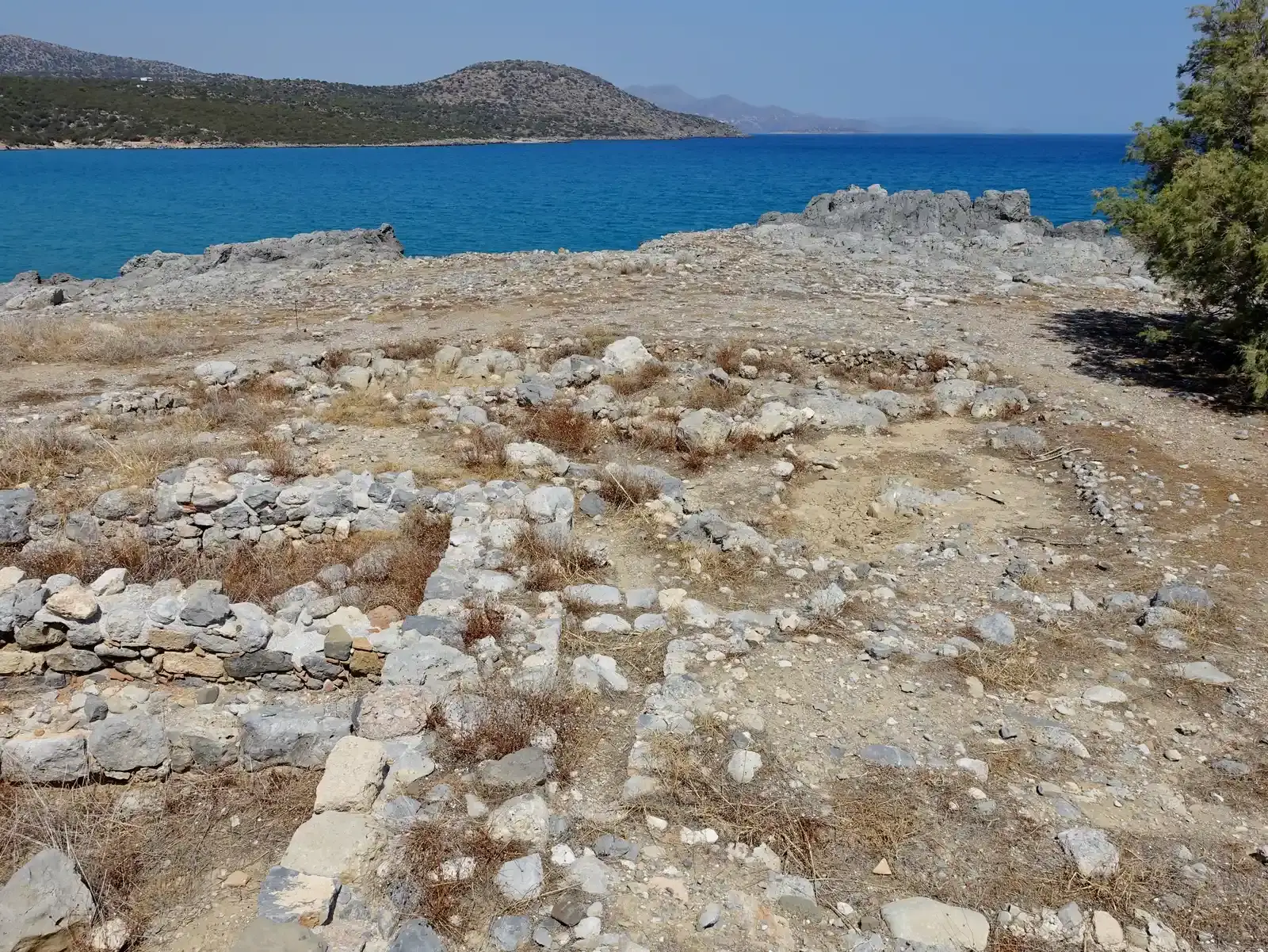
Unlike skyscrapers, pipelines and power lines typically cut long, narrow corridors across the landscape. On paper, they are just linear infrastructure; in practice, they act like massive, slow‑moving archaeology trenches. As crews strip soil along the route, they expose a continuous ribbon of ground that would otherwise stay undisturbed.
Along these corridors, teams have identified prehistoric campsites, hearths, stone tool workshops, and even ritual sites. Often there is nothing visible at the surface – no mound, no ruin, just a field or forest. Only when the topsoil is peeled back do patterns of postholes, fire pits, and artifacts become obvious. What looks like a random scatter of stones to a rushed worker can, in the right hands, map out the footprint of an entire seasonal village.
Pipeline‑related discoveries have reshaped how we imagine ancient mobility:
- They reveal travel corridors people used for thousands of years
- They show where groups gathered to hunt, trade, or perform ceremonies
- They help date shifts in technology and climate response over long periods
These finds also raise ethical questions. Many communities argue that linear projects should be re‑routed around significant areas or even canceled, highlighting how modern energy demands collide with older rights and sacred spaces. Once again, routine construction work becomes the trigger for a much bigger conversation.
#8 Renovations That Exposed Hidden Rooms and Secret Vaults

Not all discoveries come from digging down. Sometimes, tearing out walls and ceilings in old buildings reveals hidden spaces that were never meant to be found again. Renovations of historic houses, churches, and civic buildings have uncovered sealed rooms, forgotten storage vaults, and narrow passageways that do not appear on any current blueprint.
Workers have stumbled on everything from dusty archives of long‑forgotten paperwork and architectural drawings to decorative elements that were covered over during earlier makeovers. In some cases, they find evidence of social history: concealed staircases used by servants, hidden prayer spaces used by persecuted religious groups, or cramped rooms believed to have sheltered people escaping conflict or slavery. These are more than architectural quirks; they are physical traces of fear, hierarchy, and survival strategies.
When this happens, the construction schedule often gets completely re‑written:
- Conservation specialists are brought in to stabilize fragile features
- Historians dig into ownership records and local stories
- Designers rework plans to showcase or at least preserve what was found
For me, these hidden rooms are among the most haunting kinds of discoveries. They are a reminder that buildings have memories and that every layer of paint or plaster is someone’s attempt to erase or reshape what came before.
#9 Ordinary Street Work That Turned Up Fossils
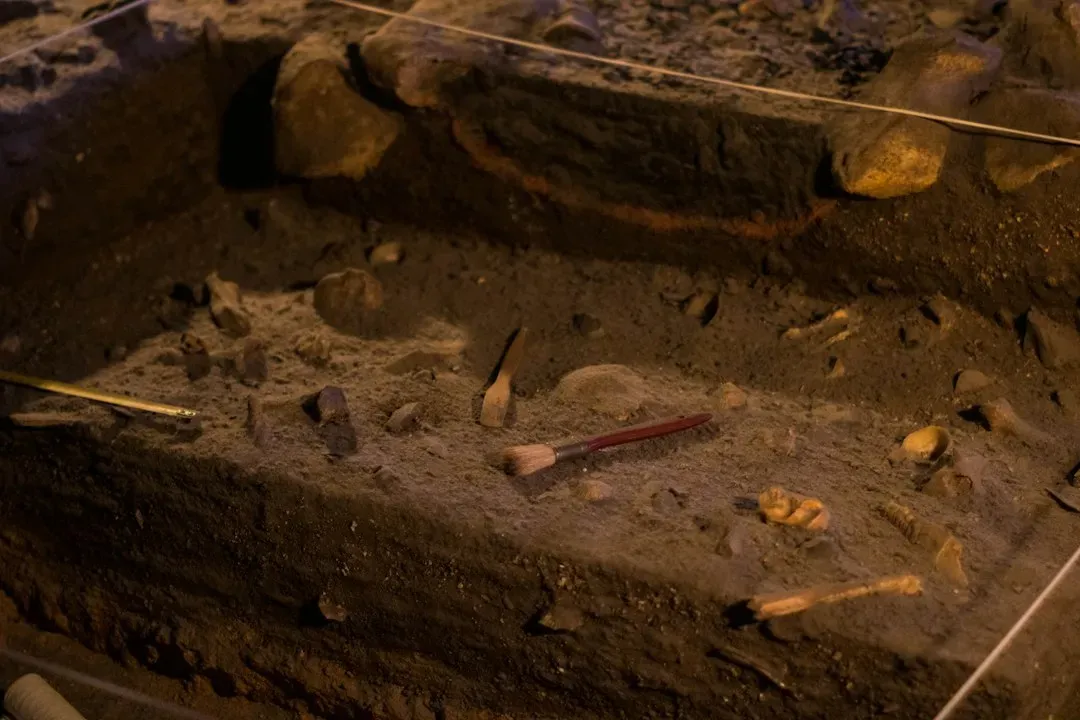
Every so often, city crews or construction workers become accidental paleontologists. Digging road cuts, quarries, and foundations can expose rock layers that have not seen daylight in millions of years. When those layers include fossil‑rich beds, the result can be anything from scattered shell fragments to significant vertebrate skeletons.
Road cuts through hills, especially, have a knack for slicing through ancient sediments laid down in seas, rivers, or lakes. Sharp‑eyed workers have noticed strange bone shapes or patterned stones in the debris and called in experts. What began as a plan to widen a road or create a new overpass suddenly produces dinosaur bones, prehistoric whales, or ancient plant impressions that help reconstruct lost ecosystems.
These fossil finds do more than fill museum cases:
- They refine the geological maps that guide future construction and resource use
- They reveal past climate conditions in the region
- They connect local communities to immense spans of Earth history
It is a humbling thought: the same backhoe that digs storm drains might be the tool that frees a skeleton buried before humans existed. For workers on those crews, the job site turns briefly into something far grander than asphalt and rebar.
#10 Utilities and Fiber Cables That Uncovered Ancient Infrastructure
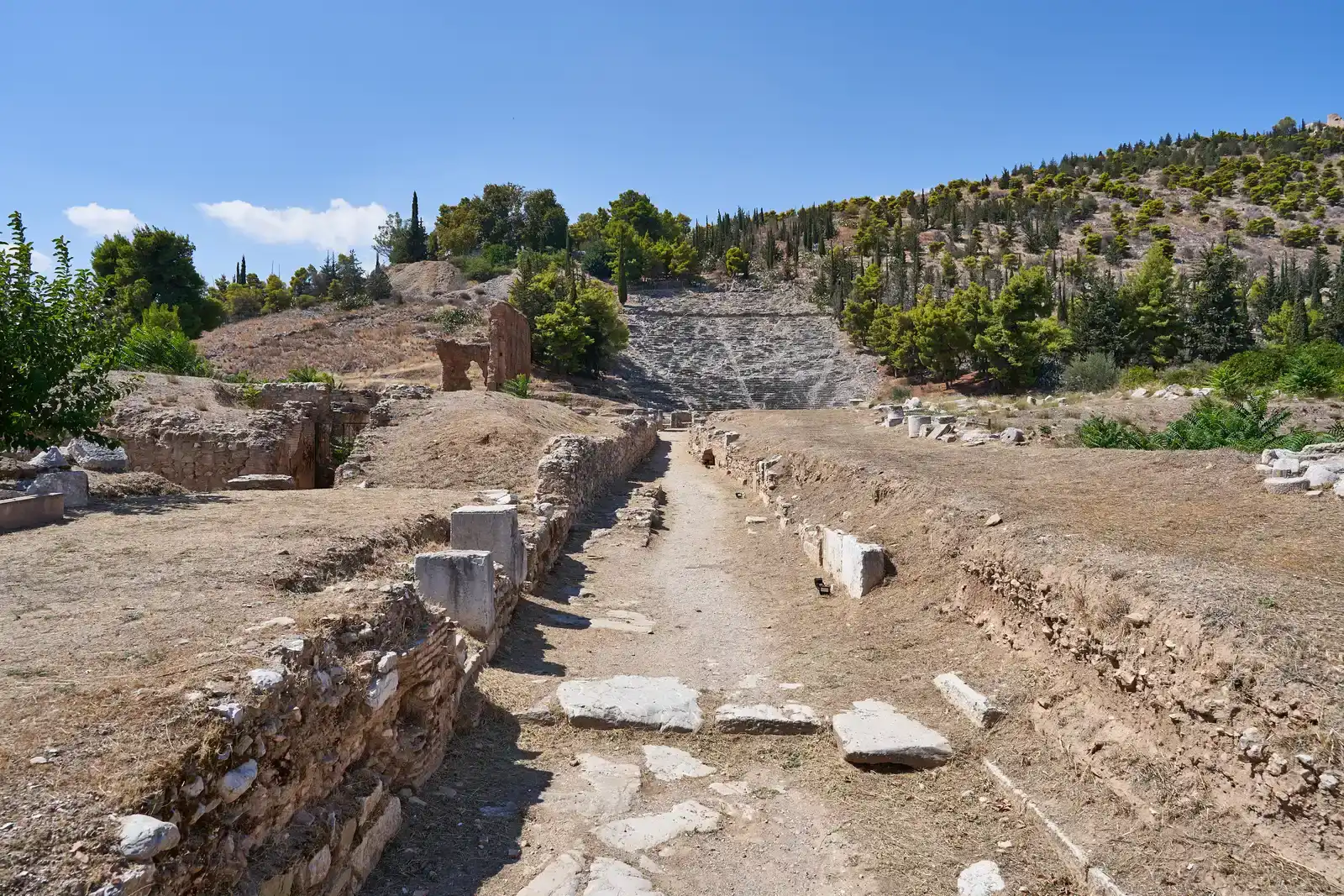
Modern cities rely on invisible networks: water mains, gas lines, fiber‑optic cables. Installing or upgrading these systems means constant trenching along streets that may have carried traffic for centuries. Unsurprisingly, this work often intersects with previous rounds of problem‑solving by earlier residents – old drains, earlier road surfaces, buried aqueducts, and forgotten cellars.
When utility crews cut into these layers, they sometimes reveal that what feels like cutting‑edge urban design is just the latest version in a very long chain. Traces of stone drains, clay pipes, or brick sewers appear beneath asphalt. In some cases, modern workers discover that they have been laying new lines almost exactly where ancient engineers once ran theirs, simply because the topography still dictates the same logic: water flows downhill, and people prefer certain routes.
These encounters with earlier infrastructure have a few important effects:
- They remind planners that city problems repeat across generations
- They offer models of durable design (some ancient drains still function)
- They sometimes inspire heritage projects to expose or celebrate older layers
For all the talk about “smart cities,” there is something grounding about realizing that a clay pipe laid by hand centuries ago can sit a few feet below a fiber‑optic bundle and that both are, in their own way, cutting‑edge solutions for their time.
#11 Housing Developments That Revealed Human Stories in Cemeteries
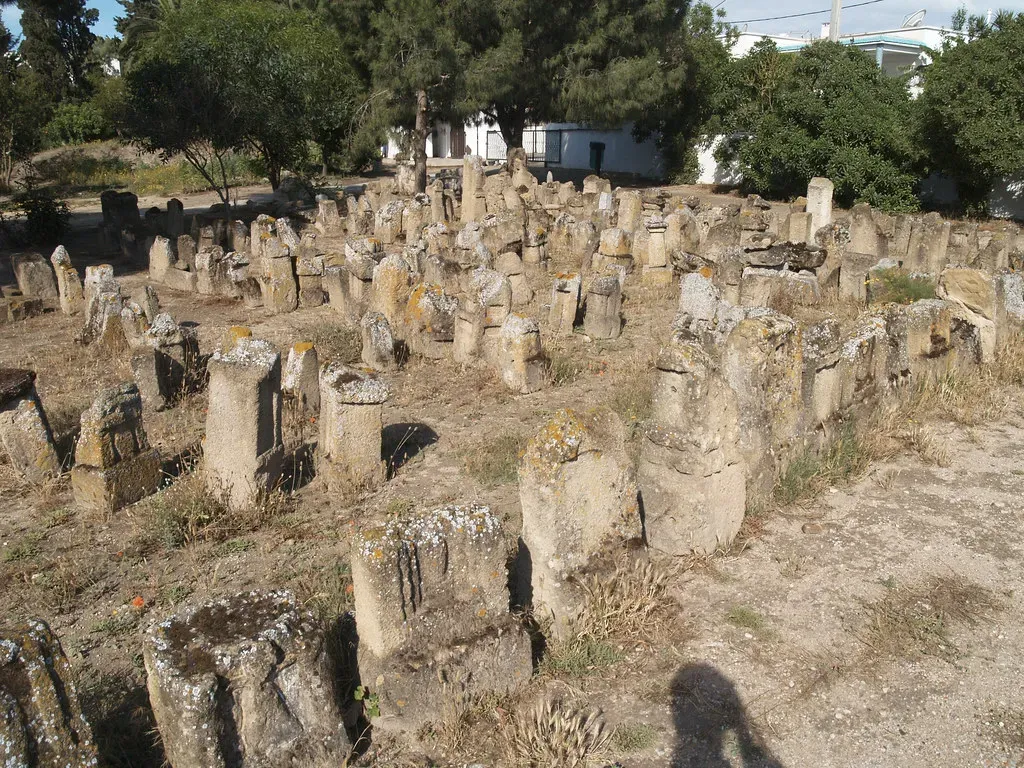
Few construction discoveries are as emotionally charged as unexpected cemeteries. Housing projects, parking lots, and commercial builds have all stumbled onto burial grounds whose markers were removed or whose locations were never properly recorded. These have included Indigenous burial sites, potter’s fields for the poor, and cemeteries belonging to marginalized communities who were deliberately pushed to the edges of town.
When bodies are found, work usually halts. The next steps are not just technical; they are ethical, legal, and deeply personal. Descendant communities may demand that remains stay undisturbed or that they be moved and reburied with ceremony. Detailed analysis can sometimes restore names, causes of death, and even connections between family members. In certain cases, construction has had to be significantly redesigned or relocated to respect what has been uncovered.
These discoveries force modern cities to confront uncomfortable truths:
- Space is rarely as “empty” as developers assume
- Some groups’ dead were treated with far less care than others
- Economic growth has often been built on quiet erasure
For me, this is where routine construction work becomes something like conscience work. The excavator bucket lifts not just soil but long‑ignored evidence of how different lives were valued. The decisions made after that moment say a lot about who we are now, not just who we once were.
Conclusion: Construction as an Accidental Time Machine
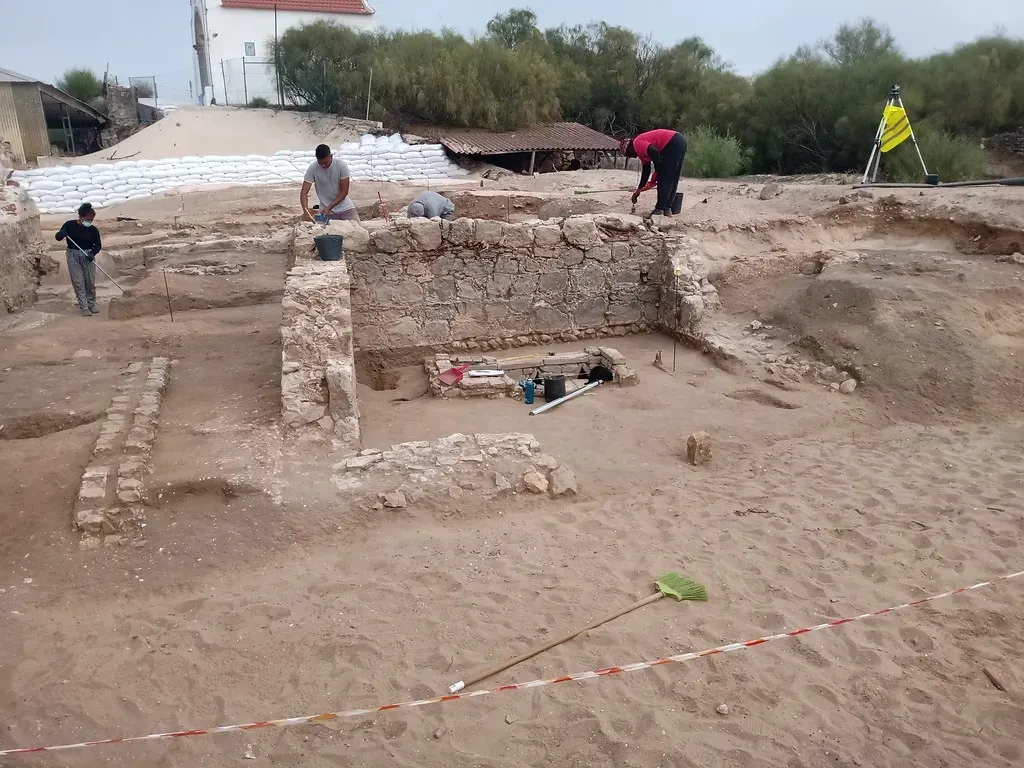
When you zoom out, a pattern appears: construction sites are not just places where the future is built, they are also where the past leaks back into view. From buried armies and shipwrecks to hidden rooms and unmarked graves, routine work by crews who are simply doing their jobs repeatedly cracks open stories that textbooks missed or chose not to tell. Sometimes the discoveries are spectacular, sometimes they are quietly devastating, but they are almost never irrelevant.
I think we underestimate how thin the present really is. A few meters of soil or a single brick wall can separate an office lobby from a prehistoric campsite, or a fiber‑optic trench from a forgotten community cemetery. When construction workers halt a project to call in archaeologists or community leaders, they are effectively hitting pause on profit to make room for memory, science, and justice. That tension is uncomfortable, but it is also a sign of a society that is trying, however imperfectly, to balance building forward with looking back.
In a world obsessed with speed and newness, there is something oddly hopeful about the fact that the ground keeps arguing with our plans. Every time a backhoe uncovers a ship hull or a subway crew hits an ancient street, it is a reminder that we are not starting from scratch – we are adding one more layer to a densely built palimpsest of human and natural history. Next time you walk past a fenced‑off construction site, you might wonder: beneath the noise and dust, what forgotten story could be waiting for the next accidental discovery?