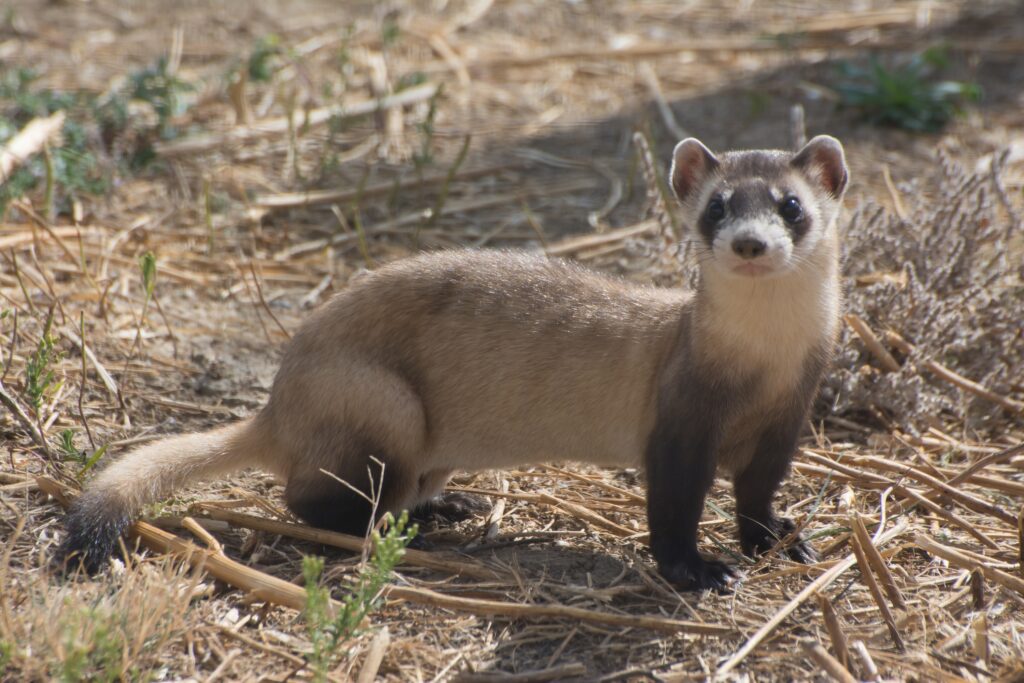
If you wanted to design an animal that embodies both hope and heartbreak, you’d end up with the black-footed ferret. It is masked like a tiny bandit, soft and slender like a weasel, and yet its entire existence has hung by a thread most of us would never notice. For decades, scientists thought this species had quietly vanished from the Great Plains, erased by forces people barely understood or cared about at the time.
Then, against the odds, it came back from the edge in one of conservation’s most dramatic comebacks. But this isn’t some neat, feel-good story with a tidy happy ending. The black-footed ferret is still fighting for its life every single day, relying on elaborate breeding programs, vaccines, and huge cooperative efforts across states, tribes, ranchers, and scientists. Here are ten facts that show just how wild, messy, and inspiring that fight really is.
1. The Black-Footed Ferret Was Once Declared Extinct – Twice
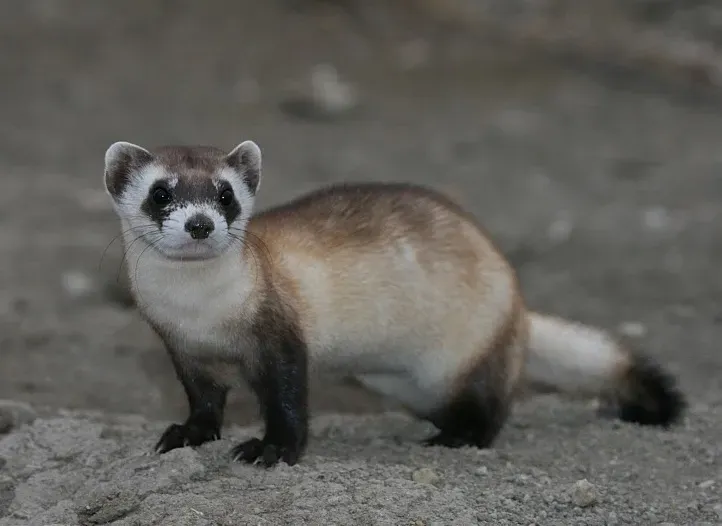
Imagine thinking a whole species was gone forever, only to realize years later it was quietly hanging on in some overlooked corner of the map. That’s exactly what happened with the black-footed ferret, not just once but twice. In the early twentieth century, the animal’s numbers collapsed so dramatically that biologists officially considered it extinct in the wild.
Then, in the 1960s, a small population turned up in South Dakota, giving conservationists a burst of hope – until that group also disappeared. Again, the species was written off. The real plot twist came in 1981, when a ranch dog in Wyoming brought home a strange-looking animal that turned out to be a black-footed ferret. That chance discovery set off one of the most intense last-minute rescue missions wildlife science has ever seen.
2. Every Living Black-Footed Ferret Traces Back to Just a Handful of Animals
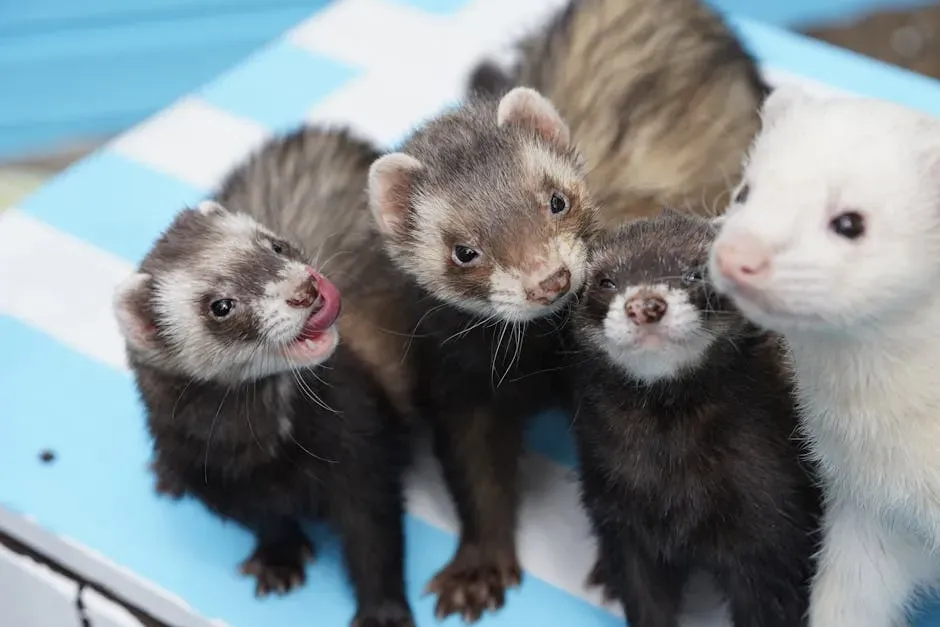
Modern black-footed ferrets are all descendants of a tiny group of survivors taken from the wild in the 1980s. The number often cited by scientists is a dozen or so individuals that formed the core of the captive breeding program. When you think about it, that’s like rebuilding an entire city’s population from the residents of one small apartment building.
This severe genetic bottleneck comes with a heavy price. With so little original diversity, the species is vulnerable to inbreeding problems and diseases that could rip through the population. Conservationists use painstaking genetic management, swapping ferrets between facilities and carefully planning pairings almost like a high-stakes matchmaking service. It sounds oddly romantic, but the goal is brutally practical: keep the species healthy enough to survive on its own someday.
3. Prairie Dogs Are Not Just Neighbors – They Are the Ferret’s Whole World
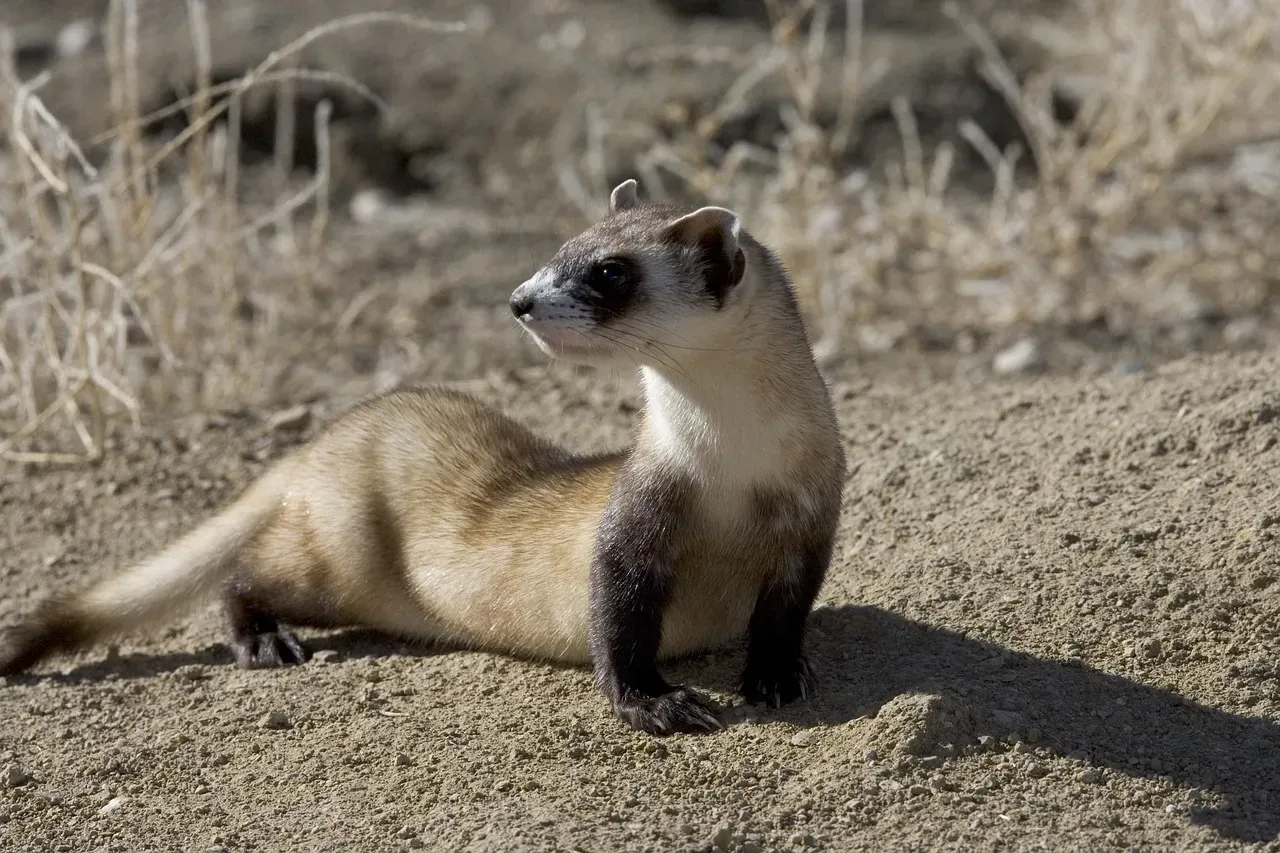
For black-footed ferrets, prairie dogs are more than snacks; they are the foundation of their entire lifestyle. Ferrets eat prairie dogs as their primary prey, and they also move into prairie dog burrows, using the existing tunnel systems for shelter, raising young, and hiding from predators. If prairie dogs disappear from an area, the ferrets may as well be trying to live in a house with no walls, no roof, and no kitchen.
This extreme reliance on a single prey species is unusual and risky. It means the fate of the ferret is tightly locked to how we treat prairie dog colonies, which many ranchers historically saw as pests. For decades, people poisoned and shot prairie dogs to clear land for livestock or crops. Without meaning to, that also wiped out the ferret’s food and housing at the same time.
4. People Once Waged a War on Prairie Dogs – And Ferrets Paid the Price
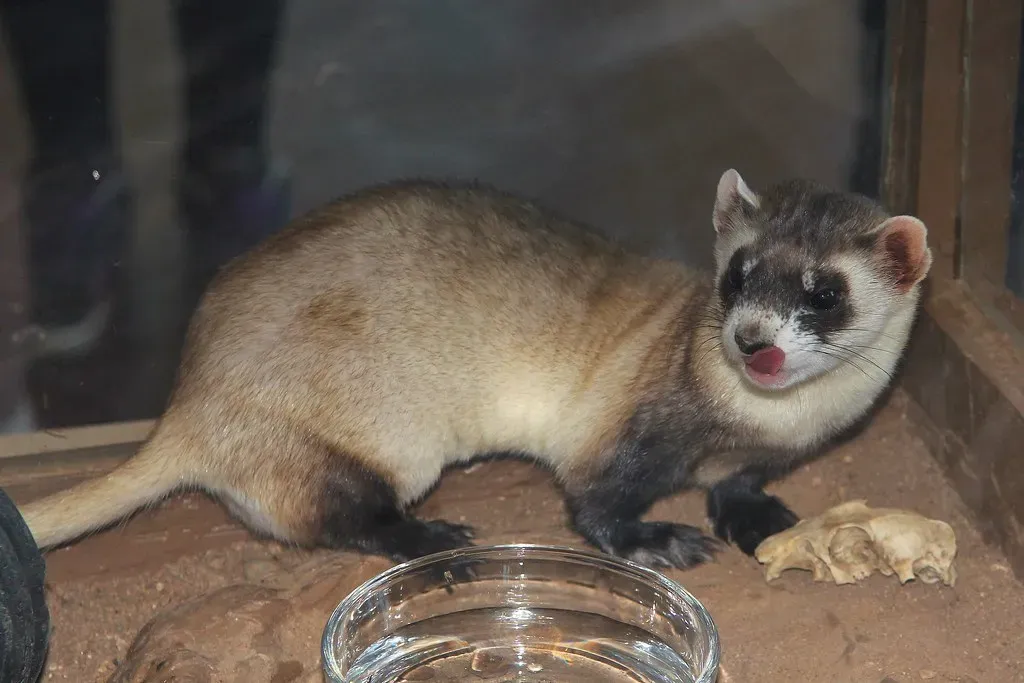
From the perspective of a rancher trying to protect grass for cattle, prairie dogs looked like tiny enemies punching holes in the land and eating valuable forage. Governments even supported campaigns to poison prairie dogs across huge parts of the Great Plains. On paper, this was framed as protecting agriculture and controlling “vermin.” In reality, it bulldozed a whole ecosystem.
The black-footed ferret, quietly hidden underground in those same prairie dog towns, got caught in the crossfire. When the prairie dogs died, ferrets starved or lost their shelter, and some were likely poisoned directly. What looked like a simple pest-control problem turned out to be the trigger for a near-extinction event. It is a harsh lesson in how focusing on one narrow goal – more grass for cows – can unintentionally obliterate other forms of life that share the same landscape.
5. Disease Is Still One of the Ferret’s Deadliest Enemies
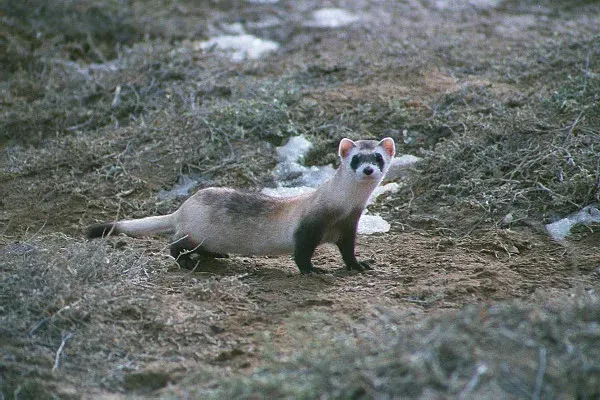
Even after habitat loss and poisoning slowed down, another threat kept hammering black-footed ferrets: disease. Two illnesses in particular, sylvatic plague (a cousin of the plague that ravaged humans centuries ago) and canine distemper, have devastated both ferrets and their prairie dog prey. A single outbreak can wipe out a local population almost overnight, like a wildfire you cannot see.
To fight back, conservation teams vaccinate ferrets by hand and even drop vaccine-laced bait into prairie dog colonies to protect their food source. It’s strangely high-tech for such small animals, involving drones, specialized pellets, and carefully planned campaigns. The fact that a species depends on mass vaccination to stand a chance in the wild shows just how altered and stressful our modern ecosystems have become.
6. Captive Breeding Turned Zoos Into Lifeboats
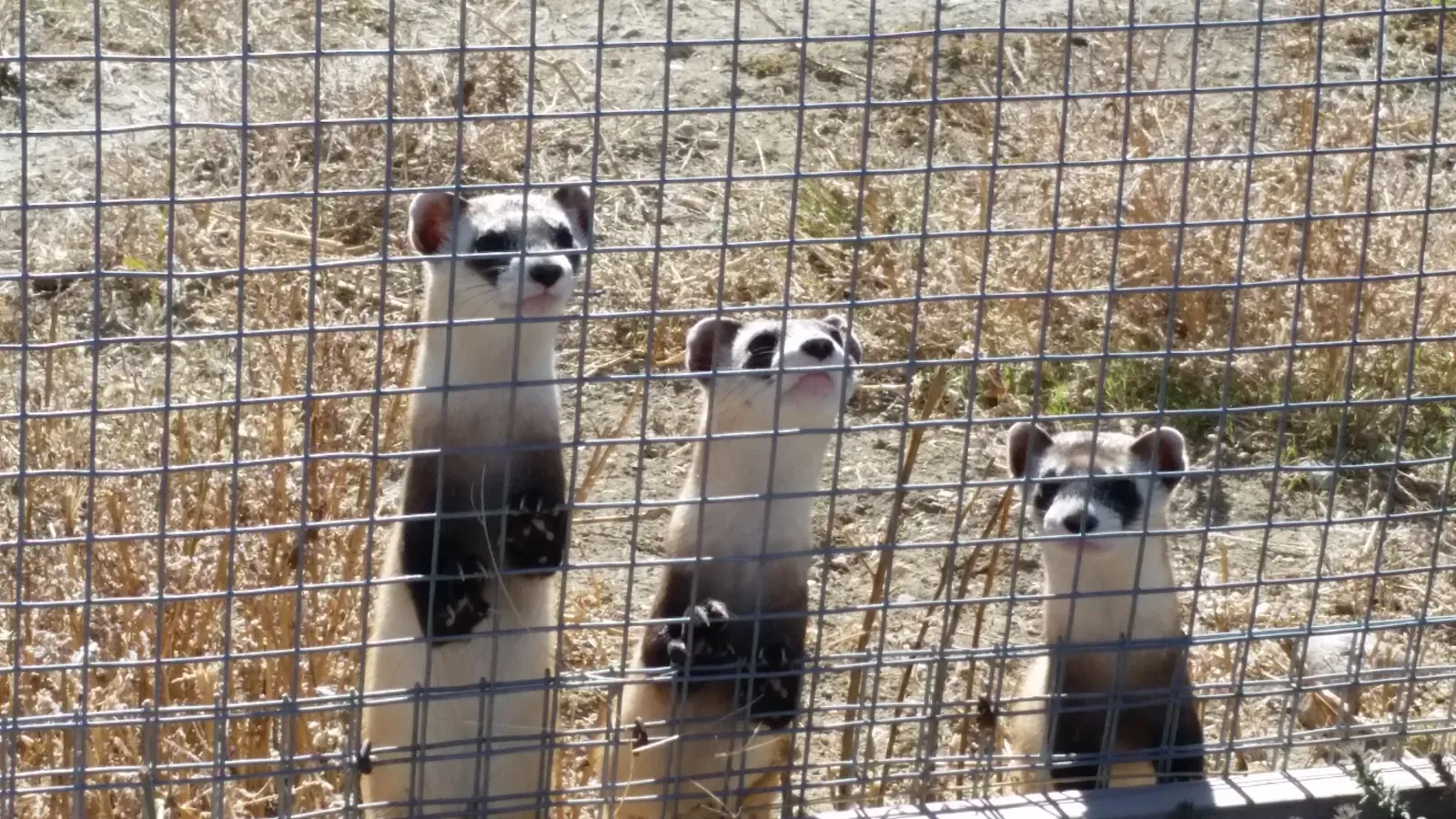
When the last wild ferrets were captured in Wyoming, they were brought into captive breeding centers as a desperate measure. These facilities – run by federal agencies, zoos, and partners – became literal lifeboats, floating the species above the rising tide of extinction. Without those controlled environments, it is almost certain that black-footed ferrets would not exist today.
Captive breeding is not as simple as putting males and females together and hoping for the best. Ferrets have specific seasonal cycles, social needs, and stress sensitivities that all need to be managed. Staff monitor everything from diet to genetics to behavior. It is part science, part art, and part sleepless dedication. Honestly, I find it weirdly humbling that some of the wildest animals we admire depend on fluorescent-lit rooms and spreadsheets to survive.
7. Reintroduction Efforts Are Like Staging a Complex Heist Against Extinction
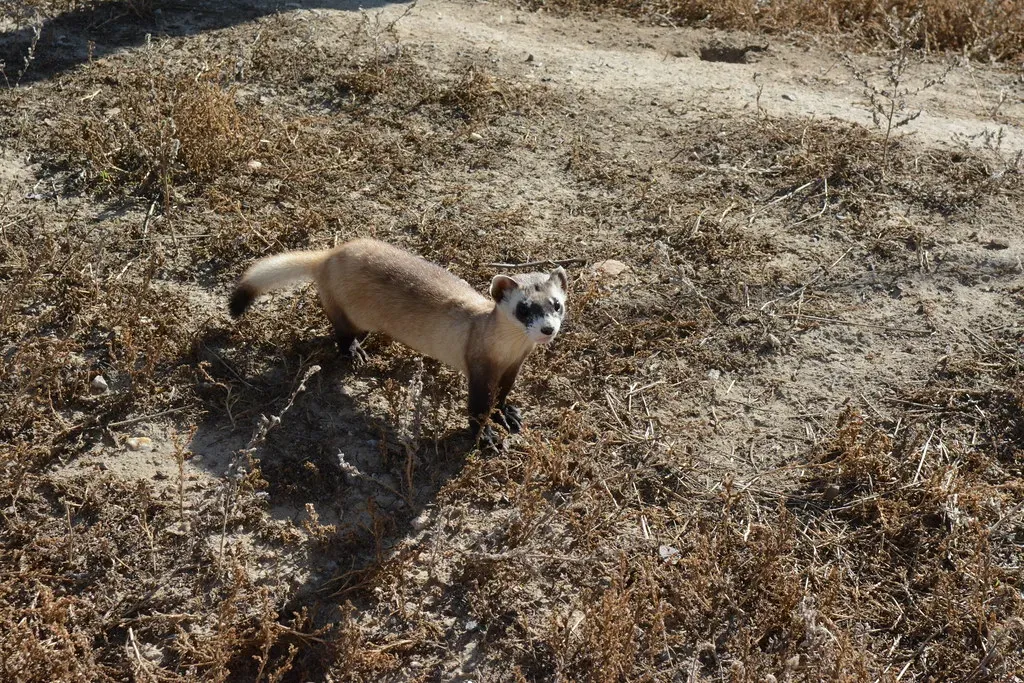
Once enough ferrets could be bred, the next step was to put them back where they belong: on the prairie. That sounds romantic, but in practice, reintroduction is more like a carefully planned heist movie. Teams must pick release sites with active prairie dog towns, coordinate with landowners and tribes, assess disease risk, and sometimes pre-condition ferrets to hunt and navigate burrows before they’re released.
Many reintroductions are only partially successful at first. Some ferrets do not survive, some areas turn out to be more dangerous than expected, and diseases or predators can quickly undo years of effort. Still, bit by bit, small wild populations have been established in multiple states and tribal lands. Each surviving ferret is like a tiny flag planted back in a landscape that almost forgot this predator existed.
8. Genetic Rescue and Cloning Are Pushing the Edge of Conservation Science
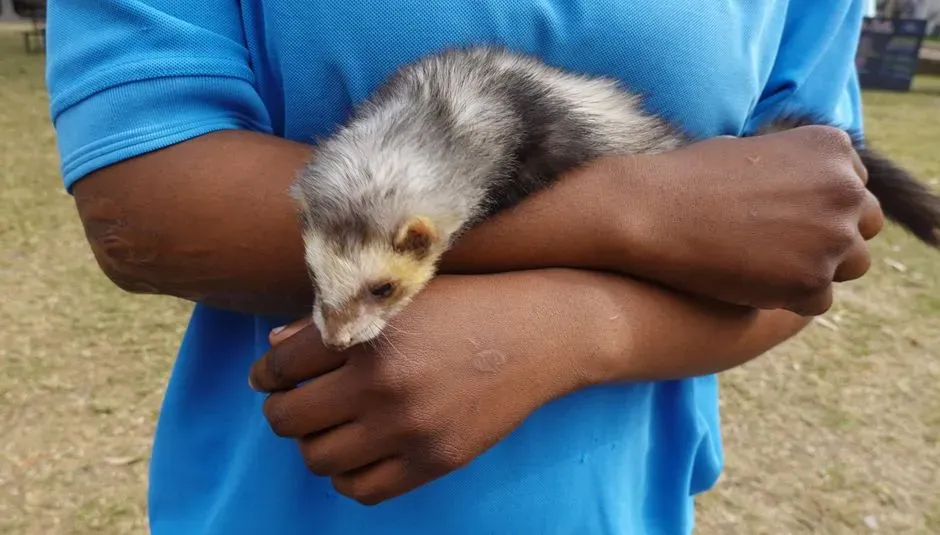
Because all living black-footed ferrets descend from so few ancestors, scientists are exploring cutting-edge methods to boost genetic diversity. One of the boldest steps has been using genetic material stored decades ago – skin cells from individuals that are now long dead – to clone new ferrets and reintroduce lost genetic lines into the population. This is not science fiction; it is happening right now in specialized labs and breeding facilities.
This kind of genetic rescue is controversial to some people, who worry it could distract from habitat protection or open the door to more extreme tinkering. Personally, I see it as a sign of how far we have pushed this species and how creative we have to be to fix it. When a species is cornered by human actions, it feels hard to argue against using responsible human innovation to pull it back out.
9. Ranchers, Tribes, and Conservationists Are Learning to Work Together
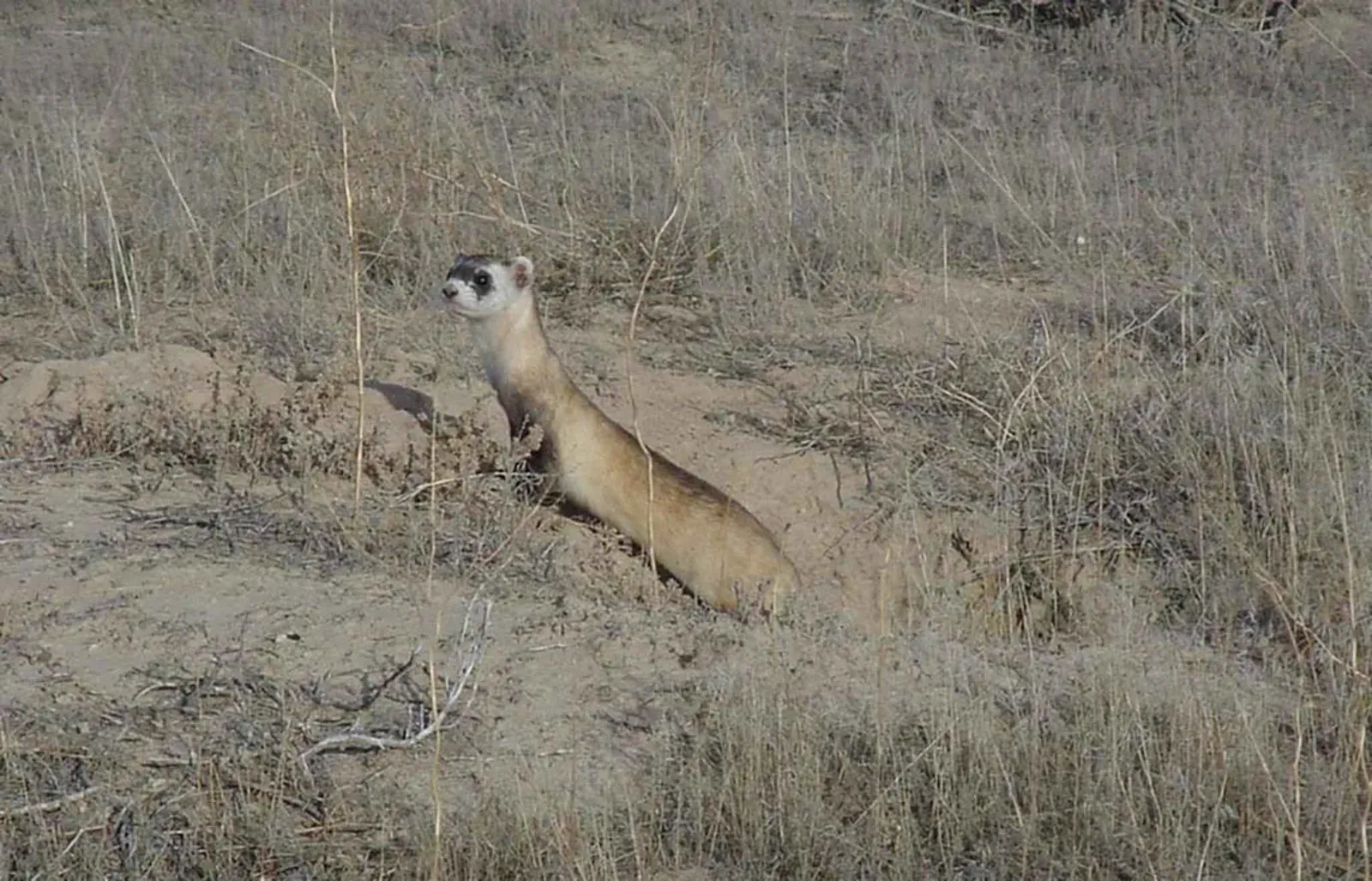
The early story of the black-footed ferret was full of conflict: landowners versus wildlife, agriculture versus so-called pests. Today, that divide is still there in places, but there is also a growing movement to find common ground. Some ranchers now host ferrets and prairie dogs on their land in exchange for financial incentives or technical support that helps them manage grazing and disease risks.
Tribal nations have played a powerful role in this recovery, too, restoring ferrets to tribal lands where they once hunted freely across the plains. These collaborations are not always smooth, but they are real and evolving. To me, this might be the most hopeful part of the story: people from different backgrounds and priorities choosing to share space with a small, nocturnal predator that most of them will never even see in person.
10. The Black-Footed Ferret’s Future Is Still Uncertain – But It’s a Test of Our Values
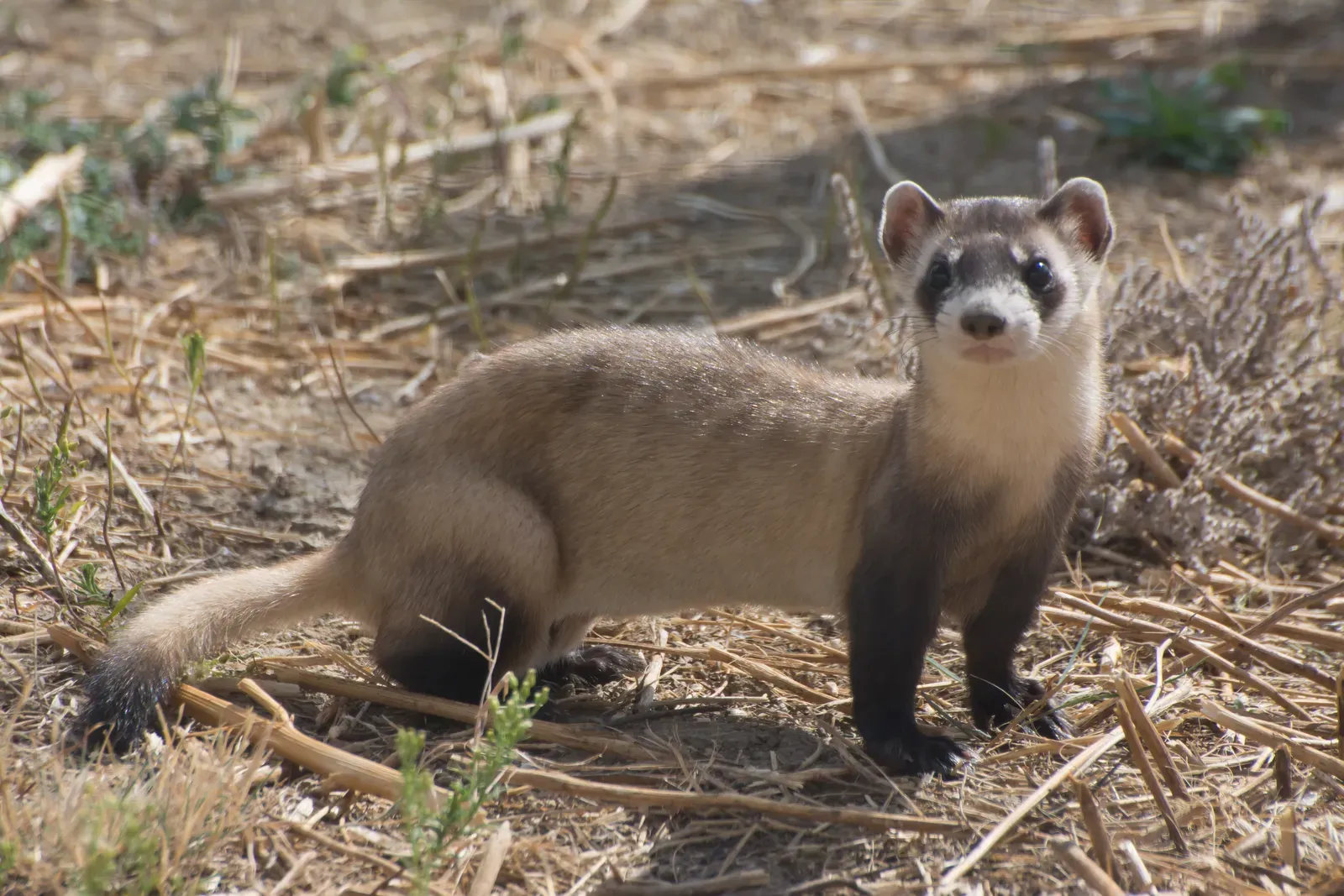
Even with decades of effort, the black-footed ferret remains one of the most endangered mammals in North America. Its survival still depends on constant human help: vaccines, monitoring, careful breeding, and political will to protect enough prairie dog habitat. It is not safe yet, and if support fades, the species could slide backwards fast. In that sense, every year of continued existence feels like a small, fragile victory.
At the same time, this story forces us to ask what we think wildness is worth. Keeping this masked little hunter on the prairie means accepting complex landscapes where cows, prairie dogs, ferrets, and people all overlap. My own opinion is that if we cannot make room for something as small, quiet, and ecologically specific as the black-footed ferret, then our talk about loving nature is mostly just noise. The real question is whether we are willing to stay in this long, imperfect, expensive fight – because extinction is final, and choosing not to let it happen might be one of the few truly noble things our species does.