Imagine a mountain range so old it watched continents collide, rip apart, and slide across the globe like slow-motion tectonic puzzle pieces. That is the story of the Appalachian Mountains. Long before there was an Atlantic Ocean, long before Europe and North America were separated by thousands of miles of water, the rocks that now form the Appalachians were already being squeezed, crumpled, and lifted toward the sky.
The idea that a mountain range could be older than an entire ocean sounds almost impossible at first. Oceans feel permanent, like they have always been there. But when you zoom out to the insane timescales of geology, oceans come and go, while some mountain roots just keep hanging on. Let’s walk through seven powerful reasons scientists say, with a straight face, that the Appalachian Mountains are literally more ancient than the Atlantic itself.
1. The Appalachians Were Born in Collisions Long Before the Atlantic Existed
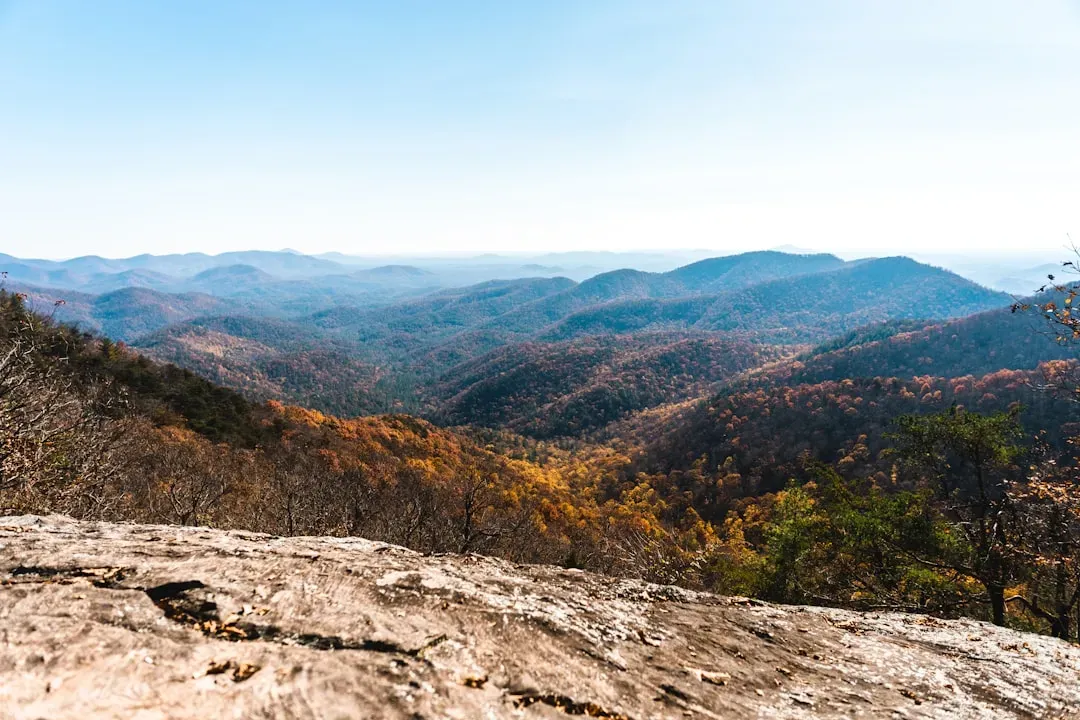
Here’s the wild part: the main building phase of the Appalachian Mountains happened between roughly about five hundred and a little over two hundred million years ago. That was when several ancient landmasses and micro-continents smashed into what is now eastern North America, crumpling rock into a giant mountain belt. The Atlantic Ocean, by comparison, only started to open around a bit more than two hundred million years ago, when the supercontinent Pangaea began to break apart.
So the core story is simple but shocking: the Appalachian Mountains were already standing, at least in an earlier and much taller form, before the Atlantic was even a crack in the crust. You can think of it like this: the Appalachians are from an earlier “season” of Earth’s tectonic drama, while the Atlantic is a relatively recent spin-off show. The rocks remember those ancient collisions, and geologists can read that memory in the structure, minerals, and age dating of the region.
2. Radiometric Dating of Appalachian Rocks Shows Deep Geological Time
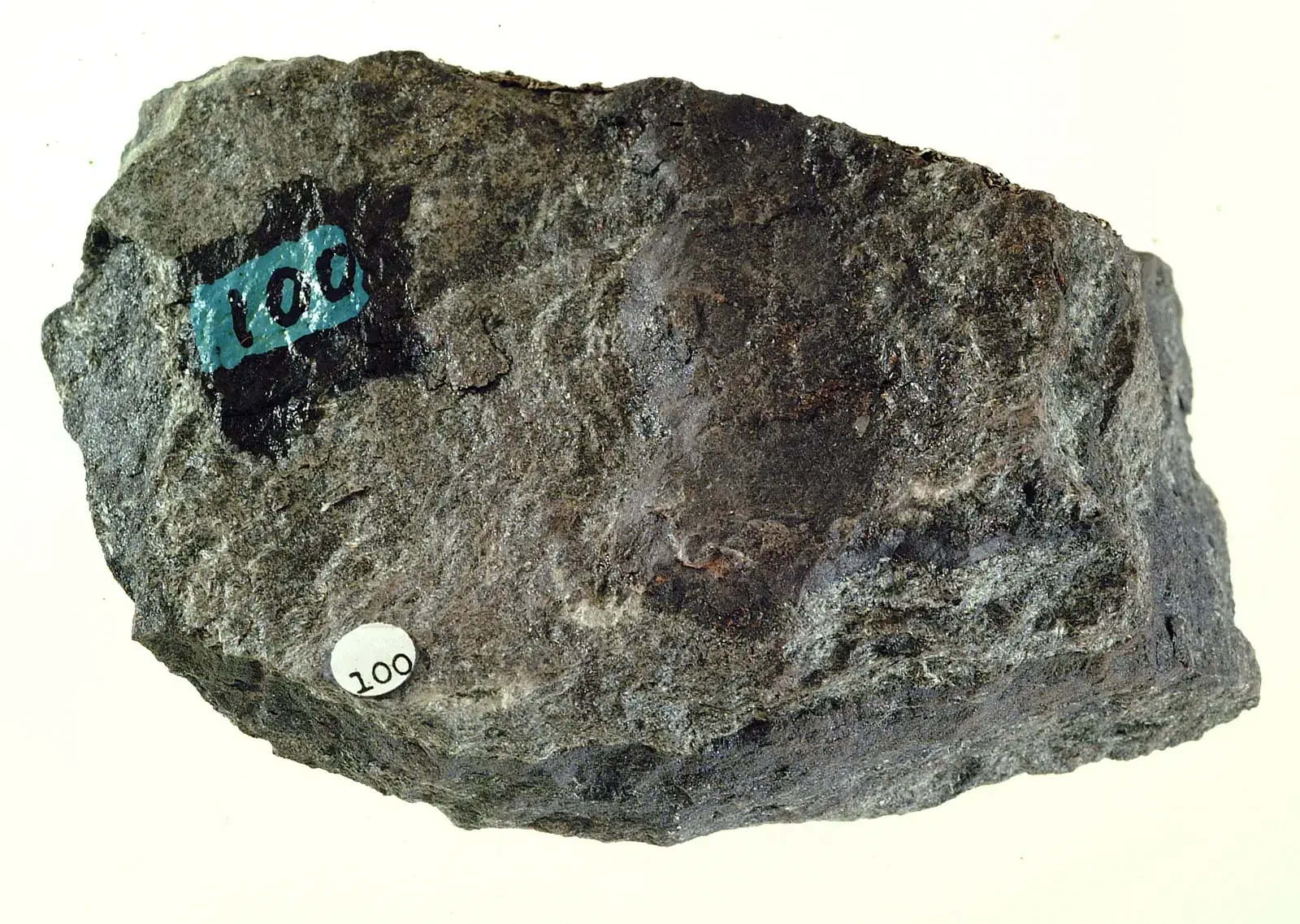
If you want to prove something is old, you date it. In geology, that often means radiometric dating, where scientists measure the decay of radioactive elements like uranium turning into lead inside minerals. When they do this in Appalachian rocks, they find ages that commonly reach back more than a billion years for some basement rocks, and hundreds of millions of years for metamorphic and igneous rocks formed during the mountain-building events.
Compare that with the Atlantic Ocean crust, which is shockingly young by Earth standards. The seafloor in the central Atlantic is generally younger than around two hundred million years, and some parts are much younger than that, forming continuously at the Mid-Atlantic Ridge. That age gap is not a close call. The rocks of the Appalachians were forged, buried, and deformed long before the first Atlantic seafloor even existed, which is like discovering your “new” neighbor is actually a teenager living next to a grandparent who has already been through multiple lifetimes of change.
3. The Atlantic Ocean Opened After Pangaea Split Apart
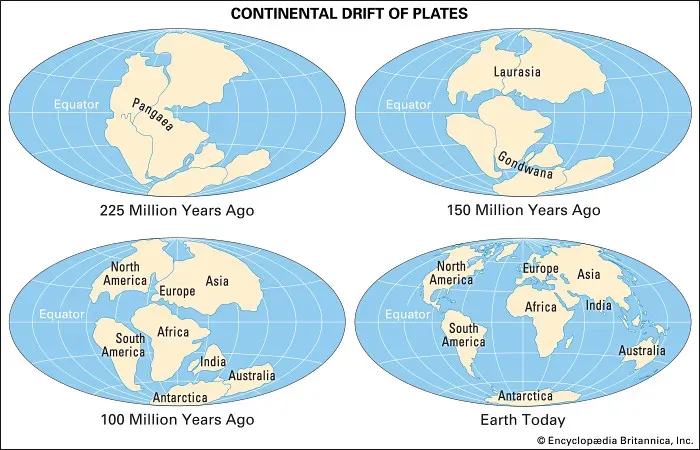
The Atlantic is not just some ancient water body that has always sat between the Americas and Europe–Africa. It is the direct result of the breakup of the supercontinent Pangaea. Around the late Triassic to early Jurassic periods, roughly a bit over two hundred million years ago, Pangaea began to rift apart. That rifting tore North America away from Africa and Europe and allowed magma to rise, forming new oceanic crust: the initial Atlantic seafloor.
By the time that breakup happened, the main phases of Appalachian mountain building had already played out. The Appalachians formed during earlier continental collisions that actually helped assemble Pangaea in the first place. So the sequence is clear: first the collisions build a huge mountain chain (including the ancestral Appalachians), then later the supercontinent splits, and only then does the Atlantic appear. The mountains were part of the “glue” that held Pangaea together; the ocean is what came after that glue cracked.
4. Appalachian Rocks Record Multiple Ancient Mountain-Building Events

One of the strongest clues to the Appalachians’ staggering age is that they did not come from just one collision or one simple event. Geologists see evidence of several major orogenies – fancy word for mountain-building episodes – stacked in the region’s rocks. These include events like the Taconic, Acadian, and Alleghanian orogenies, each tied to different plate collisions over hundreds of millions of years.
What that means in plain language is that the Appalachians were assembled in layers, like adding more and more folds to a crumpled blanket. Every time continents or volcanic island chains crashed into the margin of ancient North America, they thickened and reshaped this long mountain belt. By the time the Atlantic began to open, the Appalachians already held a geological library of collisions older than the ocean itself, written in folded strata, metamorphic minerals, and complex fault systems.
5. The Atlantic Seafloor Is Young, Thin, and Continuously Renewed
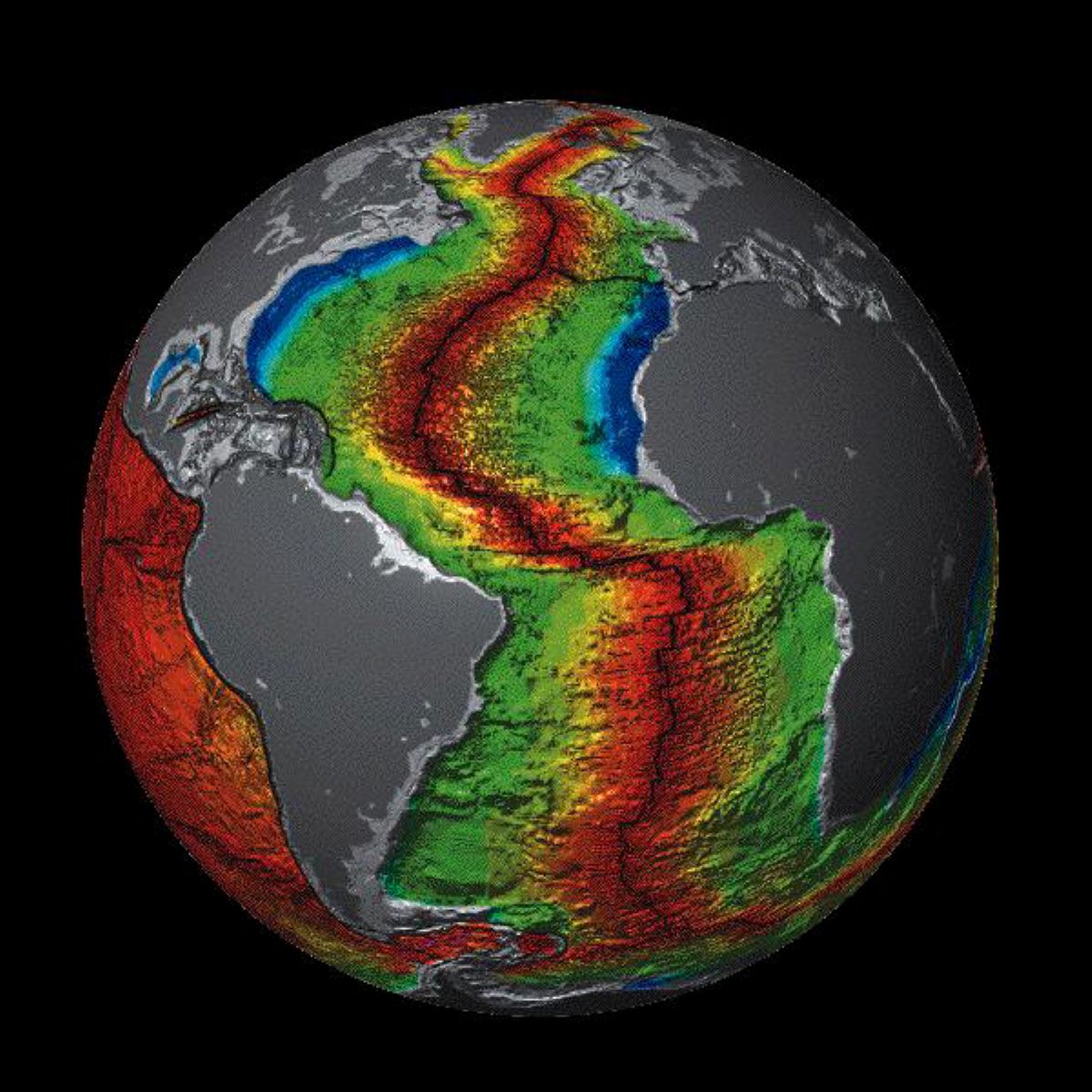
Ocean basins are surprisingly temporary on geological timescales. The crust under the Atlantic is relatively thin, made of dense basaltic rock formed at mid-ocean ridges. As new crust forms at the Mid-Atlantic Ridge, older crust gets pushed sideways and eventually may be recycled into the mantle at subduction zones or deformed at continental margins. The key point: ocean crust is born, moves, and often dies within a few hundred million years.
Continental crust, where the Appalachians sit, is thicker, lighter, and far longer-lived. Those old rocks can survive multiple cycles of mountain building and erosion, while ocean floors are more like short-lived conveyor belts. So structurally, the Atlantic is the new, constantly refreshed skin, while the Appalachians are built on ancient, stubborn bones. When you stand on a beach looking out to the Atlantic, the ocean feels endless, but the rock beneath your feet is usually much older than the water body and the seafloor beyond the horizon.
6. Erosion Has Worn the Appalachians Down from Himalayan Heights
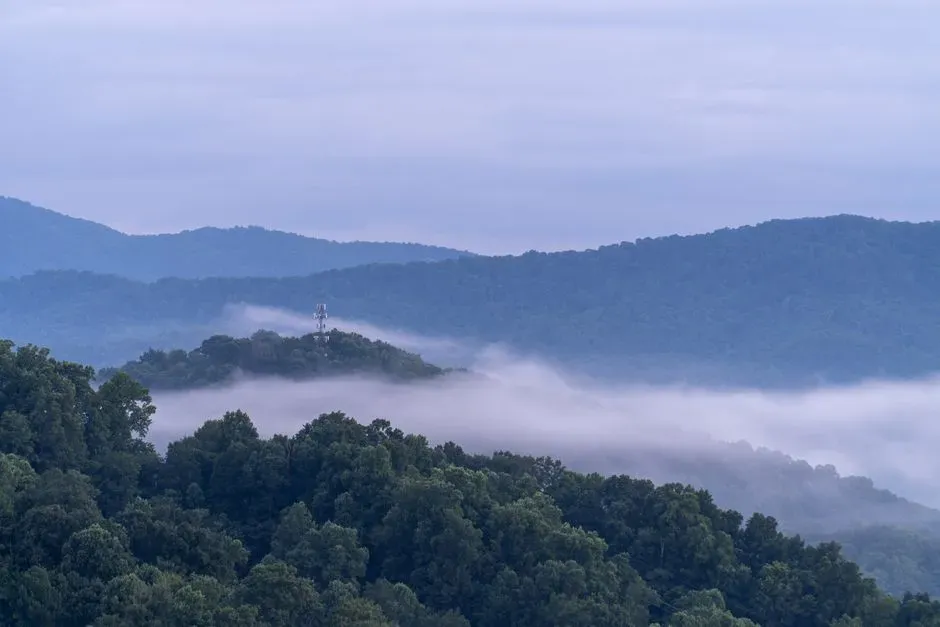
Today, the Appalachian Mountains are gentle, rounded, and often forested, nothing like the jagged, snow-capped Himalayas or Andes. But that soft profile is actually another hint at their great age. Over hundreds of millions of years, wind, water, ice, and gravity have shaved the Appalachians down from what many geologists think were once towering peaks, potentially as high as or even higher than today’s great mountain ranges. You do not get that kind of worn-down landscape in a geologic instant.
I still remember hiking a ridge in western North Carolina and being struck by how the mountains felt like old souls: smooth backs, broad valleys, rivers that have had time to carve deep, winding gorges. That level of erosion takes immense time. Meanwhile, the Atlantic’s story is flipped. It has been deepening and widening as the seafloor spreads, but its crust is still young enough that many features are sharp and fresh. The Appalachians have had ages to be sculpted; the Atlantic is still in its more energetic, expanding phase.
7. Matching Rocks on Opposite Sides of the Atlantic Tell the Same Ancient Story
One of the coolest lines of evidence that the Appalachians predate the Atlantic comes from “geological twins” across the ocean. Certain rock belts in the Appalachians closely match rocks found in western Europe and parts of northwest Africa – same types of rocks, similar ages, and similar deformation histories. This strongly suggests these regions were once continuous parts of the same ancient mountain belt before the Atlantic ripped them apart.
In other words, the Appalachians, the Scottish Highlands, parts of Ireland, and ranges in Scandinavia and Morocco were all once linked in a single, enormous chain formed during the collisions that assembled Pangaea and even earlier supercontinents. Only later did rifting and seafloor spreading open the Atlantic and separate these formerly joined rocks. The fact that we can line up those ancient puzzle pieces on opposite sides of the ocean is like a smoking gun: the mountains came first, the ocean is the tear that split them.
Conclusion: A Quiet, Ancient Giant Beside a Young, Restless Sea
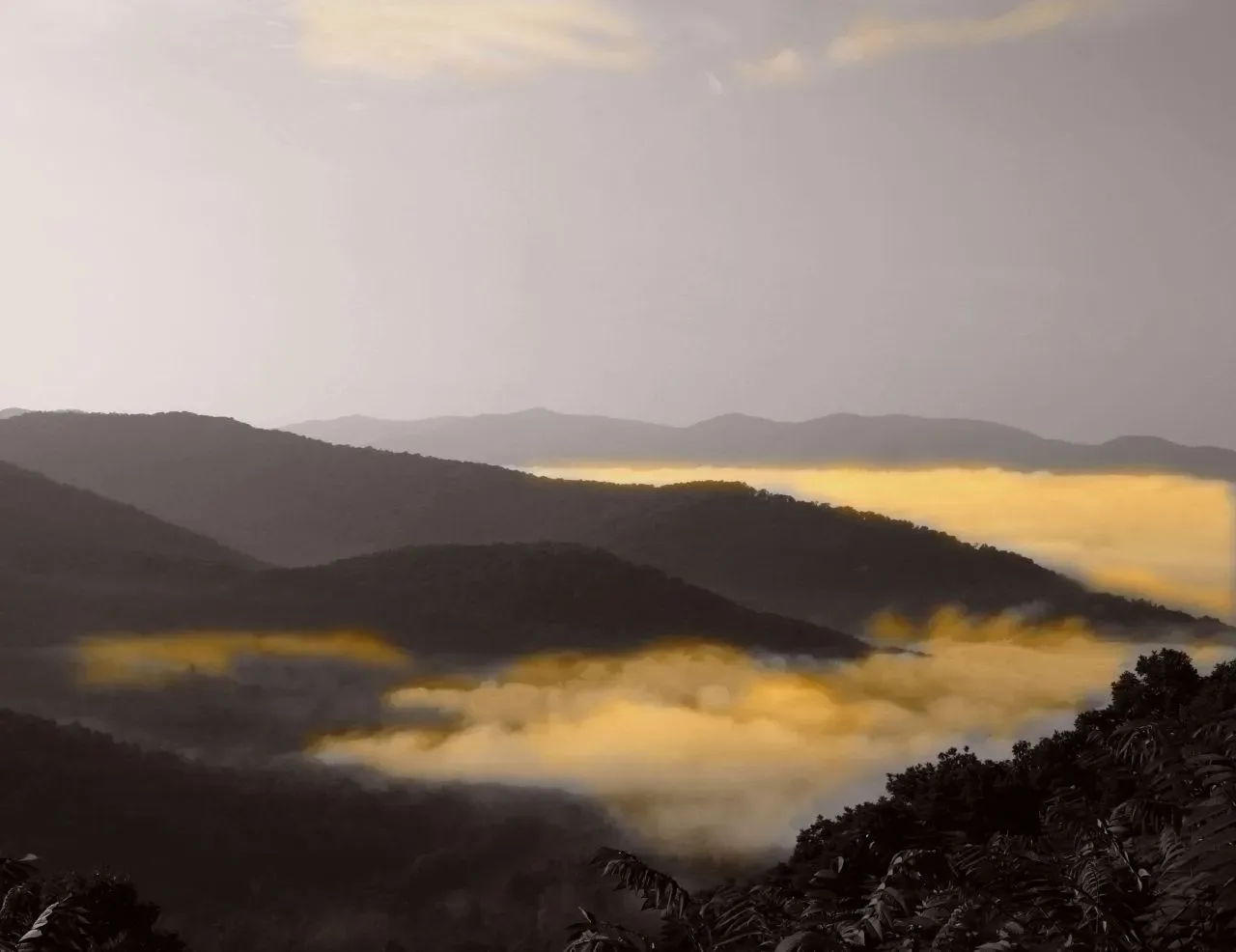
When you put all these lines of evidence together – the old collision ages, the radiometric dates, the multiple orogenies, the young Atlantic crust, the extreme erosion, and the matching rocks across the ocean – the verdict is pretty clear. The Appalachian Mountains are not just older than the Atlantic; they are part of several geological stories that happened, ended, and were partly erased before the Atlantic even began. The ocean, impressive as it is, really is the newcomer here.
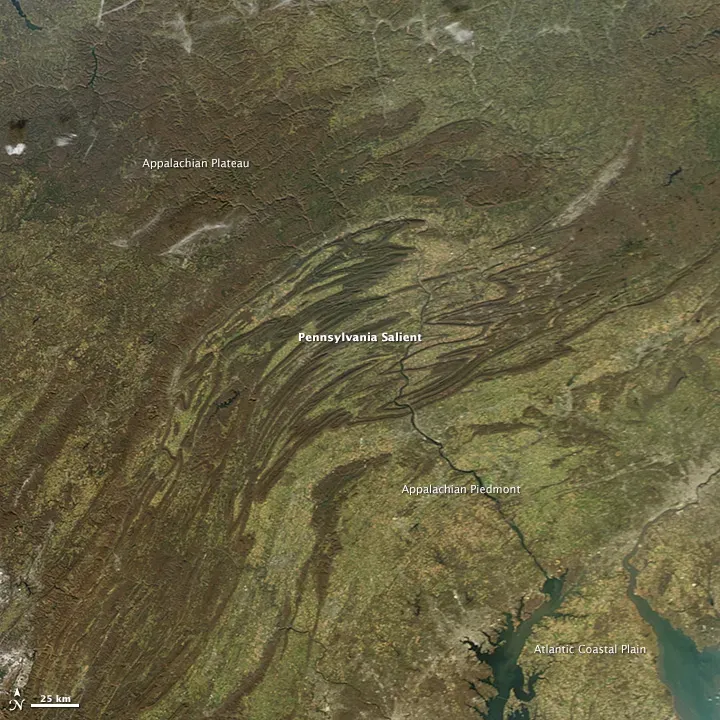
Personally, I think that changes how you feel standing on an overlook on the Blue Ridge Parkway or walking a rocky trail in Pennsylvania. You are not just looking at pretty hills; you are standing on the weathered remains of a mountain system that helped build supercontinents and then quietly watched them fall apart. Next time you see the Atlantic shimmer from the East Coast, it is worth remembering: the calm, rounded ridges behind you have been around far longer than the waves in front of you. Would you have guessed the ocean was the younger one in this story?