Most people assume ancient DNA just confirms what historians and archaeologists already suspected – a name, a tribe, a timeline we could look up in a textbook. That assumption is wrong. Geneticists are now routinely uncovering entire populations that left behind zero written records, zero oral histories, and in some cases, not even a single bone.
These are “ghost populations” – real people who lived, mixed, and vanished, detectable only because their DNA is still quietly humming inside the cells of people alive today. Twelve of these ghosts have now surfaced in the genetic record, and a few of them are stranger than anything a history book ever tried to teach you. Here’s what the data actually reveals.
#1 – The “Ghost Ancestor” Hiding in African DNA for 50,000 Years
A completely unidentified human relative interbred with our species in Africa, and scientists only just found the receipts.
Using a new genealogical method called TRACE, researchers at UC Berkeley scanned hundreds of modern genomes and found DNA segments that didn’t match Neanderthals, Denisovans, or any known human lineage. The first newly identified lineage is what researchers call a ghost ancestor, and it appears to have interbred with Homo sapiens in Africa more than 50,000 years ago, before modern humans spread into Europe and Asia. No fossil, no skull, no burial site – just a genetic echo.
Fast Facts
- Detected using TRACE, a genealogical scanning method developed at UC Berkeley
- Interbreeding is estimated to have happened more than 50,000 years ago, before the out-of-Africa migration
- No fossil, skeleton, or dig site has ever been linked to this lineage
- Identified purely from DNA segments in living people that match no known human relative
What makes this discovery wild is the method itself. “Genealogies preserve a record of our evolutionary past,” said Moorjani. “TRACE reconstructs those histories across the genome. By identifying regions whose ancestry extends unusually far back in time, we can uncover genetic contributions from extinct human populations, even in the absence of ancient DNA.”
Translation: scientists no longer need a body to prove a population existed. That single shift is rewriting how we think about human origins. But that’s nothing compared to what we found about #2…
#2 – A Second, Even Older “Super-Archaic” Lineage Buried Inside Denisovan DNA
This one didn’t even interbreed with us directly – it hid inside another extinct species first.
Researchers found a second ghost signal, but this one only showed up in regions of the genome that Oceanic populations inherited from Denisovans. Genetic traces of this “super-archaic” ancestor were identified in the genomes of people in Oceania, though only inside regions inherited from Denisovans. This indicates that this mysterious hominin interbred with Denisovans, who then interbred with H. sapiens, passing on the hominin’s DNA indirectly.
That’s a three-way genetic relay race spanning hundreds of thousands of years. The suspected culprit isn’t some obscure footnote either. This extremely ancient population may have been H. erectus, according to the researchers, early humans who lived in parts of Africa and Asia between around 110,000 and 1.89 million years ago.
Most people picture human evolution as one clean branch leading to us. It’s actually a tangled web of hookups across species lines that lasted nearly two million years. But wait until you see what happened in West Africa half a million years ago…
#3 – The West African Population That Left Behind One-Fifth of Modern Genes
Forget 1% Neanderthal DNA – this ghost population contributed far more to living Africans than most people realize.
Back in 2020, researchers analyzing genomes from West African populations found something that didn’t fit the standard human family tree. Scientists found evidence for a mysterious “ghost population” of ancient humans that lived in Africa about half a million years ago and whose genes live on in people today.
The scale of the contribution is what shocked researchers. Traces of the unknown ancestor emerged when researchers analysed genomes from west African populations and found that up to a fifth of their DNA traced back to this unidentified group. That’s not a rounding error – that’s a fifth of an entire genome coming from a population science can’t name, date precisely, or locate on a map.
Africa holds the deepest, oldest human genetic diversity on Earth, yet it remains the least sampled region for ancient DNA because hot, humid climates destroy genetic material fast. That means the “ghost population” catalog for Africa is almost certainly incomplete – there are likely more hiding in plain sight. But North Africa had its own genetic secret waiting to surface…
#4 – North Africa’s Takarkori Ghost: The 15,000-Year-Old Lineage With No Name
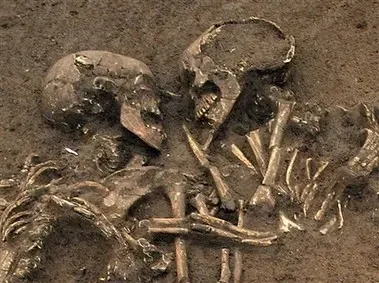
Long before the Sahara was a desert, a hidden lineage was quietly shaping the genes of everyone who lived there.
Fifteen thousand years ago, ancient foraging peoples lived and buried their dead in Grotte des Pigeons, near Taforalt, Morocco. Skeletons were unearthed there by archaeologists working from the 1940s intermittently up to the 1970s. When geneticists finally sequenced the DNA, something didn’t add up.
In 2018, Krause’s group led by Marieke van de Loosdrecht reported on DNA from seven of those skeletons. They found that a fraction of the DNA of these ancient people came from an unknown source population, a ghost. For years, that ghost had no face – until a newer discovery from a site called Takarkori revealed the same ancestral North African lineage as the ancestor to both groups.
The timeline is what makes this genuinely mind-bending. The antiquity of this Takarkori branch is impressive: dating back as far as the initial founding population of non-African peoples around 50,000 years ago. This means North Africa may hold the genetic root of the entire human dispersal out of Africa – a chapter of the story historians never had access to. But that’s nothing compared to the ghost population found on the opposite side of the planet, in the Amazon rainforest…
#5 – Population Y: The Australasian Signal Nobody Expected in the Amazon
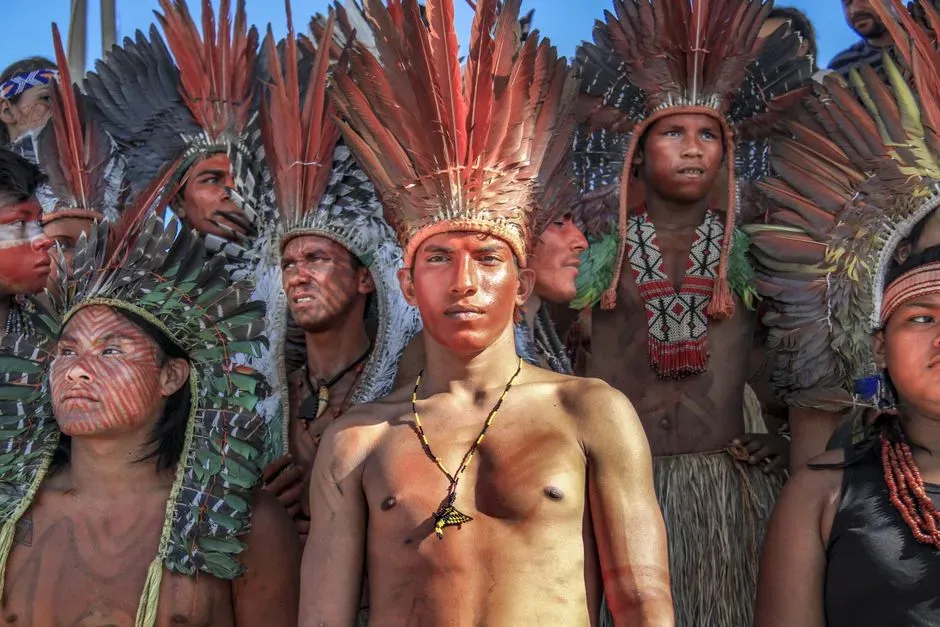
Deep in the Amazon, indigenous DNA matches people from Australia and the Andaman Islands – and nobody can fully explain why.
In 2015, two independent research teams noticed something that broke the standard narrative of how the Americas were settled. “This finding was really surprising to us,” said study lead author Pontus Skoglund. “Most genetic studies to date have basically found that all North and South Americans come from a single ancestral source population. That’s not what we found – we found a more complicated scenario.”
Specific Amazonian tribes carried a signal linking them to the opposite side of the globe.
About 2 percent of the ancestry of Amazonians today comes from this Australasian lineage that’s not present in the same way elsewhere in the Americas.
David Reich
Researchers nicknamed the source group “Population Y,” after Ypykuera, which means “ancestor” in the Tupi language family. Here’s the frustrating part: nobody has ever found a body belonging to this group. To answer that question, researchers would need to sample DNA from actual Population Y remains – and none have been found yet.
While most textbooks still teach a single, simple migration into the Americas, the genetic evidence increasingly suggests that theory is outdated and incomplete. But even Population Y looks tame compared to a ghost group that may have helped birth entire civilizations…
#6 – Basal Eurasians: The Founders of Civilization We’ve Never Actually Found
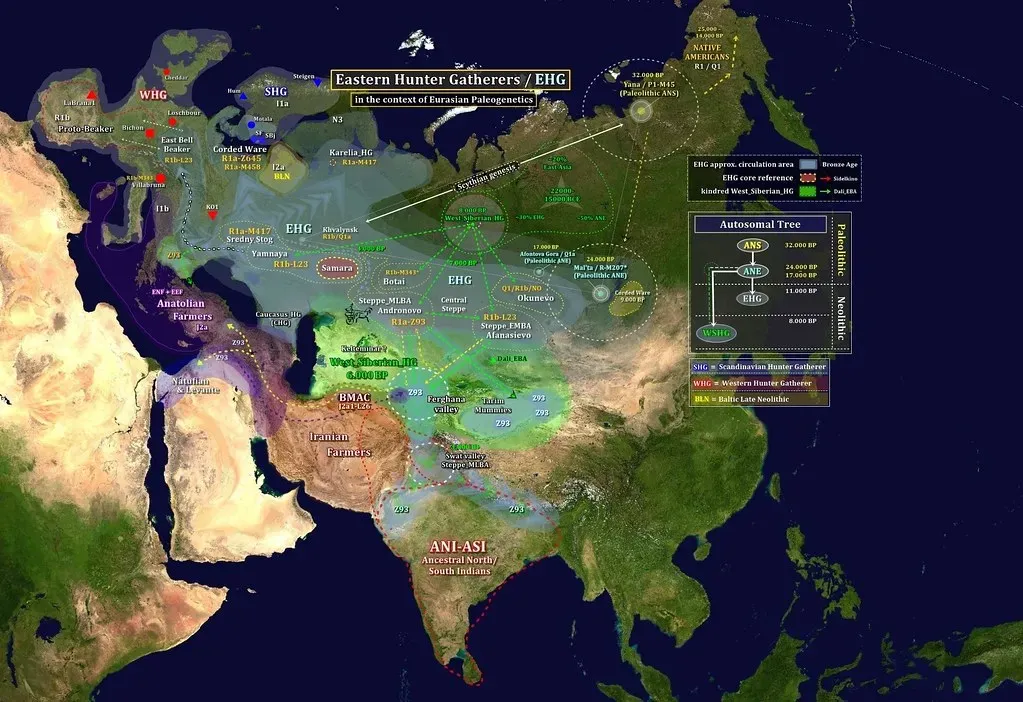
Some of the earliest farmers on Earth carried nearly half their DNA from a population science has never physically located.
Basal Eurasians are one of the strangest ghost lineages in the genetic record because of how influential – and how invisible – they are. Early European farmers had ~44% ancestry from a ‘basal Eurasian’ population that split before the diversification of other non-African lineages. Nearly half the genome of the people who invented agriculture in the Near East traces to a group we’ve never sequenced directly.
The mystery deepens the further you look. This same study showed that early European farmers harbour ancestry from a hypothetical non-African ‘ghost’ population which the authors name ‘Basal Eurasians.’ This group, who have not yet been sampled from ancient remains, are thought to have diverged from all non-African populations roughly 60,000 to 100,000 years ago, before non-Africans admixed with Neanderthals.
Some ancient North African populations carried even higher amounts. Estimations suggest that Iberomaurusians from the Taforalt Culture (15,000 – 13,000 years ago) in Morocco carried approximately 60% Basal Eurasian ancestry.
Quick Compare: Basal Eurasian Ancestry
- Early European farmers (Near East): roughly 44% Basal Eurasian ancestry
- Iberomaurusians, Taforalt Culture, Morocco (15,000-13,000 years ago): roughly 60% Basal Eurasian ancestry
- Confirmed skeletons sampled directly from this population: zero, despite the massive genetic footprint
A population responsible for nearly two-thirds of an ancient people’s DNA, and we still don’t have a single skeleton to call their own – that’s not a footnote, that’s one of the biggest gaps in human genetics. But sometimes a ghost eventually gets caught, and that’s exactly what happened with the Denisovans…
#7 – How Denisovans Themselves Started as a Statistical Ghost
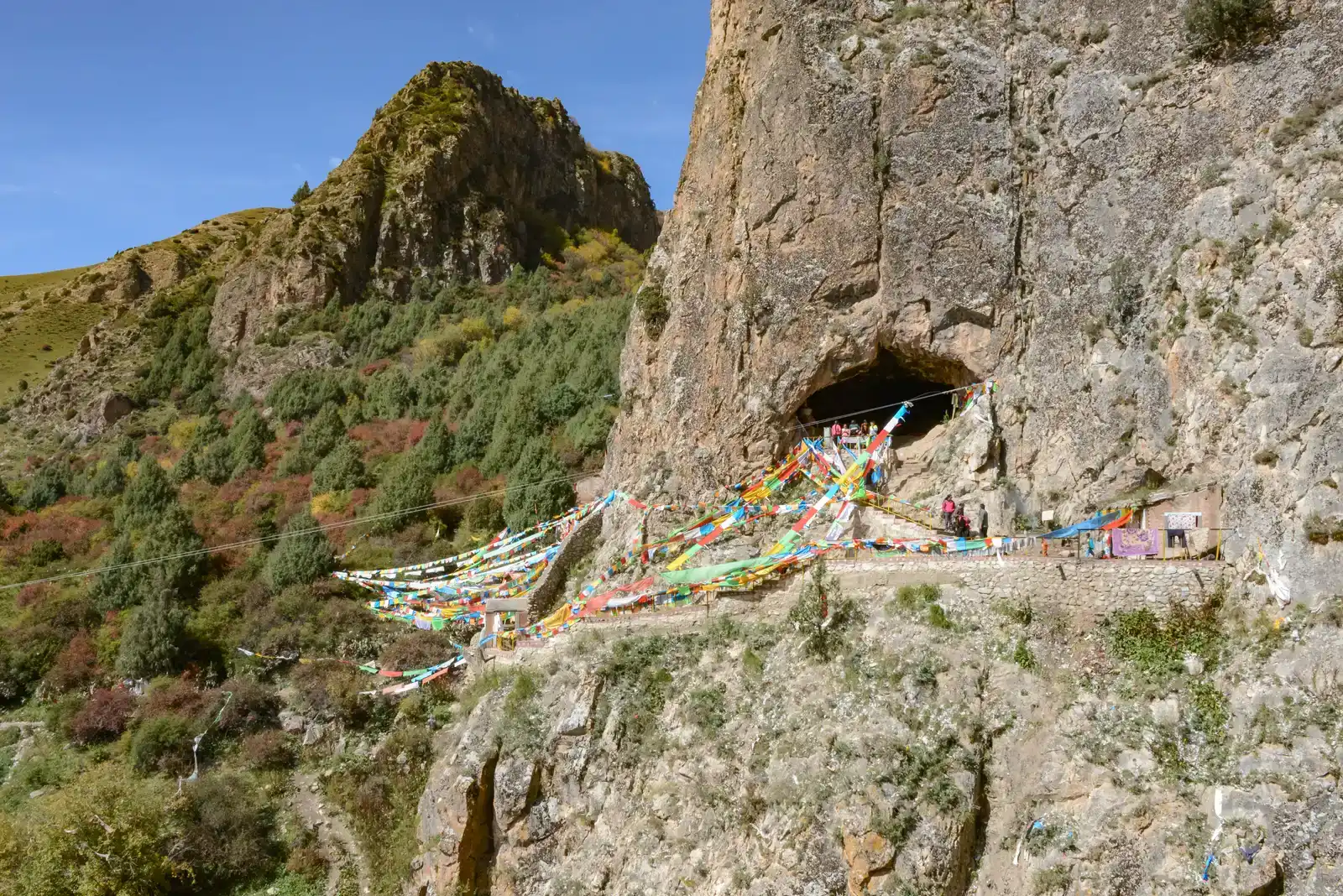
Before Denisovans had a name, a face, or a single confirmed fossil, they were just a strange statistical anomaly in Papua New Guinean DNA.
It’s easy to forget that one of the most famous archaic human groups in science was once a complete unknown. Ancient DNA findings from Denisova Cave, published in 2010, changed the game even further. In the lead-up to that discovery, geneticists studying genomes from Papua New Guinea had noticed what seemed like traces of mixture from an unknown group.
For a while, scientists genuinely couldn’t tell what they were looking at. Was it Neanderthals? A previously unknown offshoot? It wasn’t until a tiny finger bone fragment from a Siberian cave was sequenced that the mystery cracked open, revealing an entirely new branch of humanity nobody had predicted from bones alone.
Denisovans are proof that today’s “unnamed ghost lineages” could easily become tomorrow’s textbook chapter – the only thing standing between mystery and confirmation is a single well-preserved fossil. That’s a comforting thought, but it also raises an uncomfortable question about a discovery that came even earlier and changed everything…
#8 – When Neanderthals Went From Ghost Story to Confirmed Fact
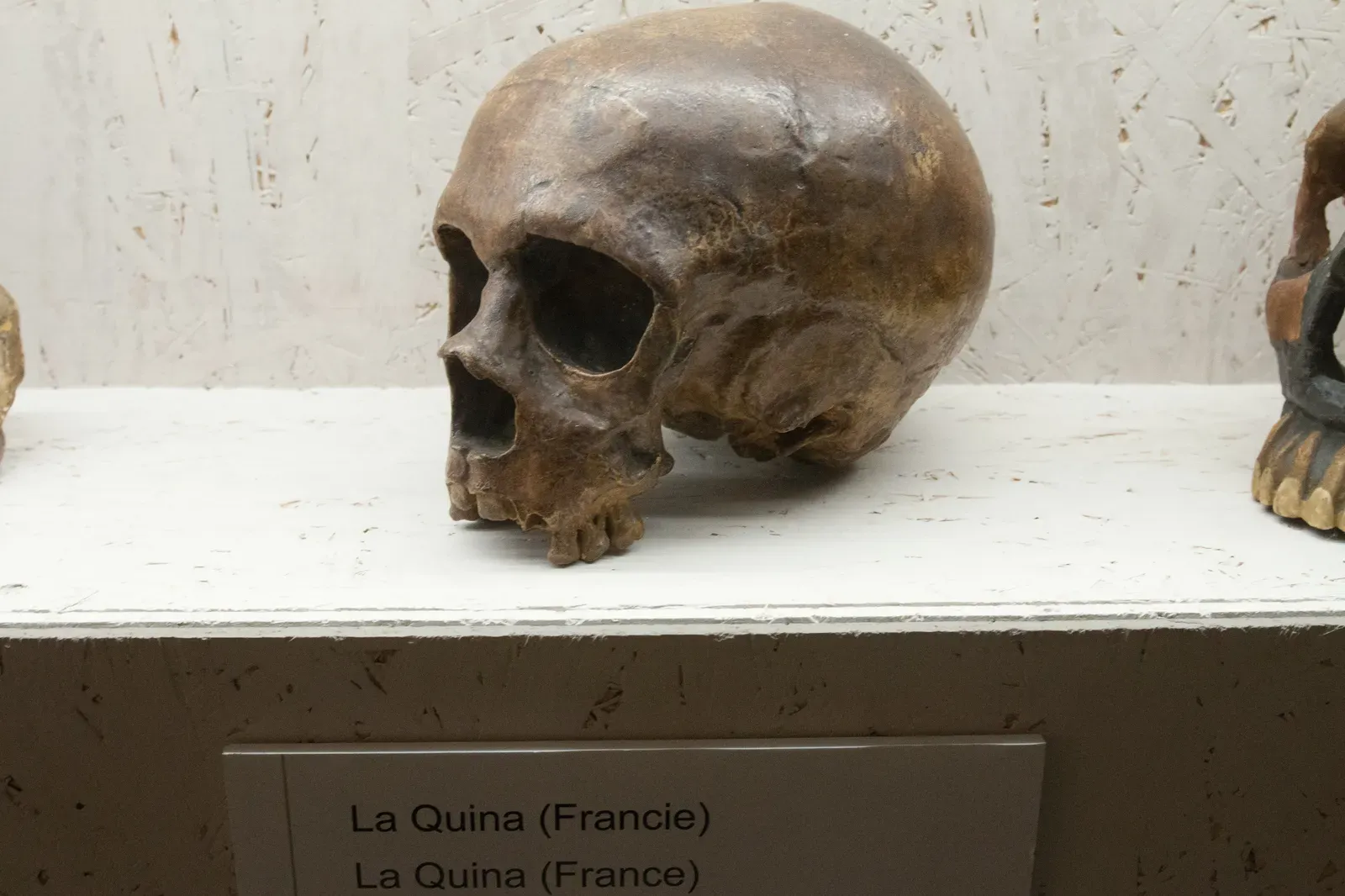
For decades, geneticists suspected humans had interbred with something else – but they were mocked for even suggesting it.
Before 2010, the idea that modern humans carried DNA from another human species was treated as fringe speculation. Skeptical geneticists were hard to convince. Then the Neanderthal genome was published, and instantly it became clear that most people with heritage from Europe, Asia, the Americas, and Oceania carried Neanderthal ancestry, amounting to between 1-4% of their genomes.
One genetics writer described the moment vividly, comparing it to the ghost’s mask finally coming off to reveal a real fossil underneath – decades of speculation confirmed in a single genome.
Here’s the controversial part most people won’t say out loud: if Neanderthals went from “impossible fantasy” to “confirmed ancestor” in a single genome sequence, then dismissing today’s unconfirmed ghost lineages as science fiction is almost certainly a mistake. History suggests we should expect more of these confirmations, not fewer. Speaking of unconfirmed mysteries, one population in South America still has scientists completely stumped…
#9 – Colombia’s Vanished Population With Zero Descendants Alive Today
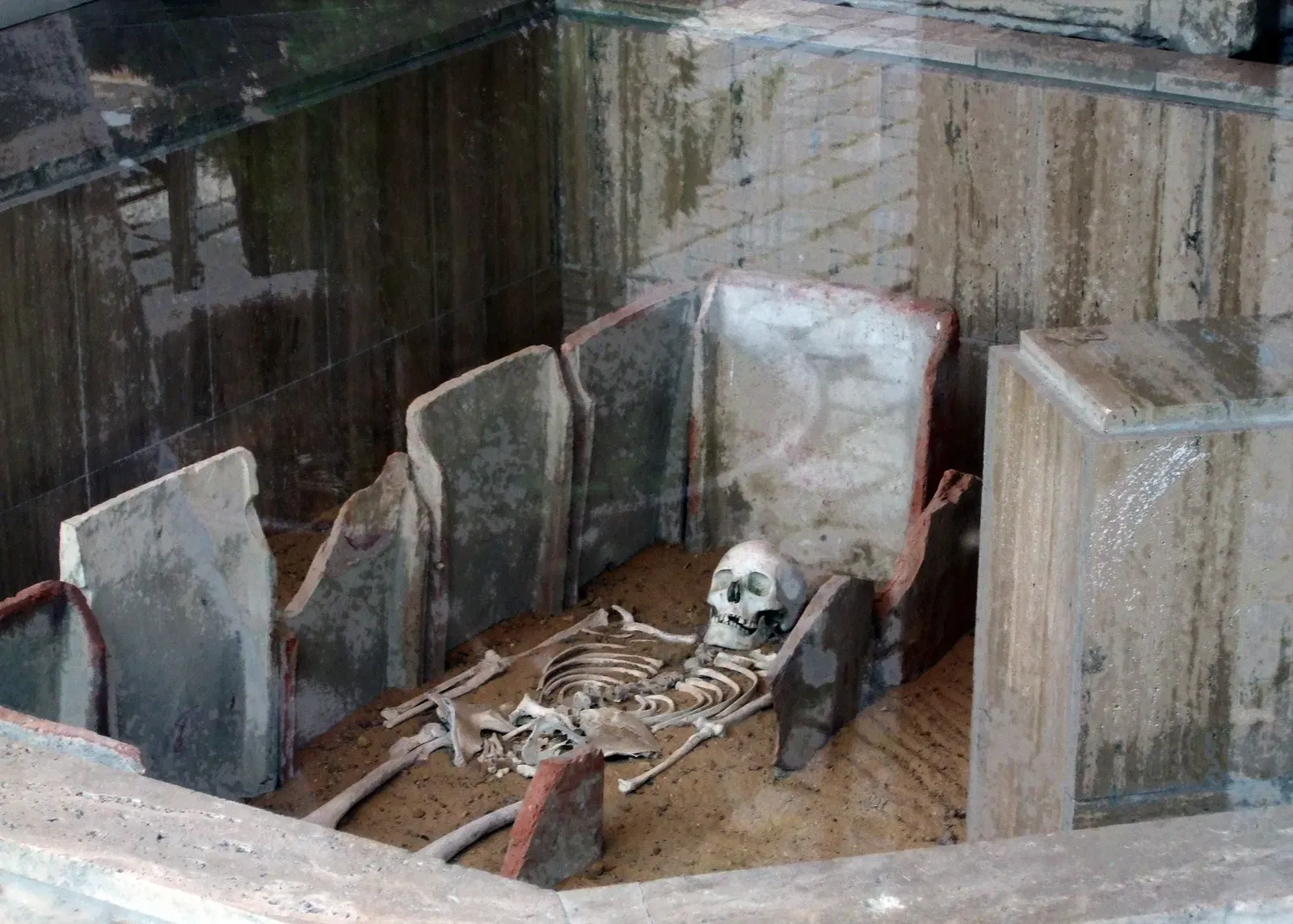
An entire lineage of ancient people lived, died, and left absolutely no trace in anyone alive today – anywhere.
Researchers analyzing skeletons from the Bogotá Altiplano region expected to find ancestors of modern Indigenous Colombians. Instead, they found something far stranger: genetic evidence of an ancient group with no modern-day descendants at all. It’s as if they simply vanished from the face of the Earth.
Even more surprising, this group wasn’t closely tied to the populations scientists assumed had colonized the region, nor to the ancient Native American populations expected to be their ancestors. Outside experts were blindsided by the result.
This is unexpected. Up to this point, we didn’t believe there was any other lineage that would appear in South America.
Andre Luiz Campelo dos Santos, archaeologist, Florida Atlantic University
Later analysis of dozens of individuals from the same region reinforced the strangeness – 6,000-year-old skeletons carrying DNA with no direct connection to any known ancient or modern population in South America.
Worth Knowing
- The unexpected lineage first surfaced in skeletons from the Bogotá Altiplano region of Colombia
- Follow-up analysis expanded the sample size to dozens of individuals, some dated to roughly 6,000 years old
- None of the DNA matched known ancient or modern South American populations
- No living descendants of this lineage have been identified anywhere on Earth
A population that simply disappears without a genetic trace is arguably creepier than any “ghost” that lives on inside us – because this one genuinely left nothing behind. But not every ghost population disappears completely; some quietly shaped an entire continent’s genetic backbone…
#10 – Ancient North Eurasians: The Missing Link Between Continents
A single Siberian-linked lineage secretly connects European and Near Eastern populations that otherwise look nothing alike.
Genetic modeling of ancient Europeans revealed that the modern population isn’t the product of one ancestral group, but at least three highly distinct ones – and one of them behaves exactly like a classic ghost lineage. Most present-day Europeans derive from west European hunter-gatherers, who contributed to all Europeans but not Near Easterners; ancient north Eurasians related to Upper Palaeolithic Siberians, who contributed to both Europeans and Near Easterners; and early European farmers, mainly of Near Eastern origin.
What’s genuinely surprising is that this Ancient North Eurasian signal bridges two regions – Europe and the Near East – that most people assume developed almost independently of each other. Without ancient genomes, no historian or archaeologist would have guessed that a Siberian-linked population was quietly present in the ancestry of both.
This finding forced a rewrite of migration maps that had stood for decades. It’s a reminder that written history, pottery styles, and language families only capture a fraction of how people actually moved and mixed across Ice Age landscapes. But an even older mystery was buried in a Spanish cave, and it might be the strangest one on this entire list…
#11 – The 400,000-Year-Old Bone That Rewrote the Family Tree
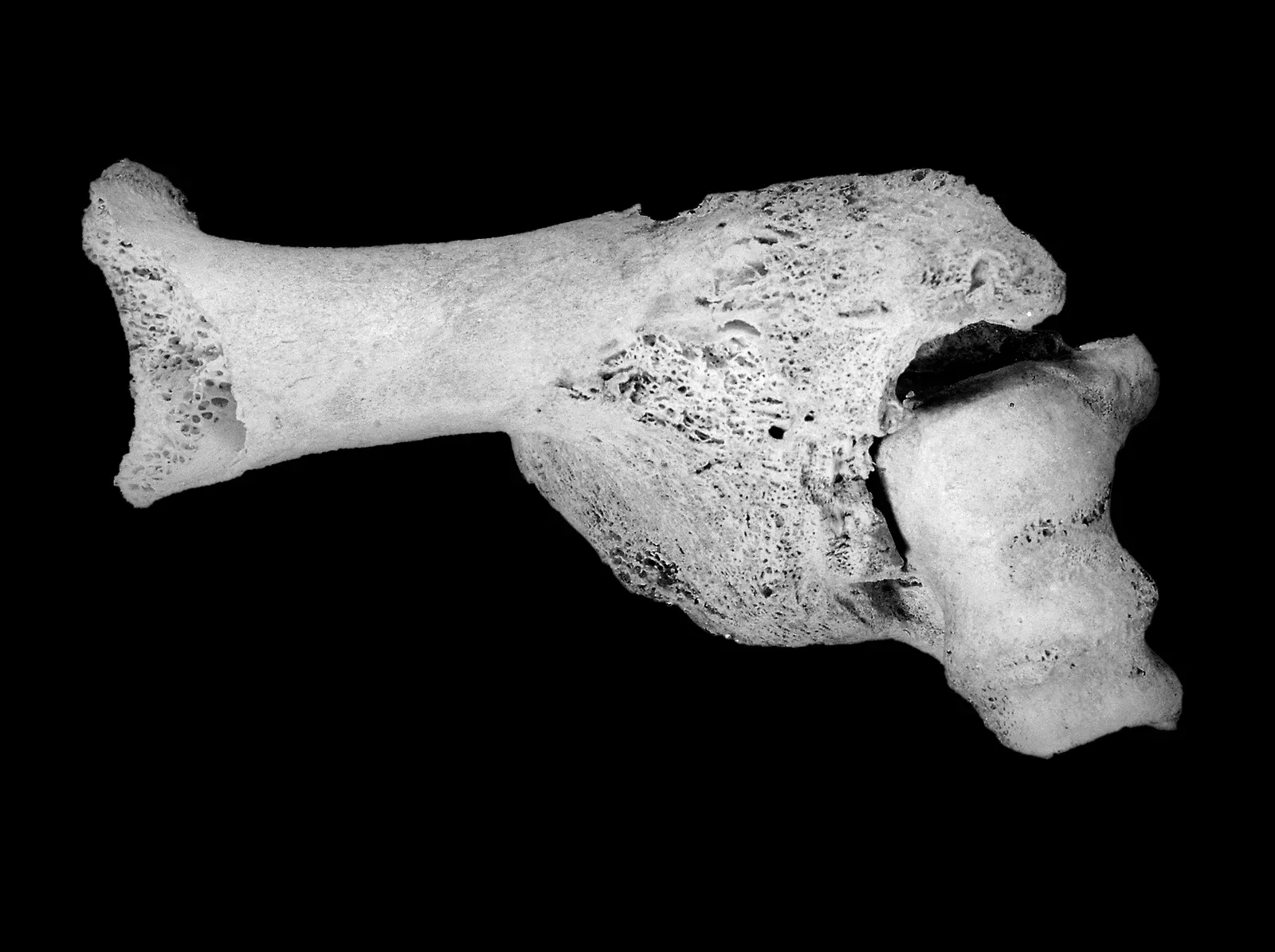
A single thighbone pulled from a Spanish cave held DNA older than almost anything else ever sequenced – and it didn’t match anyone.
Deep inside the Sima de los Huesos, or “Pit of Bones,” in Spain’s Atapuerca Mountains, researchers extracted DNA from a human thighbone dated to roughly 400,000 years old. What they found didn’t line up cleanly with any expected group.
The DNA may belong to an unknown human ancestor, according to the scientists who studied it, and the findings could shed light on a mysterious extinct branch of humanity related to Denisovans. Instead of confirming existing theories, the sample raised entirely new questions about which populations were actually interacting in prehistoric Europe.
Most people assume the “oldest human DNA” milestones simply confirm the family tree we already drew – this one did the opposite, forcing scientists to admit the tree needed extra branches nobody had drawn in yet. As dramatic as that is, one of the newest ghost discoveries hits closest to home – because it’s happening in populations still living at extreme altitude today.
#12 – Tibet’s Hidden Lineage: A Ghost Population Written Into High-Altitude DNA
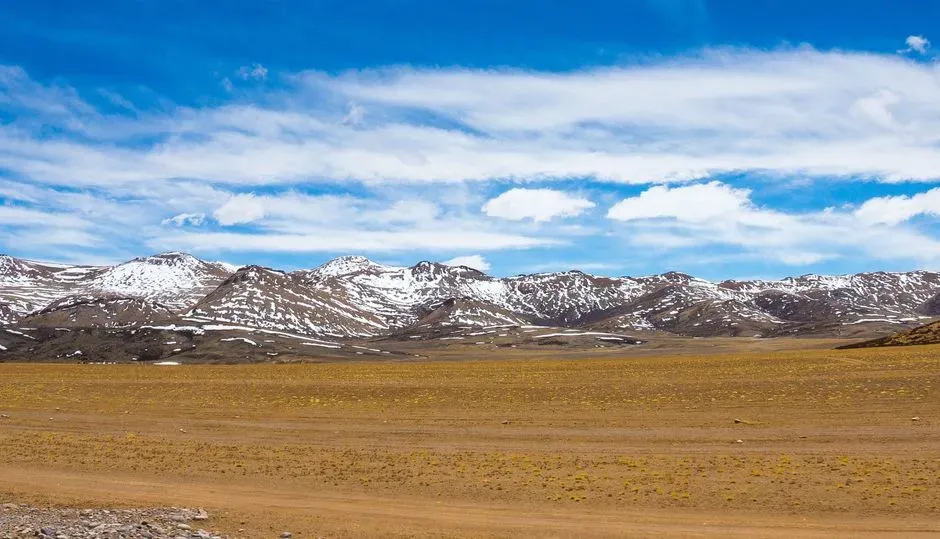
The most recently reported ghost lineage doesn’t come from a cave dig – it comes from the genomes of people living on the roof of the world right now.
Recent genetic surveys have flagged a distinct, previously undocumented ancestral signal tied specifically to high-altitude Asian populations. Unlike some of the older, more theoretical ghost lineages on this list, this discovery is tied to living communities whose ancestors clearly absorbed genetic material from a group science still can’t fully identify.
This fits a broader pattern researchers keep repeating. “This work reinforces a fundamental shift in how we think about human evolution,” Moorjani said. “Rather than a simple branching tree, human history is increasingly emerging as a complex web of populations connected by repeated episodes of divergence, migration and mixing.”
At a Glance
- Signal detected in high-altitude Asian populations, including communities on the Tibetan Plateau
- One of the most recently reported ghost lineages, surfacing in modern rather than ancient genomes
- Fits a broader research pattern of a genetic “web” rather than a simple branching tree
- Suggests more undiscovered ghost lineages may still be hiding in populations alive today
The Tibetan discovery matters because it proves ghost populations aren’t just an ancient curiosity buried in the distant past – they’re still being uncovered in living, breathing modern populations today, which means this list is nowhere near finished. That brings us to the real takeaway from everything ancient DNA has revealed so far.
The Bottom Line
Here’s the uncomfortable truth: history books can only record what someone wrote down or what bones happened to survive, and both of those are wildly incomplete filters. Ancient DNA doesn’t care about written records – it just keeps receipts.
From a ghost ancestor in Africa to a vanished lineage in Colombia to a Tibetan mystery population still being unpacked, the evidence keeps proving the same point: human history is not a clean branching tree. It’s a tangled, messy web of populations that met, mixed, and often disappeared without leaving a single artifact behind.
Frankly, anyone still teaching a simple, linear story of human origins is behind the science by at least a decade. Which of these 12 ghost populations do you think deserves more attention? Drop your take in the comments.