Most people assume freezing temperatures only shaped how our ancestors dressed and where they built shelter. The truth runs much deeper than parkas and fire pits: cold literally rewired human anatomy at the genetic level. From nose shape to earwax texture, researchers have traced dozens of physical quirks straight back to tens of thousands of years spent surviving ice-age climates.
These aren’t stylistic accidents. They’re survival tools still riding shotgun in modern bodies, long after central heating made most of them unnecessary. Some of these traits sound almost too strange to be real, until you see the genetic paper trail behind them. Here’s what evolutionary biologists actually say about the traits cold weather left behind, counting down to the one still quietly running like a furnace inside certain bodies today.
#14 – Stockier, Rounder Bodies
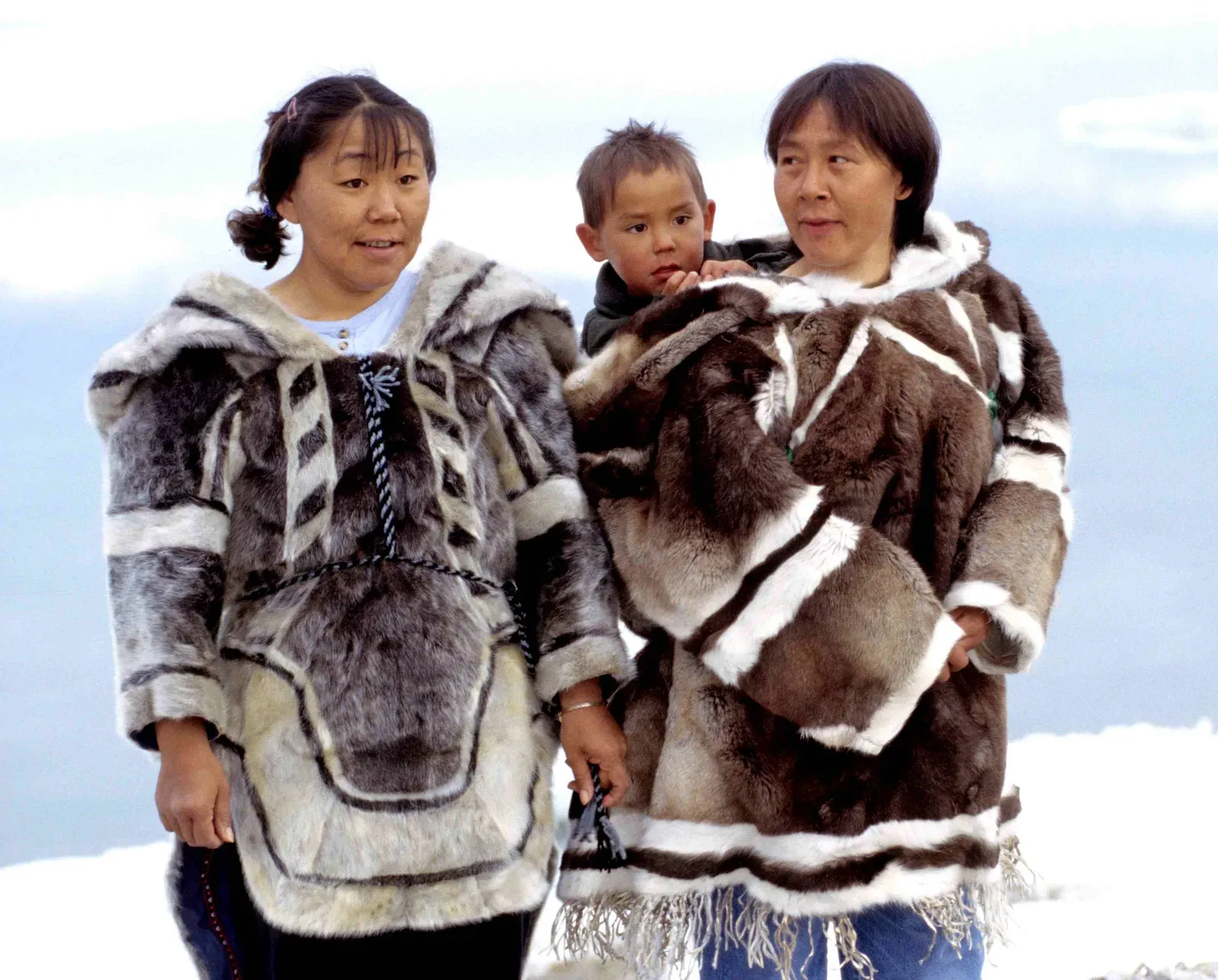
A short, thick-set frame isn’t a genetic accident. It’s a heat-retention strategy that’s been tested for tens of thousands of years. Bergmann’s rule states that among mammals and birds, individuals of a particular species in colder areas tend to have greater body mass than individuals in warmer areas. The logic is pure geometry: a bulkier body has less surface area relative to its volume, so it loses heat more slowly than a lean one.
Anthropologists point straight to the Arctic for proof. The Inuit people, who live and hunt in northern climates, tend to have a more stocky body with shorter appendages than the Masai people of Kenya and North Tanzania, who have a taller, slender body shape with long limbs.
Quick Compare
- Inuit (Arctic): stocky build, shorter limbs, minimal surface area per pound of body mass
- Masai (East Africa): tall, slender frame with long limbs built to shed heat quickly
- Bergmann’s rule logic: bulkier bodies lose heat slower in cold climates
- Modern skeptics: body shape may track nutrition and socio-economics as much as temperature
Here’s the twist most listicles skip: not everyone agrees this rule still applies to modern humans. A growing camp of physical anthropologists argues that body size and shape in humans are regulated more by socio-economic, political, and emotional factors, as well as nutrition-infection interactions, and that temperature has virtually no effect. Some researchers have gone as far as calling it a “just-so” story that should be relegated to teaching and scholarship about the history of science.
That’s a genuinely controversial take in a field that spent a century treating this rule as settled fact, and the next trait on this list is even more visibly cold-coded.
#13 – Shorter Arms and Legs

If body bulk is one cold-weather trick, limb length is the other half of the same equation, and it’s arguably even more visible. Allen’s rule is a corollary of Bergmann’s rule, stating that animals living in hotter climates generally have longer extremities, such as limbs, tails, snouts, and ears, than closely related animals living in colder climates.
The mechanism is simple thermodynamics. Longer extremities maximize an animal’s surface area, allowing greater heat loss through the surface of the body, so having long extremities is adaptive in hot climates where the main challenge is dissipating body heat. Flip that logic around for cold environments: shorter forearms, shins, and even fingers mean less exposed surface for precious heat to escape through.
What most people don’t realize: this isn’t a perfect rule either. Some cold-adapted populations break the pattern entirely. Native American populations are generally consistent with Bergmann’s rule, although the cold climate and small body size combination of the Eastern Inuit, Canoe Nation, Yuki people, Andes natives, and Harrison Lake Lillooet runs contrary to expectations.
Evolution, it turns out, doesn’t always read the textbook, and the next adaptation lives right on your face.
#12 – Narrow, Ski-Slope Noses

Your nose isn’t just a facial feature. It’s a climate-control unit, and its shape was engineered by thousands of generations of frozen air. Scientists comparing people of West African, South Asian, East Asian, and Northern European ancestry found that differences in nose shape across these populations are greater than can be explained by chance alone.
The pattern that emerged was startlingly consistent. Wider nostrils are correlated with ancestors who evolved in warmer temperatures and with greater absolute humidity, suggesting that climate was one factor driving nasal evolution. In cold, dry regions, the opposite shape won out: a narrower, more projected nose that does more work per breath.
The actual mechanism is wild: narrow nostrils change the physics of airflow entirely. The theory is that narrower nostrils alter airflow in such a way that the mucus-covered nasal membrane can warm and humidify incoming air more efficiently. This isn’t a new idea, either.
Long and thin noses occurred in dry, cold areas.
Arthur Thompson, anthropologist
That observation, cited by researcher Mark Shriver, traces back over a century. Breathing frigid air straight into your lungs unprocessed can genuinely damage lung tissue, so this “nasal radiator” mattered for survival. Skin tone tells an even more dramatic story.
#11 – Lighter Skin Tone

Skin pigmentation looks like a purely cosmetic trait, but it’s one of the fastest, most dramatic adaptations in human evolutionary history, and cold, sun-starved winters are the reason. Populations that migrated into northern latitudes faced a serious problem: less sunlight meant less UVB radiation reaching the skin, and UVB is required to synthesize vitamin D, a nutrient essential for bone health and immune function.
Darker skin, rich in melanin, blocks UVB effectively, which is a huge advantage near the equator but becomes a liability in low-light northern winters. Over thousands of years, natural selection favored lighter skin in these regions because it let far more of the limited UVB penetrate and trigger vitamin D production.
Turns out, this trait evolved independently more than once. Genetic research shows that lighter pigmentation arose through different mutations in European and East Asian populations, meaning cold, low-sun environments pushed multiple, separate human lineages toward the same solution.
It’s one of the clearest examples of convergent evolution written directly onto human skin, and the eyes carry their own cold-weather mystery.
#10 – Fat-Padded, Puffy Eyelids
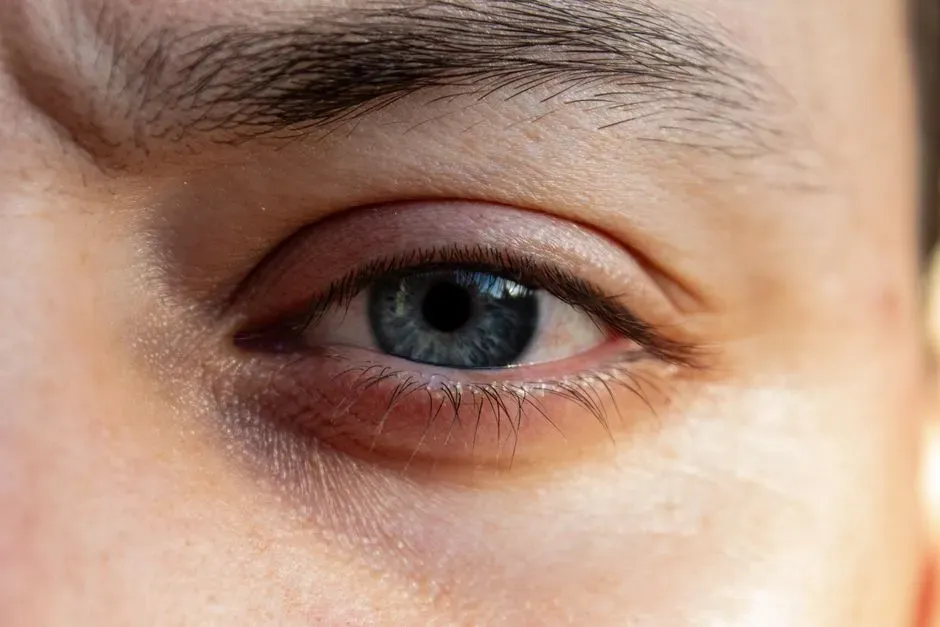
The epicanthic fold, that extra layer of skin covering the inner corner of the eye common in many East Asian and some Arctic-adjacent populations, has one of the most debated origin stories in physical anthropology, and cold weather sits at the center of it.
The leading cold-adaptation theory holds that the fold developed alongside extra fatty tissue around the eye socket, acting as natural insulation and reducing heat loss from a part of the face with very little fat protection to begin with. Some researchers also argue it helped shield the eyes from glare bouncing off snow and ice, functioning almost like a built-in squint.
Here’s where it gets controversial: not every anthropologist buys the cold-weather explanation. Critics argue the trait may have spread through sexual selection or genetic drift rather than pure survival pressure, since not every cold-climate population developed it.
It’s a rare case where a visible human trait remains genuinely unsettled science, not a tidy textbook answer. Fat did more of the heavy lifting elsewhere, quite literally.
#9 – A Noticeably Thicker Layer of Body Fat

Beyond overall body bulk, cold-adapted populations often carry a distinct layer of subcutaneous fat, fat sitting just beneath the skin rather than around the organs, and it functions almost like a built-in wetsuit. This fat layer slows heat loss dramatically because fat conducts heat far less efficiently than muscle or skin alone.
This is measurably different from simply “being bigger.” Two people can share the same overall body mass, yet the one with more subcutaneous insulation retains core heat significantly longer in freezing conditions. Arctic-adapted populations have been repeatedly studied for exactly this trait, since it directly affects survival during prolonged cold-water and cold-air exposure.
Most people assume more body fat is always a health negative, but in this specific evolutionary context, it was a life-or-death advantage rather than a modern dietary problem.
That distinction matters. The same trait that gets pathologized today kept entire populations alive through arctic winters for millennia. Then there’s the trait almost nobody expects.
#8 – Dry, Nearly Odorless Earwax
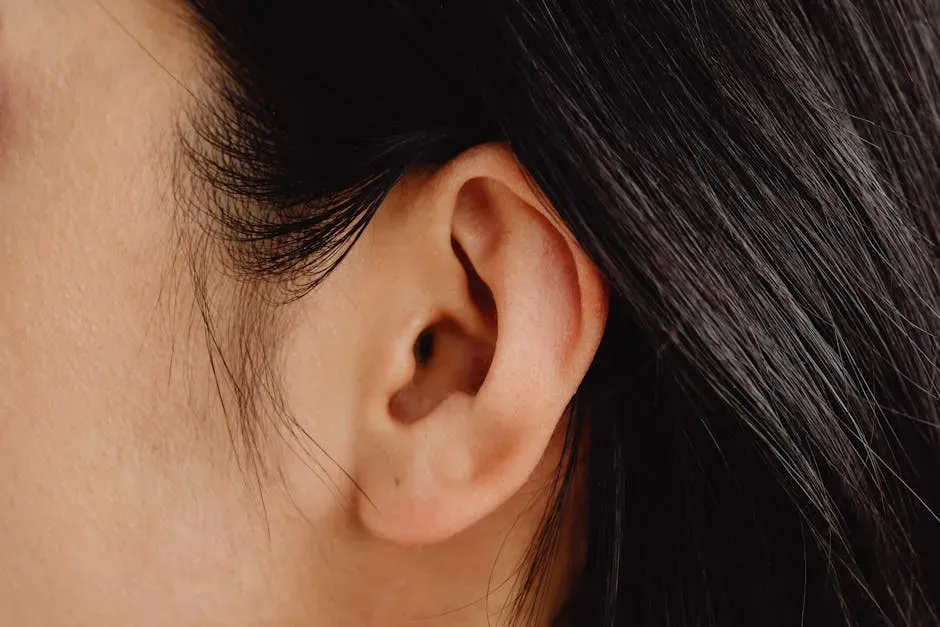
Of every trait on this list, this is the one nobody expects, and yet it has one of the strongest genetic paper trails of them all. A single mutation in the ABCC11 gene determines whether a person has wet, sticky earwax or the dry, flaky type, and the distribution of that mutation maps almost perfectly onto ancient migration into cold climates.
The numbers are stark. Research has found that almost 80 to 95 percent of people with East Asian ancestry have inherited the dry earwax version of the ABCC11 gene, compared to a tiny fraction of African populations. Scientists studying this SNP concluded that the allele is related to an adaptation to a cold climate.
The real reason is almost too logical: the same gene controls sweat gland output, not just earwax. Sweating in a cold climate can be dangerous, as moisture trapped against the skin leads to rapid heat loss and hypothermia.
Dialing down that sweat response was a genuine survival edge, and it came bundled with a totally unrelated side effect on ear anatomy. Diet did something even stranger.
#7 – Genes That Let You Eat an Almost All-Fat Diet
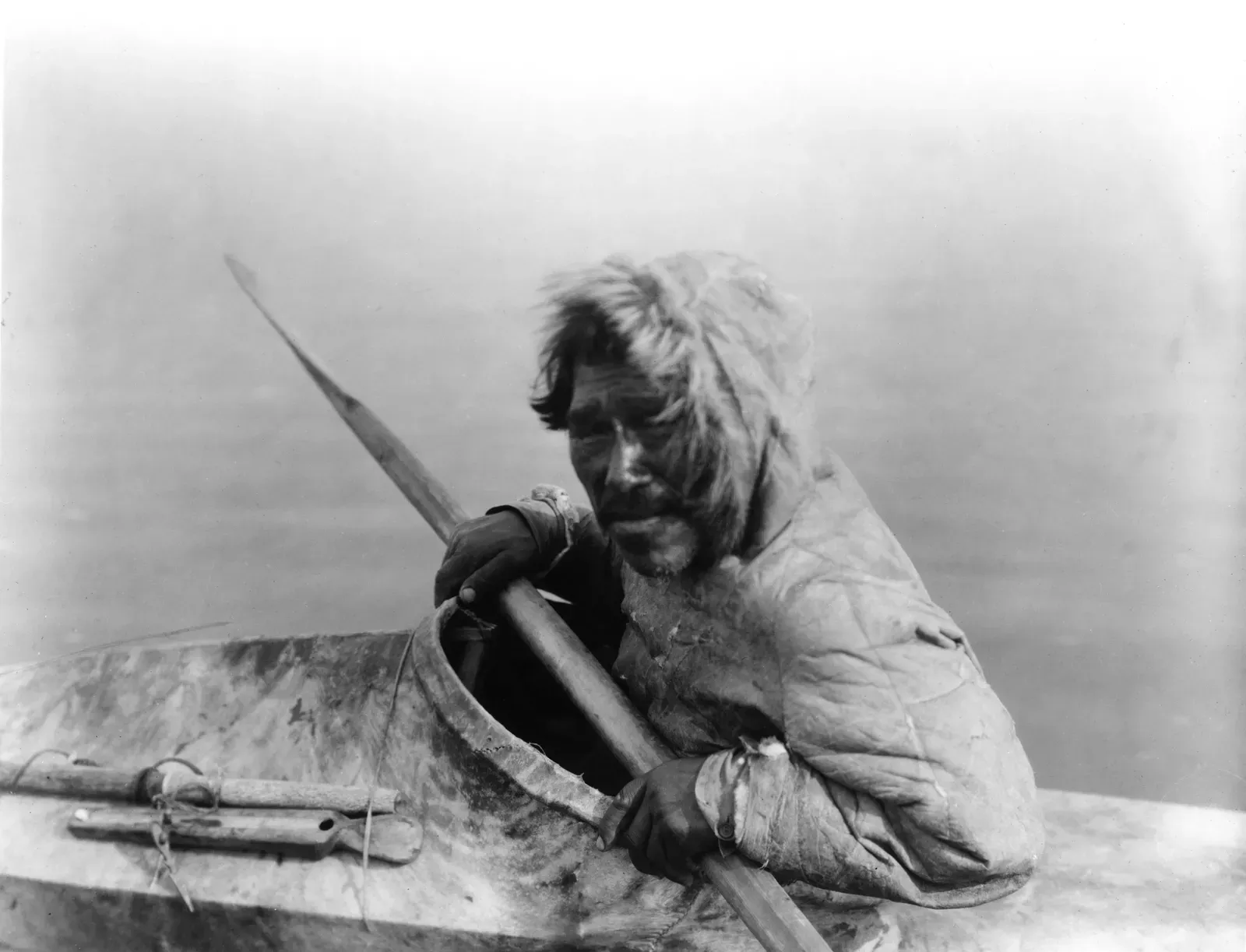
Nutritional advice today says a diet dominated by animal fat is a heart-disease risk. Tell that to the Inuit, whose ancestors survived almost entirely on seal, whale, and fish fat for thousands of years, and whose DNA quietly rewrote the rules to make it work.
Genetic researchers discovered dramatic mutations in the FADS gene cluster, which controls how the body processes fatty acids. Those genetic mutations, found in nearly 100 percent of the Inuit, are found in a mere 2 percent of Europeans and 15 percent of Han Chinese, meaning Inuit bodies metabolize omega-3 fats in a fundamentally different way than the rest of the world. These alterations keep levels of “bad” LDL cholesterol low, along with adaptations to lower obesity and insulin resistance risk.
At a Glance
- FADS gene mutations appear in nearly 100% of Inuit populations studied
- The same mutations show up in only about 2% of Europeans and 15% of Han Chinese
- Effect: more efficient omega-3 processing and lower LDL cholesterol
- Trade-off: the same alleles are linked to shorter average stature
Here’s the catch nobody mentions in wellness blogs: this adaptation wasn’t free. Scientists found the same FADS alleles were associated with shorter-than-usual stature, a trade-off baked into surviving on a diet that would wreck most other populations’ cardiovascular systems.
The skeleton adapted to the cold in its own way too.
#6 – A Denser, Heavier Skeleton
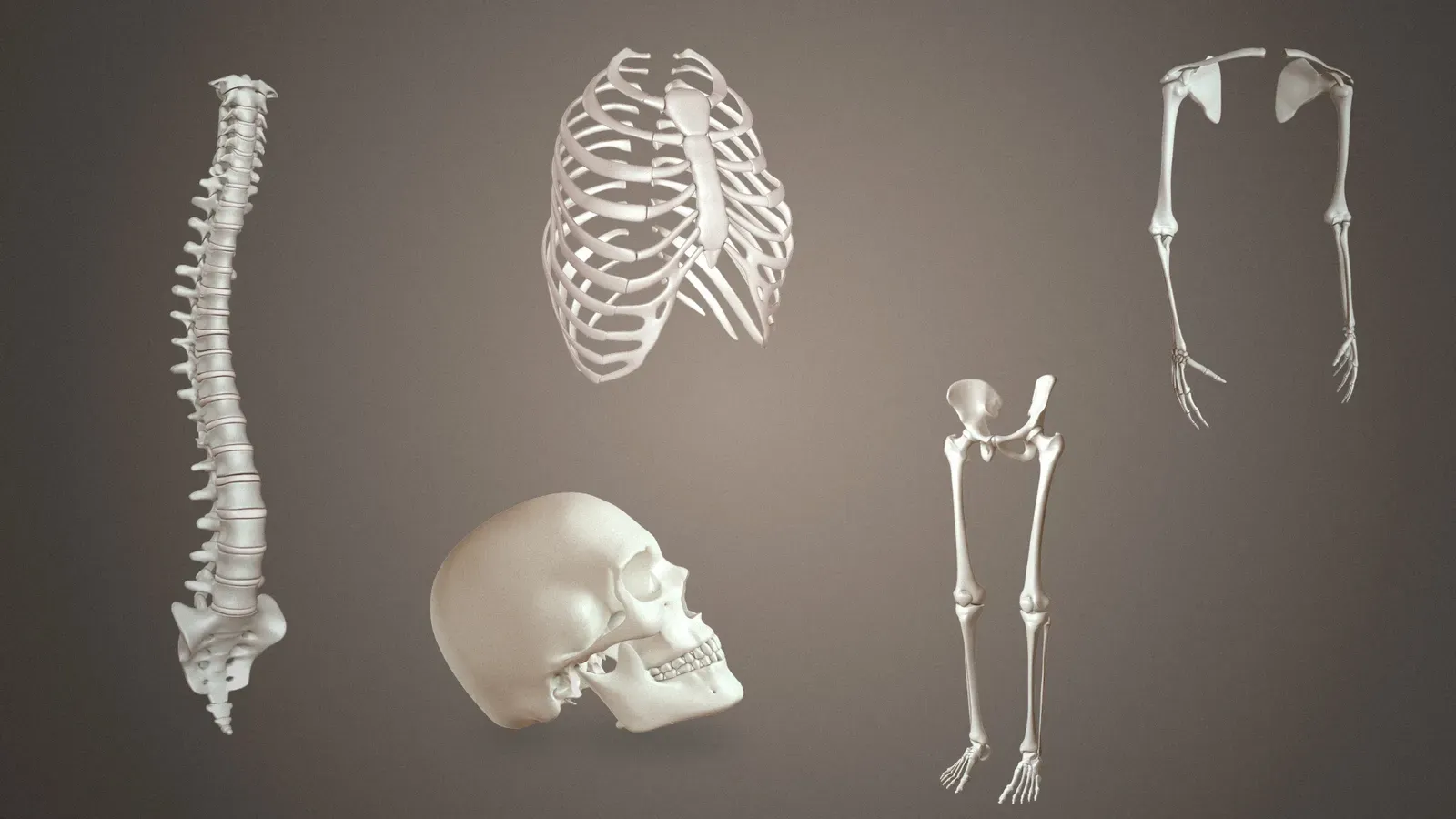
Cold-adapted human populations tend to show measurably denser bone structure than populations from warmer, tropical regions, and it’s not simply about diet or activity level. Thicker cortical bone and greater overall skeletal density provide a mechanical advantage in harsh environments: stronger bones better withstand the physical strain of hunting, hauling, and moving across ice and frozen ground.
Some researchers connect part of this robustness to ancient interbreeding with Neanderthals and Denisovans, hominins who themselves carried notably thick, dense skeletons built for cold European and Central Asian winters. Modern populations with higher percentages of archaic ancestry sometimes retain gene variants linked to bone density that trace directly back to those cold-adapted relatives.
This is where things get genuinely debated among anthropologists: separating “built for cold” from “built for a physically brutal lifestyle” is extremely difficult using skeletal evidence alone. Diet, terrain, and climate all pull in the same direction, making dense bones one of the harder cold-adaptation claims to isolate cleanly.
Metabolism itself may have shifted right along with the skeleton.
#5 – A Naturally Higher Resting Metabolism

Some cold-climate populations don’t just react better to cold; their bodies run a hotter baseline furnace all the time, even at rest. Elevated basal metabolic rate means more calories are burned simply maintaining core temperature, without any shivering or conscious effort involved.
This trait makes intuitive evolutionary sense. A body that generates more baseline heat has a head start against dangerous drops in core temperature, buying critical time in extreme cold before hypothermia sets in. Researchers studying circumpolar populations have repeatedly looked at metabolic rate as one piece of a much larger cold-adaptation puzzle involving brown fat, thyroid function, and blood flow regulation working together.
The uncomfortable irony: a trait that once meant the difference between life and death in an Arctic winter now shows up in modern life as simply “having a fast metabolism,” something people casually envy without ever connecting it to ancestors who needed every extra calorie of internal heat just to survive the night.
The body’s plumbing adapted too, and it’s stranger than you’d guess.
#4 – A Built-In Radiator Bypass in the Wrists and Ankles
Deep inside the extremities of cold-adapted humans and animals sits a network of blood vessels called arteriovenous anastomoses, essentially tiny plumbing shortcuts that let warm arterial blood bypass the skin’s surface capillaries entirely. Instead of losing heat through exposed fingers and toes, blood gets rerouted straight back toward the body’s core.
This countercurrent heat exchange system works like a natural radiator valve. Warm blood flowing outward runs directly alongside cooler blood flowing back in, transferring heat between the two vessels before it ever reaches the skin’s surface where it would simply radiate away into freezing air.
Most people just assume cold hands are a circulation problem, but this system is actually working as intended, deliberately sacrificing some warmth in the fingers to protect the vital organs that actually keep a person alive.
It’s an elegant, almost engineering-grade solution baked directly into human anatomy long before anyone understood the physics behind it. And that plumbing has a dramatic backup system.
#3 – The “Hunter’s Response” That Rewarms Frozen Fingers
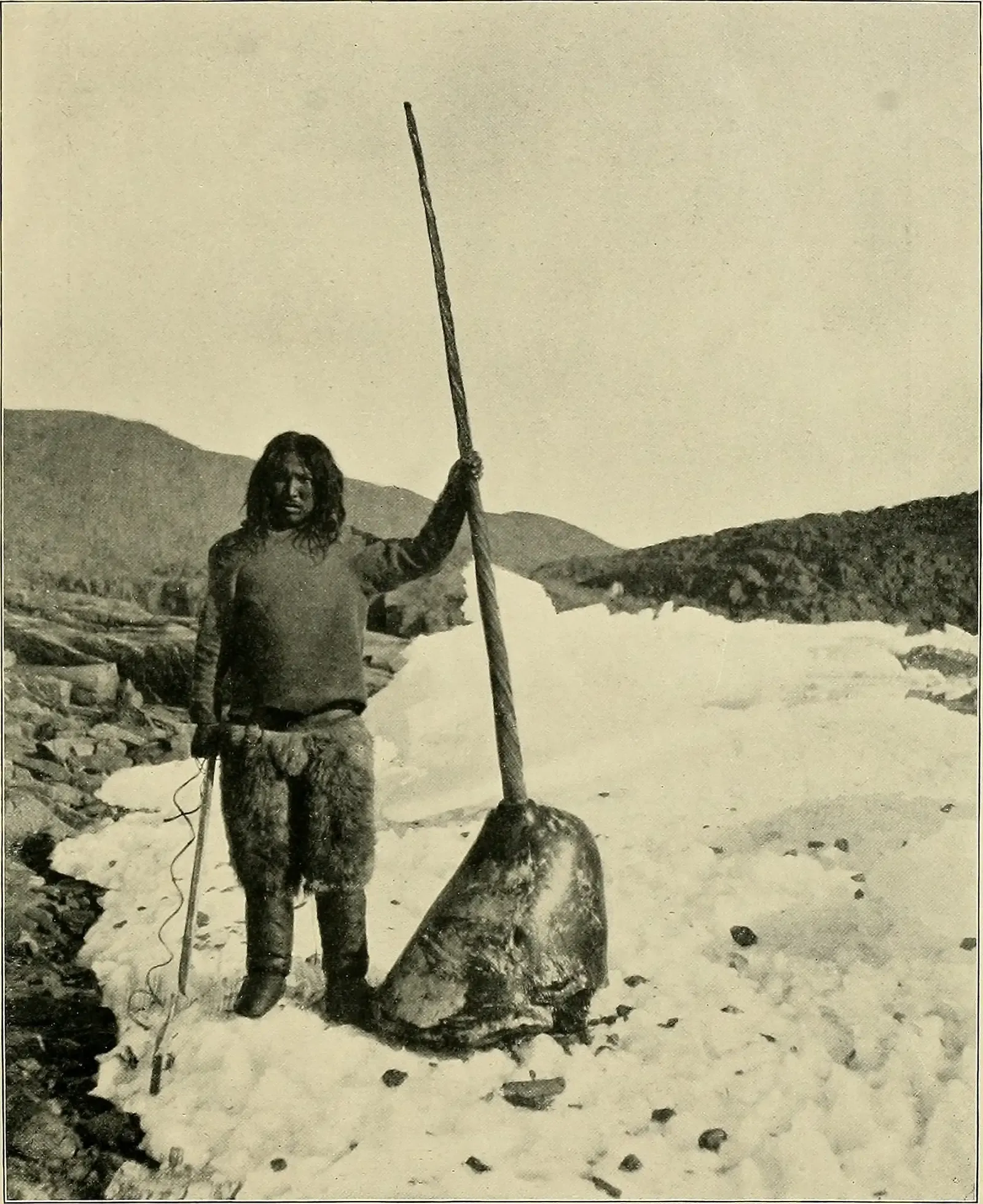
Anyone who has ever plunged cold hands into warm water and felt a strange throbbing, tingling pain has experienced cold-induced vasodilation firsthand, a reflex nicknamed the “hunter’s response” because it was first studied extensively in Arctic hunters and fishermen exposed to freezing water for hours at a time.
Normally, cold exposure triggers blood vessels near the skin to constrict tightly, conserving heat for the body’s core. But roughly every five to ten minutes in extreme cold, those same vessels briefly and rhythmically dilate again, flooding the extremity with warm blood before clamping back down. This cycle repeats continuously, preventing frostbite while still limiting overall heat loss.
Worth Knowing
- Vasodilation cycles fire roughly every 5 to 10 minutes during extreme cold exposure
- Nicknamed the “hunter’s response” after studies of Arctic hunters and fishermen
- Response is measurably stronger and faster in Sami reindeer herders and Inuit communities
- Function: prevents frostbite while still conserving core body heat
Studies on populations with generations of cold exposure, including Sami reindeer herders and Inuit communities, have found this response is noticeably stronger and faster-triggering than in people without that ancestral cold exposure.
It’s a reflex that can apparently be sharpened by repeated exposure across generations, not just learned in a single lifetime. But shivering itself turns out to be smarter than anyone assumed.
#2 – A Shiver Reflex That Fires Before You Consciously Feel Cold

Shivering feels involuntary because it is, triggered by the hypothalamus the instant core body temperature starts to dip, often before a person consciously registers feeling cold at all. Rapid, repeated muscle contractions generate heat as a metabolic byproduct, and in extreme cold, this reflex can multiply resting heat production several times over.
What’s less well known is that the threshold for triggering this response appears to vary between populations with different cold-exposure histories. People whose ancestors endured generations of harsh winters tend to show a shivering response calibrated to kick in more efficiently, converting muscular energy into heat with less wasted movement.
Secretly, this reflex is doing something more sophisticated than it looks. Shivering isn’t random muscle twitching; it’s a tightly coordinated, rhythmic contraction pattern optimized purely for heat generation rather than movement, essentially turning the body’s entire muscular system into a temporary furnace whenever the brain senses danger.
Which brings us to the trait that outdoes them all.
#1 – Brown Fat: The Furnace Your Body Still Carries

Every human is born with brown adipose tissue, but in most adults it fades to almost nothing, except in populations with deep roots in extreme cold, where it can persist and remain active well into adulthood, quietly burning energy for the sole purpose of generating heat.
Unlike ordinary white fat, which stores energy, brown fat is packed with mitochondria and a specialized protein called UCP1 that converts stored energy directly into heat instead of ATP. Cold environments strongly stimulate this tissue by promoting cellular proliferation, upregulation of UCP1, and the “browning” of white fat cells, a process scientists call non-shivering thermogenesis because it generates warmth without a single muscle twitch.
Why It Stands Out
- Brown fat burns energy to generate heat directly, unlike white fat, which stores energy
- Powered by UCP1, a specialized protein packed inside mitochondria-rich cells
- Typically fades after infancy but can persist into adulthood in cold-adapted populations
- Greenlandic Inuit populations are a primary research focus for this trait
Greenlandic Inuit populations have become a primary research focus for exactly this reason. They represent a population particularly relevant for studying brown-fat cold adaptation, given their long-term residence in an Arctic environment defined by extreme cold and a high dietary intake of fat.
Researchers now describe this tissue as essential for non-shivering thermogenesis, a key survival mechanism for Arctic populations exposed to chronic cold. It’s a literal, still-functioning internal furnace, inherited from ancestors who needed one just to make it through a single Arctic night.
The Bottom Line

Cold didn’t just shape clothing and shelter. It rewrote human anatomy at the genetic level, from nose cartilage to earwax glands to a still-functioning internal furnace called brown fat.
Some of these traits, like Bergmann’s and Allen’s rules, remain genuinely debated among scientists. Others, like the ABCC11 earwax mutation and Inuit fat-metabolism genes, have remarkably solid genetic evidence behind them.
Here’s the opinion part: the “normal” human body was never actually neutral. It was built, argued over, and stress-tested by ten thousand freezing winters long before anyone had a word for genetics, and honestly, that’s a far better origin story than anything a fashion trend or modern diet fad could ever produce. Which of these fourteen traits surprised you the most? Drop it in the comments.