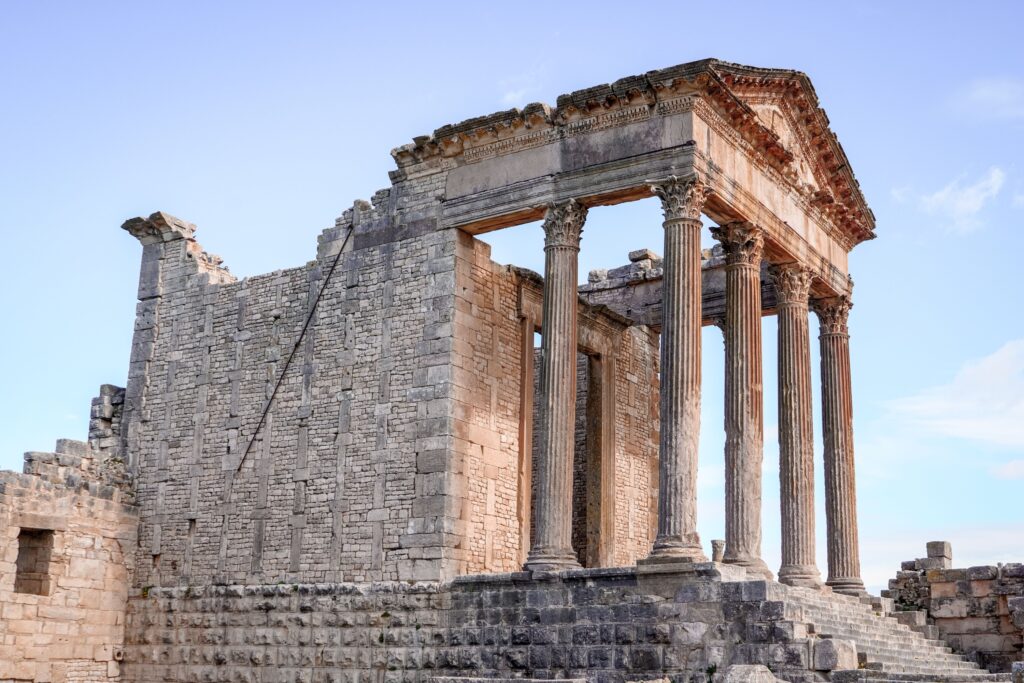
Most people assume “ancient” automatically means “primitive,” especially when it comes to something as unglamorous as waterproofing. But dunk a chunk of 2,000-year-old Roman harbor concrete in seawater and it doesn’t dissolve – it gets stronger. Meanwhile, a modern parking garage poured last decade can already be cracking and rusting from the inside out.
Scientists at MIT, the University of Utah, and Lawrence Berkeley National Lab have spent years quietly confirming something uncomfortable for modern engineering: the Romans weren’t just “good enough” builders. They solved chemistry problems we’re still fighting today, and the data behind it is stranger than most people expect. Here’s what researchers actually found when they cracked open the ancient concrete under a microscope.
#1 – Roman Concrete Doesn’t Just Resist Water. It Reacts With It on Purpose
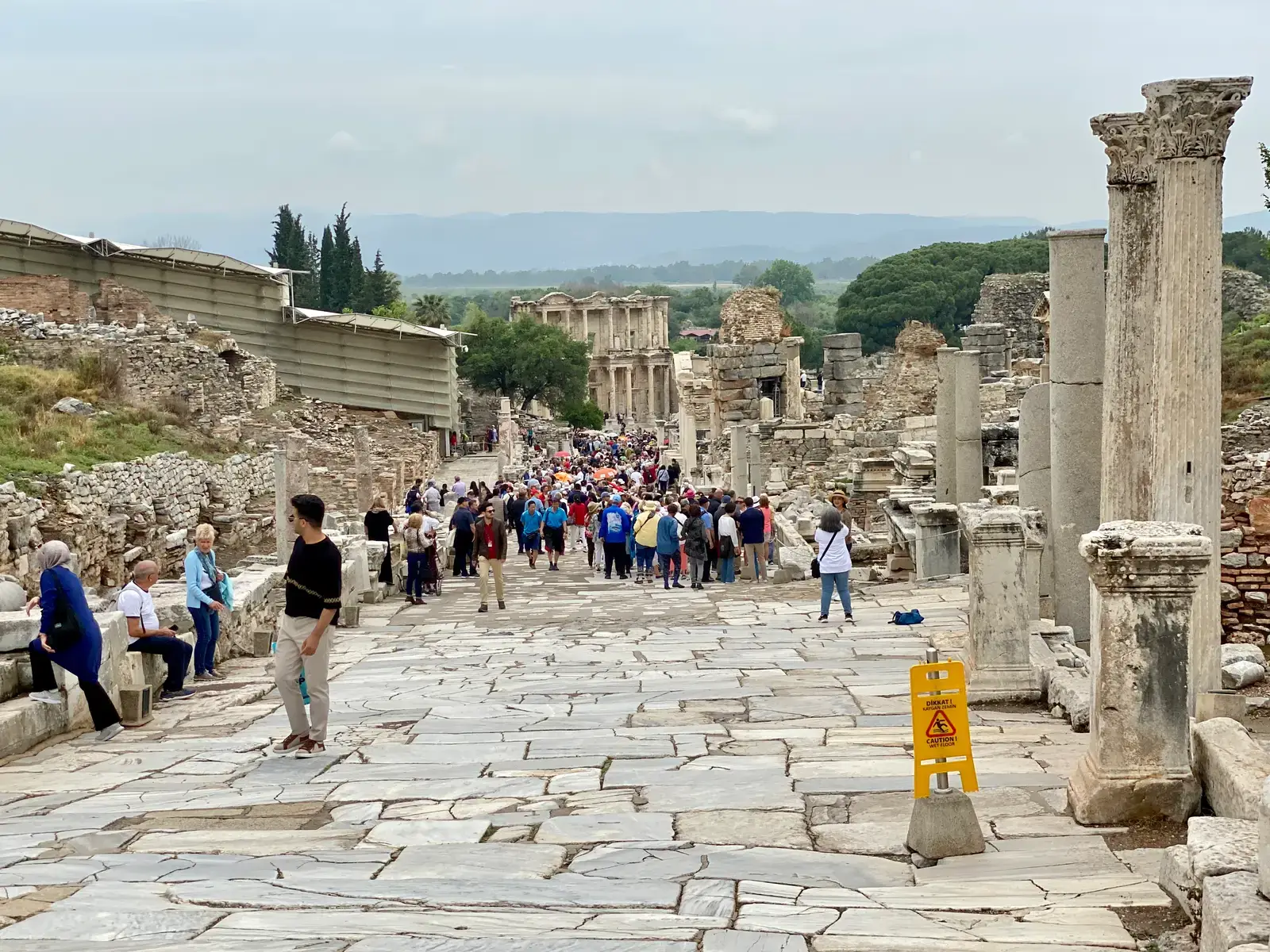
The biggest misconception about Roman construction is that it simply “held up well” over time. In reality, Roman marine concrete was engineered to chemically interact with the ocean instead of fighting it off. Modern concrete, by contrast, uses materials that are never meant to keep reacting once they’ve cured – they’re designed to sit inert and slowly wear down.
That distinction changes everything about how each material ages under pressure. Modern engineers spend fortunes trying to keep water and salt away from rebar and pores. The Romans did the opposite – they built structures that got tougher the more seawater touched them, essentially turning their worst enemy into a slow-motion construction crew.
Contrary to the principles of modern cement-based concrete, the Romans created a rock-like concrete that thrives in open chemical exchange with seawater. It’s a very rare occurrence in the Earth.
Marie Jackson, geologist
Most people don’t realize how rare this reversal actually is in materials science. Corrosion resistance is one thing – a material that actively improves the more it’s attacked by the exact element meant to destroy it is a completely different category, and it’s one geologists still study with genuine amazement.
#2 – The Secret Ingredient Was Sitting in a Volcano the Whole Time
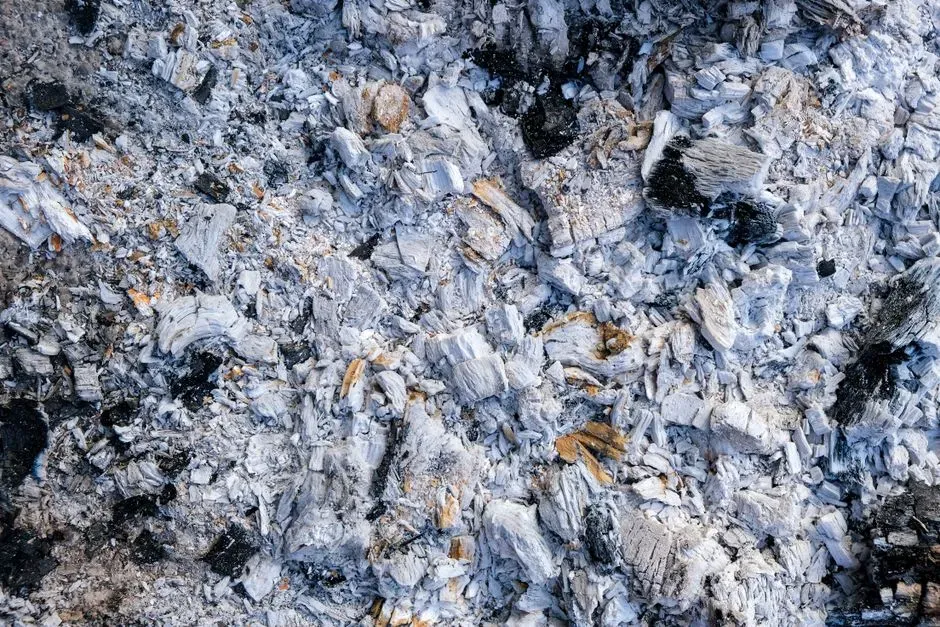
Everything traces back to one substance: pozzolana, a fine volcanic ash mined near the Bay of Naples. Roman builders used it for exterior stucco, for plastering water cisterns, for the mortar binding their aqueducts together, and for casting the largest unreinforced concrete dome ever built – the Pantheon, which still stands nearly two thousand years later.
Vitruvius, the Roman architect-engineer, documented these deposits himself. Pozzolana takes its name from Pozzuoli, in the Bay of Naples, an area blanketed in meter-thick beds of volcanic pumice and ash, with additional deposits later identified near Mount Etna.
Fast Facts
- Named after Pozzuoli, a coastal town on the Bay of Naples
- Mined in meter-thick beds of volcanic ash and pumice
- Additional deposits later identified near Mount Etna
- Used in stucco, cistern linings, aqueduct mortar, and the Pantheon’s dome
This wasn’t a lucky accident stumbled into by chance – it was a functioning supply chain. Roman builders identified specific volcanic regions, tested the material against ordinary river sand, and shipped it across the empire because trial and error had already taught them that plain sand simply couldn’t do what this ash could.
Turns out, the Romans had effectively invented industrial quality control for a raw material roughly two thousand years before anyone bothered to coin that term.
#3 – They Grew New Minerals Inside the Concrete, on Purpose
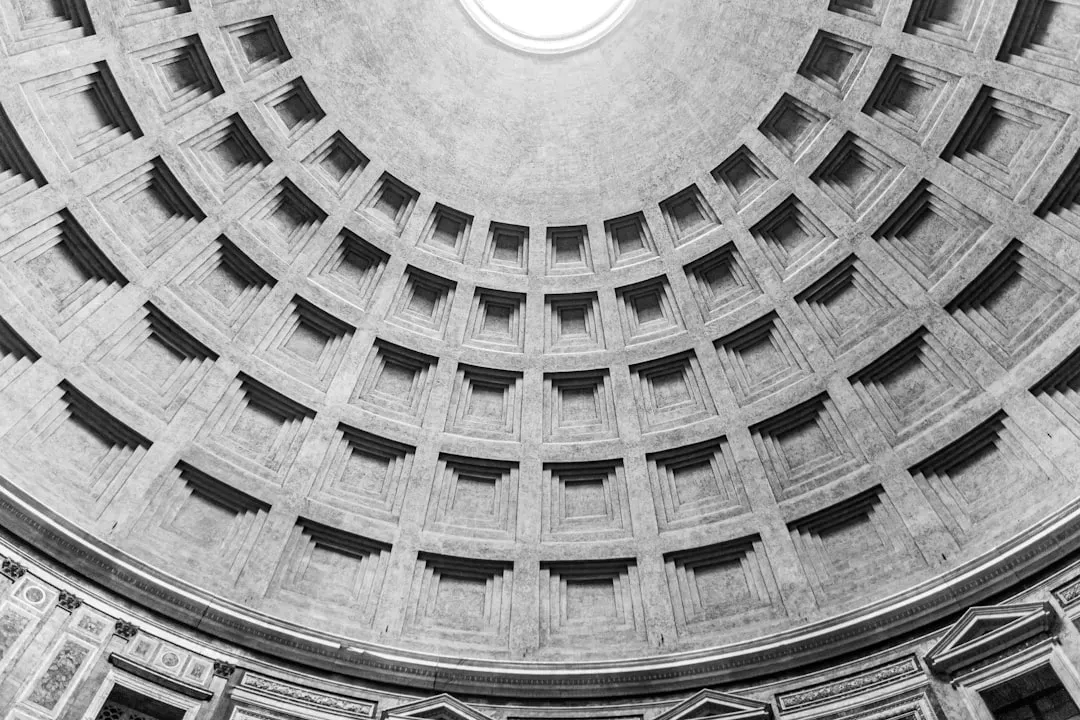
This is the finding that made international headlines, and rightfully so. Studies at the Advanced Light Source at Lawrence Berkeley National Lab showed that lime, once exposed to seawater, reacted with volcanic ash to produce aluminous tobermorite – a layered mineral that forms delicate fibers and plates deep inside the concrete itself.
Using an electron microscope, X-ray micro-diffraction, and Raman spectroscopy, researchers mapped exactly how this happened at the molecular level. They found significant amounts of tobermorite growing through surviving Roman structures, alongside a related porous mineral called phillipsite.
a single stone mass, impregnable to the waves, and every day stronger.
Pliny the Elder, describing Roman harbor concrete in the first century AD
These aren’t decorative side effects. They’re structural reinforcements that grow slowly, over decades, locking the material together at a microscopic level that no amount of good luck could ever produce by accident.
Secretly, the “flaws” that early researchers once dismissed in old concrete were actually mineral factories running on a two-thousand-year timer. Every wave that hit a Roman breakwater was, in effect, feeding it.
#4 – What Looked Like Sloppy Mixing Was Actually a Genius Repair System
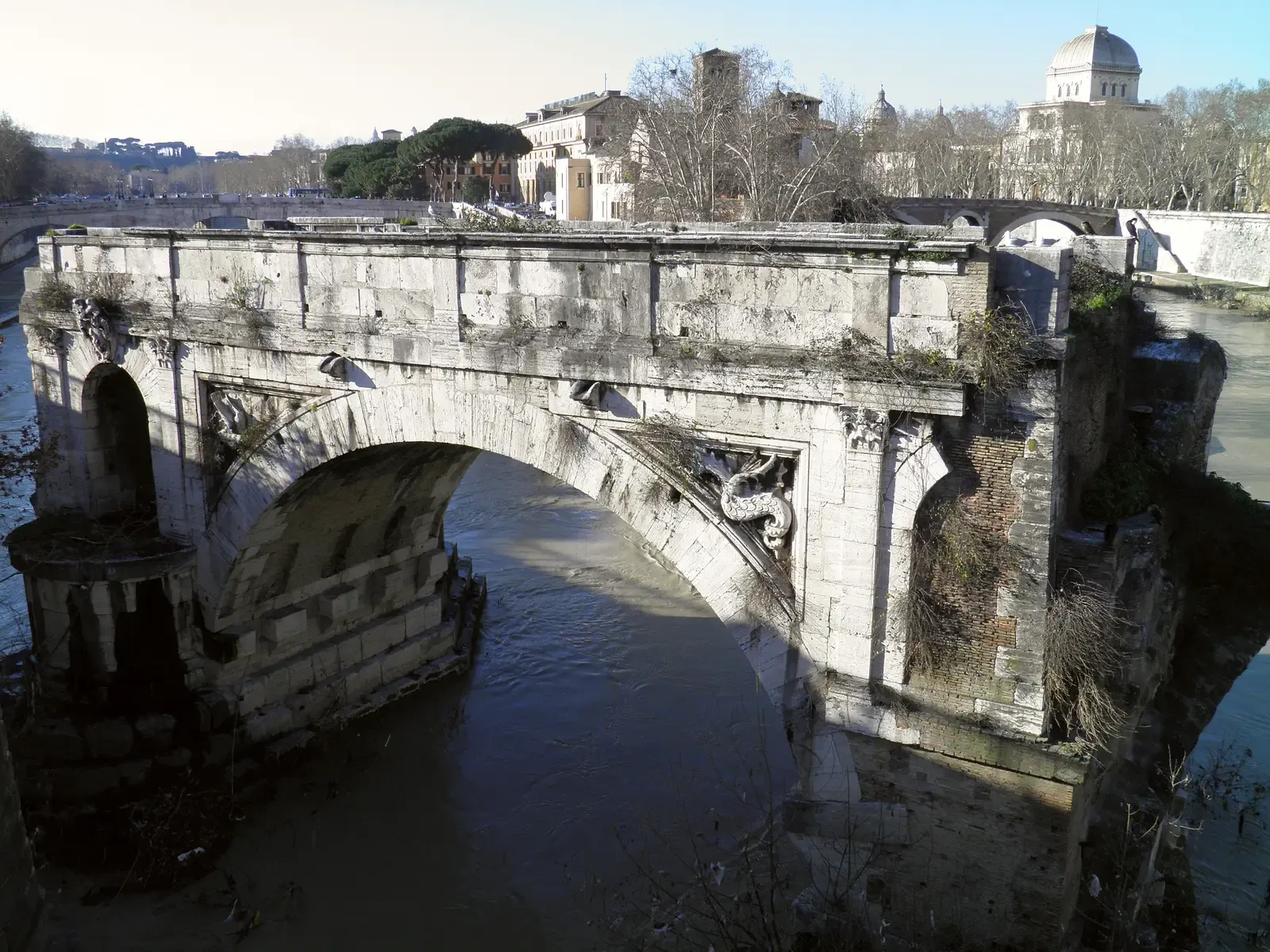
For decades, geologists studying Roman concrete cores kept finding strange white lumps and assumed Roman workers had simply rushed the job. These lumps, called lime clasts, are exactly the kind of thing standard concrete science treats as a red flag – clear evidence of a careless mix.
A 2023 MIT-led study flipped that assumption completely on its head. Researchers proposed that the Romans used hot mixing – combining quicklime directly with volcanic ash and water at high heat – which deliberately left reactive clasts scattered through the material rather than blending them away entirely.
Those clasts weren’t mistakes; they were spare parts. When cracks eventually form, water seeping through the fracture dissolves calcium from the nearby clast, and that calcium-rich solution recrystallizes inside the crack, sealing it before it can widen into a real structural problem.
Finally, there’s an explanation for why Roman walls seem to “heal” cracks that would doom a modern structure within a single hard winter.
#5 – Hot Mixing Was the Real Game-Changer, Not Just the Ingredients
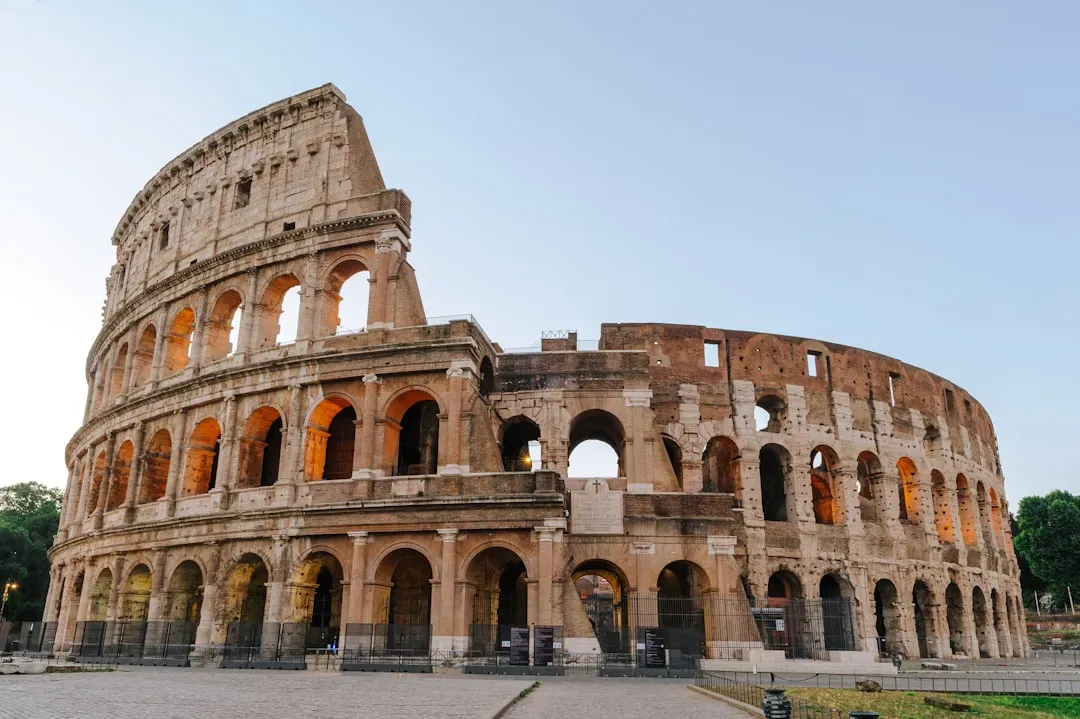
It wasn’t only what the Romans mixed – it was how they mixed it. Roman builders had two options for incorporating lime. The first, slaking, added water to quicklime before blending it with volcanic ash, sand, and more water to form a calcium hydroxide paste.
The second method changed everything. Hot mixing skipped the slaking step entirely: dry quicklime went straight into the volcanic ash and aggregate, and water was introduced to the combined mixture, producing an intense burst of localized heat right inside the mix.
Quick Compare
- Slaking: Water added to quicklime first, then blended with ash, sand, and more water
- Hot mixing: Dry quicklime combined directly with ash and aggregate, water added last
- The payoff: Hot mixing’s heat spike is the likely source of the self-healing lime clasts
A 2023 MIT study identified that heat spike as the likely source of Roman concrete’s self-healing ability. This detail matters enormously, because it means the durability wasn’t a mysterious lost recipe fading into legend – it was a specific, repeatable production technique that modern labs can now replicate and test.
Experts now argue the hot-mixing discovery may be more important than the volcanic ash itself, since it explains the self-healing mechanism that ash alone never fully accounted for.
#6 – Vitruvius Basically Wrote the First Waterproofing Manual
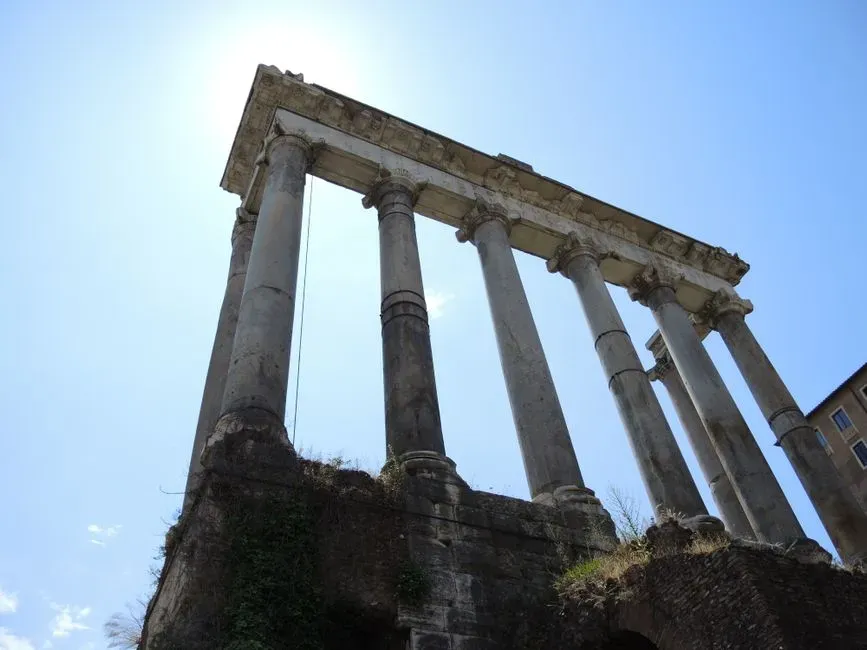
Long before “waterproofing membrane” was a phrase anyone used, Vitruvius was writing precise mix specifications in his De Architectura. He laid out exact ratios for different structural jobs, treating concrete less like a craft and more like a formula to be followed.
Harbor works and bridge piers needed the highest-quality volcanic ash from Naples, mixed at two parts pozzolan to one part lime. General mortar, meanwhile, could get by on three parts volcanic ash to one part lime, or a simpler blend of lime, crushed brick, and sand.
This wasn’t guesswork passed down around a campfire – it was documented engineering science, tailored job by job. One mix for harbor walls facing the open sea, another for road foundations, another again for vaulted roofs carrying their own weight.
Most people picture Roman builders improvising with whatever rubble was lying around. In reality, they were following ratios as exact as anything coming out of a modern batching plant.
#7 – Cocciopesto: The Crushed-Pottery Trick That Waterproofed Baths and Cisterns
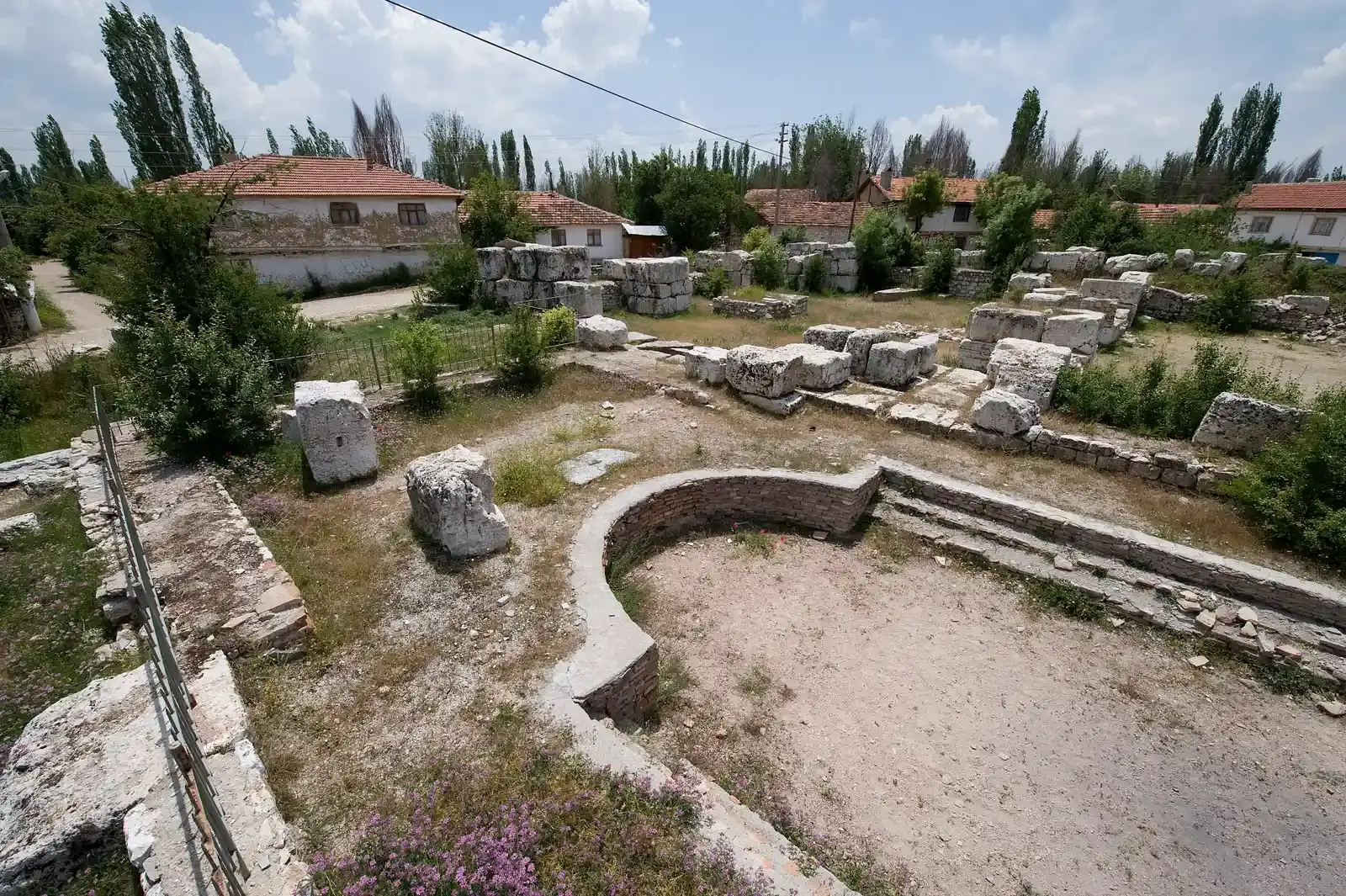
Not every Roman surface needed to survive the open ocean. For baths, floors, and cisterns, builders reached for a different solution entirely: opus signinum, better known today as cocciopesto.
This version of Roman concrete mixed in small pieces of broken pot, amphorae, tile, and brick instead of standard aggregate. Its biggest advantage was straightforward waterproofing, which is exactly why it shows up everywhere in Roman baths, aqueducts, and cisterns, and why it doubled as damp-proofing under floors.
Worth Knowing
- Made by mixing crushed pottery, tile, and brick into the concrete
- Used to waterproof bathhouse floors and plunge pools
- Lined aqueducts and cisterns across the empire
- Doubled as damp-proofing beneath everyday floors
This detail gets skipped in most headlines about Roman engineering, which tend to fixate only on dramatic harbor concrete. But cocciopesto arguably mattered more to daily Roman life, since it lined the floors people walked on and the pools people bathed in every single day of the year.
Revealed: the Romans had essentially invented recycled-material construction, repurposing broken pottery as a functional waterproofing agent centuries before “sustainability” was ever a word anyone needed.
#8 – Aqueduct Channels Were Engineered for Smooth, Continuous Water Flow
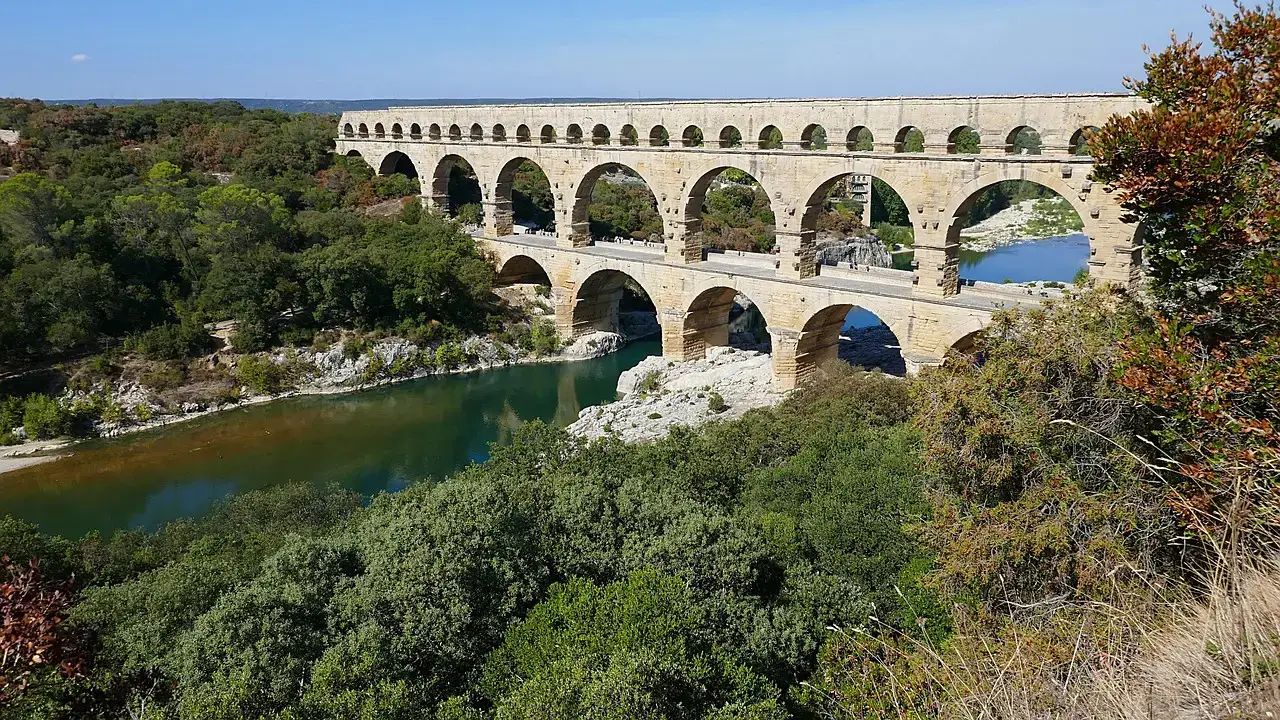
Waterproofing an aqueduct isn’t just about stopping leaks – it’s about keeping water moving efficiently for miles without corroding the channel walls along the way. Researchers analyzing mortars from infrastructure that served Rome and Pompeii found something very specific about the linings used.
Ancient builders constructed aqueduct channels with almost no visible joints, using a hybrid binder that set more slowly and produced smoother, more watertight linings – ideal for high-flow applications running around the clock, year after year.
That slower setting time was a deliberate trade-off, not a limitation. It also slowed the buildup of calcium carbonate deposits like travertine on the channel walls, making mineral buildup easier to scrape away, since these linings didn’t need to bear structural load the way harbor concrete did.
Turns out, Roman engineers were already thinking about long-term maintenance costs and mineral scaling – problems modern water utilities still budget millions of dollars for every single year.
#9 – Some Roman Harbors Have Outlasted Structures Built in the 1960s
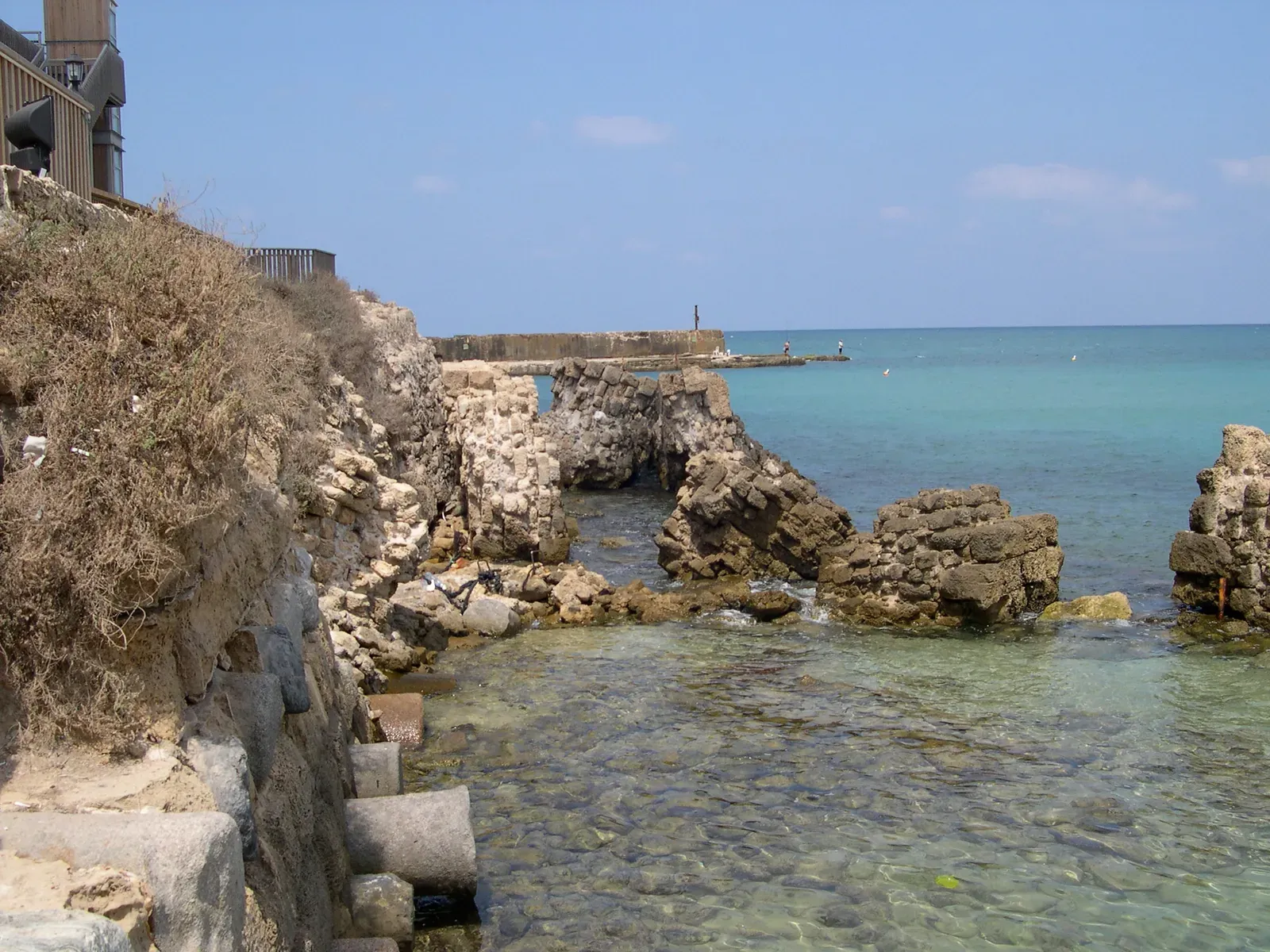
Numbers make this finding land harder than any chemistry explanation ever could. A Roman breakwater at Portus Cosanus, on the coast of Tuscany, has been sitting in salt water since before the birth of Christ – and it’s still there, doing its job.
A concrete boat ramp poured along that same coastline in the mid-1960s is already crumbling, its steel reinforcement rusting and splitting the material from the inside out. Same coastline, same seawater, same general climate.
At a Glance
| Portus Cosanus Breakwater | 1960s Boat Ramp | |
|---|---|---|
| Built | Before the birth of Christ | Mid-1960s |
| Location | Tuscany coast | Same coastline |
| Condition today | Still standing and functioning | Crumbling, rebar rusting |
| Approximate age | Over 2,000 years | About 60 years |
Sit with that for a second: the modern structure failed within roughly sixty years, while the ancient one is still functioning after more than two thousand. Roman harbors have stood in the surf for two millennia while modern seawalls crumble in a matter of decades just a few miles away.
This is the single most concrete side-by-side comparison in the entire body of research, and it’s usually the one number that ends arguments at dinner parties.
#10 – Modern Concrete’s Real Problem Isn’t the Mix, It’s the Steel
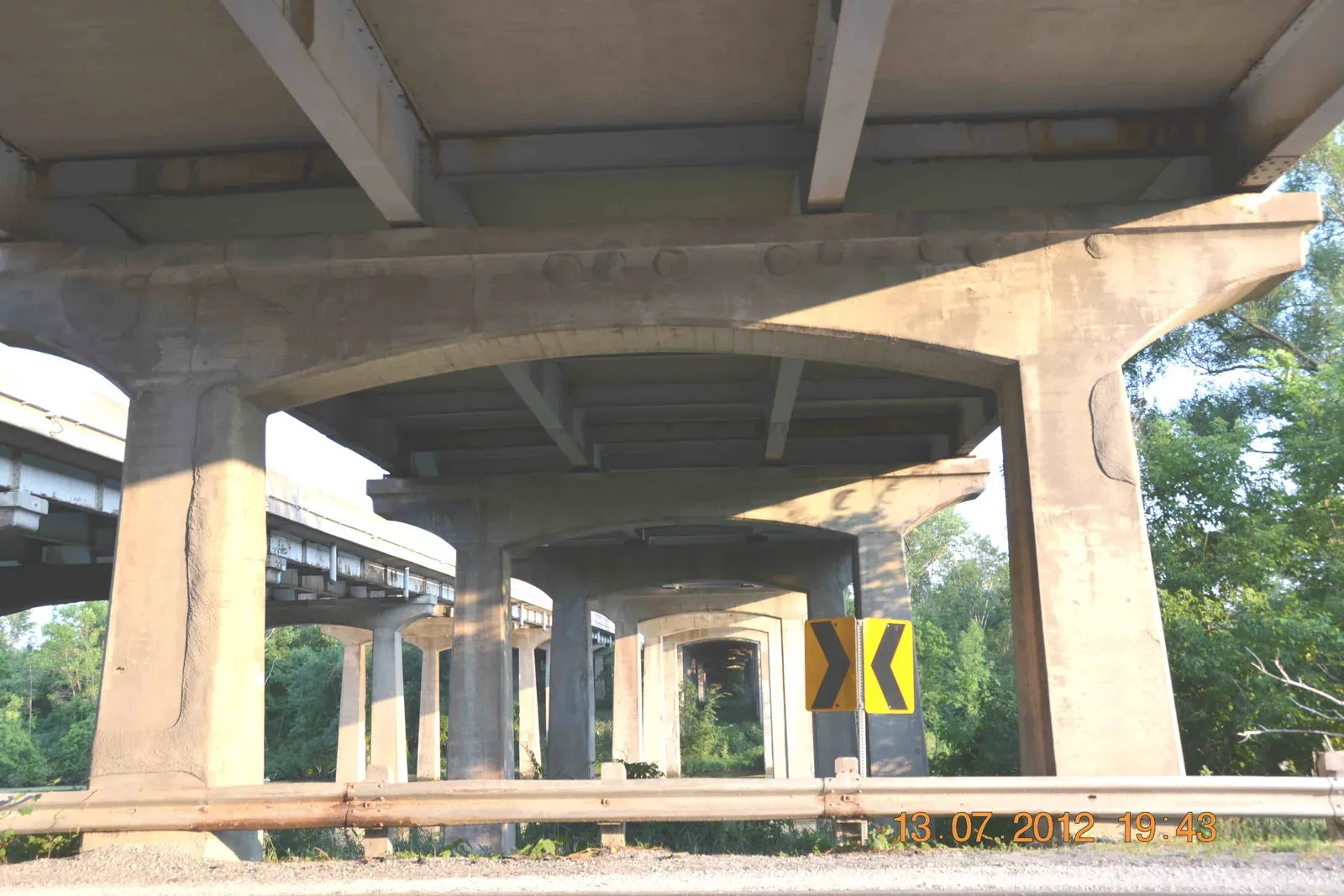
Here’s the controversial part experts increasingly agree on: modern concrete isn’t necessarily worse chemically. It’s built around a completely different, riskier strategy that trades longevity for speed and shape.
The comparatively short lifespan of modern concrete is overwhelmingly the result of corrosion-induced failure. Left unchecked, reinforced concrete exposed to the elements often starts decaying within a few decades – sometimes even less near the coast.
The mechanism is almost the exact opposite of what happens inside Roman marine concrete. Dissolved chlorides penetrate the porous matrix, strip away the protective layer around embedded steel rebar, and trigger corrosion; as that steel corrodes, it expands to several times its original volume, cracking and splitting the concrete around it. Roman concrete had no rebar at all to corrode in the first place.
Yes, that limited how thin or tall Roman structures could be built. But it also removed the number one cause of concrete failure entirely, which is exactly why so many engineers now argue steel reinforcement is a trade, not a straightforward upgrade.
#11 – Scientists Are Now Trying to Reverse-Engineer the Romans for Modern Use
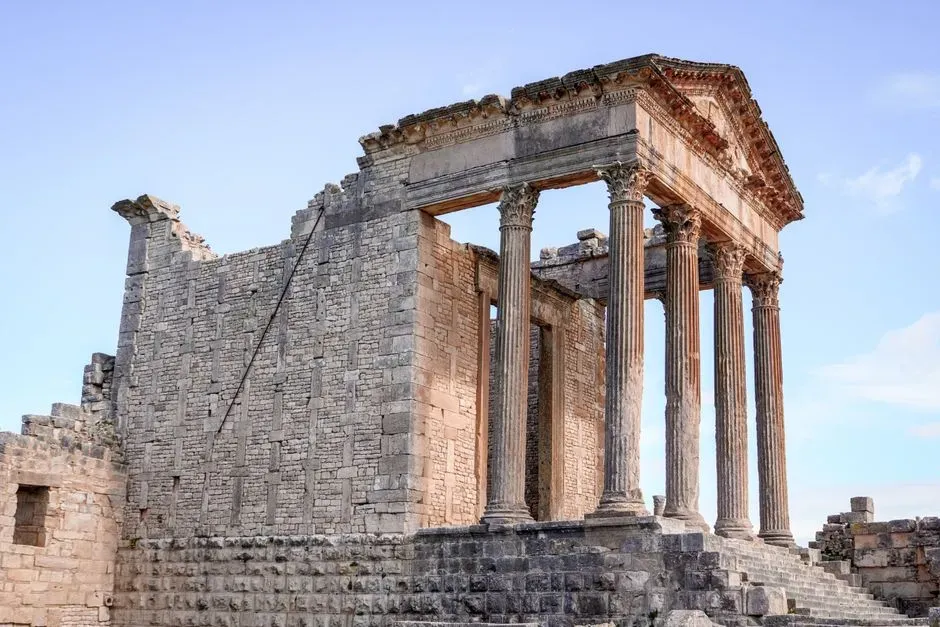
The most exciting confirmation in all of this isn’t academic – it’s practical. Researchers openly want to steal this technology back and put it to work on modern coastlines.
Scientists hope their findings can improve modern concrete techniques, resulting in a material that lasts longer and carries a far smaller environmental footprint. The implications reach well beyond bragging rights about ancient durability.
Extending the service life of concrete infrastructure from around 50 years to 150 or 200 would dramatically reduce how often we demolish and rebuild, cutting total lifecycle emissions in the process. Given that concrete production is already a massive global carbon source, a Roman-inspired formula that lasts three or four times longer isn’t a nostalgic curiosity.
It’s a genuine climate strategy that’s been hiding in plain sight for two thousand years, and active research programs are now racing to recreate hot-mixed, self-healing concrete at commercial scale.
The Bottom Line
The evidence is consistent, and frankly a little humbling: Roman engineers weren’t just lucky. They were chemically outperforming modern methods in specific, measurable ways – self-healing lime clasts, seawater-activated mineral growth, and purpose-built mixes for every job from bathhouses to breakwaters.
Modern concrete isn’t incompetent. It’s optimized for speed, cost, and steel-reinforced strength at a scale the Romans never had to manage. But when it comes purely to long-term waterproofing in punishing marine conditions, the data says the Romans won this round – and scientists are now racing to catch up to a formula their own ancestors buried under two thousand years of sediment.
So here’s the real question worth arguing about: should modern builders start switching back to volcanic-ash concrete for coastal projects, or is steel reinforcement still worth the trade-off? Drop your take in the comments.