Most people assume weather records get broken every few years thanks to climate change and better instruments – but that’s not entirely true. Buried in dusty logbooks and government archives are a handful of extreme readings that have refused to budge for 100 years or more, surviving satellites, supercomputers, and a century of global warming.
Some of these numbers are so strange that meteorologists still argue about whether they’re even real. Here’s what climate scientists and record-keepers actually say about the extremes nobody has managed to top.
#14 – The Sunniest Place on Earth Has Barely Changed in a Century
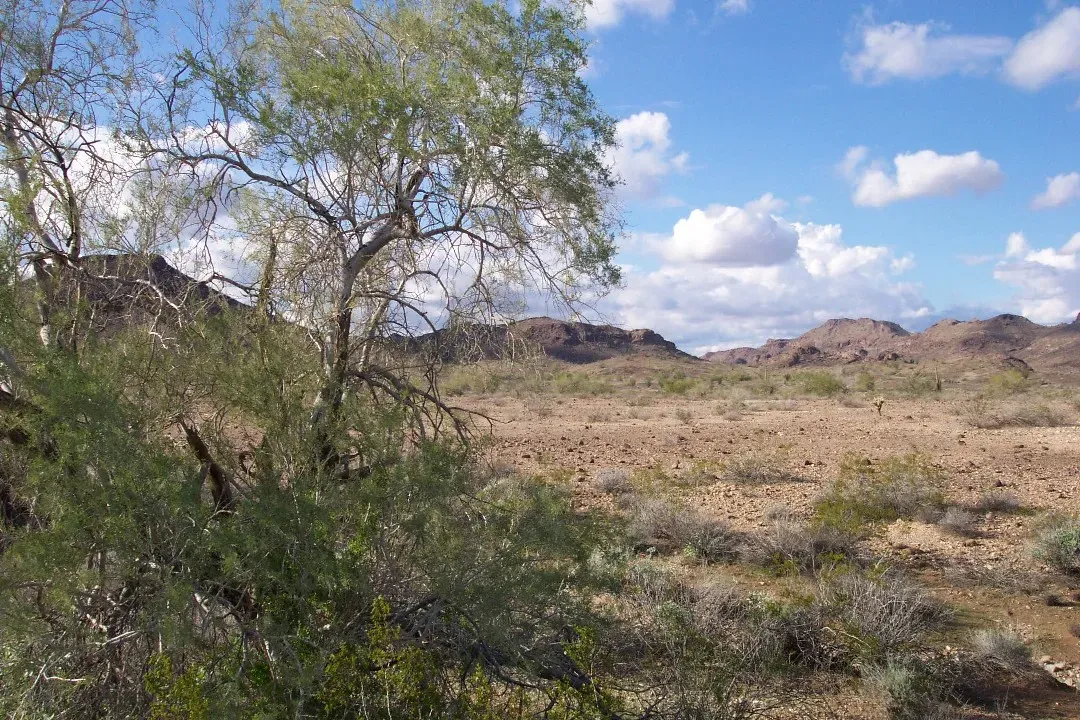
Yuma, Arizona sits in a bone-dry corner of the Sonoran Desert, and it has spent more than a hundred years quietly logging some of the most consistent sunshine totals ever measured on the planet. Long-term climate records show the city receives sunshine on roughly 90% of daylight hours annually, a figure that has held remarkably steady since detailed record-keeping began in the region generations ago.
What makes this record so stubborn isn’t luck – it’s geography. Yuma sits in a rain shadow created by mountain ranges to the west, which strips moisture out of incoming air masses before they arrive. Low humidity, minimal cloud cover, and a nearly desert-flat horizon combine to create a sunshine machine that modern development hasn’t disrupted.
Fast Facts
- The annual average at Yuma, Arizona, USA is 91 per cent of the possible hours of sunshine (a mean of 4,055 hours out of 4,456 possible hours in a year)
- Yuma only receives an annual rainfall of three inches, so drought-dry skies are the norm, not the exception
- The city sits in a rain shadow cast by mountains to its west, stripping moisture from incoming air
- Local air quality remains clear enough that haze rarely blocks direct sunlight from reaching instruments
Most people assume a “sunniest place” record would get broken as cities grow and pollution increases. Yuma’s numbers have proven surprisingly resistant to change – local air quality remains high enough that haze rarely interferes with direct solar radiation reaching the instruments.
#13 – The Driest Inhabited Place on Earth Has Gone Decades Without a Drop
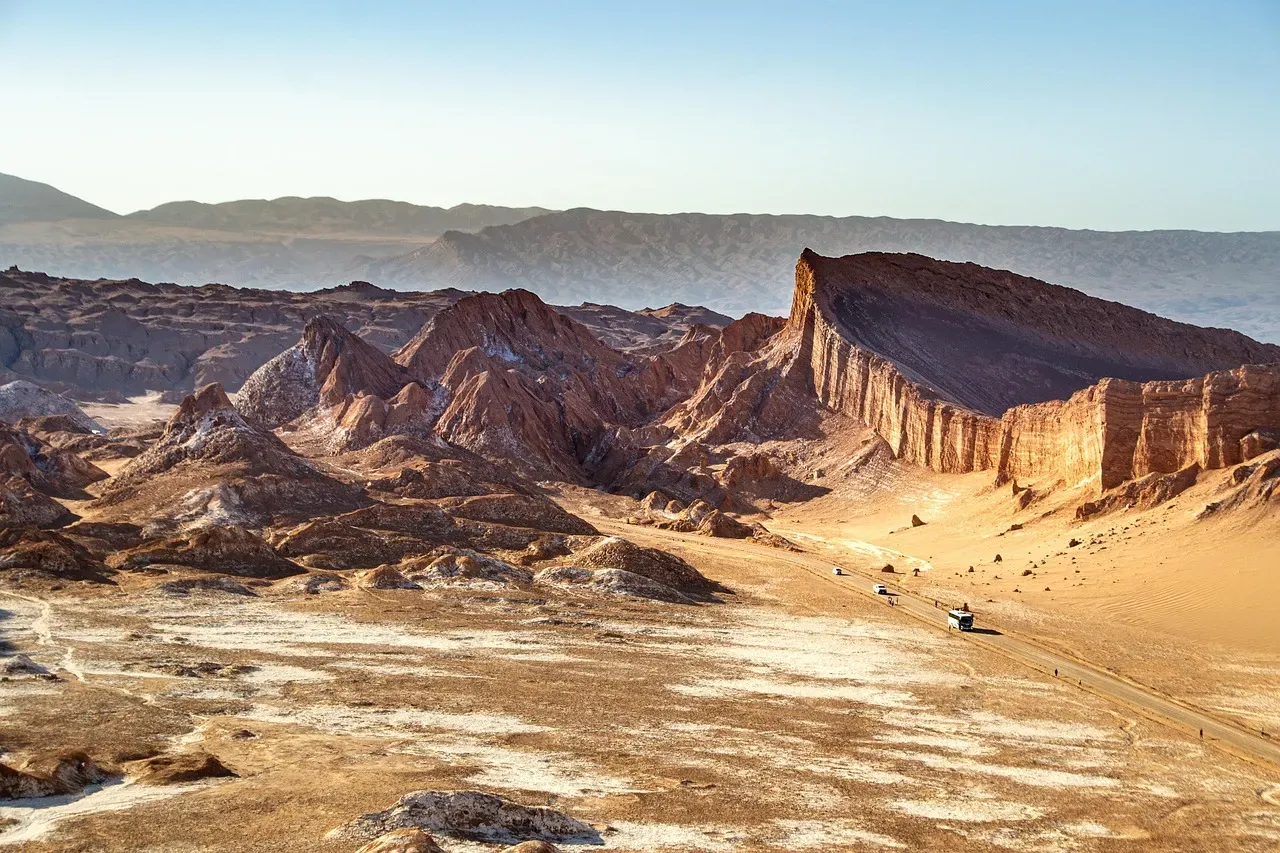
Parts of the Atacama Desert near Arica, Chile, hold a reputation among climatologists as the driest inhabited region on the planet, with some weather stations there recording stretches of over a decade without measurable rainfall. The dry spell that put Arica on the meteorological map stretched from the early 1900s through the mid-20th century, and the underlying climate pattern responsible for it hasn’t meaningfully shifted in the century since.
The cause is a brutal combination of cold ocean currents and a persistent high-pressure system that suppresses cloud formation. Moisture simply can’t condense before it evaporates back into the atmosphere, leaving entire towns coated in salt flats instead of soil.
Locals have adapted in ways outsiders find almost unbelievable – some communities historically relied on fog-harvesting nets rather than rainfall to source drinking water. An entire regional economy grew around the absence of rain, not its presence.
#12 – A 19th-Century Cyclone Still Holds the Storm Surge Crown
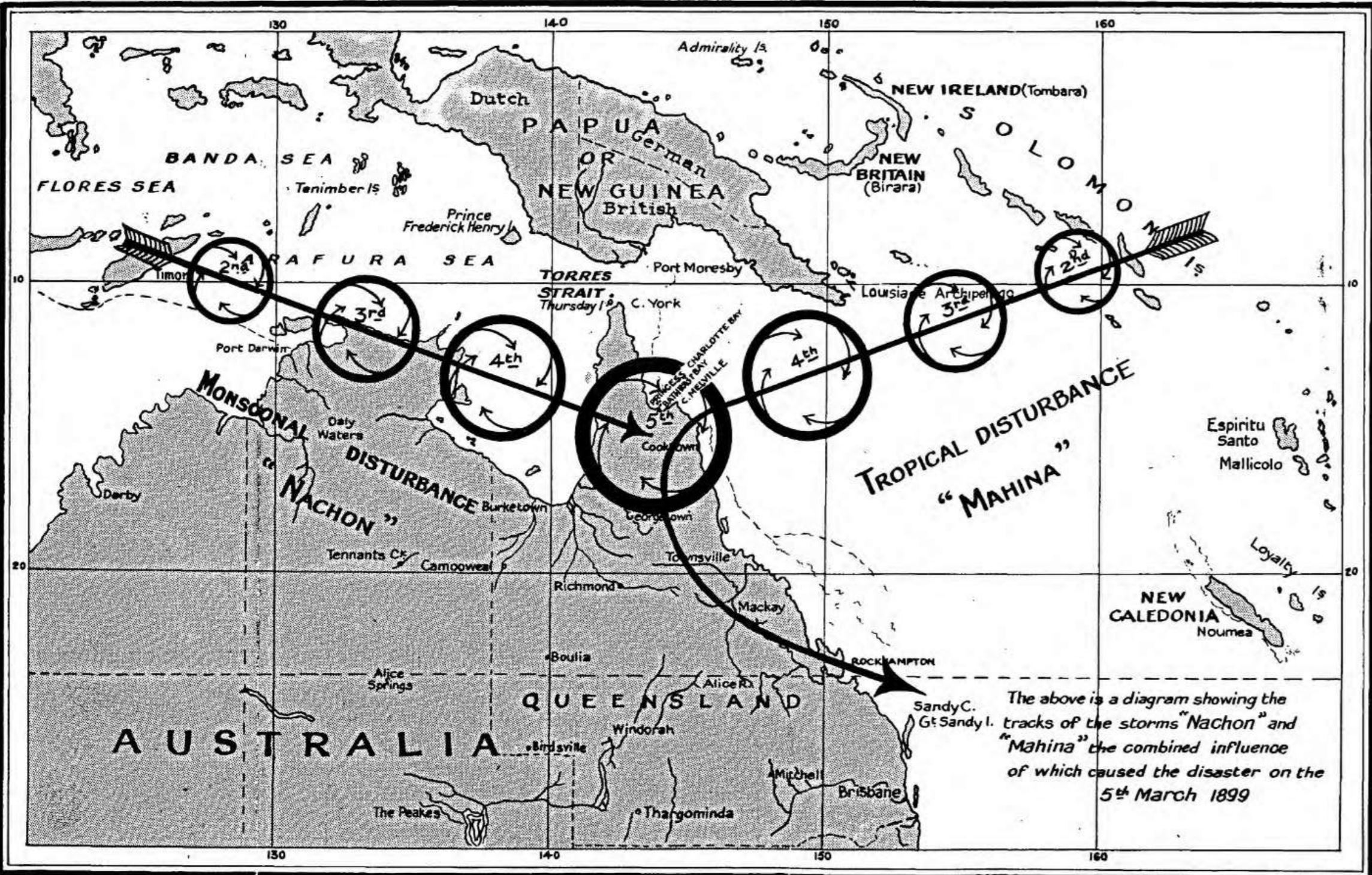
In 1899, a cyclone slammed into Bathurst Bay along the coast of Queensland, Australia, and generated a storm surge so massive it’s still cited by cyclone researchers as among the highest ever documented, with water reportedly pushed well beyond 40 feet above normal sea level in some accounts. More than 120 years of hurricane and typhoon activity since then – including monster storms tracked by satellite – haven’t produced anything confirmed to top it.
The tragedy behind the record is staggering. The surge devastated a pearling fleet anchored nearby, and the death toll from that single event remains one of the deadliest storm-surge disasters in Southern Hemisphere history.
Experts still debate the exact surge height, because measurement technology in 1899 was primitive compared to today’s tide gauges and radar altimetry. Even so, the anecdotal and physical evidence – driftwood and marine debris found far inland – has kept this record standing in climatological literature for well over a century.
#11 – America’s Deadliest Hurricane Refuses to Be Dethroned
![#11 - America's Deadliest Hurricane Refuses to Be Dethroned (Created by Supportstorm using Wikipedia:WikiProject Tropical cyclones/Tracks. The background image is from NASA. Tracking data is from the National Hurricane Center[1]., Public domain)](https://nvmwebsites-budwg5g9avh3epea.z03.azurefd.net/dws/20ace36b94c444f0c5063bd9275b46a5.webp)
The Galveston Hurricane of September 1900 remains the deadliest natural disaster in United States history, killing an estimated 6,000 to 12,000 people when a Category 4 storm caught the low-lying Texas island completely off guard. More than 125 years of hurricane seasons – including Katrina, Camille, and Andrew – have come and gone without a single storm surpassing that death toll on American soil.
At a Glance
- Date: September 8, 1900
- Storm strength: Category 4 hurricane
- Estimated death toll: 6,000 to 12,000 people
- Pre-storm defenses: no seawall, no reliable warning system, elevation barely above sea level
- Post-storm response: 17-foot seawall built, entire city grade physically raised
Part of the reason the record still stands isn’t just the storm’s brute strength. Galveston had no seawall, no reliable warning system, and elevation barely above sea level, creating a perfect setup for catastrophe that modern infrastructure has since made nearly impossible to repeat.
The disaster fundamentally changed American emergency preparedness. Galveston built a 17-foot seawall afterward and literally raised the entire city grade using dredged sand. Most people don’t realize an entire American city was physically lifted in response to one storm.
#10 – The Deadliest, Longest-Tracked Tornado in U.S. History
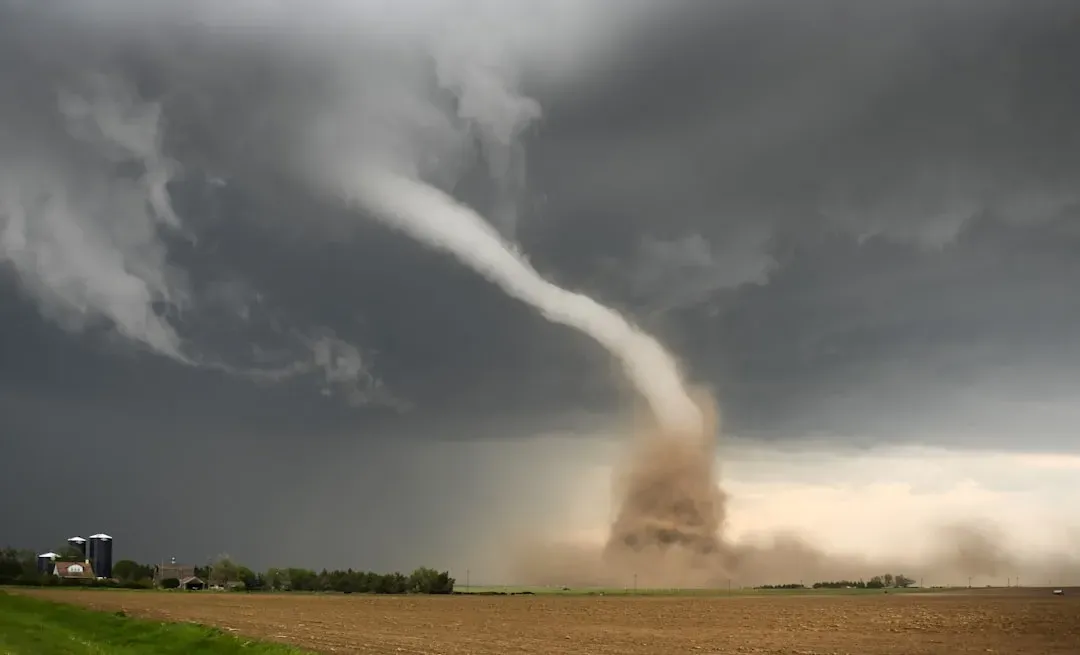
On March 18, 1925, a single tornado carved a nearly 219-mile path of destruction across Missouri, Illinois, and Indiana, killing around 695 people and becoming both the deadliest and longest-tracked tornado ever documented in the United States. More than a century of Doppler radar, storm chasers, and mobile mesonets have never recorded another single tornado matching that combination of distance and death toll.
The storm moved so fast – reportedly averaging over 60 mph across the ground – that many victims had almost no warning before their homes were leveled. Entire mining towns were wiped off the map within minutes.
Meteorologists still aren’t entirely sure whether this was one continuous tornado or a rapid-fire family of tornadoes, since 1925-era observation tools couldn’t track a storm the way today’s radar can. Either way, the death and destruction total has never been matched.
#9 – The Longest-Running Family Weather Diary in America

While government agencies get most of the credit for climate data, one of the longest unbroken rainfall records in the southeastern United States has been kept not by a federal office, but by a single family in Rome, Georgia. It’s among the oldest continuous series in the Southeastern United States, and it stands today as the nation’s longest voluntary climatic record maintained within one family.
The same instrument site was used for nearly 100 years, affording excellent continuity and comparability. That kind of consistency is gold for climate scientists, because it removes the guesswork that comes from stations relocating or swapping equipment every few decades.
Most people assume long-term climate data only comes from big institutions, but this record proves otherwise. One household’s dedication produced a dataset covering more than 130 years, stretching back to 1855 – a reminder that some of the most valuable scientific records in history were never generated in a lab.
#8 – The Weather Station That Never Missed a Day for 141 Years
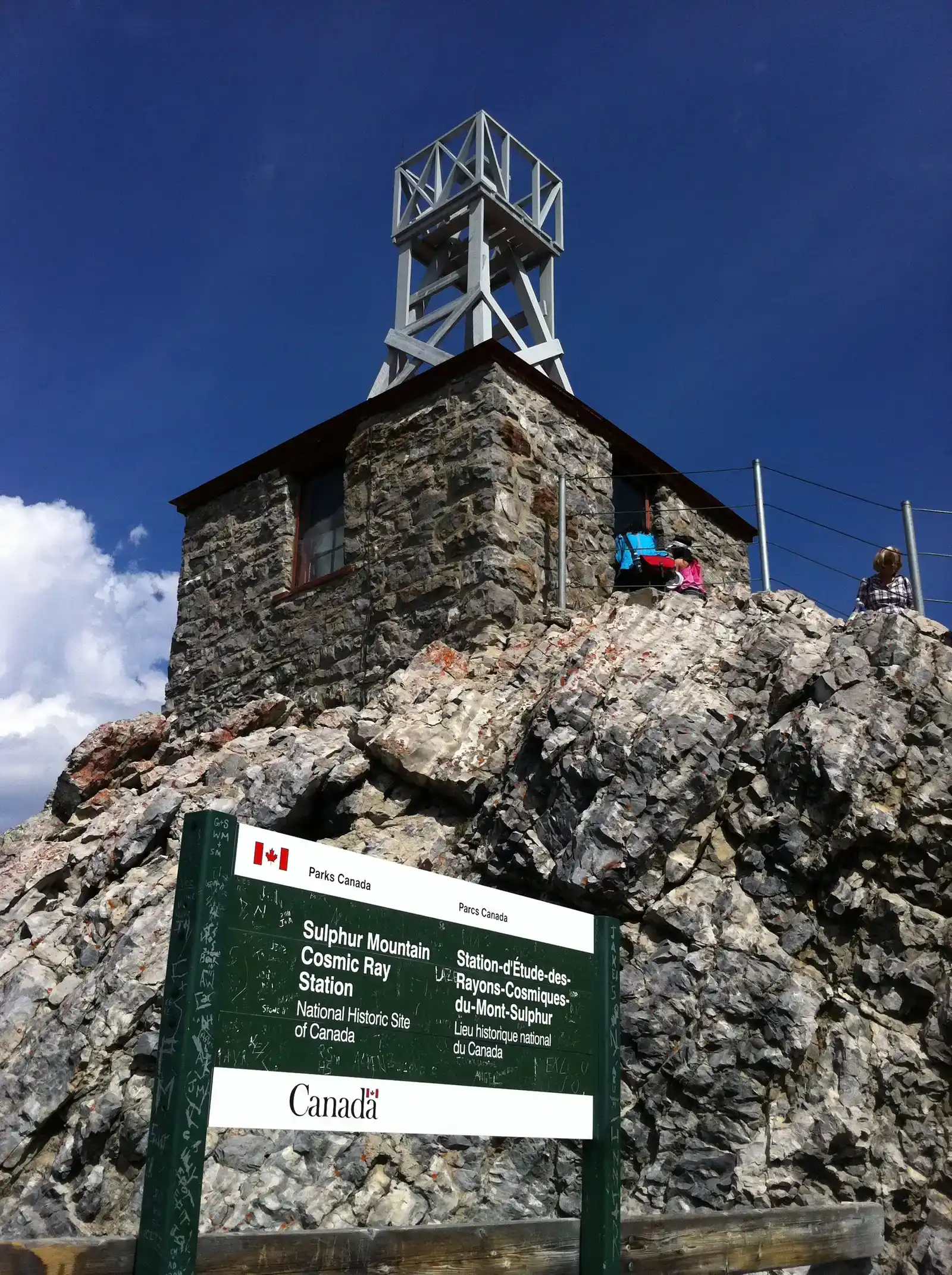
Perched on a hilltop 15 miles south of Boston, Blue Hill Observatory has produced one of the most complete continuous weather datasets in North America. It’s a routine observers there have followed every single day for the last 141 years, using largely unchanged analog tools to track temperature, humidity, precipitation, wind, and more.
What makes Blue Hill remarkable isn’t just its age – it’s the equipment. The mercury barometers in the observers’ office are believed by the observatory to be the oldest such instrument in active daily use in the United States. Nothing about the reading process has fundamentally changed since the 1880s.
Having records that stretch back over 100 years is really unique.
University of Oklahoma meteorologist
Some of America’s most valuable climate science still runs on 19th-century glass and mercury.
#7 – The World’s Longest Continuous Temperature Record Predates America Itself
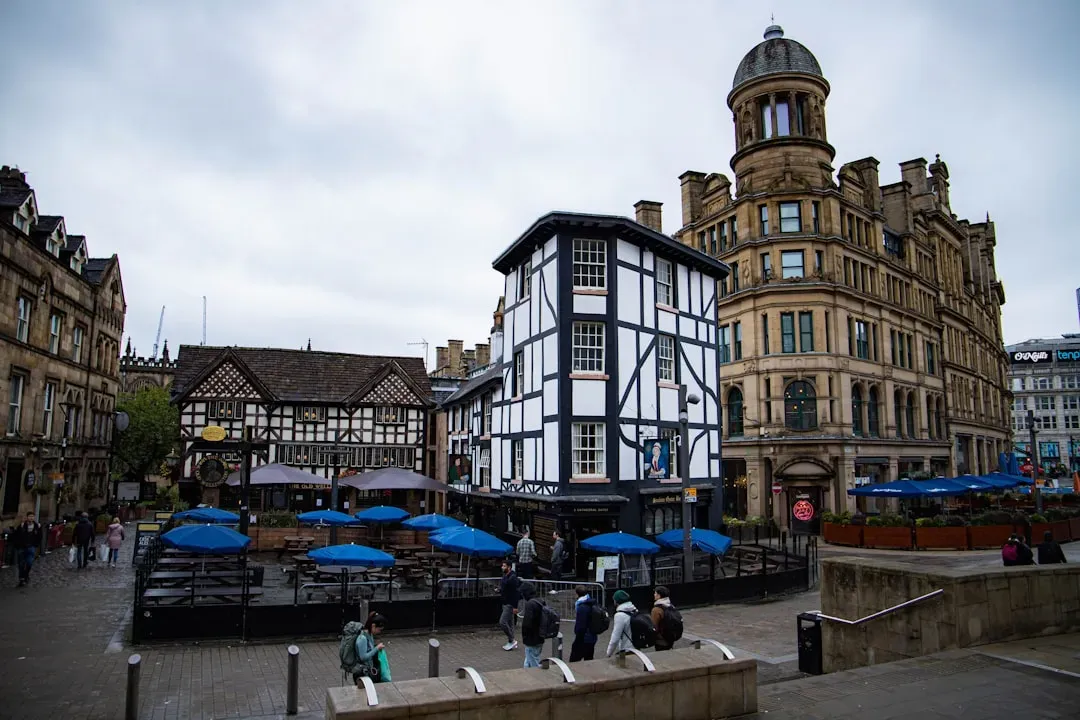
Long before Death Valley or Verkhoyansk made headlines, meteorologists in England began compiling what’s now recognized as the longest continuous instrumental temperature dataset on Earth – the Central England Temperature series, with monthly records stretching back to 1659. Nearly 370 years of near-uninterrupted data have survived wars, industrial revolutions, and multiple changes in measurement technology.
This record matters far beyond bragging rights. Climate scientists use it as a baseline to understand how much the modern climate has actually shifted compared to the pre-industrial era, since it predates thermometers becoming standardized equipment by decades.
Most people don’t realize a weather record from the 1600s is still actively updated today. Researchers add new monthly figures to the same dataset that recorded temperatures during the reign of Oliver Cromwell, making it arguably the single most important piece of long-range climate evidence in existence.
#6 – The Wettest Year and Wettest Month Ever Measured
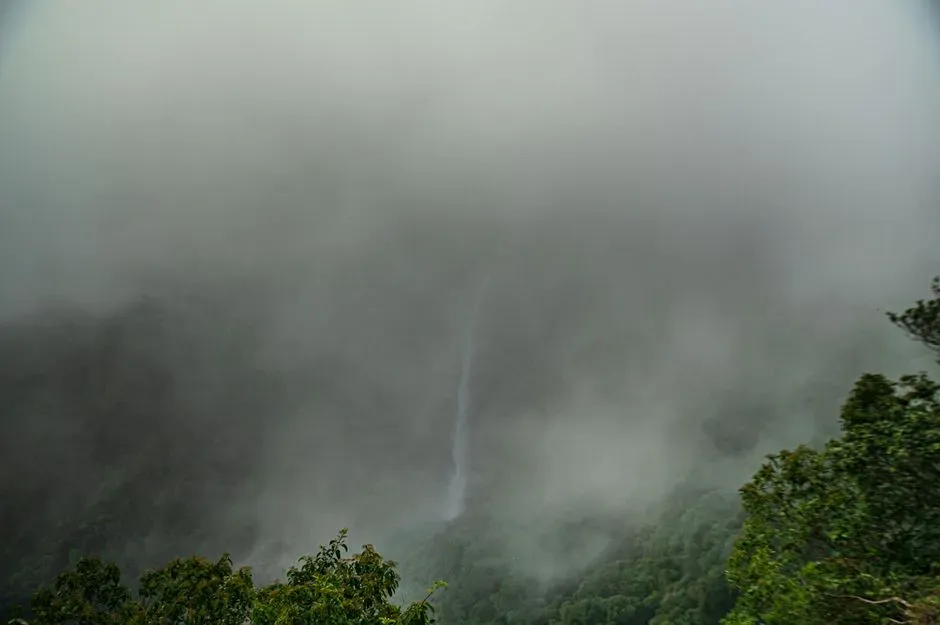
In a remote corner of northeast India, the hill town of Cherrapunji – and its neighbor Mawsynram – hold records for both the wettest calendar month and the wettest 12-month period ever documented on Earth, both dating back to 1860 and 1861. Monsoon winds slam directly into the Khasi Hills there, wringing out staggering volumes of rain in a way almost no other location on the planet replicates.
Quick Compare
- Cherrapunji’s wettest 12 months (Aug 1860-July 1861): the greatest recorded total single-year rainfall, 1,042 inches (26,467 mm)
- Cherrapunji’s wettest single month (July 1861): one of the greatest recorded one-month total rainfalls, 366 inches (9,296 mm)
- Miami’s average yearly rainfall, for comparison: 67.41 inches
- New Orleans’ average yearly rainfall, for comparison: 63.35 inches
More than 165 years of monsoon seasons since then – including increasingly intense storms tied to a warming climate – have never produced a single month or year matching those original 1860s totals. That’s a stunning statistic considering how much rainfall data scientists have gathered globally in the interim.
Most climate discussions focus on record heat, but this record proves rainfall extremes can be just as historically stubborn. Locals in the region still rely on root bridges and elevated walkways specifically engineered to survive monsoon flooding that would overwhelm infrastructure almost anywhere else on Earth.
#5 – 160 Consecutive Days Above 100°F, and Nobody’s Come Close Since
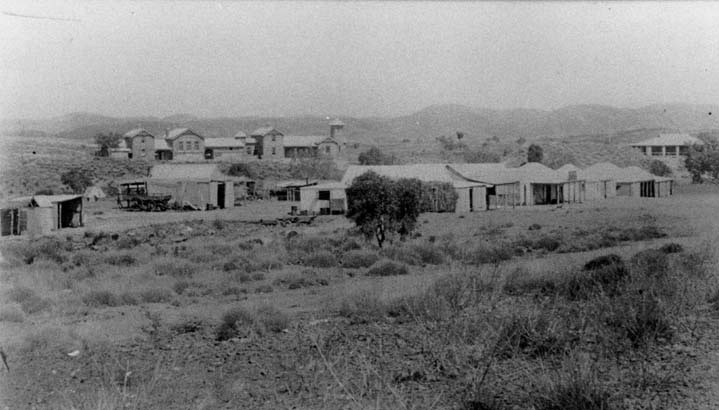
Between October 1923 and April 1924, the tiny outback town of Marble Bar, Australia, endured 160 consecutive days where the temperature reached at least 100°F – a heat endurance record that has never been matched anywhere on Earth in the century since. Modern Australian heatwaves, even the brutal ones that regularly make international news, haven’t come close to that streak length.
What’s wild is that Marble Bar isn’t even considered the hottest place in Australia by average temperature – it’s the consistency of the heat that makes the record unbeatable. Day after day, month after month, the mercury simply refused to drop.
Experts now argue this record says more about atmospheric stagnation than raw heat extremes, since it required an unusually persistent high-pressure pattern locked in place for nearly half a year. Nothing on record since – not even recent global heatwaves – has replicated that specific meteorological setup.
#4 – The Snowstorm So Big It Took 31 Years to Officially Confirm
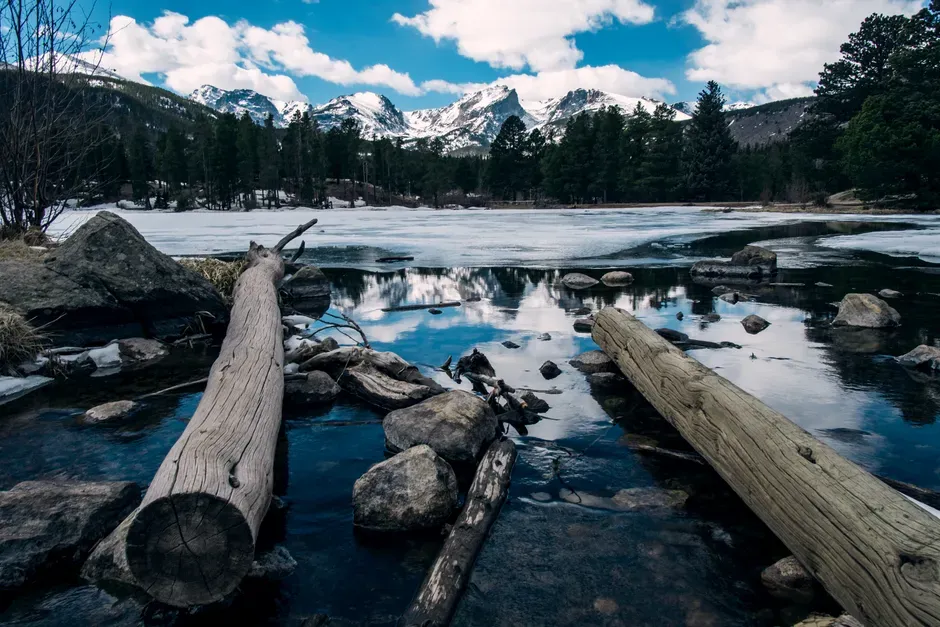
Between April 14 and 15, 1921, a monster storm buried Silver Lake, Colorado, under an almost unbelievable amount of snow. Silver Lake was buried in 95 inches – almost 8 feet – of snow in just over 32 hours, and in a single 24-hour window that amounted to 76 inches, which after an investigation years later was found to be a new national 24-hour snowfall record.
Worth Knowing
- Storm dates: April 14-15, 1921
- Total snowfall in 32 hours: 95 inches, almost 8 feet
- 24-hour snowfall: 76 inches, once the national record
- Official confirmation didn’t arrive until 31 years after the storm
- Alaska’s 1963 storm later edged out the 24-hour mark with a 78-inch total
Here’s the part almost nobody knows: officials didn’t officially confirm this as a national record until decades after it happened. The confirmation came 31 years later, meaning the storm sat in relative obscurity while meteorologists cross-checked the numbers against other extreme snowfall events across the country.
The record has since gained one asterisk. According to NOAA’s state records, the Silver Lake 24-hour total has since been topped by a February 9, 1963, 78-inch snowfall at Mile 47 Camp in Alaska. But Silver Lake’s 32-hour, 95-inch total from a single storm system remains one of the most extreme snowfall events documented anywhere in the United States, over a century after it fell.
#3 – The World Record That Got Officially Disqualified After 90 Years
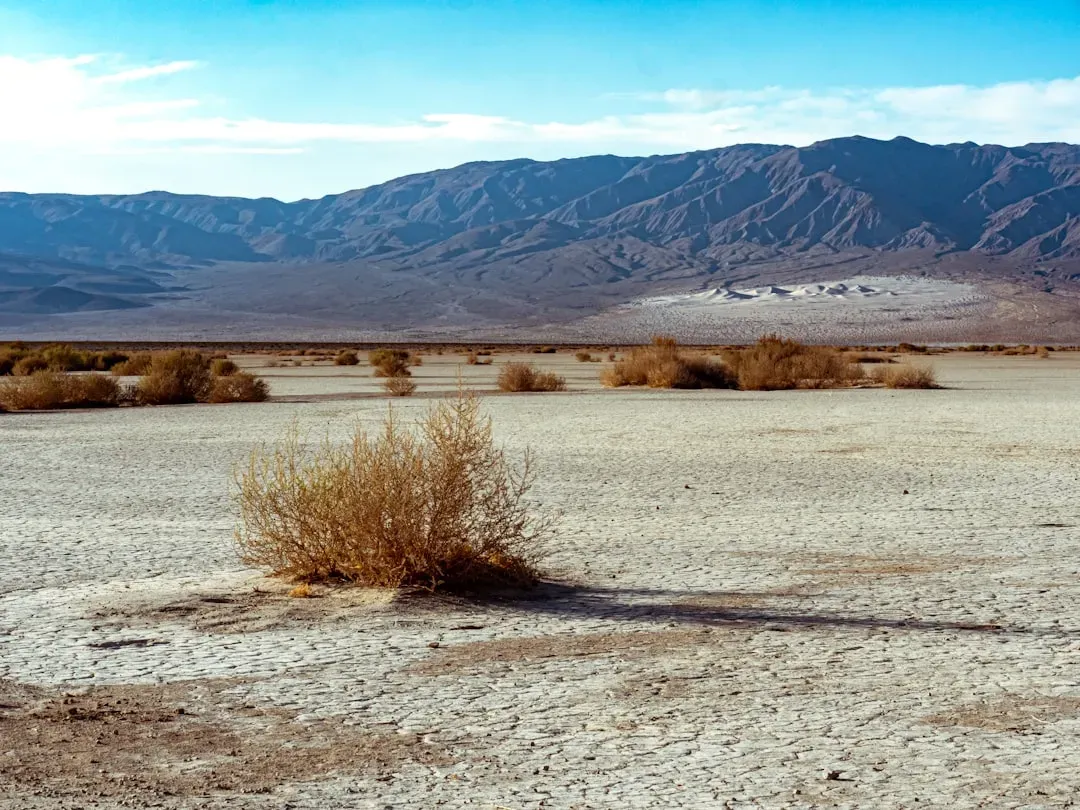
For nearly a century, meteorology textbooks credited El Azizia, Libya, with the hottest temperature ever recorded on Earth – 136°F, measured on September 13, 1922. It was certified by the World Meteorological Organization as the hottest air temperature ever recorded, and treated as gospel for the better part of a century, until additional evidence came to light indicating the reading was invalid.
What actually happened is almost embarrassing in hindsight. Investigators eventually determined the equipment, site conditions, and observer inexperience made the reading scientifically unreliable.
The WMO cited the El Azizia number for nine decades, until on September 12, 2012, it officially re-certified the 134-degree reading at Death Valley as the all-time highest air temperature ever recorded on Earth. The “world record” heat title spent 90 years pinned to a number that was likely never real.
#2 – The Coldest Temperature Ever Recorded in the Northern Hemisphere
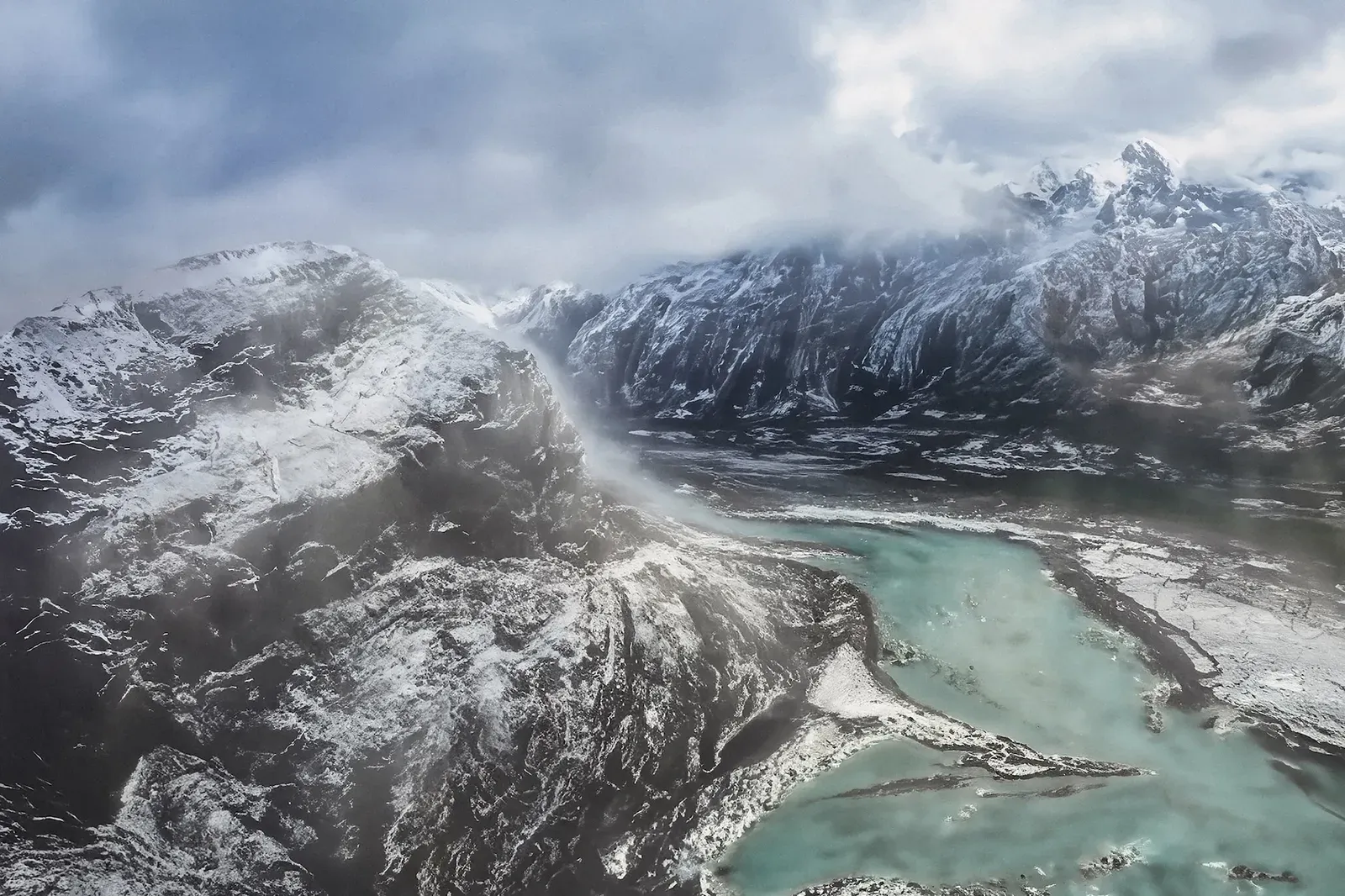
On two separate occasions – February 5 and again February 7, 1892 – the remote Siberian town of Verkhoyansk recorded a jaw-dropping mercury plunge to 90.4 degrees below zero Fahrenheit, making it the coldest temperature ever recorded in the Northern Hemisphere. More than 130 years of Arctic research stations, satellite monitoring, and Siberian expeditions have never produced a colder confirmed reading north of the equator.
The record isn’t without controversy. Weather logs from more than a century ago can be spotty and less precise than today’s standards, and scientists have specifically questioned whether the spirit thermometers used at the time introduced measurement error, since those instruments are less accurate than mercury thermometers and require correction. Still, carefully recorded extreme events from that era have largely held up under scrutiny.
What makes Verkhoyansk even stranger is its jaw-dropping temperature range. The largest temperature swing ever recorded in one location spans 105.8°C, from −67.8°C in 1892 to 38.0°C in June 2020 – both recorded in the very same town. The same remote outpost holds both a brutal cold record and one of the widest temperature swings ever measured on the planet.
#1 – The Hottest Temperature Ever Measured on Earth’s Surface
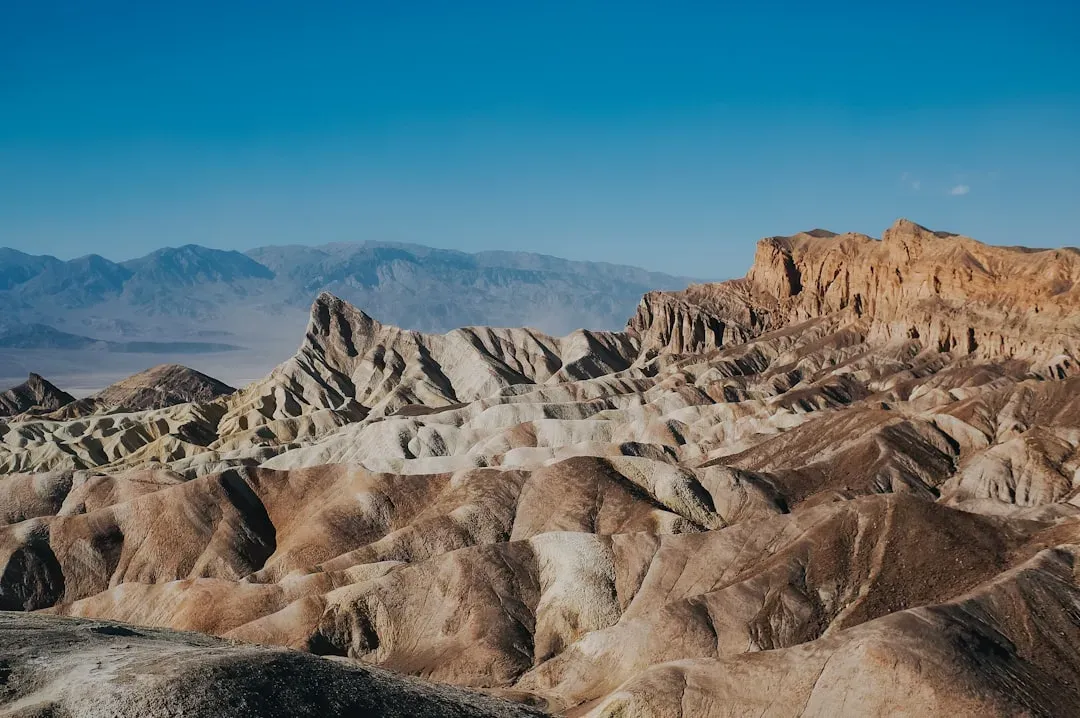
Every list like this has to end with Death Valley, because no other weather record on this planet has survived more scrutiny, more scientific challenges, and more attempts at debunking – and still come out standing. On July 10, 1913, Greenland Ranch in Death Valley observed the hottest surface air temperature ever recorded on Earth, at 134°F.
The heat that week wasn’t a one-day fluke. From July 5–14, 1913, Death Valley endured an intense stretch of weather where the high reached 125°F or more every single day – still the longest consecutive stretch of temperatures that high in the valley – with the hottest days, July 9 through 13, reaching at least 129°F each day.
Why It Stands Out
- Date and location: July 10, 1913, Greenland Ranch, Death Valley
- Official reading: 134°F, still the certified world record
- Nine straight days (July 5-13) topped 125°F or hotter
- WMO re-certified the mark on September 12, 2012, after disqualifying Libya’s 1922 reading
- Some modern researchers argue the true value that day may have been closer to 120°F
But here’s the controversy nobody talks about: a growing number of scientists think the record might be fake. Its authenticity has been debated by meteorologists and climatologists because temperatures in the region have rarely reached 130°F since 1913, and one researcher has said he’s “been quietly skeptical of the Death Valley world record” his entire career. A recent analysis found the 134°F reading is roughly 14°F hotter than what likely occurred that day, using temperature lapse rates diagnosed from 102 years of July data at nearby stations.
Despite the doubts, the number hasn’t officially budged. On September 12, 2012, the World Meteorological Organization officially certified the 134°F reading at Death Valley as the all-time highest surface air temperature recorded on the planet. Most people assume this record is untouchable science, but insiders increasingly argue it may be the most disputed “fact” in all of meteorology – and yet, entering its 113th year, nobody has produced a hotter, verified number to replace it.
The Bottom Line
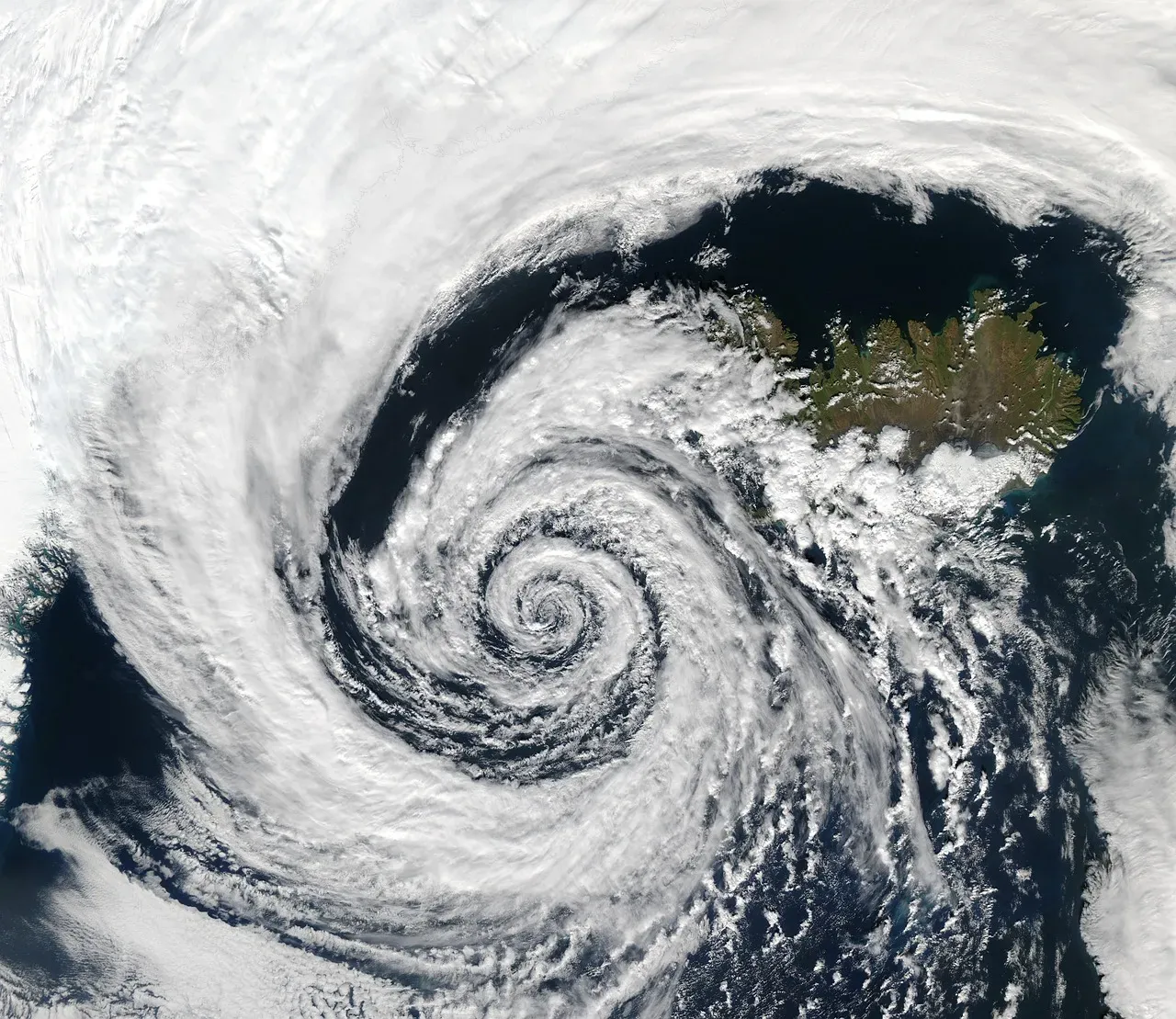
These 14 records prove something climate change hasn’t managed to erase: rare atmospheric flukes from a century ago can still outlast modern satellites, supercomputers, and global warming itself. Some, like Death Valley’s 134°F reading and Marble Bar’s 160-day heat streak, remain scientifically contested even as they stay officially unbroken. Others, like the Rome, Georgia rainfall diary or Blue Hill’s 141-year logbook, survive simply because ordinary people refused to stop measuring.
Either way, these numbers are living proof that the past still has a grip on the present. Which of these records do you think will finally fall next – and which one do you think never should have counted in the first place? Drop your take in the comments.