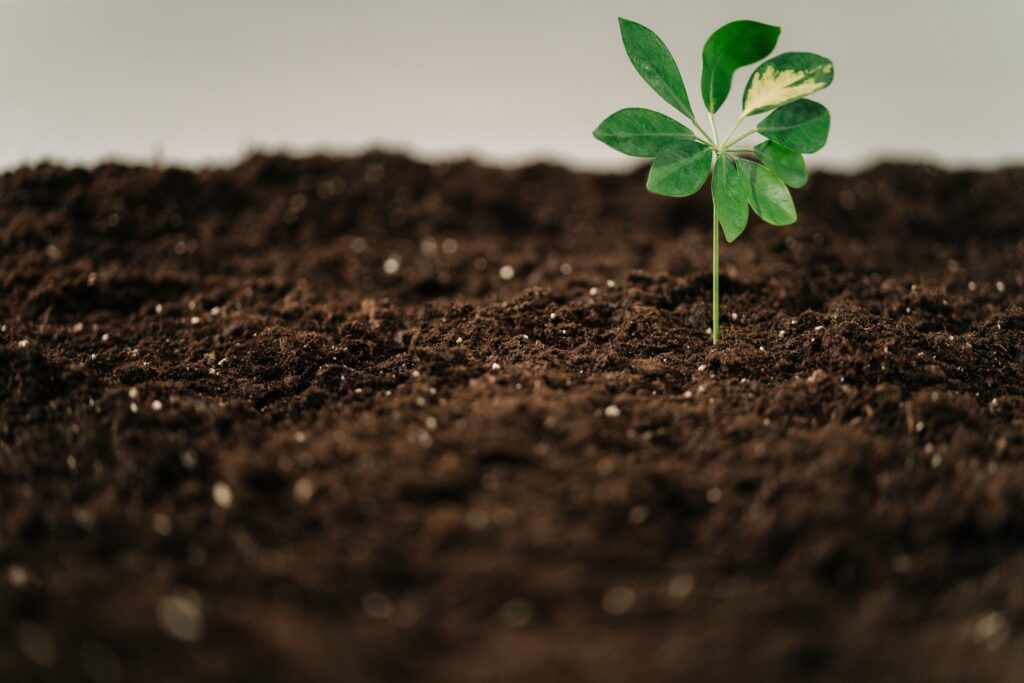
Most gardeners blame the seed. Or the weather. Or just bad luck, when a plant refuses to thrive no matter what they do. But the real answer is usually buried literally inches beneath their boots, in soil most people have never actually looked at closely.
Soil isn’t passive dirt sitting there waiting for water. It’s a living chemistry lab, running thousands of invisible decisions a day about which roots get fed, which get locked out, and which quietly starve. Two identical seedlings, planted the same week in the same yard, can end up worlds apart in health – and the difference almost always traces back to one of the fourteen hidden factors below. Soil scientists have understood this for decades. Most backyard gardeners never get the memo.
#14 – Soil pH Is the Silent Gatekeeper
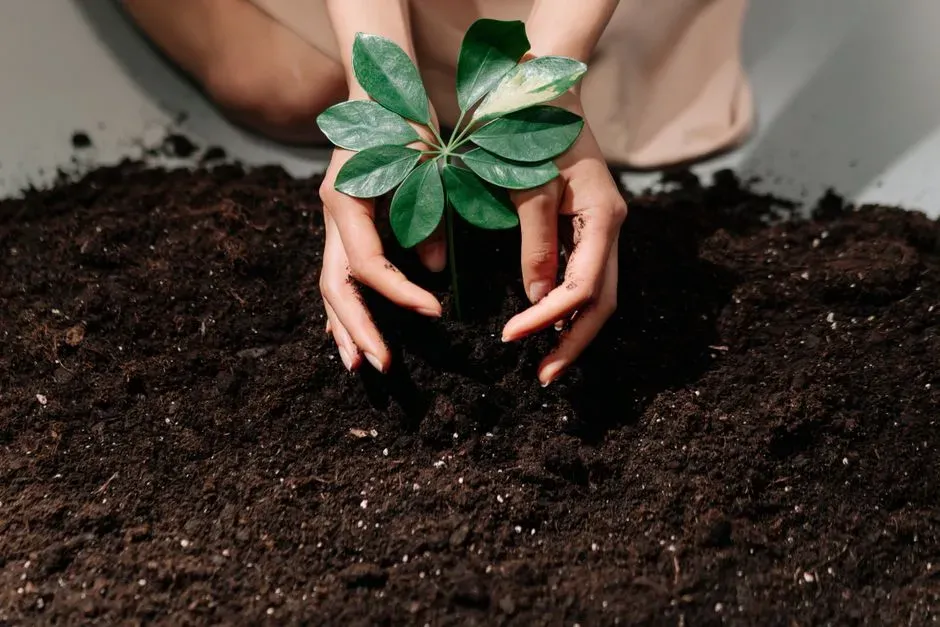
Nothing in your garden matters more than this three-digit number, yet almost nobody checks it before planting.
Soil pH doesn’t just sit there – it actively decides which nutrients your plants are allowed to touch. Knowing your soil’s pH is critical because it can have a profound effect on the availability of nutrients already in your garden. Even if your soil is packed with phosphorus, calcium, and nitrogen, the wrong pH can lock those nutrients away like a vault your plants can’t open. This is why fertilizing a garden without testing pH first is often a complete waste of money.
Soil pH is a measurement of the degree of soil acidity or alkalinity, measured on a scale from 0 to 14, with 0 being the most acidic, 7 neutral, and 14 the most alkaline. Many plants will adequately grow in soils with a pH of 6.0 to 7.5, but the ideal pH for most vegetable and berry crops is between 6.5 and 6.8. Blueberries and rhododendrons are the exception, preferring more acidic soils with a pH around 4.5 to 5.5.
Fast Facts
- The pH scale runs from 0 (most acidic) to 14 (most alkaline), with 7 as neutral.
- Most vegetables and berries thrive between 6.5 and 6.8.
- Blueberries and rhododendrons prefer a more acidic 4.5 to 5.5 range.
- Because pH is logarithmic, shifting just one whole point means a tenfold change in acidity.
Here’s the part experts rarely say out loud: most “miracle” fertilizer blends sold at garden centers are useless if your pH is off by even one point. That’s just the pH problem. Wait until you see what’s happening with phosphorus, because it’s worse than most gardeners think.
#13 – Phosphorus Lockup Sabotages Root Development
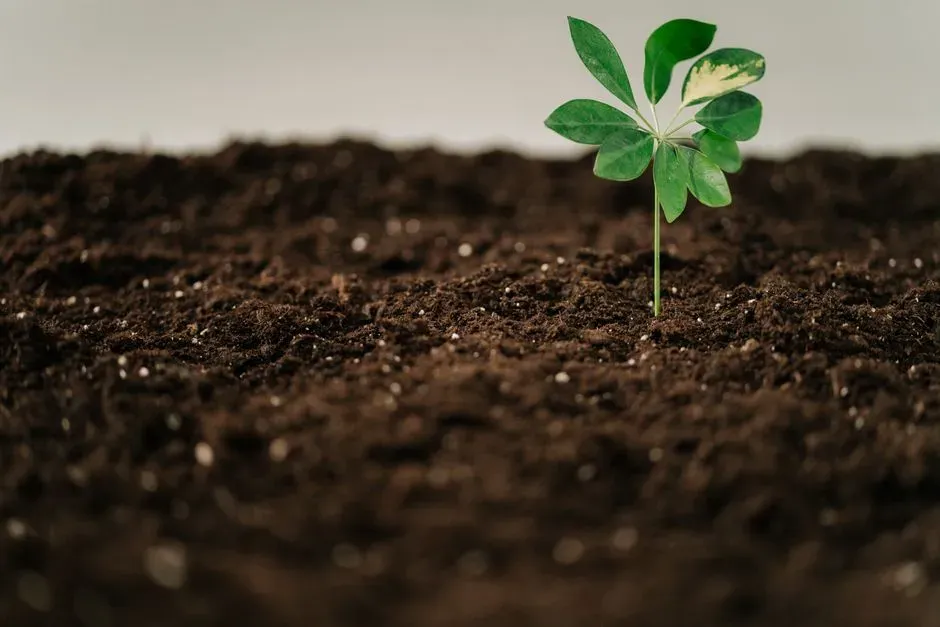
Phosphorus is the nutrient most gardeners assume they have plenty of – and the one most often unavailable.
Unlike nitrogen, phosphorus doesn’t move freely through soil water. It reacts chemically with whatever else is nearby, and that reaction is controlled almost entirely by pH. Most gardeners never realize their “phosphorus deficiency” is actually a phosphorus lockup problem. The phosphorus was there all along – just chemically handcuffed.
The ideal pH for optimal plant uptake of phosphorus is between 6.0 and 7.0. If soils are too acidic, phosphorus reacts with aluminum and iron, essentially locking it up. On the flip side, soil with too high a pH may lead to phosphorus reacting with calcium, which reduces its availability just as effectively.
This single nutrient explains why so many tomato and pepper plants stall out just as they start flowering – weak root systems from locked phosphorus simply can’t support fruit production. Adjusting pH slightly, rather than dumping more fertilizer on the problem, is usually the actual fix. Phosphorus lockup is bad enough on its own. But clay soil takes the blame for a completely different reason – and most gardeners have it backwards.
#12 – Clay Content Controls the Nutrient Bank
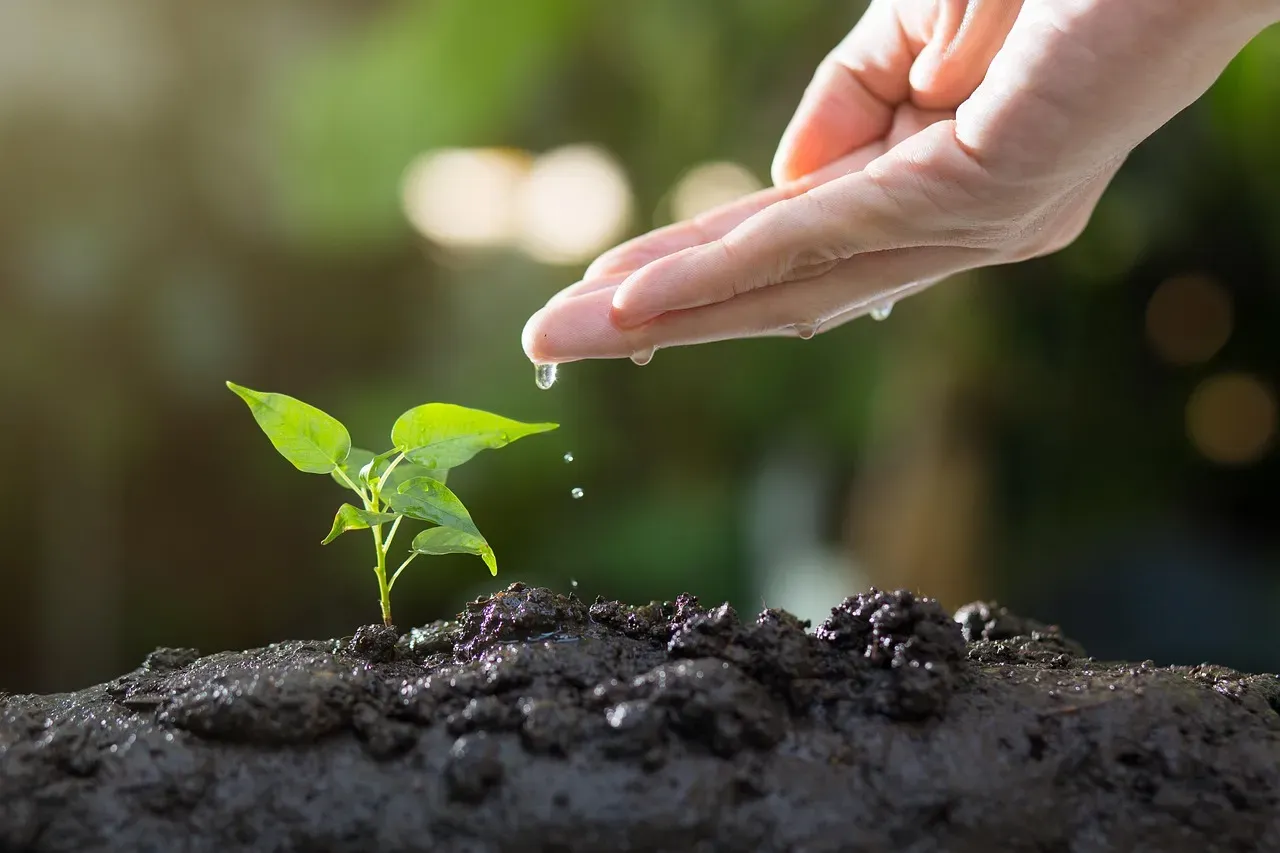
Most people think clay soil is simply “bad” soil. That’s only half the story – and it’s the half that’s misleading gardeners everywhere.
Clay particles carry a negative electrical charge, which means they act like magnets for positively charged nutrients. This sounds like a good thing, and often it is – but too much clay can trap nutrients so tightly that plants can’t access them when they need to. Clay-heavy soil can hold more fertility than sandy soil, yet still starve your plants because the nutrients never get released fast enough.
Sometimes clay soils hold nutrient ions too tightly – there may be plenty of calcium in the soil bank, but not enough in circulation to feed the plant. The fix isn’t avoiding clay altogether. It’s managing pH so that slightly acidic conditions release enough hydrogen ions to bump those nutrients off the clay and into solution where roots can actually use them.
Unpopular opinion among backyard gardeners: heavy clay soil is often more forgiving long-term than sandy soil, because it holds onto fertility instead of losing it to every rainstorm. Clay isn’t the villain people think it is. The real number to worry about is one almost nobody has ever heard of.
#11 – Cation Exchange Capacity Is Your Soil’s Credit Score
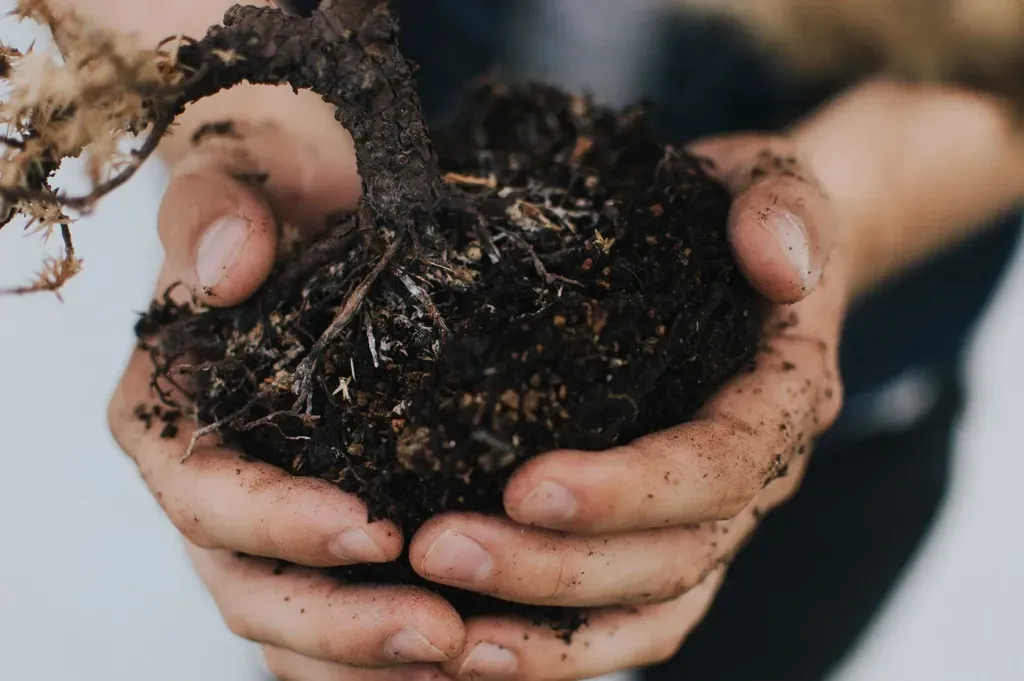
If soil had a financial system, cation exchange capacity (CEC) would be the credit limit – and almost no home gardener knows their number.
CEC measures how many nutrient ions your soil can physically hold onto before they wash away. A soil with low CEC is basically a leaky bucket – you can pour in fertilizer forever, and it’ll drain right through before roots get a chance to use it. This single number predicts more about long-term garden success than almost any other soil metric.
A soil with high CEC has greater capacity to hold essential nutrients like calcium, magnesium, and potassium, while soils with low CEC have limited nutrient-holding ability and are more susceptible to leaching. The numbers are stark: sandy soils typically have CECs under 5 meq/100g, heavy clays run over 20, and silt loams fall comfortably in between.
Sandy garden beds that seem to “eat” fertilizer without ever improving are almost always suffering from low CEC, not a lack of nutrients. If CEC is the credit limit, here’s what actually builds the credit score.
#10 – Organic Matter Is the Real Nutrient Bank
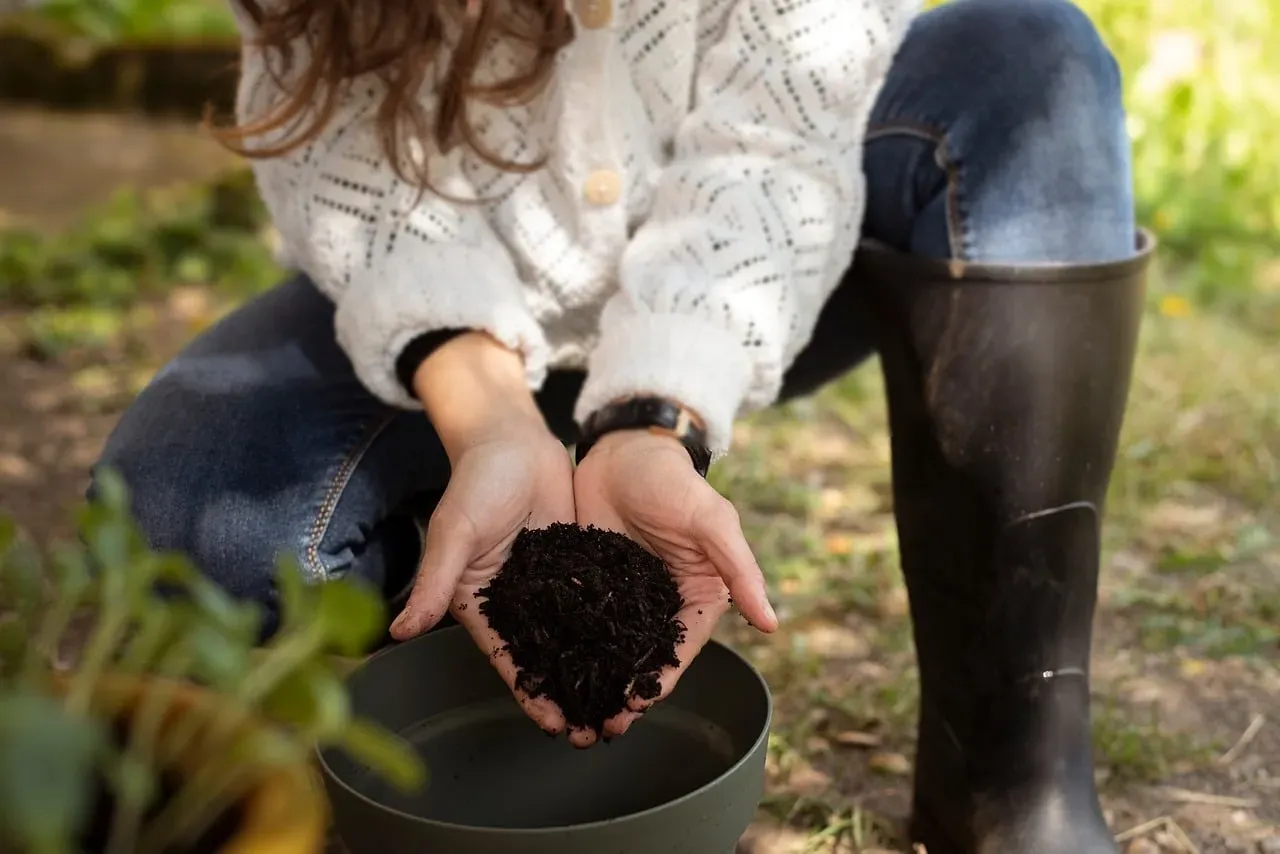
Forget miracle fertilizer bags – organic matter is quietly doing more heavy lifting than anything you can buy in a store.
Decomposed organic material behaves like a supercharged nutrient magnet, holding onto minerals far better than clay or sand ever could on their own. Organic matter’s nutrient-holding capacity can outperform clay by a shocking margin, pound for pound. This is why old-school gardeners obsess over compost instead of chemical fertilizer – they’re building the soil’s actual storage system, not just feeding plants a quick snack.
Organic matter can carry 4 to 50 times higher CEC per given weight than clay, because the dissociation of organic acids creates a net negative charge in the material itself. In sandy soils especially, this pH-dependent capacity is doing most of the real nutrient-holding work in the topsoil.
Some gardeners still believe compost is just “filler.” Experts increasingly disagree – it may be the single most impactful thing you can add to any struggling garden bed. Nutrient storage is only half the equation. The workforce that actually moves those nutrients into your plants might surprise you.
#9 – Mycorrhizal Fungi Are Secretly Doing Most of the Work
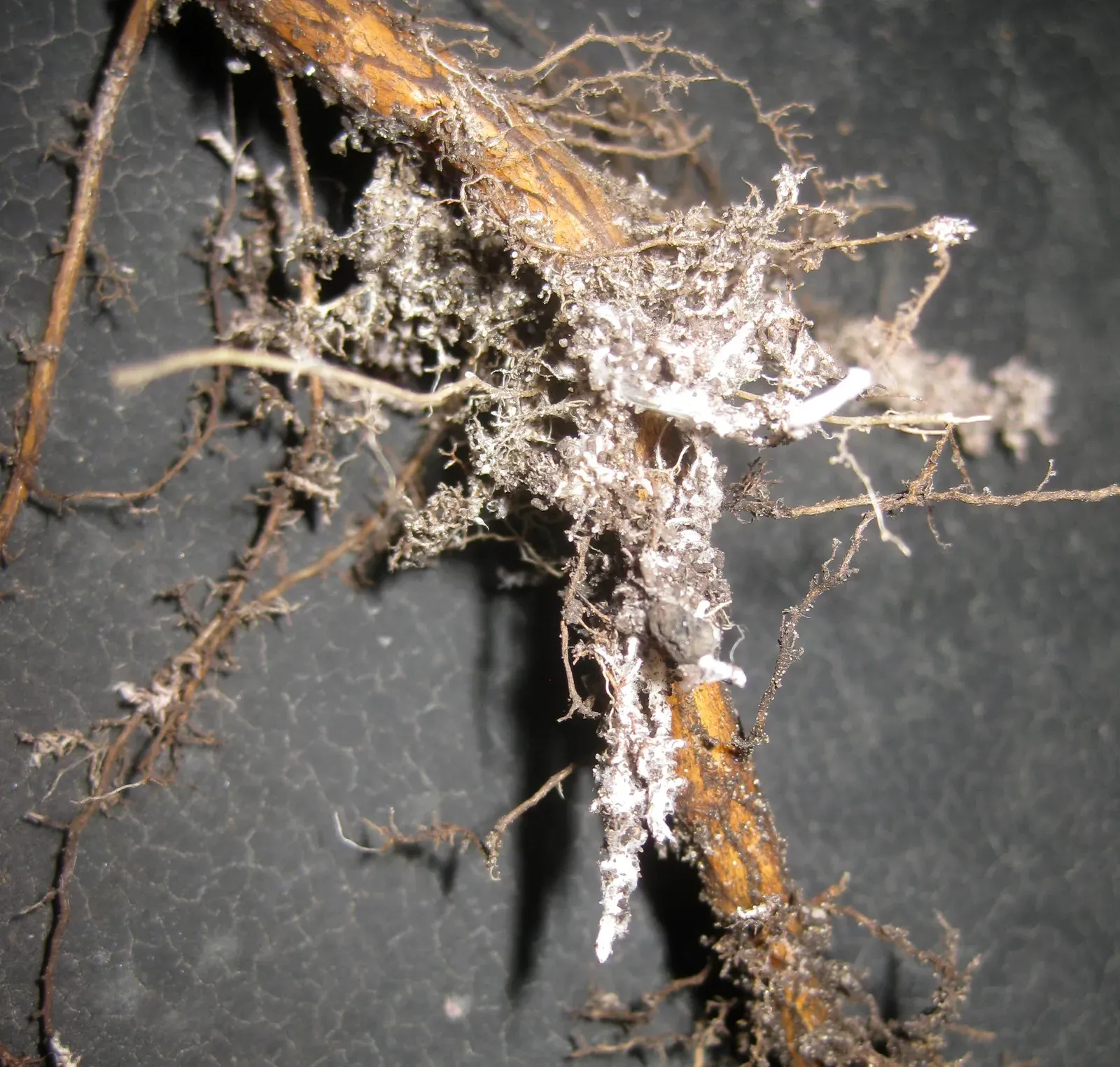
Here’s something that will change how you look at soil forever: your plant’s roots are not the primary nutrient collectors. Fungi are.
A vast, invisible underground network is quietly extending your plant’s reach far beyond what roots alone could ever achieve. Roughly 80% of all land plant species depend on this fungal partnership just to function normally, yet almost no home gardener has ever heard of it. Over 80% of terrestrial plant species form arbuscular mycorrhizal associations, and this fungal group significantly contributes to overall yield across crop production.
These fungi don’t just help a little – they transform the plant’s entire nutrient-gathering strategy. They colonize roots and extend thread-like hyphae into the surrounding soil, increasing the effective surface area for uptake and exploring soil volumes far beyond the reach of the root system alone. The scale is almost unbelievable: these hyphae are 1/10 the size of root hairs and can extend up to 20-25 inches beyond the normal root zone in an established plant.
Worth Knowing
- About 80% of land plant species depend on mycorrhizal fungi partnerships.
- Fungal hyphae are roughly 1/10 the width of a root hair.
- These threads can reach 20 to 25 inches beyond the normal root zone.
- Annual tilling can physically shred this underground network apart.
Controversial truth: tilling your garden every year may be quietly destroying this fungal network and sabotaging your own harvest. That underground network sounds incredible – until you realize how easily gardeners are destroying it without knowing it.
#8 – Synthetic Fertilizer Can Suppress Beneficial Fungi
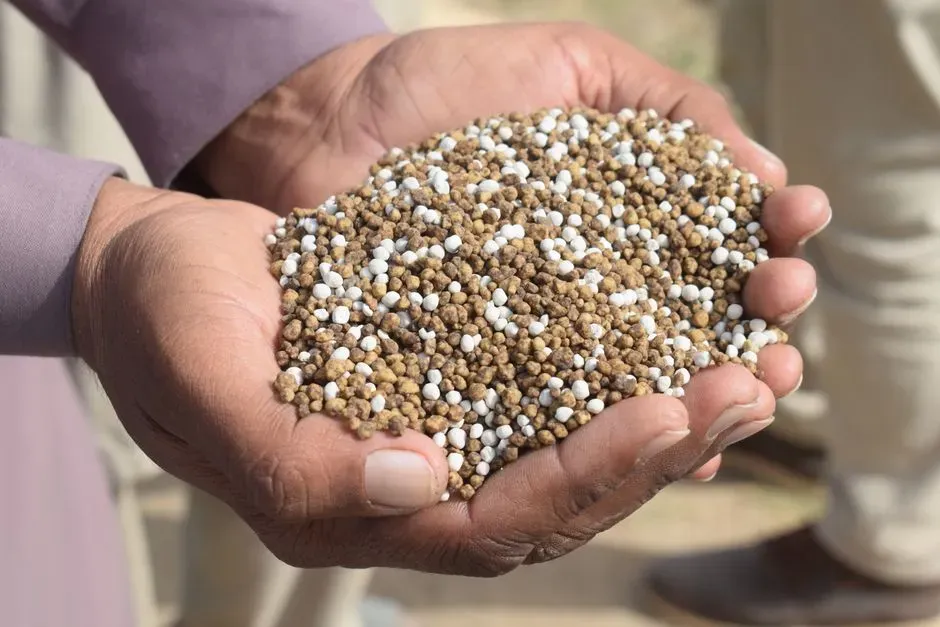
This one contradicts everything the garden store wants you to believe.
Heavy fertilizer use – especially phosphorus – doesn’t just feed plants directly. It can accidentally shut down the fungal partnerships that would have fed the plant naturally and far more efficiently. The more phosphorus fertilizer you dump on struggling soil, the less your plants may actually need mycorrhizal fungi – and the fungi respond by disappearing.
Fungal colonization is triggered best in low-phosphorus soils; synthetic phosphorus fertilizer application prevents or hinders that colonization and the natural benefits it provides. This creates an uncomfortable cycle: gardeners fertilize heavily because their soil seems weak, but the fertilizer itself may be why the soil stays weak – discouraging the very fungal network that would have built long-term fertility.
Many experts now argue that over-fertilized garden soil is often worse off long-term than soil left slightly nutrient-poor and allowed to build natural fungal partnerships. It’s an unpopular take, especially among gardeners who love quick fixes. Fertilizer overuse is one habit working against you. Here’s a nutrient behaving nothing like you’d expect.
#7 – Nitrogen Behaves Completely Differently Than Other Nutrients
Nitrogen gets treated like a simple “add more, grow more” nutrient. That assumption quietly wrecks more gardens than almost anything else on this list.
Unlike phosphorus or potassium, nitrogen doesn’t sit still in soil waiting to be absorbed – it’s constantly being transformed by microorganisms into different chemical forms. Most home gardeners have no idea that soil bacteria are actively converting their nitrogen fertilizer into a completely different compound within days of application.
Ammonium concentrations stay low because microorganisms convert ammonium to nitrate in a process called nitrification. That matters because nitrate moves through soil water far more freely than ammonium, making it more available short-term – but also far more likely to wash away in heavy rain. Nitrogen is most readily available in slightly acidic to neutral soils, in the 6.0 to 7.5 pH range.
This explains why nitrogen-heavy fertilizer applications right before a rainstorm are often a complete waste – the nitrate form simply leaches straight through before roots ever touch it. Nitrogen chaos is one thing. But two nutrients you’ve never worried about are secretly fighting each other underground.
#6 – Calcium and Magnesium Quietly Compete for the Same Space
Nobody talks about this one, but soil scientists consider it a major hidden cause of stunted plants.
Calcium and magnesium are both essential, but they don’t just sit peacefully side by side in soil – they actively compete for the same exchange sites on clay and organic matter particles. Too much of one can physically crowd out the other, even when both nutrients are technically “present” in a soil test.
Cation exchange capacity measures the total negative charges in soil that hold onto plant nutrient cations like calcium, magnesium, and potassium – the three plants use in the largest amounts. Because these cations all occupy the same limited exchange sites, the balance among them directly influences soil structure, aggregation, and overall nutrient availability.
Gardeners who add excessive lime for pH correction often accidentally create a calcium-magnesium imbalance without realizing it – another reason to test soil rather than guess. Calcium and magnesium get the spotlight. Meanwhile, the smallest nutrients disappear first – and nobody notices until it’s too late.
#5 – Micronutrients Vanish First When pH Drifts Too High
Everyone worries about the “big three” nutrients – nitrogen, phosphorus, potassium. Almost nobody worries about the tiny ones that quietly disappear first.
Micronutrients like iron, manganese, and zinc are needed in minuscule amounts, but their absence causes some of the most visually dramatic plant problems in gardening. A pH shift of just half a point can send iron and manganese into a form roots literally cannot absorb.
Iron, manganese, and zinc hardly reach plants in soil with a pH above 7.5, which causes chlorosis and stunted growth – high pH commonly causes iron deficiency, where leaves turn yellow but veins stay green. In acidic soil, the problem flips: phosphorus and calcium become unavailable, while iron, manganese, and aluminum can actually turn toxic.
This is exactly why blueberries famously demand acidic soil – the bushes need that acidity just to access iron, and no amount of iron fertilizer will fix yellow leaves if pH itself is the actual problem. Nutrients aside, there’s a physical factor determining whether water even reaches your roots at all.
#4 – Soil Texture Decides How Fast Water Moves Through
Most gardeners obsess over how much they water and completely ignore how their soil handles that water once it lands.
Sand, silt, and clay particles aren’t just different sizes – they create completely different water highways underground. Two gardens receiving identical rainfall can have wildly different moisture levels just three inches below the surface, purely based on particle size.
Nutrient availability is primarily determined by soil texture and pH, with texture referring to the mix of sand, silt, clay, and organic matter present. Because a higher CEC usually signals more clay and organic matter, high-CEC soils generally hold water far better than low-CEC ones.
Quick Compare
- Sandy soil: drains fast, needs frequent light watering, low nutrient-holding capacity.
- Silt loam: balanced drainage with moderate moisture retention.
- Clay soil: drains slowly, holds moisture and nutrients longer, needs deep and infrequent watering.
This is why sandy gardens need far more frequent, lighter watering, while clay gardens do better with deep, infrequent watering – treating them the same way is one of the most common beginner mistakes. Water movement matters – but there’s a silent invader that can wreck soil structure completely, and it’s hiding in plain sight.
#3 – Sodium Buildup Silently Poisons Soil Structure
This one rarely gets discussed outside of dry climates, yet it’s becoming a bigger problem as more gardeners use softened tap water or coastal soil.
Sodium doesn’t behave like other beneficial cations – it doesn’t feed plants, and in excess, it actively destroys the physical structure of soil itself. Most humid-climate gardeners assume sodium isn’t their problem, but arid-region gardens can accumulate dangerous sodium levels almost invisibly.
In most soils within humid regions, sodium never occupies a significant amount of the exchange sites. In dry climates, though, it can quietly claim an outsized portion of them.
When sodium dominates a soil’s exchange sites, it displaces the calcium and magnesium that give soil its healthy, crumbly structure – leaving behind compacted, poorly-draining dirt that roots struggle to penetrate. Gardeners using well water or softened water in dry regions should test for this specifically; it’s an easy problem to miss and a difficult one to reverse once established. Sodium is a slow poison. But even without it, one structural problem can undo everything else on this list.
#2 – Soil Structure Determines Root Access to Everything Else
Here’s the uncomfortable truth: you can have perfect pH, perfect nutrients, and perfect organic matter – and still fail if soil structure is bad.
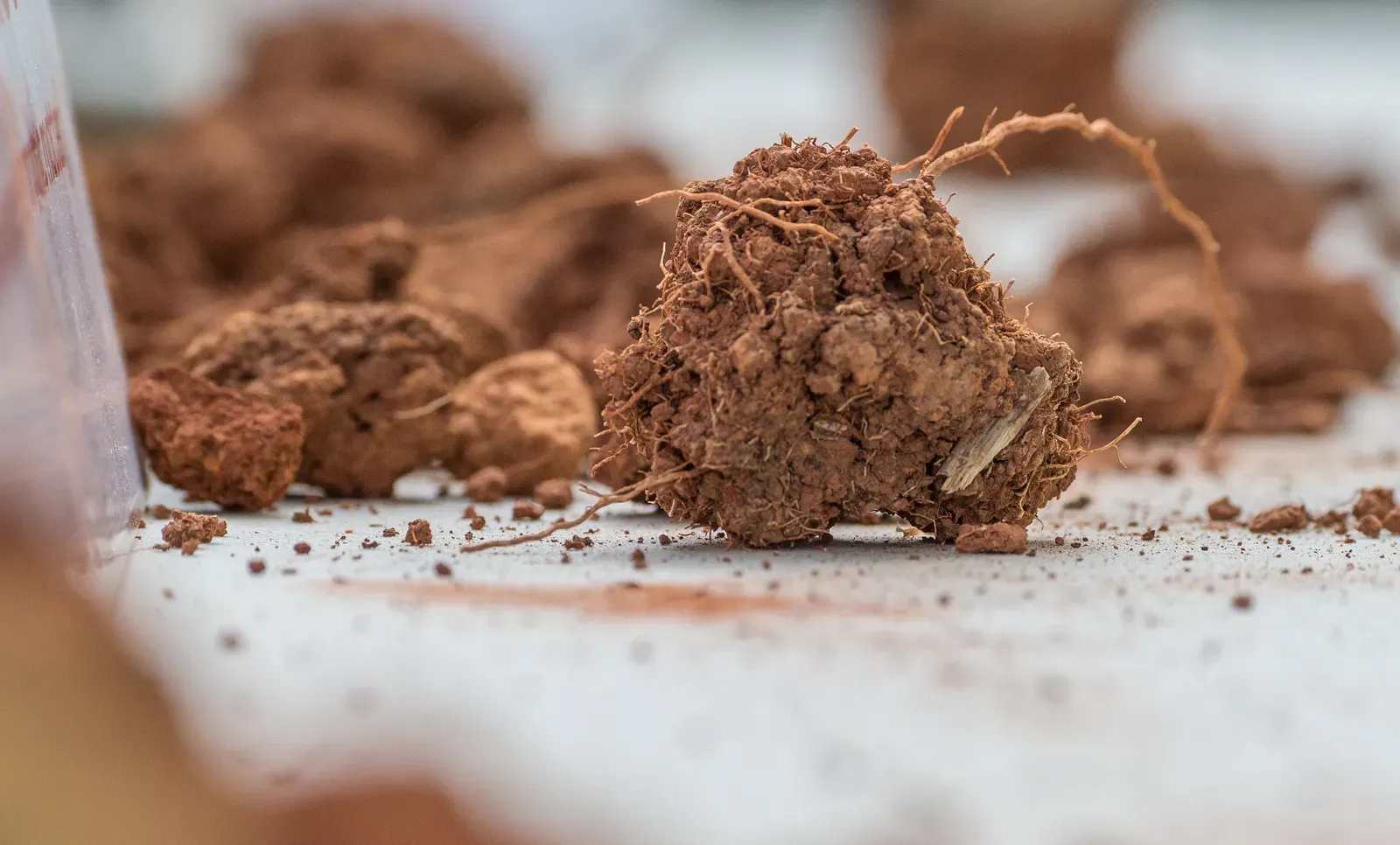
Structure refers to how soil particles clump together, creating pockets of air and water that roots desperately need to breathe and expand. Compacted soil can have every nutrient a plant needs, chemically present and available, yet still produce stunted, struggling plants simply because roots can’t physically push through it.
Soil rich in organic matter and clay has a large number of exchange sites to hold positively charged ions, and in general terms, soils with large quantities of negative charge are more fertile because they retain more nutrients. But fertility on paper means nothing if the physical structure blocks root penetration and oxygen flow – which is exactly why heavily walked-on garden beds so often underperform despite good soil tests.
At a Glance
- Good structure creates air pockets roots need for oxygen and expansion.
- Compaction can trap nutrients even when they’re chemically present in the soil.
- Heavy foot traffic is a leading cause of backyard soil compaction.
- There’s no single lab number for structure – digging in and feeling it is the only real test.
This is the factor most gardeners never test at all, because there’s no simple number for it – you have to dig in and feel it yourself. Every factor so far has been leading to this one – the system running the whole show underground.
#1 – The Living Microbiome Beneath Your Feet Runs the Entire System
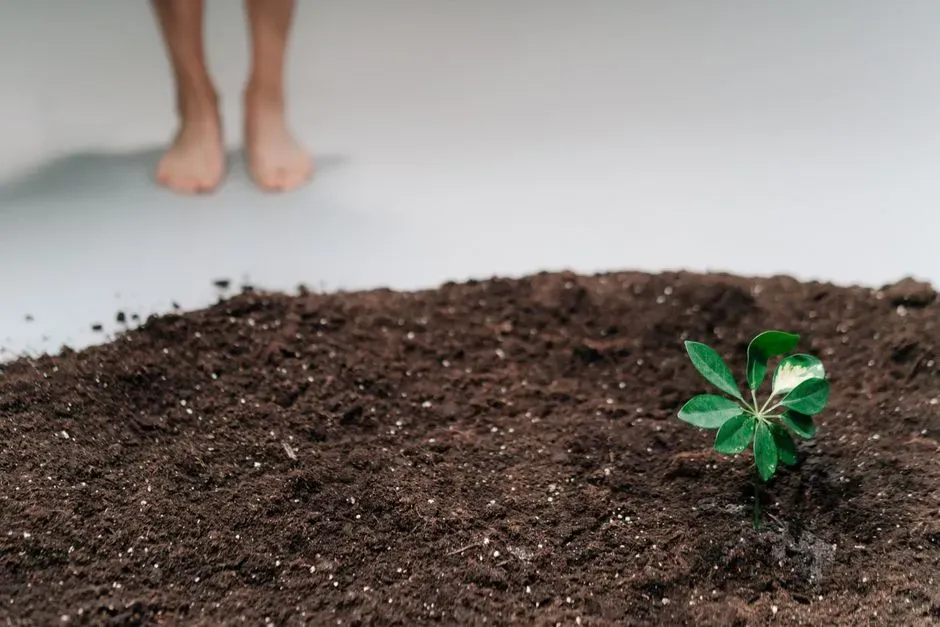
If there’s one thing that ties every other factor on this list together, it’s this: soil is alive, and that life is quietly making every decision above.
Bacteria, fungi, and countless microorganisms are constantly transforming nutrients, protecting roots from disease, and building the very structure that lets roots breathe. A single teaspoon of healthy garden soil can contain billions of microorganisms working around the clock, and most of what your plants “eat” has been processed by them first.
The mycorrhizal relationship alone shows how deeply plants depend on this hidden workforce: the fungal network greatly enhances a plant’s ability to absorb water and nutrients, and in return, the plant supplies the fungi with carbohydrates produced through photosynthesis. This isn’t a minor side relationship – it’s an extension of the root system that’s often more effective at nutrient and water absorption than roots themselves, with more than 95 percent of terrestrial plant species forming this partnership over hundreds of millions of years of evolution.
The nation that destroys its soil destroys itself.
Franklin D. Roosevelt
This is the most controversial idea on this entire list: chemical fertilizers, pesticides, and excessive tilling may all be quietly sabotaging the exact biological system your garden depends on most. Feed the soil life, and the soil feeds the plant. Ignore it, and no amount of store-bought fertilizer will fully compensate.
The Bottom Line
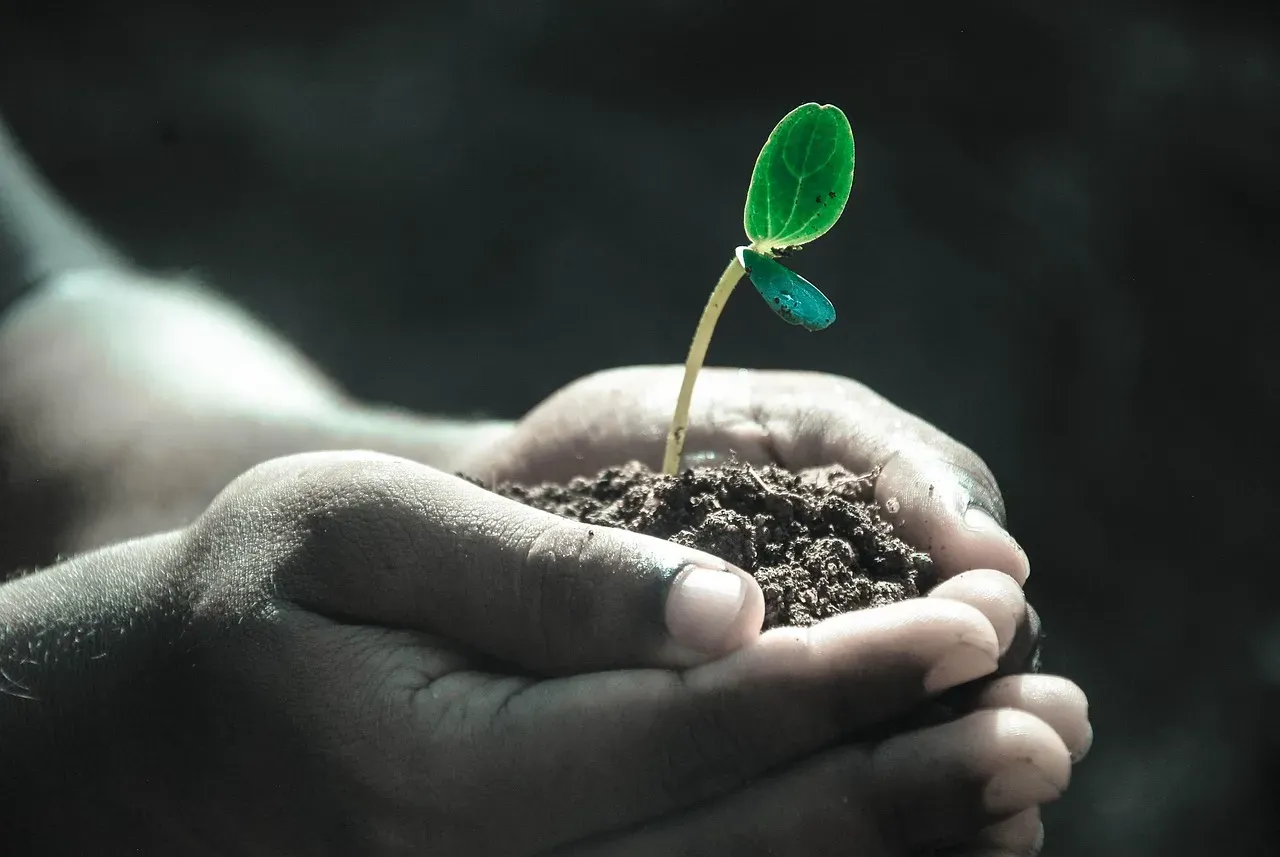
Here’s the opinion most garden centers won’t say out loud: the fertilizer aisle is selling a shortcut that rarely works, because it treats soil like a vending machine instead of the living system it actually is. pH controls nutrient access, clay and organic matter control nutrient storage, and an invisible fungal network does more nutrient-gathering than roots ever could alone – and no bag of granules fixes any of that.
Most garden failures trace back to one or two of these fourteen factors, not bad luck or a black thumb. A soil test kit costs less than a single bag of fertilizer, yet most gardeners skip that step and reach straight for the miracle bottle instead. That’s backwards, and it’s probably the single biggest reason so many gardens underperform year after year.
Which of these fourteen factors do you think gets ignored the most in backyard gardens? Drop your take in the comments – it’s usually the one nobody thinks to blame.