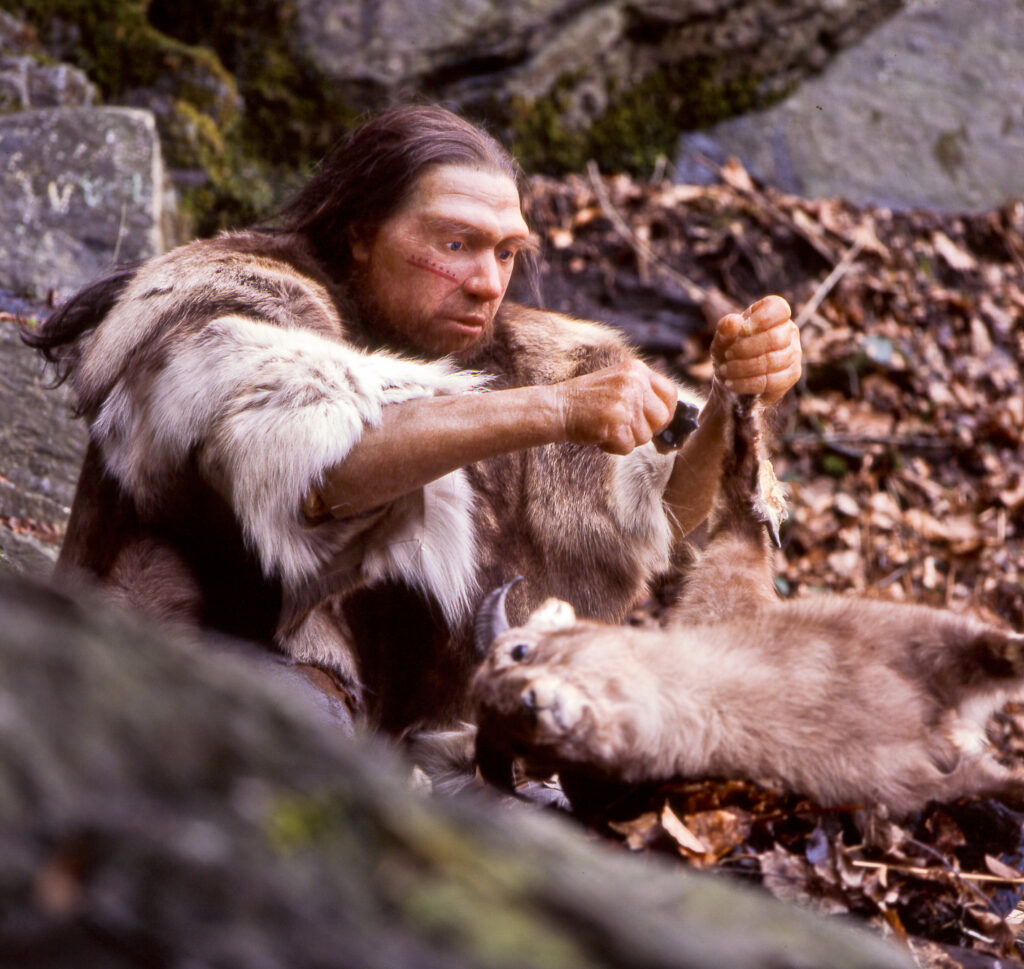
Most people picture Neanderthals as clumsy brutes who could barely hold a rock without dropping it. That image is almost entirely backwards. Fossil hand bones recovered from Europe and Asia reveal a grip so specialized that modern surgeons, climbers, and biomechanics researchers still study it today.
Some Neanderthal hand capabilities were arguably superior to our own in specific, measurable ways – not because they were smarter, but because their bones were built differently from the wrist down. Here’s what the fossil evidence and grip-strength research actually reveal, starting with a grip trick your own hand physically can’t hold for long.
#1 – Lock a Tool in Place Without Ever Losing Their Hold
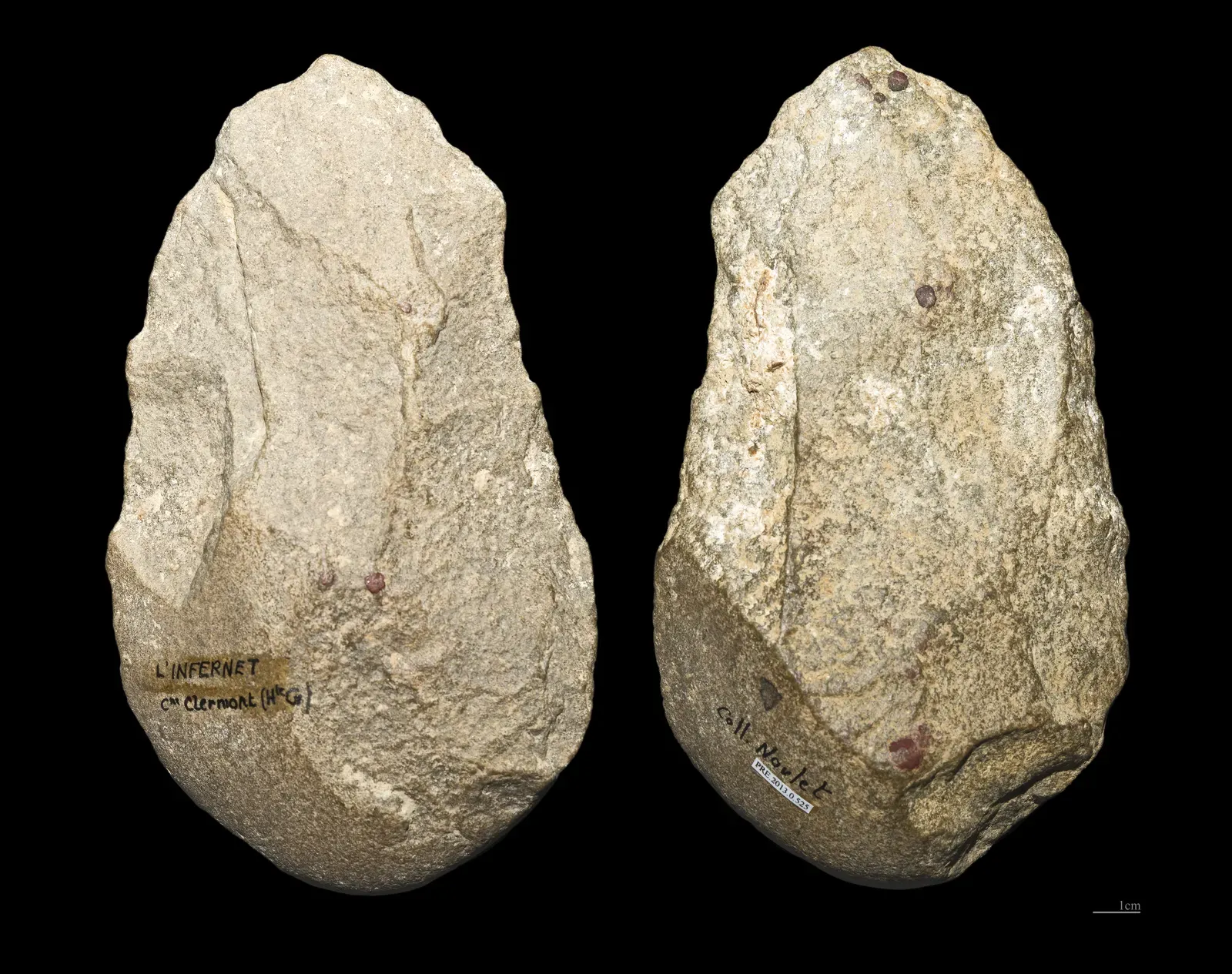
Neanderthal thumbs sat in a posture modern hands simply can’t replicate comfortably. The joint at the base of their thumb was flatter and positioned differently than ours, which changed everything about how force traveled through the hand.
“The joint at the base of the thumb of the Neanderthal fossils is flatter with a smaller contact surface between the bones, which is better suited to an extended thumb positioned alongside the side of the hand,” researcher Ameline Bardo explained. That single anatomical quirk meant Neanderthals could keep a spear shaft or hafted scraper locked against the side of the palm for extended periods without fatigue – a squeeze grip their whole hand was engineered around.
Bardo noted their archaic relatives “would have been more at ease with ‘squeeze grips’ – the grip we use when we hold tools with handles like a hammer.” Try replicating that exact thumb-alongside-palm lock with a modern hand for ten straight minutes of hafted-spear work, and you’ll feel muscles cramp that a Neanderthal never would have noticed.
#2 – Absorb Bone-Jarring Impact Without Joint Damage
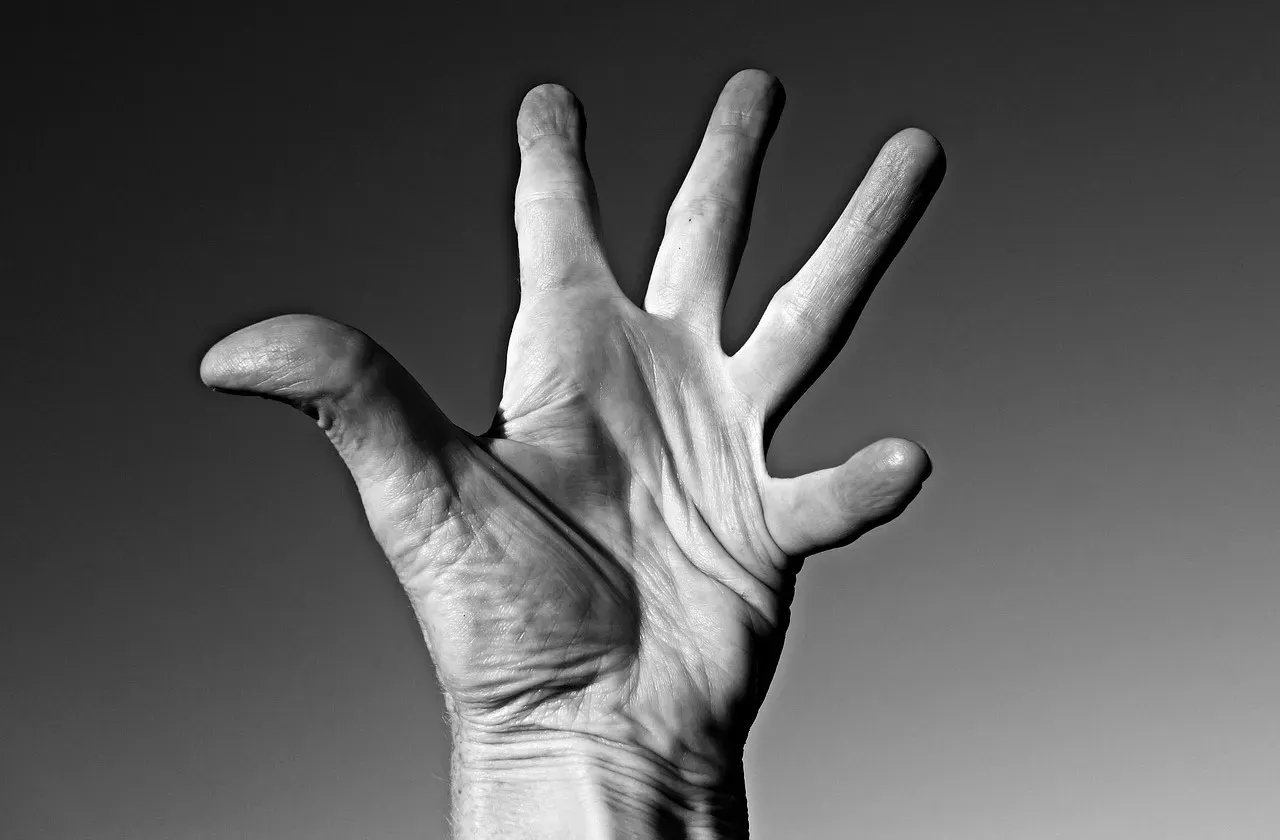
Every time a Neanderthal drove a hafted spear into a carcass or pounded a hammerstone against flint, their thumb joint took a beating that would send most modern hands to an orthopedic surgeon.
Based on their robust phalanges, broader distal phalanges and joint configurations, Neanderthal hands appear better adapted for forceful power grips that are considered important for the effective use of some tools, such as hafted Mousterian spears and scrapers. This wasn’t a minor structural tweak – it was a full redesign of how compressive force distributed across the joint surface.
Compared with modern humans, Neanderthals have a larger trapezial-Mc1 joint area that is dorsopalmarly flatter, and this joint morphology has been interpreted as less congruent and therefore possessing greater mobility that, in turn, would require greater muscular force, or ligamentous support, than that of modern humans to achieve the same level of joint stability. In plain terms: their joints could take repeated hammer-blows of force that would eventually wreck a modern thumb, because the surrounding musculature was built to brace for exactly that kind of punishment.
Fast Facts
- Thumb joint sat flatter, with a smaller bone-to-bone contact surface than ours
- Larger trapezial-Mc1 joint area allowed greater mobility under repeated force
- Broader distal phalanges point to power grips built for hafted spears and scrapers
- Extra muscular bracing compensated for looser joint fit, protecting against long-term wear
#3 – Flex Their Fingers With Raw Force Our Muscles Can’t Generate
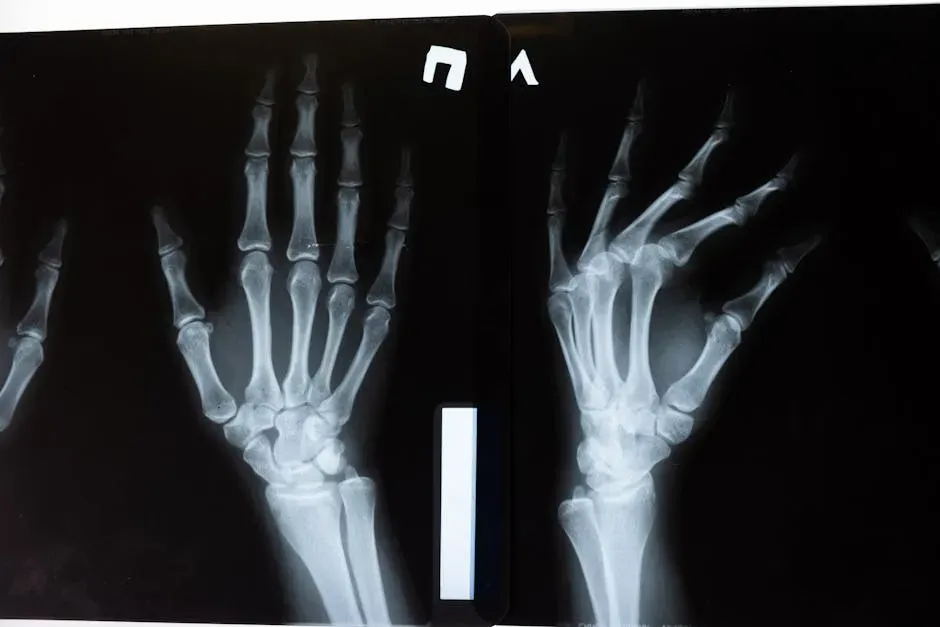
Look closely at a Neanderthal hand bone and you’ll notice ridges and bumps in places modern hand bones stay smooth. Those bumps are muscle attachment scars, and they tell a story of serious flexor strength.
Neanderthal hand morphologies are at or beyond the range of recent human samples for traits such as expanded distal tuberosities, rugose musculotendinous attachment sites, and large, projecting carpal tubercles. Bigger attachment sites mean bigger, stronger muscles once anchored there – muscles capable of generating flexion force well past what most modern hands can produce.
Neanderthals are considered to have had hypertrophied hand musculature based on the increased projection of some carpal tubercles, and a prominent opponens pollicis crest. That opponens pollicis muscle is what pulls your thumb across your palm – and in Neanderthals, it had a bigger anchor point to pull from, meaning a stronger, more forceful thumb sweep than most of us can manage today.
#4 – Keep Working Stone Tools in Freezing Temperatures Longer
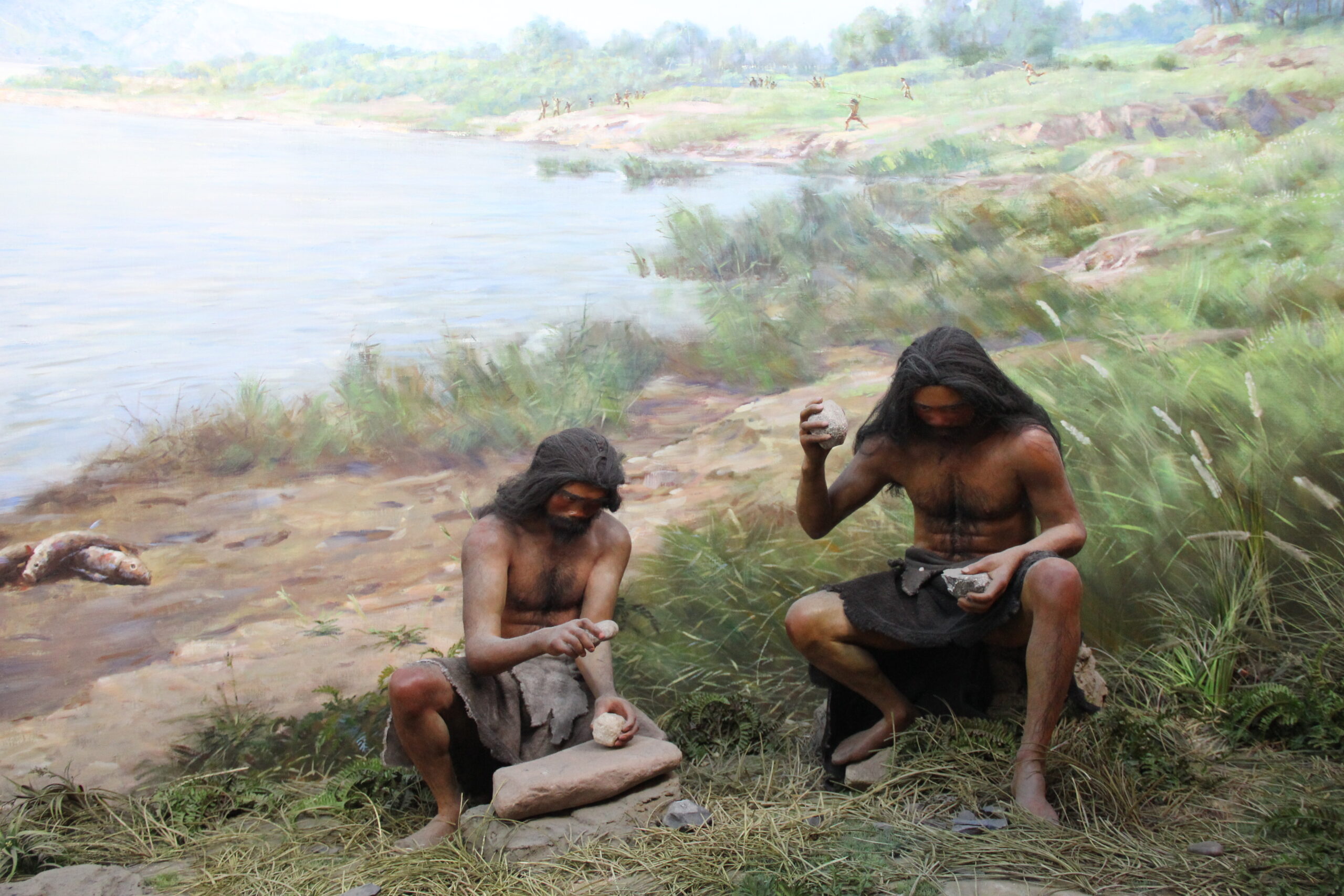
Modern fingers go numb embarrassingly fast in the cold. Neanderthal hands were quite literally shaped to delay that shutdown.
Anthropologists have proposed that shorter and thicker digits provide a favorable thermal adaptation for cold climate or polar natives, since a smaller surface-area-to-volume ratio reduces heat loss. Neanderthals, living through ice-age Europe for tens of thousands of years, had exactly this build: wide palms and stocky digits instead of the long, narrow fingers many modern humans inherited from warmer climates.
Research on modern cold-exposure physiology backs this up directly. Across more than 100 subjects, longer and narrower fingers were correlated with slower rewarming and potentially greater cold injury risk after cold exposure, while shorter and broader fingers correlated with faster rewarming and potentially lower cold injury risk – though at the expense of decreased manual dexterity. That’s the trade Neanderthals made: slightly less fine motor finesse in exchange for hands that simply didn’t shut down in a blizzard the way ours do.
#5 – Deliver a Crushing “Squeeze” Grip Most of Us Have Never Trained For
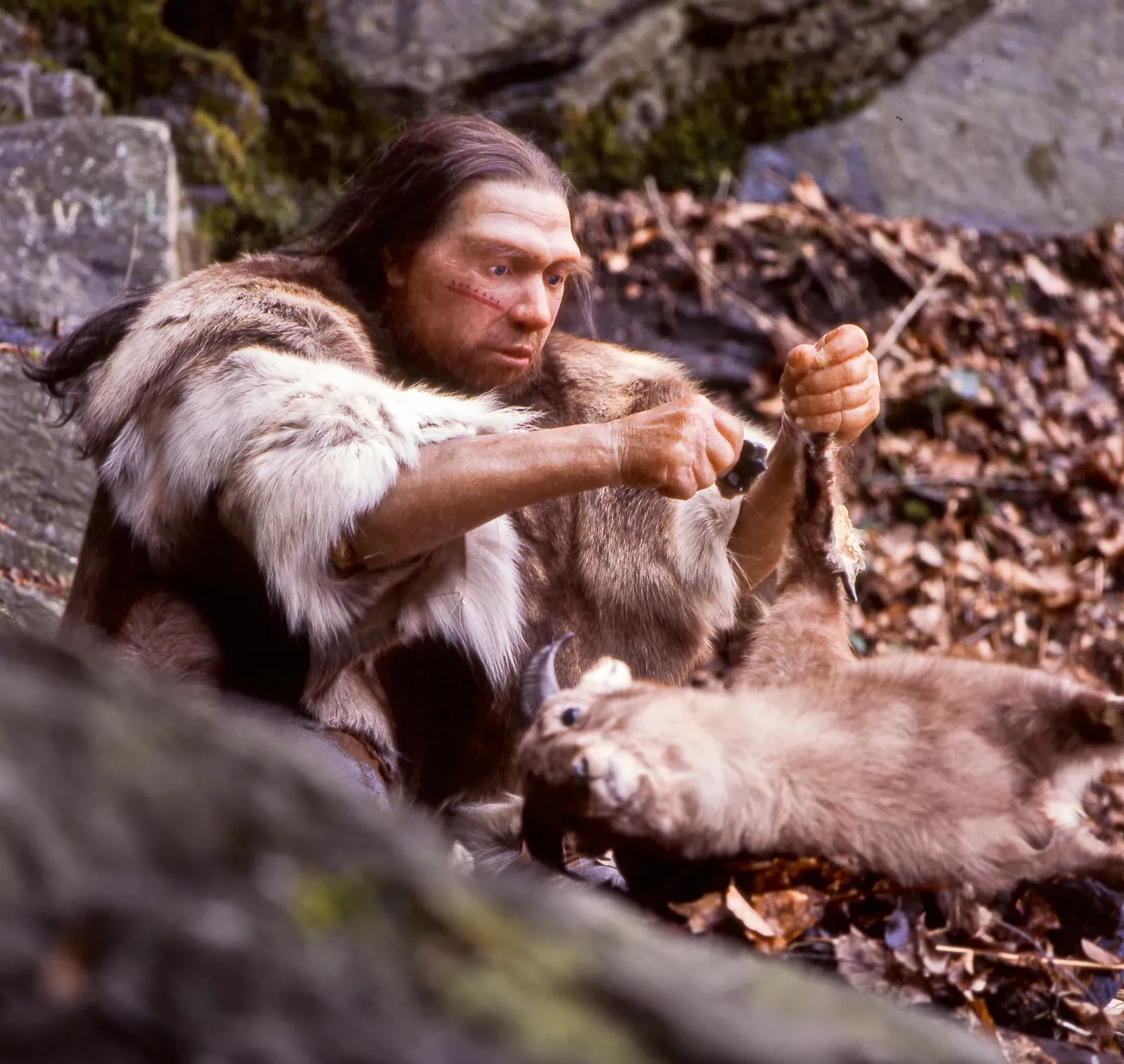
Modern life trains our hands for keyboards and phone screens – precision-heavy, low-force tasks. Neanderthal hands trained for something else entirely: sustained, crushing force through the whole palm.
Neanderthals may have found precision grips more challenging than power squeeze grips, where objects are held like a hammer, between the fingers and the palm with the thumb directing force. That squeeze-grip specialization isn’t just a theory drawn from bone shape – it lines up with how their thumb joint was oriented in the first place.
This thumb posture suggests the regular use of power “squeeze” grips, like the ones we now use to hold tools with handles. Ask most modern adults to sustain a full-palm crushing grip on a hammer-like tool for an hour of repetitive impact work, and grip fatigue sets in fast. Neanderthal hand architecture was arguably purpose-built to resist exactly that kind of fatigue.
#6 – Do Skilled Fine-Motor Work AND Heavy Labor With the Same Hand
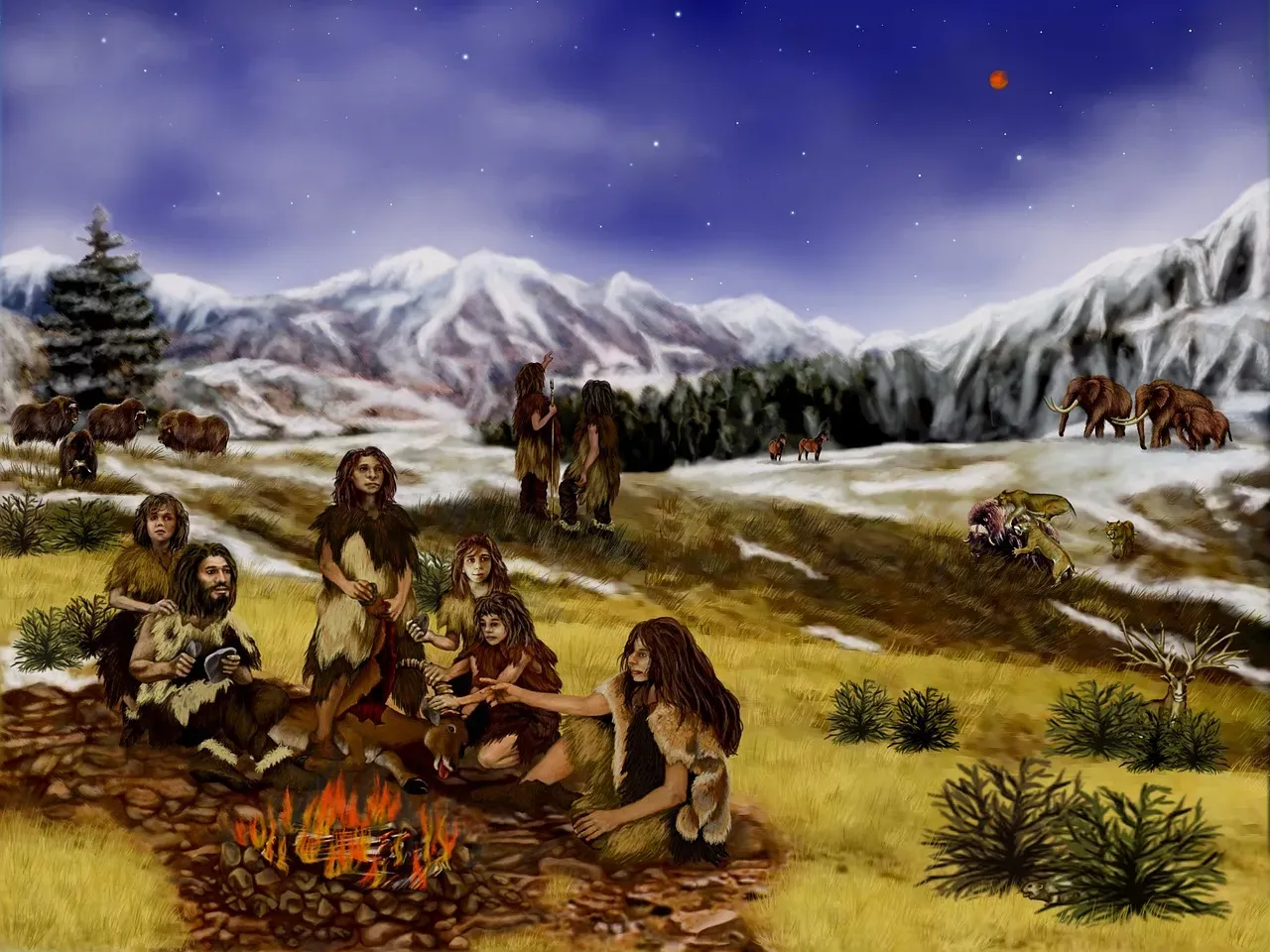
Here’s where the story gets genuinely surprising: Neanderthals may not have needed to specialize the way we do. Modern communities often split labor – some people do delicate work, others do heavy labor. Neanderthal hands seemingly did both.
“All Neanderthal hand bones examined in our study habitually performed precision grips, while none was compatible with a habitual power grip pattern.”
Dr. Alexandros-Fotios Karakostis
That’s a stunning reversal of the old “clumsy caveman” stereotype – and it means individual Neanderthals were routinely switching between forceful hafted-tool use and delicate fingertip manipulation, all within the same hand, without the joint damage a modern specialist might expect.
All of the Neanderthal specimens showed signs of precision gripping, while in contrast, only half of the early humans studied appeared to be habitual precision grippers; the rest apparently spent more time using a brute-force power grip. Modern humans, it turns out, were the ones who divided the labor – not Neanderthals.
#7 – Perform Delicate Craft Work Comparable to a Modern Tailor or Painter
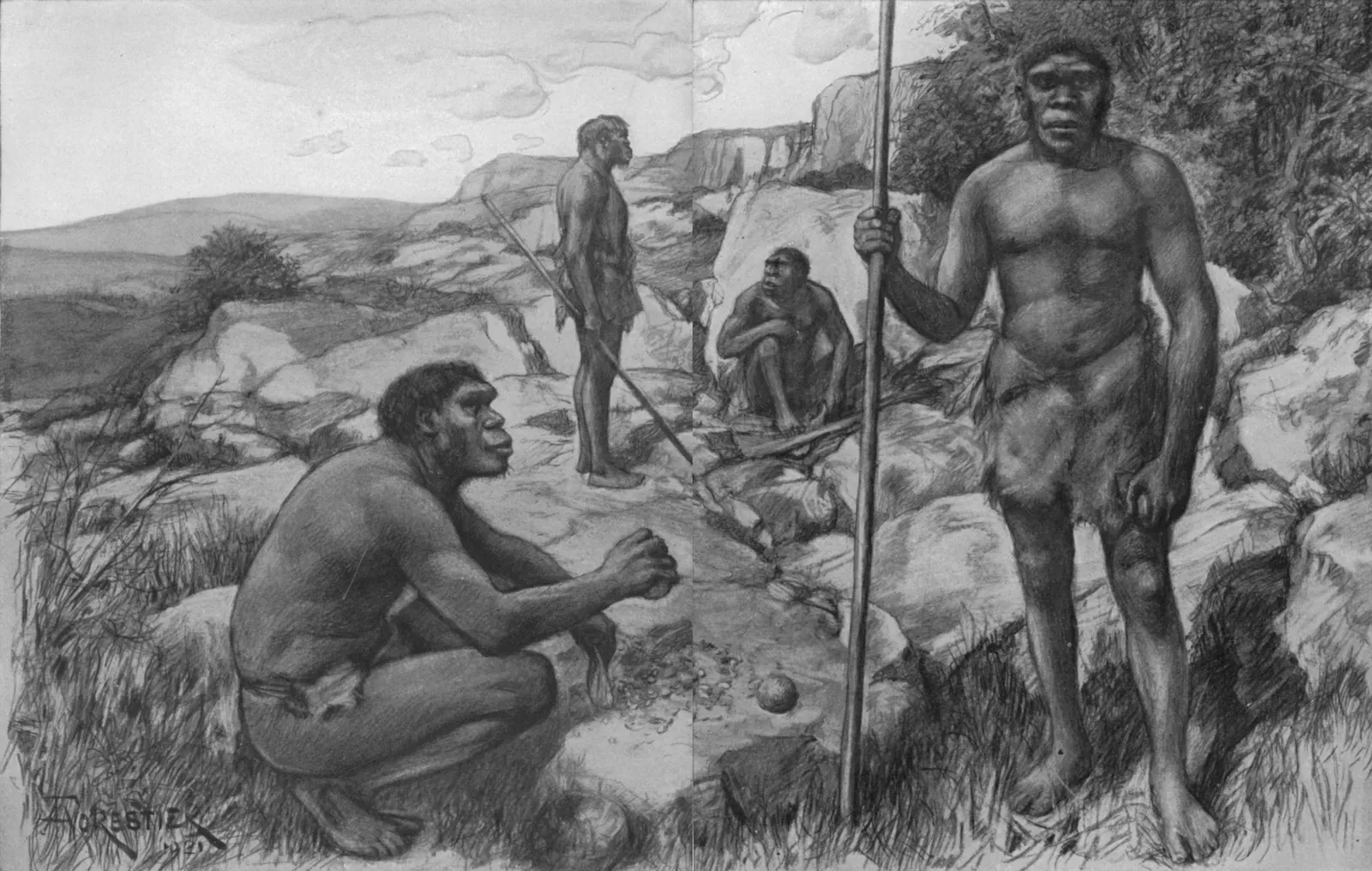
If you assume “precision grip” only matters for threading needles, think again – Neanderthal hands were apparently doing tailor-and-painter-level fine work as a matter of daily routine.
A team of European researchers found that Neanderthals were capable of wielding a precision grip, placing their hand usage more in line with tailors and painters than bricklayers, butchers and other brute-force laborers. That comparison comes from real occupational data – 19th-century skeletons with documented jobs, cross-referenced against the muscle-attachment scars on Neanderthal bones.
The team built on a previous study that took 3D scans of the hands of bricklayers, butchers, tailors, and painters, finding that brute-force laborers tended to have more prominent entheses on the thumb and pinky, whereas those with more fine-movement jobs tended to have larger entheses on the thumb and index finger. Neanderthal bones matched the tailors and painters, not the butchers – a detail that upends nearly everything pop culture taught us about “cavemen.”
Quick Compare
- Neanderthal hands: larger entheses on the thumb and index finger – a fine-motor signature
- Tailors and painters: the same thumb-and-index enthesis pattern from documented occupational skeletons
- Bricklayers and butchers: more prominent entheses on the thumb and pinky instead
- Verdict: Neanderthal hands line up with the craftspeople, not the brute-force laborers
#8 – Manufacture Cordage and Glue-Based Composite Tools by Feel
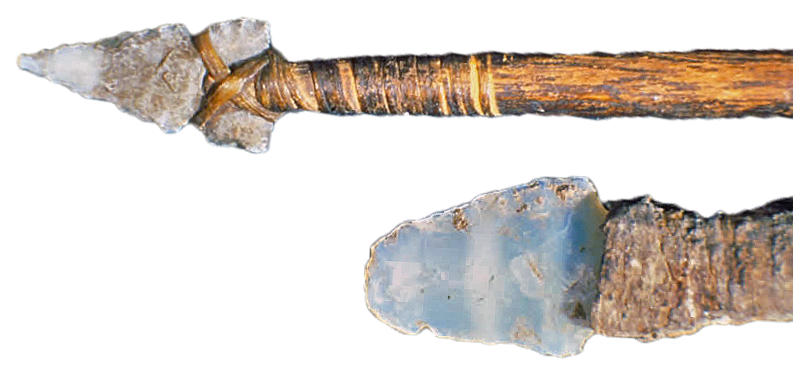
Twisting fiber into usable cord and cooking pitch into workable adhesive both demand fingertip sensitivity and coordination – not brute strength. Neanderthals did both.
Neanderthals made and used cordage, produced glue to make hafted tools, and used small stone implements, which likely required fine manipulations of their hands, according to study author Professor Katerina Harvati. That’s a three-step manufacturing chain – twisting plant fiber, cooking birch-bark pitch into glue, then binding a stone point to a wooden shaft – requiring exactly the kind of fingertip coordination a “clumsy” hand couldn’t manage.
None of this fits the outdated caricature of a hand only good for clubbing prey. It fits a hand capable of engineering multi-material tools from raw components most of us wouldn’t know how to combine at all.
#9 – Handle Hafted Weapons With a Grip Modern Hunters Rarely Use
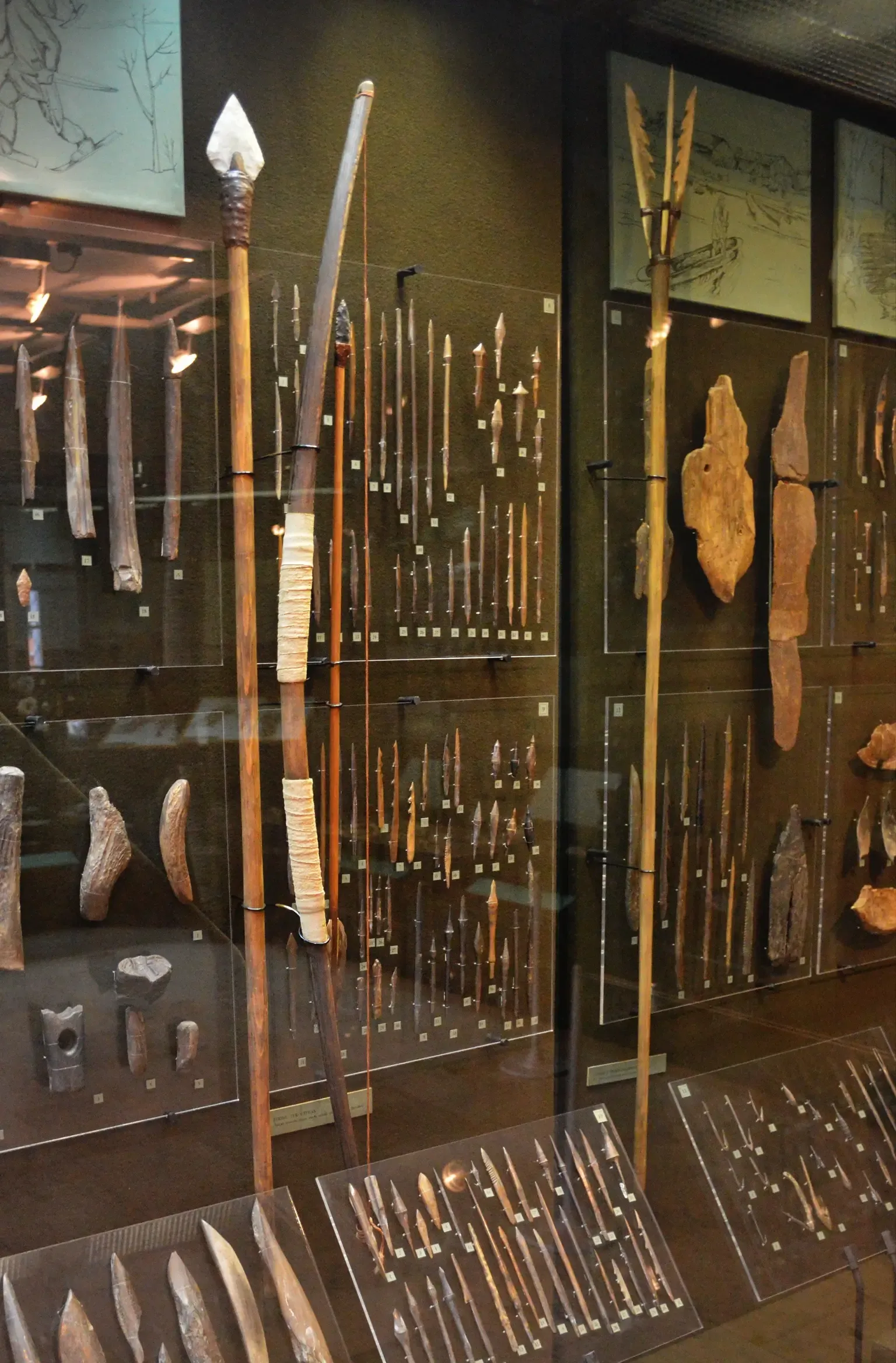
Modern hunters holding a spear tend to default to something closer to a precision or hybrid grip. Neanderthals, fossil evidence suggests, defaulted to something rawer and more mechanically efficient for thrusting force.
A modern human hand demonstrating a power “squeeze” grip is likely the same grip Neanderthals used when grasping hafted artefacts. The mechanical advantage here is real: a squeeze grip transmits force straight down the shaft’s axis, rather than concentrating stress at fingertip contact points the way a precision grip does.
The Neanderthal thumb joint “is better suited to an extended thumb positioned alongside the side of the hand,” leading to grips that were advantageous for the use of tools such as spears and scrapers used for hunting. For close-range confrontation with large ice-age game, that kind of locked, force-transmitting grip may have been the safer, more reliable choice – one most modern hands aren’t anatomically optimized to replicate.
#10 – Withstand Repetitive-Motion Stress That Would Injure a Modern Wrist
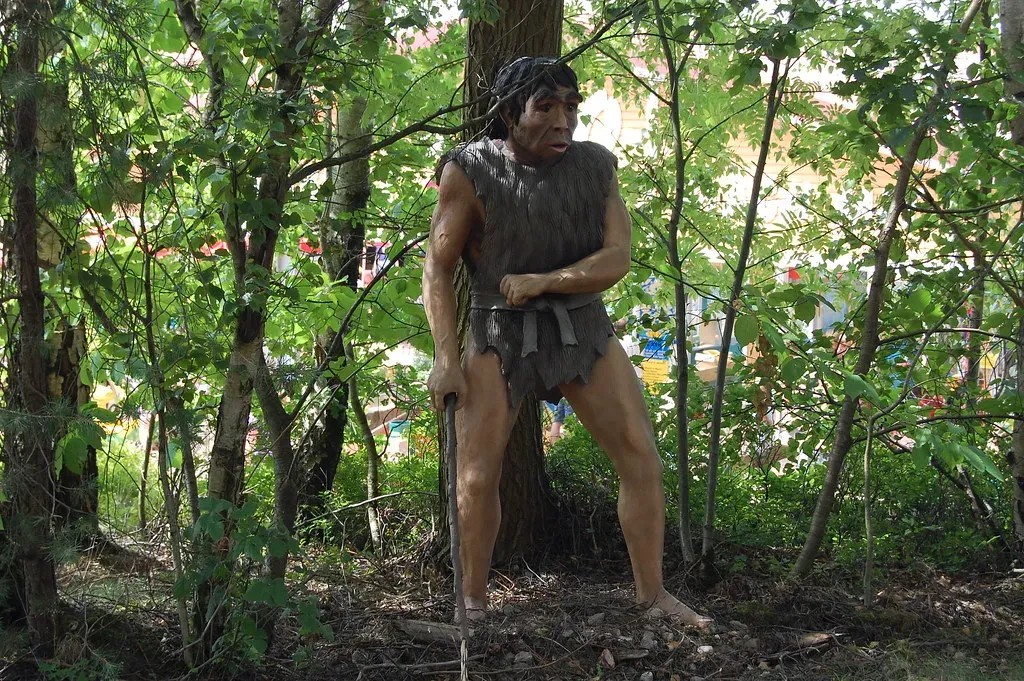
Modern repetitive strain injuries – carpal tunnel, tendonitis, thumb arthritis – are common precisely because our joints aren’t built for constant high-force repetition. Neanderthal wrists were.
Neanderthal hand morphologies are at or beyond the range of recent human samples for traits including dorsopalmarly flat metacarpal bases, reduced metacarpal styloid processes, and large, projecting carpal tubercles, with functional interpretations suggesting Neanderthal hands are adapted primarily for power during manipulation. Each of those individual bone modifications reduces stress concentration during repeated forceful use – essentially built-in shock absorption modern wrists don’t share.
Think about how many modern jobs require ergonomic accommodations, wrist braces, or scheduled breaks to prevent repetitive strain damage. Neanderthal wrist architecture appears engineered to sidestep several of those failure points entirely, allowing daily high-force tool use across an entire lifetime without the joint breakdown we’d expect in a modern hand doing the same work.
#11 – Maintain Full Grip Function With Wider, Heat-Retaining Hands
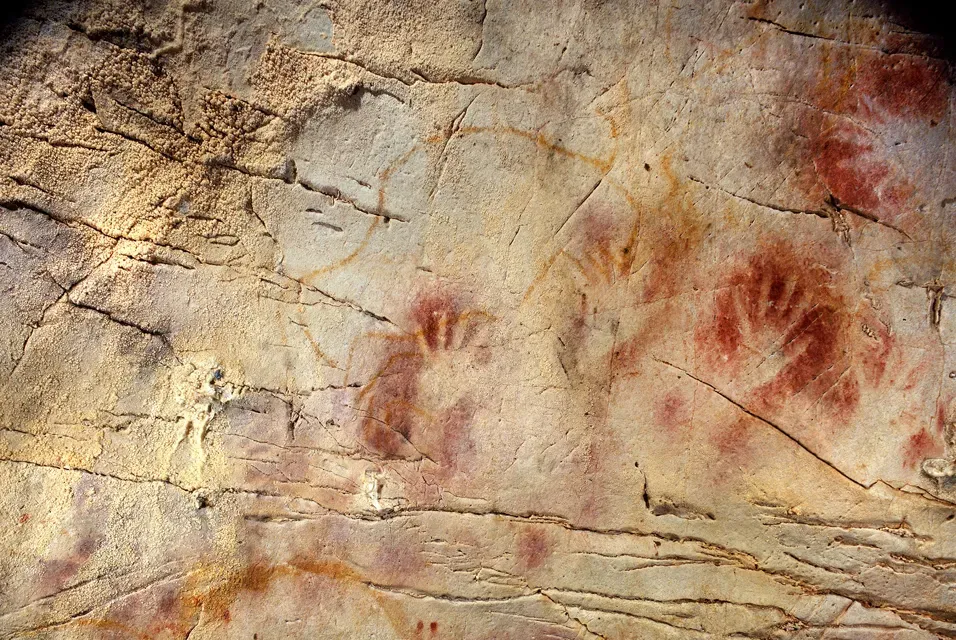
Here’s a controversial angle: many people assume wider hands automatically mean clumsier hands. The physiology doesn’t fully support that.
Researchers investigating whether size and proportions of the hands and digits affect dexterity during severe cold exposure noted that wide hands are known to lose less heat than narrow hands, while narrow digits are associated with greater dexterity. That’s a genuine trade-off, not a flaw – Neanderthal hands prioritized functional grip retention over fine dexterity in brutal cold, a trade most modern hands, built for temperate climates and desk work, were never asked to make.
It’s worth pushing back on the popular assumption that “wider equals worse.” In a glacial environment, a hand that keeps working at zero degrees beats a hand that’s marginally more dexterous but goes numb in minutes. Neanderthal anatomy solved for survival first, precision second – and that’s arguably the smarter engineering choice for the environment they actually lived in.
Worth Knowing
- Wide hands lose less heat than narrow hands during cold exposure
- Narrow digits are linked to greater fine-motor dexterity, but poorer heat retention
- Short, broad fingers rewarm faster after cold exposure than long, narrow ones
- Neanderthals traded some dexterity for hands that kept functioning in sub-zero temperatures
#12 – Grip Objects With a Fundamentally Different Thumb-to-Finger Ratio
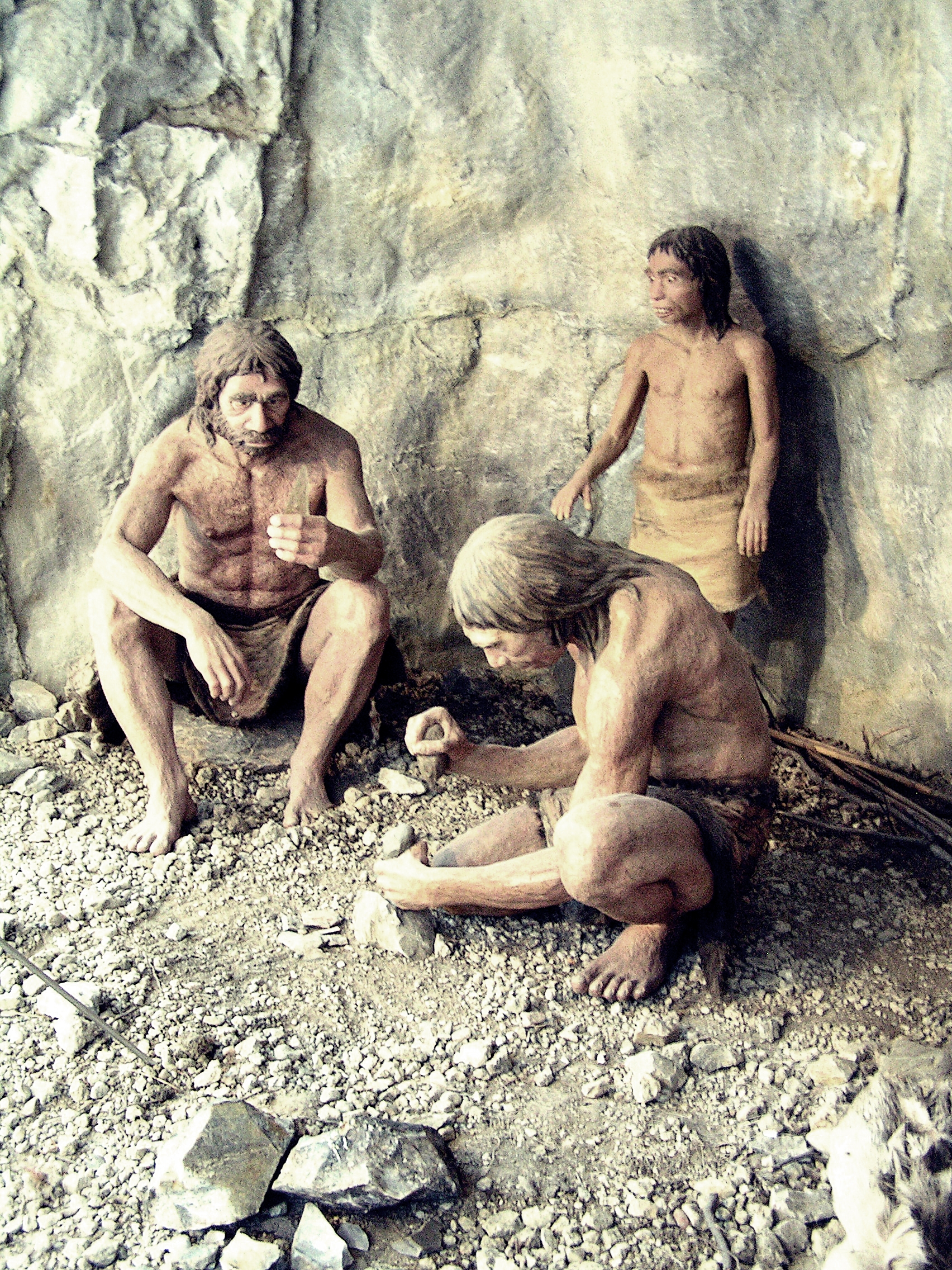
Run your eyes across a Neanderthal hand skeleton next to a modern one, and the proportions look subtly, unmistakably different – not just in bulk, but in the relationship between thumb and fingers.
Modern humans and archaic humans, represented by Neandertals, differ from other apes in having short fingers relative to a long and robust thumb with well-developed thenar musculature that facilitates forceful precision and precision-pinch grips between the thumb and fingers. That proportional relationship – a thumb disproportionately long and strong relative to the fingers around it – created leverage modern hands share only partially.
Interestingly, one comparative anatomy paper on a different fossil hominin even noted that Neanderthal thumbs are relatively longer than ours, directly challenging the assumption that our modern thumb represents some evolutionary “upgrade.” In several measurable respects, it may simply be a different – not strictly superior – solution to the same mechanical problem.
#13 – Produce a Handshake That Would Immediately Feel “Wrong” to Us
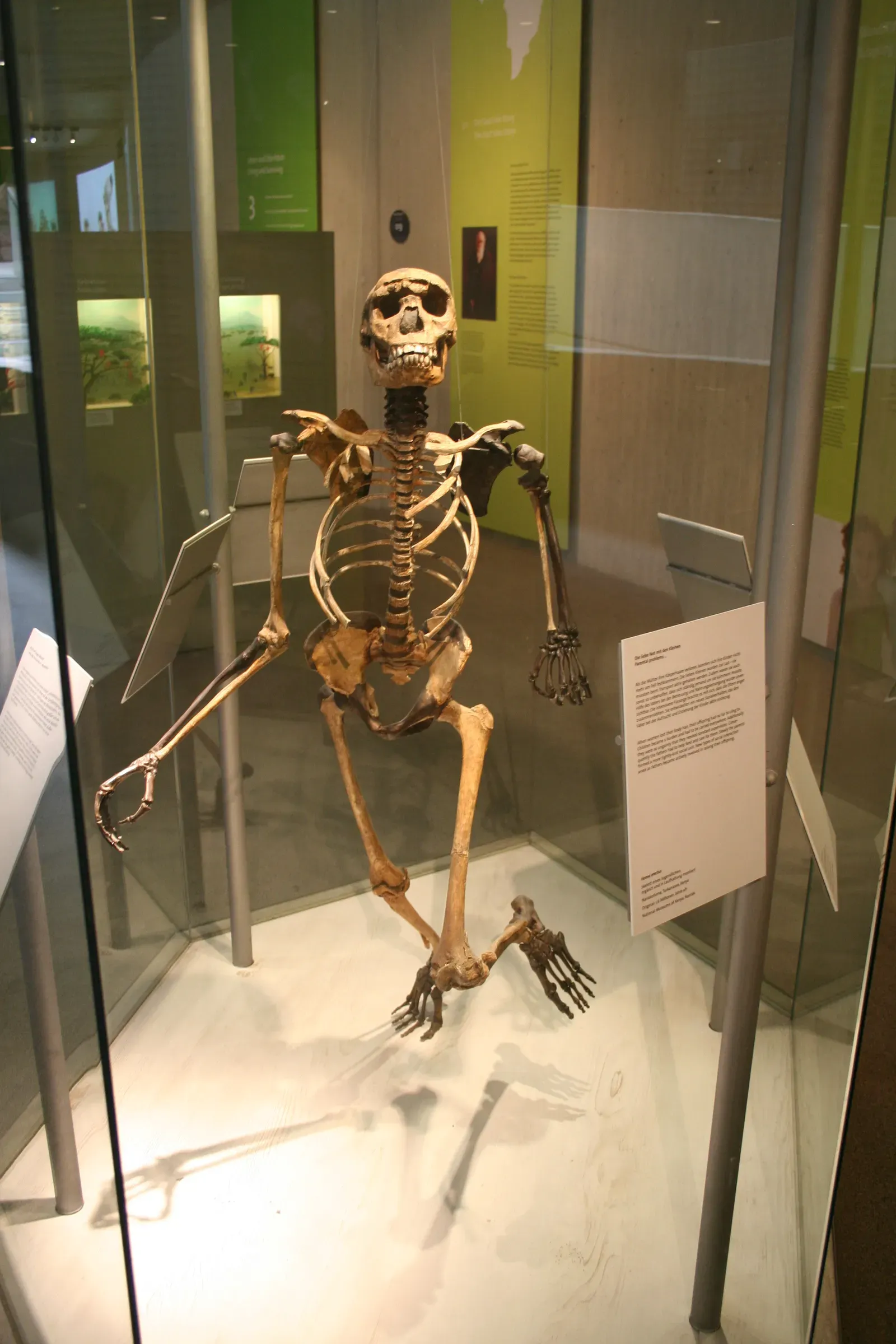
This one is less about raw mechanics and more about the lived, tactile experience of Neanderthal hands – and it comes straight from the researchers who’ve handled the fossil casts themselves.
“If you were to shake a Neanderthal hand you would notice this difference,” said Ameline Bardo, a postdoctoral research fellow at the University of Kent’s School of Anthropology and Conservation. The thumb wouldn’t sit where a modern handshake expects it to sit, because the joint architecture pointed it in an entirely different direction.
She even joked about it directly: “there would be confusion over where to place the thumb, and for a thumb fight I think you would win in terms of speed and movement!” That’s a genuinely fun detail buried inside serious peer-reviewed science – proof that even experts recognize just how physically different these hands really were, right down to the handshake.
Why It Stands Out
- Thumb sat alongside the palm, not opposed the way ours does
- Joint architecture pointed the thumb in an entirely different direction
- Researchers who’ve handled the fossil casts say the difference is instantly noticeable by touch
- A modern handshake grip would likely feel physically “wrong” against a Neanderthal hand
#14 – Sustain Decades of Heavy Tool Use Without the Joint Breakdown We’d Expect
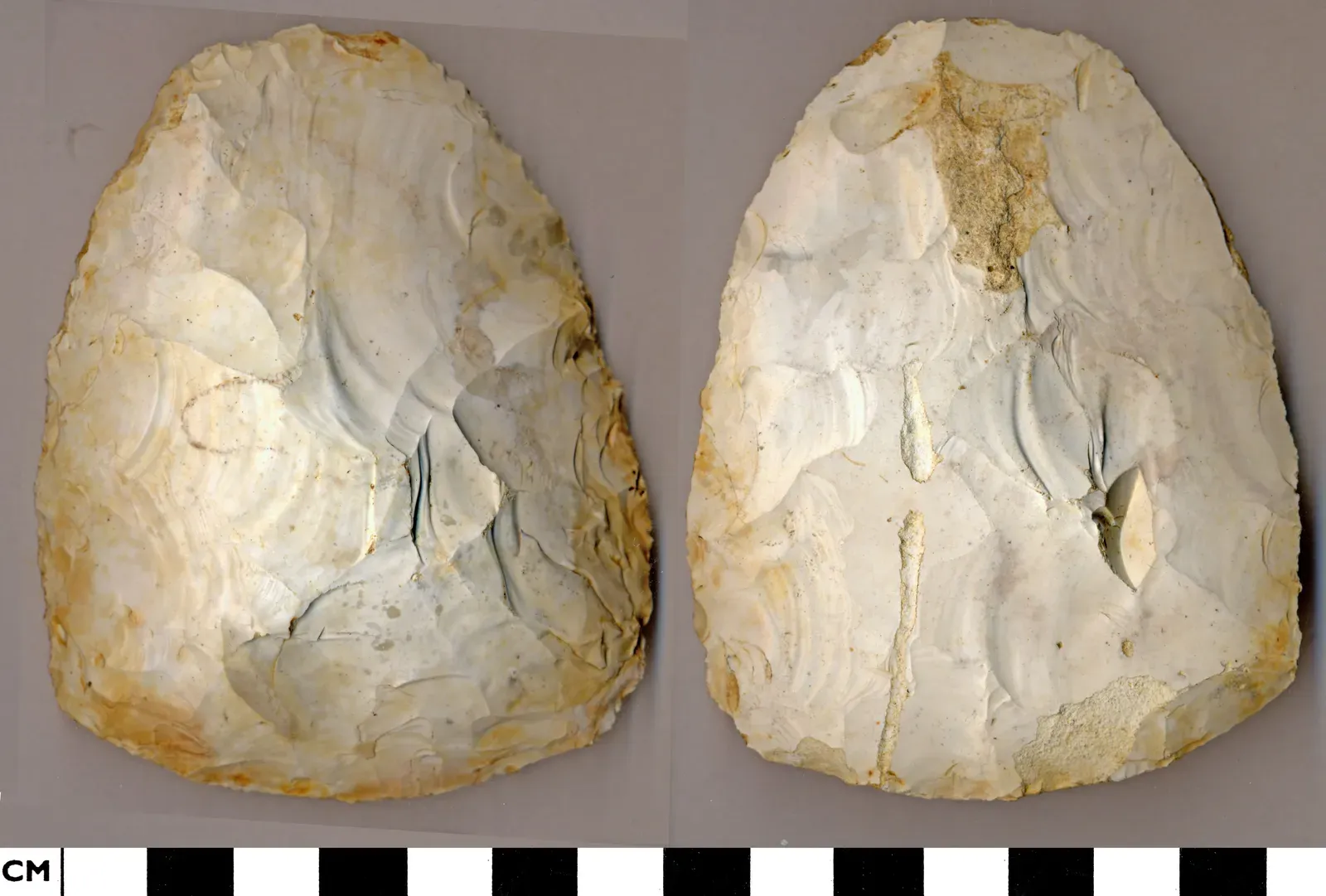
Save the biggest one for last: Neanderthal hands appear built for durability across an entire working lifetime of brutal manual labor, something modern hands genuinely struggle to match without medical intervention.
Based on their robust phalanges, broader distal phalanges and joint configurations, Neanderthal hands appear better adapted for forceful power grips that are considered important for the effective use of some tools, such as hafted Mousterian spears and scrapers. That’s not a hand built for one impressive feat of strength – it’s a hand engineered for repeated, sustained, decades-long punishment.
“We therefore refute the commonly held view of the clumsy, forceful Neanderthal. Like modern humans, Neanderthals were competent tool makers and tool users, who were using delicate and precise hand and finger movements in their daily activities.”
Katerina Harvati
A hand this durable, this versatile, and this misunderstood deserves a lot more credit than pop culture has ever given it.
The Bottom Line
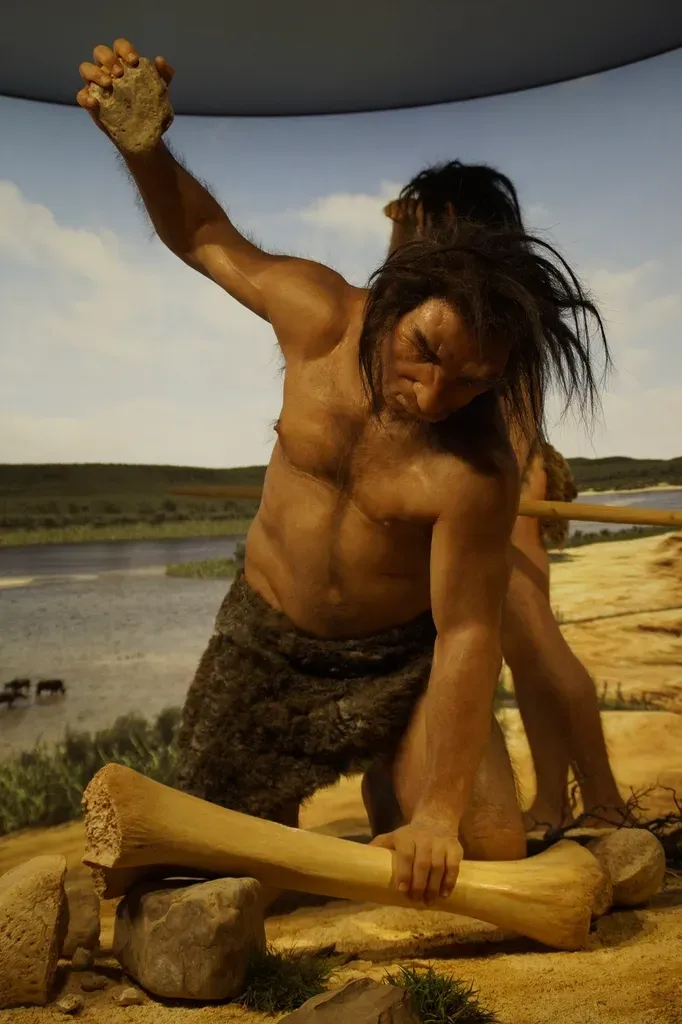
Neanderthal hands weren’t a lesser draft of our own – they were a different, highly specialized model built for a colder, harsher, more physically demanding world. The extended thumb posture, the flatter joint, the thicker digits, and the hypertrophied muscle attachments all point to hands capable of sustained crushing force, cold-resistant grip, and – contrary to decades of “clumsy caveman” assumptions – genuine fine-motor craftsmanship.
Modern researchers keep finding evidence that directly contradicts the brute stereotype, and honestly, it’s overdue. We spent decades drawing Neanderthals as knuckle-dragging failures in museum dioramas when their hands were quietly outperforming ours at the exact jobs that mattered most for staying alive in an ice age. Which of these surprised you the most? Drop your pick in the comments.