
Most people assume it takes a lab coat, an electron microscope, and six weeks of waiting before anyone can say something meaningful about an old object. Hand an actual conservator a chair, a coin, a vase, or a painting, and that assumption falls apart in about sixty seconds. They’re not stalling for time or hedging politely – they’re already running through a mental checklist of physical tells that the rest of us walk right past without ever noticing.
That fast read isn’t magic and it isn’t intuition. It’s a trained sequence, built from years of handling thousands of objects, and once you know the order experts run through, you start seeing furniture, jewelry, and paintings very differently. From the pores inside a piece of “ebony” to what suddenly glows under a blacklight, here are the thirteen things museum experts can size up almost instantly – starting with the very first thing their eyes land on.
#1 – What The Object Is Actually Made Of
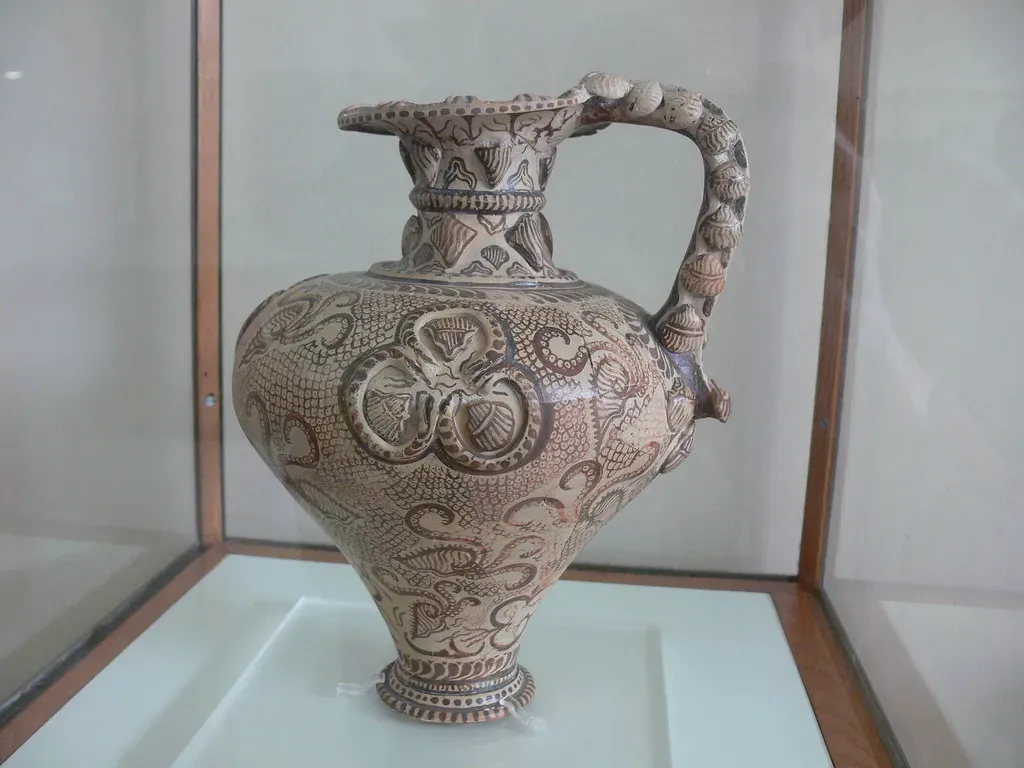
Before anything else, an expert’s eye goes straight to material identity. Wood, metal, ceramic, glass, stone, paper, textile, bone-like composite – this single classification instantly narrows down every possibility that follows, because different materials age, fracture, and wear in completely different ways.
Appraisers work through this almost automatically. It’s the foundation everything else is built on. A piece that looks like ivory but has the wrong grain pattern, or “ebony” with suspiciously open pores, tells an expert something is off before a single tool mark is even examined.
Most people don’t realize material misidentification is one of the oldest forgery giveaways in the business. Fake ebony, for instance, is frequently just stained tropical hardwood, and the pore structure under a loupe reveals it in seconds flat.
#2 – Whether It Was Made By Hand Or Machine
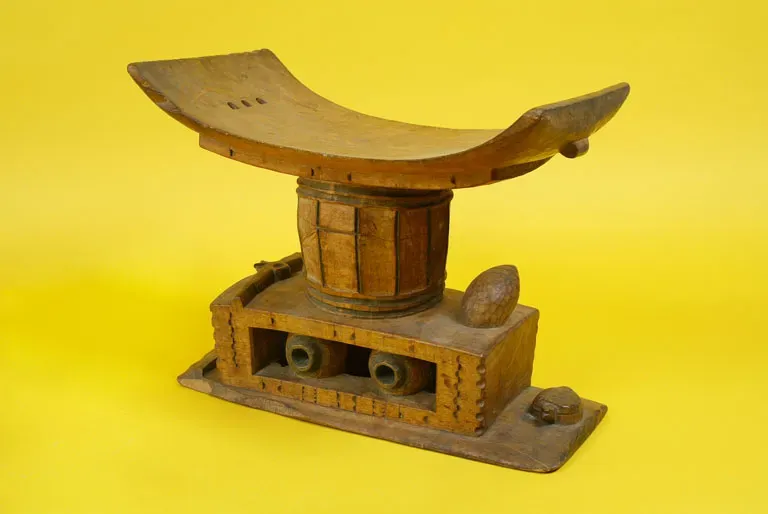
Once the material is confirmed, the next question is simple: human hands, or a factory line? This distinction alone can separate a piece worth thousands from a modern reproduction worth almost nothing.
Experts look at consistency. Hand-forged and hand-cut elements are never perfectly uniform – hammer marks wander, dovetails sit slightly off, mortise-and-tenon joints show a little human wobble. Machine production, by contrast, leaves behind a mechanical regularity that’s almost too clean.
This is why a curator can glance at the underside of a drawer and immediately place it decades before or after a specific manufacturing shift. There’s an even faster trick hiding in plain sight: the absence of plastic. Tools and hardware with plastic components almost certainly date after WWII, so no plastic, no synthetic handle, no modern fastener usually means the object predates mid-century mass production.
#3 – A Rough Age, Just From Construction Details
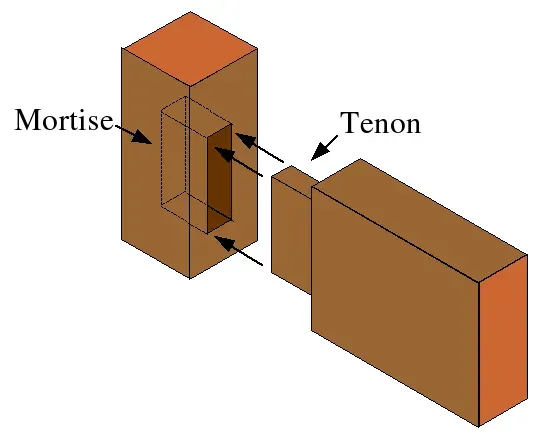
Long before any lab test, experts date objects using construction alone – joinery, fasteners, and tool patterns that shifted decade by decade as manufacturing technology changed underneath everyone’s feet.
Saw marks are a favorite tell. Mortise-and-tenon joints secured with wooden pegs point to pre-industrial craftsmanship, while circular saw marks with concentric arcs date a piece to after 1830. That’s an astonishingly precise window pulled from nothing more than the pattern a blade left behind more than a century ago.
Hardware tells its own story too, and this is where amateur collectors get burned the most. A Phillips screw, which didn’t exist before the 1930s, on a supposedly Victorian piece exposes the object as misdated – or outright faked – instantly. Experts don’t even flip the piece over twice. One glance at a screw head settles the argument.
Fast Facts
- Wooden-pegged mortise-and-tenon joints: pre-industrial, largely hand craftsmanship
- Concentric circular saw marks: signals a date after 1830
- Phillips-head screws: didn’t exist before the 1930s
- Any plastic component: almost always post-WWII manufacture
#4 – Whether The Wear Is Real Or Staged
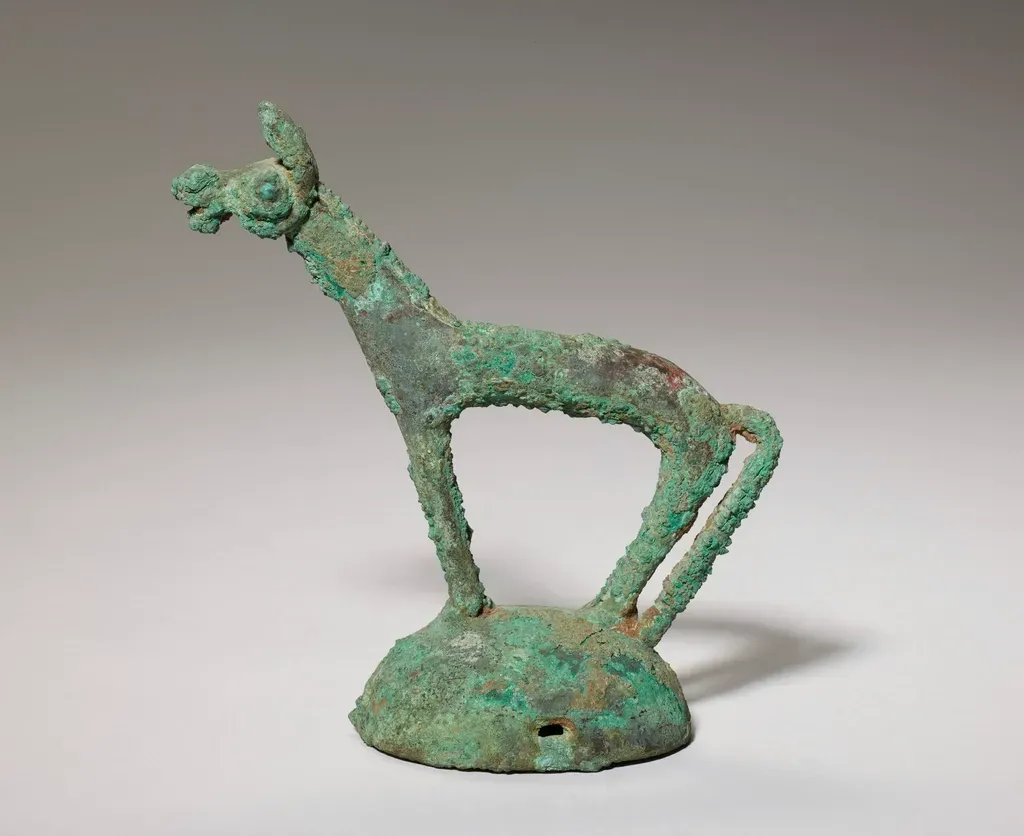
Genuine age leaves a very specific fingerprint, and faking it convincingly is harder than most forgers think. Real wear accumulates unevenly, concentrated exactly where hands, feet, or tools made contact over generations of actual use.
Conservators are trained to distinguish organic aging from artificial distressing almost instinctively. Genuine antiques show logical wear in areas of regular use, along with patina that develops from the inside out rather than sitting on top of the surface like paint.
Compare that to a forced fake, where the wear looks uniform and strangely disconnected from where a hand would actually rest. Artificial patina often shows up as flat, brown, paint-like “rust,” acid-etched fake pitting, or bright edges sitting suspiciously next to untouched high-wear zones.
A real object simply couldn’t wear that way – physics doesn’t allow it. Many conservators now argue that patina, not paperwork, is the single most reliable authenticity test available to the naked eye.
#5 – Hidden Marks, Stamps, And Signatures
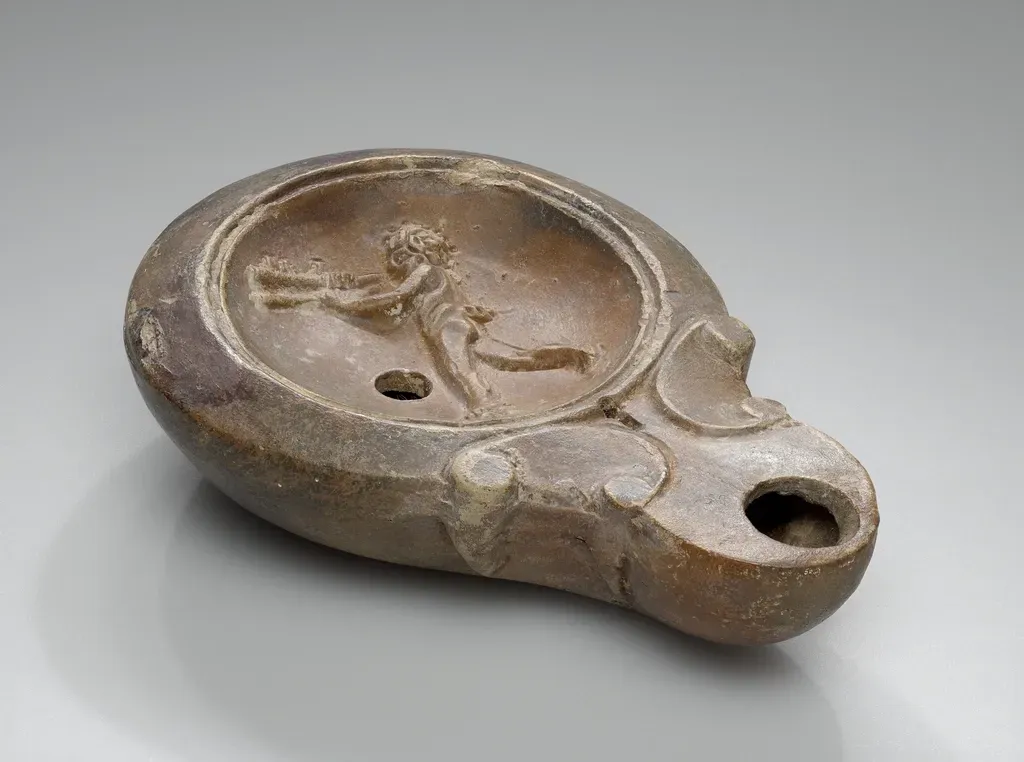
Manufacturers and makers rarely resisted the urge to sign their work, and finding that signature is often the fastest route to an identity. But knowing where to look – and how to read what’s found – takes real training most collectors never get.
These marks hide in unglamorous places. Carved initials, stamped names, or faint chalk and pencil marks turn up on the bottom of chair seats, the underside of tabletops, and the inside of cabinet drawers. Tool collectors know the same rule: bench planes carry marks near the logo and patent date, wooden planes stamp the toe or heel, and saws hide their medallions on the handle with etches near the spine.
Not every stamp deserves trust, though. Misapplied marks often show sharp, laser-crisp edges, the wrong font for the era, or sit stamped directly over existing pitting – a dead giveaway once you know to look for it. Experts cross-check every mark against reference databases before believing a single one.
#6 – What’s Hiding Under Ultraviolet Light

Flip on a blacklight, and an object that looked pristine under normal light can suddenly reveal a very different history. It’s one of the fastest, cheapest, and most non-destructive tricks in a conservator’s entire toolkit.
UV fluorescence exposes what the naked eye simply cannot catch. It highlights repairs, overpainting, and modern varnishes almost instantly. A painting that appears untouched in gallery light might glow with patchwork fluorescence exactly where a restorer quietly filled a crack decades earlier.
Furniture experts lean on the same principle, pairing a UV flashlight with a loupe to check tool marks and hallmarks side by side. Most people don’t realize this five-second test can undo a decade of careful restoration disguise – no amount of skillful blending fools ultraviolet chemistry, because modern materials simply fluoresce differently than aged ones.
Worth Knowing
- Old varnish typically glows a warm greenish-yellow; modern varnish often looks dull or purplish by comparison
- Overpainted or in-filled repair areas usually appear as darker, matte patches against the surrounding glow
- Newer adhesives and fillers frequently fluoresce a bright, chalky white that older materials simply don’t produce
- The test takes seconds and damages nothing, which is why it’s often the very first tool out of the bag
#7 – What The Object Was Actually Used For
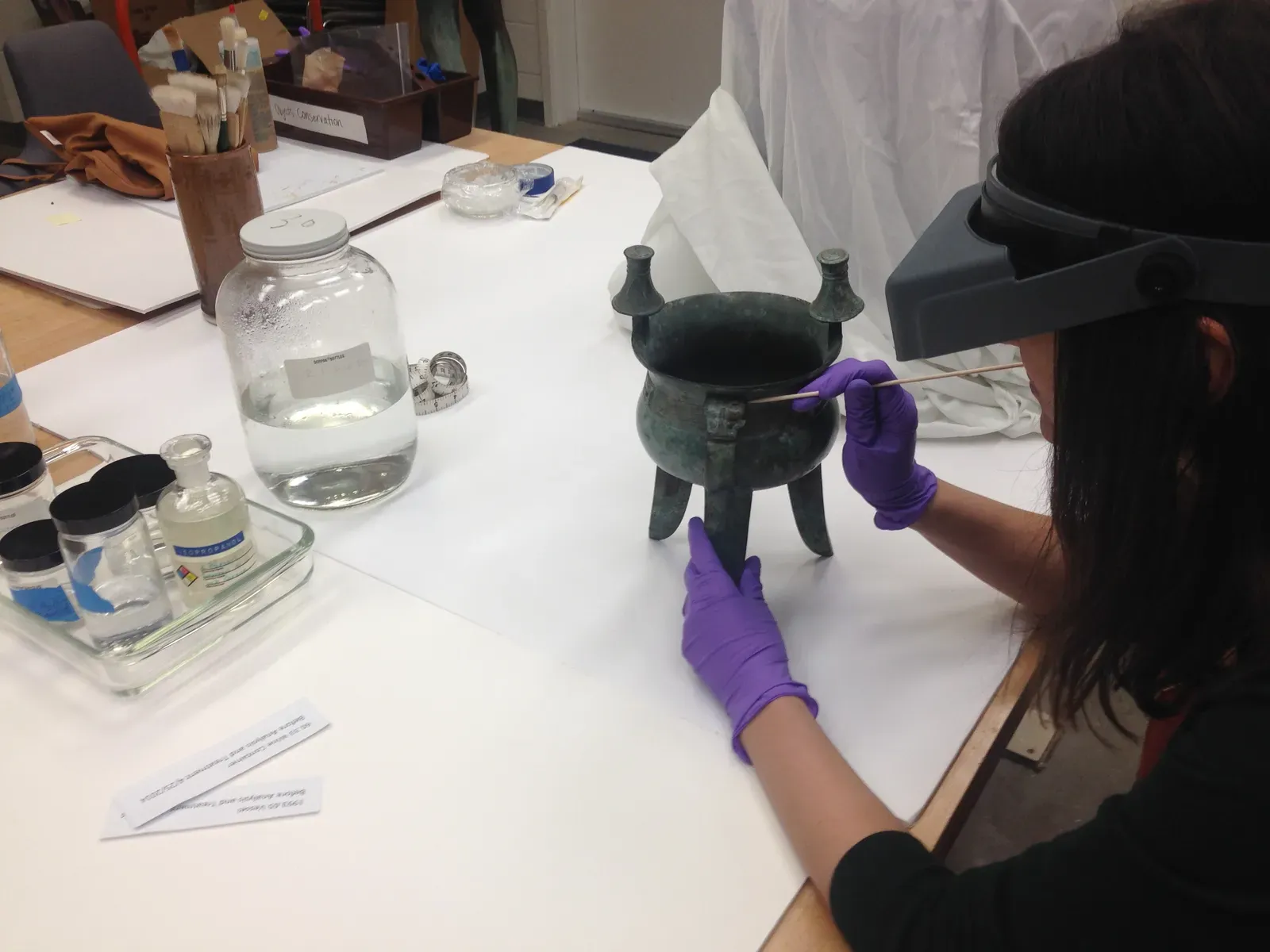
Beyond age and authorship, experts assess function – what job this object performed, for whom, and how often. This is often less about science and more about pattern recognition built from years of handling similar pieces.
Wear location gives it away again, but this time it’s about purpose rather than authenticity. Conservators specifically examine the “working” parts of an item – hinges, seams, sockets – because that’s exactly where functional history concentrates. A curator can tell within moments whether a container was decorative or genuinely used daily, purely from where the surface has thinned.
Cultural significance is the harder layer underneath. Understanding what an object meant, and to whom, is far more challenging than measuring wear, and thorough examination often lets a conservator reconstruct that history alongside the object’s own custodian. The physical clues are fast; understanding why an object mattered to the people who made and used it takes real historical fluency.
#8 – Whether It’s Been Repaired, Replaced, Or “Married”
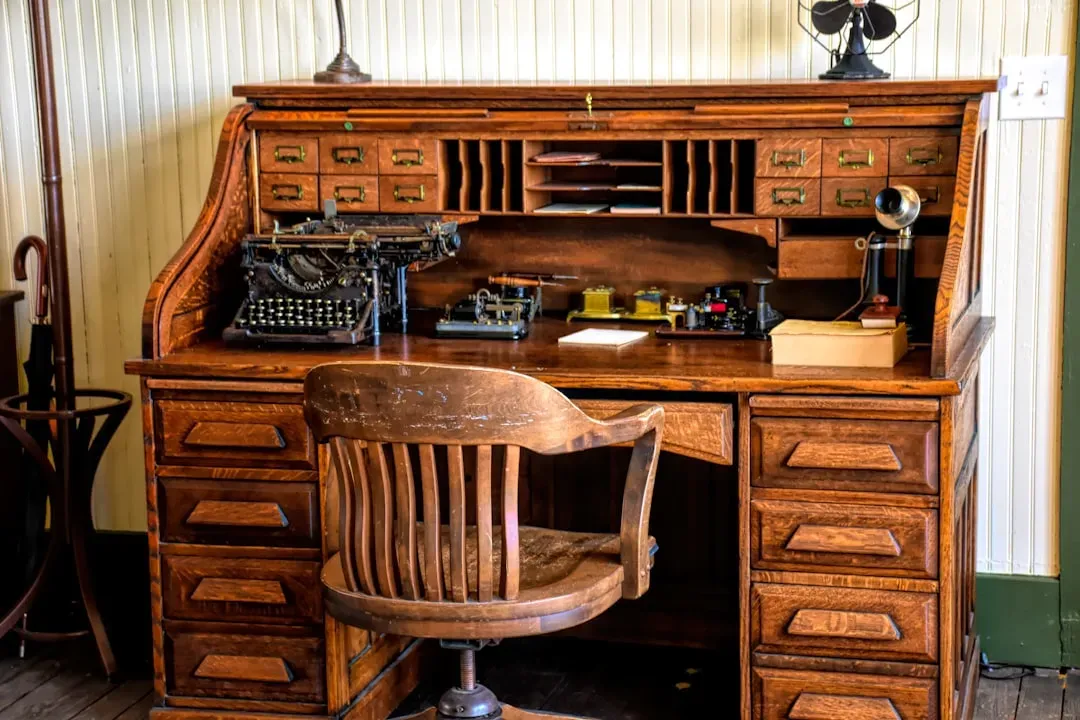
Few antiques survive a century untouched, and experts assume repair before they assume originality. The real question isn’t if something was fixed – it’s how much, and whether the fix helps or quietly wrecks the object’s story.
This assessment shapes everything downstream. A “marriage” – where two unrelated period pieces are combined into one, like a cabinet top from one piece fused onto the base of another – is a classic deception collectors are warned about constantly.
Refinishing is the sneakiest repair of all because it can look convincing at a glance. Modern polyurethane and varnishes sit on top of wood rather than soaking into it, producing a flatter, more uniform appearance, and under magnification a refinished surface shows sanding marks cutting straight across the original tool marks.
This single fact quietly separates a $200 piece from a $20,000 one. Appraisers estimate that an original, untouched finish can add 30% to 50% to a piece’s value at auction.
#9 – Where The Object Has Actually Been

Provenance – the documented ownership trail of an object – is often treated as paperwork, but experienced experts read it as physical evidence too. Labels, stickers, and tags are just as diagnostic as tool marks, once you know how to read them.
These traces accumulate quietly over decades of handling and shipping. Old retailer labels, transport stickers, collector stamps, and exhibition tags can anchor an object’s dating and meaningfully add to its value. A shipping label from a defunct gallery, or an estate’s ink stamp, can instantly place a piece within a specific decade and social circle.
But provenance can lie too, and experts are trained to spot when it does. Inconsistencies or a suspiciously sudden appearance in an object’s paper trail raise red flags fast. A single pristine object with zero supporting history is treated with more suspicion than one with a slightly messy but corroborated past – a perfect paper trail is sometimes the biggest red flag of all.
At A Glance
- Retailer labels and old price tags anchor a piece to a specific store and era
- Transport and shipping stickers reveal how and when an object actually traveled
- Collector and estate ink stamps trace ownership through private hands
- Exhibition and loan tags connect a piece to documented public history
- Auction house lot numbers link an object back to a searchable sale record
#10 – Where In The World It Actually Came From
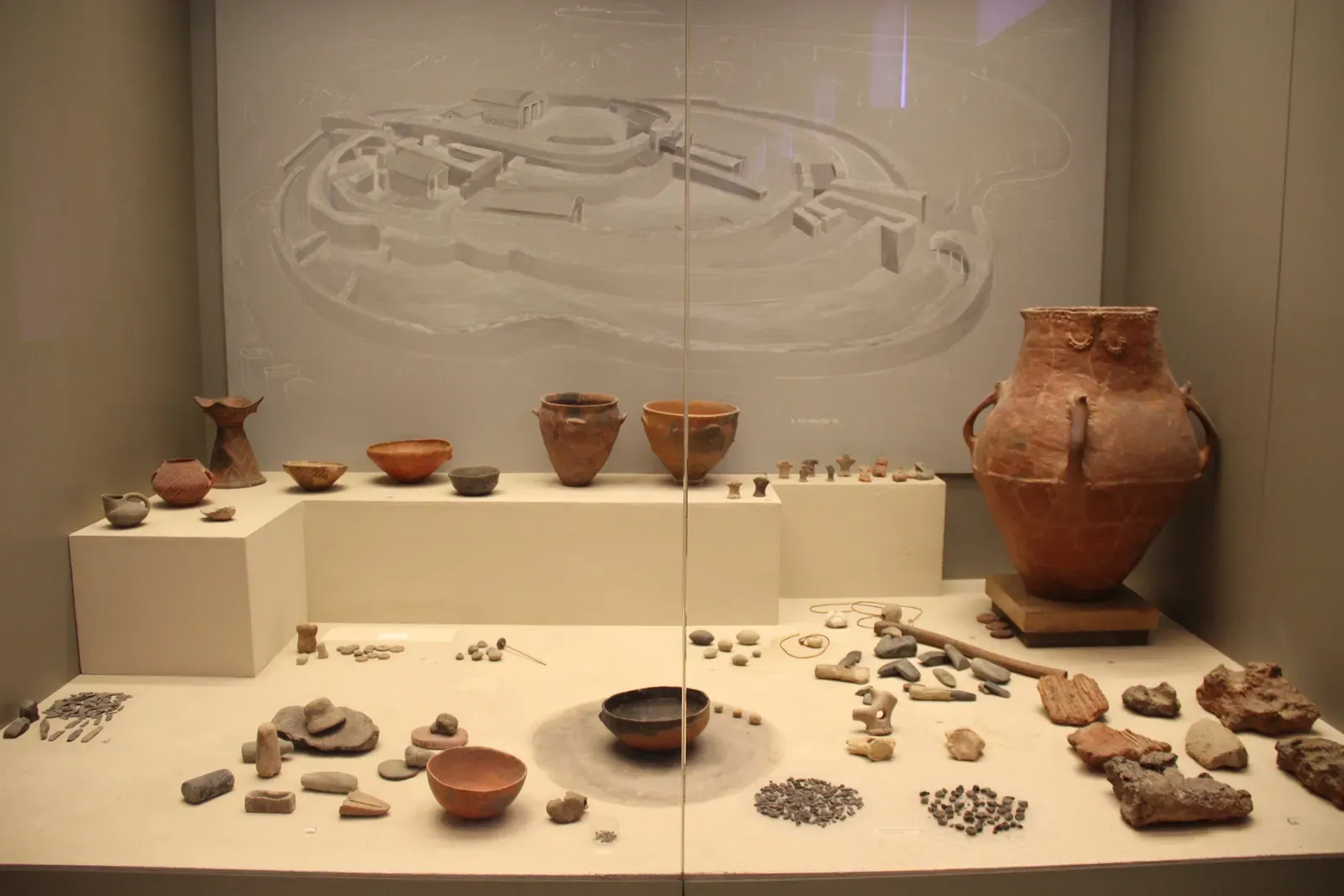
Style, form, and iconography can betray an object’s true origin even when a seller insists otherwise. Experts compare shape, decoration, and technique against known regional traditions almost instantly, without needing a single document.
This is where inconsistencies become impossible to hide. In one documented case, a curator flagged a supposed Colombian artifact because its coffee bean–shaped eyes, hat, and beaker were stylistic markers typical of the ancient Andes – but never rendered that way in the region the piece was supposedly from. The details were close enough to fool a casual buyer, and wrong enough to expose the piece to a specialist in seconds.
Geographic mismatch also shows up in mundane, non-artistic ways. A “French provincial” piece surfacing at a rural American flea market is itself considered a quiet warning sign. Experts have learned to distrust convenient stories, especially when an object’s supposed homeland doesn’t match where and how it actually turned up.
#11 – The Small Details That Instantly Expose A Fake
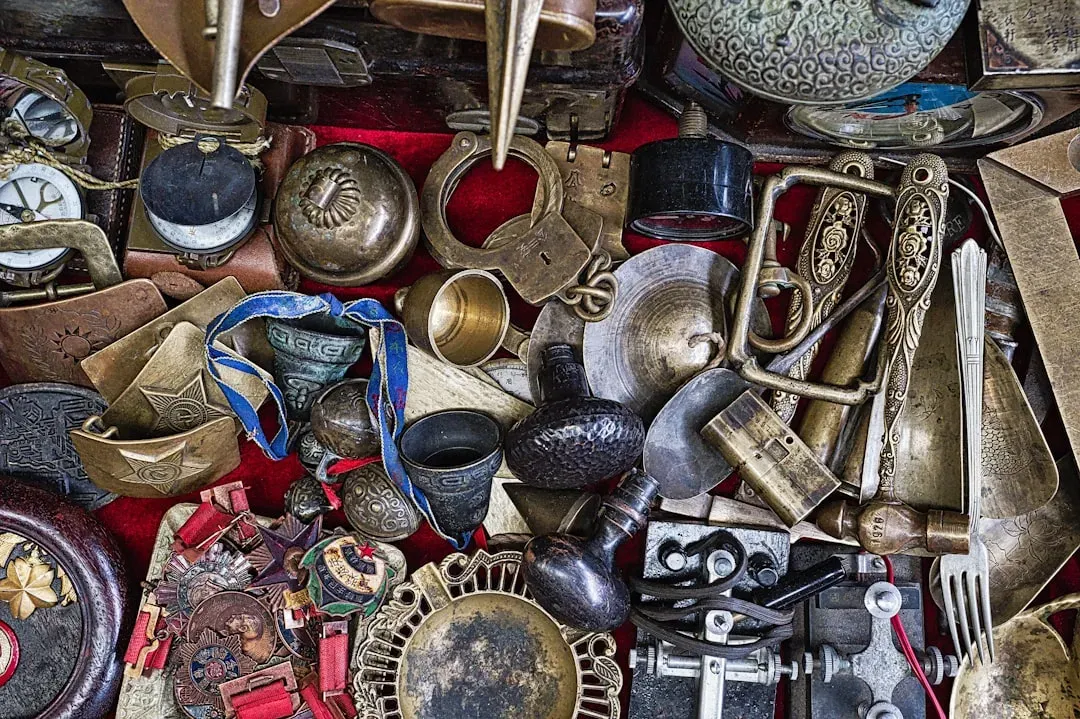
Every category of object has its own set of anachronistic red flags – small physical details that simply couldn’t exist in the era being claimed. Spotting these takes seconds once you know what to look for.
Metal composition is a perfect example, and one that trips up forgers constantly. A supposed Roman item containing 35% or 40% zinc in its brass is chemically impossible for that era. The test can’t always pin down an exact age, but it can instantly confirm whether the composition even aligns with the claimed period – no amount of convincing surface patina overcomes basic metallurgical chemistry.
Materials themselves are frequently the tell in other ways too: tropical hardwood “ebony” with open pores, or bright yellow modern brass carrying milled toolmarks inconsistent with handwork. While many collectors treasure rare, “too good to be true” finds as their proudest discoveries, experts now argue those are exactly the objects most worth doubting first. The rarer and more perfect a claim sounds, the harder professionals scrutinize it.
#12 – What Science Confirms When The Eye Isn’t Enough
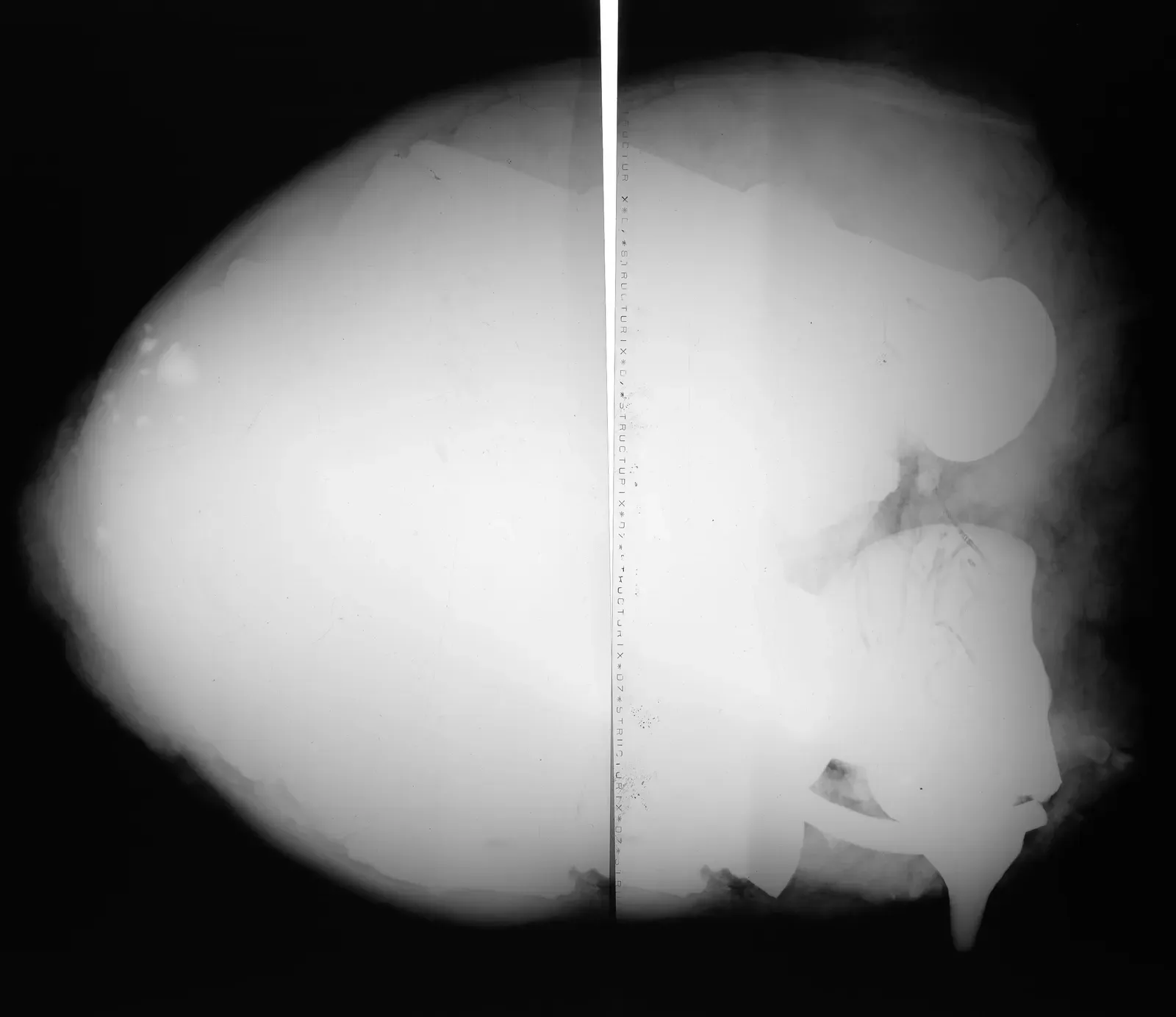
When visual inspection reaches its limit, museums quietly send objects to labs equipped with tools most visitors never hear about. These aren’t slow, months-long processes anymore – modern equipment delivers answers in days, not seasons.
Two techniques dominate this world. Thermoluminescence testing, X-ray fluorescence, and traditional X-ray imaging let labs accurately determine the age, composition, and authenticity of objects ranging from Pre-Columbian ceramics and African tribal masks to Greek terracottas and Asian sculpture. Thermoluminescence works by measuring the accumulated radiation dose trapped inside old pottery – essentially, the older the piece, the more radiation it has quietly absorbed over centuries.
X-ray imaging adds another dimension entirely, revealing what’s hidden inside without ever touching the surface. It provides a highly accurate, non-invasive way to examine the internal structure of pottery, metal, and stone artifacts, penetrating surfaces to reveal details otherwise invisible to the naked eye. This is the step that turns an educated hunch into a documented fact, and results now typically arrive in about a week.
Quick Compare
- Thermoluminescence: best for pottery and ceramics; measures trapped radiation to estimate age
- X-ray fluorescence (XRF): identifies elemental and metal composition without damaging the surface
- X-ray imaging: reveals internal structure, hidden repairs, and hollow areas beneath the surface
#13 – Whether The Whole Story Actually Adds Up

The final and most important thing an expert can tell you isn’t a single fact – it’s whether every clue gathered so far tells the same consistent story. This is the moment where connoisseurship quietly becomes genuine science.
No single test is ever treated as proof on its own. An artifact might go through half a dozen different characterization and analysis techniques to nail down date, composition, and method of manufacture, with large reference databases trawled for comparable results before art historians, conservationists, materials scientists, and curators pool their conclusions together.
This convergence is the real skill museum experts bring to the table – combining material evaluation, provenance research, and signature verification to catch different types of fraud from different angles. Even museums get it wrong sometimes, which is exactly why institutions have started quietly changing labels on problematic objects to reflect open questions of authenticity. The full story doesn’t always stay settled forever.
The Bottom Line
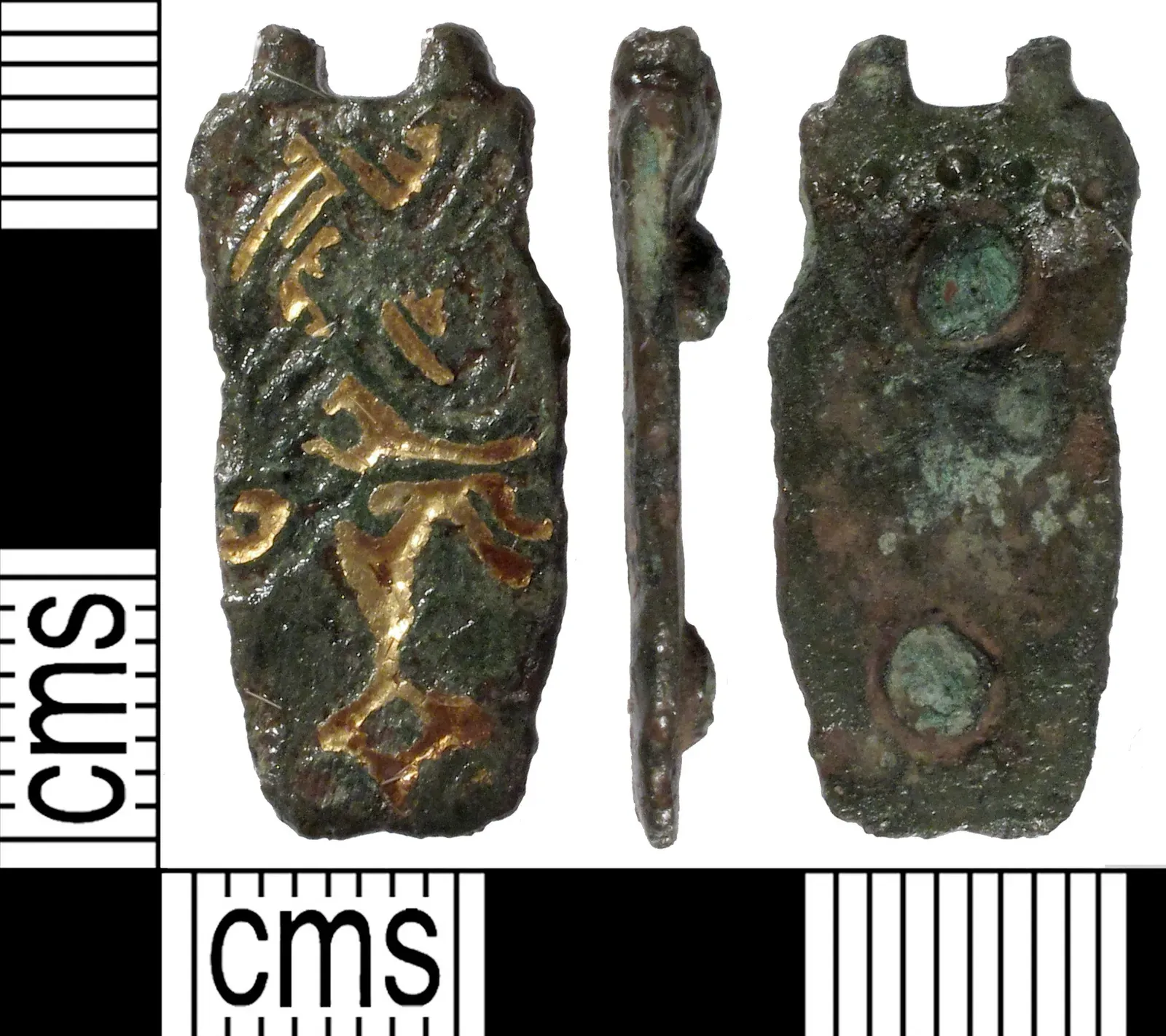
Museum experts don’t need magic or months to read an object. They need trained eyes, a loupe, a blacklight, and a mental catalog of what genuine wear, tool marks, and materials actually look like up close.
The single most surprising truth here is how much can be ruled out in seconds: a wrong screw, an impossible metal alloy, or patina sitting in the wrong place can unravel a fake faster than any lab could. My honest take? The scientific tools like thermoluminescence and XRF get all the headlines, but it’s the boring, unglamorous stuff – tool marks, drawer bottoms, screw heads – that actually catches most fakes first.
Which of these thirteen clues surprised you the most? Drop it in the comments.