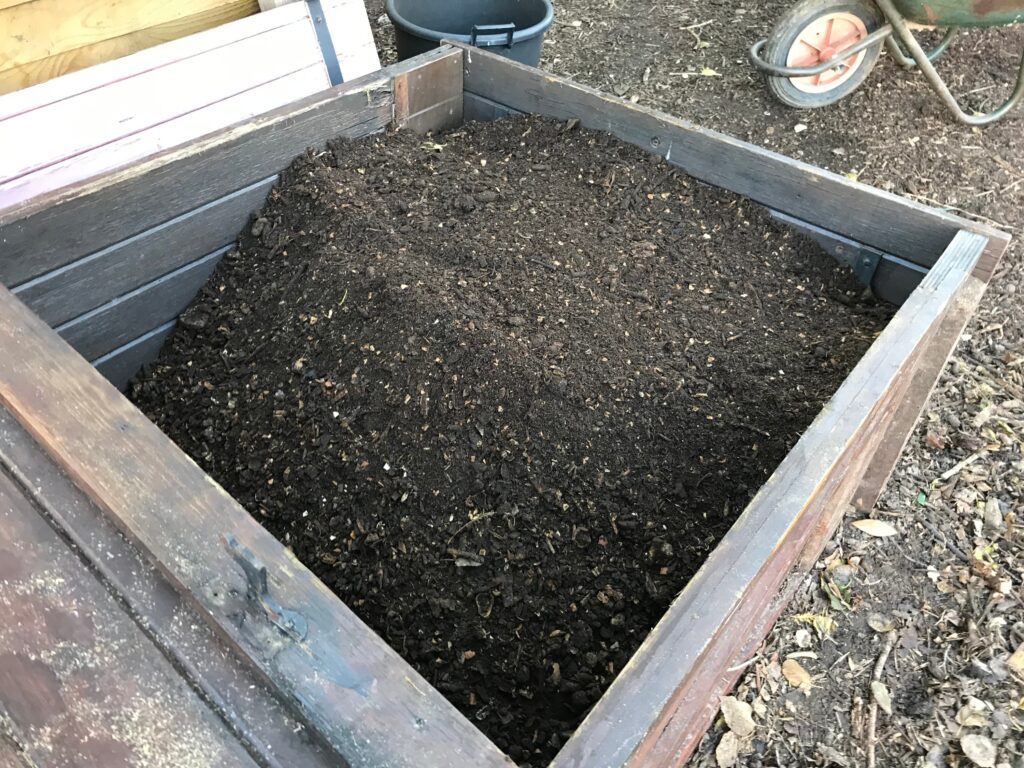
Most people scroll past compost like it’s just wet garbage doing something vaguely gross in a bin. That’s the myth. In reality, chemists have spent decades chasing down what’s actually happening inside that heap, and some of it reads more like a lab report than a garden chore.
From spontaneous fires to hidden antibiotics to a smell bacteria invented on purpose, here are 11 things compost quietly does that took real science years to fully explain.
#1 – It Builds Its Own Furnace, No Matches Required
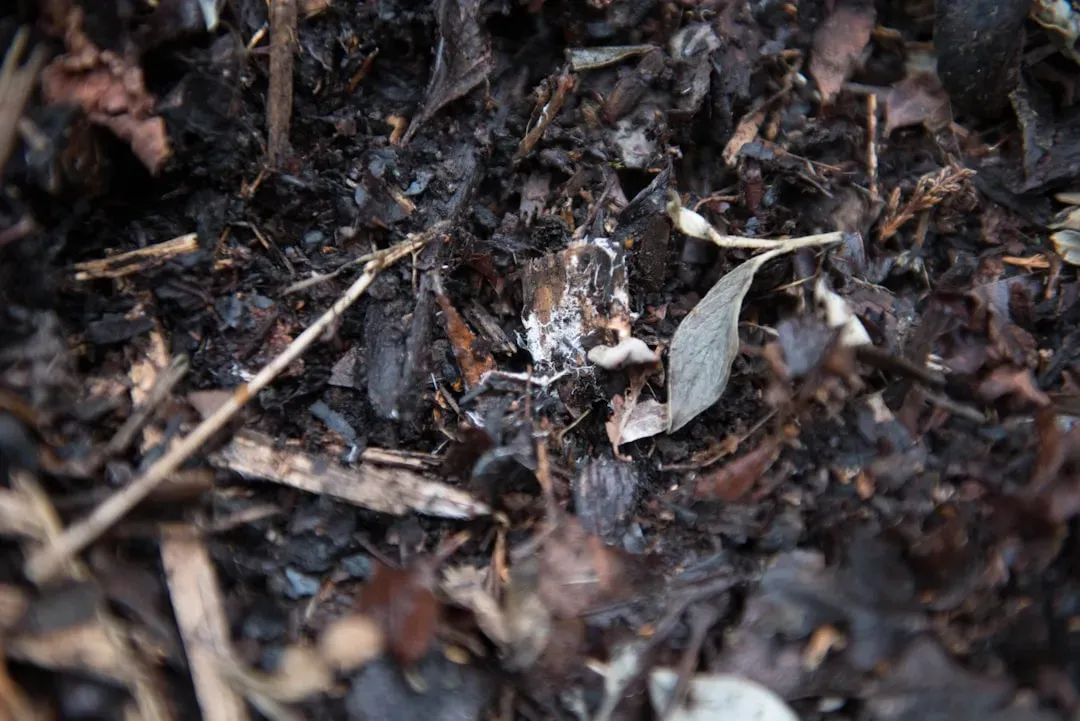
A compost pile can heat itself up faster than most home ovens preheat – with zero outlets, batteries, or flames involved.
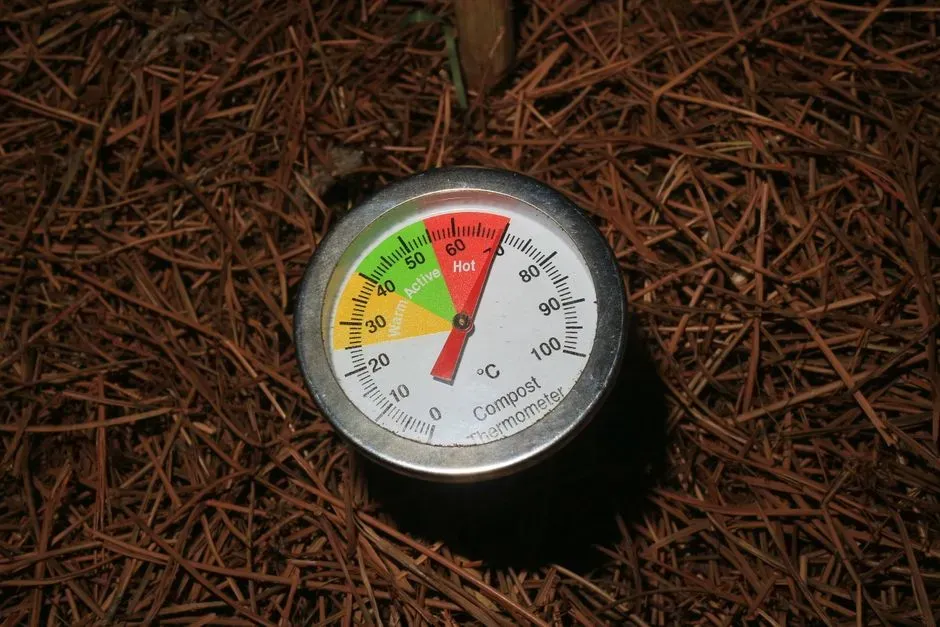
Chemists have known for a long time that decomposition gives off heat. What took years to map out was the predictable relay race of microorganisms behind it. Mild-loving mesophilic bacteria move in first, and as they multiply, their combined metabolism pushes the pile’s core temperature steadily upward. Eventually the heat gets so intense it kills off the mesophiles and hands the pile over to heat-loving thermophiles instead.
The most surprising part: a well-managed pile can hold steady between 130°F and 160°F for weeks at a stretch. That’s hot enough to destroy weed seeds, pathogens, and even certain pests – and it’s hotter than a fresh cup of coffee off the stove, generated entirely by microbes breathing.
Fast Facts
- Mesophilic bacteria dominate first, working comfortably between roughly 68°F and 113°F.
- Thermophilic bacteria take over once the pile climbs past 113°F, often holding 130°F-160°F for weeks.
- That thermophilic window is hot enough to kill most weed seeds and disease pathogens.
- As the pile cools, mesophiles and fungi return to finish curing the compost.
Municipal composting facilities now deliberately chase this reaction, holding piles in that thermophilic range to speed up breakdown while keeping enough oxygen flowing for aerobic activity. But that controlled furnace effect is tame compared to what happens when nobody’s watching the temperature at all.
#2 – It Can Catch Fire Without Ever Touching a Flame

Here’s the part that unsettles compost facility managers: a pile can burst into flame without a spark, a match, or any external ignition source ever touching it.
For years this looked almost supernatural to anyone watching a hay barn or mulch pile smolder for no visible reason. Chemists eventually pieced together a two-stage explanation: biology lights the fuse, then straight chemistry finishes the job.
Thermophilic bacteria do the first heavy lifting, generating heat through respiration as they convert available carbon into carbon dioxide, water, and warmth. Once the pile crosses a certain temperature threshold, living organisms can no longer survive – but the heat keeps climbing anyway, now driven by pure chemical oxidation instead of biology.
The truly wild fact: this handoff can push a pile into a genuine danger zone, smoldering between 300°F and 400°F in large, oxygen-limited piles. That oxidation only speeds up as temperatures rise, and it can keep going even in low-oxygen conditions, stopping completely only once oxygen runs out entirely. Most backyard composters will never see this side of compost chemistry. But it’s real, it’s documented, and it’s nothing compared to the smell chemistry waiting in #3.
#3 – It Smells Like Rain On Purpose, Not By Accident
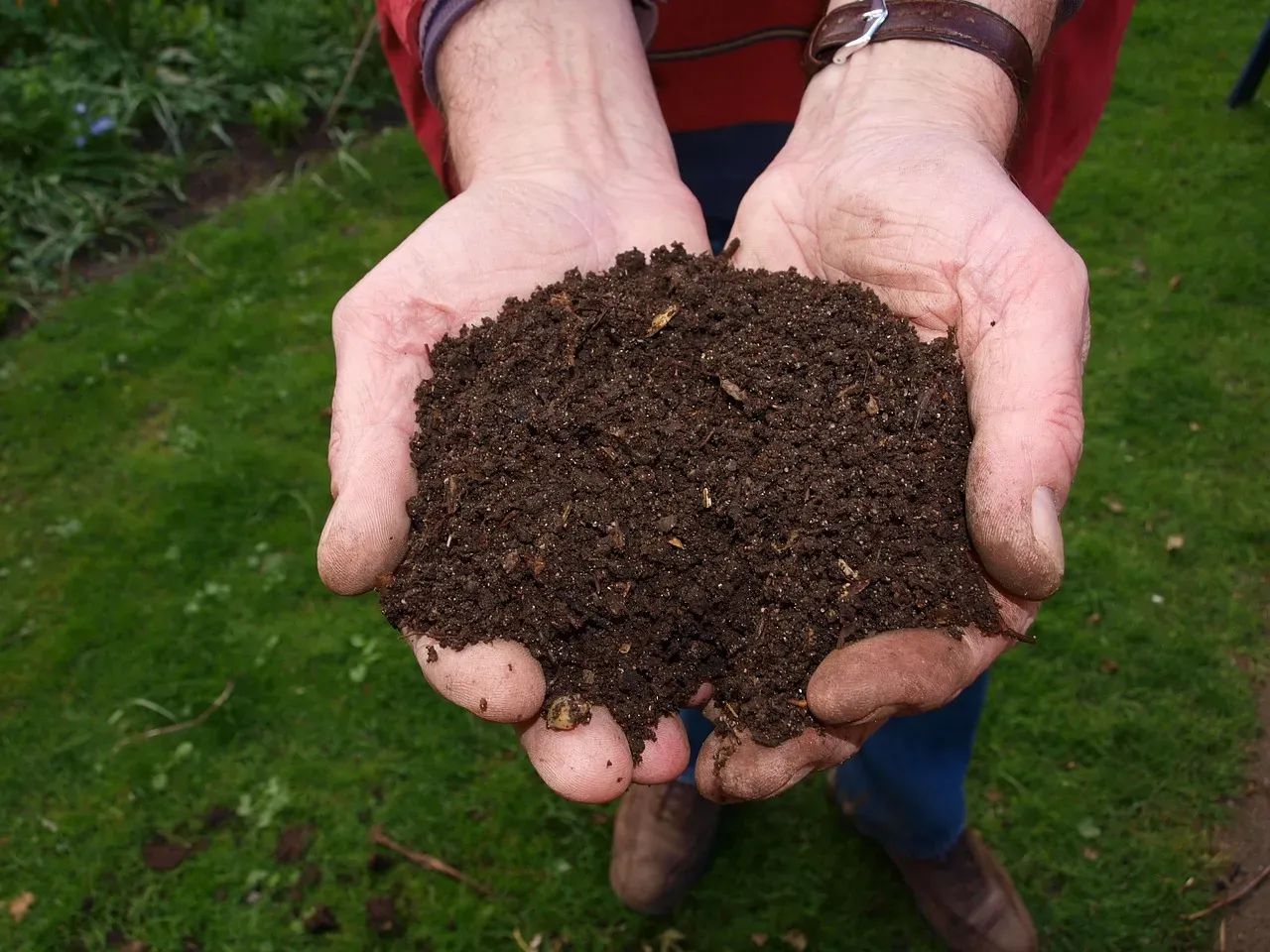
That earthy, after-the-rain smell rising off a healthy pile isn’t a random byproduct of rot – it’s a message, sent on purpose.
Chemists spent years isolating the compound responsible, eventually landing on a molecule called geosmin. It comes from actinomycetes, filament-forming bacteria that look almost like threads of fungus weaving through the pile, and they typically show up five to seven days into the process, once conditions get a little too dry for other microbes to compete.
The genuinely shocking part is why they bother making it. In 2020, researchers discovered that Streptomyces bacteria produce geosmin specifically to attract springtails – tiny soil invertebrates that pick up bacterial spores and carry them to new territory. The smell isn’t a side effect of decay. It’s advertising.
Human noses are absurdly tuned to pick it up, too. We can detect geosmin at concentrations as low as 5 parts per trillion, which is why one handful of finished compost can perfume an entire garage. It’s a strange, ancient marketing scheme between bacteria and bugs that took chemists a century to decode – and it’s nothing compared to the antibiotic factory hiding inside those same organisms.
#4 – It Runs a Tiny Antibiotic Pharmacy
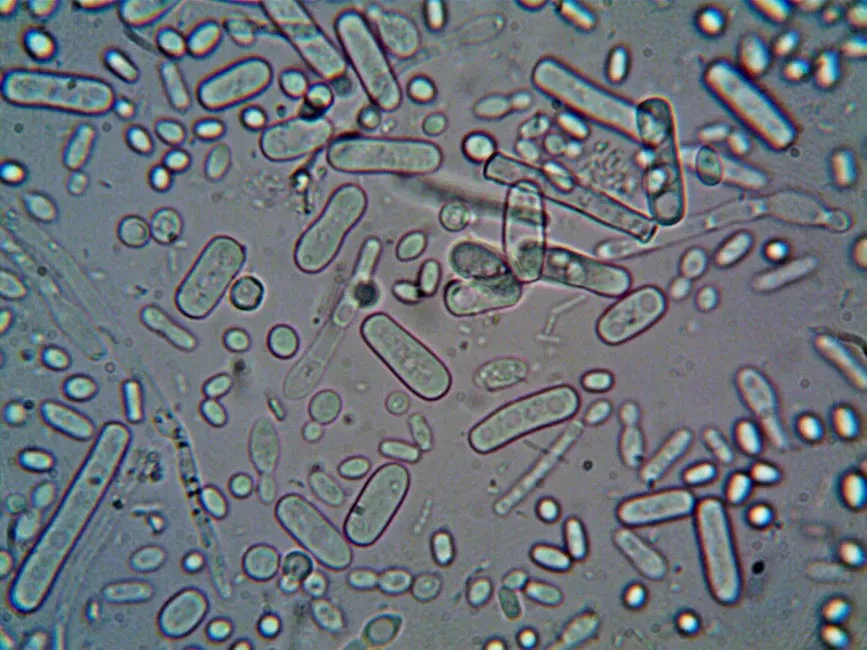
Believe it or not, the same bacteria responsible for that earthy compost smell are also quietly manufacturing some of humanity’s most important antibiotics.
Streptomyces, the genus behind geosmin, turns out to be a chemical overachiever. These soil bacteria are responsible for roughly 70% of all clinically used antibiotics, including streptomycin and gentamicin. That’s not a rounding error – it’s the backbone of modern infectious disease treatment, quietly running inside your kitchen scraps.
Chemists took decades to understand why a soil bacterium would spend precious energy building complex antibiotic molecules it doesn’t strictly need to survive. The answer: these compounds aren’t for basic growth, they’re weapons. In a soil ecosystem where microbes constantly fight over limited space and food, being able to poison your neighbors is a serious competitive edge.
The most surprising fact here isn’t a niche lab curiosity – it’s Nobel Prize–winning chemistry. In 1943, Selman Waksman isolated streptomycin from Streptomyces griseus, the first antibiotic ever shown to be effective against tuberculosis, and the discovery earned him the Nobel Prize in 1952. Most gardening blogs still describe compost as “free fertilizer.” Plenty of microbiologists would argue it’s closer to an unregulated pharmaceutical lab.
#5 – It Acts Like a Pharmacist for Sick Plants
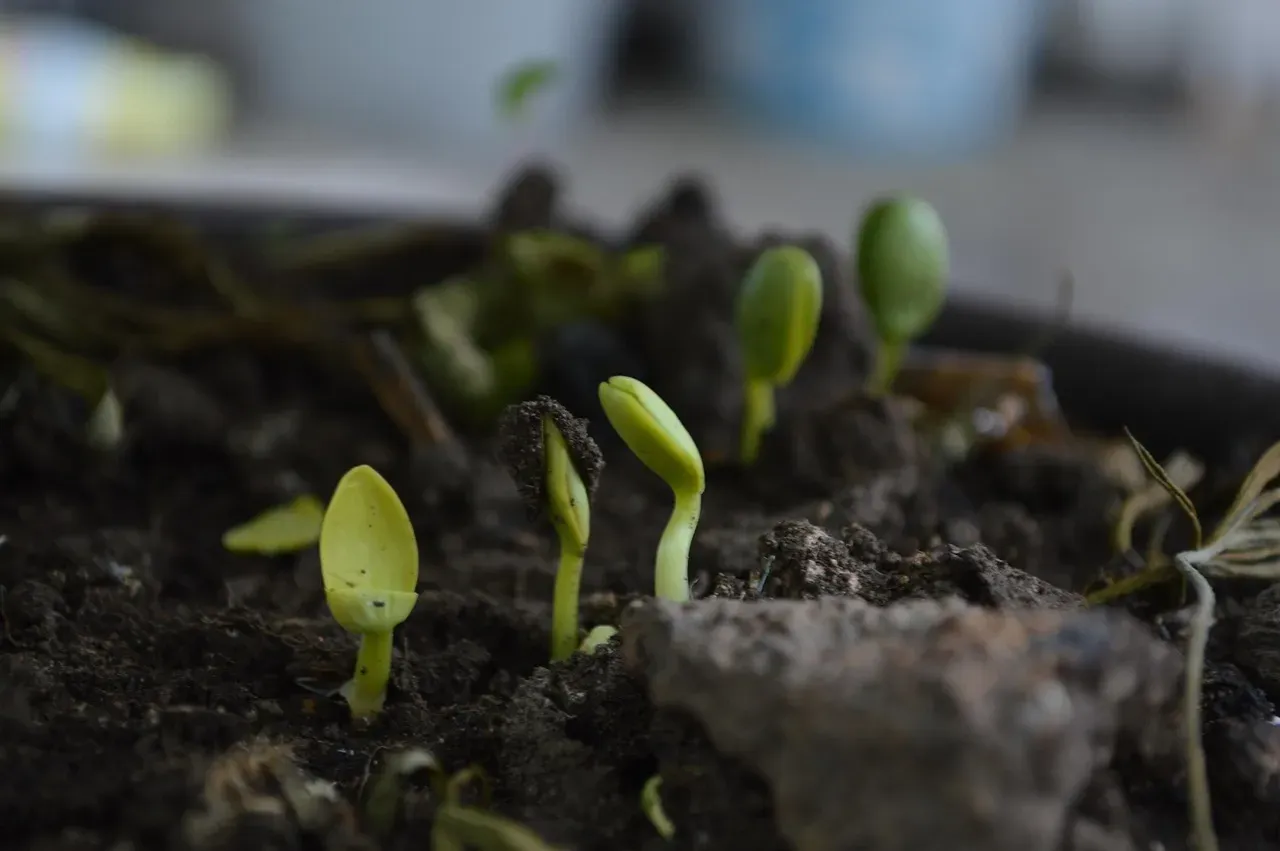
Compost doesn’t just feed plants – it actively defends them, and figuring out exactly how took plant pathologists years to untangle.
Early researchers assumed compost simply crowded pathogens out of space. That’s part of the story, but not all of it. Disease suppression actually runs through several mechanisms at once: direct parasitism of pathogens, antibiosis, competition for resources like carbon and iron, activation of the plant’s own induced immune response, and simple improved plant nutrition and vigor.
The fact that took years to nail down: compost can starve out a pathogen without ever killing it outright. In one documented case, the mechanism suppressing a destructive oomycete pathogen turned out to be pure competition for carbon – the pathogen’s spores survived in disease-suppressive compost for over six months but simply couldn’t germinate, boxed out by the microbial crowd around them. Alive, but useless.
Even stranger, compost can rewire a plant’s internal chemistry before disease ever shows up. In one study, compost made from olive marc and leaves triggered resistance to a common fungal pathogen in test plants, and genetic analysis found 178 genes had changed expression, 155 of them switched on. That’s compost flipping genetic switches inside a plant it never physically touched – a discovery that’s nothing compared to compost’s ability to lock up dangerous heavy metals.
#6 – It Grabs Onto Toxic Metals and Refuses to Let Go
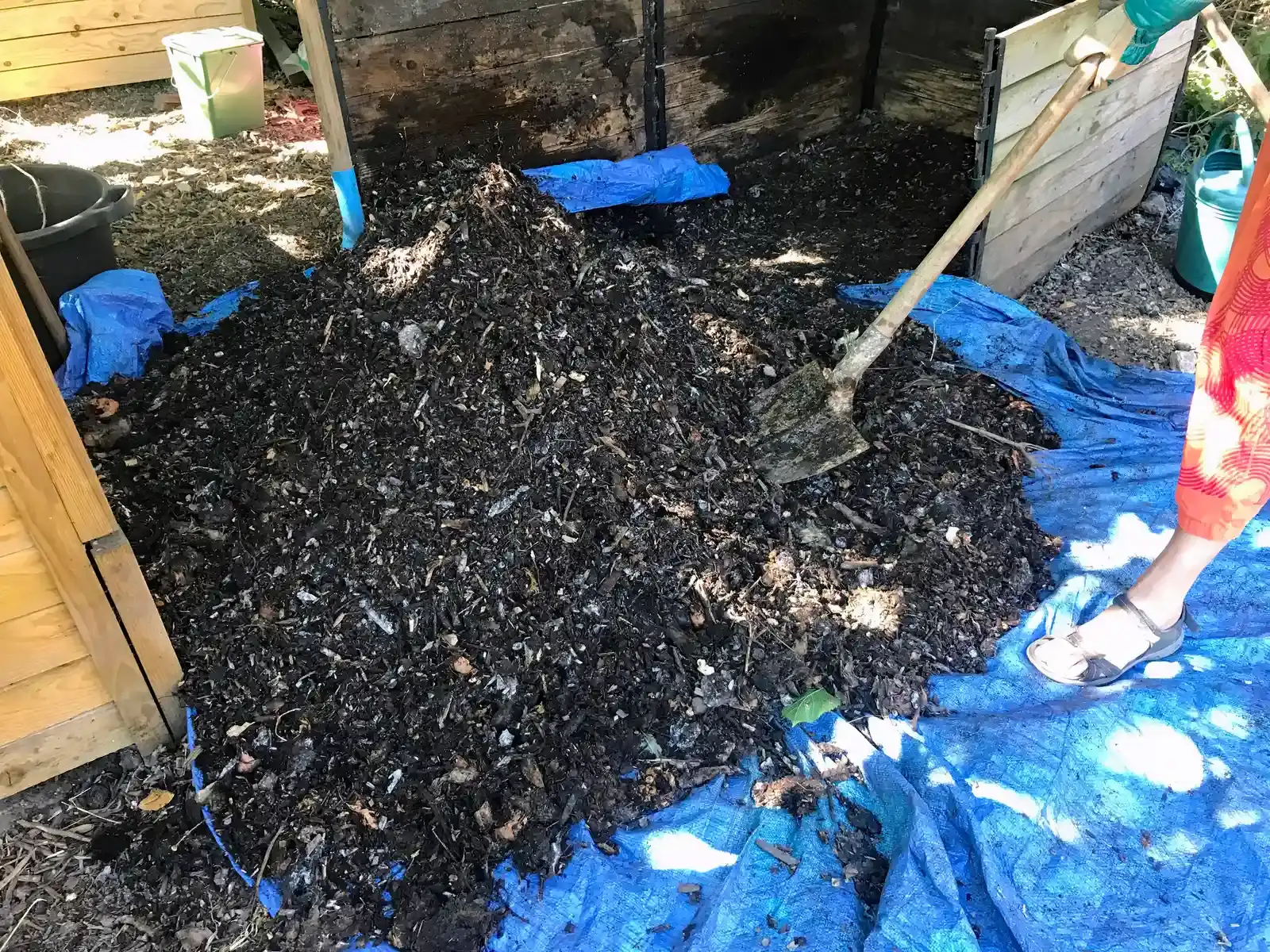
One of the strangest compost superpowers on record is its ability to grab hold of toxic metals and refuse to let go.
This comes down to humic substances – dark, tangled organic molecules formed during decomposition. Their phenol and carboxylic acid functional groups don’t just feed plants; they give humic acids a kind of chemical stickiness, letting them bind, trap, and neutralize elements that would otherwise threaten plants and groundwater.
The genuinely counterintuitive part: researchers have specifically documented compost extracts binding arsenic in water, proving finished compost’s humic material isn’t passive filler – it’s an active chemical trap. This trapping behavior was one of the slowest properties for chemists to pin down, mostly because humic acids don’t share one fixed molecular structure. Every batch is a little different, though they all carry the same functional signatures.
Why It Stands Out
- Humic acids bind heavy metals like arsenic, keeping them locked away from roots and groundwater.
- The same molecules buffer soil pH, hold moisture, and glue soil particles into stable aggregates.
- No two batches of humic acid are chemically identical, yet they all share these functional traits.
- This multi-tasking chemistry is a big part of why compost outperforms many synthetic soil treatments over time.
That “structure-less but functional” quality has been a genuine headache for analytical chemists for decades. It’s also, some argue, exactly why commercial humic acid supplements vary so wildly in quality on store shelves – a controversial opinion, but one increasingly backed by lab testing. Still, none of that compares to how compost builds an entirely new category of matter from scratch.
#7 – It Manufactures a Substance Chemists Still Can’t Fully Define
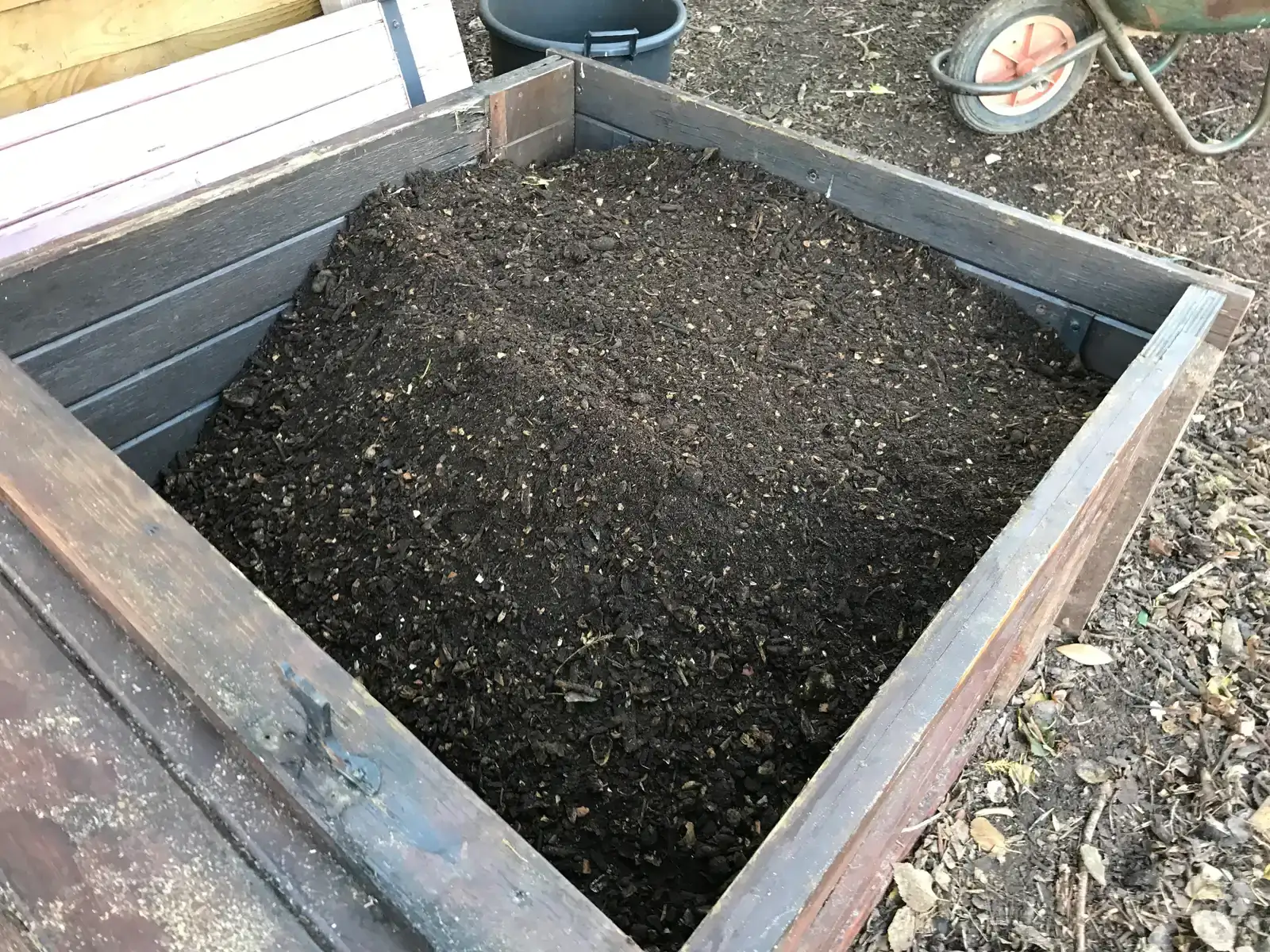
Finished, dark, crumbly compost contains a substance called humus – and remarkably, chemists still don’t agree on one universal molecular structure for it.
That’s not for lack of trying. Humus forms as lignin, proteins, and other organic fragments break down and recombine into massive, tangled macromolecules with no fixed blueprint. The most surprising fact here is that this uncertainty about structure hasn’t stopped scientists from confirming exactly what it does – enhancing plant growth, holding water and nutrients, and suppressing disease, regardless of the fact nobody can draw its exact molecule on a whiteboard.
The reason humus resists easy classification comes down to sheer diversity. Unlike a single, simple molecule like glucose, humus is a shifting mixture of thousands of organic fragments bonded in countless configurations, changing with every batch of compost, every feedstock, and every microbial community involved.
That variability is exactly why standardizing “compost quality” has proven so difficult for agricultural chemists. Some soil scientists now argue that “looks black and crumbly” is a poor stand-in for actual humic content – a mildly controversial but increasingly common position. That structural mystery is nothing compared to what compost does to nitrogen chemistry next.
#8 – It Runs a Nitrogen Vault With Its Own Lock and Key
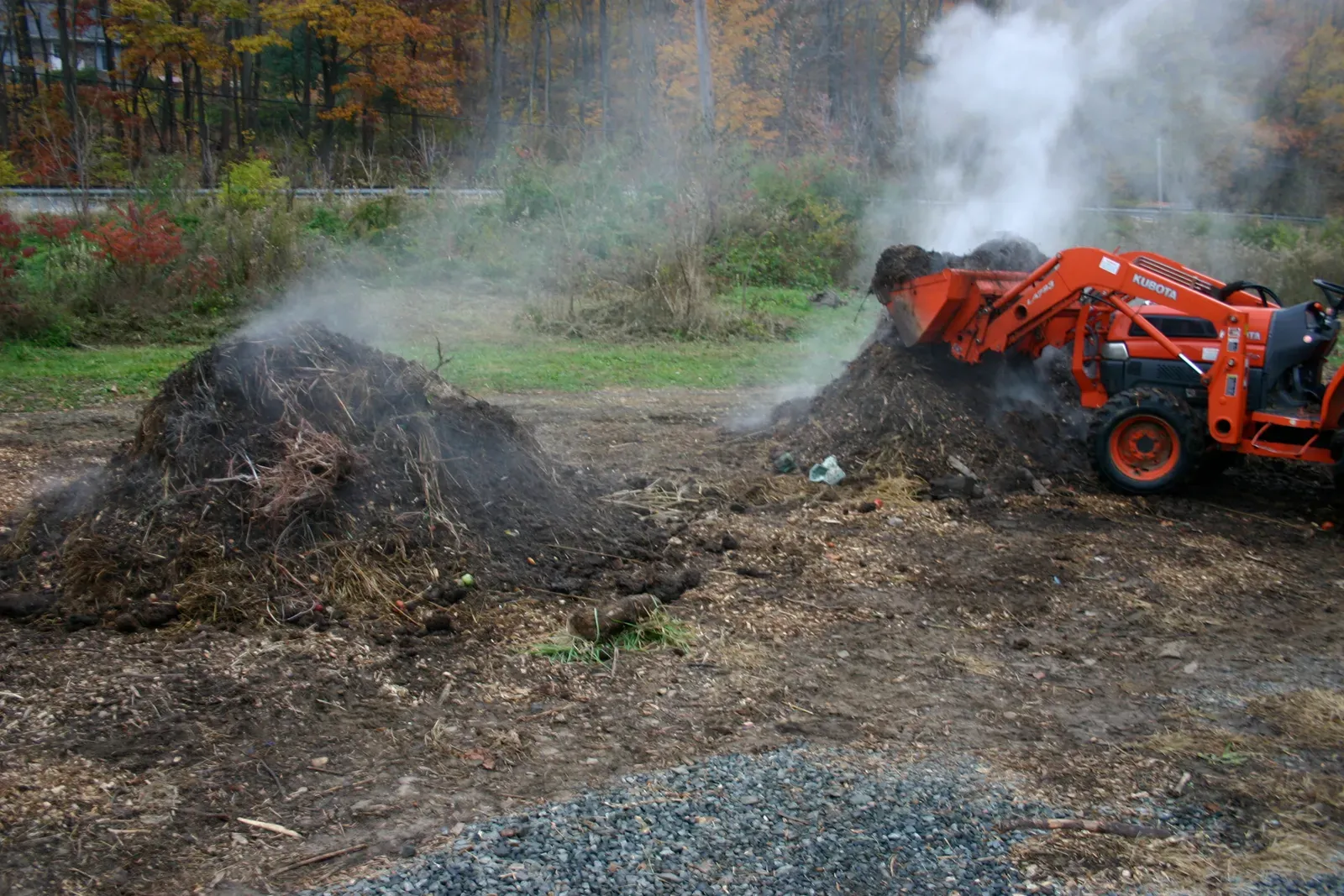
Nitrogen management inside a compost pile is a delicate balancing act that took researchers years to model properly, because nitrogen can either stay locked safely in the pile or vanish straight into the air, depending on conditions.
Bacteria run this show. They make up 80 to 90% of the billions of microorganisms in a single gram of compost, and they’re responsible for most of the decomposition and heat generation, using carbon as a building block and nitrogen as their main energy source.
The tricky part chemists had to untangle: get the carbon-to-nitrogen ratio wrong, and nitrogen either escapes as pungent ammonia gas or gets locked away where plants can’t use it. Too much nitrogen relative to carbon, and the pile can overheat and turn anaerobic instead of composting properly – a chemistry problem, not just a beginner’s gardening mistake.
Quick Compare
- Ideal finished pile target: roughly 25:1 to 30:1 carbon-to-nitrogen.
- Dry leaves or straw (“browns”): high-carbon, often 50:1 or higher.
- Grass clippings or food scraps (“greens”): high-nitrogen, often 15:1 to 20:1.
- Too much nitrogen relative to carbon risks ammonia loss and overheating.
This is also where actinomycetes step back in for round two, using extracellular enzymes to break down the tougher stuff other bacteria can’t touch – chitin, lignin, leftover cellulose, and proteins. Getting this nitrogen balance right is what separates a pile that turns into rich, crumbly soil from one that turns into a smelly, slimy mess. And that balance is nothing compared to compost’s strange ability to correct its own pH.
#9 – It Corrects Its Own Acidity Without Any Chemical Additives
Compost has a strange self-buffering quality that puzzled early soil chemists: no matter what acidic or alkaline scraps go in, a properly managed pile tends to settle into a stable, near-neutral pH by the time it’s finished.
Part of the explanation lies in those same humic substances. Their functional groups act as natural buffers, soaking up excess hydrogen ions when things turn acidic and releasing them when conditions swing alkaline. It’s one reason finished compost is so much more forgiving than synthetic fertilizer, which can spike soil pH sharply in either direction overnight.
The detail that took years to confirm: this self-correction isn’t a one-time fix, it’s an ongoing negotiation. As bacteria and fungi trade dominance across the mesophilic-to-thermophilic-to-cooling cycle, they release and consume different organic acids at each stage, nudging the pile’s internal chemistry back toward balance every time it drifts.
- Early-stage piles often run slightly acidic as organic acids form.
- Thermophilic-stage piles trend more neutral to slightly alkaline as ammonia compounds build up.
- Finished compost typically settles close to neutral, held there by stable humic material.
That ongoing chemical negotiation is nothing compared to the sheer population density running the entire operation.
#10 – It Packs More Life Into a Spoonful Than Exists on Earth
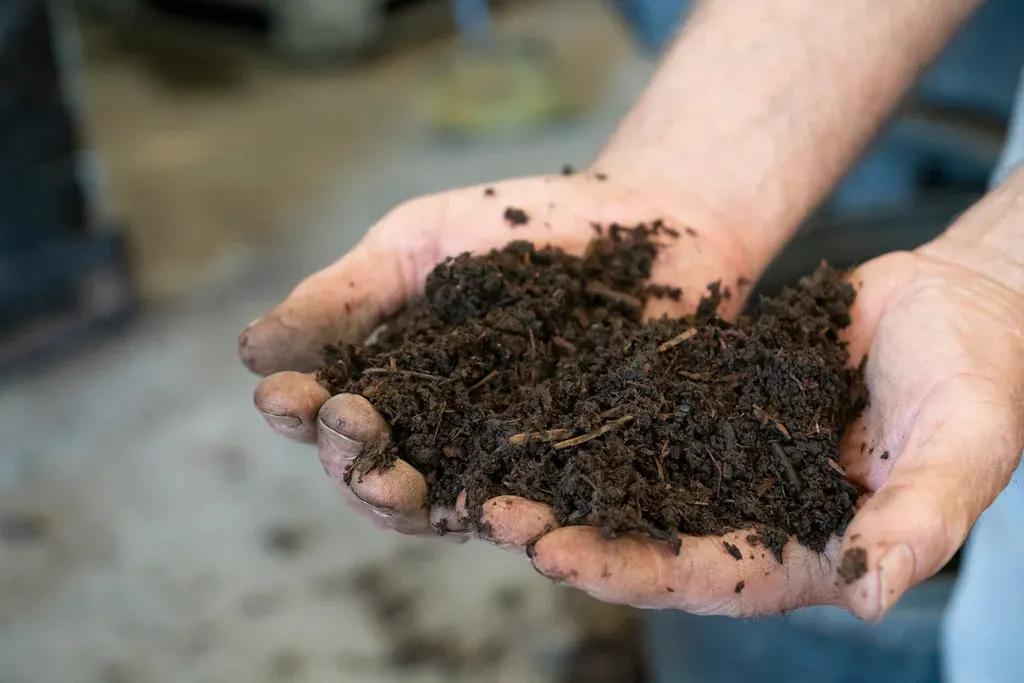
This is the stat that stops most people mid-scroll: a single gram of healthy compost holds more living organisms than there are humans on the entire planet.
Chemists and microbiologists needed advanced genetic sequencing before they could even begin counting accurately, since old-school lab culturing only ever captured a tiny sliver of what’s actually alive in a pile. A single teaspoon of healthy compost can contain bacteria counts in the hundreds of millions to billions, alongside thousands of fungal species and dense communities of protozoa, nematodes, and actinomycetes.
The most jaw-dropping part: this isn’t one uniform population sitting still. It’s a rotating cast of characters that shows up in a strict, predictable order. Bacteria do most of the early heavy lifting, consuming carbon and nitrogen and releasing heat as a byproduct. Fungi move in next to break down tougher material like lignin and cellulose that bacteria can’t touch. Actinomycetes finish the job in the later, cooler stages.
At a Glance
- Bacteria: often hundreds of millions to billions of individuals per gram.
- Fungi: thousands of species, forming networks of thread-like hyphae.
- Protozoa and nematodes: smaller in number but critical to nutrient cycling.
- Actinomycetes: the filament-forming bacteria behind compost’s earthy smell.
Some compost researchers now argue that home gardeners obsess far too much over precise “recipes” of browns and greens, when the real driver of success is simply giving this invisible population enough oxygen and moisture to do its job – a mildly controversial take, but one gaining real traction among soil scientists. That population density is nothing compared to the physical transformation it performs on soil structure itself, which brings us to the most consequential item on this list.
#11 – It Rebuilds Soil Structure From the Molecular Level Up
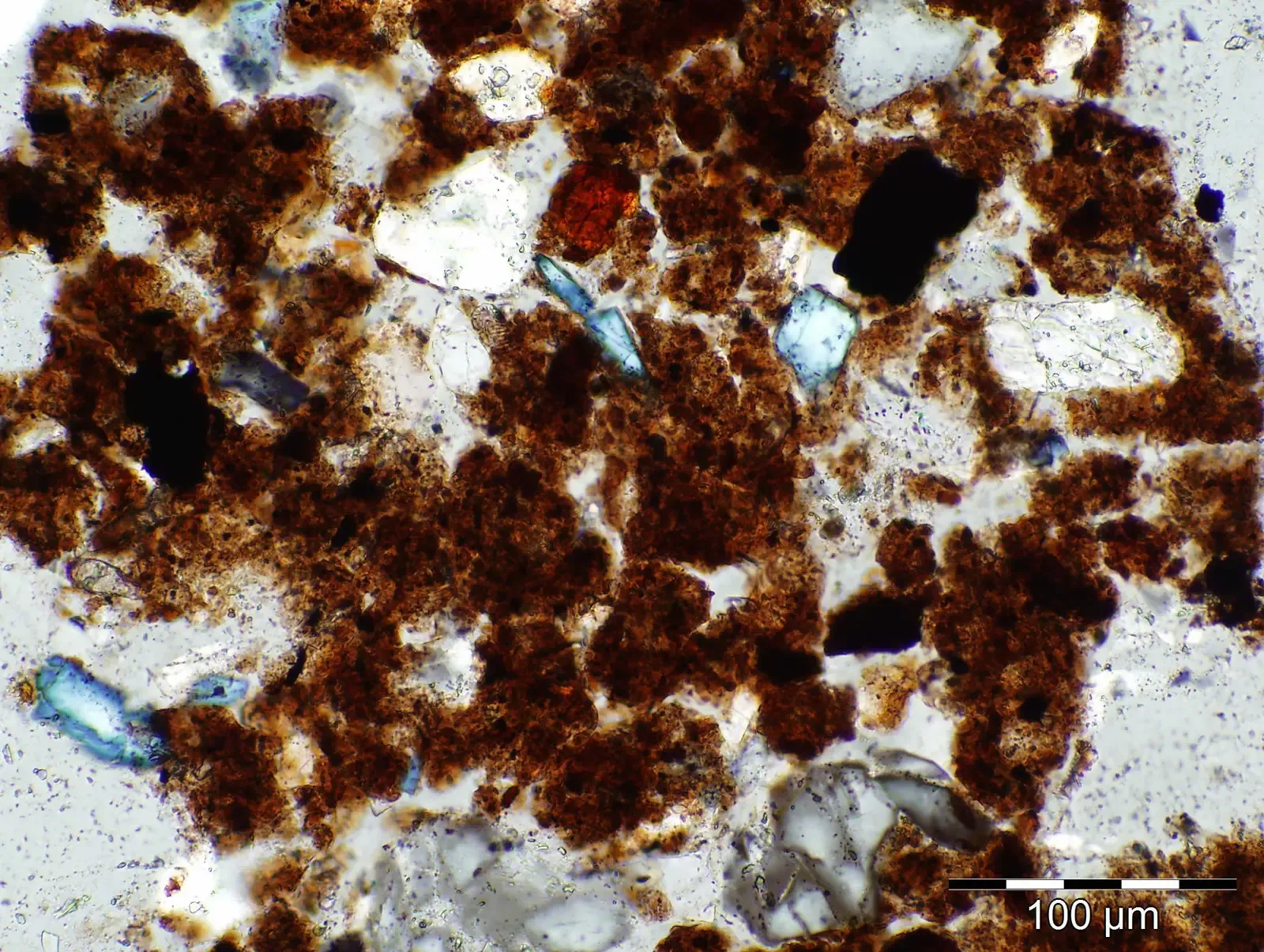
The single most important thing compost does – and the one that took the longest to explain chemically – is transform loose, lifeless dirt into structured, water-holding, nutrient-cycling soil.
This happens through something called aggregate formation. Humic substances, fungal filaments, and bacterial secretions act as biological glue, binding individual mineral particles into small clumps. Those clumps create pore spaces that hold water without drowning roots and let oxygen reach deep into the soil profile – something loose sand or dense clay simply cannot do on their own, no matter how much you water or till them.
The fact that eluded chemists the longest: this rebuilding isn’t just physical, it’s deeply chemical, and it all traces back to the same handful of compounds. The identical humic acids responsible for chelating heavy metals and buffering pH are also the glue holding these soil aggregates together at a molecular level. Soil structure, toxin control, nutrient retention, and pH stability all turn out to be downstream effects of the same molecules.
The nation that destroys its soil destroys itself.
Franklin D. Roosevelt
That’s the discovery that should get the most attention and somehow gets the least. Compost isn’t simply recycled food scraps rotting in a bin. It’s a self-organizing chemical system that builds its own heat, defends plants, manufactures antibiotics, traps toxins, and physically reconstructs soil – one continuous, layered reaction most people walk past every single day without a second thought.
The Bottom Line
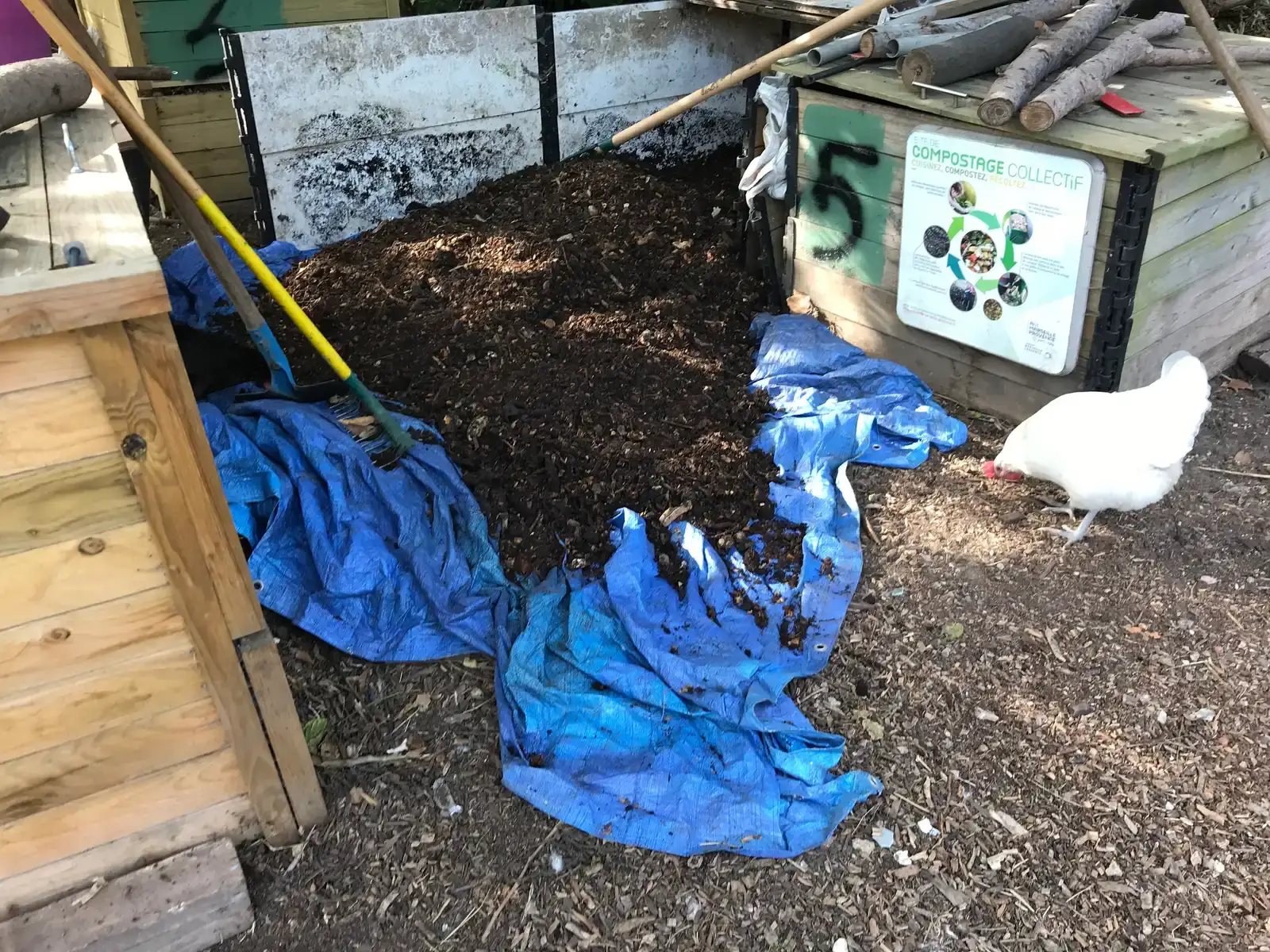
Compost is not a passive pile of rot – it’s an active chemical reactor. It generates its own heat, occasionally hot enough to combust without warning. It manufactures real antibiotics, defends plants through induced immunity, chelates toxic metals, and buffers its own pH, all while hosting more organisms per gram than there are people on Earth.
Here’s the opinionated part: most composting advice online drastically underestimates how much real chemistry is happening in that bin, treating it like a simple recipe of browns and greens instead of the layered biochemical system it actually is. Once you know what’s really going on in there, “just throw it in the pile” starts to sound almost disrespectful to the science.
Which of these eleven surprised you the most? Drop it in the comments.