Ask most people what a “wildlife-friendly garden” looks like, and they’ll describe something wild and neglected – waist-high weeds, a shaggy hedge, a compost heap nobody dares open. So it feels almost backwards that the quiet, mowed, neatly deadheaded yard next door might be the real feeding ground. No mess. No obvious mayhem. Just a steady, invisible traffic of birds, beetles, mice, and the occasional fox slipping through at 2 a.m., all cashing in on a buffet the owner has no idea they’re running.
The strange part is that most of these gardens don’t look like sanctuaries at all. The evidence is hiding in plain sight – a stripped seed head here, a muddy bird bath there, a flattened little runway through the grass nobody remembers making. Once you know what to look for, you can’t unsee it. Here are 13 signs your garden has quietly become a full-service diner for far more wildlife than you’ll ever actually see with your own eyes.
#13 – You Keep Finding Perfectly Cleaned-Out Seed Heads
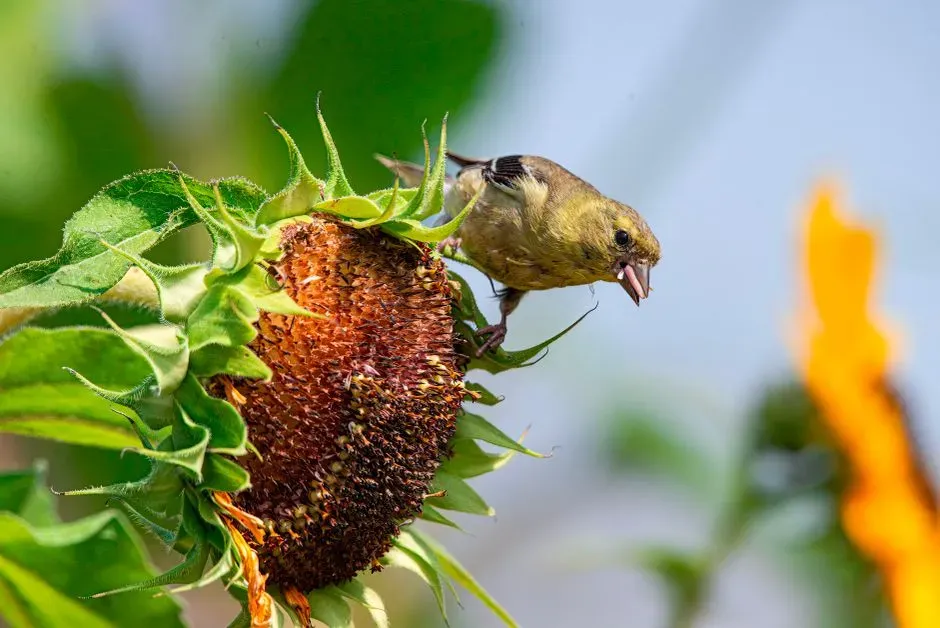
If your flowers keep “magically” losing their seeds before they ever hit the soil, something hungry has been paying close attention. Those dried cones and seed heads from echinacea, rudbeckia, sunflowers, ornamental grasses, and even bolted lettuce are basically bird feeders you never had to hang.
Goldfinches, sparrows, chickadees, and finches strip a seed head with almost surgical precision, often leaving behind a hollow, combed-out shell. From a few feet away, it can look like the seeds simply never developed at all.
Fast Facts
- Leaving seed heads standing through fall and winter can carry songbirds through lean months
- Goldfinches, native sparrows, and chickadees are among the most frequent seed-head visitors
- Ornamental grasses double as shelter, hiding insects that birds also pick off
- Squirrels often haul an entire seed head away to eat somewhere safer
Look closer on a cool morning or right at dusk and you might catch small birds balancing acrobatically on bare stems, working each floret one by one, or a squirrel yanking an entire seed head off to eat somewhere safer. Even wind-dispersed grasses double as food, with seed-eating beetles, rodents, and ground-feeding birds treating the stand like a grain bar. Stems near fences or hedges are usually the barest, because that’s where shy birds feel protected enough to linger.
Gardeners who deadhead everything often complain they never see many birds. That’s not a coincidence. Leaving just 30–40% of seed heads standing through fall and winter quietly turns your borders into a working wild-bird pantry.
#12 – Your Mulch Is Constantly Raked, Kicked, or “Stirred Up”
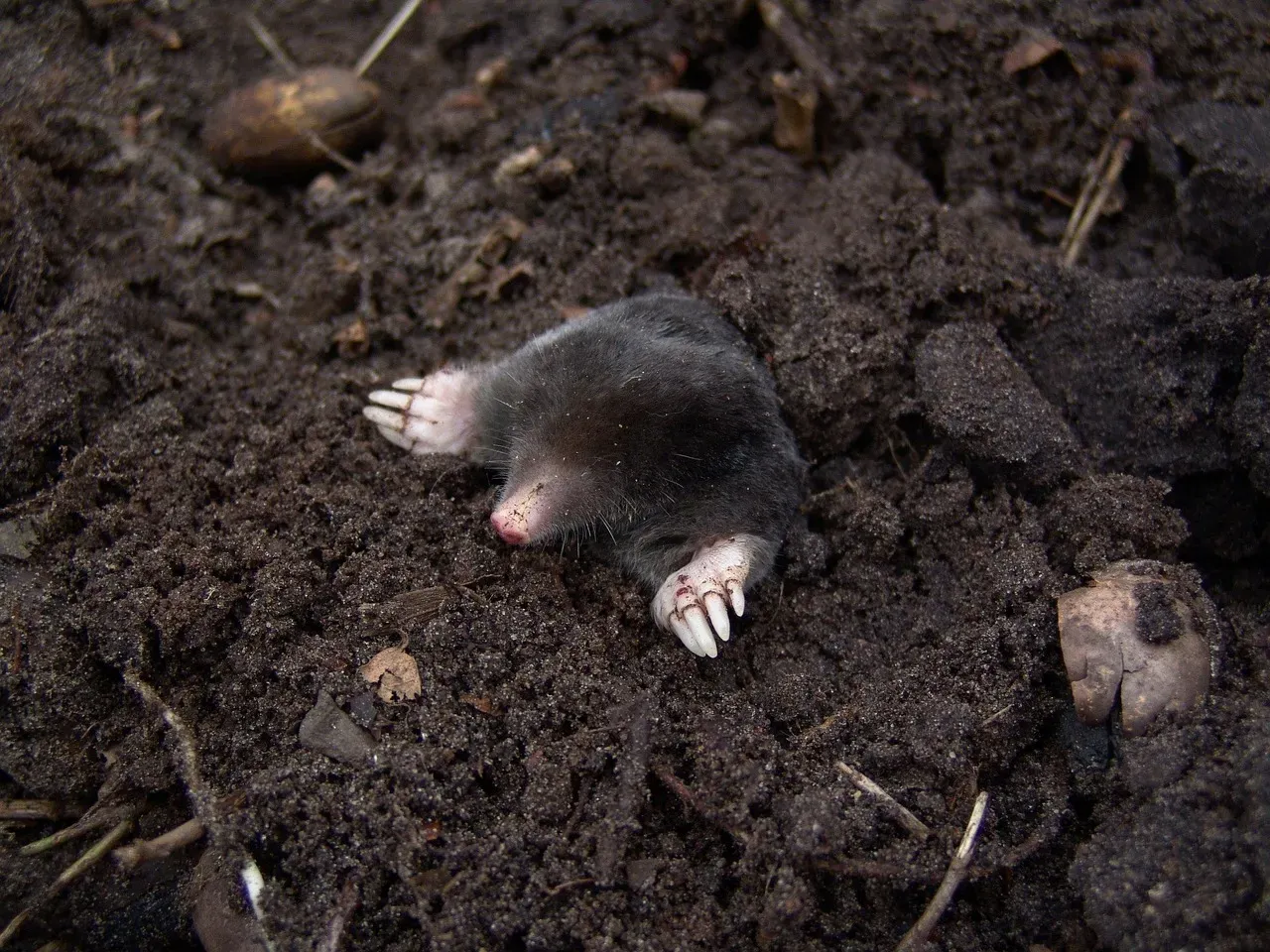
You tidy the beds, spread fresh mulch, step back satisfied – and a few mornings later it looks like someone ran a tiny leaf blower under your shrubs. When mulch never stays put, wildlife is almost certainly using it as both dining room and shelter.
Blackbirds, thrushes, wrens, and robins flip bark chunks hunting worms, beetle larvae, and centipedes. At night, raccoons, skunks, and opossums do the same thing on a heavier scale, leaving chaotic scratch marks or small crater-like dips.
- Mulch scratched away in half-moon patterns around shrubs
- Thin, consistent “tunnels” or runs where mulch has been worn down
Mulch is essentially a moisture-holding blanket that keeps soil soft and full of decomposers – fantastic for your plants, and irresistible to anything that eats grubs and bugs. Ironically, the neater and thicker the mulch layer, the more invertebrate life it supports over time, which only draws in more diners. People often blame the neighbor’s cat for the mess, but trail cameras almost always reveal a much stranger night shift at work.
#11 – You Hear Activity at Night but Never See What’s Causing It
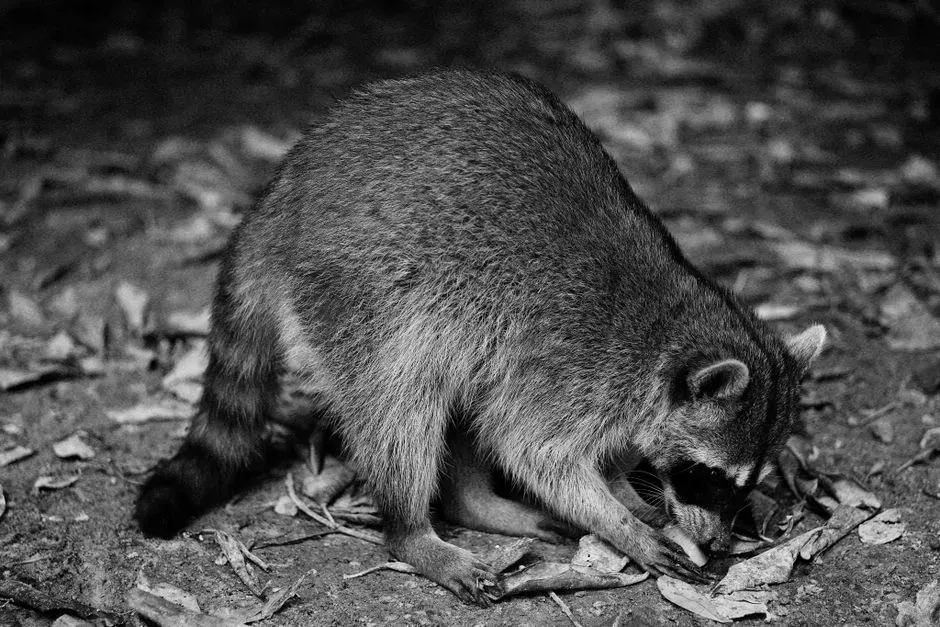
If your garden sounds like a tiny city after dark – rustling, soft thumps, the odd chirp – but you rarely spot the culprits, you’re probably running a wildlife night market. Many species deliberately time their feeding for when humans are gone.
Mice, voles, hedgehogs where present, opossums, skunks, foxes, and countless insects are primarily nocturnal, using the same beds you admire by day as hunting grounds after dark.
- Repeated rustling under the same shrubs, night after night
- Short, sharp squeaks or scuffles that signal a predator-prey chase
Outdoor lights can actually intensify this traffic. Moths drawn to a porch or security light act like a lit-up snack bar for bats and spiders. Many gardeners assume bats are rare locally, but a single small bat can make dozens to hundreds of insect passes over an average suburban yard in one evening. If you’ve ever stepped outside at 11 p.m. and caught a sudden musky, earthy smell, there’s a decent chance you interrupted a mammal mid-forage. Your garden might look perfectly still – but your ears are telling you it’s feeding an entire hidden shift.
#10 – Spider Webs Reappear Overnight No Matter How Often You Clear Them
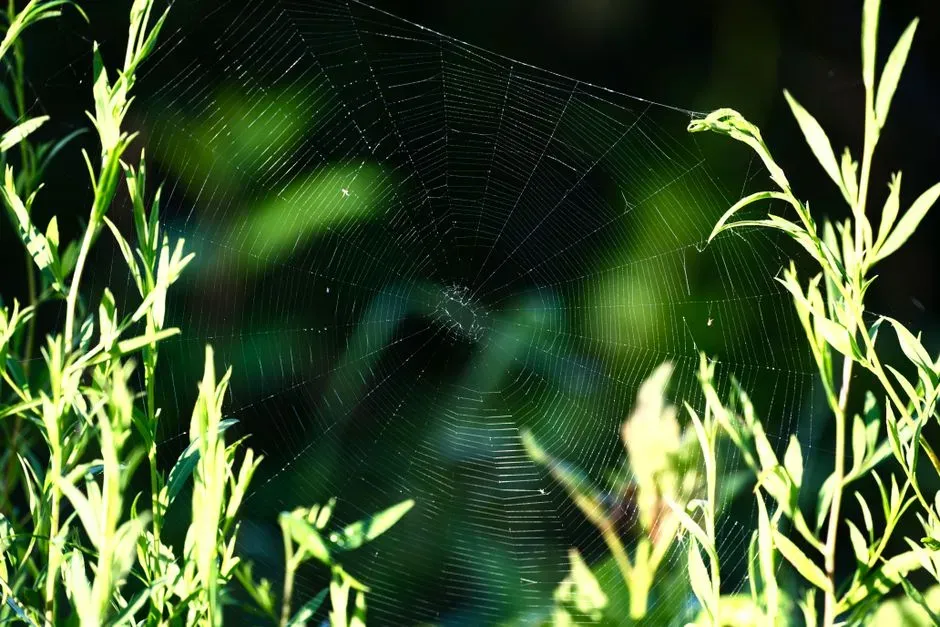
You wipe away webs from railings, gateposts, and shrubs, only to find new ones spun with total precision by the next morning. That’s not just stubbornness – it’s a sign the local food supply is exceptionally good.
Spiders are ruthless economists. They don’t rebuild energy-intensive webs in unprofitable locations. A fresh, full web every morning means enough flying insects are crashing into it each night to make the investment worthwhile. In pollinator-rich gardens, many spiders literally eat and respin their webs daily, recycling the proteins.
- Corners of pergolas, fences, and porch lights where moths and midges gather
- Gaps between dense plants where air currents funnel gnats and small flies
Most gardeners underestimate how many insects their yard actually supports because so many are tiny, nocturnal, or resting under leaves all day. Spiders are the visible accountants logging that abundance – their constant rebuilding is proof of a high-traffic insect route, an all-you-can-eat buffet running on autopilot. Gardeners who spray broad-spectrum insecticides usually notice fewer webs almost immediately; they’ve cut the food supply at the source. Webs bouncing back fast after a storm or windy night is one of the clearest signs your garden’s insect population – and the predators feeding on it – recover quickly too.
#9 – Certain Plants Look “Chewed to Lace” While Others Stay Untouched
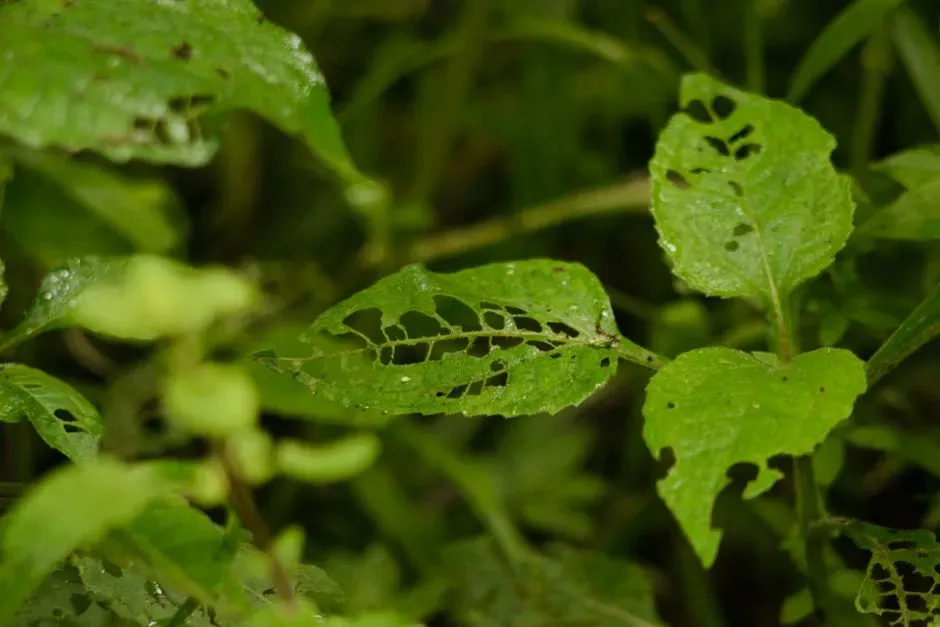
You walk out one morning and a hosta, rose, kale, or native perennial looks like someone took a hole-punch to every leaf. Right next to it, another plant is flawless. That patchwork damage is a classic fingerprint of selective wildlife feeding, not random bad luck.
Caterpillars, beetles, snails, rabbits, and deer all have distinct taste preferences and feeding styles. Lace-like damage between the veins usually points to caterpillars or beetles; jagged edges often mean slugs or rabbits; nibbling from the top down is frequently deer.
- One “sacrifice plant” can support dozens of caterpillars that end up feeding nestling birds
- Multiple beetle generations become prey for ground-feeding mammals down the line
Gardeners often rush to eradicate any visible chewing, but ecologists increasingly argue that some leaf damage is a sign of a functioning, biodiverse garden, not a failing one. Birds don’t show up to admire flawless foliage – they come for protein-rich larvae during breeding season. If the same species get hammered every year while others stay untouched, your garden is quietly offering targeted, reliable meals to specific wildlife groups, and that selective pressure can shape your entire plant community over time.
#8 – You Notice “Runways” or Bare Tunnels Through Grass and Groundcover
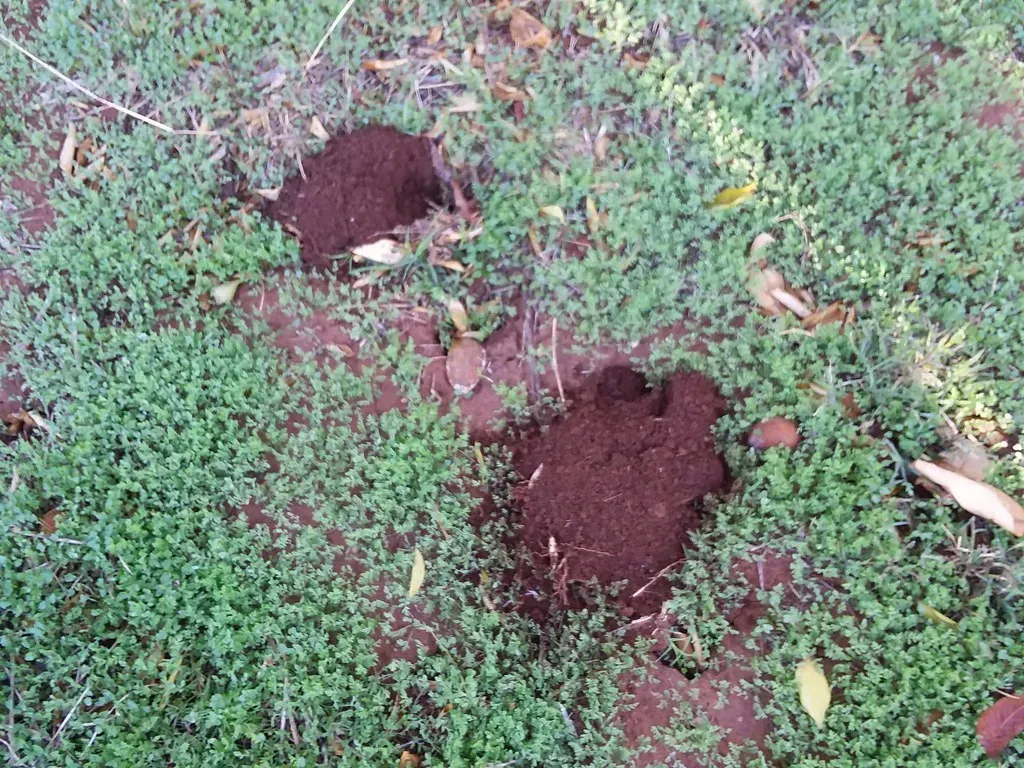
Look down from above. Do faint narrow paths, only a couple of inches wide, thread through your beds or hug the fence line, where the grass looks shorter, thinner, or bare? Those aren’t random. You’re looking at a vertebrate traffic lane.
Small mammals like voles, mice, shrews, and even young rabbits create and reuse these runways as safe routes between cover, nesting spots, and food. They stay low and hidden, hugging hedges, rock edges, raised beds, and dense perennials, and their constant foot traffic compacts the soil enough to stop vegetation regrowing fully.
- Paths that disappear under shrubs or decking rather than heading toward a gate
- Tiny droppings, or the occasional seed cache, scattered along the route
These little roads are only worth maintaining if there’s enough food at both ends – seeds, bulbs, roots, insects, or compost. That means your garden is producing enough calories to justify an entire mammal transit system. Predators learn this fast, too: snakes, foxes, and even neighborhood cats quietly patrol the same tracks, turning your lawn into a predator-prey highway. If runways keep reappearing after mowing or reseeding, your yard is clearly profitable real estate for far more than just you.
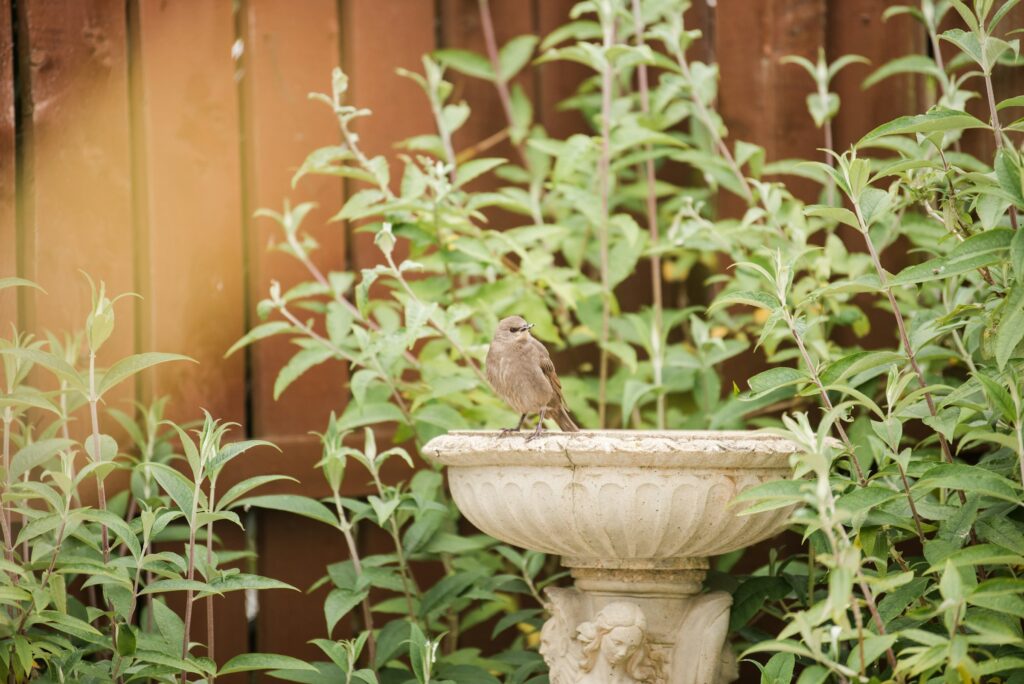
#7 – Your Bird Bath or Water Feature Empties or Muddies Faster Than It Should
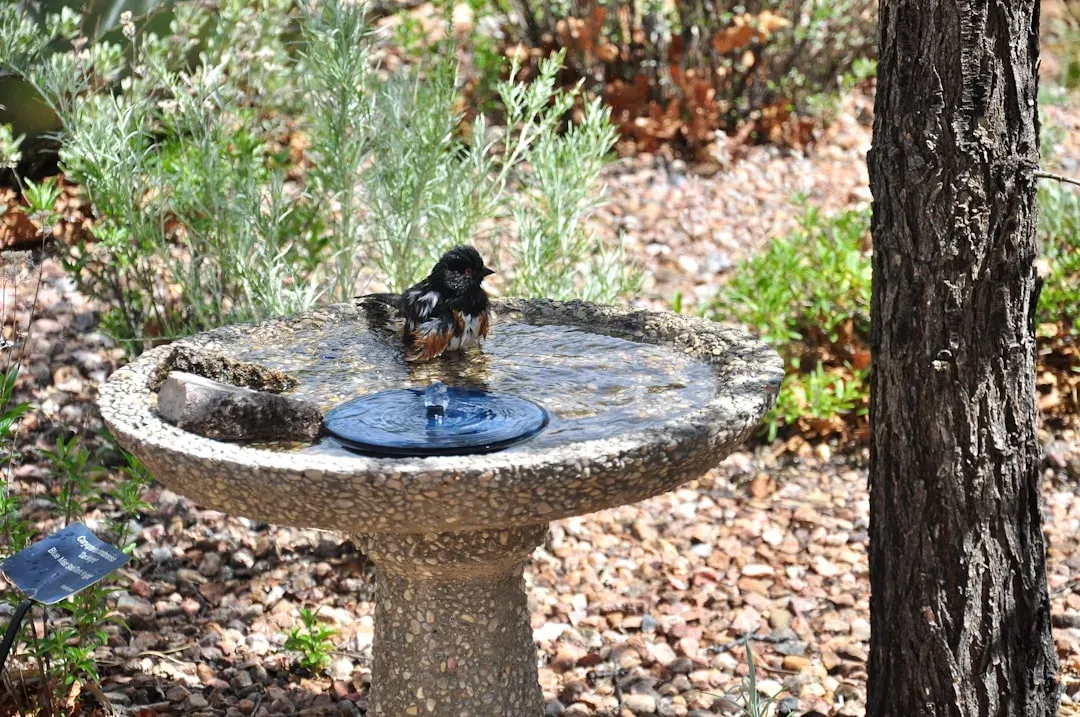
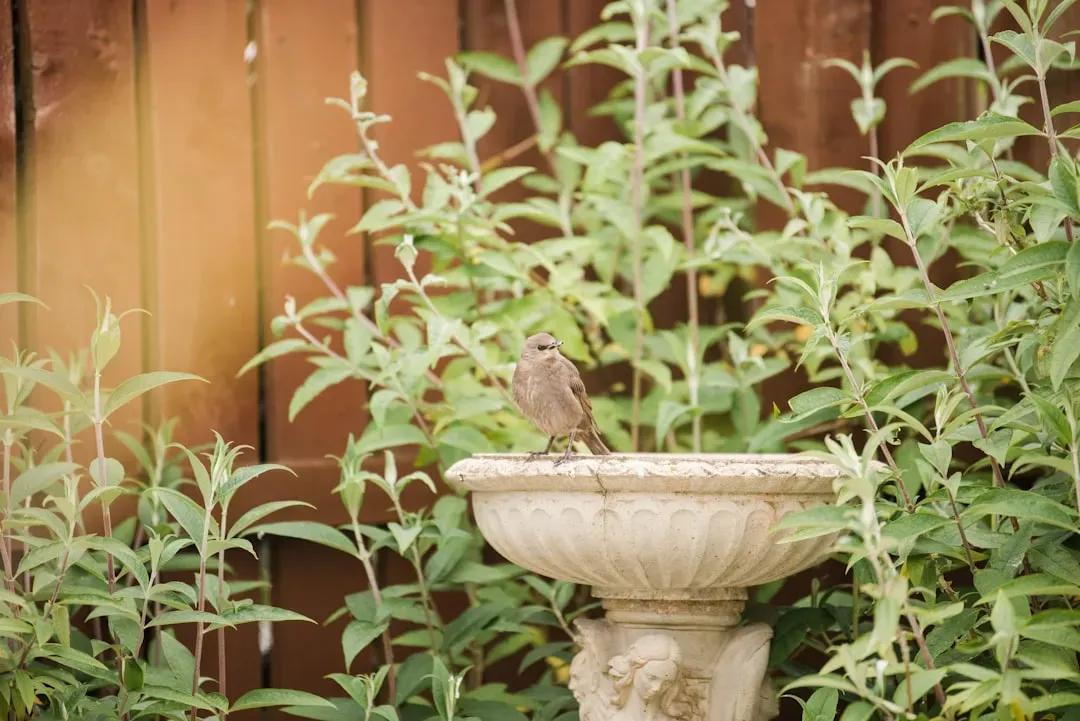
You top up the bird bath in the morning, and by late afternoon it’s half gone or cloudy with dirt. Evaporation alone usually isn’t the culprit, especially on a mild day. Wildlife is treating your water source like a communal café.
Quick Compare: Daytime vs. Nighttime Visitors
- Daytime: songbirds, bees, and butterflies sip and bathe in short bursts
- Nighttime: raccoons, opossums, and foxes may drink, wade, or wash food
- Both: frogs and toads linger at the edges for moisture and easy prey
In many suburbs, a single reliable water source can serve dozens of birds, multiple mammals, amphibians, and a cloud of insects in a single day. Birds bathe vigorously and splash water out. Squirrels drink and dribble. Raccoons and opossums may wash food in it at night, clouding the water. Even bees and butterflies crowd the shallow edges just to sip.
- Paw prints or small drips leading away on otherwise dry days
- Frogs or toads tucked into nearby crevices, using the humidity to avoid drying out
Mosquito-worried gardeners often miss the flip side: that same water draws in dragonflies, damselflies, and other mosquito-eating predators. A small pond or fountain can dramatically shift local wildlife behavior toward your yard, because it’s the one spot reliably offering both food and drink. If refilling the bird bath becomes a daily chore, you’ve essentially built a wildlife hydration station – and the creatures stopping by to drink are usually also foraging on your plants and seeds while they’re there.
#6 – You Regularly Find Feathers, Scales, or “Mystery Remains” on the Lawn
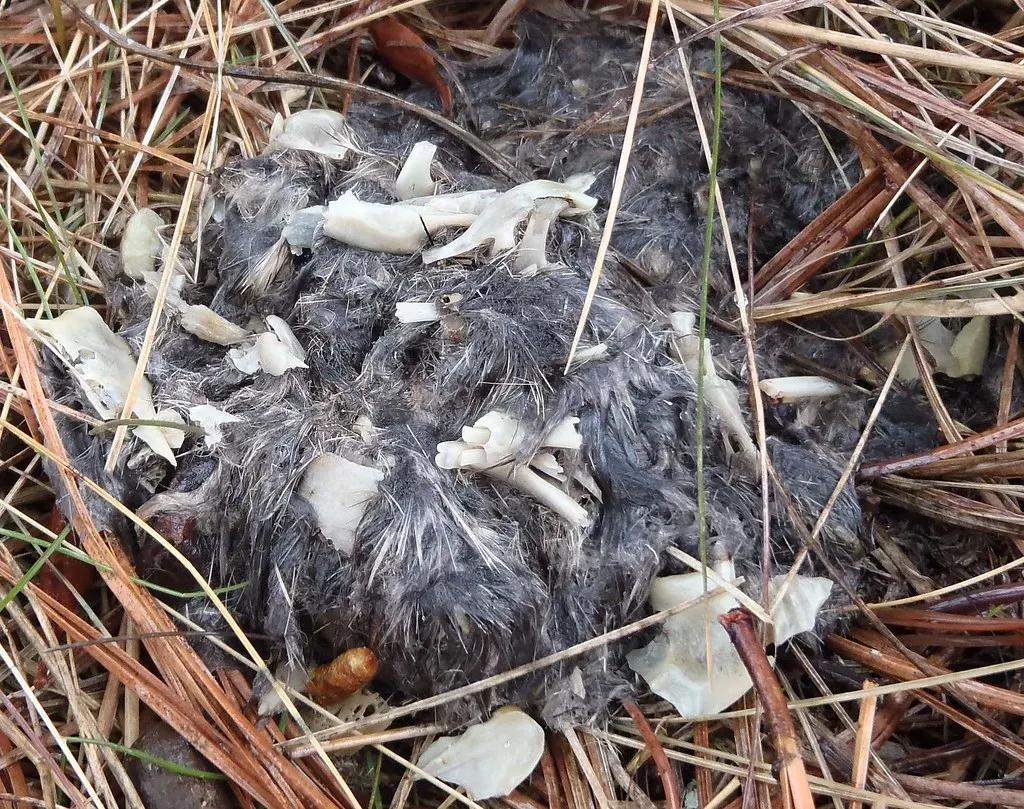
A scattering of small feathers, a pile of fur, insect wings on the patio table, or the occasional tiny skeleton might feel unsettling – but ecologically, they’re neon signs that your garden is an active hunting ground.
Predators don’t hunt where prey is scarce. Owls, hawks, foxes, cats, snakes, mantises, dragonflies, and even larger spiders concentrate wherever food density is high. Feathers scattered in a rough circle can mark a successful bird-of-prey strike; wings without bodies often mean birds or bats picking off moths mid-flight.
- Small bones or owl pellets under tall trees or utility lines
- Piles of beetle or butterfly wings near outdoor lights or sheltered corners
Many people assume these moments are rare, but in a productive garden, micro-predation is constant. Songbirds feeding on your caterpillars, lady beetles eating aphids, wasps taking spiders – all of it leaves traces if you know where to look. The more varied the remains, the richer your food web actually is. You’re not just feeding herbivores; you’re feeding the predators that keep them in check. It’s messy, sure, but it’s also the clearest proof your yard has become more than décor – it’s habitat.
#5 – Your “Pest Problems” Magically Peak When Nesting Birds Are Feeding Young
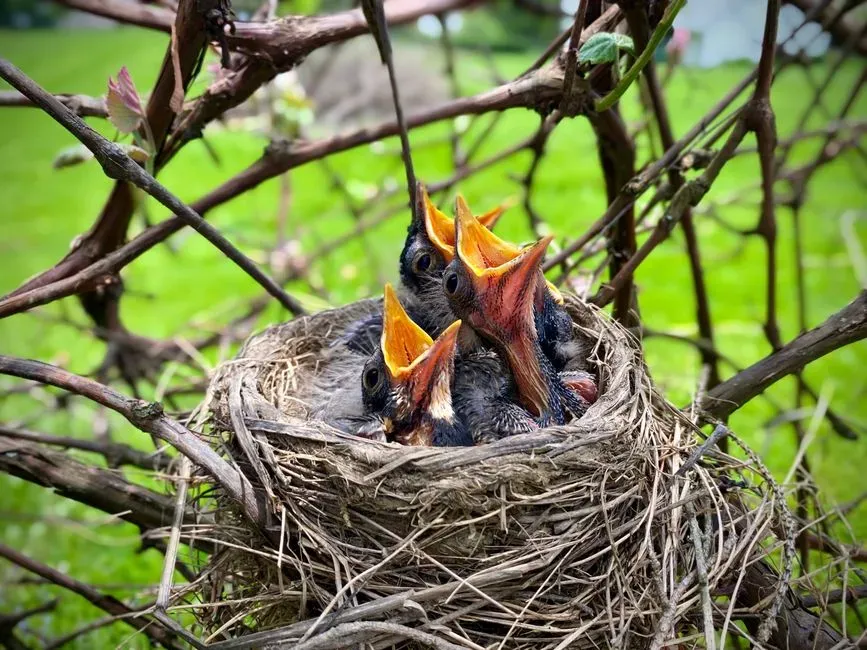
Every year, sometime in late spring or early summer, you might swear the aphids are terrible, the caterpillars are everywhere, something’s chewing the roses. Then, almost as fast as it started, the outbreak collapses – without you changing a thing.
That rise and fall is often synced precisely with bird breeding cycles. During nesting season, many common garden birds switch to a protein-rich insect diet to feed their chicks, even if the adults themselves eat mostly seeds or nectar the rest of the year. A single brood of chickadees or blue tits can consume thousands of caterpillars before fledging.
- A sudden, intense insect boom followed by an obvious drop within 2–3 weeks
- Adult birds making rapid, repeated trips between “pest-heavy” plants and the nest
Your “pest problem” is often just the early phase of a boom that fuels a corresponding boom in predators. Resist the urge to spray, and you give songbirds, predatory beetles, lacewings, parasitic wasps, and spiders the chance to cash in. The garden is literally feeding both sides of the food equation at once. Ironically, some damage right when birds are nesting is one of the strongest signs your garden is functioning as real habitat rather than just ornament – you’re watching energy move from leaves to insects to bird chicks in real time.
#4 – Pollinators Treat Your Garden Like an Airport Hub, Not a Scenic Detour
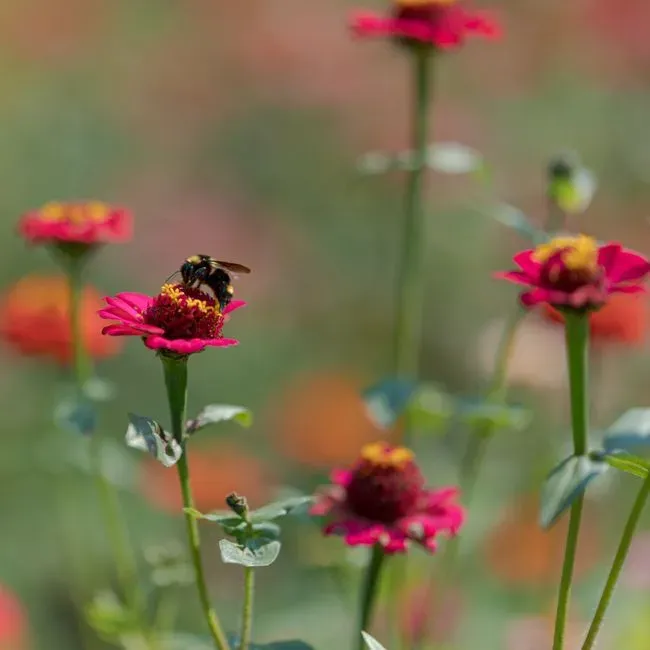
If you can stand in one spot and watch a steady stream of bees, hoverflies, butterflies, beetles, and even hummingbirds moving plant to plant, your garden isn’t just pretty – it’s valuable feeding infrastructure.
Most people imagine pollinators flitting around randomly, but studies using tagged insects and observation plots show they follow efficient foraging routes, called traplines, revisiting the richest flower patches again and again.
- Overlapping bloom times from early spring straight through to late fall
- Flowers offering both nectar for energy and pollen for protein, in real volume
Native bees, in particular, feed larvae on pollen from specific plant groups. If you see tiny metallic sweat bees, fuzzy bumblebees, and solitary leafcutter bees all working your flowers at once, your garden is providing a buffet of micronutrients most lawns simply don’t offer. And they’re not the only ones eating – predatory insects, spiders, birds, and bats all cluster wherever pollinators are abundant. That humming border isn’t only feeding pollinators; it’s feeding everything that eats them, too. Notice your yard still has insects on windy days when the neighboring streets seem empty? That’s another clue you’ve unintentionally become a sheltered fueling station for thousands of small visitors a day.
#3 – You See More “Weeds” and Self-Seeders Than You Can Explain
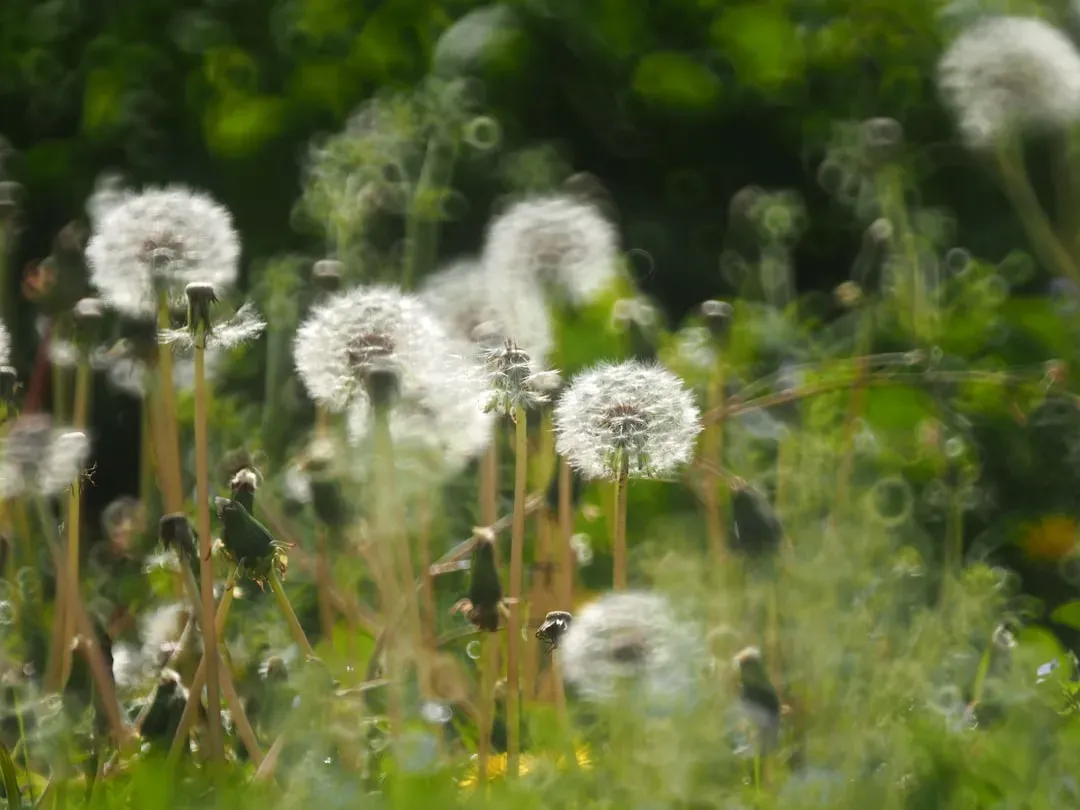
Dandelions popping up in tight cracks, violets naturalizing under shrubs, coneflower or black-eyed Susan seedlings turning up in odd corners – these volunteers are more than a maintenance headache. They’re often proof that wildlife has been moving seeds around on your behalf.
Birds, rodents, ants, and even larger mammals disperse and “plant” seeds by accident – eating fruit in one spot and depositing the seeds, complete with fertilizer, somewhere else, or carrying seeds stuck to fur and feathers along their regular routes.
- Ants moving seeds with fatty appendages called elaiosomes, then discarding the still-viable seed underground
- Rodents burying nuts and larger seeds, then forgetting some of their caches
Many native wildflowers quietly depend on this exact process, so if those species show up far from the parent plant, your invertebrate gardeners have been busy. Birds perch on fences or wires over certain beds, seeding them from above without ever touching soil. Over time, your plant palette can subtly shift toward whatever species wildlife uses and moves most. What looks like chaos is really the ecosystem optimizing itself – your garden isn’t just feeding wildlife right now, it’s helping shape tomorrow’s plant community through animal-driven seed dispersal.
#2 – You Rarely Need to Fertilize Because “Something” Is Doing the Work
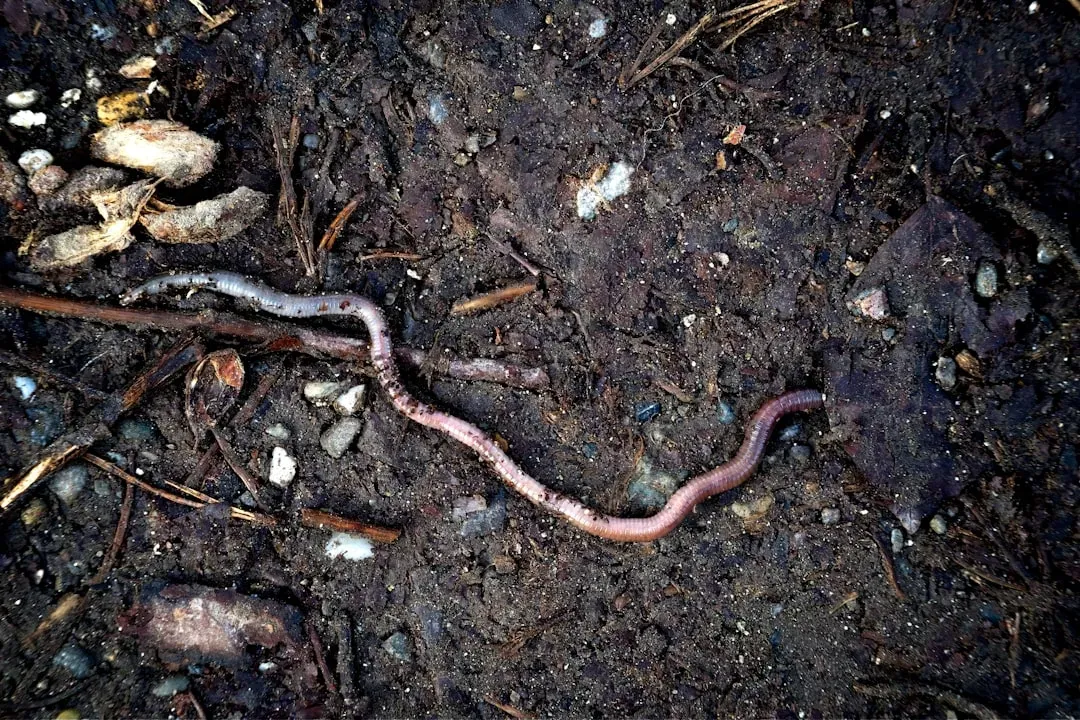
Your neighbors haul home bags of fertilizer every season, but your beds stay lush with almost no input, especially if you leave some leaves or plant material to break down. That quiet fertility is a dead giveaway that your wildlife food web doubles as a nutrient-cycling machine.
Decomposers – earthworms, springtails, fungi, bacteria, beetles, isopods, and more – feed on dead plant material, manure, and fallen fruit, shredding it and turning it into nutrients your plants can actually use.
- Birds and mammals depositing droppings loaded with nitrogen, phosphorus, and micronutrients
- Invertebrates dragging organic matter into the soil, boosting aeration and microbial activity
If your compost pile shrinks fast, leaf litter vanishes faster than seems normal, or beds stay dark and crumbly despite only light mulching, something is eating and processing a lot of organic matter. Predators help here too – by keeping herbivore populations in check, they prevent catastrophic plant losses while still allowing enough leaf drop and root dieback to feed the below-ground community. Your garden is feeding wildlife above ground so they’ll “pay rent” in rich soil below it. This invisible cycle often makes truly wildlife-active gardens cheaper and easier to maintain long-term than sterile, heavily fertilized ones.
#1 – Birds and Mammals Behave Like They “Own” the Place, Not Like Visitors
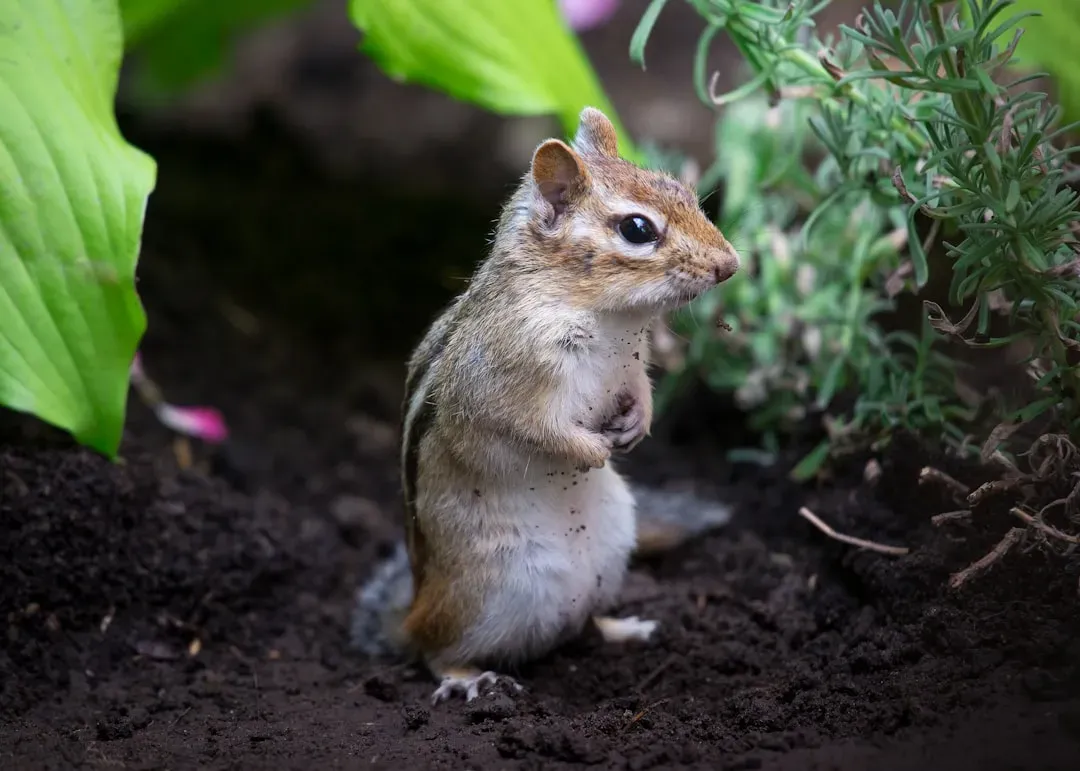
The clearest sign your garden is feeding more wildlife than you realize isn’t just who shows up – it’s how they act once they’re there. Occasional fly-overs or a squirrel passing through is one thing. But when birds, mammals, and even reptiles move with confidence and routine – using your yard as if it’s their home base – you’ve crossed from “decorative garden” into “functional habitat.”
- Birds hopping under shrubs, turning leaves, and foraging at ground level without constant alarm calls
- Squirrels burying and retrieving caches in predictable spots instead of just racing along the fence
- Foxes or hedgehogs, where present, using the same entry and exit points at the same times each day
Why It Stands Out
- Animals return to predictable spots for food, water, and shelter, not by chance
- Confident, routine behavior signals low stress and steady resource availability
- Multi-season plantings turn a yard into a year-round base rather than a rest stop
- Gardeners who adjust maintenance around wildlife often see even more activity return
These patterns mean your garden isn’t a snack stop; it’s a reliable canteen. Animals know that at different times of year they can count on early blossoms for nectar and pollen, summer foliage for insects and caterpillars, seeds and berries for autumn calories, and shelter with leftover food through winter.
At that point, you may notice you’re making gardening decisions “around” them – leaving certain plants, delaying pruning until nesting season ends, choosing fruiting shrubs over sterile ornamentals. Whether you intended it or not, you’ve become a co-manager of a shared ecosystem. When wildlife stops behaving like guests and starts acting like residents, your garden has fully joined the local food web – and chances are, it’s feeding vastly more creatures than you’ll ever see in a single visit outside.
The Bottom Line
Most homeowners underestimate just how many mouths their garden feeds because they only count what they consciously notice: a few birds at the feeder, a squirrel on the fence, a butterfly or two drifting past. The real story is written in stripped seed heads, shredded leaves, mysterious runways, night noises, and the quiet, steady disappearance of mulch and leaf litter. Those subtle clues reveal a nonstop flow of energy from sun to plant to insect to predator, layered over and over in a space most people still think of as “just a yard.”
Here’s the uncomfortable truth: a sterile, damage-free garden is usually an ecologically empty one. If your plants show some chewing, your water features stay busy, and wildlife behaves like it owns the place, you’re not losing control – you’re finally part of a functioning ecosystem. The real question is what you do with that once you see it. Fight the mess back into submission, or garden like a participant instead of a spectator, and let the place feed a few more mouths than you ever planned on.