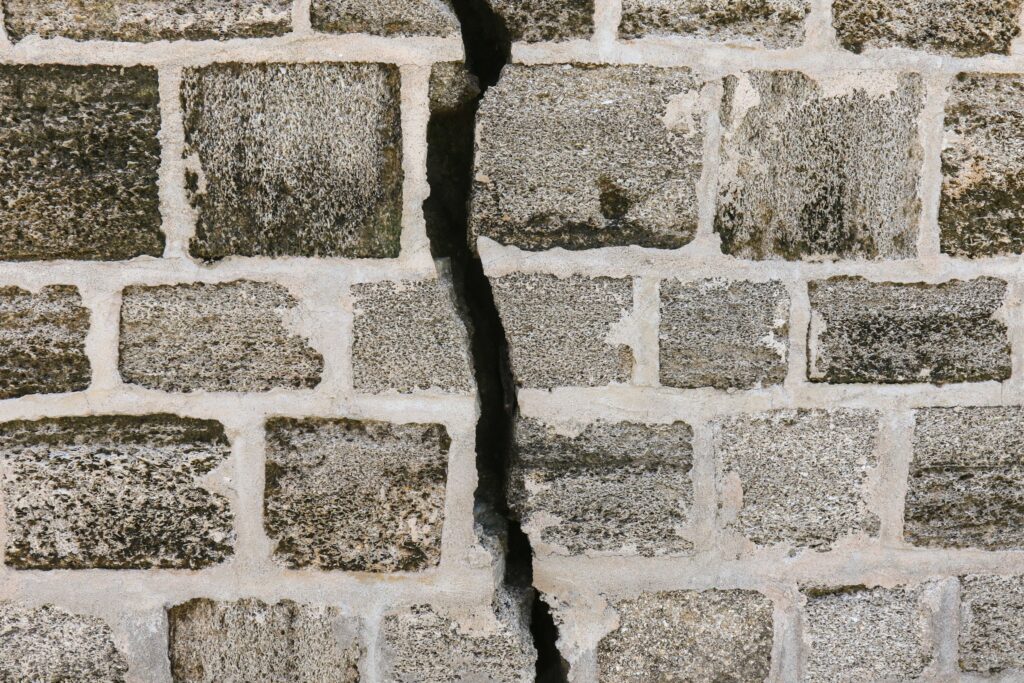
Most people walk past a two-hundred-year-old stone wall and assume “it’s lasted this long, it’ll last forever.” That assumption is exactly why so many historic walls, chimneys, and foundations fail without warning – because the warning was never actually silent. Stone doesn’t collapse in an instant; it whispers first, through hairline cracks, powdery mortar, strange stains, and sounds most homeowners write off as “just old house noises.”
Structural engineers who specialize in historic masonry say the shift is rarely sudden. It’s a slow-motion confession that starts years, sometimes decades, before anything visibly gives way. Here’s what preservation engineers and masonry inspectors actually watch for – the fourteen tells that a stone wall is already quietly losing the fight.
#1 – Hairline Cracks That Keep Getting Wider
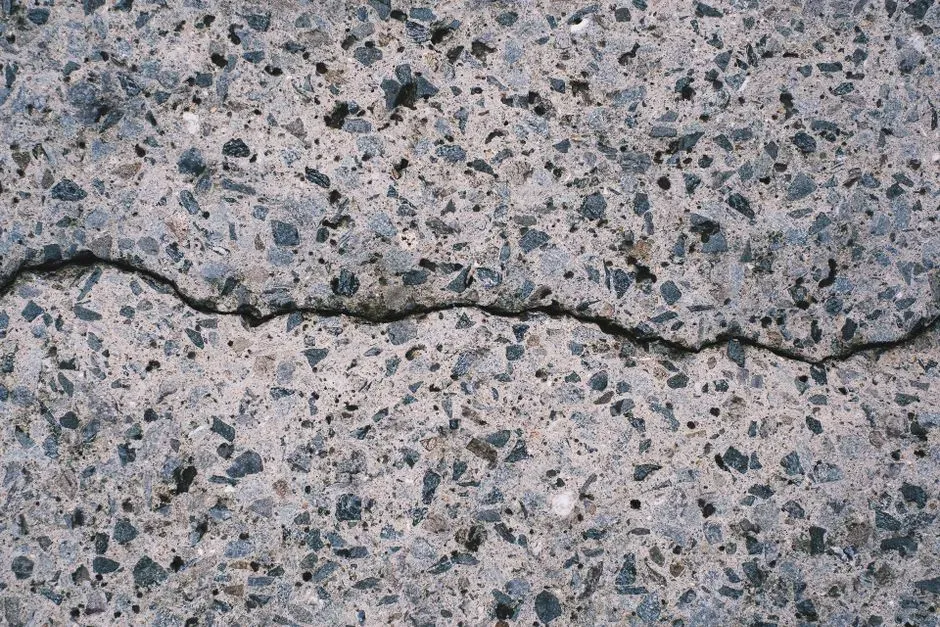
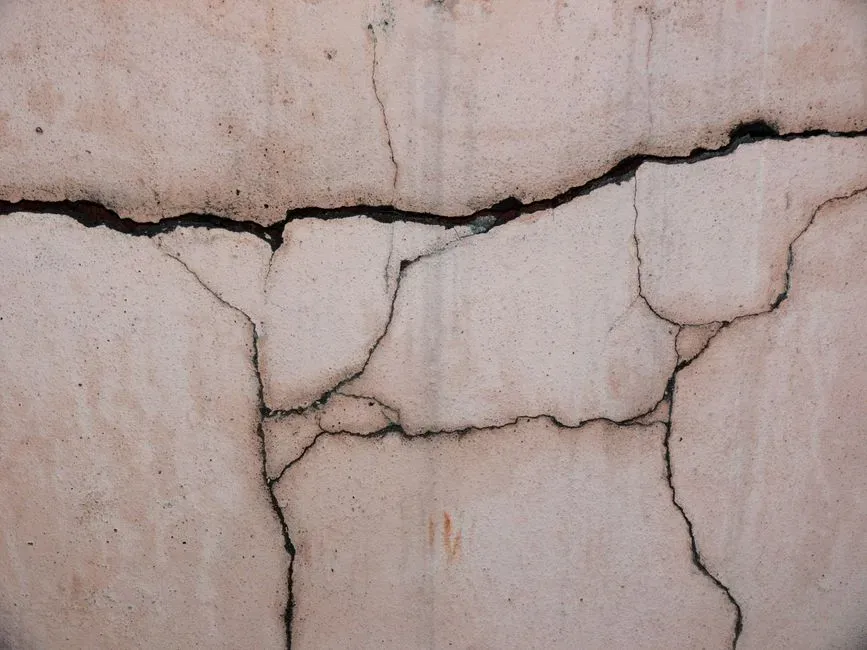
A crack that doesn’t change is old news. A crack that grows is a live structural conversation happening in real time.
Masons distinguish between “dead” cracks – ones caused by a single historic event like a minor settlement decades ago – and “active” cracks that continue to open. The test insiders use is shockingly low-tech: a strip of tape or a dab of plaster placed across the crack. If it tears within weeks, the stone is still moving. Many homeowners never do this simple check, assuming any crack in old stone is “just character.”
Vertical hairline cracks near openings like windows and doors are especially telling. They often signal that the lintel above is beginning to redistribute load unevenly, pushing stress sideways into the surrounding masonry. Left unchecked, a hairline crack can widen from a fraction of a millimeter to a finger-width gap within a few wet-dry freeze cycles, especially in climates with harsh winters. But that’s nothing compared to what we found about #2…
#2 – Mortar That Crumbles Into Sand or Powder
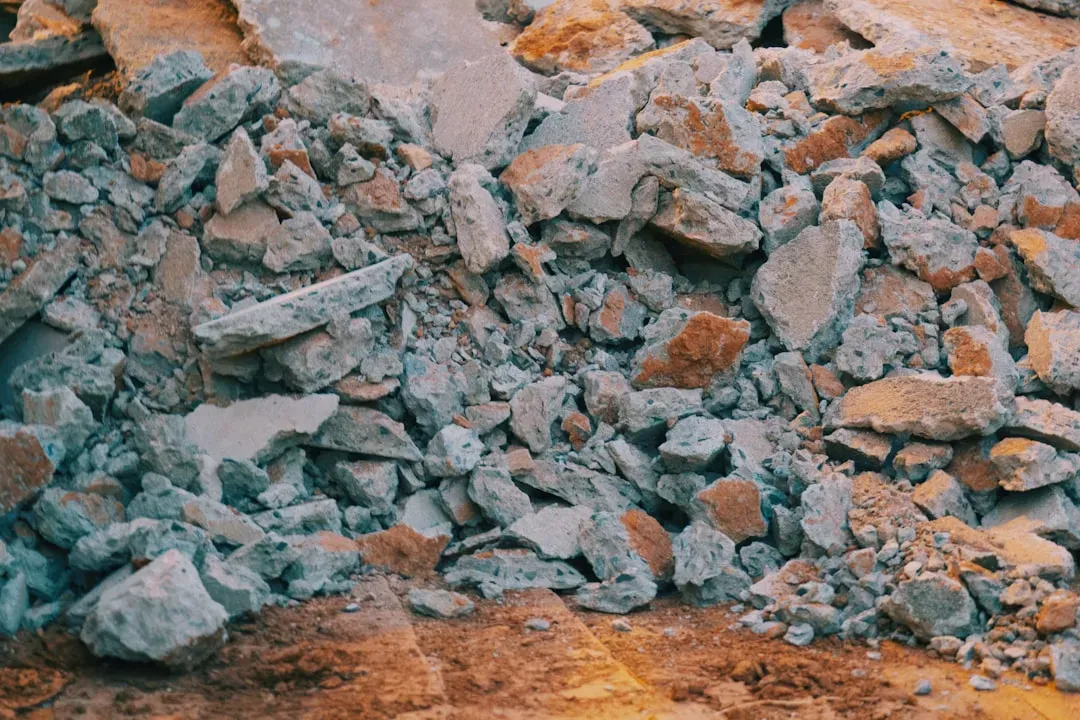
If you can scrape mortar out of a joint with your fingernail, the wall is already losing its grip.
Old lime mortar was designed to be the “sacrificial” layer – softer than the stone itself, so it wears down first and protects the masonry. That’s normal aging. The real warning sign is mortar that has turned to powder or sand rather than simply eroding smooth, because that texture change usually means water has been getting in and freezing repeatedly, breaking the binder down from the inside.
Modern repointing with hard Portland cement mortar (instead of traditional lime) is a controversial practice among preservationists – many now argue it’s one of the worst mistakes owners make on historic buildings, because it traps moisture behind a harder shell and accelerates decay of the stone itself rather than the joint. Once more than a third of the mortar in a section is gone, the wall is essentially relying on friction and gravity alone. That’s a fragile arrangement compared to what’s coming in #3…
Fast Facts
- Lime mortar is built to wear out before the stone does – it’s the sacrificial layer by design.
- Mortar turning to powder (not just eroding smooth) points to repeated freeze-thaw water damage.
- Hard Portland cement repointing can trap moisture and speed up decay of the stone itself.
- Once a third of a joint’s mortar is gone, the wall is holding together on friction and gravity alone.
#3 – White, Crusty Staining Called Efflorescence
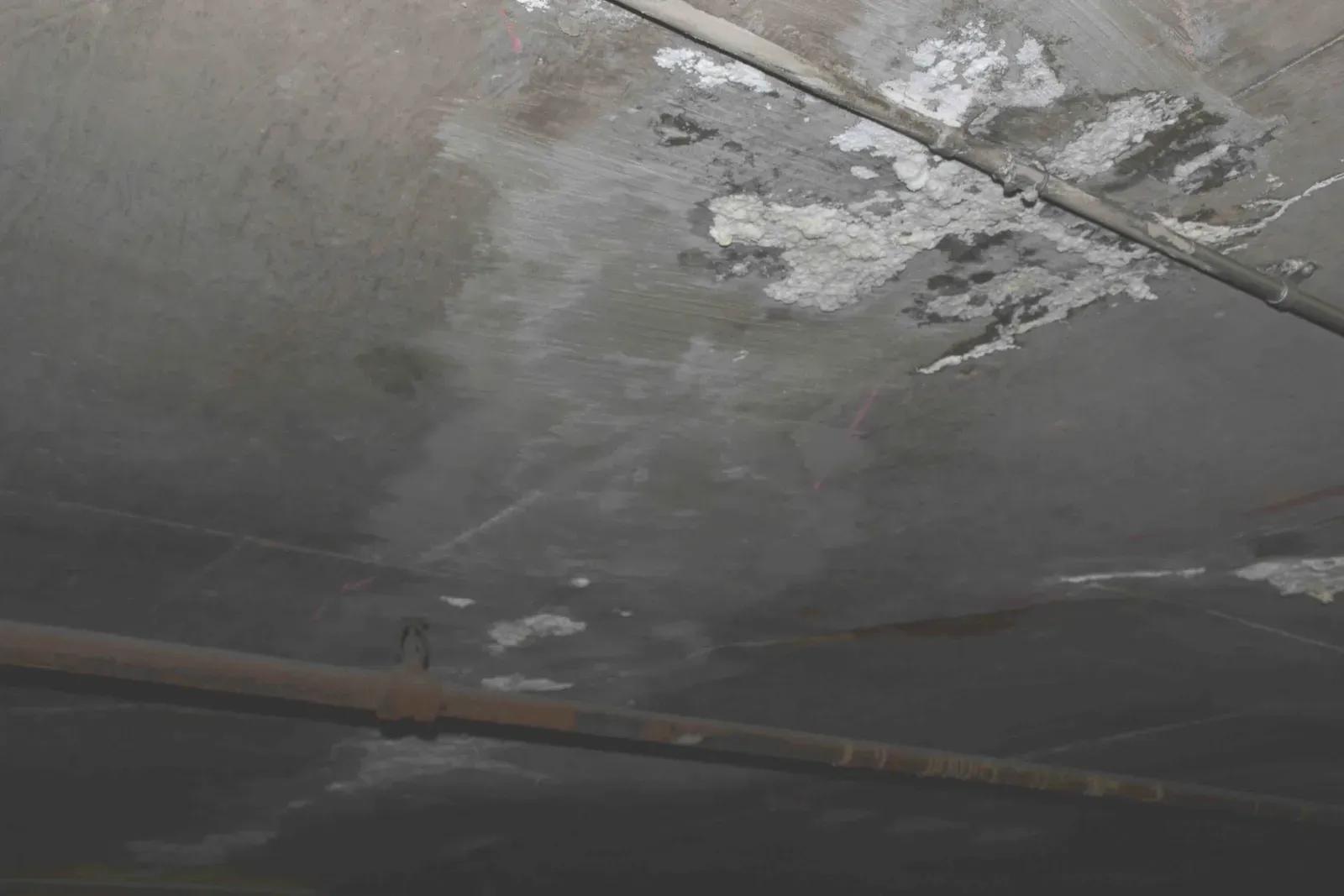
That chalky white bloom on old stone isn’t dirt – it’s salt, and it’s a messenger.
Efflorescence forms when water travels through porous stone or mortar, dissolving mineral salts, then evaporates at the surface and leaves the salts behind as crystals. Its presence proves moisture is actively moving through the wall, not just sitting on the surface. A wall that’s efflorescing today was wet yesterday, somewhere inside its core.
The real danger isn’t the staining itself but what it represents underneath: subflorescence, where salt crystals form just beneath the surface instead of on top of it, physically pushing stone apart from within. This is a slower, more destructive cousin of the visible white bloom, and it’s often the true reason a stone face eventually pops off in sheets. Heavy, recurring efflorescence in the same spot year after year usually means a drainage or damp-proofing failure that’s only getting worse. Which brings us to a much more dramatic version of cracking in #4…
#4 – Stair-Step Cracks Following the Mortar Joints
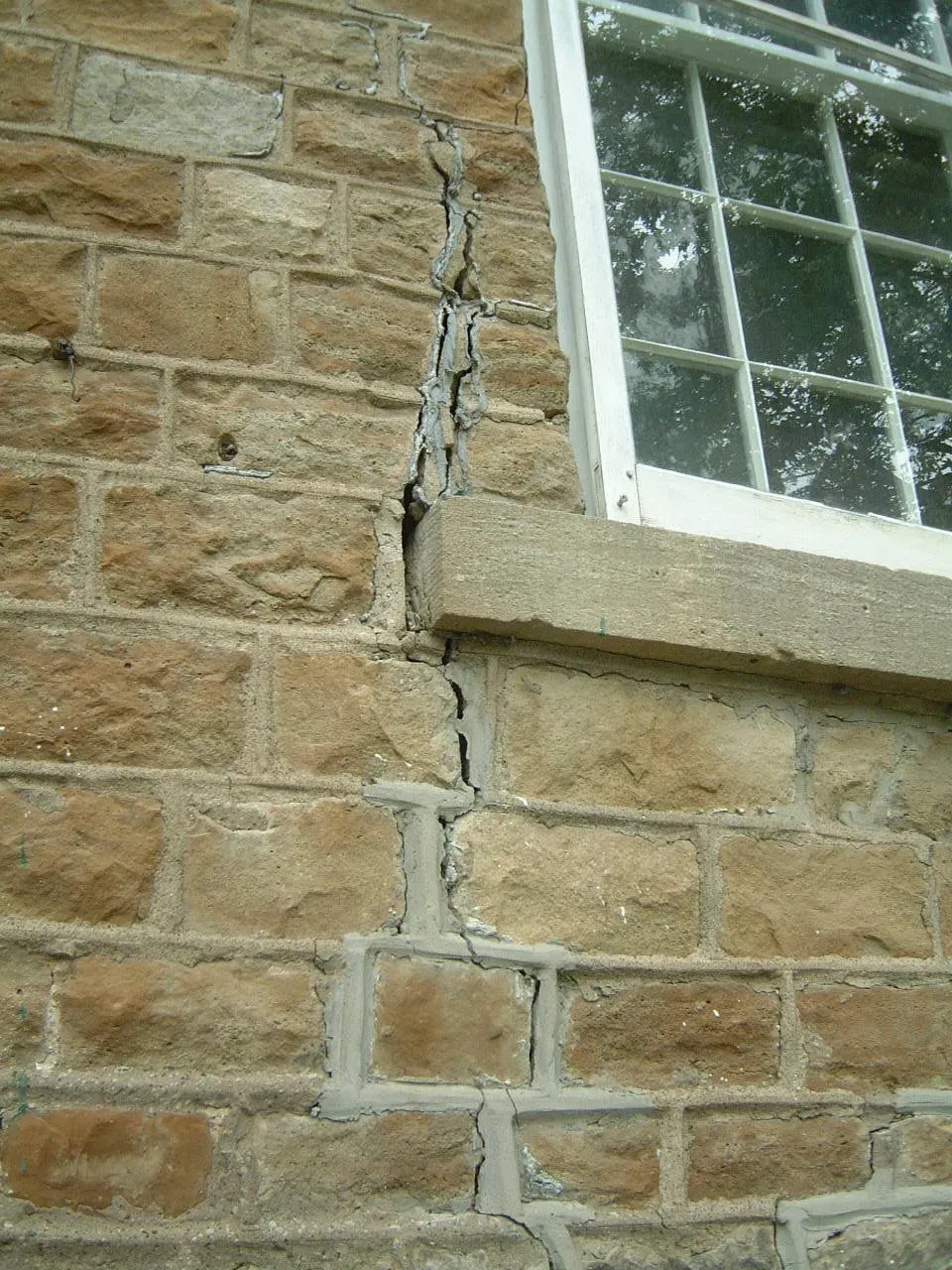
When a crack refuses to travel in a straight line and instead zigzags up through the joints like a staircase, that’s not random – it’s diagnostic.
Stair-step cracking happens because mortar joints are the weakest link in a masonry wall, so as the structure shifts, cracks follow the path of least resistance along horizontal and vertical joints rather than through the stone itself. Engineers treat this pattern as one of the clearest visual signatures of differential settlement, meaning one part of the foundation is sinking or moving faster than another.
This is especially common near additions, where an older stone section meets a newer build on a different foundation depth or soil type. The two sections settle at different rates, and the stair-step crack forms right at the seam. A stair-step crack wider at the top than the bottom often points to a foundation problem below; wider at the bottom can suggest roof or upper-wall load issues instead. But nothing tests a wall’s honesty like the next sign, #5…
#5 – Walls That Bulge or Bow Outward
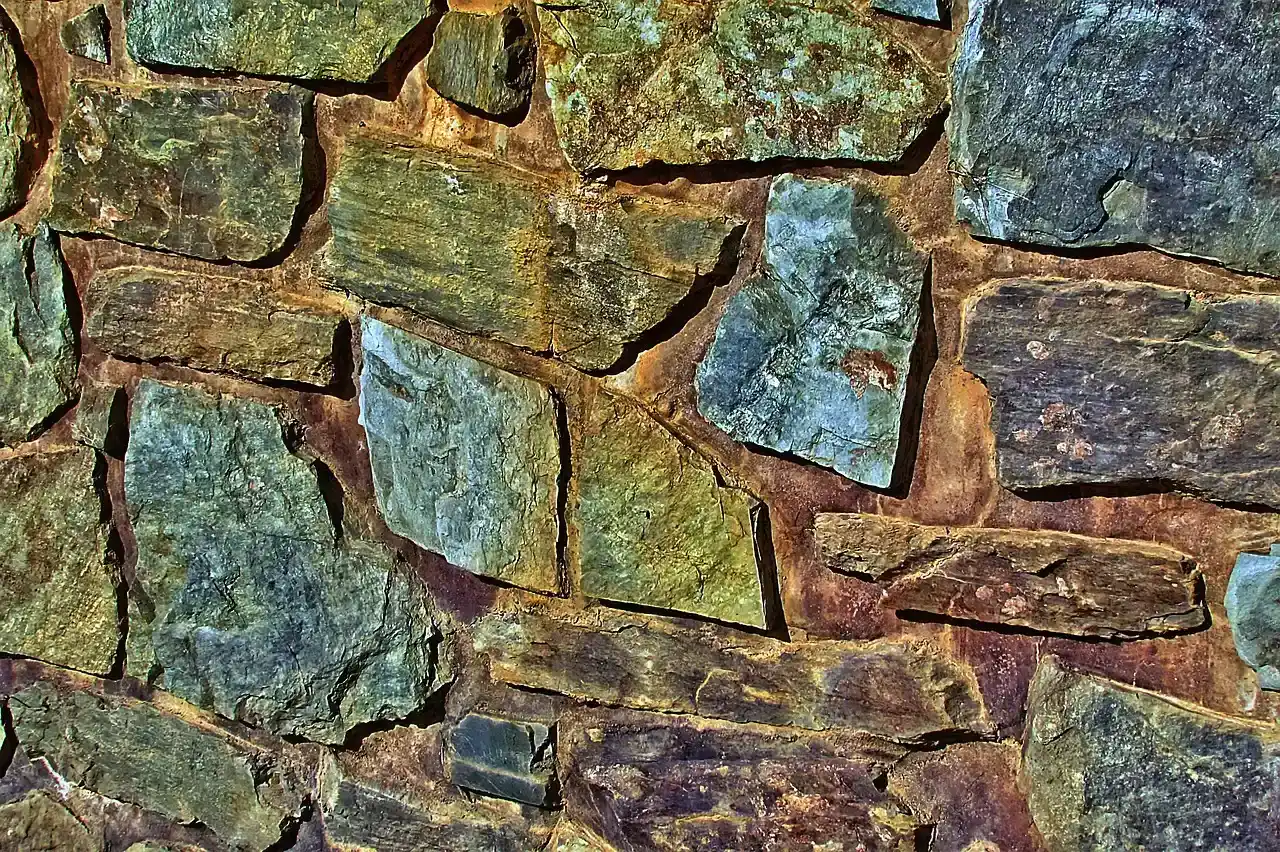
Run a straightedge or level along an old stone wall and if there’s daylight showing in the middle, that wall is bowing – and bowing walls don’t fix themselves.
Bulging typically happens when the outer wythe (layer) of a stone wall separates from the inner wythe or from the backing material behind it, often because the metal or wooden ties holding them together have corroded or rotted away. A bow of even one to two inches over a ten-foot span is generally considered significant by structural assessors, because it indicates the wall has lost its composite strength and is behaving like two separate, weaker walls instead of one.
Basement and foundation walls bow inward under soil and hydrostatic pressure, while above-grade walls tend to bow outward under vertical load or lateral thrust from a spreading roof structure. Either direction is a mechanical failure in progress, not a cosmetic quirk. Some contractors will tell you a slight bow in a 150-year-old wall is “normal character” – but many engineers push back hard on that framing, arguing complacency here is exactly how partial collapses happen. Speaking of surfaces failing, #6 covers a different kind of skin-deep warning…
#6 – Stone Faces Flaking, Chipping, or Peeling Off (Spalling)
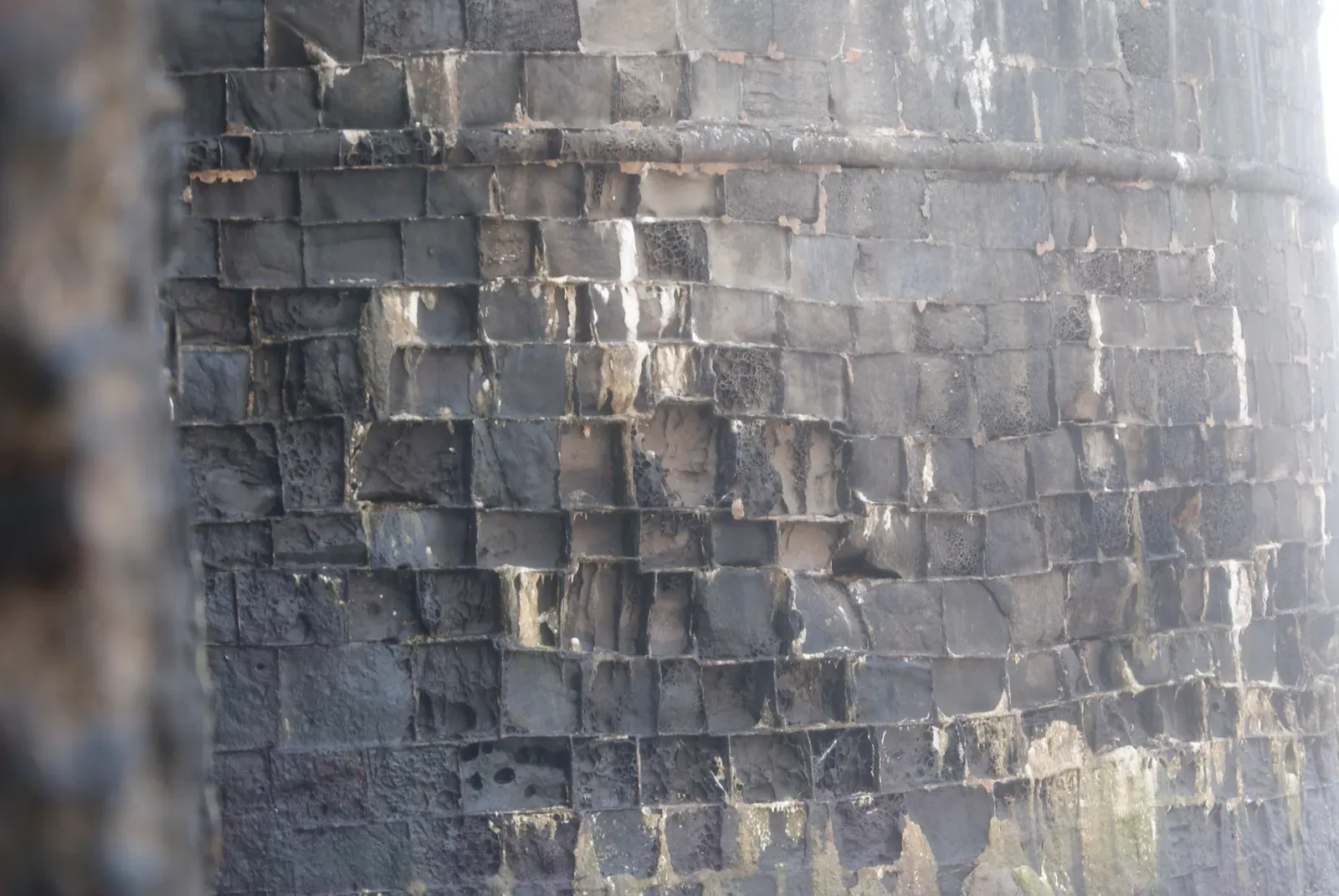
When the outer face of a stone starts flaking away in thin layers like old paint, the stone is losing a battle with trapped water.
Spalling occurs when moisture inside porous stone freezes and expands, or when soluble salts crystallize just beneath the surface, creating enough internal pressure to pop off flakes, chips, or entire faces of stone. Sandstone and limestone are especially vulnerable, since they’re more porous than granite or dense fieldstone, soaking up water like a very slow sponge.
Small chips scattered across a wall are typically weathering – normal, gradual erosion. But spalling concentrated in one area, especially near ground level or below a leaking gutter, points to a localized moisture source that needs fixing before the damage spreads. Left alone, spalling can progress from cosmetic flaking to structural loss of stone thickness, weakening the wall’s actual load-bearing capacity over years. This is often mistaken for simple aging, but #7 is where rust turns from an eyesore into a genuine structural threat…
Quick Compare
- Normal weathering: small, scattered chips across the whole wall – slow, even erosion.
- Spalling: concentrated flaking in one spot, often near a leaky gutter – active moisture damage.
- Sandstone & limestone: porous and thirsty, the most spalling-prone materials.
- Granite & dense fieldstone: low porosity, rarely spalls without extreme exposure.
#7 – Rust Stains Bleeding Out of the Stone Itself
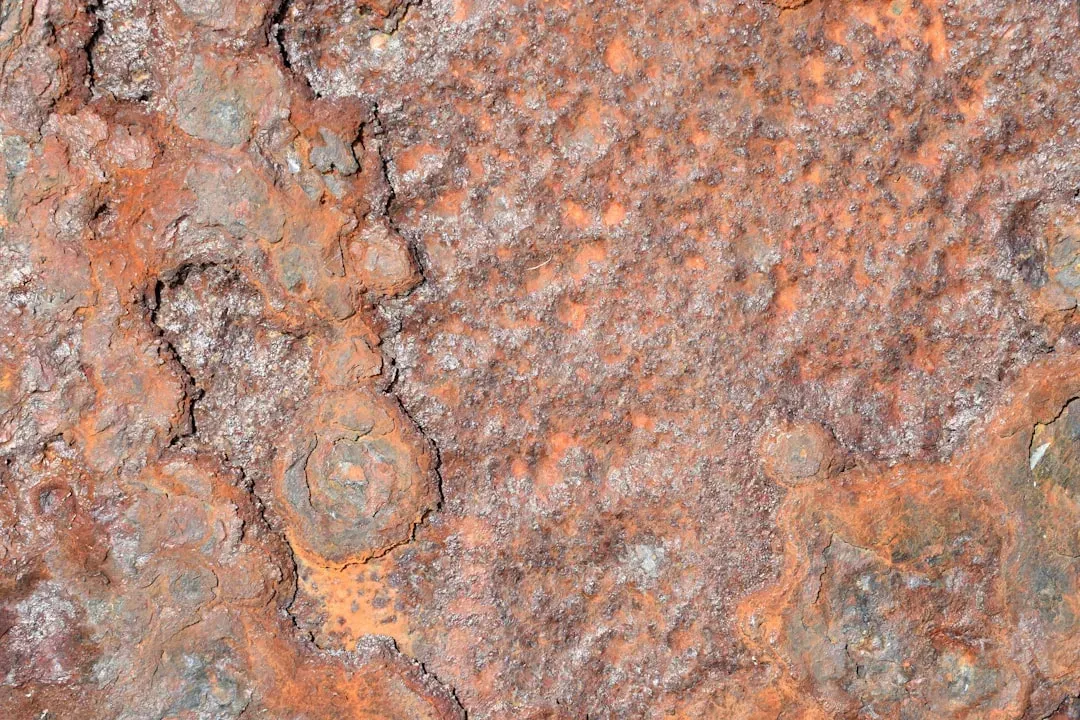
Orange-brown streaks weeping from inside solid stone, where there’s no visible metal, should stop anyone in their tracks.
Many older stone buildings used iron or steel cramps, dowels, and reinforcing rods embedded inside the masonry to tie stones together or reinforce lintels and cornices. When that hidden metal rusts, it can expand to several times its original volume, a phenomenon masons call “rust jacking,” and that expansion physically cracks and displaces the stone surrounding it from the inside out.
This is one of the most dangerous signs on this list because the real damage is invisible until the stone splits open or a piece drops off entirely – often with little external warning beyond the rust bleed itself. Rust jacking is especially common around window lintels, cornices, and decorative stone details where iron reinforcement was standard practice well into the twentieth century. Any rust staining paired with a nearby crack should be treated as a priority inspection item, not a paint-over job. But shifting foundations show themselves in far more everyday ways too, as #8 explains…
#8 – Doors and Windows That Suddenly Stick or Won’t Latch
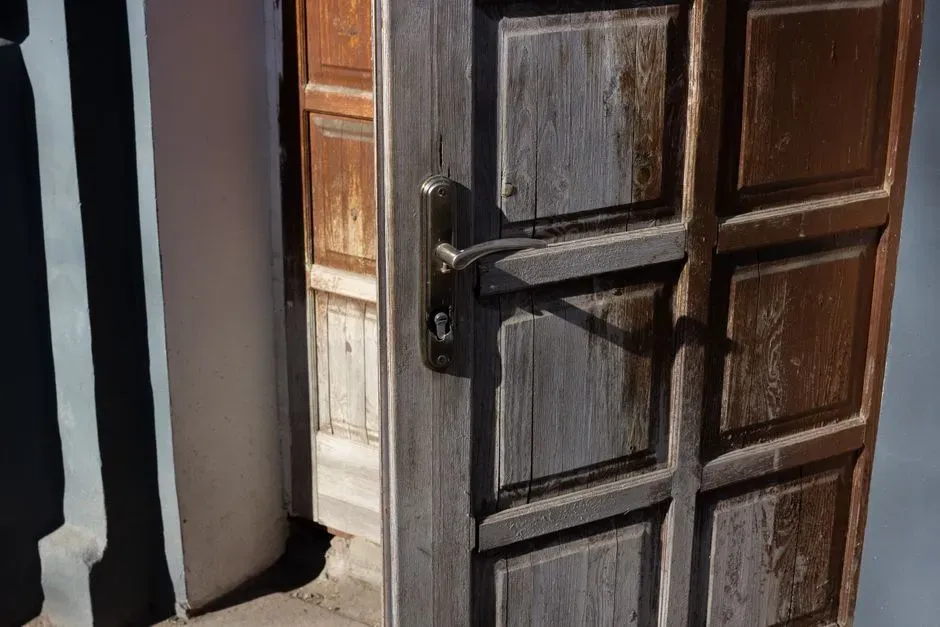
A door that used to close easily now needs a shoulder-check, and it’s tempting to blame humidity – but often, the house itself has moved.
When a stone foundation shifts even slightly, it distorts the wood-framed openings sitting on top of or within it, throwing door and window frames out of square. A gap that appears at the top of a door on one side while it drags on the floor on the other is a classic sign of differential settlement, not swelling wood, because true humidity swelling tends to affect all sides fairly evenly and seasonally.
This sign matters because it’s often the very first clue homeowners notice – long before they’d think to inspect exterior stonework – simply because they interact with doors and windows daily. Multiple doors sticking on the same side of a building at the same time is a stronger signal than a single door acting up, since it suggests a broader shift rather than one warped piece of wood. Cracked plaster running diagonally from the corners of doors and windows inside the home often confirms the same movement from a different angle. Meanwhile, nature itself sometimes provides its own unmistakable clue, detailed in #9…
#9 – Plants and Roots Growing Directly Out of the Joints
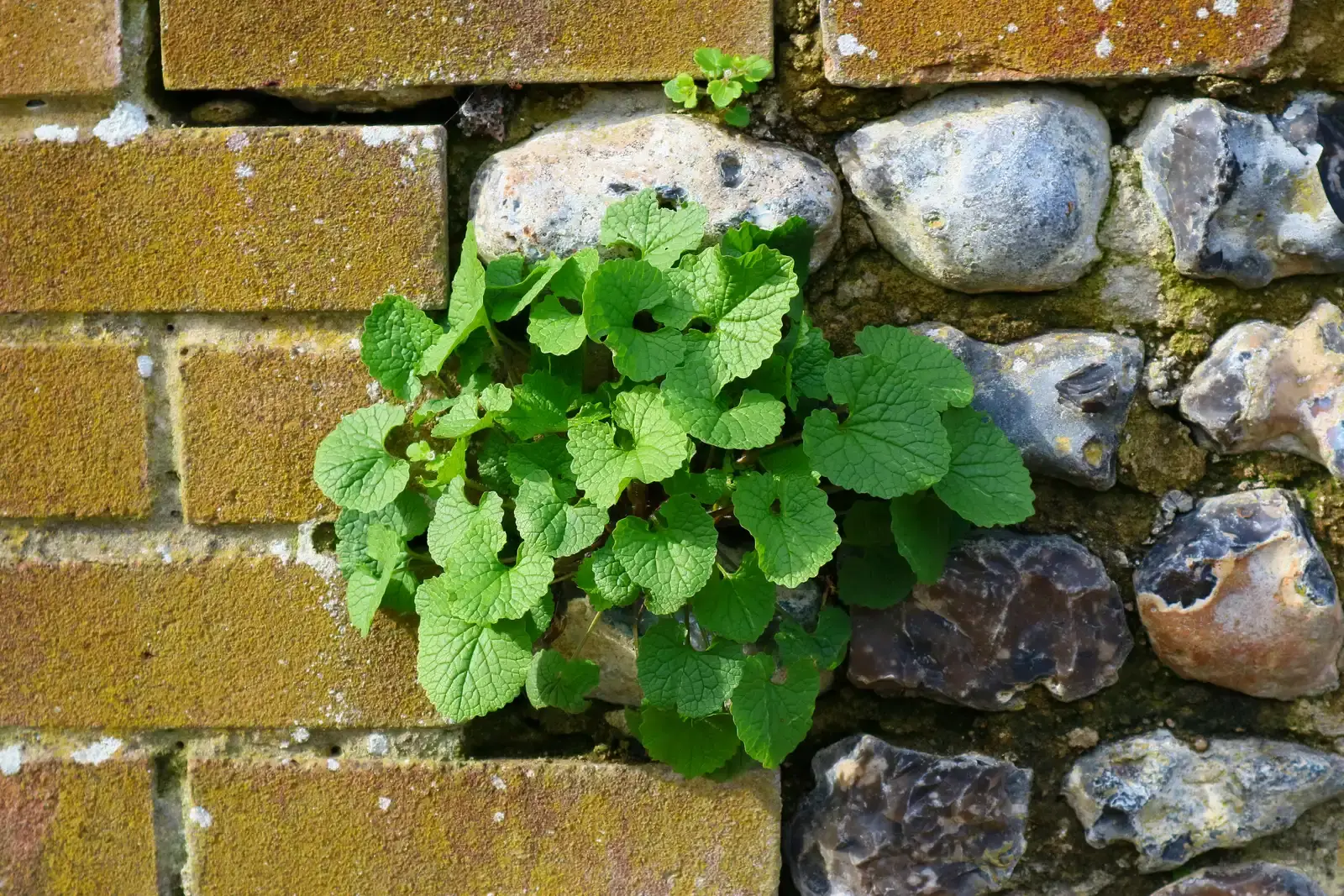
A little moss is charming. A sapling growing sideways out of a mortar joint is a structural emergency in slow motion.
Seeds land in cracked or eroded mortar joints, and given enough moisture and time, roots take hold and begin wedging the joint apart – a process that can widen a hairline gap into a full separation over several growing seasons. Root pressure inside masonry joints can generate forces strong enough to physically displace stones, especially in older lime mortar that offers less resistance than modern hard cement.
This is a controversial point among some old-house romantics who love the ivy-covered, weathered look of vegetation on stone – but preservation specialists are increasingly blunt that unchecked plant growth is one of the most preventable causes of accelerated masonry decay. Ivy in particular clings with root-like structures that can penetrate existing cracks and hold moisture against the stone surface constantly, compounding freeze-thaw damage. Removing growth early, before roots establish, is far cheaper than repairing the joint separation that follows years later. Overhead, a different structural element quietly bears its own warning signs, covered in #10…
Worth Knowing
- Root pressure inside a joint can generate enough force to physically shove stones apart.
- Older lime mortar resists roots far less effectively than modern hard cement.
- Ivy holds moisture against the stone constantly, compounding freeze-thaw cycles.
- Clearing growth early is far cheaper than repairing the joint separation that follows.
#10 – Sagging or Cracked Lintels Above Windows and Doors
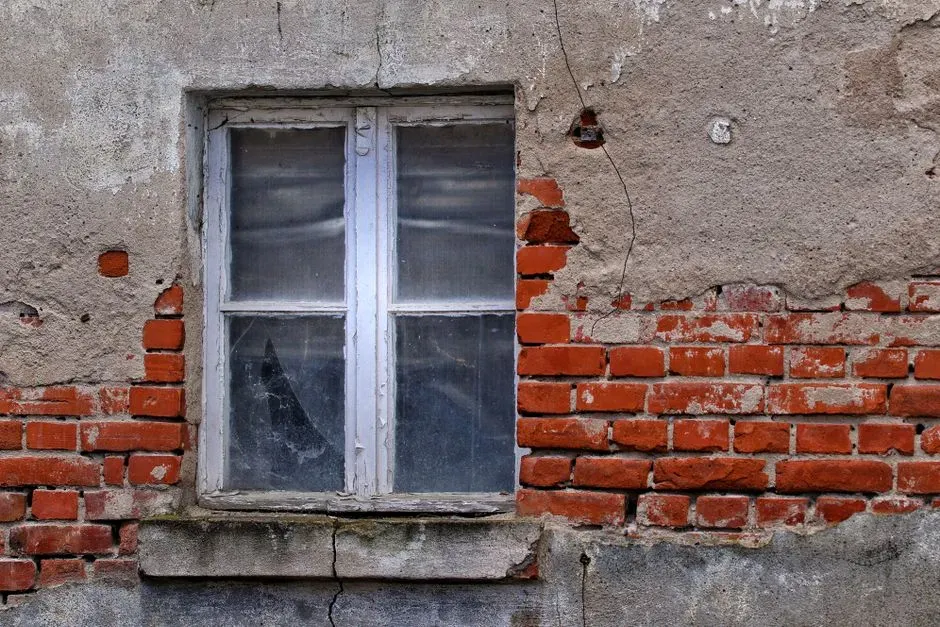
Look up at the stone or timber spanning the top of an old window – if it dips in the middle or shows a crack running through its center, it’s failing under load.
Lintels carry the weight of everything above an opening, and over decades that sustained load, combined with moisture and any hidden metal corrosion, can cause a stone lintel to crack or a timber one to sag visibly. A center crack in a stone lintel is far more serious than a crack near either end, because it indicates the lintel is failing at its point of maximum bending stress rather than at a less critical edge.
Arched openings, common in older stonework, are actually more forgiving than straight lintels because the arch shape redirects load outward into the surrounding wall rather than concentrating it in one beam. Straight lintels have no such advantage, which is why they’re often the first element to show distress in an aging stone facade. A sagging lintel paired with new cracking in the wall directly above it is a strong signal the opening is losing its structural support entirely. But sometimes the clearest sign isn’t up high – it’s the stones perched at the very top of the structure, discussed next in #11…
#11 – Coping Stones or Parapets That Have Shifted Out of Line
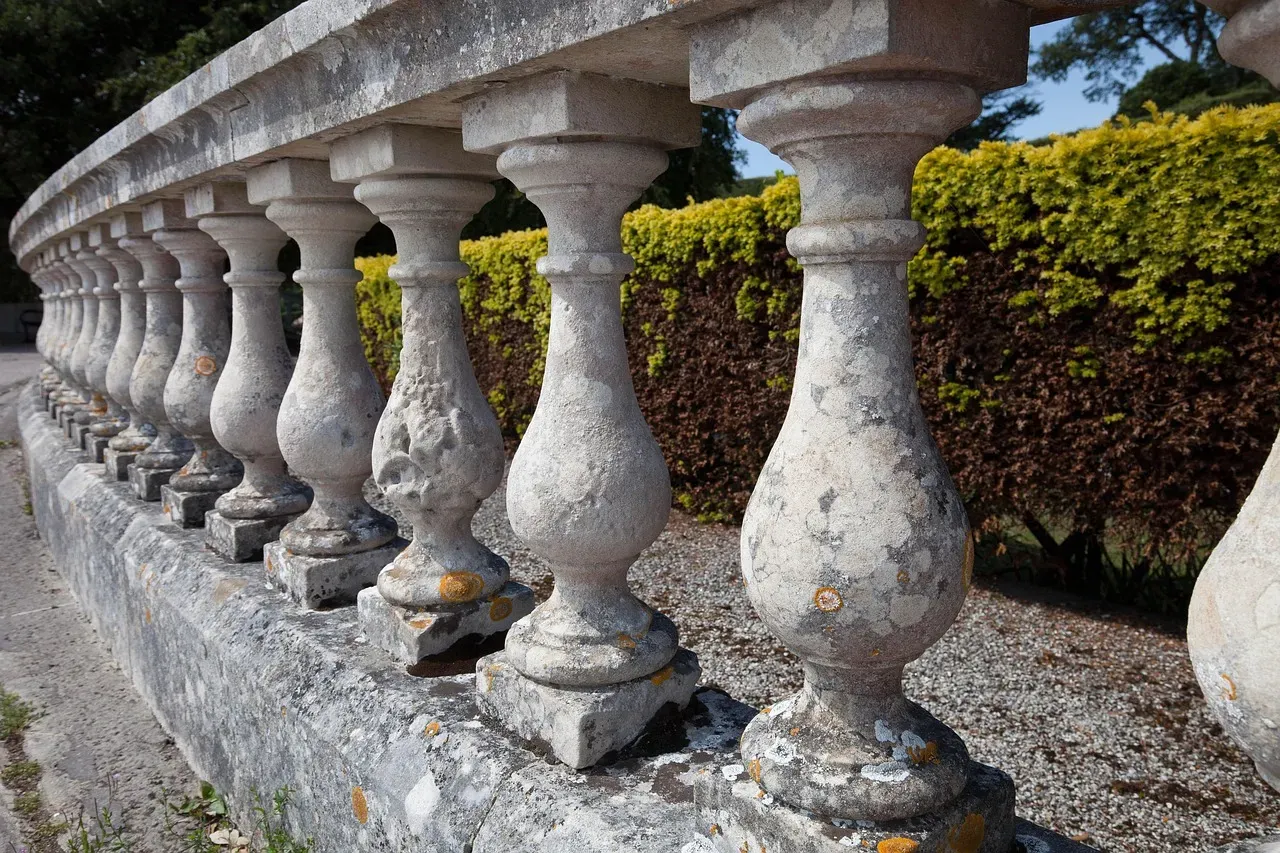
The stones capping a wall or chimney are supposed to sit in a tidy, level row – when they don’t anymore, something underneath has moved.
Coping stones and parapet caps are particularly exposed to weather, taking direct hits from rain, wind, and freeze-thaw cycles from every angle, which makes them one of the earliest parts of a structure to show displacement. A coping stone rotated even a few degrees out of alignment often means the wall beneath it has begun to lean or spread, since these capping stones typically sit loose or lightly mortared and shift readily once their support becomes uneven.
This sign is easy to miss because most people don’t regularly look at rooflines or chimney tops, yet inspectors consider it one of the more reliable early indicators precisely because these elements have so little tolerance for movement before they visibly shift. A parapet wall leaning outward, even slightly, is considered a higher-priority concern than most other signs on this list, since a full parapet failure can send heavy stone falling directly onto whatever is below. Checking alignment with binoculars from the ground, rather than assuming everything up top is fine, is a simple step many owners skip entirely. On the ground, gaps tell their own story in #12…
#12 – New Gaps Opening Where Walls Meet Floors or Other Walls
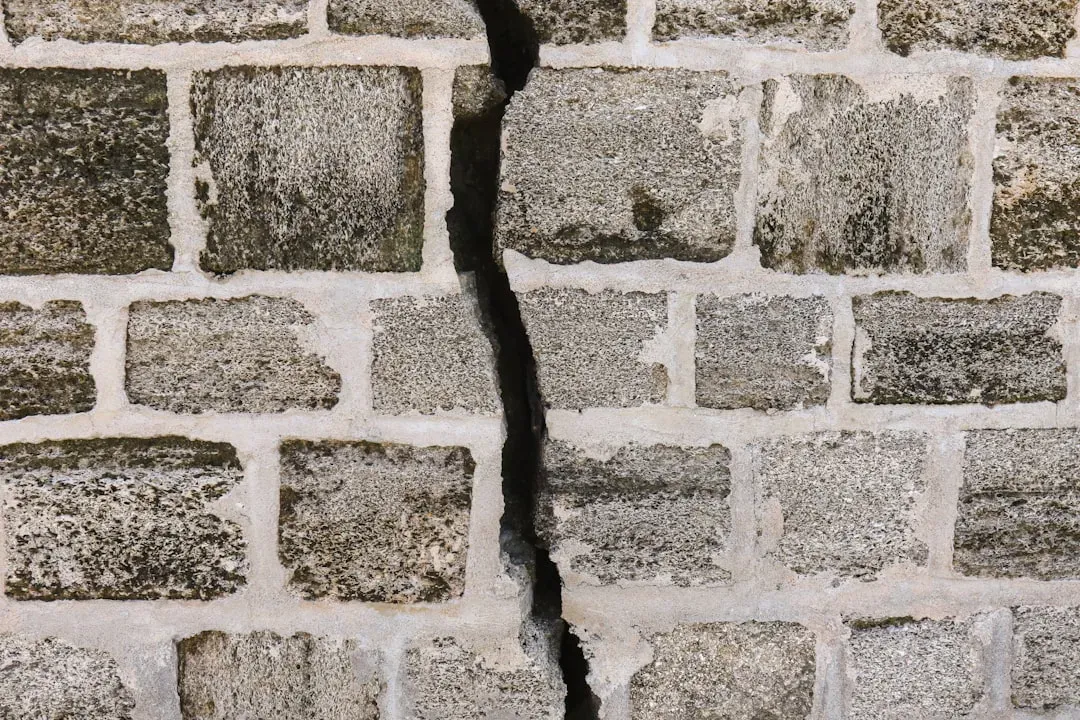
A crisp, clean gap appearing where a stone wall meets a floor slab, another wall, or a chimney breast is one of the more unsettling discoveries in an old building.
These junction gaps form because different structural elements – a wall, a floor, an addition – often settle at slightly different rates, and any flexible or minimal connection between them simply can’t stretch to cover a growing difference. A gap that measures more than about a quarter-inch and continues to widen over a season or two is generally treated by inspectors as evidence of ongoing differential movement rather than old, stable settlement.
This is one of the signs most often dismissed as cosmetic, since a small gap along a baseboard or where a chimney meets a wall doesn’t look dramatic at first glance. But its significance lies entirely in the trend, not the size – a stable half-inch gap that’s existed for years is far less concerning than a hairline gap that’s clearly new and actively growing. Documenting these gaps with photos and simple measurements over a few months is often enough to reveal whether a building is truly still moving. Sound, oddly enough, offers one more clue that most people never think to test, in #13…
#13 – A Hollow or Dull Sound When You Tap the Stone
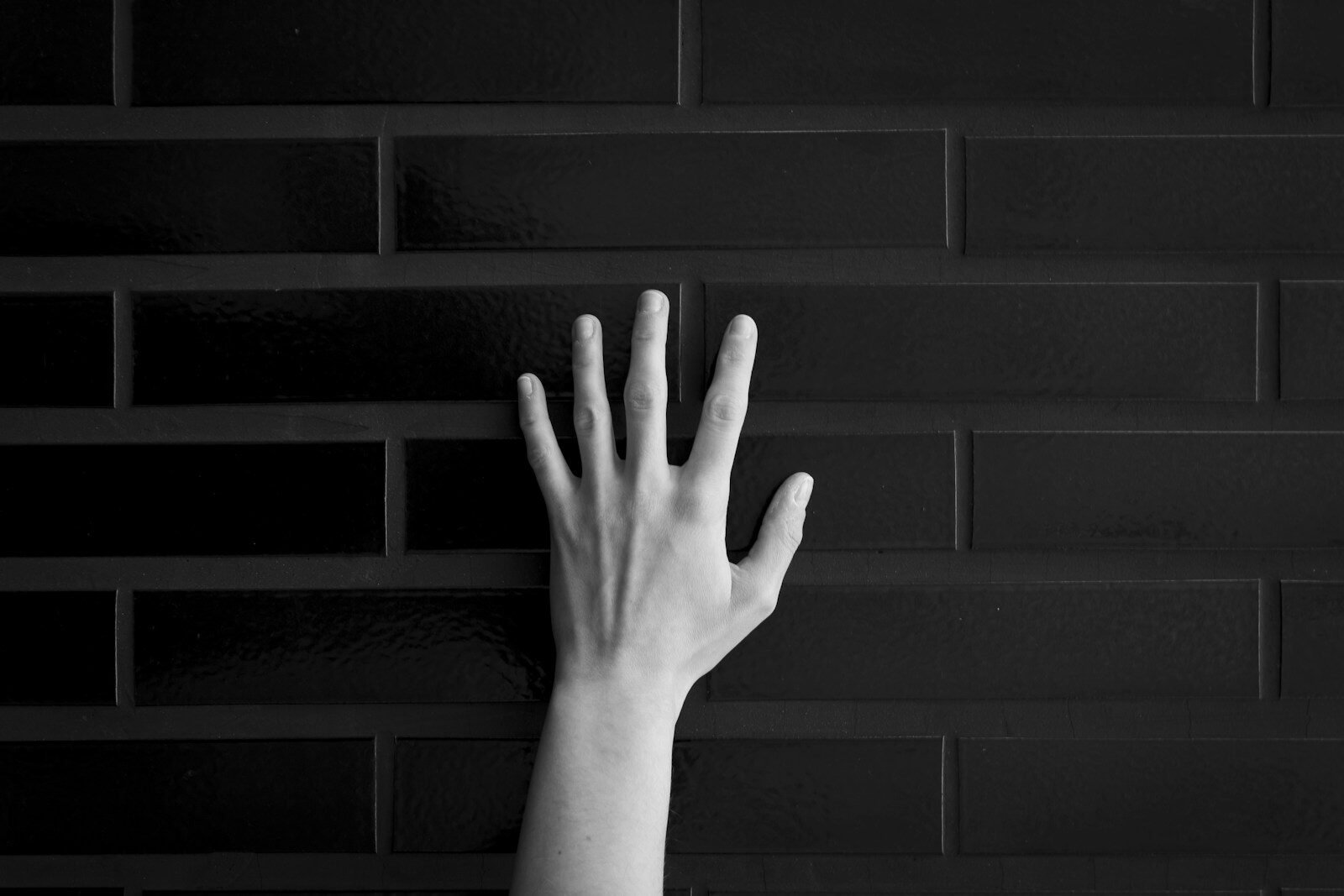
Tap a healthy stone wall with a hard object and it should sound solid and slightly ringing – tap a failing one and it sounds hollow, dull, or dead.
This simple technique, sometimes called “sounding” a wall, is used by masonry inspectors to detect delamination – where the outer face of a stone or a repair patch has separated from the material behind it, even though it still looks intact from the outside. A hollow sound means the visible surface is essentially a thin shell no longer bonded to the structural mass behind it, which can fail suddenly even though nothing looked wrong moments before.
This is a genuinely underused diagnostic among homeowners, since it requires no special equipment beyond a small hammer or even the handle of a screwdriver, yet professional masonry surveys rely on it constantly for exactly this reason. Delamination is especially common on stone that’s been patched with cement-based repairs in the past, since the harder patch material bonds poorly with older, softer stone and eventually separates along that seam. A wall covered in dull-sounding patches is often worse off structurally than one with visible cracks, precisely because the damage is hidden until it isn’t. And that hidden-until-it-isn’t theme reaches its peak in the final and most urgent sign, #14…
Why It Stands Out
- Needs no special tools – just a small hammer or a screwdriver handle.
- Reveals delamination that’s completely invisible to the eye.
- Most common on stone patched with old cement-based repairs that bond poorly.
- A dull-sounding patch can be worse off than a visible crack, since the damage stays hidden.
#14 – Sudden Debris, Small Stone Fragments, or Dust Appearing Below the Wall
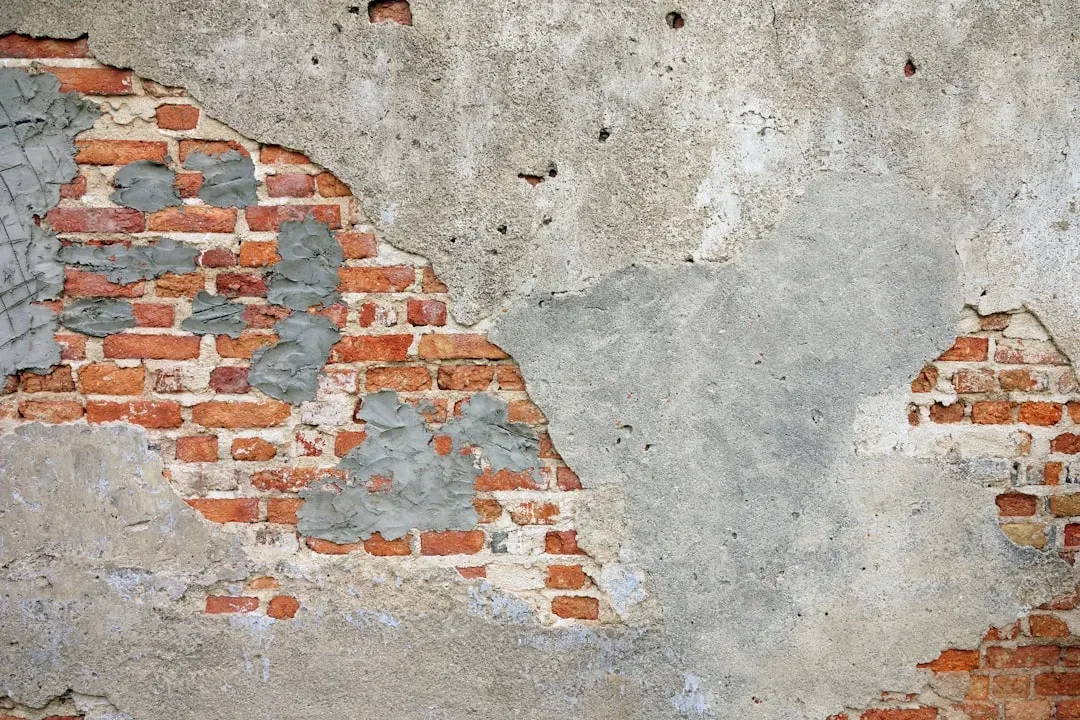
Finding small chips, grit, or fine dust collecting at the base of a stone wall with no obvious source is often the last warning before a more serious failure.
This debris typically comes from internal stress finally breaking the surface tension of the stone or mortar, releasing small fragments as the material can no longer hold together under its own compromised structure. Fresh debris that wasn’t there a week earlier is treated by structural engineers as one of the most urgent signs on this entire list, because it means the deterioration process described in every earlier sign has now progressed to active material failure.
Unlike hairline cracks or efflorescence, which can sit stable for months or years before requiring attention, fresh debris accumulation is generally considered a call-a-professional-this-week situation rather than a monitor-and-wait one. It often appears in combination with several other signs already discussed – a bulging wall shedding grit, a spalling face dropping chips, or a rusting lintel crumbling at its edges – making it less a standalone warning and more a confirmation that the wall has moved from “showing signs” to “actively failing.” At this stage, the conversation shifts from prevention to intervention.
The Bottom Line
Old stonework doesn’t fail quietly – it fails loudly, just in a language most people were never taught to read. The real danger isn’t any single crack or stain; it’s the pattern of several signs appearing together and getting worse over time.
Efflorescence, rust jacking, and hollow-sounding stone are the three most underrated warnings on this list, because they hide real structural decay behind surfaces that still look “fine enough” to ignore. If there’s one opinion worth stating plainly, it’s this: waiting for a wall to look dramatically damaged before calling an engineer is the single most expensive mistake old-building owners make, because by then the cheap fixes are already off the table.
A two-hundred-year-old wall isn’t asking for admiration – it’s asking to be looked at closely, before the stone has the last word.