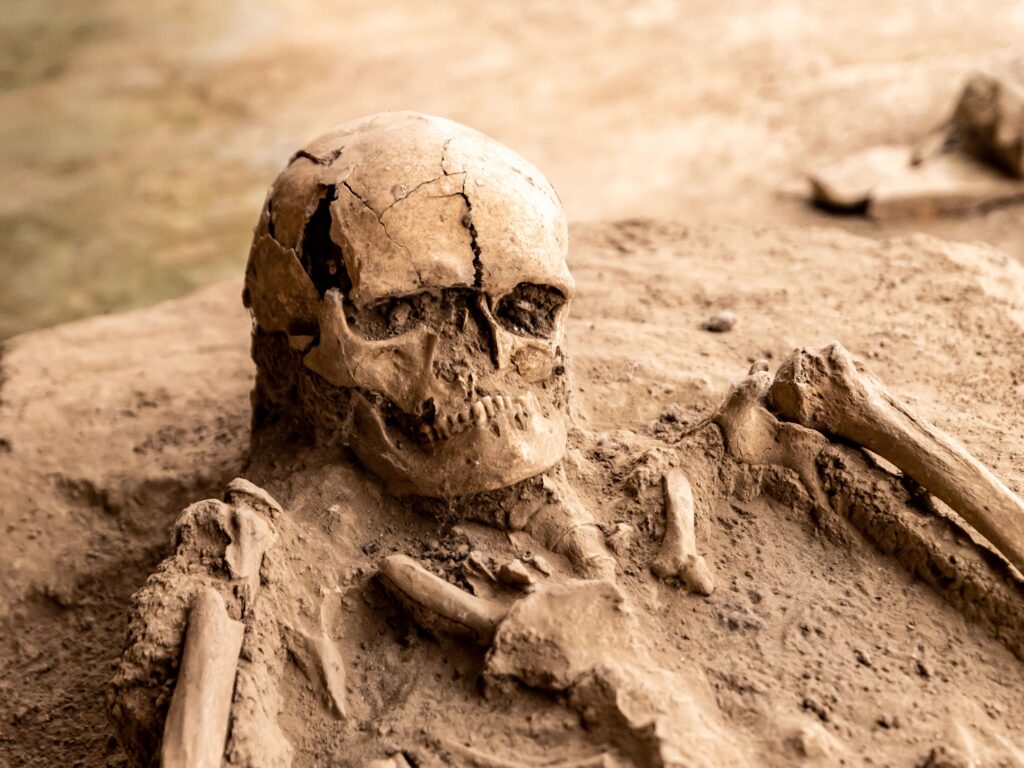
Long before a lab tech runs a carbon-14 test or a radiologist checks bone density on a CT scanner, a buried skull has already started talking. Most people assume identification begins with fancy equipment – swabs, machines, weeks of waiting for results. Forensic anthropologists know better: the skull does the heavy lifting first, quietly confessing sex, age, ancestry, trauma, and disease through nothing but shape, texture, and wear.
Here’s the part that surprises almost everyone who hears it for the first time: none of this requires a single test tube. A trained eye and a set of calipers can pull more information out of bare bone in twenty minutes than most people would guess is even possible. Keep reading, because by clue #8 there’s a real courtroom case that hinged on someone reading a fracture wrong – and it changed how forensic trauma analysis works to this day.
#1 – The Brow Ridge and Jaw Line Reveal Sex Almost Immediately
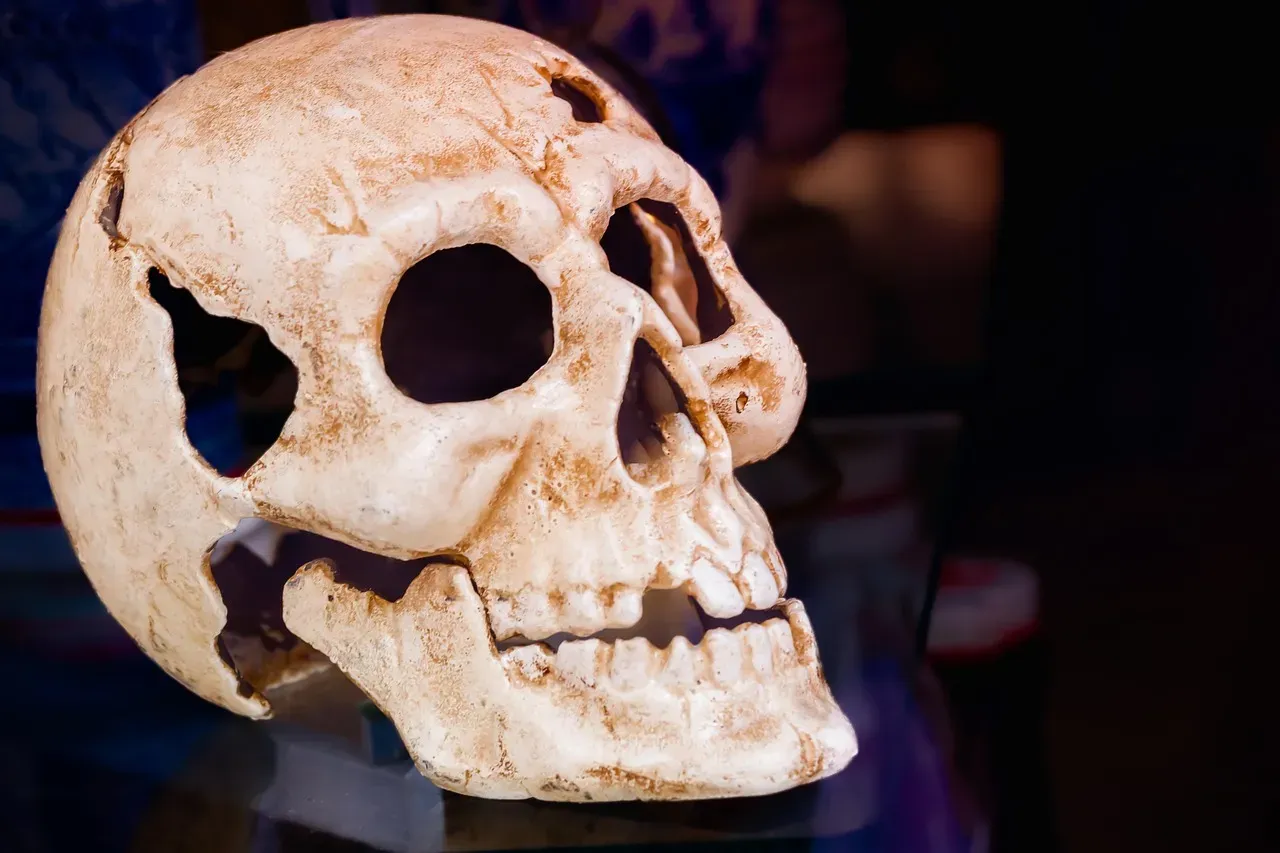
A skull’s biological sex is often the very first fact investigators pull, and they don’t need DNA to get there. Trained anthropologists look at the brow ridge, the mastoid process behind the ear, and the overall heaviness of the bone, and they can make an educated call within minutes.
Picture two skulls side by side. One is heavier-boned, with a pronounced ridge above the eyes and a squared jaw – male. The other is smoother, lighter, and more delicate through the brow – female. Robust versus gracile is the backbone of visual sex estimation, and it happens long before any measuring tool ever touches the bone.
The surprising part is how accurate this “eyeball” method actually is. One classic study using morphological methods to identify 750 skulls of known sex achieved a correct rate of 82-87%. That’s not a coin flip – that’s a trained eye reading bone architecture like a fingerprint.
Fast Facts
- Visual sex estimation from skull traits alone lands at 82-87% accuracy in classic studies
- Key markers: brow ridge thickness, mastoid process size, overall bone robustness
- Five sexually dimorphic cranial traits first cataloged by researcher Phillip Walker are still standard today
- No DNA test is needed to make this first-pass call
Modern forensic teams now pair this traditional approach with five sexually dimorphic traits of the skull first described by researcher Phillip Walker, and those traits are still routinely used in skeletal analyses today. It’s old-school observation backed by newer, more systematic checklists.
#2 – Skull Robustness Gets Trickier the Older the Remains Are
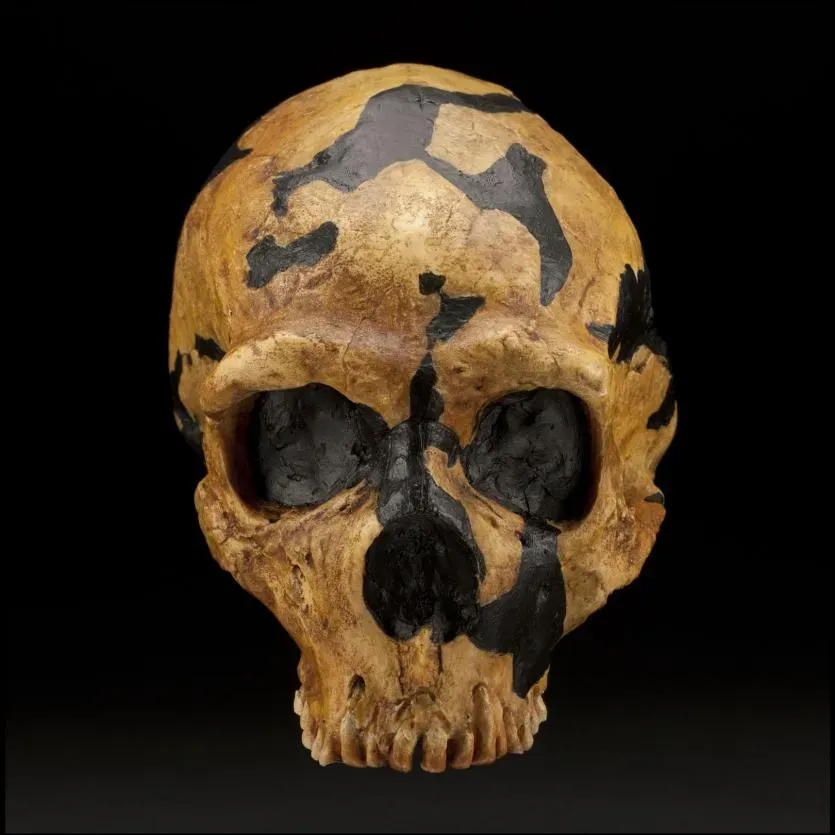
Here’s a twist most true-crime shows skip entirely: sex estimation isn’t as clean-cut once age enters the picture. Cranial bone doesn’t stay static – it keeps remodeling well into adulthood, which means the “textbook” male or female markers can blur over the decades.
Research has documented ongoing changes in the craniofacial complex tied to advancing age, since cranial remodeling never really stops after skeletal maturity. That means a heavily weathered, elderly skull can throw off even seasoned examiners if they lean too hard on brow ridge thickness alone.
This is genuinely controversial in forensic circles. Some experts argue morphological “eyeballing” should never be used as a standalone method for older remains, insisting on statistical backup instead. Others push back, saying trained intuition still outperforms software in ambiguous, borderline cases.
Either way, the fact that bone keeps changing shape decades after a person stops growing surprises most people. It’s exactly why forensic teams now combine visual traits with quantitative measurements before locking in a final sex determination.
#3 – Skull Sutures Are a Built-In Age Clock
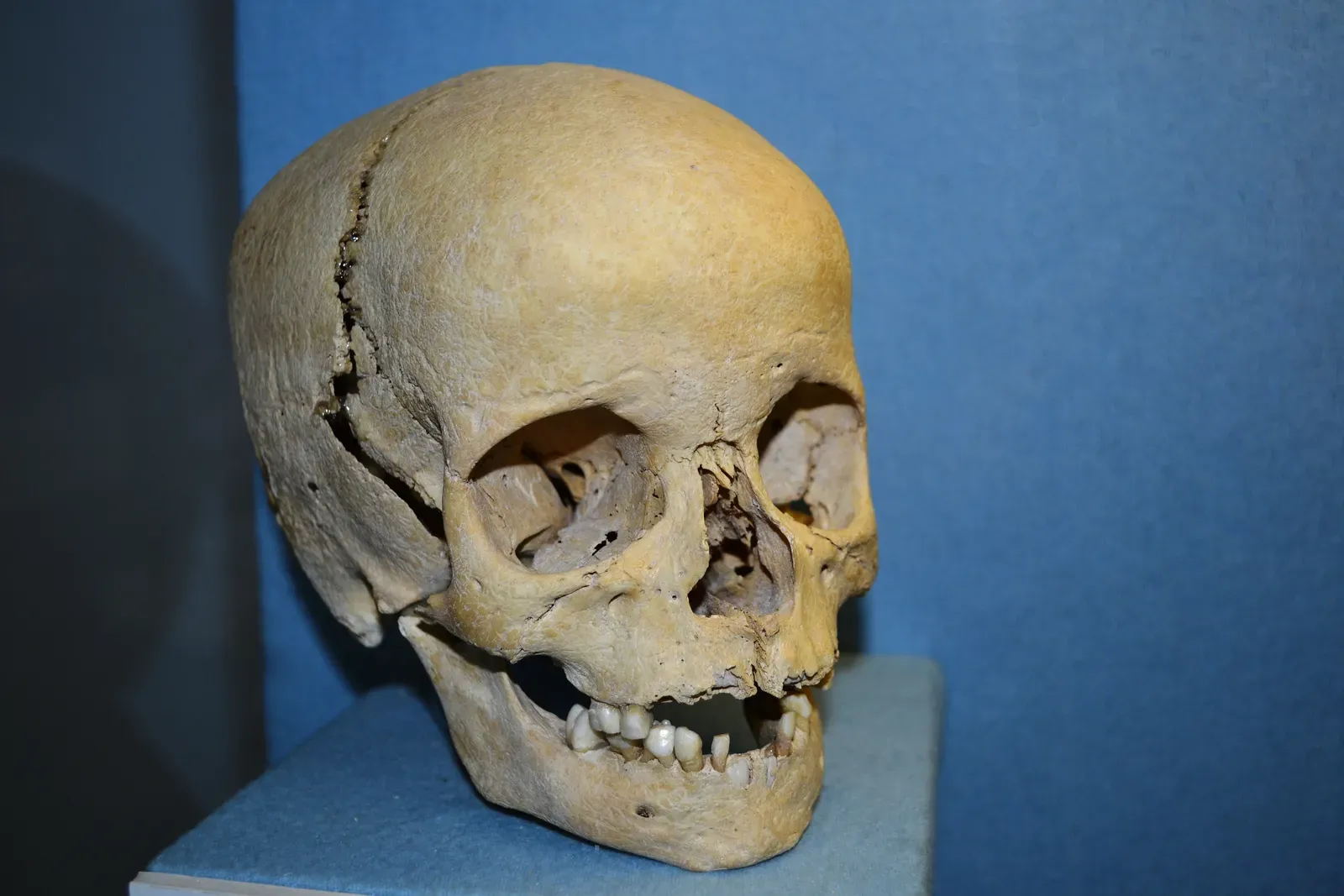
Long before anyone runs isotope testing, the jagged seams running across the top of a skull – called cranial sutures – are already ticking like a clock. These are the lines where separate skull plates fuse together, and they close in a fairly predictable sequence as a person ages.
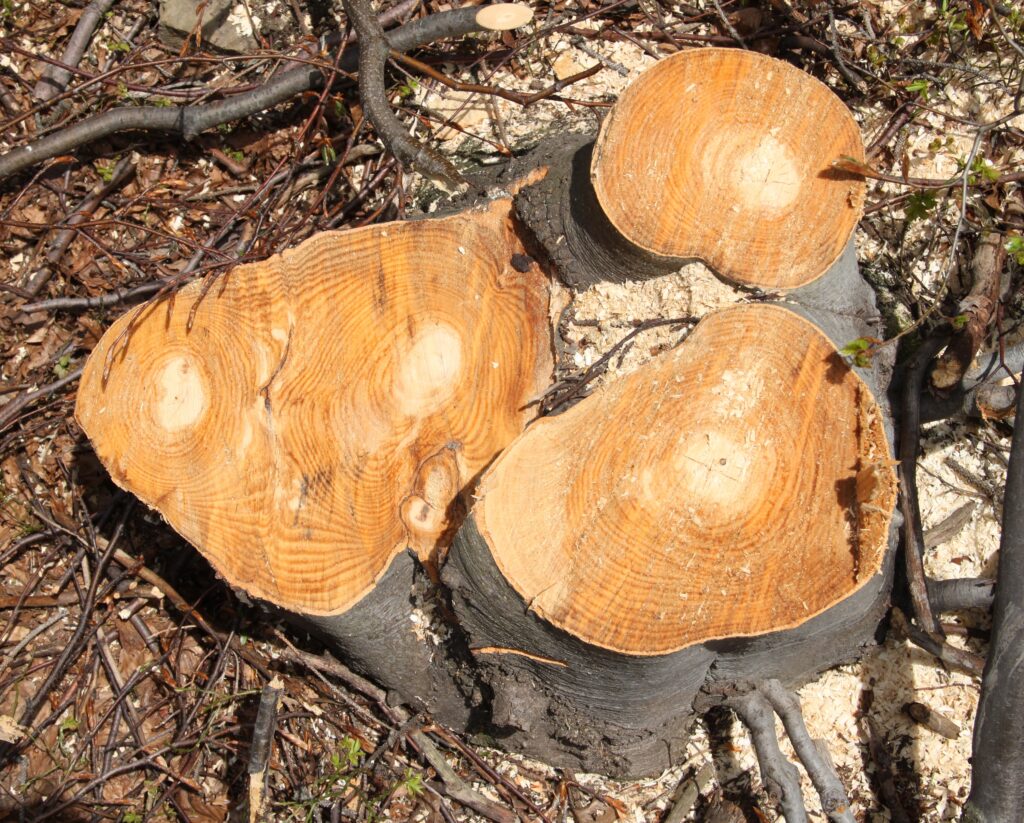
Investigators read the degree of suture closure the way you’d read growth rings on a tree stump. A wide-open suture points to a younger individual. A tightly fused, nearly invisible line suggests someone well into middle age or older, and it’s often the very first age clue pulled from a recovered skull.
But this method has real limits, and good anthropologists never pretend otherwise. Suture fusion varies wildly between individuals depending on genetics, physical stress, and even climate.
Because of that variability, suture closure is treated as a rough sketch rather than a verdict – a starting estimate that gets refined by teeth and other bone evidence gathered later in the examination.
#4 – Teeth Attached to the Skull Can Narrow Age Down to the Year
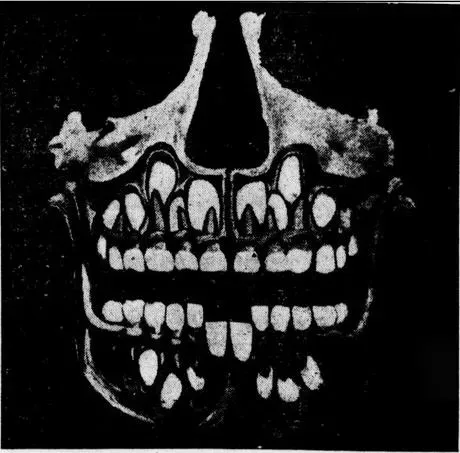
If sutures give a rough decade, teeth give something far more precise. The skull rarely arrives without a mandible and some dentition still attached, and teeth are some of the most reliable age markers in the entire human body.
Age estimation typically comes from the growth and development stages of bones and teeth, which reveals whether remains belong to a child or an adult. Sex determination usually leans on the pelvis when it’s available – but when only the skull survives, teeth take over as the true age star of the exam.
Tooth eruption sequences in children are famously exact; a forensic dentist can often nail down a child’s age within months. In adults, it’s wear patterns, enamel loss, and root transparency doing the talking instead.
The most surprising fact here is that molars alone can sometimes out-predict an entire skeletal age estimate. That’s exactly why forensic teams treat a skull with an intact jaw as a genuine goldmine, not a bonus.
#5 – The Nose Opening Hints at Ancestry Before Anyone Says a Word
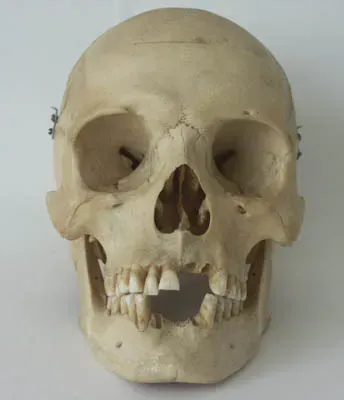
Ancestry estimation is one of the more debated corners of forensic anthropology, and it starts almost immediately with one small feature: the nasal aperture, the opening where the nose once sat.
The shape and size of that opening offer early clues. European ancestry typically shows a narrow, pointed nasal aperture. African ancestry more often presents a wider opening, while Asian ancestry tends to fall somewhere between the two, with distinctive detail around the nasal borders.
This is where things get genuinely contentious among scientists. Some argue these categories oversimplify enormous genetic diversity within continents, while others maintain the method still holds real statistical value for narrowing missing-person databases in practice.
Regardless of where you land on that debate, this tiny opening is usually the very first ancestry clue an examiner records – long before any lab work even begins.
#6 – Facial Projection Adds a Second Layer to the Ancestry Picture
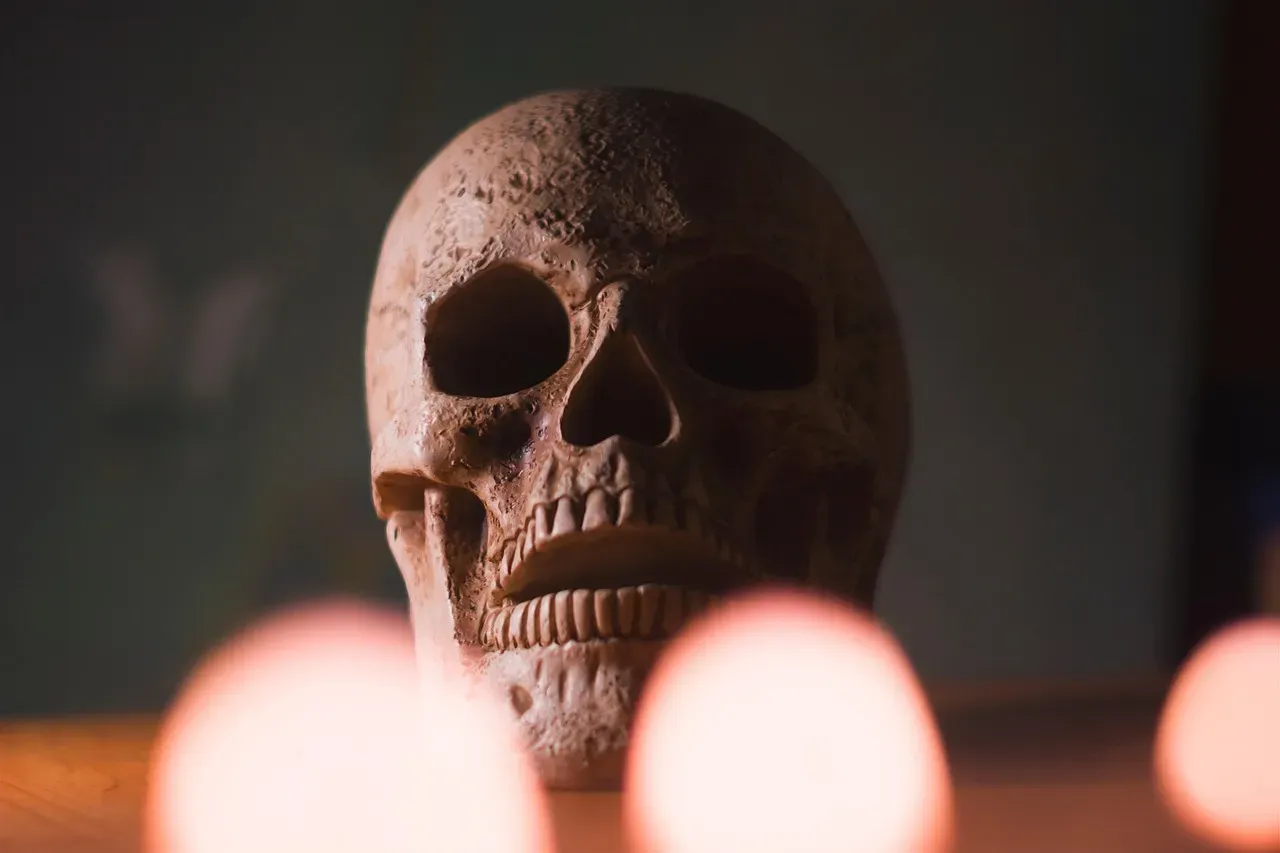
Once the nasal aperture is logged, the next thing examiners check is how far the face juts forward from the rest of the skull. This trait, called prognathism, plays directly into ancestry estimation.
Facial projection – the degree to which the face extends forward from the skull base – varies noticeably between ancestral groups. Prognathism tends to be more pronounced in individuals of African ancestry compared to those of European or Asian descent.
Quick Compare
- European ancestry: narrow, pointed nasal aperture; less pronounced facial projection
- African ancestry: wider nasal aperture; more pronounced facial projection
- Asian ancestry: intermediate nasal shape; intermediate facial projection
It’s a measurement, not a guess. Examiners calculate precise angles from fixed skull landmarks rather than relying on a visual “vibe check,” which keeps the process consistent across different labs and examiners.
Combined with nasal shape, facial projection is often enough on its own to give investigators a working ancestry hypothesis before dental records or DNA testing ever enter the picture.
#7 – The Shape of the Skull’s Dome Adds Yet Another Ancestry Signal
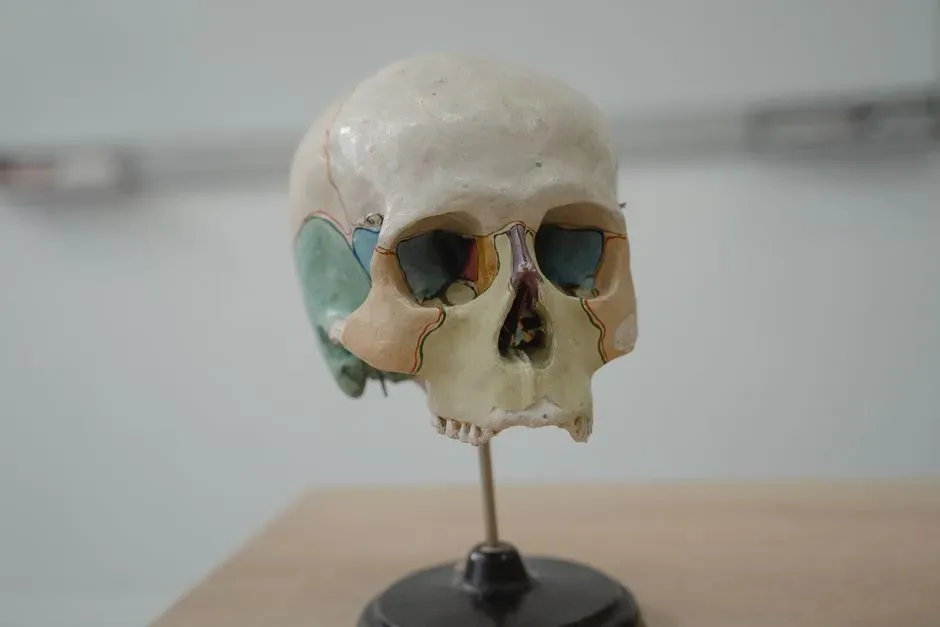
Ancestry estimation doesn’t stop at the face. The rounded dome sitting above the eyes and ears – the cranial vault – carries its own set of population-level clues that examiners check right alongside the nose and jaw.
Forensic anthropologists study the vault’s height, width, and general shape, because these traits vary consistently enough between populations that researchers have built entire measurement systems around them, like the cranial index still used in labs today.
The skull reflects ancestry differences better than most other bones in the body, which is exactly why it’s the go-to bone for ancestry work. Cranial index, vault shape, facial protrusion, and nasal bone shape are all stacked together rather than judged in isolation.
What surprises most people is that no single trait ever gets used alone. Examiners typically combine four or five vault and facial measurements before committing to any ancestry estimate at all.
#8 – Fractures Reveal Whether Trauma Happened Before, During, or Long After Death
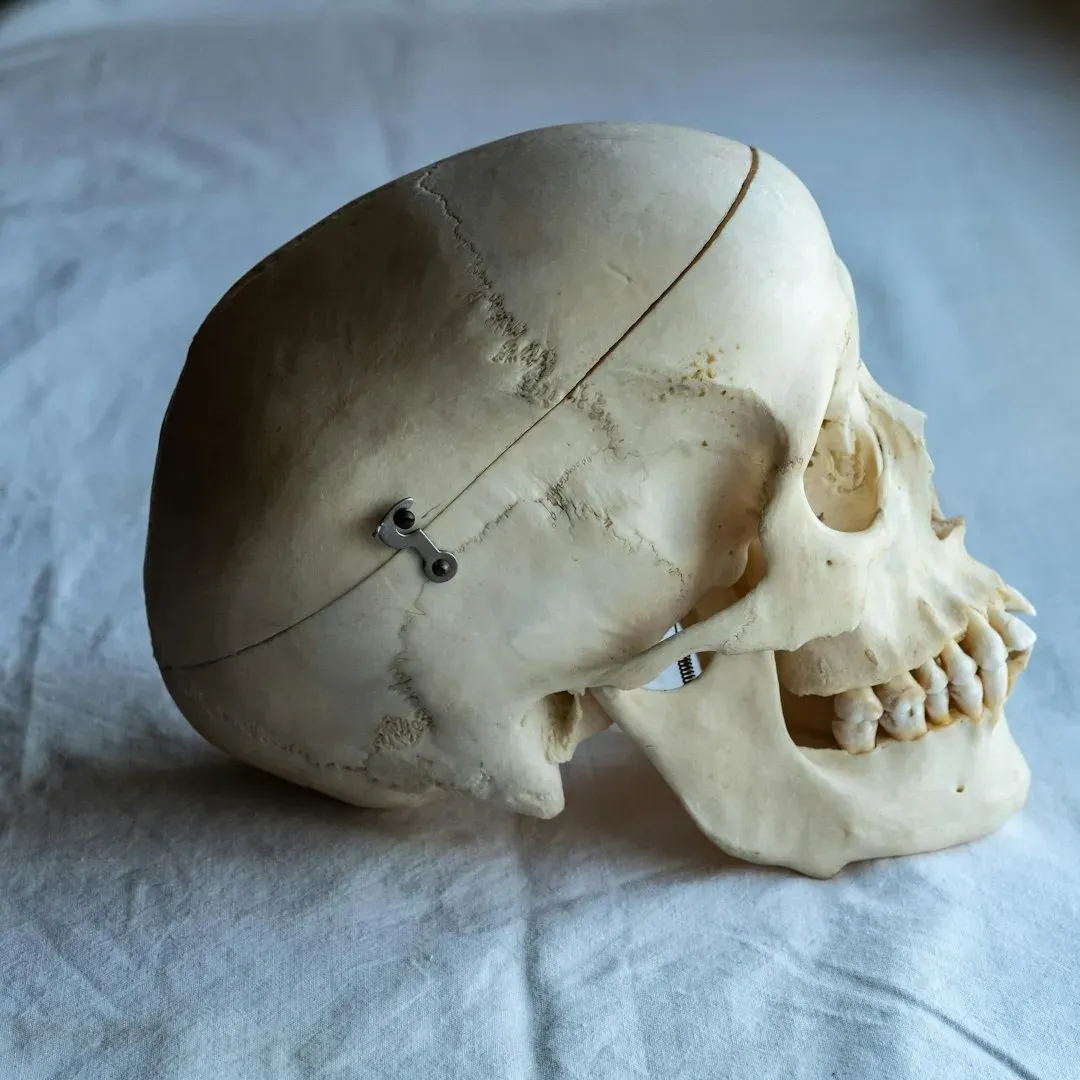
This is where a buried skull turns from a biology lesson into a genuine crime-scene clue. Fractures and breaks on bone don’t all look the same, and reading the difference is one of the most consequential skills in forensic anthropology.
By examining how bone responded to trauma – whether it shows healing or not – experts can tell whether an injury happened years before death or right around the time of it. A healed fracture with smooth, remodeled bone points to an old injury. A sharp, unremodeled break with zero healing response points to trauma at or near death.
History offers a genuinely wild cautionary tale here. A forensic anthropological review of a skull used as evidence in an 1895 homicide trial found that the prosecution’s entire argument likely rested on a misread transmaxillary, or Le Fort, fracture – a type of injury that hadn’t even been formally defined in medical literature yet.
The dead have no voice; they can speak only through the mouth of those who take up their cause.
Cicero
That single misread fracture may have shaped a real courtroom verdict, which is exactly why modern trauma analysis leans on strict, standardized criteria instead of gut instinct.
#9 – Disease Leaves Fingerprints on Bone Long Before Death
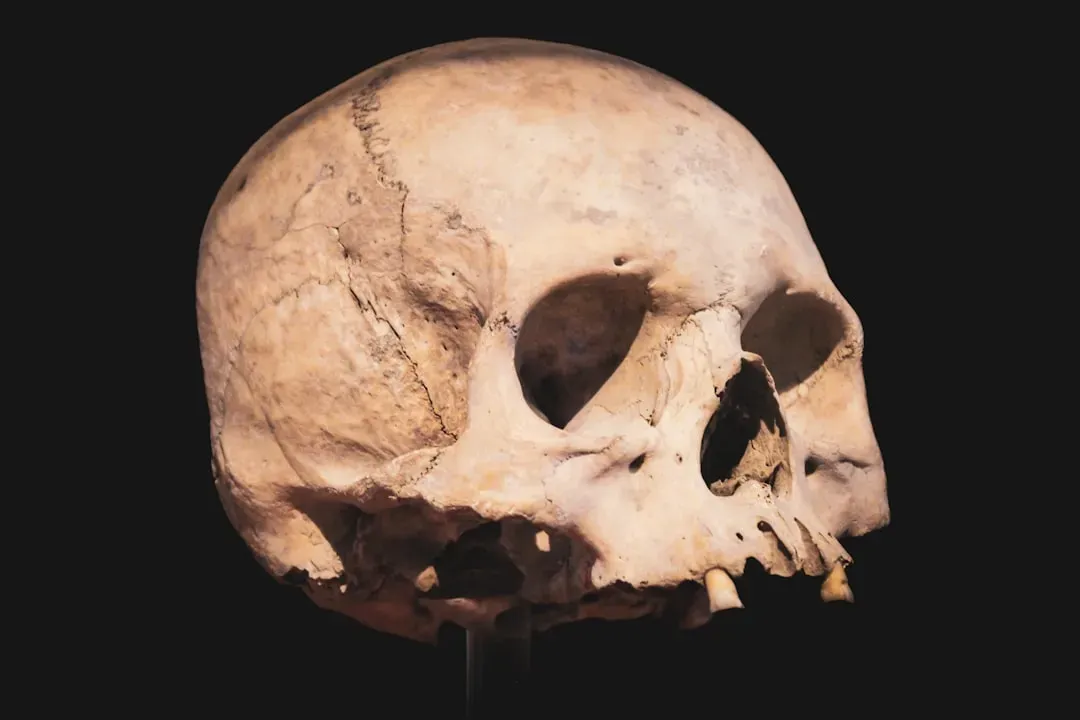
A skull doesn’t just record injuries – it records illness too. Chronic disease can physically reshape bone, and those changes are often visible the moment remains are unearthed, no lab required.
Pathology – disease showing up as physical structure in the body – appears in skulls as conditions like osteoarthritis, hyperostosis frontalis interna, and even acromegaly. Hyperostosis frontalis interna, for instance, causes visible bony thickening on the inside of the forehead bone, a condition many people carry for decades without ever knowing it in life.
Worth Knowing
- Osteoarthritis leaves pitting and roughened surfaces near skull-adjacent joints
- Hyperostosis frontalis interna thickens the inner forehead bone, often silently
- Acromegaly can enlarge and reshape facial bones through years of excess growth hormone
- These changes function as a partial medical history written directly into bone
The most eyebrow-raising part is how much can be diagnosed from bone texture alone. Pitting, thickening, and abnormal growths each point toward specific chronic conditions – sinus infections, hormonal disorders, even long-term infections that never fully healed.
Forensic teams treat these markers as a partial medical history, written in bone instead of paper records. In a way, the skeleton keeps a diary the person never got to read themselves.
#10 – Rare Anatomical Quirks Can Almost Fingerprint a Skull on Their Own
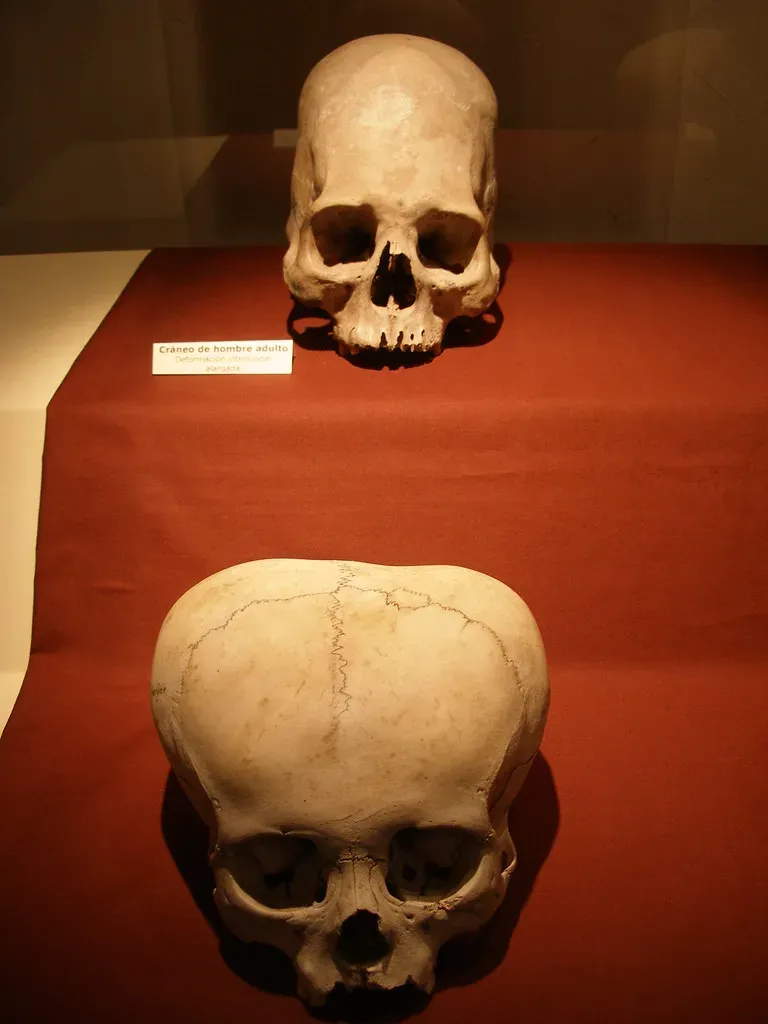
Some skulls carry an anatomical oddity so distinctive it practically functions as a signature. One of the best examples is the Inca bone – an extra bone fragment that sometimes forms at the back of the skull instead of fusing normally like it would in most people.
Because of its low prevalence and unusual morphological variability, the Inca bone can serve as a genuinely useful marker in both forensic identification and ancestry estimation. It’s rare enough, and shaped distinctly enough, that it narrows possibilities fast.
Here’s the catch that trips up even experienced examiners: this variant has to be carefully distinguished from an actual skull fracture. Get that call wrong, and the consequences ripple through the entire case.
Mistaking a rare anatomical quirk for a fresh injury could send an entire investigation down the wrong path. That’s exactly why forensic teams treat unusual sutures and extra bone fragments as red flags worth double-checking before drawing any conclusions.
#11 – Burial Conditions Stain the Skull Before Any Test Ever Touches It
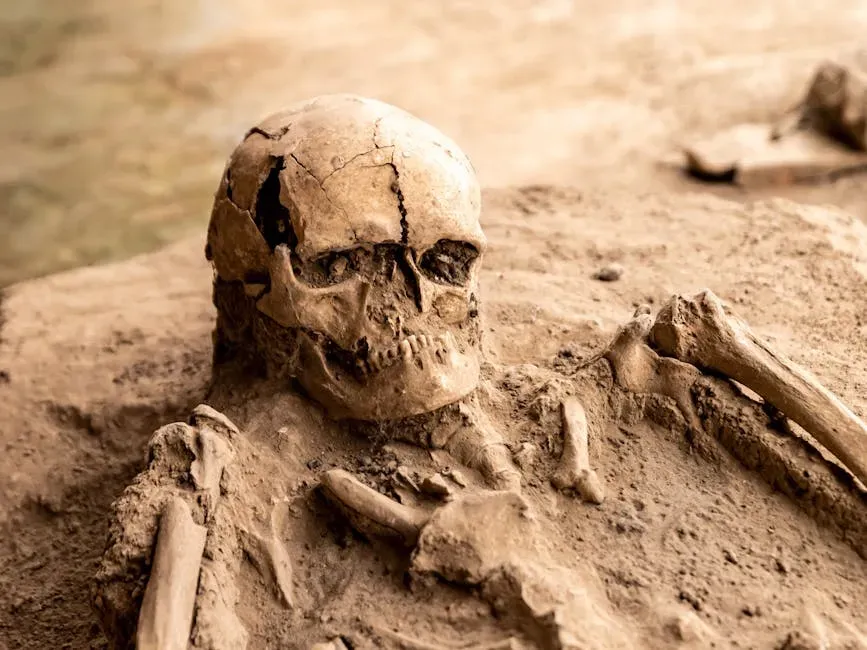
Before anyone runs a single scientific test, the skull’s surface has already been marked by its resting place. That’s the final clue examiners read before dating even enters the conversation.
Soil minerals, moisture levels, root activity, and even nearby decomposing material can stain bone in patterns unique to the burial environment. A skull recovered from acidic, waterlogged soil looks visibly different from one buried in dry, sandy ground for the exact same amount of time.
At a Glance
- Soil minerals can tint bone with distinct, lasting coloration
- Moisture and acidity levels alter surface texture and staining patterns
- Root activity can etch fine grooves directly into the bone surface
- Nearby decomposing material can leave chemical traces long before lab testing begins
These surface clues help investigators build a rough sense of burial context long before radiocarbon or isotope analysis confirms anything numerically. It’s essentially reading the dirt before reading the bone.
What most people don’t expect is how much this step matters for interpreting every other clue on this list. Discoloration patterns can mimic or mask pathology, complicate trauma analysis, and even throw off visual age estimates if examiners aren’t careful – it’s the quiet, unglamorous first step that shapes how everything else gets read.
The Bottom Line
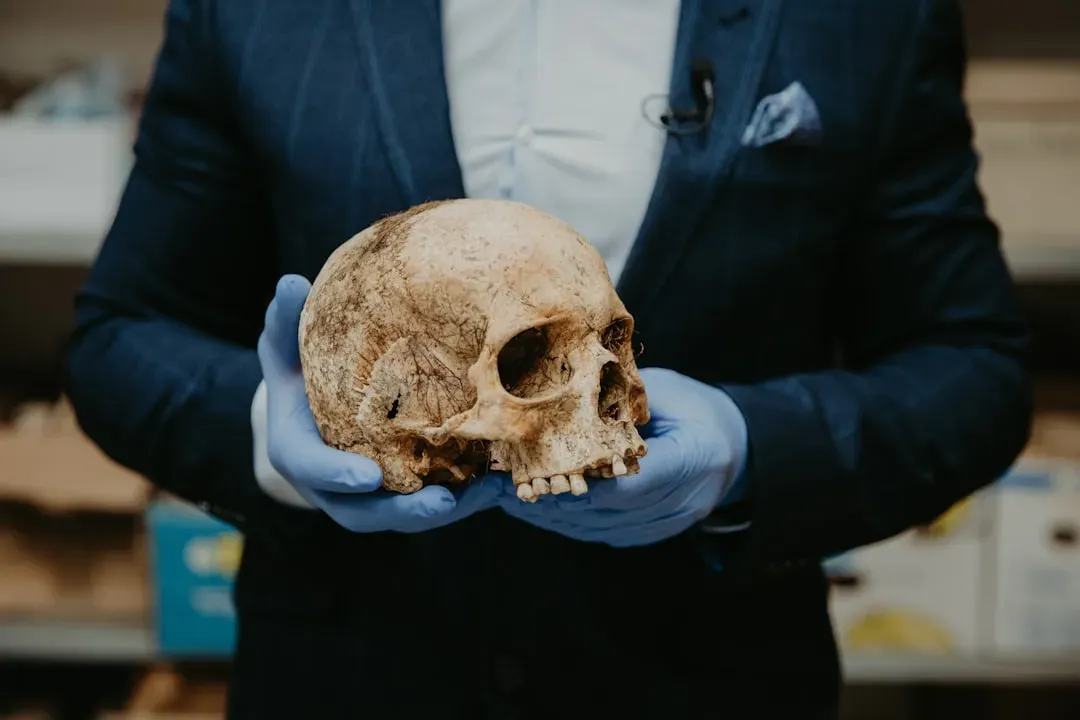
A buried skull is never a blank slate. By the time anyone reaches for a dating test, it has already handed over sex, a rough age, ancestry clues, trauma history, disease markers, rare anatomical quirks, and even a snapshot of its own burial environment.
Here’s my honest take after digging through how this actually works: the lab equipment gets all the credit on TV, but it’s the trained human eye doing the real detective work. Calipers, careful observation, and decades of accumulated pattern recognition consistently beat flashy machines to the first real answers – the machines just confirm what a good anthropologist already suspected.
That’s the part worth remembering. Forensic anthropology isn’t really a story about technology – it’s a story about how much a human skeleton is willing to tell, if someone finally takes the time to listen. Which of these eleven clues surprised you the most? Drop your take in the comments.