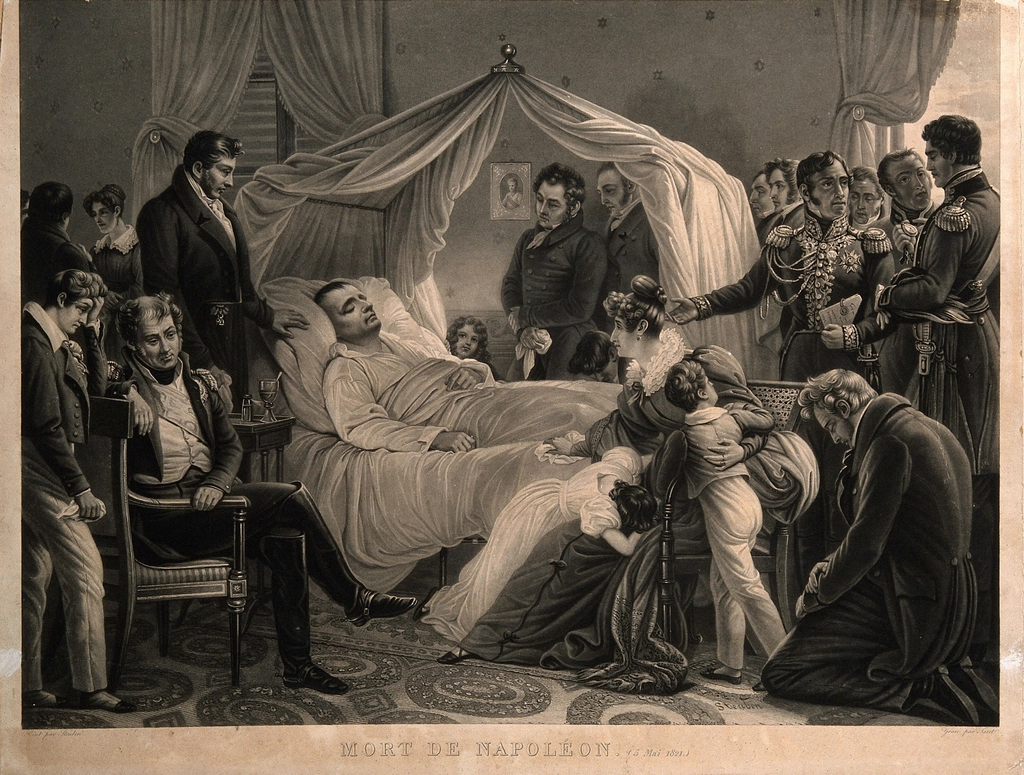
History is full of strange echoes, moments where two unrelated lives, deaths, or discoveries line up so neatly that they feel scripted. Most of the time these patterns fall apart under scrutiny, victims of selective memory and a very human hunger for meaning. But a handful of cases have proven sturdy enough that statisticians, historians, and even sociologists of science have sat down with the numbers and asked a genuinely hard question: how unlikely is this, really?
What follows are ten of those cases, the ones that outlasted casual dinner-party retelling and ended up in academic papers, probability textbooks, or formal investigations. Some hold up better than others once the math gets involved.
1. The Lincoln-Kennedy list that mostly doesn’t check out
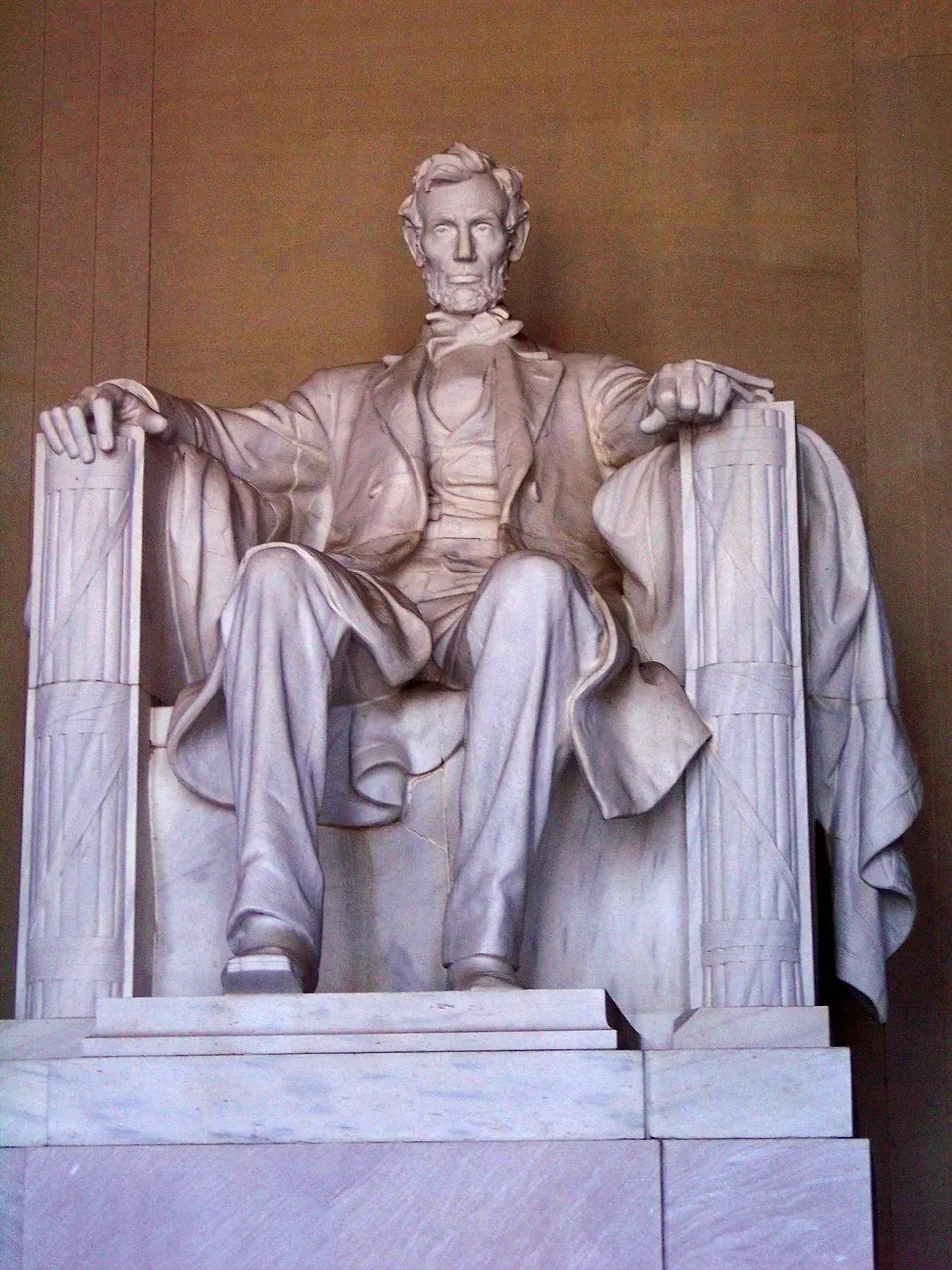
No coincidence in American history has been repeated more often than the supposed parallels between Abraham Lincoln and John F. Kennedy. The list first appeared in a Republican Congressional newsletter in August 1964, less than a year after Kennedy’s assassination, and Time magazine called it a compendium of curious coincidences, noting that Kennedy had been assassinated less than a year before its publication. Items included both men being elected to Congress a century apart and their surnames each containing seven letters.
The trouble is that historians and statisticians who actually checked the claims found most of them either exaggerated or invented. Historian Arthur M. Schlesinger Jr. was asked about the list in 1975, and his response was blunt: most of these so-called coincidences are simply not true. Analysts also pointed out something more revealing: the average length of presidential surnames is 6.64 letters, so two names sharing seven letters is a fairly trivial coincidence. It’s become something of a case study in how easily a compelling narrative outruns its own evidence.
2. Three presidents, one Independence Day
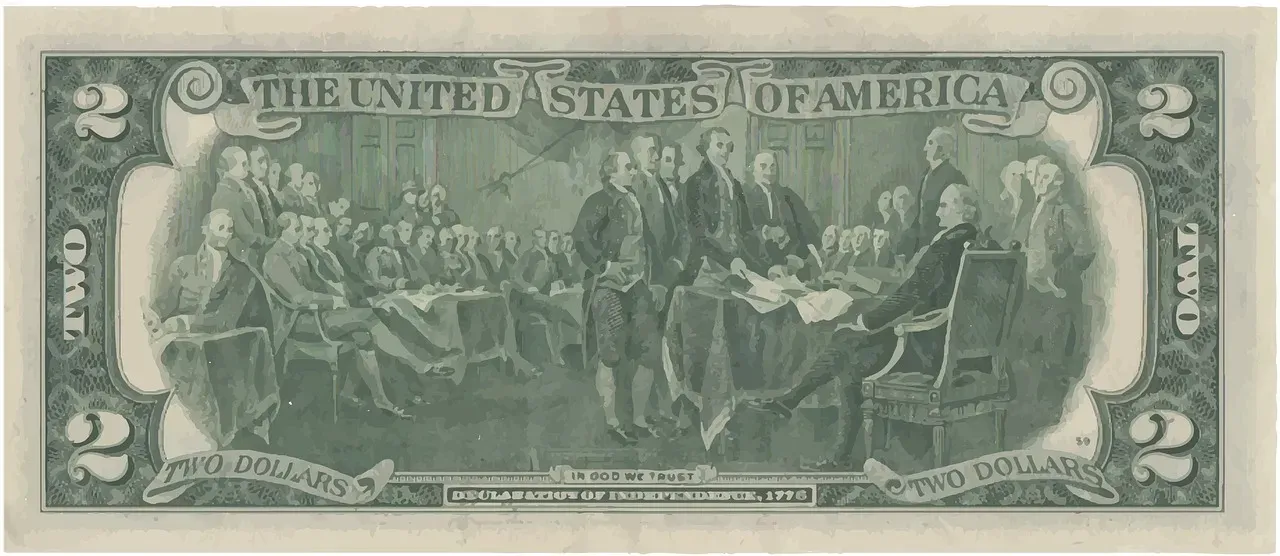
This one is not folklore. The Fourth of July is marked by the deaths of three separate founding fathers and early U.S. presidents, Thomas Jefferson, John Adams, and James Monroe, with Adams and Jefferson dying just hours apart on the exact same day, July 4, 1826, the 50th anniversary of American independence. Five years later, Monroe died on the same date. Newspapers at the time noticed immediately.
The Frederick, Maryland Town Herald marked Monroe’s passing in 1831 by noting that three revolutionary presidents had departed life on the anniversary of independence, calling it the most remarkable tissue of coincidences in the history of nations. Philosopher Margaret P. Battin later took the coincidence seriously enough to study it formally, though her conclusion was appropriately humble. She said that given the insufficient historical evidence available, we can’t know the truth about why Adams and Jefferson died on the same day. Modern probability estimates still put the odds of two deaths landing on the same calendar date at roughly one in 365, before even factoring in that the date happened to be the nation’s own anniversary.
3. Shakespeare and Cervantes, dying on the same date that wasn’t quite the same date
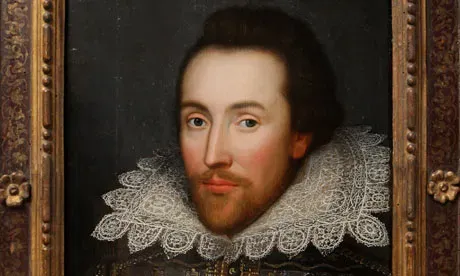
William Shakespeare and Miguel de Cervantes are both recorded as having died on April 23, 1616, a fact repeated in textbooks and used by UNESCO as the basis for World Book Day. It sounds like literature’s tidiest coincidence, two towering writers of the same era exiting on the identical calendar day. Scholars have long pointed out the catch, though, which is that England was still using the Julian calendar in 1616 while Spain had already switched to the Gregorian calendar.
That ten-day gap between calendars means the two writers actually died about a week and a half apart in real time, despite sharing a date on paper. Historians of science and calendar systems often cite this case as a useful teaching example of how easily a coincidence can be manufactured by mismatched measurement systems rather than genuine simultaneity. It doesn’t make the story less charming, but it does make it a cautionary tale about checking your units before declaring a miracle.
4. Mark Twain’s arrival and departure with Halley’s Comet
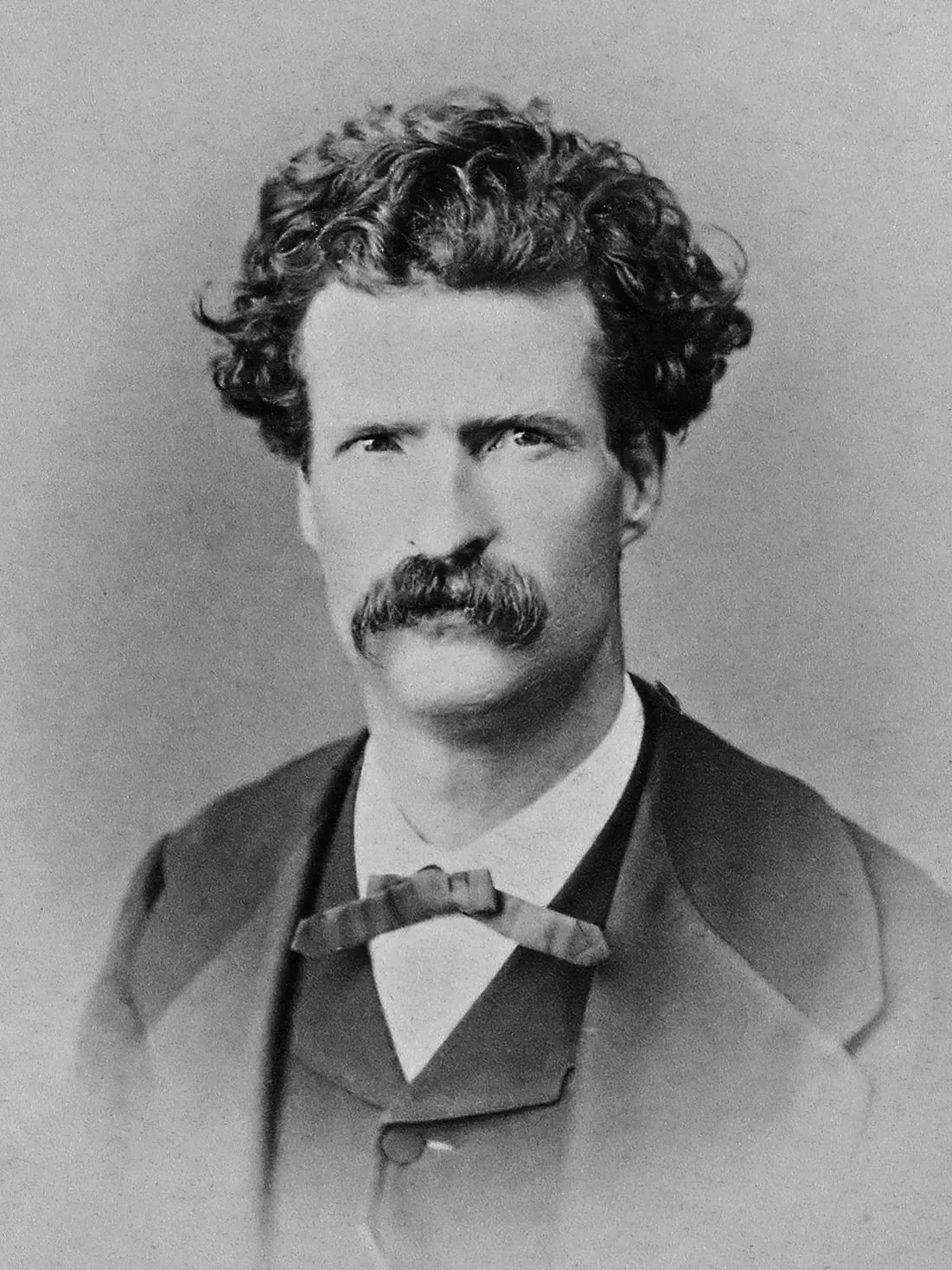
Samuel Clemens, better known as Mark Twain, was born in 1835, the same year Halley’s Comet passed close to Earth. Twain was born in 1835, the same year that Halley’s Comet appeared, and then he died in 1910, the next time the comet appeared, and that’s true. Twain seemed to sense the pattern himself well before his death.
He remarked in 1909 that he had come in with Halley’s Comet in 1835 and expected to go out with it when it returned the following year. He died on April 21, 1910, one day after the comet’s closest approach that year. Astronomers note the comet’s roughly 75 to 76 year orbital period makes this kind of bookend genuinely rare for any single human lifespan, which is part of why the story has survived as more than just literary folklore.
5. The novel that seemed to predict the Titanic
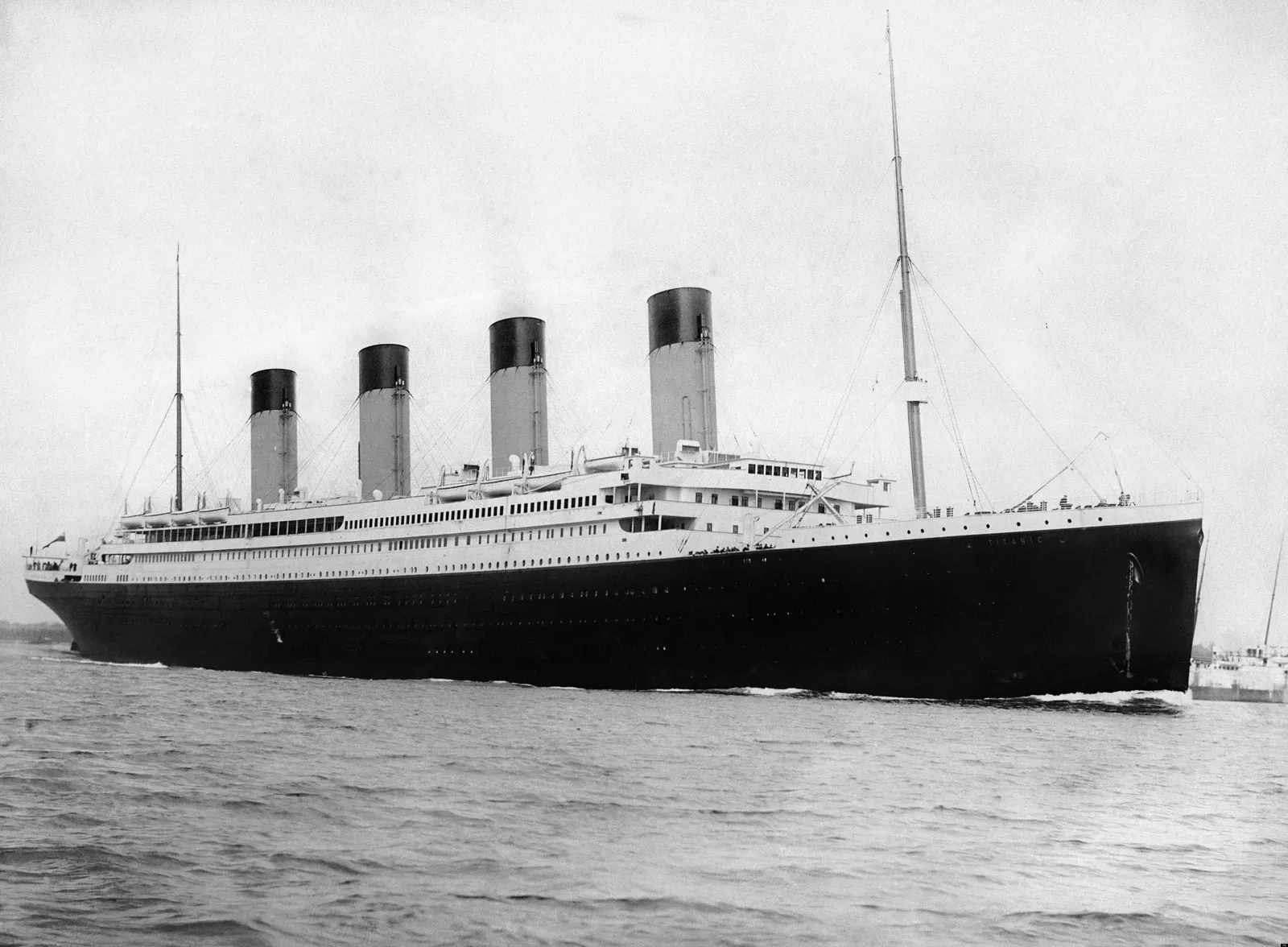
In 1898, fourteen years before the Titanic sank, American author Morgan Robertson published a novella called Futility, or the Wreck of the Titan. The fictional ship was enormous, was called unsinkable by its passengers, carried too few lifeboats, and struck an iceberg in the North Atlantic on an April night, sinking with massive loss of life. The parallels to the real Titanic disaster in 1912 are close enough in scale and specific detail that the book has been reprinted repeatedly under titles invoking prophecy.
Statisticians who have examined the case generally land on a less mystical explanation. Ocean liners of that era were genuinely trending toward greater size, and confidence in unsinkable engineering was a common talking point in maritime circles well before 1912, meaning Robertson was extrapolating from real trends rather than foreseeing the future. Even so, the sheer number of matching specifics, ship size, iceberg, April timing, insufficient lifeboats, has made this one of the most frequently cited examples in books about probability and pattern recognition, precisely because it sits in the gray zone between informed extrapolation and eerie luck.
6. The twenty-year presidential death pattern
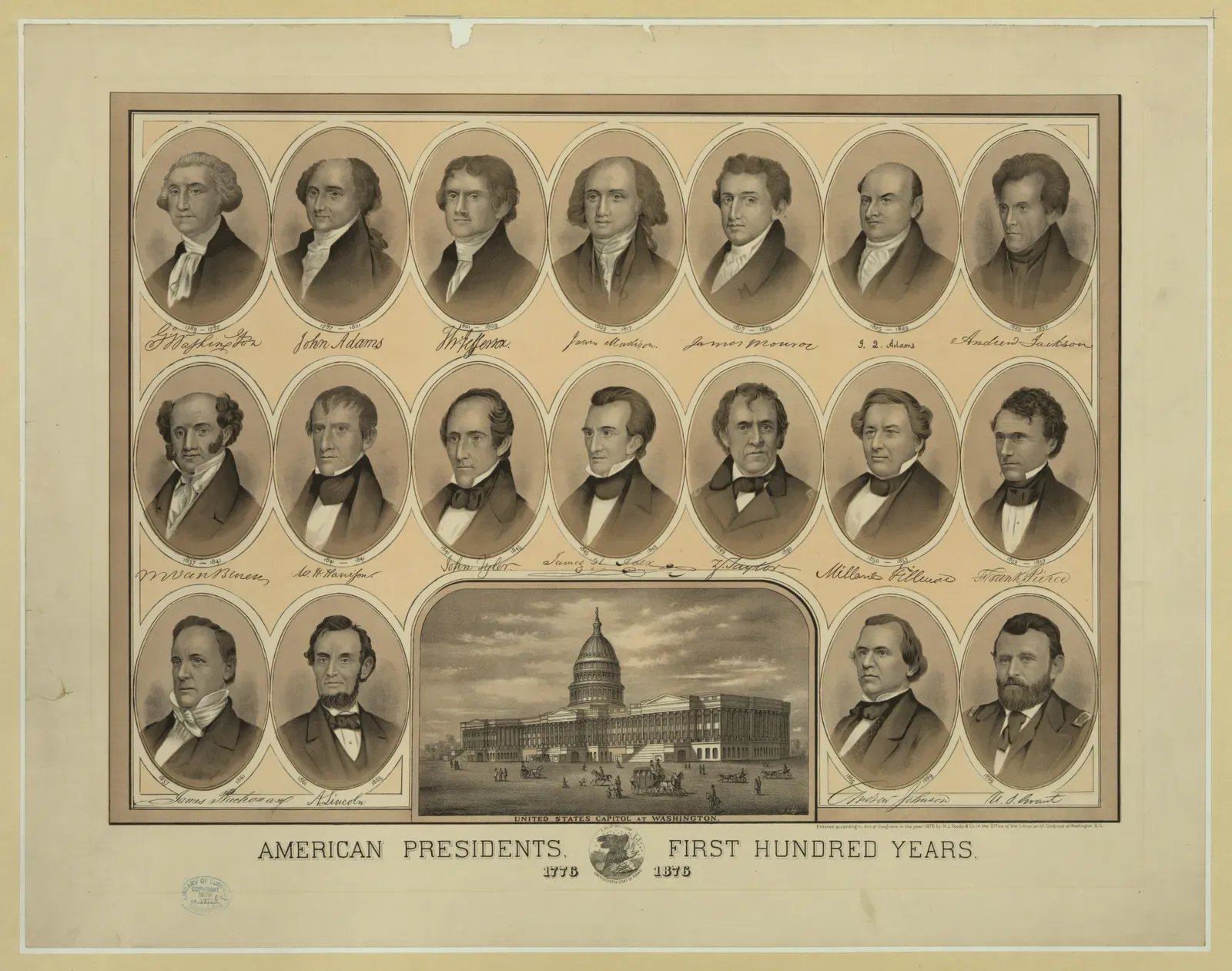
From 1840 to 1960, every American president elected in a year ending in zero died in office. William Henry Harrison in 1840, Abraham Lincoln in 1860, James Garfield in 1880, William McKinley in 1900, Warren Harding in 1920, Franklin Roosevelt in 1940, and John F. Kennedy in 1960 all fit the pattern, a run popularly nicknamed the Curse of Tippecanoe or the Zero-Year Curse. Some of these deaths were assassinations, others illness, which is part of what made the pattern feel less like coincidence and more like fate to a superstitious public.
Ronald Reagan, elected in 1980, survived an assassination attempt in 1981, breaking the streak for the first time in fourteen decades. Statisticians who later modeled the probability of seven consecutive zero-year presidents dying in office by pure chance found the odds low enough to be genuinely notable, though not so low as to require supernatural explanation once base mortality rates, historical assassination risk, and the small sample size of American presidents are all factored in. It remains a favorite teaching example for how a real pattern and a coincidental one can look identical from the outside.
7. When two scientists discover the same thing at once

Isaac Newton and Gottfried Leibniz independently developed calculus within years of each other in the late seventeenth century. A century and a half later, Charles Darwin and Alfred Russel Wallace independently arrived at the theory of evolution by natural selection at nearly the same moment, prompting a hastily arranged joint presentation of their ideas in 1858. These aren’t isolated incidents either, oxygen, the telephone, and the theory of natural numbers all have similar stories of simultaneous discovery attached to them.
Sociologist Robert K. Merton took this pattern seriously enough to build an entire academic framework around it, arguing that multiple independent discovery is actually the normal outcome of science rather than the exception, since ideas tend to become discoverable once the surrounding knowledge base reaches a certain point. Statisticians modeling scientific discovery as a process dependent on accumulated prior knowledge have found that clustering of this kind is mathematically expected rather than mysterious. It reframes what looks like coincidence as something closer to intellectual convergent evolution.
8. Napoleon and Hitler, a list built the same way as Lincoln and Kennedy
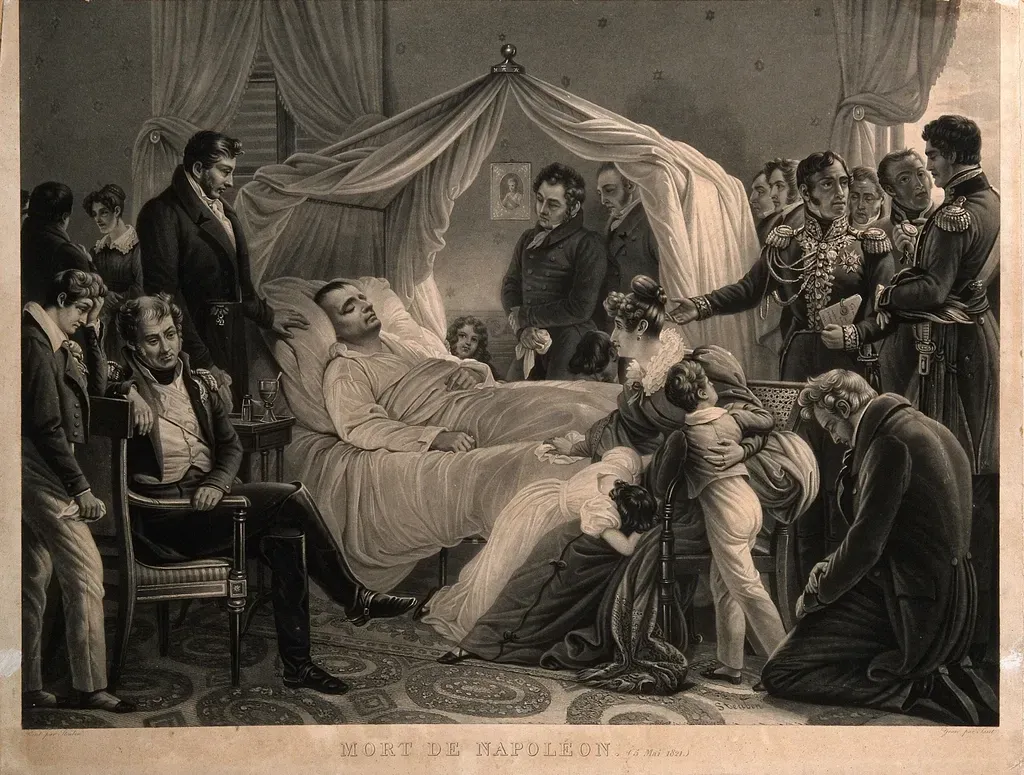
A similar viral list circulated comparing Napoleon Bonaparte and Adolf Hitler, noting that both rose to power in their respective countries, both invaded Russia, and both faced catastrophic defeat tied to the same geography. The list gained traction for the same reason the Lincoln-Kennedy version did, a genuine historical pattern of European military overreach into Russia dressed up with invented numerical flourishes to make it feel supernatural.
Historians who have examined the claims closely note that many of the more specific numerical parallels, birth years, ages at key events, and so on, don’t survive fact-checking any better than the Lincoln-Kennedy entries did. What remains genuinely interesting to military historians is the underlying pattern itself, since Russia’s climate and geography have humbled multiple invading armies across centuries for entirely explainable logistical reasons. The coincidence, in other words, is mostly a manufactured layer sitting on top of a real and well-understood strategic lesson.
9. The birthday paradox showing up in real crowds

Mathematicians have long known that in any group of just twenty-three people, there’s better than even odds that two of them share a birthday, a result known as the birthday paradox because it defies most people’s intuition. This isn’t a historical anecdote so much as a mathematical certainty that keeps surfacing in real historical contexts, courtroom jury pools, sports team rosters, cabinet meetings, and classroom groups, where shared birthdays are treated as spooky when they’re actually the expected outcome of the math.
The paradox has been used repeatedly in legal cases and forensic statistics to explain why seemingly rare matches, whether birthdays, DNA fragments, or lottery numbers, occur far more often across large populations than intuition suggests. It’s a useful corrective for many of the other entries on this list, since it demonstrates mathematically why history, given enough people and enough time, is guaranteed to produce apparent miracles on a fairly regular schedule.
10. Bulgaria’s lottery draws the same six numbers twice

On September 6, 2009, the Bulgarian national lottery drew the winning numbers 4, 15, 23, 24, 35, and 42. Then, the very next draw on the 10th of September, exactly the same numbers were drawn again. Bulgaria’s sports minister ordered a formal government investigation, suspecting the machine had been tampered with, and the story made international news within days.
Mathematician Michail Konstantinov calculated that the chance of the same six numbers coming up twice in two consecutive rounds was one in more than four million, but was not impossible, and the resulting investigation found no wrongdoing in the draw or the determination of winners. Statisticians writing about the case afterward pointed to a broader principle now often called the law of truly large numbers: with so many numbers colliding each week, the lottery might be the ideal proving ground for something statisticians have long recognized, that given enough opportunities, the seemingly impossible becomes plausible. It stands as maybe the cleanest modern example on this list of a coincidence that is both perfectly real and perfectly explainable at the same time.
What these coincidences actually teach us
Looking at all ten side by side, a pattern emerges that has nothing to do with fate. The coincidences that survive rigorous mathematical scrutiny, Jefferson and Adams, Twain and the comet, the Bulgarian lottery, tend to be the ones with a single hard, verifiable fact at their core rather than a long list of loosely connected details. The ones that fall apart, Lincoln-Kennedy and Napoleon-Hitler chief among them, tend to be built from dozens of small claims where a few true items get padded out with exaggerations until the whole thing feels more impressive than it actually is.
My honest take, after going through the math on each of these, is that the truly durable coincidences are almost more interesting once you strip away the mysticism. Darwin and Wallace arriving at evolution independently, or a president elected in a zero year facing genuinely elevated historical risk, say something real about how ideas spread and how history clusters events. The manufactured lists, meanwhile, say more about human pattern recognition than about the past itself. We are wired to find connections, and history, with its billions of overlapping lives and dates, gives us more than enough raw material to keep doing it. The real skill isn’t spotting the coincidence. It’s knowing which ones are worth taking to a mathematician in the first place.