Walk into any online forum about ancient history and mention the word Anunnaki, and you’ll get two wildly different reactions within minutes. One camp treats the term as shorthand for extraterrestrial visitors who supposedly built human civilization from scratch. The other, made up mostly of actual cuneiform scholars, sees a modest group of Mesopotamian deities whose story has been stretched far beyond what the clay actually says.
Somewhere between those two positions sits a stack of genuine ancient texts, some over four thousand years old, that do mention beings called the Anunnaki. What they say, and don’t say, is worth looking at directly rather than through the filter of decades of retelling.
1. The Eridu Genesis and the Sumerian flood account
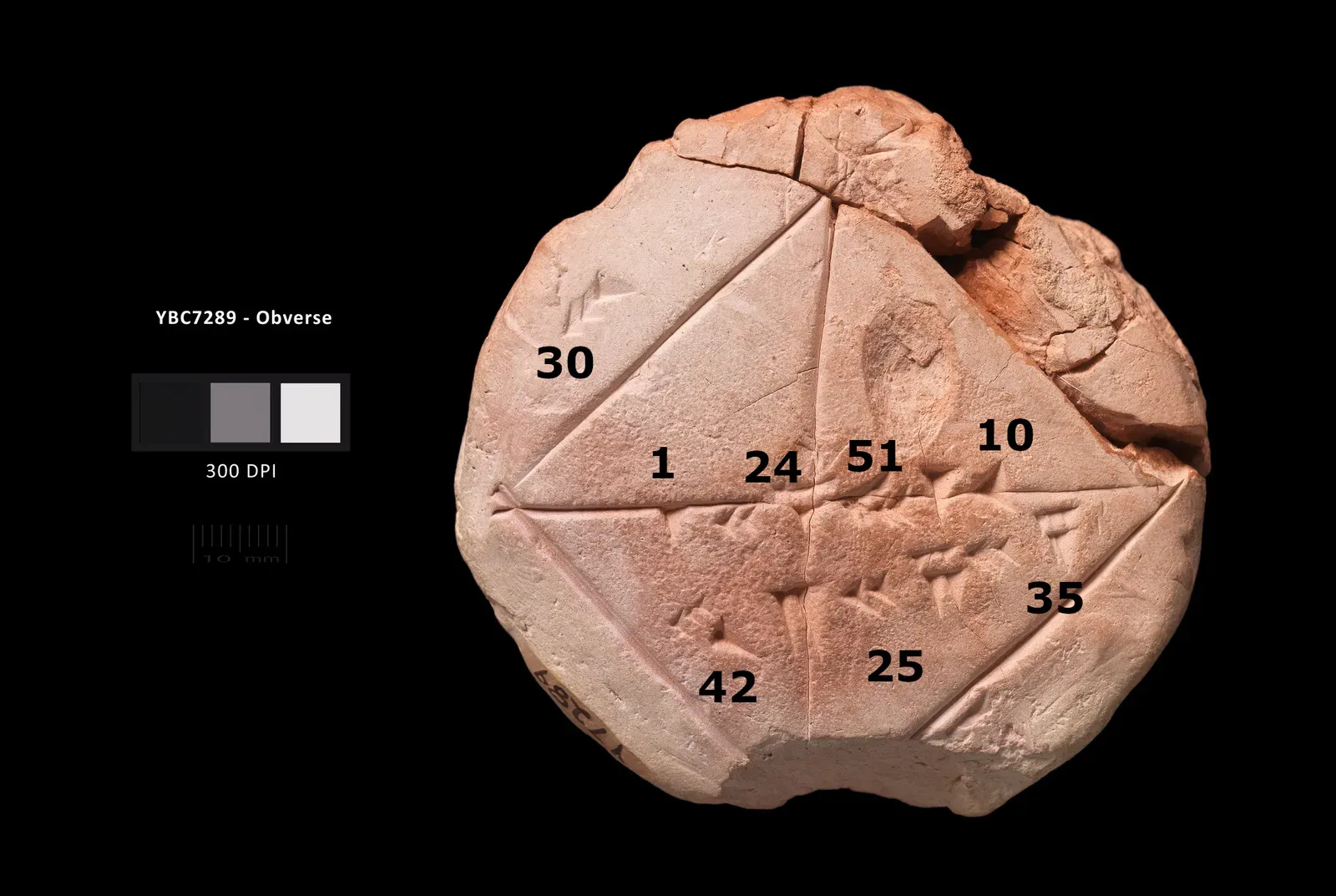
Among the oldest surviving references to divine assemblies making decisions about humanity is the fragmentary text scholars call the Eridu Genesis. It describes gods bringing civilization down from a sacred mountain to earth and hints at earlier generations of humans living as free wanderers before organized society took hold. The tablet is damaged in critical places, which has left plenty of room for competing interpretations of what exactly the gods were doing and why.
The Eridu Genesis resembles Atrahasis in some central aspects, recounting the dawn of civilisation and how the gods brought their various inventions down from a sacred mountain to earth. The narrative also draws on older Sumerian ideas about the separation of heaven and earth to explain the hierarchy among the gods. It’s a foundational piece for understanding how later, more famous texts about the Anunnaki actually developed.
2. The Atrahasis Epic and the labor dispute among the gods
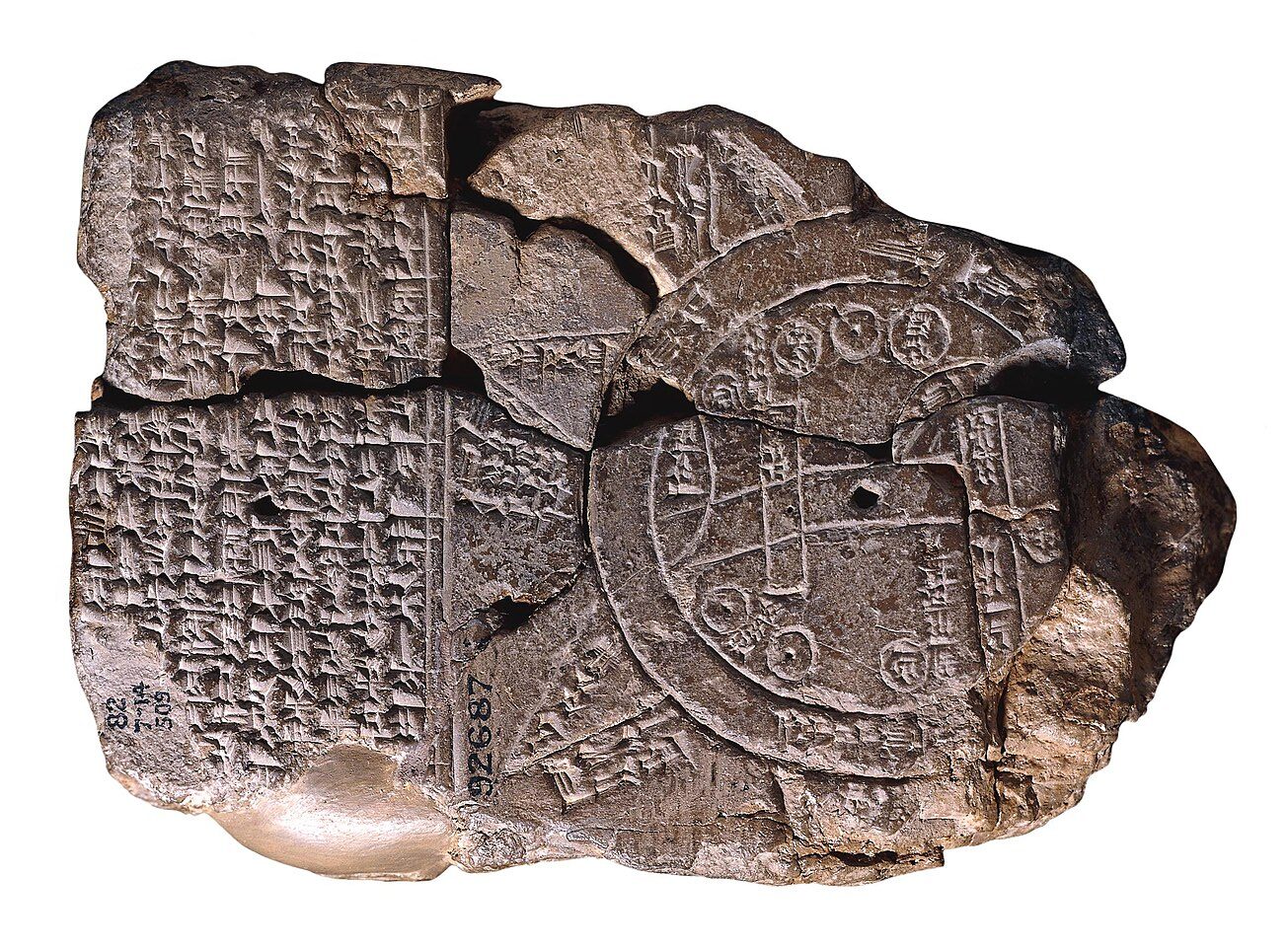
This is arguably the single most cited tablet in the modern Anunnaki debate, and for good reason. The story lays out a divine labor arrangement in fairly stark terms, with senior gods assigning grueling physical work to a lower tier of deities. When that lower tier revolts, the solution the gods come up with is to create humans to take over the burden.
Anunnaki here function as senior gods who assigned and oversaw that labor, and the flashpoint comes when the Igigi burned their tools and surrounded Enlil’s house by night, with humans eventually created to take over the manual work. This is the single tablet most cited by ancient astronaut proponents as proof of genetically engineered slave labor, since the industrial framing of the dispute feels oddly modern. Yet mainstream Assyriologists read it as a myth explaining why humans exist and why we’re mortal, a divine labor negotiation rather than a biotech memo.
3. The Epic of Gilgamesh and its flood tablet
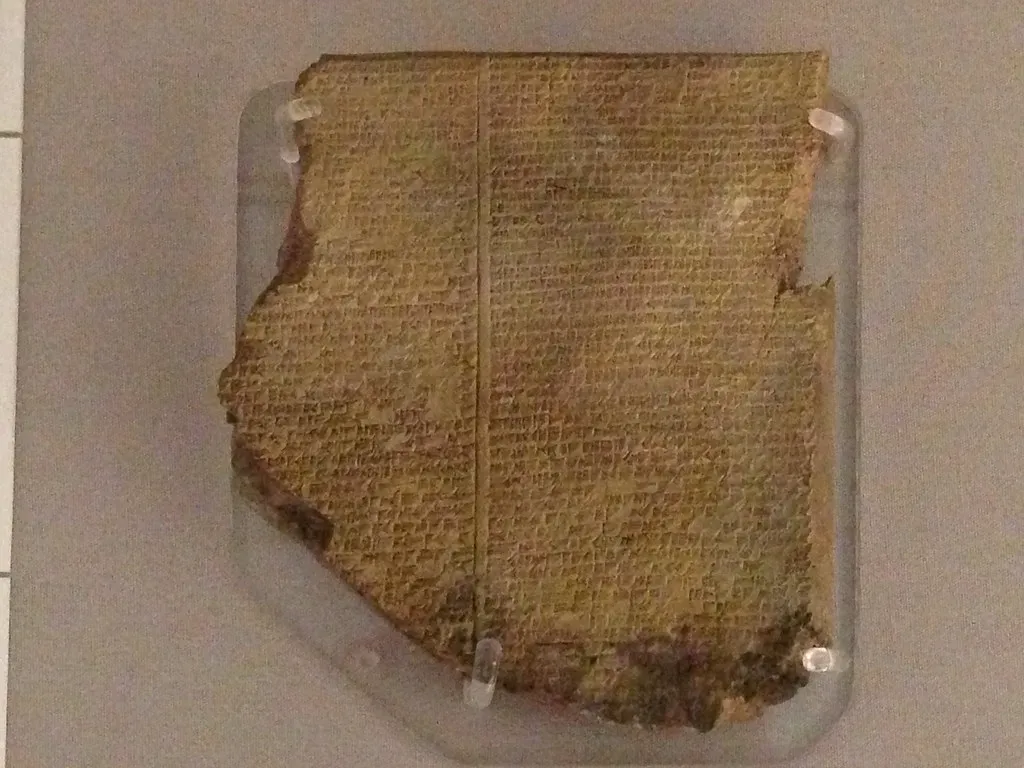
Tablet XI of the Gilgamesh epic contains the famous flood narrative, where a divine council decides to wipe out humanity and one favored man is warned in time to build a boat. The Anunnaki show up here too, though in a supporting role rather than as the main actors driving the plot. Their presence signals that whatever judgment is being handed down carries the full weight of the pantheon.
Elsewhere in the same epic, the term resurfaces in an unexpected way. In the Epic of Gilgamesh, the phrase judge of the Anunnaki is mentioned as a title of Gilgamesh, though the surviving text is unfortunately in broken context. That gap in the tablet is a good reminder of how much of this material survives only in fragments, which leaves plenty of blank space for later writers to fill in however they like.
4. Enki and the World Order and the fate-deciding council
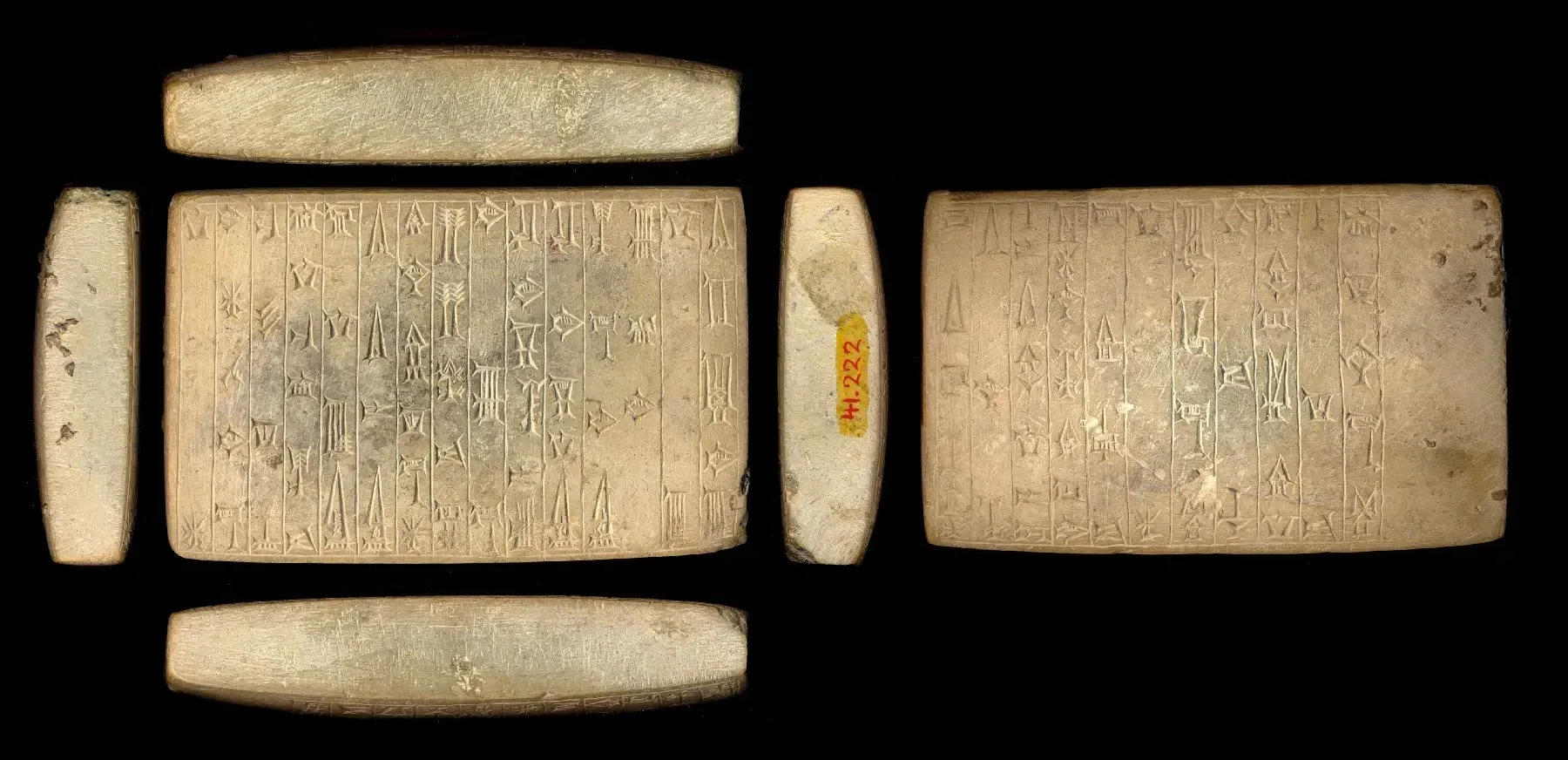
This Sumerian composition focuses on the god Enki organizing the natural and social world, assigning rivers, crafts, and cities their proper roles. The Anunnaki appear as a kind of governing council whose approval matters for how the cosmos gets arranged. It’s less dramatic than a flood story, but it’s one of the clearer sources for what the Anunnaki were actually thought to do day to day.
The Sumerian myth Enki and the World Order suggests that one of their main functions in early mythology was to decide the fates of human beings, and they were initially associated with the heavens before literary and administrative texts reflected an increased role for the Anunnaki in earthly affairs. That shift from purely celestial figures to gods with earthly administrative duties matters, because it undercuts the idea that they were always imagined as distant, otherworldly beings.
5. The Enuma Elish and the six hundred assigned gods
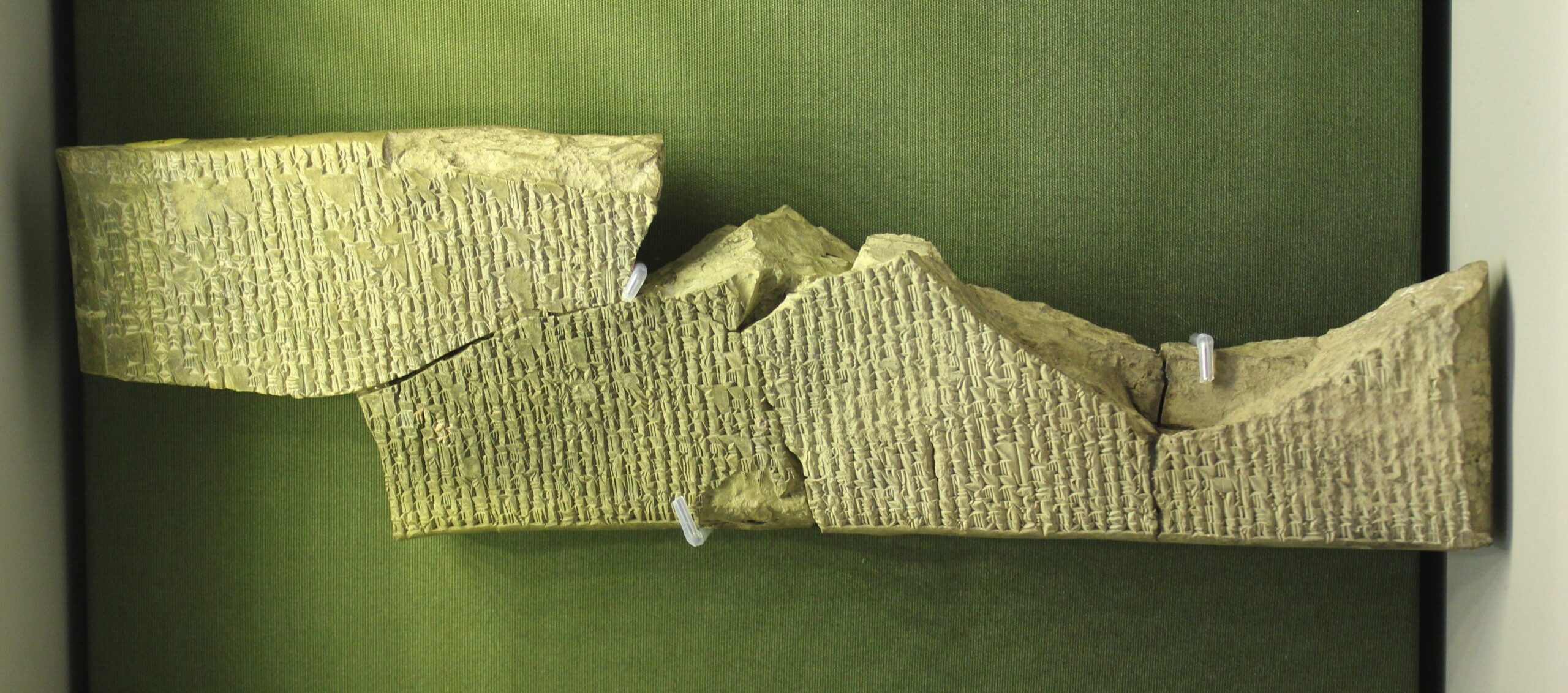
Known in English as the Seven Tablets of Creation, this Babylonian epic gives the most numerically specific account of the Anunnaki in the entire corpus. After the god Marduk defeats the primordial goddess Tiamat in cosmic battle, he doesn’t just claim victory, he reorganizes the entire divine bureaucracy. Tablet VI of the text narrates how Marduk assigned three hundred Anunna gods for duty in the heavens, and the same number for duty in the netherworld, giving a total of six hundred Anunna gods.
After defeating Tiamat, Marduk reorganizes the universe and assigns specific duties to the Anunnaki, who acknowledge him as supreme and help build his temple in Babylon, a story that helped legitimize Babylon’s political power by showing even the great Anunnaki submitting to Marduk. That’s a detail most viral internet posts skip over entirely. This tablet reads far more like political propaganda justifying Babylon’s rise to dominance than any kind of astronomical record.
6. The Sumerian King List and its impossibly long reigns
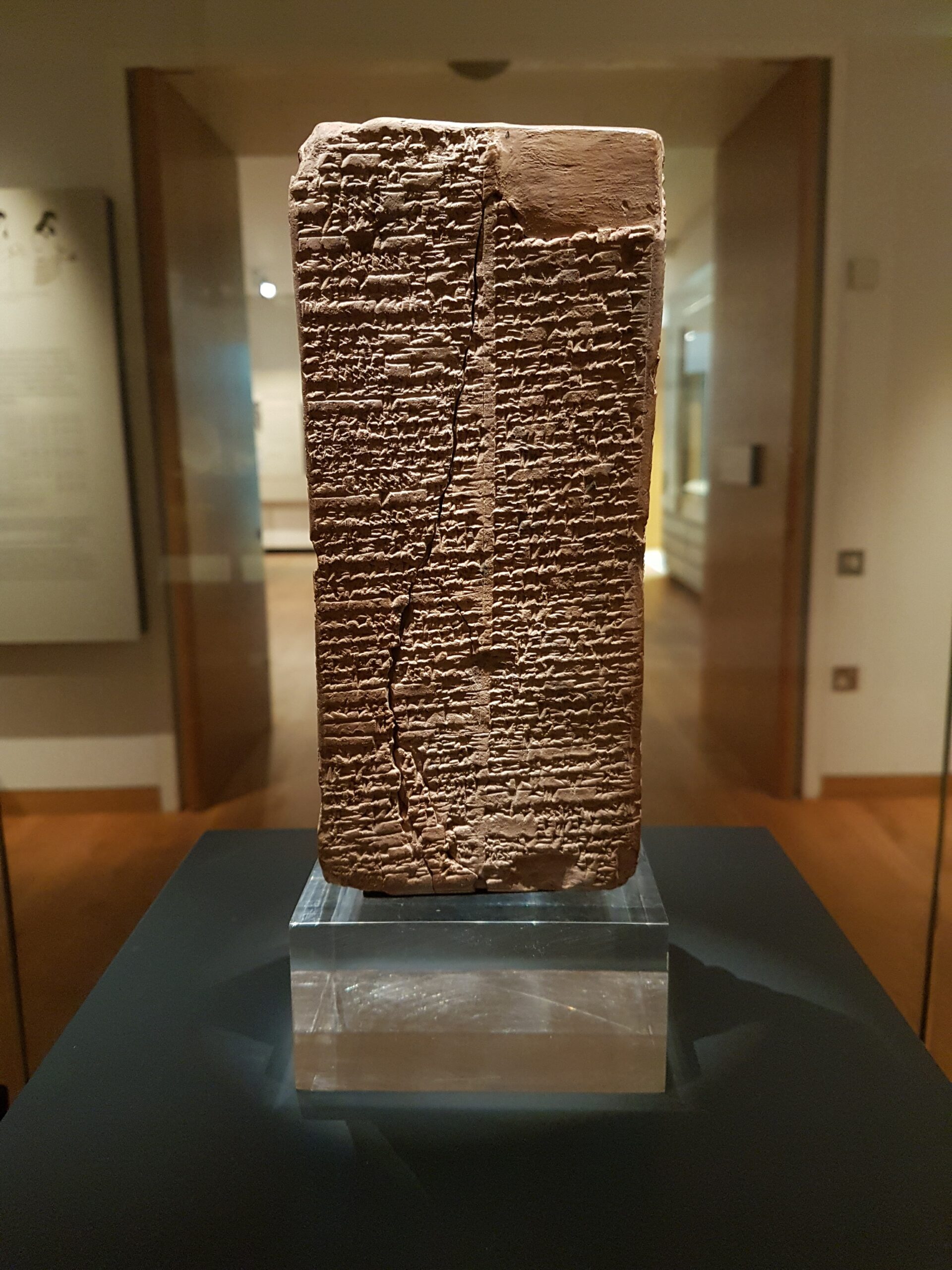
This administrative document catalogs rulers stretching back before a great flood, and some of those reigns are listed in the thousands of years. It’s not a myth in the traditional sense, more a chronicle, which makes its strange numbers even harder to dismiss casually. The Sumerian King List catalogs the reigns of kings before and after a great flood, with some reigns listed as lasting thousands of years, suggesting superhuman longevity.
Naturally, this has become fertile ground for speculation. Ancient astronaut proponents argue that these kings might have been Anunnaki or their direct descendants possessing advanced lifespans due to alien origins, while skeptics see the list as symbolic, representing dynastic continuity rather than literal rule, though the uncanny numbers continue to puzzle historians and enthusiasts alike. Both camps are working from the same document, which tells you something about how much interpretation these ancient sources actually require.
7. The Nineveh tablet hoard from Ashurbanipal’s library
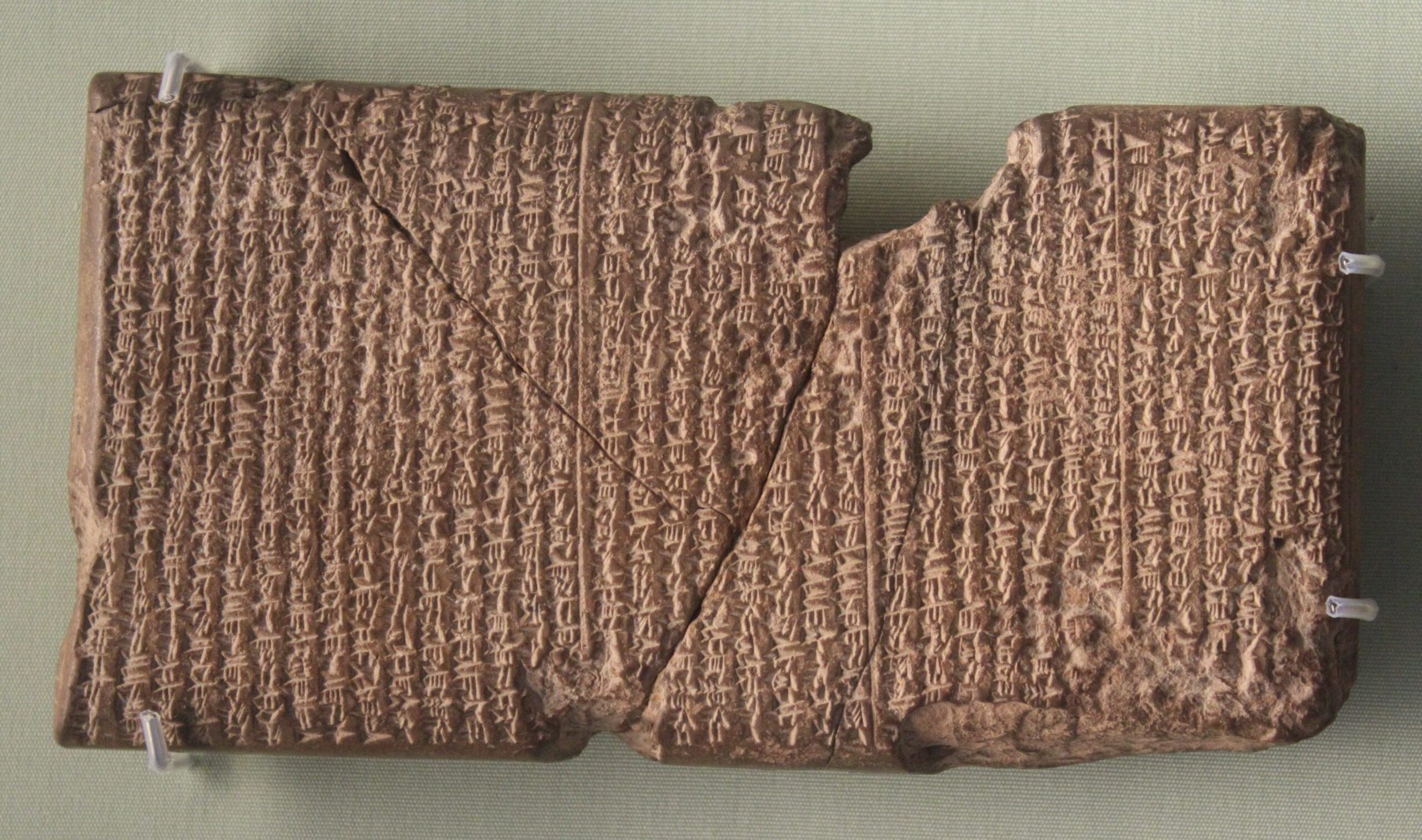
Most online arguments about the Anunnaki skip past the question of where the physical evidence actually comes from, and the scale of it deserves more attention than it usually gets. Cuneiform tablets excavated from the Library of Ashurbanipal at Nineveh include compositions like the Enuma Elish epic, which depicts the Anunnaki as a divine assembly participating in cosmic order and judgment.
The Assyrian copies of these works come from the great library founded at Nineveh by Ashurbanipal, king of Assyria from roughly 668 to 626 BC, with Babylonian copies and extracts inscribed during the period of the kings that followed. This archive is essentially the backbone of everything scholars know about later Anunnaki texts. Without Ashurbanipal’s obsessive collecting habit, a huge portion of this mythology would simply not have survived into the modern era at all.
8. The Poem of Erra and a rare distinction among divine ranks
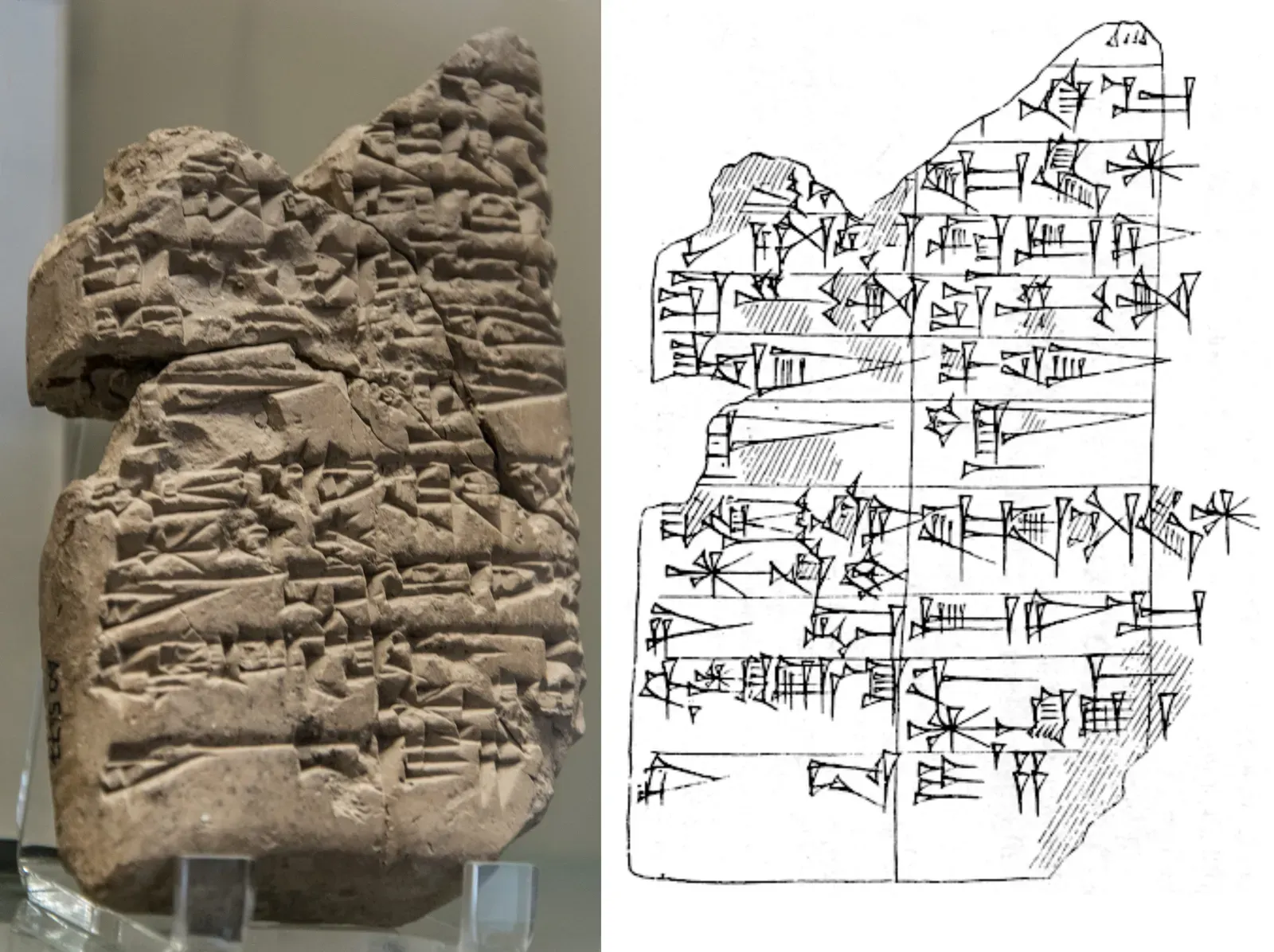
This lesser known Akkadian composition deals with plague, chaos, and the god Erra’s destructive rampage across the land. It’s not as famous as Gilgamesh or the Enuma Elish, but it offers something valuable that those bigger texts don’t always clarify. In the Poem of Erra, across multiple tablets, the Igigi are clearly separated from the Anunna.
That distinction matters more than it might seem at first glance. In some cases, Igigi seems to have the same meaning that Anunna had in Sumerian texts, and it appears there was some confusion surrounding this term already in antiquity. So the ambiguity around who exactly counts as Anunnaki isn’t a modern problem invented by internet theorists. It was already a live question for the scribes writing these tablets thousands of years ago.
9. The city pantheon texts and the fifty Anunna of Eridu
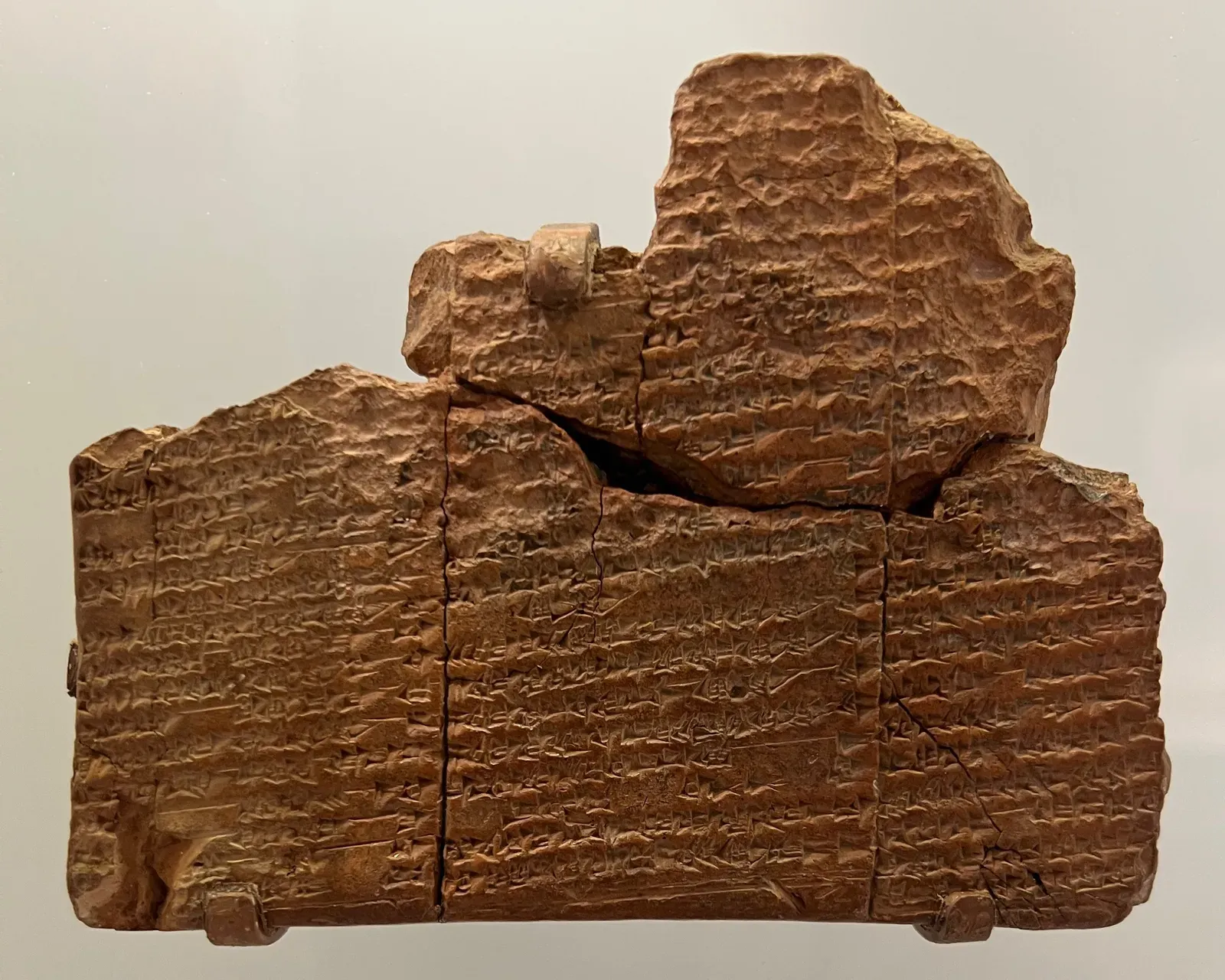
Not every Anunnaki reference comes from a sweeping cosmic epic. Some of the most grounded evidence comes from local administrative and religious texts tied to specific Sumerian cities. In the Sumerian textual corpus, Anunna describes the highest gods in the Mesopotamian pantheon, but it can also indicate the pantheon of a particular city state, such as the Anunna of Eridu or the Anunna of Lagash, and it is not entirely clear how many gods this term includes since one text speaks of the fifty Anunna of Eridu.
This is one of the more sobering points for anyone hoping for a tidy, consistent story. The Anunnaki weren’t a fixed roster of named individuals the way a modern reader might expect a pantheon to work. They functioned more like a flexible category, applied differently depending on which city’s records you happen to be reading.
10. The 14 Enki tablets behind Sitchin’s translations
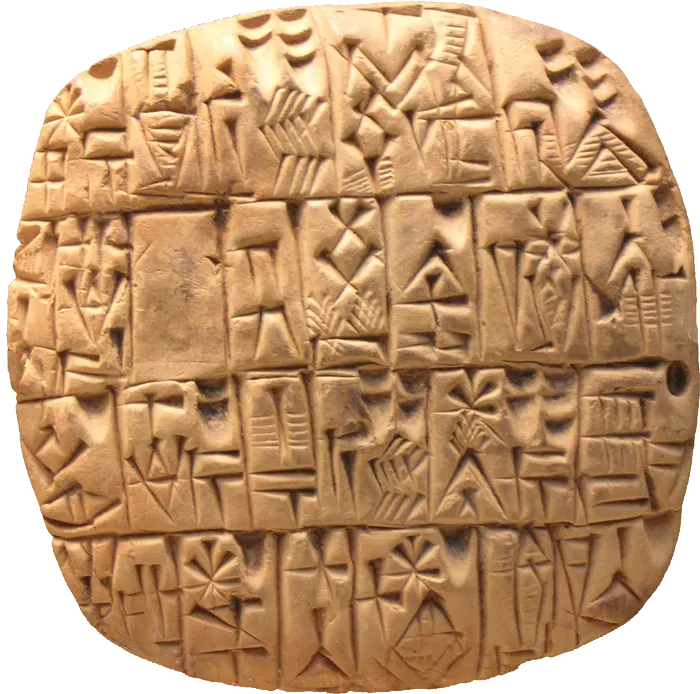
No list about Anunnaki source material is complete without addressing the text that actually launched the modern debate. In 1976, a scholar named Zecharia Sitchin wrote a book called The 12th Planet, which shared translations of 14 tablets related to Enki, a child of the Sumerian supreme deity An. That single volume is the origin point for almost everything the general public now associates with the word Anunnaki.
Almost the entire modern version of the ancient astronaut story traces back to Sitchin, whose Earth Chronicles series has sold in the millions since 1976, despite being dismissed by nearly every Sumerologist, Assyriologist, and geneticist who has examined its claims in detail. Independent researchers who checked his key term against the primary sources found serious problems. Sitchin’s translation of Anunnaki as those who from heaven came is itself an error or was completely fabricated, and modern translations relying on this reading are merely relying on Sitchin’s own publications. A separate scholar examining the cuneiform evidence found something similarly damning about his other core claim. Michael Heiser examined the cuneiform evidence for the term Nibiru directly and found that it is used only to refer to the planet Jupiter, occasionally Mercury, the god Marduk, or a star, never to a hidden planet beyond Pluto.
Final thoughts
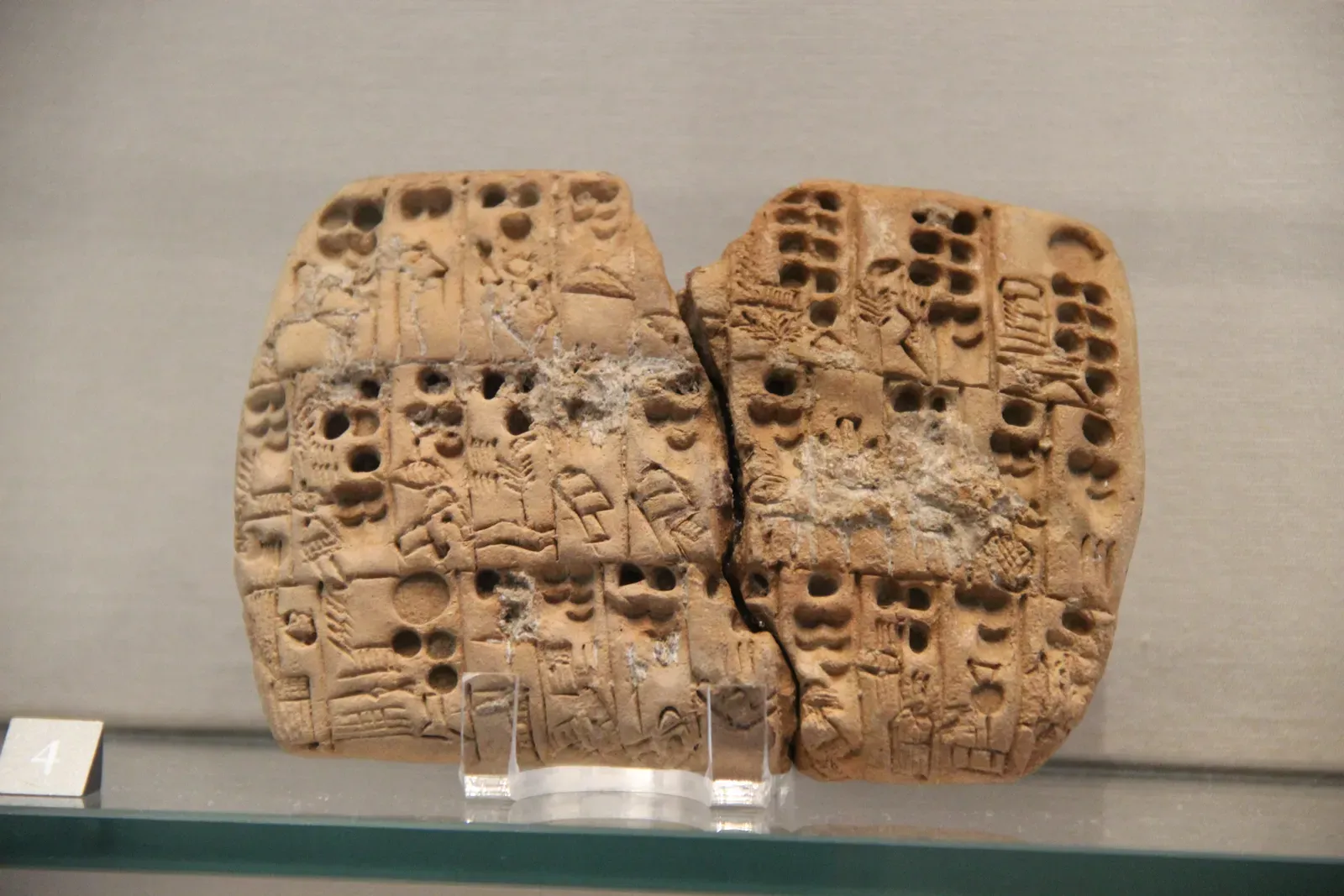
Having gone through the actual tablets rather than the secondhand retellings, I find myself less impressed by the ancient astronaut framing and more impressed by something quieter: how much genuine mystery still exists in these texts without needing an alien backstory bolted onto them. The Anunnaki, as the Sumerians and Babylonians actually wrote about them, were an inconsistent, evolving category of gods whose numbers and roles shifted from city to city and century to century. That inconsistency is not a coverup. It’s just what four thousand years of oral tradition and scribal copying tends to produce.
The uncomfortable truth for anyone hoping for a tidy conspiracy is that the real texts are messier and more human than the alien narrative allows. Sitchin’s version is compelling storytelling, and it clearly still resonates with millions of readers, but it depends on translations that specialists in the actual language have repeatedly found unsupported by the cuneiform itself. The tablets are genuinely ancient, genuinely strange in places, and genuinely worth reading. They just don’t say what the internet keeps insisting they say.