You walk around every day with the most complex object in the known universe sitting quietly in your skull, and you still have no real idea how it works. Neuroscientists do not either. For all the brain scans, lab mice, and machine learning models, there are giant, gaping mysteries about how your brain actually does what it does.
That is not bad news, though. It means the most ordinary things you do – remembering your first crush, getting a song stuck in your head, suddenly knowing the answer to a problem in the shower – are, in a very real sense, unexplained miracles. As you read through these fifteen puzzles, you will see just how much is unknown, and you might start to look at your own thoughts, feelings, and memories with a lot more awe.
1. How Consciousness Actually Arises
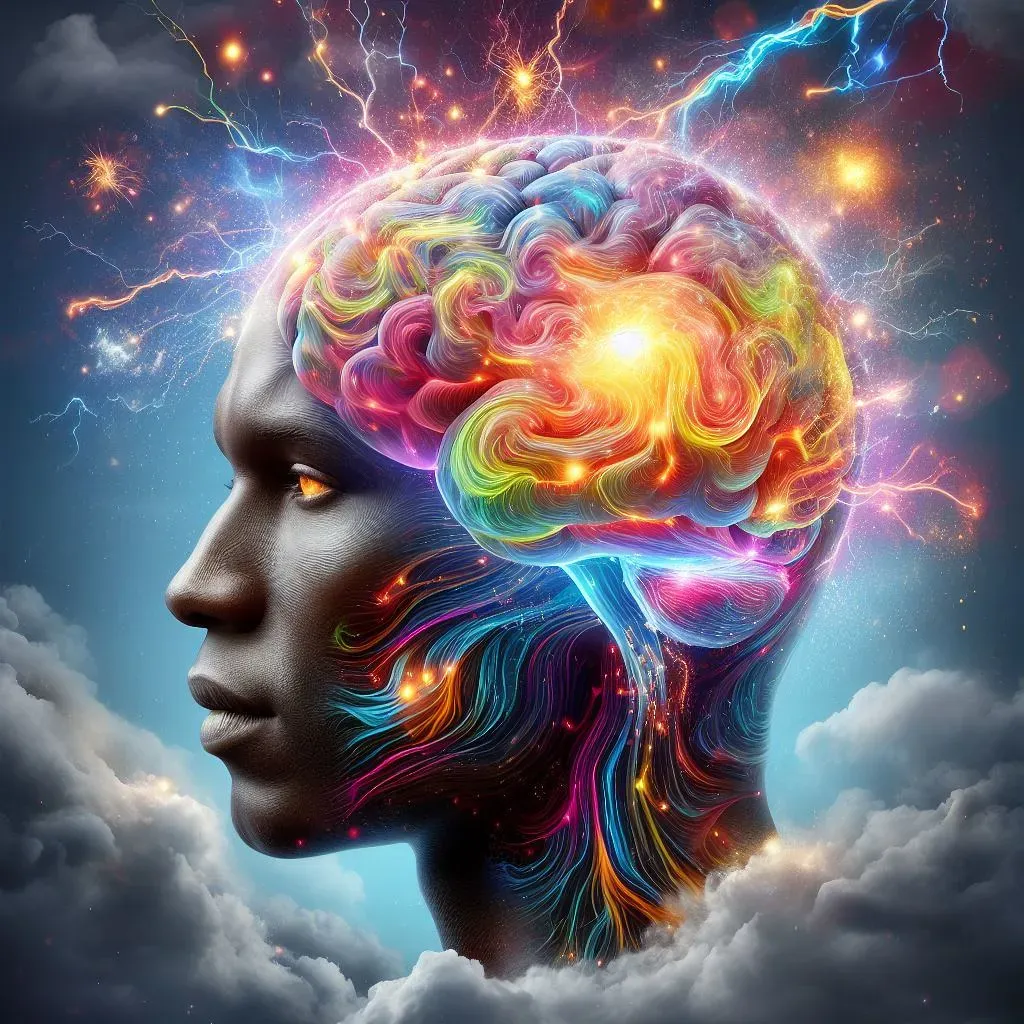
Right now, you are aware that you are reading this sentence. You have an inner movie of sights, sounds, memories, and feelings that no one else can see directly. Neuroscientists can link certain experiences to brain activity, but they still cannot tell you how electrical signals in your neurons turn into the feeling of being you.
You can measure brain waves, track blood flow, and even predict what image someone is looking at based on their neural patterns, yet that only shows correlations. The basic riddle remains: how does physical stuff become subjective experience? You live inside that riddle every second of your life, and science has not cracked it.
2. Why You Have a Stable Sense of Self
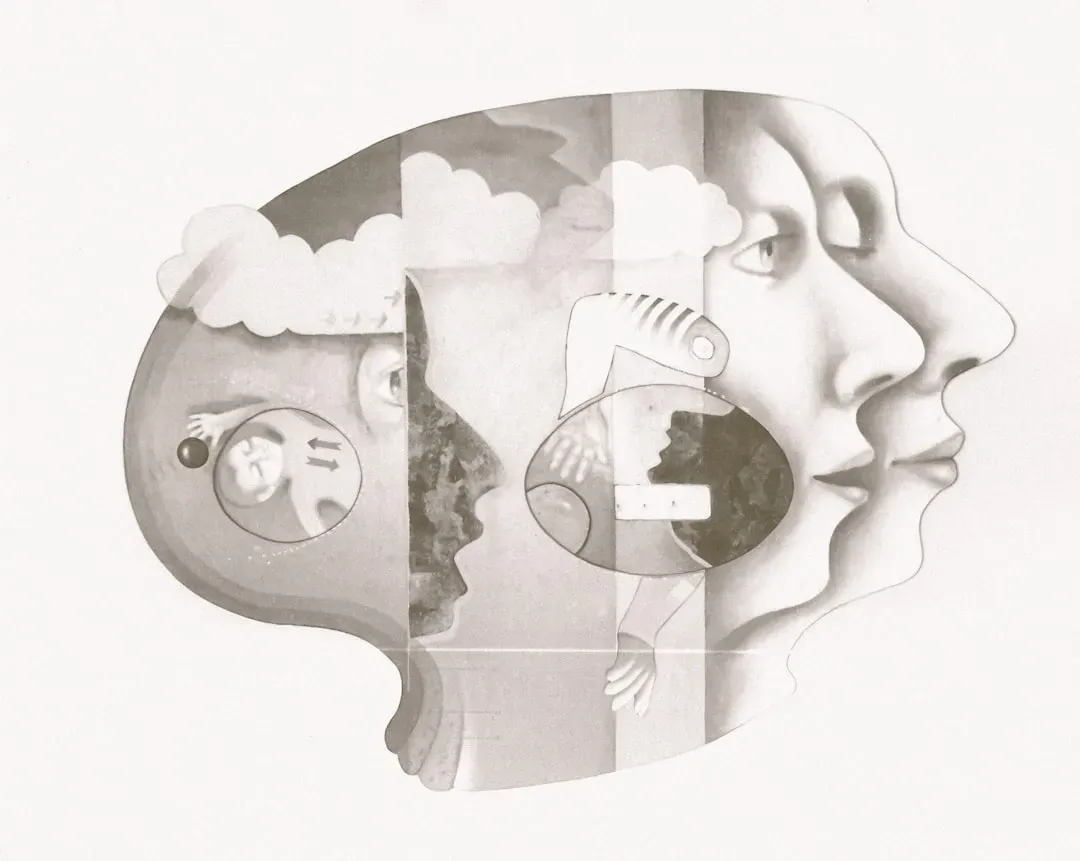
If you look back at who you were ten years ago, you probably feel like the same person, even though almost every cell in your body has changed. Your memories have shifted, your opinions evolved, and yet you still say “me” as if there is one continuous thread running through your life. Neuroscientists do not fully understand how your brain stitches that story together.
Different brain regions handle memory, emotion, body awareness, and language, but there is no single “self center” that explains the whole thing. Instead, your sense of self seems to be a constantly updated construction that your brain generates on the fly. You feel solid and continuous, but under the hood, it may be more like a flexible narrative than a fixed core – and no one can yet explain precisely how that narrative is built.
3. How Memories Are Stored and Retrieved in Detail
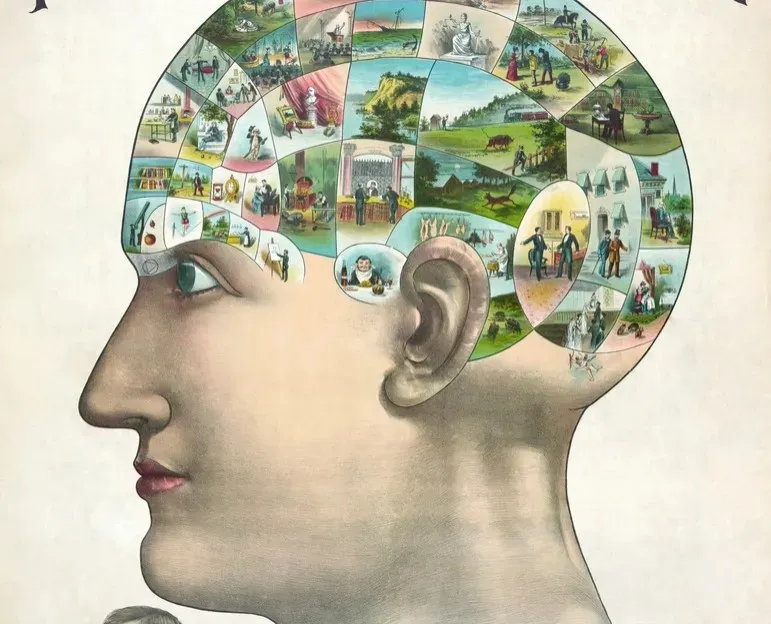
You can probably recall the smell of a childhood home or the exact tone of a teacher’s voice, even though those moments are long gone. Neuroscience knows that memory involves changes in the strength of connections between neurons and the reactivation of certain networks. What remains mysterious is the exact physical “code” your brain uses to store such rich, vivid detail for decades.
When you remember something, your brain does not just pull a file from a folder – it seems to reconstruct the event from scattered pieces spread across many regions. Why some memories stay razor sharp while others fade quickly, and how traumatic or emotional moments get burned in so deeply, are questions that still do not have complete answers. Every time you remember your past, you are using a storage system whose rules are only partly known.
4. Why You Sleep and Dream the Way You Do

Sleep is so essential that going without it for long enough can break your body and mind, yet scientists still cannot give you a fully satisfying answer to the question: why do you have to spend roughly a third of your life unconscious? You know sleep helps with learning, immune function, and emotional balance, but the full purpose and mechanisms behind it remain debated.
Dreams are even stranger. Your brain creates complex stories, intense emotions, and sometimes impossible scenarios while your body lies still. Some evidence suggests dreams help process memories or rehearse threats, but no one can definitively say why your brain runs this bizarre nightly theater. The fact that you can wake up crying from a dream about something that never happened shows how powerful – and how mysterious – this process really is.
5. How Creativity and Sudden Insight Work

Think about a time you were stuck on a problem and the answer suddenly popped into your head while you were doing something completely unrelated. That “aha” moment feels magical, like your brain was secretly working behind the scenes and decided to send you the solution. Neuroscientists can see that different networks involved in mind-wandering, attention, and control communicate during creative thinking, but they still do not fully know how a new idea actually emerges.
When you come up with a melody, a joke, or a clever workaround at work, your brain is combining old information in new ways. The exact rules and signals that drive those combinations are still uncertain. Why do some people seem to generate original ideas easily, while others struggle, even with similar knowledge and practice? Science can suggest factors, but it cannot yet explain creativity in precise, predictive terms.
6. How You Form and Experience Emotions

You know what it feels like when your stomach drops from anxiety or your chest feels warm after good news. Neuroscientists can point to brain regions involved in fear, reward, and social bonding, and they can track hormones and bodily responses. Still, they cannot fully map how all these ingredients come together to create your lived feeling of joy, shame, grief, or love.
Emotions do not light up just one spot in your brain; they involve many circuits and your body’s signals interacting in complicated ways. Culture, personal history, and expectations also shape what you feel and how strongly you feel it. When you choke up at a song or laugh until you cry, you are living through a process that is partly understood and partly a black box.
7. Why Placebo and Nocebo Effects Are So Powerful

If you take a sugar pill believing it is a strong painkiller and your pain actually eases, your brain has just pulled off a trick scientists still do not fully understand. The placebo effect shows that your expectations can trigger real changes in brain chemistry and bodily responses, sometimes enough to rival actual medication. You are not faking it; your brain is doing something very real.
The flip side, the nocebo effect, is when negative expectations make you feel worse, cause side effects, or intensify pain. How your beliefs and context translate into physical changes in neural processing is still mysterious. Every time you feel better after “just” reassurance or worse after hearing a scary diagnosis, you are experiencing the brain’s belief machinery at work – and that machinery is only partially mapped.
8. How the Brain Generates Free Will (or the Illusion of It)
When you decide what to eat or whether to text someone back, it feels like you are making a free choice. Some experiments suggest your brain starts preparing actions before you become consciously aware of deciding, which raises a deeply unsettling question: are you steering the ship, or just becoming aware of decisions after your brain has already made them?
Neuroscientists have identified brain regions that weigh options, represent goals, and inhibit actions, but that does not settle whether your will is genuinely free or entirely determined by prior causes. From your perspective, you feel responsible for your choices and build your whole life story around them. How that feeling connects to the underlying biology is still very much an open puzzle.
9. Why You Have Such a Huge, Energy-Hungry Brain
Your brain makes up only a small fraction of your body weight, yet it burns a striking share of your energy even when you are resting. Evolutionarily, that is an expensive organ to carry around. Scientists have ideas about how language, social living, and tool use may have driven brain expansion in humans, but there is no single, universally agreed explanation for why your brain got this big and complex.
What is also puzzling is how much of your brain’s activity supports things you are not even aware of: maintaining balance, monitoring your body, filtering information, and keeping you ready to react. You often think of your brain as a thinking machine, but a huge amount of its power is devoted to silent, hidden work. Why evolution favored this particular balance of abilities, and not a simpler design, is still being debated.
10. The Exact Neural Code Your Brain Uses
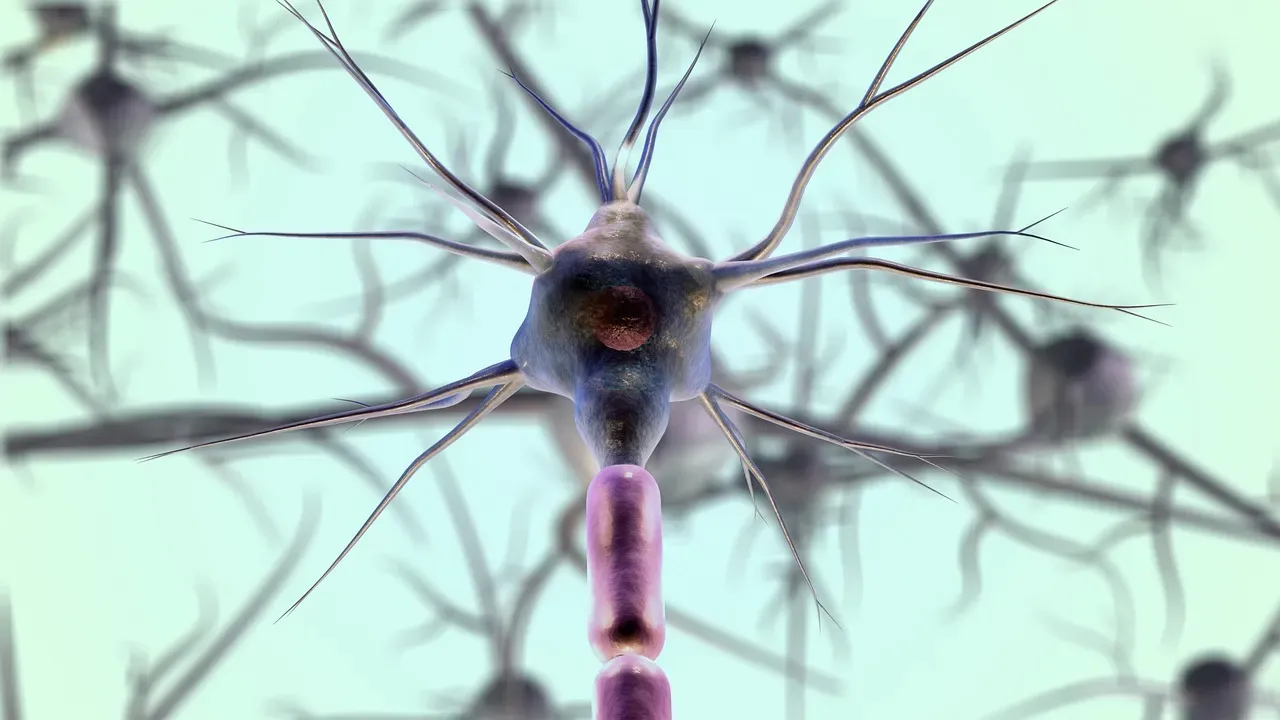
Imagine trying to understand a computer just by looking at the pulses of electricity inside it, without knowing the programming language. That is close to what neuroscientists face when they study your neurons firing. They know that patterns of spikes carry information, but the complete “code” – how timing, frequency, and synchronized activity combine to represent a thought or a perception – is still not fully deciphered.
When you recognize a face, understand a sentence, or imagine your favorite meal, countless neurons are talking to each other in a language you do not consciously hear. Different theories suggest your brain might use rate of firing, precise timing, or bursts across networks as part of the code, and probably all of those in different contexts. Until that code is cracked in detail, your inner world remains partly unreadable, even with the best machines.
11. How Brain Plasticity Really Works Across a Lifetime
You have probably heard that your brain is “plastic,” meaning it can change its connections and structure when you learn new skills or recover from injury. That is true, but the fine rules governing this flexibility are still hazy. Why can a child pick up a new language so easily while you may struggle, even with more effort and better tools?
Some people regain abilities after strokes or head injuries that seemed permanently lost, while others with similar damage never do. Practice rewires your brain, but not always in predictable ways or at a predictable pace. You rely on this adaptability whenever you learn, heal, or build new habits, yet science cannot fully explain why some changes stick and others fade, or how far plasticity can be pushed responsibly.
12. How Social Connection Is Built Into Your Brain
You are wired to read faces, tones of voice, and tiny gestures, often without realizing you are doing it. Neuroscientists know that certain brain areas are involved in understanding others’ emotions and intentions, and that loneliness and social rejection can show up in brain activity similar to physical pain. What is not fully clear is how all these pieces come together to make you such a social creature.
Why does a kind word from a friend feel so deeply good, and why can exclusion or betrayal hurt for years? Your brain seems to come preloaded with templates for attachment and cooperation, but those templates are shaped by culture, early experiences, and personal choices in ways that are still being unpacked. Every time you feel truly seen or painfully misunderstood, you are touching a neural system that remains only partly charted.
13. Why Some Disorders of the Mind Arise
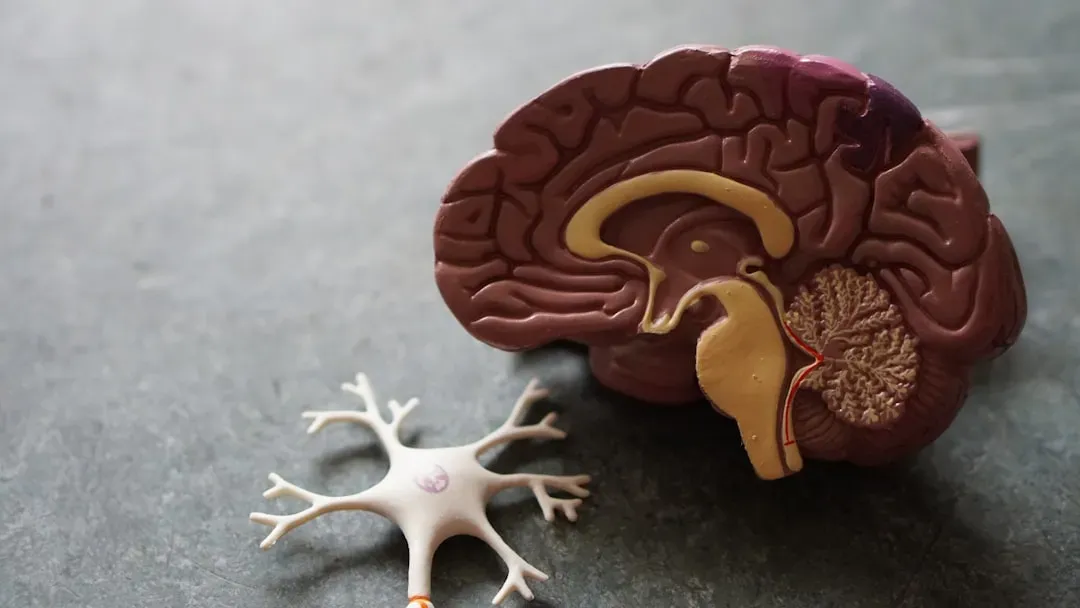
Conditions like depression, schizophrenia, bipolar disorder, and autism all have measurable brain and genetic components, but no one can yet point to a single clear cause for most of them. You can see patterns in brain scans and differences in chemistry, yet those patterns do not translate into simple, consistent explanations like “this molecule is low, so you feel this way.”
Two people can have similar life experiences and brain features, and only one develops a disabling condition. Medications and therapies help many people, but often through mechanisms that are still not perfectly understood. If you or someone you love has struggled with mental health, you have felt firsthand how much is still uncertain – and how urgently this mystery needs better answers.
14. How the Brain and Gut Communicate So Deeply
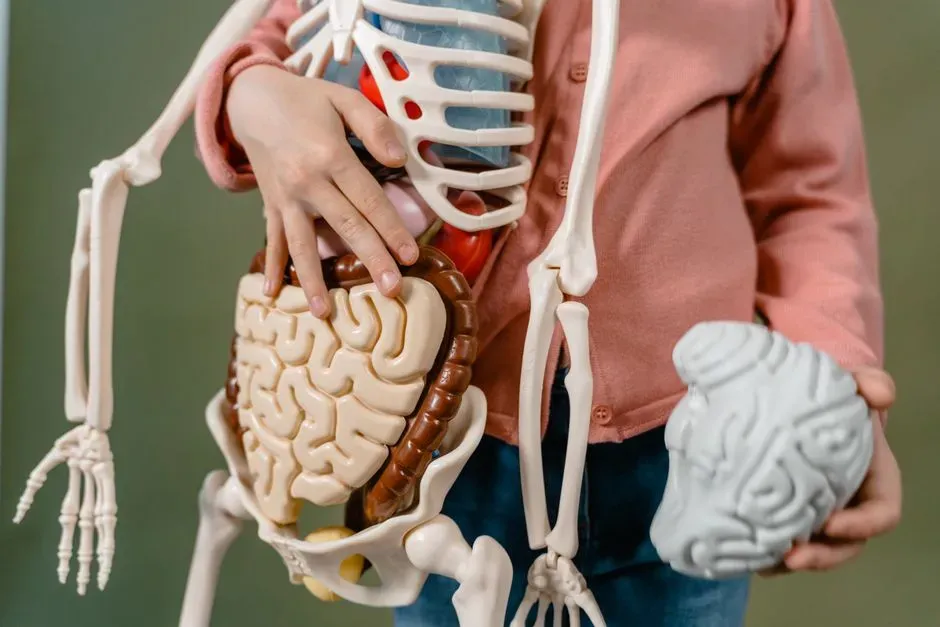
You have probably noticed that stress can upset your stomach, and what you eat can shift your mood. Scientists have discovered a complex “gut–brain axis” involving nerves, immune signals, and even gut microbes that talk to your nervous system. But the exact ways your gut environment shapes your thoughts, cravings, and emotions are still being unraveled.
Certain diets or bacterial changes in the gut seem linked to anxiety, depression, or clarity of thinking in some studies, but the picture is far from complete. You might be literally “thinking with your gut” more than you realize, with signals flowing back and forth all day long. Exactly how those signals translate into specific feelings or behaviors, though, remains one of the brain’s more surprising open questions.
15. What Happens in the Brain as You Approach Death
Stories of near-death experiences – tunnels of light, life reviews, intense peace – are reported across cultures, but science still cannot fully explain what your brain is doing in those final or almost-final moments. Some research suggests brief bursts of organized activity before or just after the heart stops, but the meaning and consistency of those patterns are still unclear.
As your brain shuts down, it is not obvious exactly which systems fail first, how consciousness flickers in and out, or whether there is a common pattern to what people experience. You will only go through that transition once, and right now it sits at the outer edge of what neuroscience can probe. The most personal moment of your life’s story is, in many ways, the least understood.
Conclusion: Living Inside an Unsolved Mystery
Every time you read, love, worry, daydream, or change your mind, you are using a machine that science still cannot fully explain. Neuroscientists have uncovered an enormous amount about cells, circuits, and chemicals, but the big questions – consciousness, self, emotion, free will, and meaning – are still wide open. You are not just a bystander to this mystery; you are the main character living it from the inside.
If anything, the unanswered questions make your daily experiences more, not less, extraordinary. The fact that you can be confused, curious, moved, or inspired by these unknowns is itself part of the puzzle. As research slowly fills in the gaps, you will still be left with one humbling truth: the simple act of you noticing your own thoughts is something no one can yet fully explain. When you pause and feel your mind working right now, does it feel a little more mysterious than it did before?