Gravity feels like the most obvious force in the universe. It keeps your coffee in the cup and your feet on the floor, so it seems simple enough to ignore. Yet the moment physicists start poking at it, gravity turns into one of the strangest, most counterintuitive phenomena in all of science.
Some of what follows sounds like it belongs in a science fiction script rather than a physics textbook. Clocks that run at different speeds depending on altitude. Falling that never actually stops. A force so weak it loses to a refrigerator magnet, yet strong enough to bend light itself. None of it is fiction. It is all measured, tested, and confirmed. Here are ten facts about gravity that stretch belief without breaking it.
1. Gravity is technically the weakest of the four fundamental forces
It seems absurd given that gravity holds entire galaxies together, but on a fundamental level it is astonishingly feeble. Compared to the electromagnetic force, the strong nuclear force, and the weak nuclear force, gravity is many orders of magnitude weaker. A small magnet can lift a paperclip off a table, overpowering the gravitational pull of the entire planet Earth in that instant.
The reason gravity still dominates on cosmic scales comes down to mass and range. Electromagnetic forces cancel out because matter carries both positive and negative charge, while gravity only ever pulls, never pushes, and it accumulates with every added particle of mass. Stack enough atoms together, as in a planet or a star, and that weak individual pull becomes an unstoppable collective force.
2. Time actually moves slower closer to a massive object
This one sounds like something out of a time travel movie, yet it is baked into Einstein’s general relativity and has been verified repeatedly. Clocks placed near strong gravitational fields tick slightly slower than identical clocks placed farther away. It is called gravitational time dilation, and it is not a rounding error or a theoretical curiosity, it is a measurable physical reality.
GPS satellites orbiting Earth actually have to correct for this effect every single day. Because they sit farther from Earth’s mass than we do on the surface, their onboard clocks run slightly faster than clocks at sea level, and engineers must adjust the satellite timing systems to keep navigation accurate. Skip that correction, and GPS coordinates would drift off by miles within just a day or two.
3. Astronauts on the space station are not actually weightless
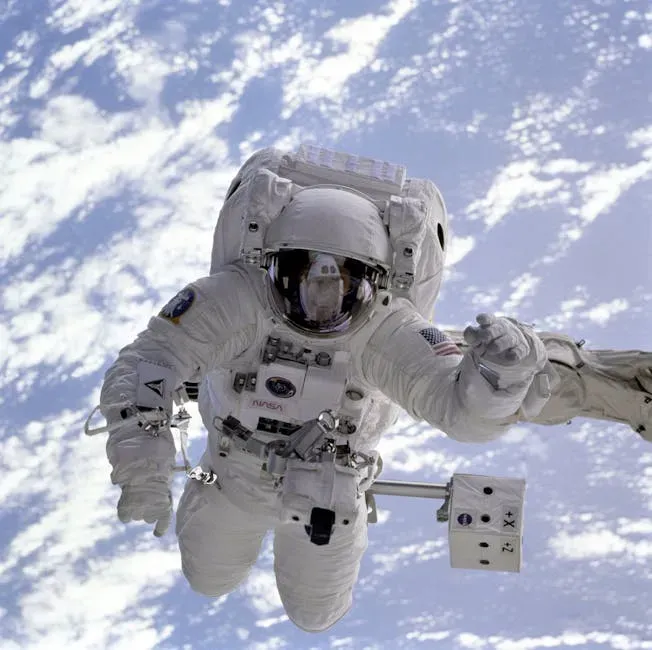
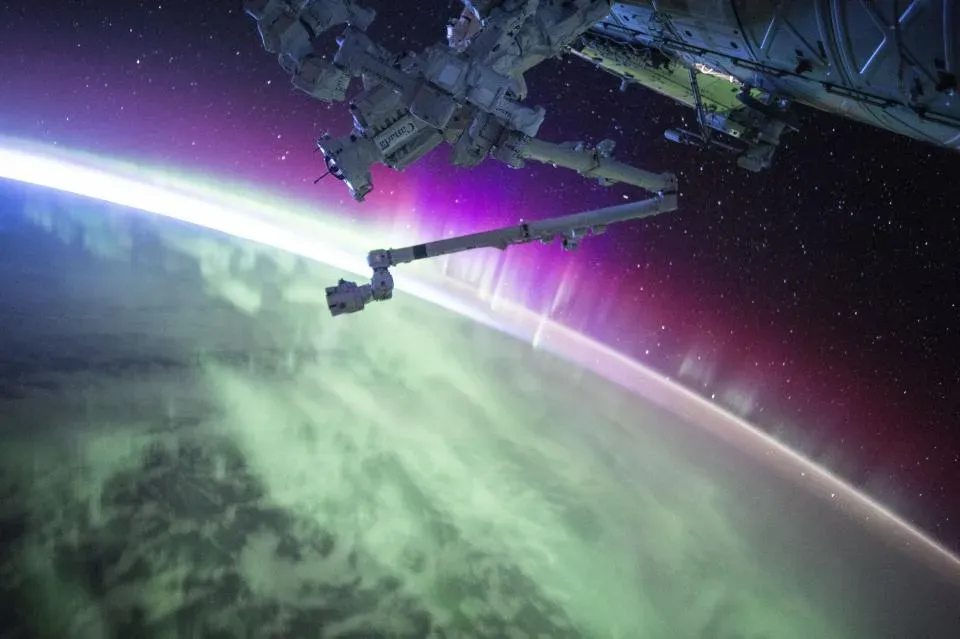
It looks like they have escaped gravity entirely, floating around their capsule with total freedom. In reality, astronauts aboard the International Space Station still experience nearly the full strength of Earth’s gravitational pull, roughly around ninety percent of what we feel on the surface. Gravity has not switched off up there at all.
What creates the illusion of weightlessness is that the station and everyone inside it are in a constant state of freefall around the planet. They are falling toward Earth continuously, but moving forward fast enough that they keep missing it, tracing a circular path instead of crashing down. That perpetual falling, not an absence of gravity, is what produces the floating sensation.
4. Gravity can bend light around massive objects
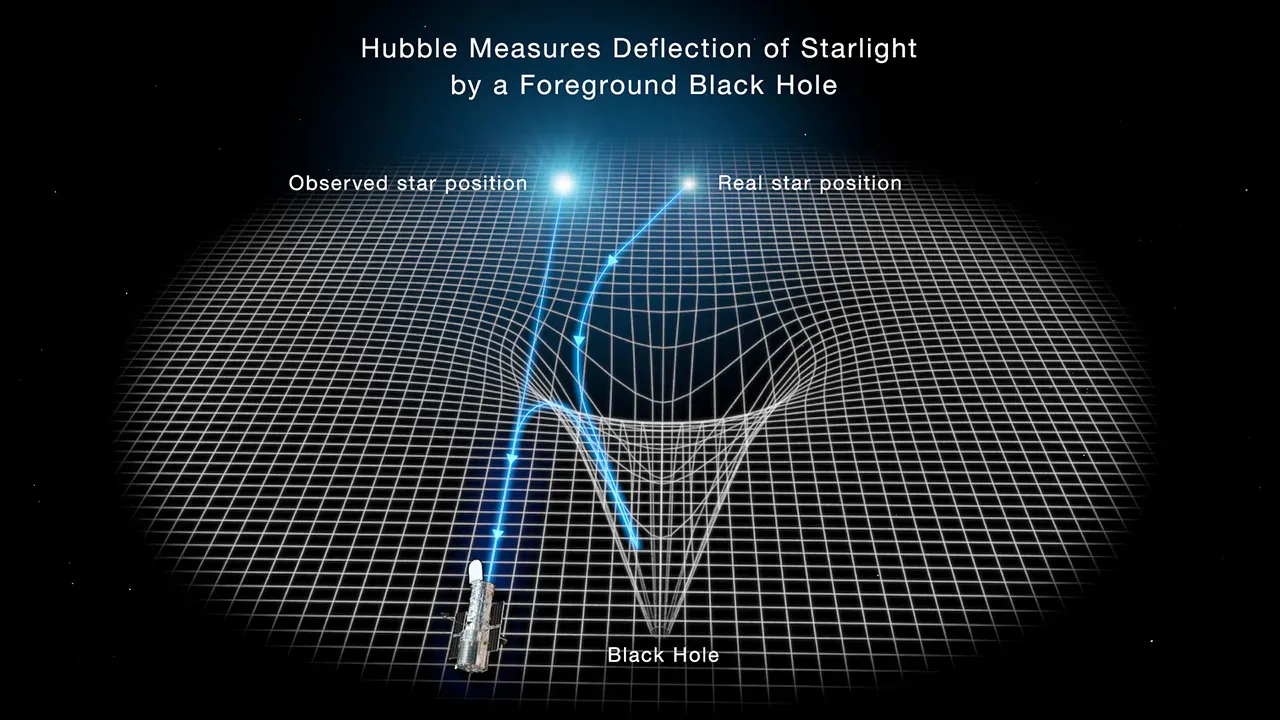
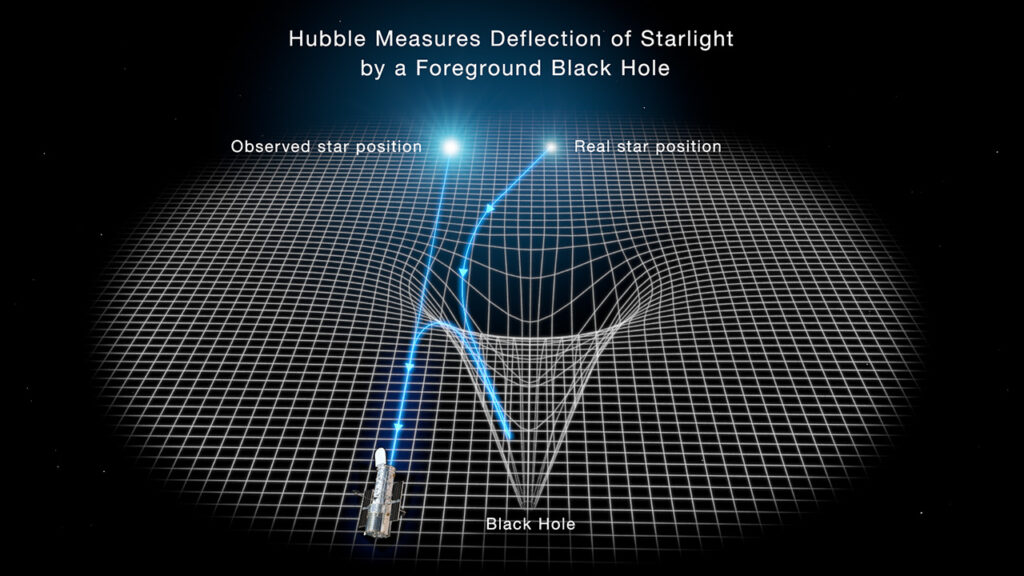
Light has no mass, so it seems like gravity should have nothing to grab onto. Yet massive objects like stars and black holes warp the fabric of space itself, and light simply follows the curved path that space takes. This phenomenon, called gravitational lensing, was one of the first major confirmations of general relativity back in 1919 during a solar eclipse observation.
Modern astronomers now use this bending effect as a tool rather than just a curiosity. Massive galaxy clusters act like natural magnifying lenses, bending and amplifying light from far more distant objects behind them. Some of the most detailed images of extremely distant galaxies captured by telescopes exist only because gravity bent their light toward us in the first place.
5. Black holes are not the only things with an escape velocity problem
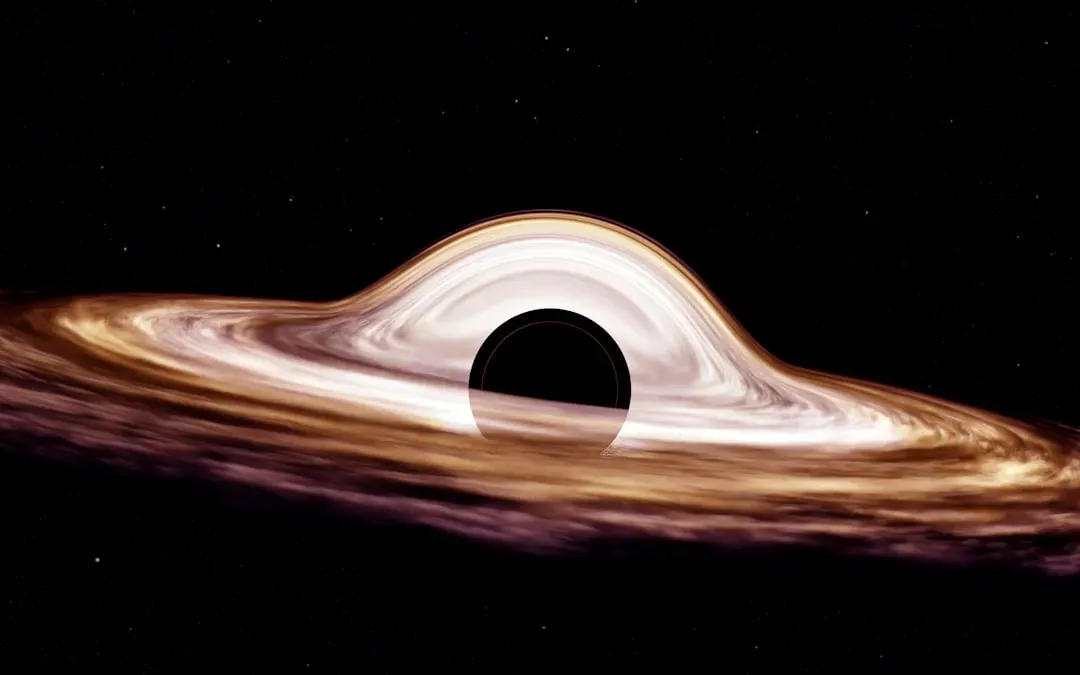
Escape velocity, the speed needed to break free of an object’s gravitational pull, sounds like something reserved for black holes and rocket science. In reality, every object with mass has an escape velocity, including the chair you are sitting in and the planet beneath your feet. Earth’s escape velocity happens to be around eleven kilometers per second, which is why rockets need so much fuel just to leave the atmosphere.
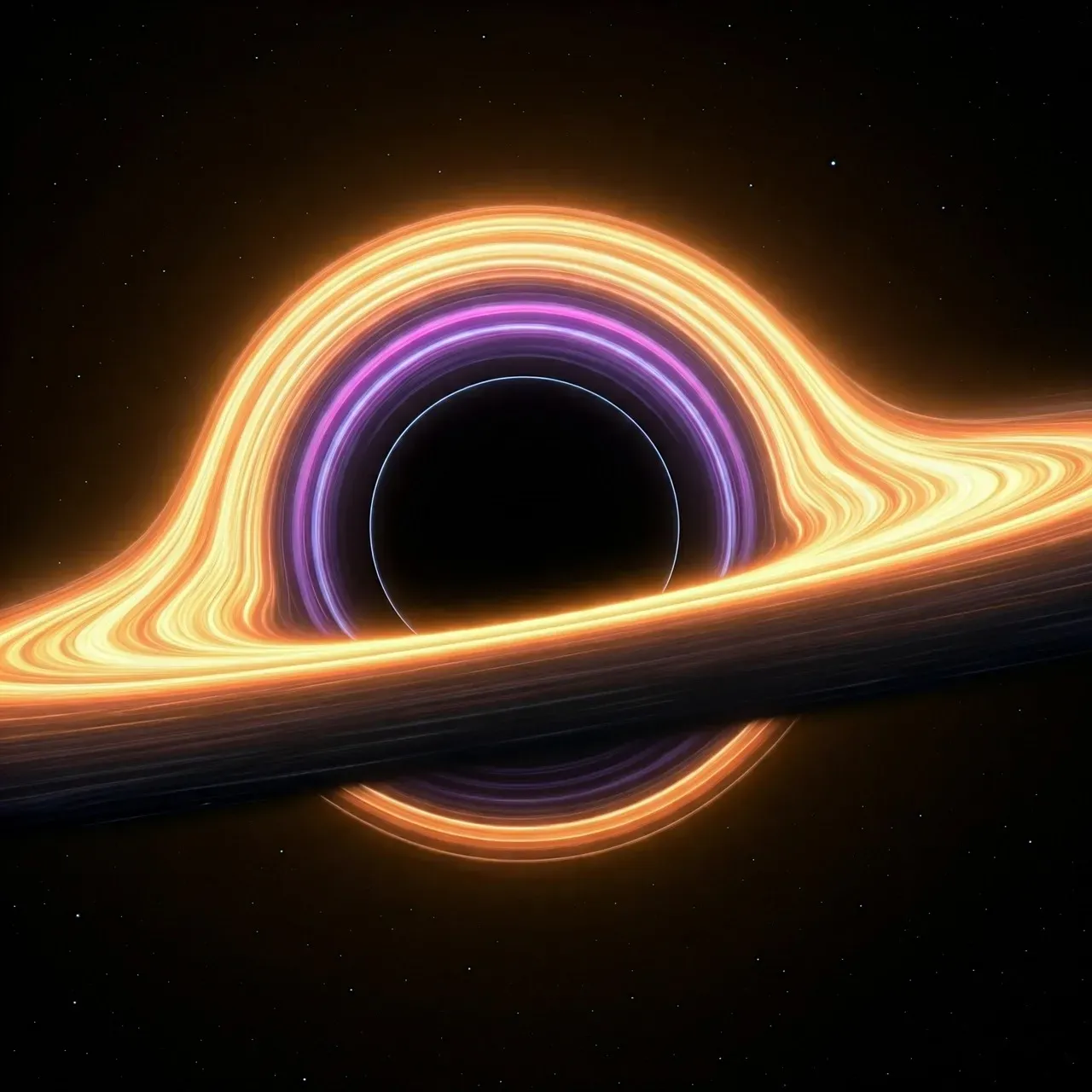
Black holes take this concept to its extreme by having an escape velocity that exceeds the speed of light itself. Since nothing can travel faster than light, nothing that crosses a black hole’s event horizon can ever come back out, not even light itself. It is the same basic physics that governs a thrown baseball, just scaled up to a mathematically extreme degree.
6. Gravity technically has infinite range
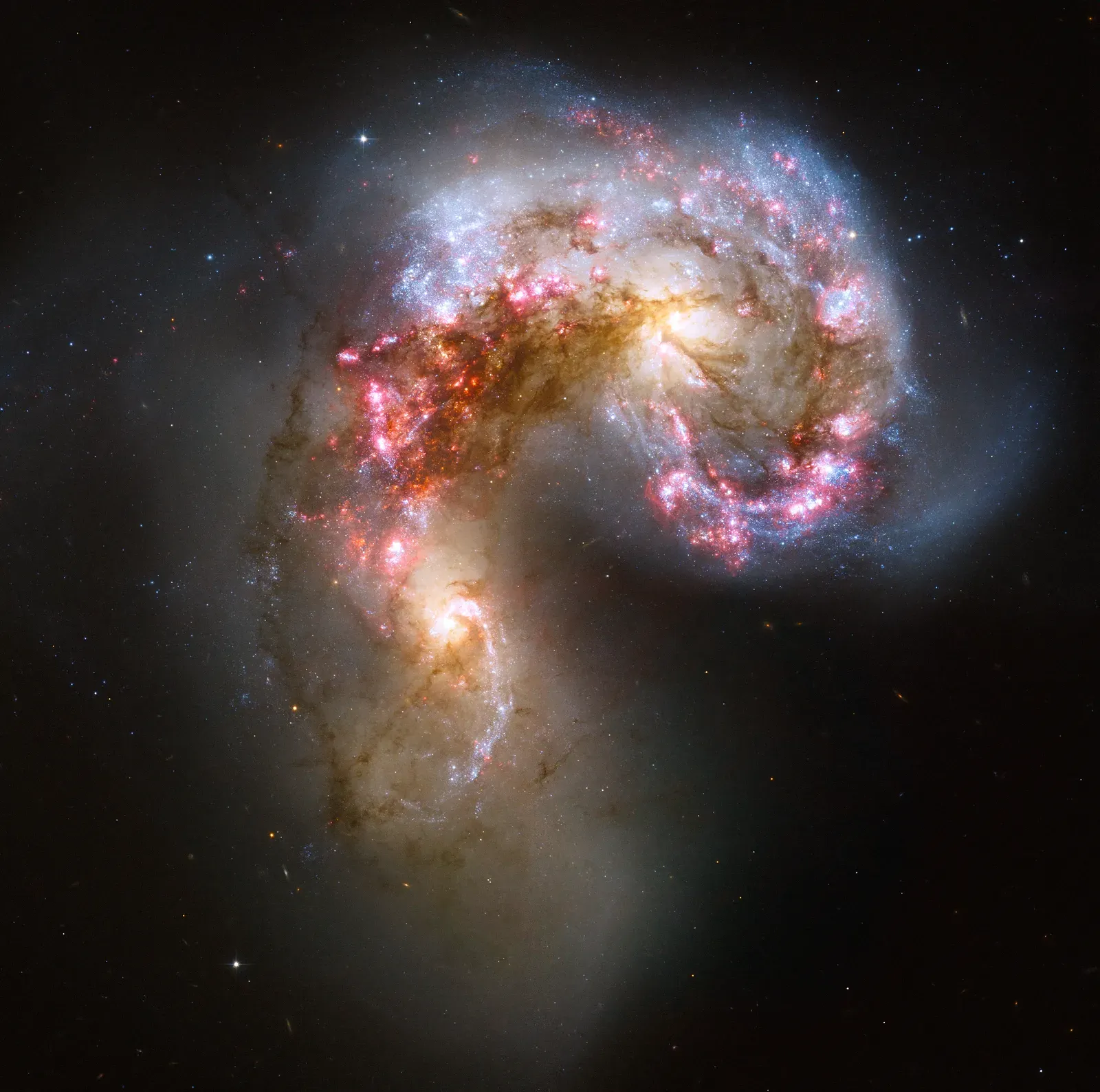
Despite being the weakest force, gravity never fully switches off no matter how far away you get. Its strength diminishes rapidly with distance, following an inverse square relationship, but it never actually reaches zero. Every atom in your body is technically pulling on every other atom in the observable universe, however faintly.
This infinite reach is part of why gravity shapes the large scale structure of the cosmos in a way that the strong and weak nuclear forces simply cannot, since those forces only operate at extremely short distances inside atomic nuclei. Galaxies cluster together, stars form within nebulae, and entire cosmic filaments stretch across billions of light years, all guided by gravity’s persistent, never quite vanishing pull.
7. You weigh slightly less at the equator than at the poles
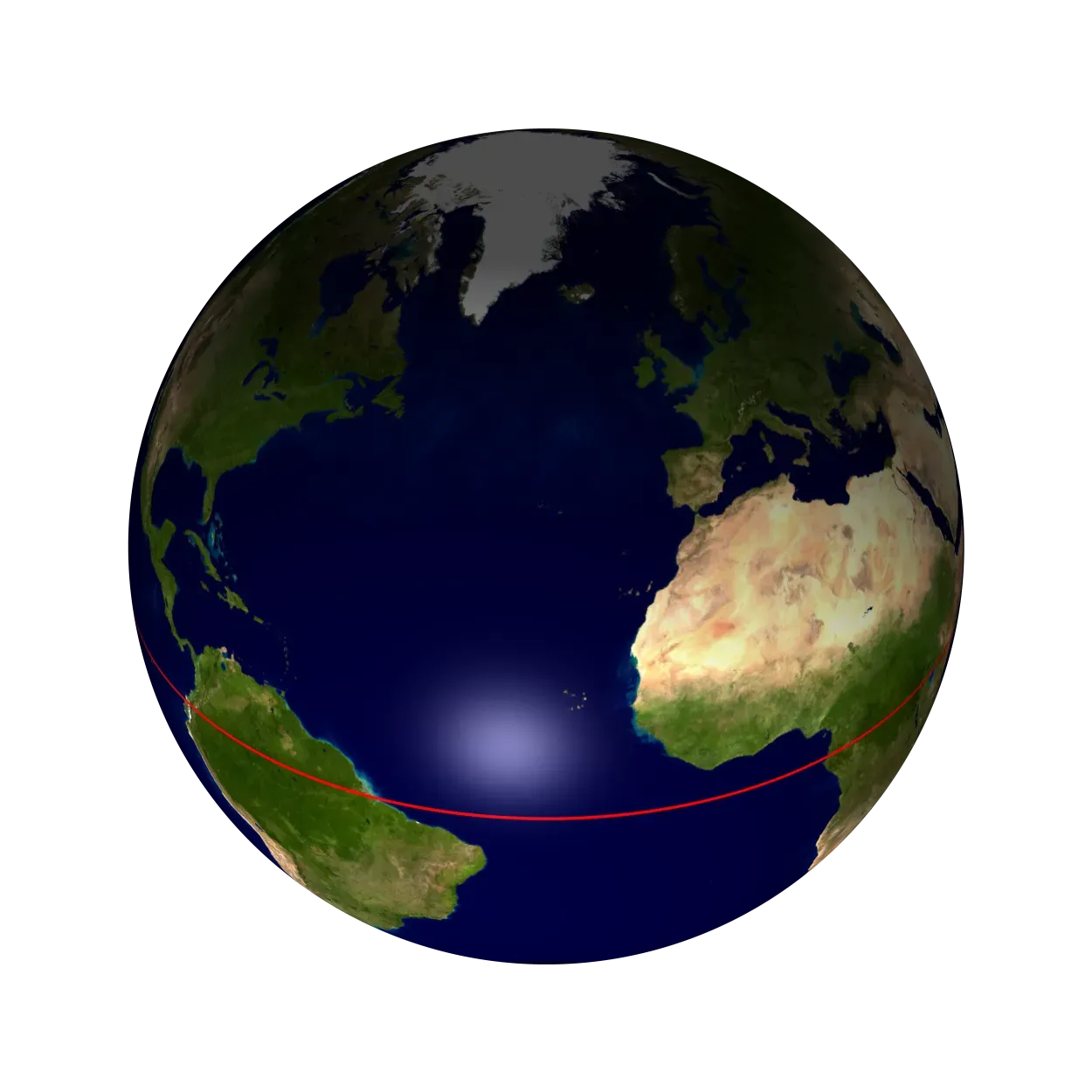
Your weight is not actually a fixed number no matter where you stand on Earth. Because the planet bulges slightly at the equator and Earth’s rotation creates a small centrifugal effect, people weigh marginally less near the equator compared to standing at the North or South Pole. The difference is small, typically less than half a percent, but it is real and measurable with precise instruments.
This happens because standing at the equator puts you farther from Earth’s center due to the planet’s oblate shape, and gravitational pull weakens with distance. Combine that with the outward push from Earth’s spin, and the net downward force feels ever so slightly reduced. A person weighing exactly two hundred pounds at the pole would weigh a touch less near the equator, though not enough to notice without a lab scale.
8. Gravitational waves are ripples in space itself
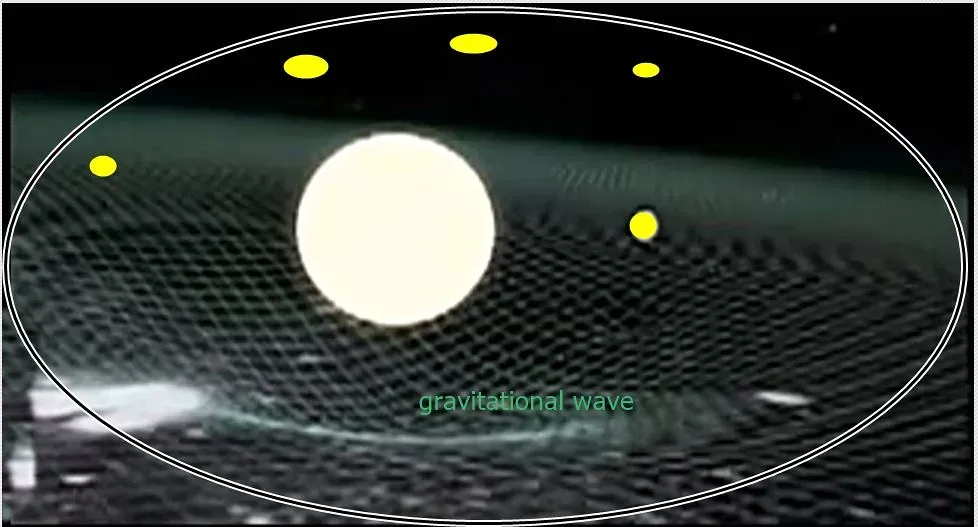
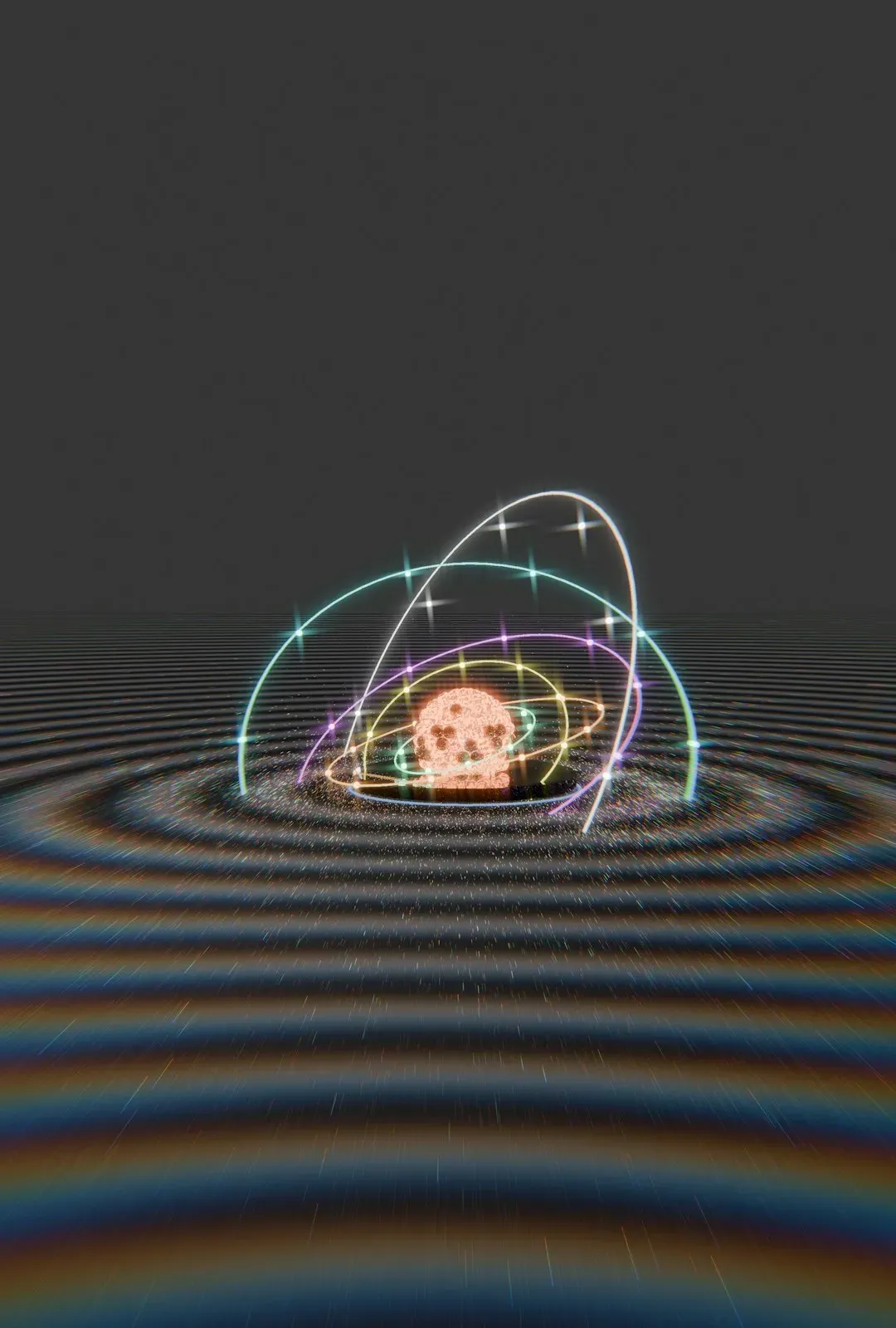
Einstein predicted this back in 1916, and it took a full century of technology to actually catch one in the act. Gravitational waves are literal ripples in the fabric of spacetime, caused by massive accelerating objects like colliding black holes or merging neutron stars. These waves stretch and squeeze space itself as they pass through, even though the effect is unimaginably tiny by the time it reaches Earth.
In 2015, the LIGO observatory detected gravitational waves for the first time, picking up a distortion in spacetime smaller than a fraction of the width of a proton. That detection confirmed a hundred year old prediction and opened an entirely new way of observing the universe, one based on listening to spacetime itself rather than just watching light.
9. Falling objects of different masses hit the ground at the same time
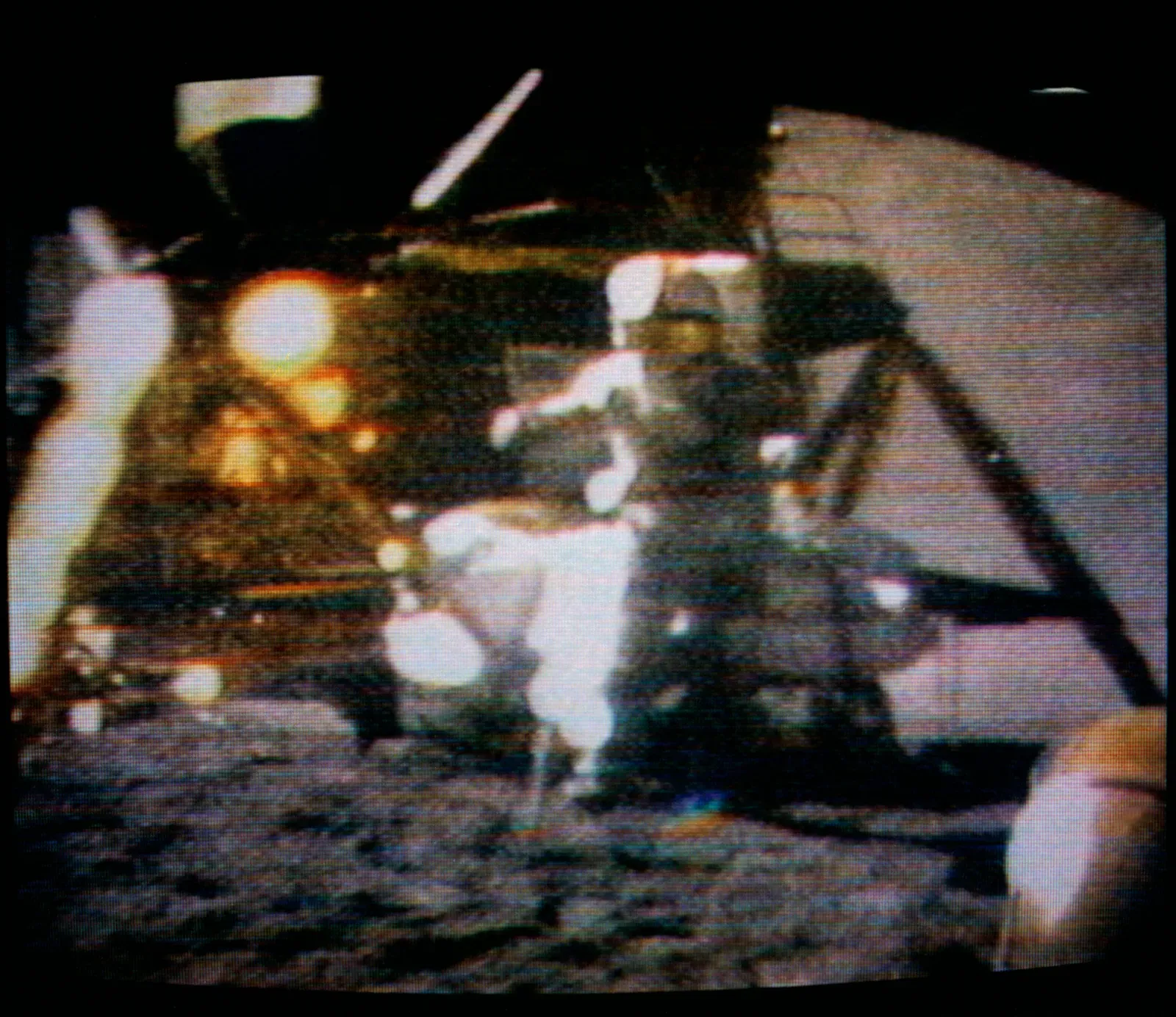
This contradicts everyday intuition, since a bowling ball certainly feels like it should fall faster than a feather. In a vacuum, without air resistance interfering, objects of different masses accelerate toward the ground at exactly the same rate due to gravity alone. This was famously demonstrated on the Moon during the Apollo 15 mission, where a hammer and a feather were dropped together and landed at the same instant.
The explanation lies in how gravitational force scales with mass. A heavier object experiences a stronger gravitational pull, but it also has more inertia resisting that pull, and the two effects cancel out perfectly. Galileo reportedly worked this out through thought experiments centuries before anyone had the technology to test it in an actual vacuum.
10. Gravity gets weaker the deeper you go inside a planet
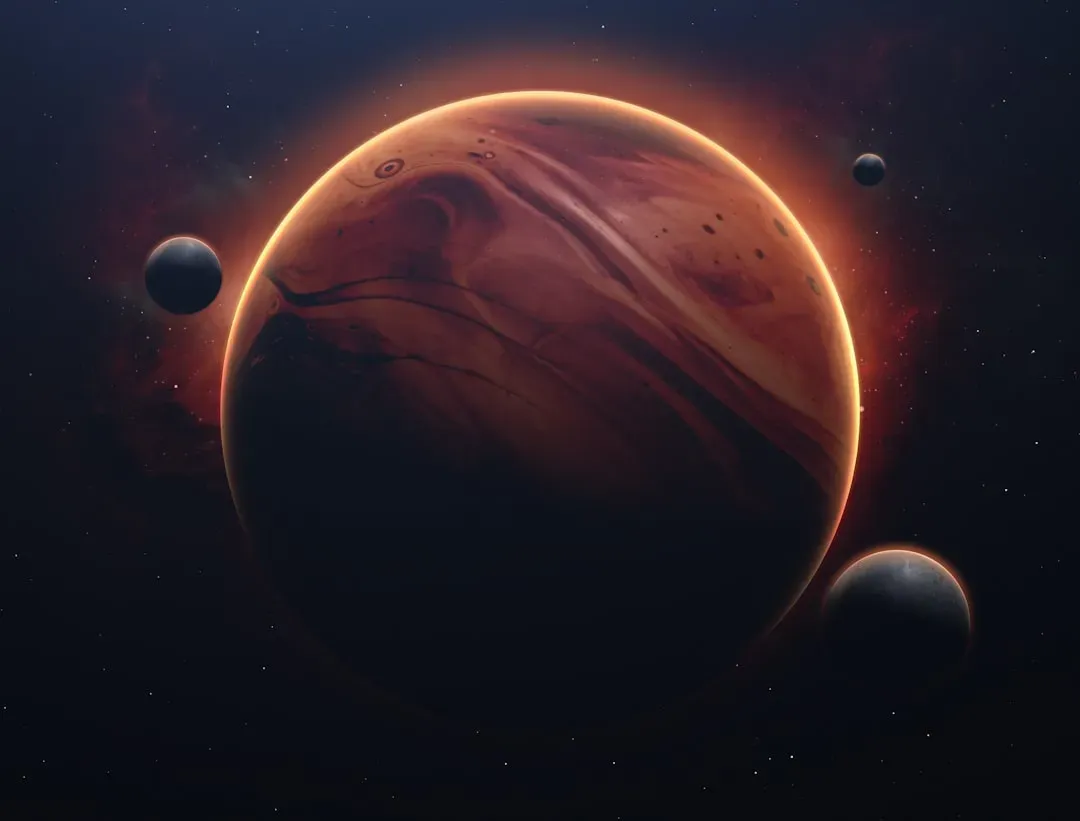
Most people assume gravity should get stronger as you approach a planet’s core, since that is where all the mass is concentrated. The opposite happens instead. As you descend beneath the surface, the mass located above and around you begins pulling in different directions, effectively canceling itself out, while only the mass closer to the center still exerts a net downward pull.
At the exact center of a uniformly dense planet, gravity would theoretically drop to zero, since mass would be pulling on you equally from every direction at once. Earth is not perfectly uniform, given its dense core and layered structure, but the general trend still holds, gravity peaks somewhere beneath the surface and then tapers off toward the center rather than growing infinitely stronger.
The Real Takeaway on Gravity
After going through all ten of these, it becomes hard to think of gravity as boring ever again. It is the force we take most for granted, yet it turns out to be the one most stitched into the strange machinery of the universe, bending light, warping time, and rippling through empty space. Most people go their entire lives treating gravity as background noise, when honestly it deserves to be treated as one of the most fascinating puzzles in physics.
My honest opinion is that gravity gets a bad reputation for being simple, mostly because we experience its most basic effect every waking second. But the deeper you dig, the more it feels less like a rule and more like an open question that Einstein only partially answered. Physicists still cannot fully reconcile gravity with quantum mechanics, and that gap alone should tell you this force is far from fully understood. The next time you drop something and watch it fall, it might be worth remembering that you are witnessing one of the least understood mysteries in modern science, disguised as the most ordinary event imaginable.