Most people picture paint starting in a factory – a hardware store aisle, plastic tubs, a stir stick. The fossil record tells a very different story. Chemists armed with X-ray diffraction, Raman spectroscopy, and synchrotron imaging have now cracked open paint recipes older than 100,000 years, and they can name the exact minerals early humans crushed, heated, and mixed to make color.
What’s rattling researchers isn’t just the age of these pigments. It’s the chemistry behind them. Some involved toxic minerals, rare imports, and precise control over particle size that sounds more like a modern materials lab than a cave floor. Here are the 12 pigments scientists have now pinned down to the exact mineral – including the one color that never showed up, no matter how hard prehistoric humans tried.
#1 – Red Ochre (Hematite, Fe₂O₃)
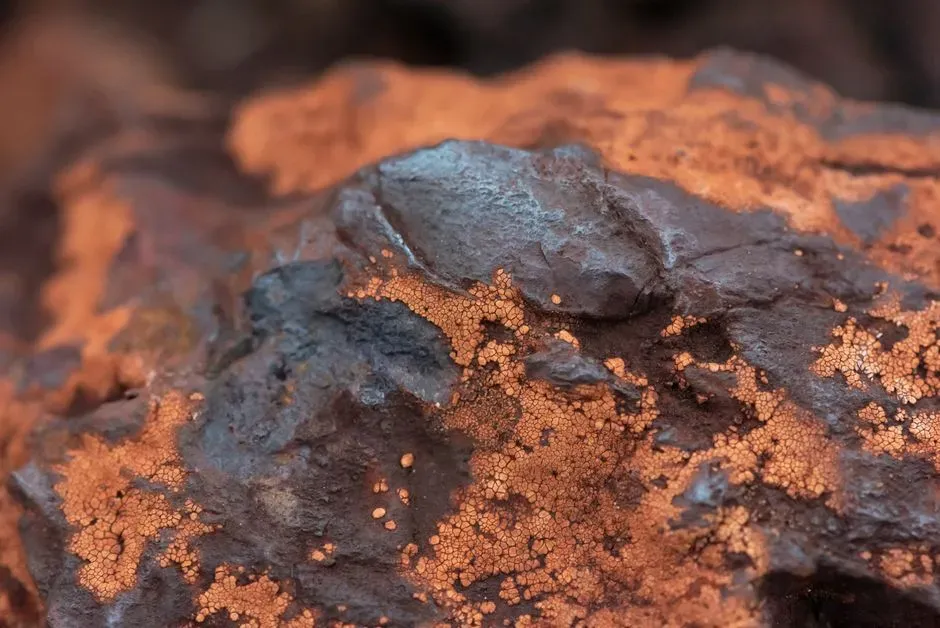
Red is the color that never went out of style, and chemists have finally figured out why it dominates the prehistoric record so completely. Iron oxides and hydroxides make up nearly every red pigment ever tested, and hematite turns up more than any other mineral in Palaeolithic and post-Palaeolithic rock art around the entire globe.
Even stranger, ochre use predates cave art itself by tens of thousands of years. Ethnographic records from modern hunter-gatherers show hematite-based ochre used for medicine, food preservation, tanning hides, and insect repellent, meaning the “paint” was a survival tool long before it was ever an art supply. Chemists studying Neanderthal sites even found ochre use before modern humans arrived in Europe at all, and simply tweaking the mineral’s grain size can swing the color from brick red to deep maroon. Yellow ochre, oddly enough, wasn’t nearly this easy to come by.
Fast Facts
- Hematite’s chemical formula is Fe₂O₃ – a straightforward iron oxide with an outsized visual range.
- Neanderthals used ochre in Europe before modern humans ever arrived on the continent.
- Grinding hematite finer or coarser alone can shift its shade from brick red to deep maroon.
- Beyond painting, ochre doubled as medicine, hide tanning agent, food preservative, and insect repellent.
#2 – Yellow Ochre (Goethite / Limonite)
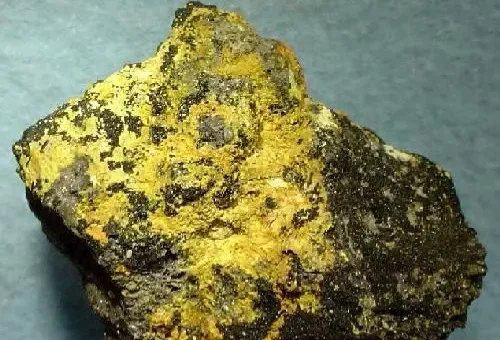
If red ochre is the headline pigment, yellow is the one chemists almost overlooked entirely. Hematite is the primary component behind red, brown, and purple pigments, while goethite handles the yellows – a close chemical cousin of hematite with one extra water molecule baked into its crystal structure.
Here’s the twist that surprised researchers: yellow wasn’t reliably available for most of prehistory. Goethite and jarosite-based yellow ochres are apparently uncommon in artwork before the later Neolithic, meaning prehistoric artists worked with a severely limited palette for tens of thousands of years before yellow became dependable. Once people figured out how to source and control it, entire new visual possibilities opened up overnight. Black, it turns out, was even more calculated than either color.
#3 – Manganese Black (Pyrolusite)
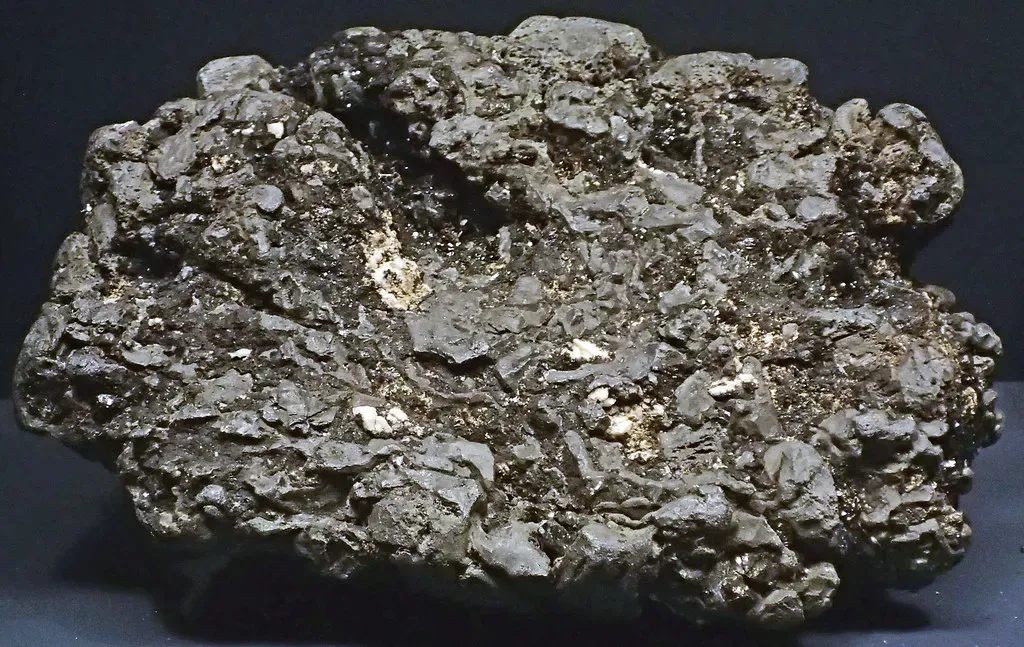
Black paint sounds simple – burn something, use the soot – but chemists discovered prehistoric artists were doing something far more advanced. Researchers using Energy Dispersive XRF identified manganese oxide black pigments alongside charcoal on painted plaquettes at Parpalló Cave in southeastern Iberia, dating between 26,000 and 11,000 years ago.
That’s a genuine mining operation, not fireplace scrapings. A separate team working at Rouffignac Cave in France, on pigments used 13,000 years ago, found two distinct manganese oxides at play – pyrolusite and romanechite. Prehistoric people were selecting specific manganese ores, not just grabbing whatever dark rock sat nearby. Manganese deposits are far harder to find than iron oxide ochres, which hints at real mineralogical knowledge passed down through generations. And black gets even stranger from here.
#4 – Barium-Manganese Black (Romanechite / Psilomelane)
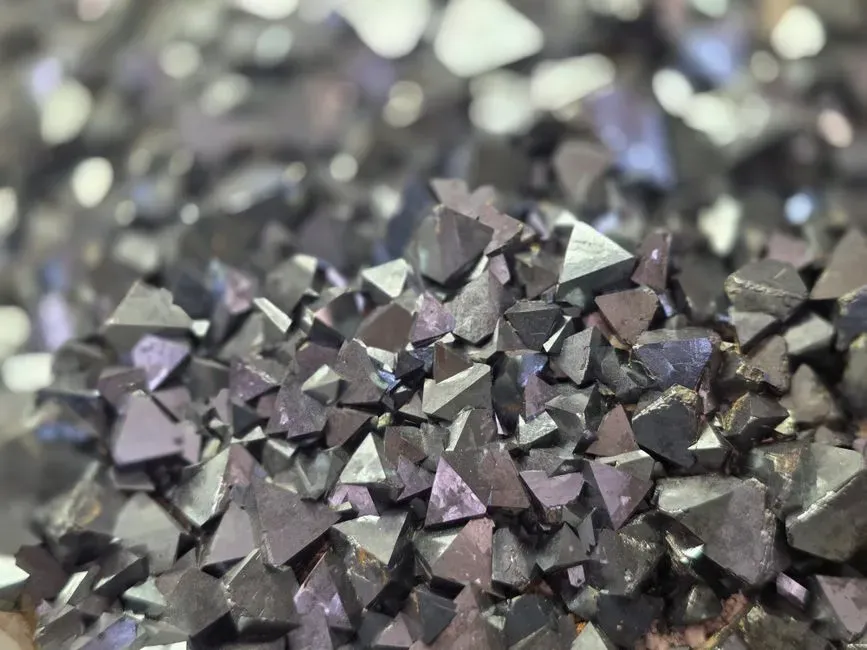
This is the pigment that made chemists rewrite what they thought they knew about “simple” cave-art blacks. Elemental analyses revealed a strong, repeated link between barium and manganese in dark cave decorations, most likely pointing to psilomelane – a hard, hydrous, barium-bearing manganese oxide group that includes romanechite.
In plain terms, some of the blackest lines on cave walls aren’t pure manganese at all. They’re a barium-manganese hybrid mineral that no casual observer could ever tell apart from ordinary charcoal. That barium signature works like a chemical fingerprint, letting researchers trace which quarry or outcrop supplied a specific batch of paint – a level of forensic precision that would impress a modern crime lab. Not every black pigment came from a mineral at all, though.
Worth Knowing
- Romanechite belongs to the psilomelane group, a family of hard, water-bearing manganese oxides.
- The barium signature acts like a geochemical fingerprint, tracing a paint batch back to a specific outcrop.
- To the naked eye, this pigment is indistinguishable from ordinary charcoal soot.
- Its detection only became possible with elemental analysis tools, not visual inspection.
#5 – Charcoal and Soot Black (Carbon)
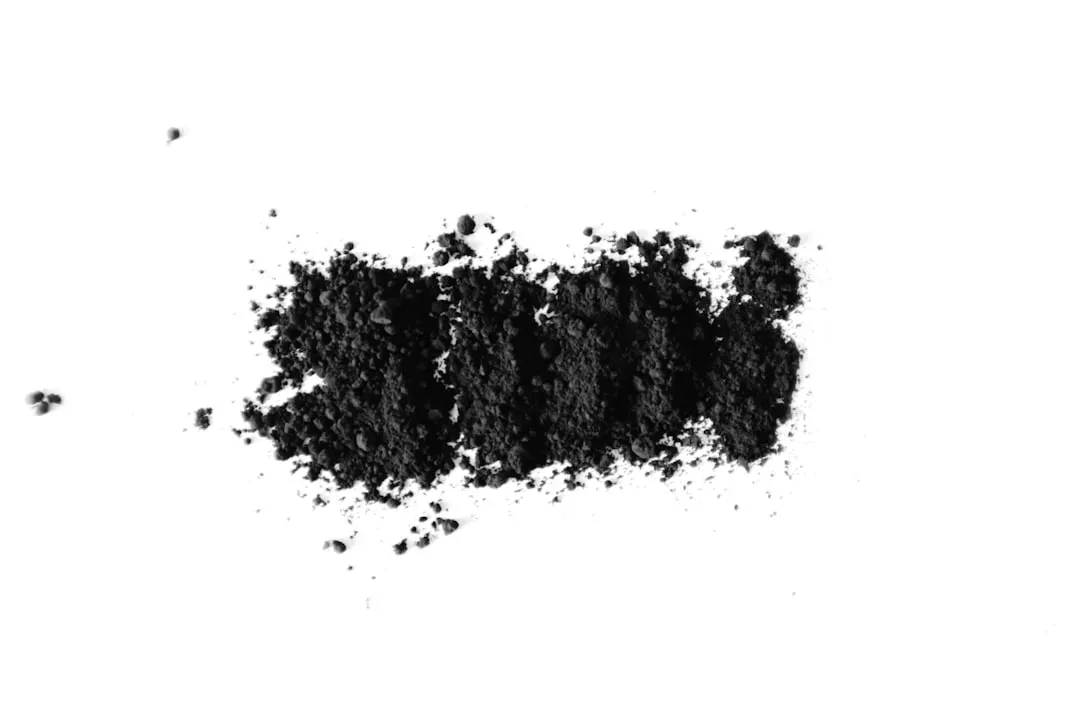
For decades, scientists assumed certain black cave paintings were chemically impossible to date – until new instruments proved everyone wrong. Researchers had long believed many black paintings were made entirely from iron and manganese oxides, which don’t contain the organic carbon needed for radiocarbon dating. That assumption held for generations.
Then Raman microspectrometry and hyperspectral imaging finally caught what earlier eyes missed: charcoal distributed consistently throughout the black lines, proving the carbon was part of the original pigment rather than later contamination. That single discovery unlocked direct dating for artwork once considered a permanent mystery. Turns out the “impossible to date” label was really just an “instruments weren’t good enough yet” label. White, meanwhile, hides its own quiet mess.
#6 – Gypsum White (Calcium Sulfate)
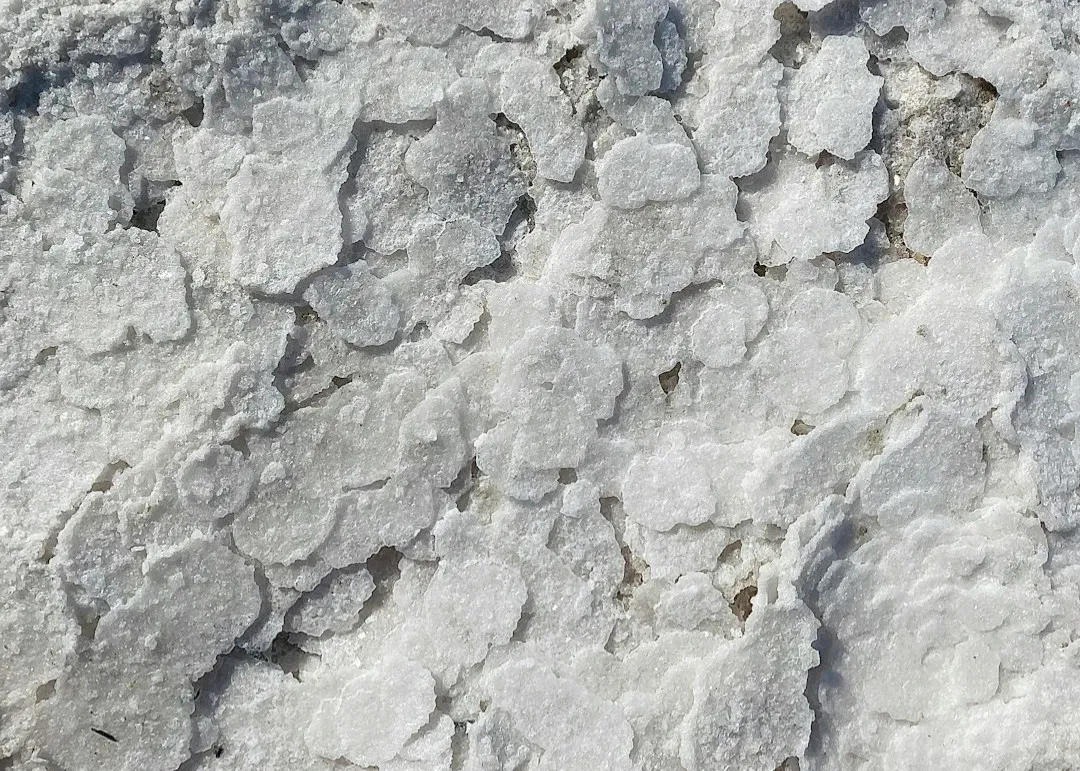
White paint sounds like the least interesting color in the prehistoric toolkit, but chemists found it’s one of the trickiest to nail down. Gypsum has been identified as the main component of white pigment at multiple cave sites, chemically simple as calcium sulfate dihydrate but naturally soft and chalky – ideal for covering large wall areas fast.
Researchers cataloguing white pigments across sites keep finding gypsum paired with other calcium-based minerals rather than standing alone. Most people assume white paint is “just chalk,” but the actual mineral identity varies wildly by region and cave geology. That inconsistency is exactly why chemists had to run full spectroscopic panels instead of trusting visual color-matching, which led to plenty of misidentified pigments in older archaeological reports. It only gets messier once the cave itself joins the picture.
#7 – Calcite White (Calcium Carbonate)
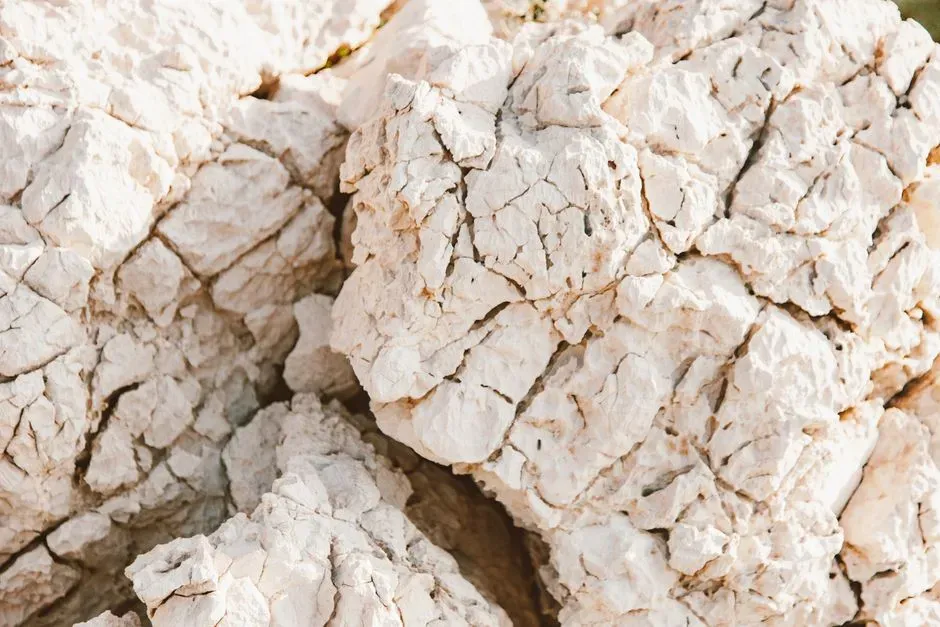
Calcite might be the most deceptively boring mineral on this entire list, yet it’s rewritten how researchers read prehistoric rock art sites. Investigations at one cave found hematite serving as the actual applied pigment, while gypsum and calcite showed up in the rock base of the paintings themselves.
That distinction matters enormously – calcite is often part of the wall itself, not something an artist deliberately applied. This creates a genuine forensic headache: how do you separate intentional white paint from natural mineral deposits that formed on top of the art over thousands of years? Advanced imaging solved it by mapping crystal structure differences invisible to the naked eye. Then there’s a white mineral almost too rare to make sense of.
#8 – Huntite White (A Genuinely Rare Mineral)
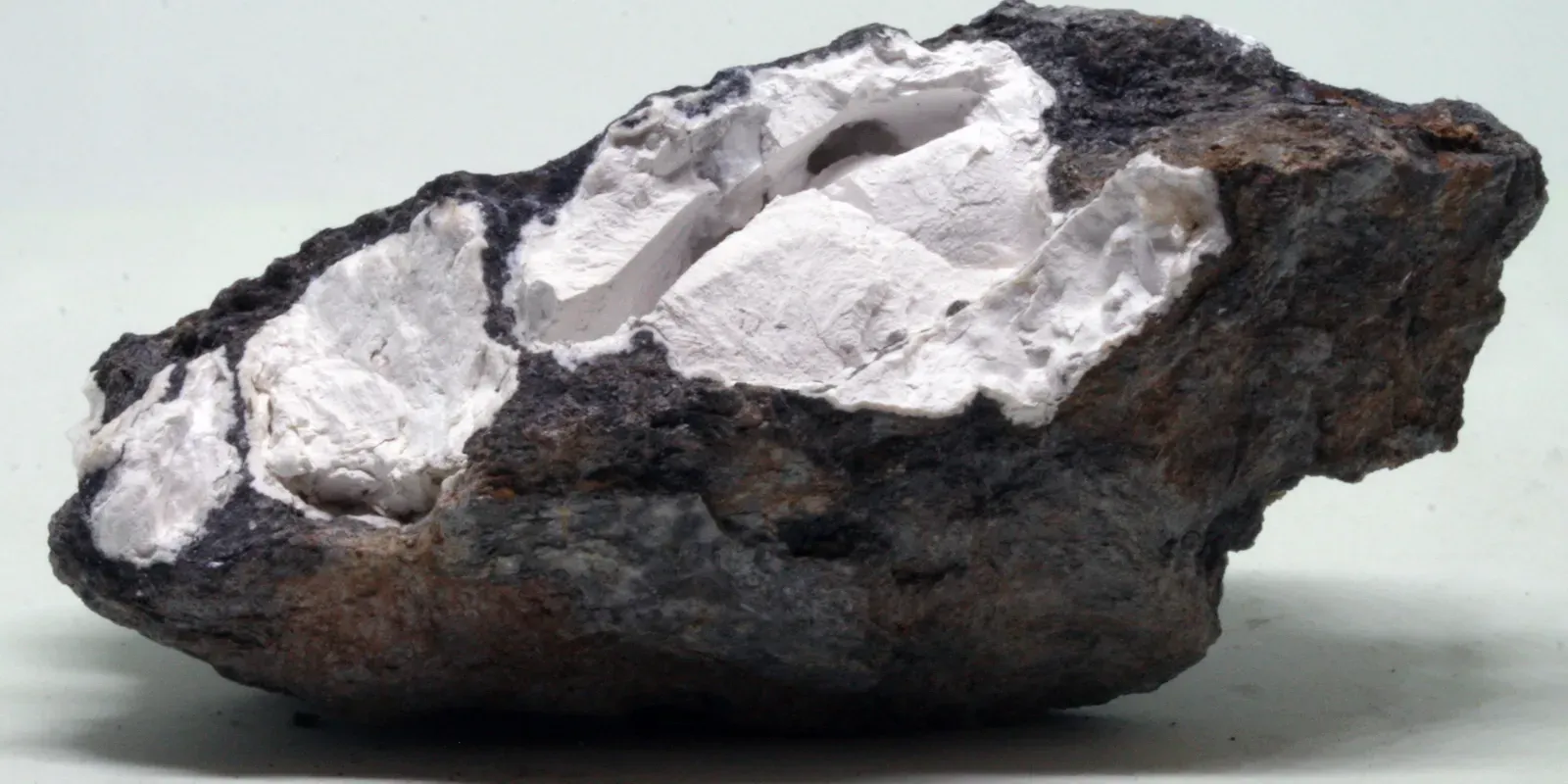
This is the pigment that proves prehistoric people occasionally sourced materials that are borderline exotic even by modern mineralogical standards. Huntite (CaMg₃(CO₃)₄) shows up among the most-detected compounds behind white paintings across multiple prehistoric sites.
Here’s the controversial part: huntite deposits are genuinely uncommon in nature, meaning artists either traveled unusually far to get it or exploited very localized outcrops that modern geologists still find noteworthy. Most “cave painting” documentaries never mention huntite because it doesn’t fit the simple dirt-and-ash narrative people expect. The reality is messier and more interesting – some prehistoric painters were running genuinely specialized mineral supply chains, not grabbing whatever was lying around the cave floor. Even industrial-sounding minerals show up underground with them.
At a Glance
- Chemical formula: CaMg₃(CO₃)₄ – a calcium-magnesium carbonate rarely found in concentrated deposits.
- Counts among the rarest minerals confirmed in any prehistoric pigment palette.
- Its scarcity implies either long-distance travel or reliance on tightly localized outcrops.
- Challenges the popular “cave people just used dirt” assumption about prehistoric art materials.
#9 – Kaolinite Clay White
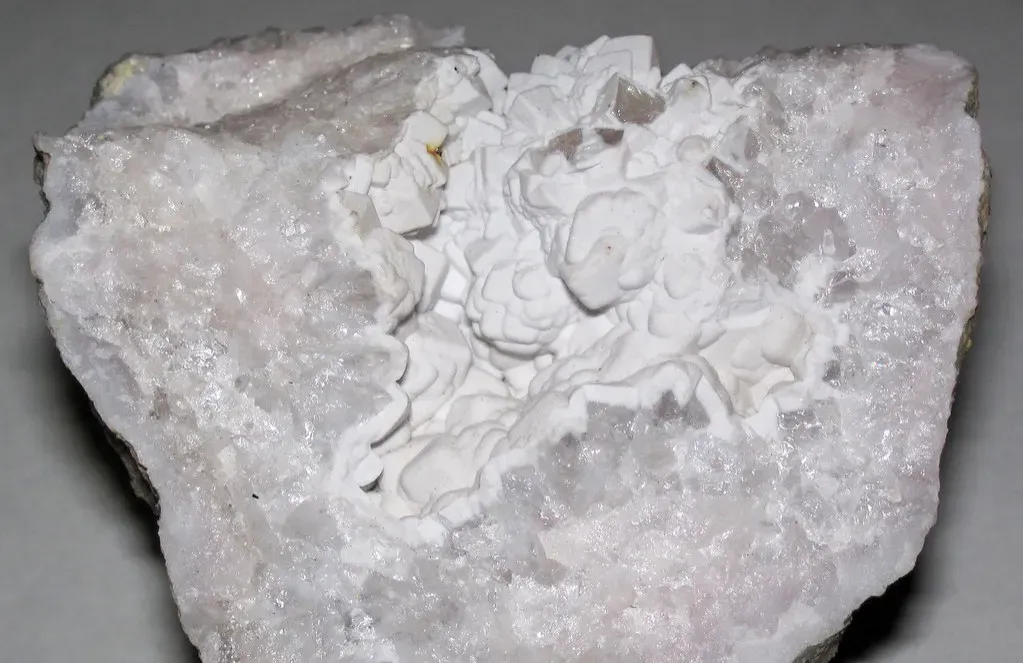
Kaolinite sounds like a modern industrial material – it’s literally what porcelain and some cosmetics are made from – yet chemists keep finding it baked into prehistoric paint palettes. Kaolinite (Al₂Si₂O₅(OH)₄) is listed among the most-detected compounds used for white paintings in the prehistoric rock art record.
Unlike gypsum or calcite, kaolinite is a clay mineral with a completely different crystal structure and a far finer, smoother particle texture when ground. That changes the physical feel of the paint itself – kaolinite-based whites likely spread more evenly and adhered differently to rock than chalky calcium-based options. The fact that prehistoric artists used multiple, chemically distinct white minerals rather than one universal “white rock” suggests real experimentation, not blind repetition. Nothing on this list matches the risk artists took for one particular red, though.
#10 – Cinnabar Red (Mercury Sulfide)
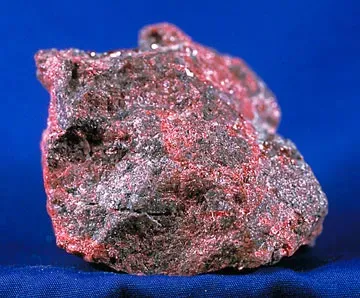
This is arguably the most dangerous pigment on the entire list, and prehistoric people used it anyway. Researchers documented red powder – cinnabar and quartz – preserved inside a shell at a Neolithic site, proving this mercury-based mineral wasn’t a geological accident but a deliberately stored pigment supply.
Cinnabar is mercury sulfide – genuinely toxic by modern safety standards – yet its vivid, almost unnatural scarlet apparently made it worth the risk to people who had no concept of heavy-metal poisoning. This is a rare case where the visual payoff of a color clearly outweighed the practical cost, at least in the minds of whoever mixed it. Storing it inside a shell hints at something modern paint tubes still do today: keeping a precious pigment away from moisture and contamination. Hematite, it turns out, had one more trick nobody expected.
#11 – Specular (Micaceous) Hematite
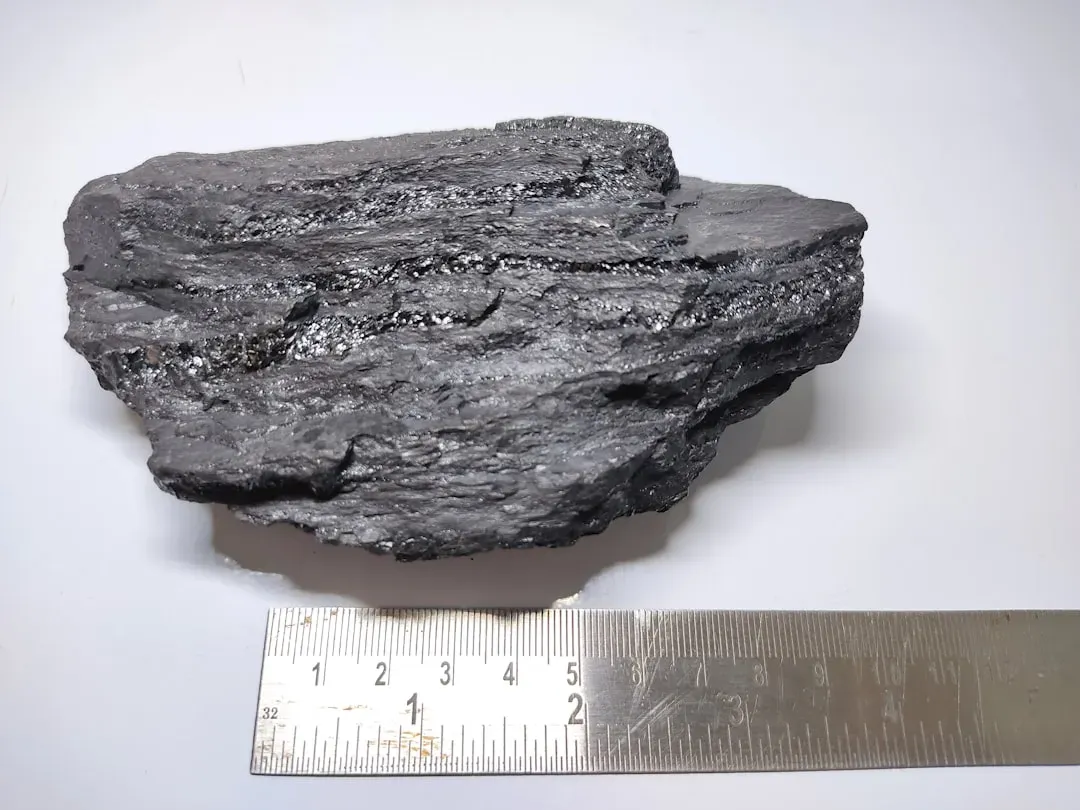
Most people think of hematite as flat, dull red – but chemists and hobbyist mineralogists alike have confirmed a shimmering variant that upends that assumption completely. Grinding a piece of micaceous hematite produces two entirely different grades of paint: coarse flakes that keep a silvery, metallic shine, and finely ground material that shifts toward red or purple.
That means the exact same mineral source could yield either a glittering, almost metallic pigment or a conventional matte red, depending entirely on how finely it was crushed. This lines up with the famous 100,000-year-old ochre-processing kit uncovered at Blombos Cave, proof that prehistoric people weren’t just picking up random rocks – they were actively controlling particle size for a specific visual effect. That’s genuine material-science instinct, executed with nothing but stone tools and patience. And then there’s the color that never showed up at all.
#12 – Copper Green (Atacamite / Malachite)
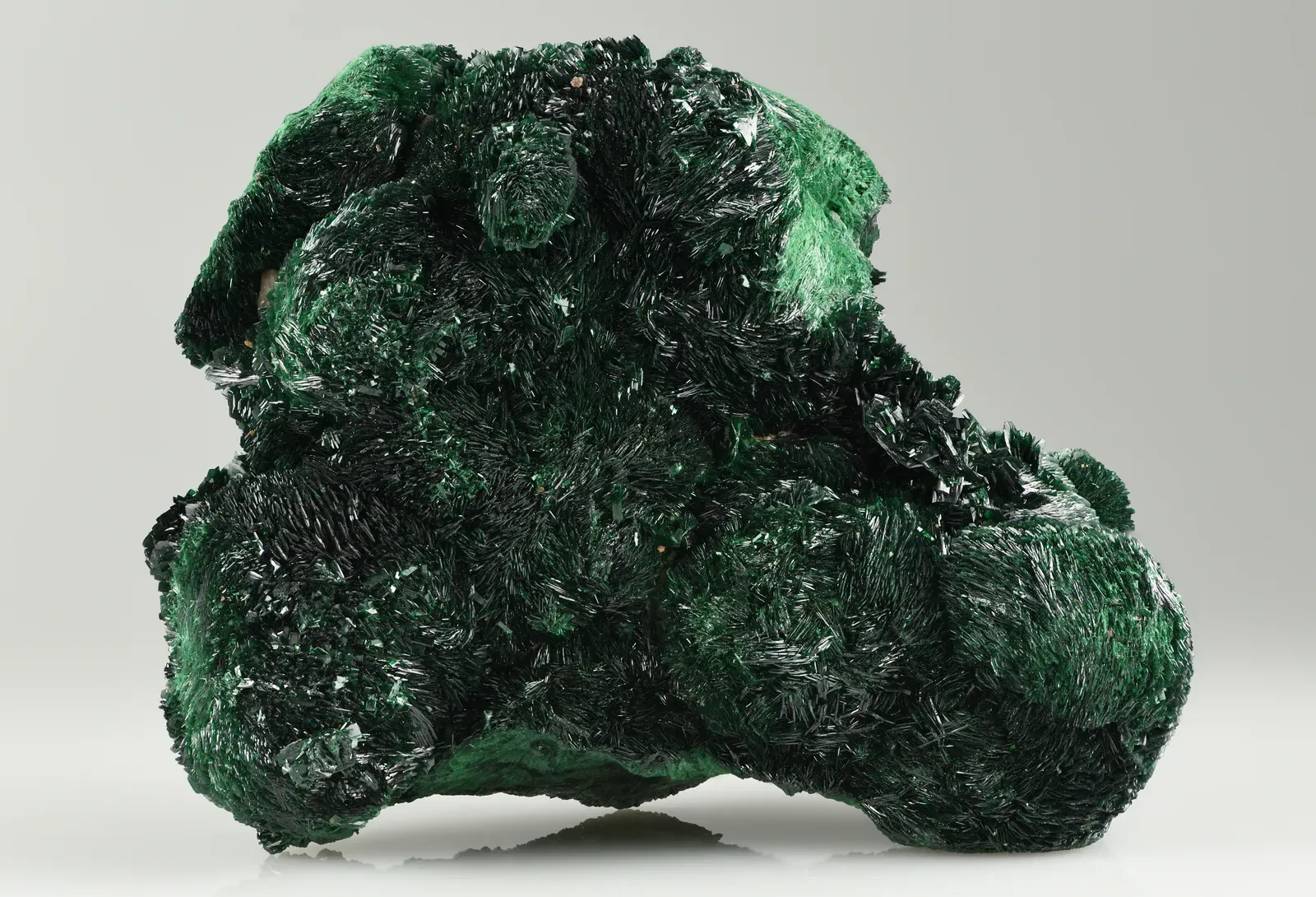
Saved for last because it exposes the biggest gap in the entire prehistoric color story: blue and green were almost impossible to make, and chemists can now prove exactly why. Prehistoric cave paintings feature a stunning range of shades – charcoal blacks, ochre reds, muted yellows – yet archaeologists have never found true blue anywhere in cave art.
Blue’s earliest known appearance dates back only 5,000 years, to the Egyptian invention of a synthetic compound now called Egyptian blue, because unlike ochre or charcoal, blue pigments are almost nonexistent in raw nature. Green fared only slightly better – researchers have identified atacamite and clinoatacamite on rock paintings, and even found pure atacamite powder stored in leather pouches from the Late Intermediate and Late periods of Northern Chile. This is the pigment that proves color availability, not creativity, limited prehistoric art. Documentaries love to romanticize cave art as boundless imagination, but the blunt chemical truth is simpler: early humans worked with whatever colorful minerals nature handed them, and blue just wasn’t on the menu until someone finally invented it.
Why It Stands Out
- No confirmed true blue pigment exists anywhere in Paleolithic cave art.
- Egyptian blue, humanity’s first known synthetic pigment, only appeared about 5,000 years ago.
- Atacamite green was valuable enough to be stored in leather pouches for careful preservation.
- The absence of blue reflects mineral scarcity, not a lack of artistic ambition.
The Verdict: Chemistry, Not Just Creativity
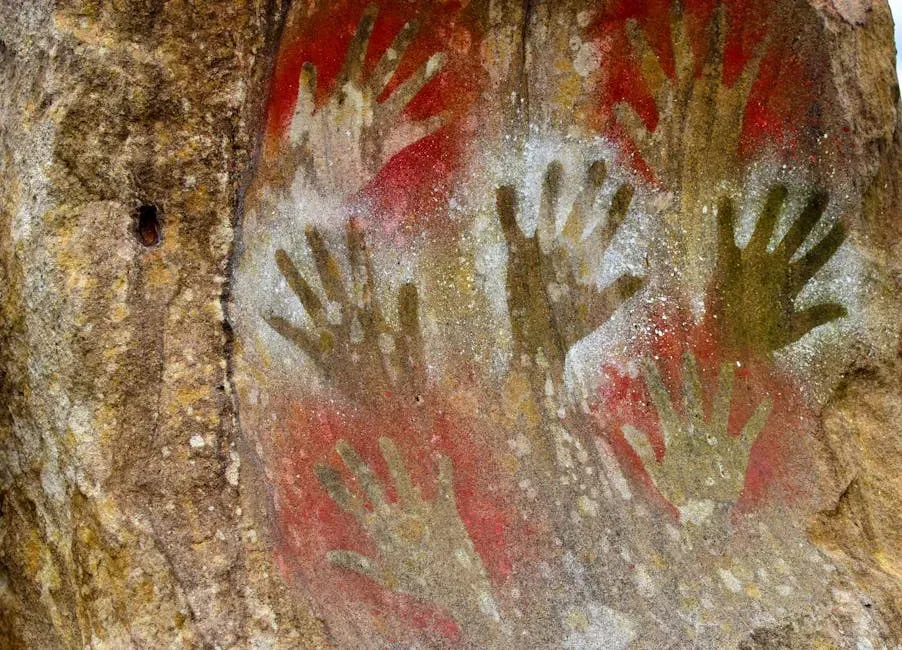
The real story here isn’t just about old paint – it’s about how limited, and how clever, prehistoric color technology actually was. Chemists have now confirmed that early humans mastered iron oxides, manganese ores, toxic mercury minerals, and rare imported clays long before anyone wrote a single word down.
And yet they never cracked a natural blue. That gap alone tells you prehistoric art wasn’t just instinct – it was chemistry, trial and error, and hard-won mineral knowledge passed down across generations. Most people give ancient artists credit for creativity but never for actual material science, and honestly, that’s the mistake. Which pigment on this list surprised you the most? Drop your pick in the comments.