Most people assume extinction is permanent – a species disappears, gets a somber line in a textbook, and that’s the end of the story. Conservation history keeps proving that assumption wrong in the strangest possible ways: a salamander turns up on a coffee farm, a duck survives on a single volcanic crater lake, a monkey that villagers swore was real long before any scientist believed them.
These aren’t cute footnotes for a slow news day. Each rediscovery on this list forced experts to admit they were badly wrong about something big – how much of the deep ocean we’ve never actually looked at, how fast a species can vanish from scientific view while still thriving in plain sight, how often local knowledge quietly outperforms decades of formal surveys. Stick around, because #1 involves a bird whose “comeback” is still splitting scientists into two furious camps.
#12 – Bermuda Petrel (The Cahow)
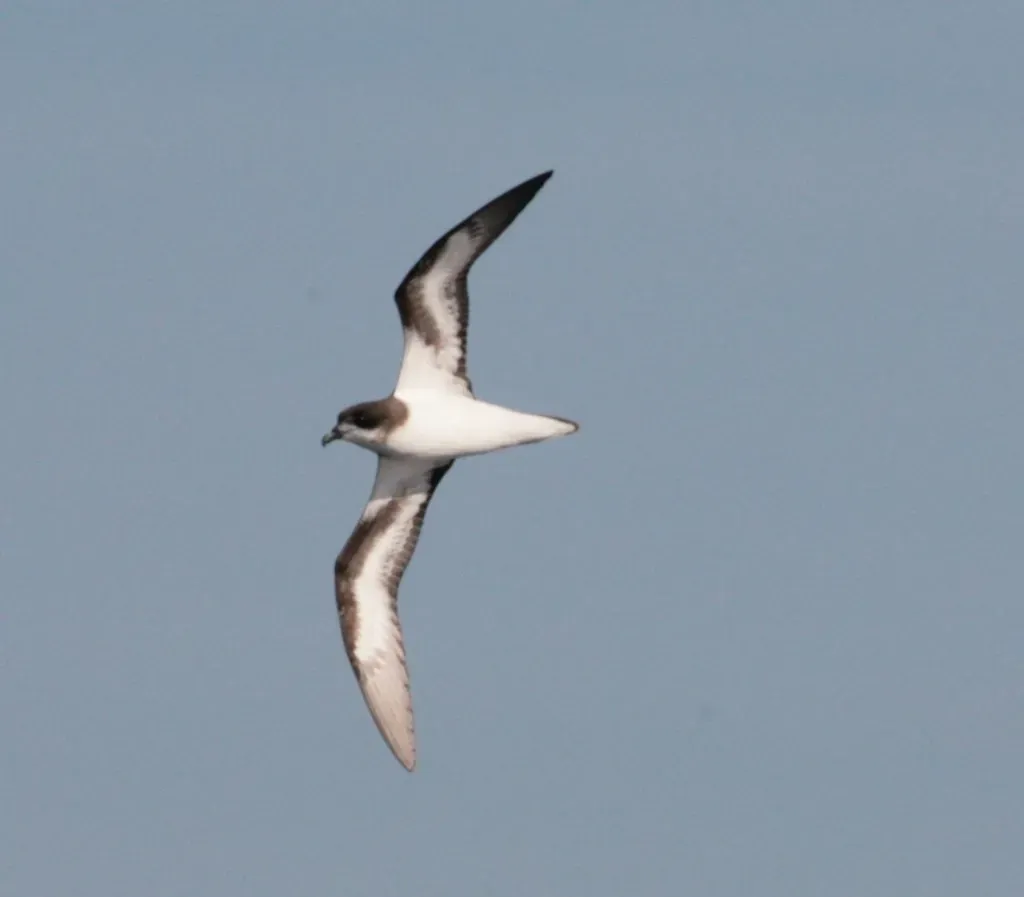
Everyone “knew” this seabird had vanished with the age of pirates – until it didn’t. For over 300 years, the Bermuda petrel, known locally as the cahow, existed only in records from the 1600s and a handful of dusty museum skins. Sailors, rats, and cats were blamed for wiping it out, and textbooks repeated the story without question.
Then, in 1951, a small team combing remote islets off Bermuda heard an eerie call at night and realized the impossible: a breeding population had survived in secret, clinging to sheer cliffs and tiny rock holes nobody had thought worth checking. A bird declared extinct for centuries had been living a few kilometers from people the entire time.
Today, only a few hundred cahows exist, all heavily managed. Conservationists use artificial burrows, strict predator control, and even night-vision cameras just to keep tabs on the nests.
Their entire breeding range fits into a space smaller than many airports, which means one bad storm or one careless invasive species could still undo seven decades of second chances. But that’s nothing compared to what we found about #11, which literally hid at the bottom of a river everyone assumed was long dead to science.
#11 – Coelacanth: The “Extinct” Fossil Fish That Was Still Swimming
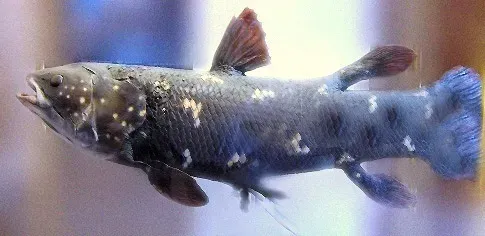
Scientists used this fish as the textbook symbol of extinction – until one turned up in a fisherman’s net. For decades, the coelacanth was the classic example of a lineage that vanished 66 million years ago alongside the dinosaurs. Its fossils show up in ancient rock layers, then disappear entirely, so paleontologists filed it under permanently gone.
In 1938, a South African trawler working near the Chalumna River hauled up a strange, oily blue fish with limb-like fins. A local museum curator recognized it from old fossil plates and nearly passed out on the spot. One of the most famous “extinct” vertebrates on Earth was, in fact, very much alive.
That single discovery forced scientists to accept something uncomfortable: we are still shockingly ignorant about what lives in the deep sea. Years later, a second coelacanth species turned up near Indonesia, proving this wasn’t a fluke survivor but a tiny, hidden lineage spanning two oceans.
Fast Facts
Even now, coelacanths spend their days tucked inside underwater caves 100 to 300 meters down, far from casual observation. But that’s nothing compared to what we found about #10, a frog that reappeared in a place almost nobody bothers to look – a swamp that had already been drained and paved over.
#10 – Hula Painted Frog: From Drained Swamp Ghost to Conservation Symbol
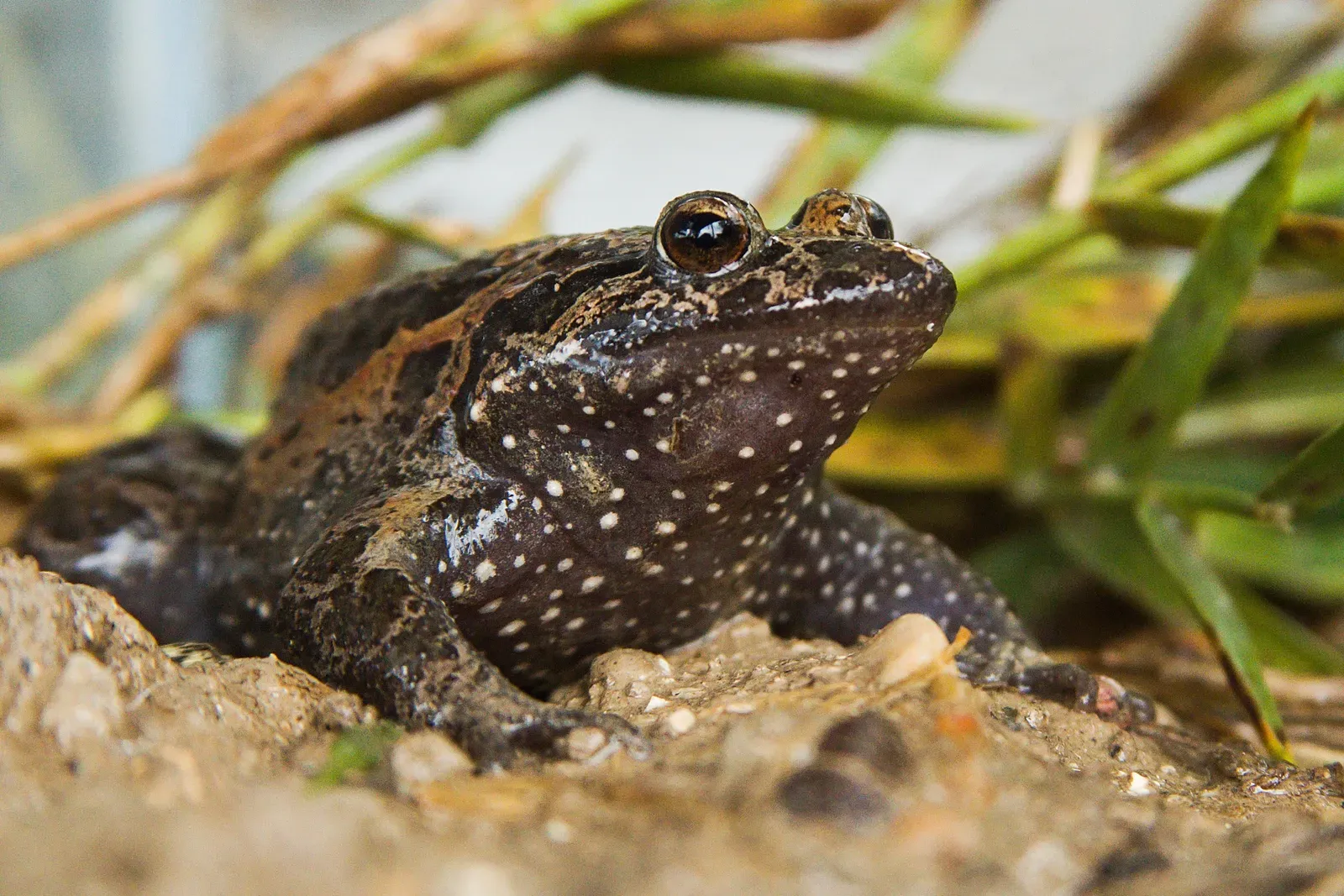
Israel literally destroyed its only known habitat – yet the frog refused to die. The Hula painted frog was first described from the Hula Lake marshes in northern Israel in the mid-20th century. Shortly after, the wetland was drained for agriculture and disease control, and biologists assumed the frog had gone down with it.
For decades, the species sat in red “Extinct” boxes on official lists, a cautionary tale about the true cost of land reclamation. Then, in 2011, a park ranger wading through a partially restored wetland scooped up a small, speckled frog that looked slightly off and sent it in for identification, more out of curiosity than hope.
DNA tests confirmed it was the “extinct” Hula painted frog – not a relic, but part of a small surviving population that had been quietly holding on the entire time. That one soggy frog triggered a rush of surveys and a total rewrite of its conservation status.
It turned out to be the only living member of an entire genus previously known only from fossils, making it not just rare but evolutionarily irreplaceable. The rediscovery pushed Israel to expand protection of the remaining marsh fragments, turning a national planning mistake into a late, partial correction. But that’s nothing compared to what we found about #9, a primate that vanished into the canopy and came back because villagers simply refused to stop talking about it.
#9 – Miller’s Grizzled Langur: The Monkey Scientists Didn’t Believe In Anymore
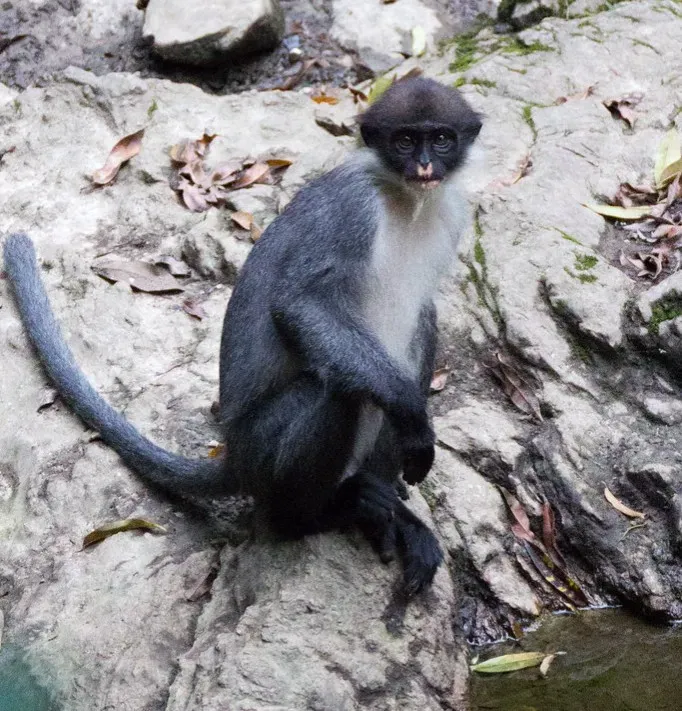
Most people don’t realize a supposedly “mythical” Indonesian monkey turned out to be very real, and very endangered. Miller’s grizzled langur, a gray, long-tailed primate from Borneo’s forests, was described in the early 20th century and then all but vanished from scientific view. Logging, hunting, and brutal terrain meant that by the 1970s and 1980s, many primatologists quietly considered it gone.
Standard surveys found nothing. Yet local communities kept insisting there was a shy, odd-looking monkey living in remote limestone areas that didn’t match any of the photos scientists showed them.
Worth Knowing
- First described in the early 1900s, then absent from formal scientific records for decades
- Local communities in East Kalimantan reported sightings for years before researchers took the claims seriously
- Camera traps finally confirmed the species in 2012, deep in Borneo’s steep karst forest
- Its status flipped from “likely gone” to “critically endangered but present” almost overnight once photos surfaced
For years, the only evidence for the langur’s survival was word-of-mouth and a handful of blurry sightings nobody in the scientific establishment took seriously. In 2012, a camera trap project in East Kalimantan finally delivered proof: sharp, unmistakable images of Miller’s grizzled langur, alive and clinging to steep karst forest.
That single confirmation flipped the species from “likely gone” to “critically endangered but present,” unlocking international attention and funding almost overnight. It also exposed a pattern conservationists hate to admit out loud: local hunters and villagers often know far more about what’s still out there than the published literature does. But that’s nothing compared to what we found about #8, a parrot that survived in a city’s shadow after being written off for 80 straight years.
#8 – Night Parrot: The Bird Everyone Mocked Until the Photos Came In
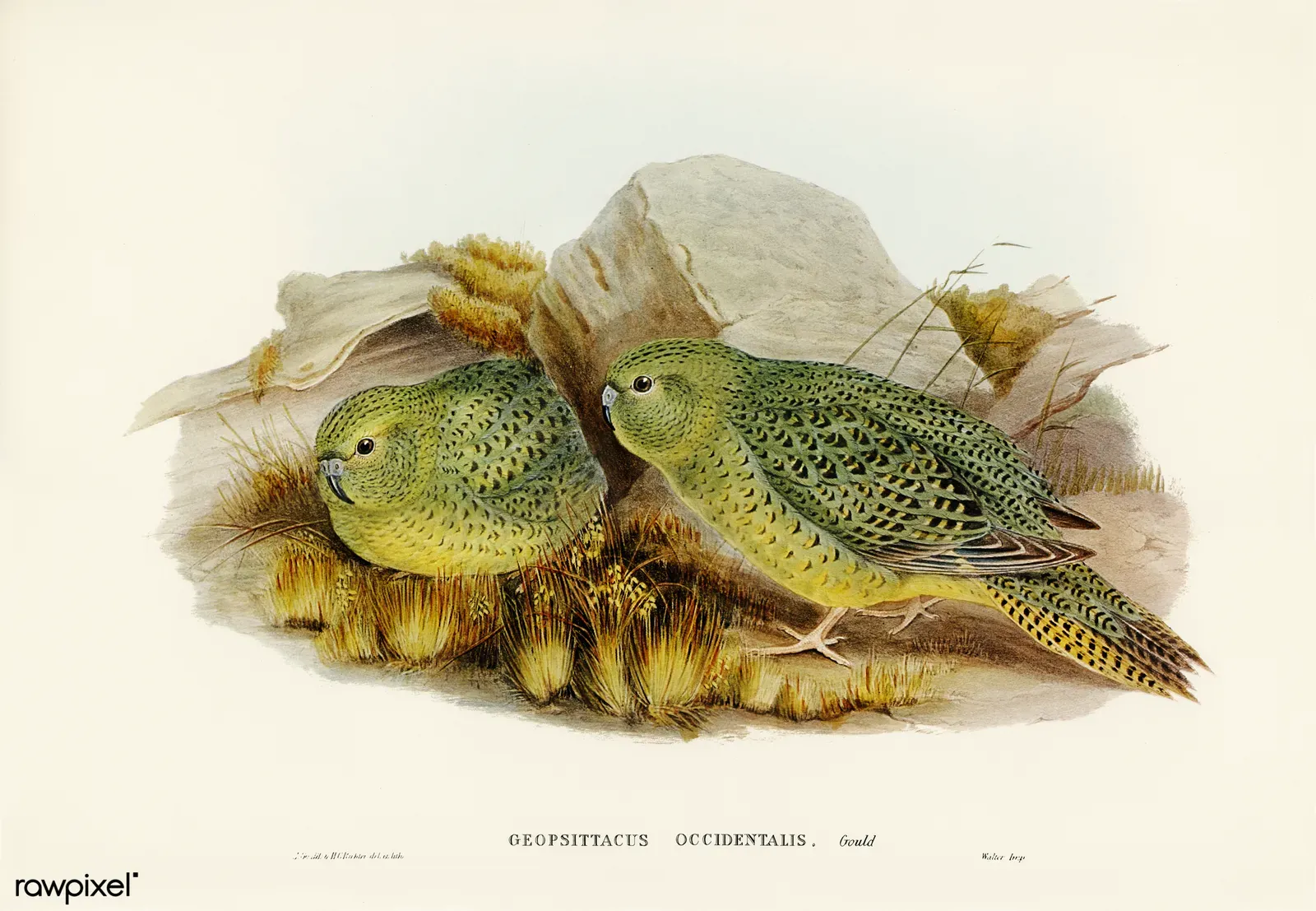
For decades, the night parrot of Australia was basically a punchline – until someone finally got one on camera. This small, cryptic bird lives buried in dense spinifex grass and almost never flies far. Victorian-era explorers collected a few specimens in the 19th century, and then the species effectively vanished from record.
By the mid-1900s, no confirmed sightings existed anywhere. Ornithologists argued over whether it was extinct, and several private “sightings” over the years turned out to be embarrassing hoaxes. The more people looked and failed, the more the bird hardened into a running joke.
Many professionals privately believed the night parrot was gone for good, but nobody wanted to be the one to write its obituary. Then, in 2013, a naturalist armed with acoustic sensors and sheer stubbornness finally located a living population in western Queensland.
Confirmed photographs, followed by a dead bird found after a vehicle collision, silenced the skeptics for good. Multiple pockets of night parrots have since turned up scattered across harsh inland landscapes where almost nobody ever goes at night. The rediscovery even sparked a genuine ethical fight – some experts wanted locations kept secret to protect the birds, while others argued full transparency was the only honest path forward. But that’s nothing compared to what we found about #7, a tiny amphibian rediscovered on the very kind of land nobody expected it to survive on.
#7 – Jackson’s Climbing Salamander: A “Lost” Amphibian That Came Back on a Coffee Farm
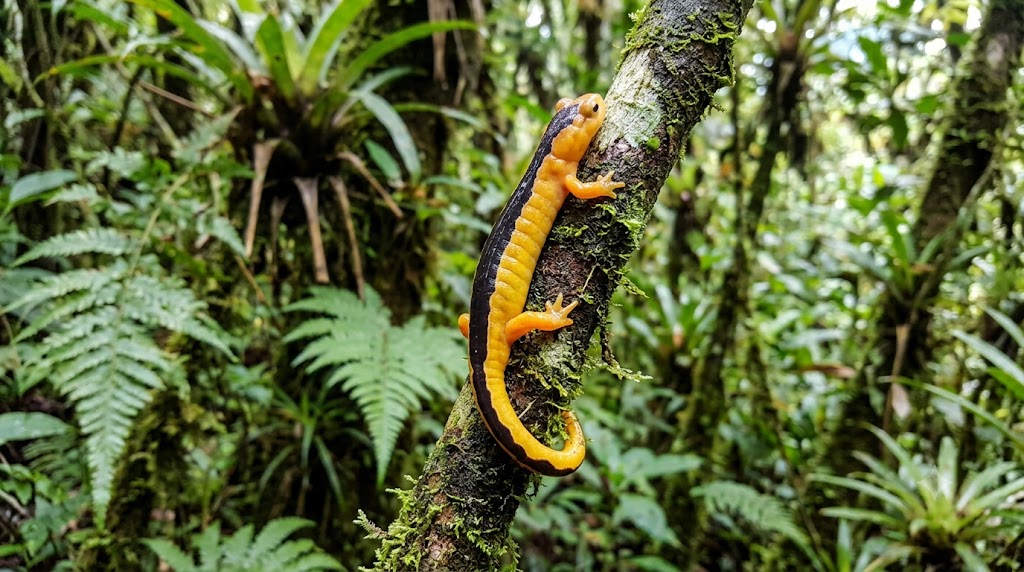
Sometimes the scientist who first describes a species lives long enough to watch it come back from the dead. Jackson’s climbing salamander from Guatemala was last seen in the 1970s. As cloud forests shrank and a devastating chytrid fungus swept through amphibian populations worldwide, herpetologists quietly moved it into the “probably gone” column. No one saw it in the field for nearly 40 years.
Then, in 2017, a guard working on a private reserve owned by a coffee company snapped a photo of a bright yellow salamander perched on a mossy branch. Experts nearly fell out of their chairs – it was Jackson’s climbing salamander, alive, in exactly the kind of habitat models had predicted it might still be clinging to.
The rediscovery validated a controversial idea in conservation circles: private land and working landscapes, like shade coffee farms, can quietly harbor species everyone assumes only survive in pristine, protected reserves. It also proved how vital local guardians can be – the man who took the famous photo wasn’t a PhD, just someone an NGO had trained to recognize unusual wildlife.
Ironically, the salamander’s second chance now comes with heavier expectations attached. Now that we know it exists, there’s simply no excuse for letting that last patch of cloud forest disappear under cattle pasture or firewood cutting. But that’s nothing compared to what we found about #6, a desert rodent hiding in plain sight in one of the most heavily surveyed countries on Earth.
#6 – Central Rock Rat: The Mammal That Kept “Going Extinct”
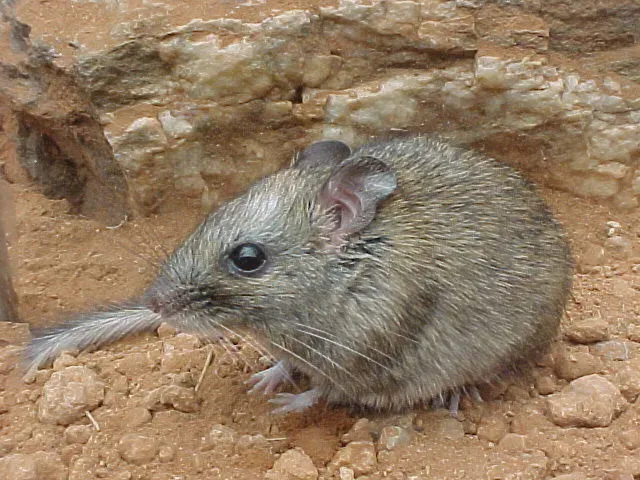
Some species don’t just disappear once; they vanish and return so often they make the entire extinction label look ridiculous. The central rock rat of Australia’s arid interior was declared extinct not once, but multiple times. Originally described in the 1890s, it went unseen for decades and was assumed gone by the mid-20th century.
Then a few were trapped in the 1960s – and then silence again. By the 1990s, textbooks were already nudging it toward the “lost causes” list once more, until a small population turned up in rocky country near Alice Springs. Each rediscovery forced authorities to rewrite the species’ status from “extinct” to “critically endangered” all over again, like some bureaucratic yo-yo.
At a Glance
- 1890s – first described, then vanishes from records for decades
- 1960s – a handful trapped, then the species goes silent again
- 1990s – rediscovered in rocky country near Alice Springs
- Ongoing – populations boom after good rains, then crash during drought and cat-heavy periods
The truth is more sobering than any single headline. Central rock rats seem to boom during good rainfall years and then crash to near invisibility during droughts and cat-heavy periods, so standard surveys often miss them entirely.
Their apparent disappearance says as much about how and when we look as it does about the animals themselves – and that matters, because conservation funding is still built around simple presence-or-absence checklists, not boom-bust cryptic species. Critics argue Australia, with its strong research institutions, should be the last place on Earth where mammals repeatedly “disappear” without anyone noticing. But that’s nothing compared to what we found about #5, a giant Asian mammal assumed hunted into oblivion until forensic clues proved otherwise.
#5 – Saola: Asia’s “Unicorn” That Vanished Almost As Soon As It Was Found
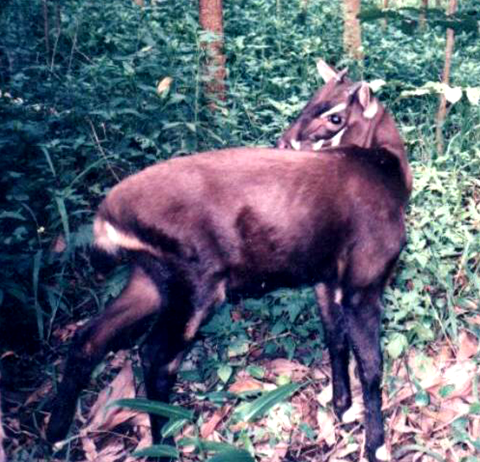
This one breaks the usual pattern entirely: it was discovered, nearly lost again, and then “rediscovered” through forensic science rather than a triumphant field sighting. In the early 1990s, biologists working in Vietnam’s Annamite mountains found unusual horns hanging in village houses – long, straight, unlike anything from a known local cow or antelope.
Genetic testing confirmed a brand-new species: the saola, nicknamed the “Asian unicorn” for its rarity and strange, elegant horns. Yet within just a few years of its discovery, direct sightings dried up almost completely. Camera traps caught only a handful of images, and attempted live captures ended badly.
By the 2000s, many conservationists feared it might already be functionally extinct in the wild, wiped out by indiscriminate snare hunting across the region. Then scattered evidence trickled back in – fresh saola remains found in remote snare lines, hunter reports matching no other known animal, and the occasional blurry camera-trap frame.
Instead of one triumphant rediscovery moment, the saola’s survival has been proven piece by frustrating piece, like a crime scene with no body. That slow, forensic confirmation reveals a darker reality: a species can technically persist while being nearly impossible to see safely, trapped in a landscape laced with wire and guns. Some experts now argue the only real hope is an emergency capture-and-breed program, while others warn similar rescues have failed before and could finish the job the hunters started. But that’s nothing compared to what we found about #4, a small mammal that stepped straight back into the spotlight, completely unbothered by decades of human assumption.
#4 – Somali Sengi: The “Missing” Mammal Found With Peanut Butter and Cookies
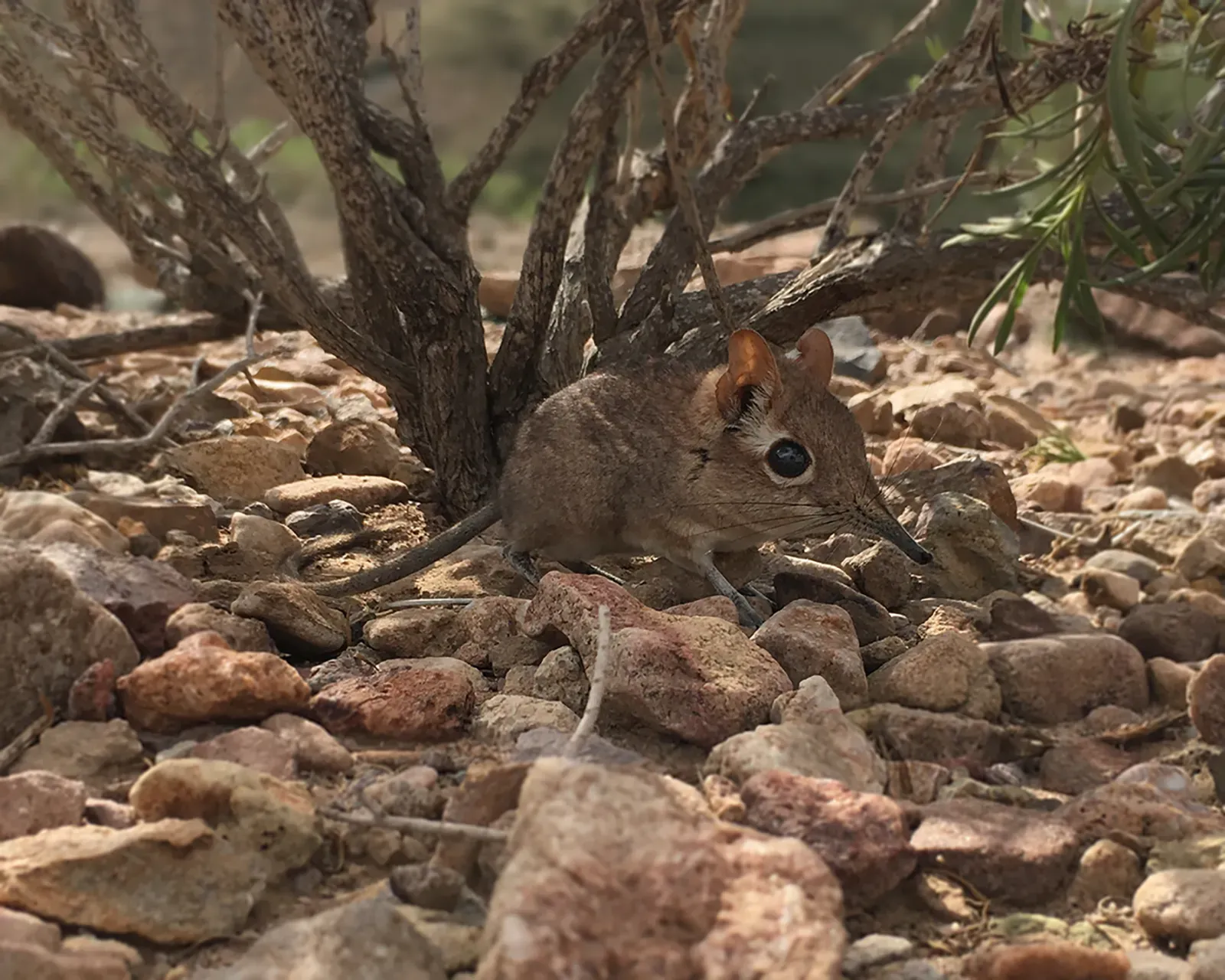
Turns out one of Africa’s supposedly vanished mammals was busy running around rock outcrops the entire time, completely unimpressed by our ignorance. The Somali sengi – a small, insect-eating mammal with a trunk-like nose – hadn’t been formally recorded in over 40 years. For a long stretch, it was known only from old museum specimens collected in Somalia, leading many scientists to quietly fear it extinct.
Political instability and security issues meant almost no modern surveys ever targeted its likely range. Then, in the late 2010s, a research team set baited live traps in neighboring Djibouti, using a mixture that included peanut butter and crushed cookies as lure.
It felt like the sengi found us, more than the other way around.
Steven Heritage, lead researcher on the Somali sengi rediscovery
Within days, the team was catching healthy Somali sengis, proving the species hadn’t just survived but had apparently been living undisturbed by science for decades. What makes this rediscovery so striking is how ordinary it felt on the ground – the animals were relatively common wherever suitable rocky habitat still remained.
The gap wasn’t in biology; it was in attention. Areas that fall off the geopolitical map often fall off the scientific one too, regardless of what’s still quietly living there. That’s an uncomfortable truth for global conservation funding, which tends to chase headlines and stability rather than actual biodiversity. But that’s nothing compared to what we found about #3, a massive waterbird that reappeared in one of the most famous biodiversity hotspots on the planet.
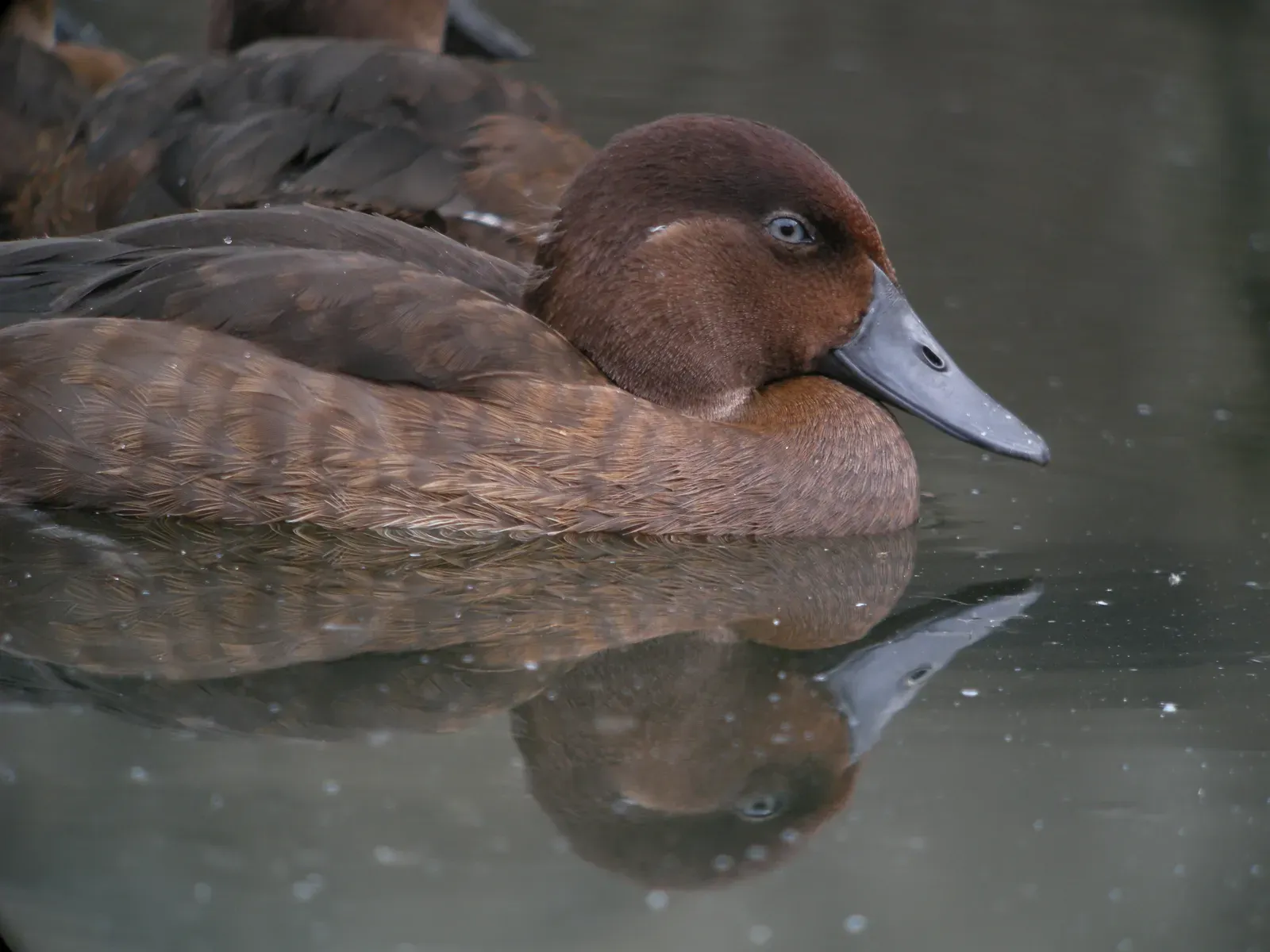
#3 – Madagascar Pochard: The Duck That Came Back From a Single Lake

Most people don’t realize the world’s rarest duck was rediscovered simply because someone finally bothered to survey a forgotten crater lake. The Madagascar pochard, a diving duck, was last recorded in the wild in the 1990s and officially classified as extinct in the wild shortly after. Madagascar’s wetlands had been hammered by agriculture, sedimentation, and invasive species, and standard surveys at all the known sites had turned up nothing.
Then, in 2006, a small team surveying a remote volcanic lake stumbled onto a handful of odd ducks behaving exactly like pochards. Closer inspection confirmed the miracle: a tiny remnant population had survived, totally isolated, on a single harsh lake that almost nobody imagined could support much wildlife at all.
That rediscovery launched one of the most intensive waterbird rescue operations ever mounted. Conservationists collected eggs, built up a captive population, and painstakingly reintroduced birds to a different, better-managed lake fitted with floating nesting rafts and hard-won agreements with local farmers.
Unlike the feel-good stories that end with one triumphant photograph, this one is still unfolding in spreadsheets, budget lines, and daily compromise. The deeper lesson is uncomfortable but important: a species can blink out from its prime habitat and cling on in a marginal one we never thought to prioritize. But that’s nothing compared to what we found about #2, a flightless bird that shook up everything scientists assumed about island extinctions.
#2 – Takahe: New Zealand’s Giant “Extinct” Swamp Hen That Wasn’t
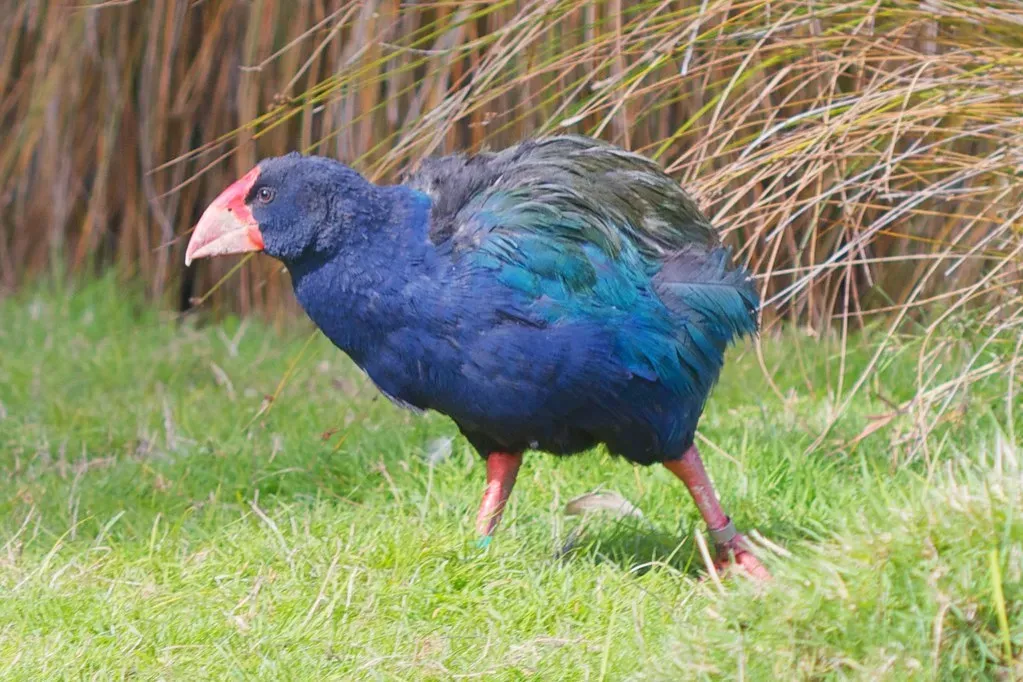
One of New Zealand’s most iconic “extinct” birds was quietly stomping around a remote valley the entire time. The South Island takahe, a large, flightless rail, was declared extinct in the late 19th century after its North Island cousin had already vanished. Introduced predators, burning, and habitat loss seemed to have finished the job for good.
For decades, takahe existed only in museum drawers and old paintings – a bird people talked about the way you’d talk about a lost relative. That changed in 1948, when an expedition into the remote Murchison Mountains, chasing vague reports of “big blue birds,” flushed a living takahe straight out of the tussock grass.
The photographs from that moment still land hard today: a species written off for nearly 50 years, suddenly and undeniably alive. Since then, New Zealand has thrown extraordinary resources at the bird – predator-free islands, intensive captive breeding, satellite tracking, and politically controversial culls of introduced deer competing with takahe for alpine vegetation.
Today there are several hundred birds, all carefully managed, and the takahe has become a symbol of what heavy-handed human intervention can achieve when a country decides a species truly matters. Of course, it’s easier to pour millions into a charismatic, flightless relic on a wealthy island nation than into obscure frogs and rodents everywhere else. Which brings us to #1 – arguably the most haunting rediscovery of all, because it shows how easily we still confuse “we didn’t see it” with “it’s gone forever.”
#1 – Ivory-Billed Woodpecker: The Rediscovery That May or May Not Have Happened
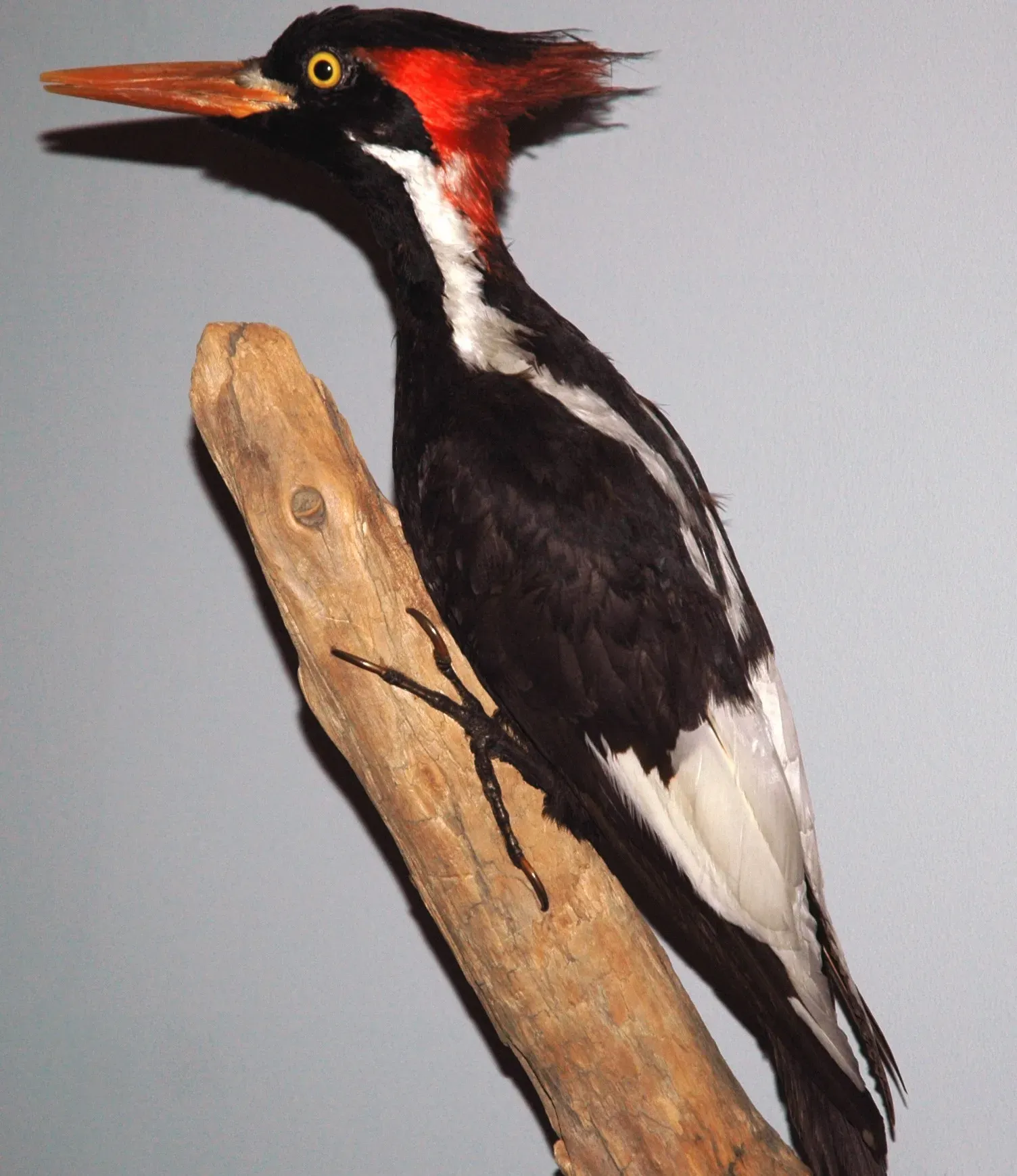
The most controversial “rediscovered” species on Earth might genuinely be alive, or it might be a collective case of wishful thinking – and that tension is exactly why it belongs at the top of this list. The ivory-billed woodpecker, once the largest woodpecker in North America, was presumed extinct by the mid-20th century after decades of logging and hunting across the southeastern United States. For years, only rumors and unconfirmed sightings drifted out of swampy bottomland forests.
Then, in 2005, a high-profile paper announced its rediscovery in Arkansas, based on a few grainy seconds of video and a handful of field observations. The media exploded – and so did the scientific debate that’s still simmering today.
Quick Compare
- Supporters say: subtle details in the wing pattern and flight style seen on the 2005 footage don’t match any known North American bird except the ivory-bill
- Skeptics say: the video is consistent with a common pileated woodpecker in an awkward, fast flight
- Everyone agrees: years of follow-up searches across Arkansas, Louisiana, and Florida have produced reports and audio, but no undisputed photograph
Critics argued the bird in the footage was simply a more common pileated woodpecker; supporters insisted subtle details in the flight pattern and wing color proved otherwise. Millions of dollars poured into follow-up surveys using boats, listening devices, drones, and skilled birders combing remote swamps across Louisiana, Florida, and beyond. Reports, audio snippets, and tantalizing glimpses kept trickling in, but never quite enough to silence the skeptics for good.
Why include a species whose rediscovery is still disputed? Because it exposes a hard truth about Lazarus species in general: our hunger for miracles can run ahead of the actual evidence. At the same time, the intense search for the ivory-bill protected huge swaths of bottomland forest that other, less charismatic species desperately needed. Even if the bird itself is truly gone, its “maybe” status forced agencies to treat its habitat as though it still mattered – and that tension, between hope, proof, and precaution, is exactly where modern conservation now lives.
The Bottom Line
These 12 stories all share the same uncomfortable message: extinction, as we talk about it in headlines and policy documents, is often less about biology and more about where we look, who we listen to, and how long we’re willing to keep checking. Species we wrote off – from the Bermuda petrel to the Somali sengi – survived not because our systems worked, but in spite of them.
In several of these cases, local communities, low-tech methods, or plain stubbornness did more for discovery than decades of formal surveys ever managed. That should sting a little for an industry that prides itself on data and rigor.
At the same time, we shouldn’t romanticize these comebacks. Most of these species are still clinging to existence by their fingernails, dependent on intensive management, captive breeding programs, or the political mood of a single government budget cycle. The real scandal isn’t that we were “wrong” about them being gone – it’s that we let their situations deteriorate so badly that a handful of survivors hiding in a crater lake or rock outcrop now counts as a happy ending.
If anything, Lazarus species should make us more cautious about declaring extinctions, and far more aggressive about protecting habitat before the last individuals slip quietly into the category of “things we once had.” Which rediscovered species do you think exposes the biggest blind spot in how we treat wildlife – the still-controversial ivory-bill, the coelacanth that rewrote the textbooks, or the tiny frogs we nearly paved over without a second thought?