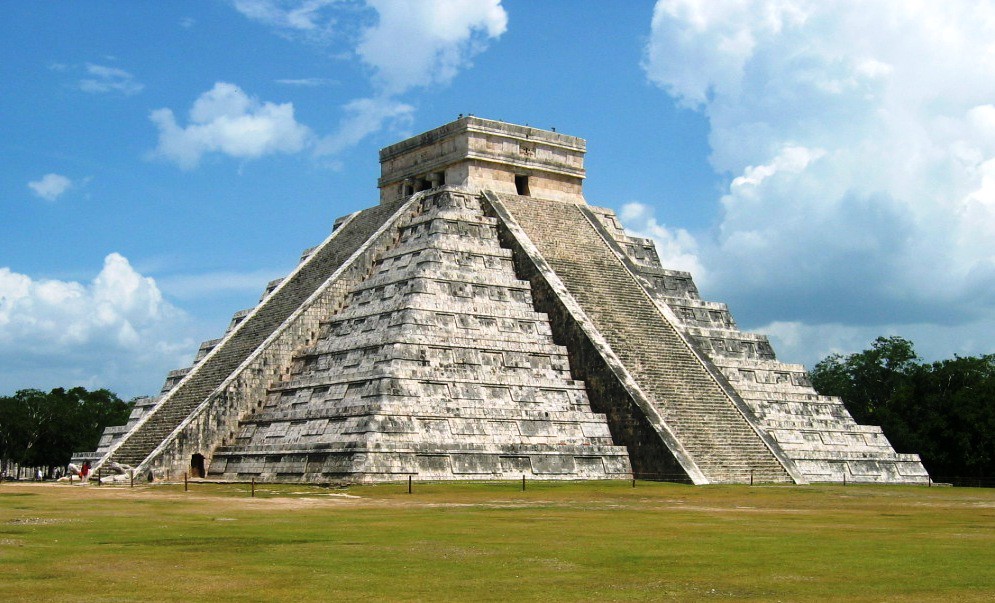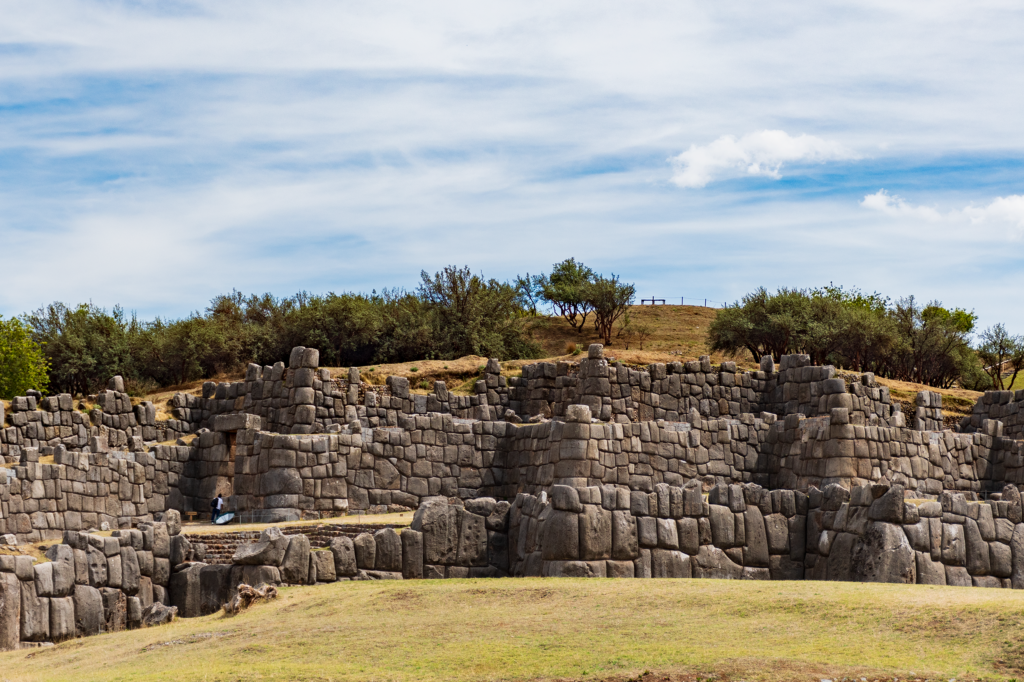
Most people picture ancient stonework as crude piles of rock held together by mud and hope. Then they see a photo of a Peruvian wall where 100-ton blocks curve into each other so tightly you can’t slide a credit card into the seam, and that mental picture just falls apart. No mortar. No cement. No modern tools. Just stone against stone, sitting exactly where it was placed thousands of years ago, refusing to budge.
These aren’t flukes or isolated freak accidents of geology. Scattered across four continents are walls, forts, and temple foundations fitted together so precisely they’ve outlasted earthquakes, invading armies, and centuries of total neglect without a crack running clean through them. Structural engineers still study some of these joints today, because a handful of these ancient tricks quietly outperform what we build now. Here are 12 of the most jaw-dropping mortar-free walls on Earth, and the strange, patient logic that keeps them locked together.
#12 – The Polygonal Walls of Delphi, Greece
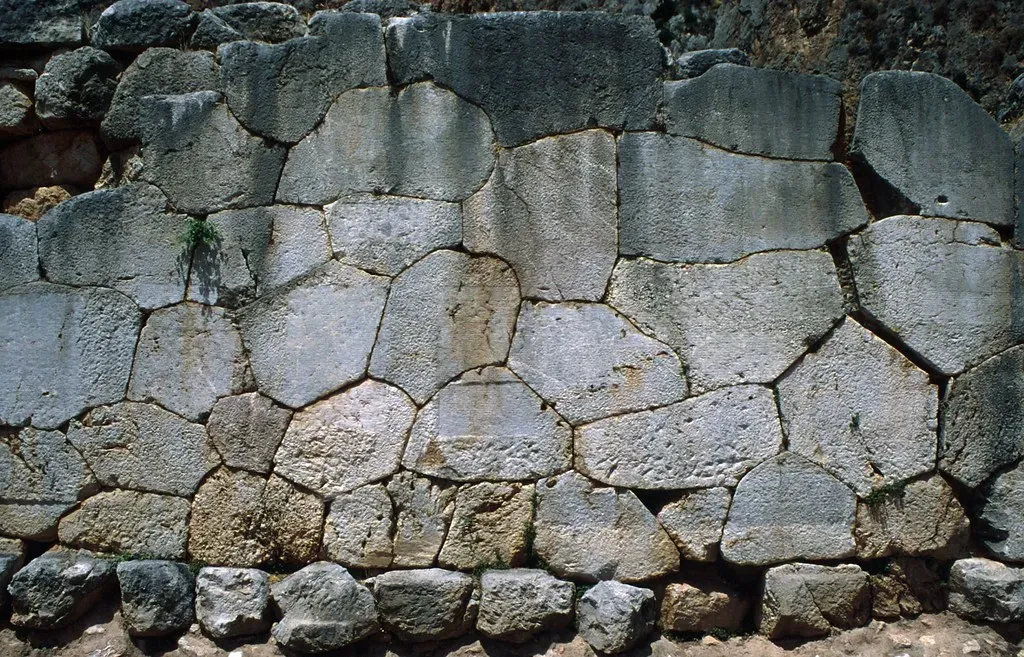
Delphi is famous for oracles and prophecy, but the real mystery might be under your feet. The retaining walls below the Temple of Apollo use no mortar at all, yet the blocks fit together like a 3D jigsaw puzzle nobody was supposed to solve.
This is “polygonal” masonry: stones with more than four sides, each cut at deliberately awkward angles instead of simple rectangles. Every block has a unique shape that locks into its neighbors, and some joints are so tight that modern visitors assume there must be hidden cement. There isn’t. Weight and friction alone hold the whole thing together.
Archaeologists think the style served two quiet engineering goals. It let the wall flex slightly during earthquakes, and the irregular joints stopped long, weak cracks from ever forming in the first place.
- Small “key” stones are wedged between the giants, spreading weight evenly.
- No two joints line up for long, which blocks any single fracture line from spreading.
Most tourists walk right past these retaining walls on their way to the ruins above. Structural engineers know better – they point to Delphi as one of the earliest known masterclasses in seismic design.
#11 – The Massive Dry-Stone Fort of Dún Aonghasa, Ireland
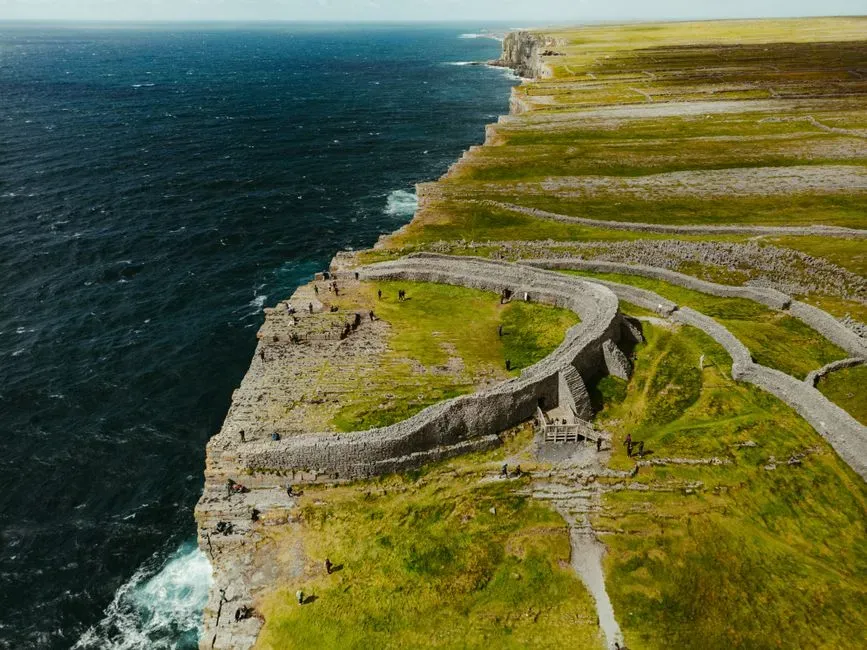
On a cliff edge in the Aran Islands sits Dún Aonghasa, a prehistoric stone fort that looks like something out of a fantasy film. No mortar, no concrete – just layered stone stacked in curving walls that have survived salty Atlantic storms for more than 2,500 years.
The wall’s “perfection” here isn’t about laser-tight seams like you’ll see later on this list. It’s about brutal, practical function. Larger blocks sit at the base and smaller ones toward the top, while rough rock faces grip each other through friction instead of sliding apart.
Fast Facts
- Perched on Inis Mór in Ireland’s Aran Islands, right at the edge of a cliff roughly 100 meters (about 330 feet) above the Atlantic
- Construction likely began around 1100 BC in the Late Bronze Age, with additions continuing into the Iron Age
- Three curving walls enclose close to 6 hectares (around 14 acres) of clifftop ground
- The jagged chevaux-de-frise stone field just outside the walls is one of the best-preserved defensive features of its kind in Europe
What genuinely surprises engineers is how stable this wall remains despite nonstop wind, rain, and freeze-thaw cycles. Dry-stone behaves almost like a sponge – water passes straight through instead of building pressure behind a solid barrier. When storms hit, the wall flexes slightly rather than snapping like brittle cement would.
Just outside the main enclosure is a “chevaux-de-frise”: jagged upright stones planted in the ground like teeth. They weren’t decoration. They were there to slow attackers down long before anyone reached the wall itself. Tourists rave about Irish castles, but some archaeologists quietly argue this low, thick, mortar-free wall is the tougher long-term survivor.
#10 – Machu Picchu’s Terraced Walls, Peru
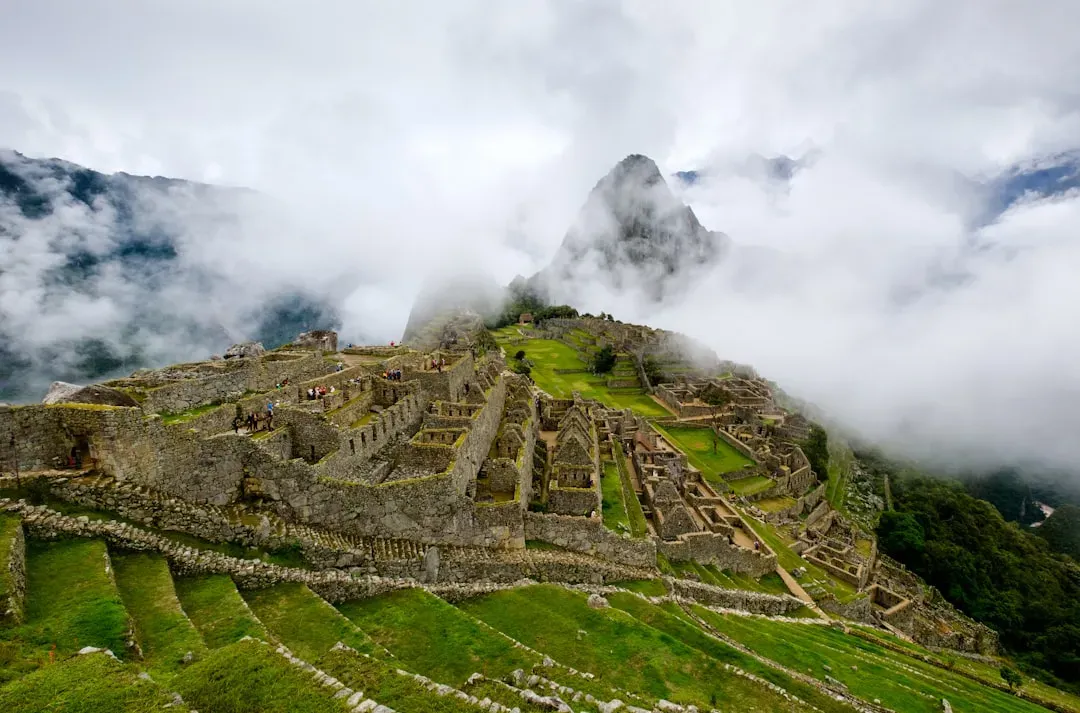
Most visitors fixate on Machu Picchu’s temples, but the real genius of the site is in the terraced walls holding an entire mountainside together. These terraces were built without mortar, yet their stones interlock so cleanly that roots, water, and centuries of time have barely opened the joints.
Each terrace face is dry-laid, with stones carefully shaped to sit flush against each other. Behind that visible face, the Incas packed gravel, sand, and soil to drain water away from the structure. Roughly three-quarters of the actual engineering at Machu Picchu is invisible – buried support work protecting the flawless walls everyone photographs.
There’s a reason they skipped mortar entirely. Mortar cracks the instant a steep mountain shifts, while dry-stone joints can adjust minutely without failing. Open, unsealed textures also let water escape instead of pushing walls outward from behind.
- Each block transfers load directly to its neighbors, like teeth in a gear.
- If one stone shifts slightly, the surrounding stones resist and hold the line.
That’s why Machu Picchu’s terraces have outlived landslides that have wrecked newer, concrete-heavy construction nearby. Some modern civil engineers openly admit these “primitive” walls outperform plenty of 20th-century retaining systems.
#9 – The Lion Gate Walls of Hattusa, Turkey
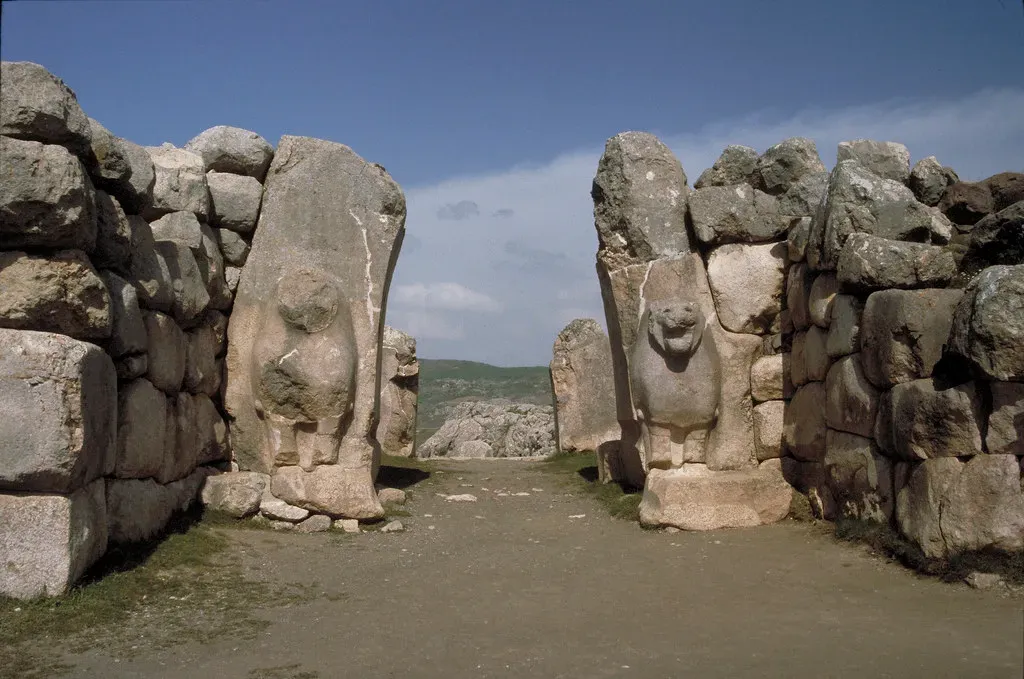
Deep in central Turkey sit the ruins of Hattusa, capital of the Hittite Empire, hiding some of the oldest mortarless engineering most people have never even heard of. The walls near the Lion Gate look rough from a distance. Step closer and you’ll see massive limestone blocks seated with such precision you can barely slip a coin into the seams.
These walls use huge “bossed” stones – blocks left with bulging faces and sharply dressed edges. The edges fit tightly against each other, while the protruding centers likely helped with handling and lifting during construction, and with shedding water away from the joints so moisture couldn’t slowly pry them apart.
Worth Knowing
- Hattusa served as the capital of the Hittite Empire, in what is now Turkey’s Çorum Province
- The Lion Gate is generally dated to around the 13th century BC
- Some sections are fitted so tightly that not even a thin sheet of paper can slip between the stones
- The Hittites used a strikingly similar polygonal building style to what later appeared at Mycenae, a world away in Greece
What’s remarkable is that these blocks, set more than 3,000 years ago without a drop of mortar, still sit exactly where Hittite engineers put them. Base stones interlock tightly, and upper courses are keyed in specifically to stop the wall from bulging outward over time.
Unlike later Greek builders, the Hittites didn’t obsess over perfectly flat faces. They obsessed over contact points, channeling stress through a few key surfaces where the fit was nearly seamless. That “good enough but strategic” approach is exactly what keeps these structures standing while more “refined” but brittle walls elsewhere have crumbled to rubble.
#8 – The Nuraghe Towers of Sardinia, Italy
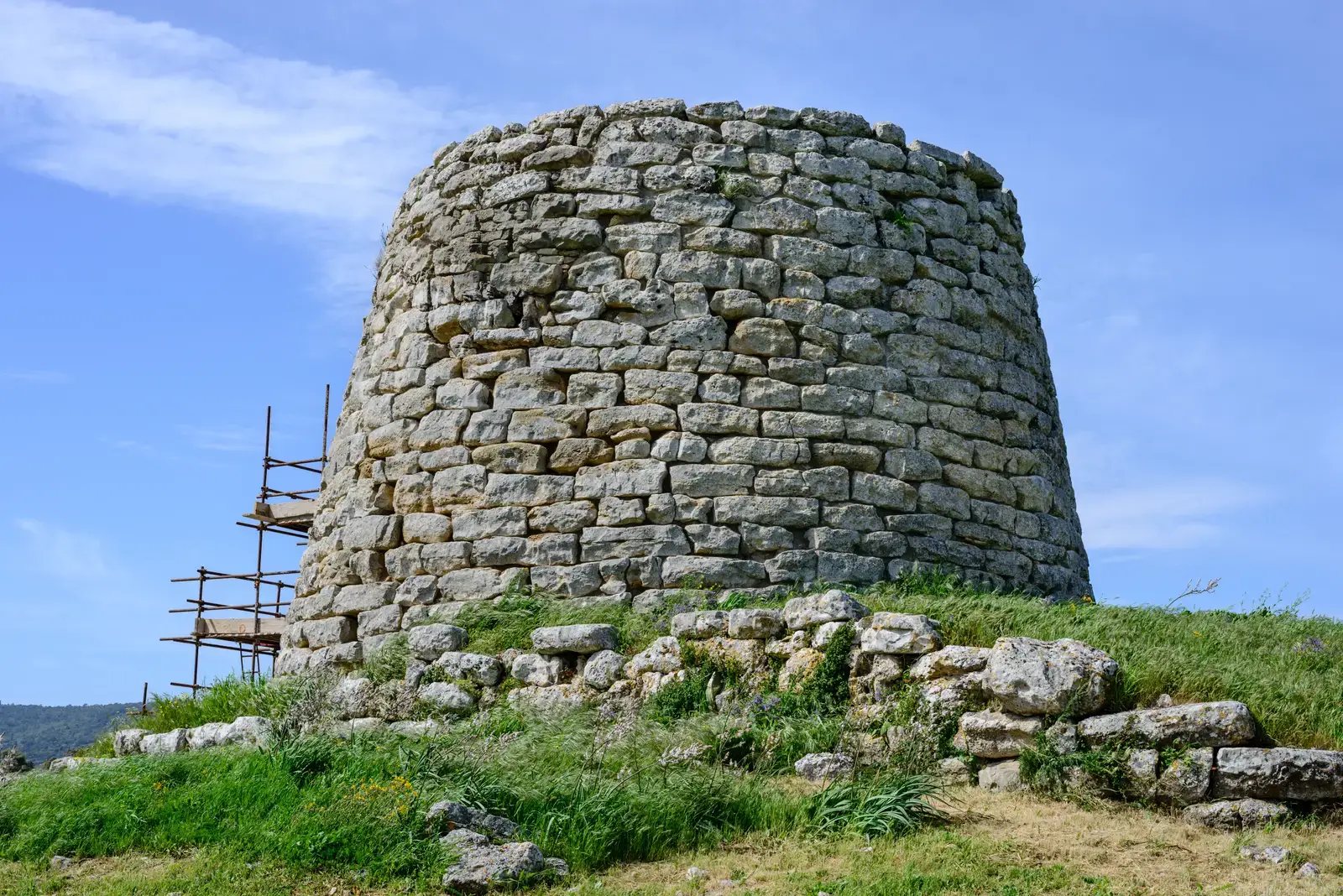
Scattered across Sardinia are thousands of mysterious stone towers called nuraghi. Their thick walls are built from basalt blocks stacked with zero mortar, forming beehive-like rooms and rings that still hold together despite centuries of total neglect.
The outer walls typically use large, carefully selected stones with relatively flat faces, while smaller stones fill the gaps and lock the bigger ones in place. Engineers studying nuraghi point out that some individual stones weigh several tons, yet their joints remain tight and stable with nothing binding them.
The trick lies in how weight and geometry work together. The walls taper slightly as they rise, pushing weight inward, and the stones are arranged so their joints never form a straight vertical “fault line” that could fail all at once.
- Slight inward lean directs pressure toward the wall’s stable core.
- Alternating joint courses prevent long cracks from ever forming.
Basalt adds another twist: it’s a tough volcanic rock that’s hard to shape, so prehistoric builders likely spent an absurd amount of time hunting for naturally compatible pieces rather than chiseling every surface flat. Most travel guides barely mention that these towers were built dry. Some structural historians call nuraghi one of Europe’s most underrated feats of mortarless construction.
#7 – The Cyclopean Walls of Mycenae, Greece
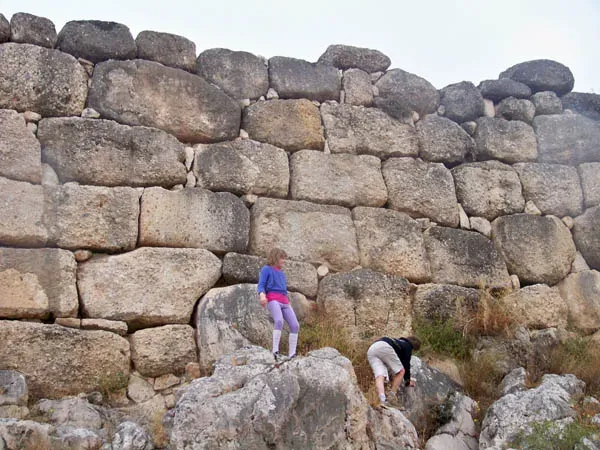
At Mycenae, the so-called Cyclopean walls are so massive that ancient Greeks joked only one-eyed giants could have built them. These fortifications use rough, gigantic limestone boulders – again, with no mortar holding any of it together.
From a distance they look crude. Up close, you start to see the engineering. The biggest blocks are tightly nested, with smaller stones hammered into the gaps like shims, and despite their irregular shapes the core stones sit so snugly that the wall has stood for over 3,000 years through earthquakes and wars alike.
The design choices are deliberate. The wall is often several meters thick, so its rough outer face hides a relatively compact inner core. Joints never align vertically for many courses in a row, breaking up any potential failure plane before it can spread, and some faces lean slightly inward for extra stability.
Modern visitors often assume these stones must have been cemented at some point. Archaeological analysis shows otherwise: contact surfaces show no binder, just pressure marks and wear where the stones have rubbed minutely against each other under seismic motion for millennia. The “imperfect” look was actually a deliberate strategy for strength and flexibility – and it worked.
#6 – The Six-Monolith Wall of Ollantaytambo, Peru
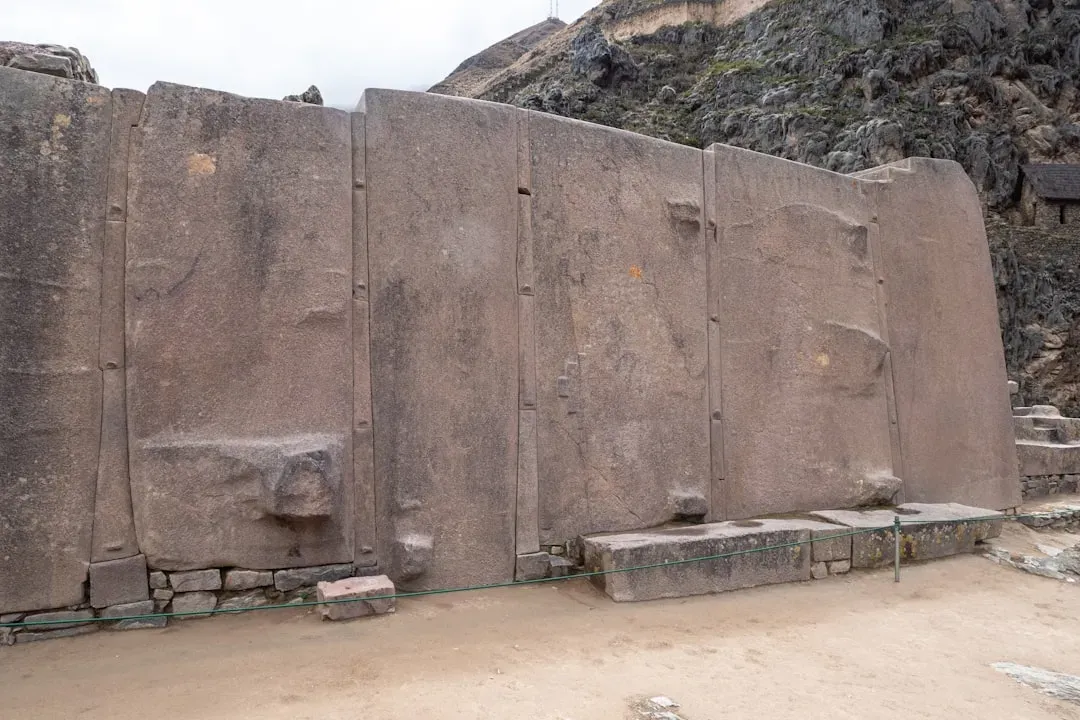
Ollantaytambo is where Inca stonework stops being merely “interesting” and starts feeling almost unsettling. The massive terrace walls and the famed “Wall of the Six Monoliths” use enormous andesite blocks, perfectly joined without mortar, with gaps so tight that sunlight and water barely find a way through.
The six main monoliths weigh tens of tons each. They were quarried kilometers away, hauled up steep slopes, and set into place with an accuracy that still baffles engineers today. Along the faces you can spot tiny “tuning” stones carefully inserted wherever the angles get complicated – a kind of ancient shim work refined to an art form.
Some joints even turn corners in three dimensions, locking one stone around another like the teeth of a gear. Engineers point to several clever tricks at play here: slightly convex joints that press tighter under load instead of loosening, multi-face contact where each stone grips its neighbors on more than one plane, and a total absence of long continuous joints so no single crack could ever run far.
Quick Compare
- Ollantaytambo: Six main monoliths, each weighing tens of tons, quarried kilometers away and fitted with hidden three-dimensional joints
- Saksaywaman: Some blocks exceed 100 tons, with polygonal faces that wrap around corners to lock several stones together at once
- Shared trick: Both sites avoid long straight joints, so no single crack can travel far during an earthquake
Most tourists obsess over how the stones were moved. The harder question is how they were made to fit this well without steel tools or modern measuring equipment. Even experienced stonemasons today admit that reproducing Ollantaytambo’s fits with hand tools alone would be slow, punishing, almost unbearable work.
#5 – The 100-Ton Puzzle Walls of Saksaywaman, Peru
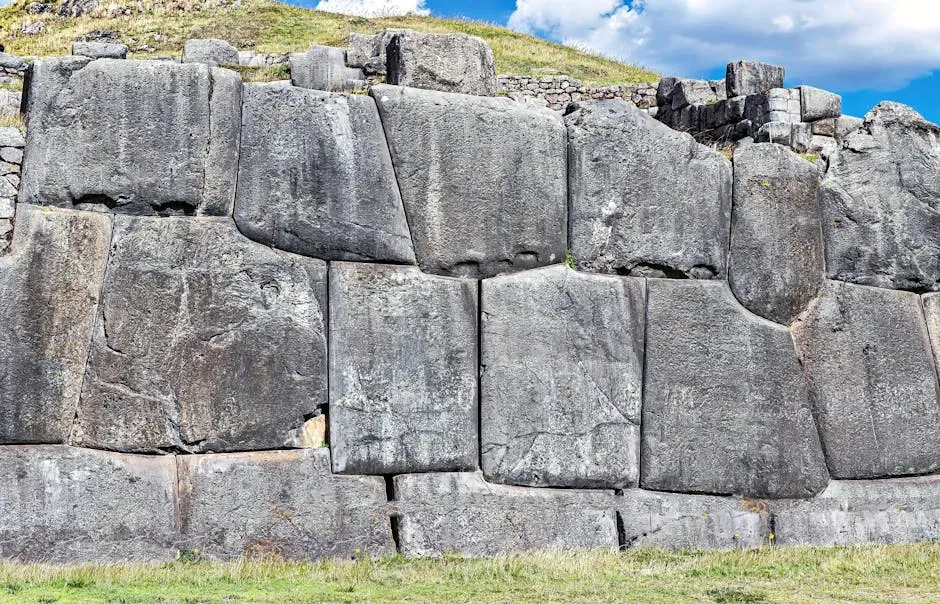
If you’ve ever seen a viral photo of “impossible stone joints,” it was probably Saksaywaman above Cusco. These walls use monstrous stones – some over 100 tons – locked together without mortar so perfectly that they look digitally edited.
Many blocks have eight, ten, or more sides. This is polygonal masonry pushed to its absolute extreme. Every side of every stone is shaped to match neighbors that may sit above it, below it, and beside it, producing joints that don’t just meet tightly but actually wrap around corners, turning one block into a mechanical anchor for several others.
Why go this far? Cusco sits in an active seismic zone, and interlocking geometry spreads shaking forces across the whole wall instead of concentrating them at one weak point. A wall this heavy and integrated is also nearly impossible to dismantle or undermine, and extreme precision like this signaled imperial power to anyone who saw it.
Archaeologists have found no evidence of mortar between the major blocks anywhere. Contact surfaces show polished wear from micro-movements, not cement residue – meaning friction and weight alone keep these stones locked in place. This is exactly where fringe theories about lasers and lost technologies tend to creep in, but the real story is almost more impressive: patient, expert masons shaping stone relentlessly until it behaved.
#4 – The Hairline Joints of Qorikancha, Cusco
![#4 - The Hairline Joints of Qorikancha, Cusco (La iglesia de Santo Domingo built on the ruins of The Coricancha temple [Cuzco], CC BY 2.0)](https://nvmwebsites-budwg5g9avh3epea.z03.azurefd.net/dws/2e8207115ad445cf5dd7eb126916cafb.webp)
Before the Spanish arrived, Qorikancha was the most sacred Inca temple in the empire. Its surviving walls, now partly embedded inside a colonial convent, are some of the cleanest examples of mortarless ashlar masonry on Earth.
Here, the stones are smaller than at Saksaywaman but somehow even more exact. Rectangular andesite blocks are cut so flat and straight that the joints are hairline thin. In several sections you can barely tell where one stone ends and the next begins unless the light hits just right.
- Near-perfect horizontal courses, a sharp contrast to the wilder polygonal style seen elsewhere.
- Slightly trapezoidal blocks, wider at the bottom and narrower on top, to boost stability.
- Tight, polished joints with no visible filler, even under close inspection.
Thermal expansion, earthquakes, and centuries of continuous use should have opened these joints up long ago, yet most remain remarkably tight. The walls also lean slightly inward, with corners rounded to reduce stress concentrations. Ironically, Qorikancha’s Inca walls rode out historic earthquakes that shattered the Spanish masonry built directly on top of them – a contrast now used in engineering lectures to explain why precision dry-stone can beat mortar when the ground starts moving.
#3 – The Refined Cyclopean Walls of Alatri, Italy
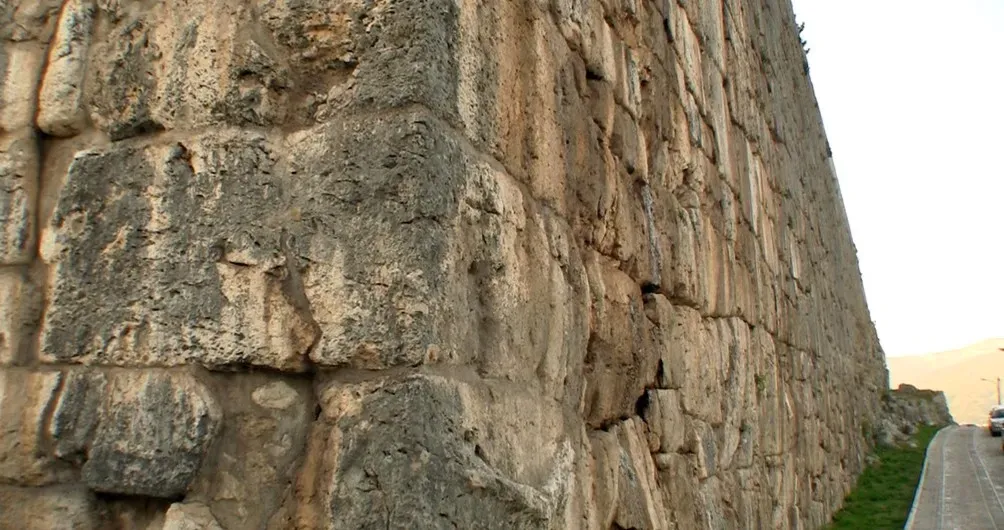
In central Italy, the hill town of Alatri is ringed by massive dry-stone fortification walls built in a style often called “polygonal” or “Cyclopean,” similar to Greece’s but arguably even more refined. Many casual visitors mistake these for later Roman work; in reality, much of it predates imperial Rome entirely.
The blocks are huge limestone polygons, each custom-fitted to its neighbors. What shocks architects is just how closely they meet. In some segments the joints are so precise they look like machine-cut masonry from a distance, yet no mortar or metal clamps have ever been found in the gaps.
Long, perfectly straight wall segments are formed entirely from interlocking polygons, doorways are framed by massive monolithic lintels set with the same dry joints, and occasional “bosses” or protrusions may have helped with lifting and alignment during construction.
There’s still argument over exact dating and who exactly built it – pre-Roman Italic peoples, early Romans, or later reconstruction crews. That ongoing debate actually underlines how good the masonry is, since every side wants to claim it. The stones speak one clear language regardless: intense on-site shaping and test-fitting until the polygons meshed flawlessly. While tourists line up for the Colosseum’s crumbling concrete, some historians quietly rank Alatri’s dry walls as Italy’s most impressive ancient stonework.
#2 – The Zigzag Ashlar Walls of the Valley Temple, Giza
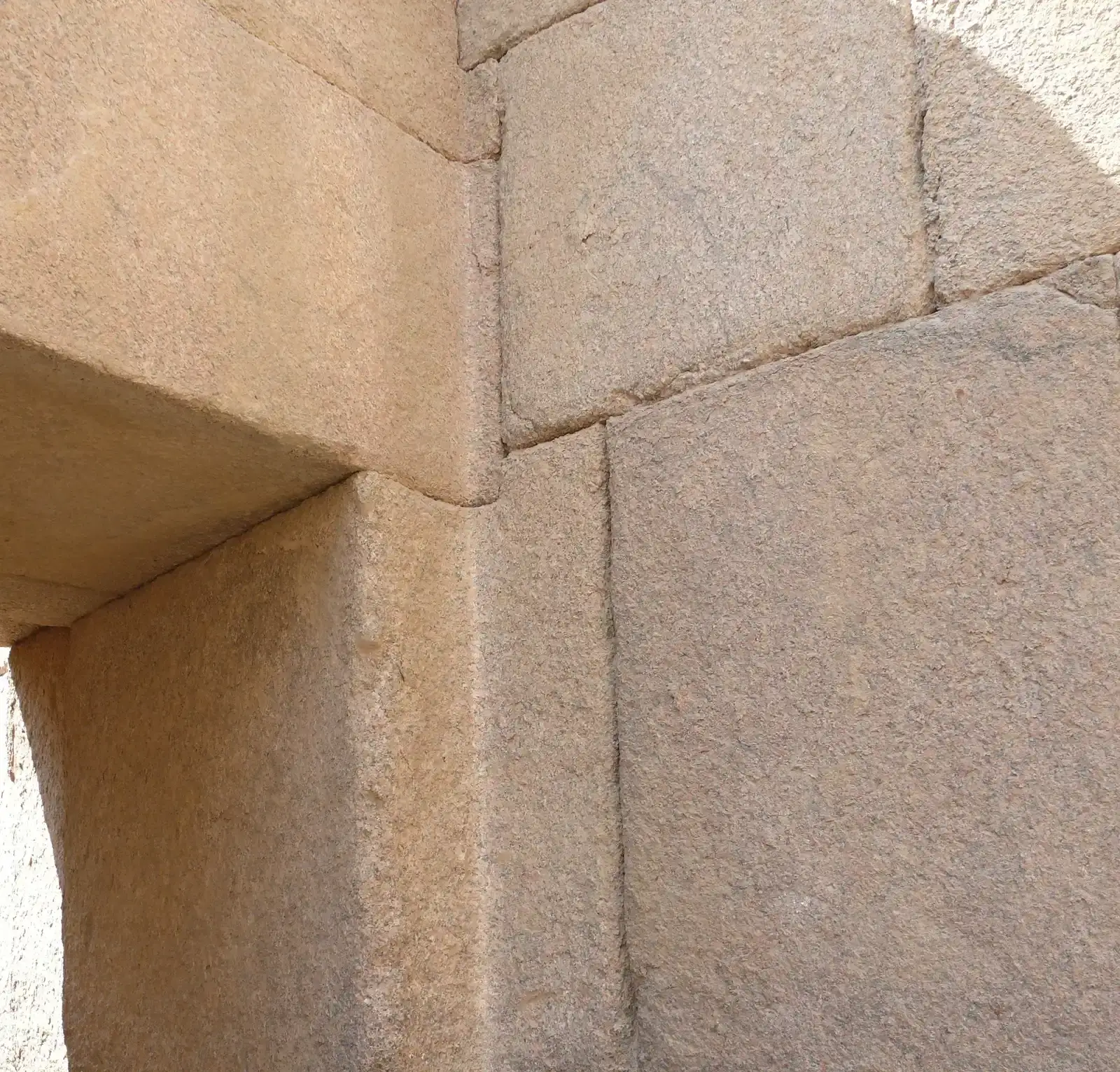
Most people associate Giza with pyramids, but a few steps away sits a structure that quietly breaks expectations: the so-called Valley Temple and nearby Sphinx Temple. Their core walls are built from enormous limestone – and in some cases granite – blocks joined with unbelievable precision and no visible mortar between the major faces.
At a Glance
- Sits right beside the Great Sphinx and connects to the Khafre pyramid complex by a long causeway
- Core limestone blocks are estimated to weigh well over 100 tons apiece, with some estimates running past 200 tons
- Interior granite lining was hauled from quarries near Aswan, hundreds of miles up the Nile
- Joints between the massive blocks are so tight that even a thin blade struggles to slip between them
These blocks, some weighing over 100 tons, are arranged in courses where the seams zigzag unpredictably rather than running in tidy straight lines. Up close you can trace tight joints around corners, showing careful three-dimensional planning, plus subtle curvature along some faces so pressure actually tightens the fit over time instead of loosening it.
Small “packer” stones appear only where they’re genuinely needed, not as a crutch for sloppy work. Geologists and engineers who’ve studied these walls often remark that the real difficulty isn’t just moving blocks this size – it’s making sure that once they’re down, they’re never going anywhere again without mortar to hold them.
Controversially, some people assume this level of precision means the temple “must be much younger,” or reach for far stranger explanations. In reality, the technical logic here – leveraging gravity, friction, and geometry – is entirely human. It also quietly wrecks the lazy idea that ancient Egyptians only knew how to pile stones with mud smeared between them.
#1 – The Zigzag “Lightning” Wall of Sacsayhuamán, Peru
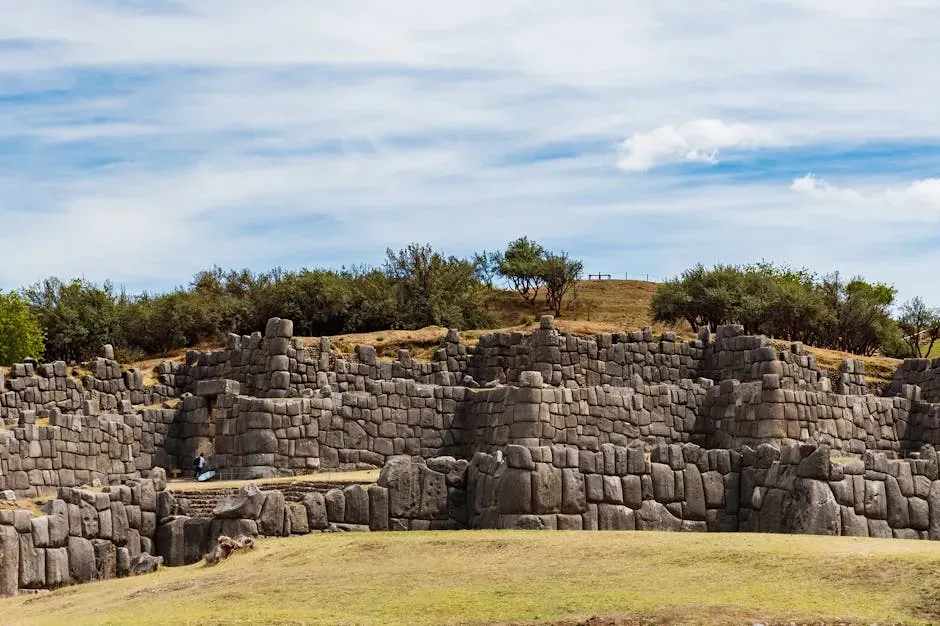
Yes, Saksaywaman shows up twice on this list – but the specific zigzag curtain wall, often called the “lightning” wall, is where mortarless construction reaches its most extreme form anywhere on Earth. If you want a single wall that proves ancient builders didn’t need mortar to achieve near-perfect fits, this is it.
Each zigzag bastion is formed from multi-ton polygonal blocks, some reaching 8 to 9 meters across. The seams aren’t just tight – they change direction mid-joint, wrapping around corners so that any attempt to shift one stone gets resisted by several neighbors at once. The overall effect is less like a wall and more like a stone zipper, where every “tooth” depends entirely on the rest.
The triple-zigzag layout wasn’t just for show. It let defenders catch attackers in crossfire, but the same jagged pattern also breaks up and disperses seismic waves during earthquakes. The wall is both tall and thick, yet it never reads as heavy-handed thanks to the precision of its joints, and huge anchor stones are fitted with secondary stones that refine load paths and close every micro-gap.
In major earthquakes that toppled colonial Cusco, this “primitive” dry-stone monster barely flinched. It has weathered centuries of stone robbing, political upheaval, and shifting climate, yet its giant teeth still mesh almost as tightly as the day Inca engineers walked away from it. If one ancient wall makes you rethink what’s possible without a single drop of mortar, it’s this one.
The Bottom Line
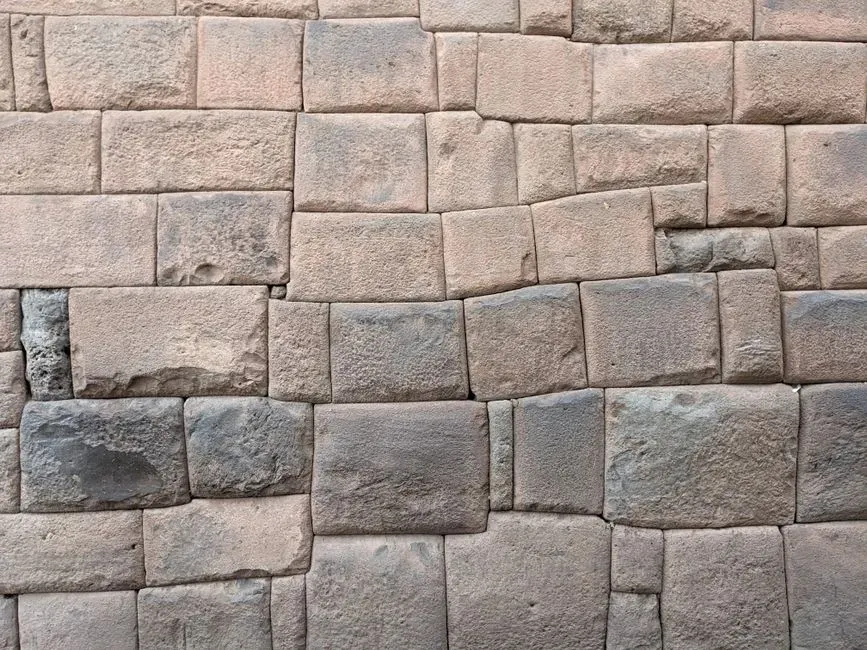
Line these 12 walls up side by side – from Delphi’s quiet retaining blocks to Sacsayhuamán’s roaring zigzags – and one uncomfortable truth surfaces: a lot of what we call “modern” building is actually less resilient than Bronze Age and pre-Columbian stonework. These structures prove you can achieve razor-tight fits, earthquake resistance, and thousand-year durability without a single smear of mortar.
Most people still picture the past as rough stones and lucky guesswork. The evidence says otherwise. Ancient builders understood weight paths, friction, and geometry deeply enough to let their walls breathe, flex, and lock together in ways that make plenty of glass-and-concrete buildings look disposable by comparison.
None of this requires aliens, magic lasers, or secret lost technologies to explain. It requires relentless skill, patience, and a level of hands-on craftsmanship almost nobody gets paid enough to practice today – which might be the most honest, and most humbling, takeaway of all.
Which of these mortarless walls impresses you most – or is one of them overrated? Did we miss your favorite? Drop it in the comments and let people argue it out.