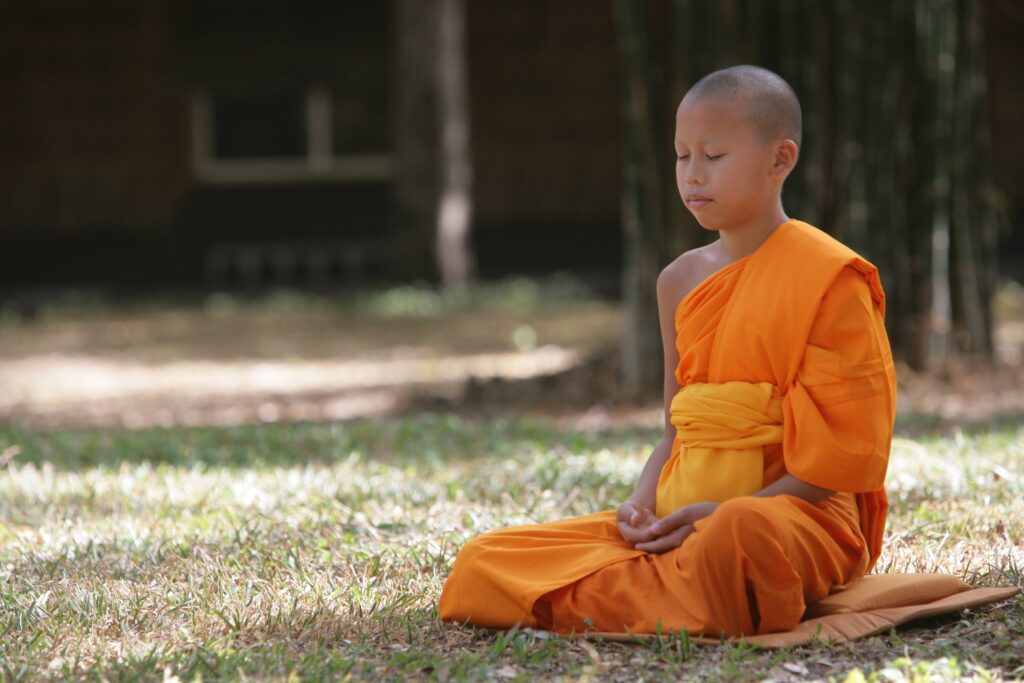
Picture this: your life feels normal, you are awake, scrolling, working, worrying, planning. It all seems obvious and self-evident, like this is what being conscious is. Yet for thousands of years, monks, shamans, yogis, mystics, and contemplatives have quietly insisted that this everyday state is more like a half-lit room than the whole house. They have described other modes of awareness that feel more real, more spacious, sometimes more loving or more terrifying, than anything we normally call “being awake.”
For a long time, science largely shrugged at these claims or filed them under “subjective weirdness,” interesting but not measurable. That is beginning to change. With brain imaging, computational models, and a more open-minded generation of researchers, neuroscience is tentatively mapping what happens in the brain when people enter meditation, psychedelic, contemplative, or so-called mystical states. The picture is far from complete and the hype can get ahead of the data, but one thing is becoming harder to deny: ordinary waking consciousness may not be the full story.
Why So Many Spiritual Traditions Distrust “Normal” Waking Life

One of the most striking cross-cultural patterns in religion and spirituality is the idea that everyday consciousness is limited, distorted, or downright illusory. In Indian traditions, ordinary mind is described as colored by mental fluctuations and misperceptions. Many strands of Buddhism talk about waking life as a kind of trance of grasping and aversion. Mystical strands of Christianity and Islam describe a shift from an ego-centered awareness to something more expansive and God-centered, as if waking life is only the foyer to a much larger building.
Even indigenous and shamanic cultures, far removed from each other in geography and history, often treat dreams, visions, and trance journeys as just as real, or sometimes more real, than baseline waking perception. It is as if humans everywhere have repeatedly noticed that the way we usually see the world is narrow and filtered. These traditions do not all agree on what the “higher” state is, but they converge on one provocative claim: normal wakefulness is not the top floor of consciousness, it is more like a mid-level mezzanine.
The Brain’s Default Mode: The Ego’s Operating System
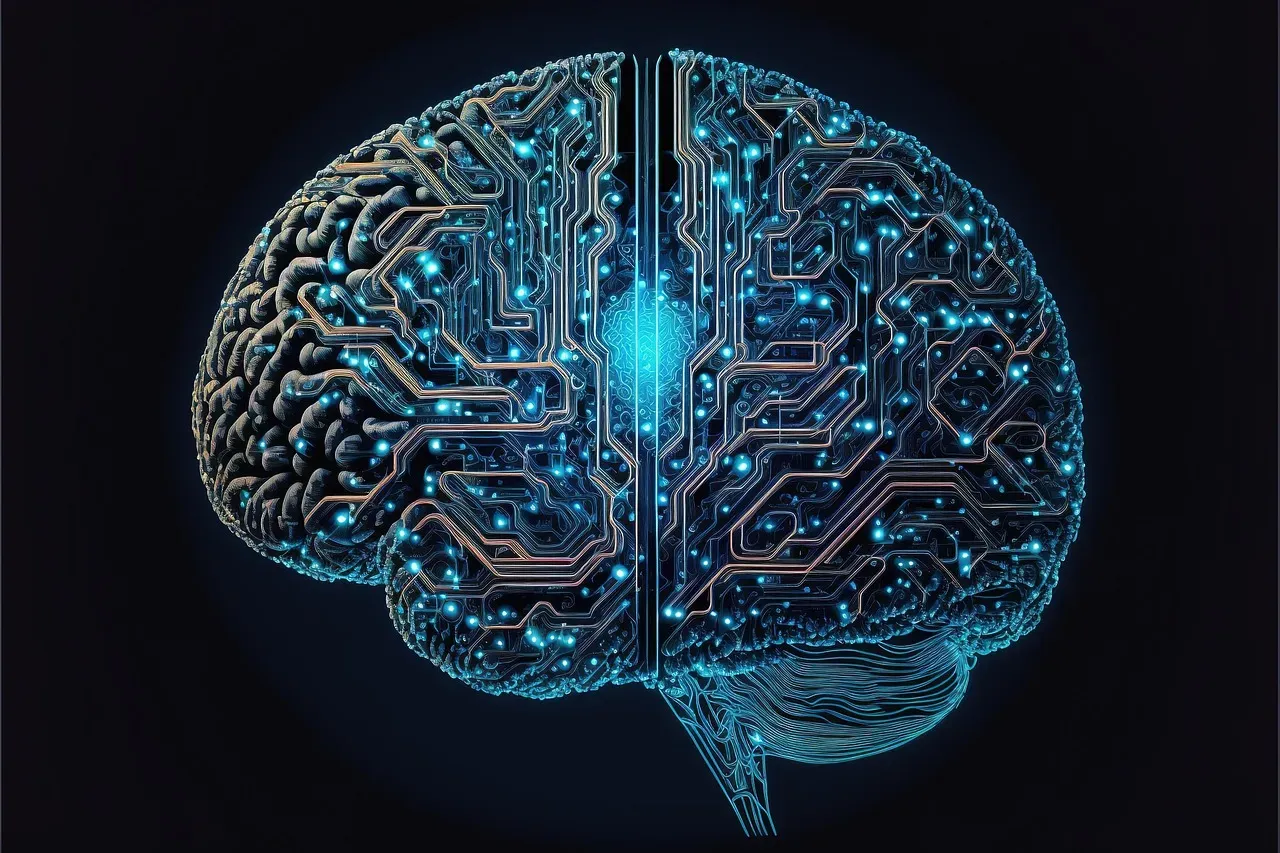
Modern neuroscience has stumbled onto a network in the brain that sounds suspiciously like what spiritual traditions have been criticizing for centuries. This is the so-called default mode network, a set of regions that become especially active when the mind is wandering, self-reflecting, ruminating, or building stories about the world. When you are replaying an argument, fantasizing about the future, or silently narrating your day, this network is often humming along in the background like an ego-centric operating system.
Researchers have noticed that states described as “non-ordinary” or “self-transcendent” – deep meditation, intense flow, psychedelic experiences, or some contemplative states – tend to quiet or reorganize this default mode activity. People often report feeling less locked into their personal story and more connected to a larger field of experience, while brain scans show reduced rigid coupling within the default network and altered communication with other regions. That does not prove anything spiritual, but it does suggest that what many traditions call an ego-dissolving or self-transcending shift has a consistent neural signature.
Meditation and the Science of Trained Awareness
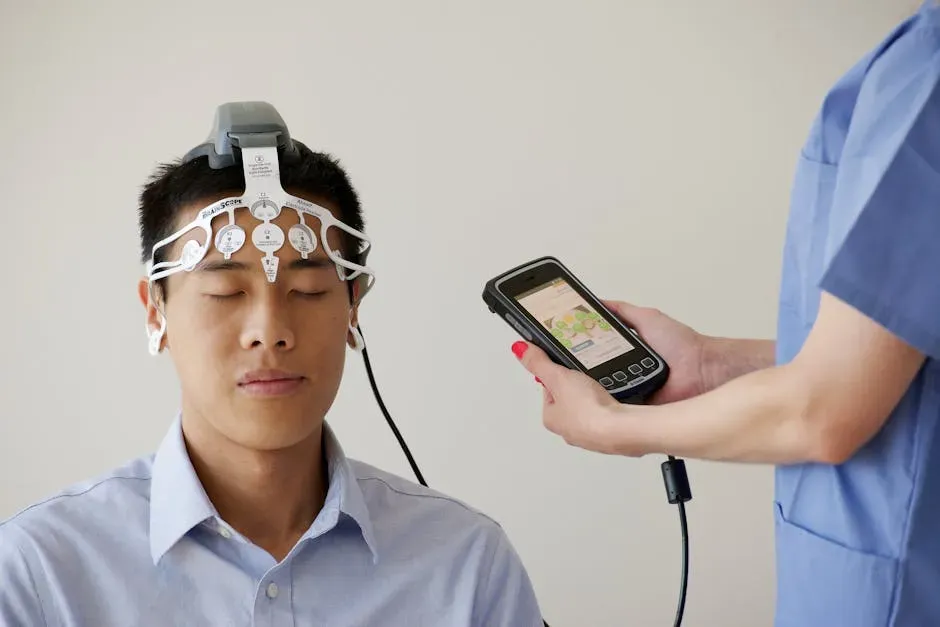
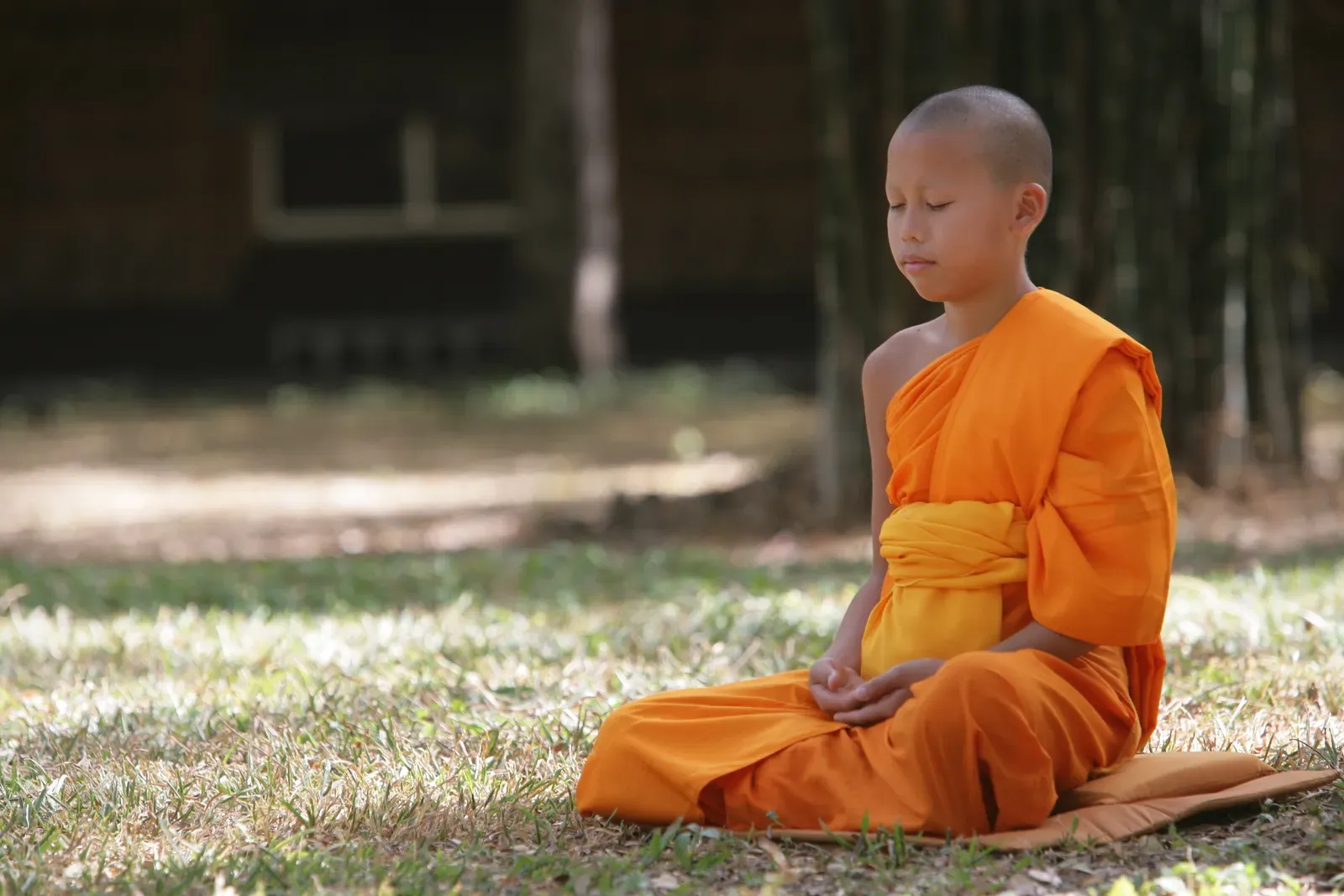
For centuries, meditation masters claimed that the mind could be systematically trained to experience reality with less distortion, more equanimity, and sometimes profound clarity or compassion. For a long time, these were just stories from monasteries and retreat centers. In the last few decades, however, scientists have been sticking meditators in scanners and measuring their behavior, brains, and bodies. While the results are nuanced and not universally dramatic, patterns are emerging that suggest practice changes not just how people feel, but how their nervous system operates.
Regular meditators often show altered activity in attention networks, emotional regulation systems, and sensory processing areas. Some studies find changes in gray matter density or connectivity patterns after sustained practice, particularly in regions linked to interoception, empathy, and self-referential thinking. Subjectively, long-term practitioners frequently describe a sense that thoughts are just events in awareness rather than the whole of who they are, echoing ancient claims that consciousness can “wake up” to itself. The cautious conclusion: disciplined training can apparently nudge the brain toward modes of awareness that feel very different from habitual waking life.
Psychedelics, Entropic Brains, and Ego Dissolution
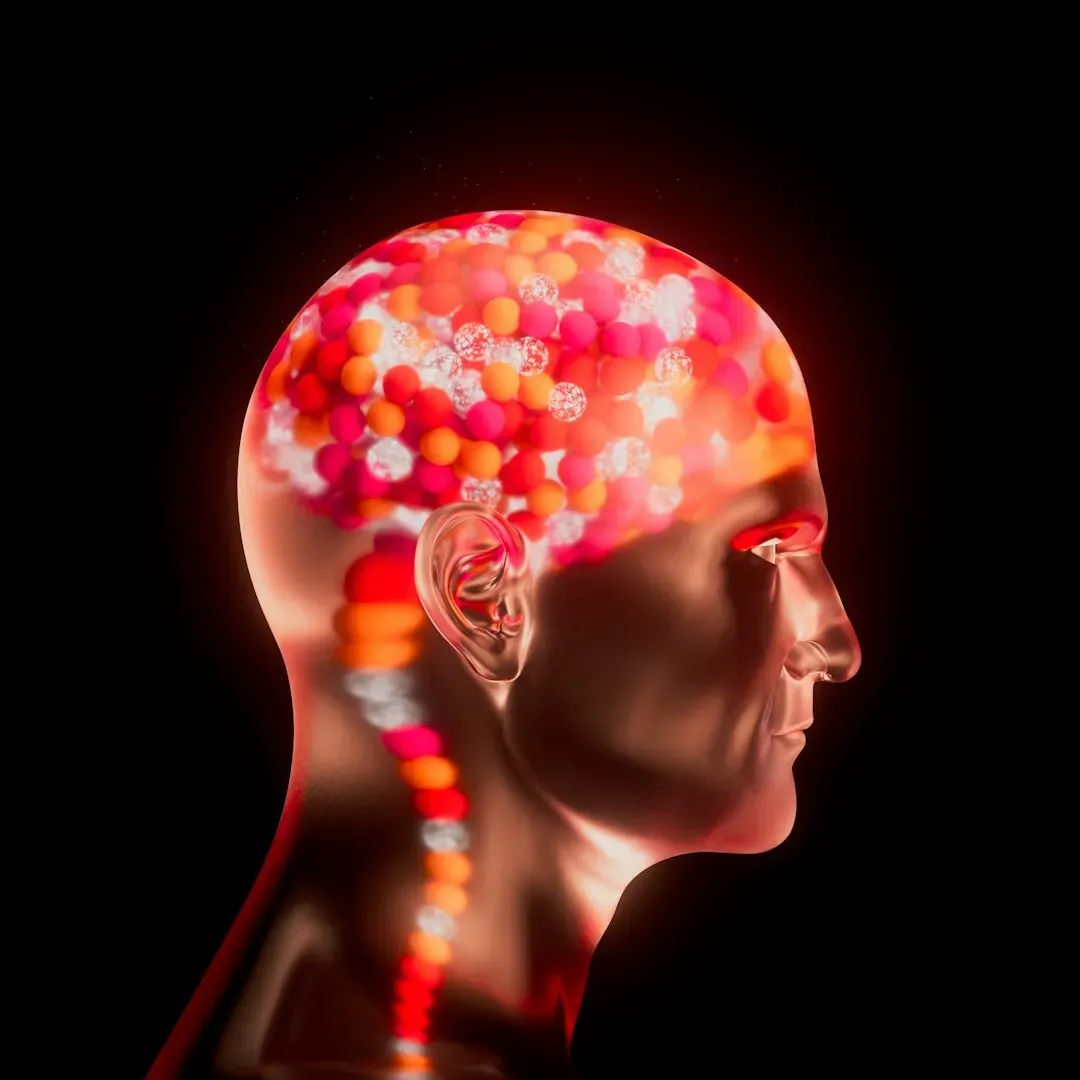
One of the more controversial but revealing tools in consciousness research has been the modern scientific use of psychedelics such as psilocybin and LSD under controlled conditions. Volunteers often report experiences that sound strikingly similar to classic mystical descriptions: a dissolving of personal boundaries, an overwhelming sense of unity, or intense encounters with meaning that feel more real than ordinary perception. Again, not everyone has these experiences, and there are risks, but the pattern shows up often enough to get serious attention.
On the neural side, psychedelic states tend to disrupt the usual hierarchical organization of brain networks, including the default mode. Measures of brain signal diversity and complexity often rise, leading some researchers to talk about a more “entropic” or flexible brain state. In plain language, the brain becomes less locked into its habitual patterns and more open to novel configurations of activity. That lines up eerily well with spiritual ideas that we normally inhabit a narrow slice of possible consciousness, and that certain conditions can temporarily widen the field – sometimes in healing ways, sometimes in destabilizing ways.
Near-Death Experiences and the Edge of Consciousness

Near-death experiences sit at a particularly strange intersection of neuroscience and spirituality. People who were clinically close to death, or who experienced cardiac arrest or severe trauma, sometimes report extraordinarily vivid episodes: leaving the body, moving through darkness, encountering a radiant presence, revisiting their life, or feeling enveloped by a sense of unconditional love. These reports are not universal, and they are shaped by culture and expectation, but their emotional intensity is often life-altering.
From a scientific perspective, there are several plausible mechanisms – lack of oxygen, disinhibited neural firing, neurochemical surges – that might generate unusual experiences as the brain struggles to maintain function. But the sheer clarity and long-term impact people describe have led some researchers to argue that, at minimum, the boundary between “online consciousness” and “total blackout” is more complicated than we assumed. Whatever is happening physiologically, near-death narratives reinforce an ancient theme: what we experience in normal wakefulness may not exhaust what consciousness can do, even at the edge of life.
Lucid Dreams, Hypnosis, and Other Curious States

Not all altered states are dramatic or mystical; some are surprisingly accessible and repeatable. Take lucid dreaming, where a person realizes they are dreaming while still inside the dream and can sometimes intentionally shape what happens. This state blurs the line between waking metacognition and dream imagery, and studies show distinctive patterns of brain activity when people enter it, including shifts in frontal regions linked to self-awareness. It is a quiet but powerful reminder that our sense of reality is constructed and can be reconfigured without fully waking up.
Hypnosis and deep absorption states offer another window into the layered nature of consciousness. In highly responsive individuals, focused suggestion can alter pain perception, sensory experience, and even automatic behaviors, with measurable changes in brain networks related to attention and control. These phenomena do not prove mystical claims, but they do undermine the idea that there is just one stable, fixed “awake” mode. Instead, it looks more like consciousness comes in multiple configurations, each with its own rules and blind spots, much like different operating systems running on the same hardware.
Information, Integration, and the Search for a Theory of Consciousness
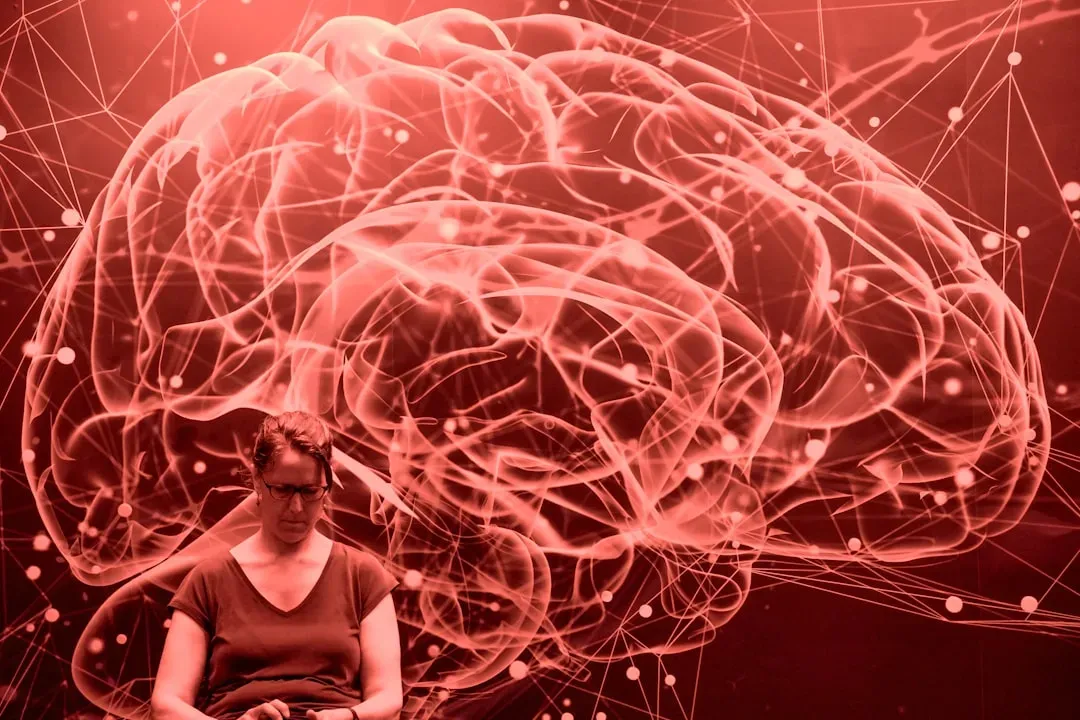
Behind all these studies lurks a huge unanswered question: what is consciousness in the first place, and why should altering brain activity produce such wild shifts in subjective experience? Several theoretical frameworks are competing for attention. Some emphasize how much information is integrated across the brain at once, suggesting that richer, more globally connected patterns of activity correspond to more expansive awareness. Others focus on the brain as an inference machine that builds a best-guess model of the world, with altered states loosening or reshaping that model.
From the outside, these theories can seem abstract, even cold. But they carry a provocative implication: different ways of organizing neural information might literally be different worlds of felt experience. When a mystic speaks of unity, a meditator speaks of clarity, or a person on a psychedelic feels their self dissolve, they may be reporting how consciousness feels when the brain’s internal wiring and predictions are temporarily re-tuned. If that is even partly true, then the spiritual intuition that there are “higher” or at least radically different vantage points on reality starts to look less like poetry and more like testable hypothesis space.
Where Spiritual Language and Scientific Caution Collide
It is tempting, especially online, to grab every new brain scan or psychedelic finding and declare that science has finally “proven” enlightenment, the soul, or some ancient scripture. That rush to confirmation is understandable – everyone loves a neat story where old wisdom and new data hug it out – but it is also premature. Many studies have small sample sizes, complex confounds, or interpretations that are still hotly debated among experts. Correlation is not causation, and altered brain activity does not automatically translate to metaphysical truth.
At the same time, an overly conservative stance that dismisses all non-ordinary experience as mere hallucination or noise seems too narrow. When trained meditators, contemplatives, or carefully screened volunteers repeatedly describe similar shifts in perception, and those shifts correlate with consistent neural patterns, it starts to strain credibility to say “nothing interesting is happening here.” The honest place to land, at least for now, is a kind of humble curiosity: spiritual traditions might have intuited real features of the mind long before we could measure them, but what those features ultimately mean for reality itself remains an open, and possibly unanswerable, question.
Living With the Possibility That Ordinary Awareness Is Only the Beginning

Here is a personal opinion: treating everyday waking consciousness as the final word on reality is like judging an entire library by whatever book happens to be open on your lap. It is understandable – that book is familiar, comforting, and often overwhelming – but it leaves a lot unread. The emerging dialogue between spirituality and neuroscience does not prove that there is a final, ultimate state of awareness waiting for everyone. It does, however, strongly suggest that our ordinary lens is neither neutral nor complete.
For most of us, the practical invitation is not to chase extreme experiences or obsess over brain scans, but to get a little more curious about how our own mind operates. Practices like meditation, careful breathwork, contemplative prayer, or even simply paying deeper attention to dreams and moments of awe can gently stretch the boundaries of what we consider “normal.” In a world that constantly pulls us toward distraction and surface-level engagement, choosing to explore the depths of consciousness – respectfully, skeptically, yet open-heartedly – might be one of the quietest but most radical acts we can take. If ordinary waking life is only the starting point, what else might be possible if we dare to look beyond it?