There’s something deliciously unsettling about the moments when science, instead of giving us neat answers, hands us an even bigger question mark. Ancient artifacts are supposed to become clearer under microscopes and scanners, like a fog lifting over history. Yet again and again, the opposite happens: the data gets sharper, but the story gets stranger.
I still remember the first time I read about a supposedly “solved” artifact that became more confusing after being radiocarbon dated. It felt like watching a detective reveal the killer, then calmly say that the murder was impossible. The seven artifacts below all went through that same twist. Scientists tested, prodded, scanned, and dated them, and what came out the other side was not closure, but deeper mystery.
The Antikythera Mechanism: Ancient Greece’s Impossible Machine
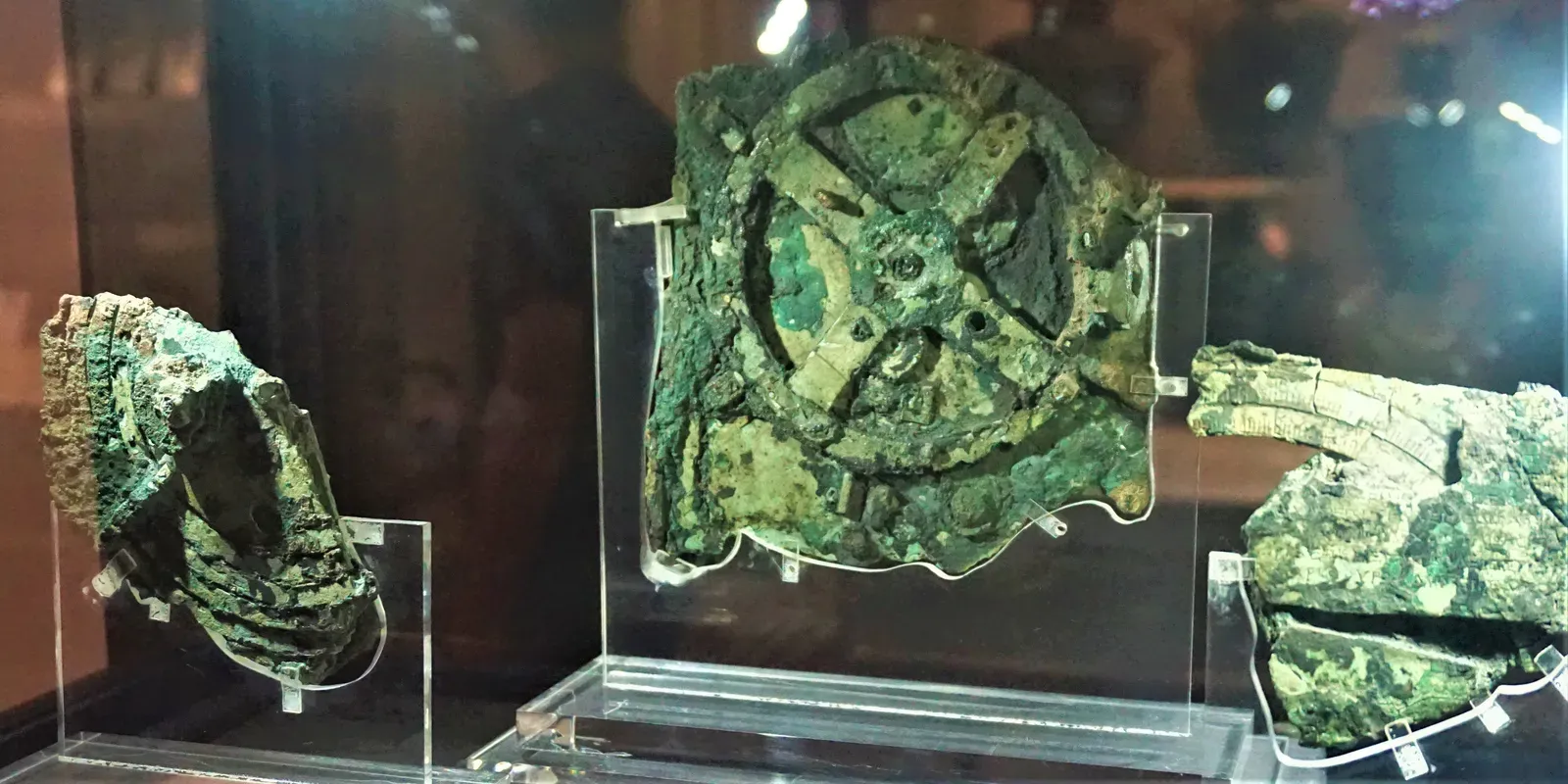
The Antikythera Mechanism, pulled from a Roman-era shipwreck off the coast of a small Greek island, looked at first like a corroded lump of bronze that had lost a fight with the sea. X‑ray imaging and high‑resolution scanning changed that perception entirely: layered inside were interlocking gear trains, inscriptions, and a design so intricate it has been compared to a mechanical laptop. Testing showed it could model the motions of the sun, moon, eclipses, and possibly even planetary cycles with eerie precision.
The mystery only deepened when experts calculated the level of craftsmanship required. The gearing ratios, the miniaturization of components, and the encoded astronomical knowledge all suggested a technological tradition far more advanced than anything else securely dated from that era. Instead of placing Greek engineering neatly on a timeline, the mechanism feels like a spike in a graph: a sudden leap that has no obvious predecessors and no surviving successors for many centuries. It leaves a nagging question hanging in the air: what else did they build that simply did not survive?
Ötzi the Iceman’s Copper Axe: Too Advanced for His Time?

When hikers stumbled upon a frozen body high in the Ötztal Alps, no one suspected they were looking at a man who died over five thousand years ago. Scientific testing quickly turned the find into a time capsule: radiocarbon dating placed Ötzi in the Copper Age, while CT scans showed his final injuries in almost cinematic detail. But it was his copper axe blade that turned from a simple tool into a puzzle once scientists analyzed the metal itself.
Isotope and compositional studies showed unusually pure copper and hints of sophisticated smelting and ore sourcing for that period. The axe is not a rough experimental piece; it is efficient, well‑shaped, and made of material that implies an organized technology and trade network rather than a lone tinkerer. For a long time, the standard picture of early European metalworking was more tentative and patchy. Ötzi’s axe seems to belong to a world that had already solved a lot of those problems, pushing back the implied timeline of metallurgical skill and leaving historians wondering how many lost workshops and traditions we simply have not found yet.
The Shroud of Turin: Dates, Fibers, and a Timeline That Will Not Sit Still
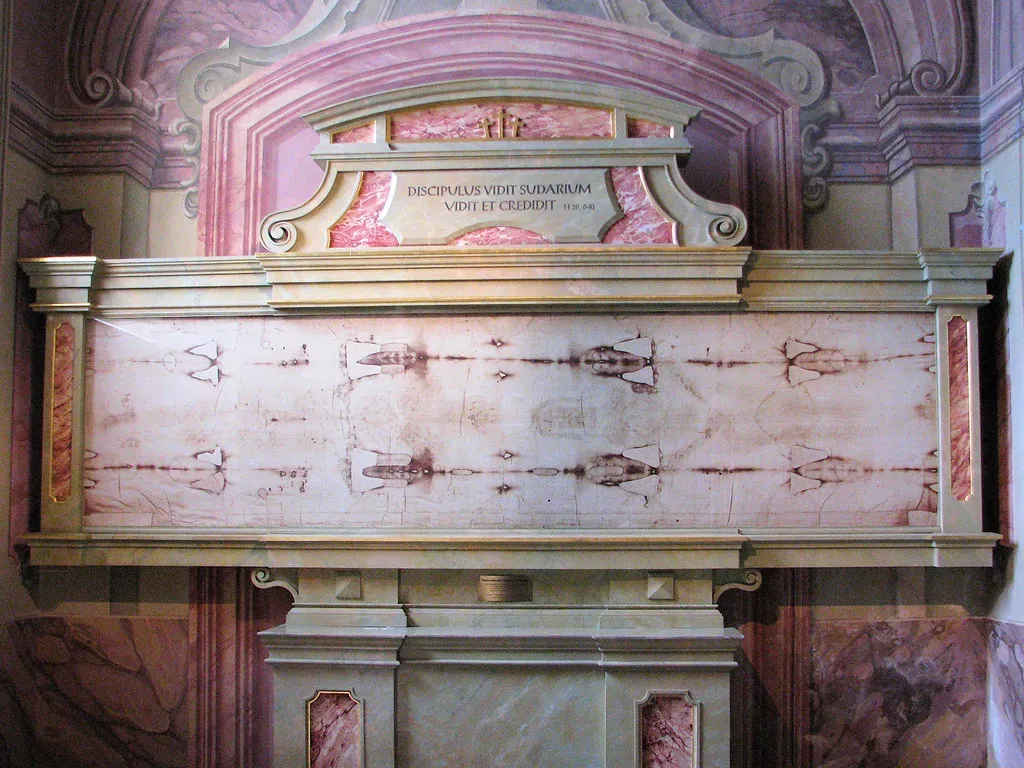
The Shroud of Turin is one of those artifacts where science was invited in to calm everyone down and settle the argument. Radiocarbon dating in the late twentieth century pointed firmly toward the Middle Ages, which would make it a remarkable religious object but not a first‑century relic. Then came further testing: microscopic analyses, textile studies, pollen grains, and chemical examinations of fibers. Instead of lining up neatly, some of these data points pulled at the edges of that medieval conclusion.
Experts have debated issues like contamination, repair threads, and the complexities of dating a heavily handled cloth, and they still do not fully agree. On top of that, the exact mechanism by which the faint image and bloodlike markings formed has not been definitively reproduced in a way that satisfies everyone. The result is an uncomfortable hybrid: an object studied more than almost any other textile on Earth, yet still sitting in a space where science has not fully erased the mystery. Whether one sees it as a medieval masterpiece, a relic, or a mixture of both, the Shroud’s story got messier, not cleaner, once the lab work began.
The Baghdad “Battery”: Power Source or Misread Curiosity?
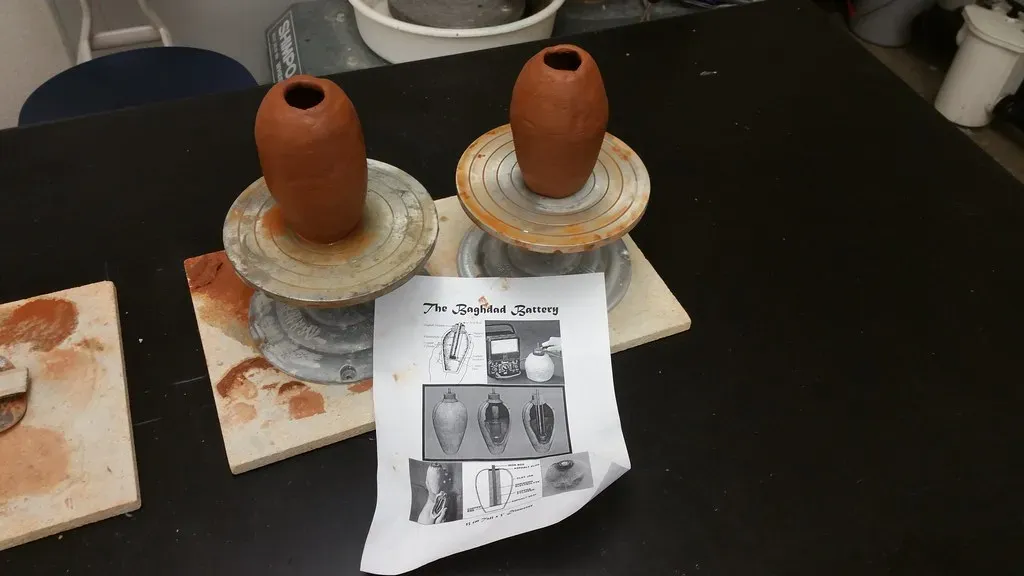
The so‑called Baghdad Battery, a small ceramic jar with an iron rod and copper cylinder, became famous because of one provocative interpretation: that it was an ancient galvanic cell. Early tests showed that, with an acidic liquid, the device could generate a small electric potential, and this idea spread quickly into documentaries and popular books. On paper, it was a dream story: ancient technicians quietly inventing practical electricity long before the modern era.
But more detailed scientific and archaeological study complicated that neat narrative. Dating of similar vessels, context from surrounding finds, and careful reconstructions made it less clear that these jars were ever meant to function as batteries at all. Some researchers see them as storage containers or ritual objects where metal parts were simply structural or symbolic. The lab evidence proves that the design can work as a primitive cell, but offers no certainty that it was used that way, leaving the Baghdad Battery perched in a strange limbo between sober scholarship and imaginative speculation. Instead of telling us precisely what the artifact was, testing just expanded the range of possibilities.
The Phaistos Disc: Decipherment That Refuses to Stick
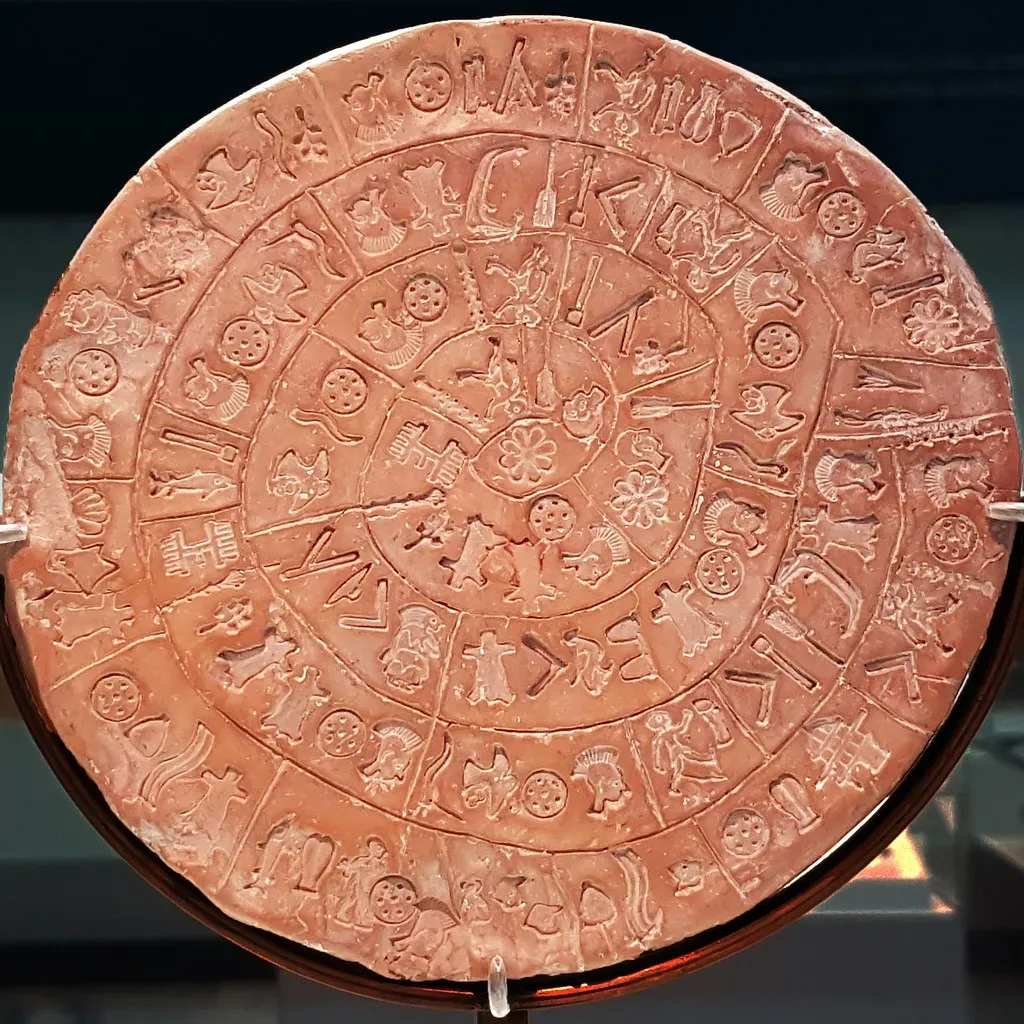
The Phaistos Disc, a palm‑sized clay disc from Bronze Age Crete stamped with tiny symbols in a spiral, looked tailor‑made for a scientific breakthrough. High‑resolution photography, 3D scanning, and material analysis pinned down its age and authenticity to the comfort zone of real archaeology, not modern forgery. Linguists and cryptographers then threw every modern tool they could at its mysterious signs, from pattern analysis to digital comparisons with known scripts.
The result? A flood of proposed readings that do not quite stand up. Some see it as a hymn, others as a game, a legal document, or a ritual text, but no translation has reached the level of broad scholarly acceptance. The symbols are unique enough that they resist direct comparison, and the disc itself is a one‑off, giving researchers almost nothing else to cross‑check. Scientific testing removed easy escape hatches like “it must be fake,” yet did not unlock a clear meaning. Instead, the disc now feels like a deliberately closed door from a culture that left us almost no spare keys.
Roman Dodecahedra: Precision Objects Without an Obvious Purpose
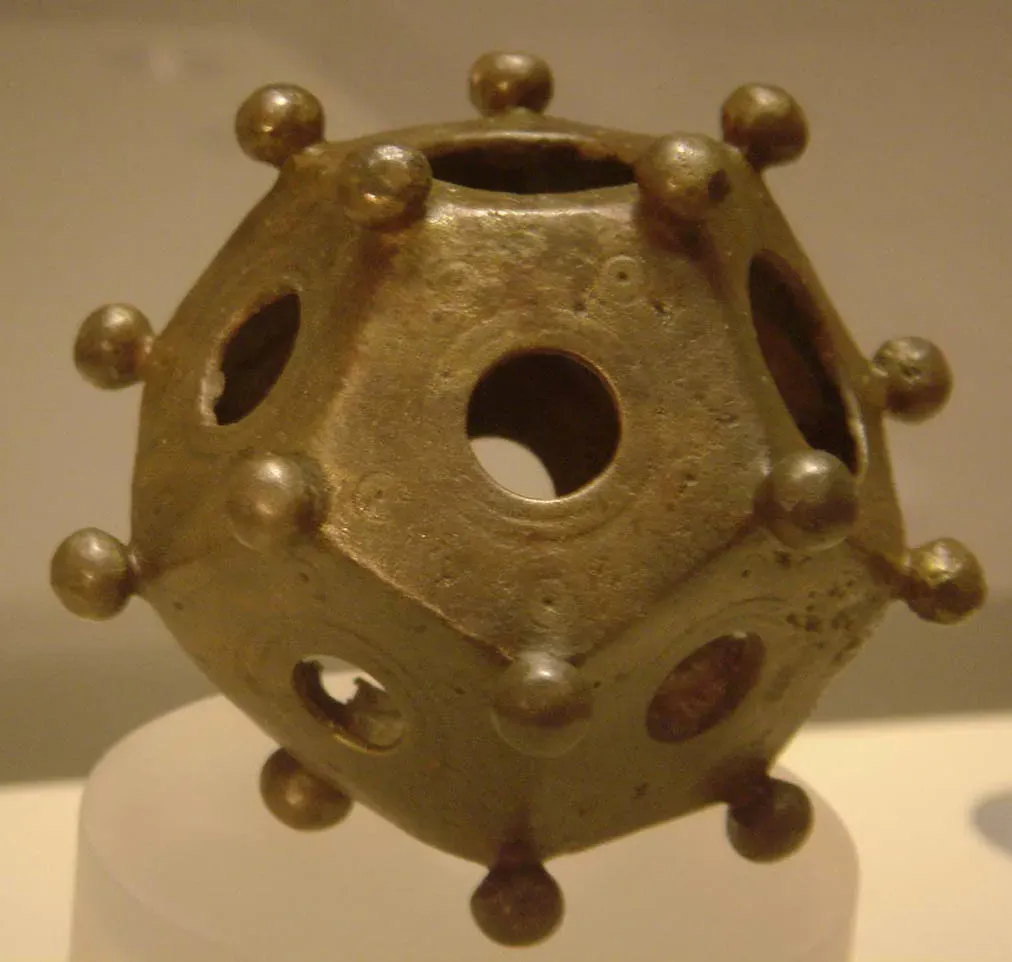
Roman dodecahedra are small, hollow bronze objects with twelve flat faces, circular holes of varying sizes, and knobbed corners. Metallurgical studies, wear analysis, and 3D modeling have shown that these artifacts were carefully made, often from high‑quality bronze, and not random scraps of metalwork. The holes follow consistent patterns, and some show traces suggesting active handling rather than purely decorative display. Yet no surviving Roman text confidently explains what they were for.
The more precisely archaeologists measure them, the more potential uses appear: surveying tools, knitting aids for gloves, candle holders, gaming devices, or instruments for calculating distances and sizes. Each new measurement or microscopic examination seems to support one detail while undermining another theory. We end up with an object that is absolutely, undeniably designed for something, but that refuses to confess what that something was. To me, it is like finding a perfectly shaped wrench from a vanished civilization and having no idea what kind of bolt it was meant to turn.
The Nebra Sky Disc: Ancient Sky Map That Rewrote Prehistoric Europe
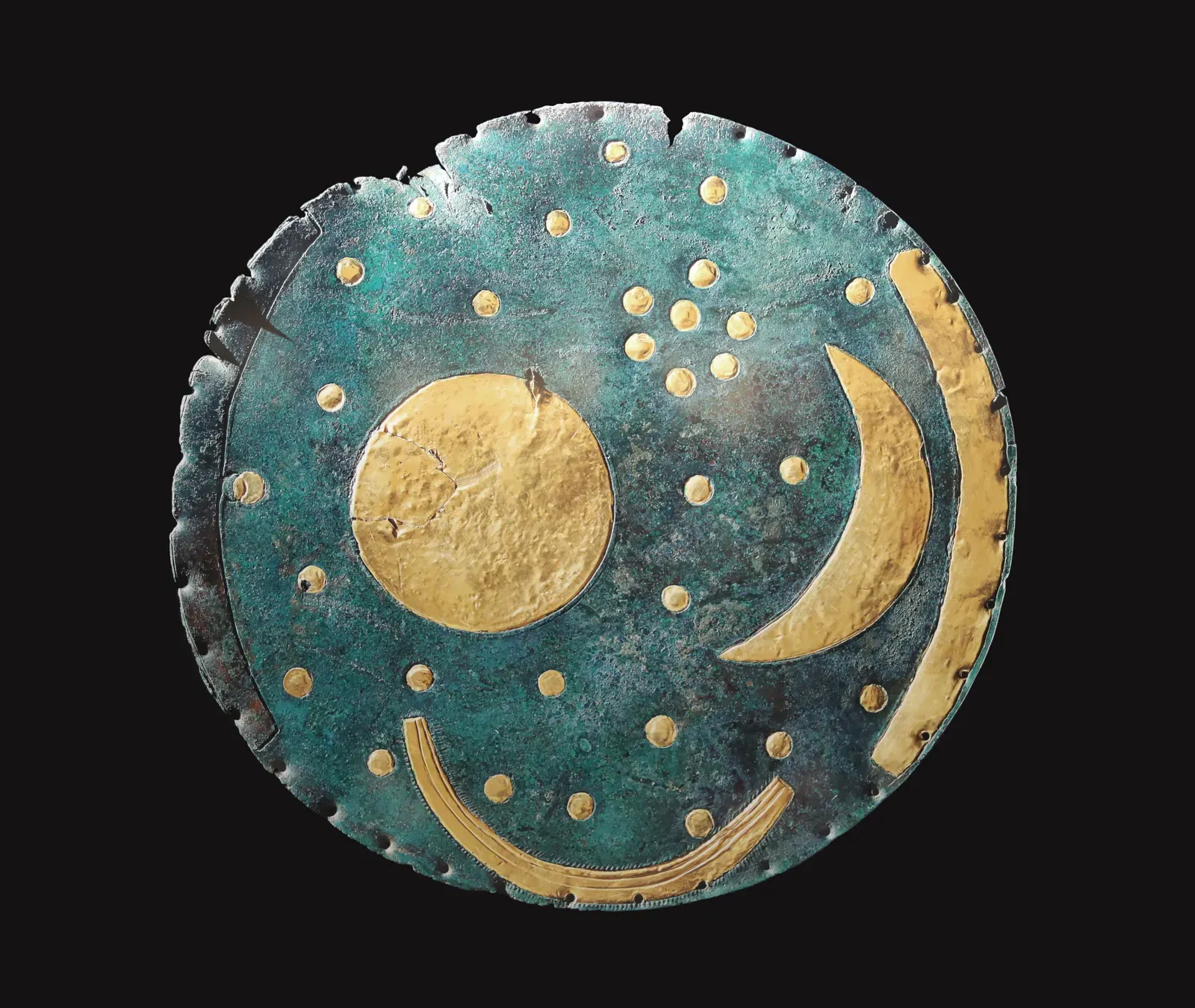
The Nebra Sky Disc, unearthed in Germany, looked at first like a corroded metal plate with curious golden shapes. Scientific testing quickly transformed it into one of the most astonishing prehistoric artifacts in Europe. Radiocarbon dating of associated wooden handles and stratigraphic analysis of the find site anchored it in the Bronze Age, while metallurgical studies showed a sophisticated, multi‑stage manufacturing process with imported materials and deliberate design choices. The gold inlays seem to depict the sun, moon, and star clusters, and later additions appear to mark horizon points.
The mystery ballooned once scholars realized what that implies: people in that region, at that time, may have been using a portable, symbol‑rich map of the sky that encodes observational astronomy. This was not supposed to be part of the story for that corner of prehistoric Europe. Ongoing debates over exact dating windows, later modifications, and the disc’s shifting meaning through time have only raised more questions. Was it a priestly tool, a political symbol, or a mixture of both? The more measurements and analyses are done, the clearer the craftsmanship becomes, and the less tidy our old assumptions about “simple” Bronze Age societies feel.
Conclusion: When Science Makes the Past Stranger, Not Safer

We like to imagine science as a kind of historical vacuum cleaner: you plug it into the past, it sucks up the dust and myths, and what is left is a clean, orderly truth. These seven artifacts show something more awkward and, honestly, more exciting. Precise dating, imaging, and material analysis do answer some questions, but they also expose gaps we did not realize were there. They reveal moments when ancient people were more technically capable, more interconnected, or simply more opaque than our neat timelines suggested.
Personally, I think that is a healthy discomfort to live with. When a corroded gear train, a copper axe, a cryptic clay disc, or a shimmering sky plate refuses to fit our expectations, it forces us to admit how partial our view of the past really is. Science is not killing the magic of history; it is relocating it, from legends and tall tales into the hard, strange facts themselves. Maybe the real question is not whether these artifacts are mysterious, but whether we are finally ready to let the past stay a little weirder than we once allowed. Did you expect the machines and sky maps hiding in those ruins to be quite this unsettling?