Most people assume modern industry can out-build, out-measure, and out-perfect anything humans managed 2,000 years ago. That assumption falls apart fast. In field after field – concrete, steel, glass, even city drainage – engineers keep slamming into the same wall: certain ancient processes still can’t be copied at industrial scale, not even with supercomputers and billion-dollar factories.
It’s rarely magic, and it’s not because some ancient secret spell got lost in a fire. It’s dirtier and more interesting than that: vanished artisanal know-how, brutal process windows, and economics that no modern factory wants to touch. Here are 12 processes that quietly humble modern industry every single time someone tries to scale them back up.
#12 – The Roman “Forever” Concrete That Gets Stronger With Time
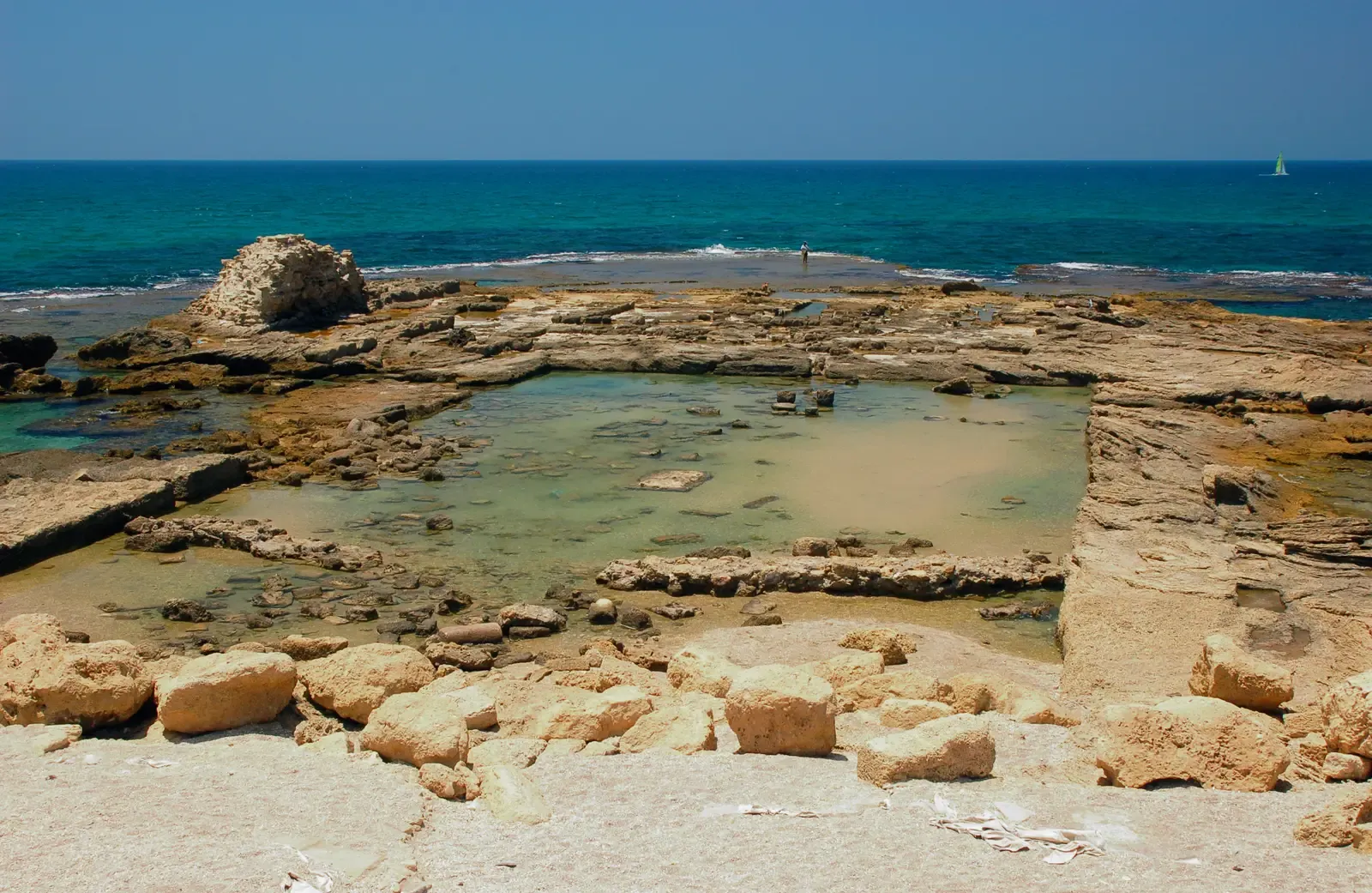
Modern concrete is everywhere, and it starts decaying the moment it’s poured – cracking, spalling, rusting from the inside out over 50 to 100 years. Roman marine concrete has been sitting in saltwater for nearly 2,000 years and is still chemically growing stronger, forming new mineral structures as seawater seeps through it.
Industry can make small-batch “Roman-style” mixes for research without much trouble. Reproducing that performance cheaply at the volumes needed for global construction is where it falls apart. Romans used volcanic ash, lime, seawater, and specific local rocks, cured under totally different conditions than a modern ready-mix slab – and today’s plants are optimized for fast setting and predictable code compliance, not for quietly outperforming everyone five centuries from now.
Fast Facts
- Key ingredient was volcanic ash sourced from the Pozzuoli region near the Bay of Naples
- A widely cited 2023 MIT-led study pointed to “lime clasts” that let the concrete self-heal tiny cracks
- Some Roman harbor piers have withstood roughly 2,000 years of continuous wave action
- Typical modern concrete structures are engineered for a 50-to-100-year service life, not millennia
#11 – Damascus Steel: The Self-Sharpening Blade Myth Industry Still Chases
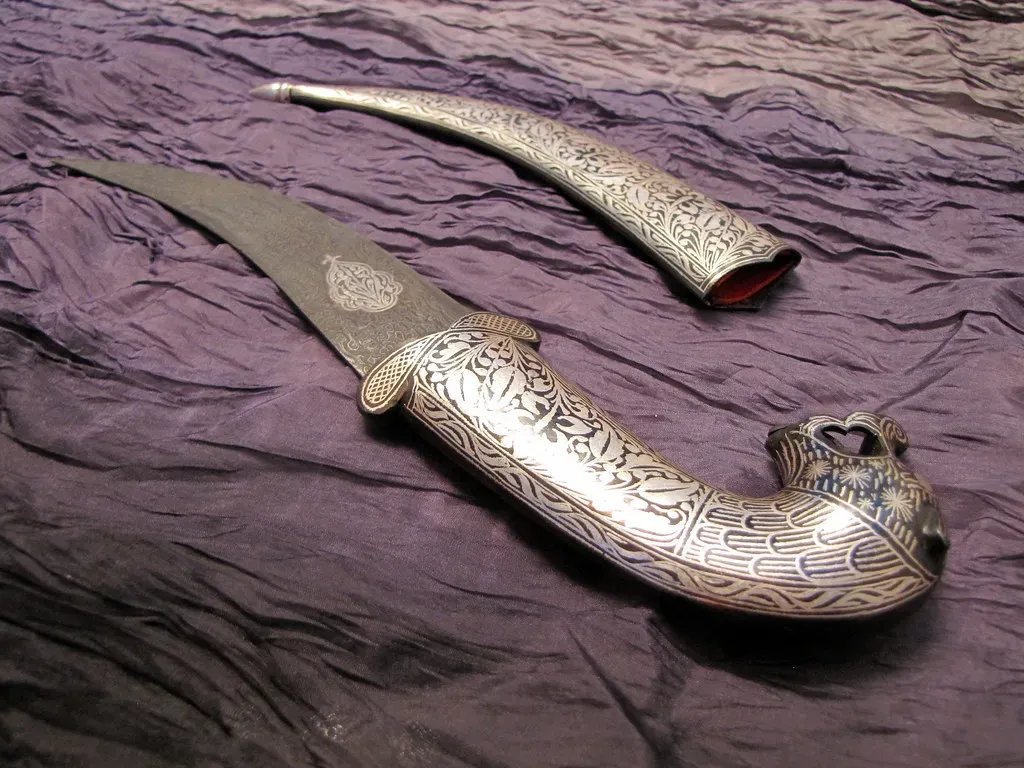
You’d think global steel giants could steamroll past medieval swordsmiths without blinking. Instead, original Damascus steel – famous for blades that stayed exceptionally tough, sharp, and swirled with that signature watery pattern – remains stubbornly out of reach as a standardized industrial product. Modern mills can produce pattern-welded lookalikes and ultra-high-carbon steels, but the exact microstructure, trace impurities, and forging cycle behind historic Damascus properties has never been pinned down into a repeatable recipe.
Metallurgists suspect the original wootz ingots carried trace vanadium and molybdenum, shaped by punishing thermal cycling tied to specific ores and artisanal routines nobody bothered writing down. Steel companies could brute-force a boutique line if they wanted to, but no mass producer has a stable, off-the-shelf “true Damascus” that matches all the documented historic behavior. When the market wants cheap stainless by the ton, nobody retools a mill for mystical sword metal.
#10 – Egyptian Pyramid Stonework: Precision Assembly Without Modern Logistics
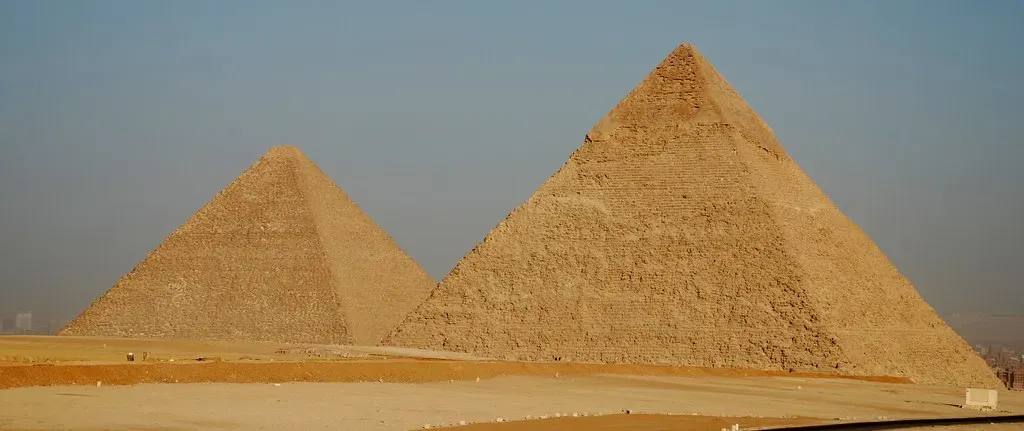
Most people picture the pyramids as just big piles of rock stacked by brute force. In reality, they’re insanely precise stone machines, with error tolerances and alignments that would embarrass a fair number of 20th-century construction projects. Industry could absolutely build something as large today – cranes and precast concrete make that part easy.
What nobody can recreate is the actual process: quarrying, shaping, transporting, and setting millions of multi-ton blocks with that level of fit, using only ropes, sledges, ramps, and levers, at that speed, with that organization. Engineers can model possible methods all day, but there’s no proven, repeatable “industrial recipe” for assembling a pyramid the old way on any commercially realistic timeframe. We don’t just lack the tools – we lack the embedded labor systems and cultural willingness to ever attempt it again.
At a Glance
- The Great Pyramid of Giza was built around 2560 BCE from an estimated 2.3 million blocks
- Average block weight was around 2.5 tons, with some interior blocks topping 80 tons
- The base is level to within a few centimeters across a footprint of more than 13 acres
- Construction is generally estimated to have taken roughly two decades
#9 – Roman Roads: Millennia-Grade Infrastructure Industry Refuses to Replicate
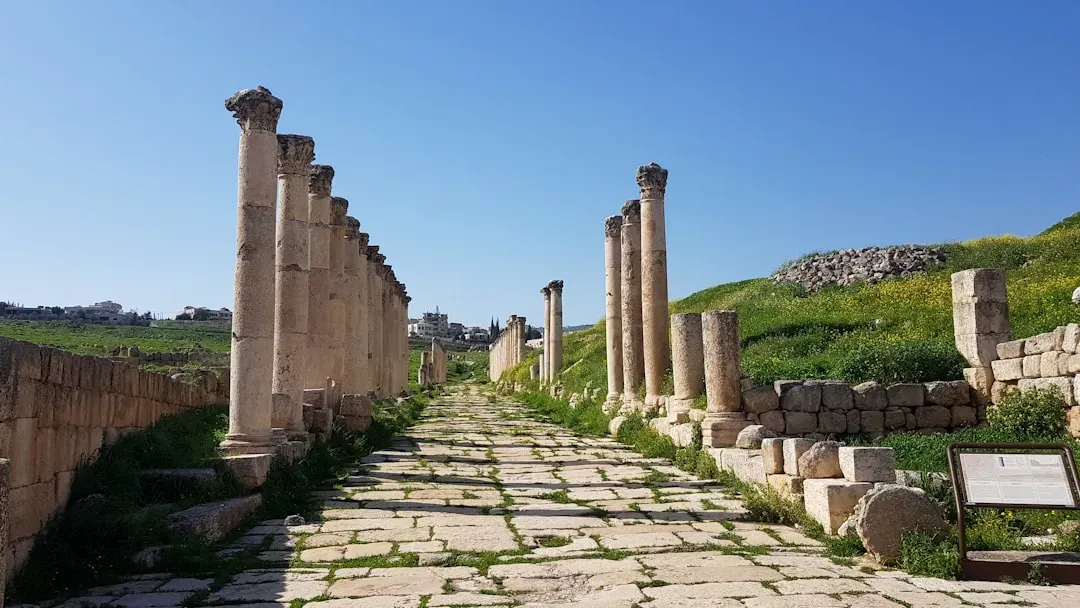
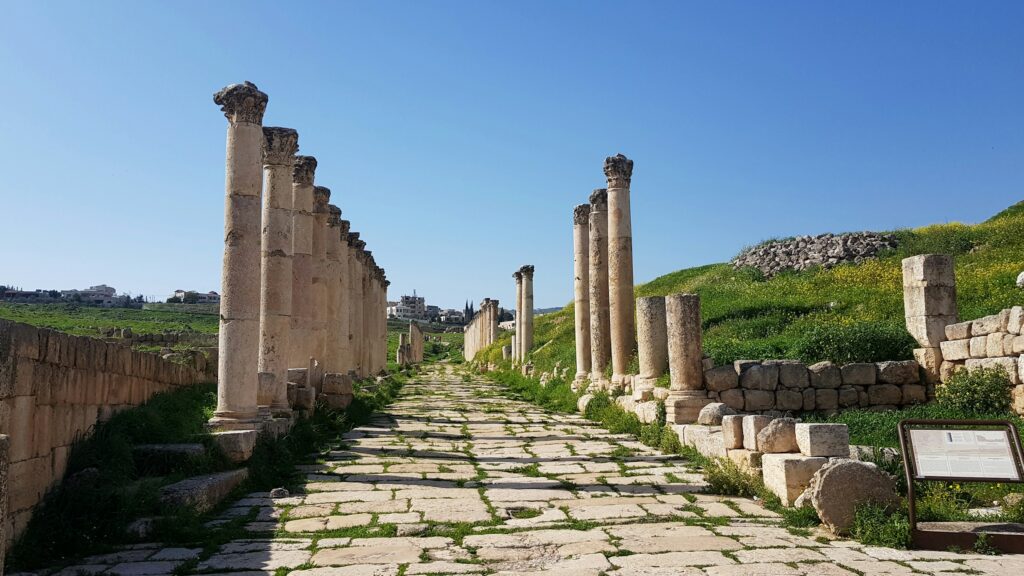
Every city complains about potholes, yet chunks of ancient Roman road are still walkable after nearly 2,000 years. Today’s highway industry can build smoother, faster surfaces without much effort – just not ones built to shrug off centuries of abuse on almost zero maintenance.
Roman roads stacked multiple layers of stone, gravel, and sand, crowned for drainage, then compacted into something built for legions on foot, not 18-wheelers doing 75 mph. Reproducing that is technically possible; nobody will pay for it. Modern roadbuilding optimizes for:
- Lower upfront cost
- 10–30 year design lives instead of 300-plus
Scaling a “Roman spec” network would demand absurd amounts of stone, labor, and land – a process flatly incompatible with modern traffic, permitting, and budgets. So we patch and repave forever instead of engineering for centuries.
#8 – Greek and Hellenistic Bronze Casting of Colossal Statues

We love bragging about 3D printing, but the ancient Greeks were quietly casting multi-ton bronze statues with jaw-dropping surface detail and balance, using furnace setups that would give a modern foundry serious safety nightmares. Industry can cast big bronze pieces today without issue – reproducing those statues exactly, same alloy quirks, same microstructures, same hollow-casting tricks, at scale, is an entirely different story.
Ancient artisans leaned on lost-wax casting with:
- Complex multi-piece molds
- Organic cores and chaplets that burned out or shifted mid-pour
Those quirks left subtle signatures baked into the final metal. Modern foundries chase predictable alloys, code-compliant welds, and automated process control instead, and they can’t justify the cost or risk of recreating wildly idiosyncratic ancient workflows over and over. So we get approximations that look right from ten feet away – not a plug-and-play industrial pipeline for true classical bronze.
#7 – Roman and Hellenistic Glass: Ultra-Clear, Uniform, and Weirdly Durable
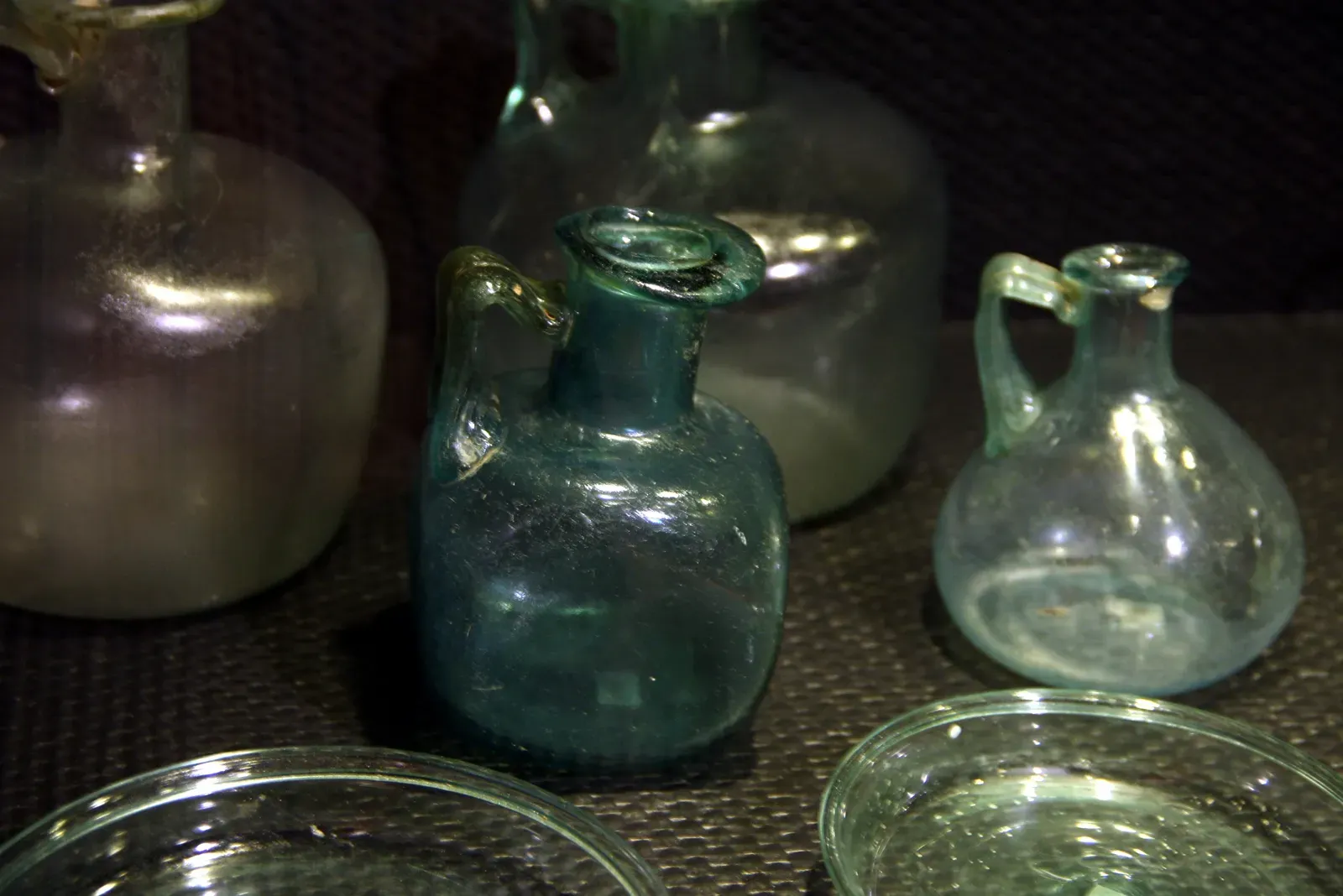
Most people picture ancient glass as thick, cloudy, and crude. In reality, some Roman and Hellenistic glassware is shockingly clear, thin, and chemically stable, surviving intact underground for two thousand years. The paradox: today’s glass industry runs float glass lines and fiber optics, yet still struggles to fully reconstruct the raw materials, furnace atmospheres, and forming techniques behind specific ancient pieces without falling back on small-batch, artisanal setups.
Those glassmakers worked with:
- Sand sources carrying unique impurity fingerprints
- Plant ash or natron fluxes that changed how the melt behaved
We can analyze shards and estimate the recipe, but replicating every variable across a factory line – fuel type, furnace atmosphere, cooling schedule – gets messy fast, and even tiny shifts change color, clarity, and how the glass ages over centuries. No commercial glassmaker is spending millions chasing a 2,000-year aging profile when customers only care about next week’s delivery truck.
#6 – Mayan and Mesoamerican Lime Plasters and Paints That Refuse to Die
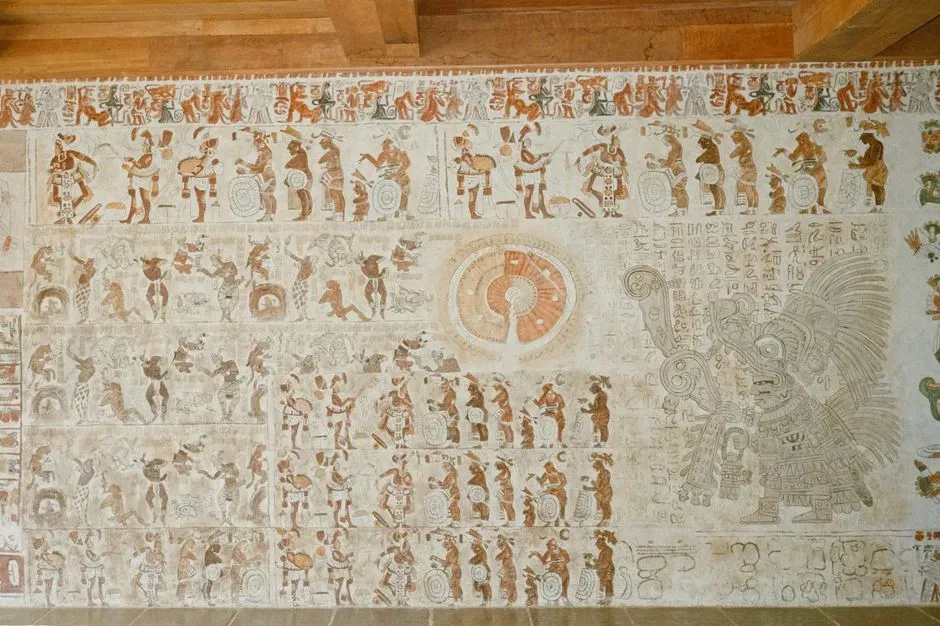
The bright colors on Mayan temples weren’t just decoration – they were chemically clever coatings that have clung to stone through brutal tropical heat, humidity, and biological attack for well over a thousand years. Modern paint, by comparison, starts peeling within a few years under that kind of punishment.
Archaeologists suspect these plasters and pigments included organic additives – plant resins, even sap – that subtly changed how the lime cured and bonded to masonry. Industry has tried to mimic the effect with lime plasters blended with polymers and mineral pigments engineered for weathering. But scaling a truly faithful version runs into a wall: sourcing the exact plants, processing them the traditional way, and holding tight control across giant batches. Small variations in local materials radically change the result, and nobody’s building a billion-dollar plant to recreate 1,500-year-old temple whites. We settle for “inspired by” instead of the real chemistry.
Worth Knowing
- Traditional Maya lime plaster, sometimes called “cal,” required burning limestone at carefully controlled high heat
- Murals at sites like Bonampak have kept vivid pigment for well over a thousand years
- Researchers have identified plant resin and sap additives in ancient stucco samples
- Standard modern exterior paint in humid climates often needs repainting every 5 to 10 years
#5 – Chinese Han and Qin-Era High-Chrome Bronzes That Resist Corrosion
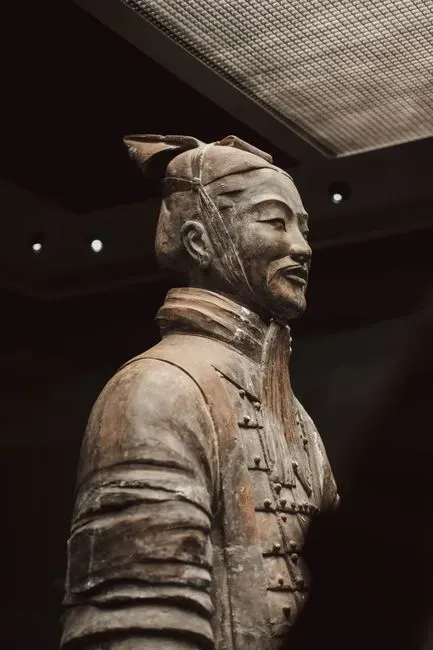
The Terracotta Army’s weapons are infamous for one weird reason: many of the bronze blades and fittings show astonishingly low corrosion given their age and burial conditions. Analyses point to deliberate alloying and surface treatment involving higher-than-expected tin, and sometimes chromium compounds, hinting that ancient Chinese metallurgists stumbled onto anti-corrosion tricks we still don’t fully understand.
Modern metallurgy can obviously produce stainless steels that outperform almost anything ancient – under clean lab conditions. Replicating the exact Han-era processing chain, from ore smelting through quenching to final surface chemistry, has proven far trickier than it sounds. Industrial bronze production today chases cost, workability, and predictable mechanical properties, not archaeological authenticity, and nobody’s re-architecting an entire foundry just to match a burial-chamber corrosion rate when modern stainless already does the job.
#4 – Indus Valley City Planning and Drainage: Low-Tech, High-Resilience Urban Systems
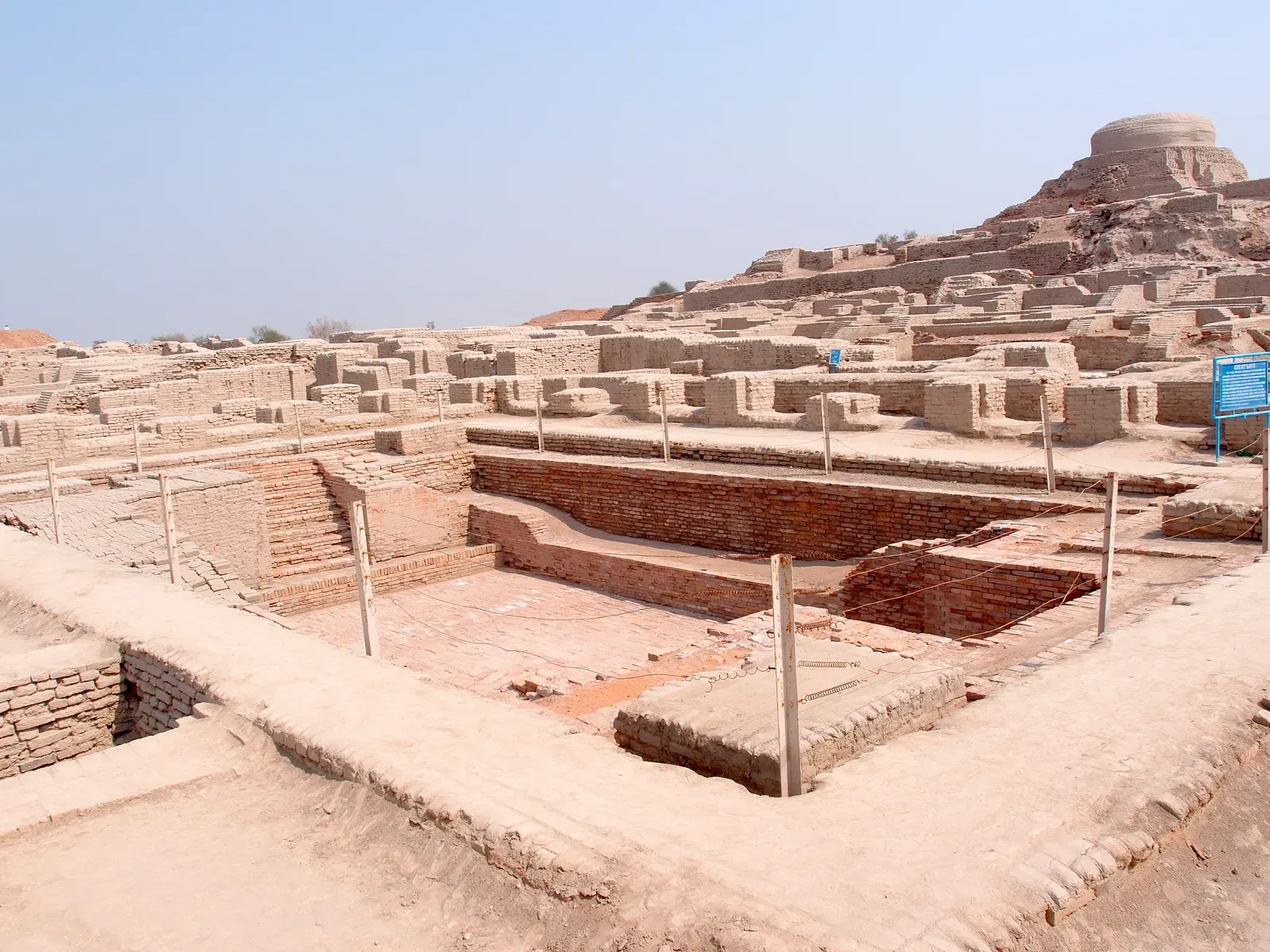
We love talking about “smart cities,” yet the Indus Valley Civilization quietly built urban grids with shockingly efficient drainage, standardized bricks, and functioning sanitation – with no CAD software, no building codes, and no concrete. Gravity, simple slopes, and modular brick sizes were enough to create streets and sewers that handled monsoon season better than plenty of modern cities manage today.
Industry has the technology to outdo this easily. What it lacks is the governance, incentives, and cultural simplicity that made it work. Recreating that process at scale would require uniform building standards that actually get enforced, and planning horizons that outlast election cycles. Instead, modern construction is a fragmented scramble of contractors, codes, and cost-cutting. The holistic process – social, political, and technical all at once – that let Indus planners align entire cities around clean runoff and waste removal is what we can’t replicate, and you can’t drop that mindset into a developer-first economy and expect it to survive contact.
#3 – Nazca and Andean Geoglyph Construction Without Modern Surveying

The Nazca lines and other Andean geoglyphs are more than pretty drone footage. They’re large-scale earthworks laid out with genuinely impressive accuracy across uneven terrain, readable properly only from the air – centuries before anyone had an aerial view to check their work.
Industry could map and stake something similar with satellites and GPS in an afternoon, but that misses the point entirely. What we can’t recreate is the low-tech process that turned rope, sighting poles, and human coordination into precise, continent-scale drawings on a routine basis. Researchers have proposed likely methods, but there’s no fully accepted, field-tested protocol that scales to many designs while holding proportions steady over kilometers – and no construction firm would even try, since the economic payoff is exactly zero.
#2 – Greek Fire: The Naval Weapon Whose Recipe Industry Can’t Recover

Hollywood loves Greek fire, but the real story is uglier: a Byzantine naval weapon that allegedly burned on top of water and terrified entire enemy fleets, with a formula and delivery system that vanished along with the empire that guarded it. Modern chemistry can design terrifying incendiaries without much trouble – napalm and thermite prove that – yet we still don’t know exactly what Greek fire was, let alone how it was manufactured and deployed reliably across decades of naval warfare.
Ancient texts hint at petroleum, resin, sulfur, and possibly quicklime, but the real challenge was always logistics. Byzantine crews had to store the mixture safely on wooden ships, pump or project it reliably while rocking on open water, and train crews without blowing themselves up in the process. Too much of that knowledge died with the people who guarded it, and frankly, there’s no ethical or legal appetite today to industrialize medieval flamethrowers just to satisfy curiosity.
Quick Compare
- Greek fire: exact formula unknown, hand-pumped through siphons, reportedly burned on water
- Napalm: standardized composition, mass-produced since World War II, well-documented deployment
- Thermite: precise, repeatable chemical reaction, manufactured industrially today
- Bottom line: modern incendiaries scale easily; Greek fire’s true recipe still doesn’t
#1 – The Total “Systems Engineering” of Monumental Ancient Projects
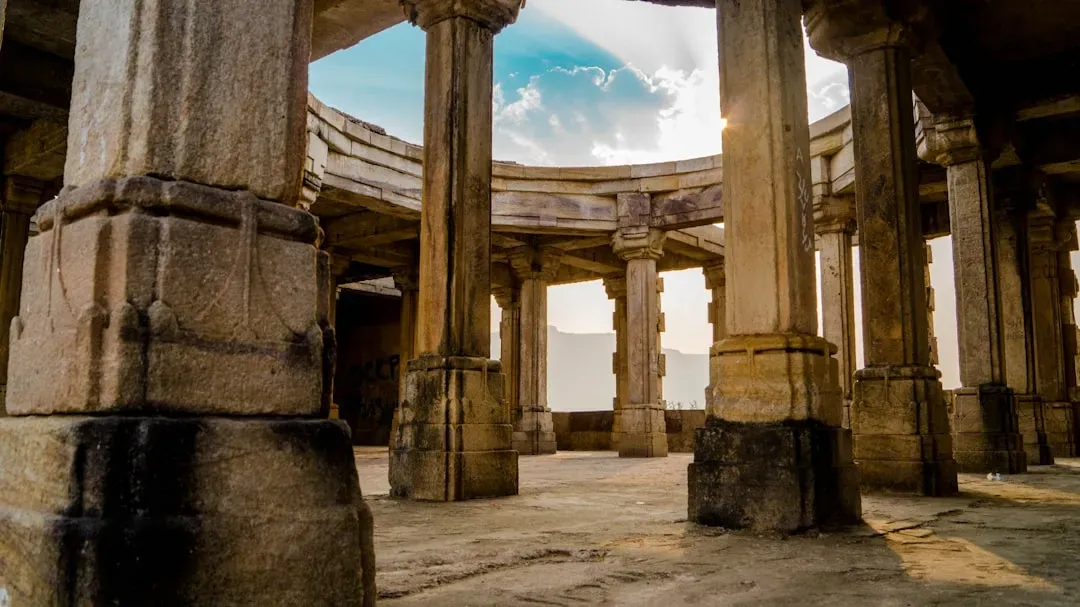
Individually, we can fake our way through Roman concrete, Egyptian stonework, or Indus drainage in small pilot projects. What modern industry genuinely cannot recreate at any meaningful scale is the combined, civilization-level process that delivered all of them at once, over centuries, without CAD, fossil fuels, or global supply chains.
This isn’t about one lost recipe. It’s a lost operating system for how entire societies mobilized labor, materials, religion, and politics into coherent mega-projects. Think about what that actually required:
- Tens of thousands of workers coordinated across generations
- Religious and cultural narratives acting as project-management software
- Hyper-local materials knowledge embedded in the trade itself, not written down in a PDF
We can out-compute any ancient architect on paper, but we still can’t copy the social fabric that made a pyramid, a road network, a harbor, and a temple complex all just “what the civilization does.” Modern industry runs on quarterly profit; ancient process ran on identity, obligation, and fear of the gods – and that’s not something you scale back up with a new ISO standard.
The Bottom Line
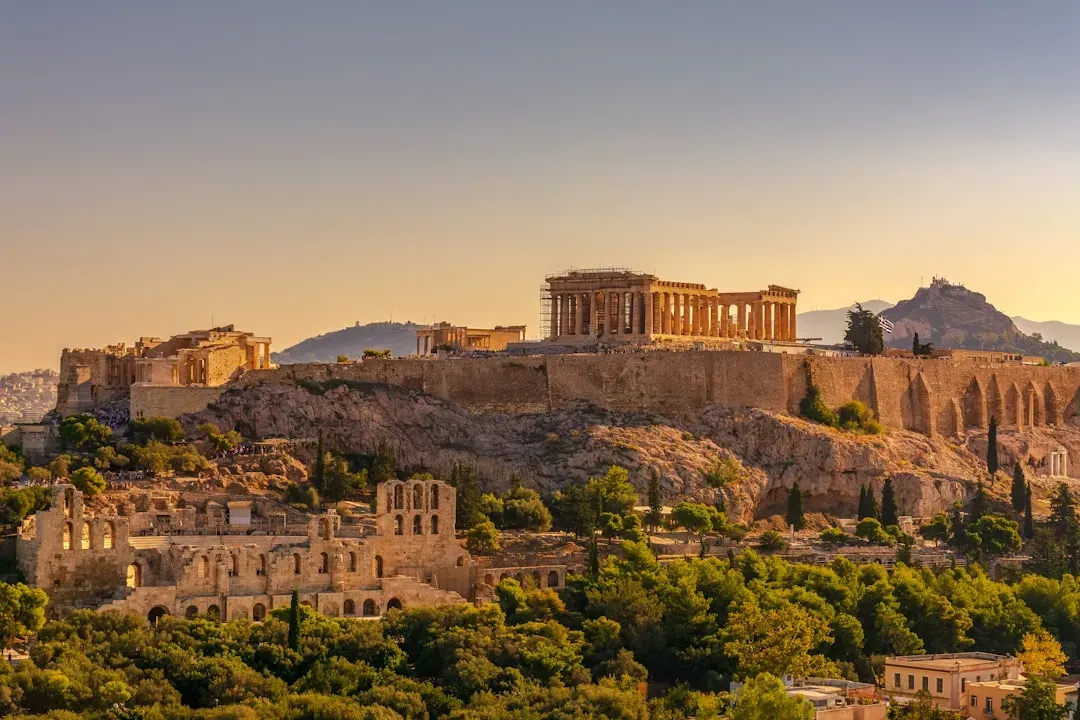
The uncomfortable truth is that industry isn’t “too advanced” for these ancient processes – it’s too narrow, too optimized, and too short-term. Older societies blended messy materials, brutal labor, and cultural obsession into results built to outlast their builders by a thousand years. We’ve swapped all of that for spreadsheets and just-in-time logistics, and it wins on cost and comfort every single time – right up until you need something to survive five centuries.
Here’s the part that should actually bother you: in nearly every case on this list, we could technically recreate these processes in boutique experiments tomorrow. We simply won’t accept the cost, the risk, or the social trade-offs required to scale them back up. So instead of admitting that our priorities quietly changed, we mythologize the past and call it lost knowledge. It was never lost. We just decided it wasn’t worth the price. Got an ancient process you think modern industry is still underrating? Say so in the comments – we’re clearly not done being humbled.