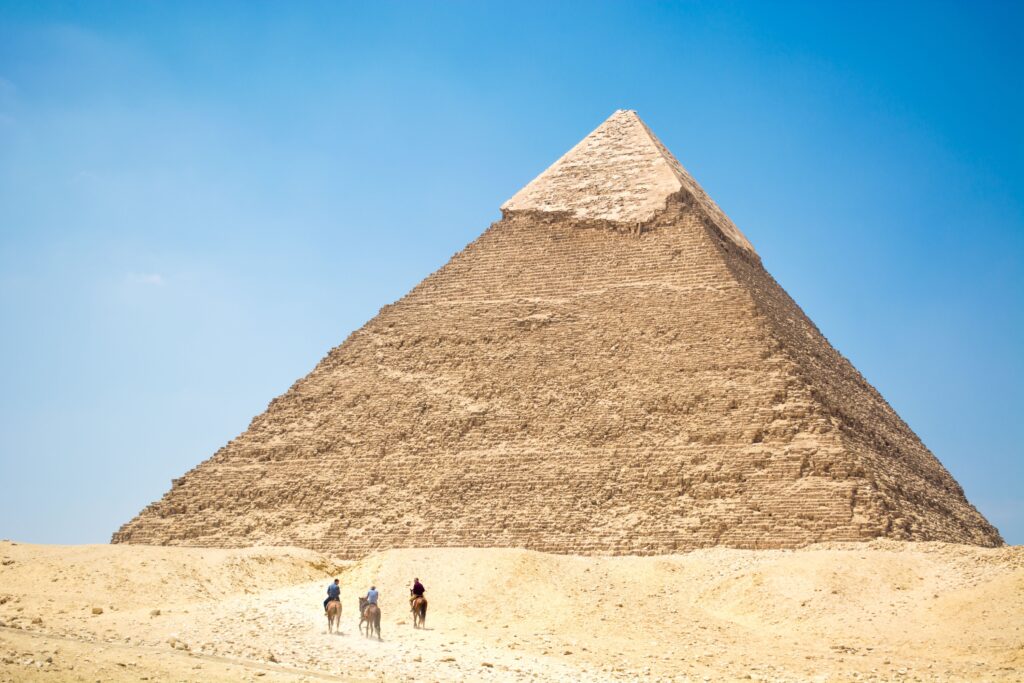
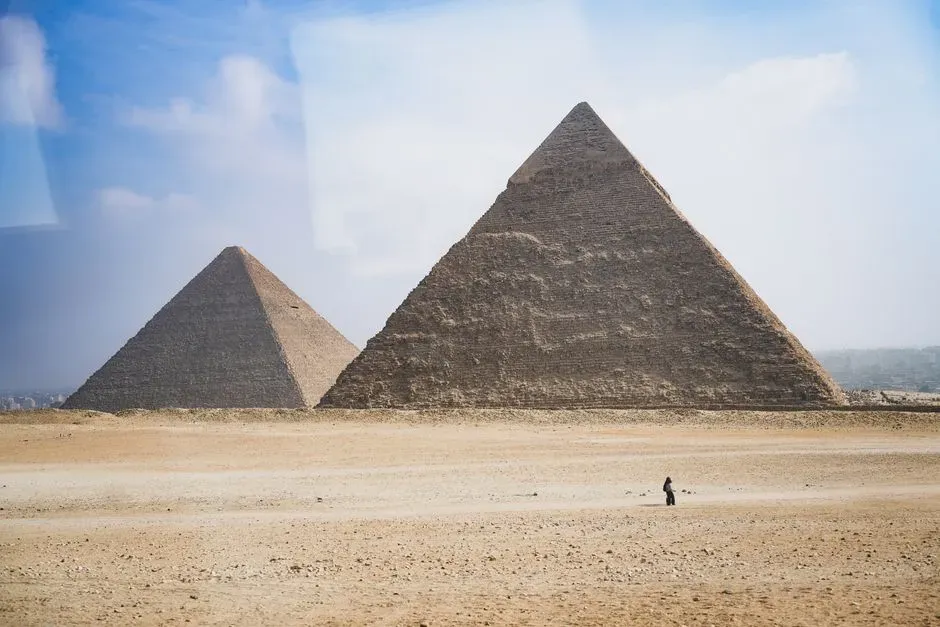
If you have ever stared at a photo of the Great Pyramid and felt a strange chill, you are not alone. You are looking at a structure that is more than four thousand years old, yet still refuses to give up all its secrets. Even with modern technology, you are only just beginning to glimpse what hides behind its stone skin: closed-off corridors, hidden cavities, and silent voids that no one is allowed to physically enter.
What makes this even more gripping is that most of what you know about these spaces comes from indirect measurements, not from doors swinging open or explorers crawling inside. You are basically reading a medical scan of a stone mountain, trying to imagine what its internal organs look like. As you go through these seven sealed spaces, you will see how much you can detect without a single block being moved – and how much mystery still stubbornly remains.
1. The Famous “Big Void” Above the Grand Gallery
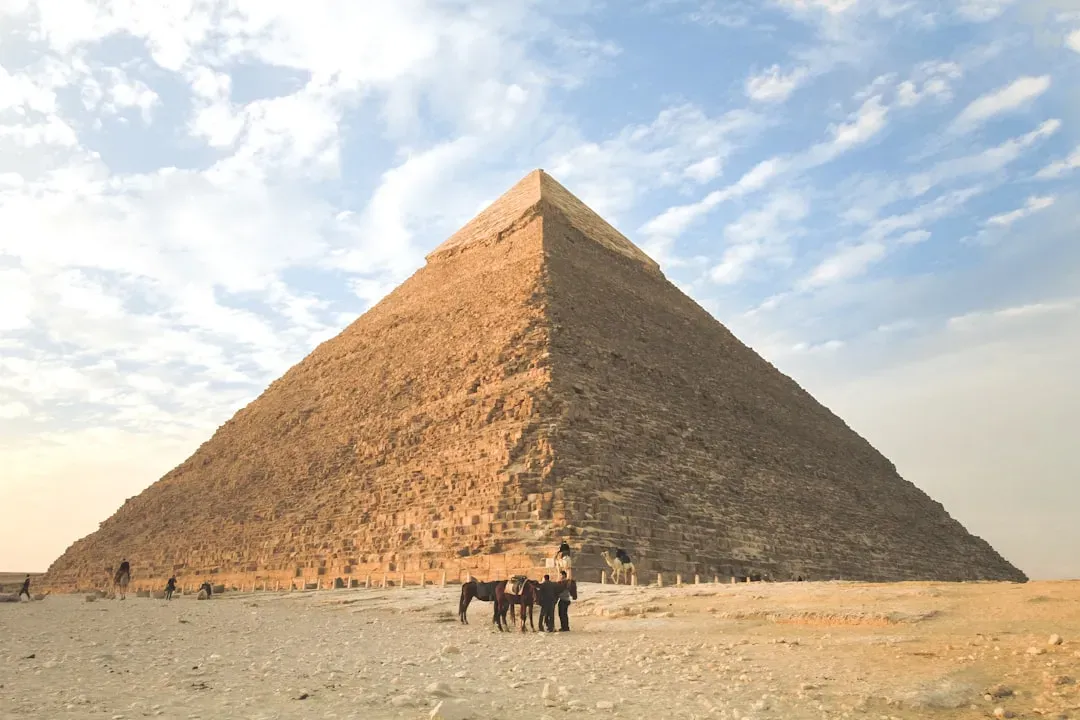
When you hear about hidden spaces in the Great Pyramid today, you are almost always hearing about the so‑called Big Void. Using cosmic-ray muon imaging, scientists picked up a huge, empty region above the Grand Gallery that you cannot see or reach from any known passage. You can think of it like a dark attic above the most dramatic hallway in the pyramid, stretching for at least the length of a city bus and possibly more.
Because no tunnel leads into it, you are forced to rely on measurements instead of sight. The data suggests a space roughly similar in size to the Grand Gallery itself, but beyond that, you are in the territory of careful speculation. Some engineers suspect it might simply be a structural relieving space, like an ancient “weight buffer” to stop the massive stone blocks from crushing the gallery. Others quietly wonder if you are looking at a deliberately planned, symbolically important void that was never meant to be visited by human beings at all.
2. The Mysterious North-Face Upper Void Above the Entrance
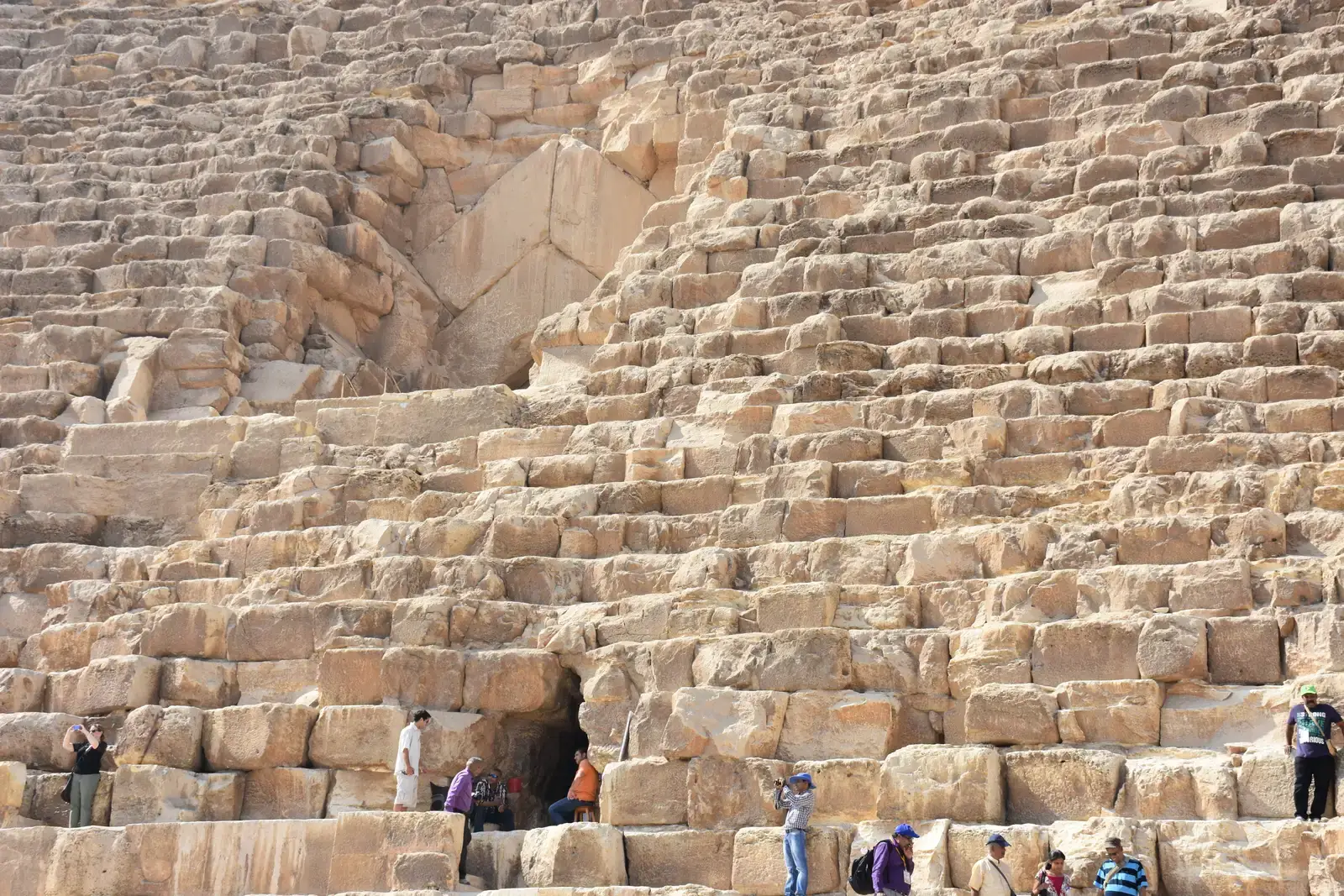
Not long after the Big Void made headlines, another smaller cavity turned up on the northern side of the pyramid, just above the original entrance. Using the same muon techniques, researchers detected what looks like a compact void hiding behind the outer blocks, not directly connected to the known descending passage that you walk through when you go inside today. If you picture the pyramid’s face as a massive stone mask, this tiny cavity sits somewhere behind its “forehead.”
This space is especially intriguing because it might relate to the complex original entrance arrangement that you no longer see clearly, thanks to later modifications. You might be tempted to imagine a secret chamber or a hidden passageway leading to unknown treasures, but the truth is you simply do not know. It could be a small structural pocket, a construction stage cavity, or a carefully designed architectural feature. Until someone is allowed to probe it more directly, you are left with a ghostly outline on a scientific scan and a lot of self‑control not to let your imagination run wild.
3. The “Relieving Chambers” Above the King’s Chamber That Stay Off-Limits
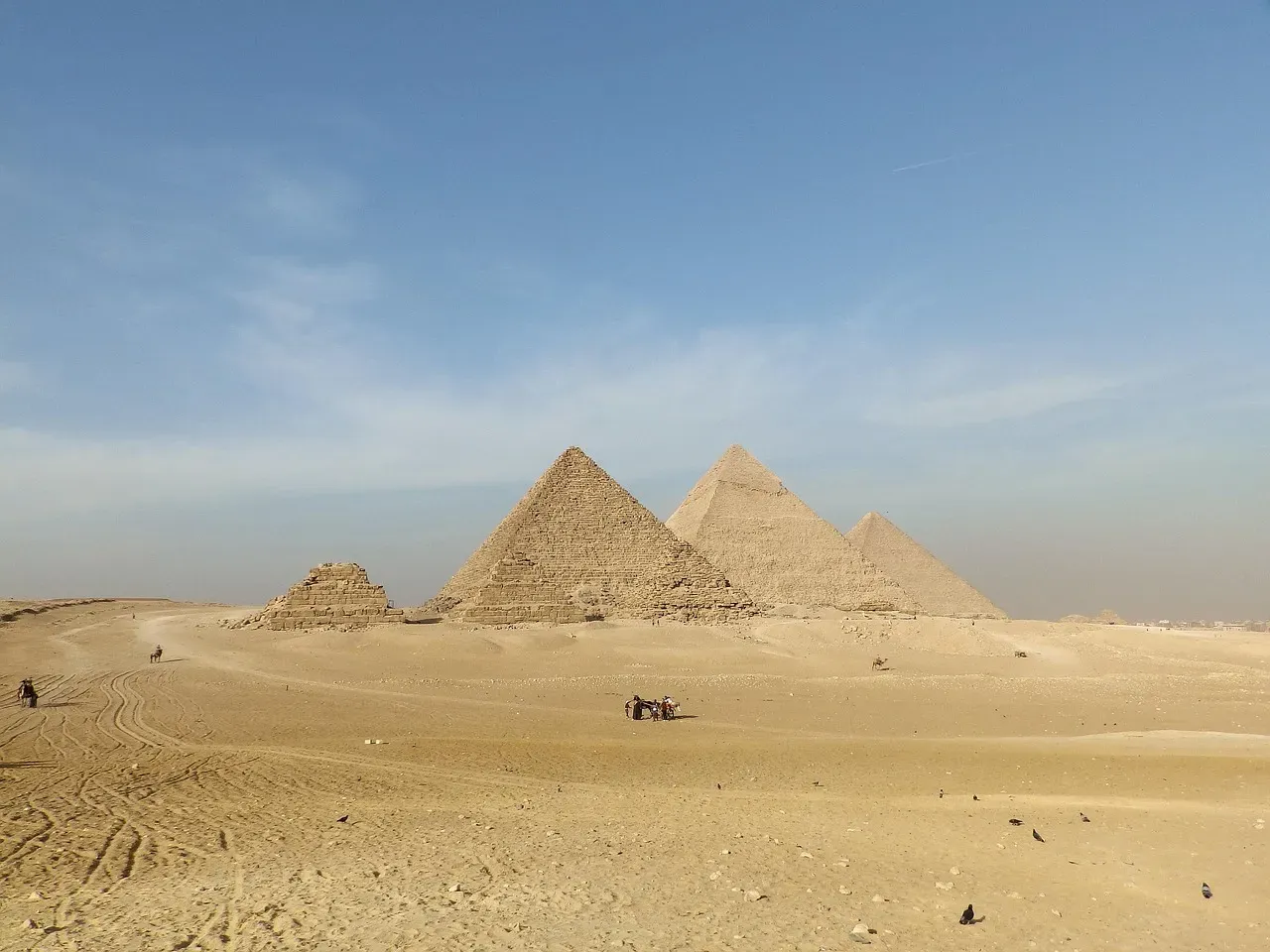
High above the King’s Chamber, there is a stack of five narrow spaces separated by huge granite beams, often called relieving chambers. These were opened in the nineteenth century by blasting, but today you are not allowed to casually enter or modify them, and in practice they function as sealed spaces. Modern scanning has confirmed their presence and structure, but also hints at subtle details you cannot touch without risking damage to the whole core of the pyramid.
From your perspective, these chambers are doubly mysterious: you know they exist and you know how they are arranged, yet you are effectively barred from any new direct exploration. You must instead rely on non‑invasive tools to check for cracks, shifts, or hidden cavities within and around them. Some people have wondered whether these chambers might contain further voids or concealed recesses, such as small niches or gaps behind the granite beams. For now, you are looking at a region that is both known and untouchable, a fragile load‑bearing heart where curiosity has to yield to preservation.
4. The Sealed Lower Regions Beneath the King’s Chamber
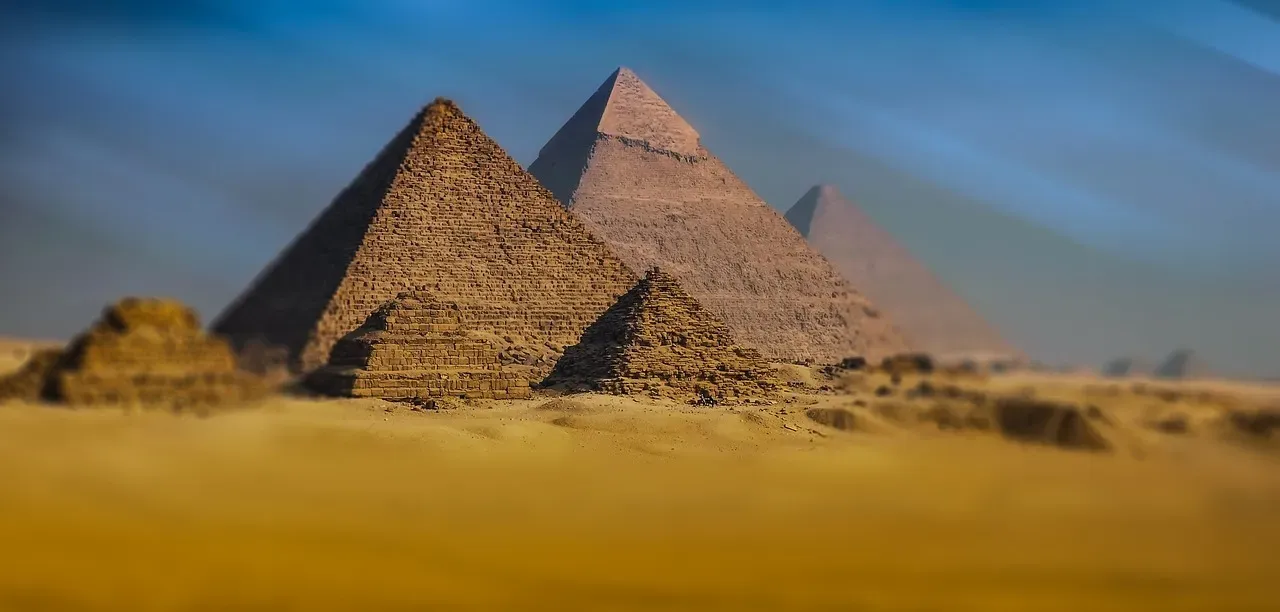
When you imagine the Great Pyramid, you probably think upward – chambers in the sky, shafts pointing at the stars. But deep below the King’s Chamber, there are rough-cut, unfinished spaces and small recesses that remain tightly controlled and, in some cases, effectively sealed. Ground‑penetrating surveys and careful mapping suggest complex stress-relief zones and possible small cavities around these areas that you cannot openly excavate without serious structural risk.
For you, the lower regions of the pyramid are a reminder that not every hidden space is dramatic in size. Some voids might be more like pockets in a stone fabric, left as the builders adjusted their plans or managed the massive weight above. You have to consider the possibility that what feels like a secret chamber might simply be a functional void. Yet, even a functional void inside such a monument carries emotional weight: you are staring into the blind spots of a grand design, wondering whether a change of mind or a forgotten purpose is frozen forever in stone.
5. The Closed Air Shafts Ending in Tiny, Unopened Stone Blocks
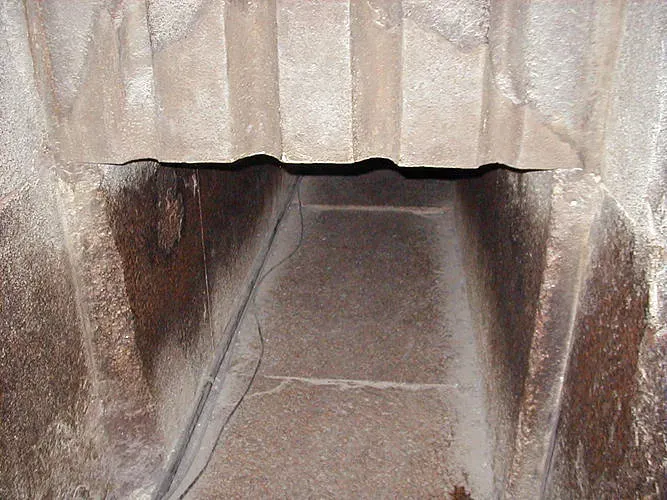
The so‑called “air shafts” that run from the King’s and Queen’s Chambers are among the most tantalizing features you encounter. At least some of them are blocked at the end by small stone doors with copper‑like fittings, discovered by tiny robots. These doors have not been fully opened to allow people or large tools through, so what lies beyond remains hidden from you, with only small camera glimpses and partial drilling attempts hinting at further spaces.
From your point of view, these shafts are like stone straws running through the pyramid that were never meant for breathing but most likely for symbolism and ritual alignment. The blocked ends and the hint of further cavities beyond them feel like puzzles locked inside a puzzle. While tiny robotic probes have peered past at times, large‑scale intrusion is heavily restricted, turning the narrow voids and the stone plugs into a boundary line between what you are allowed to know and what must remain untouched – for now.
6. Construction Voids and Gaps Hidden in the Core Masonry
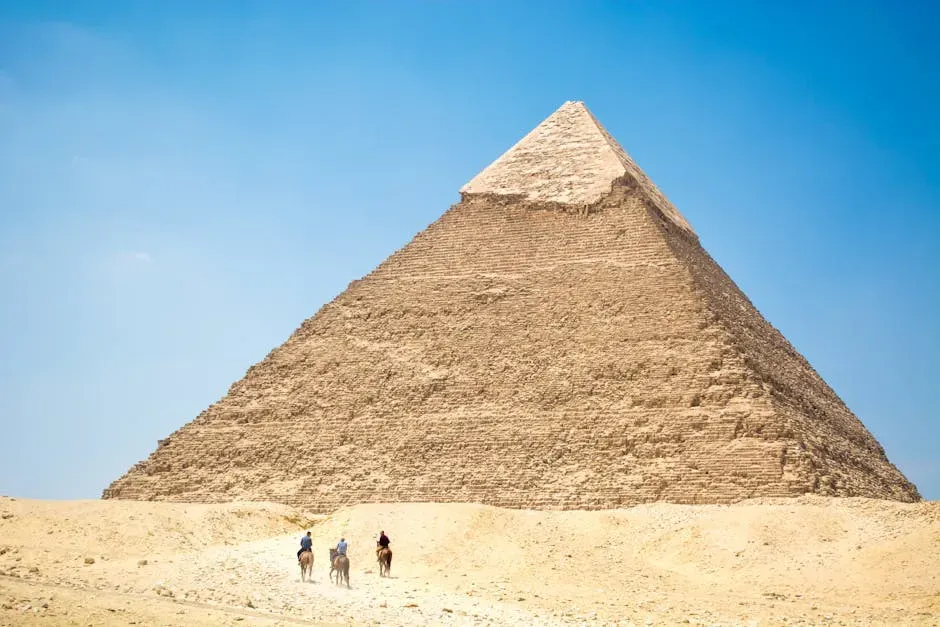
Modern scanning has revealed that the core of the Great Pyramid is not perfectly solid. In places, you see density variations that suggest pockets, gaps, or small construction voids hidden between massive blocks. You cannot crawl into these spaces or even identify them precisely, but you can see their signatures when you look at muon data or other non‑invasive scans, like faint fingerprints left behind by long‑gone workers.
For you, this is a reminder that the pyramid is not just a symbolic monument but also a huge, practical engineering project. To move and place millions of stones, builders probably left behind temporary cavities, work spaces, or voids used to adjust block alignment, then sealed everything with outer casing. These are not glamorous royal tombs, but they are part of the story you are trying to read. Every hidden gap is like a missing page from an instruction manual on how to build a stone mountain by hand.
7. Hypothesized but Unconfirmed Small Voids Around the Queen’s Chamber
The Queen’s Chamber, sitting lower than the King’s Chamber, has long inspired speculation that more secrets might cluster around it. Research teams using different scanning techniques have suggested that there could be small, localized voids in the masonry surrounding this chamber or along its mysterious shafts, but the evidence is often subtle and not always unanimous. You are looking at hints rather than clean outlines, enough to keep scientists interested but not enough to claim a clear new chamber.
Because of strict conservation rules, you do not get to simply cut into the surrounding stone to see what is there. Instead, you are left in a delicate balance between curiosity and caution. You are encouraged to treat these possible voids as intriguing leads that might one day be confirmed or revised as scanning technology improves. For now, they remain on the edge of your knowledge, like shapes in a dimly lit room that you are still trying to bring into focus without flipping on a destructive spotlight.
Conclusion: A Monument That Still Says “Not Yet”
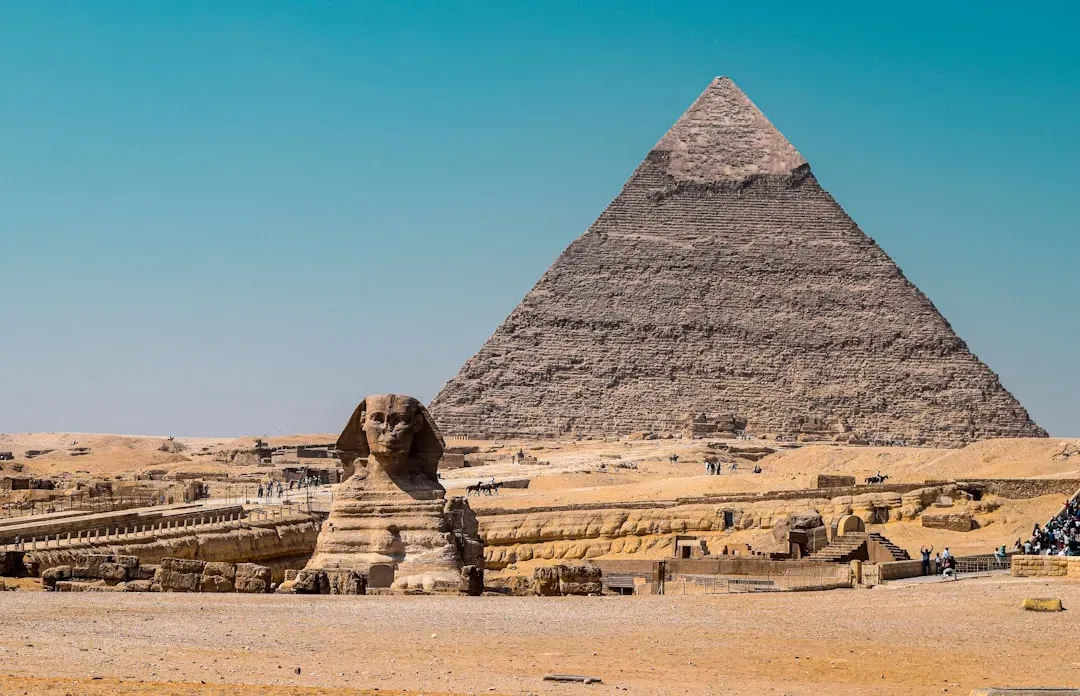
When you step back and look at all these sealed spaces together – the Big Void above the Grand Gallery, the small northern cavity, the restricted relieving chambers, the dense and delicate regions around the King’s and Queen’s Chambers, the blocked shafts, and the hidden construction gaps – you realize something humbling. Even with lasers, robots, and cosmic rays, you are still negotiating with a building that decides how much of itself you may know. It keeps telling you, again and again, that some doors will not open simply because you want them to.
At the same time, you are living in an era where you can explore those doors without smashing them, reading the internal anatomy of the pyramid like a patient in a scanner. The real story right now is not about rushing inside, but about learning how to listen to stone without breaking it. As new technologies emerge, you may slowly refine your picture of these seven sealed spaces – but the tension between wonder and restraint is likely to remain. In a world where you can access almost anything instantly, how does it feel to stand before a monument that still looks you in the eye and quietly says, “Not yet”?