You probably think of Tutankhamun’s tomb as one of the best-understood treasures in history. After all, it is the most famous archaeological discovery of the twentieth century, photographed, cataloged, and studied for more than a hundred years. Yet when you look closer, a surprising number of objects pulled from that cramped burial chamber still leave experts scratching their heads.
As you walk mentally through those four small rooms packed to the ceiling, you keep running into pieces that do not quite add up: odd materials, mysterious symbols, unexplained wear, and design choices that feel out of place. You are not just looking at fancy grave goods; you are staring straight at puzzles that Egyptologists still argue about today. Here are nine of the most intriguing objects that, even now, refuse to give you a simple, tidy answer.
1. The Golden Death Mask’s Strange Alloy and Subtle Asymmetry
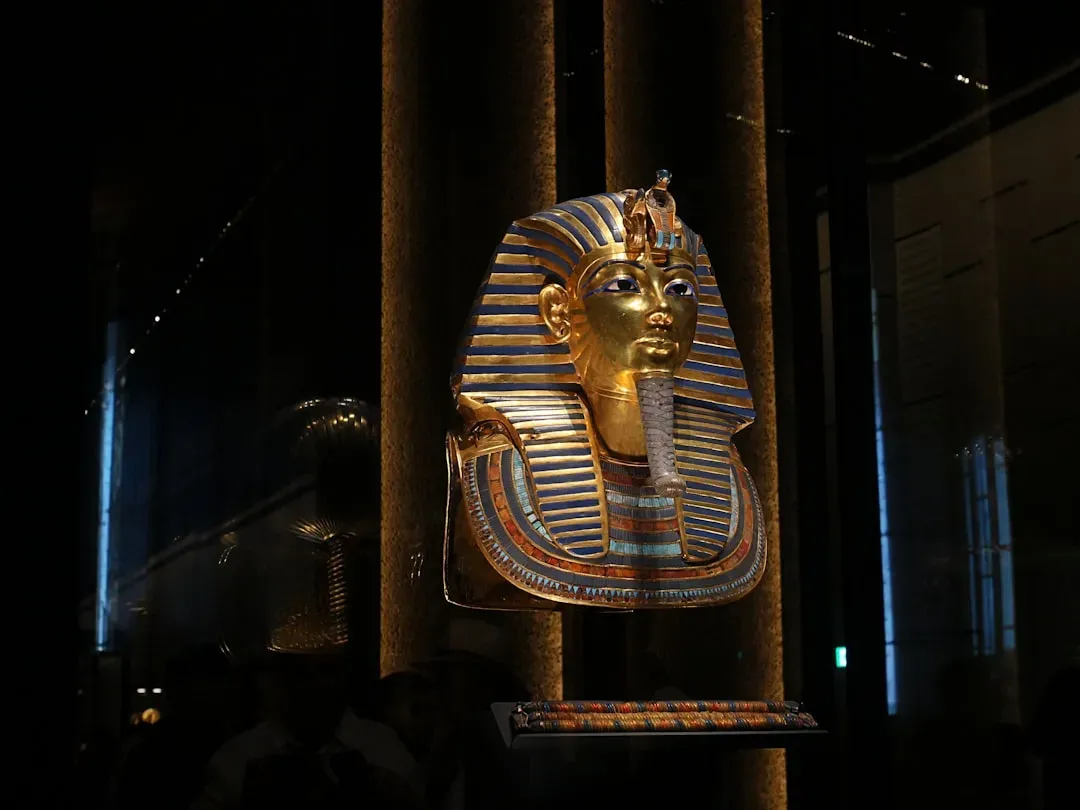
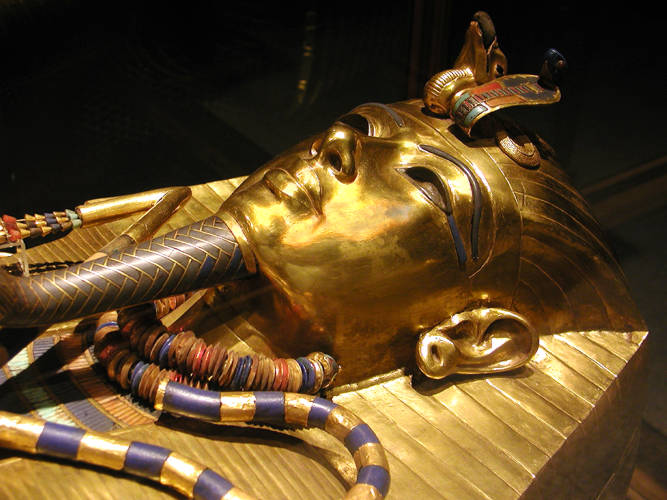
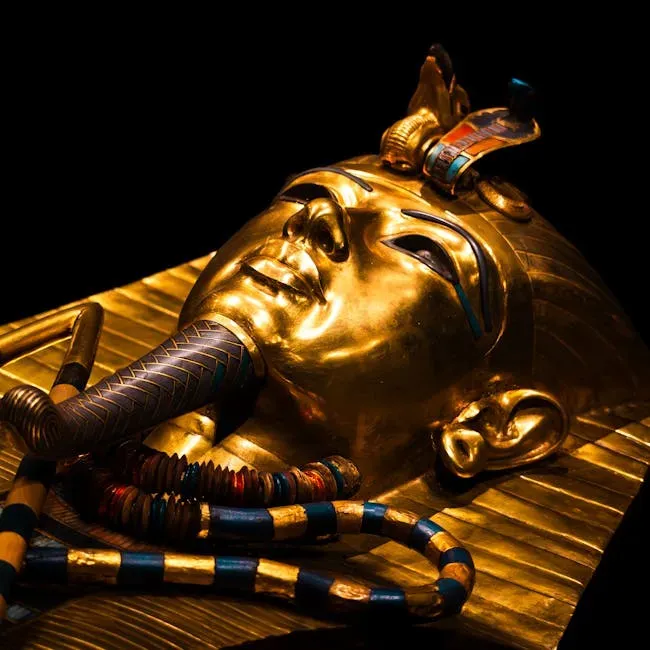
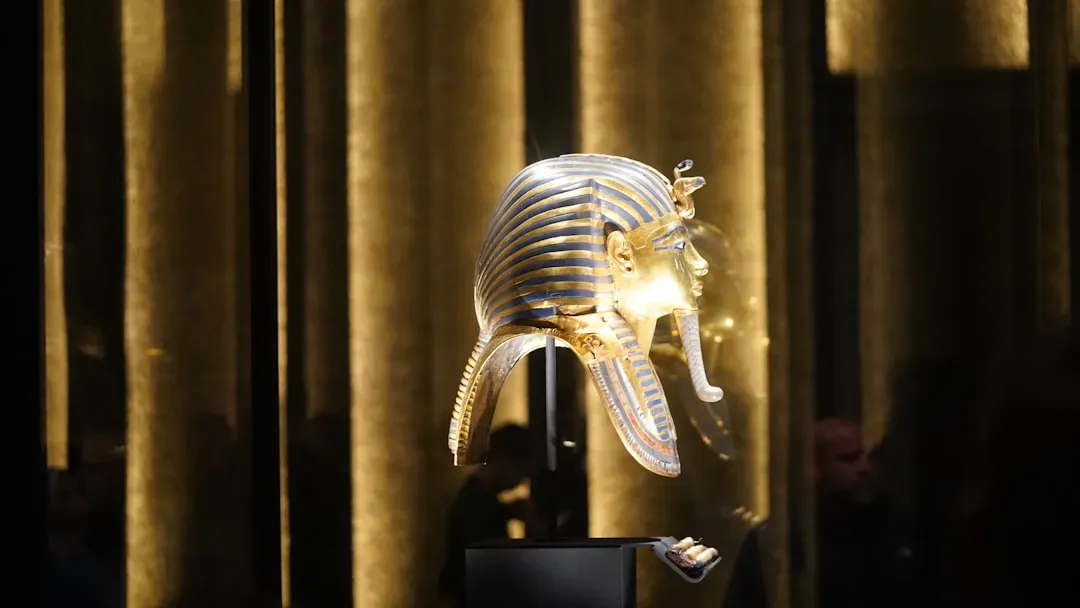
When you look at Tutankhamun’s golden death mask, it feels like the very definition of perfection: smooth gold, inlaid stones, and that unforgettable, calm face. But if you could get up close the way conservators do, you would notice things that raise questions, like tiny asymmetries and the fact that parts of the mask are made of different alloys of gold. You are not just admiring art; you are staring at clues that hint the mask may have been altered or even partly repurposed from another owner.
Metal analysis has shown that the face and the rest of the mask seem to come from slightly different gold sources, and the cartouche with Tutankhamun’s name appears to have been reworked. When you hear Egyptologists suggest that the mask might originally have been made for a woman, possibly a previous ruler, it forces you to see it differently. You find yourself asking why a king’s most sacred, personal object might have been adapted from someone else’s burial equipment and what kind of political scramble was going on around his unexpectedly early death.
2. The Iron Dagger Forged from a Meteorite
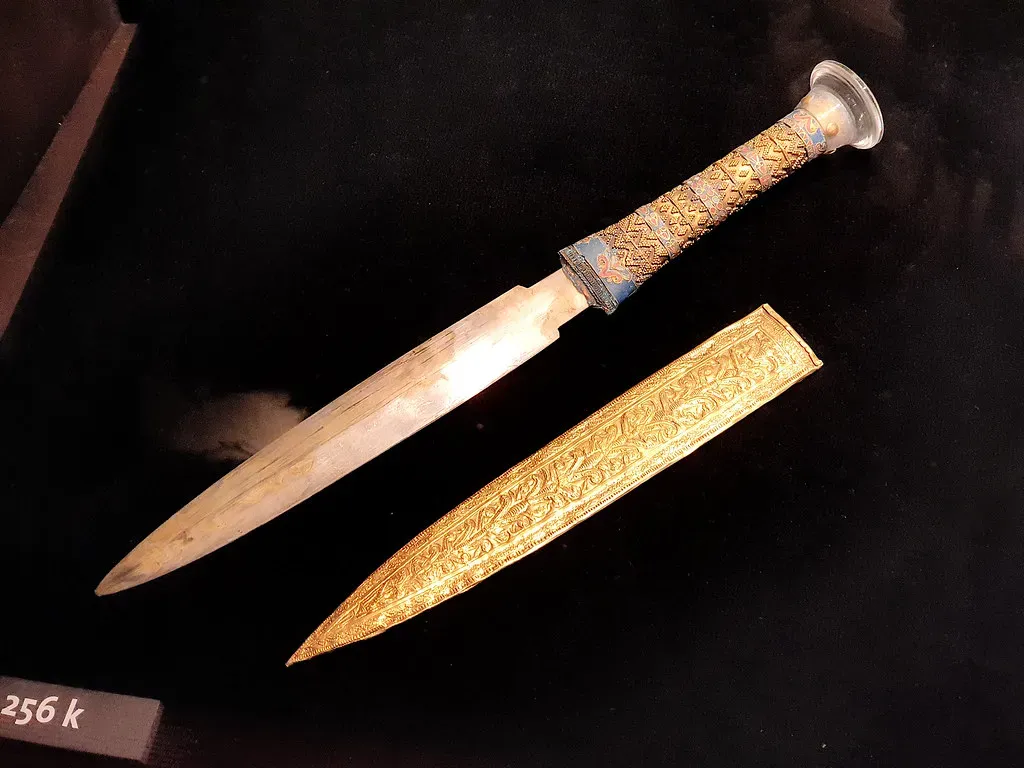
One of the most mind-bending objects you meet in the tomb is so small that you might almost miss it: a dagger tucked close to Tutankhamun’s body, with a beautifully crafted iron blade. At first glance, it is just a fine weapon, but when you learn that this blade’s iron matches the composition of meteorites, you are suddenly dealing with something far more mysterious. You are looking at metal literally fallen from the sky, worked by artisans who probably had almost no experience with iron.
For you, this raises a lot of questions that are still not fully answered. How did smiths with Bronze Age technology manage to shape such a high-quality meteorite blade without the techniques later ironworkers developed? Why give the young king this particular cosmic object – was it a status symbol, a magical tool, or both? You quickly see why scholars still debate whether the Egyptians understood the celestial origin of this iron, and what spiritual meaning a “weapon from the heavens” might have had in a royal burial.
3. The Mysterious Space and Purpose of the Nested Shrines
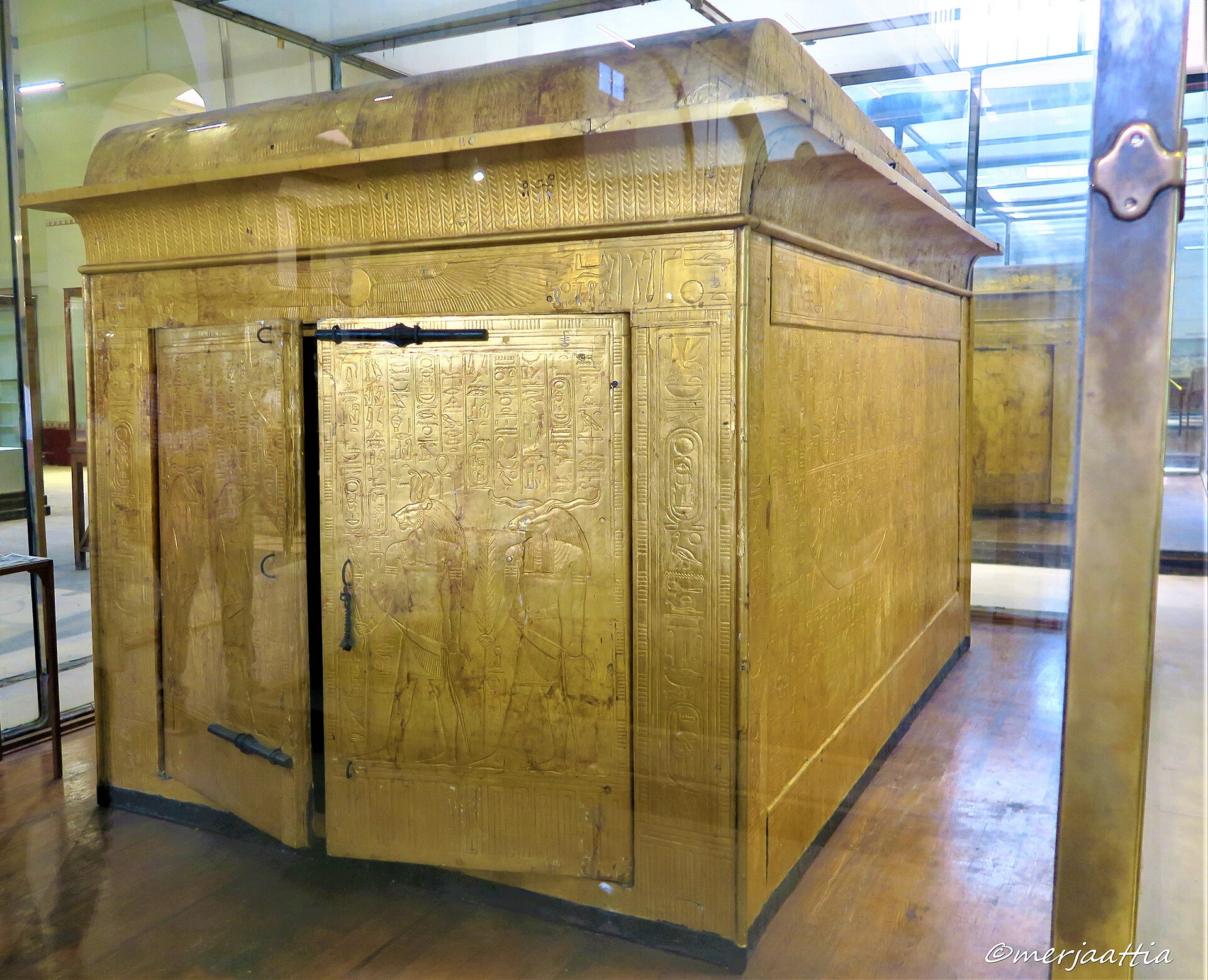
When you imagine Tutankhamun’s burial chamber, you probably picture his golden coffin, but that is only the innermost layer. Around the sarcophagus, you have four huge, gilded wooden shrines, one inside the other like oversized nesting boxes that nearly filled the whole room. As you picture yourself stepping into that tight space, you realize how deliberately it was packed, and you start to feel how oddly excessive those shrines really are.
Egyptologists can tell you that these shrines protect and ritualize the king’s body, but they still struggle to explain some of the layout choices. You are left wondering why certain scenes repeat while others you would expect are missing, and why this exact number and scale of shrines was chosen for such a small tomb. Were you looking at a rushed adaptation of equipment meant for a larger, more elaborate burial chamber, or does the design encode layers of meaning you have not fully decoded yet about how the Egyptians imagined the king’s journey through the afterlife?
4. The Embalming Cache and Its Disturbing Mix of Materials
In a side chamber often called the “annex” or in nearby niches, you run into one of the strangest collections in the whole tomb: the embalming cache. Here you find used linens, broken pottery, natron residue, and containers with unidentifiable resins, oils, and pastes, along with blood-stained bandages and perhaps internal-organ traces. It feels less like a treasure hoard and more like someone swept up the leftovers of a gruesome workshop and then decided not to throw them away.
As you look closer, you start to sense how little you really know about the exact procedures used on Tutankhamun’s body. Chemical analyses have tried to identify the balms and resins, but not every substance has been conclusively matched, and the order in which they were applied is still debated. You are left asking why some of these messy remains were carefully sealed in the tomb at all – were they ritually powerful byproducts, dangerous to discard, or simply part of a tradition you no longer fully understand?
5. The Unfinished, Cramped Royal Chariot Fleet
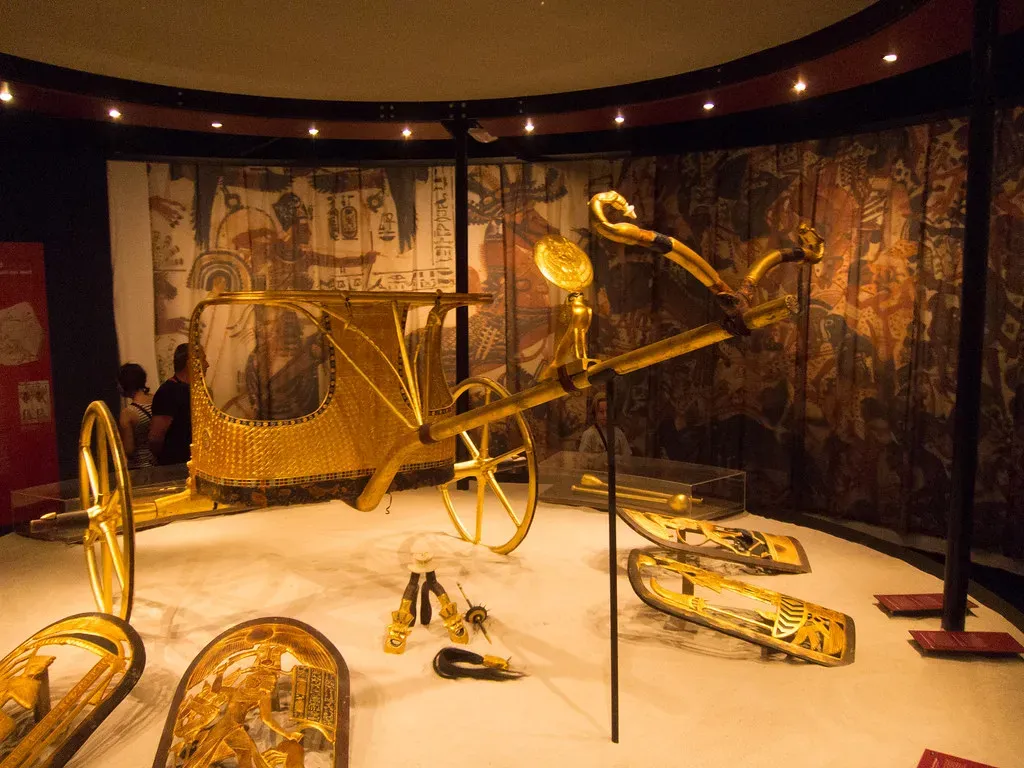
When your eyes adjust to the crowded antechamber, one of the most striking sights is the pile of disassembled chariots, stacked and leaned against the walls like some royal garage. These vehicles look luxurious, with gilded decorations and fine craftsmanship, but many show signs of quick assembly, repair, or alteration. You are not just seeing status symbols; you are looking at machines that seem to sit somewhere between ritual display and real, hard use.
This is where the mystery deepens for you. Some chariots show wear that suggests Tutankhamun might have actually used them in life, maybe for hunting or ceremonial processions, yet their hurried modifications and the cramped, awkward way they were stored hint at last-minute improvisation. Were these chariots specially made for burial, or were they pulled from palace storage after the king’s sudden death? You are left balancing competing theories and realizing that even something as familiar as a chariot can still hide unanswered questions about technology, daily life, and royal image-making.
6. The Tiny Golden Thrones and Footstools Covered in Odd Scenes
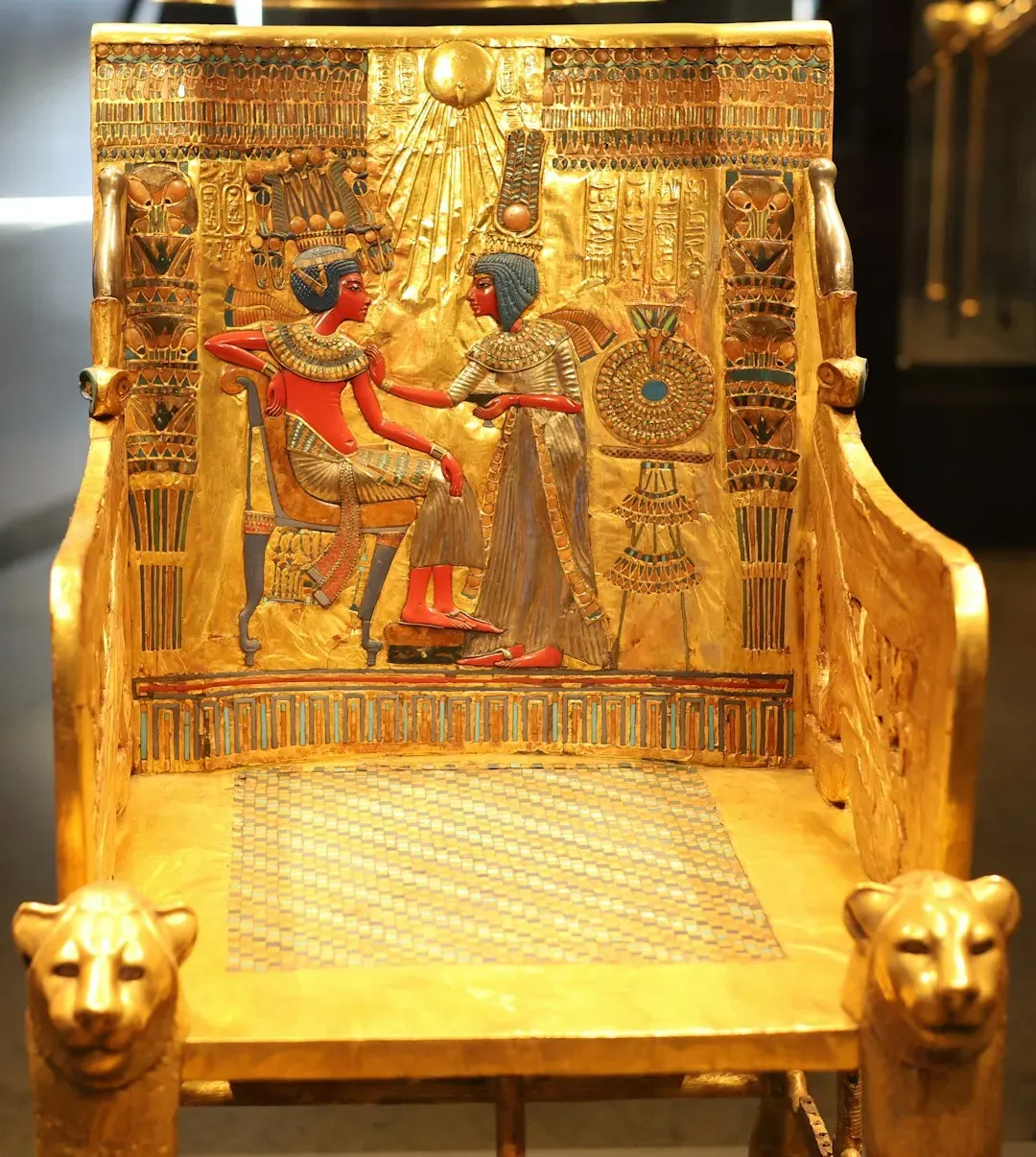
You probably know Tutankhamun’s famous golden throne with its intimate scene of the king and his queen, but scattered through the tomb are smaller thrones and footstools decorated with hunting scenes, foreign enemies, and symbolic animals. When you look closely, some iconography feels strangely compressed or even slightly inconsistent with typical royal propaganda. You start noticing details – like the way enemies are represented or how certain animals are positioned – that do not perfectly match what you expect from later, more standardized art.
For you, this opens up a puzzle about what these pieces were really meant to communicate. Were the unusual details signs of a local workshop’s creativity, or do they preserve older, fading traditions from the chaotic Amarna period that came just before Tutankhamun? You are left guessing whether a particular footstool, where the king’s feet rest on bound foreigners, reflects actual political dominance or more of a wishful, magical act meant to symbolically crush chaos underfoot in the afterlife.
7. The Board Games That May Be More Than Just Entertainment
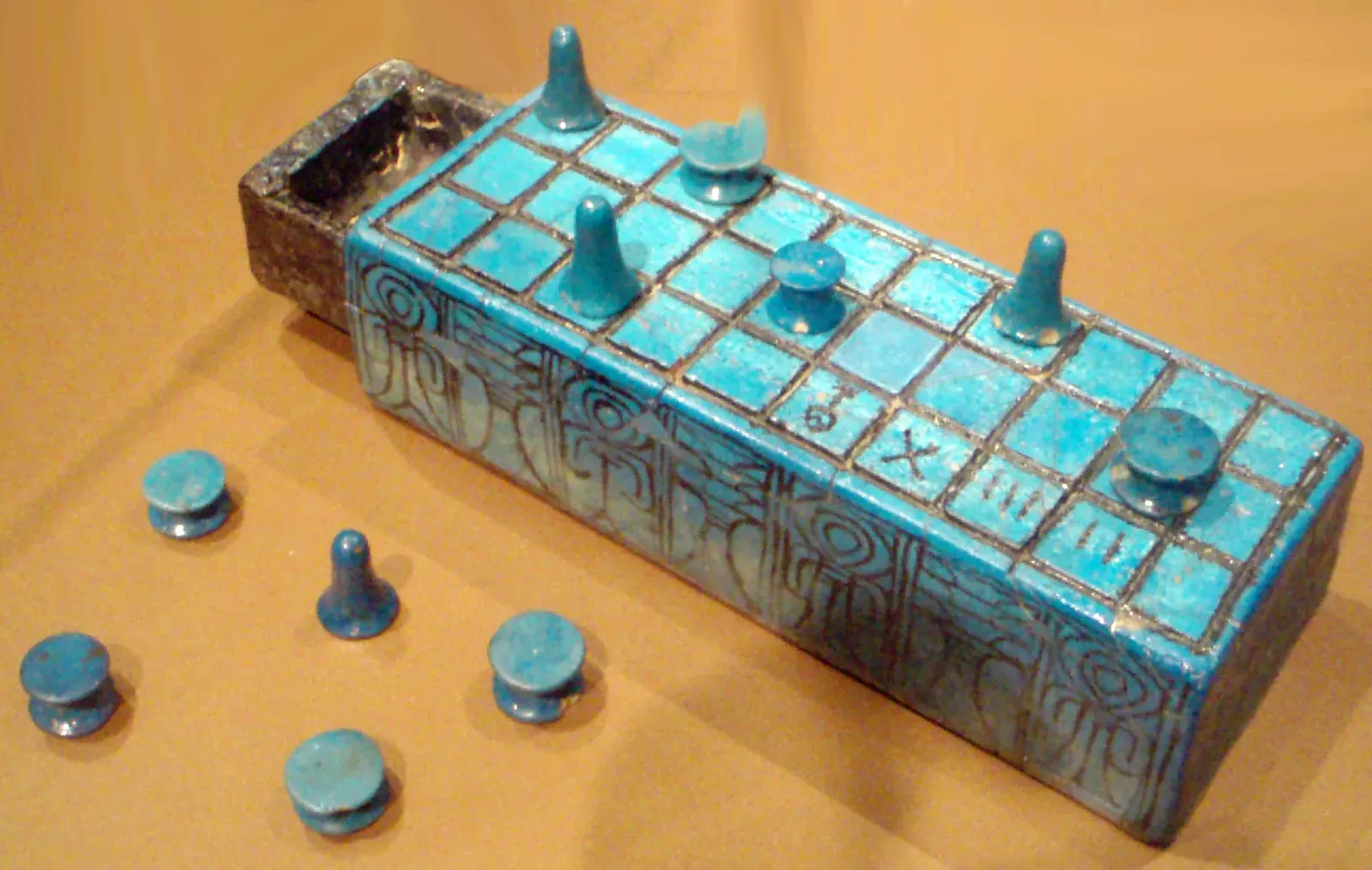
Among the piles of everyday-looking objects, you come across beautifully inlaid game boards – especially for the game you often hear called senet, along with another game sometimes labeled “twenty squares.” At first, they seem like the ancient equivalent of packing a favorite travel game for a long journey. But when you pay attention to how these games appear in tomb paintings and funerary texts, you start to suspect you are not simply dealing with leisure items.
Scholars still debate exactly how these games were played, what the rules were, and how much of the gameplay doubled as a ritual map for the soul’s passage through dangers and gates in the afterlife. When you imagine yourself moving pieces across a board that might represent safe paths and deadly traps, you can feel why this remains unresolved. Were you looking at a literal board game, a magical tool, or something that blurred both categories in ways that do not fit neatly into your modern separation of play and religion?
8. The Canopic Equipment and That Puzzling Missing Organ
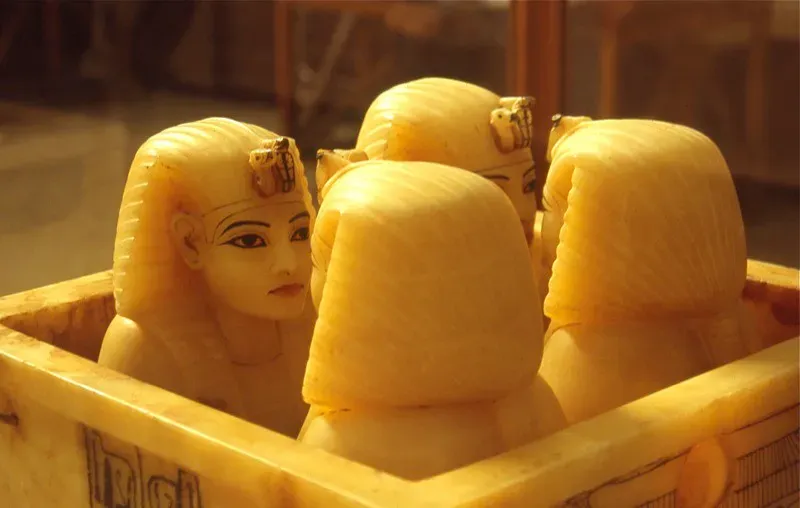
You might expect the canopic equipment to be the most straightforward part of the tomb: jars or containers for the king’s internal organs, guarded by familiar gods. In Tutankhamun’s case, you have a stunning alabaster chest with delicate miniature coffins carved in human form to hold the preserved organs. The workmanship is breathtaking, yet when you look at the actual contents and the wider embalming story, something feels off – most famously, the apparent absence of the king’s heart in the usual place.
In many other mummies, the heart is left in the body because of its central role in the judgment of the dead, while the brain is discarded. With Tutankhamun, damage, decay, and earlier intrusive examinations complicate the picture, but there are still unresolved questions about what exactly happened to his heart and how the canopic system was handled. You are left wondering whether you are seeing evidence of a botched, rushed mummification, an unusual ritual choice linked to his cause of death, or a later disturbance that you no longer have the full context to explain.
9. The Strange Assortment of Personal Trinkets and Miniatures
As you mentally sift through drawers and boxes from the tomb, you keep bumping into tiny objects that feel oddly personal and yet frustratingly cryptic: miniature boats, model tools, amulets of unusual shape, strange little containers whose exact contents are now degraded beyond recognition. Some pieces look like scaled-down versions of everyday gear, while others are so small or so abstract that you cannot tell whether they were ever meant to be touched by human hands. You are left trying to imagine the king as a real teenager surrounded by favorite trinkets, but the specifics keep slipping away from you.
Egyptologists can tell you the general idea – that miniatures stand in magically for full-size items in the afterlife, and that amulets protect specific body parts or spiritual aspects – but the tomb’s exact mix of shapes and materials still raises unanswered questions. Why this particular cluster of odd little objects and not others? Did some of them have meanings tied to family stories, court rituals, or regional cults that no text has preserved for you? As you try to piece it together, you feel how much of Tutankhamun’s inner world remains locked inside symbolism you can see but not fully translate.
Conclusion: Living With the Mystery Inside a “Discovered” Tomb
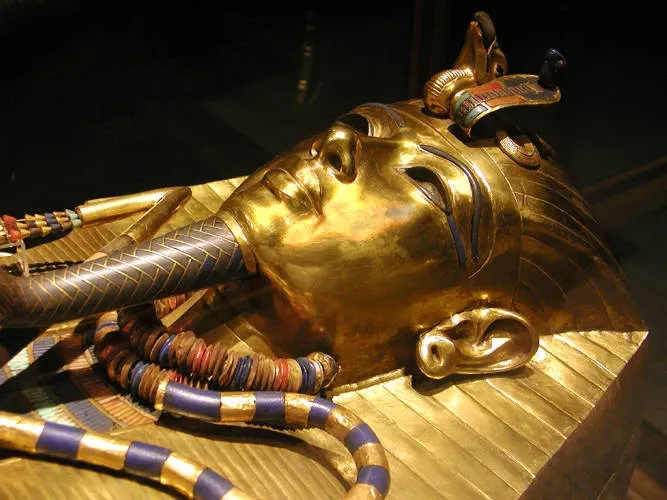
When you first hear about Tutankhamun’s tomb, it is tempting to treat it as a solved case, a neatly cataloged treasure chest from a well-understood civilization. But once you spend time with these nine objects – the meteorite dagger, the reworked mask, the strange shrines, and all the rest – you realize how much of the story you are still missing. You are standing in front of a tomb that has been studied for more than a century, and yet basic questions about identity, technology, ritual, and belief are still openly debated.
In a way, that lingering uncertainty is what keeps the tomb alive for you. Instead of a static museum piece, Tutankhamun’s burial becomes a living research site where every re-analysis, new scan, or fresh chemical test can overturn what you thought you knew. You are not just learning about the past; you are watching how knowledge itself evolves, layer by layer, like the nested shrines around his sarcophagus. Knowing all that, which of these unexplained objects would you most want to hold in your own hands, just for a moment, to see if it might finally whisper one more secret?