You probably remember the headline. Alien-like bacteria in a California lake. Free energy from a jar of water. A gene for genius. Somewhere in your memory, one of these stories still lives as “settled fact,” even though the actual science quietly walked it back years ago.
That’s the strange part nobody tells you: a shocking number of history’s biggest “breakthroughs” never died in a dramatic retraction. They just… stopped being mentioned. No do-over headline, no correction on the evening news. Here are 14 discoveries that got the full press-release treatment, and the evidence that never showed up to back them.
The Arsenic Life Bacteria That Was Supposed to Rewrite Biology
![The Arsenic Life Bacteria That Was Supposed to Rewrite Biology (Used here: Supplement [supplements/437421_file02.pdf] of Colonial choanoflagellate isolated from Mono Lake harbors a microbiome (Preprint, version 3), doi:10.1101/2021.03.30.437421. Note: Same image appears as Fig. S5B&C in the official release A large colonial choanoflagellate from Mono Lake harbors live bacteria, doi:10.1128/mbio.01623-24 (Supplement)., CC BY 4.0)](https://nvmwebsites-budwg5g9avh3epea.z03.azurefd.net/dws/308550f18cc1edeaba34bdf4fcd98415.webp)
In 2010, NASA teased a press conference so cryptic that people speculated about actual aliens. What they got instead was almost as wild: a bacterium pulled from California’s Mono Lake that supposedly built its DNA using arsenic instead of phosphorus. If true, it meant life didn’t need the chemical toolkit every textbook insisted was mandatory – and it reopened the entire search for alien biology.
Then other labs tried to replicate it. They couldn’t, not convincingly. Follow-up work pointed to contamination and shaky methodology instead of a genuine chemical miracle, and the story didn’t get a loud correction – it just evaporated. You can still find papers on unusual arsenic metabolism, but “arsenic-based DNA” quietly slid off the map of serious biology.
Fast Facts
- Announced by NASA in December 2010 via a televised press conference
- Bacterium dubbed GFAJ-1, pulled from California’s Mono Lake
- Original claim published in the journal Science
- Independent 2012 studies found no arsenic in the bacterium’s DNA backbone
Cold Fusion: The Press Conference That Promised Free Energy Forever
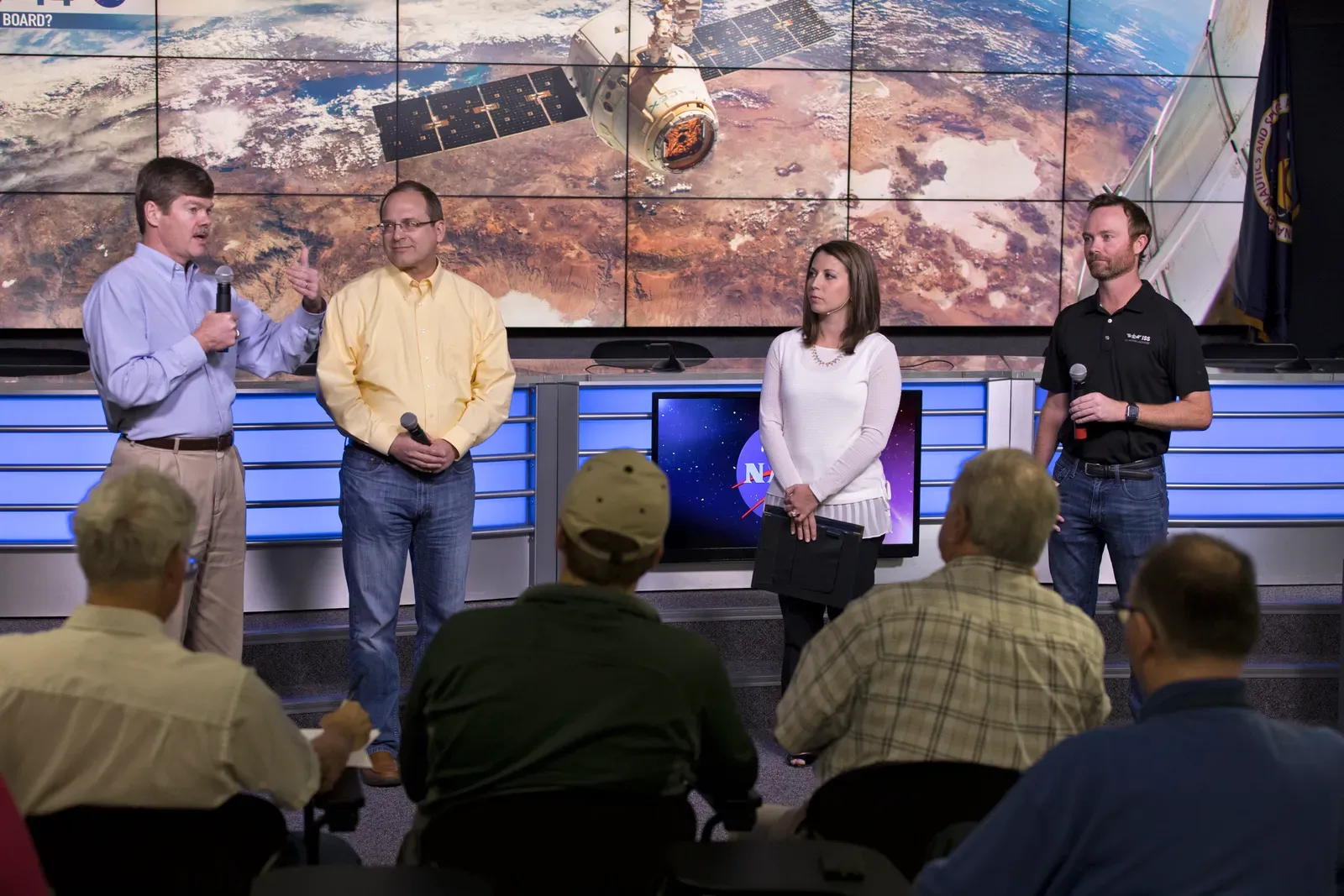
Nothing captures science-by-press-release quite like 1989. Chemists Martin Fleischmann and Stanley Pons skipped peer review entirely and announced, in front of cameras, that they’d achieved nuclear fusion at room temperature using little more than electrodes and a beaker. The implication was staggering: nearly limitless clean energy from equipment that could sit on a countertop.
Labs everywhere dropped what they were doing to replicate it. Almost none could. The claim collapsed within months, rebranded decades later as “low-energy nuclear reactions” by a small group of true believers, but still with no reliable, independently reproducible device to show for it. No power company runs on it. No product exists. It’s a field kept alive mostly by hope.
Extraordinary claims require extraordinary evidence.
Carl Sagan
The Faster-Than-Light Neutrinos That Almost Broke Einstein
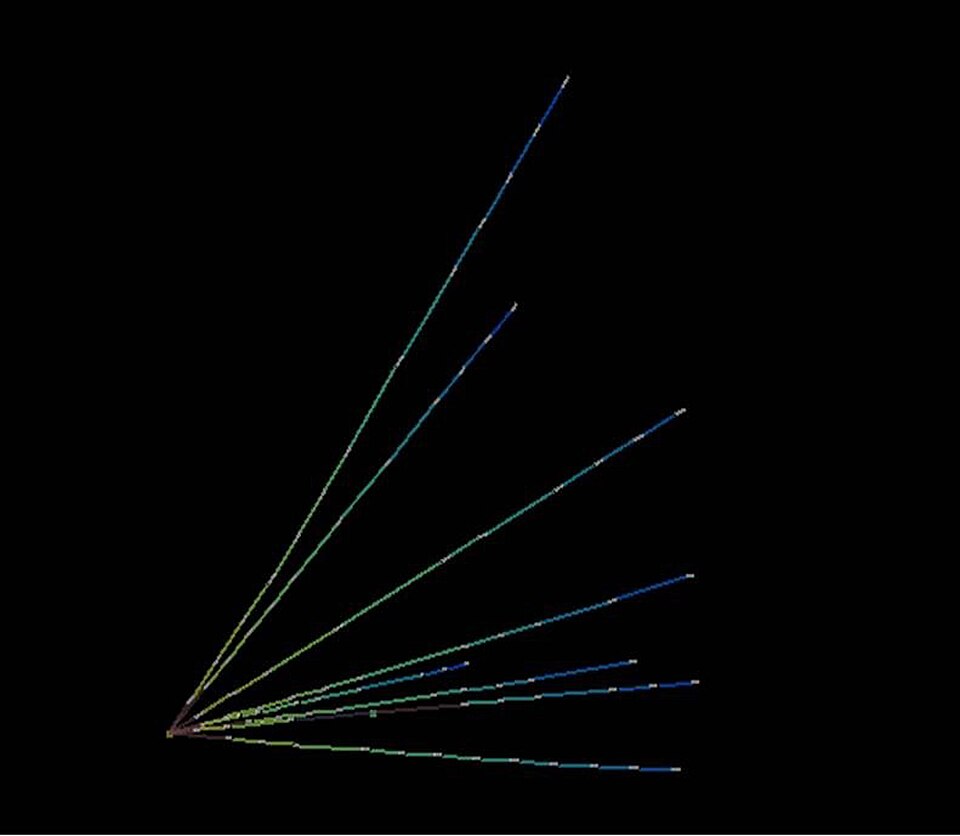
For a few electric weeks in 2011, it looked like physics itself might need a rewrite. The OPERA experiment in Italy reported neutrinos that appeared to travel faster than light, a direct challenge to relativity’s cosmic speed limit. Major outlets ran “Einstein Was Wrong?” headlines, and the public swung between disbelief and giddy excitement.
Physicists, unsurprisingly, wanted proof before celebration. Other experiments couldn’t confirm it, and within months OPERA traced the whole anomaly to something almost embarrassingly mundane: a loose fiber-optic cable throwing off the timing measurements. The faster-than-light neutrino didn’t die in controversy – it died in a maintenance report.
Worth Knowing
- The OPERA experiment ran between CERN in Switzerland and Gran Sasso, Italy
- Neutrinos appeared to arrive roughly 60 nanoseconds early over a 730-km path
- A loose fiber-optic cable connector was later blamed for the timing error
- Follow-up experiments in 2012 confirmed neutrinos obey the standard speed limit
The “Memory of Water” That Nearly Rewrote Chemistry

In the late 1980s, French immunologist Jacques Benveniste published a claim that sounded almost mystical: water could retain a “memory” of substances long after they’d been diluted completely out of the solution. Homeopathy advocates seized on it instantly, treating it as scientific proof for a practice built entirely on extreme dilution.
The problem came when outside teams, including a deliberately skeptical visit organized by a major science journal, tried to reproduce the effect under blinded conditions. The more carefully anyone looked, the weaker the “memory” got, until mainstream science filed it away as bias and experimental sloppiness. Today it survives mostly in marketing copy, not in journals anyone respects.
The “Missing Link” Fossil That Turned Out to Be One Fossil Among Many
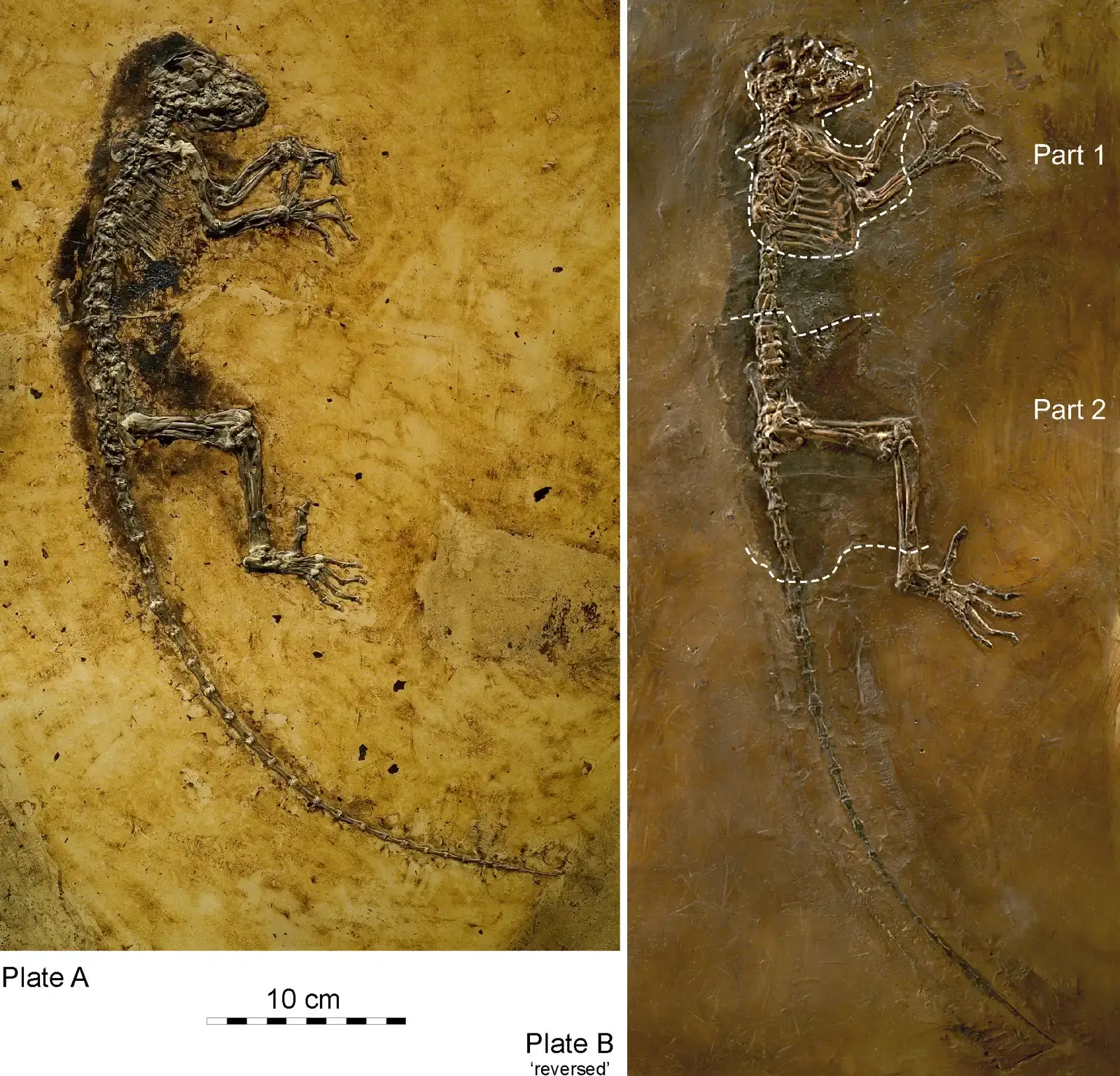
Paleontology has its own version of press-release inflation, and one primate fossil got the full glossy treatment: a documentary, a PR campaign, and phrases like “revolutionary find” and “the eighth wonder of the world.” Headlines framed it as the definitive missing link in human evolution, as if our messy branching family tree had suddenly become a straight line.
Experts pushed back almost immediately. Comparative anatomy suggested it was genuinely interesting, just not a singular game-changer for the human lineage. As more fossils turned up and analysis methods improved, that “missing link” quietly became one data point among many – which is how most fossil discoveries actually work, minus the fireworks.
The “Alzheimer’s Cured in Mice” Headline That Keeps Repeating

Every couple of years, a new headline promises that Alzheimer’s has essentially been solved, usually anchored to a study where a drug or antibody dramatically reverses memory loss in one specific strain of lab mice. Funding bodies get excited. Families searching for hope share the article. The press release rarely mentions how narrow the result actually is.
Then reality intervenes. Most of these compounds never survive early human trials, and the ones that do often show benefits so small they’re statistically arguable at best. Mouse models only approximate fragments of a devastatingly complex human disease, and the retractions or null results that eventually follow almost never get the same headline treatment as the original “cure.”
Quick Compare
- Mouse trial result: dramatic memory reversal in one engineered strain
- Human trial reality: most candidate drugs fail to clear early-stage testing
- Press release tone: “breakthrough” and “cure”
- Peer-reviewed follow-up tone: “modest,” “inconclusive,” or “did not replicate”
The Stem Cell Miracle Cure That Spawned a Shadow Industry
![The Stem Cell Miracle Cure That Spawned a Shadow Industry (By [<a href="https://www.amaskincare.com/about/alice-pien-md-medical-director/">Alice Pien, MD</a>], CC BY-SA 4.0)](https://nvmwebsites-budwg5g9avh3epea.z03.azurefd.net/dws/af5b818395f2dce08d7b98917a2dac5e.webp)
Stem cell research was, and is, real science. The problem was how far the press releases outran it. In the 2000s and early 2010s, university PR offices and startup founders routinely skipped straight from promising animal data to “near-term cure” language for paralysis, organ regeneration, even aging itself.
Decades later, we do have a handful of legitimate stem-cell therapies, mostly for certain blood cancers, but nowhere near the sweeping transformation the headlines promised. What filled that gap instead was a global wave of unproven “stem cell clinics,” many of them citing small, never-replicated studies as if they were settled medicine. The hype didn’t just mislead people – it built an entire industry on the misunderstanding.
The “Signs of Life on Mars” Story That Keeps Getting Recycled
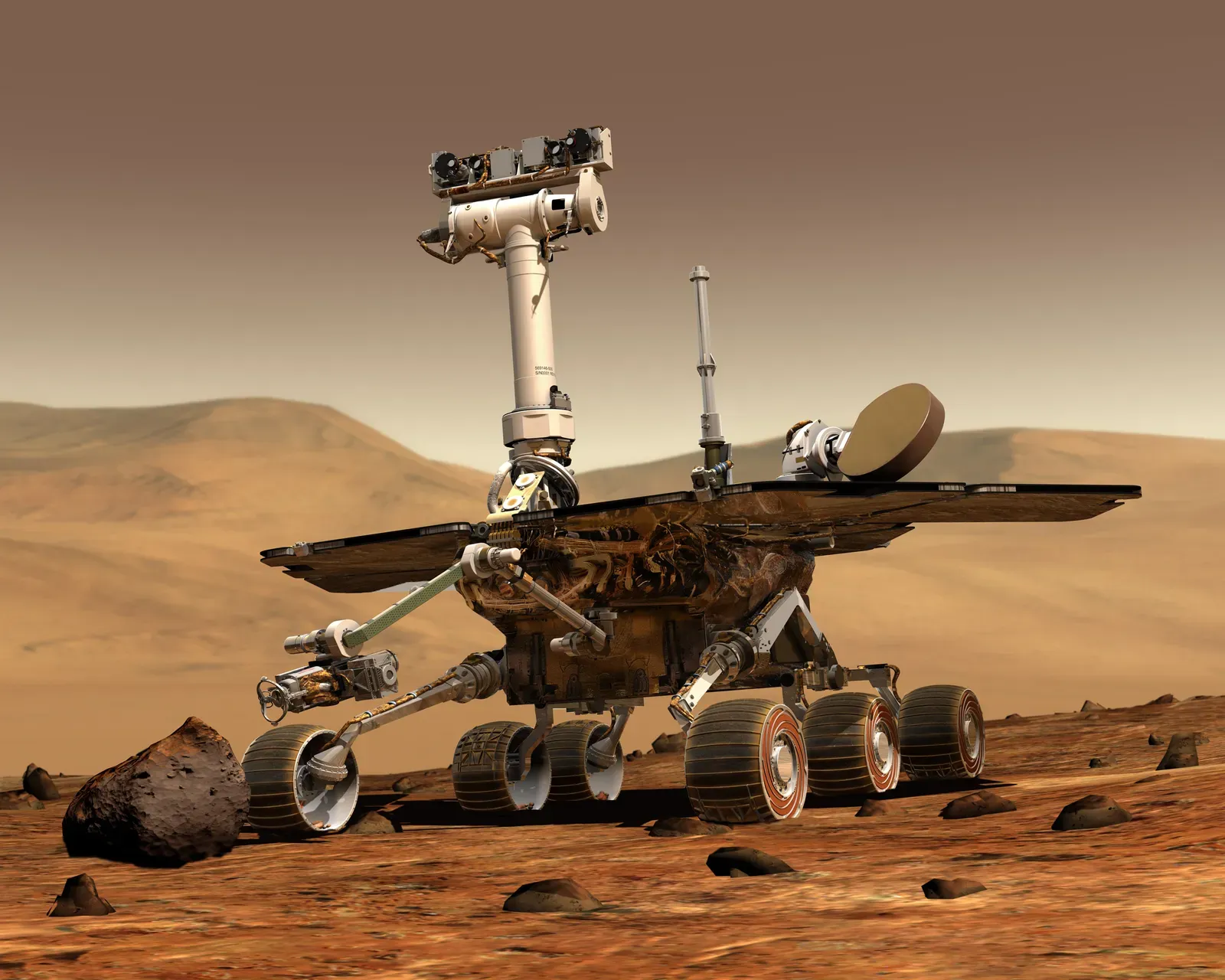
Every time a rover finds something odd – a methane spike, an organic molecule, a strange rock texture – the same machine spins up. Interviews hint at possible microbial life, past or present, while the actual caveat (that geology can produce nearly identical signatures) gets buried a few paragraphs down, where almost nobody reads.
Years later, the pattern is always the same: follow-up work shows the signal fits ordinary chemistry just as well, calibration errors get corrected, and the story quietly gets more boring and more accurate. Mars stays complex and unproven for life, right up until the next anomaly resets the whole cycle. At this point the public has been told we’ve “almost” found Martians more times than anyone can count.
The “Gene For Genius” Claims That Vanish Under Replication
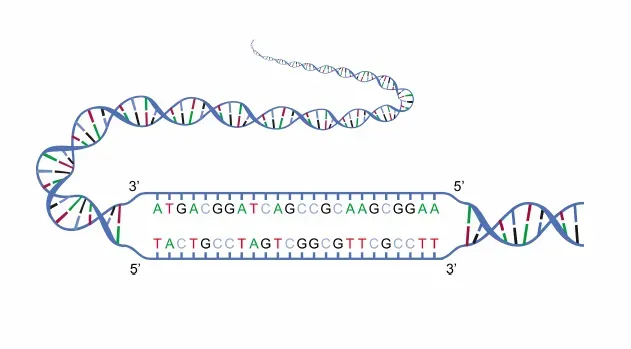
Few press releases age worse than the ones announcing a gene “for” intelligence, genius, or academic success. The actual data behind these claims was usually much weaker than the headline suggested – tiny effect sizes buried in complicated statistical models, with enormous room for confounding factors like family income or education access.
When other researchers tried to replicate the links, most collapsed toward zero or turned out to be artifacts of population sampling. Modern genetics understands intelligence as the product of thousands of variants interacting with environment, not a single switch. But the original press releases are still floating around the internet, feeding pop-science myths and questionable “genetic testing” services that never got the memo.
The “Superfood Compound” That Never Left the Petri Dish
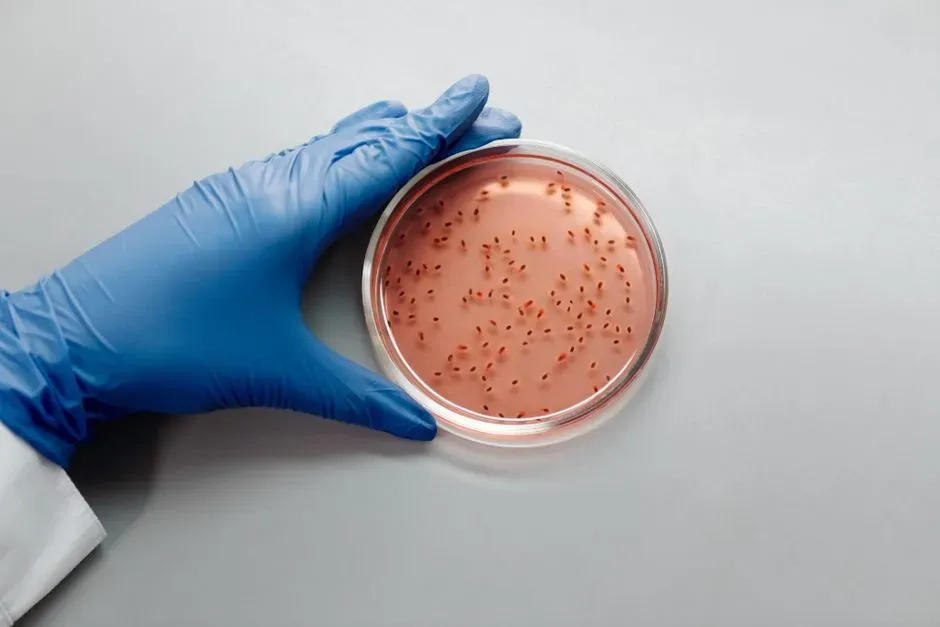
You’ve seen the formula: “Compound in [food] may fight cancer, heart disease, or aging.” Almost all of these stories trace back to cell-culture or rodent studies where a purified, concentrated dose of a compound produced a measurable effect – conditions that have almost nothing to do with eating the actual food.
Real digestion, absorption, and nutrient interactions blur that lab signal into near nothing. When researchers eventually run long-term human trials, the dramatic effect usually shrinks to statistical noise or disappears entirely. Yet wellness blogs and supplement ads keep citing the original press release as if it were the final word, sometimes decades after the underlying study was quietly abandoned.
The “Quantum Consciousness” Claim That Sounds Deep and Proves Empty
Any press release pairing the words “quantum” and “consciousness” deserves instant suspicion. High-profile claims have suggested that human awareness arises from quantum effects inside microtubules in brain cells, an idea marketed as your mind functioning like a quantum computer.
When physicists and neuroscientists go looking for hard evidence, the claim tends to dissolve into speculation and elaborate math with nothing solid underneath. Standard neuroscience – messier, chemical, far less mystical – still explains memory and perception more reliably. That hasn’t stopped the quantum-mind idea from quietly powering an entire self-help and spirituality industry that has outlasted the science by a wide margin.
The “Anti-Aging Breakthrough” Built on One Special Mouse

If you believed every longevity press release of the last twenty years, humans would already be routinely living past 150. The pattern repeats: scientists tweak one gene or pathway – caloric restriction mimetics, telomerase activators, sirtuin-targeting drugs – and see a lifespan bump in a specific mouse strain under very specific lab conditions.
Biotech startups form around the finding. Influencers start name-dropping the compound like it’s clinically proven. But most of these interventions fail to generalize past that original mouse, and some carry serious trade-offs like elevated cancer risk once tested more broadly. Our actual gains in human lifespan have come from unglamorous basics – vaccines, sanitation, better heart care – not the one-mouse miracles that made the headlines.
The “Teleportation” Headlines That Twist Real Quantum Physics
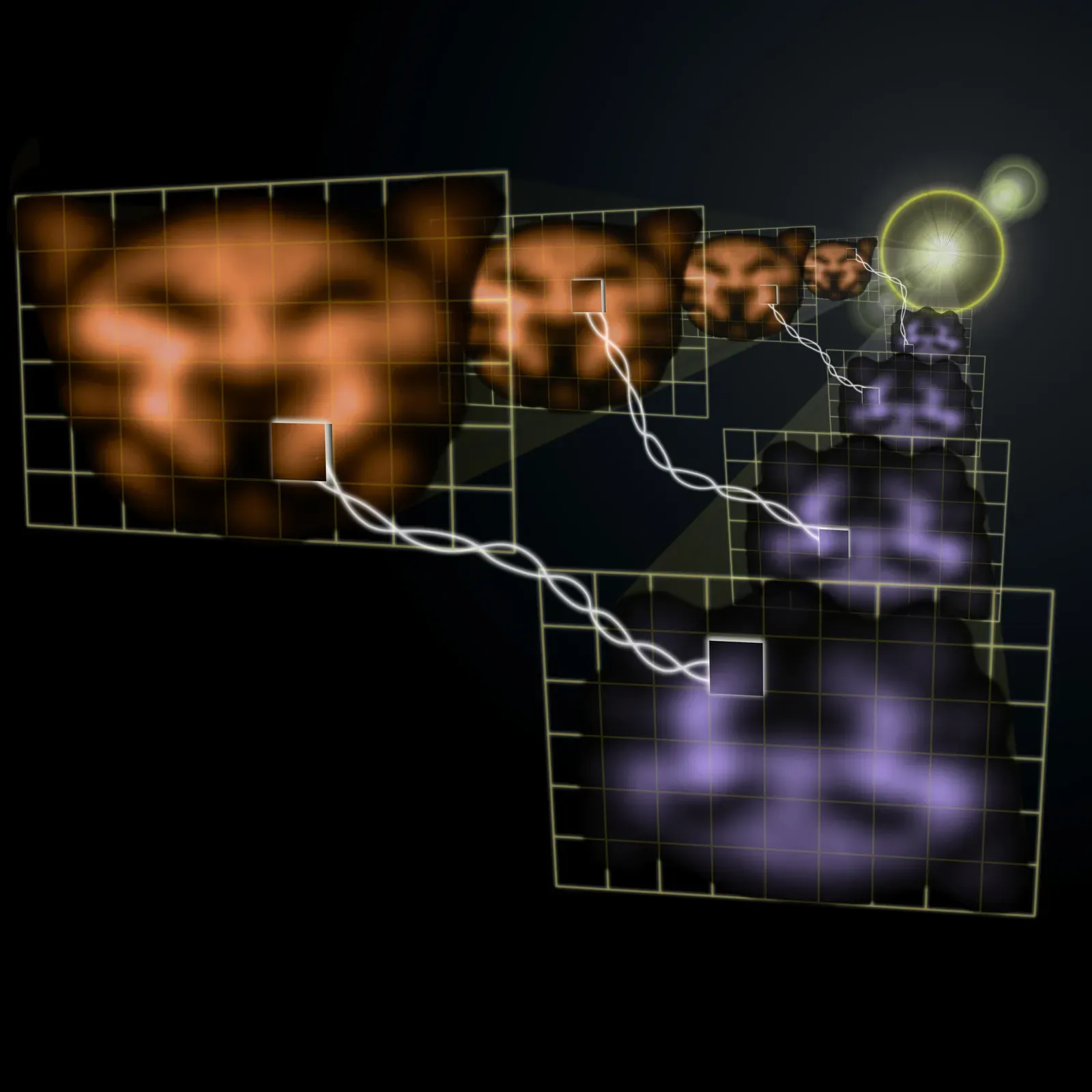
Genuine progress in quantum information, like transferring a quantum state between particles through entanglement, is real and genuinely cool. It’s also a world away from what the headlines imply, which is Star Trek-style beaming of people or objects across the planet. The nuance almost always dies somewhere between the physics lab and the lifestyle section.
The same overreach shows up with cloaking devices and tractor beams: small, narrow, lab-only demonstrations get hyped as if consumer versions are years away, then quietly disappear once the engineering problems prove too big. Physicists keep publishing careful, incremental progress. The public is left with the sense that we’re perpetually “five years away” from science fiction that may never actually arrive.
The “Human-Level AI” Announcement That Arrives Every Two Years

No field milks the press-release megaphone quite like artificial intelligence. Every couple of years, a lab or company unveils a system that supposedly “understands context,” “outperforms humans,” or “reasons like a person.” For a brief window, tech coverage treats general intelligence as basically solved, and investors pile in.
Then the stress tests start. The same systems hallucinate facts, stumble on common-sense edge cases, and fall apart the moment you step slightly outside their training data. Benchmarks keep improving, but improving a benchmark isn’t the same as human-like understanding across real situations. The papers documenting bias and brittleness never get a press release with anywhere near the same enthusiasm as the launch did.
At a Glance
- New “human-level” AI claims tend to resurface every one to two years
- Media coverage typically peaks in the days right after launch
- Independent stress-testing usually follows weeks or months later
- Coverage of flaws and limitations rarely matches the launch-day hype
Line them all up and a pattern jumps out that most people never notice: science-by-press-release is optimized for headlines, not for truth. From arsenic-based life to cold fusion, miracle stem cells, and “human-level” AI, the boldest claims are consistently the least reproducible. The real warning sign was never controversy – it was silence, the moment a supposed breakthrough stops being mentioned and no follow-up evidence ever shows up to replace it.
None of this means science is broken; it means the hype machine around science often is. My honest take: treat every “revolutionary” announcement as a rough draft, not a verdict, and wait for the boring, unglamorous replication studies before you believe it. The discoveries that actually change the world rarely need a press conference to prove it – the evidence does that on its own, slowly, without the fanfare.