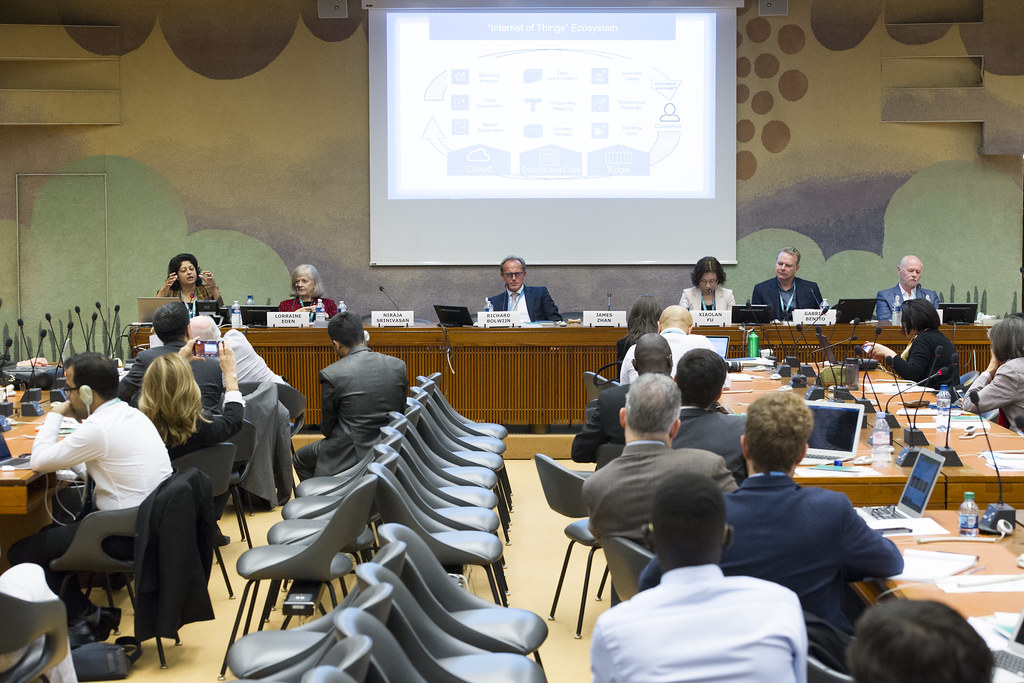
Most people assume that if a scientific finding is real, it eventually lands in a peer-reviewed journal with a DOI, a citation trail, and a permanent place in the record. That assumption is mostly wrong. A surprising amount of real science lives and dies inside conference halls, poster sessions, and forgotten slide decks – data that never becomes anything you can look up again.
Some of it is boring or flawed, sure. But a startling amount of it is wildly interesting and quietly shaping entire fields from the shadows. These are the ghost results – talked about over coffee, whispered about in hallway Q&As, cited from memory in keynote talks – and then gone. Here are 23 kinds of findings that made it to the podium but never made it to print, and what actually happens to them behind the scenes.
#23 – The “Too Small To Bother” Clinical Trials
Everyone imagines every clinical trial marches straight into a prestigious journal. In reality, a shocking number of tiny, underpowered trials get shown once at a medical conference and then quietly shelved forever. These are often pilot studies – 20 patients here, 35 there – testing a new dosing schedule or a slightly different surgical technique.
Statistically, they’re weak. But the results can be strong enough to nudge real-world practice, especially when a big-name clinician presents them in a packed conference room. Busy doctors remember the slide, not the p-value. Writing a proper paper takes months nobody has, so the small study fades into the background – even if it hinted at rare side effects or subgroup benefits that never made it into a single indexed database.
#22 – The Poster That Quietly Admitted The Drug Didn’t Work

Most people don’t realize how many negative or “meh” results only exist as a crumpled poster tube in someone’s attic. In pharma-funded research, early-phase studies often appear at conferences to show “we’re progressing,” then never resurface once the signal turns out weak.
Picture a poster that quietly reports the new drug works, but only a tiny bit better than existing cheap generics, and with more side effects. Officially, that’s not fraud – it’s just “not a priority” for publication. Unofficially, it means doctors and patients never see a sober, permanent record of that lukewarm evidence. Researchers call this the file-drawer problem, but at conferences it’s really the poster-bin problem: anything that muddies a pivotal-trial narrative can die quietly at the abstract stage.
#21 – The Graduate Thesis That Only Lived As A Conference Talk

There’s a quiet graveyard of master’s and PhD theses that were good enough to defend, good enough to present at a regional conference, and then never heard from again. Supervisors move jobs, students leave academia, and the data sits in a box somewhere, forever unfinished.
These projects often tackle hyper-specific but important questions: a small community’s pollution exposure, a rare educational intervention in one school district, a niche cultural practice. They’re not “big science,” but they capture data that’s brutally hard to ever collect again. Journals won’t touch single-site studies without follow-up, and the student has already moved on to industry or teaching – so the work vanishes, surviving only in the citation lists of other theses that also never got published.
Fast Facts
- Many single-site theses cover populations too small or too specific for journals to accept without follow-up data.
- Faculty advisors who leave academia often take unfinished datasets with them, effectively ending the project.
- Regional conference proceedings are rarely indexed, so these findings don’t show up in standard literature searches.
- Some of the only records of hyper-local environmental or cultural data live solely in these abandoned thesis projects.
#20 – The Flashy Effect That Vanished Once The Methods Got Fixed

In lab science, there’s a particularly painful category: the sexy effect that disappears the moment someone improves the method. A flashy conference talk shows a big, exciting result. A year later, the same team quietly presents an update – with better controls, the effect shrank to statistical dust.
These “we corrected ourselves” moments get applauded in the room for their honesty, then almost never get written up with the same enthusiasm. There’s no glory in a paper that says “our previous cool thing was probably an artifact,” and editors don’t beg for those submissions either. So the original shiny talk lives on in slides and memories, while the quiet correction only survives as an offhand remark at a later symposium – meaning anyone who only caught the first talk might still believe the effect is real.
#19 – The Corporate Data Flashed Once, Then Locked Behind NDA
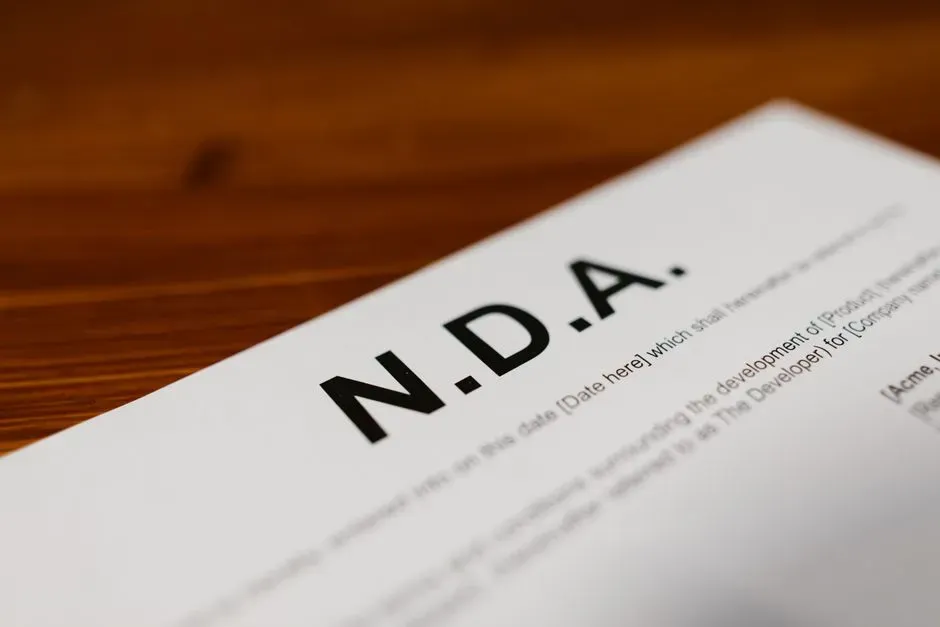
At industry-heavy conferences, some of the most jaw-dropping data comes from private companies – tech platforms, health insurers, logistics giants. They flash aggregated numbers on a slide, sometimes revealing patterns about human behavior at staggering scale, then vanish that data behind legal walls again.
Attendees might see a social platform’s internal analysis of misinformation spread or a wearable maker’s real-world adherence stats – often better collected than academic datasets, but with zero interest from the company in a citable publication. Sometimes the talk happens under strict non-disclosure agreements or “no photography” signs. The ideas spread informally, but there’s no DOI, no PubMed entry, nothing a journalist or policymaker can ever point to later.
#18 – The Rural Field Study That Ran Out Of Money Mid-Analysis
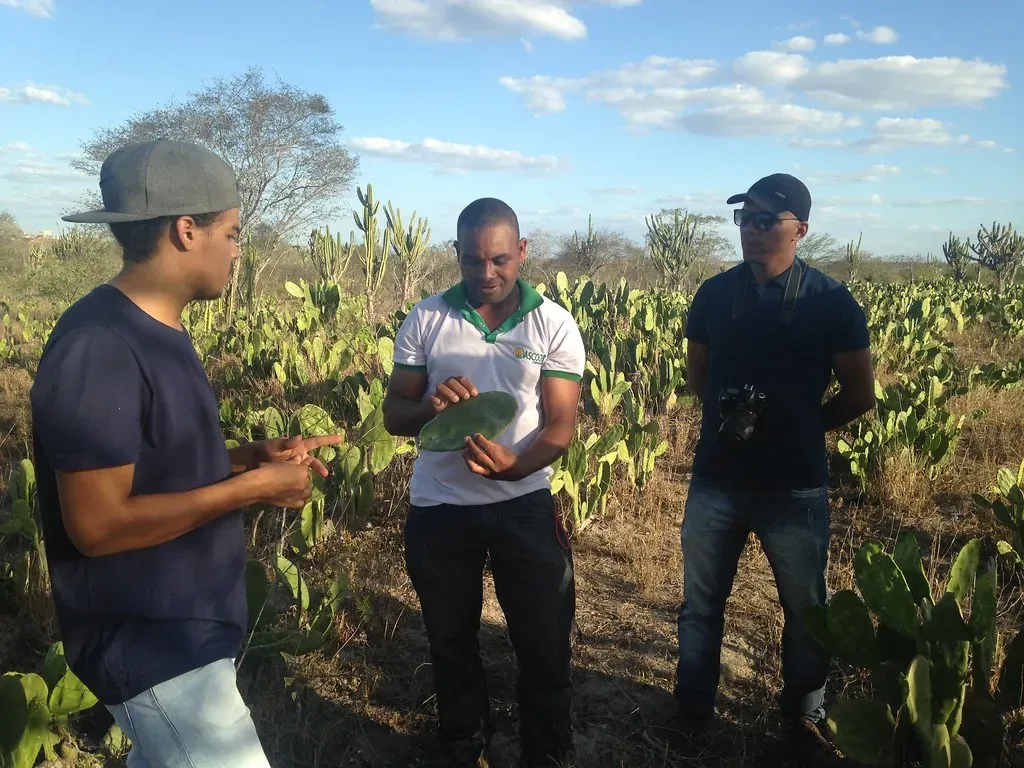
Fieldwork in remote or low-resource settings is fragile. A team goes out once, gathers rich, messy data, presents an early snapshot at a global conference – and then the funding collapses. With no money left to finish the analysis, the project dies at the abstract stage.
These preliminary findings often hold crucial context: how climate change is really hitting smallholder farmers, or unexpected health outcomes in understudied populations. Repeating the study later is logistically brutal or politically impossible, but donors reward completion, not honesty about how hard the work is. What’s left is a faded poster PDF and stories over coffee about “that incredible dataset we never properly finished” – while the communities who gave their time never learn their experiences became a slide deck and nothing more.
#17 – The Replication That Failed And Never Said So In Print

The replication crisis in psychology and biomedicine is famous now, but what’s less discussed is how many failed replications never become formal papers. They’re shown once at a methods conference, often with a humble title, and then quietly disappear from the record.
Picture a team trying to reproduce a well-known effect that underpins popular TED talks and self-help books. In their hands, the effect is tiny, inconsistent, or flat-out absent. Journals get skittish about publishing “negative” replications, especially against high-status authors, so the team never fights that battle. Publicly, the flashy original claim lives on. Privately, everyone who saw that one talk quietly treats it as already dead.
#16 – The Case Series That Hinted At A Hidden Side Effect

Conferences are where clinicians sometimes dare to share what they’re not ready to formally write about: odd clusters of side effects, strange reactions, unexpected off-label benefits. These often show up as tiny case series – five patients here, eight there – explicitly labeled “preliminary.”
But they can be the first public hint that a widely used treatment has a serious blind spot, or an unplanned benefit worth chasing. People in the room remember the weird rash, the odd lab value, the surprising remission. Turning that into a full paper requires larger cohorts or mechanistic explanations that simply don’t exist yet, so the trail goes cold. For rare safety signals, a paywalled conference abstract being the only surviving record is a quiet scandal.
#15 – The Algorithm Audit That Made An Entire Room Go Quiet
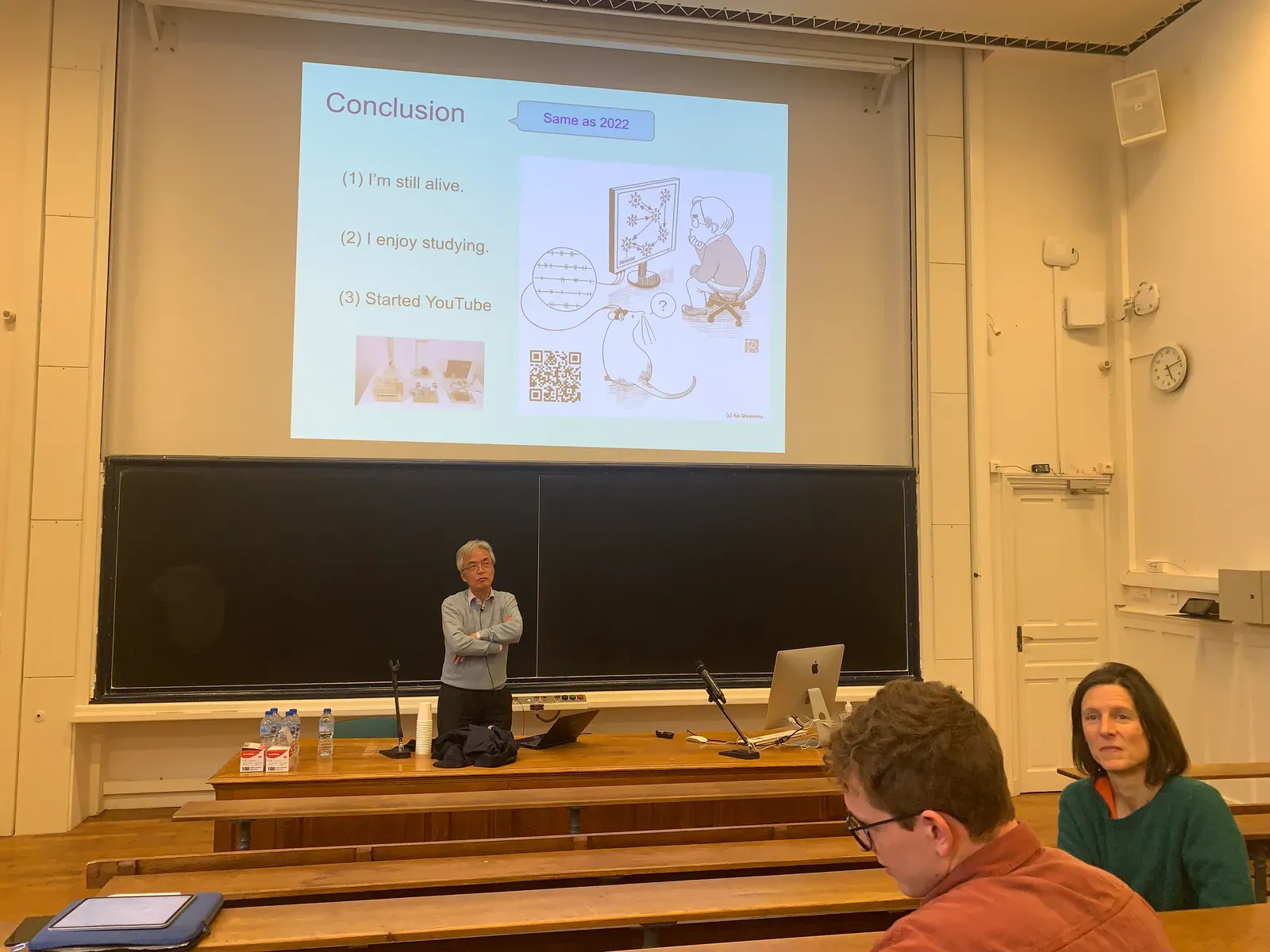
In AI and data science, a few brave teams have tried auditing widely used algorithms for bias or real-world performance. They present at specialist conferences showing that flagship models underperform badly for certain groups, or behave unpredictably under simple stress tests. The talks are electric – you can feel the room tense the moment a slide contradicts a company’s marketing claims.
And then, nothing follows. Turning an adversarial audit into a formal publication means navigating legal threats, restricted data access, and the politics of criticizing powerful companies. Some researchers decide the career risk isn’t worth it; others get quietly leaned on to “tone it down.” Conference attendees update their private opinion of the technology, while the rest of the world keeps reading the glossy blog posts as gospel.
#14 – The Policy Pilot That Became Politically Inconvenient

Governments and NGOs love piloting policies with academic partners, then showcasing early results at policy conferences. Sometimes those results are promising. Sometimes internally everyone has already seen the slide showing no effect – or even harm – from a flagship initiative.
When that happens, publication suddenly becomes “strategic.” Externally, the messaging shifts to “we’re still reviewing the data” while years pass and the pilot quietly winds down. Admitting that a multimillion-dollar program did nothing is career-limiting for somebody, so the conference talk stays buried in obscure proceedings. Future policymakers searching the literature conclude “no evidence either way,” when evidence actually existed – it just never left the conference hall.
#13 – The Massive Survey That Found Absolutely Nothing

Ironically, some of the best-designed studies are also the least publishable: big, careful surveys that fail to find the effect everyone expected. At conferences, they’re presented with admirable candor – “we tested ten popular hypotheses, none held up” – and methodologists in the room applaud.
Journals, though, aren’t as thrilled about a well-executed non-finding. Reviewers ask for a story; media teams ask for a headline. When the honest answer is “we ruled out a bunch of stuff,” eyes glaze over, so the team presents once or twice and moves on to more gratifying work. Conferences become the safety valve where researchers can say, quietly, “that whole line of thinking? We checked. It’s probably wrong” – and almost nobody outside the room ever finds out.
Quick Compare
- Positive result: Easy narrative, fast reviewer interest, likely media pickup.
- Null result: Harder narrative, slower reviewer enthusiasm, little media interest.
- Positive result: Often becomes the go-to citation for years afterward.
- Null result: Often stays a single conference talk, then quietly disappears.
#12 – The Interview Data Too Explosive To Ever Publish

In qualitative research, some of the most honest insights are simply too politically explosive, ethically delicate, or too tied to identifiable people to fit into a journal article. At conferences, you’ll sometimes hear a talk built around anonymized quotes that are devastatingly clear about corruption, discrimination, or institutional failure.
In the room, everyone knows exactly who is being described, even with names changed. Publishing that formally invites legal review, reputational blowback, and risk to the participants who trusted the researcher. So the richest, most human data – what people actually said about a broken system – exists only as a conference talk and a few bullet points, while future readers only ever get the sanitized, watered-down version.
#11 – The Regional Climate Model Too Alarming To Publish
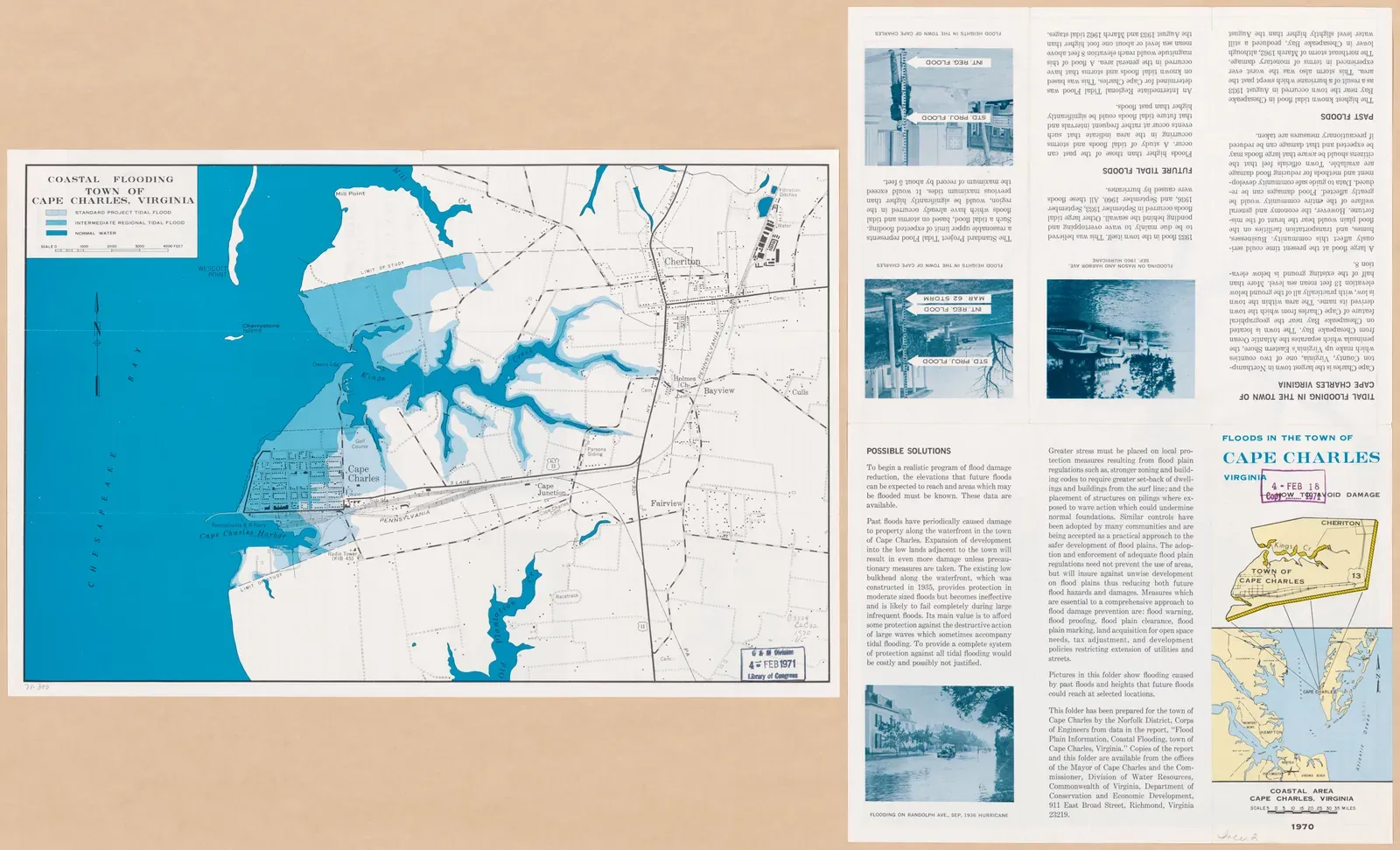
Climate conferences are packed with modelers showing regional projections years before they’re polished enough for journal review. Most are simply wrong in the normal, forgivable way. The worrying ones are the ones that turn out “too right” in politically sensitive directions.
Picture a regional model suggesting a beloved coastal city faces much faster inundation than national assessments admit. Pushing that through peer review, where every assumption gets attacked, is a different fight entirely – some teams get bogged down in endless refinement and simply never submit. People who heard the original talk quietly build worst-case scenarios into their own planning, while the public record keeps pointing to older, rosier numbers.
#10 – The Class Project That Accidentally Found Something Real

In psychology, education, and the social sciences, entire cohorts of students run experiments as part of methods courses, and sometimes an instructor encourages them to submit an abstract to a local conference. They present, they get a taste of academic life, and then it’s over.
Occasionally these half-baked projects stumble onto something genuinely intriguing – a counterintuitive behavioral quirk, an odd pattern in survey responses. The sample is small and unrepresentative, so nobody funds a proper follow-up. The class ends, the dataset sits on someone’s old laptop, and years later a better-resourced lab “discovers” the same effect, never knowing a group of undergrads got there first.
#9 – The Lab Trick That Quietly Rewired A Whole Subfield

Not every important result is about outcomes; some are about how the work actually gets done. At technical conferences, a mid-career scientist will sometimes casually drop a methods trick that saves weeks of effort or dramatically improves data quality – and then never bothers to formally publish it.
Maybe it’s a sample-prep tweak that reduces noise so much that half the usual statistical headaches disappear. Colleagues in the room take notes, go home, and quietly adopt it. Within a few years, “everyone” in that subfield does it that way, and the technique becomes lore – “I think So-and-So first showed this at that 2014 meeting.” Try to find the paper, though, and you’ll come up empty; it became invisible infrastructure that shaped an entire field without ever being cited.
#8 – The Prototype That Worked But Nobody Could Explain Why

Engineering and computer-science conferences are full of prototypes that perform surprisingly well even though nobody fully understands the underlying mechanism. A team demos a new architecture or a strange materials combo, and it beats every baseline in the demo hall.
Reviewers at top journals are famously hostile to “we don’t know why it works” – they want ablation studies, theory, proofs the team simply doesn’t have yet. So most teams pick the quiet option: enjoy the practical edge, especially if there’s a commercial angle, and skip the years-long fight to publish. The prototype exists only in conference proceedings nobody reads, while the real know-how spreads informally through labs and startups.
#7 – The Hack That Broke A Major System And Then Went Silent

In cybersecurity, the most dramatic conference stories are often the ones you’ll never see written down. Ethical hackers occasionally discover catastrophic vulnerabilities in major systems, coordinate quietly with the vendor, and then present a sanitized version of the talk – or pull it from the program entirely.
An abstract might promise a full compromise of a widely used device, and then lawyers get involved and the final talk becomes vague and toothless. Responsible disclosure genuinely matters – nobody wants to hand attackers a blueprint – but the side effect is that some of the best security research becomes oral tradition. Insiders design defensively around risks that the formal literature still treats as non-existent.
Worth Knowing
- Responsible disclosure timelines can stretch for months, sometimes years, before a vendor ships a patch.
- Conference abstracts are sometimes submitted before legal review is finished, then heavily edited afterward.
- Security researchers often share the unpublished full details informally at conferences long after the public talk has been sanitized.
#6 – The Crisis-Era Analysis That Guided Decisions No One Can Cite
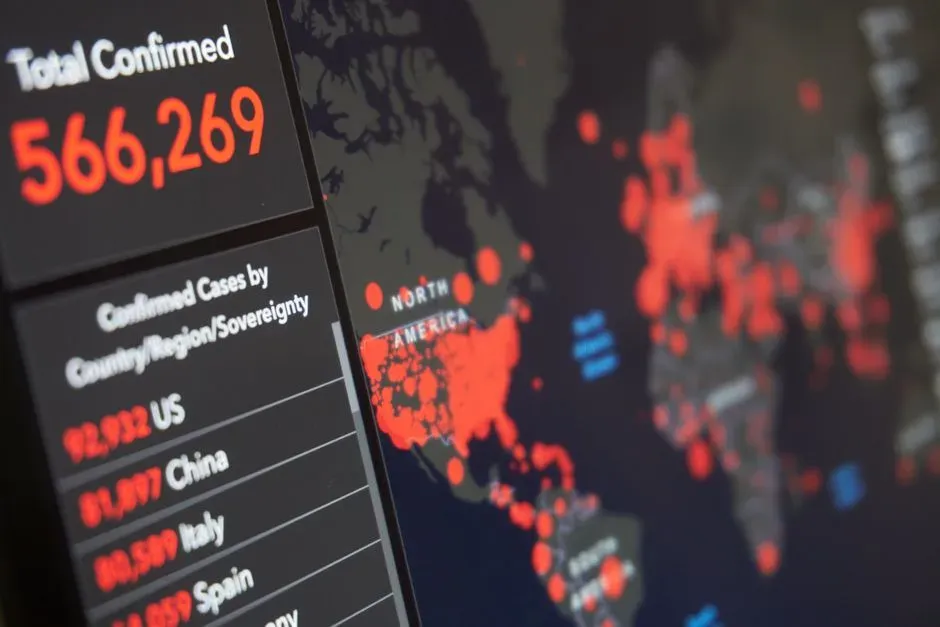
During fast-moving crises – epidemics, natural disasters, financial shocks – researchers race to share preliminary data at emergency conferences and online symposia. Much of it is quickly outdated, but some of it captures critical patterns that never appear so clearly again.
Absence of evidence is not evidence of absence.
Carl Sagan
Think of early outbreak models that correctly flagged superspreader settings before official guidance caught up, or hospital-level survival data that showed staffing mattered more than ventilator counts. By the time a paper could clear peer review, the crisis had already moved on, so the sharpest, most decision-shaping findings never got frozen into a citable format – leaving historians with official reports, but not the messy, high-signal talks that actually guided front-line choices.
#5 – The Result A Career Couldn’t Survive
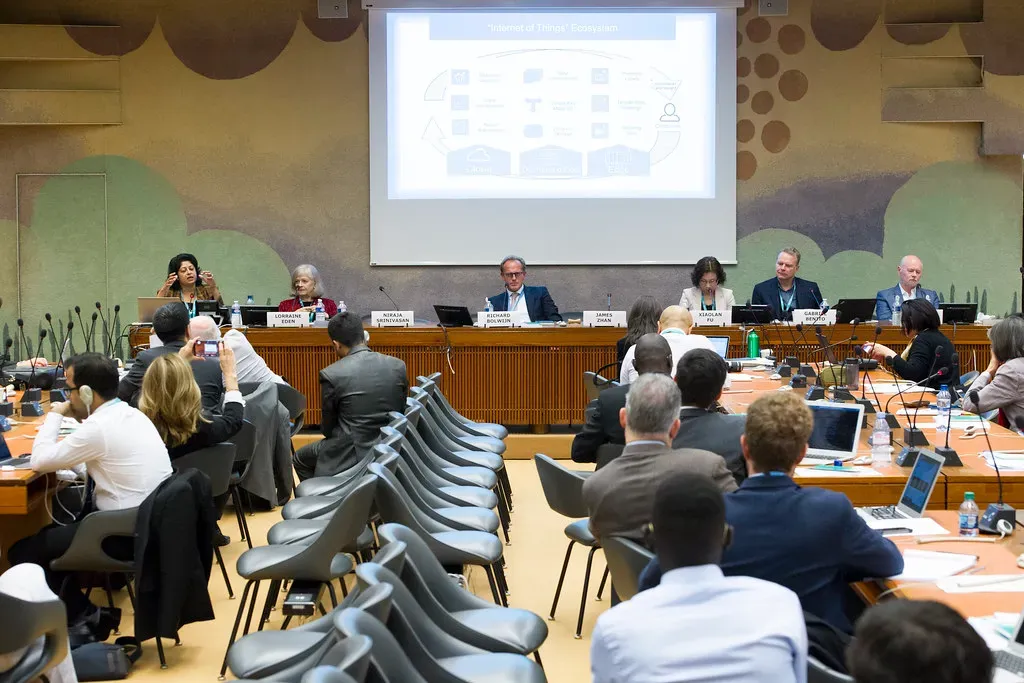
Here’s the dark side almost nobody outside academia discusses: sometimes the person most threatened by a result is the one who found it. If your whole career is built on a theory or a product, and your own data undercuts it, the rational move – professionally – is not to blast that evidence into the literature.
At conferences, these show up as oddly hedged talks – heavy caveats, careful word choices, but slides that quietly show a cherished framework doesn’t predict much of anything. Colleagues notice. Whisper networks update. Writing the paper would mean inviting every critic to pile on and jeopardizing funding, so the work simply stays “in talks” – and entire fields shift course based on rumor and recollection instead of citable evidence.
#4 – The Community Findings That Refused To Be Flattened Into A Journal

Some of the richest social and health research happens in specific cultural contexts where a standard journal format simply doesn’t fit. A team might present at a regional conference, with community members in the room, about patterns that clash with national narratives or risk stigmatizing a vulnerable group.
In that room, nuance is possible – people push back, add context, negotiate what should be shared more widely. Turning it into a journal article often means stripping out the details that gave it meaning in the first place. Many researchers choose to honor community wishes over publication metrics, so the findings live in local reports and conference rooms, never in an indexed database – leaving outsiders to wrongly conclude “there’s no data” at all.
#3 – The Confession Talk That Corrected A Field’s Biggest Mistake
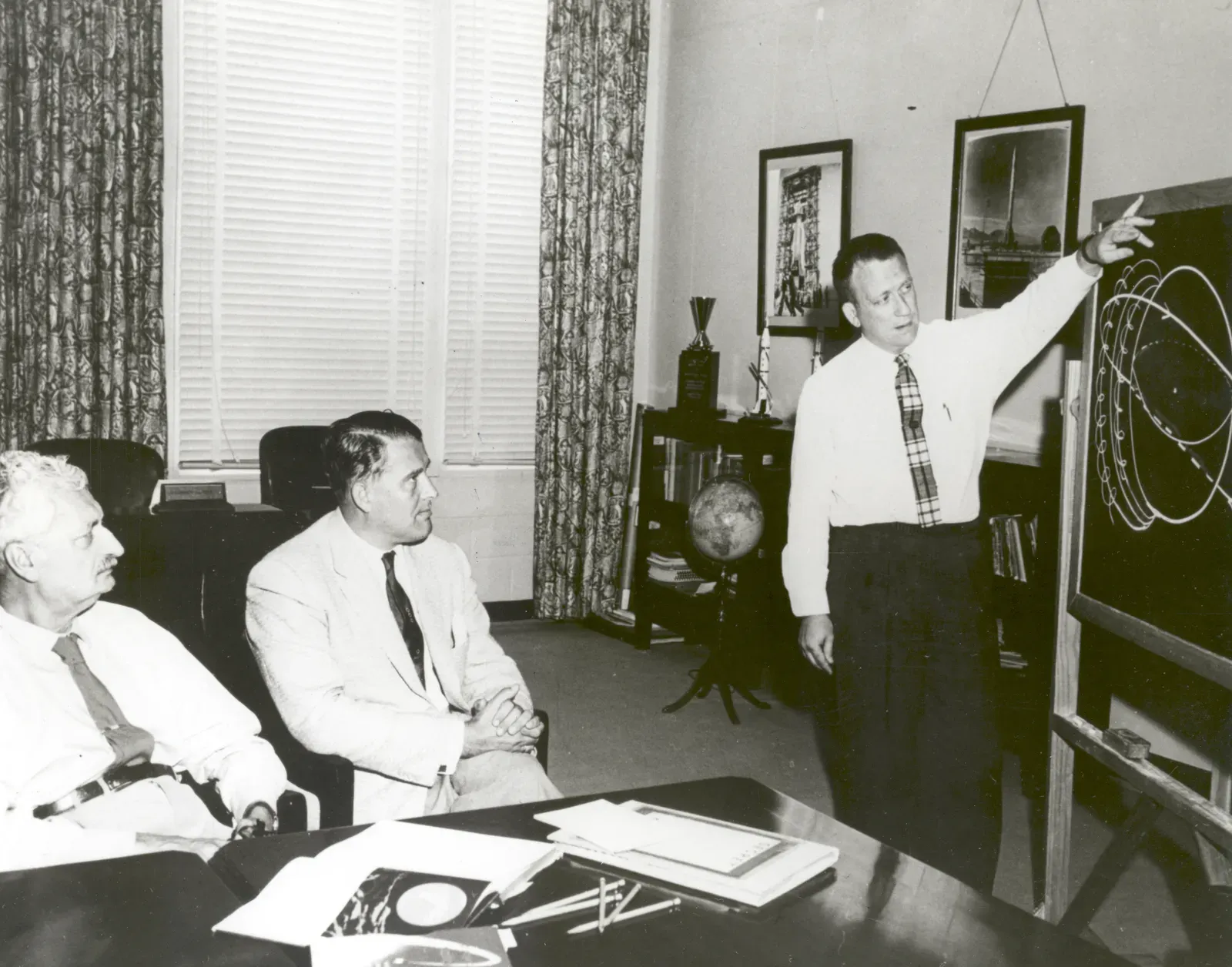
Occasionally a team realizes they made a serious error in widely cited work and decides to come clean. At a conference, they walk through it soberly: here’s what we did wrong, here’s how it affects our published results, here’s what still holds up. It’s a rare and bracing kind of honesty.
These error analyses are gold for anyone who actually cares about scientific self-correction – they explain the coding bugs and mislabeled samples behind mysterious discrepancies across studies. But journals don’t race to print “we messed up,” and co-authors often resist broadcasting the flaw further. A brief correction may appear somewhere, but the detailed forensics other teams desperately need often live only in that one slide deck, seen by a few hundred people and then forgotten.
#2 – The Taboo Numbers Institutions Would Rather Keep Fuzzy

Certain topics – sexual behavior, drug use, extremist beliefs, workplace harassment – are both crucial and explosive. When researchers manage to collect high-quality data on them, the stakes around whether to publish become enormous. At closed or niche conferences, you’ll sometimes see talks presenting painfully precise numbers on issues institutions would rather keep vague.
How common abuse really is in a given profession. How many employees actually witnessed misconduct. How many users saw hateful content despite official policy. The results are damning and socially radioactive, and anchoring them permanently in the literature risks lawsuits and reputational collapse. So the findings stay in the semi-private conference world, where everyone quietly “knows” the scale of the problem while the official record stays conveniently blank.
#1 – The Ghost Study Everyone Still Cites From Memory
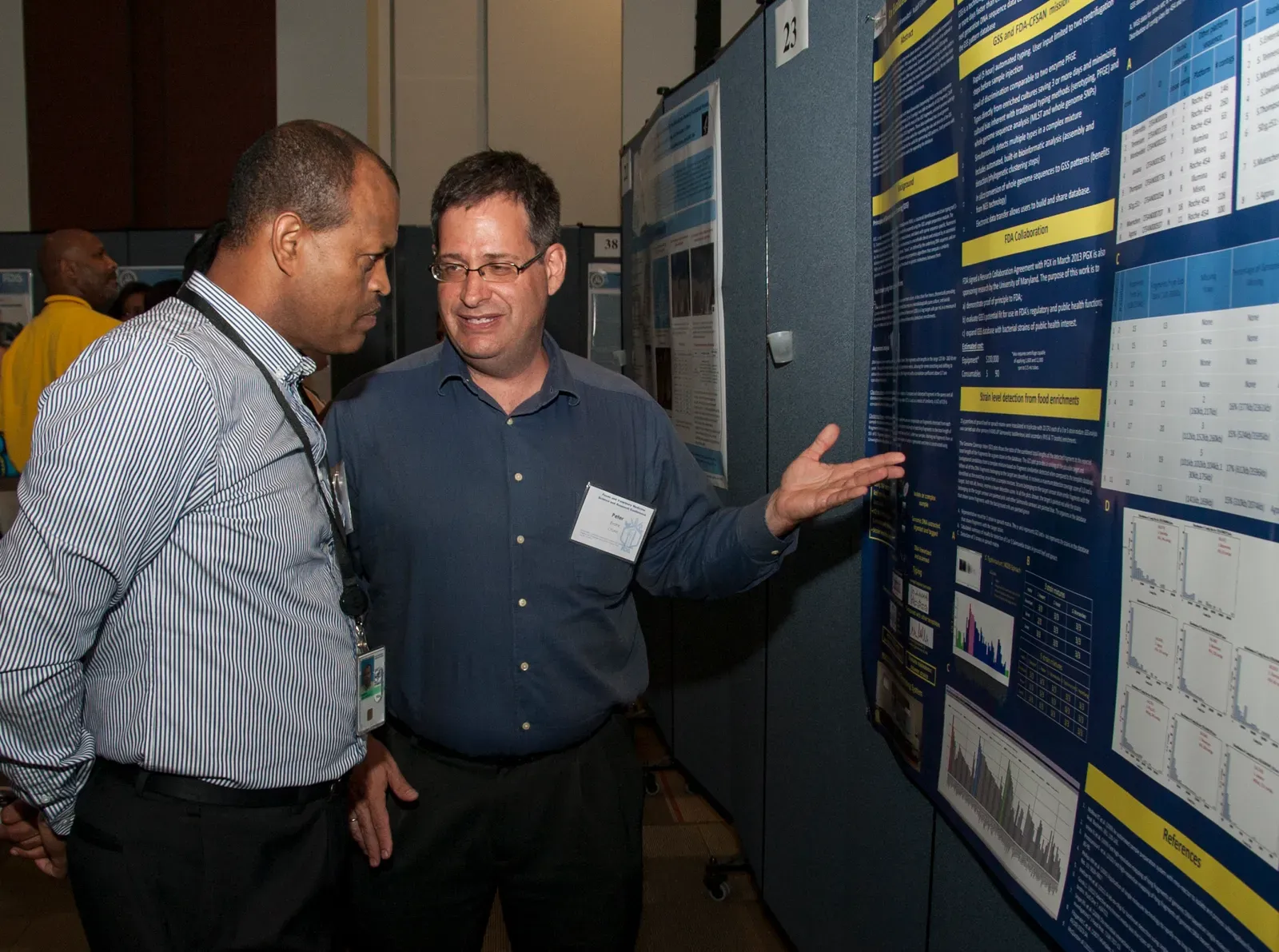
At the very top of this shadow hierarchy sits a phenomenon every insider recognizes: the ghost study. It was presented once, years ago, by a respected figure at a major meeting. It had a clean, compelling result that fit exactly how everyone already wanted to think – and the whole room left quoting it.
Over time, the talk takes on legendary status. People say “as shown by Smith et al. at the 2009 conference” in their own presentations, and entire grant proposals lean on “evidence” from that single dataset. Go hunting for a published paper, though, and there’s nothing – maybe a cryptic abstract, maybe not even that. Maybe the data were messier than the slides suggested, maybe a follow-up quietly failed to replicate. Whatever the reason, the field is being steered by a result that effectively doesn’t exist on paper, and unless you were in that room, you’ll never even know what you missed.
Why It Stands Out
- It’s cited from memory, not from a paper trail – a rare case of “evidence” with no retrievable source.
- Its influence often outlasts the original presenter’s own career.
- Attempts to trace the original data can lead nowhere, not even a formal abstract.
- It reveals how much of scientific consensus can rest on collective memory rather than a citable record.
When people talk about “published research,” they imagine a tidy, complete universe of knowledge. That’s a fantasy. Conferences are stuffed with half-finished, inconvenient, and sometimes deliberately buried findings that never make it into a journal – yet they still shape how doctors treat patients, how engineers build systems, and how policymakers spend money.
From negative trials and quietly failed replications to taboo datasets and ghost studies passed down like folklore, a real slice of science lives off the record. That’s not a quirky footnote to how research works. It’s a structural blind spot that lets bad incentives hide in plain sight.
Here’s the opinion part: this should bother you more than it probably does. Every time a null result dies in a poster tube because it wasn’t exciting enough, or a safety signal gets buried because nobody wanted to pick a fight, the public pays for it in delayed knowledge and false confidence. If you weren’t in that room, your mental picture of “what the evidence says” is quietly incomplete – and no amount of journal browsing will fix that.
Which of these 23 feels the most dangerous to ignore – and have you ever sat in a room and watched one of these disappear in real time?