Most people assume every major extinction in Earth’s history comes with a tidy explanation. Asteroid here, volcanic apocalypse there, case closed. But dig into the actual research and you’ll find something unsettling: entire branches of life vanished from the fossil record, and scientists still can’t tell you why.
Not “we’re not totally sure.” More like the evidence contradicts itself, the smoking gun never shows up, and the timelines refuse to line up no matter how the data gets sliced. Some of these mysteries involve sharks disappearing faster than the dinosaurs did. Others involve our own ancestors nearly blinking out of existence. Here are 12 extinction events where the world’s top researchers have basically thrown up their hands.
#12 – The 19-Million-Year-Old Open-Ocean Shark Die-Off
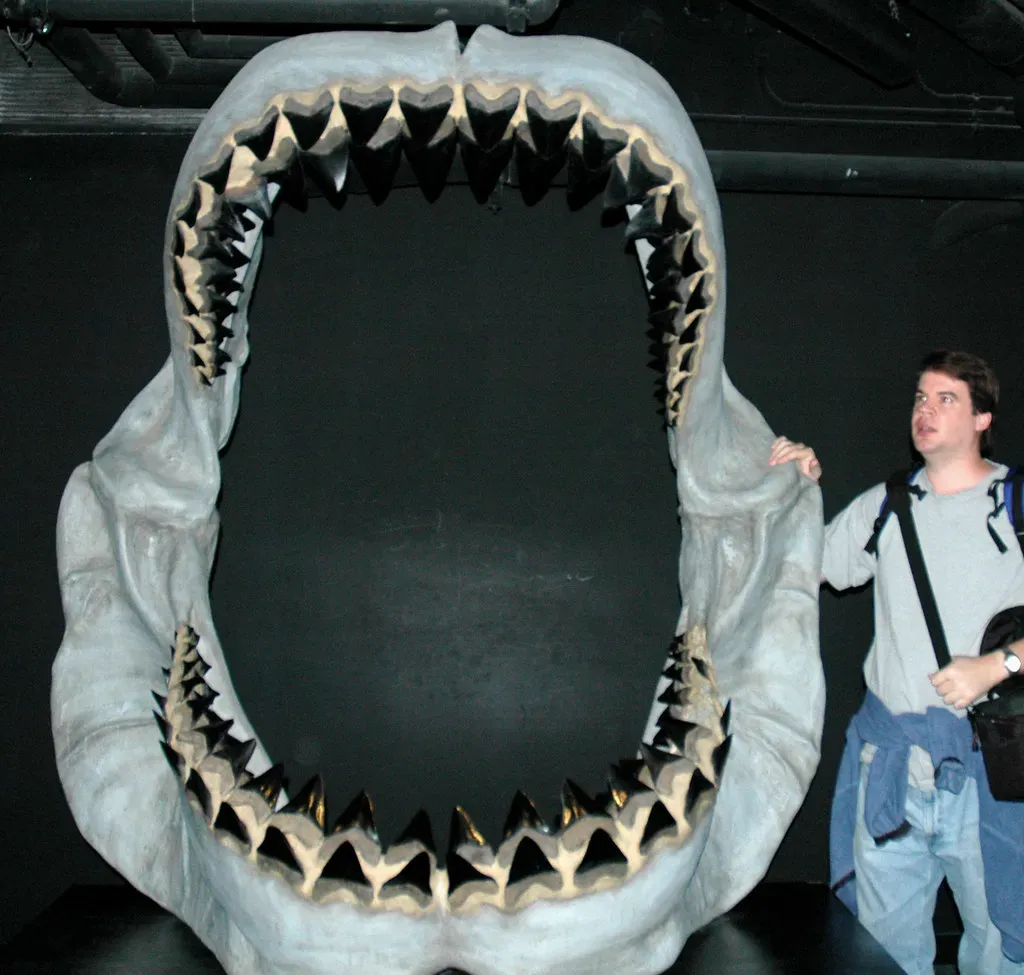
Picture the open Pacific about 19 million years ago, thick with shark species cruising the water column. Then, in a geological blink, roughly 90 percent of those open-ocean sharks were simply gone. Researchers studying the fossil record found this collapse hit sharks harder than the asteroid that ended the dinosaurs ever did.
Here’s the part that keeps scientists up at night: there’s no crater, no telltale iridium layer, no matching volcanic pulse. Something reshaped an entire ocean’s top predators, and the leading guesses point to temperature shifts or a collapse in prey, but nothing fits cleanly. An extinction this massive left almost no fingerprints behind.
Fast Facts
- Timing: roughly 19 million years ago, deep in the Miocene
- Scale of loss: an estimated 90% of open-ocean shark species vanished
- Missing evidence: no crater, no iridium layer, no matching eruption
- Comparison: proportionally more devastating than the extinction that killed the dinosaurs
#11 – Olson’s Extinction in the Permian
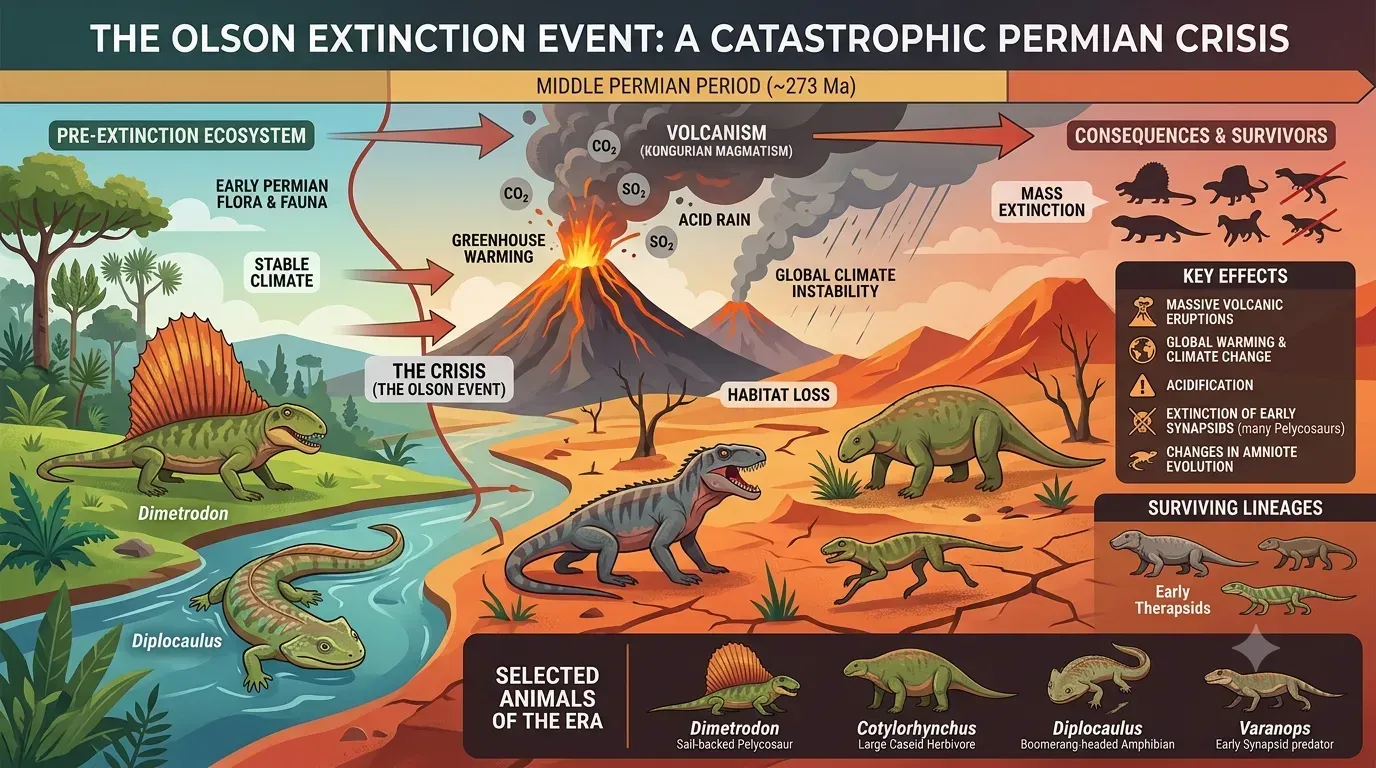
Around 270 million years ago, long before the Permian’s more famous apocalypse, a wave of early amniotes and other land vertebrates started disappearing. Paleontologists call it Olson’s Extinction, and unlike a dramatic single-day catastrophe, it looks more like a slow bleed spread across a much longer stretch of time.
Climate change gets floated as the culprit, but the supporting evidence is thin at best. Some researchers now question whether this even counts as one discrete event, or whether it’s just a symptom of a much messier, unstable period in Earth’s history that hasn’t been fully mapped.
#10 – The Aptian Extinction Event’s Missing Trigger
About 117 million years ago, marine creatures and land dwellers alike started dropping out of the fossil record during what’s now called the Aptian stage. The Rajmahal Traps, a massive volcanic province, is the prime suspect, but the timing and global reach don’t line up the way a clean cause-and-effect story would require.
Some rock layers show signs of ocean anoxia and shifting chemistry, hinting at suffocating seas in certain regions. But researchers still can’t agree whether this was one standalone crisis or just a rough patch inside a longer stretch of environmental turbulence.
#9 – The Cosmic Mystery of the Pliocene-Pleistocene Losses
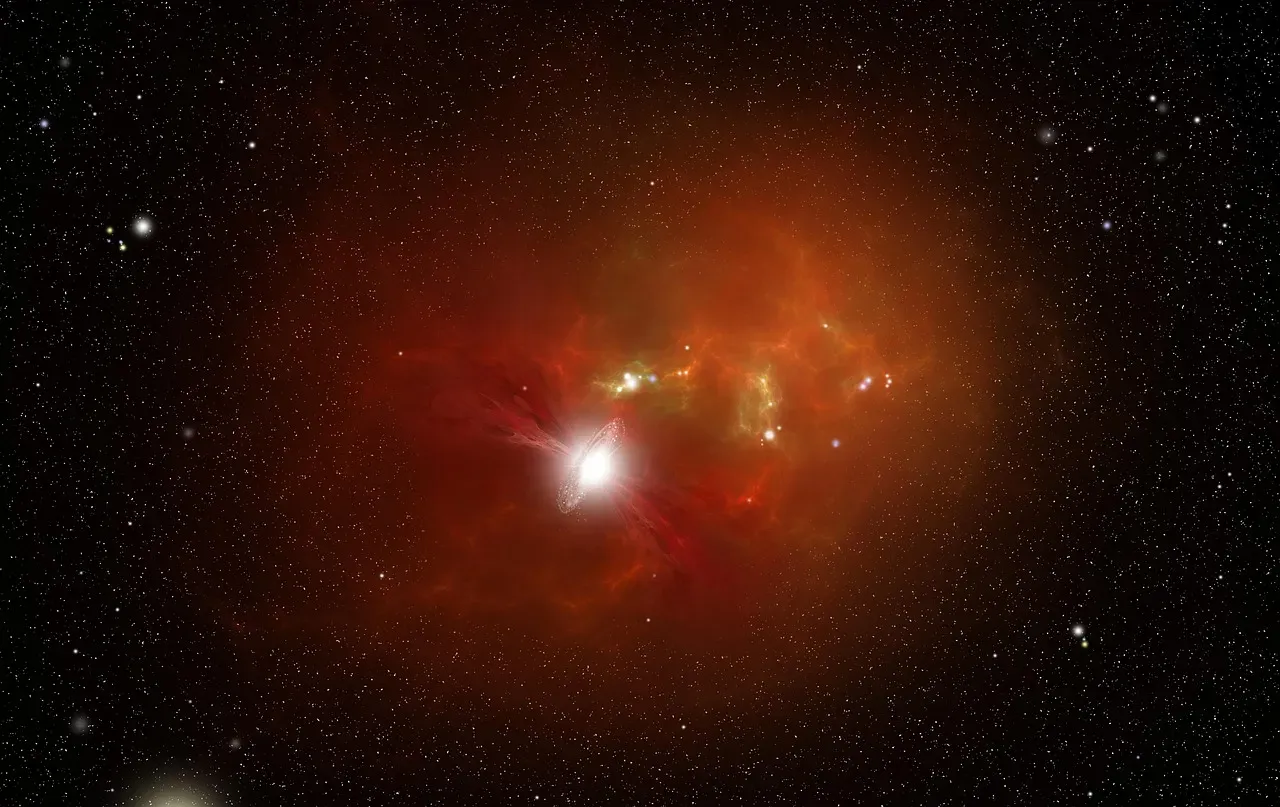
Roughly 2 million years ago, something strange started killing off species across land and sea. Two wild explanations are on the table: a nearby supernova bathing Earth in radiation, or the Eltanin asteroid slamming into the ocean. Neither one fully explains which species died and which didn’t.
The die-off pattern is oddly selective, and it doesn’t match a single global signature the way a true worldwide catastrophe should. It’s tangled up with an ice age already reshaping the planet, which makes untangling cosmic cause from climate cause nearly impossible with current evidence.
#8 – The Middle Miocene’s Silent Deep-Sea Collapse
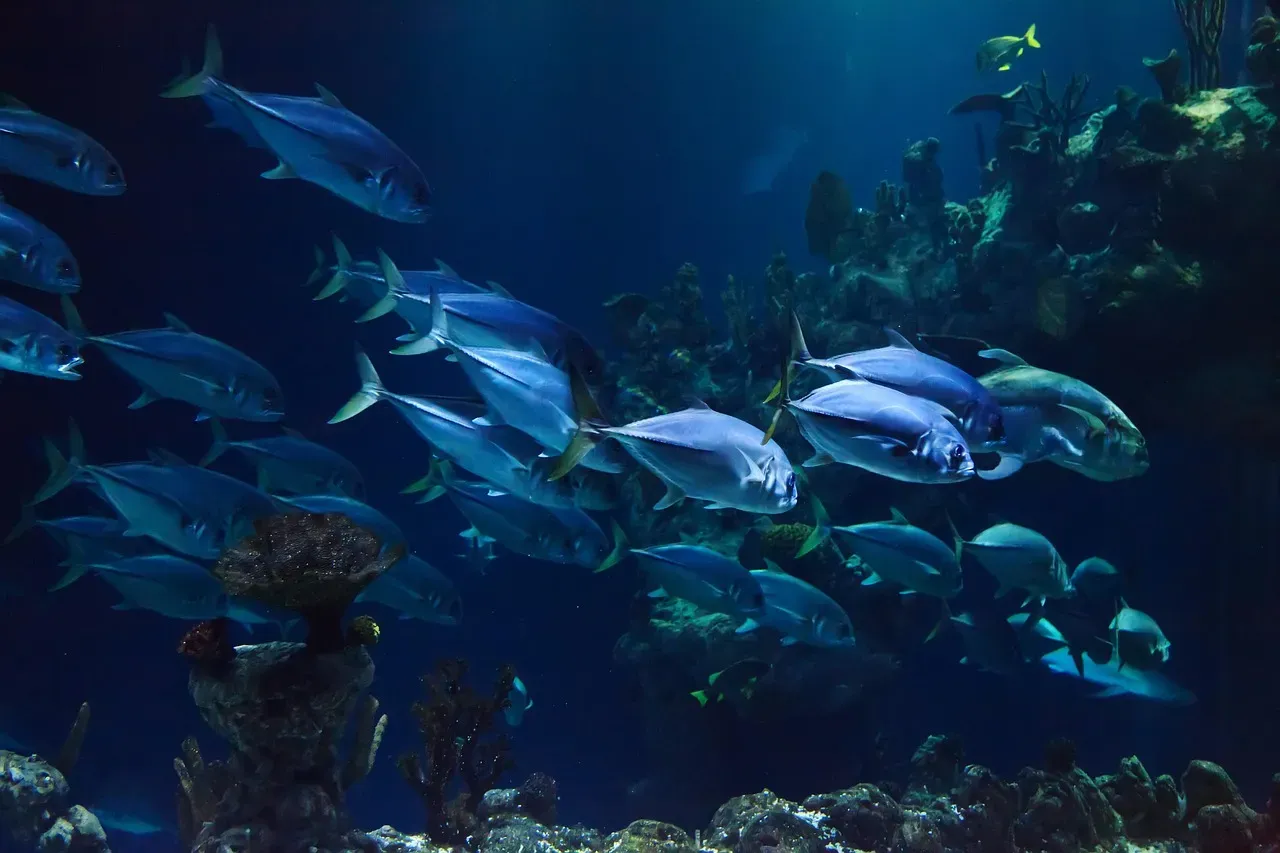
Around 14.5 million years ago, shifting ocean circulation triggered real climate upheaval, and deep-sea life took a hit. Some models point to ocean gateways opening or closing, rerouting currents in ways that scrambled marine ecosystems.
What’s still missing is the fine detail: why certain deep-sea groups vanished quickly while neighboring species barely noticed. Temperature records and sediment cores confirm the disruption happened, but connecting that data to specific losses requires a resolution scientists simply don’t have yet.
#7 – The Hundreds of Species That Vanished Before Science Could Name Them
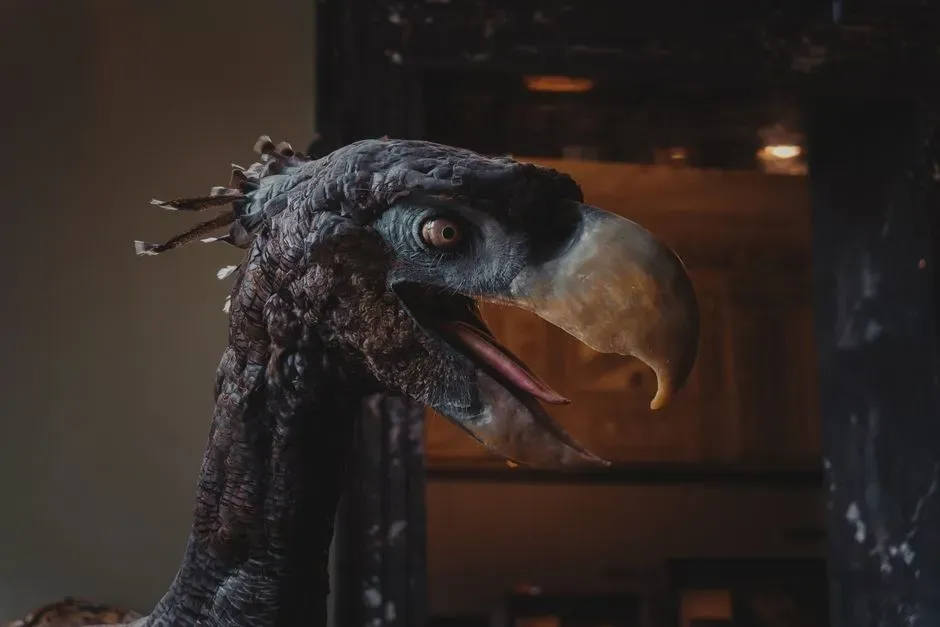
Here’s a genuinely eerie one. Hundreds of species, especially on islands colonized after 1500 CE, disappeared before any scientist ever wrote them down. Estimates suggest dozens to hundreds of bird species alone went extinct completely unrecorded.
Statistical models suggest the real toll could be double or triple what’s officially documented for some groups. And because there are no specimens, no bones, no genetic traces left behind, the cause of death for these ghost species isn’t just unknown, it’s unknowable by definition.
#6 – The Population Crash That Nearly Erased Early Humans
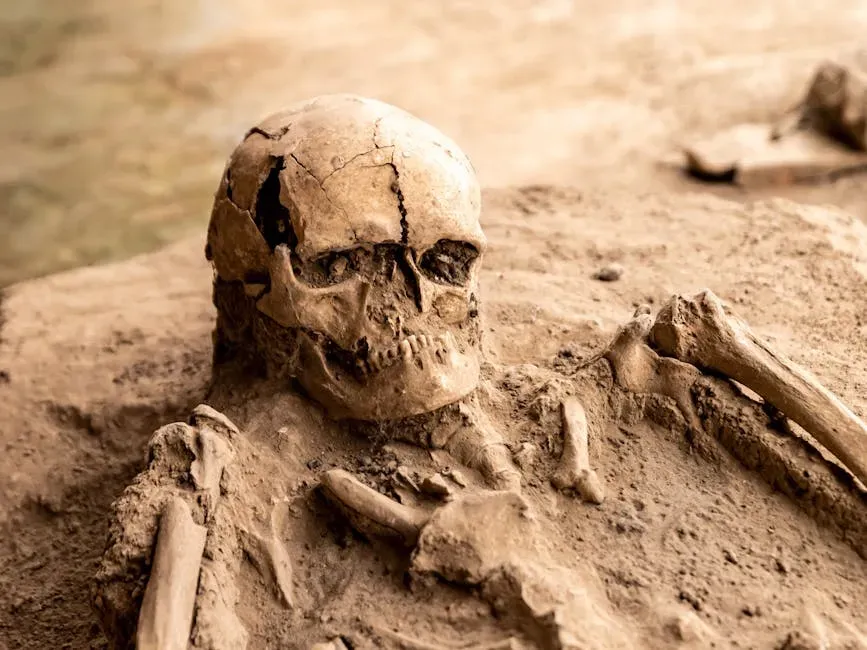
About 900,000 years ago, our own ancestral lineage came terrifyingly close to disappearing. Genomic evidence shows the breeding population dropped to roughly 1,280 individuals, and it stayed that low for more than 100,000 years.
Researchers can see the dip clearly in the DNA, but pinning it to one specific glacial period or drought event is proving difficult, since multiple pressures likely stacked on top of each other. Mastering fire and a later swing toward friendlier climate probably helped the population recover, but what actually triggered the near-collapse in the first place is still being pieced together.
At a Glance
- Bottleneck window: roughly 900,000 years ago
- Estimated breeding population: around 1,280 individuals
- Duration of the crash: over 100,000 years
- Suspected recovery aids: fire mastery and a shift toward friendlier climate
#5 – The Megafauna Debate That Refuses to Resolve
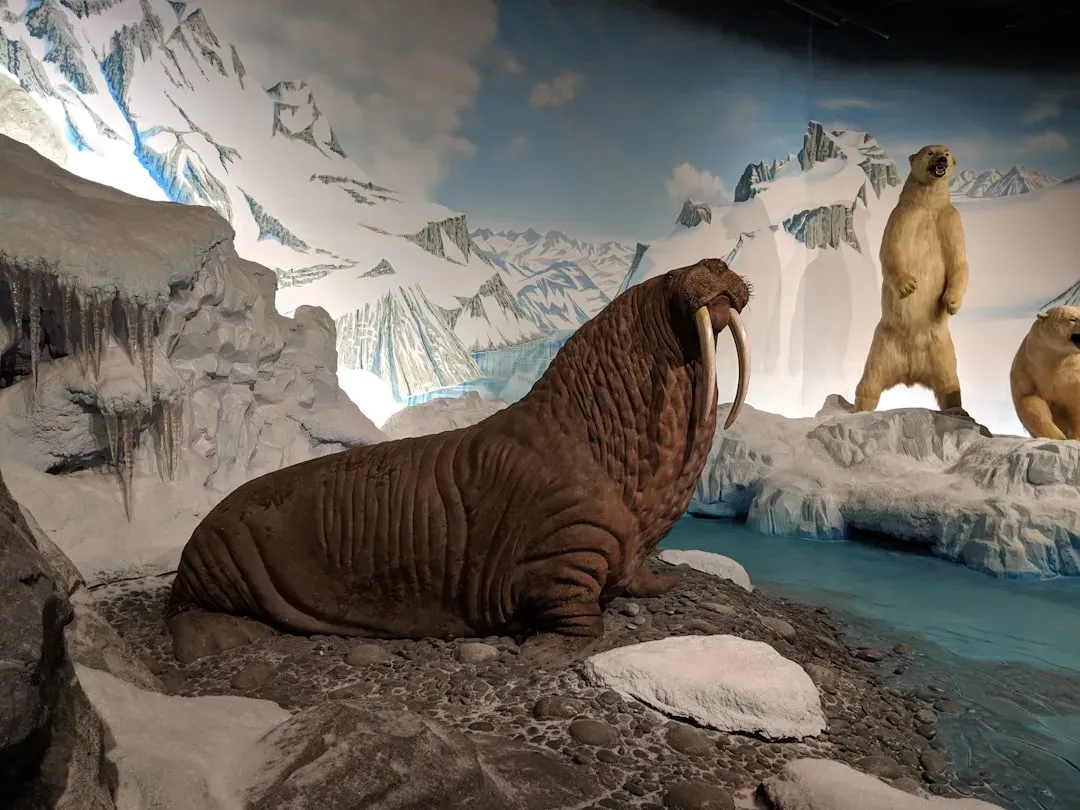
Giant ground sloths, mammoths, and other massive Ice Age creatures vanished across Australia and the Americas, and the timing overlaps suspiciously with both human arrival and dramatic climate swings. It’s the extinction world’s longest-running argument: did we do this, or did the planet?
The frustrating part for researchers is that in some regions, species died out before humans even showed up, and in others, they lingered long after peak human presence. That pattern weakens any theory that blames just one factor, and finer-grained dating that could settle the debate simply doesn’t exist everywhere yet.
Quick Compare
- Human-driven theory: overhunting timelines often overlap with megafauna decline
- Climate-driven theory: rapid Ice Age swings reshaped habitats and food sources
- Complication: some species died out before humans arrived in a region
- Complication: other species survived long after peak human presence
#4 – The End-Jurassic Extinction That Fractured Into Pieces
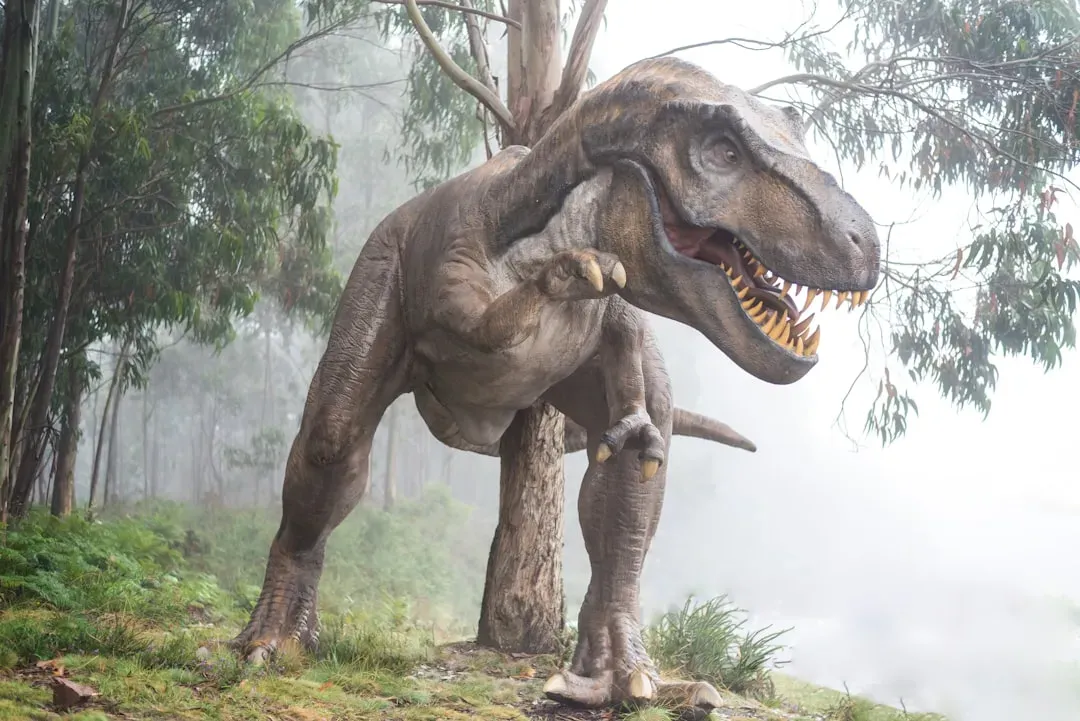
Around 145 million years ago, during the Tithonian stage, a series of smaller extinctions rippled through the fossil record. Impacts, basalt eruptions, and ocean disruptions all show up as suspects, but researchers no longer treat this as one unified catastrophe.
Each pulse carries its own distinct signature, and none of them line up into a single coherent global story. Evidence for bolides and volcanic activity exists, but only in scattered patches, leaving the bigger picture frustratingly incomplete.
#3 – The Late Devonian’s Multi-Phase Extinction Puzzle
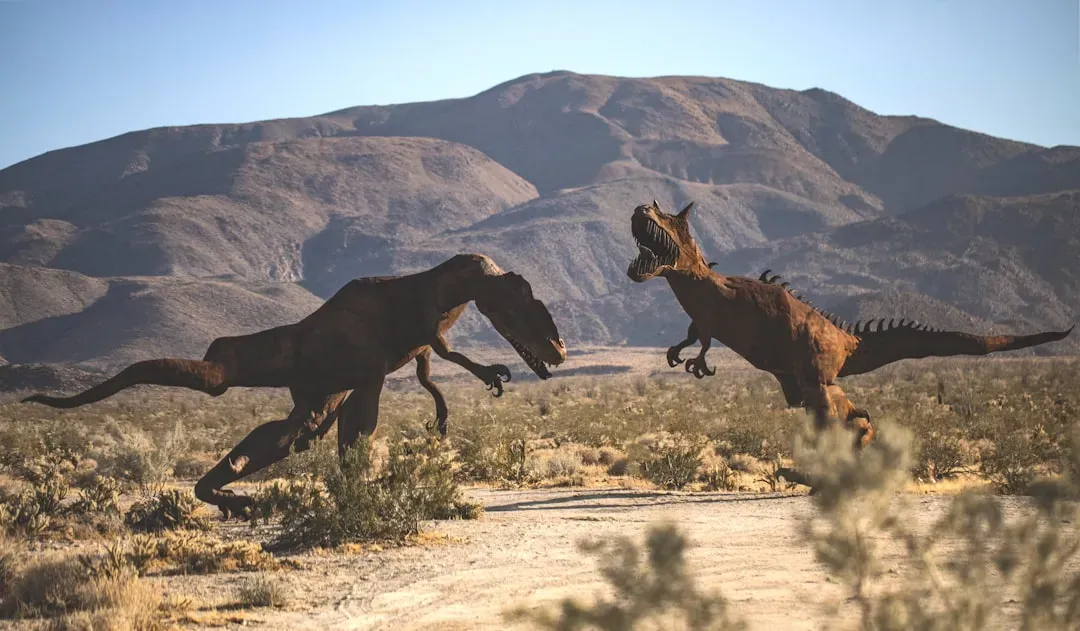
Spanning roughly 372 to 359 million years ago, the Late Devonian extinctions involved ocean anoxia, possible volcanism, and sea-level swings all tangled together. Researchers still argue over which factor drove each individual pulse of dying.
Some intervals show no clear impact evidence and no obvious volcanic fingerprint at all. Carbon burial and cooling show up in parts of the record, but they don’t explain why speciation rates themselves dropped in certain regions, a detail that keeps this crisis only partially understood.
#2 – The Island Birds Erased Before Anyone Could Sketch Them
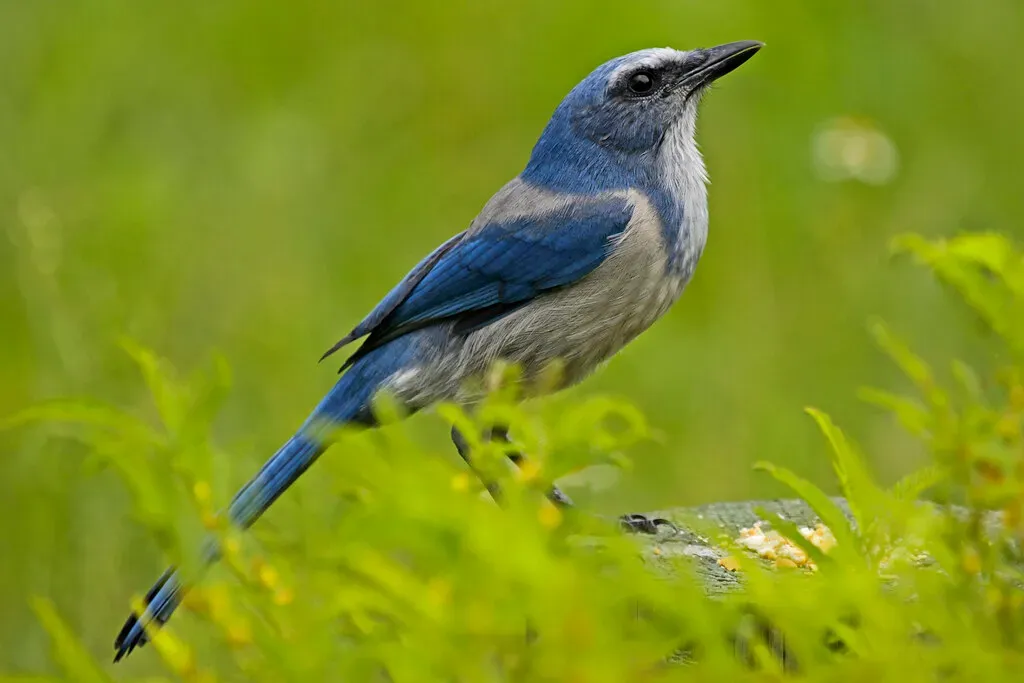
Starting in the 14th century, European maritime expansion carried rats and cats to remote islands, and the local bird populations never stood a chance. Statistical models estimate around 180 additional bird extinctions happened between 1500 and 1800 alone, most without any formal scientific record.
Many of these species survive today only as vague sketches or a handful of subfossil bones. The speed and totality of these losses outpace anything climate change alone could produce, yet a precise, species-by-species account of what happened is permanently out of reach.
#1 – The Great Dying’s Unsolved Survival Puzzle
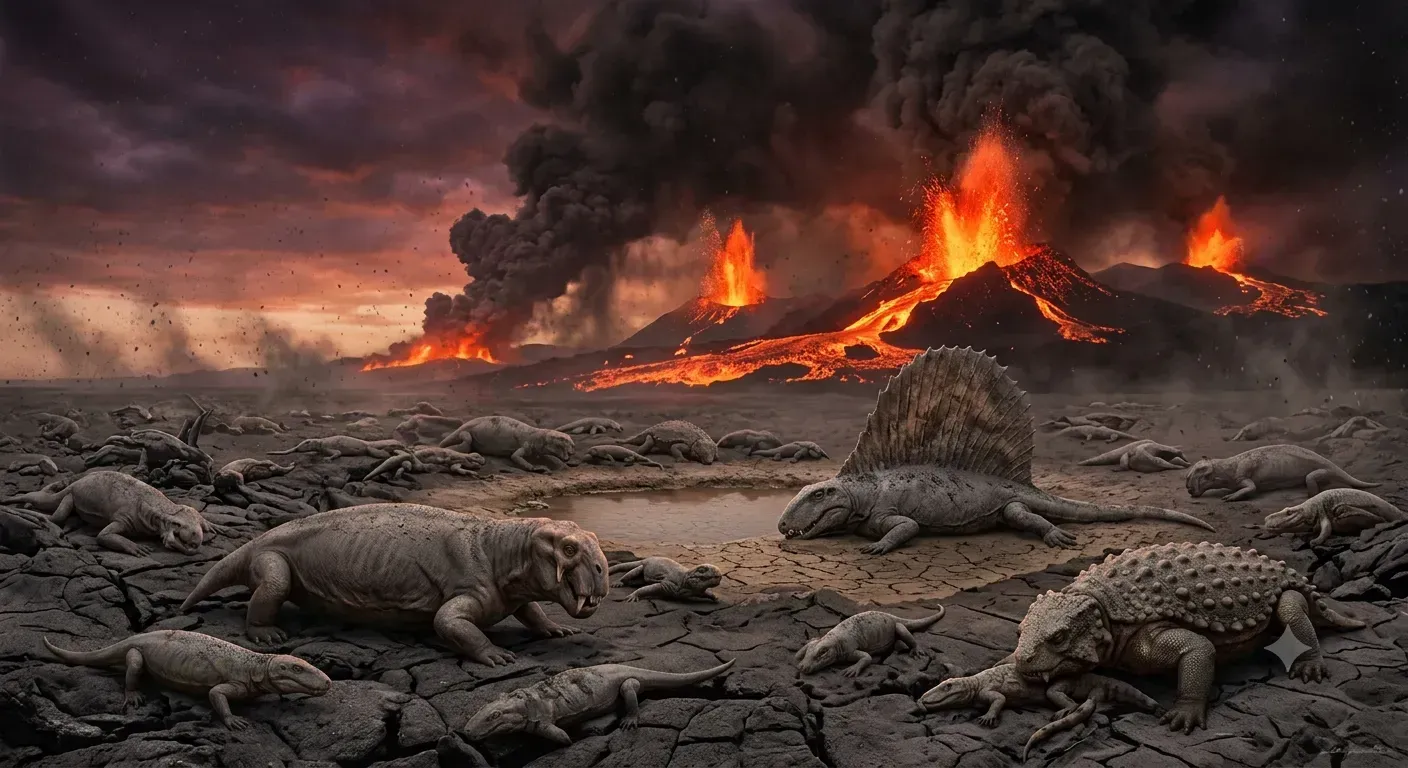
The End-Permian extinction, 252 million years ago, is the deadliest event in the history of life on Earth. Massive volcanism and runaway warming wiped out most marine species, yet the story isn’t as simple as “everything died.” Stationary filter feeders were nearly wiped off the map, while mobile species and creatures with different physiologies often pulled through.
Recent research points to physiological tolerance and energy demands as key factors separating the survivors from the extinct. But the full sorting mechanism, the exact reason some body plans made it through hell while others didn’t, is still being modeled and debated by scientists today. Even the worst extinction in Earth’s history hasn’t given up all its secrets.
Worth Knowing
- Marine species lost: commonly cited estimates run as high as 90%+
- Terrestrial vertebrate losses were also severe, though less extreme than in the oceans
- Hardest hit: stationary filter feeders with limited ability to relocate
- Best positioned to survive: mobile species and those with flexible physiology
The Bottom Line
What strikes me most about this list isn’t that scientists are stumped. It’s how often the mystery isn’t a lack of data, but too much conflicting data pointing in different directions at once. Overlapping stresses, missing geochemical fingerprints, and species that disappeared before anyone even wrote their names down all conspire to keep these cases open.
Honestly, that’s the more interesting version of science anyway. A tidy explanation for every extinction would be reassuring, but it would also be a lie. The real story of life on Earth is messier, stranger, and a lot less finished than most people assume, and these 12 unresolved cases are proof that the fossil record still has the upper hand.