Picture this: an explorer stands in front of stone towers, gleaming plazas, or a walled city rising out of the jungle. He writes it all down, sketches a rough map, and swears on his life the place is real. Decades later, satellites scan the exact coordinates. Lidar sweeps the canopy. GPS-guided teams retrace every possible route. And the city is simply gone – not destroyed, not buried, just never there again.
That’s not a horror movie setup. That’s the actual, well-documented history of archaeology, and it’s happened more than a dozen times across four continents. Some of these cities were probably real places misread through fear, greed, or bad instruments. Others may have been nothing more than a very convincing hallucination shared by an entire expedition. Here are the 11 cases where someone found the city once – and nobody has ever found it since.
#11 – The Vanished City of Zerzura in the Sahara

Zerzura is the original “lost oasis” – the place explorers swore they reached, then could never point to on a map again. Medieval Arabic texts describe a white city hidden deep in the Sahara, ruled by a mysterious king and guarded by “black giants” at its gate. In the 1930s, British and Italian desert expeditions reported stumbling onto unusually lush, isolated valleys with hints of ruins.
Pilots flying over the “empty” desert claimed to spot green depressions where nothing should exist. Desert scouts swore they’d walked through unusual architecture and handled real artifacts. But none of those locations has ever been conclusively identified again with modern GPS or satellite imagery. Shifting dunes, violent sandstorms, and vague navigation notes turned every follow-up search into a dead end. Most scholars now suspect the “white city” was a patchwork myth stitched from several minor oases – but the handful of unexplained rock art sites still keeps the argument alive.
Fast Facts
- Rooted in medieval Arabic legend describing a white-walled city guarded by giants
- 1930s expeditions from Britain and Italy reported green valleys and possible ruins
- No candidate site has ever been re-confirmed with satellite or GPS technology
- Leading theory: a blend of several minor, real oases mistaken for one legendary city
#10 – Ubar, the “Atlantis of the Sands,” Before GPS Got Involved
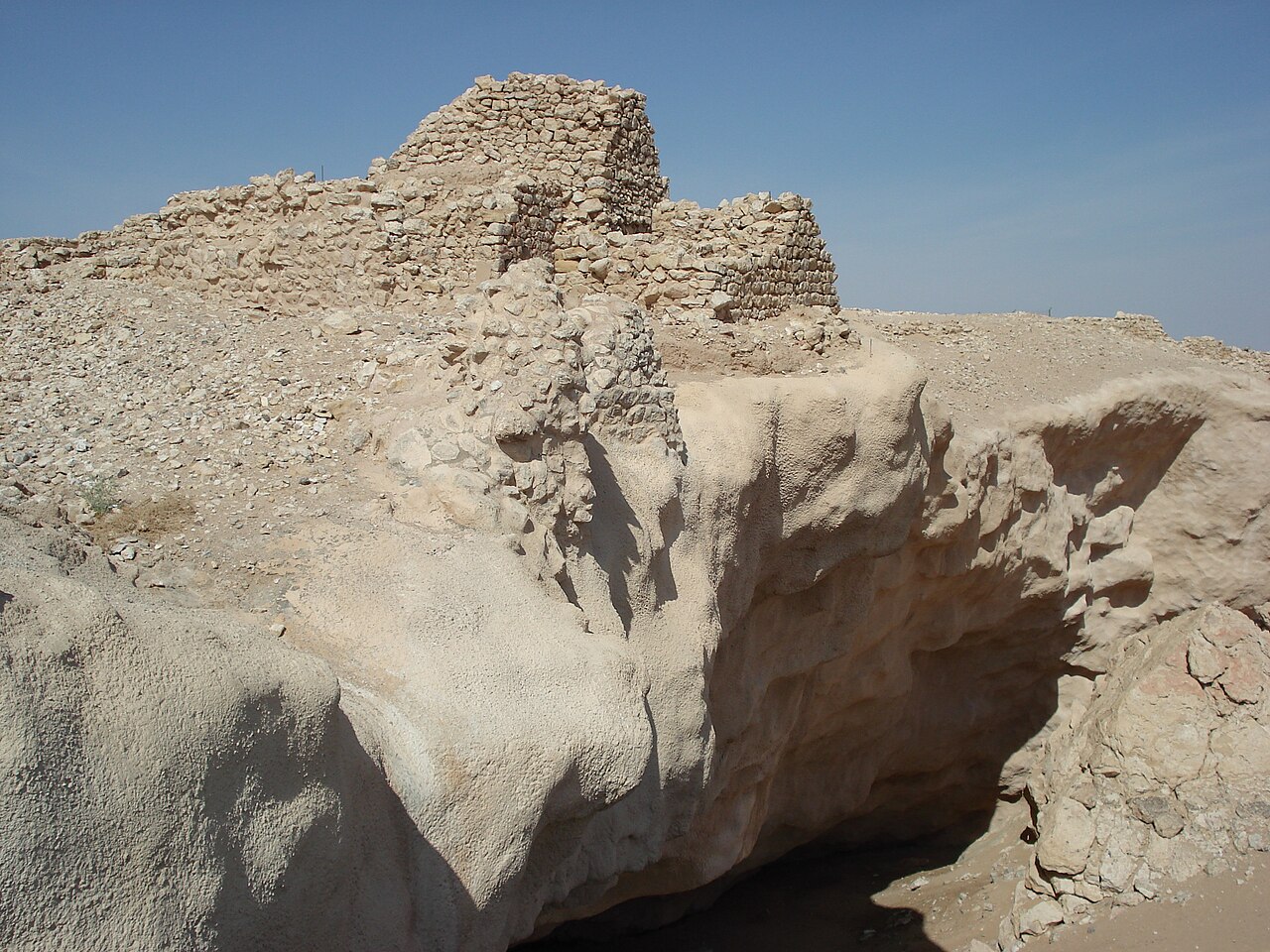
For decades, Ubar – a rich city said in Arabic lore to have been destroyed by God – was treated almost like a desert Atlantis. In the early 1990s, satellite imagery and expeditions in Oman led to a media blitz claiming Ubar had finally been found at a site called Shisr. Then the backlash landed hard: many archaeologists argued Shisr was just a fortified caravan stop that got oversold as a “lost city” to chase headlines and funding.
Here’s the part most retellings skip: long before the Shisr hype, earlier explorers claimed to have found Ubar’s ruins somewhere else entirely, then never relocated the site. Their route maps were imprecise, their descriptions contradicted each other, and some of their “stone ruins” may have been nothing more than reused caravan structures or natural rock formations. Once high-resolution satellite surveys became standard, those earlier discoveries simply dissolved into the sand. Most specialists now believe “Ubar” was a trade region, not a single city – meaning the actual city some explorers bragged of finding was located once, in notes that no longer make sense, and never again in real space.
#9 – The Phantom City of Quivira on the Great Plains
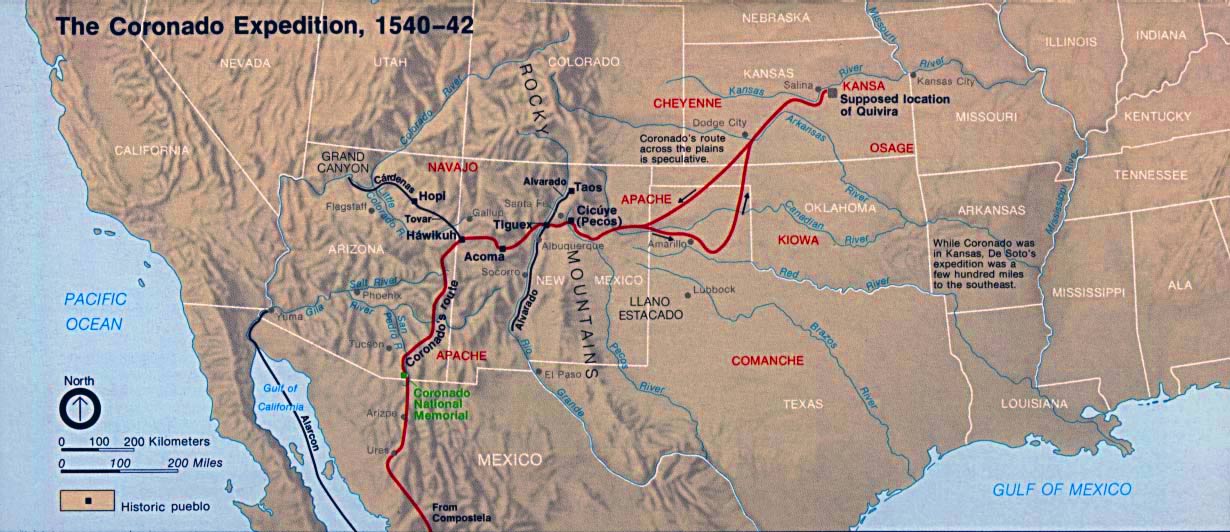
If you grew up on conquistador legends, you’ve heard of Quivira – a rich city supposedly paved with wealth somewhere on the North American plains. In the 1540s, Francisco Vázquez de Coronado chased Native accounts of a prosperous settlement, wandered for thousands of miles, and then announced he had reached it. The twist: we still don’t know exactly where his Quivira was, and several later explorers each claimed their own version, none of which line up.
Most historians now think Coronado reached a large Wichita settlement somewhere in present-day Kansas. But his journals exaggerate distances and describe landscape features vague enough to match several different river systems. Later expeditions tried retracing his path, each “locating” Quivira in a slightly different spot, then failing to find that same spot again on the next trip. Modern archaeology has uncovered real, significant indigenous sites in the region – just no single city that matches the gold-laced legend Coronado bragged about finding.
#8 – Ciudad de los Césares: A Patagonian City That Slipped Off the Map
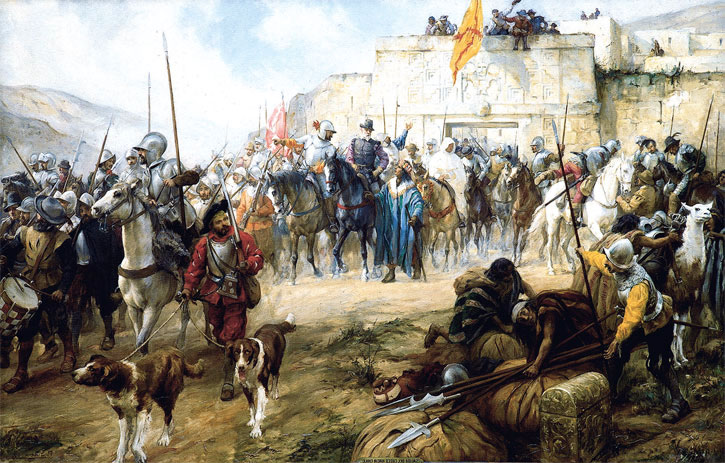
For centuries, sailors, missionaries, and soldiers across southern South America swapped stories about the Ciudad de los Césares – a fabulously rich, mysteriously Christian city hidden somewhere between the Andes and Patagonia. A few 17th and 18th century accounts even claim expeditions saw distant walls, towers, or shining rooftops, then failed to reach them and could never find the same view again.
Historians now treat the city as legend, likely stitched together from shipwreck survivors, rumors of runaway colonists, and glimpses of indigenous settlements misread through a colonial lens. But the “found once, gone forever” pattern keeps showing up: a soldier insists he saw a walled city across a lake, a missionary claims locals guided him near a settlement he was never allowed to enter. When later teams tried to follow the same directions, mountain passes were misremembered and rivers had shifted with the seasons, turning old descriptions into useless riddles.
#7 – Norumbega: The New England City That Only Ever Lived on Maps
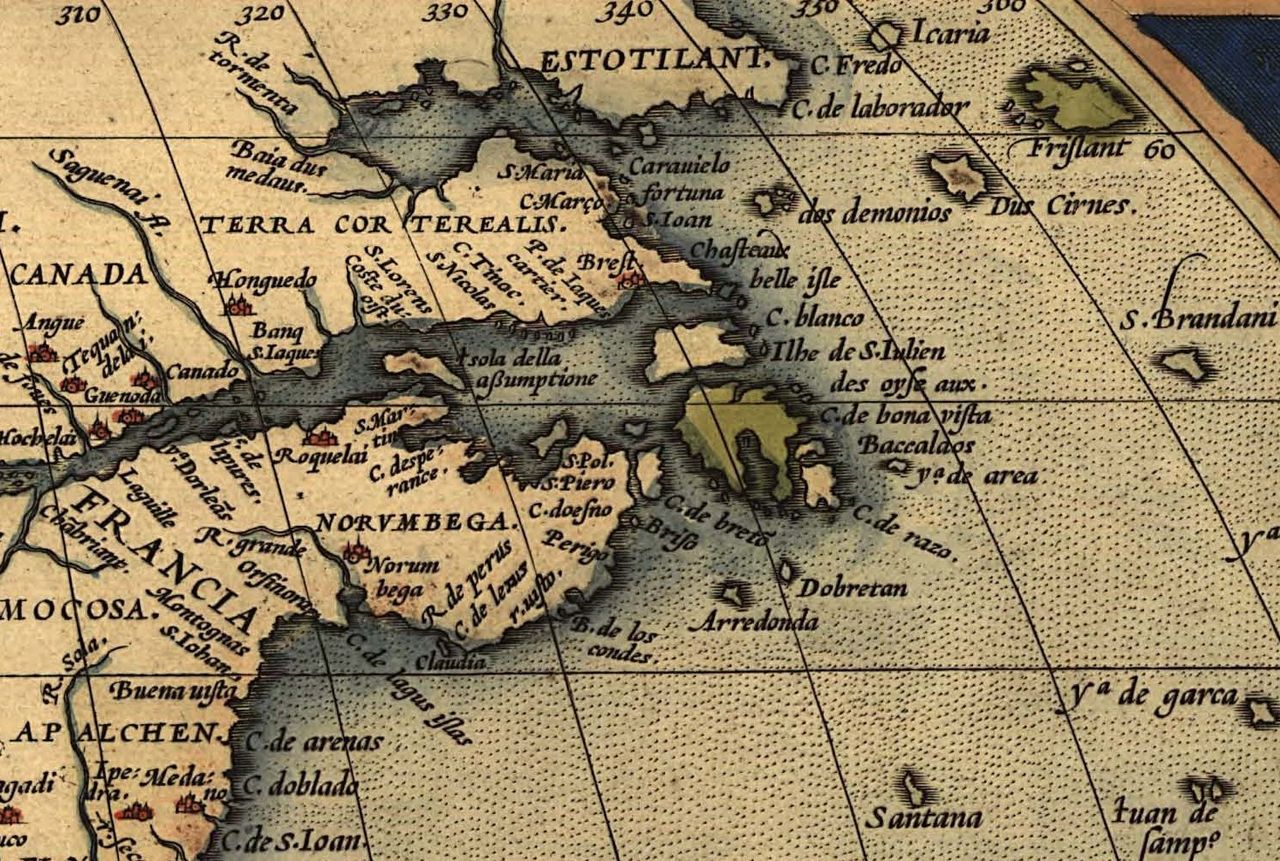
Early European maps of North America are full of confidence and outright fiction, and Norumbega might be the best example of both. For 16th and 17th century cartographers, Norumbega was a named city in what’s now New England, drawn complete with towers and ramparts, supposedly confirmed by explorers who claimed to have walked its streets. Then real surveying arrived – and no such city, nothing even close, could be found anywhere.
So what did those early explorers actually see? Most likely:
- Substantial indigenous settlements strung along major rivers
- Complex trade hubs that looked like proto-towns to unfamiliar European eyes
Mapmakers, working with barely any real coordinates, anchored Norumbega to rumor and wishful thinking instead of hard measurement. Later travelers kept searching for the city marked right there on the map, failing every time to match it to a real place. A few 19th-century antiquarians even convinced themselves they’d “rediscovered” it in scattered stoneworks – a claim modern archaeology flatly does not support. Norumbega was found once, in the imagination of a small circle of explorers and draftsmen, and lost permanently the moment better data arrived.
#6 – The Elusive “White City” of Honduras Before Lidar Changed Everything
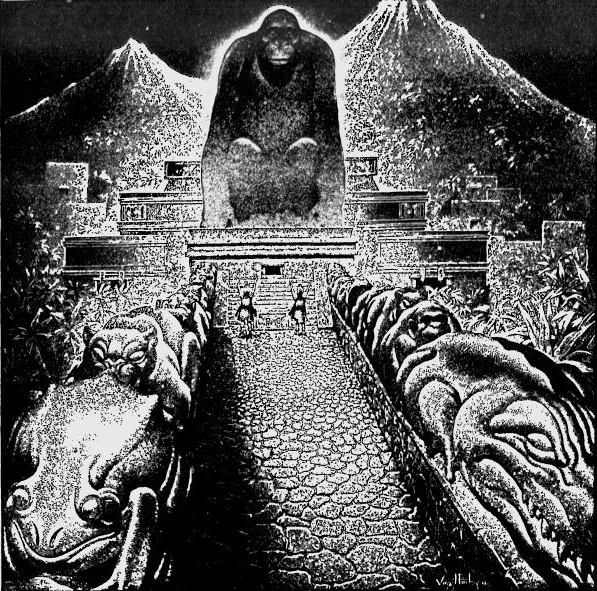
You’ve probably seen headlines about the “White City,” or Ciudad Blanca, buried in the Honduran jungle. What most of those headlines skip is that versions of this city were supposedly found by outsiders decades before modern lidar scans existed. Early 20th-century explorers, flying over Mosquitia or hacking through rainforest, claimed to glimpse stone structures, gleaming plazas, even intact temples – then logged rough locations and moved on.
When later expeditions tried matching those coordinates, the jungle had swallowed everything, and the routes simply didn’t add up. Modern remote sensing has since revealed multiple real pre-Hispanic settlements and ceremonial centers scattered across the region – meaning there wasn’t one legendary city, but a whole landscape of them. The specific “White City” that newspapers sensationalized in the 1930s could be almost any of these sites, or none of them. It was located once, in highly romanticized dispatches, then quietly erased by the jungle and the explorers’ own sloppy notes.
At a Glance
- Also known as Ciudad Blanca, meaning “White City” in Spanish
- Early sightings date back nearly a century, mostly from aerial flyovers or jungle expeditions
- Modern lidar and remote sensing revealed multiple real ceremonial sites, not one single city
- The exact site described in 1930s newspaper accounts has never been re-identified
#5 – Paititi: The Inca Refuge That Keeps Moving on the Map

Every few years, somebody announces they’ve finally found Paititi – the supposed last refuge of the Inca, hidden somewhere in the Amazon or high in the eastern Andes. And yet, despite satellite imagery, GPS, and dozens of expeditions, no consensus site has ever emerged. Colonial chronicles describe a rich, distant kingdom; later adventurers swore they had seen or even reached cities with stone buildings and plazas deep in the jungle, only to die, disappear, or leave directions too vague to follow.
The uncomfortable truth is that “Paititi” may never have referred to one single city. It could instead be:
- A vague term for eastern frontier regions or allied polities
- A political fantasy Spaniards used to justify launching new expeditions
Explorers in the 19th and early 20th centuries who claimed to locate Paititi brought back artifacts and indigenous testimony, but almost never precise routes. Meanwhile, the real Inca and pre-Inca ruins that have been properly mapped in Peru and Bolivia don’t match the lavish legendary descriptions. There are genuinely lost cities in this region – just not the specific one that keeps getting “found” in memoirs and never again on the ground.
#4 – The “Seven Cities of Cibola” and the Town That Wouldn’t Stay Put
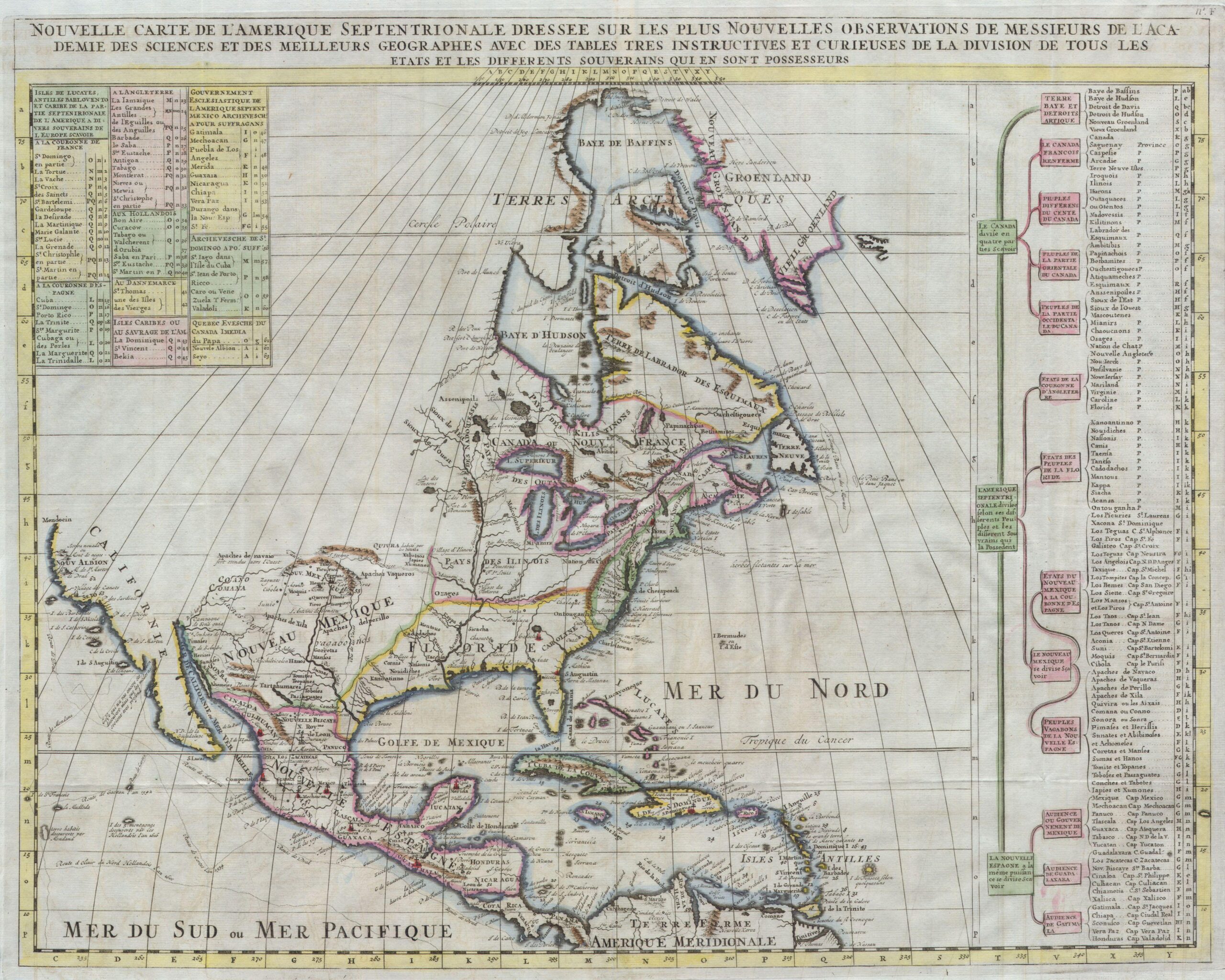
The Seven Cities of Cibola get dismissed as pure myth, but the real story is messier and more interesting. In 1540, Coronado’s expedition marched north chasing rumors of seven fabulously wealthy cities. What he actually found were modest pueblos of stone and adobe occupied by Zuni and other indigenous peoples – real communities, not gold-paved fantasies. He announced he’d “discovered” Cibola anyway.
Later chroniclers quietly reassigned the Cibola label to other settlements entirely, as if the true city could be relocated whenever it was convenient for the story. That’s exactly why Cibola belongs on this list: Coronado’s Cibola can’t be pinned to one archaeological site, scholars still argue over which pueblo cluster he actually meant, and later retellings moved the legend hundreds of miles without any new discovery to justify it. The Seven Cities were never seven precise coordinates – they were a moving target of hearsay, and the “city” everyone chased still refuses to sit still on a map.
#3 – The Shifting City of Ophir in Early Biblical Archaeology
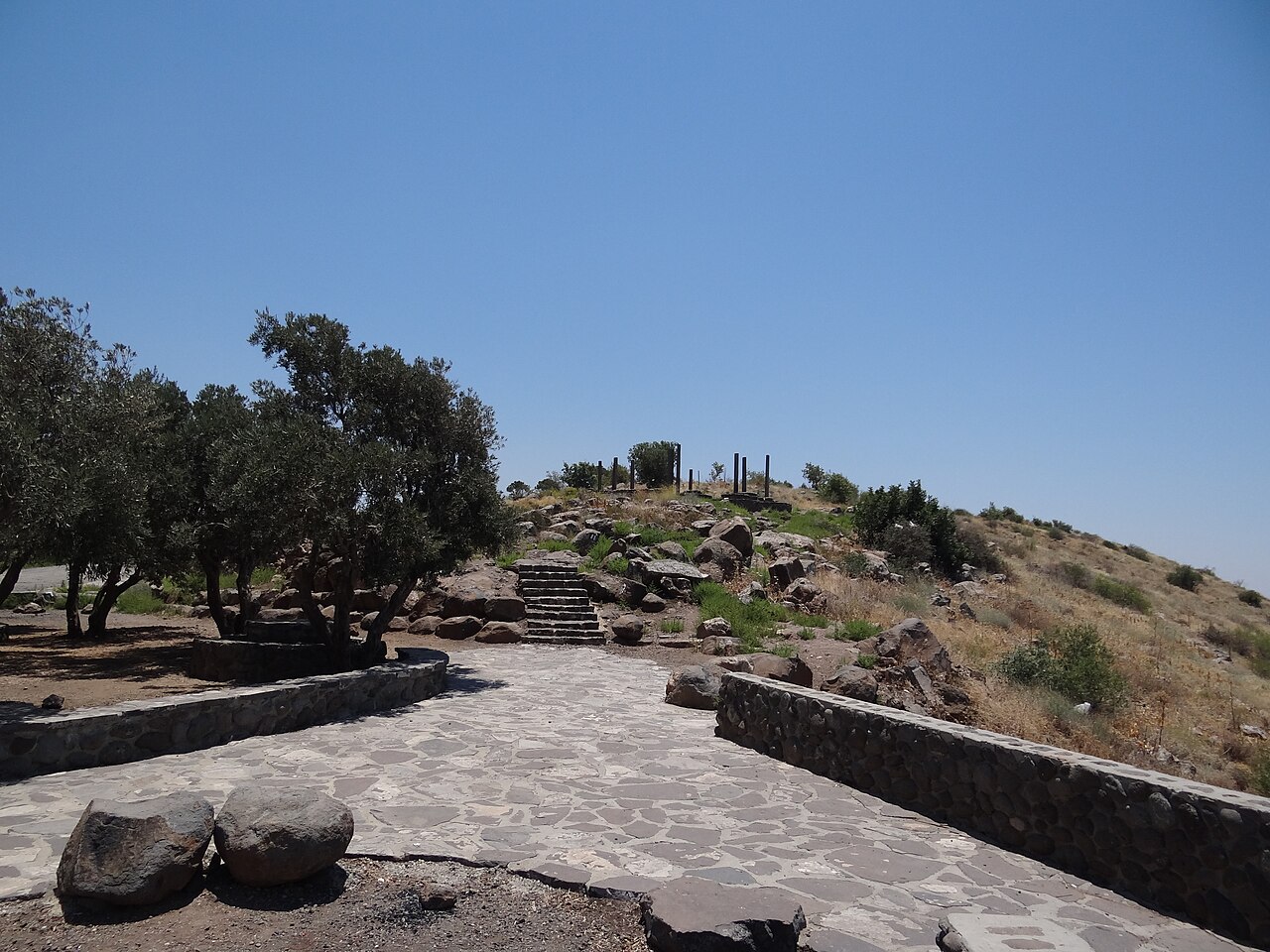
In the 19th and early 20th centuries, European and American scholars became obsessed with finding Ophir, the fabled source of King Solomon’s gold. Travel writers and amateur archaeologists confidently claimed to have located it in India, Arabia, East Africa, even as far as Southeast Asia. Some insisted they’d seen ancient ruins or mining complexes that “must” be Ophir – sites that later either couldn’t be reliably re-identified or turned out to be from entirely different historical periods.
Unlike Atlantis-style fantasies, the Ophir hunt focused on real landscapes and real ruins. The problem was simpler than that:
- The biblical text is too vague to match to one precise city
- Early explorers cherry-picked any gold-related site as “proof”
Several “Ophir” sites made headlines, then got quietly abandoned once rigorous dating showed they didn’t line up historically. In some cases the original ruin complexes can’t even be relocated today, because the descriptions lacked coordinates and modern development swallowed the terrain. Experts now largely agree Ophir isn’t a single city at all, but a literary and economic idea. The specific “lost city of Ophir” Victorian writers bragged about finding has effectively dissolved under better methods.
#2 – Vinland’s “City”: Norse Settlements We Located, Then Lost Again
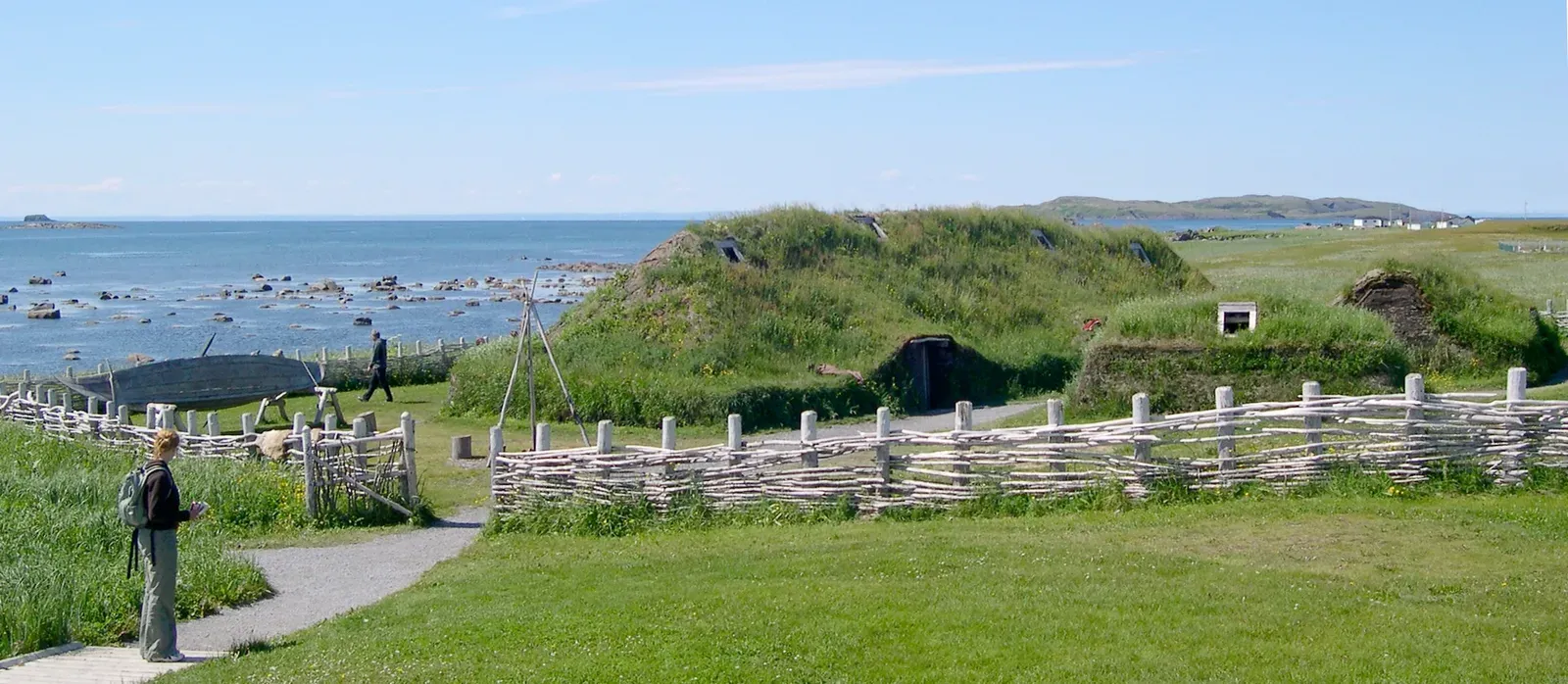
Norse sagas describe Vinland, a land west of Greenland where wild grapes grew and settlers briefly lived. Today there’s exactly one confirmed Norse site in North America, at L’Anse aux Meadows in Newfoundland. But early 20th-century antiquarians and local historians repeatedly claimed they’d found additional Norse “towns” or “cities” – stone foundations, strange mounds, artifacts supposedly proving far more extensive colonization. Most of those sites were surveyed once and never convincingly relocated again.
Here’s why that matters: before radiocarbon dating and rigorous methodology, some investigators essentially talked themselves into seeing cities that weren’t there. They marked locations vaguely, misread natural features, and labeled any odd object “Viking.” When later archaeologists returned with stricter standards, they couldn’t match those earlier claims to any urban-scale remains – and in several cases, the land had already been plowed, built over, or eroded away. Vinland itself is no longer mythical, but the “lost Norse cities” some enthusiasts once bragged of discovering fit the pattern exactly: found once in a single survey, unverified forever after.
Worth Knowing
- L’Anse aux Meadows remains the only archaeologically confirmed Norse site in North America
- Multiple other “Norse cities” were claimed in the early 1900s but never re-verified
- Modern radiocarbon dating debunked several of those earlier claimed discoveries
- Some of the disputed sites were later lost to plowing, construction, or erosion
#1 – The Fabled City of Z: One Man’s Discovery No One Can Recreate
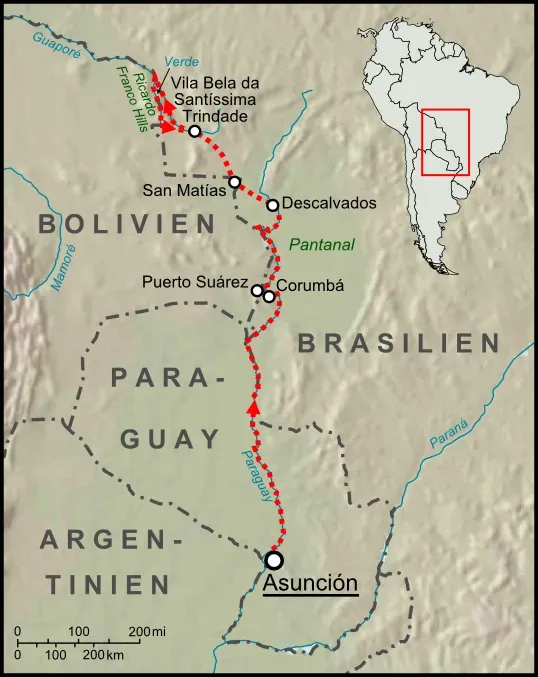
Topping this list is the so-called City of Z, famously pursued by British explorer Percy Fawcett in the early 20th century. Fawcett became convinced – based on a mysterious manuscript and secondhand indigenous reports – that a sophisticated city lay hidden deep in the Brazilian Amazon. He claimed to have already seen hints of advanced ruins on earlier expeditions and believed he was closing in on the exact spot. In 1925, he vanished trying to reach it, and no one has ever been able to retrace his exact route or confirm any city matching his description.
The twist is that modern archaeology has proven Fawcett both right and wrong at the same time. We now know large, complex pre-Columbian settlements really did exist across parts of the Amazon basin, complete with earthworks, streets, and managed fields. But nothing ever mapped corresponds cleanly to his secretive “coordinates.” Most specialists believe his City of Z was a blend of real indigenous history and his own mystical ambitions, tied to navigation notes that were either deliberately cryptic or simply wrong. Because he and his companions never returned, and because he guarded his maps obsessively, all we have are partial, secondhand reconstructions – not nearly precise enough to tie Z to any known ruin. Fawcett’s city stands as the purest case on this list: confidently “almost found,” then lost forever in a tangle of missing notebooks, ego, and sheer rainforest.
Why It Stands Out
- Fawcett vanished with his expedition party in 1925 and was never seen again
- He guarded his route notes so closely that no one could ever fully reconstruct them
- Later archaeology confirmed real advanced Amazonian settlements existed, just not at his claimed coordinates
- Unlike most cities on this list, Z was “lost” alongside the only man who claimed to know exactly where it was
The Bottom Line
Lost cities aren’t really about ruins swallowed by vines. They’re about human error, hype, and the uncomfortable gap between “I saw it” and “we can prove it.” Every city on this list was, at some point, confidently located – in maps, diaries, dispatches, or triumphant expedition reports. And every single time, once researchers came back with better tools and colder eyes, that same city refused to show up in the same place, in the same way, ever again.
That doesn’t make all of them fantasies. Real communities and real ruins clearly got distorted into legend more than once, and natural rock formations were promoted into “proof” out of greed or pride more times than archaeology likes to admit. My honest take: places like Quivira, the Honduran White City sites, and parts of the Paititi legend were probably grounded in real settlements that got mythologized past recognition – while Zerzura, Norumbega, and Ophir feel more like stories that grew legs long before anyone actually stood on the ground they described. Either way, the harshest truth in archaeology isn’t that these cities were fake. It’s that some discoveries are made exactly once, and no amount of satellite resolution will ever get you back there again.