#1 Alamotyrannus Specimen
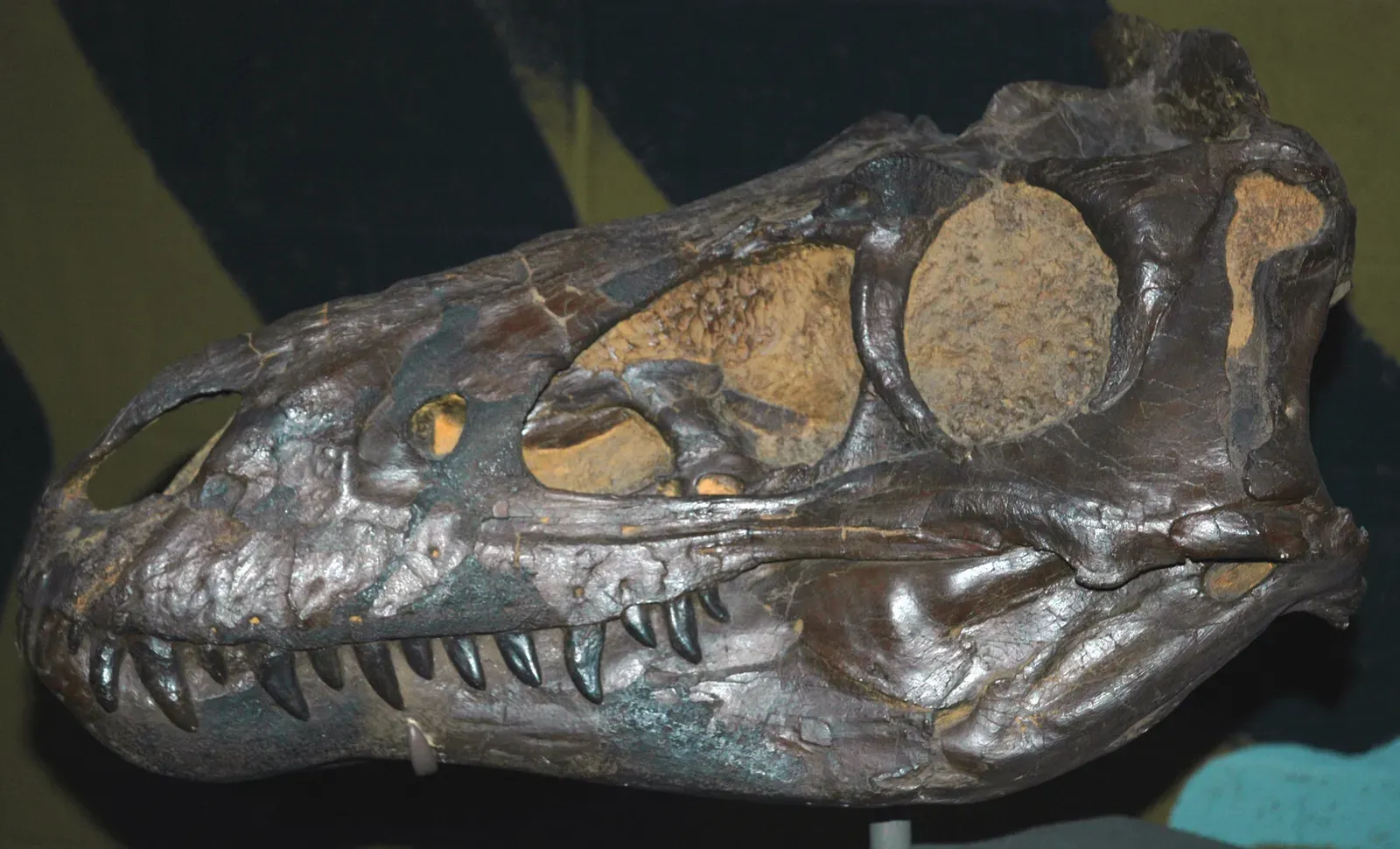
The Alamotyrannus bone fragments come from Late Cretaceous rocks in North America. Researchers noted tyrannosaur like features in the material but stopped short of a full description. The placeholder name has circulated in informal lists for years without ever receiving formal publication.
Curators keep the pieces in collections where they serve as reference material for future work. The bones show distinctive proportions that set them apart from known tyrannosaurids. No complete skeleton has surfaced to allow a proper diagnosis. Scientists continue to reference the material in passing when discussing regional diversity.
#2 Baguasaurus Vertebrae
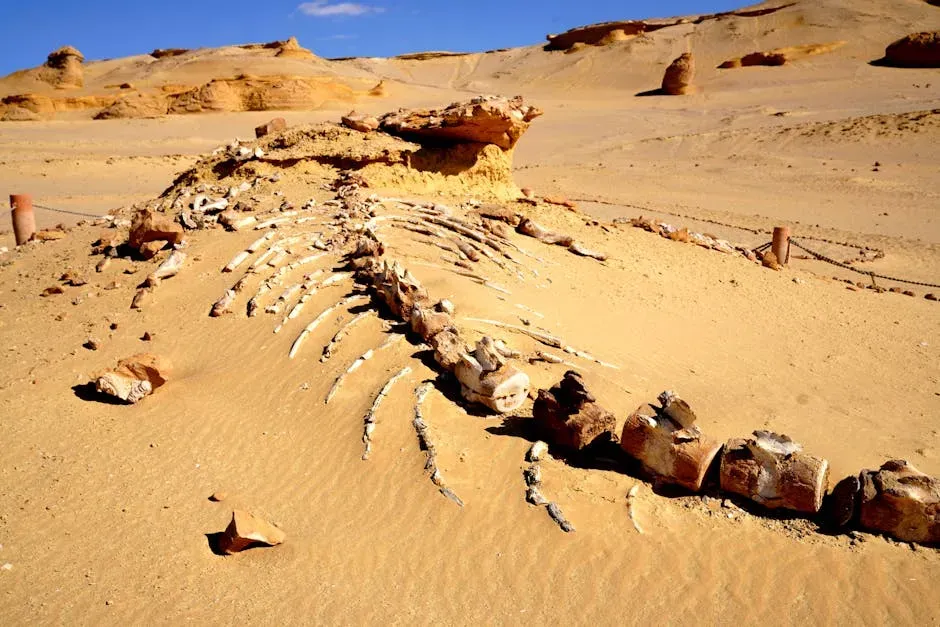
Baguasaurus vertebrae were recovered from Peruvian deposits of Campanian to Maastrichtian age. The caudal bones display sauropod characteristics yet remain undescribed in any peer reviewed paper. A proposed name appeared in a review of the formation but never advanced further.
Museum records list the specimens under their field numbers alone. The material hints at a lithostrotian sauropod but lacks the comparative analysis required for validation. Additional fieldwork in the same area could clarify whether more bones belong to the same animal. For now the vertebrae sit as a quiet reminder of work left unfinished.
#3 Bayosaurus Partial Skeleton
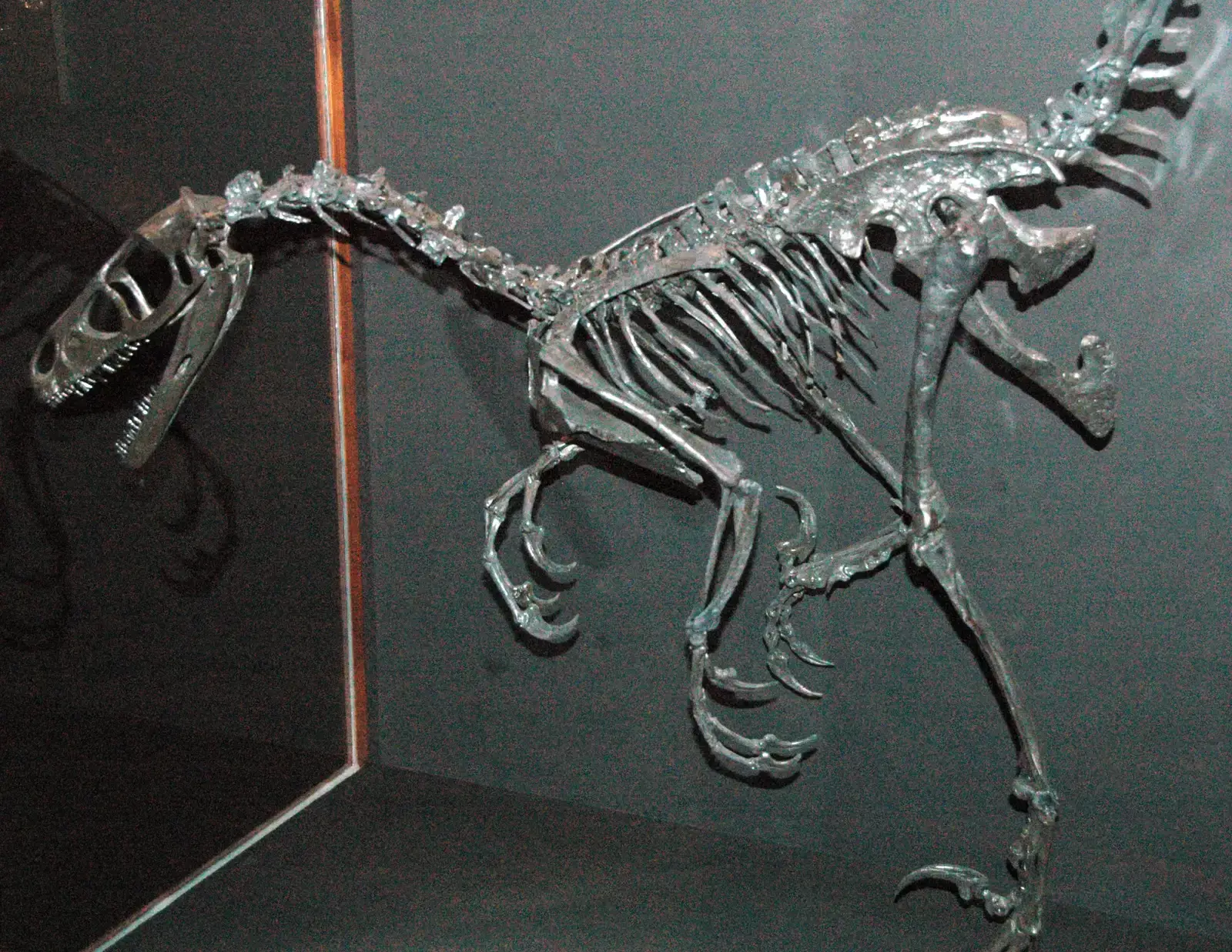
Bayosaurus material originates from Argentine strata of Turonian age. The theropod bones suggest an abelisauroid affinity yet no formal description has appeared. Paleontologists mentioned the name in a 2006 abstract without following through on publication.
The specimen measures roughly four meters in estimated length based on the preserved elements. Its placement in collections allows researchers to compare it against later discoveries from the same formation. The absence of a published account leaves open questions about its relationships to other South American theropods. Future preparation of associated rock might reveal more diagnostic traits.
#4 Changdusaurus Fossils
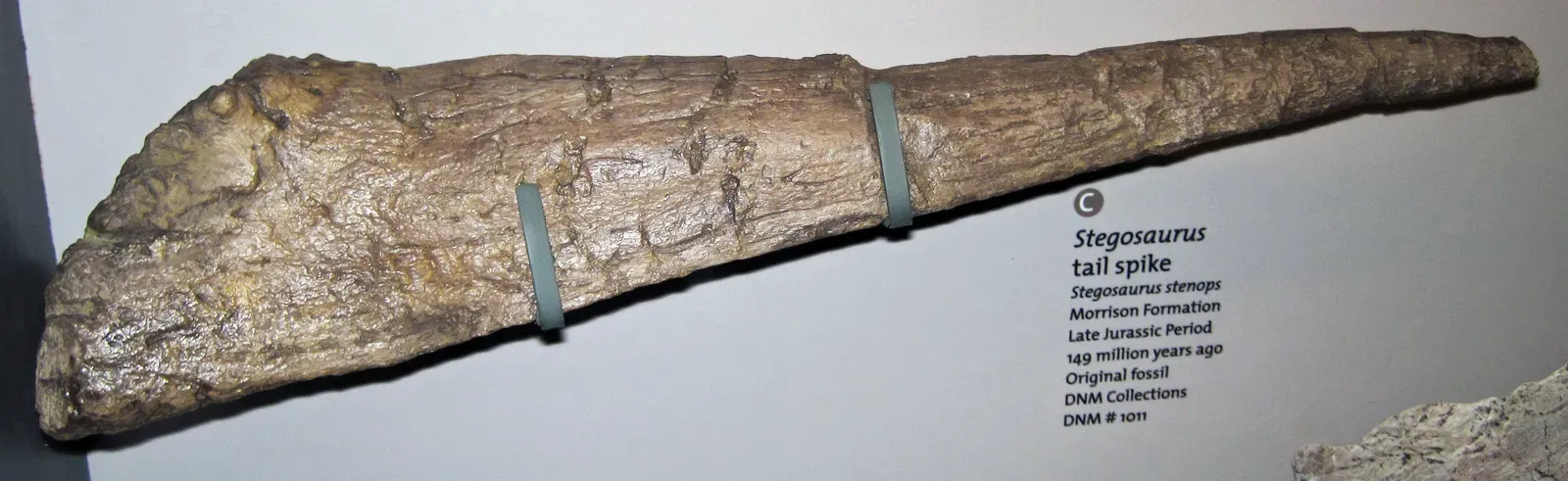
Changdusaurus remains were collected in China and assigned a stegosaurid identity in an early report. The name surfaced in 1983 but never received the detailed osteological treatment needed for acceptance. Some accounts suggest the original fossils have since been lost.
Even without the physical material the name lingers in lists of informally proposed taxa. The reported plates and vertebrae would have added to understanding of Asian stegosaur distribution. Researchers now rely on photographs or field notes when discussing the find. The case illustrates how easily important specimens can slip through the cracks of formal science.
#5 Clidastes Moorevillensis Jaw
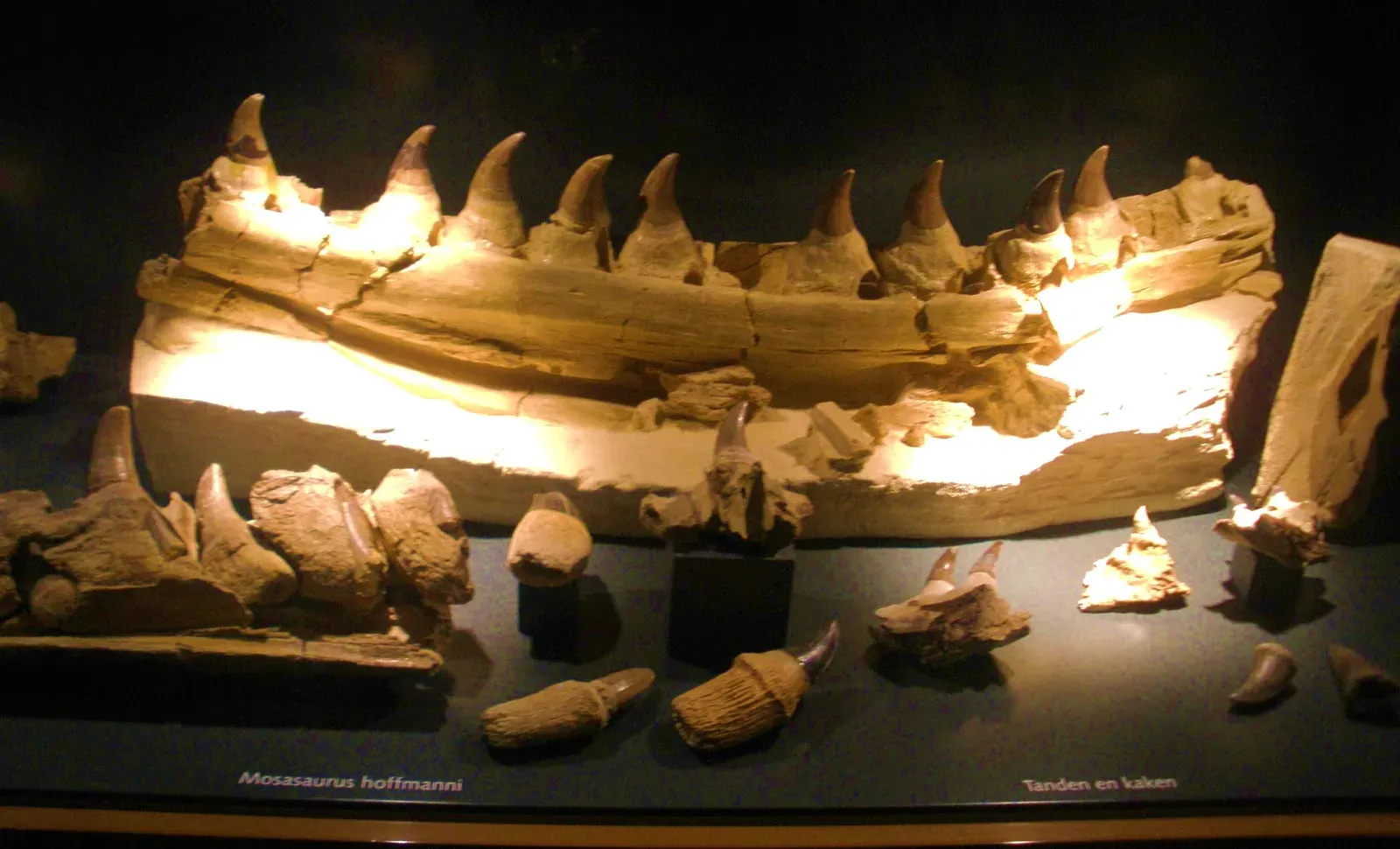
A mosasaur jaw fragment from Alabama carries the informal label Clidastes moorevillensis. The name first appeared in a 1975 thesis and never progressed to a published description. The bone shows features that overlap with known species yet also differ in subtle ways.
Collections staff maintain the specimen under its catalog number for reference. Comparisons with better known mosasaurs from the same formation remain limited. The jaw fragment could represent either a distinct species or variation within an existing one. Without further study its status stays unresolved.
#6 Nurosaurus Mounted Skeleton
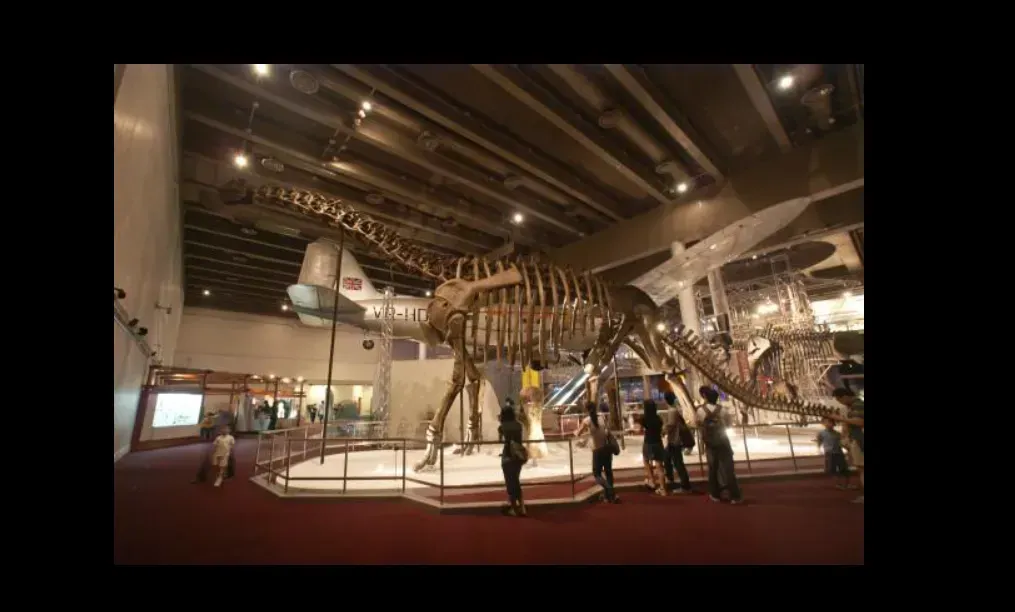
The Nurosaurus skeleton stands on display in an Inner Mongolian museum. The bones received an informal name years ago but lack any formal scientific account. The mount draws visitors while researchers note its uncertain affinities in private correspondence.
Elements of the skeleton suggest a sauropod yet diagnostic characters have not been fully evaluated in print. The display serves an educational role even as the scientific work lags behind. Additional preparation or CT scanning might clarify relationships to other Asian sauropods. The specimen remains a popular attraction despite its unresolved taxonomy.
#7 Westgardia Gigantea Slab
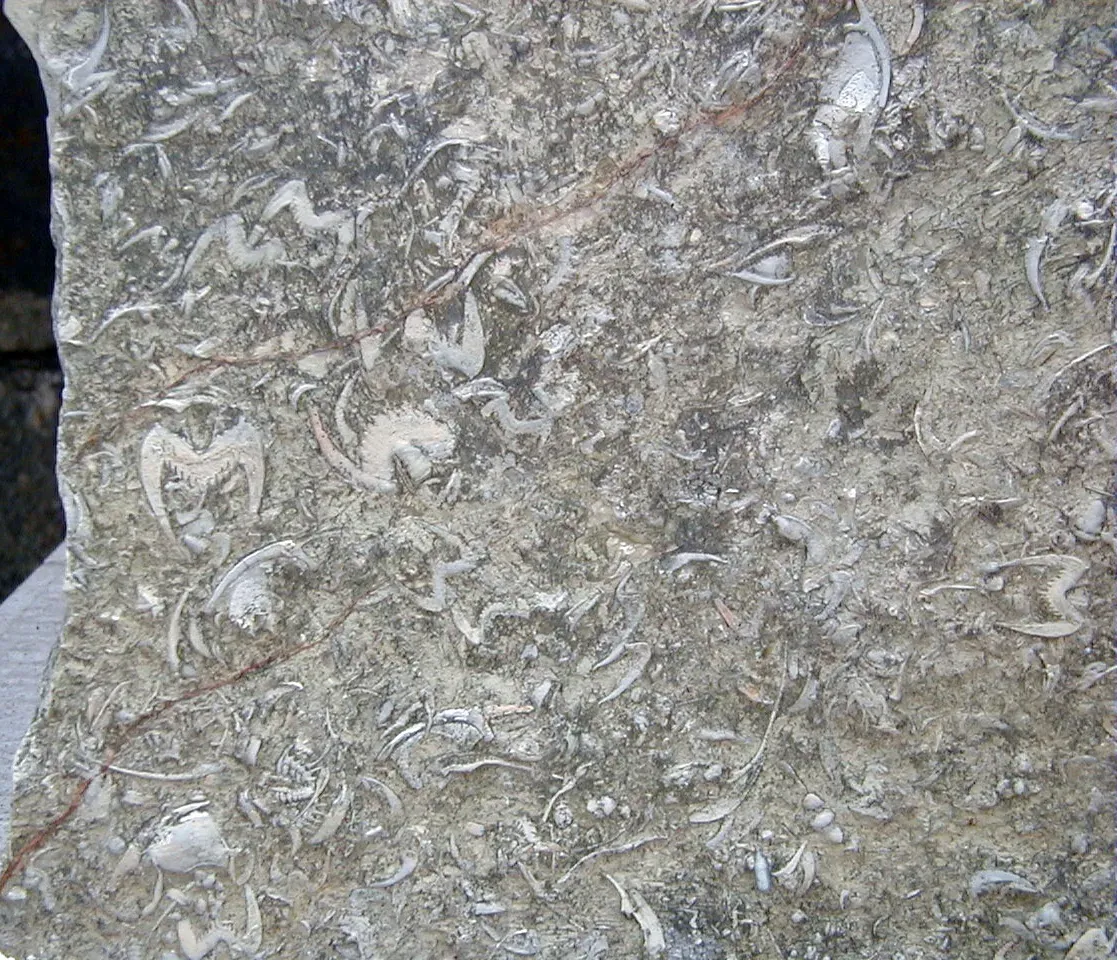
A single slab from Cambrian rocks in California preserves the enigmatic Westgardia gigantea. The fossil reaches six centimeters in length and shows a simple curved structure. No formal description has placed it within a known group of organisms.
Paleontologists have long listed it among problematica because its affinities remain unclear. The specimen sits in a collection where it occasionally draws attention during reviews of Cambrian diversity. Its size stands out among other fossils of similar age. Future finds from the same locality could help resolve its identity.
#8 Nectocaris Pteryx Early Specimen
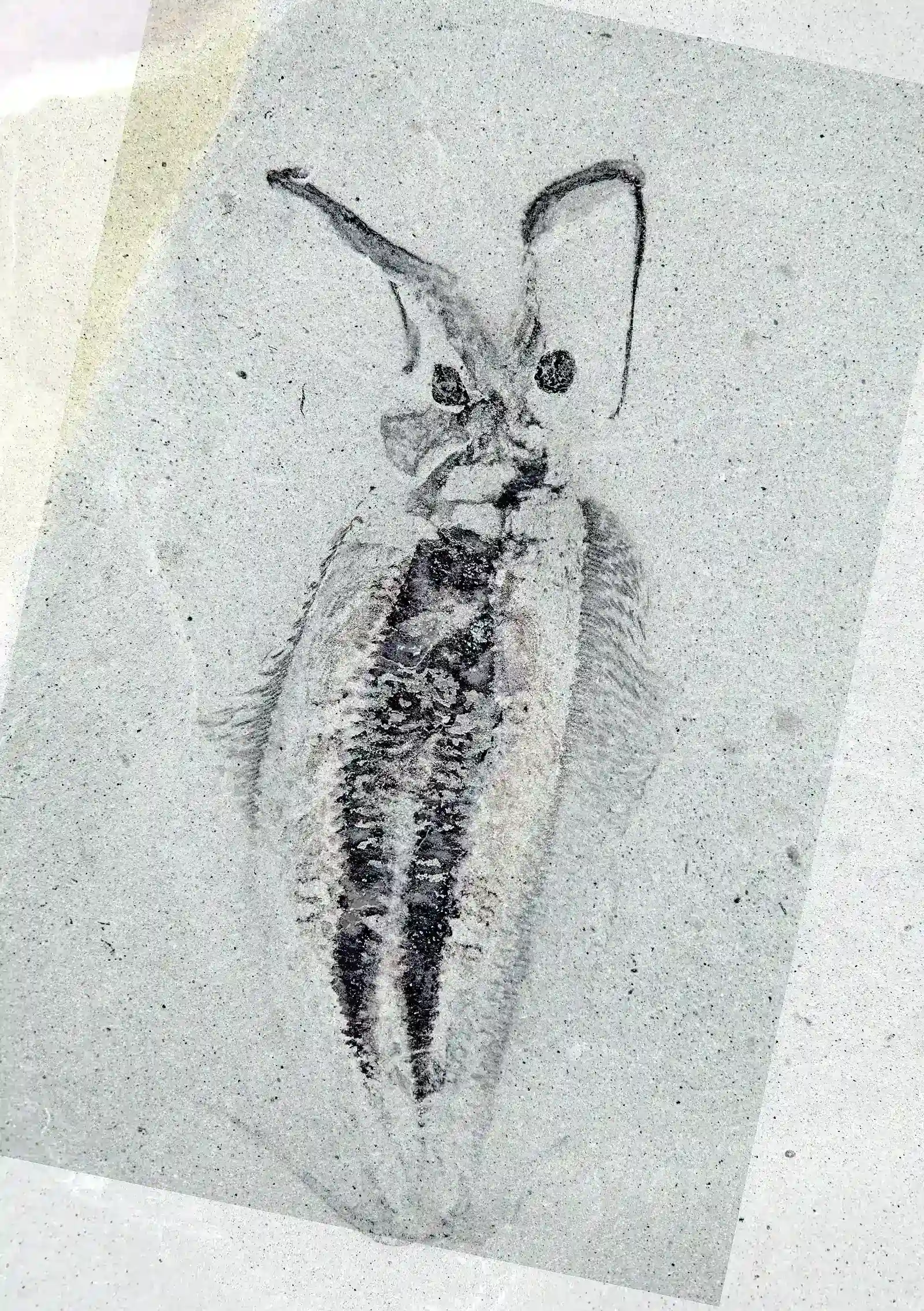
Early Nectocaris pteryx material came from Cambrian deposits across several continents. The initial single specimen puzzled researchers for decades before additional examples allowed a formal description. The early bone and soft tissue impressions stayed catalogued without a published name for years.
The animal resembles an armless cuttlefish with long tentacles and a funnel like structure. Museum drawers held the first find while debates continued about its placement among early mollusks or other groups. Later discoveries finally moved the taxon into formal literature. The original specimen now serves as a benchmark for understanding Cambrian experimentation.
#9 Giant Wombat Limb Bones
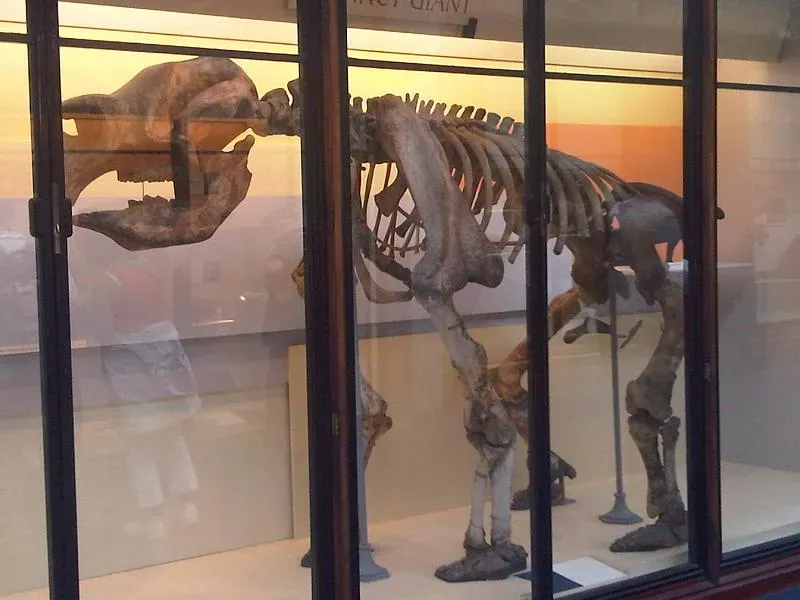
Large limb bones from an extinct Australian marsupial languished in a New York museum drawer for decades. Collected in the 1970s the material received no formal description until recent re examination. The bones belong to a bear sized wombat relative that lived around twenty five million years ago.
Researchers stumbled across the specimens while searching unrelated collections. The powerful claws and rodent like teeth distinguish the animal from living wombats. Publication finally placed the find in scientific context after the original collector passed away. The case shows how even substantial bones can wait generations for attention.
#10 Plesionectes Longicollum Skeleton
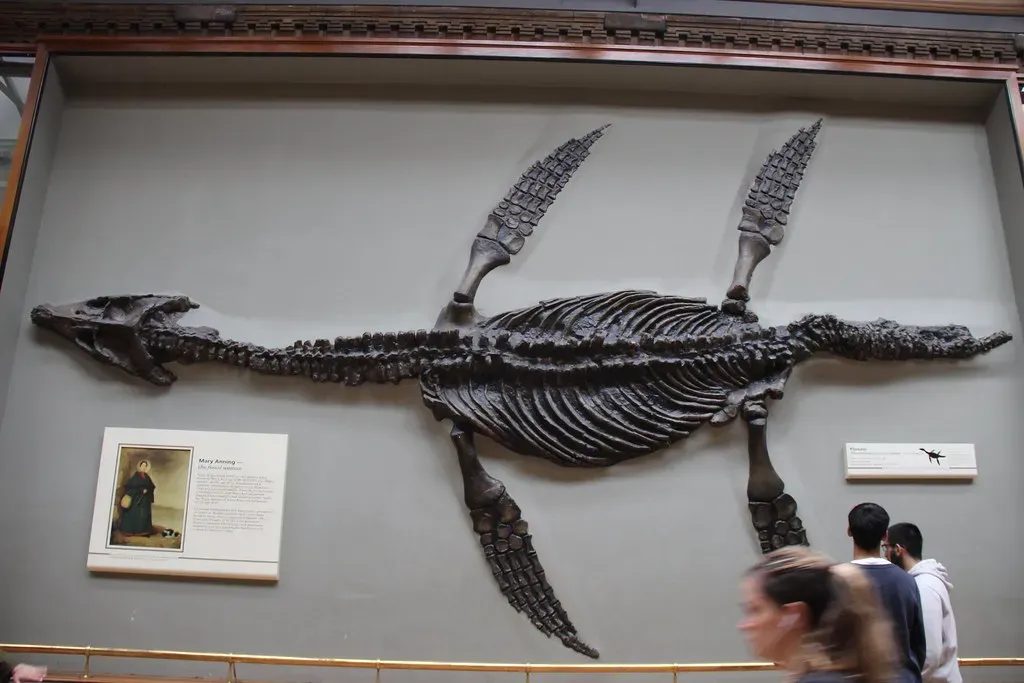
A plesiosaur skeleton collected in 1978 remained largely unstudied in a German museum for decades. The specimen carries the catalog number SMNS 51945 and preserves traces of soft tissue. Recent analysis revealed features that do not match any previously described species.
The long neck and unique bone proportions justified a new genus and species name in a 2025 paper. Before that work the skeleton sat among known plesiosaurs without close scrutiny. Juvenile status complicated earlier assessments yet stable traits supported separation. The find highlights the value of revisiting old collections with modern techniques.
#11 Antarctic Titanosaur Vertebra
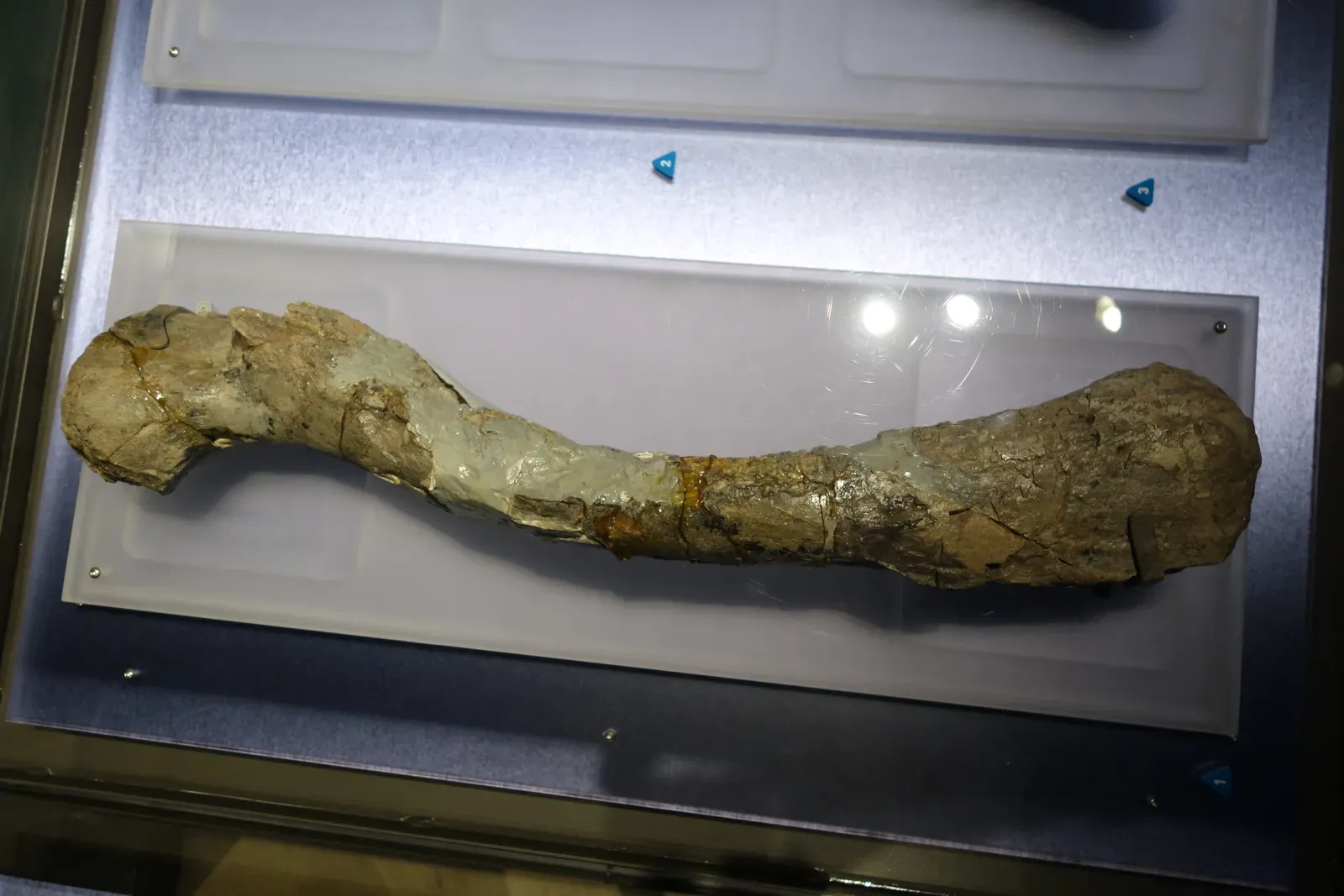
A single vertebra collected in Antarctica in 1985 sat unidentified in storage for nearly forty years. Field notes described it simply as a large reptile bone. Recent examination confirmed it as the first dinosaur fossil from the continent.
The tail vertebra dates to roughly eighty two million years ago and suggests a titanosaur. Its incomplete nature prevents species level identification. The bone now anchors discussions of sauropod dispersal across the southern continents. Decades of neglect gave way to recognition once curators revisited the archive.
#12 Japanese Mosasaur Skull Bones
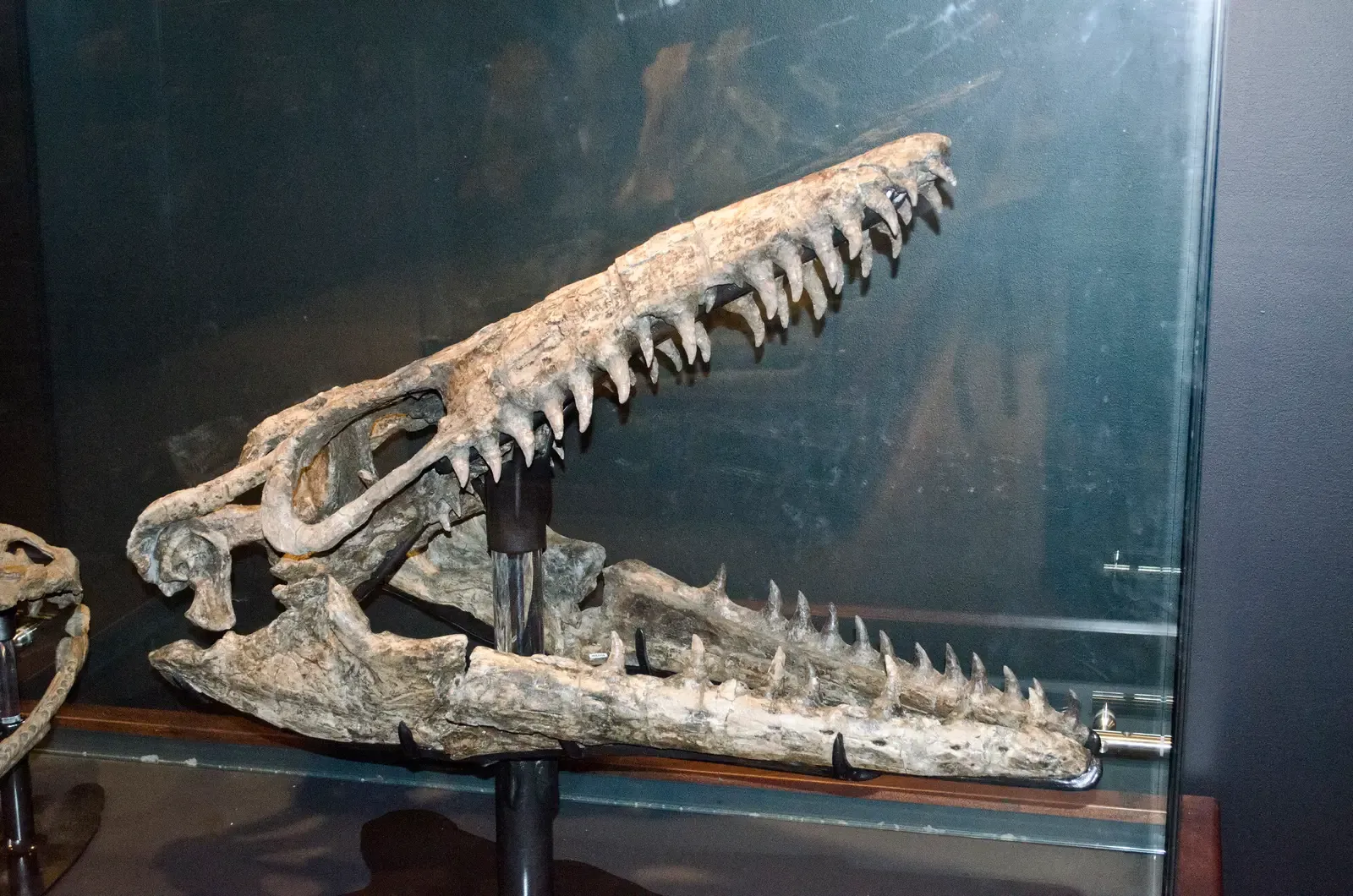
Four mosasaur bones collected in Japan between 1990 and 1992 remained unrecognized inside unprepared rock for over thirty years. The premaxilla and basisphenoid show unusual projections and groove patterns. These traits differ from known mosasaurs and raise the possibility of a new species.
The material came from Cretaceous deposits near Osaka. Researchers only recently prepared the surrounding matrix and identified the distinctive elements. The find marks the first confirmed premaxilla from a Japanese mosasaur. Ongoing study may lead to a formal description in the coming years.
#13 European Ichthyosaur Jaw Fragments
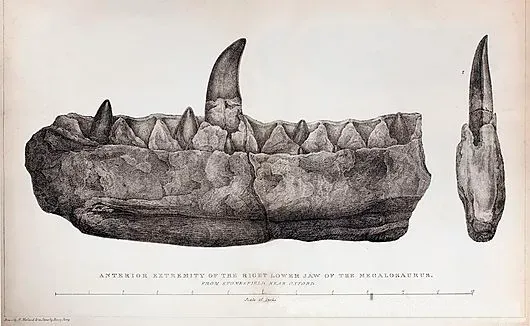
Large cylindrical bone fragments from Triassic sites across Europe puzzled scientists since the nineteenth century. Early reports suggested dinosaur origins yet microscopic structure points to giant ichthyosaur jaws. The pieces could represent animals reaching twenty five to thirty meters in length.
Collections in Britain France and Germany hold comparable specimens. Recent histological work matched the bone wall architecture to known ichthyosaur material. The fragments remain without a formal species name pending more complete finds. Their size alone makes them significant for understanding Triassic marine ecosystems.
#14 Spence Shale Tentalus Fossil
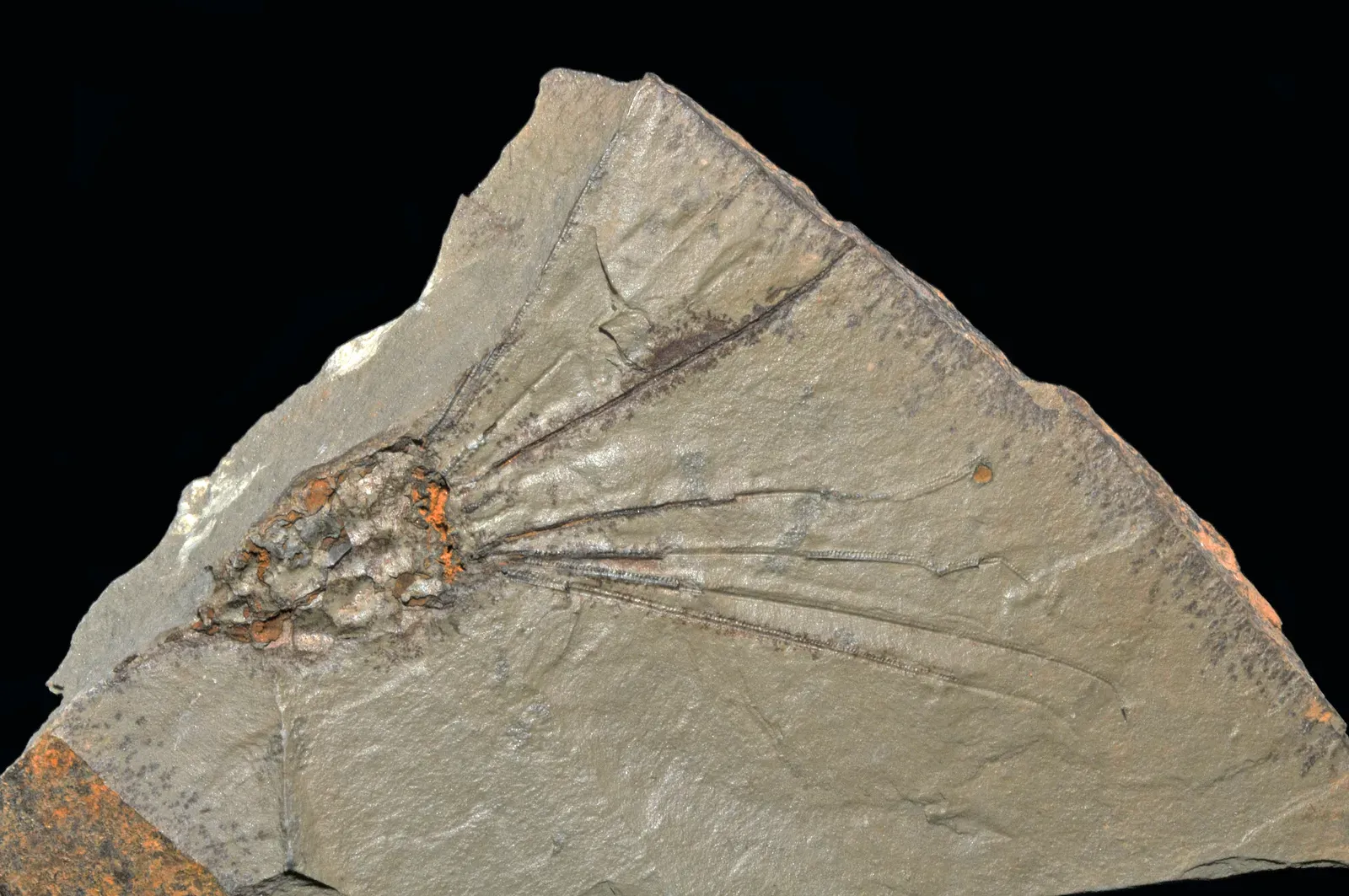
A single soft bodied fossil from the Cambrian Spence Shale of Utah carries the informal designation Tentalus spencensis. The specimen shows a crown of short tentacles and a stalk like attachment. It does not match any previously described Cambrian organism in detail.
Researchers proposed the name in a recent study after comparing it against other tentacle bearing fossils. The unique arrangement of features supports placement among dinomischids or early deuterostomes. The fossil adds to the known diversity of the Spence Shale biota. Its formal description finally moves the specimen from unknown status into the scientific record.
Final Reflections
These fourteen examples represent only a fraction of the bones and fossils that museums hold without formal names. Each one carries potential to reshape our understanding of ancient life once someone takes the time to study it properly. The pattern repeats across continents and eras.
Progress depends on funding preparation time and the willingness of researchers to tackle long neglected material. Some specimens may wait another generation. Others will yield their secrets sooner thanks to new technology and renewed interest. The catalog of the unknown continues to shrink one careful description at a time.