Picture a document that swears, in its own opening lines, that it was written by an emperor, an apostle, or a prophet who lived and died centuries earlier. Now picture historians reading that same document under a microscope and quietly concluding: not a chance. That gap – between what a text claims about itself and what the ink, grammar, and politics actually reveal – is one of the strangest open secrets in the study of history.
It’s not really about lying scribes in some cartoonish sense. It’s about churches, empires, and communities that needed the past to say something it never actually said – so someone wrote it for them, centuries later, in a borrowed voice. Some of these fakes shaped Christian doctrine. Others rewired the balance of power in medieval Europe. A few are still quoted today as if the ink were barely dry. Here are 21 of them, counted down, and the case scholars now openly make against each one.
#21 – The Donation of Constantine
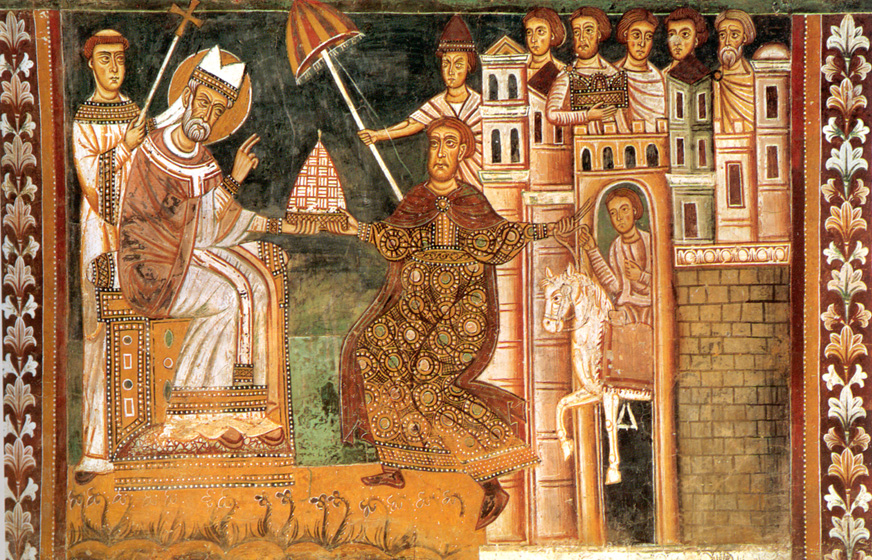
For nearly a thousand years, church officials treated the “Donation of Constantine” as untouchable proof: a fourth-century imperial charter in which the newly Christian Emperor Constantine handed the bishop of Rome not just spiritual authority, but real political control over huge stretches of the Western Roman Empire. On paper, it reads like the founding deed of the papacy’s political empire.
Then, in the 15th century, the humanist scholar Lorenzo Valla did something almost nobody had dared to do: he read it like a lawyer instead of a believer. He found feudal vocabulary and administrative details that belonged to the 8th century, not the 4th, and Latin no Roman emperor would have recognized. Historians now date the Donation to roughly 750–800 CE, forged to boost papal claims against rival rulers – a fake that quietly steered European politics for seven centuries before anyone said so out loud.
Fast Facts
- Written in the eighth century, it was allegedly a fourth-century document by which the Emperor Constatine the Great gave extensive privileges and property to Pope Sylvester I.
- In 1440, Lorenzo Valla (age 40) proved the Donation was fake by analyzing Latin vocabulary, grammar, and anachronisms.
- Valla noted terms like “fief” and “satrap” didn’t exist in 4th-century Latin.
- It was cited by no less than ten Popes of whom we know… in contentions for the recognition of papal control.
#20 – The False Decretals of Isidore
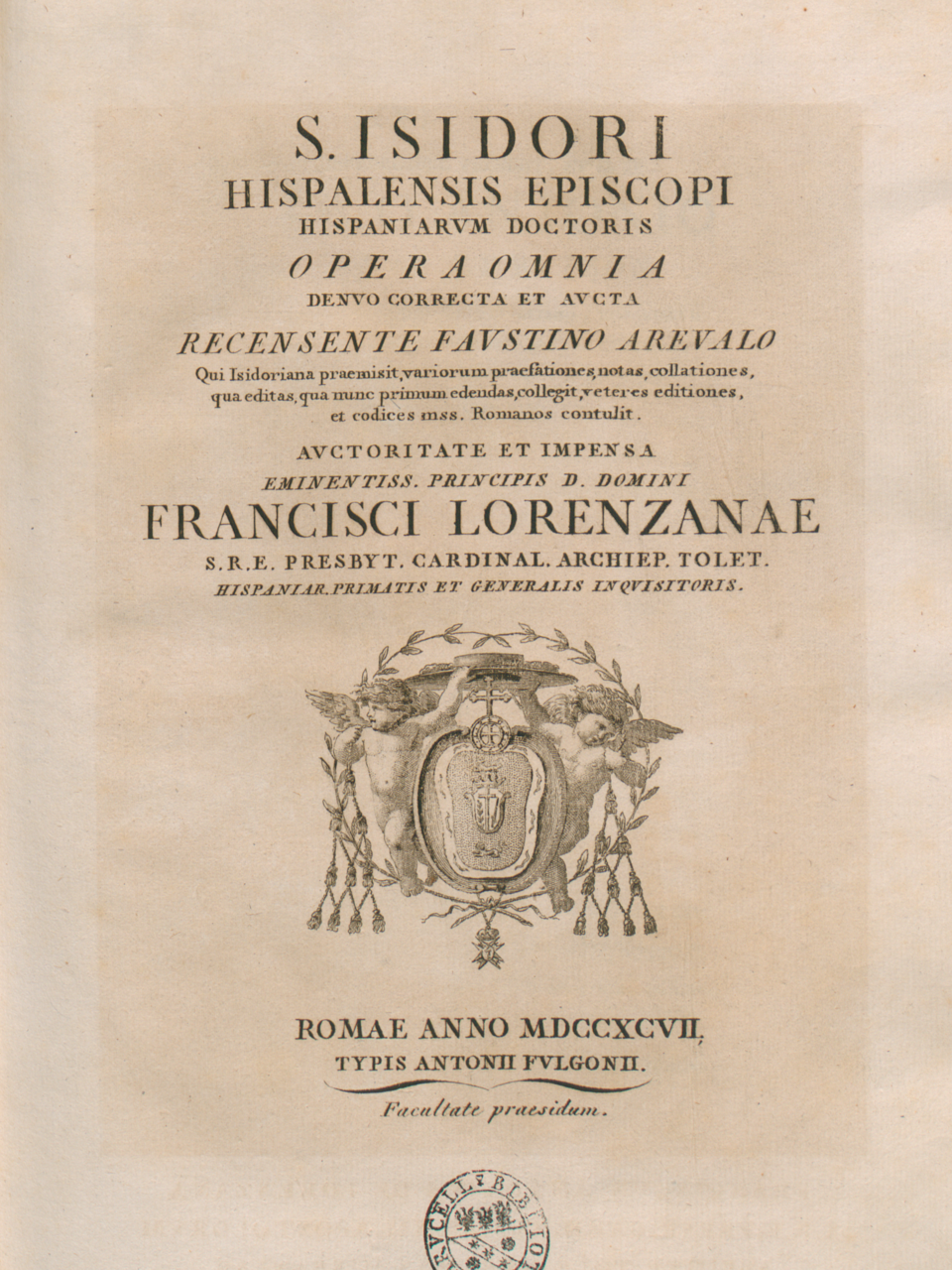
Almost nobody outside a seminary library has heard of the “Isidorian Decretals,” yet these letters quietly rewrote the rulebook of medieval Christianity. They present themselves as genuine papal rulings and church council decisions dating back to the second, third, and fourth centuries, supposedly gathered by the respected bishop Isidore of Seville.
They weren’t. Scholars now trace them to the ninth century, forged somewhere in the Frankish world by someone with a very specific goal: giving bishops – and especially the pope – a legal weapon against meddling kings and local nobles. The anachronistic legal reasoning and telltale borrowings from later texts give it away instantly to anyone trained to spot them. For centuries, real canon law was built on a document that was, in essence, ninth-century political fan fiction wearing an ancient bishop’s name.
#19 – The Acts of Pilate (Gospel of Nicodemus)
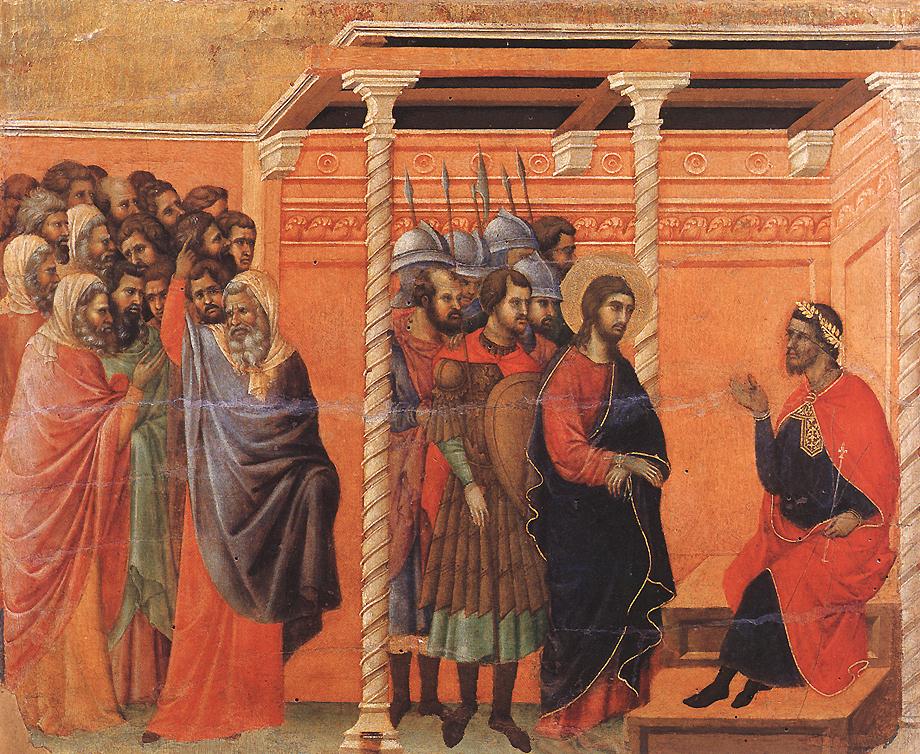
The “Acts of Pilate,” bundled today into the Gospel of Nicodemus, poses as an actual Roman court record from Pontius Pilate’s own governorship – a first-century eyewitness account of Jesus’s trial, his descent into the underworld, and the chaos after the resurrection. It reads like found footage from the crime scene of Christianity’s central event.
Textual historians place it no earlier than the fourth century, and some sections likely later still. The Greek style, the developed theology, and its obvious reliance on Gospel traditions that took generations to mature all point away from an eyewitness hand. It’s a beautifully imagined “official dossier” – just one written centuries after Pilate was dust, that still shaped Christian art and folklore about hell and Easter Saturday for 1,600 years.
#18 – The Gospel of Thomas, As We Actually Have It
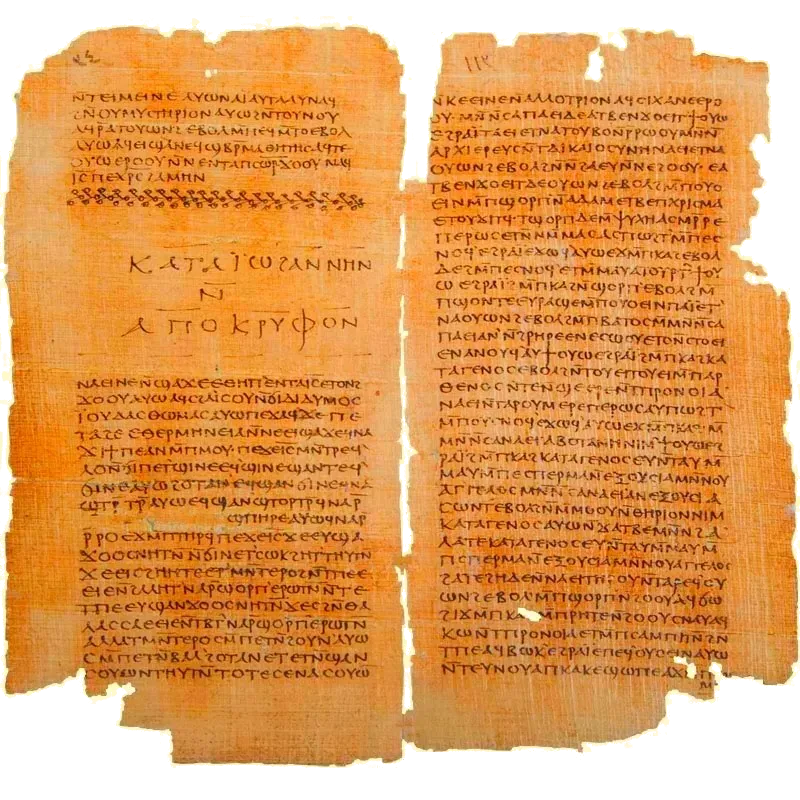
Online, the Gospel of Thomas gets marketed as the ultimate suppressed secret: a first-century sayings-gospel from “Didymos Judas Thomas,” a disciple who supposedly stood shoulder to shoulder with Jesus. If that were true, it would be an independent, nearly contemporaneous window into what Jesus actually said.
The Coptic manuscript we actually possess, found at Nag Hammadi, is dated by most scholars to the second century, built from earlier material but shaped by theological debates and Gnostic ideas that took decades to develop. That makes Thomas a creative, later re-framing of Jesus’s voice – not a stenographer’s notebook from the year 30. Whether that makes it less sacred or more fascinating depends entirely on what you were hoping to find in it.
#17 – The Pastoral Epistles, Sold as Paul’s Own Words
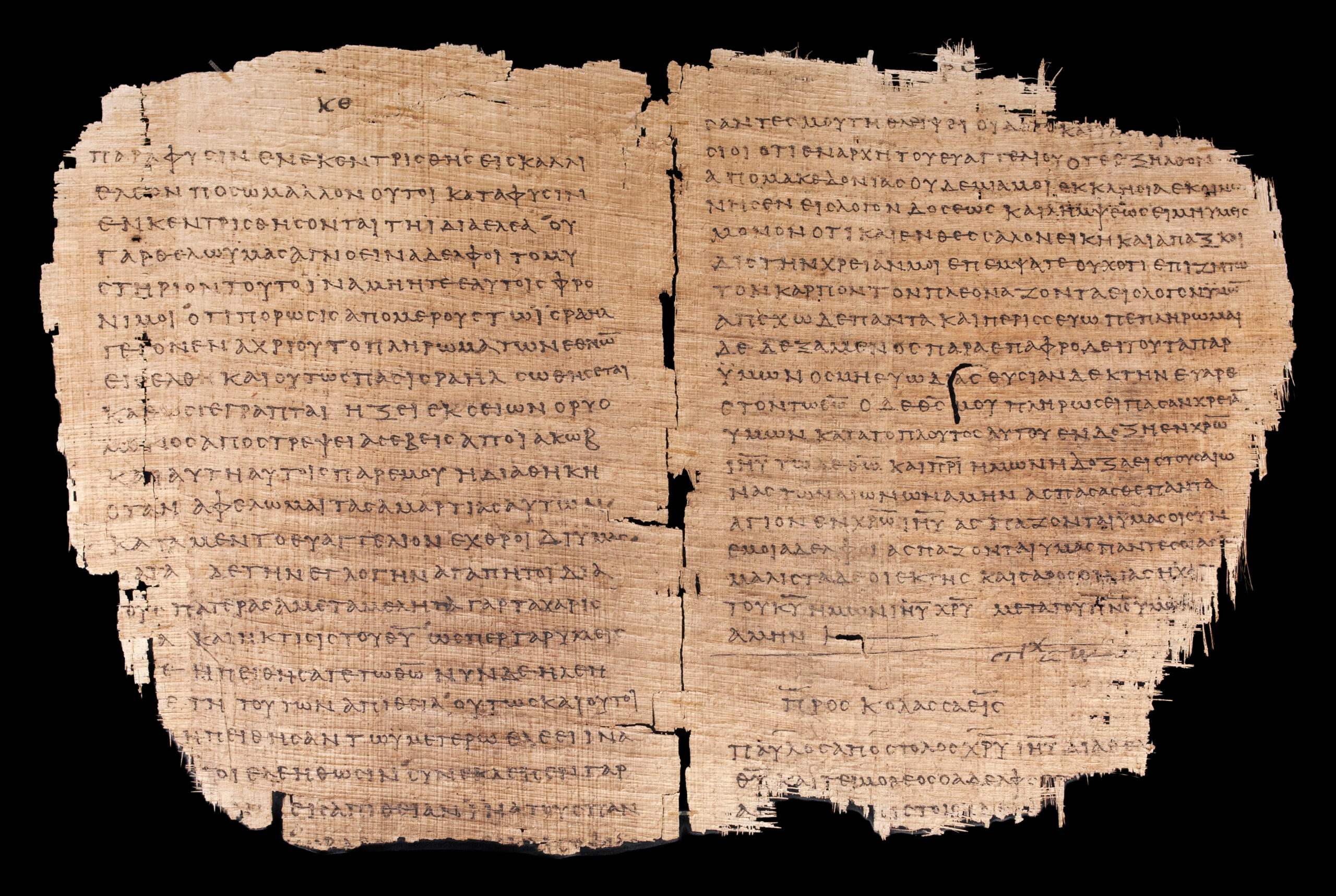
Open almost any Bible and 1 Timothy, 2 Timothy, and Titus are introduced as genuine letters from Paul, written in the 50s and 60s CE, complete with tender personal instructions to younger colleagues and what read like his literal last words. Millions of readers still take that framing at face value.
Critical scholars – plenty of them devout – have spent decades pointing out that the vocabulary, church structure, and theology feel a full generation too advanced for Paul’s actual lifetime. These letters assume settled church offices and standardized teaching that fit the early second century far better than the 50s. The mainstream conclusion: a follower wrote them in Paul’s name, 40 to 70 years after Paul died, presenting fresh instructions as if they were the founder’s own farewell speech.
#16 – The Acts of Peter’s Upside-Down Crucifixion Scene
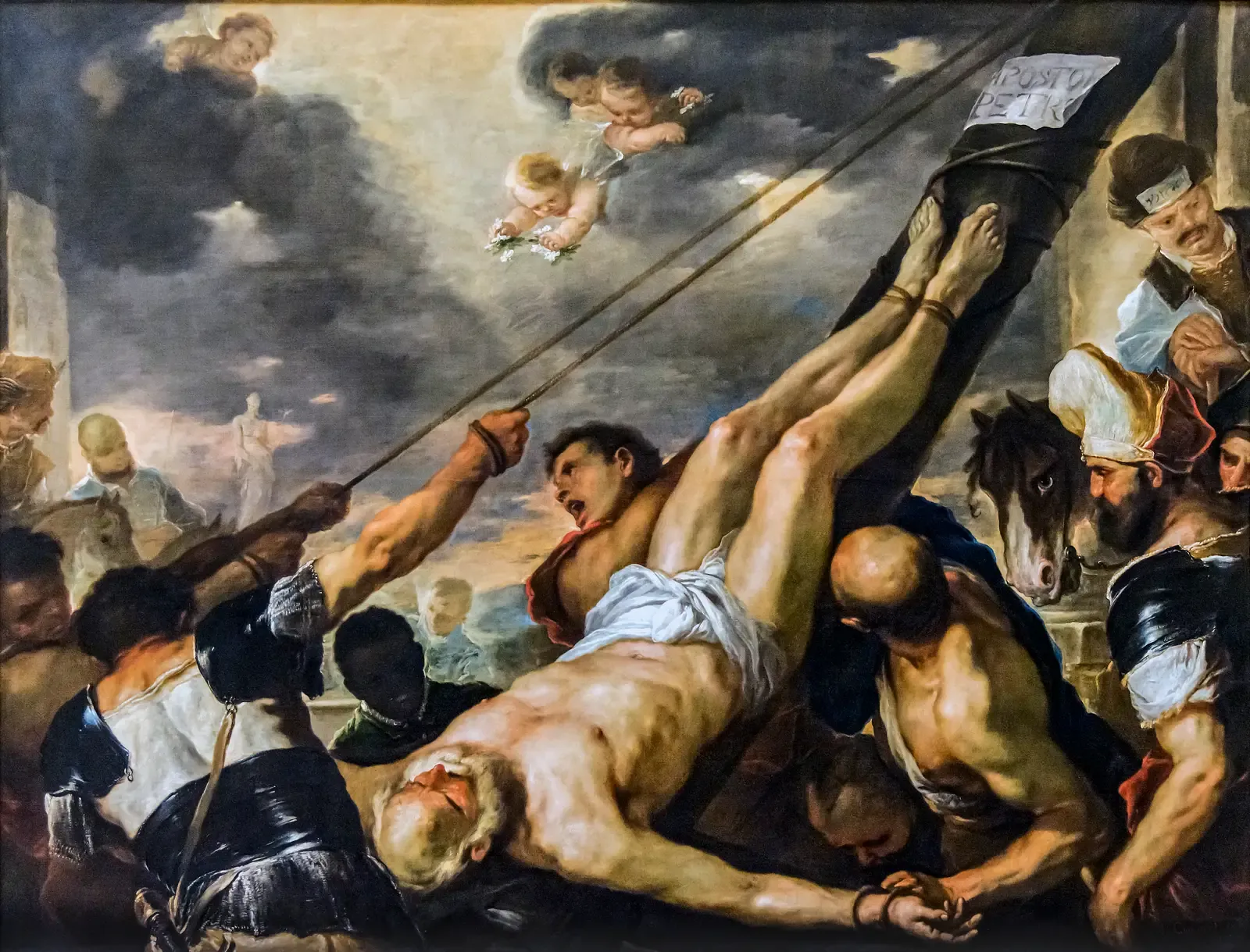
The Acts of Peter gets treated as the quirky cousin of the canonical Acts of the Apostles, staging Peter’s showdown with the sorcerer Simon Magus and the now-iconic scene of Peter being crucified upside down. The narrative frames these as events unfolding right after Pentecost, in the thick of the earliest Christian mission.
Manuscript evidence tells a different story: most scholars place its composition around 150–180 CE, a full century-plus after Peter’s actual death. Its theology and its running argument with rival Gnostic groups belong squarely to that later era. It’s a retroactive legend, built once Peter had already become a towering symbol – yet churches, films, and sermons still stage his upside-down death as though it were a contemporary news report.
#15 – The Letter of Aristeas and the “Miracle” Translation
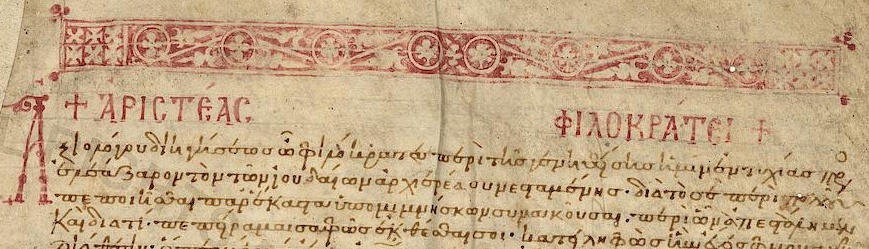
The Letter of Aristeas presents itself as a real memo from a Hellenistic courtier who claims to have watched 72 Jewish scholars translate the Hebrew Bible into Greek in Alexandria – producing, astonishingly, 72 identical translations. For centuries, Jews and Christians alike repeated the story as if Aristeas had literally been in the room.
Modern scholarship dates the actual composition to the second or early first century BCE – crucially, after the Septuagint was already in wide circulation and needed a legitimizing origin story. The letter isn’t a live report at all; it’s a later myth designed to wrap the Greek Bible in royal approval and miraculous unanimity. It sells itself as a birth announcement, when it’s really a marketing brochure written generations after the birth.
#14 – The Sumerian King List’s “Ancient” Timeline
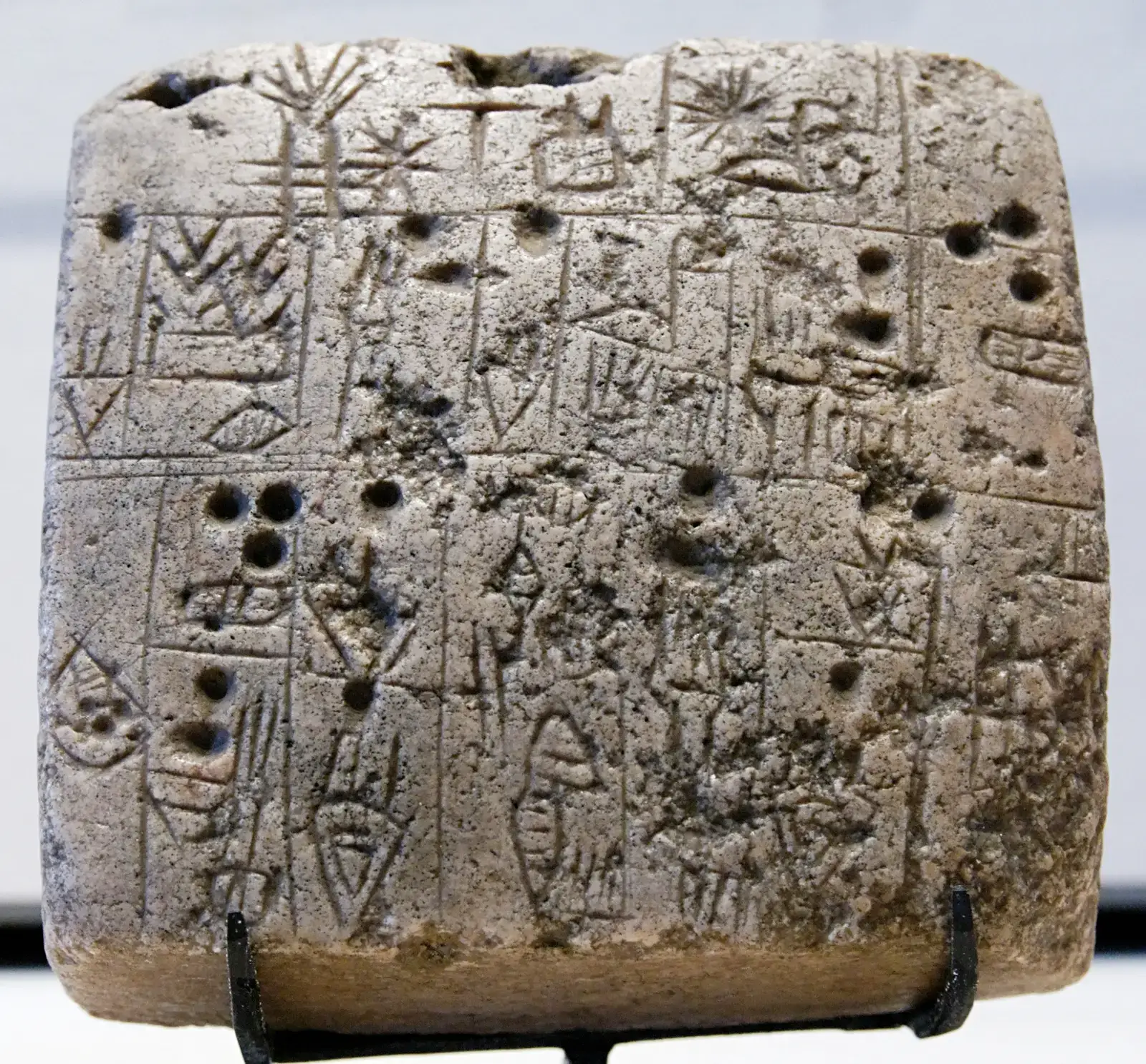
The Sumerian King List reads like the ultimate deep-time document: kings and dynasties stretching back before a great flood, some reigning for tens of thousands of years, as if the tablets themselves came straight from antediluvian scribes. Popular histories often treat it as a direct product of early Sumer, around 3000 BCE.
It isn’t, at least not in the form everyone quotes. Philologists date the “standard” version to the early second millennium BCE, when Old Babylonian editors stitched together older, scattered fragments into one continuous story – one designed to prove that legitimate kingship belonged to a specific city. The absurd ages and primeval kings are part of that later editorial spin, meaning the document that pretends to be timeless memory is really carefully staged ancient propaganda.
Worth Knowing
- The list claims dynasties reigning before a catastrophic flood, with some kings ruling for tens of thousands of years.
- Popular retellings often place its origin around 3000 BCE, at the dawn of Sumerian civilization.
- The “standard” surviving version was actually assembled far later, in the early second millennium BCE.
- Its real purpose wasn’t record-keeping – it was building a legal case for one city’s claim to kingship over its rivals.
#13 – 1 Enoch’s Impossible Antediluvian Author
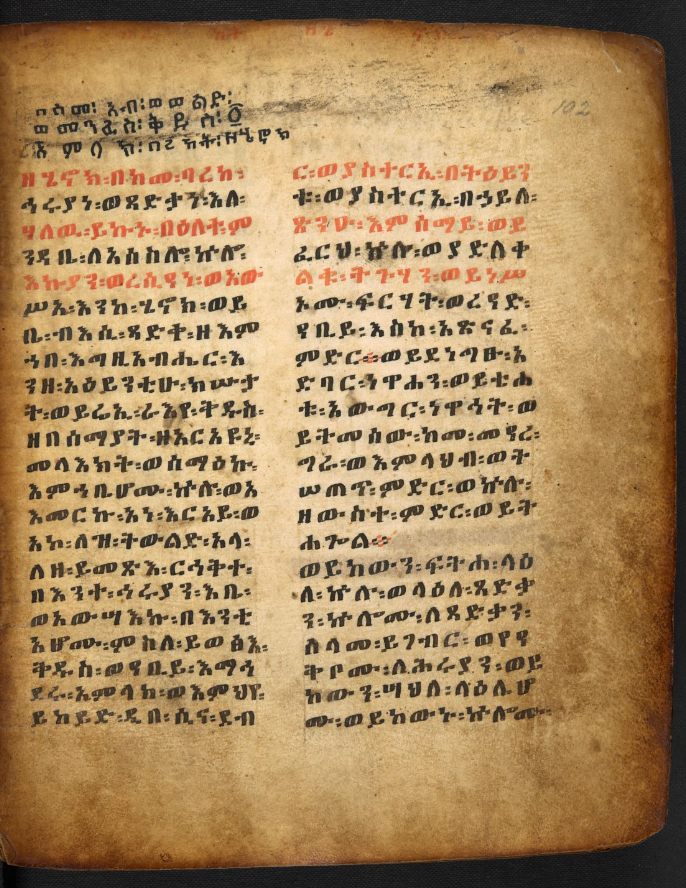
Books like 1 Enoch claim to record secret visions given to Enoch, the biblical patriarch who, according to Genesis, lived generations before Noah’s flood. Fringe corners of the internet still describe it as older than nearly anything else on Earth, written down before the ark was even built.
The manuscripts disagree. Scholars date the core sections of 1 Enoch to the third and second centuries BCE, with additions creeping in as late as the first century BCE. The language, the political anxieties about corrupt elites, and the obsession with cosmic judgment all mirror the turbulence of Hellenistic-era Judea – not some primordial world. The Enoch persona is really a Second Temple author borrowing a name over a thousand years older than he was.
#12 – The Sibylline Oracles’ Suspiciously Accurate Predictions
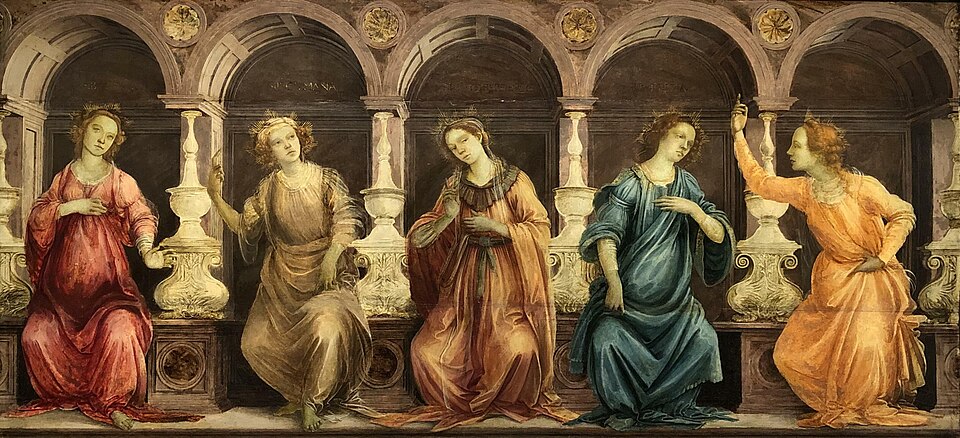
The Sibylline Oracles claim to channel a legendary pagan prophetess speaking across the centuries – and in their Christianized form, they appear to predict Christ, the cross, and the rise of the church with eerie precision. Early Christian apologists loved quoting them as proof that even pagan oracles saw Jesus coming.
Modern philology reveals the trick: the Oracles are a multi-layered patchwork of Jewish and Christian writing composed from roughly the second century BCE to the sixth century CE. Most of the “predictions” about Rome, emperors, and Christ are textbook vaticinia ex eventu – prophecies written after the events they describe, then backdated onto the Sibyl’s ancient voice. It’s less a mystical prediction and more a very confident history lesson wearing a prophet’s robe.
#11 – The Letters of Phalaris and the Scholar Who Exposed Them
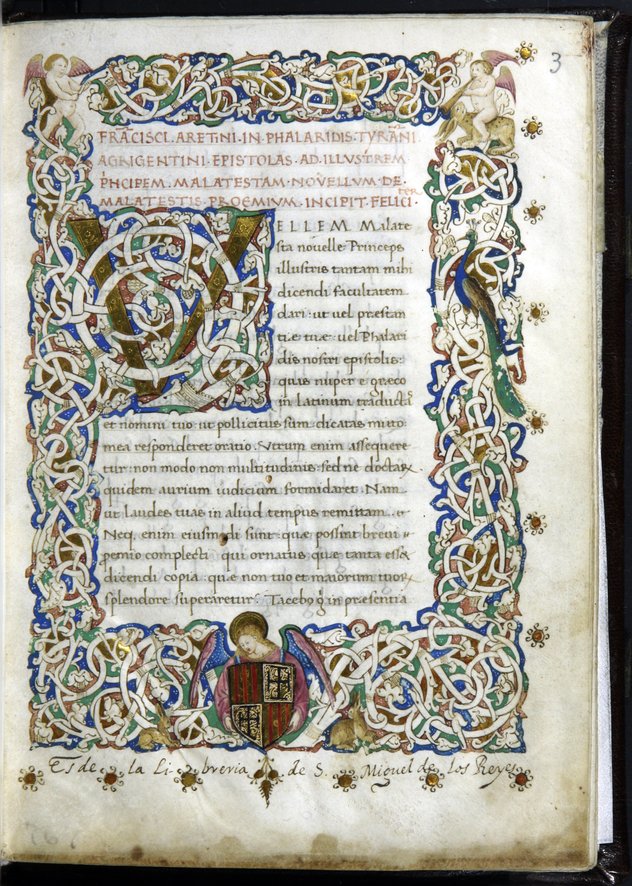
Renaissance readers treated the Letters of Phalaris as genuine correspondence from a notoriously cruel 6th-century BCE tyrant of Sicily. Humanists debated the letters’ harsh morality as though they were reading the tyrant’s actual private thoughts, written in a voice that never once hinted it belonged to a later century.
That illusion collapsed thanks to English classicist Richard Bentley, whose forensic study of the letters’ language and references proved they matched the Hellenistic or Roman era – centuries after Phalaris was dead. Today they’re dated to the first century BCE or later: polished literary fan fiction dressed as archaic correspondence. That such careful fakery fooled Europe’s sharpest readers for generations is a warning worth remembering.
#10 – The “Prophecies” of Pseudo-Methodius
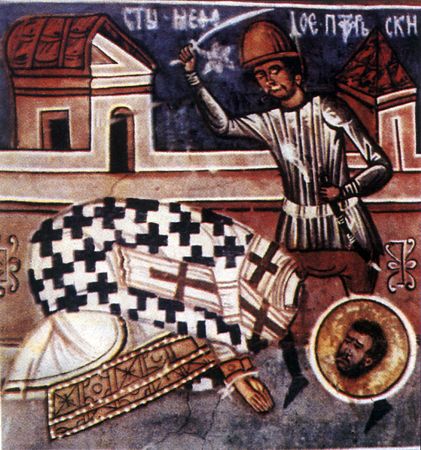
The Apocalypse of Pseudo-Methodius claims to be the work of a third-century bishop and martyr, laying out a sweeping vision of world history that ends with terrifying enemies and a final Christian emperor. Medieval readers treated it as close to scripture, a genuine window into deep prophetic time.
Historians now date it to the late seventh century, written during or right after the early Islamic conquests. Its “predictions” line up far too neatly with real events already happening – references to invading “Ishmaelites” mirror the actual panic of Eastern Christians facing new Muslim rule. A text claiming third-century sainthood is really a several-hundred-years-later reaction to a live political crisis, dressed up as ancient foresight.
#9 – The “Prophecy of the Popes” Attributed to St. Malachy
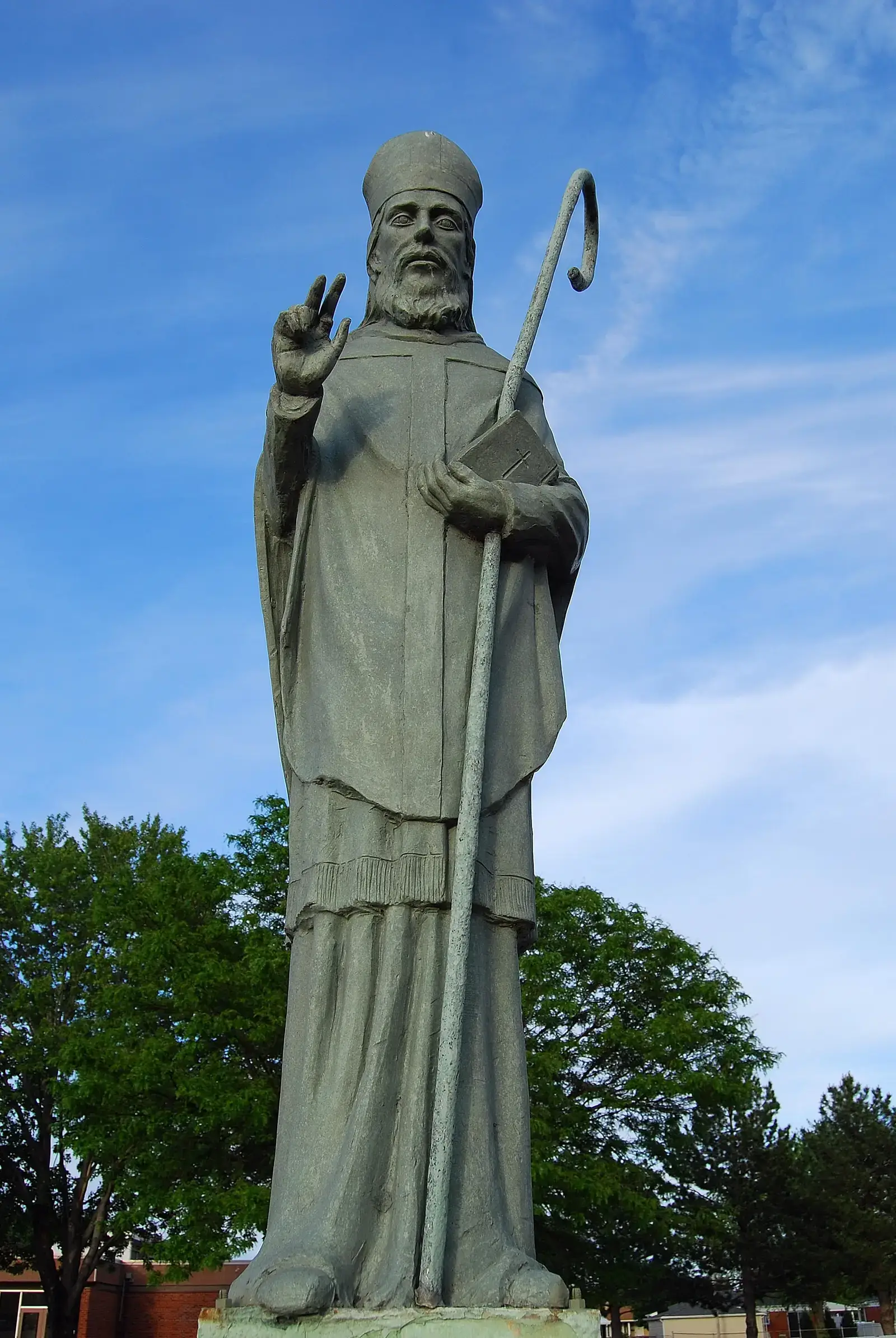
Catholic prophecy circles love the “Prophecy of the Popes” – a set of cryptic Latin mottos supposedly handed to a 12th-century Irish bishop, matching every future pope in eerie detail, allegedly hidden away for centuries before its 16th-century reveal.
Historians note the giveaway pattern immediately: the mottos match popes from the 1100s through the mid-1500s with uncanny, specific accuracy – then turn vague and strained for everyone after. That’s the fingerprint of a list written right around 1590, after most of its “predictions” had already happened. Even Catholic scholars who fully believe in prophecy generally admit this one reads suspiciously like it was written backward.
Quick Compare
- Claimed origin: St. Malachy was summoned to Rome in 1139 by Pope Innocent II, and while there, he experienced a vision of future popes.
- First surfaces in print: The alleged prophecies were first published by Benedictine monk Fra Arnold de Wyon in 1595, who attributes the prophecies to Saint Malachy.
- Popes before ~1590: mottos line up with startling, specific accuracy.
- Popes after ~1590: the same mottos turn vague, strained, and hard to match – exactly where a forger’s foresight would run out.
#8 – Augustus’s Res Gestae, Rewritten by Later Emperors
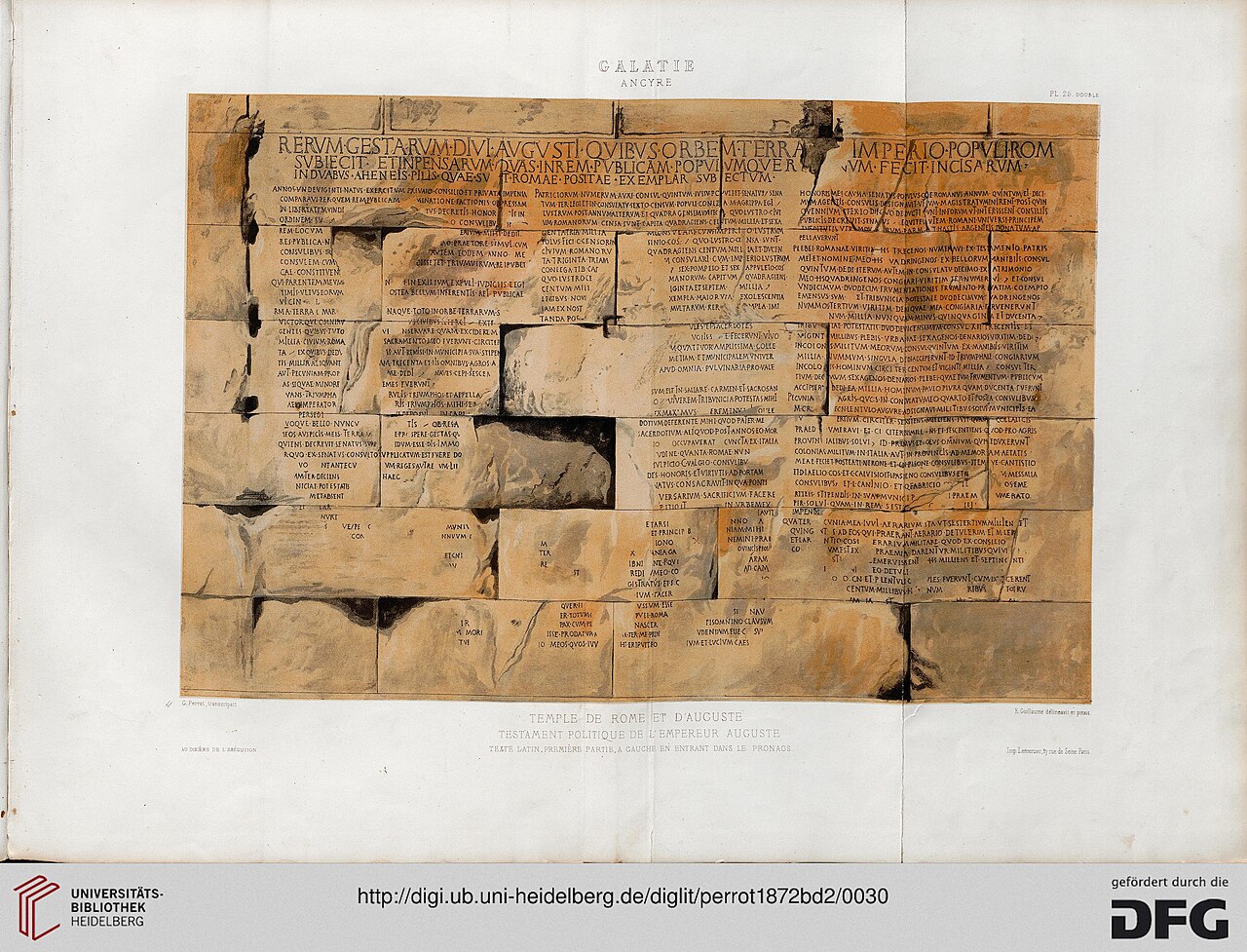
The Res Gestae Divi Augusti presents itself as Rome’s first emperor speaking in his own voice, listing his life’s achievements shortly before his death. The original bronze tablets in Rome are gone, but provincial copies survive, most famously carved into stone in Ankara, still speaking as Augustus in the first person.
Here’s the catch: those surviving copies were installed years, sometimes decades, after Augustus died, by later emperors with strong motives to keep his legend polished and useful. Stylistic clues show these aren’t neutral copies but carefully mediated editions with local tweaks, produced to legitimize whoever was currently in charge. The “Augustus” you’re reading on that Turkish hillside is partly a later regime’s ventriloquism act.
#7 – The Fake Friendship of Seneca and Paul
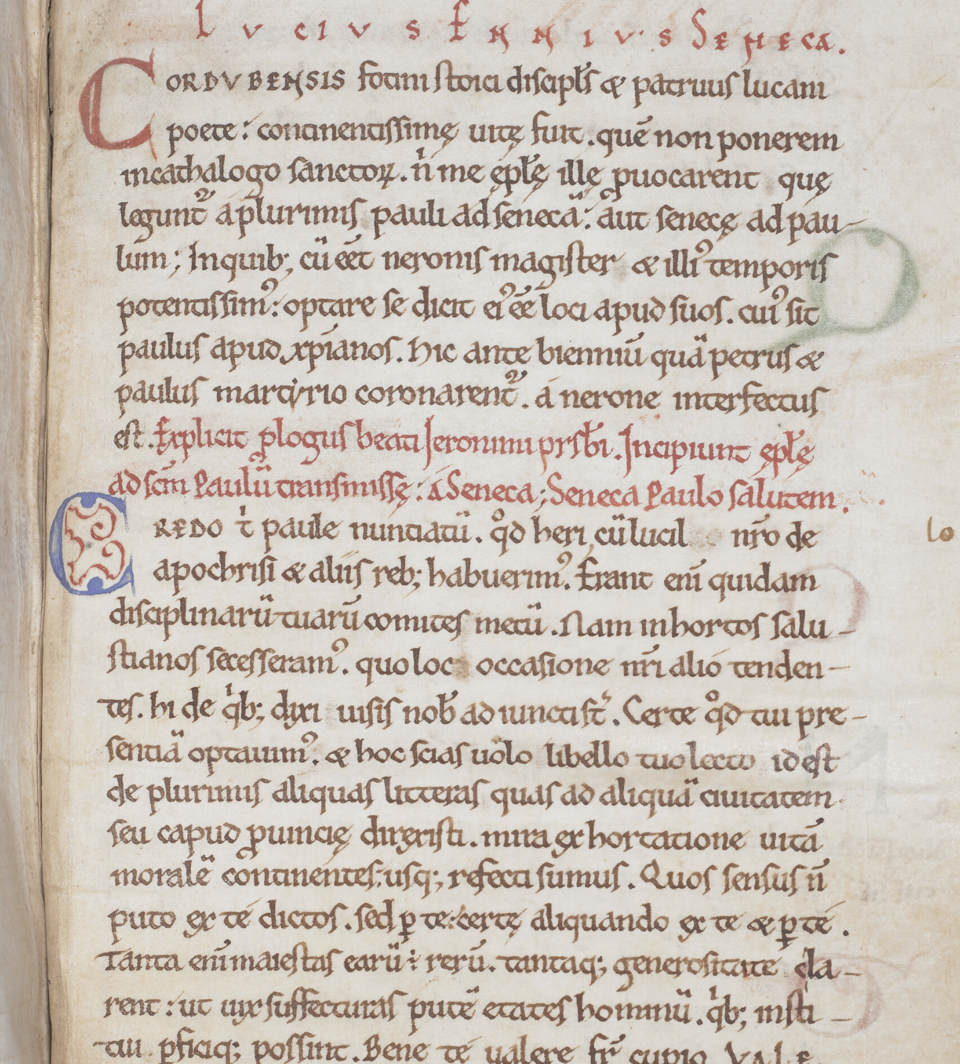
For centuries, a set of letters circulated claiming to be real correspondence between the Stoic philosopher Seneca and the Apostle Paul, written while both men were alive under Nero. If genuine, it would be the ancient world’s ultimate crossover: Rome’s top intellectual in direct dialogue with Christianity’s chief missionary.
Modern scholars call them pseudepigraphal almost unanimously. The Latin is clumsy, the theology is thin, and the historical details don’t line up with either man’s real life. Linguistic analysis points to a Latin Christian author writing sometime in the fourth century or later – 250 to 300 years after Seneca and Paul were both dead – inventing a friendship that flattered Christianity’s intellectual standing in Roman eyes.
#6 – The Testament of the Twelve Patriarchs’ Deathbed Trick
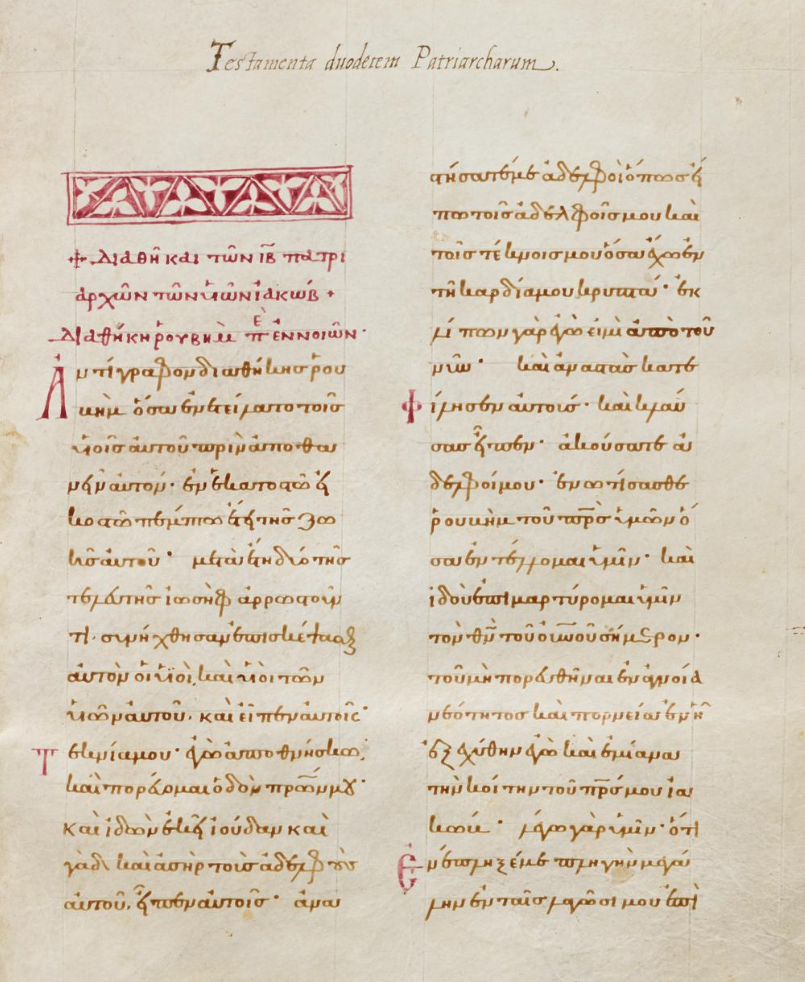
This collection presents itself as the final deathbed speeches of Jacob’s twelve sons, delivered sometime in the second millennium BCE – meaning, if genuine, it would predate most of the Hebrew Bible itself. Christianized versions even slip in supposed predictions of Christ and the apostles.
Textual analysis places the actual composition in the second century BCE, with Christian additions layered in later, likely in the second century CE. The ethical anxieties, apocalyptic hopes, and specific enemies described fit Greek-ruled Judea perfectly – and the Bronze Age not at all. What looks like ancestral wisdom is really a Hellenistic sermon series, borrowing patriarchal names to make new ideas sound impossibly old.
#5 – Martyr “Trial Transcripts” Written Long After the Trial
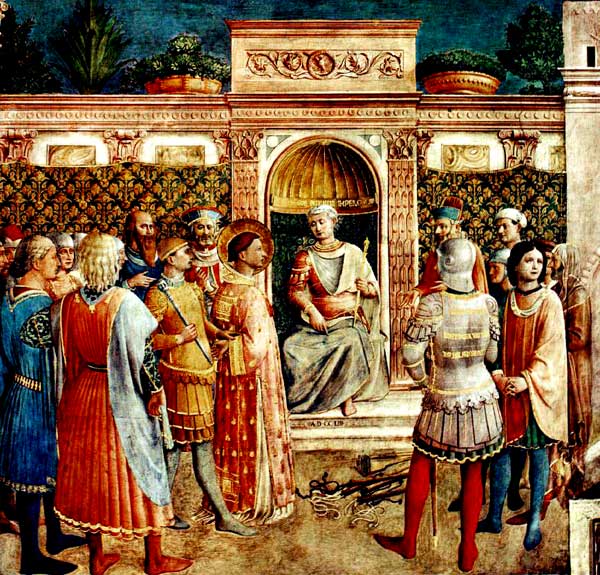
Many early Christian martyr accounts present themselves as court transcripts, taken down word-for-word by stenographers during real Roman trials, complete with legal formulas and dramatic exchanges between governors and doomed believers. The framing insists these are immediate documentary records.
Scholars now sort them more carefully. A small number likely preserve fragments of real legal minutes, but a large share are fourth-century-or-later hagiography, written about martyrs who had already been dead for decades or even a century. Anachronistic legal details and stylized speeches give away the game – these are retro-composed “official” records built long after any real files were gone, a fact rarely mentioned from the pulpit even though church historians openly admit it.
#4 – The Pseudo-Clementine “Memoirs” of a First-Century Bishop
The Pseudo-Clementine writings present themselves as the memoirs of Clement of Rome, a bishop often described as a direct disciple of the apostles, full of travel stories, debates with pagans, and secret theology. The implicit message is simple: I was there, or close enough to it.
Critical dating puts the actual composition in the third or early fourth century, with editing continuing even later. The theological battles it stages – particularly over Jewish-Christian relations and what counts as “orthodox” – belong to a landscape that didn’t exist yet in Clement’s real lifetime. That’s a 200-plus-year gap between the voice on the page and the hand that actually wrote it, using Clement’s name like a trusted brand label.
At a Glance
- Claimed author: Clement of Rome, described as a direct disciple of the apostles, writing in the late first century.
- Actual composition: third to early fourth century CE.
- The gap: more than 200 years between the claimed voice and the real writer’s hand.
- The giveaway: arguments over Christian “orthodoxy” that hadn’t even taken shape in Clement’s own lifetime.
#3 – The Chronicle of “Pseudo-Fredegar”
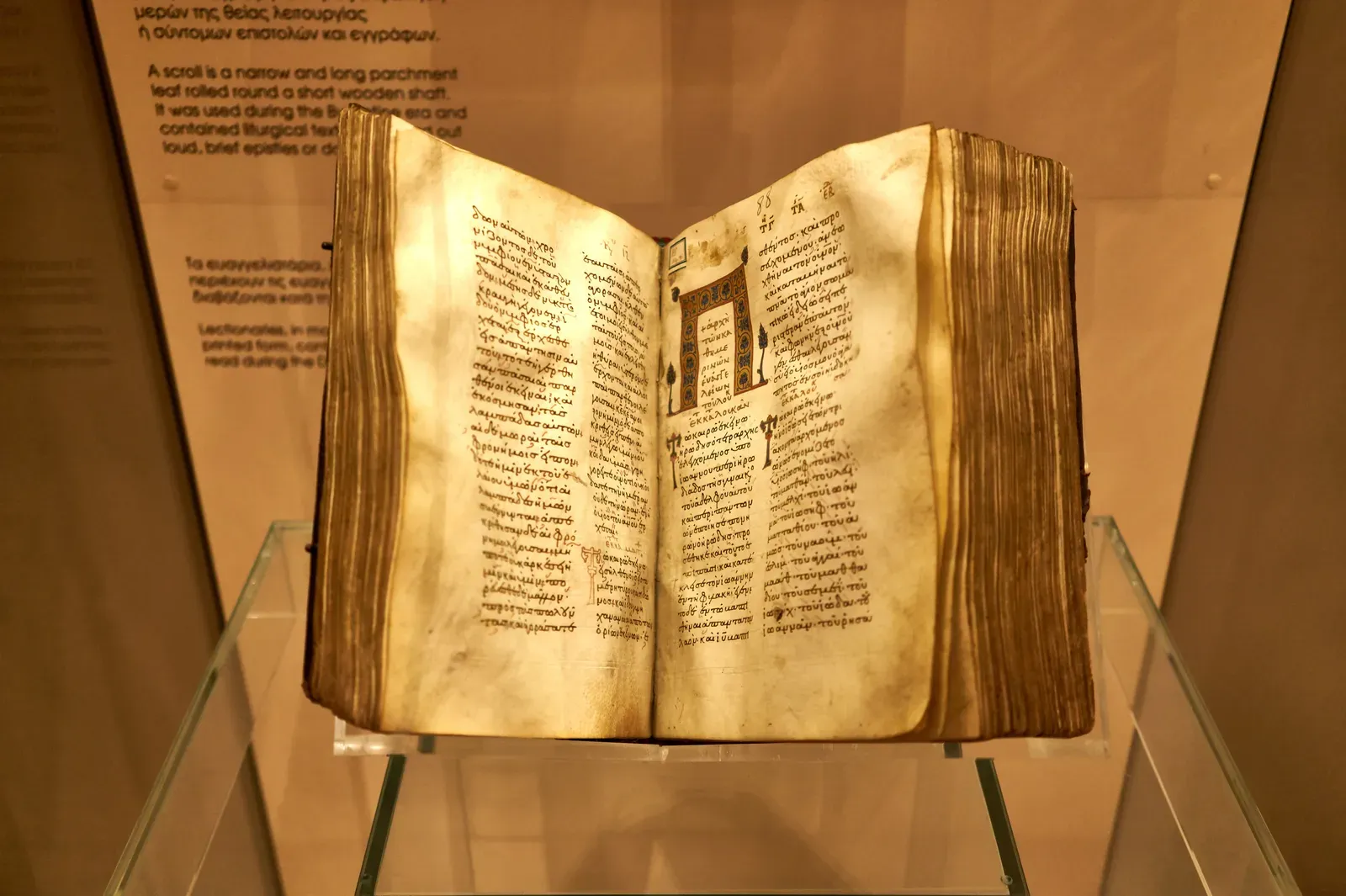
The Chronicle of Fredegar is traditionally credited to a seventh-century Burgundian chronicler, someone supposedly compiling earlier histories and then continuing the record into his own lifetime. For centuries it was read as a near-contemporary account of Merovingian politics, written by someone standing close enough to touch the events.
Modern analysis has punched serious holes in that assumption. Linguistic quirks, reliance on later sources, and internal contradictions suggest large portions were compiled or written a century or more after the events they describe. That’s exactly why scholars now use the label “Pseudo-Fredegar” – a polite academic way of saying the eyewitness feel is an illusion, and the real author was working from a safe, retrospective distance.
#2 – The “Anacharsis” Travelogue That Fooled Enlightenment Europe
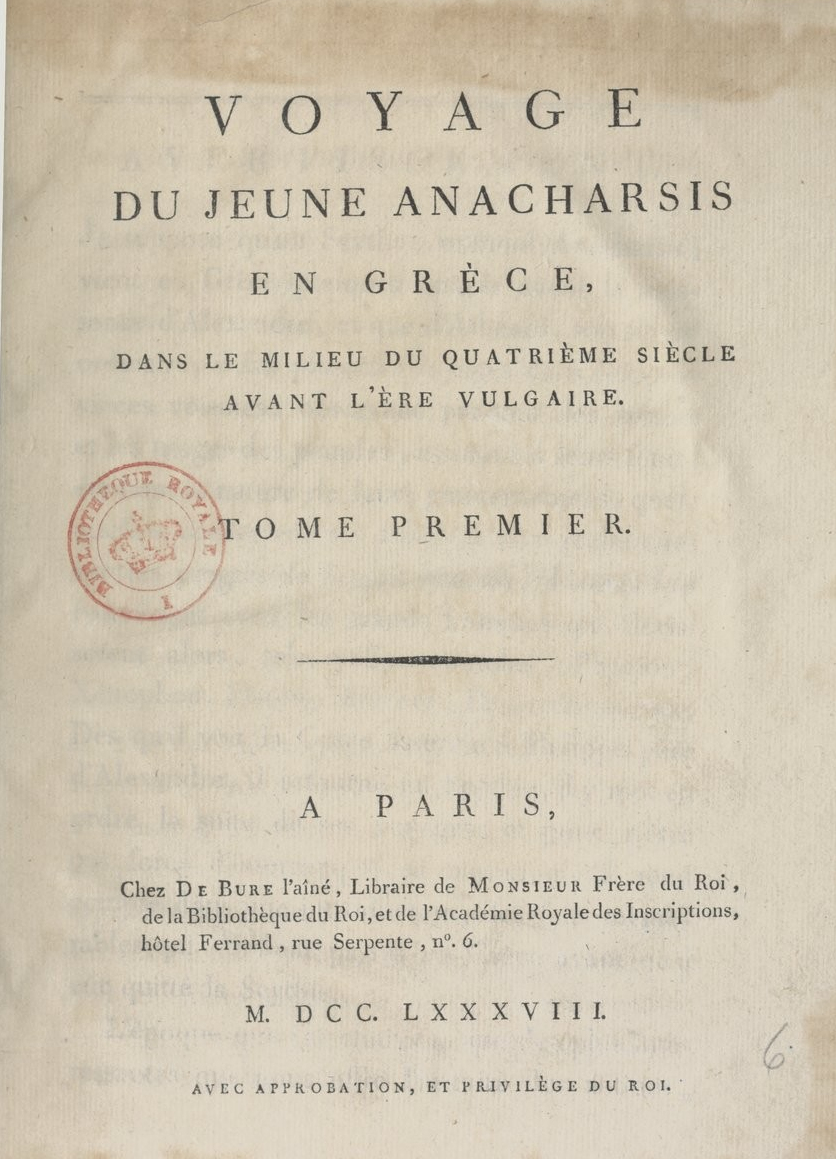
Early modern readers devoured “The Travels of Anacharsis the Younger in Greece,” presented as the account of a Scythian noble touring classical Athens in the 4th century BCE. Its vivid detail about philosophy, politics, and daily life made it feel like an actual diary from someone walking the same streets as Plato.
It’s an 18th-century French novel, written by the scholar Jean-Jacques Barthélemy, who stitched together his own deep knowledge of Greek antiquity into a work of pure fiction. It’s not technically an ancient forgery, but it was mis-shelved and mis-read for generations as a genuine ancient travelogue – a reminder that a confident claimed date can override even obvious stylistic red flags.
#1 – The Letter Jesus Supposedly Wrote With His Own Hand
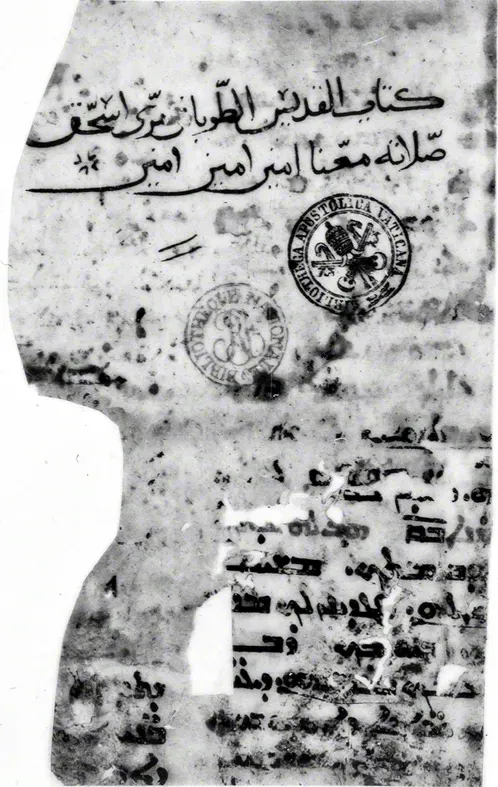
At the very top of the list sits a document that, if real, would upend huge chunks of what we think we know: a letter supposedly written by Jesus himself to King Abgar of Edessa. According to the legend, Abgar wrote asking Jesus for healing, and Jesus wrote back personally, promising help and sending a disciple in his place – the only claimed example of Jesus’s own handwriting anywhere in history.
The fourth-century historian Eusebius of Caesarea said he found these letters in Edessa’s archives and translated them from Syriac himself – but even ancient readers were skeptical. Modern scholars are blunt about it: the language, theology, and political setting all point to the third or early fourth century, meaning a Christian community centuries after Jesus’s death invented a direct line to Christ for their city. Yet the “Abgar correspondence” still turns up in popular books today, quoted as if it might just be genuine.
Why It Stands Out
- It’s the only document in history that claims to be a letter written personally by Jesus.
- Its earliest known champion is a fourth-century historian who said he translated it himself from Syriac archives.
- Language and political details point squarely to a third- or early fourth-century origin – not the first.
- Despite the debunking, it still resurfaces in popular books as though its authenticity were an open question.
The Bottom Line
Line up all 21 and a pattern jumps out immediately: the documents people most casually treat as “ancient” are, again and again, the ones scholars have quietly re-dated by centuries. Jesus supposedly writing personal letters, Constantine supposedly signing away half of Europe, a bishop supposedly forecasting five hundred years of popes – none of it holds up once anyone actually checks the ink, the grammar, and the politics hiding underneath.
That doesn’t mean these texts are worthless. It means their value has been completely misfiled for centuries. A ninth-century forgery tells you something real and fascinating – just not about the fourth century it claims to describe. It tells you what people centuries later desperately needed the past to say.
The past is a foreign country: they do things differently there.
L.P. Hartley
My honest take after going through all 21: the forgers weren’t villains twirling mustaches, they were institutions and communities solving very real problems by borrowing a dead man’s authority. That’s oddly more unsettling than a simple hoax. If a document’s entire power rests on being ancient, the responsible move isn’t blind trust or knee-jerk dismissal – it’s assuming nothing about its age until the philology actually backs it up.