Most people assume a museum dinosaur skeleton is basically a crime scene: dig up the bones, snap them together, done. You’re standing in front of one animal that lived and died exactly like that, bone for bone, no editing involved. That assumption is often dead wrong.
Some of the most famous fossils on Earth are actually Frankenstein creations, stitched together from different animals, different eras, and sometimes different continents entirely. Museums did it to impress donors, win scientific rivalries, or simply because nobody caught the mix-up before the doors opened. Here are 12 “single specimens” that were never really one animal at all – and a few of them stayed on display, completely unquestioned, for generations.
#12 – The First Archaeopteryx Skeleton Wore Someone Else’s Feathers
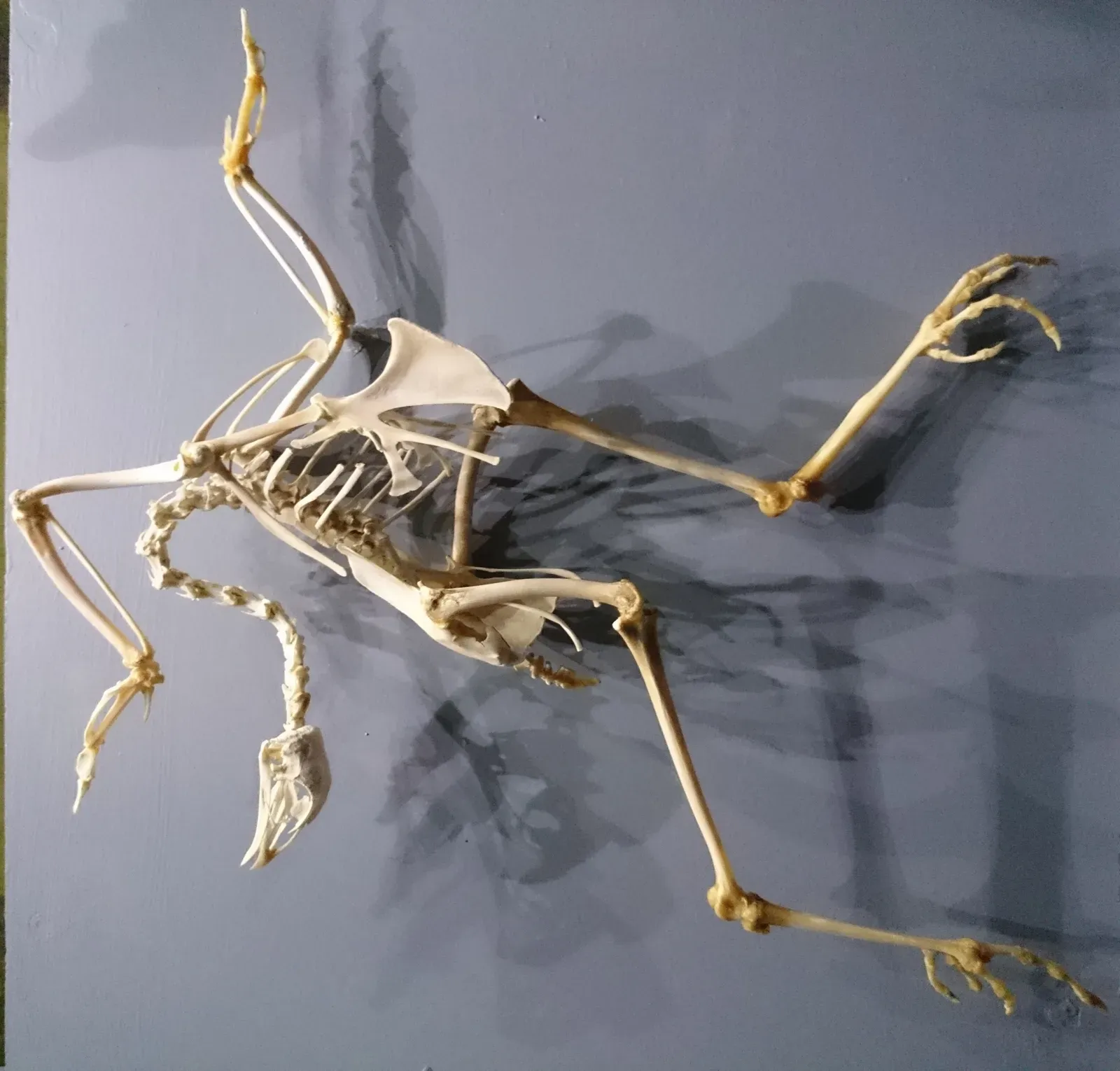
For decades, museum visitors stood in front of a single “perfect” Archaeopteryx and assumed they were looking at one bird that dropped dead mid-flight and fossilized exactly as found. The truth is messier. Early mountings of this legendary “first bird” fossil often stitched together wing and tail elements from different individuals to build a cleaner, more dramatic skeleton for the exhibit hall.
Nineteenth- and early twentieth-century curators weren’t trying to deceive anyone; they were trying to show what the whole animal probably looked like when so much of it was missing. That meant borrowing bones from another slab of roughly the same species – or close enough to pass. Some reconstructions even added extra feathers in plaster or paint, quietly blurring the line between fossil and art project.
Visitors thought they were seeing one untouched transitional fossil. What they were actually looking at was part science, part sculpture – a quiet edit to one of evolution’s most important specimens.
#11 – The Rearing “Plateosaurus” That Was Secretly Two Dinosaurs
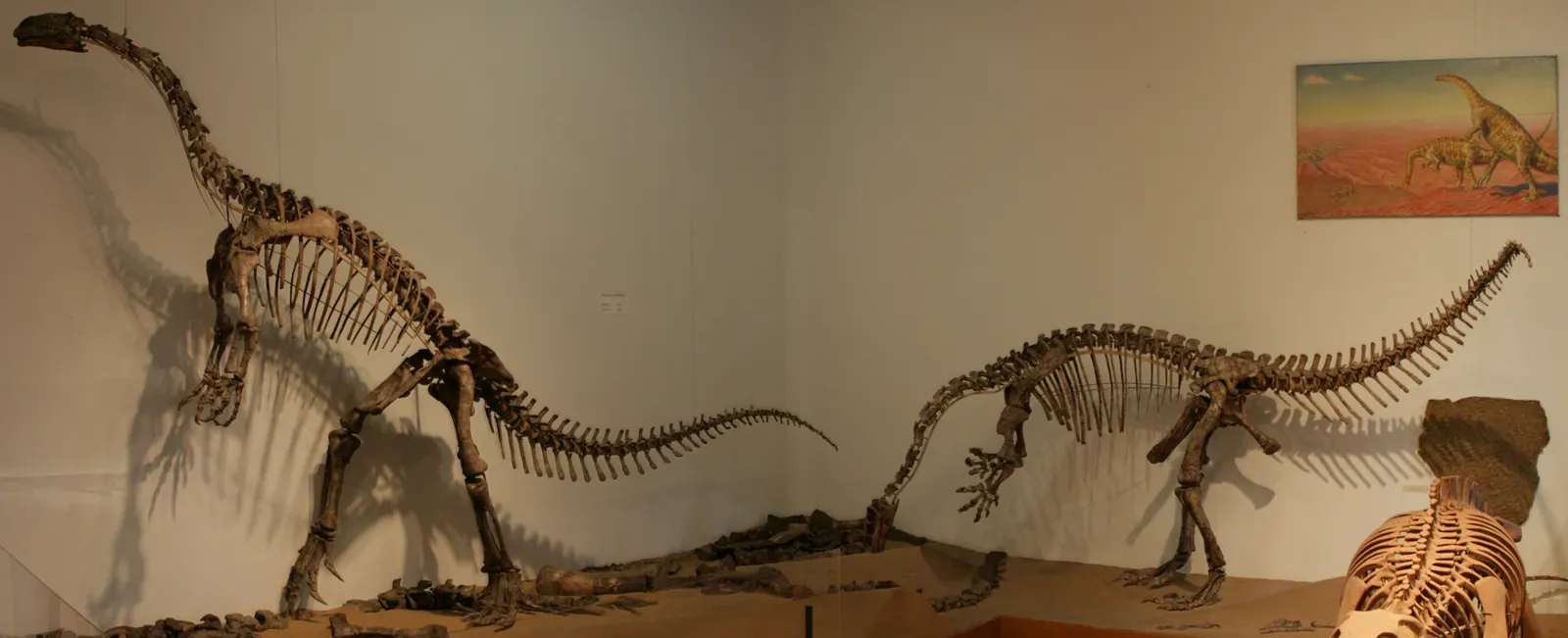
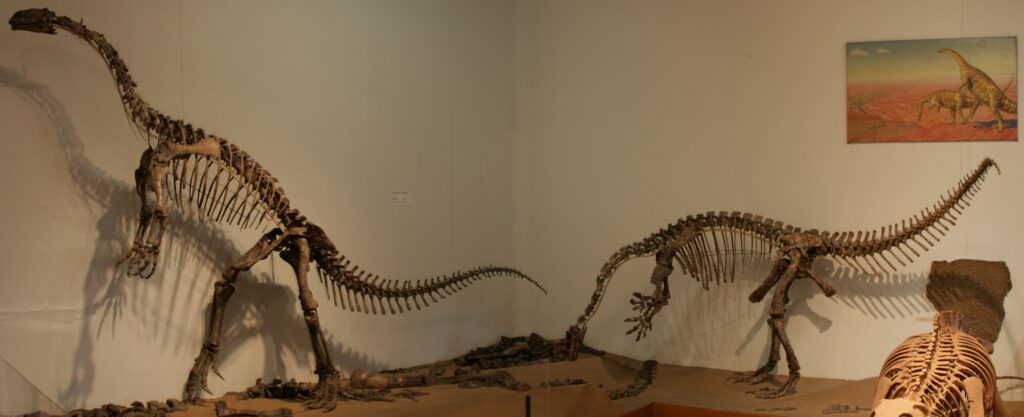
That tall, kangaroo-like “Plateosaurus” rearing up on its tail in several European museums isn’t just one dinosaur. Historically, many Plateosaurus mounts were composite skeletons built from multiple quarries, multiple growth stages, and sometimes multiple species. When you’re dealing with crushed, scattered Triassic bones, you grab what fits and hope for the best.
Early-twentieth-century teams routinely mixed individuals from different localities to assemble something dramatic for the main hall. Later, CT scans and detailed bone comparisons revealed that some “Plateosaurus” skeletons actually include limb bones or vertebrae from closely related sauropodomorphs – meaning a single mount could mash together at least two different animals under one label. That quietly reshaped debates over how fast Plateosaurus grew and how it walked, because the measurements were taken on a chimera.
One famous specimen used to argue that Plateosaurus walked upright turned out to have crucial bones from another, more robust individual entirely.
#10 – China’s “Perfect” Feathered Dinosaur Was Two Species Glued Together
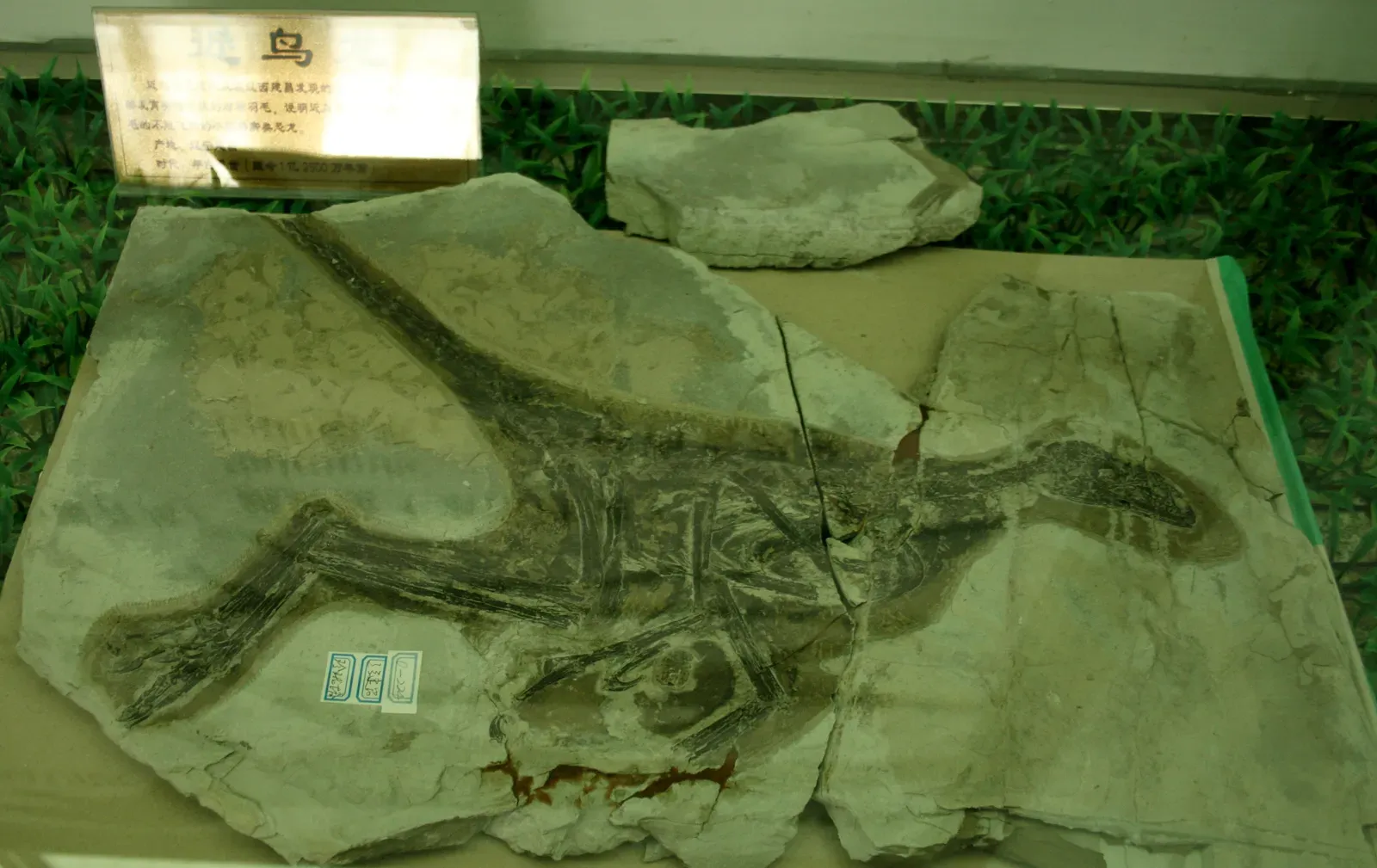
China’s Liaoning fossil beds are legendary for feathered dinosaurs – but also notorious for “improved” specimens. In the 1990s and 2000s, more than one flawless-looking small theropod was later exposed as a mosaic of two different animals carefully glued together on the same slab. Dealers joined halves from separate finds to boost the sale price, and museums, even scientific journals, sometimes didn’t catch it right away.
One famous case combined a bird-like body with a reptilian tail from a completely different species. Under a microscope you could literally see the join line and mismatched rock matrix, but to the naked eye it looked like a stunning missing link. It briefly fueled breathless headlines about proof that birds evolved from a particular lineage, until detailed anatomical work quietly walked the hype back.
Fast Facts
- Liaoning’s fossil-bearing Yixian Formation dates to the Early Cretaceous, roughly 125 million years ago.
- The beds have yielded feathered dinosaurs like Sinosauropteryx alongside early birds such as Confuciusornis.
- Repeated volcanic ash falls preserved astonishing detail, including skin texture and feather impressions rarely seen elsewhere.
- A booming commercial fossil trade in the region has produced both genuine breakthroughs and staged, glued-together “specimens.”
The irony is that solid feathered dinosaur evidence already existed. This composite fossil just muddied the waters and handed easy ammunition to skeptics.
#9 – The First Iguanodon Was Built From a Graveyard of Dinosaurs
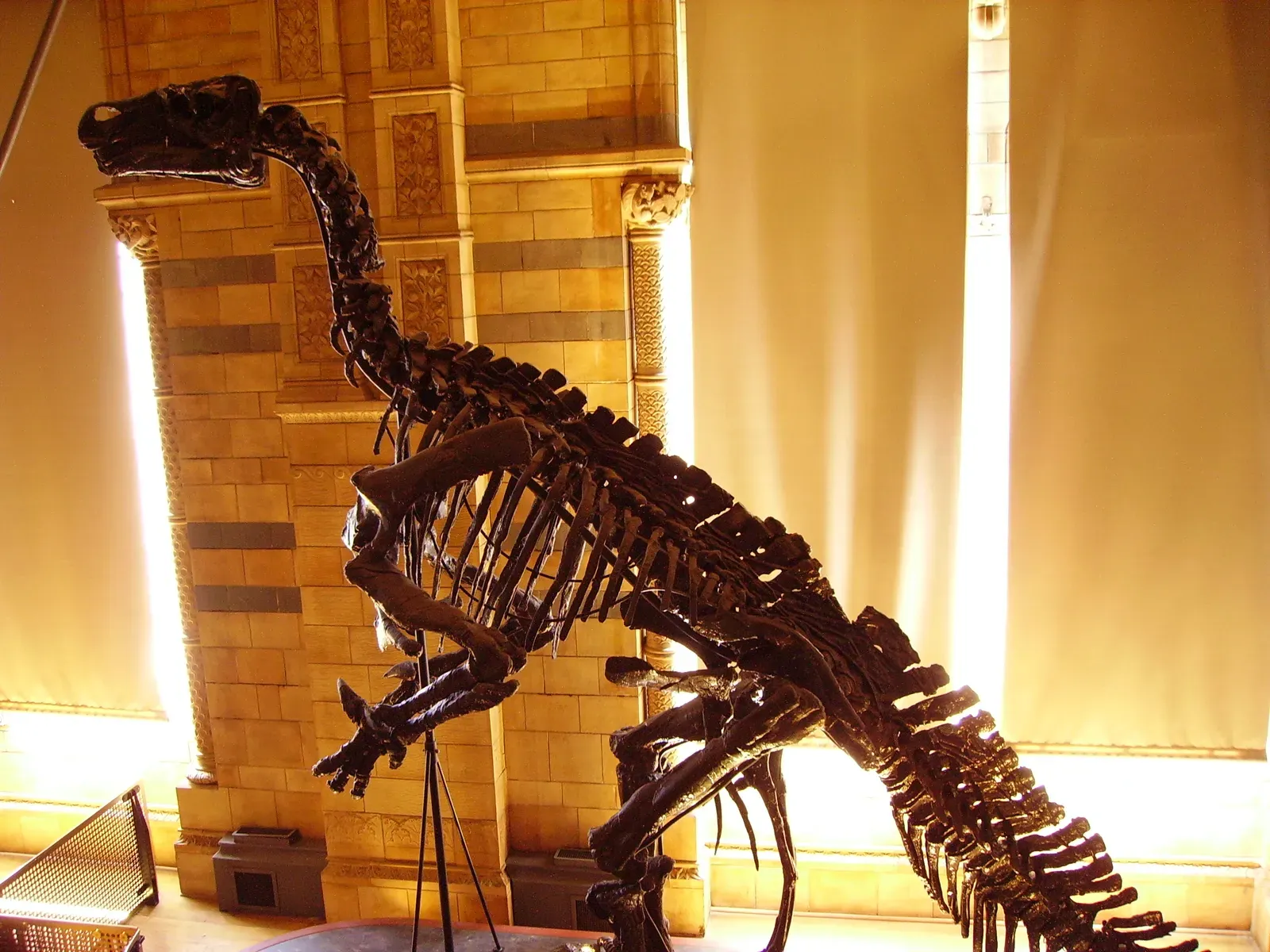
When Iguanodon was first reconstructed in the 1800s, nobody had ever assembled a dinosaur skeleton before, so there was no rulebook. Gideon Mantell and later Belgian teams working at Bernissart did what seemed logical at the time: they pooled bones from a mass grave of multiple animals into one showpiece skeleton. A leg from one individual, a pelvis from another, skull fragments from several more – it all went into the world’s earliest full dinosaur mounts.
Add a heavy dose of Victorian bravado, and you get a towering creature posed like a rhinoceros with a horn on its nose, which was actually a misplaced thumb spike. Later reanalysis found that some of the associated bones came from different, similar ornithopods tangled in the same deposit. That textbook “type” Iguanodon that shaped how dinosaurs were drawn in children’s books for a century was, quite literally, a committee.
Whole generations grew up believing they’d seen one well-known species when they’d actually seen a patchwork prototype.
#8 – Victorian Sea Monsters Stitched From Leftover Flippers and Tails
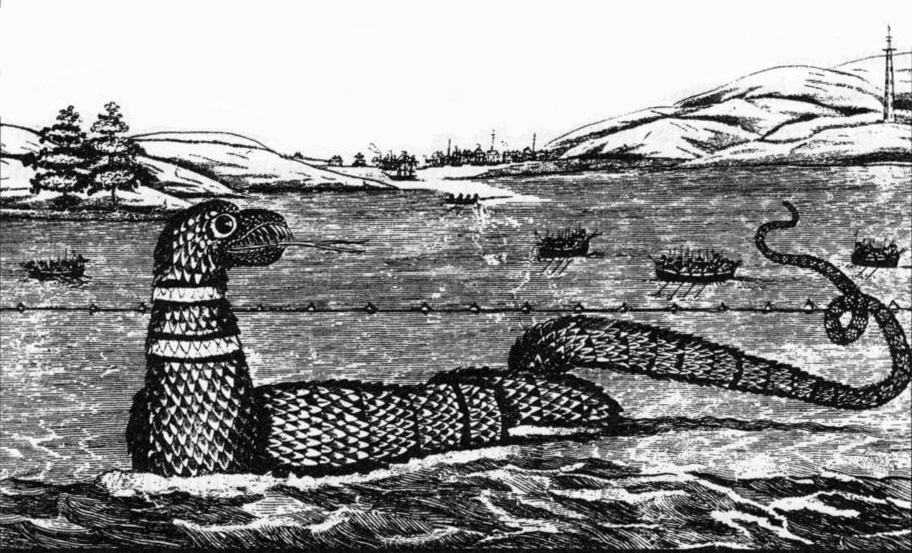
Victorian and early-twentieth-century museums loved a good sea monster, and funding depended on spectacle, not caution. Curators routinely reconstructed ichthyosaurs, plesiosaurs, and mosasaurs by stitching in extra flippers, ribs, or tails from whatever marine reptile bones happened to be lying around. If a nearly complete skeleton was missing a forelimb, no problem – just borrow one from a similarly sized specimen, sometimes from a different species or even a different genus altogether.
In some cases they didn’t stop there. There are documented examples of elongated plesiosaur necks on display that were built from vertebrae belonging to multiple individuals, making the animal look longer than anything that ever swam in real seas. When paleoartists later copied these mounts for books and illustrations, the errors quietly spread into popular culture for decades.
Generations of readers grew up fearing sea monsters that were, in a very real sense, made up out of spare parts.
#7 – The Ostrich Dinosaur Running on a Borrowed Head
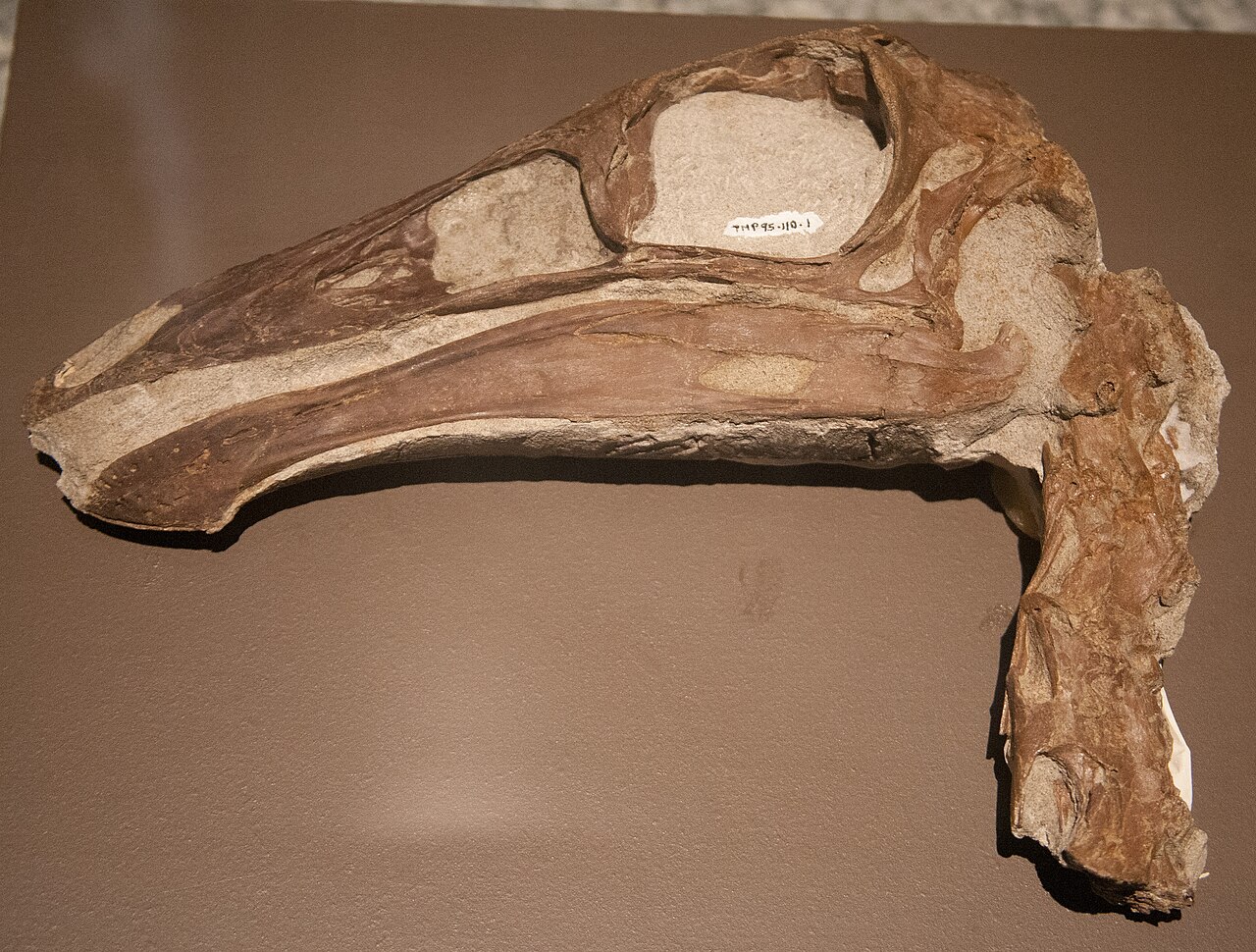
If you’ve ever seen a slender, ostrich-like dinosaur sprinting through a museum hall, odds are good it’s missing something original: the skull. Ornithomimid skulls are delicate and rarely preserve well, so several classic skeletons were assembled with a body from one animal and a skull from another – sometimes even from a different species in the same family. The mount looks seamless to the public, but anatomists can spot slight mismatches in proportions and tooth patterns if they look closely.
This wasn’t shady so much as practical; museums wanted a complete, photogenic dinosaur, not a headless torso in a glass case. But the side effect is real: influential measurements of braincase size, beak shape, and eye placement were taken on chimera specimens, which can skew interpretations of diet and behavior for years.
A dinosaur once presented as proof of a toothless, plant-eating ornithomimid later turned out to be wearing the skull of a close carnivorous cousin.
#6 – South America’s “Super-Predator” That Was Actually Two Titans
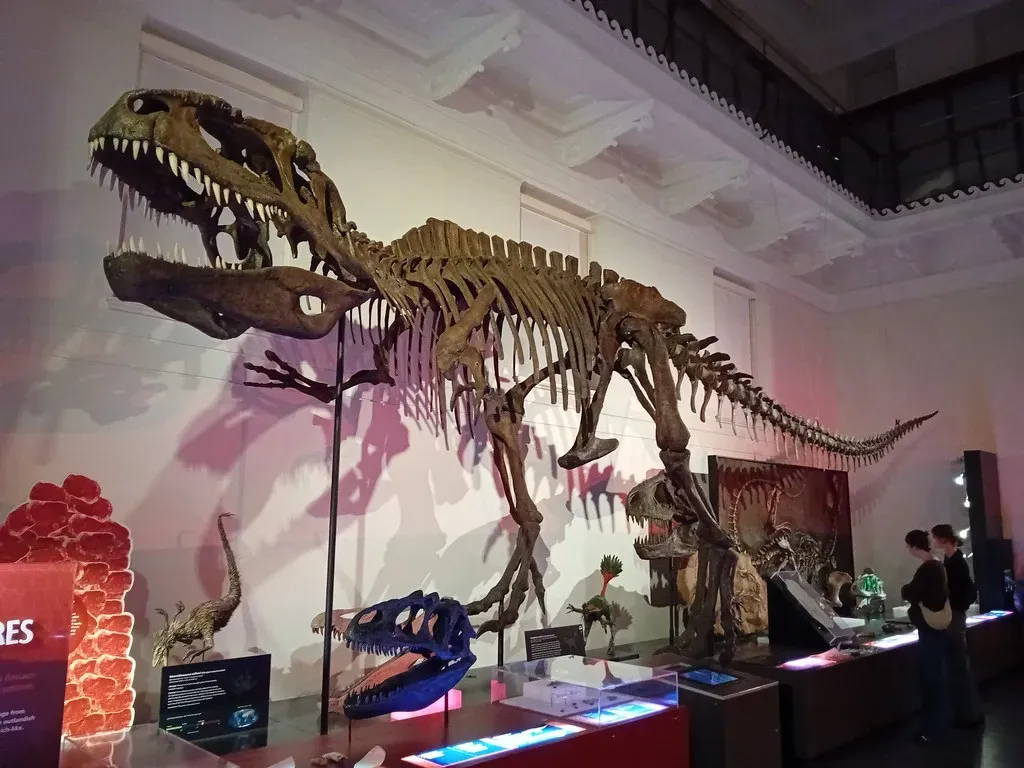
In South America, fragmentary bones from giant theropods and titanosaurs often turn up in the same badland outcrops, making mix-ups almost inevitable. More than once, early reconstructions of a sensational “new” meat-eater quietly combined vertebrae, ribs, and limb bones from several massive dinosaurs. To field teams working in brutal heat with limited comparative material, the pieces all looked like fragments of one monstrous animal.
Worth Knowing
- South America’s Cretaceous badlands have produced some of the largest predatory dinosaurs ever found, including Giganotosaurus and Mapusaurus.
- Many giant theropod skeletons are known only from partial remains, forcing scientists to scale up size estimates from incomplete material.
- Titanosaur bones frequently turn up in the same rock layers as giant predators, raising the odds of an accidental mix during reconstruction.
- Revised size estimates have shrunk more than one “record-breaking” predator once comparative skeletons became available.
Only decades later, with far more skeletons to compare against, did paleontologists realize the puzzle pieces didn’t actually belong together. In at least one case, a supposed ultra-giant theropod got downsized after researchers discovered part of its backbone actually belonged to a long-necked sauropod – not the predator at all. The animal was still big, just not the record-shattering monster the headlines claimed.
For years, museum labels and documentaries repeated a size estimate built on a composite skeleton that never existed in life.
#5 – The Gobi Desert’s Protoceratops-Dragon Hybrid
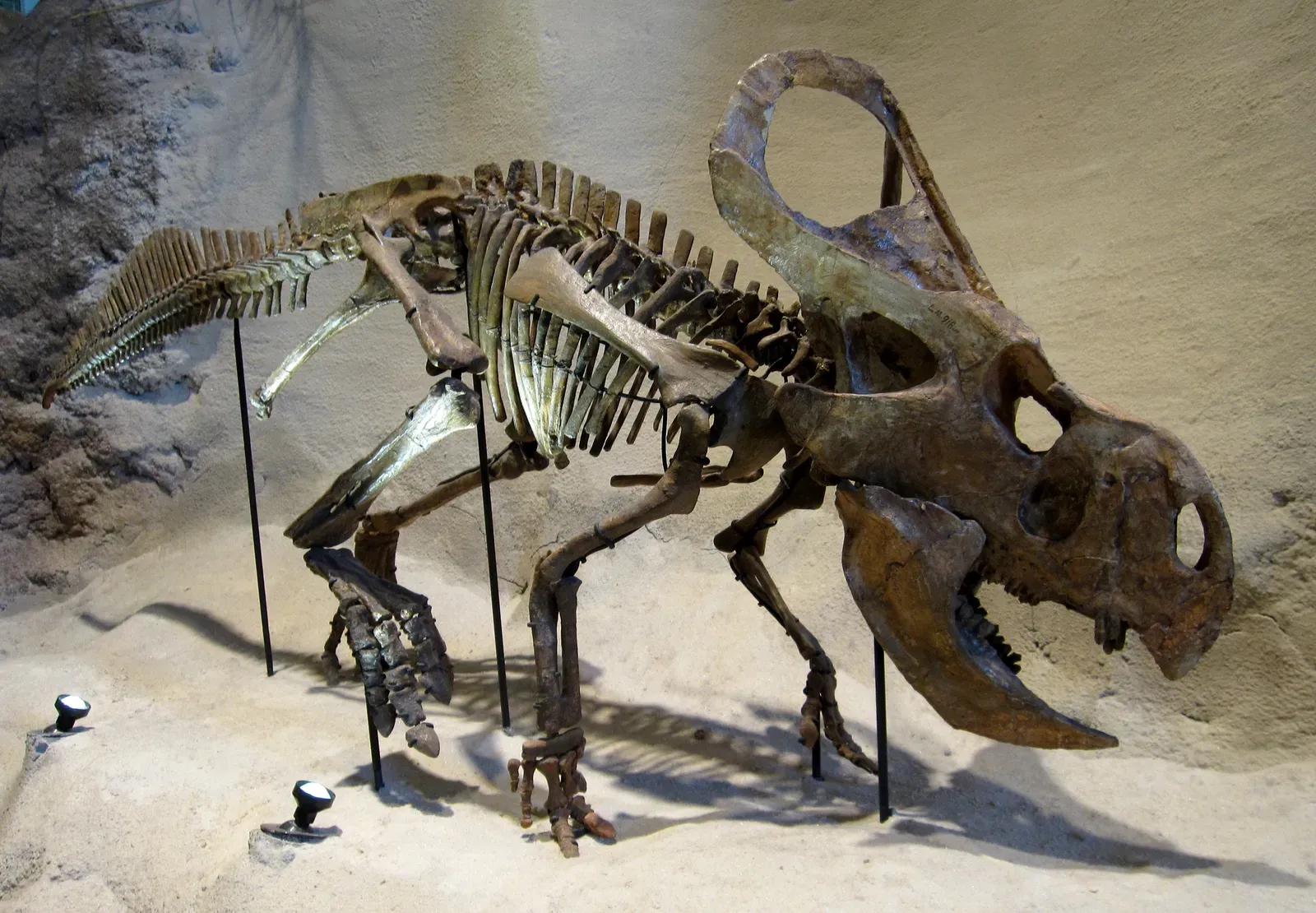
The Gobi Desert has produced staggering dinosaur fossils – and some very creative composites. In the mid-twentieth century, several “complete” small ceratopsian mounts from Mongolia were later revealed to be Protoceratops bodies fitted with extra tail or limb elements from unrelated reptiles that happened to share the same beds. Preparators working in poorly equipped labs sometimes “completed” missing bones with whatever looked roughly compatible, especially under pressure from officials demanding impressive displays.
One museum centerpiece paired a Protoceratops-like skull with a strangely elongated, almost dragon-like tail. Later re-examination showed the tail vertebrae didn’t match Protoceratops anatomy at all – they likely belonged to a small lizard-like reptile or another dinosaur entirely. To casual visitors, the mix felt like confirmation of legendary dragons. To paleontologists, it became a cautionary tale about scarcity, politics, and wishful thinking.
Even into the late twentieth century, some national museums were quietly displaying chimeras born from pressure rather than evidence.
#4 – The Original Brontosaurus Wore the Wrong Head for a Century
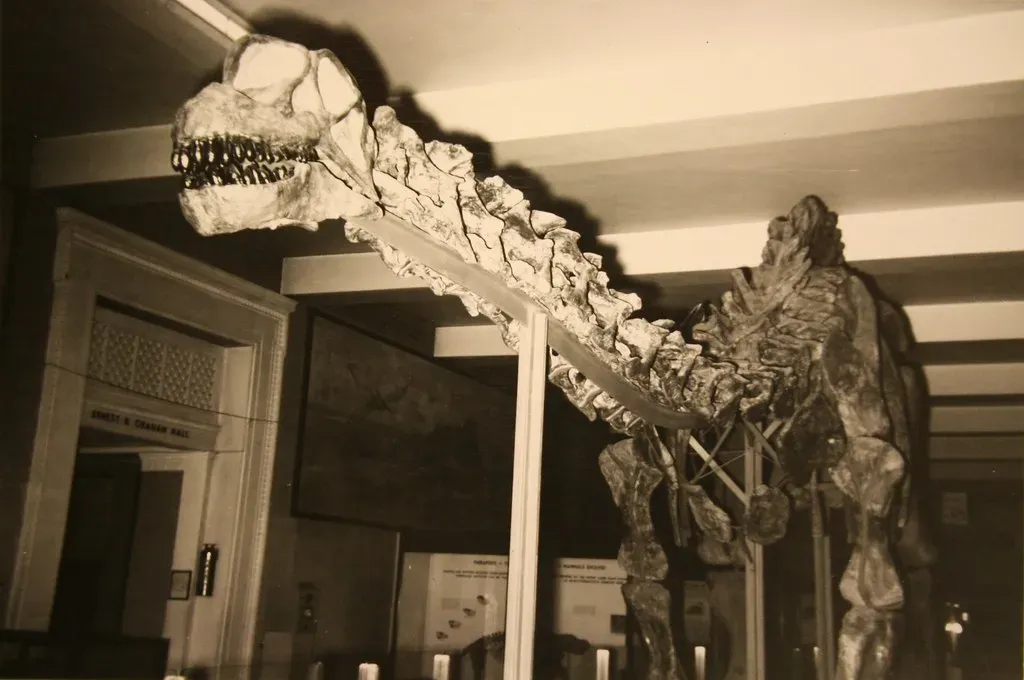
By now, many people have heard that Brontosaurus had the wrong skull for decades. What fewer realize is just how composite that famous animal really was from the start. Othniel Charles Marsh’s team built the first “Brontosaurus” mount in the late 1800s by merging a body from one quarry with a neck and tail from others, all collected during the brutal, backstabbing rush known as the Bone Wars. The skull was missing entirely, so they guessed – first with a Camarasaurus-type head, later swapped for something more Diplodocus-like.
For a long stretch, that patchwork creature dominated the American imagination, appearing in textbooks, cartoons, and museum lobbies as the definitive sauropod. This wasn’t just a cosmetic problem. It distorted real scientific debates about sauropod feeding, brain size, and posture, because researchers were measuring and modeling an animal that had never actually existed in that exact configuration.
For generations, kids grew up loving a dinosaur whose skeleton was essentially a political trophy cobbled from multiple animals and a guessed-at face.
#3 – The “Classic” Triceratops That Was Really Three Dinosaurs in a Trench Coat
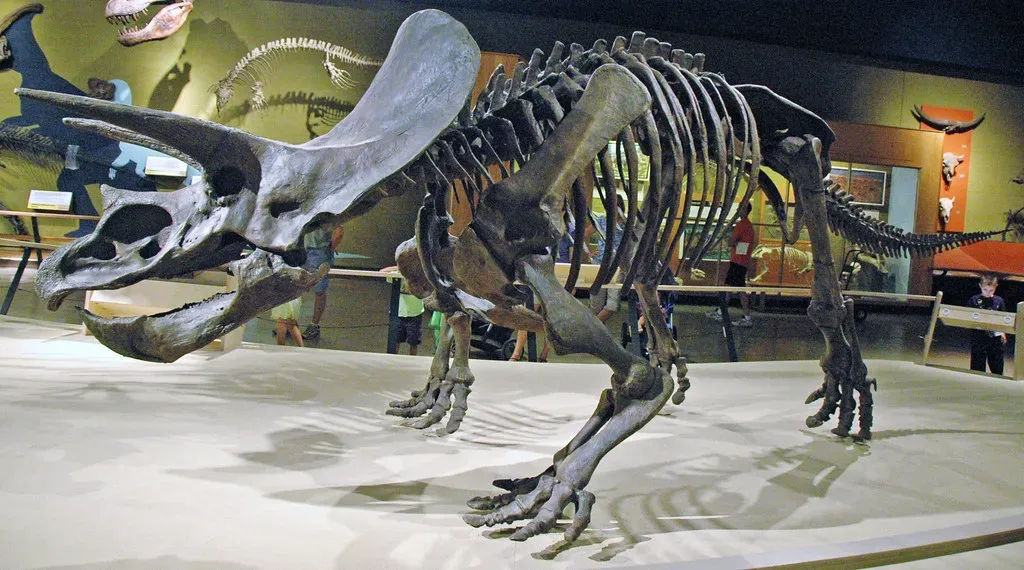
Triceratops is so iconic that people assume its skeletons are straightforward. They’re not. Many historic mounts, especially mid-twentieth-century showpieces, used a Triceratops skull on a body partially built from other horned dinosaurs, plus extra ribs and vertebrae cast or copied from entirely different individuals. Ceratopsian fossils are usually found scattered and incomplete, so fitting them together is closer to assembling three separate puzzles into one frame than snapping together a Lego kit.
At a Glance
- Triceratops lived during the Late Cretaceous, roughly 68 to 66 million years ago.
- Adults could reach nearly 30 feet long and weigh as much as 12 tons.
- Fossils are concentrated in Montana, Wyoming, and the Dakotas’ Hell Creek Formation.
- Horn shape and curvature changed dramatically as individuals aged, making it easy to mismatch bones from different-aged donors.
In some museums, what’s labeled “Triceratops” is really a greatest-hits compilation of horned dinosaur anatomy: a shoulder girdle from one quarry, limb bones from another species in the same family, a tail from a third animal entirely. That blending hides real variation between species and individuals – variation that actually matters for understanding how horns and frills evolved over time.
Some skeletal differences once used to argue two species were distinct later turned out to just be differences between donors stitched into a single composite mount.
#2 – Early “Human Ancestors” Built From Several Different People
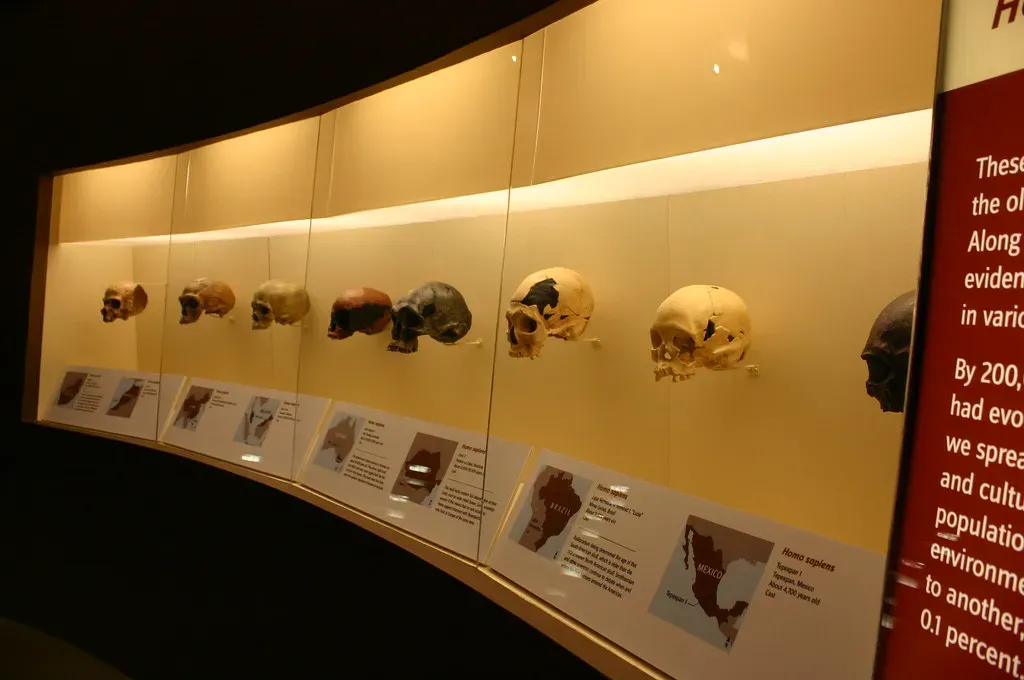
Human evolution has its own dark chapter of composite fossils. Before modern dating and imaging, several supposed “missing link” skeletons turned out to be mosaics of bones from different hominin individuals – and sometimes outright different species. In a few notorious cases, long bones, jaw fragments, and cranial pieces from separate finds were reconstructed as one “person” to tell a cleaner story of steady progress from ape-like to human-like.
Later, careful stratigraphic work exposed the problem. Slight differences in mineralization, joint surfaces that didn’t quite line up, and mismatched anatomical details revealed these “ancestors” as composites. That doesn’t mean the species themselves were fake, but it does mean some famous museum figures were literally built from the remains of multiple individuals whose real relationships are far messier than the display case suggested.
The desire to show one dramatic transitional fossil pushed curators to combine bones in ways that simplified – and sometimes distorted – the real, branching story of human evolution.
#1 – Morocco’s Fossil Market Still Manufactures Chimeras Today
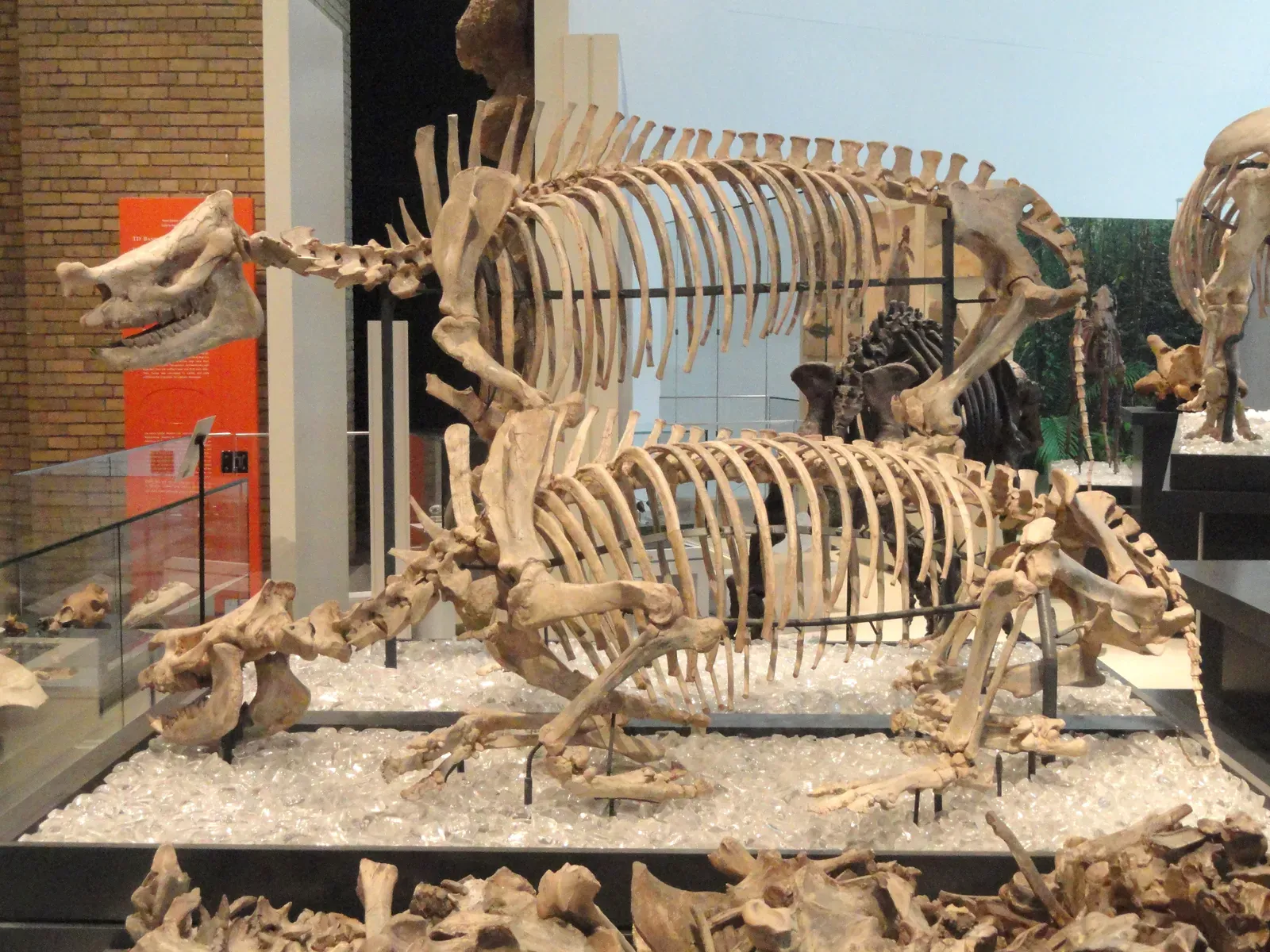
If you want the most extreme modern examples of multi-animal fossils sold as one, look to the commercial quarries of Morocco. There, local preparators routinely build spectacular “specimens” for export by gluing together bones and teeth from different species, different ages, and even different time slices into a single slab. Fish, crocodyliforms, mosasaurs, and random vertebrae get arranged like mosaics, aimed squarely at tourists, collectors, and sometimes underfunded museums.
The most alarming part is that some of these composites have slipped into legitimate scientific collections and exhibitions under respectable labels. To an untrained eye they look like astonishing death scenes – predator and prey locked in combat, or an impossibly complete skeleton. Under close study, the story unravels fast: bone fits are wrong, species don’t overlap in known rock layers, and resin lines betray the seams.
Quick Compare
- Genuine specimen: bone color and mineralization match throughout; anatomy lines up with one known species from one rock layer.
- Composite chimera: visible seam lines, mismatched rock matrix, or a “too perfect” pose that hides missing sections.
- Genuine specimen: proportions match published measurements for the species.
- Composite chimera: subtly “off” proportions once compared against multiple confirmed skeletons.
In the twenty-first century, we still have “Franken-fossils” entering the record, forcing paleontologists to spend precious time un-mixing animals that never once shared the same lifetime.
The Uncomfortable Truth About Our Favorite Fossils
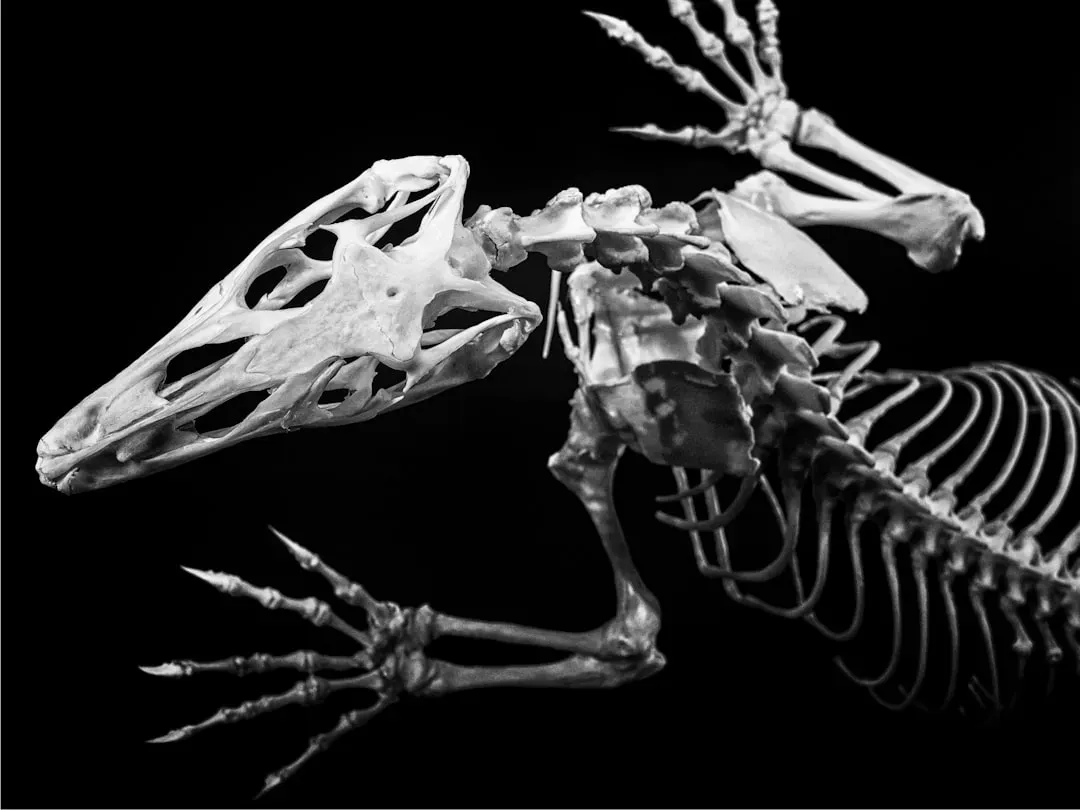
Some of the fossils we grew up worshipping as flawless windows into prehistory were carefully stage-managed illusions, built from multiple animals and sometimes multiple species stitched under one label. That doesn’t make paleontology a fraud. It means early scientists and curators were under brutal pressure to produce complete, crowd-pleasing skeletons long before CT scanners, strict curation standards, and digital reconstructions ever existed.
Today, experts are finally going back bone by bone, separating genuine individuals from composite chimeras, and in many cases quietly updating labels without fanfare or headlines. My take: the science was never the scandal. The scandal is how many institutions knew about the stitching for decades and said nothing, letting spectacle outrank honesty long after the tools existed to fix it. Museums owe us the mess, not just the myth – so tell us what you’d rather see: these hybrids left standing with full disclosure, or torn down in favor of smaller, uglier, but honest bones.