Look up at the night sky tonight and you’d assume you’re seeing something fixed, something every ancient culture stared at and copied down honestly. But archaeologists and epigraphers keep tripping over a problem that quietly unsettles the whole field: certain clay tablets describe constellations that physically could not have been seen from the place where they were carved. Not faint. Not marginal. Genuinely below the horizon, or shining over a sky hundreds of kilometers away.
So what’s really going on here? Sloppy scribes, borrowed prestige, the slow drift of the stars themselves, or something stranger – sky knowledge carried home by travelers who once stood under a completely different firmament? These 11 tablets are the strangest, most argued-over cases on record, and once you see the pattern behind them, you’ll never look at an ancient star chart the same way again.
#11 – The “Imported Sky” Problem No One Talks About
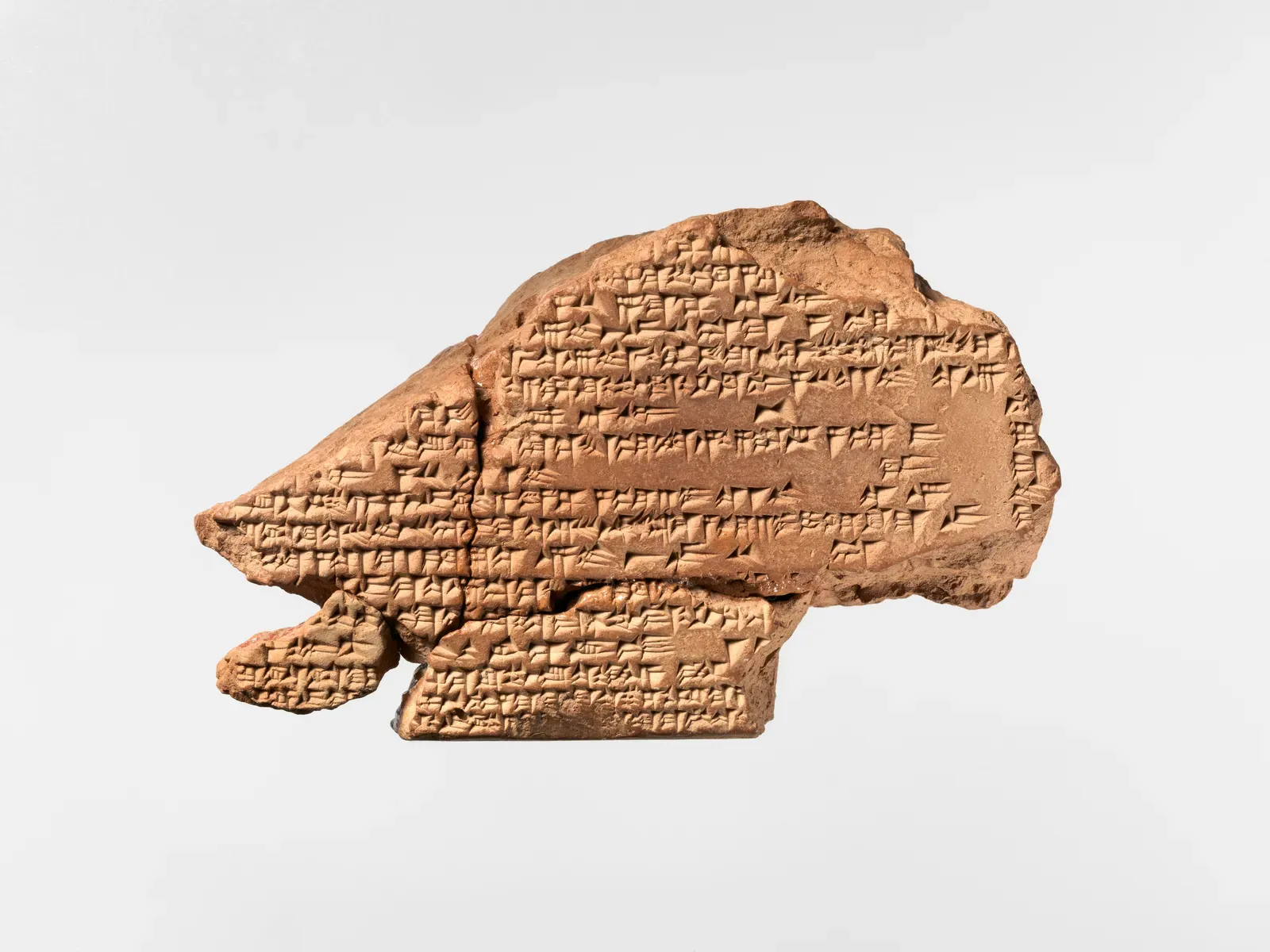
Archaeologists quietly admit something awkward about ancient astronomy tablets: a surprising number of them describe star patterns best seen hundreds or even thousands of kilometers away. From Mesopotamia to the Mediterranean, scribes etched constellations that would have sat barely above their own horizon, or completely below it, at the exact moment they were writing. That’s not a rounding error – it’s a sign that a lot of “local” sky lore was actually secondhand, lifted from cultures living at very different latitudes.
Two mechanisms explain most of this. Precession of the equinoxes slowly shifts which stars are circumpolar and which are visible at all, so a constellation clearly seen from northern Mesopotamia in 2000 BCE could be nearly invisible to a scribe copying that same text a thousand years later, farther south. And trading cities loved borrowing prestige: if Babylonian scholars thought a northern tradition sounded more authoritative, they copied it word for word, whether or not the sky above them actually cooperated.
Fast Facts
- Earth’s axial precession completes one full wobble roughly every 25,772 years.
- That wobble shifts the celestial pole by about 1 degree every 72 years, slowly changing which stars stay visible from a given spot.
- Over a single millennium, precession alone can push a once-circumpolar star close enough to the horizon to vanish from view.
- Latitude, not just time, decides visibility – a star hugging the horizon at one city can sit safely overhead just a few hundred kilometers north or south.
#10 – Mesopotamian Star Lists That Never Matched Babylon’s Sky
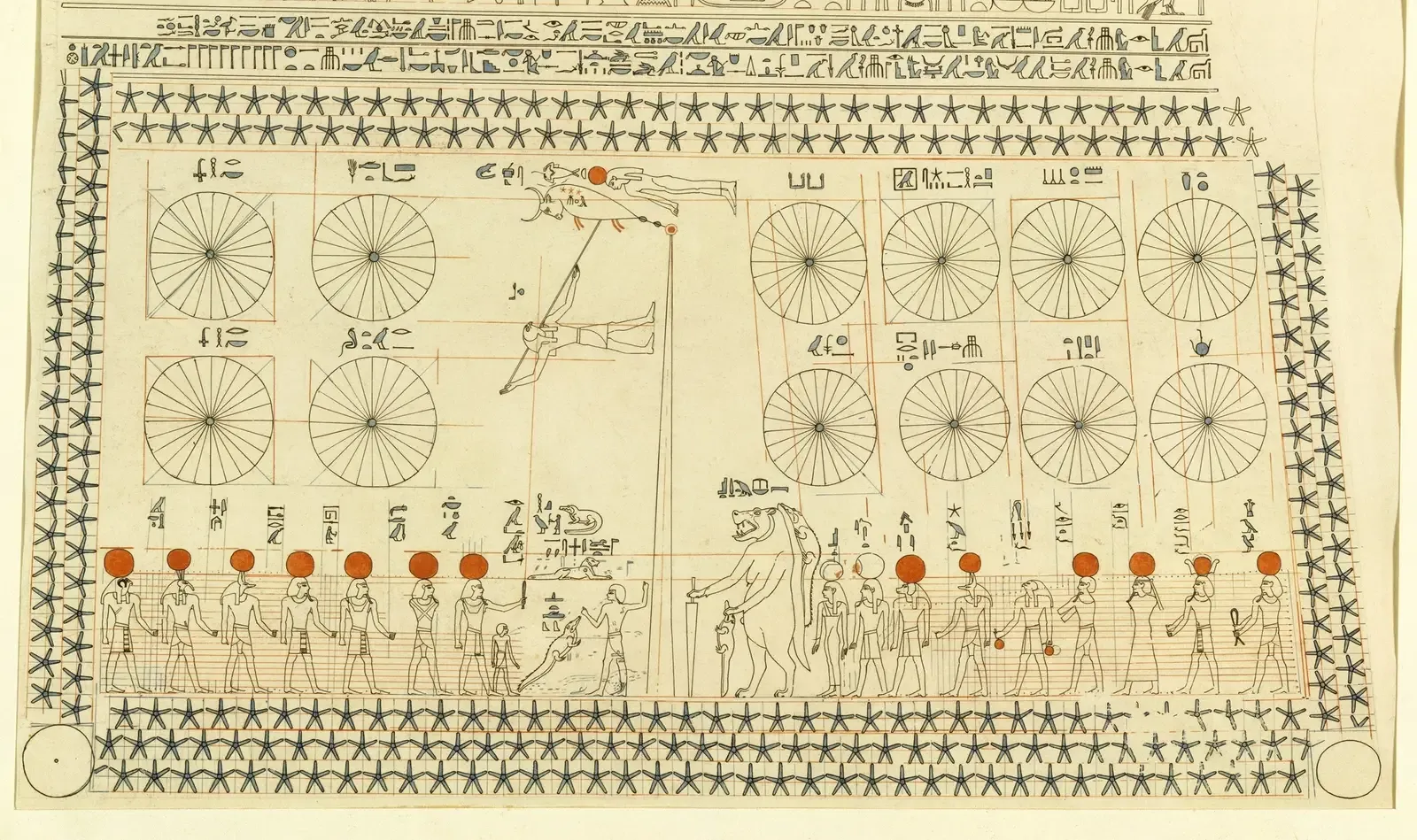
One of the most famous categories of cuneiform tablets is the Mesopotamian star list – long, systematic catalogues of constellations and the “paths” of the gods. The catch: several of these lists encode a sky that looks more at home hundreds of kilometers to the north than it does over Babylon itself. Some of the “northern” stars in these lists would have skimmed the horizon, or dipped fully below it, from Babylon’s own latitude at the time the tablets were compiled.
Neither explanation is comfortable. One is that these tablets preserve older, northern traditions from cities like Assur, carried south by scribal schools that copied names and positions without ever recalibrating for their own sky. The other is more political: a famous northern star list carried royal prestige, and fixing the constellations to match what ordinary Babylonians could actually see would have made the text look less impressive, not more accurate.
#9 – Constellations Described from Coastal Latitudes, Copied Inland
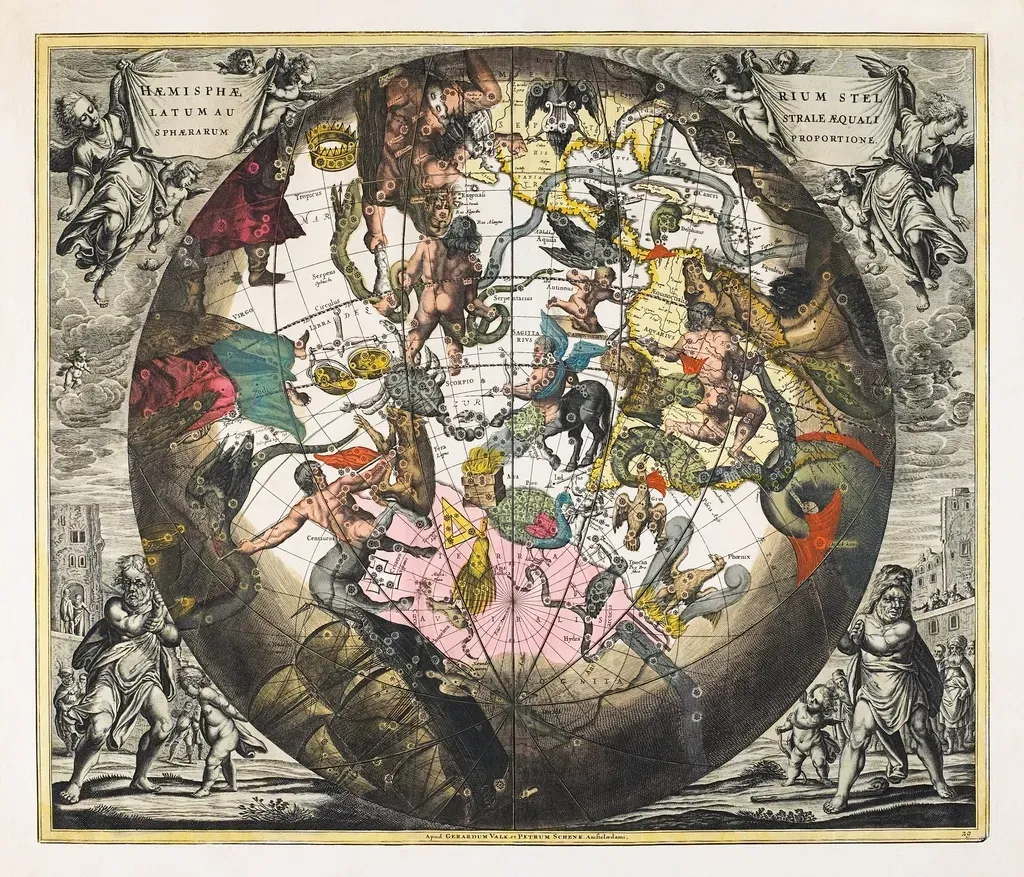
Some tablets clearly describe constellations that only make observational sense from low coastal latitudes, yet turn up deep inland, where those same star patterns would have been distorted or effectively invisible. Coastal traders along the eastern Mediterranean and Red Sea could see southern stars that an inland farmer, sitting at slightly higher latitude, would never comfortably watch rise.
What raises eyebrows is when these coastal-style constellations show up on tablets from inland capitals, with the mythic instructions only working if you have an unobstructed low southern horizon. Inland, with hills or higher latitude in the way, the key marker stars would set too early or never rise at all – yet the tablets never adjust a single detail. Court astrologers reciting these texts at inland ceremonies may never once have personally seen the constellation they were so confidently invoking.
At a Glance
- Near the equator, observers can eventually see nearly the entire celestial sphere over the course of a year.
- At higher latitudes, a growing band of southern (or northern) sky never rises above the horizon at all.
- Coastal sites with a clear, low horizon often reveal stars that inland terrain quietly blocks from view.
- Even a shift of just a few degrees in latitude can turn a familiar rising star into one that never clears the horizon.
#8 – The Precession Trap: When “Old” Constellations Slip Below the Horizon

Most people don’t realize the night sky isn’t fixed. Over thousands of years, Earth’s slow axial wobble drags constellations north or south relative to any given latitude, meaning a constellation proudly carved onto a tablet in 1800 BCE could become literally unseeable from that same spot by the time a later scribe recopied the text centuries afterward.
Several star manuals, especially in Mesopotamian and early Hellenistic traditions, show exactly this trap: descriptions of “never-setting” circumpolar stars that, thanks to precession, would in fact have dipped below the horizon by the time the surviving tablet was produced. There’s no sign the later scribe noticed or cared – he preserved the traditional wording because tradition, not observation, is what counted as authoritative. Modern readers calling this an “error” are missing the point entirely; the chisel was following doctrine, not the sky.
#7 – Southern Constellations Frozen in Northern Libraries

In a handful of elite temple and palace collections, researchers have identified tablets describing distinctly southern constellations – patterns that make the most sense several degrees closer to the equator – that were physically stored, and likely copied, at far more northerly sites. The rising and setting angles described in these texts simply don’t match the apparent motion of stars from where the tablets sat on a library shelf.
The likely scenario: learned centers acted as archives of pan-regional knowledge, amassing texts from kingdoms and climate zones their own scribes had never visited. To a northern librarian, a southern cult’s astronomical text was a prestigious, exotic artifact, not a practical observing guide. That’s a subtle but important lesson – some tablets weren’t sky manuals at all. They were trophies, diplomatic gifts, or scholastic curiosities, and the fact that half their stars were invisible locally just proved the text had come from somewhere impressively far away.
#6 – Astral Prophecy Texts That Ignore the Local Horizon
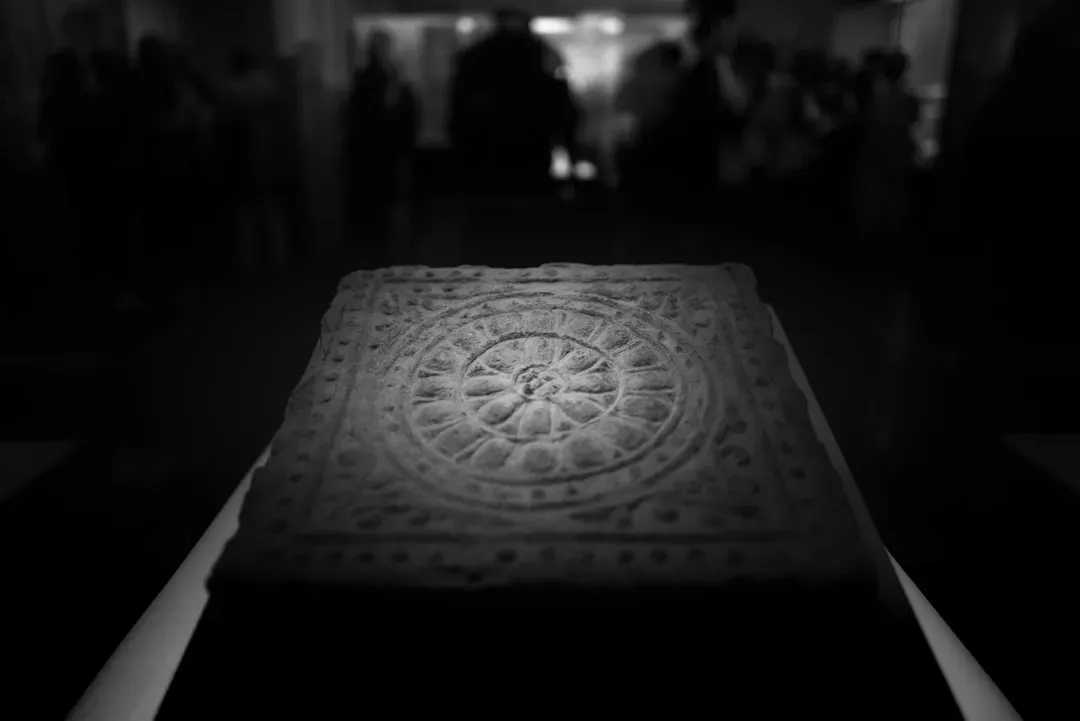
Astrology tablets were supposed to be practical: if this star does X, expect Y on earth. Yet a subset of astral omen texts describes planet-and-constellation relationships that simply cannot occur as stated from the latitude where the tablet was actually found – a prophecy hinging on a planet standing within a specific asterism “at dawn on the horizon,” when the geometry shows that alignment could never rise at that angle from that city.
One explanation is straightforward copying from foreign omen compendia without re-checking the sky geometry. The more provocative theory is that the omen tradition itself was portable – priests treated the words as magically powerful regardless of whether the sky pattern was ever actually visible overhead.
Quick Compare
- Copying explanation: scribes lifted omen texts from foreign archives without rechecking the local sky geometry.
- Portable ritual explanation: priests treated the words as sacred and powerful, whether or not the pattern was ever visible overhead.
- Modern read: to a scientist, that looks like a flat-out mistake.
- Ancient read: to a diviner, it probably looked like faithful, sacred quotation.
The result is a kind of “ghost sky” baked permanently into the clay: a configuration that existed somewhere, just not above the city where the tablet finally dried. And yet for royal decision-making, it was the text, not the true horizon, that called the shots.
#5 – Hellenistic Star Catalogs Mismatched to Eastern Latitudes

When Greek astronomical ideas spread eastward after Alexander, local scribes suddenly had access to highly systematized constellations defined for Greek observing sites. The problem: star altitudes, risings, and settings that made perfect sense from Rhodes or Alexandria stopped lining up the moment they were transplanted onto courts sitting at a different latitude.
Tablets and inscriptions from Hellenistic-influenced regions adopted these Greek constellations wholesale anyway, repeating seasonal claims that didn’t match local sunrise and sunset geometry, especially for stars hugging the southern horizon. This wasn’t sloppiness – it was prestige. Greek star catalogs carried enormous cultural weight, and local elites wanted that cachet more than they wanted locally accurate astronomy, effectively importing a foreign latitude’s sky as a status symbol.
#4 – Northern “Bear” and “Wain” Myths Found Too Far South
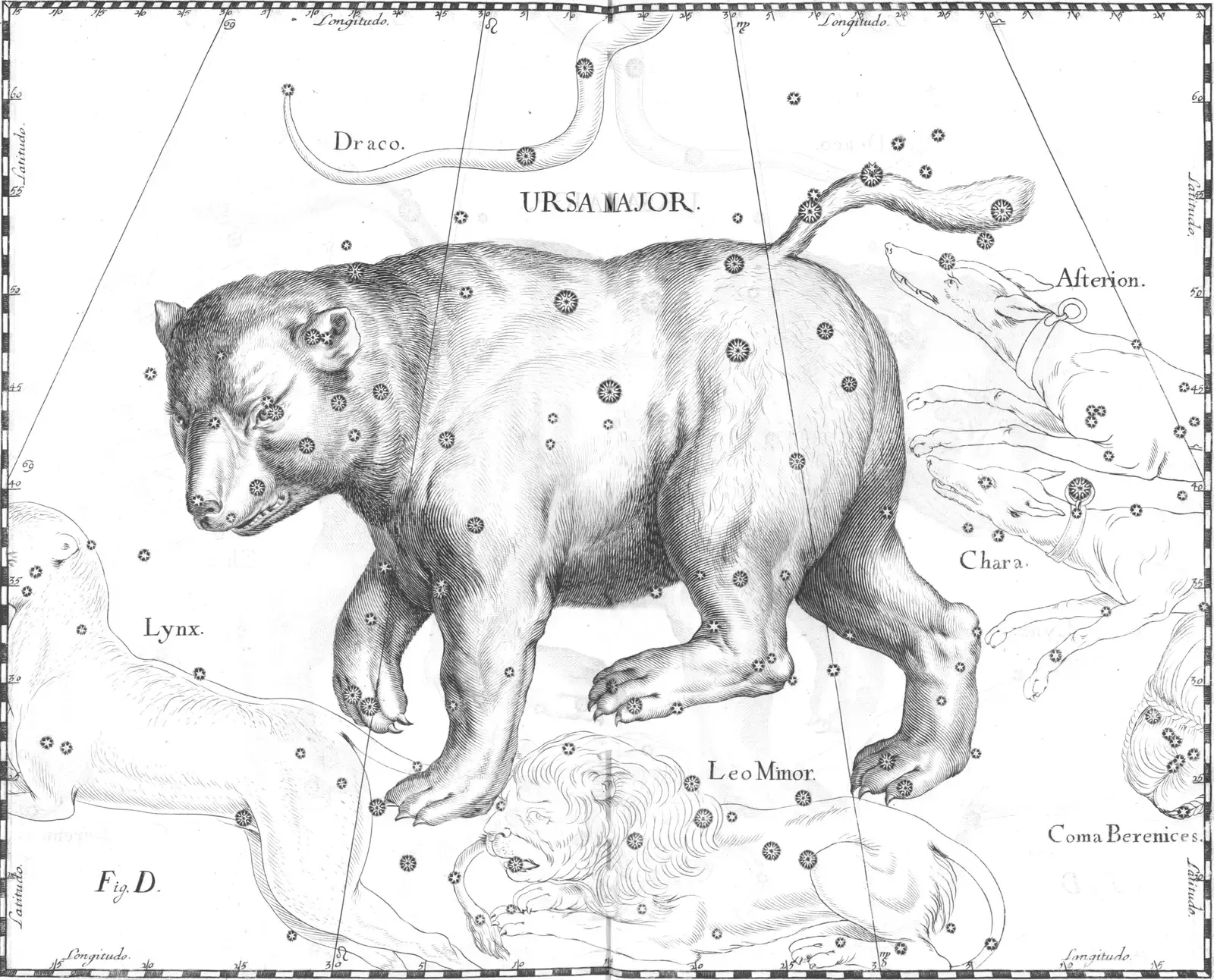
Some of the most iconic northern constellations – the Great Bear and the Wain, or cart, patterns circling the north celestial pole – show up in fragmentary myths and tablets far south of where they make any observational sense. From low-latitude regions, those northern asterisms flirt with the horizon or drop out of view entirely, especially once you factor in dusty, humid air and local terrain blocking the low northern sky.
Yet ritual texts at those latitudes describe these star-animals and wagons as dominant, ever-present sky markers – a description that would feel exaggerated to anyone actually standing there and squinting at the horizon. The likely explanation is cultural borrowing: the story traveled first, and observational reality only followed if it happened to cooperate. Eventually, in some of these regions, the myth almost certainly outlived the visible constellation entirely.
#3 – Tablets Describing “Invisible” Polar Stars

A particularly striking mismatch involves references to polar stars and “navel of the sky” markers on tablets found in regions where those stars should have sat effectively below or right on the horizon at the time of inscription. Polar reference stars shift over millennia due to precession, so a marker star that was genuinely useful for one culture at a higher latitude can become invisible for another culture centuries later and slightly farther south.
Yet we find tablets celebrating specific “immovable” or “ever-watching” stars that calculations show would not have been reliably visible from the findspot at the relevant date. Scholars increasingly suspect these texts weren’t describing the local pole at all – they were guarding a doctrinal model handed down from an older, more northerly tradition. As long as the star’s name and role matched the sacred script, it didn’t matter that the actual star had slipped too low for the scribe’s own eyes to ever find it.
#2 – “Universal” Zodiac Tablets Written for the Wrong Latitude Band
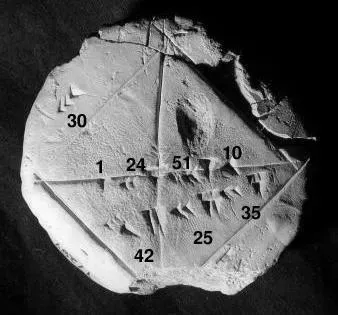
By the time zodiac constellations spread widely, astronomers talked about them as if they were universal scaffolding – the same sky, everywhere on Earth. In practice, where you stood changed how, when, and even whether certain zodiacal stars appeared at all. Some tablets from border regions of empires lock in seasonal rules that line up far better with a narrower latitude band than the one where the tablet itself was actually produced.
Instructions about when a zodiac constellation “reigns at midnight,” or which month it first appears in the east, can be off by weeks – or geometrically impossible – once you plug in the real latitude of the discovery site. These patterns usually match capital cities or older centers of power better than the provinces where they were found, meaning provincial scribes were using a metropolitan sky as their template regardless of what their own neighbors could see. The zodiac feels global on the clay; observationally, it’s a fossil of one very specific strip of Earth.
#1 – The Possibility of Travel: Constellations from Journeys, Not Home
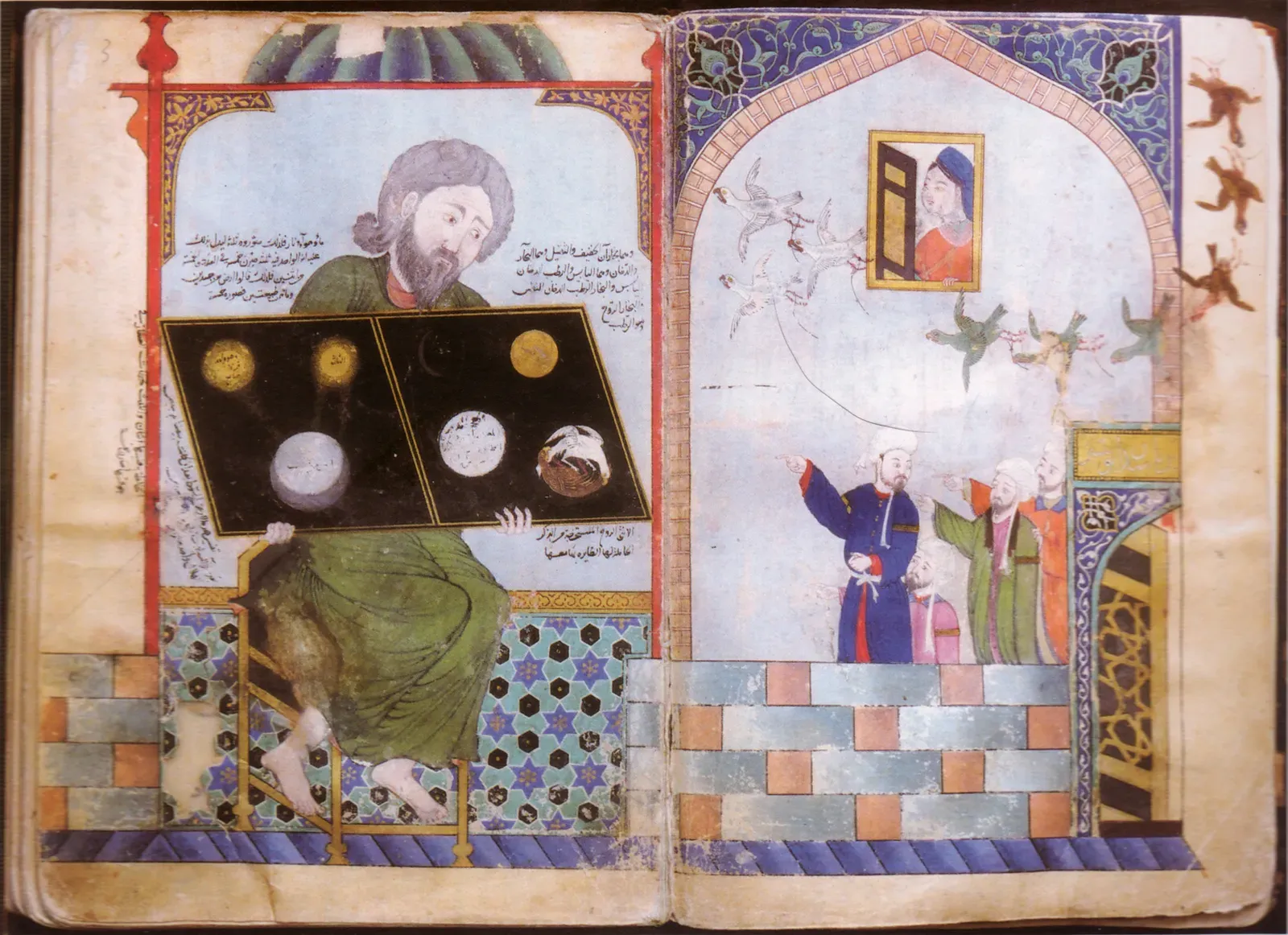
The most intriguing explanation for some “impossible” constellation descriptions is also the most human: travel. Traders, soldiers, and envoys moved across vast distances, sometimes crossing enough latitude that the entire night sky changed character. Someone from a mid-latitude inland city who spent months on a southern sea route would suddenly encounter stars, and full constellations, that simply never rose back home.
When those travelers returned, they brought back stories. A few were literate or connected enough to scribal circles that their exotic sky tales got recorded, either as marvels or quietly folded into existing cosmologies – producing tablets in one latitude describing constellations that truly belonged to another. Unlike pure copying, this pattern reflects lived experience, just not local experience.
Worth Knowing
- Some scholars remain skeptical, insisting most tablets are strictly elite, sedentary productions.
- Others argue it’s naive to assume sky knowledge never traveled by caravan or fleet.
- Trade routes across Mesopotamia, the Levant, and the Red Sea could cross enough latitude to change which constellations were visible at all.
- A single successful voyage could seed a “new” constellation into a culture’s mythology for generations.
The truth is probably mixed: imported scholarly lists, yes, but also firsthand notes from people who saw a different firmament once and simply couldn’t forget it. Those tablets aren’t so much wrong as they are snapshots of a traveler’s sky, frozen in clay far from where those particular stars actually shine.
Zoom out across all eleven, and a slightly uncomfortable truth emerges: a lot of ancient “astronomy” was never meant to be an eyewitness report of the local sky. It was a mash-up of prestige copying, precessional drift, cultural borrowing, and, sometimes, the stubborn memory of someone who once stood under a completely different set of stars. Polar stars that had already slipped below the horizon, southern constellations locked away in northern archives, zodiac rules that only truly worked hundreds of kilometers from where they were carved – none of it means the ancients were careless.
It means authority beat accuracy, over and over, for thousands of years. And if I’m being blunt, that’s the more interesting discovery here. These scribes weren’t failing at astronomy; they were prioritizing lineage, prestige, and inherited authority over the plain evidence sitting right above their heads – which, frankly, doesn’t sound all that different from how a lot of “settled knowledge” still gets passed down today. The real constellation worth mapping was never just in the sky. It’s the tangled network of cities, libraries, and travelers who carried those star stories around long after the stars themselves had wandered somewhere else.