Some animals never got the memo. They kept turning up in fishing nets, on trail cameras, in late-night stories told by people scientists didn’t bother to ask. In at least thirteen cases, creatures officially wiped from existence kept showing up for fifty years or more, sometimes right under our noses. Here’s what actually happened, species by species – and why the “extinct” label might be one of science’s most embarrassing habits.
#13 – The Coelacanth: The “Extinct” Fossil That Refused To Die
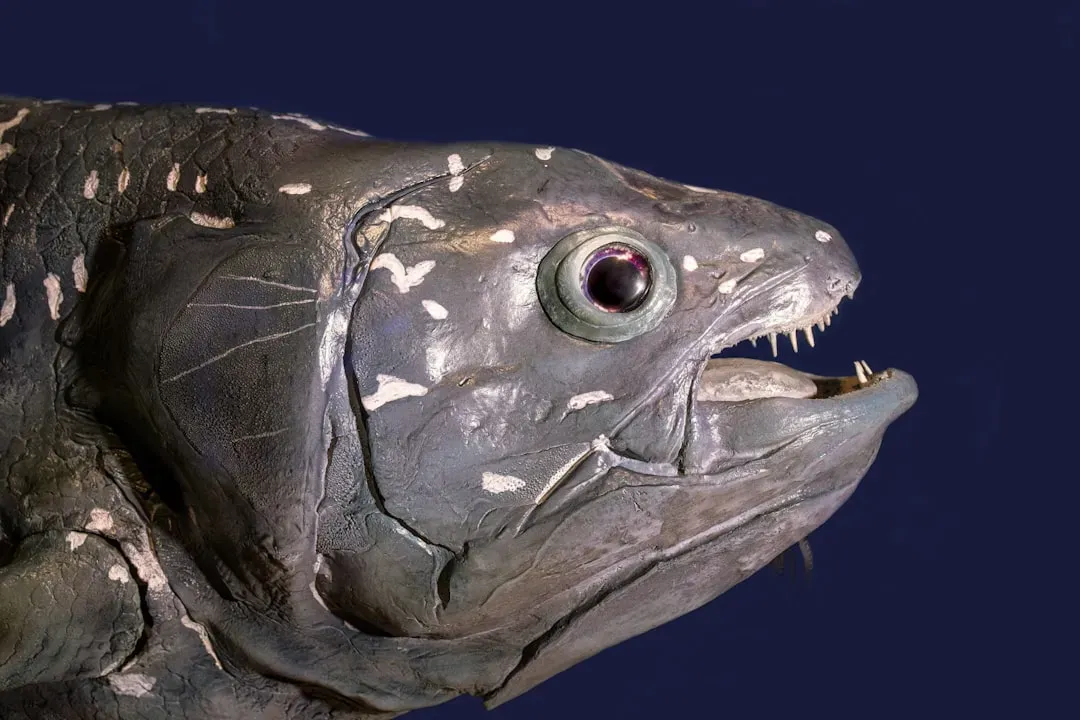
For decades, textbooks confidently declared the coelacanth dead, vanished alongside the dinosaurs some 66 million years ago. Then in 1938, a South African trawler crew hauled up something ancient and unmistakable, and every biology professor on Earth had to quietly revise their notes.
This wasn’t some freak one-off. Fishers along the African coast had known this strange, lobe-finned fish for generations. To them it was just another catch – proof that a species can be “extinct” to science and completely ordinary to the people who actually live alongside it.
I would not have been more surprised if I had seen a dinosaur walking down the street.
J.L.B. Smith, the ichthyologist who identified the first coelacanth
For most of the 20th century, researchers treated that first coelacanth as a bizarre miracle. But the more they listened to local fishing communities, the more the picture cracked open. More living coelacanths turned up near the Comoros Islands, then later off Indonesia, proof that a supposed Stone Age relic had quietly survived into the age of smartphones.
The real punchline: genetic studies suggest these lineages had been there the whole time, just deep, slow, and nearly impossible to sample. Which raises an uncomfortable question the next case answers even louder.
#12 – New Zealand Takahe: From “Extinct” To Tourist Attraction
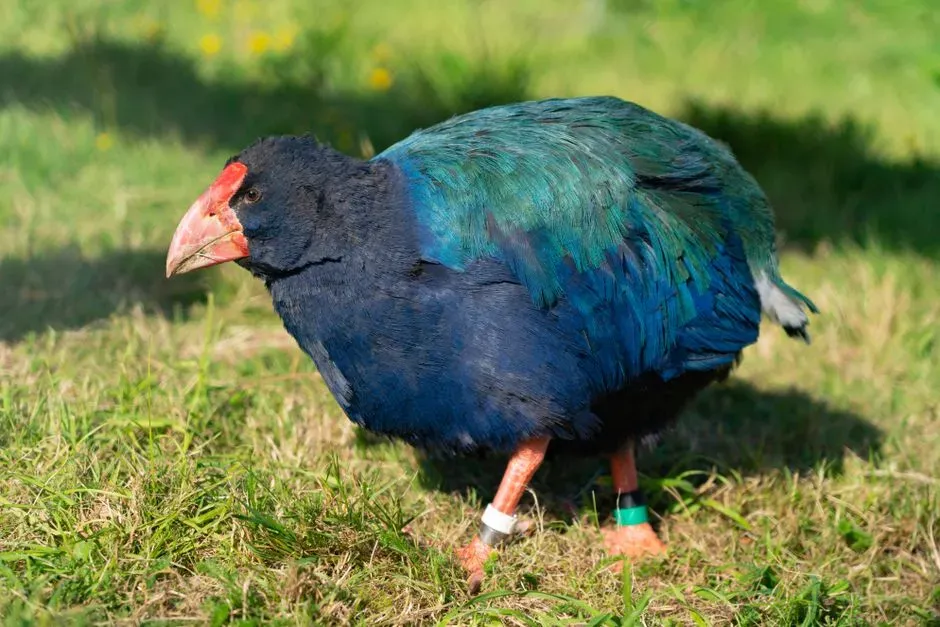
The South Island takahe was declared extinct in 1898 after decades of habitat loss and hunting. Officially, the book was closed. Unofficially, locals kept reporting strange, heavy rail birds in remote valleys, stories that scientists mostly shrugged off as misidentifications.
Then in 1948, a field team finally followed up seriously and walked into a population of living takahes that had persisted for roughly half a century after science had given up on them.
What makes the takahe case uncomfortable is how long those reports were ignored. Shepherds and hunters described “big blue birds” for years, but because they weren’t biologists, their accounts carried little weight. Once the birds were “rediscovered,” money and attention poured in, and the species is now a managed conservation darling, complete with breeding programs and visitor centers.
The lesson is brutal: we lost fifty years of potential protection just because the right people didn’t believe the “wrong” people. That kind of institutional stubbornness turns out to be a pattern, and the next bird proves it.
#11 – Bermuda Petrel (Cahow): Ghost Bird Of The Atlantic
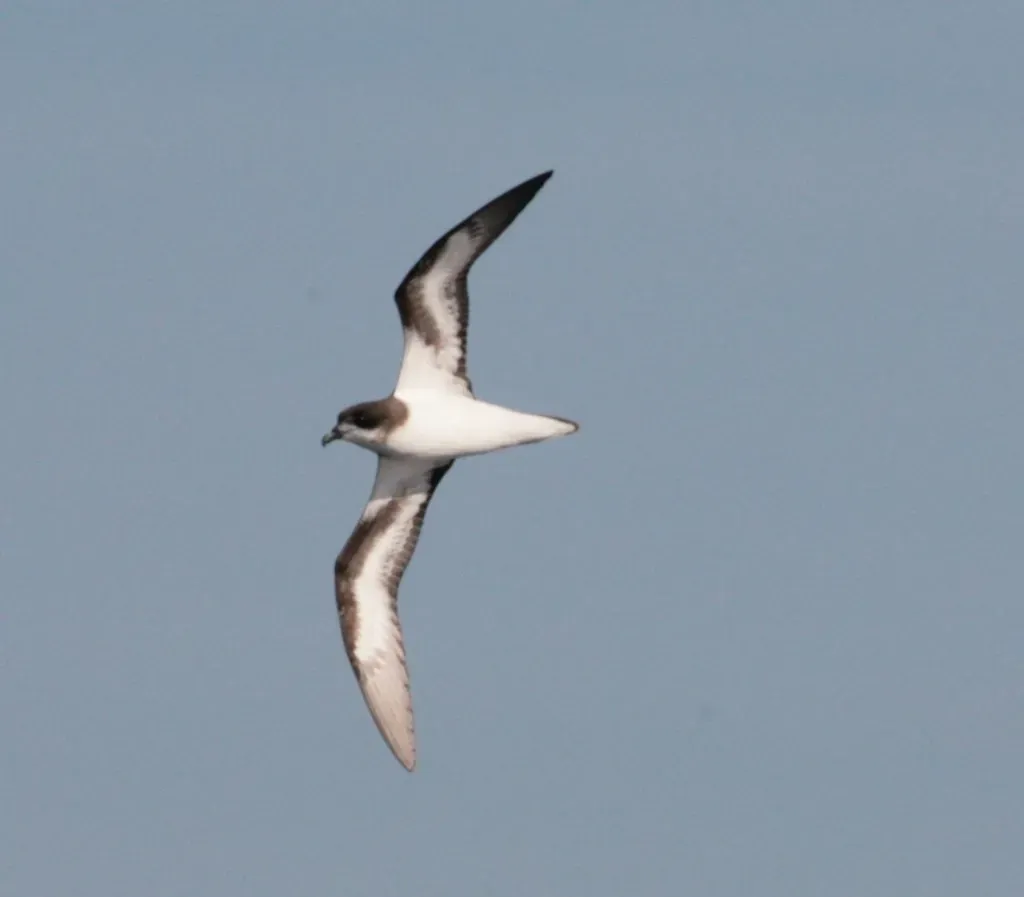
By the early 1600s, sailors and settlers had so thoroughly raided Bermuda’s nesting seabirds that the Bermuda petrel, known locally as the cahow, was assumed gone. For more than 300 years, natural history books repeated that extinction as fact.
But islanders whispered otherwise, reporting eerie calls and shadowy birds offshore well into the 19th and 20th centuries. The species was firmly “extinct” on paper, yet people were still hearing it in the night sky.
In 1951, a team finally landed on remote islets and found surviving cahows nesting in rocky crevices. Genetic and historical work suggests these remnant birds had likely persisted for centuries in ultra-remote spots, avoiding introduced predators and human disturbance.
That means you had a seabird written off before the United States even existed, still flying around into the mid-1900s. Today the cahow is heavily protected, but the story is embarrassing: a “ghost” species that never actually left, just moved somewhere we rarely bothered to look. As eerie as that is, it’s nothing next to the six-legged holdout waiting on a rock nobody visits.
#10 – Lord Howe Island Stick Insect: The “Tree Lobster” On A Rock
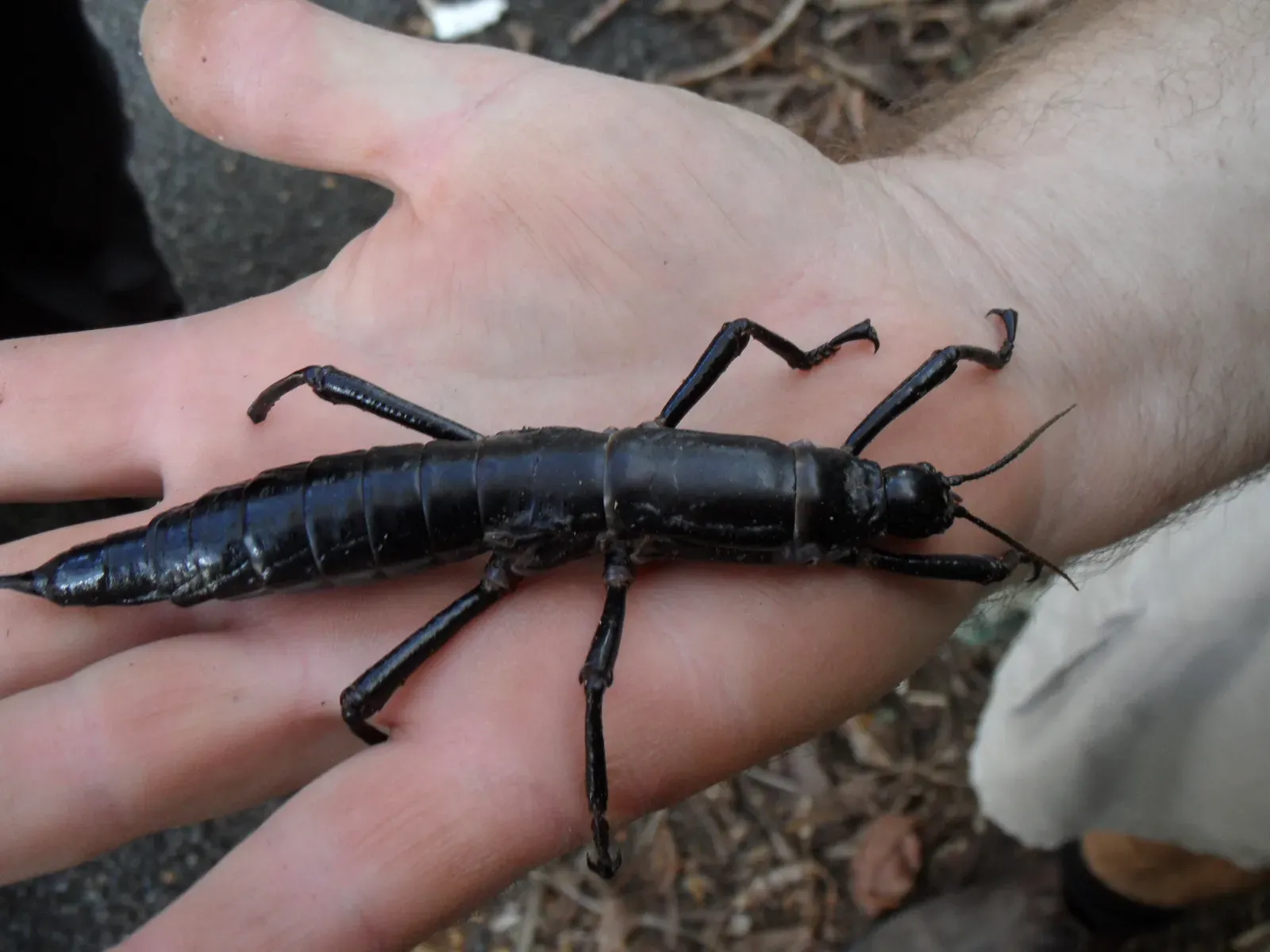
After invasive rats arrived on Lord Howe Island in 1918, the big, armor-plated stick insect known as the “tree lobster” vanished fast. By the 1930s, it was declared extinct. For decades, that was the end of it.
But fishers climbing a remote volcanic stack called Ball’s Pyramid, about 14 miles away, kept telling stories of huge “bugs” under bushes. For nearly 70 years after its official disappearance, locals described an insect scientists had already erased from the books.
Fast Facts
- Scientific name: Dryococelus australis, better known as the “tree lobster”
- Wiped out on Lord Howe Island after rats escaped a grounded supply ship in 1918
- Declared extinct just over a decade later, by the 1930s
- Rediscovered in 2001 clinging to Ball’s Pyramid, a jagged sea stack roughly 14 miles offshore
- The entire surviving colony was clustered around a single shrub
In 2001, climbers and biologists finally checked properly and found a tiny surviving population clustered around a single shrub. Genetic work later confirmed these were indeed Lord Howe Island stick insects, not some distant cousin.
The species had apparently hung on for most of the 20th century, unseen except by a few climbers who weren’t taken seriously. Conservation programs now breed them in captivity, but here’s the awkward truth: this “extinct” animal spent half a century living on a rock we could literally see from the island. If an insect can pull that off, imagine what a bird the size of a crow could get away with.
#9 – Ivory-Billed Woodpecker: Extinct, Alive, Or Something In Between?
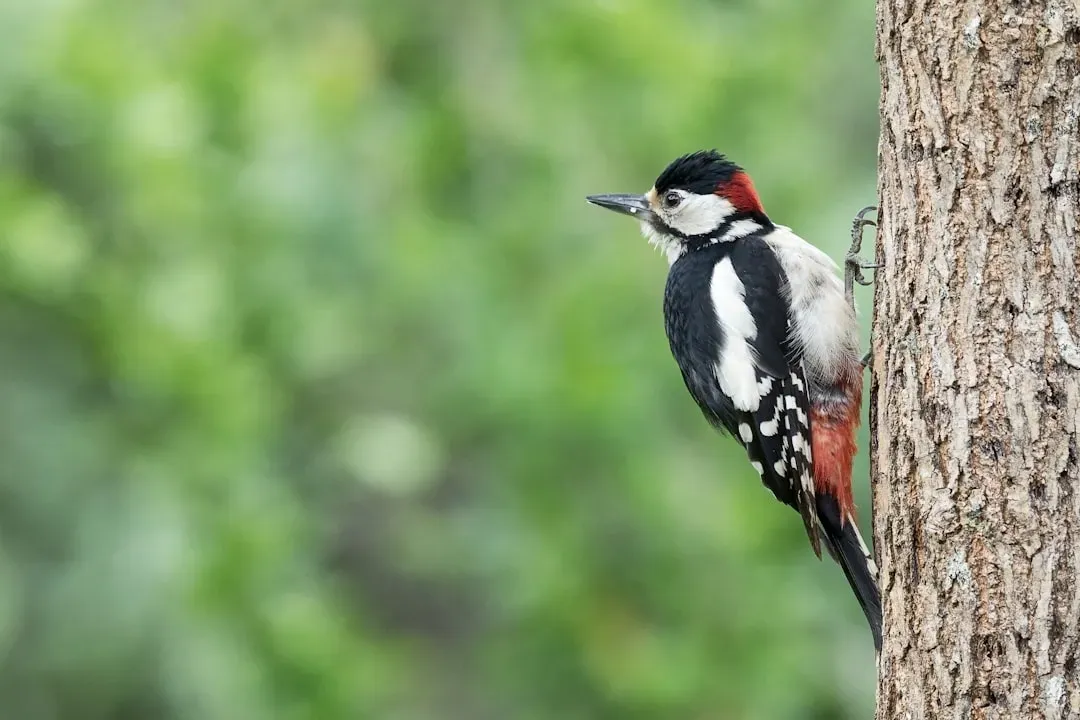
Officially, the ivory-billed woodpecker was declared extinct in the U.S. decades ago after logging and hunting shredded its southeastern forest home. Unofficially, the bird has never left the public imagination.
Hunters, fishers, and birders kept reporting huge, black-and-white woodpeckers deep in swamps well into the late 20th century. Some of those sightings are now more than fifty years beyond its presumed disappearance, and the controversy is so intense that some ornithologists quietly think the bird may have lingered far longer than the paperwork admits.
A highly publicized “rediscovery” in Arkansas in 2005, based on grainy video and sound recordings, poured gasoline on the debate. Critics say it’s wishful thinking; others note that large, wary birds can hide for decades in flooded forests where humans rarely go.
Even now, scattered reports trickle in from Louisiana and Florida. At minimum, the pattern suggests an uncomfortable possibility: we may be calling species extinct while viable remnants are still clinging on in overlooked corners. The doubt swirling around that woodpecker is nothing compared to the fight over a missing big cat.
#8 – Javan Tiger: Officially Gone, Locals Not So Sure
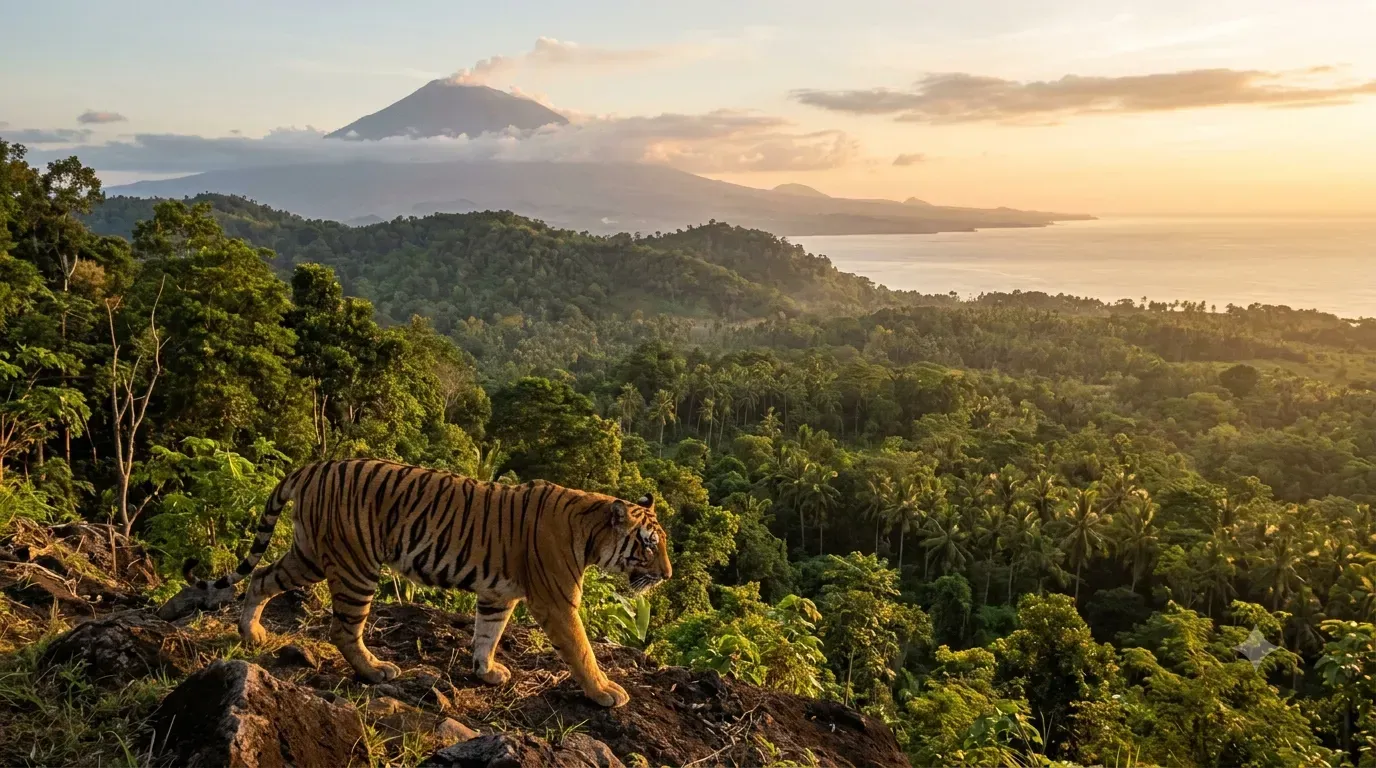
The Javan tiger was declared extinct in the 1970s and 1980s after plantations, poaching, and road-building devoured the island’s forests. Government surveys found nothing, and Indonesia moved on.
Yet villagers, rangers, and even some biologists continued to report striped cats, tracks, and kills into the 1990s and 2000s, well beyond the supposed extinction date. If even a fraction of those accounts are accurate, the species may have persisted for several decades after its obituary was written.
Worth Knowing
- The last positive confirmed sighting of the Javan tiger was in Meru Betiri National Park, East Java, in 1976
- Since no evidence of a Javan tiger was found during several studies in the 1980s and 1990s, it was assessed as being extinct in 2008
- That leaves a gap of more than three decades between the last confirmed sighting and the official extinction ruling
- In 2019, a local resident reported an encounter near a plantation in West Java, and researchers later found a strand of hair along with claw marks and footprints at the site
Camera traps have never produced a definitive modern Javan tiger image, which critics lean on heavily. But that cuts both ways: camera coverage is still thin in dense, mountainous regions, tigers are naturally wary, and governments sometimes downplay survival claims that would force costly, politically awkward protections.
Field ecologists have quietly admitted that “extinct” on paper often just means “we stopped funding proper surveys.” In other words, the tigers’ official disappearance may say more about budgets than biology. Tigers get headlines. This next survivor got ignored, and it’s venomous.
#7 – Cuban Solenodon: Venomous Relic That Wouldn’t Quit
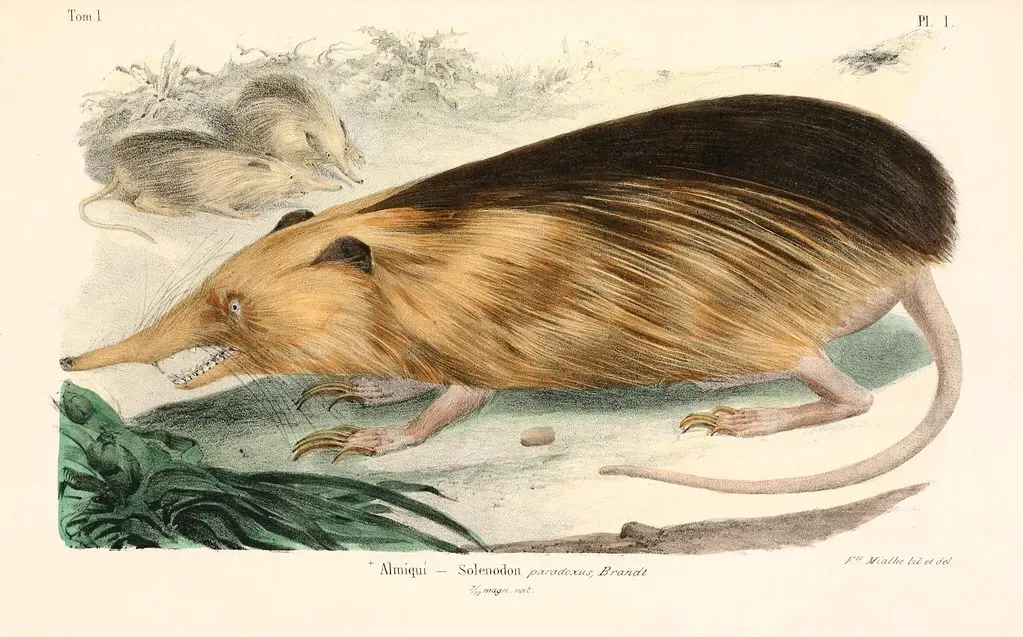
The Cuban solenodon looks like a giant shrew with a toxic bite and a prehistoric resume. After habitat loss and invasive predators hammered it in the early 1900s, scientists assumed it had gone extinct by mid-century. For roughly 50 years, there were no formal records at all.
Yet local farmers and hunters in eastern Cuba periodically mentioned strange, rat-like animals with long snouts. Those oral reports were mostly dismissed as confusion with common rodents.
In the 1970s and again in the 2000s, targeted fieldwork finally confirmed that the solenodon was still alive, slinking through remote mountain forests in tiny numbers. Genetic data and trapping records together imply that at least some populations must have survived invisibly through the very decades it was listed as possibly extinct.
The uncomfortable truth: a venomous mammal had been living alongside people who saw it, while the scientific community acted as if it was only a fossil. If you think that sounds like bad science mixed with urban-rural bias, you’re not wrong. If a venomous mammal can hide in plain sight, so can something far bigger and far more visible.
#6 – Guadalupe Fur Seal: Slaughtered, Then Quietly Rebound
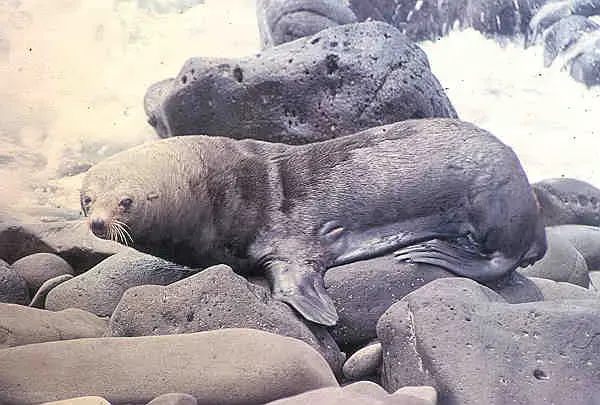
By the late 1800s, commercial sealers had brutalized Guadalupe fur seals off Mexico to the point that biologists wrote them off entirely. For decades, standard references labeled the species extinct.
But sailors and fishers kept mentioning “odd seals” on remote islands and offshore rocks well into the early 20th century. Those stories were treated as background noise until the 1950s, when researchers finally confirmed living Guadalupe fur seals on isolated islands, roughly half a century after the world assumed they were gone.
What’s wild is how many chances we had to correct the record earlier. Stranded animals washed up on beaches. Skulls and skins surfaced in markets and collections. Each time, they were treated as leftovers from a dead species, not signals of a survivor.
Once official surveys were finally mounted, they found a slowly recovering population that had quietly been rebuilding for decades. It’s hard to avoid the conclusion that we preferred a neat extinction narrative over the messy reality of a species we almost, but not quite, erased. Seals are one thing. Wait until you hear about the giant lizard hiding in someone’s backyard.
#5 – La Palma Giant Lizard: “Stone Age” Reptile In Modern Backyards
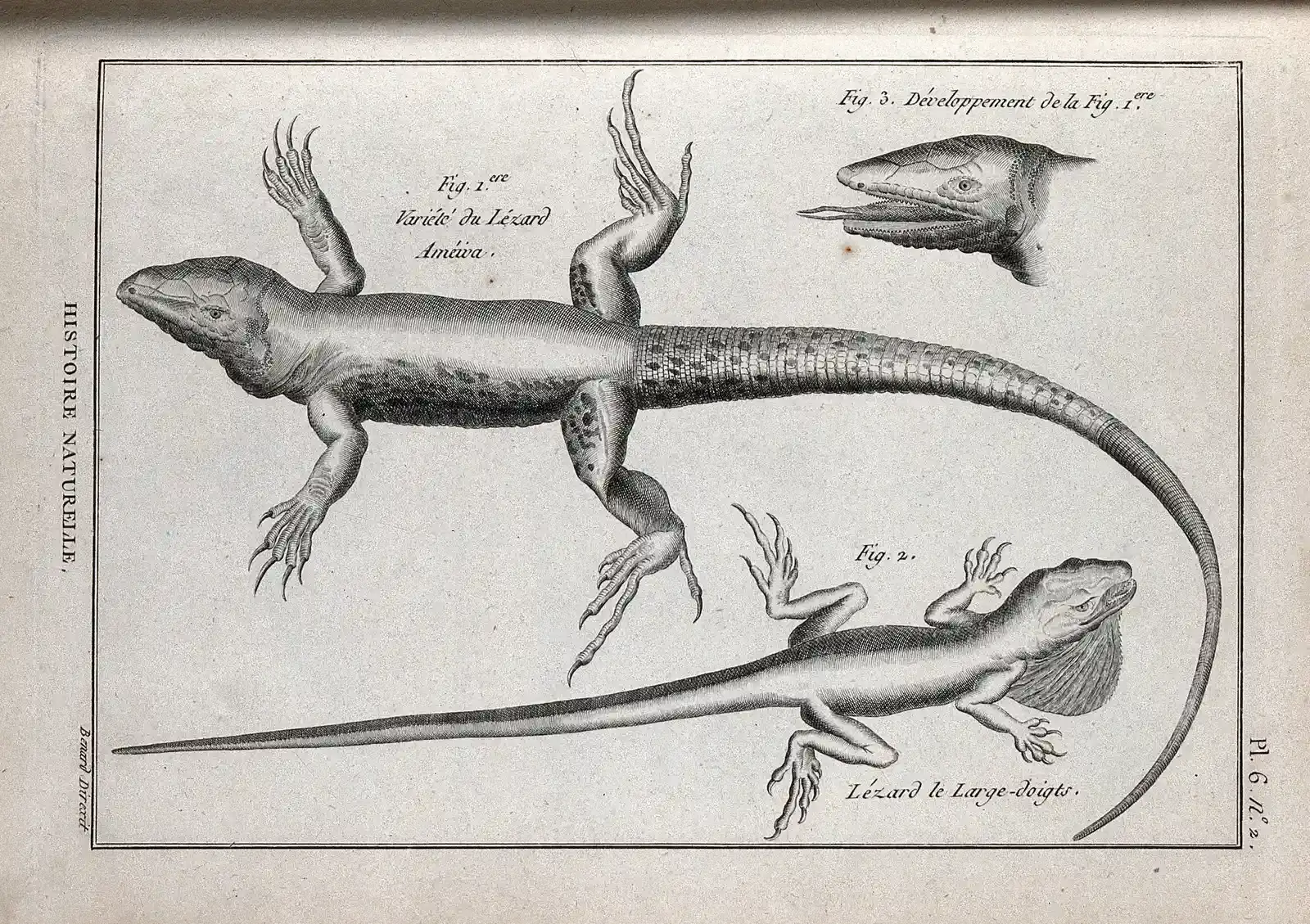
The Canary Islands once had several giant lizard species, most of which were chalked up as fossils and museum pieces. La Palma’s giant lizard was treated the same: known from bones, assumed gone for centuries.
Yet people on the island occasionally described unusually large, dark lizards on cliffs and ravines. These accounts sounded like tall tales, and for decades nobody bothered to check seriously.
At a Glance
- Scientific name: Gallotia auaritae, one of the Canary Islands’ giant lacertid lizards
- Until the sightings, it was believed to have become extinct in the last 500 years
- The recently sighted individual was slightly more than 30 cm (~1 ft) long and had an estimated age of four years
- Not a single living individual has ever been captured, and any remaining population is assumed to be tiny
- It’s still classified as critically endangered, possibly extinct
Then in the late 20th and early 21st century, living giant lizards were confirmed, forcing experts to admit the species had been written off too early. Radiocarbon and historical work suggest these lizards survived long after human arrival, probably into at least the 19th or early 20th century.
That means they overlapped with the era when naturalists were already collecting, naming, and “extinguishing” species on paper. The fact that a big, diurnal reptile could dodge formal recognition while locals saw it regularly says a lot about whose observations we value. Only once tourism and conservation funding entered the picture did the species suddenly become “interesting” to protect. That’s nothing compared to a lizard that basically got rediscovered after a hurricane.
#4 – New Caledonian Crested Gecko: Lost, Then Found In Someone’s Garden
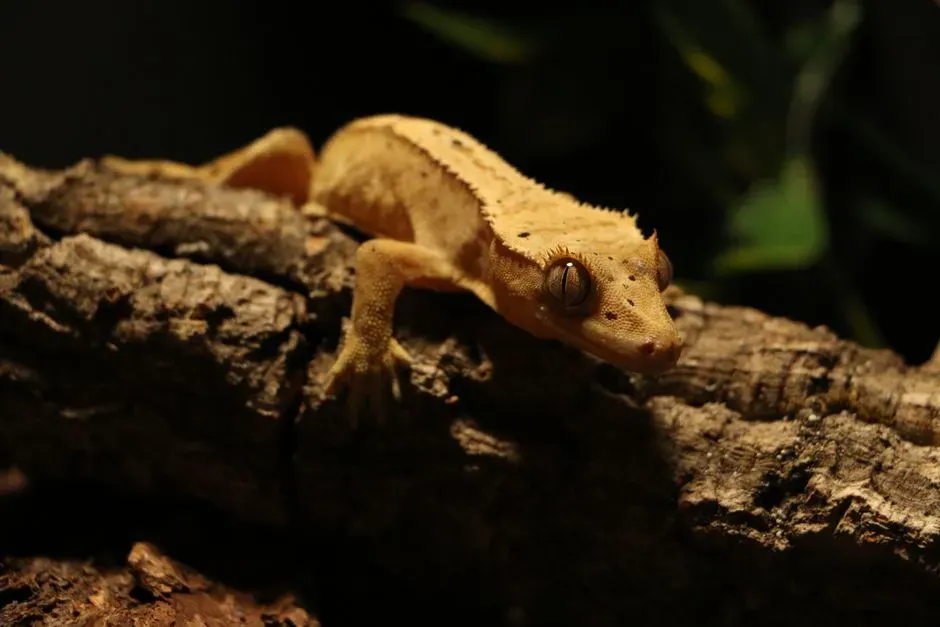
Crested geckos from New Caledonia were described in the 19th century, then stopped turning up in collections. By the mid-1900s, many herpetologists considered them possibly extinct, another casualty of habitat change.
Meanwhile, locals casually encountered similar geckos for decades in forests and even near villages. No one connected the dots. It took a series of chance finds in 1994, after a tropical storm, for science to “rediscover” what local people knew had never really vanished.
The twist here is the time lag between “lost” and “found.” For roughly a century, scientific literature treated the crested gecko as if it were gone or at least unreachable, while people in New Caledonia were living in the same habitats and occasionally seeing it.
Once it re-entered the pet trade, the species exploded in popularity worldwide, becoming one of the most common geckos in captivity. That’s the irony: a lizard that was practically extinct on paper is now bred by hobbyists in suburban bedrooms across the globe. One gecko is a curiosity. An entire class of animals doing this at once is a pattern.
#3 – Toads And Frogs “Extinct” On Paper, Croaking In The Background
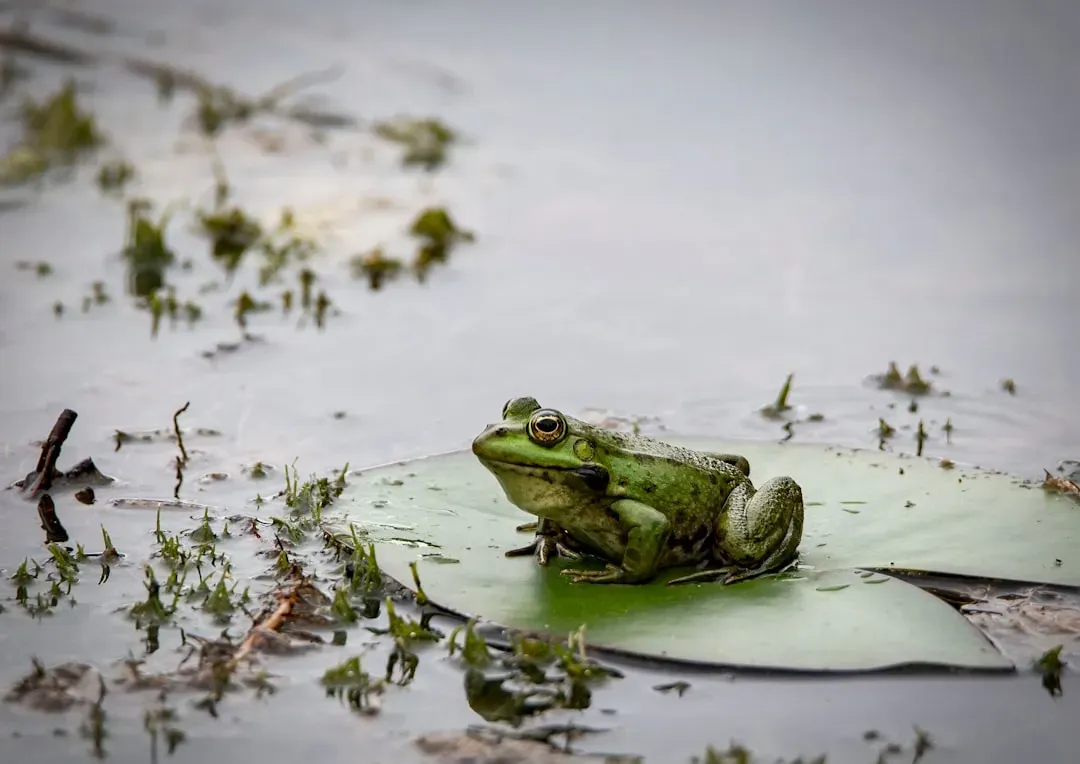
Amphibians are the poster children for vanishing biodiversity, but they’re also champions of the “extinct yet still calling” category. Repeatedly, frogs and toads have been declared gone, only for their calls to be picked up in audio surveys or by sharp-eared locals decades later.
In some cloud forests and highland streams, species believed missing for fifty years turned out to have tiny, hidden strongholds researchers had simply skipped or undersampled.
Classic examples include Central American harlequin frogs and several Australian and Asian stream frogs. Many were written off after disease outbreaks and habitat loss, but later rediscovered in remote pockets.
What makes this pattern infuriating is that acoustic surveys, literally just listening carefully with decent equipment, often reveal these “ghost” populations. In other words, we sometimes declared species extinct before we even bothered with the basic modern tools. If you think that’s a harsh judgment on the conservation establishment, wait until you see what #2 reveals…
#2 – The Thylacine (Tasmanian Tiger): The Ultimate Zombie Extinction
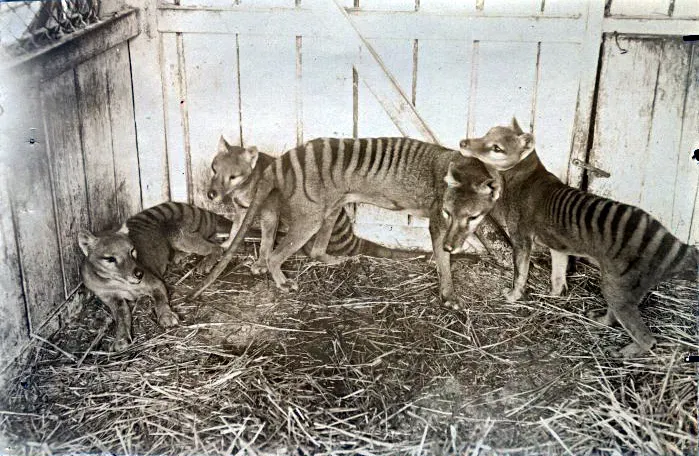
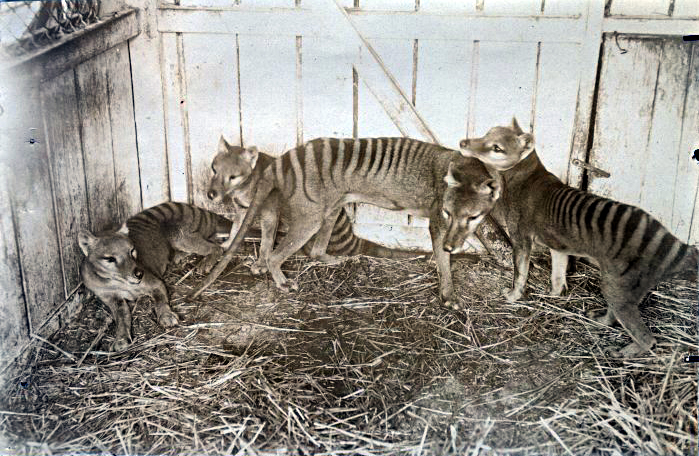
No animal blurs the line between gone and maybe-not-gone like the thylacine. Officially, the last known Tasmanian tiger died in a zoo in 1936. Governments later declared the species extinct.
Unofficially, reports of striped, dog-like predators have poured in ever since, from farmers, loggers, drivers, hikers, and even park staff. Some of those accounts stretch into the 1980s, 1990s, and beyond, well over fifty years after the species’ formal death certificate.
Why It Stands Out
- The last confirmed thylacine died at Hobart’s Beaumaris Zoo on 7 September 1936, after being accidentally locked out of its shelter during cold weather
- The IUCN didn’t formally declare the species extinct until 1982, and the Tasmanian government waited until 1986
- Until 1995, a species could only be declared extinct after 50 years passed with no confirmed sightings
- At one point, it was estimated that one in three Tasmanians had a personal “tiger sighting” story
- Search expeditions, camera traps, and cloning projects aimed at “de-extinction” continue in Tasmania today
Most biologists still think the thylacine is truly gone, and many of the modern sightings are probably mistakes or hoaxes. But the sheer volume, consistency, and geographic clustering of reports has led a minority of researchers to argue that small, cryptic populations might have persisted into the late 20th century, especially in Tasmania’s wild western ranges.
Even if the animal is gone now, that would mean our “extinction date” is off by decades. This isn’t just a trivia point; it rewrites how quickly we think species disappear once they drop below the radar. And that still isn’t as unsettling as #1…
#1 – The Passenger Pigeon: Did We Declare It Dead Too Early?
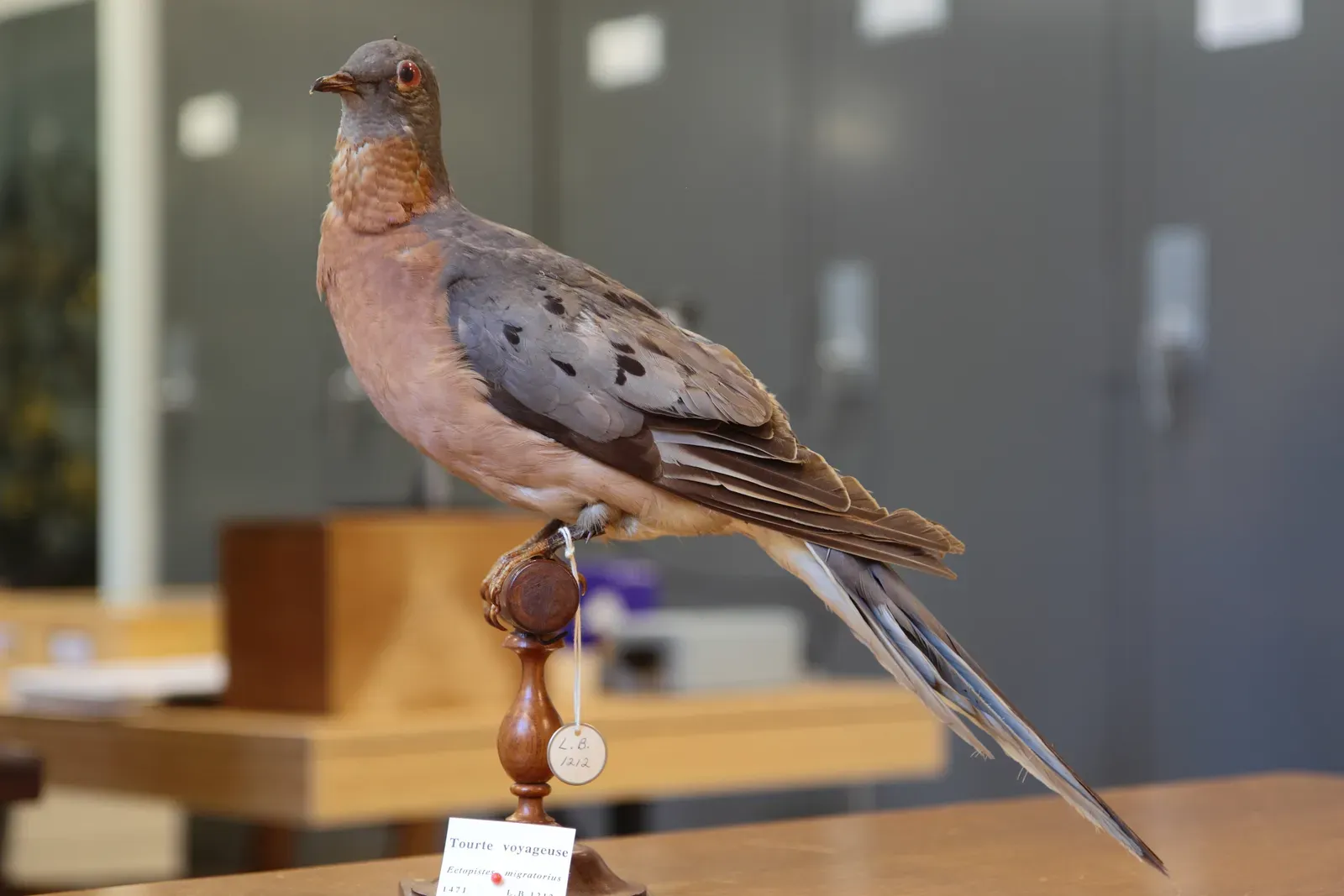
The passenger pigeon is the textbook symbol of modern extinction: billions of birds reduced to one lonely female, Martha, who died in 1914. Full stop, or so the story goes.
Yet scattered reports of large, fast-moving pigeon flocks, odd game-bird carcasses, and mysterious calls linger into the 1920s, 1930s, and in some rural accounts, even later. Most experts dismiss these as confusion with other pigeons or nostalgia-tinted memories.
But a small group of historians and ornithologists think there’s at least a chance that tiny, isolated groups of passenger pigeons hung on quietly for decades after Martha. We’ll probably never know for sure, since no definitive specimen or photograph surfaced after the early 1900s, and genetics can’t help without fresh material.
But the pattern fits what we’ve seen with other species: heavy hunting creates a sudden crash, then remnant pockets hold on in overlooked habitats while the public story jumps straight to “they’re all gone.” Even if the passenger pigeon truly vanished in 1914, the fact that serious scientists are willing to entertain much later survival dates shows how uneasy we’ve become about our own extinction records.
The Bottom Line
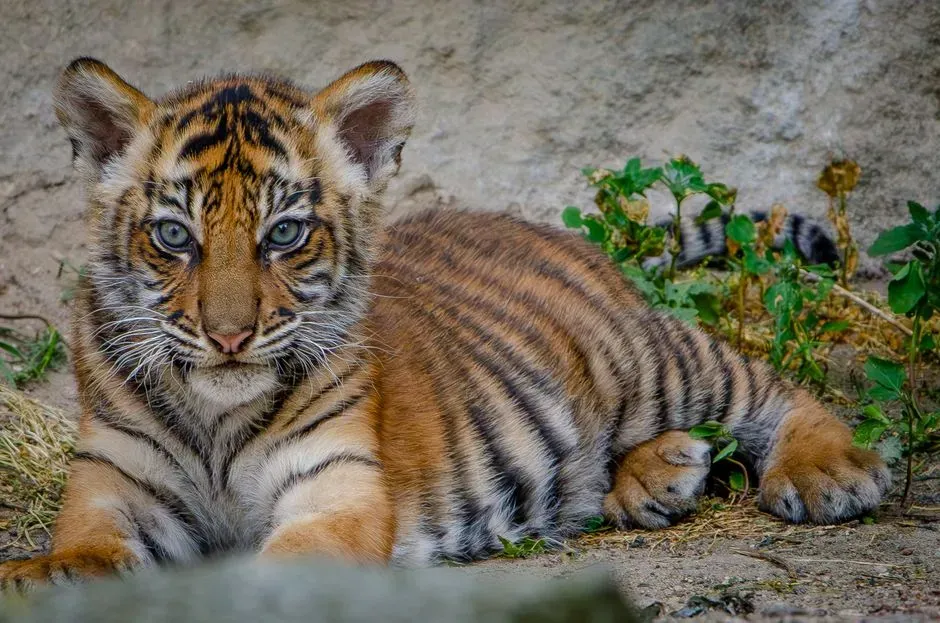
Across continents and taxonomic groups, the same uncomfortable pattern keeps appearing: we declare animals extinct long before we’ve actually checked the places they can still hide, or listened seriously to the people who say they’re seeing them.
Coelacanths in deep seas, takahes in frozen valleys, fur seals on remote rocks, and maybe even thylacines in Tasmanian backcountry all point to the same verdict: our extinction timelines are often rough guesses dressed up as facts.
That doesn’t mean extinction isn’t real. It means we’re sloppier and more arrogant about it than we like to admit. Calling something extinct too early can kill funding, halt surveys, and close the door on real recovery before it even starts.
The opinion you won’t hear in glossy conservation brochures is this: we should be much slower to write a species’ obituary, and much quicker to admit how little we actually know. Which of these stories changes your mind the most, and do you think we’re still prematurely burying species today?