Most people assume a new species discovery works like a straight line: scientists find something strange, confirm it, name it, and it joins the textbooks forever. That’s the fantasy version.
The real version is messier, and a lot more human. Somewhere between the headline and the encyclopedia entry, dozens of “new species” simply vanish. No follow-up paper. No fresh photos. Sometimes not even a confirmed specimen ever existed in the first place.
Call it scientific ghosting. A creature gets its fifteen minutes of fame, then disappears from the conversation as if it never happened. These “now you see it, now you don’t” discoveries say less about biodiversity and more about how hype, ambition, and thin evidence collide in real time. Here are twelve of the strangest cases, and what actually happened to them once the cameras stopped rolling.
#12 – The “Possibly New” Indonesian Forest Cat That Fell Off the Radar
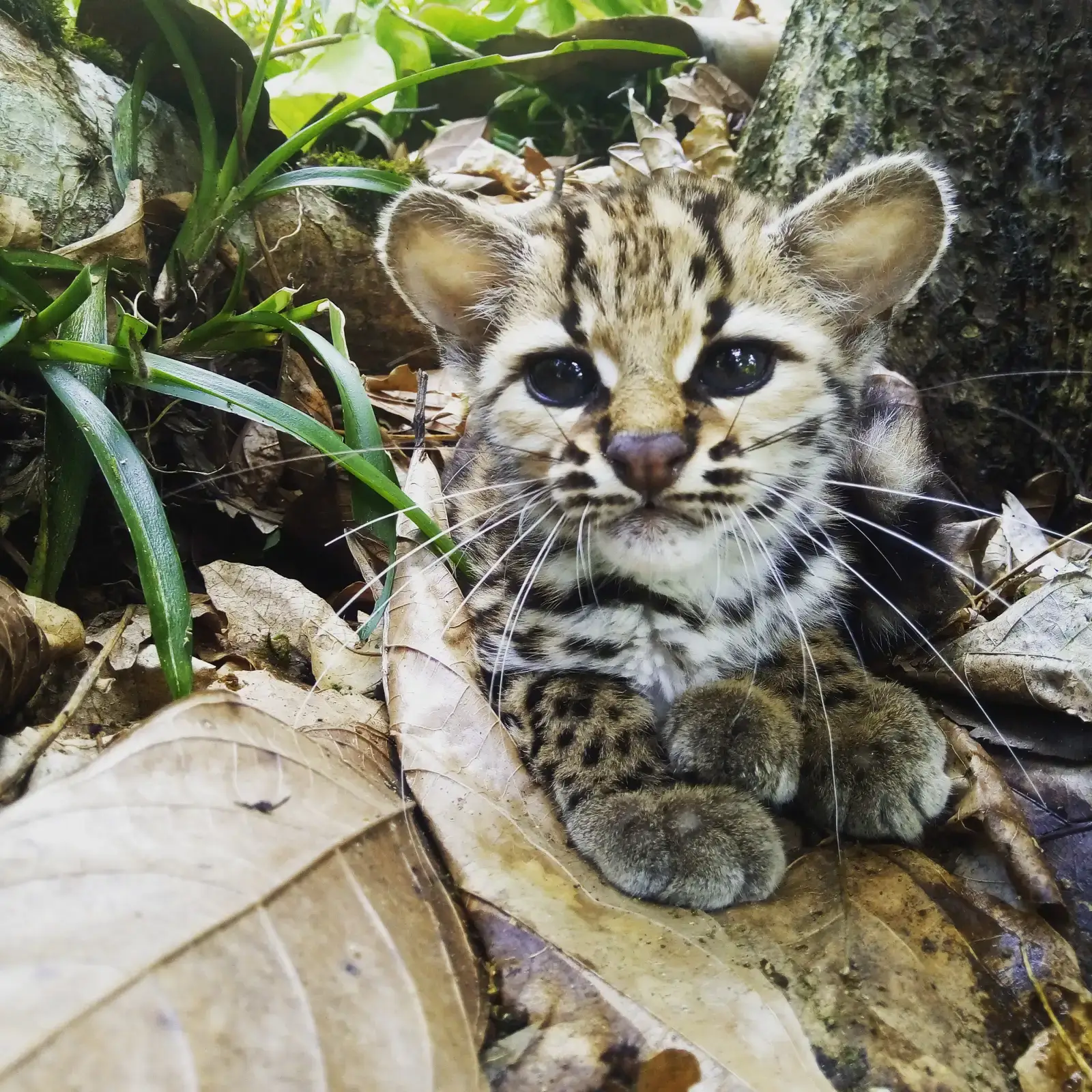
When a camera trap in an Indonesian forest snaps a weird-looking cat, headlines go wild. That’s exactly what happened in the late 2000s and early 2010s: grainy night images suggested a “possibly new small cat species” lurking in understudied jungles. The photos showed a stocky, low-slung feline with odd markings that didn’t quite match any known local cat, and journalists embraced the idea of a mystery predator.
Yet if you go looking for a formal Latin name or a follow-up field study, you hit a wall: a few press releases, some interviews, then silence. Mammal taxonomists are extremely cautious. Without a physical specimen, clear measurements, and comparative genetics, most experts will not recognize a new species at all. So while that Indonesian “ghost cat” still circulates in blogs and listicles, it never made it into the scientific literature. An odd-colored known species? A misidentified angle? A dead hard drive with the only images? Nobody has officially closed the case.
Fast Facts
- Formally naming a new mammal typically requires a type specimen, skeletal measurements, and DNA comparison.
- Indonesia already hosts genuinely rare small cats, including the flat-headed cat and marbled cat, making misidentification easy.
- Camera-trap images are usually taken at night, often at angles that distort size and coat pattern.
- No holotype for this “ghost cat” has ever been deposited in a museum collection.
#11 – The Gulf of Mexico “Phantom Shark” Seen Once and Forgotten
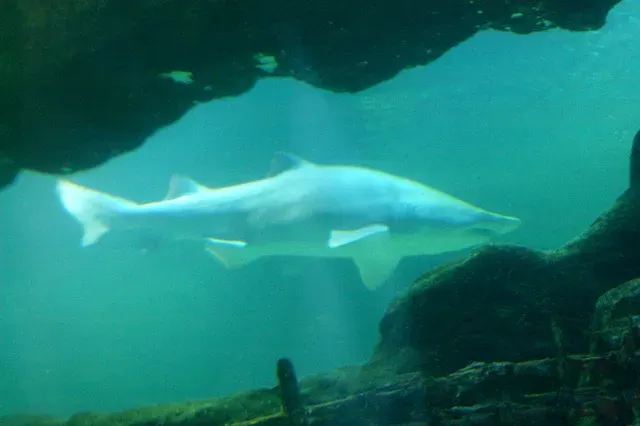
Every few years, someone dredges up footage from a deep-sea expedition and claims a mystery shark. One case from the Gulf of Mexico made the rounds among enthusiasts: a strange, bulky shark filmed at depth that didn’t match common regional species. An expedition log hinted it could be “an undescribed squaloid,” a small deep-sea shark that didn’t fit known catalogues. For a minute, it looked like a brand-new predator was hiding just off major shipping lanes.
Here’s the problem: deep-sea biology is a data desert. One low-resolution ROV video and a few screen grabs are not enough to describe anything formally. Without a captured specimen, no holotype, and no tissue for DNA, that “phantom shark” is scientifically unnameable. The initial excitement was strong enough that it got pitched as a possible discovery in talks and internal reports. Then, nothing. No published paper, no official retraction, just another “we might’ve seen something” footnote while researchers quietly moved on to better-documented finds.
#10 – The Himalayan “Yeti” Bear That Turned Into a Genetic Dead End
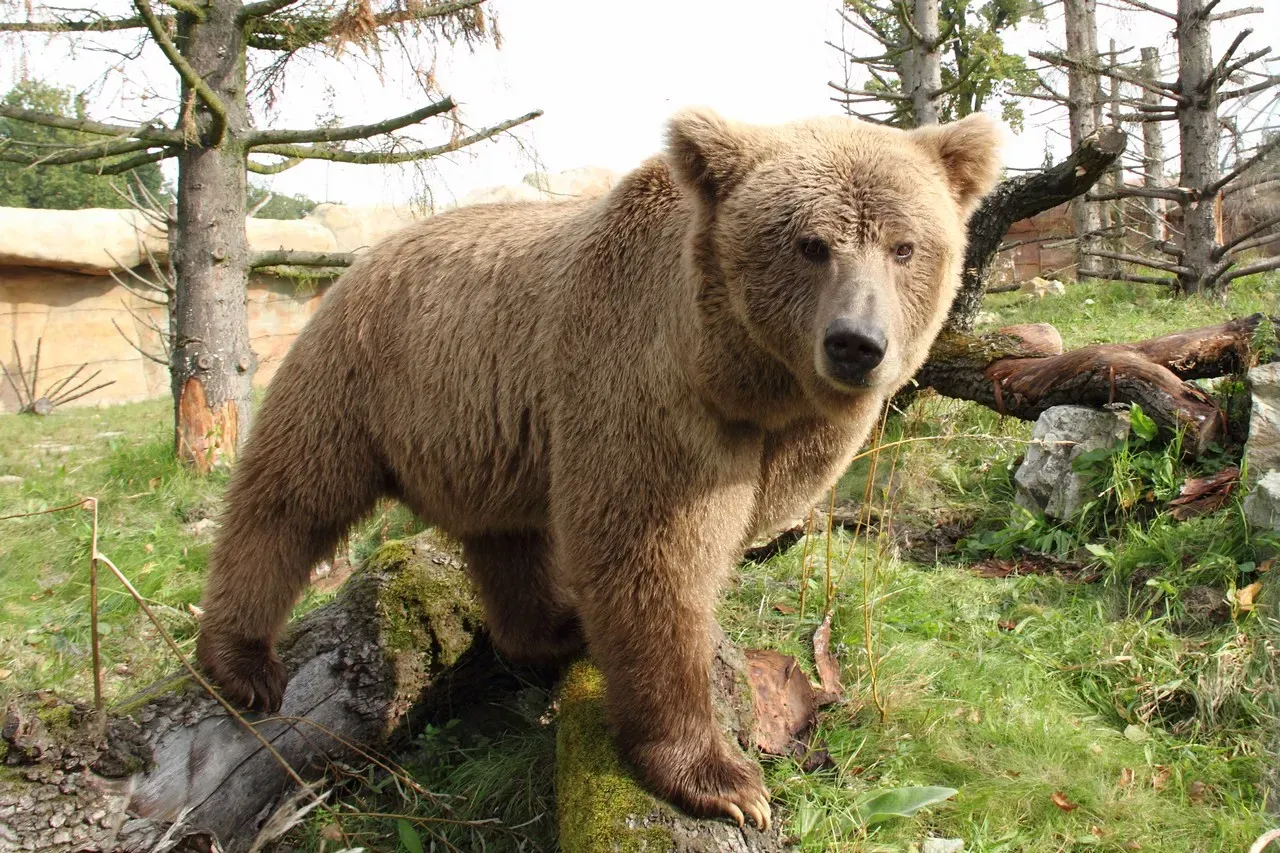
For a brief, glorious moment, it looked like the Yeti myth might have a zoological twist. A few years back, DNA from hair samples collected in the Himalayas and Tibetan Plateau was tentatively linked to an “unknown” or ancient bear lineage. Headlines cheerfully proclaimed a “new type of bear behind the Yeti legend.” It was catnip for media: cryptid culture meets serious genetics, and the early samples didn’t neatly match modern bears in databases.
But when independent teams re-examined the data, the narrative deflated fast. Better reference genomes, stricter lab controls, and more robust statistics showed the “mystery” looked a lot like known populations of brown bears and Asiatic black bears. In short, the supposed new bear lineage was probably just normal bear variation plus sketchy sampling and incomplete databases. You’ll still find videos swearing the discovery was suppressed, but taxonomic reality is painfully boring: no formal species was ever described, and once the hype window closed, most scientists stopped talking about it altogether.
#9 – The South American “Tree-Climbing River Dolphin” That Never Got a Name
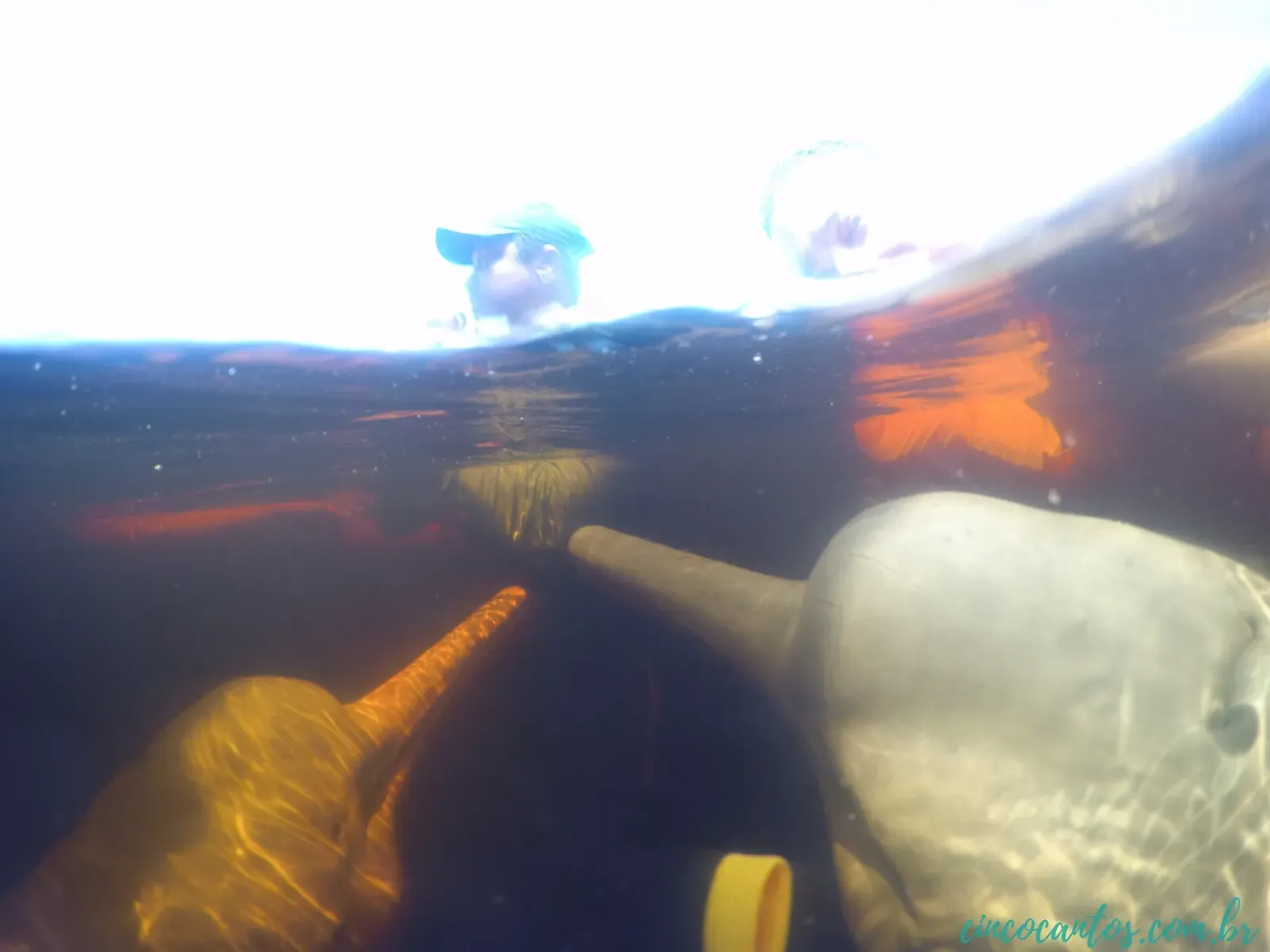
Freshwater dolphins already feel unreal, so when a South American field team circulated notes about a “possibly distinct river dolphin” seen climbing through submerged roots in flooded forest, it sounded too wild to ignore. Early conference chatter painted a picture of a smaller, more agile inia-type dolphin that seemed to specialize in navigating flooded trees during the wet season, with some reports mentioning unusual vocalizations and distinct skull proportions from old museum specimens.
Here’s where expectation crashes into logistics. Properly describing a new cetacean species requires multiple recent specimens, skull and tooth comparisons, and ideally mitochondrial and nuclear DNA. That means boats, fuel, permits, local collaboration, and years of repeat surveys, and funding agencies are far more likely to bankroll charismatic megafauna in crisis than a fringe “maybe-species.” Most likely, the observations were local ecotypes or behaviorally distinct populations of already-known dolphins. The idea pops up in obscure references, then fades, never officially retracted because it was never officially published.
#8 – The African Forest “Red Wolf” That Lived Mostly in Headlines
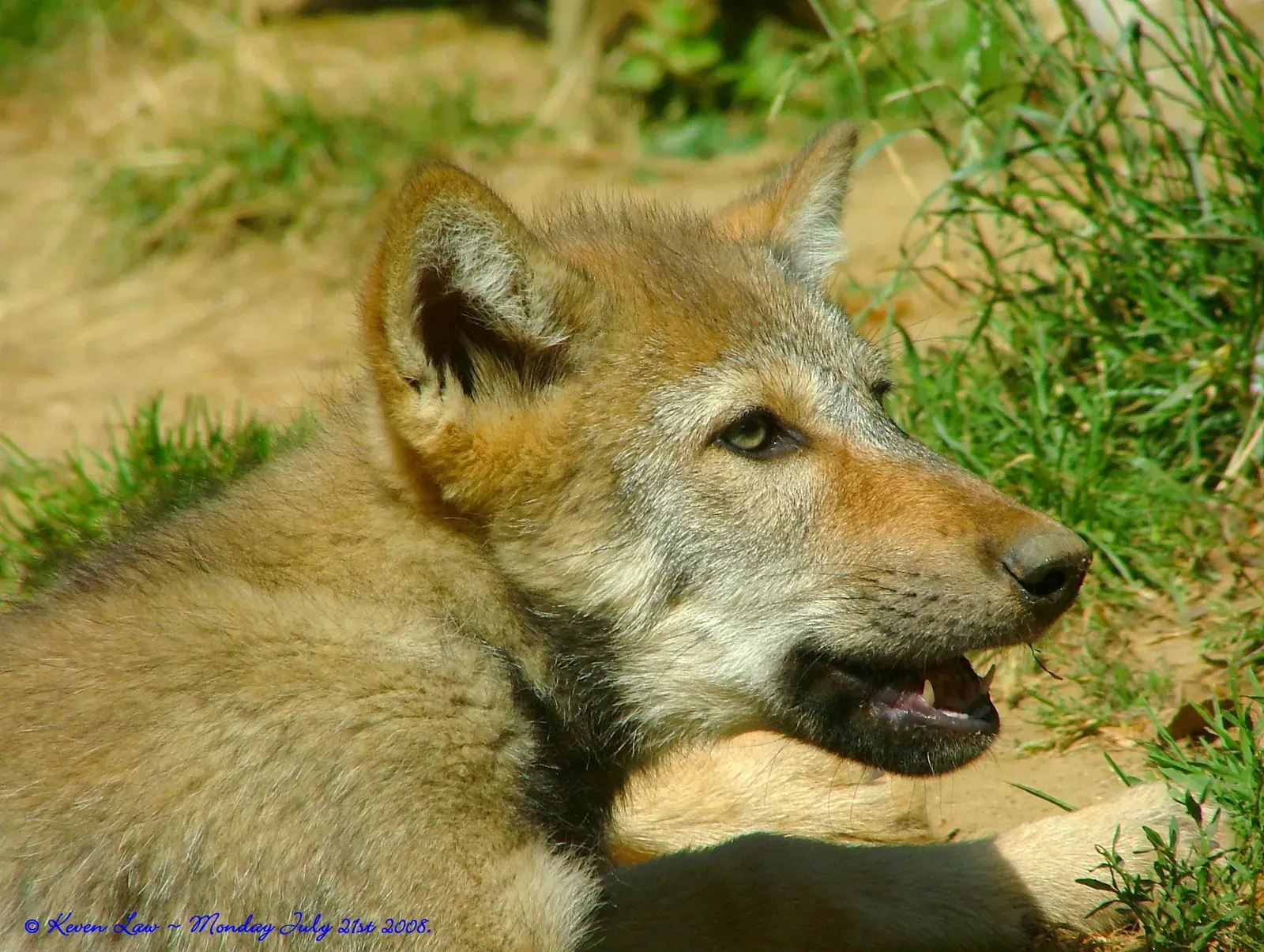
The wolf-like canids of Africa have been taxonomic chaos for decades. Between the so-called African golden wolf, odd jackal populations, and feral dogs, the genetics are messy. At one point, limited genetic sampling and field observations from central African forests led to talk of a “distinct forest red wolf,” supposedly intermediate between classic wolves and jackals and adapted to dense habitat and small ungulate prey. A few interviews framed it as a near-mythical survivor of an old wolf lineage.
Once broader genome-wide studies became possible, the story lost its shine. Expanding sampling across Africa revealed a continuum of wolf-like canids with a complex hybridization history, not a single, clean, new species hiding in the trees. The more data scientists collected, the less room there was for a clearly separate “forest red wolf.” Here’s the social media twist: the initial, speculative label traveled far further than the careful, later corrections ever did. For the public, the species feels discovered and buried. For taxonomists, it was never really there.
#7 – The Pacific “Glow Turtle” That Was More Hype Than Herpetology
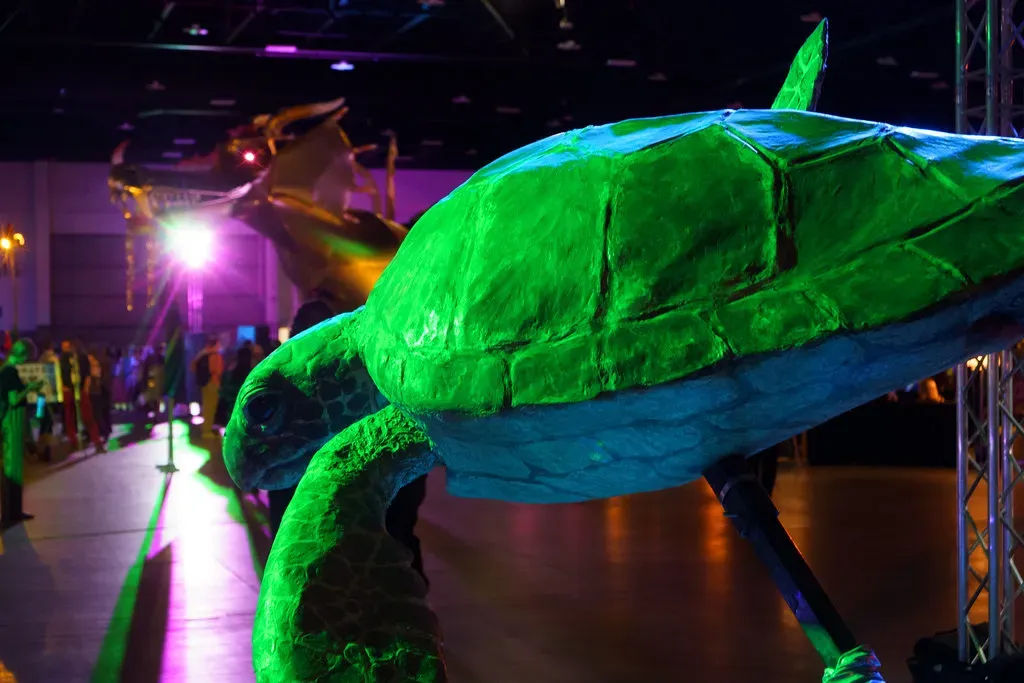
Bioluminescence is scientific catnip, so when word trickled out about a small Pacific island turtle allegedly showing an unusual glow under low light, people immediately floated the phrase “new species.” Some described plankton-coated shells; others claimed intrinsic fluorescence. At least one informal write-up suggested it could be an undescribed reef-associated turtle specialized for nocturnal foraging, and a handful of blurry night-dive shots only fueled the speculation.
The unsexy explanation: lots of known marine organisms glow, reflect, or fluoresce under certain wavelengths. A turtle covered in glowing algae or plankton is not a new kind of turtle; it’s a regular turtle wearing a living light jacket. Herpetologists and marine biologists quickly pointed this out, but that pushback never gets as many clicks as “new glowing turtle species discovered.” No formal description, no museum specimens, no genetic differentiation, just glowing microbes and wishful thinking, and the story faded as quietly as it appeared.
Quick Compare
- True bioluminescence: the animal produces its own light through an internal chemical reaction.
- Biofluorescence: tissue absorbs light and re-emits it at a different wavelength, no new traits required.
- Biofouling glow: algae, plankton, or bacteria coat the shell and create the appearance of light.
- This case: most experts leaned toward biofouling, not a novel turtle trait.
#6 – The “Pygmy Giraffe” of Central Africa That Vanished Into Taxonomic Shuffle
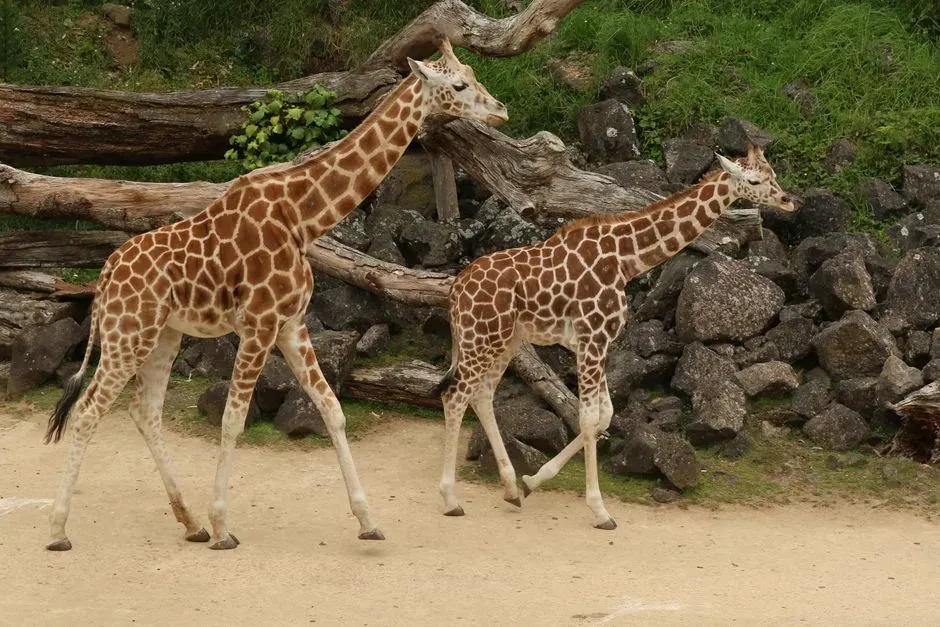
Stories of “pygmy giraffes,” unusually small, possibly reproductively isolated populations, have circulated for over a century. Periodically, a photo or field report resurfaces, hinting that some central African forests shelter dwarf giraffes with distinct markings and skeletal proportions. At least one local survey in the 20th century suggested these small individuals might represent a separate lineage, not just stunted growth from poor nutrition, and for a moment it looked like giraffe diversity had been seriously underestimated.
Modern genetics complicated that idea in a completely different direction. Studies in the 2010s argued there might actually be multiple giraffe species rather than one, based on deep genetic splits between regional populations, and that re-framing sucked all the oxygen out of the old “pygmy giraffe” story. Instead of a tidy new dwarf species, researchers now see a mosaic of lineages with size variation, hybrid zones, and fragmented ranges. Any specific claim of a distinct pygmy species never got the follow-through, and no dedicated paper or formal name ever appeared.
#5 – The Caribbean “Walking Octopus” That Never Walked Into a Journal
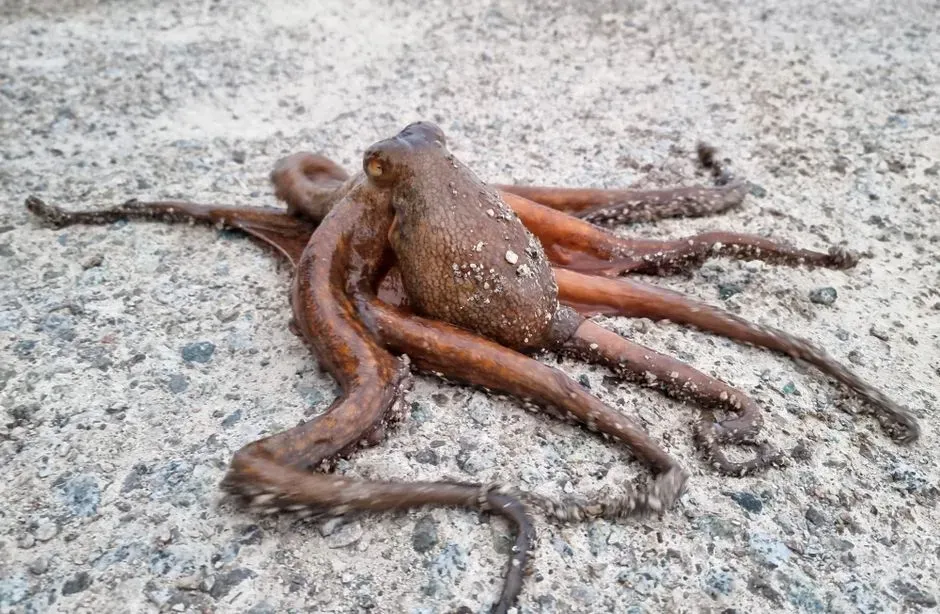
Cephalopods already feel alien, so the idea of a Caribbean “walking octopus” spread absurdly fast. Divers circulated anecdotes about a small, shallow-water octopus that allegedly spent most of its time striding along the seafloor on stiffened arms, almost like a tiny underwater spider. A couple of low-quality videos and excited blog posts floated the idea it might be an undescribed species with extreme limb specialization, basically the octopus version of a parkour athlete.
Reality check: several known octopus species are perfectly capable of bipedal “walking,” especially when startled or maneuvering through complex terrain. Behavior alone almost never justifies naming a new species; you need hard anatomical or genetic differences. Nobody produced preserved specimens, high-resolution images, or comparative DNA in this case. Regional cephalopod experts, when asked, tended to shrug and say it was probably just a familiar species caught in unusual behavior. No one ever formally killed the idea; it just stopped being taken seriously enough to publish.
#4 – The Australian “Tree-Hopping Snake” That Got Lost in the Eucalyptus
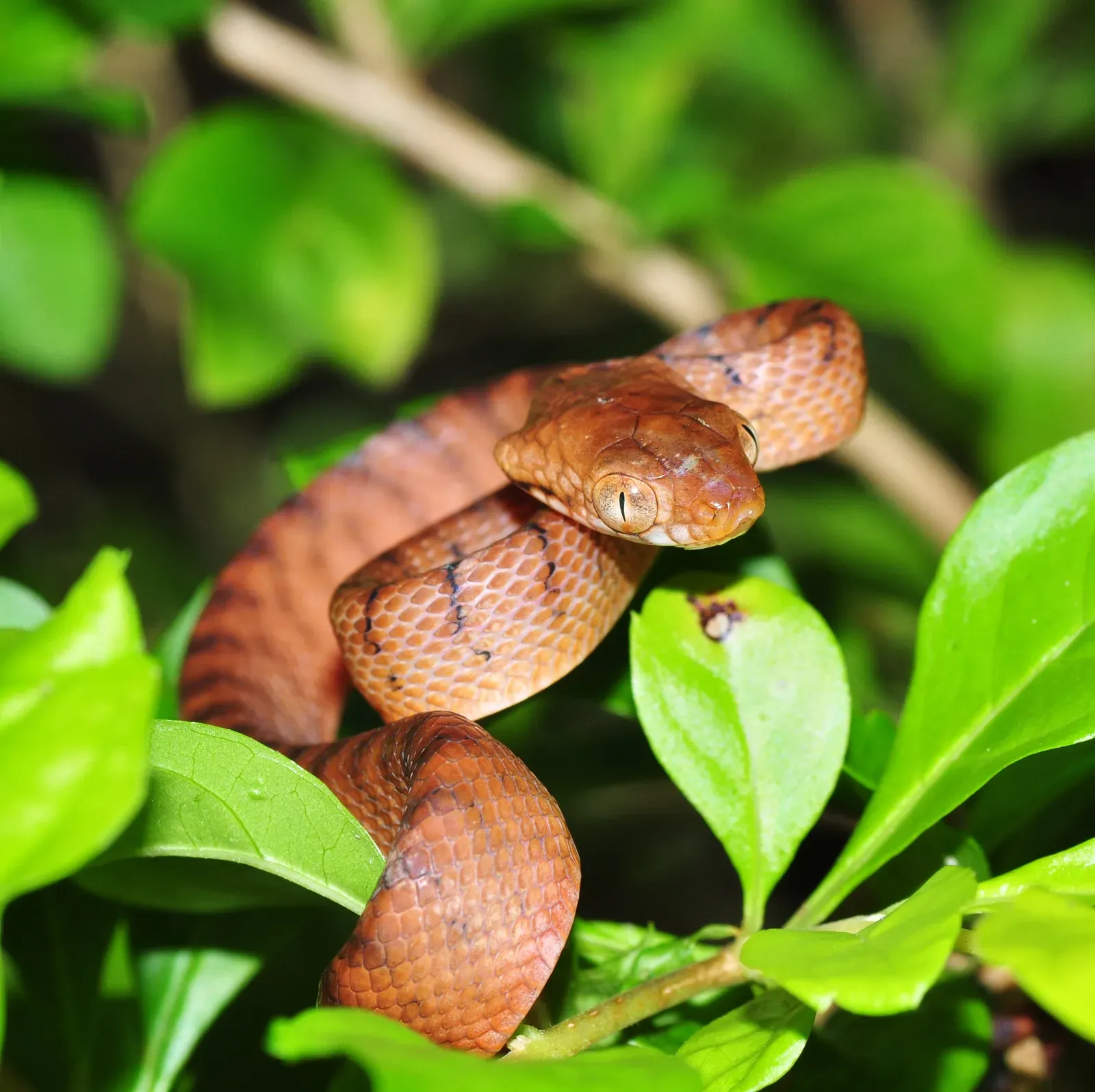
Some herpetology field notes from remote Australian woodlands mentioned an “unusually short, stout arboreal snake frequently seen hopping between branches.” That phrase, “possibly undescribed taxon,” appeared in at least one internal report, and from there it mutated into blog posts claiming a new species of semi-arboreal, maybe even partially gliding, snake had been found. The image of a chunky snake hopping between eucalyptus branches was irresistible, especially paired with talk of venom variation and unique scale texture.
Here’s the boring taxonomic reality: Australia already has several mildly arboreal snake species, and stress behavior or camera angles can badly distort how movement looks on screen. Some elapids “launch” between branches in short lunges that can easily be described as hops. Without multiple preserved specimens, detailed scale counts, skull morphology, and genetic comparisons, the most responsible assumption is “odd behavior in a known species,” not “new snake.” Field teams got busy with more urgent conservation priorities, and the half-baked idea never graduated past rumors and workshop slides.
Worth Knowing
- Australia is home to more front-fanged elapid snakes than any other country on Earth.
- Several native snake species can “launch” short distances between branches when startled.
- Field notes and workshop slides are not peer-reviewed evidence, no matter how detailed they sound.
- A full species description can take years, sometimes decades, from first sighting to publication.
#3 – The “Micro-Hominid” Bones That Turned Out to Be Something Else
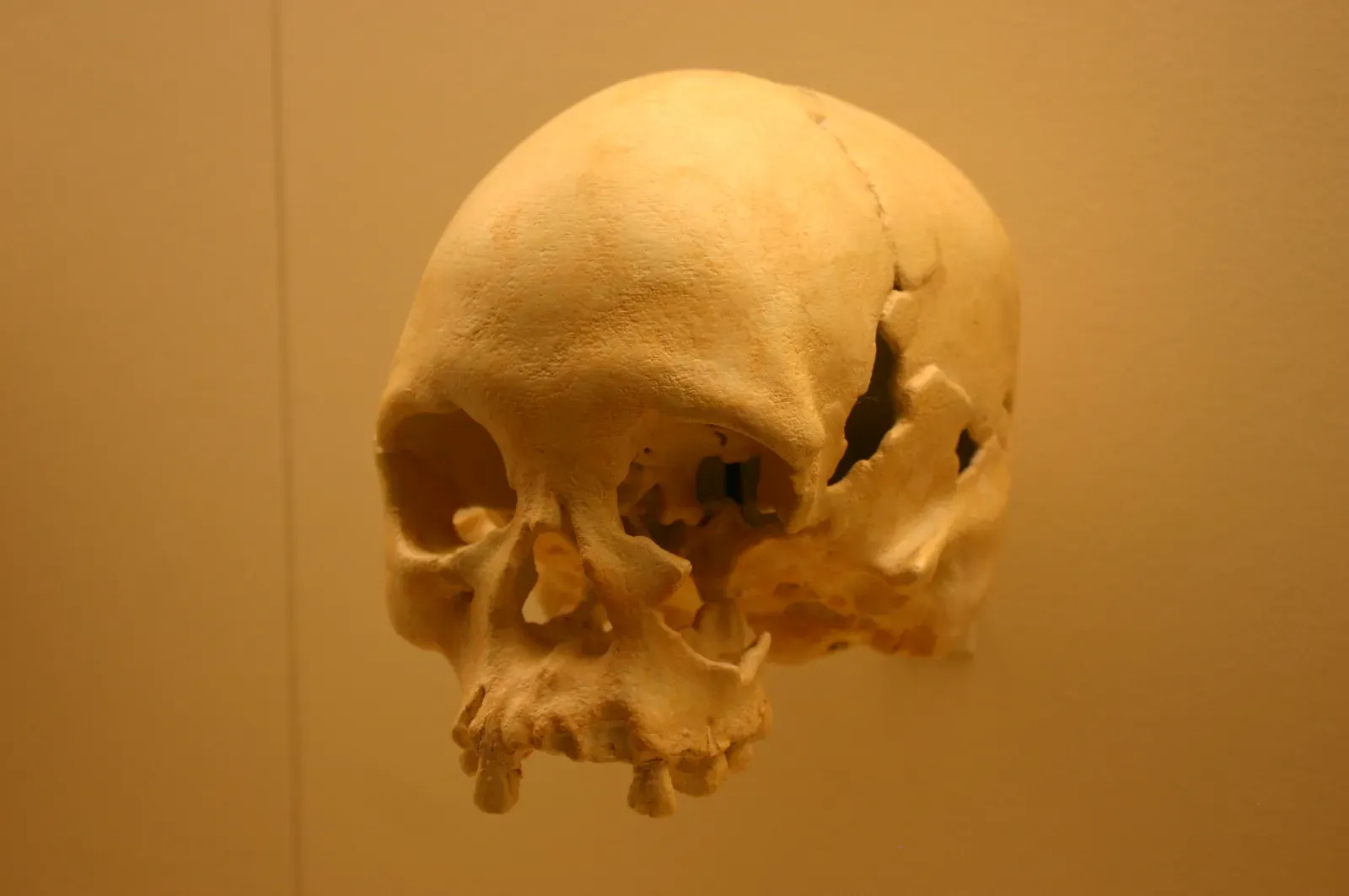
Every time mysterious small human-like bones surface, headlines race to declare a “new human species.” Beyond well-documented cases like Homo floresiensis and Homo naledi, there have also been far quieter, murkier claims of “micro-hominids,” tiny-bodied, possibly island-dwarf humans that appear once in a talk, get teased in a press blurb, and then never see daylight again. A partial jaw here, some ambiguous teeth there, maybe a femur fragment sitting in a poorly catalogued collection for decades.
The sobering side of paleoanthropology is that fragmentary remains are notoriously easy to misinterpret. Juvenile bones, pathologies like dwarfism or endocrine disorders, or even mixed assemblages from multiple individuals can masquerade as a separate species. Without a decent sample size and rigorous dating, experienced researchers tend to slow-walk radical claims, even if a university press office doesn’t. Rather than publish a splashy but weak paper, teams shelve the species talk entirely, and since “we reconsidered and it’s probably nothing exotic” barely makes the news, the initial announcement lingers uncorrected in public memory.
#2 – The Mediterranean “New Orca” That Was Probably Just a Weird Pod
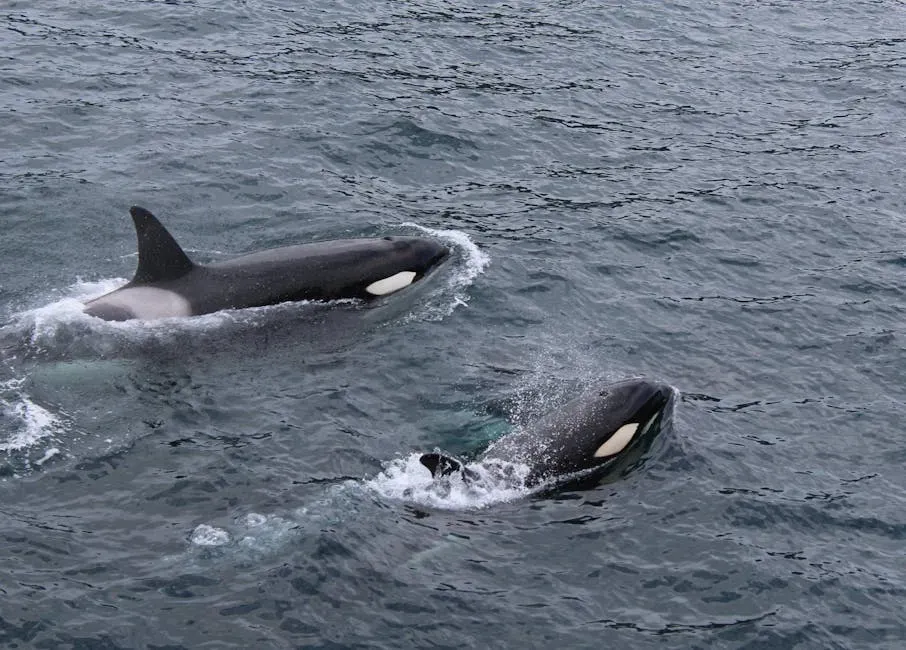
At one point, behavioral ecologists tracking killer whales in the Mediterranean and eastern Atlantic began floating the idea of a distinct “Mediterranean orca form,” maybe even a cryptic species. These whales showed unusual social structures, specialized feeding on tuna near long-line fisheries, and subtle body and fin differences in photo IDs. A few popular articles ran with the phrase “could represent a new species,” and suddenly people thought Europe had its own hidden orca.
What long-term photo-ID and genetics actually tend to show in orcas is a spectrum of ecotypes: groups with distinct dialects, prey preferences, and culture that sometimes overlap genetically, sometimes not. The killer whale taxonomic mess is still being sorted, but so far the Mediterranean group looks more like a highly specialized, threatened subpopulation than a cleanly separable species.
Killer whales may be one of the best examples we have of how much culture and behavior can diverge before genetics ever catches up.
Common summary among cetacean researchers studying orca ecotypes
As the data set grew, the appetite for a bold “new species” label shrank, and conservation focus pivoted to by-catch, boat strikes, and noise pollution. No villainous cover-up here, just scientists doing what they’re supposed to do: walking back a hypothesis when the evidence doesn’t hold.
#1 – The Deep-Sea “Alien Worm” That Became a Ghost of Its Own Hype
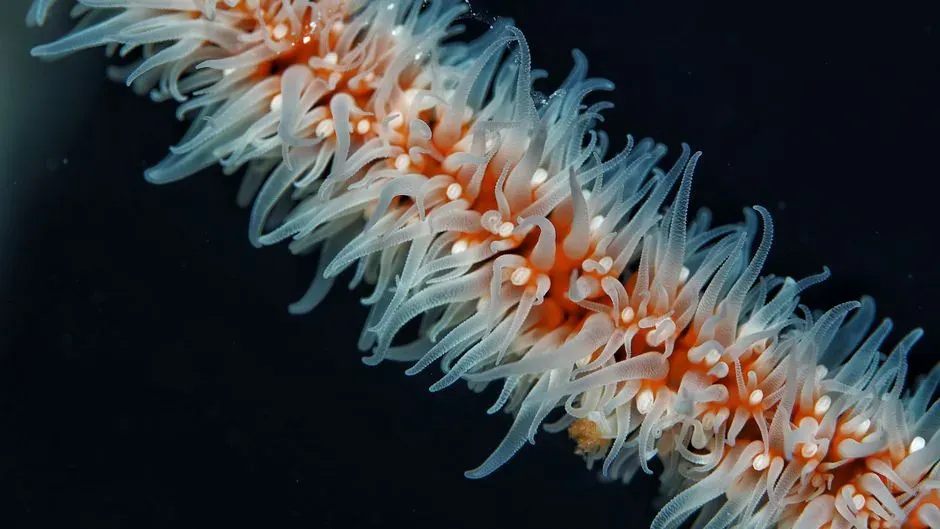
If you’ve ever seen a headline about a “bizarre, translucent worm from the deep sea unlike anything known to science,” you’ve met this archetype. ROV footage from abyssal plains and hydrothermal vents has revealed tiny, gelatinous, often tentacled creatures that don’t fit any field guide. One particularly dramatic clip, an undulating, ribbed cylinder with shifting lights, was widely touted as a totally new phylum-level oddity, and commenters joked it was proof of aliens.
Specialists in deep-sea invertebrates were far less breathless. They pointed out that camera artifacts, perspective distortion, and incomplete footage can make familiar animals look wildly unfamiliar. A common explanation is that these “alien worms” are damaged siphonophores, unusual larval stages of known animals, or bits of gelatinous zooplankton filmed mid-disintegration. To be formally described, a creature needs to be collected intact, preserved, and dissected, something ROVs are notoriously bad at for fragile life. Without specimens, there’s nothing to name, so the “alien worm” shows up in conference slides and then sinks back into obscurity, while the internet keeps recycling the original clip as an unsolved mystery.
Why It Stands Out
- Deep-sea ROV footage rarely captures animals intact, making formal description nearly impossible.
- Fragile gelatinous organisms often disintegrate before they can be collected or preserved.
- Viral clips can circulate for years without ever appearing in a peer-reviewed journal.
- Many “alien” deep-sea sightings turn out to be siphonophores or damaged zooplankton.
The Bottom Line
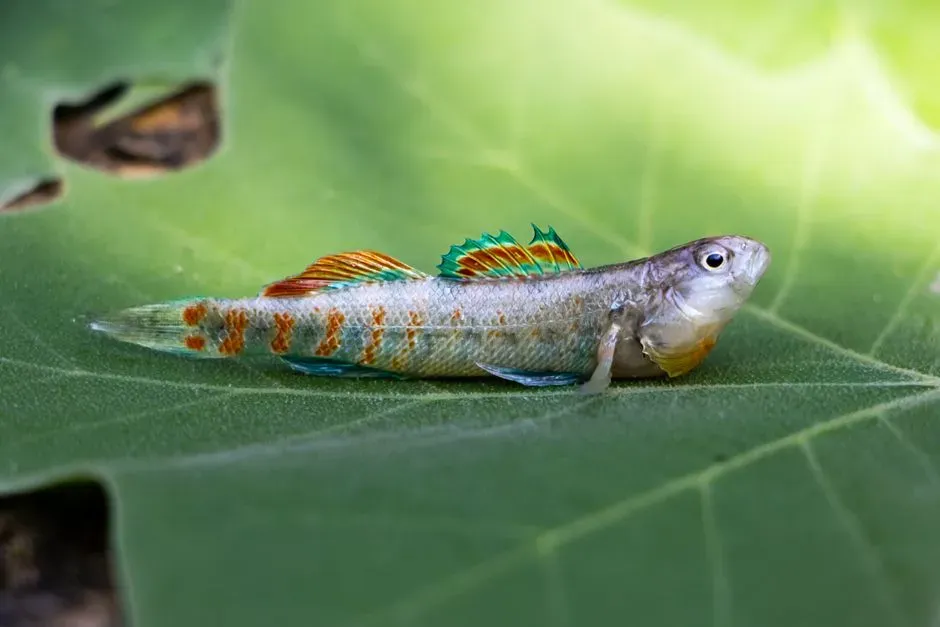
When you put these twelve stories side by side, a pattern jumps out: the species that get announced and then vanish aren’t usually victims of some grand cover-up. They’re victims of hype outrunning hard data. A blurry photo, a partial bone, or a weird bit of video becomes “New Species Confirmed” in headlines long before taxonomists have anything solid to work with.
Then, when the evidence fizzles or gets folded back into existing species, nobody bothers to run the correction with the same energy as the original splash. Personally, I think that’s the real failure here: we reward bold claims far more than the slow, careful walk-backs that actual science requires.
The irony is hard to shake. The real mystery was never out there in the jungle or the abyss. It’s in how fast we stop talking about these almost-species the moment they stop being convenient headlines. So, which “discovery” do you still suspect was oversold, and why?