Most people picture prehistoric cave art locked away in dry stone chambers, lit by flickering torchlight and safely landlocked forever. That picture is wrong. Some of the oldest images humans ever made are sitting underwater right now, sealed behind flooded tunnels that didn’t even exist when the artists who made them were alive.
Here’s the part that gets stranger the longer you sit with it: in every case on this list, the art came first. The water arrived thousands of years later, quietly swallowing galleries that once stood in open air. Archaeologists, cave scientists, and cave-diving insiders have spent years piecing together exactly how it happened – and what might still be waiting down there.
#13 – Cosquer Cave, France: The Drowned Gallery Of Horses And Hands
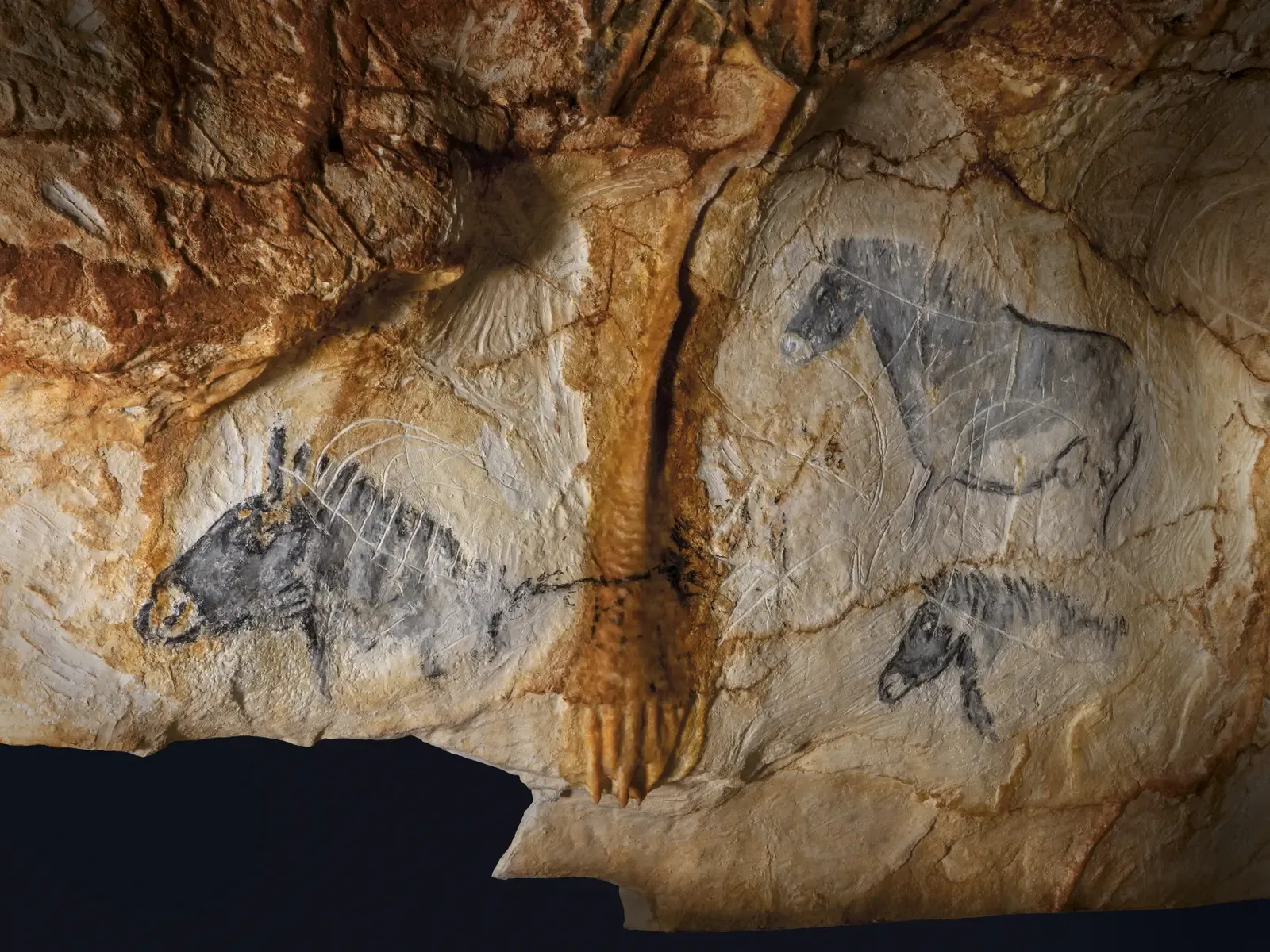
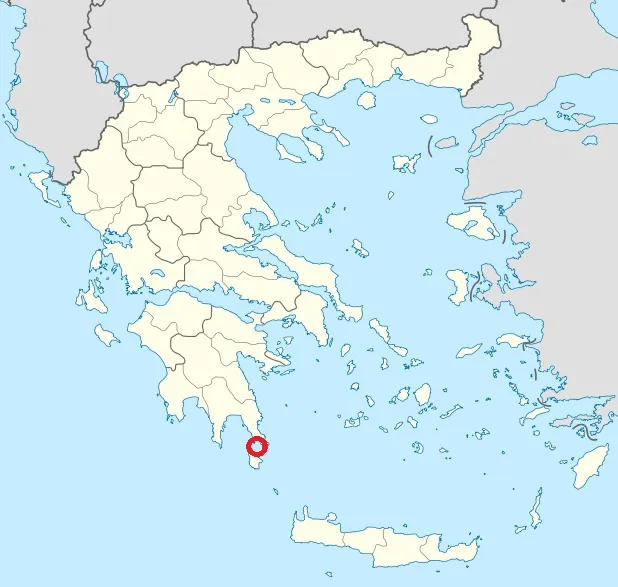
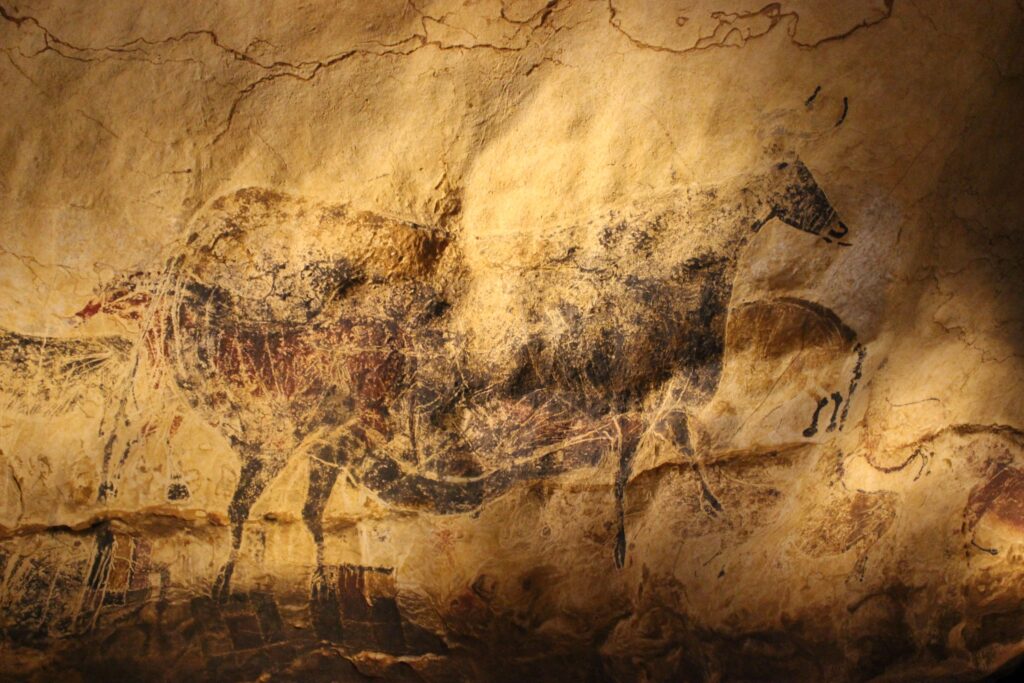
Cosquer is the poster child for “art before water.” It sits 37 meters below the Mediterranean near Marseille, reachable only through a submerged tunnel that eventually opens into dry chambers covered in paintings.
When Ice Age artists first walked in, sea level was 100 to 120 meters lower than today, so the entrance sat on open, dry land. Over thousands of years, post-glacial sea-level rise flooded the tunnel and turned Cosquer into an accidental vault, preserving hundreds of images – horses, ibex, seals, fish, and eerie negative hand stencils – precisely because no casual visitor could ever wander back in.
Fast Facts
- Discovered in 1985 by diver Henri Cosquer, who the cave is named after
- The entrance now sits 37 meters below the Mediterranean’s surface
- Two separate art phases have been dated to roughly 27,000 and 19,000 years ago
- Sea levels were 100 to 120 meters lower when the cave was first decorated
- An estimated three-quarters of the original artwork has already been lost to water damage
Divers estimate that roughly three-quarters of the original art is now damaged or gone, worn away not by human hands but by waves and rising water. That’s sparked an uncomfortable question among French researchers: is Cosquer a one-of-a-kind site, or just the last surviving fragment of an entire drowned coastal art world?
#12 – La Garma, Spain: A Hidden Terrace Above A Vanished Floor
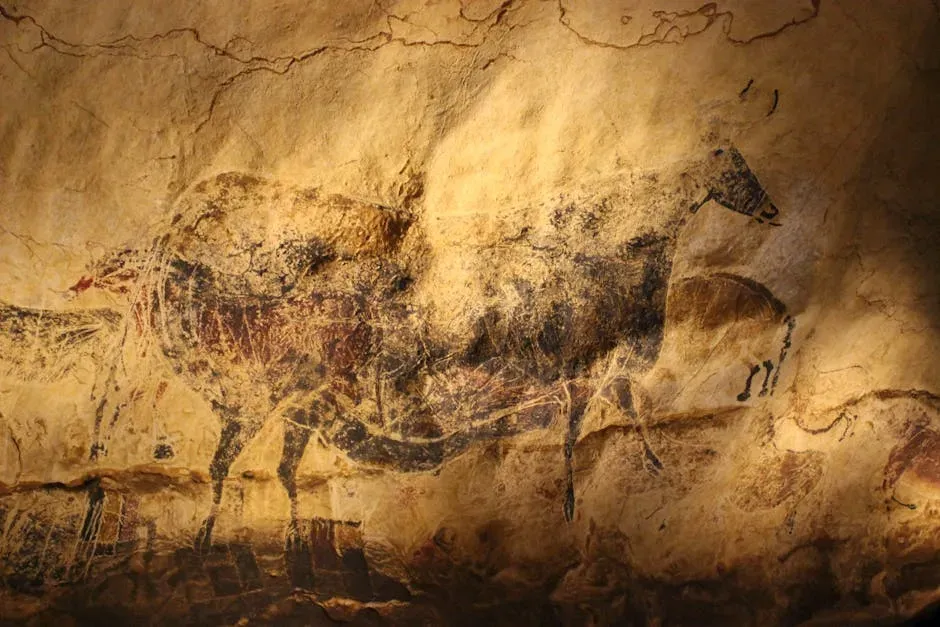
La Garma quietly rewrites what people think they know about cave preservation. From the outside, it looks like a typical Cantabrian cave system in northern Spain. Inside, archaeologists found a sealed terrace level with Paleolithic remains left almost exactly as they were abandoned.
The engraved and painted art here dates back more than 14,000 years. What most visitors never realize is that the lower levels of the system are now heavily affected by water and periodic flooding, even though the art itself was made in far drier times.
The key detail is this: the decorated terrace appears to have been cut off by changing internal hydrology – the way groundwater moved through the cave shifted after the Ice Age. Researchers today have to wade through damp, sometimes flooded lower corridors just to reach the dry galleries above, proof that you don’t need rising seas to drown a gallery. Sometimes caves simply rearrange their own plumbing, and the art gets stranded in the process.
#11 – The Yucatán Cenotes, Mexico: Sacred Pools With Older, Hidden Stories
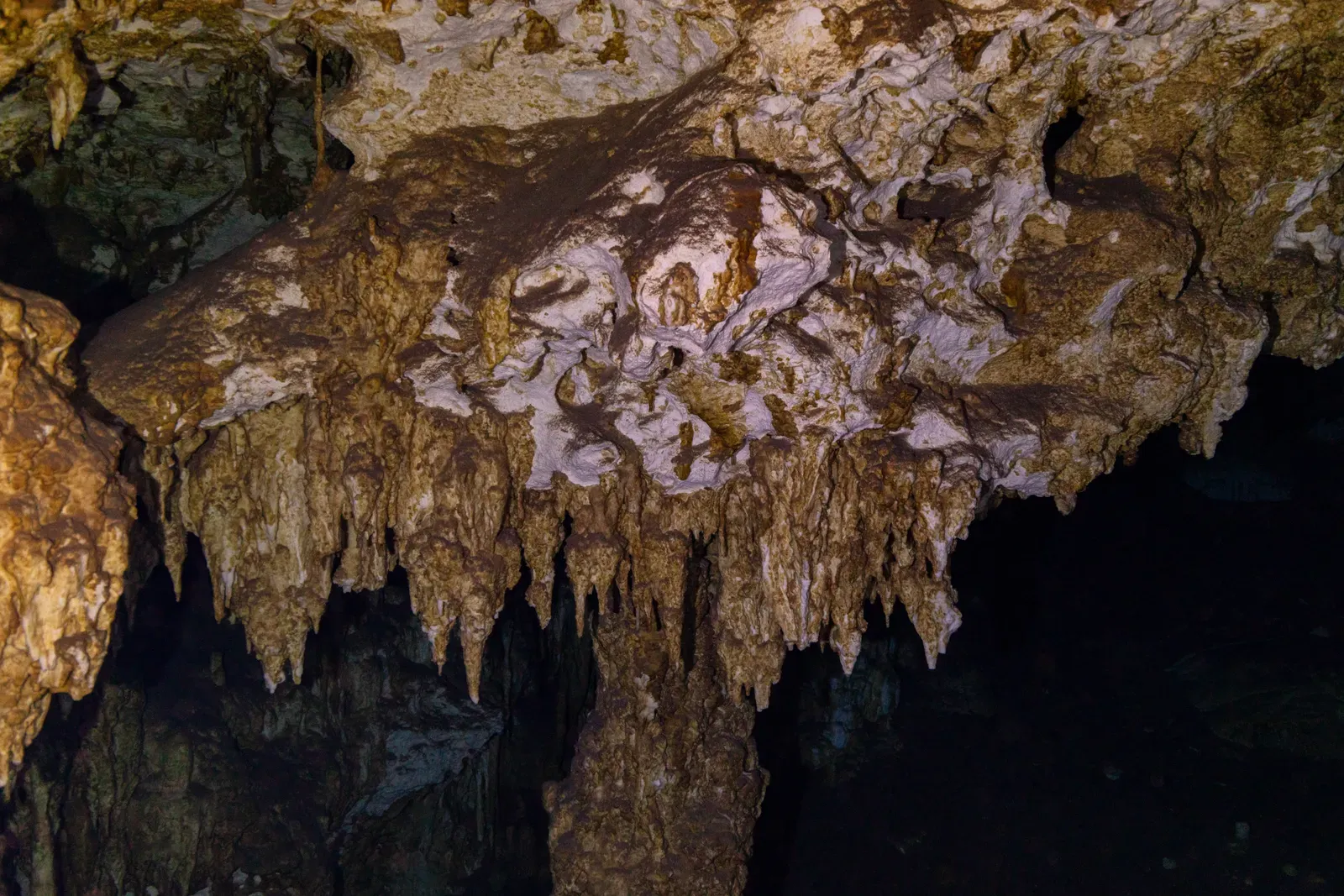
Say “cenote art” and most people picture Maya offerings tossed into sacred pools, or colonial-era legends. The real story runs much deeper. The Yucatán Peninsula is riddled with water-filled sinkholes and flooded cave systems, many of which still have dry chambers tucked farther back.
Most famous finds here are bones and ritual objects, but in a handful of cases researchers have documented rock markings, engravings, and possible pigment traces in passages that were bone-dry when first used – and only later became part of flooded underwater networks as the water table rose.
Here’s the controversial part: some divers and archaeologists think we’re badly underestimating early cave art in this region, simply because so much of the limestone landscape is now underwater. During the Last Glacial Maximum, sea level – and the water table beneath it – sat much lower, leaving these passages open and dry. Reaching them now means cave-diving through crystal-clear but deceptively dangerous routes, chasing air pockets and ledges where early inhabitants may have left their mark.
#10 – Grotta Azzurra & Capri’s Coastal Caves, Italy: Glamour Hiding Deep Time
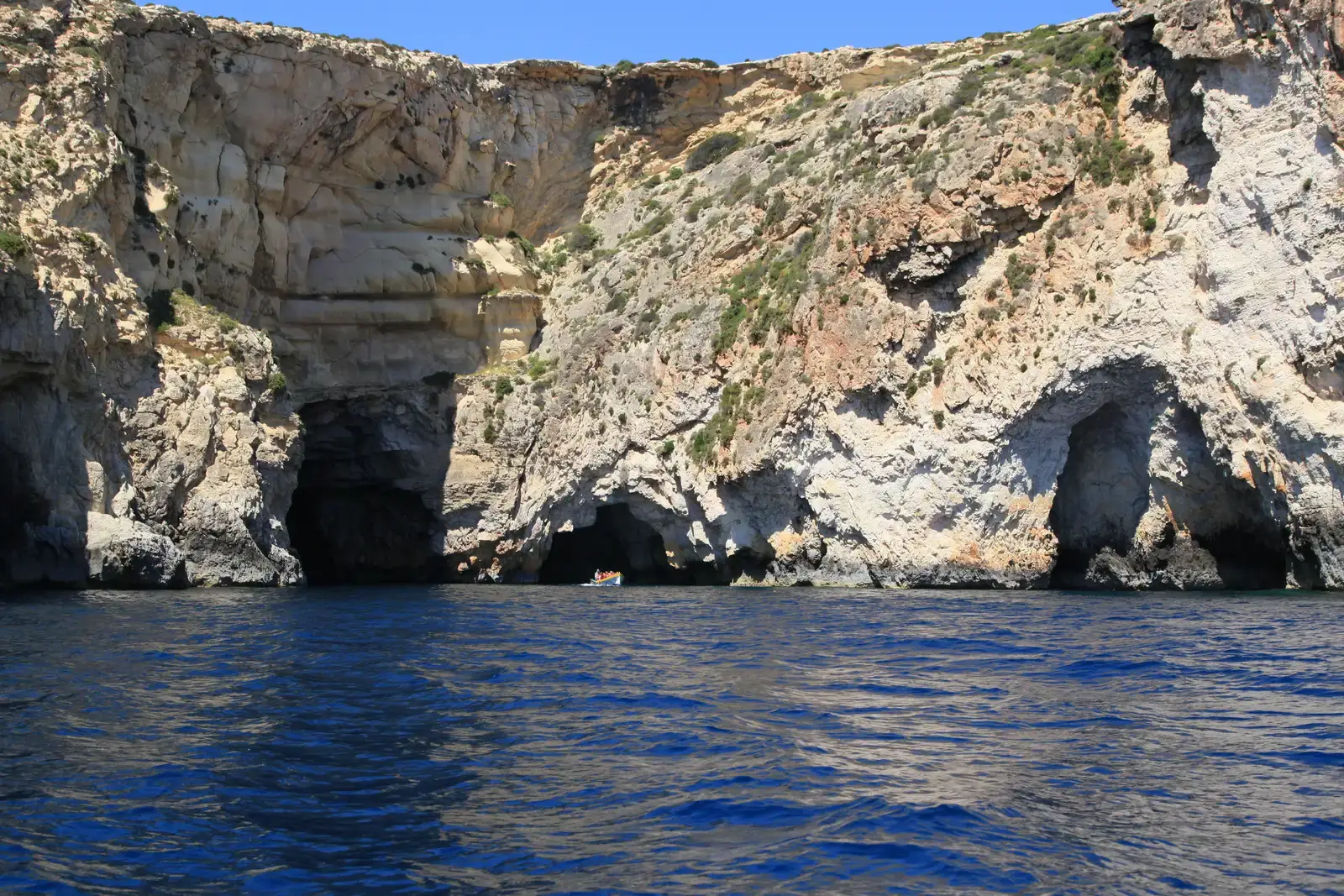
Most tourists know Capri’s Grotta Azzurra as an Instagram-famous blue grotto, complete with boat queues and ticket booths. What rarely gets mentioned is that this cave, and its neighbors, sit inside a karst coastline that’s been chewed away and flooded by fluctuating sea levels for millennia.
The surviving visible markings here are mostly Roman – graffiti, niches, decorative carvings. But geologists point out something more unsettling: the same erosion that created these postcard-perfect grottos likely destroyed or flooded older, prehistoric chambers that once sat higher and drier.
Wave-cut notches and marine terraces on Capri’s cliffs show past sea levels several meters different from today’s. That means any cave that once hosted early visitors could later have had its floor lowered, its entrance eaten away, and its interior invaded by surf – long after any art was made. There’s no spectacular intact Paleolithic mural here to point to, but the science strongly suggests the Mediterranean has erased far more than it ever preserved.
#9 – Submerged Basque Karst, Spain-France: The Atlantic’s Quiet Thief
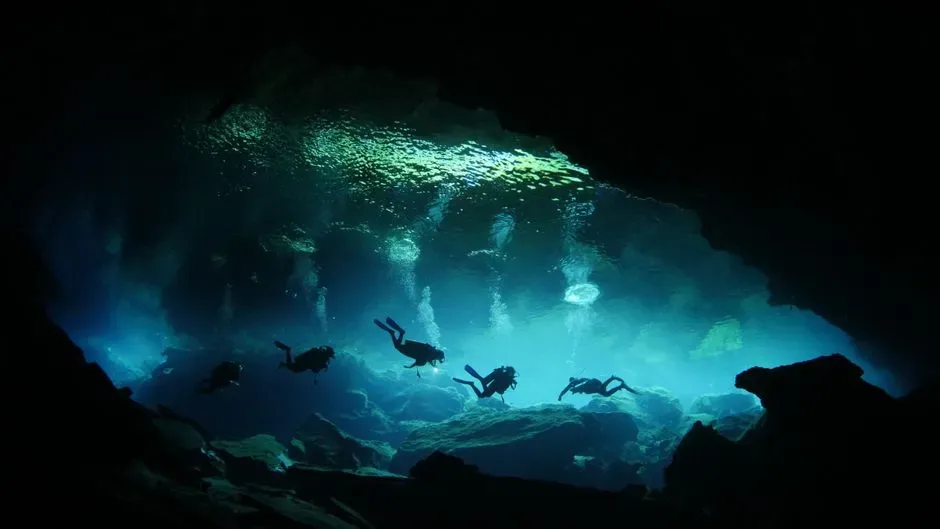
The Basque coast between Spain and France looks rugged and timeless, but it’s actually an active laboratory for sea-level change. Its karstic cliffs are riddled with caves – some still dry and decorated, like the region’s famous inland sites, others now reachable only at low tide or by divers.
Geomorphologists tracking this coastline argue that during the Ice Age, when shorelines sat much farther out, entire cave systems now sitting offshore would have been open to humans and animals alike. Any art on those walls would have predated the Atlantic’s modern reach entirely.
Nobody has confirmed a Cosquer-style decorated cavern underwater here yet, but the physics is unforgiving. The Atlantic eats into limestone, collapsing roofs and widening entrances, which means the most scenic, accessible caves are also the most vulnerable to erosion. Technical divers report smoothed walls, collapsed chambers, and silt-choked pockets in the submerged sections – exactly the environment where faint pigments or engravings would be nearly impossible to spot today.
#8 – Florida’s Karst Springs, USA: Art On The Edge Of The Aquifer
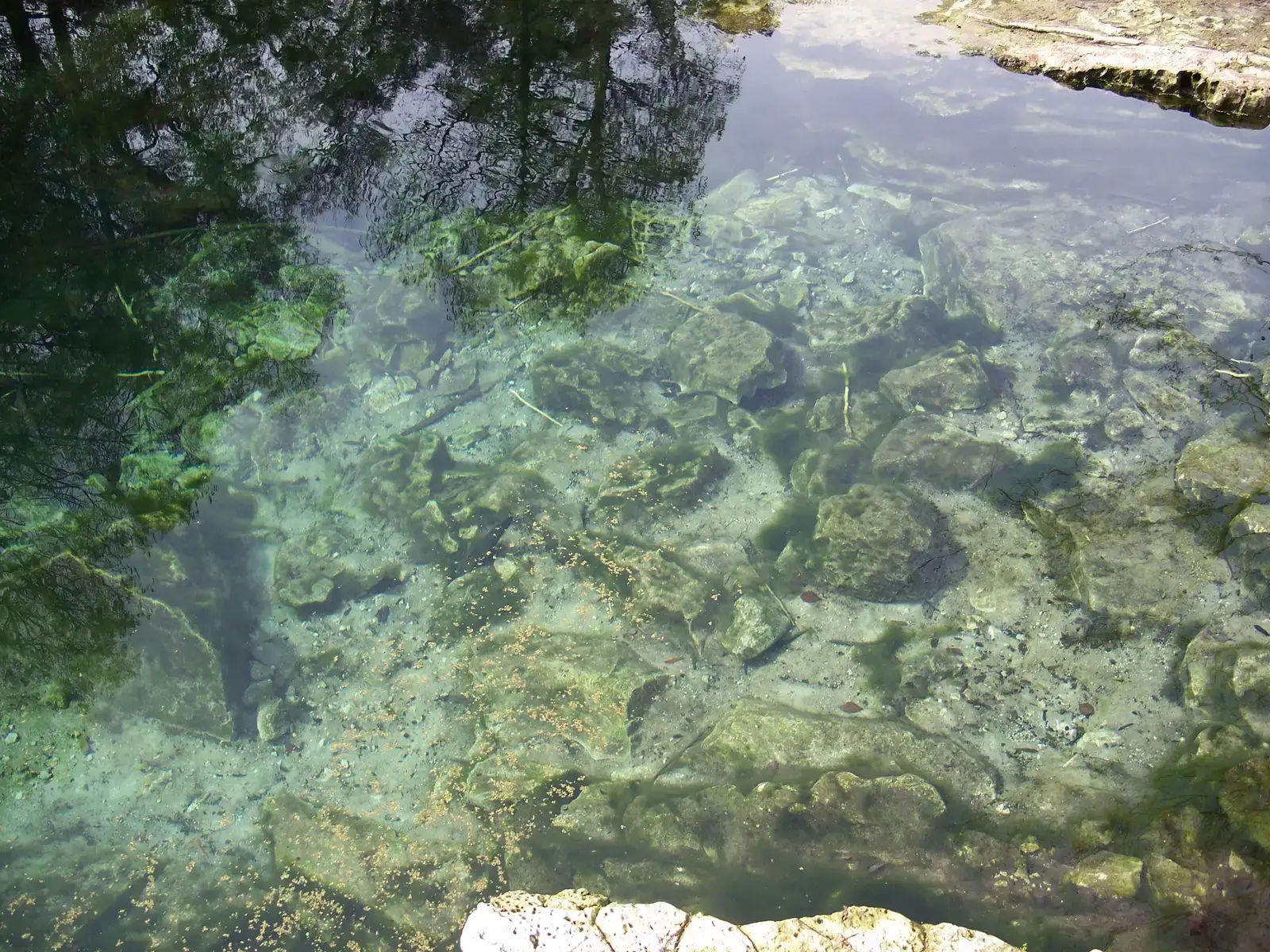
Florida rarely makes headlines for prehistoric art, but its landscape is basically a block of Swiss cheese – sinkholes, springs, and underwater caves everywhere. Divers regularly explore systems where artifacts, bones, and sometimes carved or modified surfaces show up in zones that were dry during lower-sea-level phases and only flooded later as the Floridan aquifer rose.
Most famous discoveries here focus on Pleistocene fauna and early human remains, but there are tantalizing hints of symbolic behavior along ledges and walls that once sat above water, marking the edges of ancient caves.
Worth Knowing
- Florida sits atop the Floridan Aquifer, one of the most productive groundwater systems on Earth
- Many now-submerged passages were dry and walkable roughly 15,000 to 20,000 years ago
- Pleistocene megafauna remains often turn up alongside early human artifacts in these flooded systems
- Cave diving in Florida’s springs ranks among the most technically demanding in the world due to silt and near-zero visibility
Florida’s groundwater responds hard to sea-level and climate shifts. Caves that were airy and walkable 15,000 to 20,000 years ago can now be entirely submerged conduits feeding modern springs, meaning any art – even simple engravings or geometric marks – is trapped under meters of water and silt. Mainstream archaeologists stay cautious about calling every mark “art,” but cave-diving insiders insist we’re ignoring a huge, flooded chapter of early American symbolic behavior simply because it’s expensive and dangerous to document.
#7 – Sardinia’s Coastal Caves, Italy: Nuragic Echoes In A Rising Sea
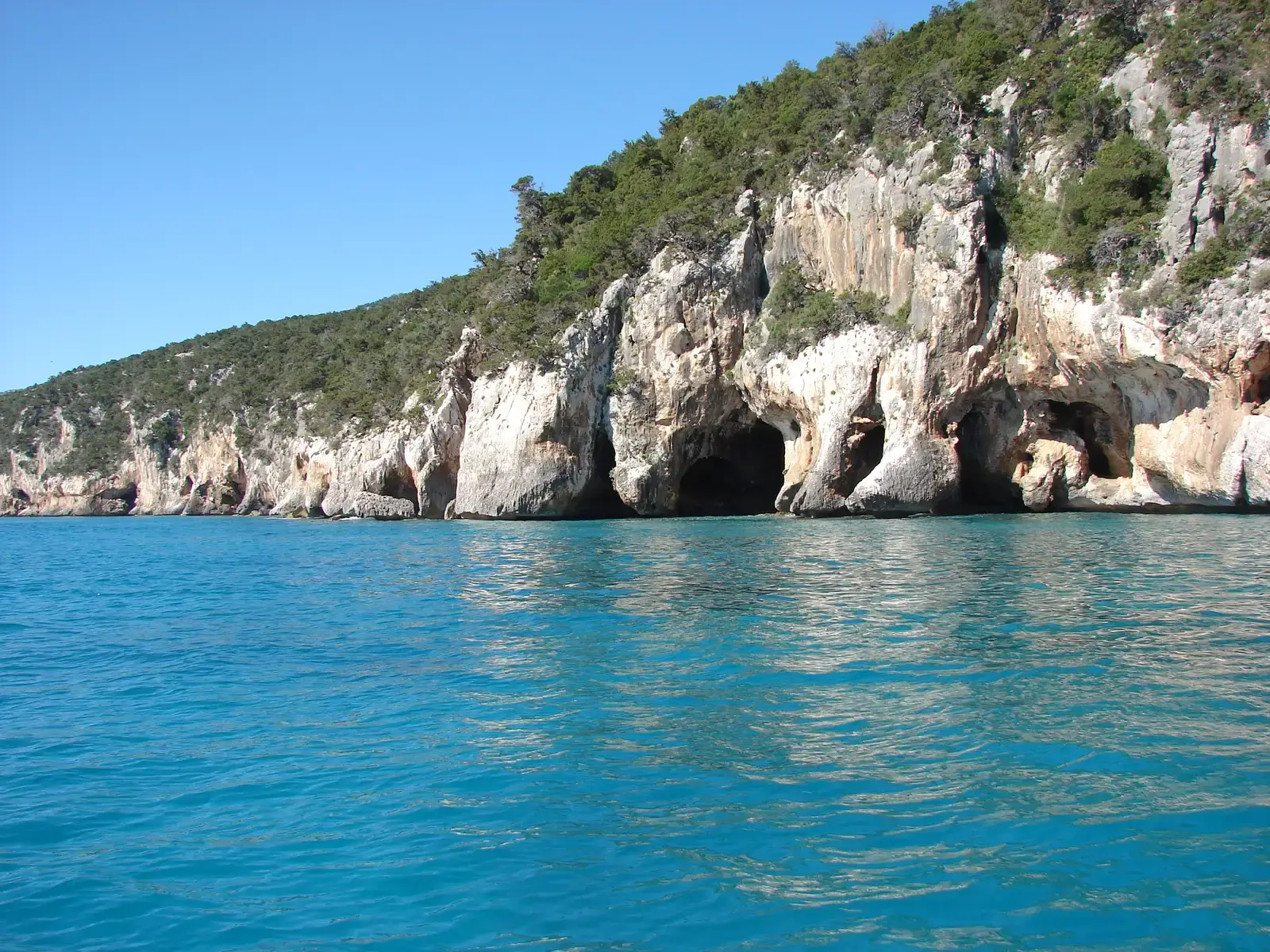
Sardinia’s reputation runs on its Nuragic towers and Bronze Age mysteries, but its coastline holds a completely different story. The island’s limestone and volcanic margins contain sea caves and semi-submerged grottos where engravings, cup-marks, and carved niches sometimes appear in zones that clearly predate modern water levels.
In several cases, archaeologists can show the decorated surfaces sit at heights matching lower ancient shorelines, meaning the art was made when these spaces were drier and easier to reach.
Not everything here is prehistoric – some marks are medieval, some ritual, some maybe even modern, and that’s exactly what fuels the arguments. But geophysical studies confirm that Holocene sea-level rise, combined with local tectonic shifts, drowned entrances and floors long after the first carvers finished their work. A few decorated cavities now require wading, swimming, or a short dive to enter, especially when the sea is rough – a shifting boundary that turns Sardinia into a case study of how post-art flooding blurs the line between sanctuary and shrine.
#6 – The Submerged Caves Of Palawan, Philippines: From Rock Shelters To Reefs
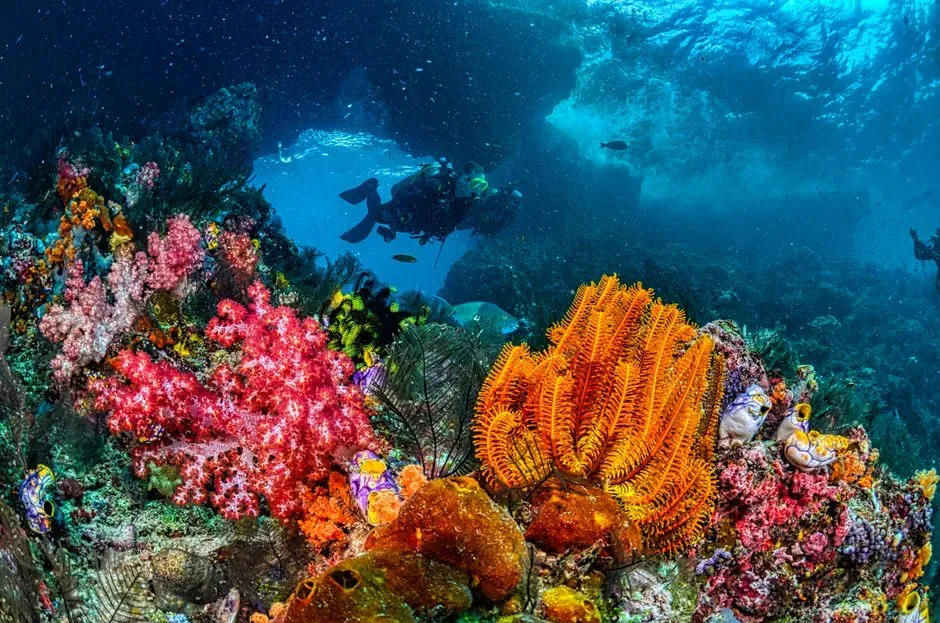
Palawan is famous for its Underground River and dramatic limestone coast, but the story doesn’t stop at the tourist boat routes. Offshore and along the coast, divers have identified submerged rock shelters and caves whose shapes closely mirror inland sites already known for rock art and burials.
During the late Pleistocene and early Holocene, lower sea levels would have left many of these features high and dry above the shoreline – ideal as campsites, ritual spots, or lookouts. Today those same cavities open straight into the sea, their former floors now coral-encrusted ledges.
Quick Compare
- Cold, low-oxygen caves like Cosquer and the Black Sea karst: slow decay, the best odds of preserving pigment
- Freshwater aquifer caves like Florida and the Yucatán cenotes: moderate decay, though silt burial can hide and protect faint marks
- Warm tropical reef caves like Palawan: the harshest environment, with algae, coral, and bioerosion destroying art fastest
What makes this especially provocative is that Palawan already has documented prehistoric rock art in shelters that are still dry. Proven painters plus drowned caves is a strong hint that art might be sitting underwater too, made long before the surrounding reefs even existed. Unfortunately, tropical marine growth is merciless – algae, coral, and bioerosion erase pigment and fine engravings fast, which is exactly why some specialists now argue that the absence of visible art down there is not proof it never existed.
#5 – Australia’s Drowned Coastal Shelters: Rock Art Lost With The Shelf
Australia holds some of the longest continuous rock art traditions on Earth, yet most people forget that during Ice Age low stands, an enormous coastal plain extended far beyond today’s shoreline. Archaeologists have since mapped drowned river channels and possible cave-bearing cliffs across this submerged continental shelf.
Inland and coastal cliffs still above water are covered in paintings and engravings, which makes the implication hard to shake: whole galleries of ancient art could be sitting in submerged caves and overhangs right now, reachable only by technical divers – or not at all.
Country doesn’t just remember the Dreaming; the sea remembers where the land used to be.
Common framing in Aboriginal oral tradition regarding drowned coastal lands
Indigenous knowledge in some regions still preserves stories of lands that drowned, passed down through generations who witnessed the sea rise. Modern science backs this up with dated reef cores and shoreline reconstructions. Fully documented submerged art sites remain rare, mostly because the survey work is complex and underfunded, but the logic is brutal: if people were painting inland cliffs 30,000 years ago, they were almost certainly decorating coastal shelters too – shelters that are now somewhere under the waves.
#4 – The Black Sea’s Drowned Karst, Eastern Europe: A Quiet Hypothesis
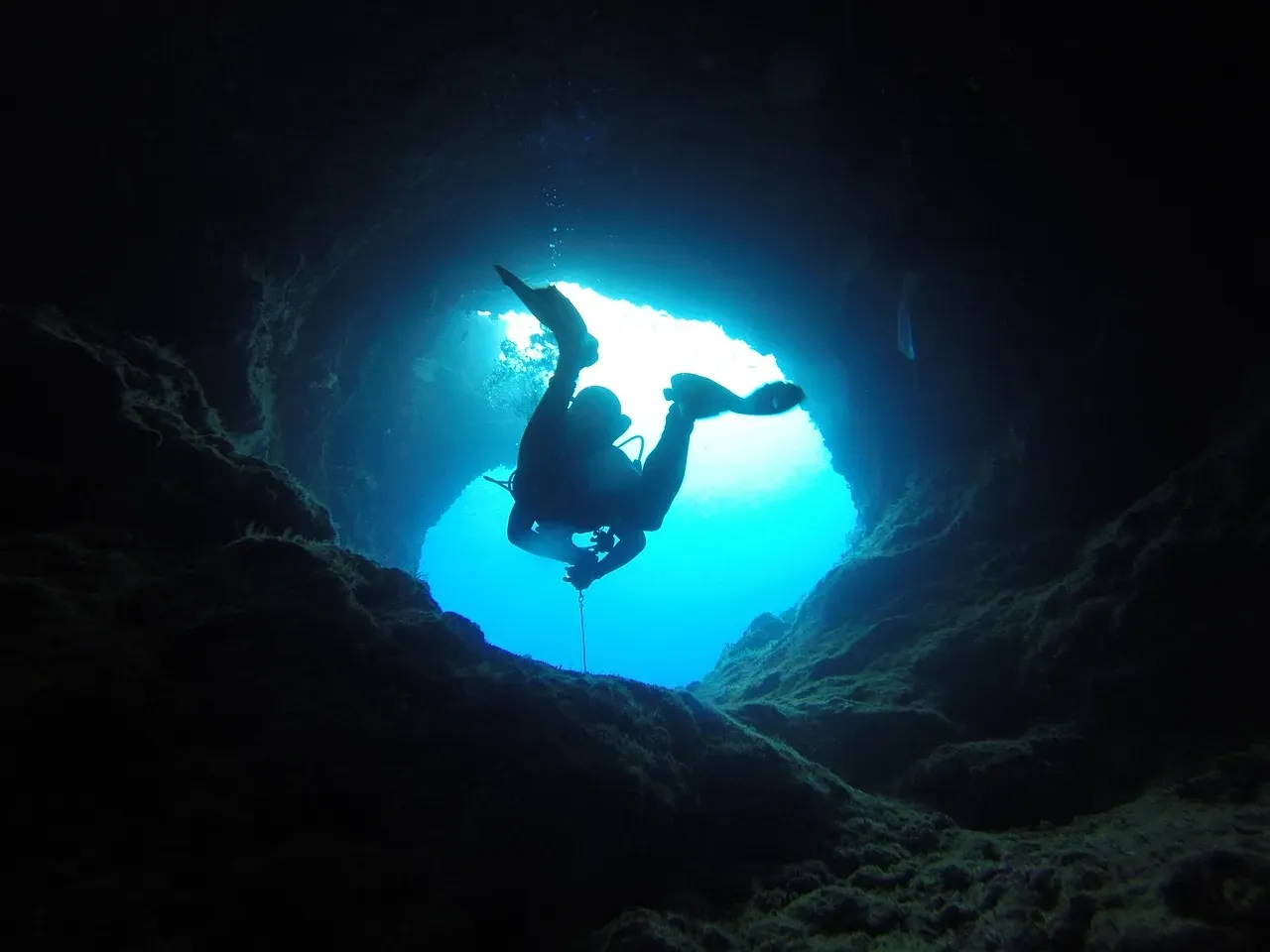
The Black Sea is famous for its “deluge” theories and anoxic depths that preserve ancient shipwrecks in eerie condition. Its limestone coasts hide a quieter, more speculative story: certain stretches along Bulgaria, Romania, and Turkey have karstic headlands and cliff systems with caves currently sitting at or just above sea level.
Geologists reconstructing past shorelines argue that when the Black Sea’s water level was significantly lower, these zones hosted dry caves well above the splash zone – ideal refuges for hunter-gatherers roaming the region.
Direct evidence of Paleolithic art in these caves is thin, and honest researchers admit that outright. But the chain of reasoning still matters: similar limestone settings elsewhere in Eurasia host decorated sites, and Black Sea levels rose by tens of meters in some models during the Holocene. Put those two facts together and you get a high probability that any art left in these coastal caves was either partially eroded or fully drowned after the fact, just like at Cosquer.
#3 – Southeast Alaska And British Columbia Sea Caves: Post-Glacial Trapdoors
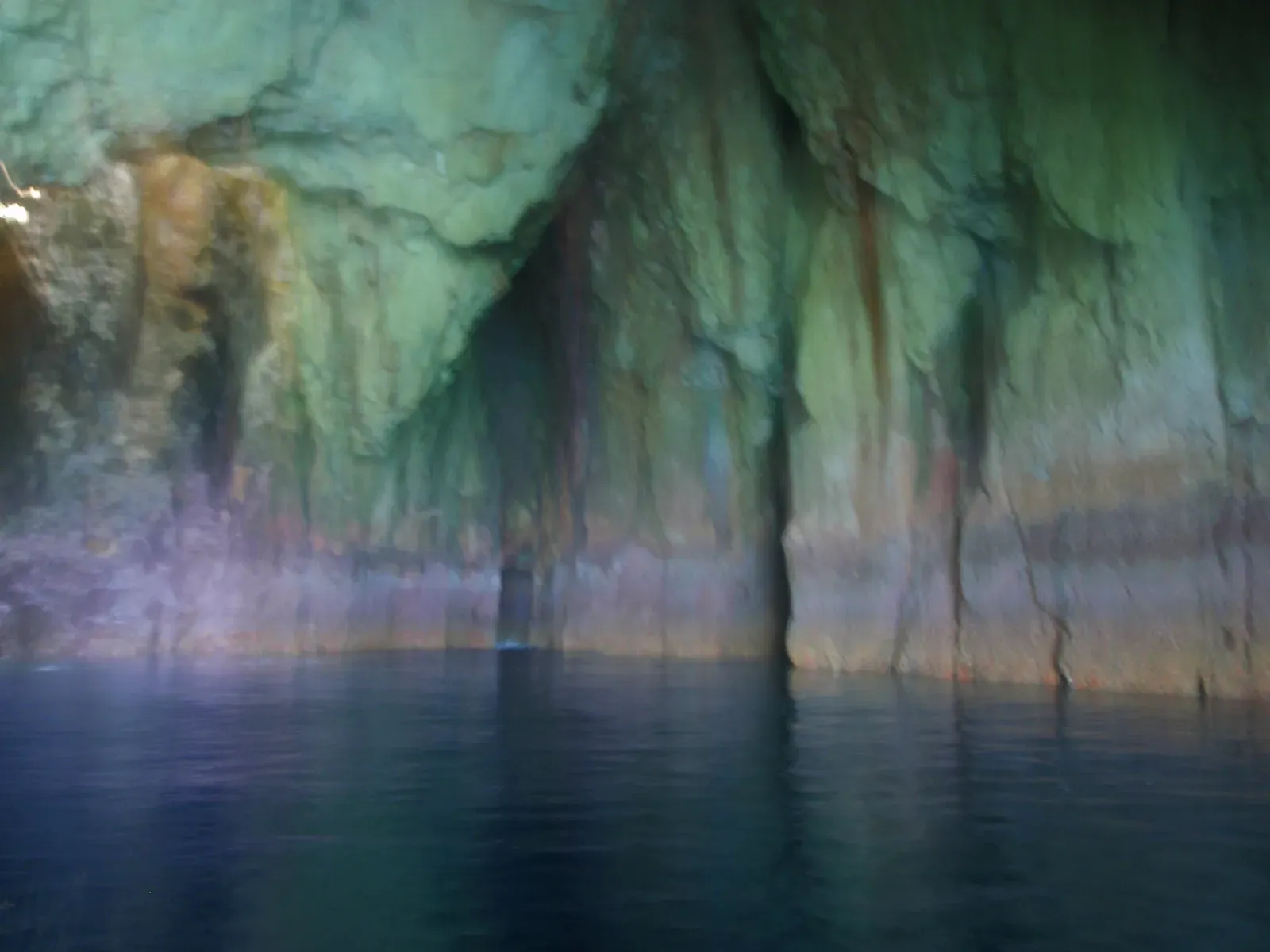
Along the Pacific Northwest, retreating glaciers left behind a jagged coastline bristling with raised beaches, sea caves, and rock shelters. Archaeologists are now using LiDAR and bathymetry to hunt for ancient shorelines that once sat at ideal heights for human settlement.
Here’s the twist: where the land rebounded upward after glaciation, old caves may now sit high above the sea. Where rebound was weaker, those same kinds of caves are partially or fully flooded by the modern ocean instead.
Known rock art in the region – pictographs on cliff faces, sometimes tucked inside shallow caves – proves people used these rocky coastal niches for symbolic expression. So when sonar and divers find submerged entrances sitting at exactly the right paleo-shoreline depth, it’s hard not to connect the dots. Picture a small chamber overlooking a bay that no longer exists, its walls marked in ochre, slowly cut off as the sea crept upward – now sitting several meters underwater, hosting fish instead of families.
#2 – Mediterranean Karst Belts Beyond Cosquer: A Missing Gallery Coast
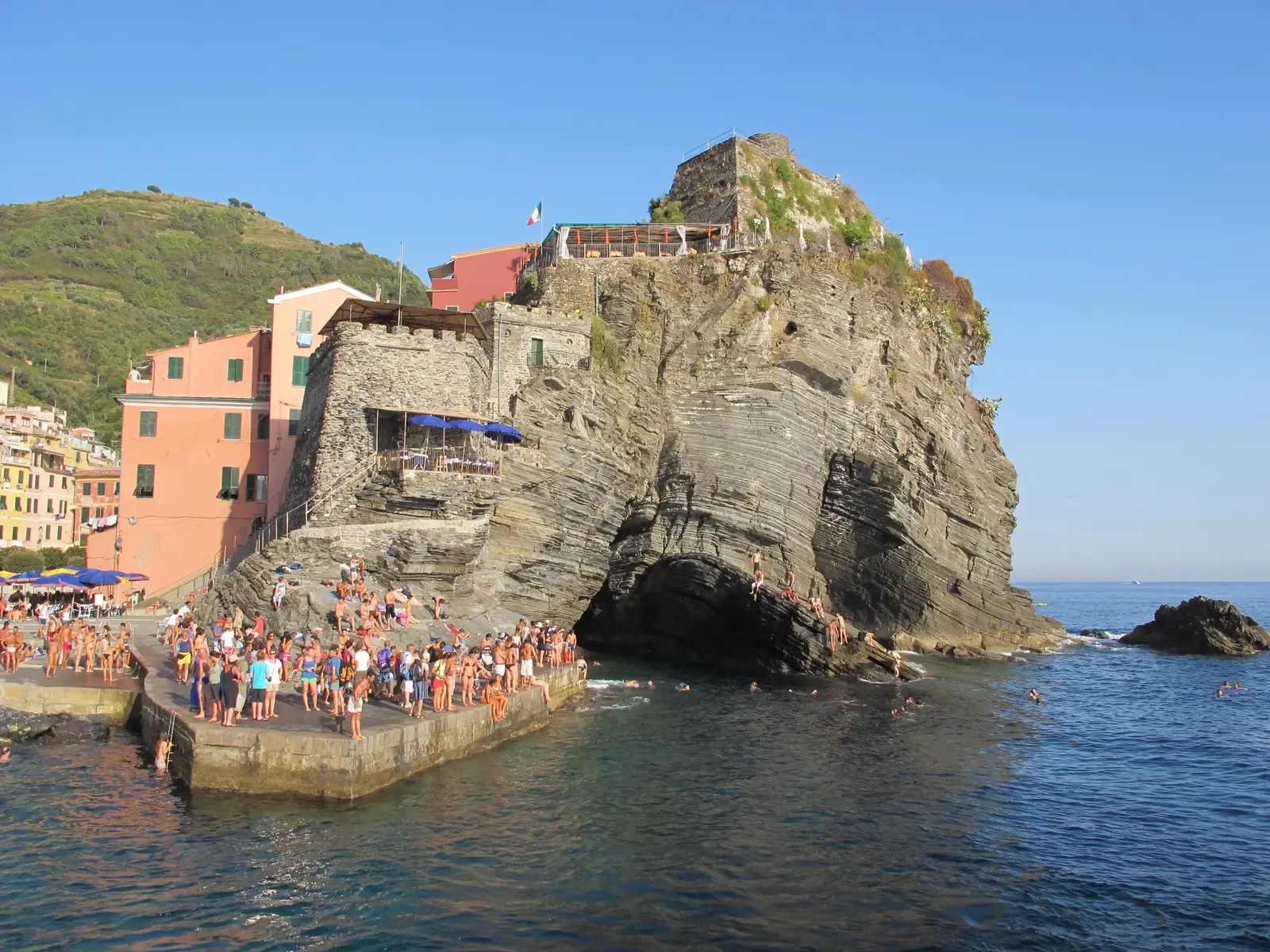
Once you understand Cosquer, it’s hard to unsee the pattern along the rest of the Mediterranean. From the Ligurian and Catalan coasts to Greece and Croatia, the shoreline is lined with limestone headlands riddled with caves – many sitting at exactly the elevation you’d expect for dry sanctuaries during lower sea levels.
We already know of decorated sites deep in the karst interiors on land. Combine that with underwater surveys that keep turning up submerged entrances, chambers, and tunnels at depths matching glacial-era coastlines, and the pattern becomes hard to dismiss as coincidence.
At A Glance
- The karst belt runs from Spain’s Costa Brava through southern France and Italy to Greece and Croatia
- Dozens of decorated interior caves are already documented on land along this same coastline
- Wave energy and roof collapse are the two biggest destroyers of any submerged art in the region
- Cosquer remains the only fully confirmed, extensively decorated flooded gallery found so far
Here’s the uncomfortable opinion a lot of insiders quietly share: Cosquer probably isn’t an outlier. It’s just the first truly spectacular member of a class of sites that mostly didn’t survive. Wave energy, marine chemistry, and roof collapse all conspire against delicate pigment and engraving – meaning the Mediterranean may once have hosted a dense belt of coastal painted caves, of which only scraps remain today.
#1 – The Ghost Archive: The Global Pattern Hiding Beneath The Waterline
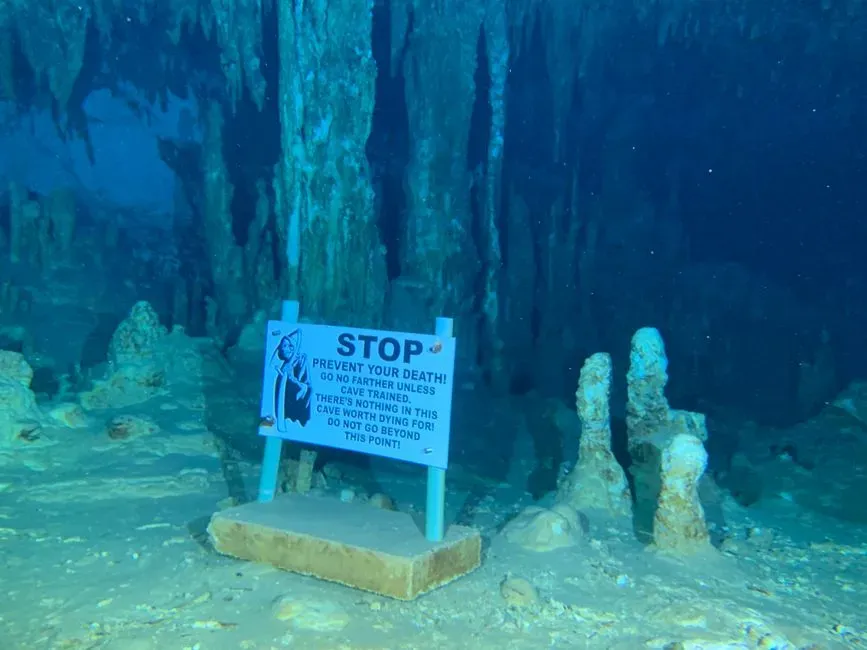
Line up everything on this list – Cosquer’s flooded tunnel, La Garma’s rerouted plumbing, Florida’s drowned conduits, Australia’s lost shelf – and a single, stark picture starts to form. Wherever people had limestone coasts and caves during periods of lower sea level, they almost certainly left art, markings, or symbolic traces behind in some of those spaces.
As the planet warmed, seas rose, aquifers swelled, and caves quietly re-plumbed themselves, sealing much of that art underwater – sometimes gently, sometimes violently. What’s left behind is what cave scientists have started calling a “ghost archive”: a worldwide layer of human expression made in dry darkness that now sits in flooded chambers, silt pockets, or collapsed passages, waiting.
We only ever see the lucky survivors – the sites where geometry, chemistry, and pure chance lined up in the art’s favor. Treating that surviving record as “the full story” is the mistake. It’s closer to a heavily edited highlight reel of a much bigger, mostly drowned original.
The Bottom Line
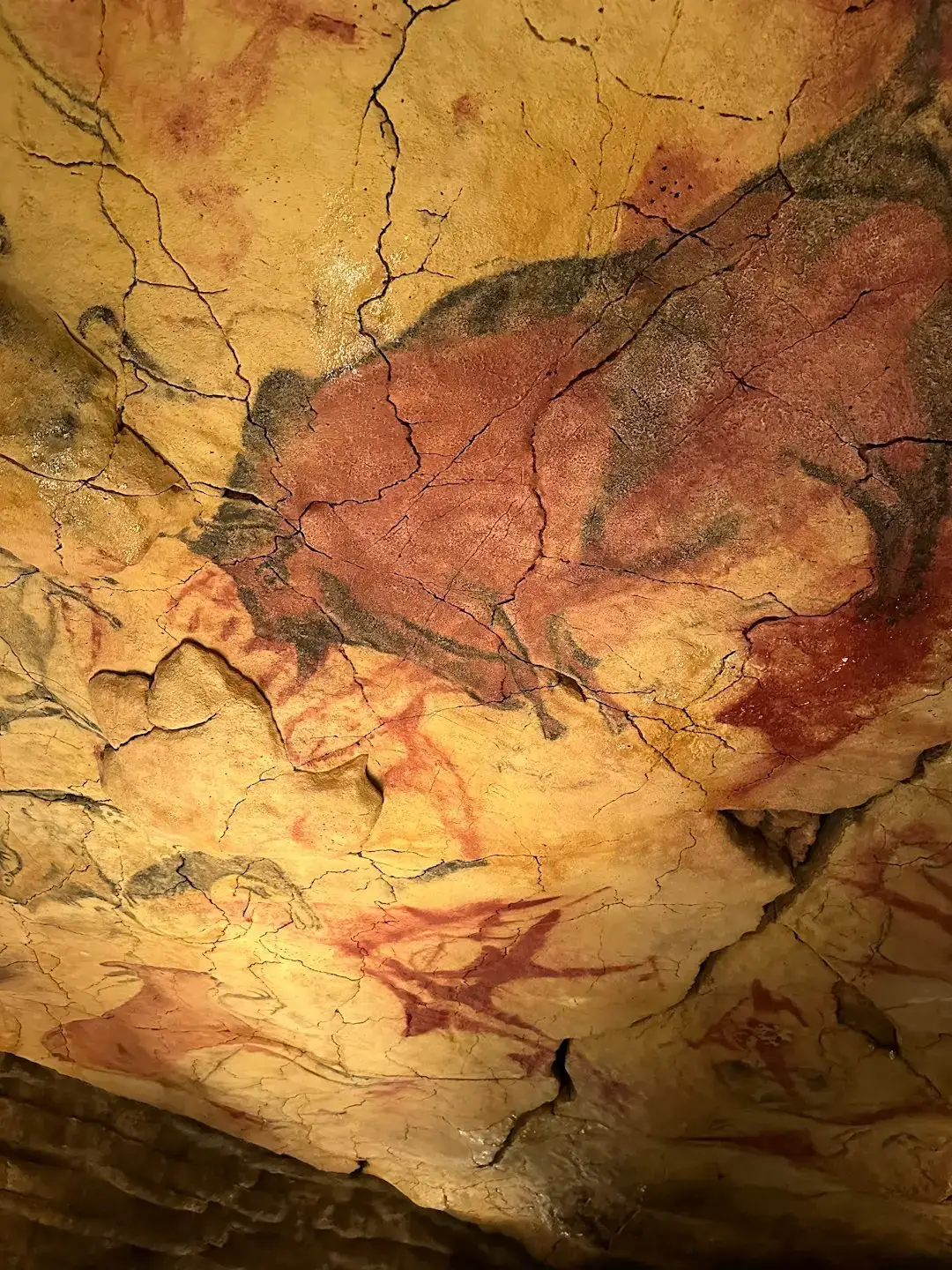
Stack these 13 cases together and a simple, uncomfortable message cuts through the romance: the cave art we know and love is only the part that got lucky with geology. From Cosquer’s Ice Age horses behind a scuba-only tunnel to Florida’s spring caves and Australia’s lost shelf, the pattern repeats itself – humans made images in dry caves, and then climate, sea level, and shifting groundwater quietly moved the goalposts, flooding entrances and erasing walls.
Most people still imagine cave art as a fixed, landlocked tradition frozen safely in stone. The evidence here says otherwise, loudly. Our entire “canon” of prehistoric art is probably skewed toward whatever rock and water happened to spare, which means every dated hand stencil and engraved animal we study today deserves a little humility attached to it.
My honest opinion: the drowned caves are the real headline here, not the footnote. The paintings we celebrate in museums and textbooks are survivors, not the whole population – and somewhere off the coast of Marseille, the Yucatán, or Palawan, the rest of that story is still sitting in the dark, waiting for someone with a dive light and a lot of patience.