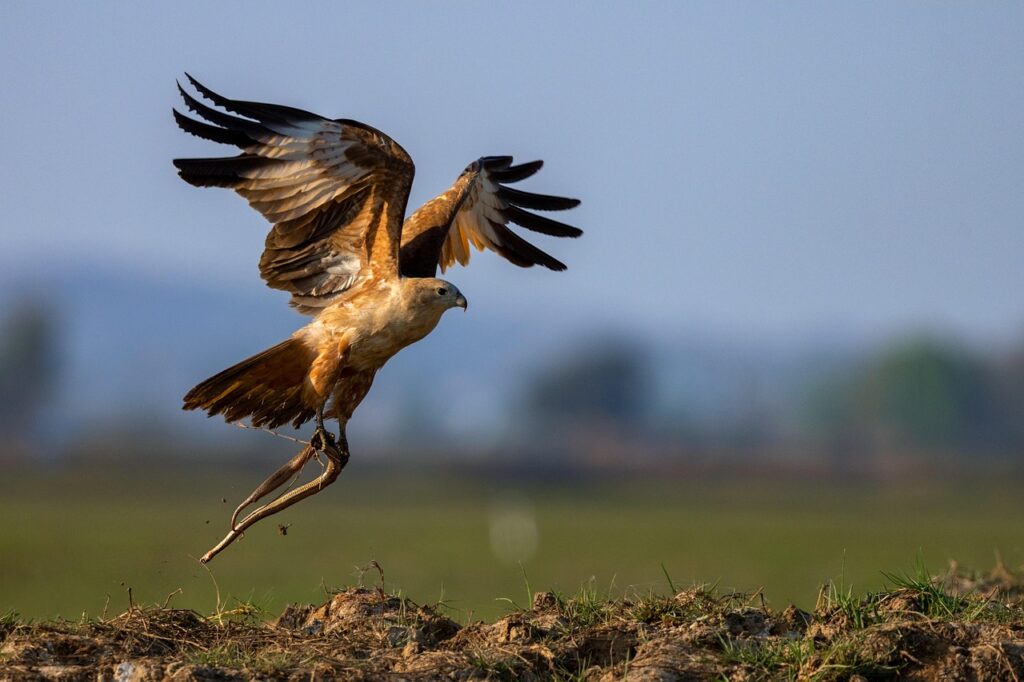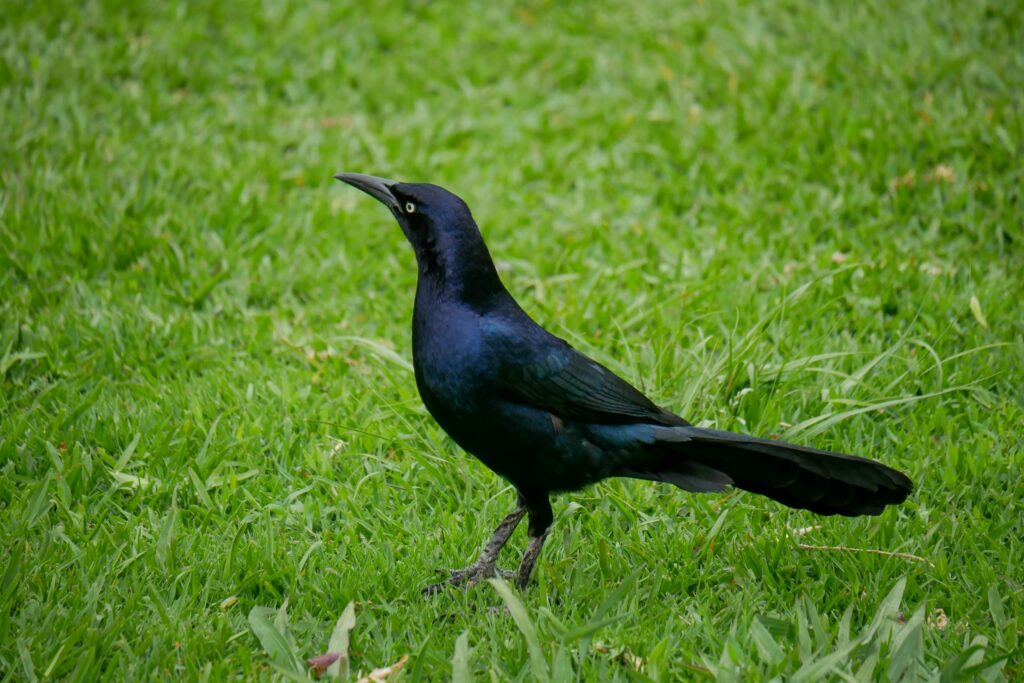
Most people assume extinction lists are final – carved in stone by careful scientists who don’t make mistakes. That assumption is wrong more often than you’d think.
Some species declared “gone forever” were never gone at all. They were hiding in remote caves, drowned wetlands, volcanic sea stacks, and forgotten mountain forests, waiting for someone to point a camera in the right direction. Not rumors. Not folklore. Photographs – often grainy, sometimes accidental, occasionally captured by a tourist who had no idea what they’d just found. What follows are 21 cases where a single image forced scientists to erase a name from the extinction list and quietly rewrite the record books.
#21 – New Guinea Big-Eared Bat: The Cave Phantom That Refused to Vanish
![#21 - New Guinea Big-Eared Bat: The Cave Phantom That Refused to Vanish ([1], CC BY-SA 4.0)](https://nvmwebsites-budwg5g9avh3epea.z03.azurefd.net/dws/94f52cc9a3197bb7a5116373cd4a1928.webp)
For over a century, the New Guinea big-eared bat existed only as a handful of 19th-century museum specimens. No sightings, no data, nothing. As the island’s forests were logged and its caves disturbed, biologists quietly filed the species under “functionally extinct” and moved on.
Then a cave-survey team’s camera unexpectedly caught a bat with the same oversized ears and unmistakable facial structure. That single set of images triggered a full reassessment of New Guinea’s bat diversity. Follow-up teams armed with acoustic detectors and genetic kits confirmed small roosts still survived in a few untouched karst caves – protected, ironically, by the same remoteness that had made everyone assume they were dead.
Fast Facts
- Not recorded since 1890, the species was long presumed extinct
- Historically known from 45 specimens caught over 100 years ago
- Trapped again in 2012, but not officially identified until March 2014
- The discovery also extends the known range of the species in PNG’s Central Province by around 120 km to the east
#20 – Black-Footed Ferret: Thought Gone, Found in a Dog’s Mouth
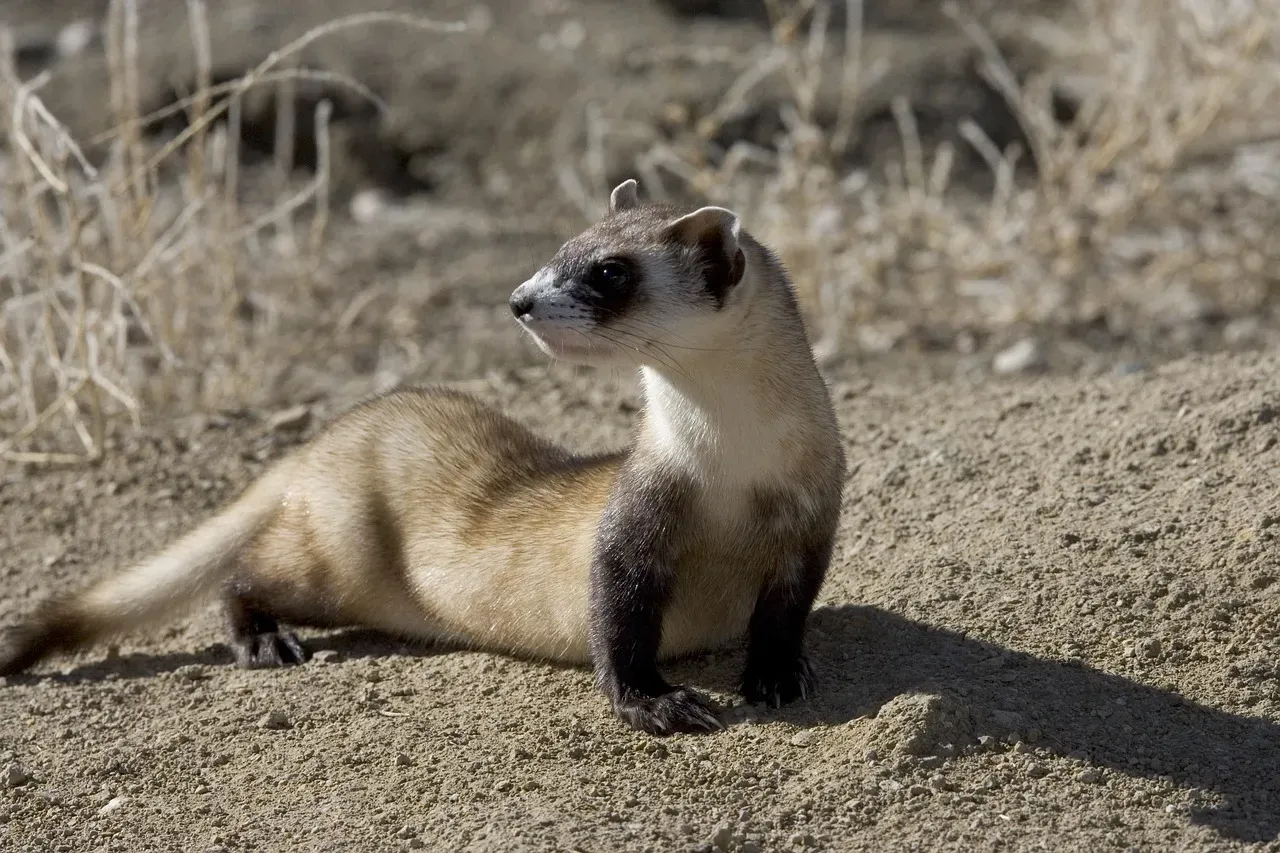
The black-footed ferret is a conservation success story now, but people forget how it started: officially declared extinct in the wild in the late 1970s after plague and habitat loss wiped out its prairie dog food source. Textbooks moved on. Then, in 1981, a Wyoming ranch dog dropped a dead ferret on a porch.
That grim little delivery came with photos and a specimen – proof a hidden colony was still out there. Camera traps and nighttime searchlights confirmed living ferrets soon after, and those images became the evidence base for an emergency captive-breeding program. Today the species is endangered, not extinct, with reintroduced populations across several U.S. states and Mexico. Some ranchers still see them as pests rather than miracles, and that tension hasn’t gone away.
#19 – Miller’s Grizzled Langur: A “Lost” Monkey Caught on Trail Cam
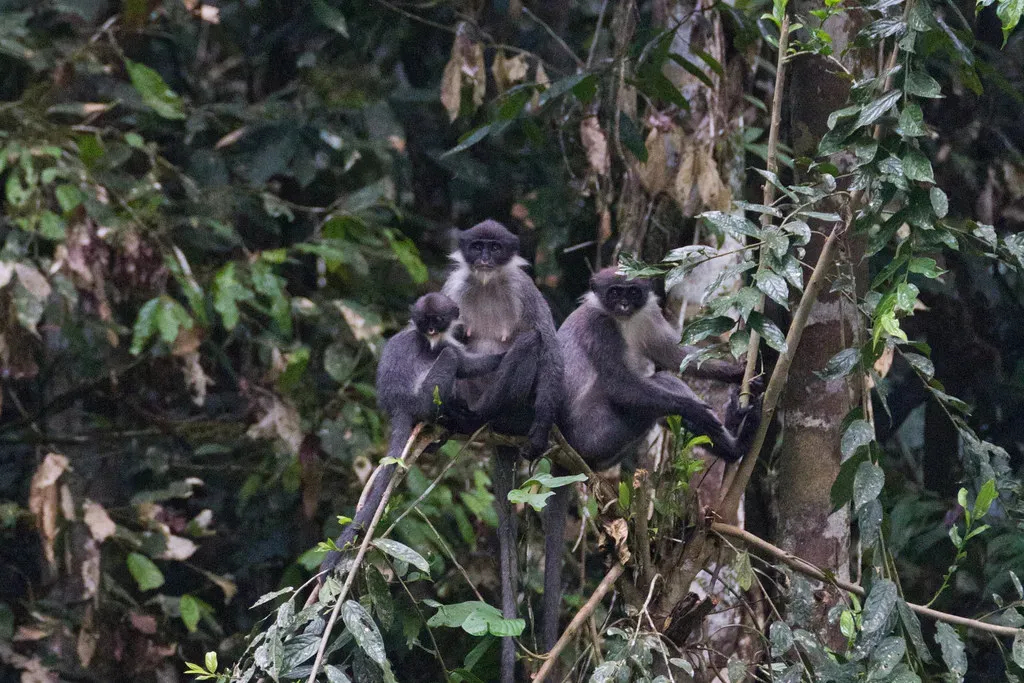
Miller’s grizzled langur, native to Borneo, was one of those primates everyone quietly assumed had slipped into extinction. Logging and hunting gutted its range, and years of surveys turned up nothing. Several databases had already stopped listing it as a living species.
Then researchers in East Kalimantan set camera traps for other animals entirely – and accidentally photographed a langur no one expected to see again. The distinctive coloration and tail were unmistakable. Since then, more photographic evidence has mapped a tiny, fragmented population clinging to degraded forest. Some of the key images only got scientific attention after being shared online, which is its own strange commentary on how rediscoveries happen now.
#18 – Coelacanth: The “Fossil Fish” That Crashed the Extinction Narrative
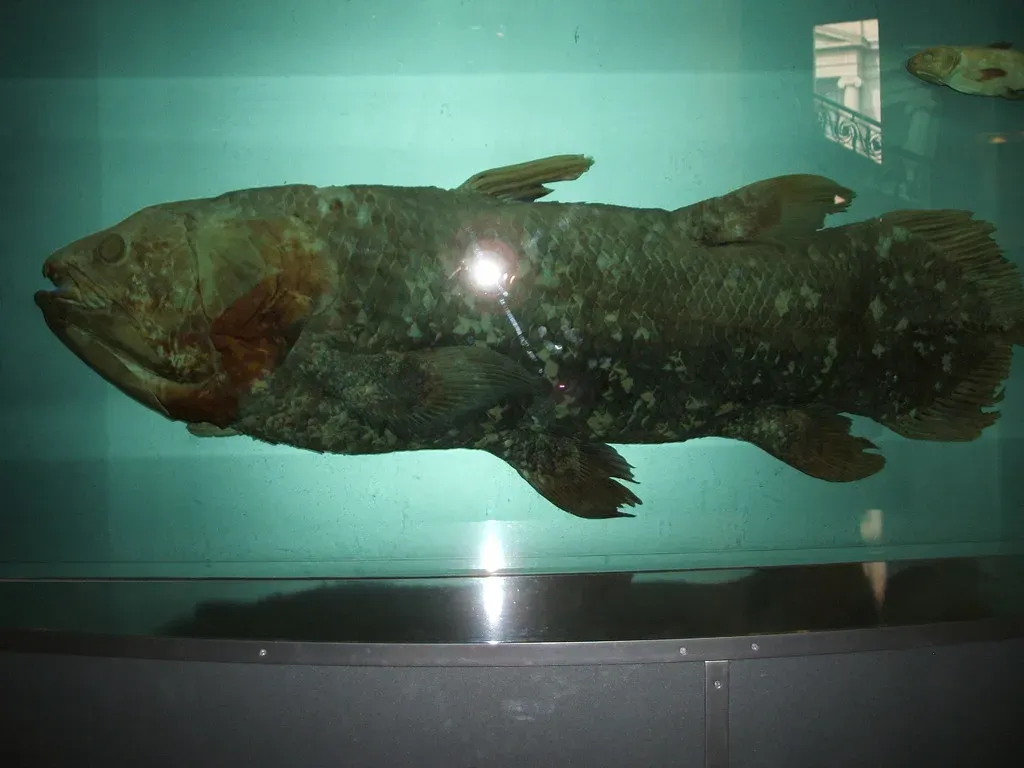
Everyone knows the coelacanth as the famous “living fossil,” but few remember how absolute its extinction label used to be. Paleontologists were certain it died out alongside the dinosaurs – until a South African trawler hauled up a strange fish in 1938. Museum staff photographed it, and the pictures showed living anatomy that was supposed to have vanished 65 million years earlier.
For scientists, those images landed harder than most dinosaur fossil discoveries ever had. Later, underwater and submersible photography confirmed coelacanths were still thriving on deep volcanic slopes off Africa and Indonesia. The find sparked an uncomfortable question that still lingers: if something “extinct” for 65 million years could be photographed alive, how many other deep-sea species have we simply gotten wrong?
#17 – New Zealand Storm Petrel: Back From the Dead in a Tourist Snapshot
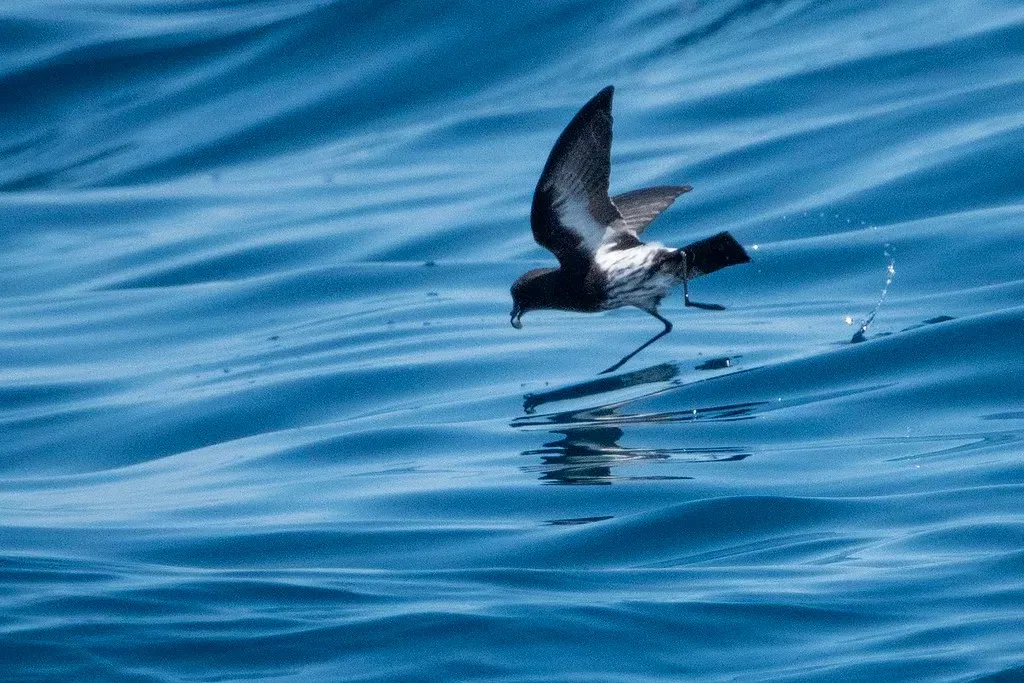
Seabirds get written off fast, and the New Zealand storm petrel was written off for over a century – known only from a few dusty museum skins. Then, in the early 2000s, birdwatchers on a pelagic boat trip snapped photos of a small black-and-white petrel that didn’t match anything in the field guides.
Careful analysis matched the plumage patterns to the supposedly extinct species down to the last detail. Those photos triggered targeted surveys, sharper identification criteria, and a slow accumulation of sightings that eventually confirmed a small breeding population. What started as a tourist’s lucky snapshot became one of ornithology’s cleanest rediscovery stories – and proof that hobbyist photography can outperform formal expeditions.
#16 – Takahe: The Flightless Giant Hidden Behind a Mis-ID
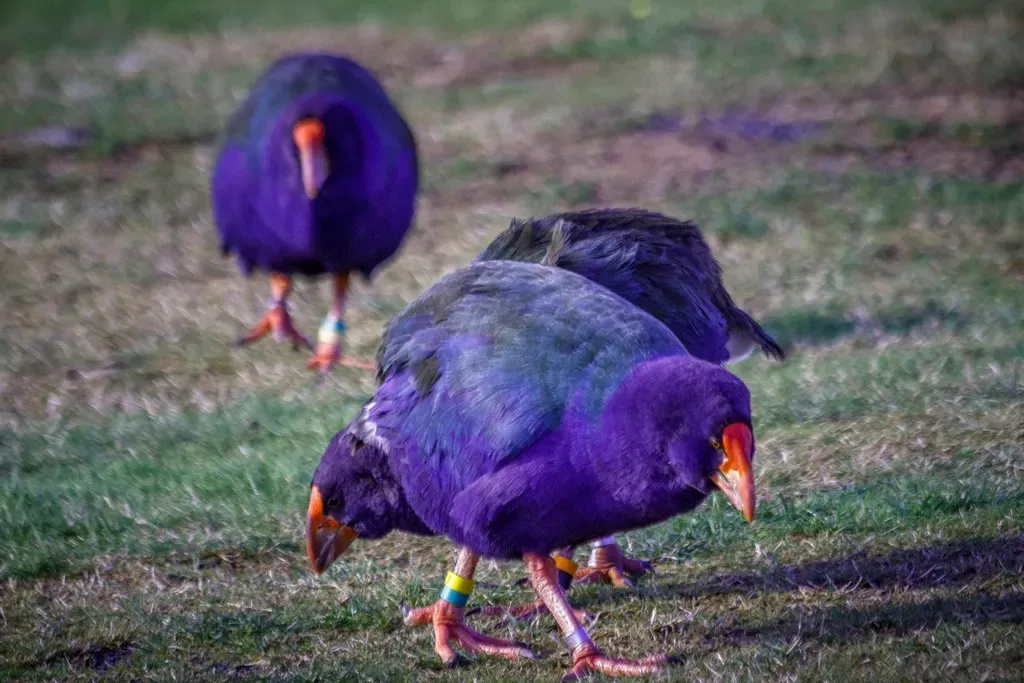
The South Island takahe, a large flightless rail, was declared extinct in the late 19th century after relentless hunting and habitat loss. For decades, only museum specimens in Europe proved it had ever existed at all. Then, in 1948, an exploration party photographed a huge, blue-green rail deep in Fiordland.
The images didn’t match any known living bird – except the takahe everyone thought was gone. Those black-and-white field photos triggered one of New Zealand’s most ambitious conservation turnarounds, including translocations to predator-free islands that continue today. The strange twist: many New Zealanders still confuse takahe with the common pukeko, proving that even a genuine “back from the dead” species can stay invisible in plain sight.
At a Glance
- Declared extinct: late 1800s
- Rediscovered: 1948, deep in the Murchison Mountains of Fiordland
- Survived for decades on a single wild population before active management began
- Now spread across multiple predator-free island sanctuaries and select mainland sites
#15 – Bermuda Petrel (Cahow): Reappearing in a Single Blurred Frame
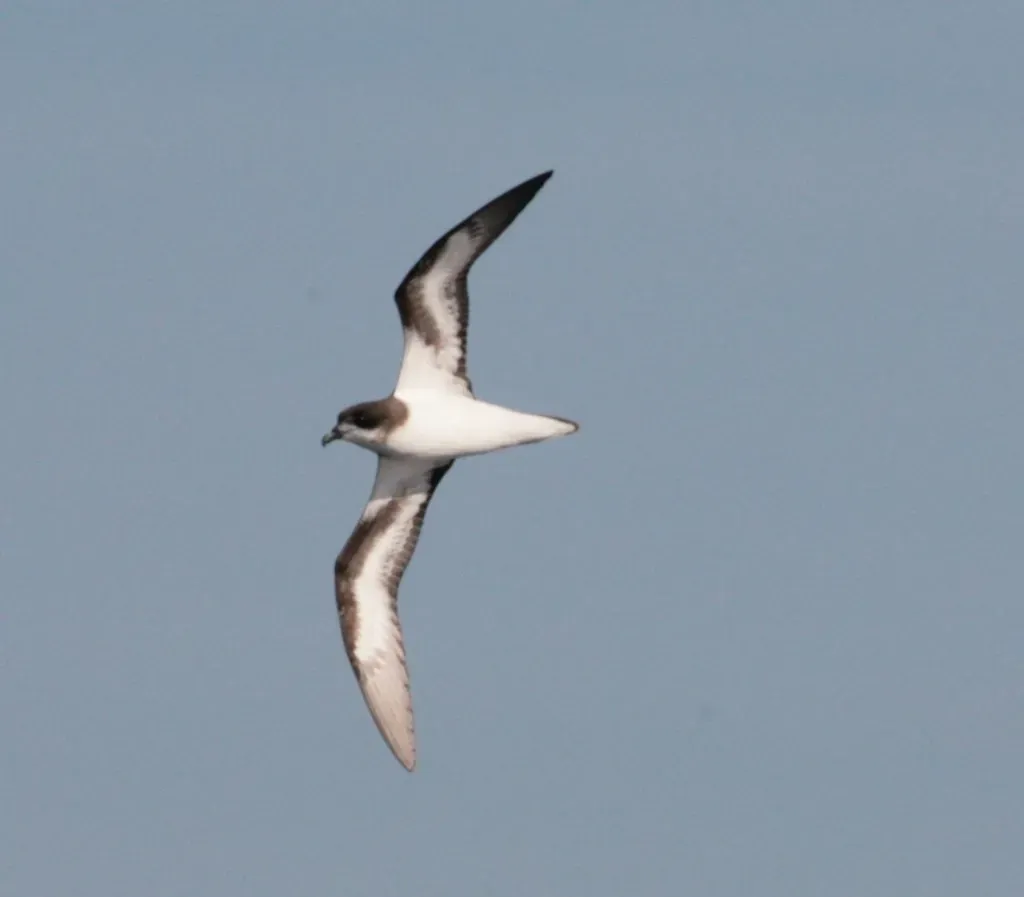
The Bermuda petrel, known locally as the cahow, was considered extinct for roughly 300 years after intense hunting and introduced predators wiped out its colonies. It survived only in old sailors’ tales. In the 1950s, researchers chasing mysterious nighttime calls on tiny Bermudan islets managed to capture a handful of blurry photographs of a petrel matching the cahow’s description.
Those unimpressive-looking images turned out to be dynamite. They justified focused expeditions that uncovered a tiny remnant breeding population in coastal burrows. Today the cahow is one of the most closely monitored seabirds on Earth, protected by nest cameras and artificial burrows. The photos that saved it would be called “low quality” by today’s standards – but they were good enough to change history.
#14 – Hula Painted Frog: A Wetland Casualty That Wasn’t
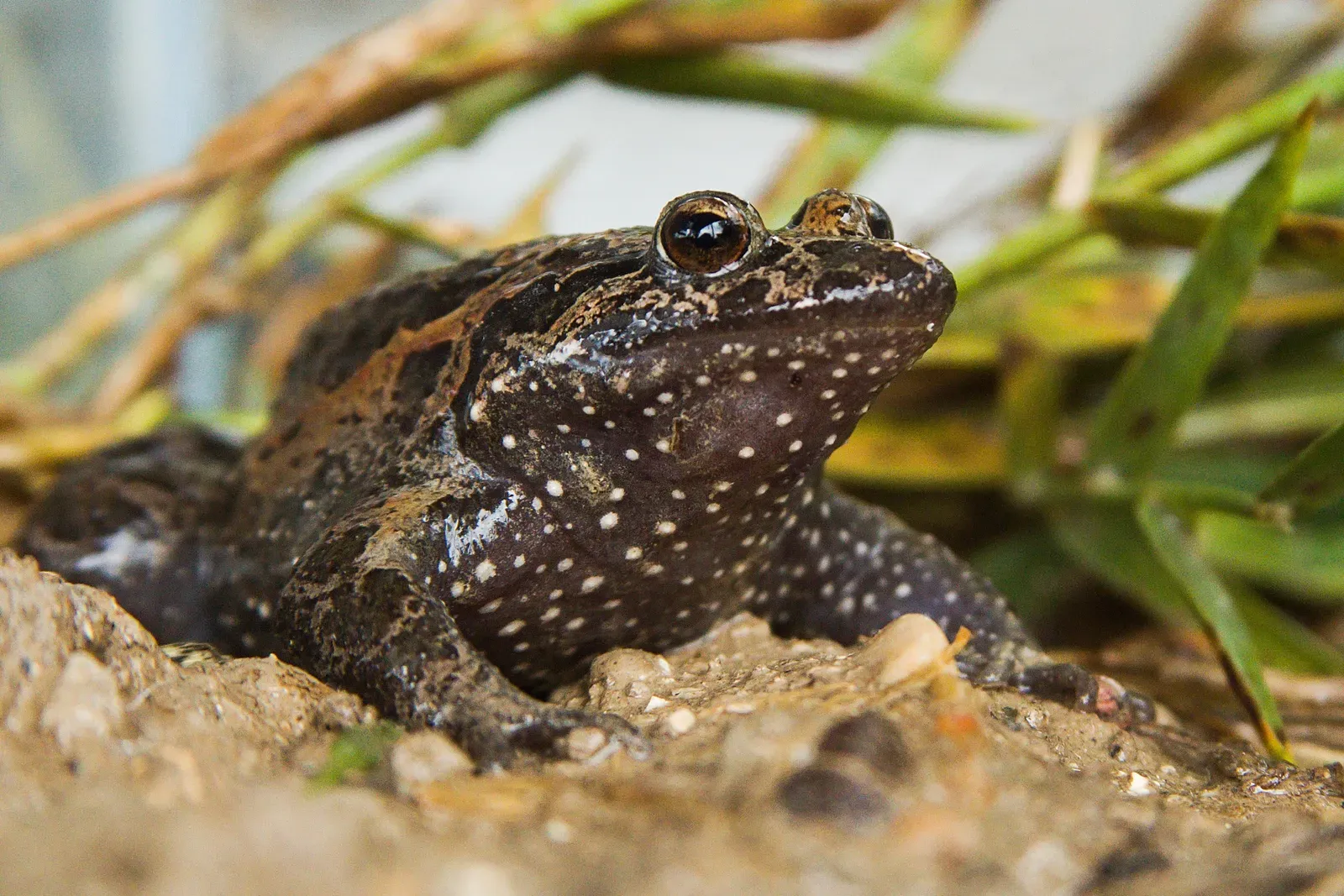
Israel’s Hula painted frog was declared extinct after the Hula wetlands were drained in the 1950s, becoming a textbook case of habitat destruction. Then, in 2011, a park ranger spotted an unfamiliar frog during a night patrol and snapped photos before collecting a specimen.
The coloration and pattern matched the frog everyone had mourned as gone. Herpetologists moved fast, and within weeks, more surveys and photographic documentation confirmed a small surviving population in remnant wetland patches. Some conservationists now argue the rediscovery is being oversold as a redemption story for a landscape that’s still badly degraded – a messier truth than the headlines suggest.
#13 – Night Parrot: Australia’s Legendary Ghost Bird on a Memory Card
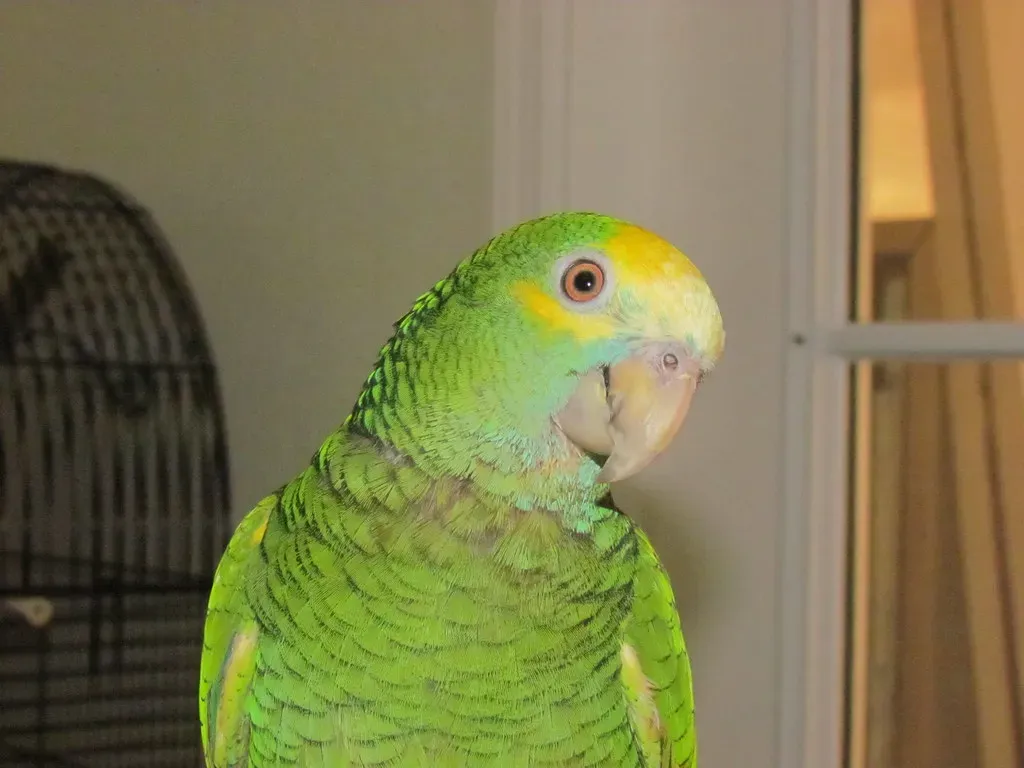
Ask Australian birders which species they never expected to see alive, and many will say the night parrot. Confirmed records dried up after the late 19th century, and its nocturnal habits, desert range, and grazing pressure made it the poster child for “probably extinct.” Then, in the 2010s, a handful of photographs and camera-trap images from remote Queensland and Western Australia shook the ornithology world.
For the first time, modern, time-stamped photos put a living night parrot beyond doubt. The discovery immediately sparked arguments – some accused the finders of being too secretive about locations, while others insisted secrecy was the only thing protecting the birds from collectors. Either way, the species was reclassified from “possibly extinct” to critically endangered, and trail cameras keep finding more.
#12 – Zanzibar Leopard: A Contested Comeback on Grainy Footage
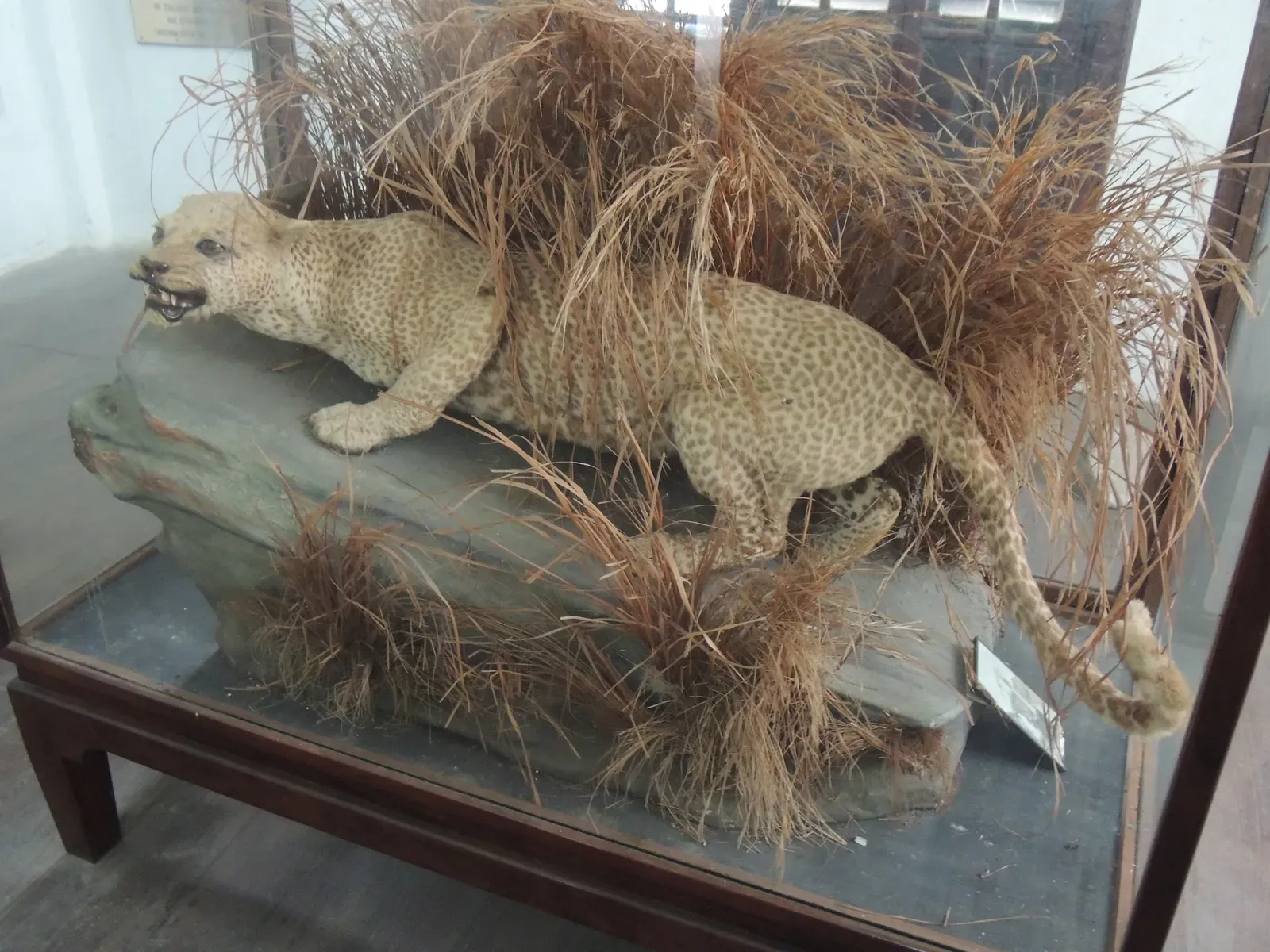
This is where things get messy. The Zanzibar leopard was widely believed extinct after an extermination campaign that linked leopards to witchcraft accusations and livestock losses. For years, all that remained were stories. Then a camera-trap program in the 2010s captured footage of a spotted cat that many zoologists argued had to be a leopard.
The problem: the images are low-resolution, and skeptics insist they could show hybrid or misidentified mainland cats. Some databases now cautiously list the Zanzibar leopard as “possibly extinct,” others as “critically endangered,” depending on who you ask. It’s the uncomfortable underside of photo-based rediscovery – compelling enough to reopen the debate, not conclusive enough to end it.
Quick Compare
- Cautious databases: Still list it as “possibly extinct”
- Field biologists: Point to camera-trap footage as evidence for “critically endangered” status
- Skeptics: Argue the footage may show hybrid or misidentified mainland cats
- Net result: No single verdict has stuck long enough to close the file
#11 – Javan Elephant (Debated): Are Old Photos Hiding a Lost Giant?
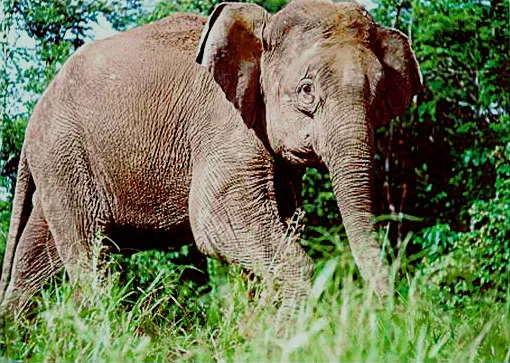
Among the most controversial cases on this list is the Javan elephant. Historical records show elephants once roamed Java before vanishing under hunting and deforestation, and many experts treated the population as a unique subspecies lost entirely. Then genetic work paired with old photographs of elephants in Borneo raised a wild possibility.
Those Bornean elephants might actually descend from Javan stock – meaning the “extinct” Javan elephant never really died, it just relocated under a different name. The case leans heavily on photo comparisons of body shape, tusk angle, and ear size between old Javan images and modern Bornean ones. Critics aren’t convinced, arguing the story is being romanticized. But it shows how photographs can blur the line between extinction, migration, and survival in disguise.
#10 – La Palma Giant Lizard: A Rock-Dweller Hiding in Plain Sight
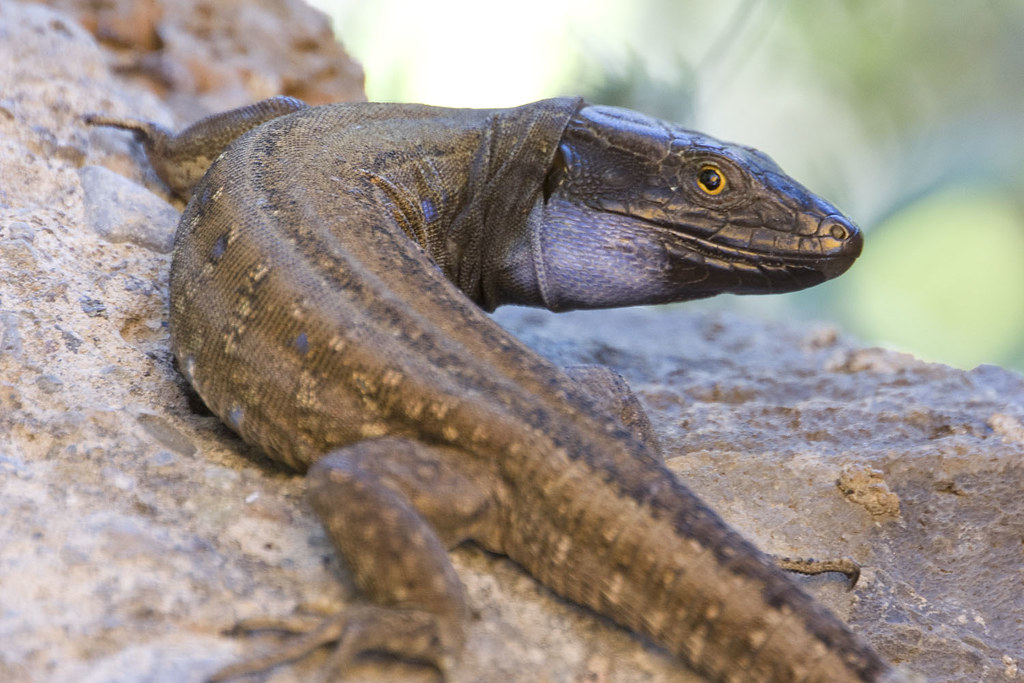
Can a half-meter lizard vanish on a relatively small island? For years, La Palma’s giant lizard was known only from subfossil remains, and most herpetologists assumed it was extinct. Then, late in the 20th century, photographs from remote cliffs on the Canary Islands showed large, dark lizards basking on rocks – animals that didn’t match anything alive.
Those images pushed scientists into dangerous cliffside expeditions, where they finally captured and photographed individuals up close, confirming a living population. The rediscovery exposed just how little of the island’s vertical terrain had ever been properly surveyed. The lizard is now critically endangered but actively protected, though locals remain split – some treat it as a conservation icon, others shrug it off as “just another lizard.”
#9 – Wondiwoi Tree Kangaroo: A Fuzzy Rumor Turned Into Pixels
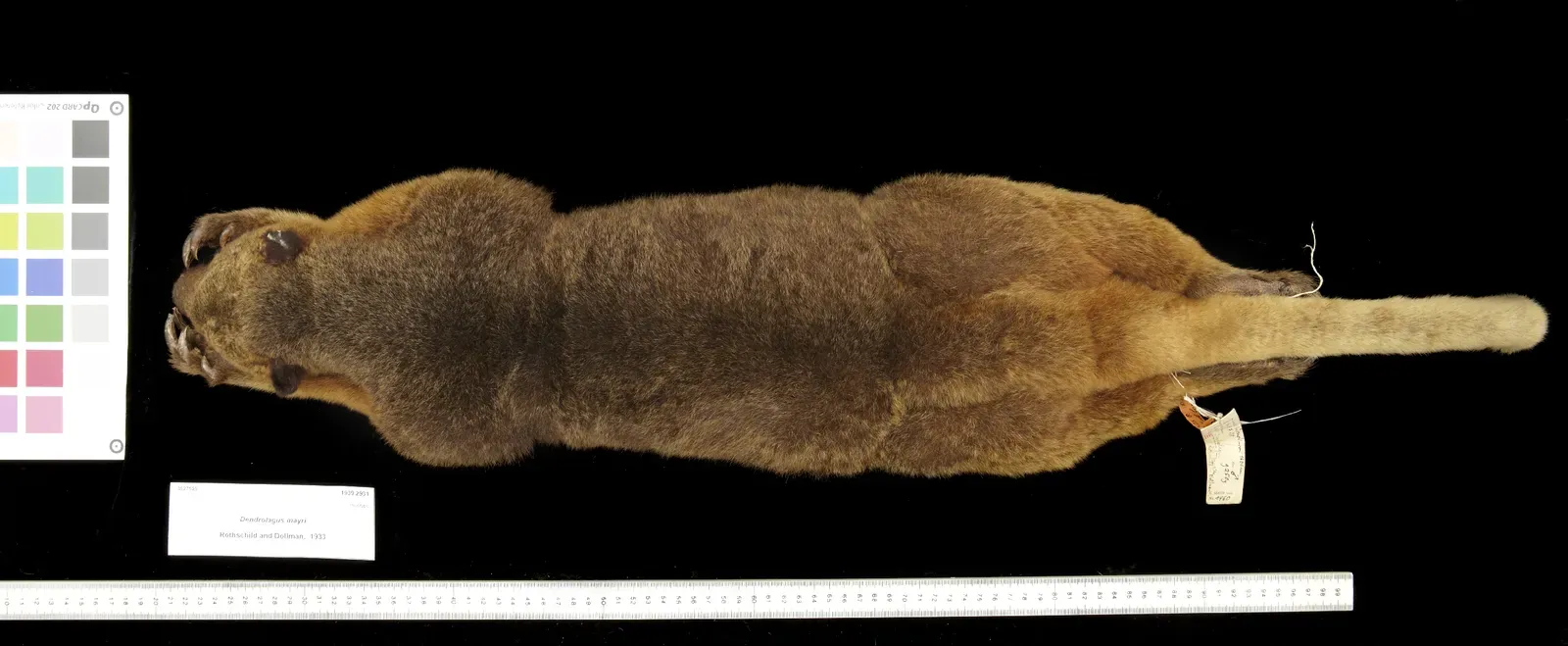
The Wondiwoi tree kangaroo, from Papua’s remote mountains, existed more as legend than data – known from a single specimen collected in the 1920s and quietly presumed extinct ever since. Then, in the late 2010s, a small expedition reported seeing a strange tree kangaroo and produced a handful of telephoto images showing a golden-brown animal matching the “lost” species.
The photos are persuasive but not perfect, and that gap has fueled real debate. Many mammalogists accept them as strong evidence the species survives in rugged, rarely visited forest. Others want repeated, clearer confirmation before official threat assessments change. Either way, those blurry telephoto shots have already redirected research into forests once assumed to be empty of anything remarkable.
#8 – Somali Sengi (Elephant Shrew): Rediscovered by Camera Trap and Curiosity
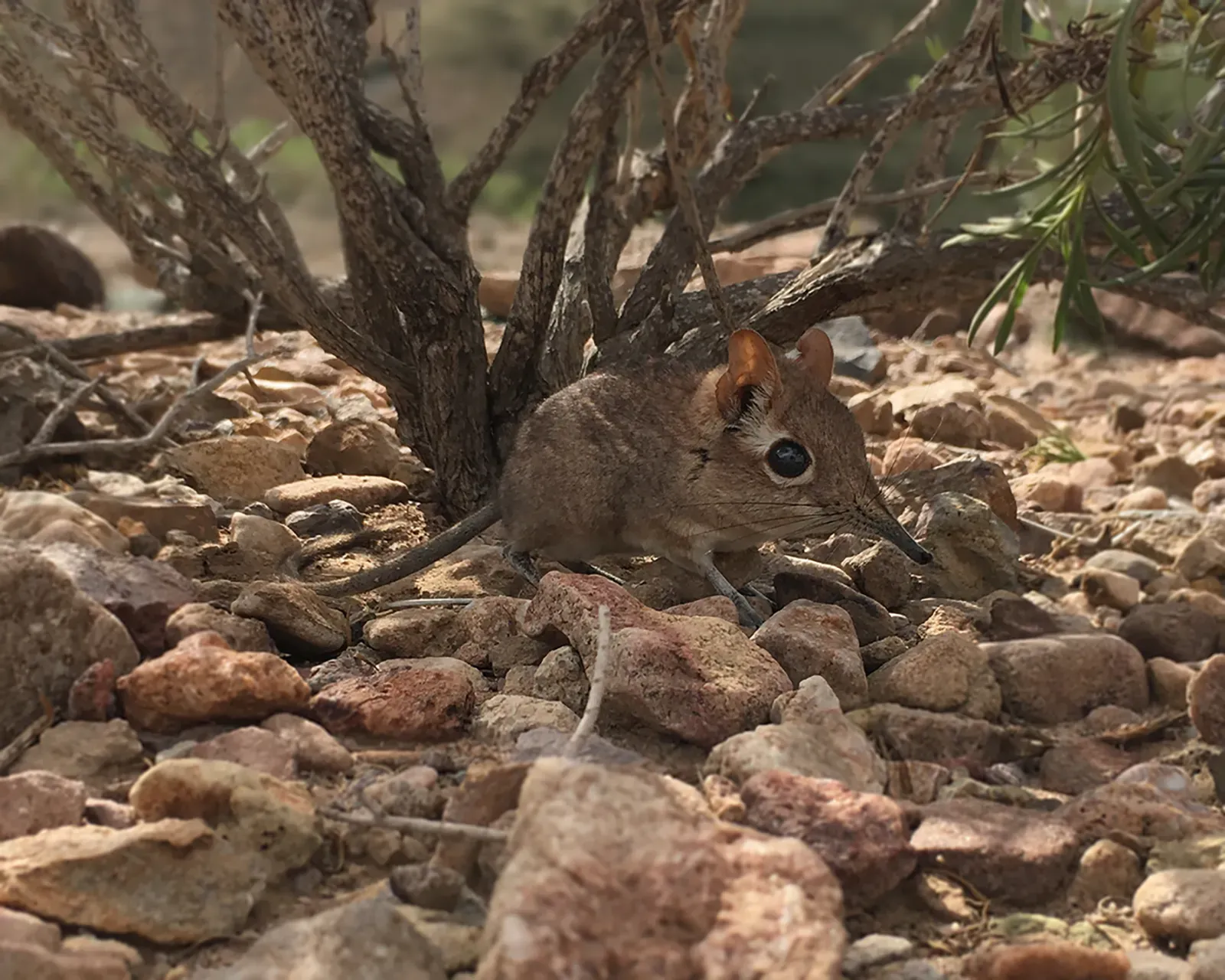
The Somali sengi, a tiny, long-snouted mammal, quietly disappeared from scientific records after the 1970s. It wasn’t dramatic enough to make extinction headlines – more of an administrative vanishing act than a mourned loss. Then biologists running general biodiversity camera traps in the Horn of Africa started finding images of a small, fast-moving mammal with the sengi’s exact morphology.
Those photos triggered targeted trapping efforts that confirmed the species wasn’t just alive – it was locally common in some rocky habitats. The uncomfortable lesson: something can look “extinct” on paper simply because nobody bothered to look. Charismatic animals get search parties. Small, unglamorous ones get rediscovered almost by accident.
#7 – Fernandina Giant Tortoise: A Century of Silence Broken by One Shell
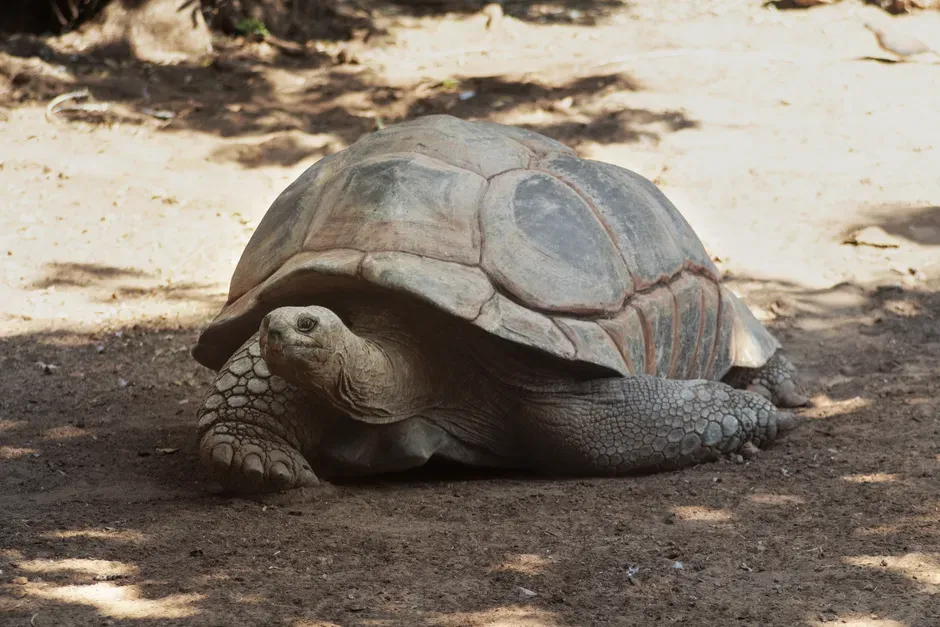
For over 100 years, nobody saw a Fernandina giant tortoise in the Galápagos. Repeated failed searches and heavy hunting pressure led most experts to quietly write the species off. Then, in 2019, researchers found a single female during an expedition and photographed her extensively.
Those images, showing unique shell morphology and scute patterns, were enough to resurrect the species in public consciousness almost overnight. Genetic testing later confirmed what the cameras had already shown. Critics say the media jumped too fast from “possibly extinct” to “miracle,” based on one animal – but even they admit that without the photographs, the discovery might have been dismissed as a misidentified tortoise from another island.
Worth Knowing
- Last confirmed sighting before 2019: 1906 – a gap of roughly 113 years
- The lone survivor found in 2019 was later nicknamed Fernanda by researchers
- Genetic analysis matched her lineage back to that century-old 1906 specimen
- She remains the only Fernandina tortoise ever confirmed alive and photographed in the wild
#6 – Ivory-Billed Woodpecker: Proof, Hype, or Wishful Thinking?
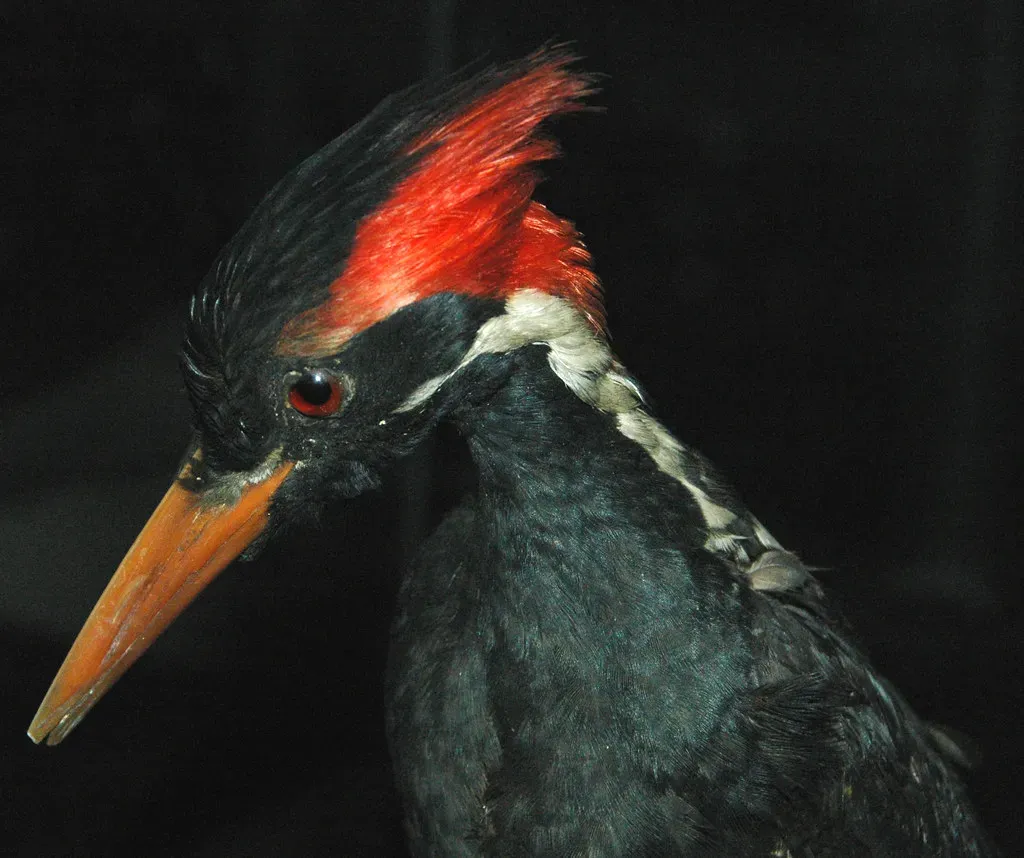
No species divides birders quite like the ivory-billed woodpecker. Officially treated as probably or possibly extinct, it has no universally accepted photo evidence in recent decades. But a string of disputed photographs and videos – some from the early 2000s, others more recent – has convinced a subset of experts that small populations still survive in U.S. swamp forests.
The images typically show a large, black-and-white woodpecker in flight, and proponents point to wing patterns that supposedly rule out the more common pileated woodpecker. Skeptics call the footage too blurry to prove anything. This case matters because it shows the limits of photo-based resurrection: the same images can push a species on or off the extinct list depending entirely on which expert is looking at them.
#5 – El Hierro Giant Lizard: Fossils to Facebook Feeds
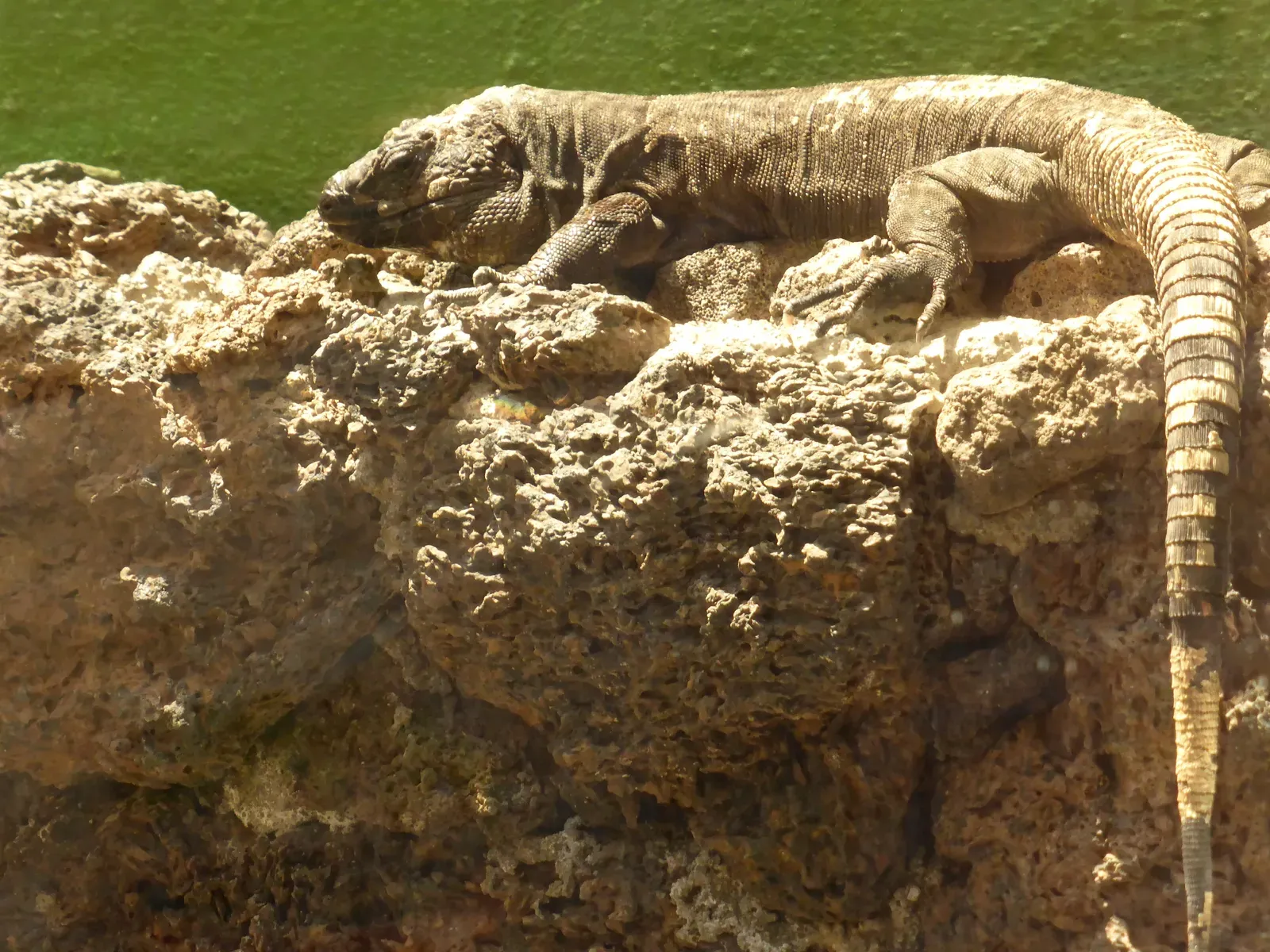
Like its La Palma cousin, the El Hierro giant lizard was long considered extinct, known mostly from remains and 19th-century accounts. Late in the 20th century, climbers and shepherds began sharing photographs of unusually large lizards on the island’s remote cliffs.
Scientists weren’t convinced at first – until repeated field visits produced clearer, published photos revealing diagnostic markings. Those images moved the species from rumor to recognized living taxon almost overnight. Captive-breeding programs followed, using photography to monitor released individuals. Today, pictures of the lizards basking show up in local tourism marketing, which some biologists quietly dislike – they worry the branding overshadows the ongoing threats the species still faces.
#4 – Lord Howe Island Stick Insect: “Tree Lobsters” on a Volcanic Spire
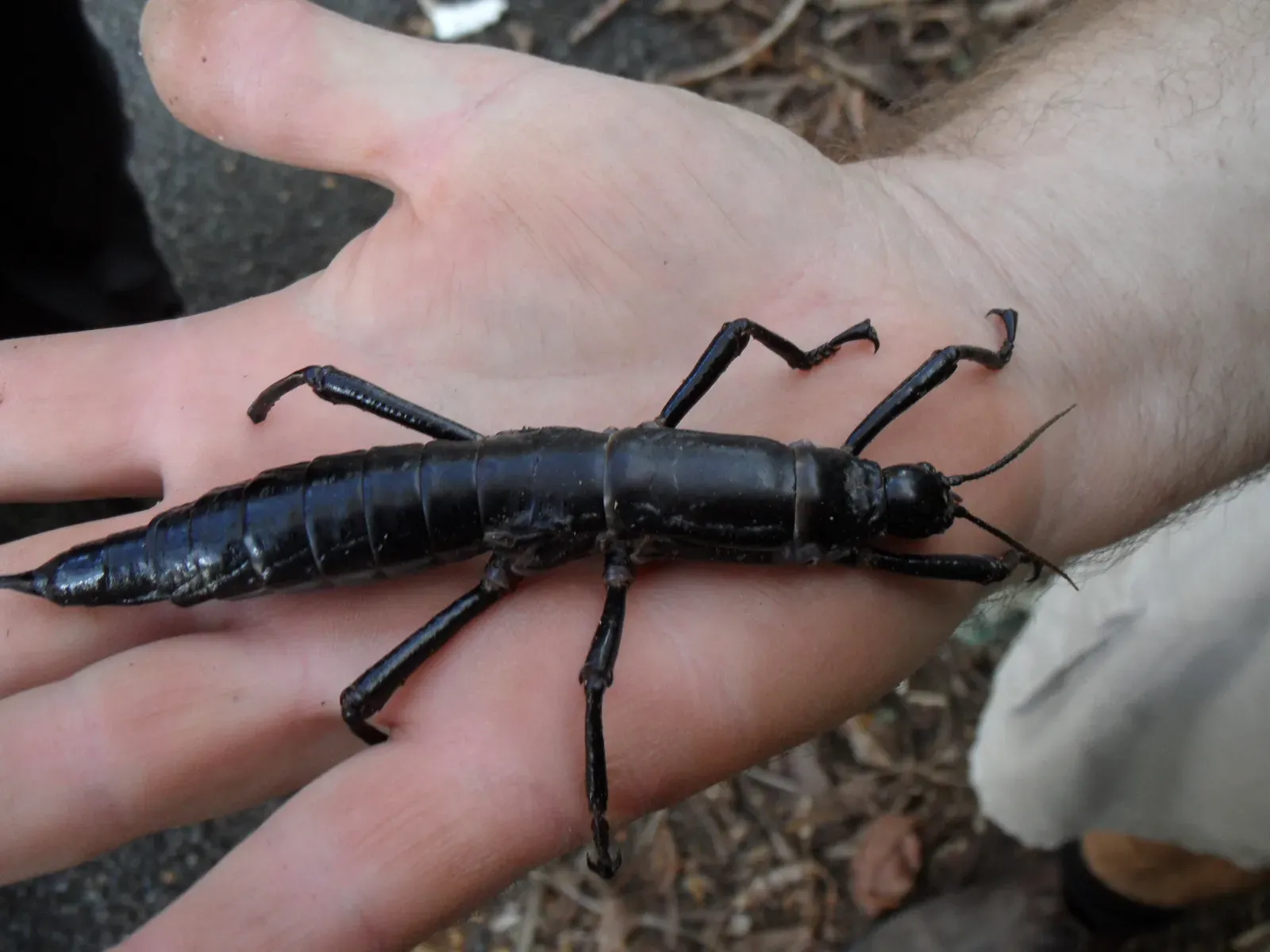
This one feels like fiction. The Lord Howe Island stick insect, nicknamed the “tree lobster,” was declared extinct in the early 20th century after rats overran its home island. Decades later, climbers on Ball’s Pyramid – a jagged volcanic rock jutting out of the ocean – reported strange, large insects clinging to a single shrub.
Only when researchers returned with cameras did the world see high-resolution photographs of glossy, hand-sized stick insects still alive. The images went viral in scientific circles and beyond, forcing the insect off extinction lists and into active conservation plans. Captive breeding now produces thousands of individuals. But there’s an uncomfortable undertone: the species survives mostly in captivity, and reintroduction remains a legal and biosecurity headache the cheerful photos never show.
#3 – Pygmy Tarsier: A Tiny Primate Pulled From the Fog
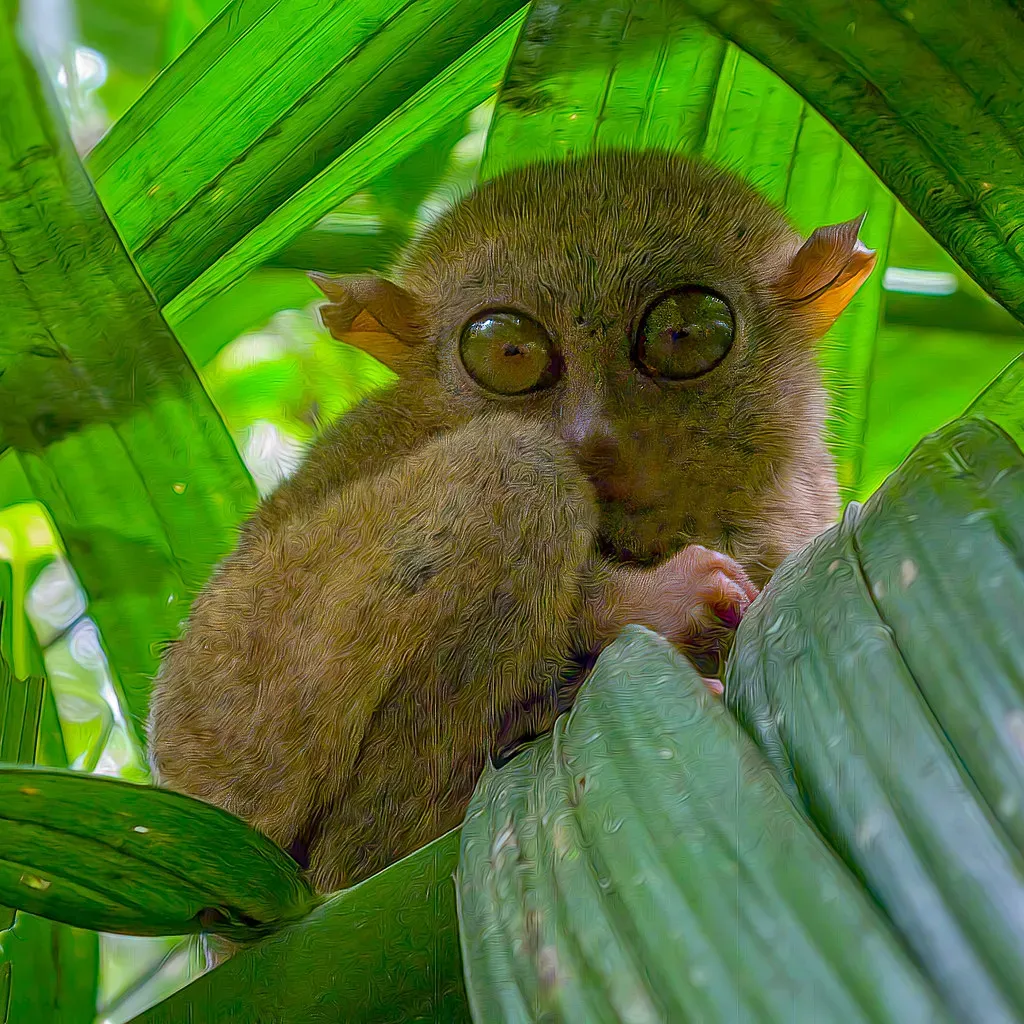
High in Indonesia’s cloud forests, the pygmy tarsier was last collected in the early 20th century and then simply disappeared from science. As habitat shrank and surveys turned up nothing, many primatologists assumed it was gone for good. Then researchers rechecking old trapping areas finally caught individuals – and produced some of the first modern photographs of this tiny, bug-eyed primate alive.
Images of the tarsier gripping mossy branches with its clawed digits stunned the primate community, confirming behaviors and microhabitats that had only ever been guessed from skulls. The harsher takeaway: the species may have been quietly surviving for decades, simply because no one invested in serious nighttime, high-altitude surveys. Some scientists now argue we’re too quick to label small, cryptic mammals “probably extinct” when we’ve barely bothered to look.
#2 – Aldabra Rail: Evolution’s Reboot, Caught in Photos
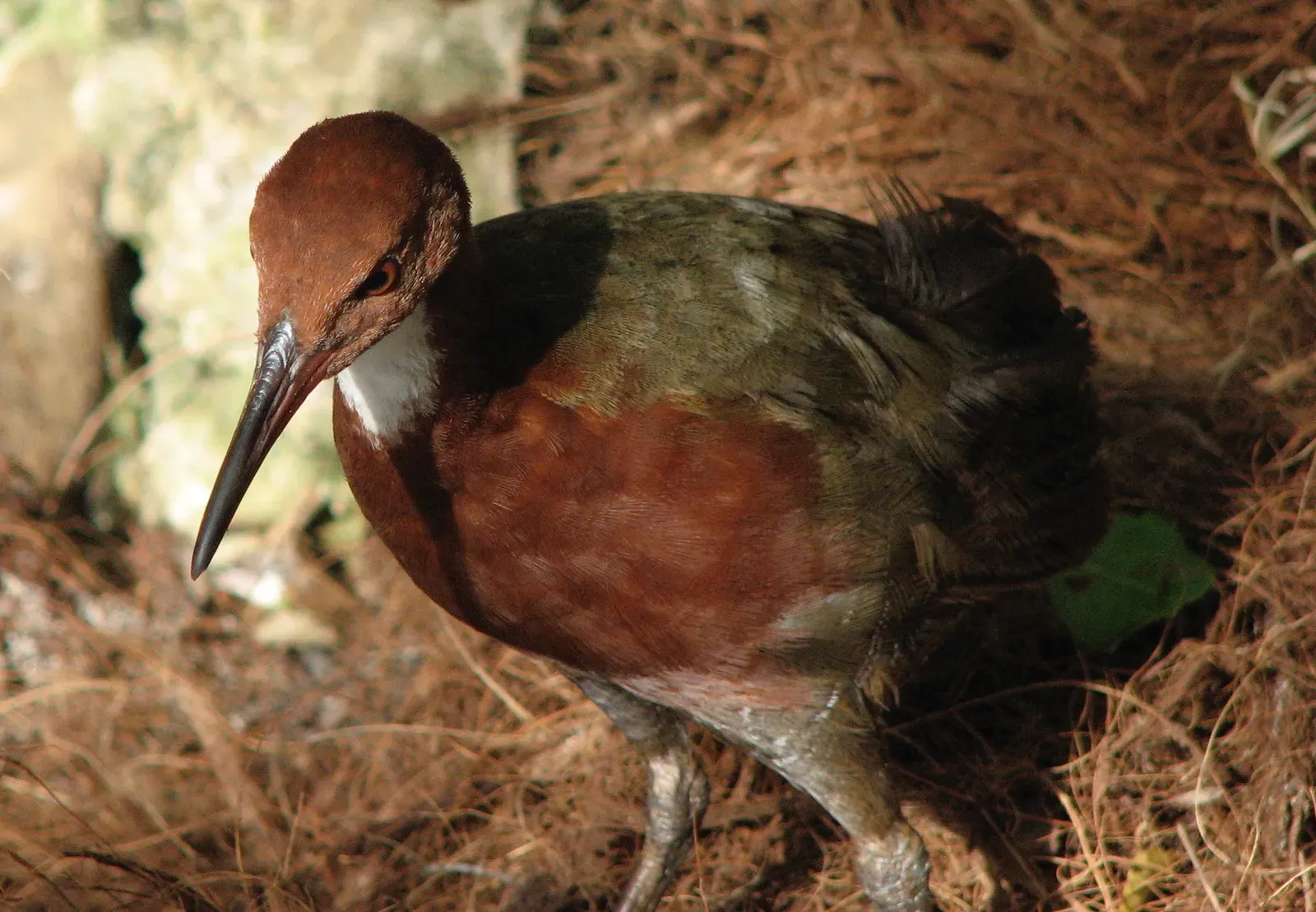
The Aldabra rail is a genuine mind-bender. The original flightless rail population on Aldabra Atoll likely went extinct when the atoll drowned in the ancient past. Later, rails recolonized the atoll and evolved flightlessness all over again – leading some researchers to argue the “extinct” form has effectively returned through evolutionary repetition.
Modern photographs of these flightless rails show birds occupying the same ecological niche and looking remarkably similar to their fossil counterparts. This isn’t a simple “we found them hiding” story – it’s photographic proof that forced scientists to confront the idea that a species, or at least its role in an ecosystem, can come back through repeated evolution. Some taxonomists resist calling this true de-extinction; others treat it as proof that extinction isn’t always as final as field guides claim.
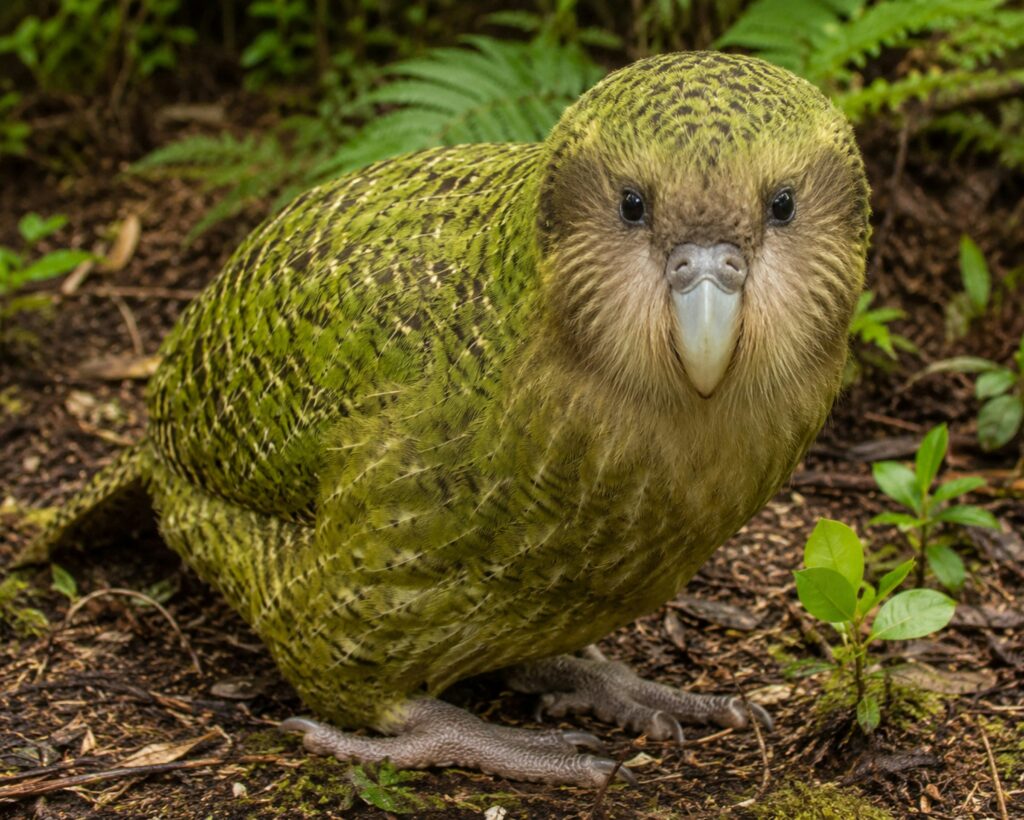
#1 – The Kakapo: From Miscounted Relic to Photographic Celebrity
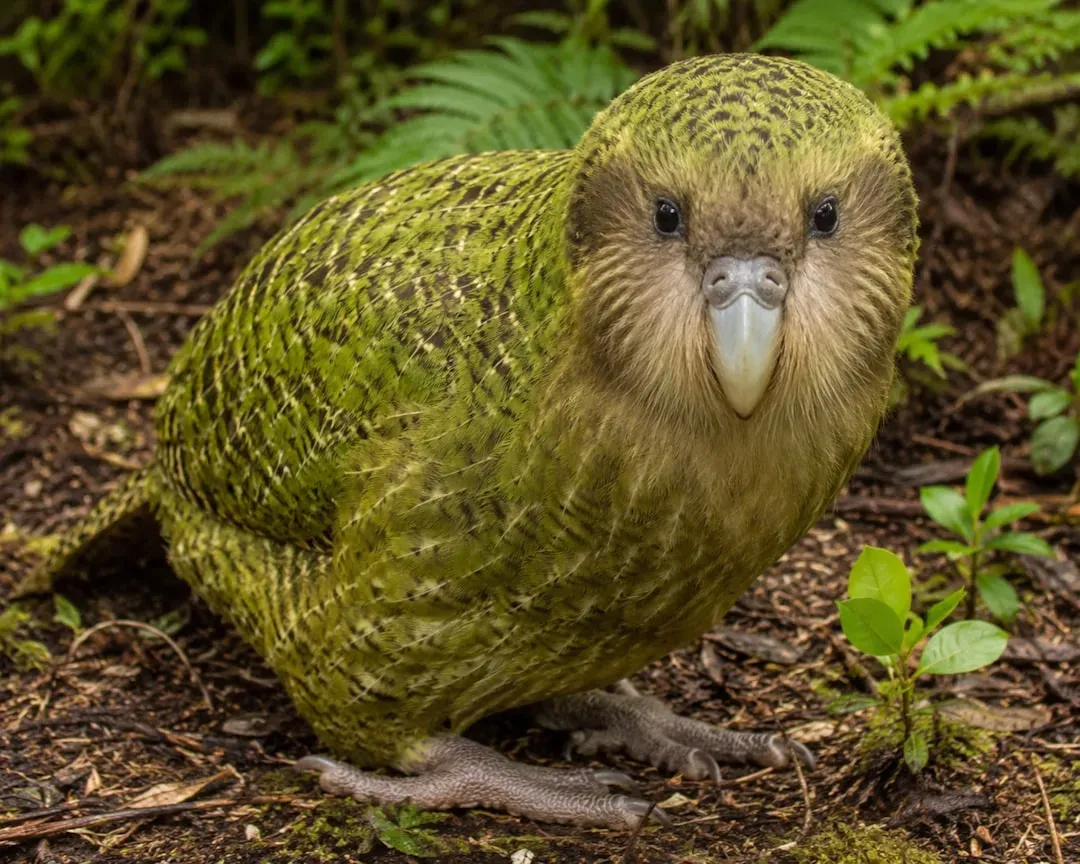
The kakapo, a giant, nocturnal, flightless parrot from New Zealand, straddles a strange line. It was never formally declared extinct, but at several points in the 20th century, most experts believed it was effectively gone. Then scattered discoveries – and crucially, a wave of photographs and videos from newly found populations in remote Fiordland and island refuges – changed everything.
The camera turned a barely-known, possibly doomed bird into a global conservation icon. Photos of kakapo males booming at night, chicks being hand-reared, and comically curious adults interacting with rangers didn’t just document survival – they built a fan base. That visibility likely saved the species, since public affection helped fund intensive management. The population is still tiny and fragile, but nobody calls it “probably extinct” anymore. Some biologists quietly grumble that less photogenic Lazarus species never get the same money or attention, simply because they don’t photograph as well.
Why It Stands Out
- In 1995 the Department of Conservation and indigenous Maori tribe Ngai Tahu launched the Kakapo Recovery Programme, with a population of just 51 birds at serious risk of extinction
- The official count of kākāpō is among the most accurate of any endangered species because every bird is individually named, tagged, and tracked
- As of 2024, the known population stands at 244 individuals, with the 2023 breeding season particularly successful, with more than 60 chicks fledging – a record high
- Males weigh up to about 9 pounds (4 kilograms), making the kākāpō the heaviest parrot species known
Across bats, parrots, frogs, and giant tortoises, one pattern keeps repeating: extinction lists are only as accurate as our effort and our evidence. Over and over, a single photograph – grainy, accidental, sometimes taken by a tourist or a ranch dog’s unlucky catch – has been enough to drag a species back from “gone forever” and force scientists to admit they were wrong, or at least premature.
That should bother us more than it comforts us. We’re almost certainly still missing species right now, quietly dying out unrecorded while researchers argue over the resolution of a blurry photo. And a few of these high-profile comebacks get oversold as proof that “nature bounces back,” which is a dangerous kind of wishful thinking – for every kakapo, there are species that really are gone, permanently, with no camera coming to save them.
So here’s the uncomfortable question worth sitting with: which mistake is more dangerous – declaring something extinct too soon, or assuming these rare comebacks mean we can afford to relax?