Most people assume that if a discovery makes it into a scientific journal, it either changes the field forever or gets loudly debunked. The truth is stranger and quieter than that. A surprising number of expedition findings get published exactly once, then vanish into the academic void – never cited, never replicated, practically erased from the record like they never happened.
Some were too weird for their era. Some were too expensive to double-check. Some simply fell between disciplines and slipped through a crack nobody was watching. Buried in those forgotten papers are quiet clues about climate, culture, biology, and how science itself decides what’s worth remembering. Here’s what the data – and the silence that followed – actually say.
#11 – The Tropical Glacier That Melted Before Anyone Looked Twice
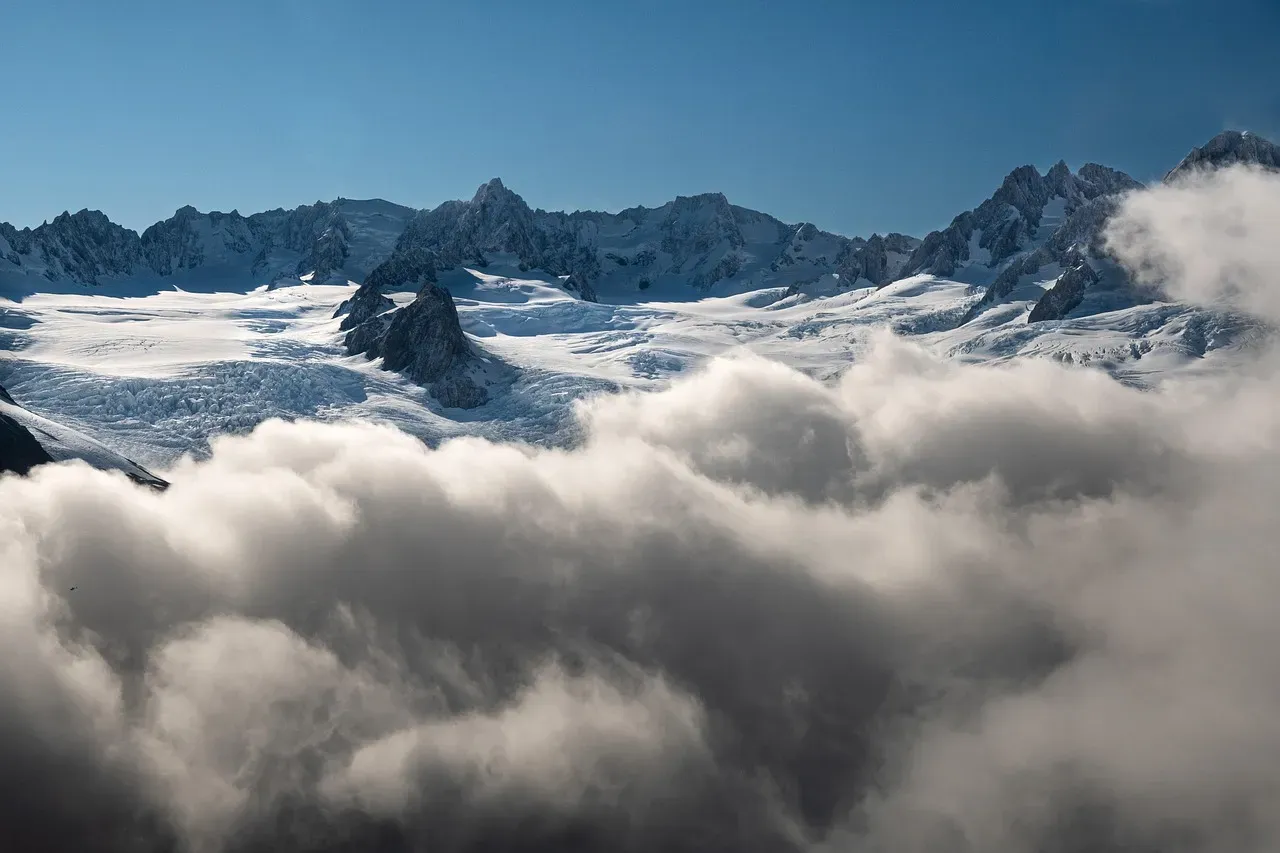
Scientists love long-term datasets, yet one Andean tropical glacier survey from the late 20th century was published once and then basically ghosted by the literature. The team trekked to a mid-elevation ice field locals already feared was “dying,” mapped its crevasses and meltwater channels, and reported abnormally high melt rates compared with nearby, better-known glaciers. The twist: their own data suggested the glacier would vanish within a few decades, making it a useless long-term monitoring site before anyone even started monitoring it.
The paper quietly documented strange melt features – exposed ancient soil patches, sudden subsurface sinkholes – that hinted at complex feedback loops between dust, dark rock, and solar radiation. But the site was remote, underfunded, and far from any research station, so no follow-up expedition ever came. When satellites eventually confirmed the glacier was gone, almost no one traced it back to the forgotten field study that predicted it decades earlier.
Fast Facts
- Tropical glaciers exist only within roughly 20 degrees of the equator, mainly in the Andes, East Africa, and New Guinea.
- They respond to small temperature shifts far faster than glaciers at higher latitudes.
- Most tropical glaciers studied in recent decades have lost significant mass, and several have disappeared entirely.
- Because they sit near the melting point year-round, researchers often treat them as early-warning indicators for regional warming.
#10 – A Desert Lake Full of Microbes Nobody Bothered to Classify

On one expedition, limnologists hiked for days to reach a small, hypersaline desert lake that only appeared every few years after rare storms. They sampled its murky green water and reported some of the highest microbial cell counts ever measured in a temporary lake, along with strange pigment signatures that matched no common algae. The paper hinted at novel extremophiles surviving on the razor’s edge of desiccation and ultraviolet radiation.
The authors stopped short of full genetic profiling, mostly because this was published before cheap sequencing existed. They preserved samples, wrote up their chemistry and microscopy, and assumed molecular biologists would eventually follow. They never did. The lake dried up, the vials sat in a freezer, and in an era obsessed with Mars analogs and extreme life, a ready-made testbed was quietly shelved after one citation-less debut.
#9 – The Cave Skeleton That Didn’t Fit the Textbook Timeline
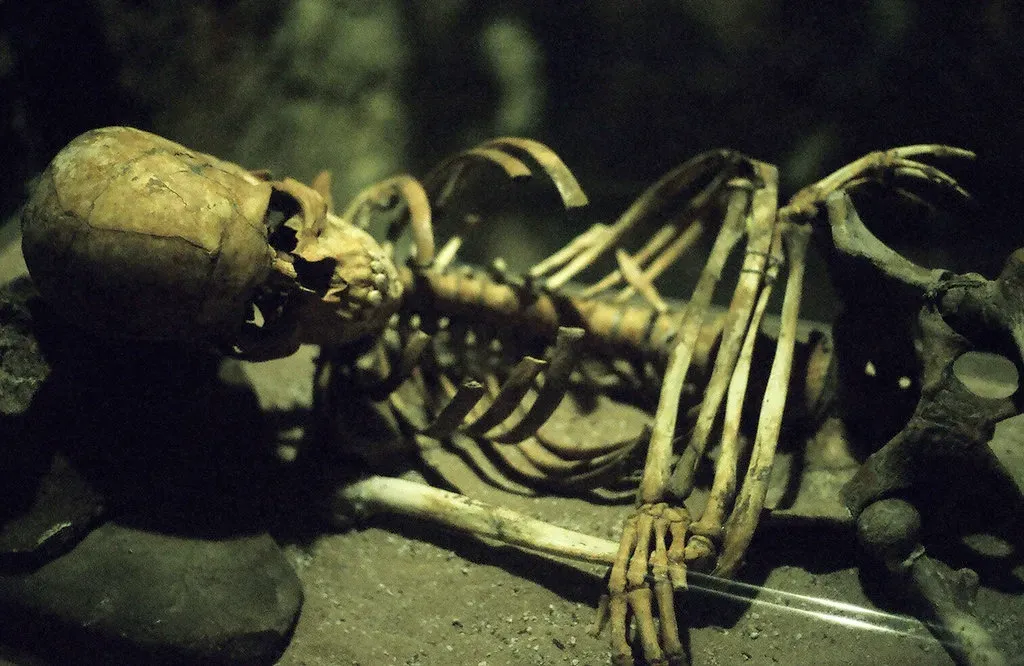
Deep inside a partially flooded limestone cave, divers found human remains in a chamber only reachable during unusually low tides. The expedition report described a nearly complete skeleton positioned in a way that suggested deliberate placement rather than random wash-in. Radiocarbon dating put the bones at the very edge of the accepted timeline for humans in that region, potentially nudging human presence earlier than the standard narrative allowed.
The team cautiously floated the idea that ancient people had been using subterranean spaces for ritual or burial far earlier than archaeologists assumed. But the find was awkward – hard to access, expensive to re-date, and threatening to reopen debates many researchers considered “settled enough.” The paper landed in a niche regional journal and simply stopped there. While documentaries chase photogenic “lost tombs,” this inconvenient skeleton still sits at the bottom of a cave with a citation history that flatlined on day one.
#8 – The Forest Birds That Changed Their Song and Then Vanished
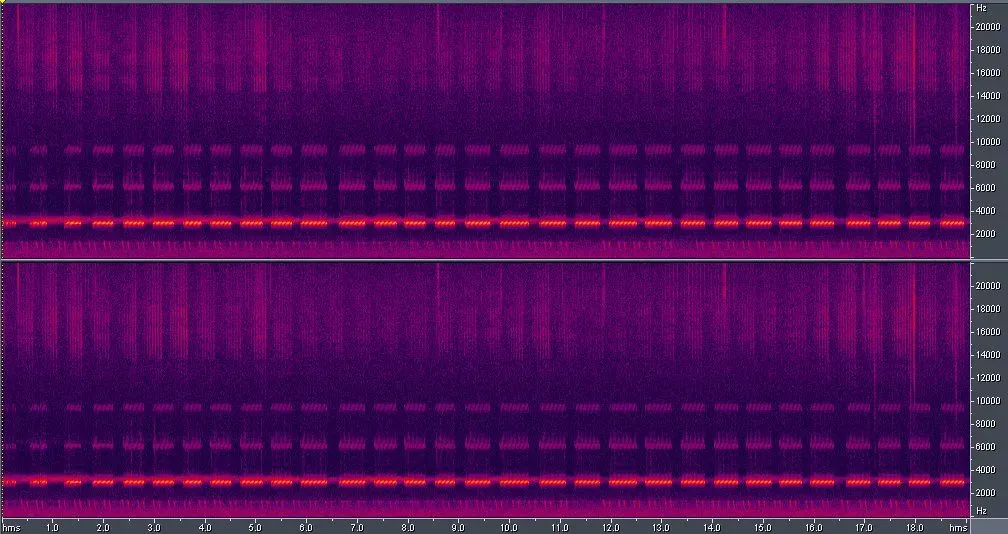
During a rushed rainforest biodiversity survey, ornithologists recorded a small population of songbirds whose calls were so structurally different from nearby populations that they might represent a cryptic species. Instead of the usual repeating phrase, their song spliced fragments together in an odd, syncopated pattern no one had documented before.
The team published spectrograms and field notes suggesting rapid cultural evolution of song, possibly driven by habitat fragmentation and traffic noise from encroaching roads. They planned to return for genetic samples. They never did. By the time another team reached the site years later, the forest had been largely cleared and the strange song was simply gone – the original paper never caught on, and the birds left no echo in the citation record at all.
Why It Stands Out
- Bird song is often a taxonomist’s first clue to a “cryptic species” – populations that look identical but rarely interbreed.
- Habitat fragmentation and traffic noise are both documented drivers of rapid vocal change in songbirds.
- Cultural evolution in birdsong can happen within a few generations, far faster than genetic change.
- Once a population’s unique dialect disappears with its habitat, recordings alone usually can’t bring it back.
#7 – An Ocean Trench Chemical Spike Nobody Could Explain
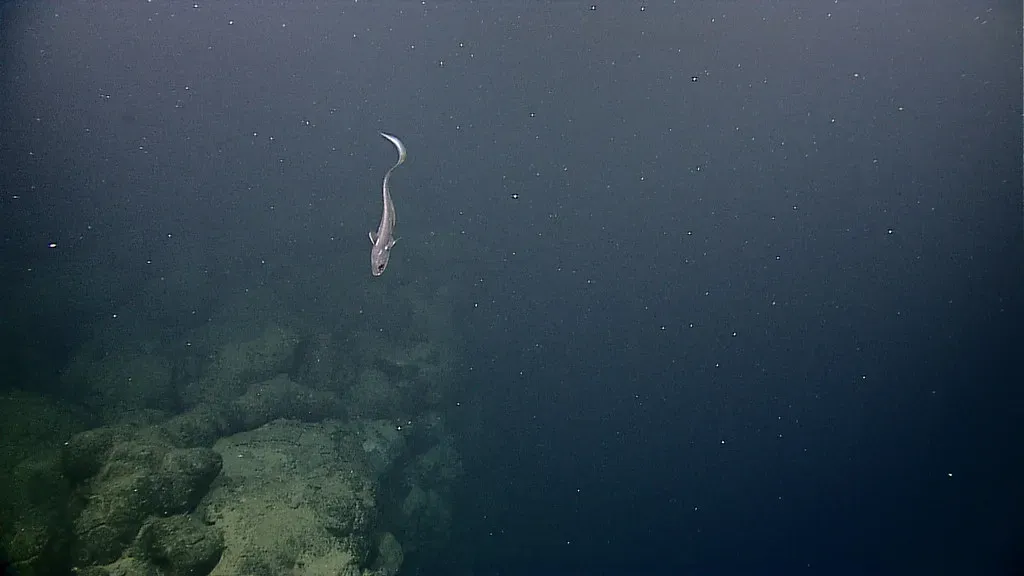
On a deep-sea expedition, a research submersible pulled water from several thousand meters down in a trench rarely visited by humans. At one station, chemical sensors detected a sharp, localized spike in reduced compounds typically associated with hydrothermal vents, yet there was no visible vent field anywhere nearby. The team checked their instruments twice, found no malfunction, and cautiously suggested a buried seep or an unrecognized kind of chemical hotspot.
The data became a short, technical paper: a handful of profiles, a few graphs, more questions than answers. Because the signal didn’t fit a clean theory, and because sending a submersible back would cost a fortune, the finding just sat there. In a field obsessed with photogenic black smokers and charismatic deep-sea creatures, a lonely unexplained spike in chemistry simply wasn’t sexy enough to chase twice.
#6 – A High-Altitude Plant That Flowers on the “Wrong” Schedule
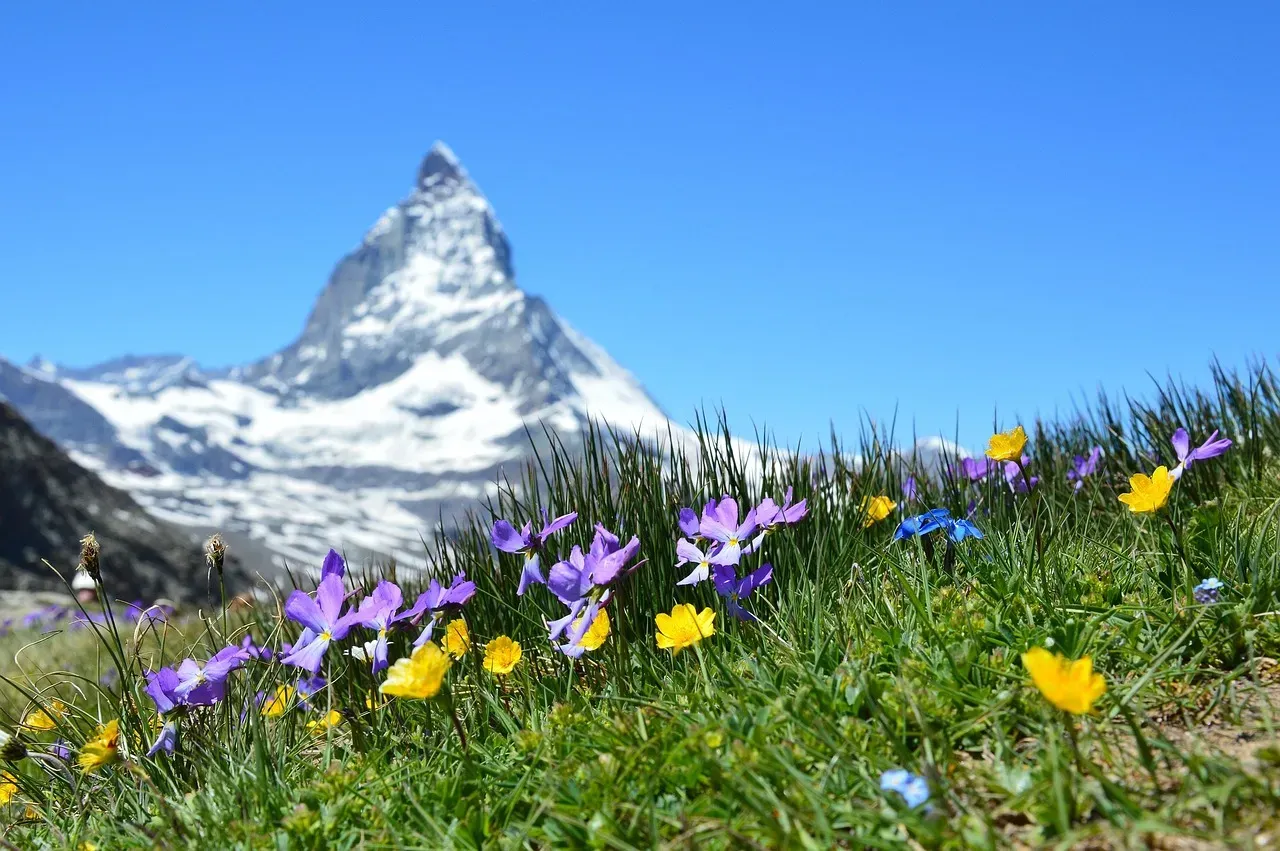
Botanists on a high-altitude expedition catalogued alpine flora and stumbled onto a low, cushion-forming plant that routinely flowered several weeks earlier than any other documented species at that elevation. Their phenology logs showed blossoms opening while snow still blanketed the surrounding slopes. The paper proposed that micro-topography and heat-absorbing dark rock created a tiny, early-season oasis the species had uniquely adapted to exploit.
This out-of-sync schedule potentially mattered for understanding climate change and pollinator timing – yet the finding never moved the needle. No one returned to test whether the bloom dates were drifting over decades, or whether this plant served as a critical early nectar source. The article ended up as a lonely blip in an obscure mountain journal, overshadowed by flashier stories about treeline migration and glacier retreat.
#5 – The Arctic Village Oral History Satellite Data Forgot
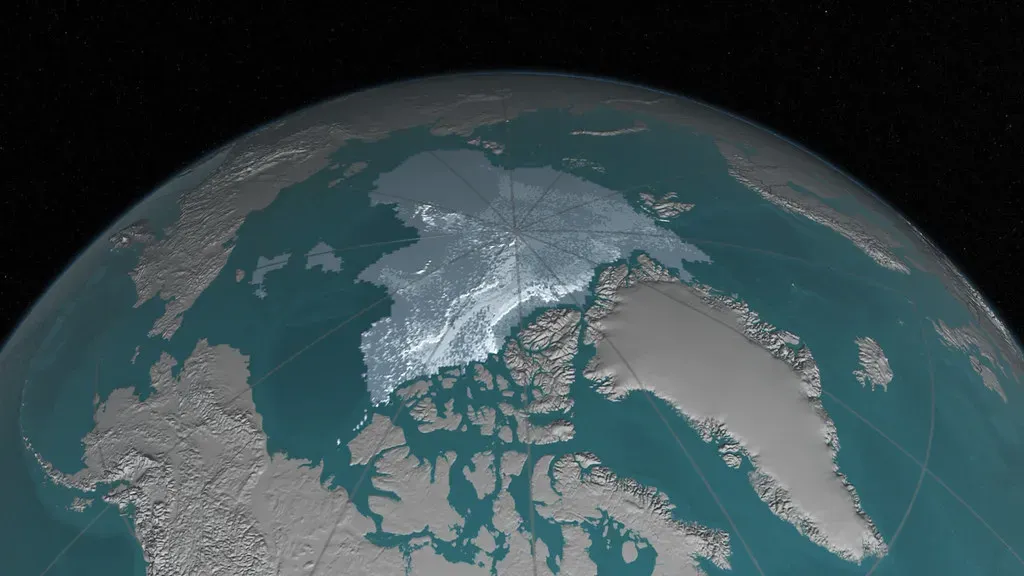
Anthropologists and geographers teamed up to document an Arctic coastal community’s oral histories about sea-ice patterns. Elders consistently described a recurring “breathing” of the ice – years where it retreated much farther and earlier than usual, long before modern satellite records began. They linked these cycles to specific animal migrations, and even to remembered famines and unusually good hunting years.
The expedition report carefully mapped these narratives against limited historical records and old ship logs, suggesting satellite-era variability might be part of a much older, more complex rhythm. Climate modelers rarely cite it, and it barely exists outside regional anthropology circles. The data didn’t fit neatly into gridded datasets, so one of the richest, longest climate records ever assembled – stored in people instead of pixels – remains almost completely ignored.
Quick Compare
- Satellite sea-ice records: date back only to 1979, offering a few decades of consistent global coverage.
- Arctic oral histories: can span multiple generations, sometimes stretching back a century or more.
- Satellite data: excels at broad spatial coverage but says little about local hunting, migration, or famine cycles.
- Oral records: capture lived experience and local nuance that gridded climate datasets simply can’t hold.
#4 – A Desert Canyon’s Rock Art Nobody Wanted to Reinterpret
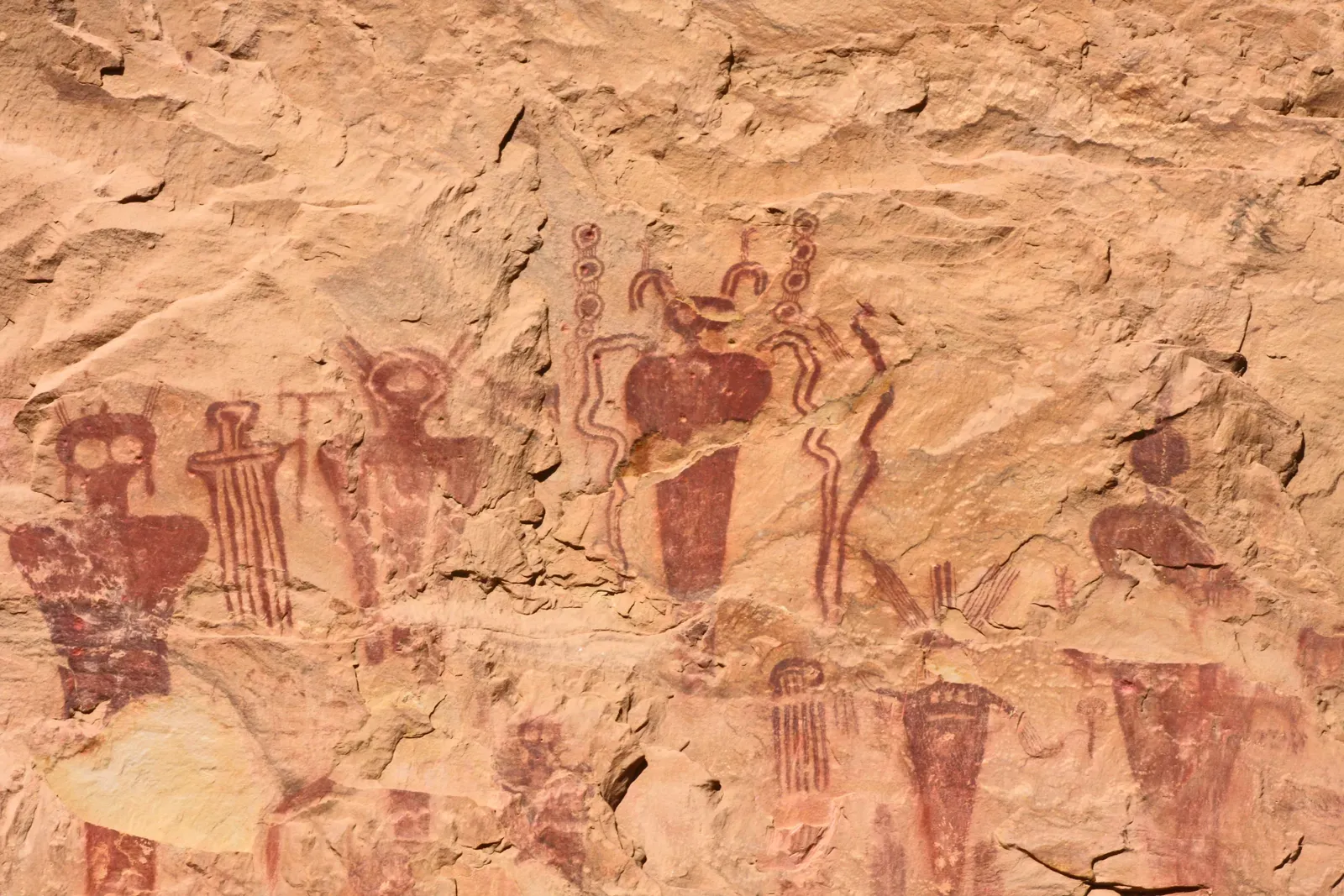
An expedition to a remote desert canyon documented rock art panels that looked, frankly, too modern. Among more traditional motifs were figures resembling mounted riders and geometric patterns strongly reminiscent of later contact-era designs. Yet dating of the surrounding deposits suggested the layers beneath the panels pre-dated those historical influences by centuries, raising uncomfortable questions about chronology and cultural exchange.
The team published high-resolution tracings and a conservative interpretation, openly admitting the images clashed with established timelines. Almost no one cited them afterward. Rock art specialists quietly stuck with better-known sites that reinforced cleaner narratives, and this canyon’s inconvenient figures became a footnote. The drawings didn’t change; our willingness to let them challenge the story did.
#3 – The River Survey That Caught Fish No One Classified
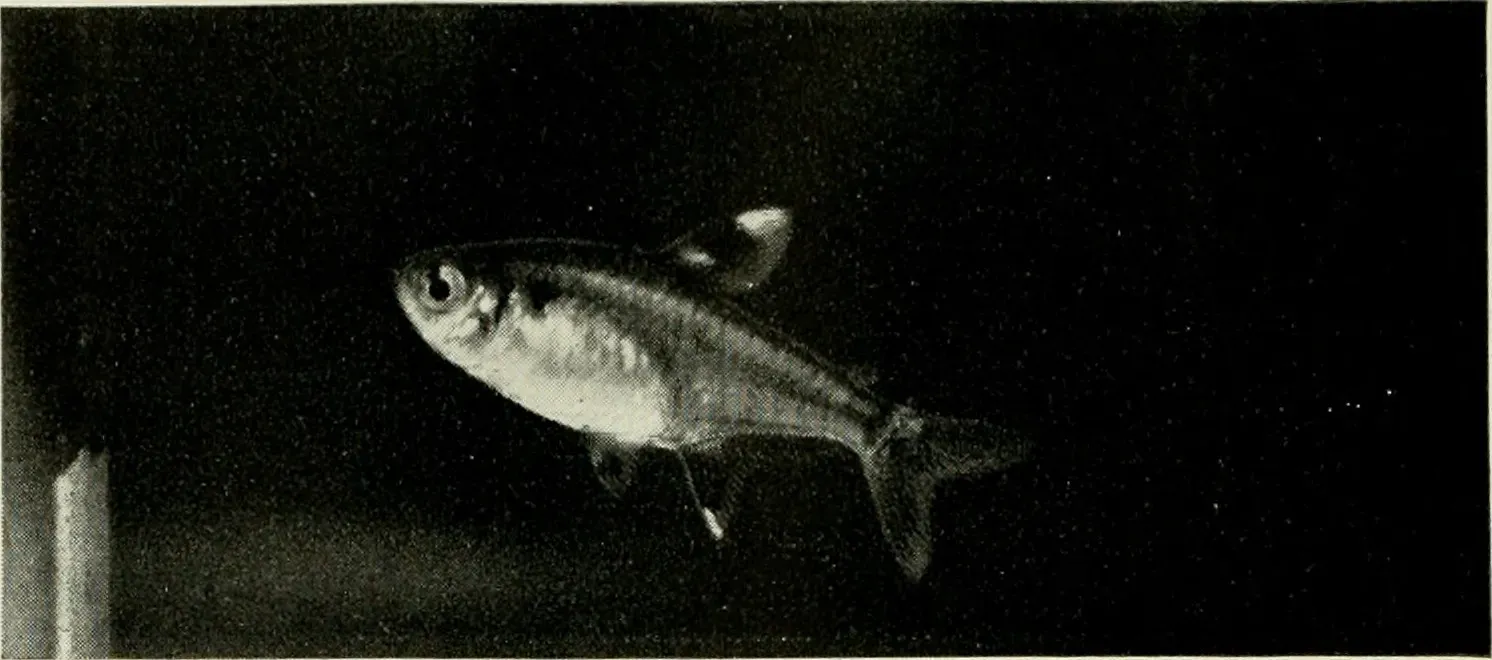
During an environmental impact assessment on a tropical river, ichthyologists netted a handful of fish with odd fin placements and unusual color patterns. Morphological measurements suggested they matched no described species from that watershed, and genetic work was planned “pending funding.” The team published a modest survey paper, carefully flagging the specimens as potentially new taxa and depositing them in a museum collection.
Then the project ended. Funding shifted, the river was heavily dammed, and later surveys focused only on commercially important species. The odd little fish, possibly representing a unique evolutionary lineage, never got their proper taxonomic debut – and today, conversations about the river’s “loss of biodiversity” stay comfortably abstract, while one small, unnamed piece of that diversity sits in ethanol on a forgotten shelf.
#2 – The Fault-Line Expedition That Noticed the “Wrong” Kind of Movement
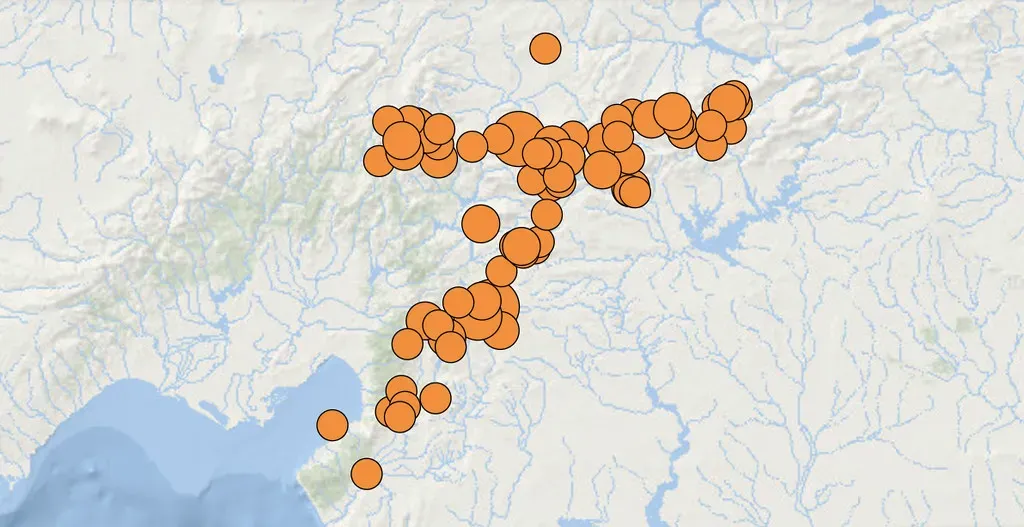
A geophysical mapping expedition along a known fault zone recorded subtle ground displacements that didn’t match the dominant motion style the fault was famous for. Instead of the expected side-to-side shift, their instruments picked up small vertical movements hinting at a more complex, mixed-mode behavior no one had modeled for that fault.
The paper, full of technical diagrams and cautious language, landed in a mid-tier journal and sank without a trace. Seismologists were busy with larger, better-instrumented faults, and hazard planners preferred simpler, single-mechanism scenarios. Updating a risk model for a “maybe” based on one field season wasn’t a priority – yet if the observations were right, that neglected report quietly implies certain hazard assessments along that fault may be underestimating the kind of shaking people should actually be preparing for.
#1 – The Glacier Camp Diary That Documented “Impossible” Weather
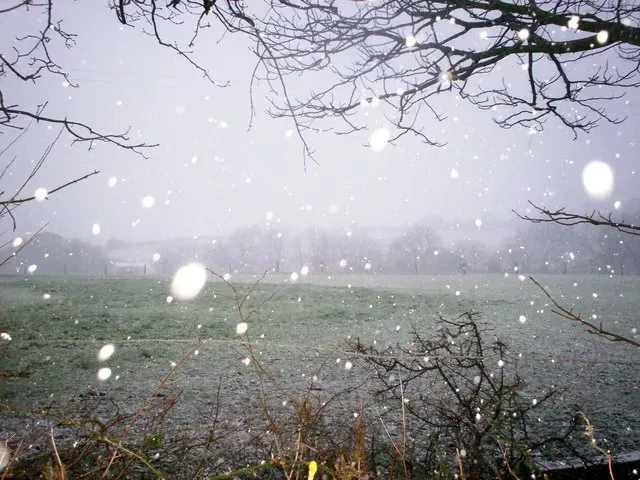
At the top of this list isn’t a flashy Nature paper – it’s a meticulous set of field notes from a glaciology camp decades ago. For several weeks, a small team recorded a string of mid-winter melt events and rain-on-snow storms that the climatology of the time essentially said should be impossible. They logged slush layers forming deep in the snowpack, unexplained surface ice crusts, and sudden spikes in meltwater discharge from beneath the glacier.
They published a short observational piece in a specialist bulletin, framed it as an odd anomaly, and everyone moved on. Later climate studies leaned on satellite products and automated weather stations, rarely digging back into old handwritten logs. Yet those notes eerily resemble the “freak” winter thaws and rain-on-snow events now recognized as key drivers of avalanches, glacier instability, and downstream flooding – meaning a handful of unglamorous, boots-on-ice observations may have caught the earliest arrival of a pattern that has since become disturbingly familiar.
At a Glance
- Rain-on-snow events happen when warm, wet storms fall on existing snowpack instead of more snow.
- They’re now recognized as a major trigger for avalanches, ice crusts, and sudden glacier meltwater surges.
- Climate researchers have flagged rain-on-snow events as an emerging hazard in warming mountain and Arctic regions.
- Long-term instrument records for these events are sparse, which makes old handwritten field logs unusually valuable.
The Bottom Line
When an expedition result gets published once and never cited again, it doesn’t mean it was wrong. It usually means it was inconvenient, expensive to chase, or simply unfashionable at the moment it landed. From nameless fish in dammed rivers to “impossible” glacier weather logged in pencil, some of the sharpest warnings and strangest clues about our planet live in papers the literature has basically ghosted.
Here’s the part that should actually bother us: what science remembers is shaped as much by funding cycles and academic trends as by raw evidence. A mature scientific culture shouldn’t just chase the loudest, most-cited results – it should also go back for the quiet outliers that refused to fit the story the first time. The data never disappeared. We just stopped listening. So which kind of finding do you think we’re most guilty of ignoring – the inconvenient, the unglamorous, or the just plain weird?