Most people assume museums and archives are open books: if something is preserved “for history,” surely serious researchers can walk in and see it. That assumption is quietly wrong.
Around the world, some of the most fascinating collections on earth – royal letters, corporate lab notebooks, archaeological finds, even old surveillance files – have been sealed off from scholars without a single public explanation. No scandal announced. No safety concern cited. Just doors that used to open, slowly closing, one polite denial at a time.
In a field built on transparency and paper trails, that silence is exactly what unnerves historians the most. Why were these materials really pulled? What does it mean for what we think we know about the past? Here’s what insiders, archivists, and the public record actually suggest – starting with a royal family that simply stopped answering the phone.
#1 – A European Royal Family Archive That Suddenly Went Dark
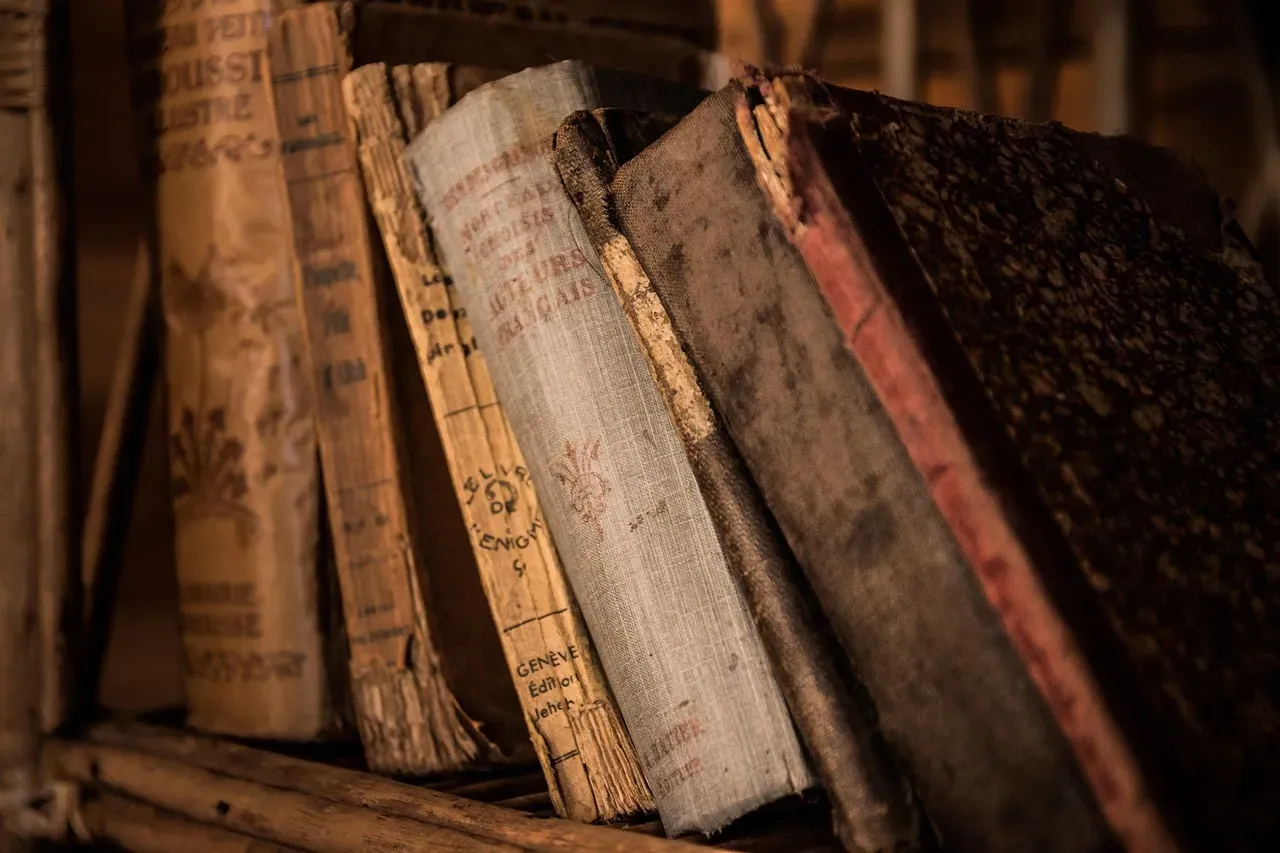
For decades, a private European royal house allowed limited scholarly access to its family papers: correspondence, estate records, political notes. Then, without fanfare, access was abruptly shut down. Researchers with standing appointments were told their visits were “postponed indefinitely.”
No updated policy. No public statement. Just a polite stone wall – and archivists quietly point out what it means. Whole chapters of 19th and 20th-century diplomatic history now rest behind a curtain no one can name.
At a Glance
- Materials involved: family correspondence, estate records, political notes
- Access status: switched from routine scholarly visits to “postponed indefinitely”
- Reason given: none – no policy update, no public statement
- What’s lost: reliable primary sources for 19th and 20th-century diplomatic history
When historians can’t see the raw letters and diaries, biographies start leaning on hearsay and official myth-making. That might be comfortable for a monarchy trying to modernize its image, but it leaves the record lopsided. Some insiders suspect embarrassing material surfaced during a routine cataloguing project and triggered the clampdown almost overnight.
#2 – A Major Intelligence Agency’s “Open” Cold War Files
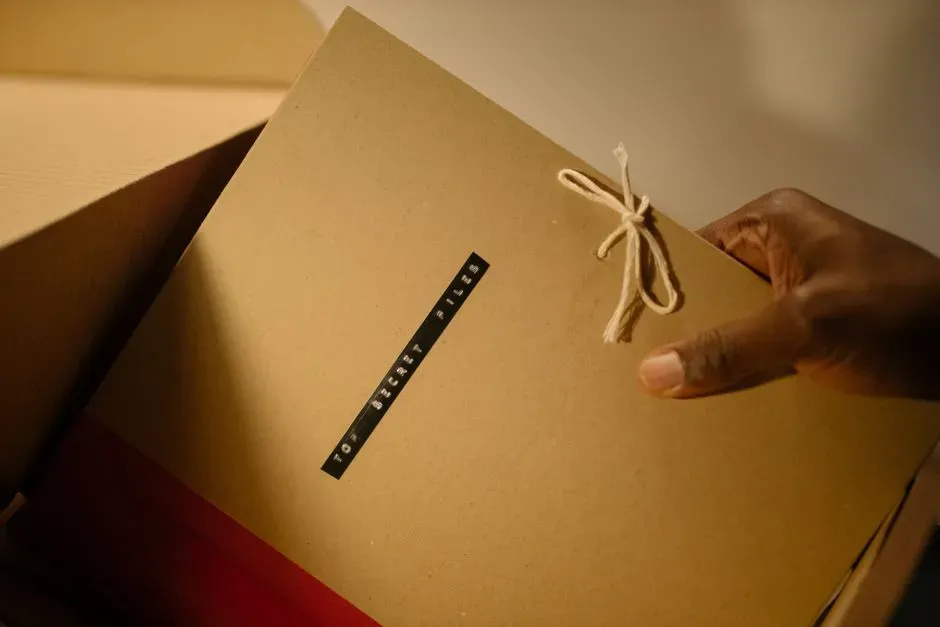
Most people don’t realize how performative many declassifications actually are. One Western intelligence agency proudly opened its Cold War archives in the 1990s and 2000s. Scholars flocked in, published landmark studies – and then the tap slowed to a drip.
Boxes listed in old finding aids began showing up as “temporarily unavailable.” In some cases, entire series vanished from the public catalogue entirely. Officially, nothing was closed. Practically, it became impossible to request specific files that had been cited in books just years earlier.
The agency never issued a new rule. Staff simply invoked a vague “review” process that never seems to end. Critics call this history by erasure: controversial operations quietly re-sealed, while harmless material stays open for show.
Who controls the past controls the future. Who controls the present controls the past.
George Orwell
#3 – A Chemical Giant’s Vanishing Safety Data

While most travelers chase museum tours, some of the most consequential collections sit in corporate basements. One major chemical company once allowed outside toxicologists and historians controlled access to its early-20th-century lab notebooks and internal memos – records documenting product testing, industrial accidents, and how early executives understood the risks they were creating.
Then a wave of litigation hit a related sector, and the firm quietly restructured its archives. Researchers arriving for already-approved projects were simply told the collection was now “for internal use only.” No press release. No stated safety concern.
Hundreds of boxes of historical exposure data and decision-making evidence disappeared from independent scrutiny overnight. Defenders say private companies owe the public nothing. Public health historians counter that these records might be the missing key to understanding decades-old cancer clusters and polluted rivers – which makes the silence feel less like neutrality and more like strategy.
#4 – A University’s Buried Collection on Colonial-Era Fieldwork
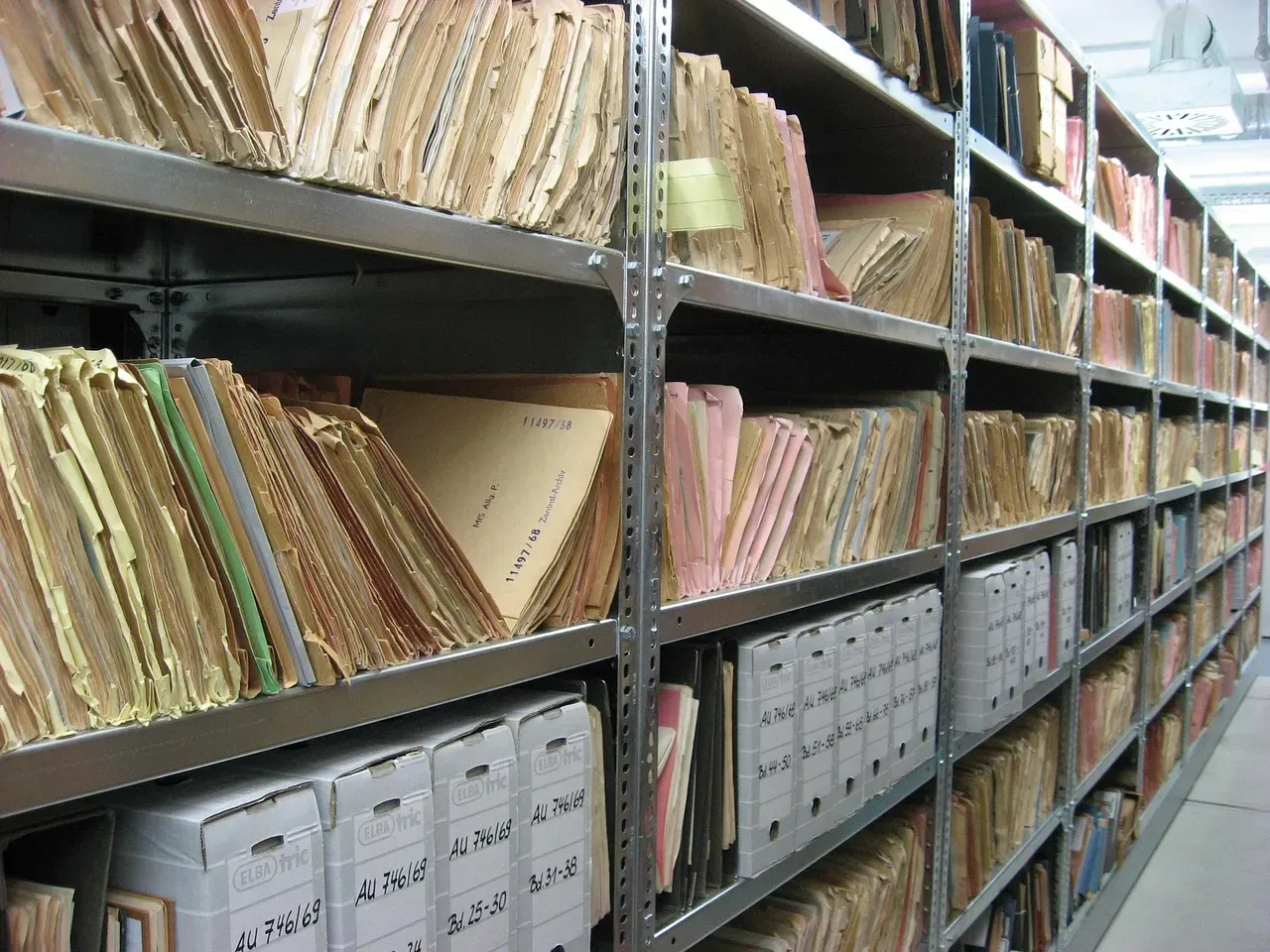
One prestigious university library once proudly advertised a major anthropological field collection: photos, recordings, and notebooks from mid-century research among Indigenous communities. Scholars praised it as uniquely rich, though uncomfortably so – documenting sacred rituals and private lives through a colonial lens that today’s ethics boards would never approve.
Over the past decade, requests to see the core material started hitting a wall. Staff cited “sensitivity” and “ongoing review,” but with no formal policy, no timeline, and no clear statement from the university or the communities represented.
The result is a gray zone where neither Indigenous groups nor historians are fully empowered to decide what happens next. Some call the closure a belated act of respect. Others note the institution still name-drops the collection in fundraising materials while quietly blocking anyone from actually seeing it – a tension between moral repair and image management that has turned this archive into a case study in selective visibility.
#5 – Sealed Artifacts From a Politically Sensitive Dig
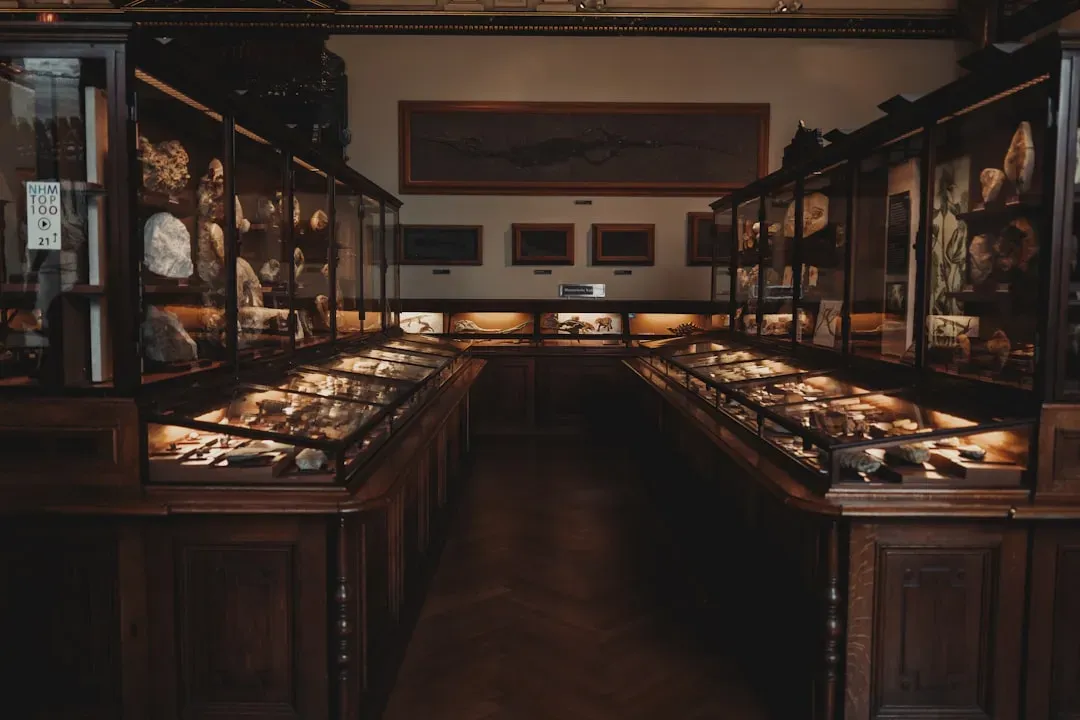
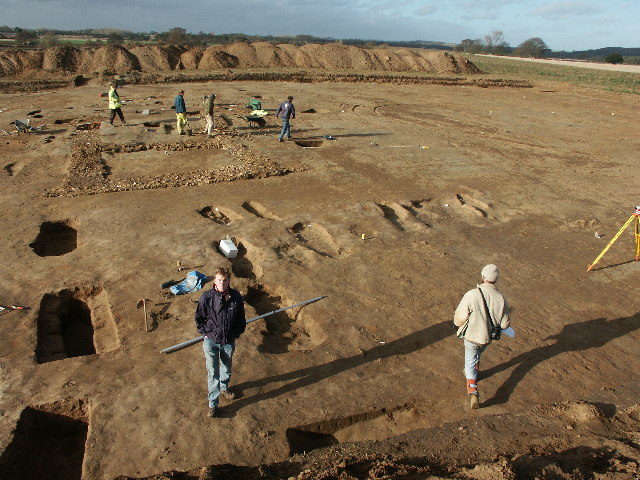
Archaeology has its own version of lost chapters: boxes of artifacts and field notes that never see daylight. In one well-known case, a long-running excavation in a politically contested region uncovered finds that could reshape narratives about who lived where, and when.
For years, project reports hinted at “significant” inscriptions and architectural remains. Then leadership changed. Updated inventories stopped appearing. Researchers asking to study the material were told it was “in processing” or “awaiting conservation” – a full decade later, with no official embargo date and no damage or contamination issue ever cited.
Worth Knowing
- Setting: a long-running dig in a politically contested region
- Finds at stake: inscriptions and architectural remains described as “significant”
- Official excuse: material listed as “in processing” or “awaiting conservation”
- Timeline: over a decade with no embargo date ever announced
Given how fiercely modern borders lean on ancient claims, some archaeologists suspect pressure from funding sources or governments to keep ambiguous evidence quietly out of view. The pattern fits a familiar mold: publish the pieces that support your story, stall on the ones that complicate it. When the past becomes a bargaining chip, neutral access is usually the first casualty.
#6 – A Church’s Locked Registers on Abuse and Discipline
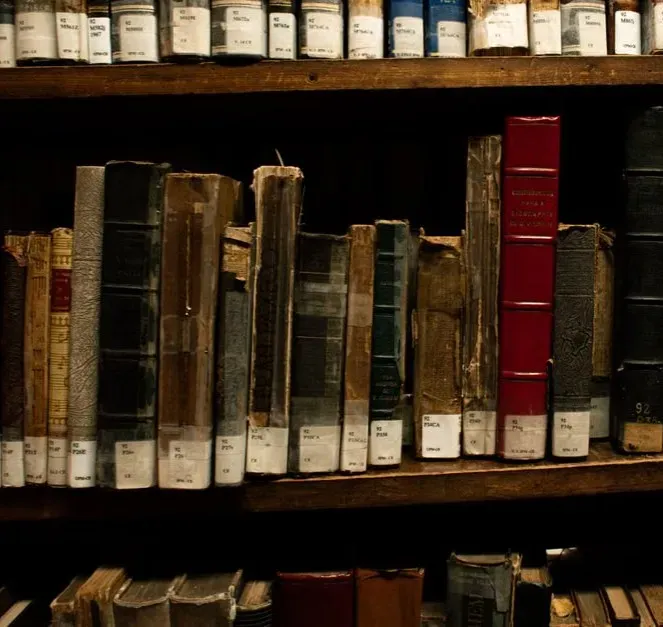
Most people assume church records are just genealogical curiosities. In reality, institutional ledgers – baptisms, appointments, disciplinary hearings – can be powerful tools for investigating abuse, financial misconduct, or how allegations were actually handled behind closed doors.
In one large denomination, historians used these materials for decades with minimal fuss. That changed as abuse scandals drew global attention. Certain diocesan and central archives quietly tightened reading room rules, and researchers arriving to consult disciplinary files suddenly found whole date ranges marked “not available” – with no published policy shift, just “archivist discretion.”
Supporters frame this as protecting victims’ privacy. Critics point out that many survivors actively want transparency, and that anonymization is entirely possible without sealing entire series. The uncomfortable truth is that closing everything, with no explanation, shields decision-makers just as much as it shields victims – and guarantees future histories of the crisis will be written on partial evidence.
#7 – A Health Agency That Re-Restricted Its Own Pandemic Files
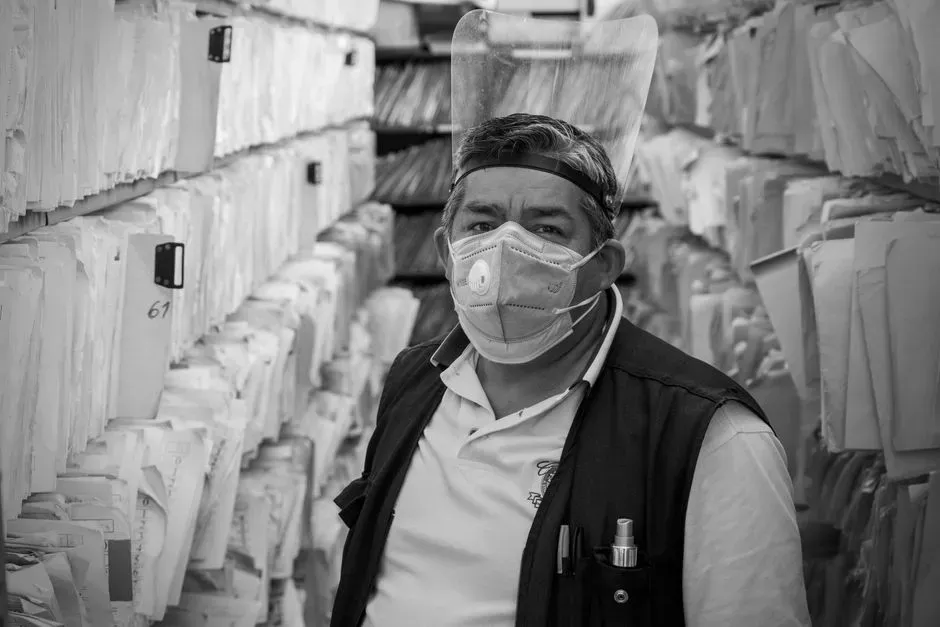
During major health emergencies, governments love to promise unprecedented transparency. One national public health agency did exactly that, opening select datasets and archival records from prior outbreaks to help the public and researchers make sense of an unfolding pandemic.
For a brief window, epidemiologists and historians could see decades of internal decision memos, modeling assumptions, and meeting notes. Then, as criticism of the agency’s own performance intensified, the window quietly narrowed. Collections once accessible by appointment were re-labeled “internal reference,” and digital finding aids were stripped of detail.
Files already cited in published academic work suddenly became impossible for new researchers to re-check. Officials pointed to “data protection” without ever issuing a specific regulation or timeline. That ambiguity is exactly what fuels suspicion: legitimate privacy concern, or an institution retrofitting secrecy onto an uncomfortable paper trail?
#8 – A Film Studio That Locked Historians Out of Its Own Legacy
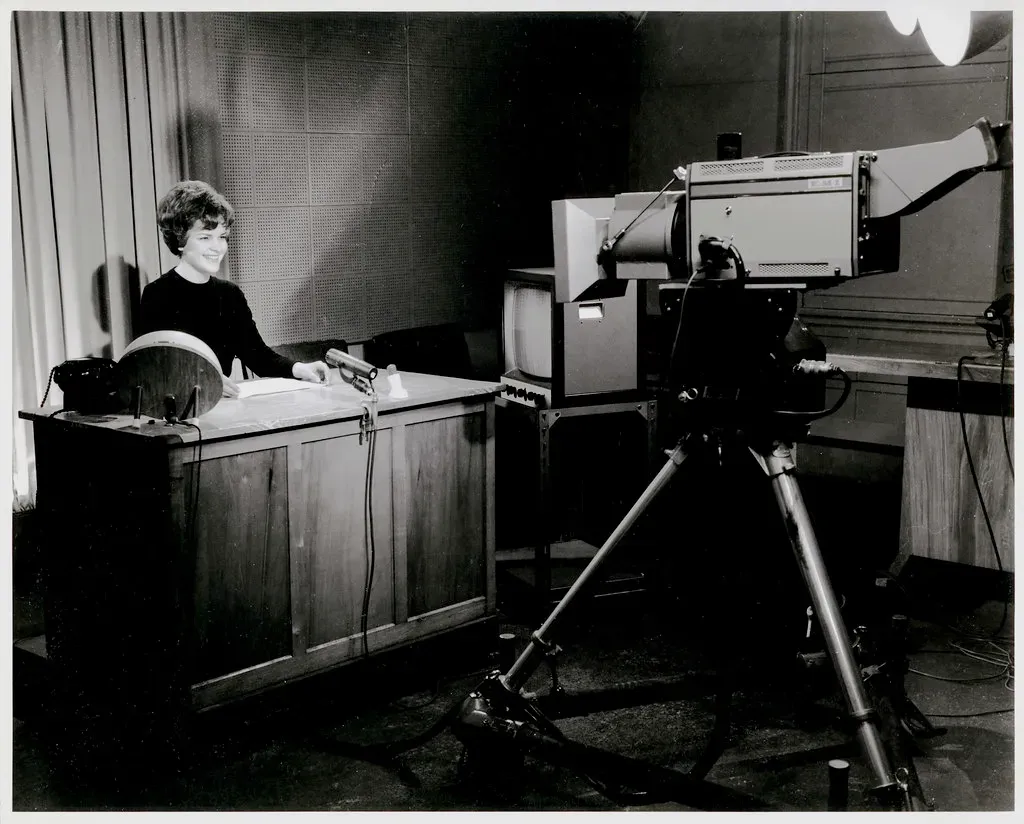
It sounds niche, but film studio archives quietly shape how entire eras of culture get remembered. One major studio used to pride itself on hosting scholars researching censorship, representation, and labor disputes through internal memos, casting notes, and script revisions – work that underpinned documentaries and critical histories that didn’t always flatter the brand.
In the streaming era, priorities shifted. The studio folded its archive into a broader “content library” and placed it under tighter corporate legal oversight. Overnight, previously available production files were reclassified as “confidential business records,” and requests for decades-old documents started dying quietly in email limbo.
Defenders argue fans don’t need to know every messy decision behind beloved classics. Media historians counter that the messy decisions – who got blacklisted, which storylines were erased, how stars were controlled – are exactly what make the history honest. When a company monetizes its own heritage while muzzling scrutiny of it, culture stops being shared memory and becomes pure marketing.
#9 – A Police Department’s Buried Surveillance Pilot Records
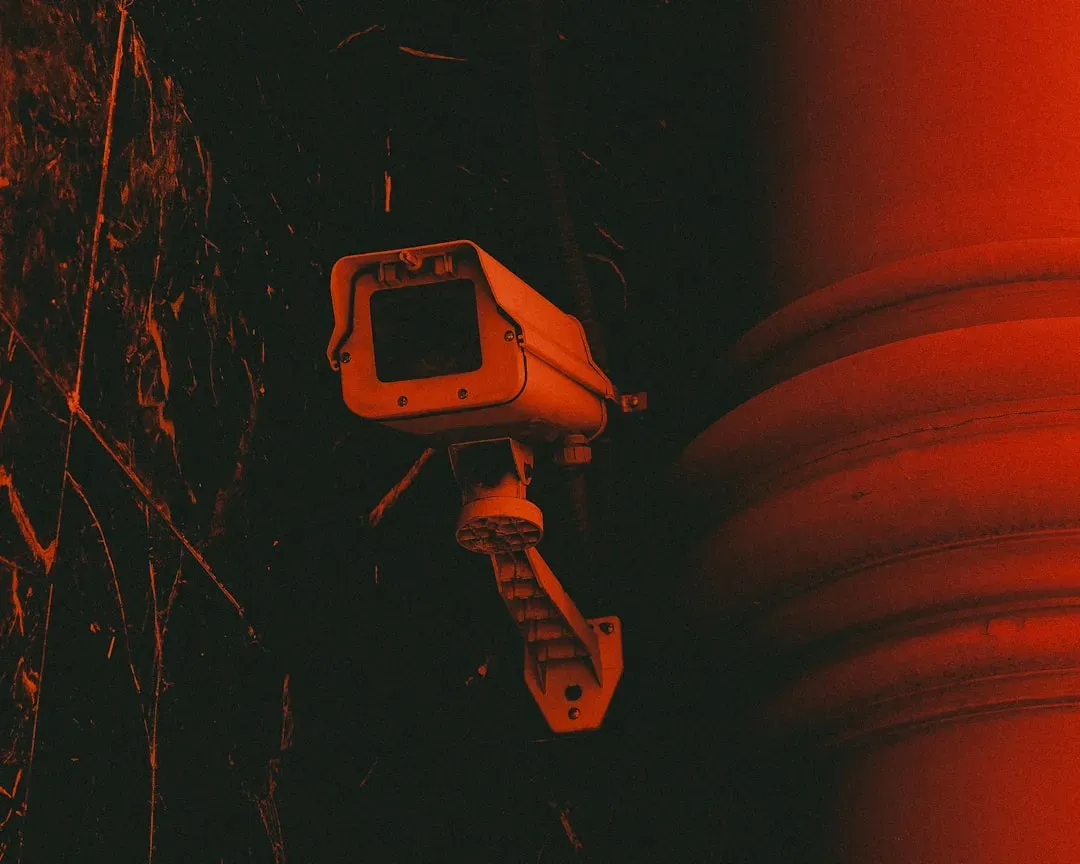
As debates over digital surveillance heat up, everyone wants to know what agencies really collected in the early years of mass data. One large city police department briefly cooperated with independent researchers, allowing supervised access to pilot-program documentation on license plate readers, early facial recognition trials, and social media monitoring.
Then public criticism spiked and lawsuits loomed. Scholars arriving for follow-up work were told the relevant boxes were “under legal review,” with no estimated end date. Internally, some staff hinted that nobody wanted a paper trail of false positives and biased deployment maps going public.
Quick Compare
- Before the backlash: supervised access granted to outside researchers on license plate readers, facial recognition trials, and social media monitoring
- After the backlash: boxes marked “under legal review” with no end date and no formal denial to appeal
- Constant either way: the underlying documents still exist and still shape live policy debates
Civil liberties advocates argue sunshine laws should prevent exactly this kind of quiet retreat, but without an explicit denial to appeal, researchers are simply stuck. The material exists, it has been seen, it informs live policy debates – and yet it has been effectively re-buried at the precise moment it matters most.
#10 – A Private Foundation’s Records on Bankrolling Political Movements
Follow the money, historians say – but that gets tricky when the ledgers vanish. A wealthy private foundation, long rumored to have quietly influenced political movements across several countries, maintained an in-house archive of grant files, strategy memos, and correspondence with partner organizations.
For years, selected researchers were invited to study these materials under non-disclosure agreements. Recently, even that limited access dried up. The foundation cited a “reassessment of archival policy” but offered no written guidelines, and projects already green-lit simply stalled indefinitely.
Given the foundation’s reported role in seeding think tanks and campaign-adjacent nonprofits, those records could illuminate how today’s polarized landscape was deliberately engineered. Supporters of the shutdown insist private philanthropy deserves privacy. Critics counter that once money shapes public policy and elections, its paper trail becomes a matter of democratic accountability – not personal preference.
#11 – A National Library’s Frozen Archive of Your Old Social Media Posts
Here’s the twist almost nobody sees coming: the future’s most contested archive might be your old tweets. Several national libraries have experimented with capturing public social media content – posts, blogs, early forum threads – as part of the historical record.
One such library launched its program with real fanfare, promising scholars a goldmine covering everything from protest movements to meme culture. Then came the backlash: privacy concerns, platform pressure, and legal headaches. Public references to the collection quietly shrank, and the library stopped accepting research applications for the full dataset, citing “policy development” with no timeline and no clear legal argument attached.
Why It Stands Out
- One of the first large-scale attempts to archive everyday social media as historical record
- Originally pitched as covering protest movements, meme culture, and grassroots organizing
- Application freeze followed privacy backlash and platform pressure, not a data breach
- No legal argument or timeline has ever accompanied the “policy development” label
Some digital rights advocates argue the archive never should have existed in the first place. Others insist that, handled carefully, it’s vital for understanding online radicalization, misinformation, and grassroots organizing. The institution’s refusal to articulate a path forward leaves everyone guessing – and guarantees the archive will end up shaped more by fear than by thoughtful design.
The Bottom Line
Taken together, these quietly closed collections form a pattern that should worry anyone who cares about the truth. Institutions love the prestige of “preserving history,” but plenty of them balk the moment that history starts asking uncomfortable questions.
Royal families, corporations, churches, governments, universities, and tech-age libraries are all making the same move: tightening access without ever clearly saying why. The reasons range from genuine privacy concerns to outright reputation management, but the common thread is silence, not honest debate.
My honest take: researchers aren’t entitled to everything, but they are entitled to clear rules and honest rationales – and the institutions on this list gave them neither. If we only get to study the records that flatter the powerful, our histories stop being analysis and start being polished mythology. Which of these quiet closures strikes you as the most dangerous – and is there even one you think is actually justified?