Walk into almost any major museum’s cast gallery and you’ll see something odd: rows of plaster and resin figures that everyone assumes are honest copies, sitting there unchallenged for a hundred years or more. Nobody grabbed a tape measure. Nobody held the mold up next to the marble. The assumption was simple – a copy is a copy.
Except it wasn’t. When conservators finally did the side-by-side comparisons, some of these “harmless stand-ins” turned out to have quietly rewritten faces, bodies, and even history itself. In a few cases, the fake had been on the wall so long it started to feel more real than the thing it was copying. Here’s what happened when eleven of them finally got checked.
#11 – The Parthenon Frieze Casts That Hid Centuries of Damage
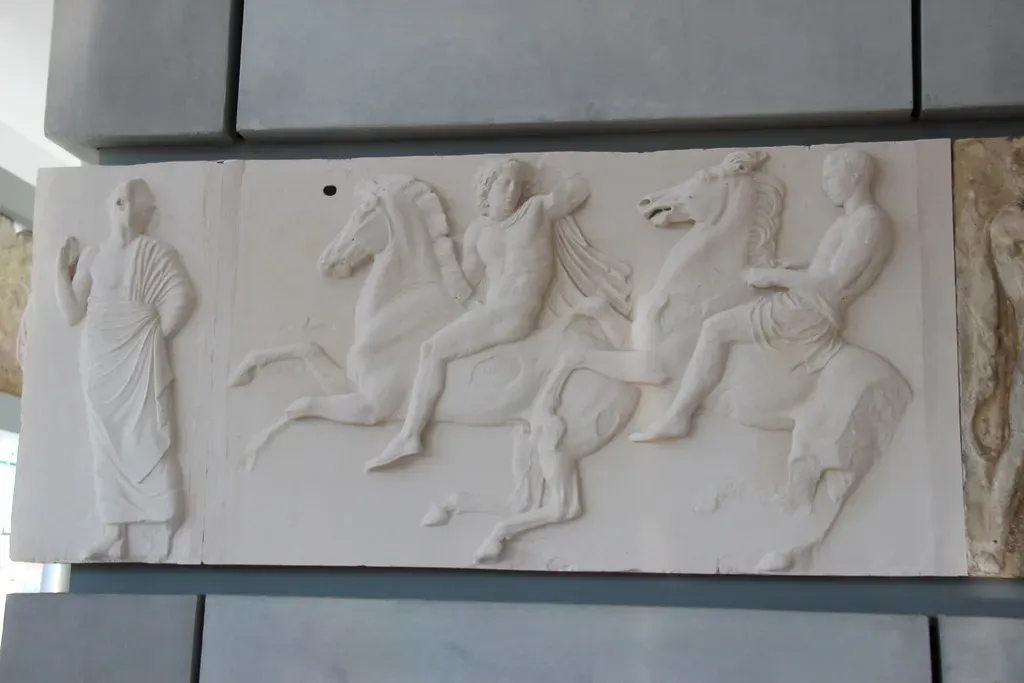
For generations, art students learned classical beauty from pristine white casts of the Parthenon frieze, assuming they were faithful echoes of Athens. The truth turned out to be far messier than anyone expected.
When conservators finally lined up old plaster casts against the surviving marble blocks, they found something unsettling: some of the “best-preserved” figures now exist only in plaster. Horse manes, drapery folds, even whole heads had crumbled off the original stone but survived in 19th-century molds. The classroom “copy,” it turns out, sometimes protected history better than the weather-beaten original sitting in the British Museum or on the Acropolis itself – though many of those old casts are chipped and over-painted in their own right, blurring where ancient Athens ends and Victorian restoration begins.
Fast Facts
- The frieze showing the Panathenaic procession was made between 447BC and 432BC as part of the Parthenon’s original sculptural program.
- Of the 50% of the original sculptures that survive, about half are in the British Museum and half in Athens.
- The British Museum houses 15 metopes, 17 pedimental figures and 247ft (75m) of the original frieze.
- Many plaster casts were molded in the 1800s, decades before pollution and erosion accelerated stone loss on the exposed marble.
#10 – Michelangelo’s David Copies That Quietly Changed His Anatomy
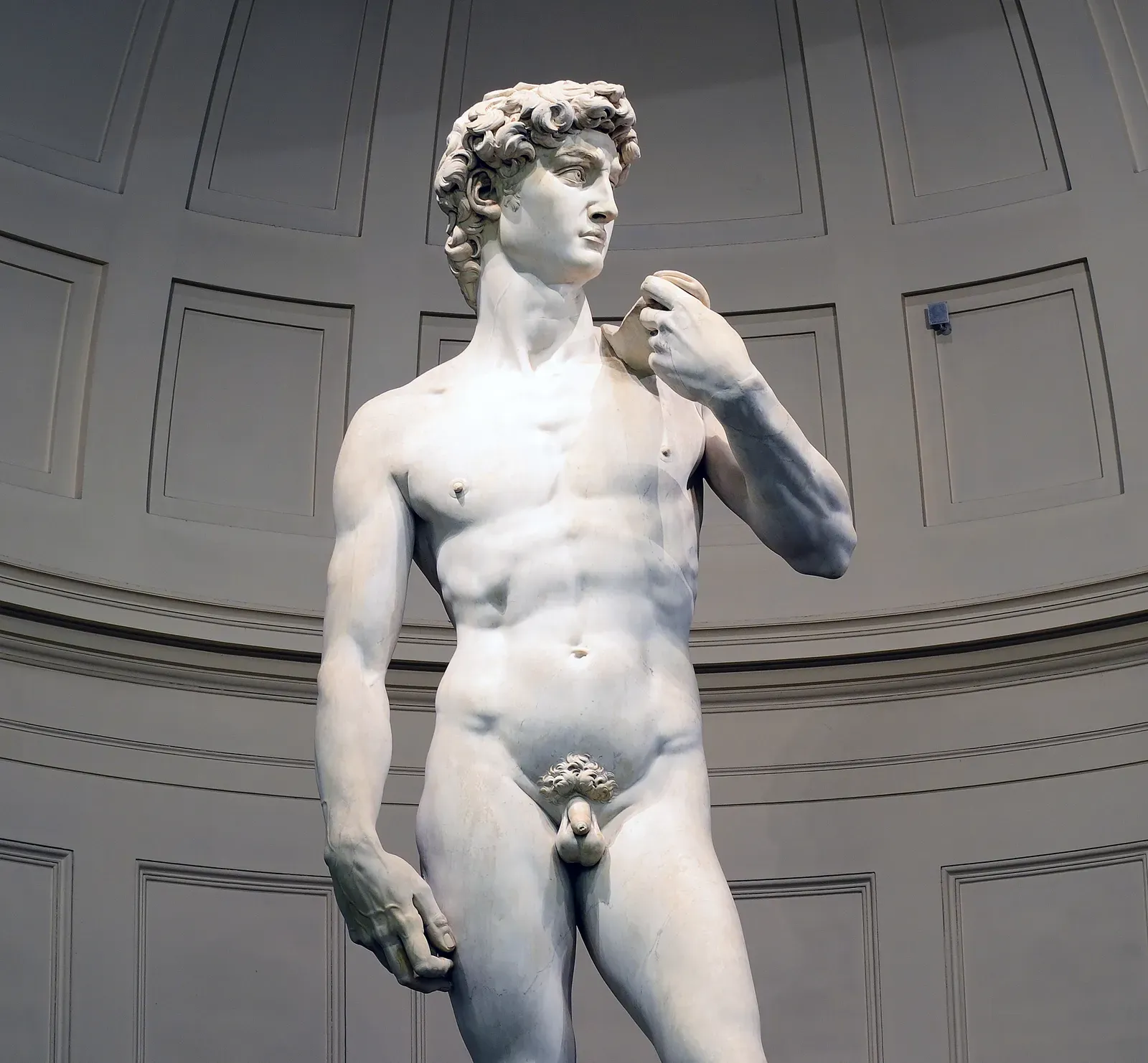
Everyone thinks they know what Michelangelo’s David looks like – until they stand in front of the real one in Florence and feel something is just off compared to the version they grew up with. For over a century, major teaching institutions from London to New York relied on plaster Davids that weren’t perfect duplicates at all.
Some casts smoothed his veins, softened the tension in his face, or subtly adjusted his proportions to “improve” the ideal male body. Even the tilt of his head looks a touch more heroic in a few versions. Once high-resolution scans let scholars finally compare the real statue to these long-revered casts, the results were embarrassing: generations of anatomy students had been studying a composite David, part Michelangelo, part 19th-century taste, and some museums quietly retired their casts once they realized it.
#9 – The Venus de Milo Casts That “Fixed” Her Broken Beauty
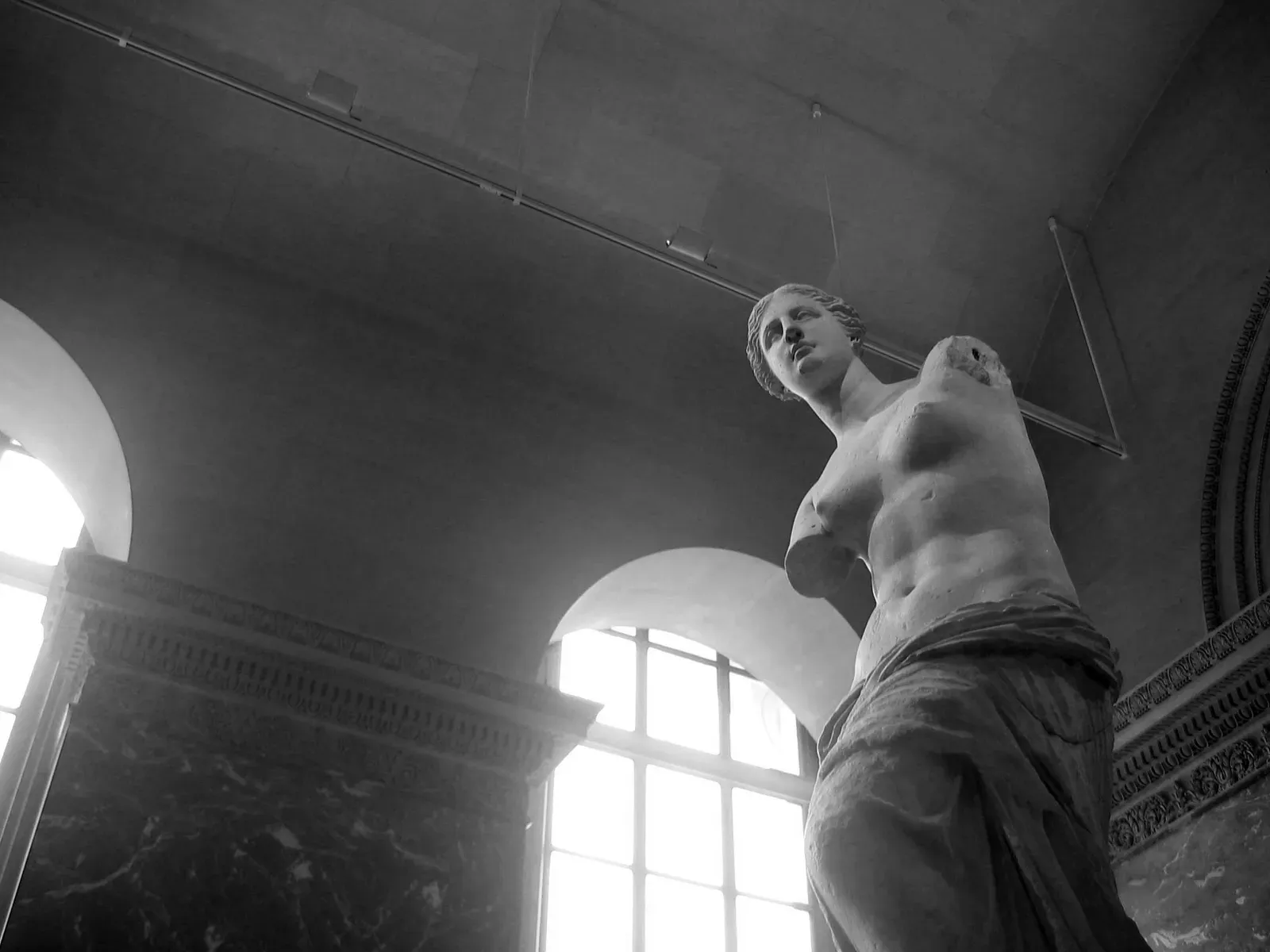
The Venus de Milo is famous for her missing arms, yet the version living in most people’s heads was shaped by casts that did some quiet tinkering of their own. University collections leaned on plaster Venuses shipped from Paris in the late 1800s for decades, never questioning them.
It took 3D imaging and precise measurement to reveal that some casts narrowed her waist, lifted her chest, or smoothed over the join between torso and drapery. Restorers weren’t faking anything maliciously – they were “correcting” what looked, to Victorian eyes, like flaws in damaged marble. The real Venus in the Louvre still carries her scars and awkward transitions; the plaster copies handed students an airbrushed antiquity instead, and nobody caught the difference until they finally looked side by side.
#8 – The Dying Gaul Replicas That Quietly Shifted His Emotion
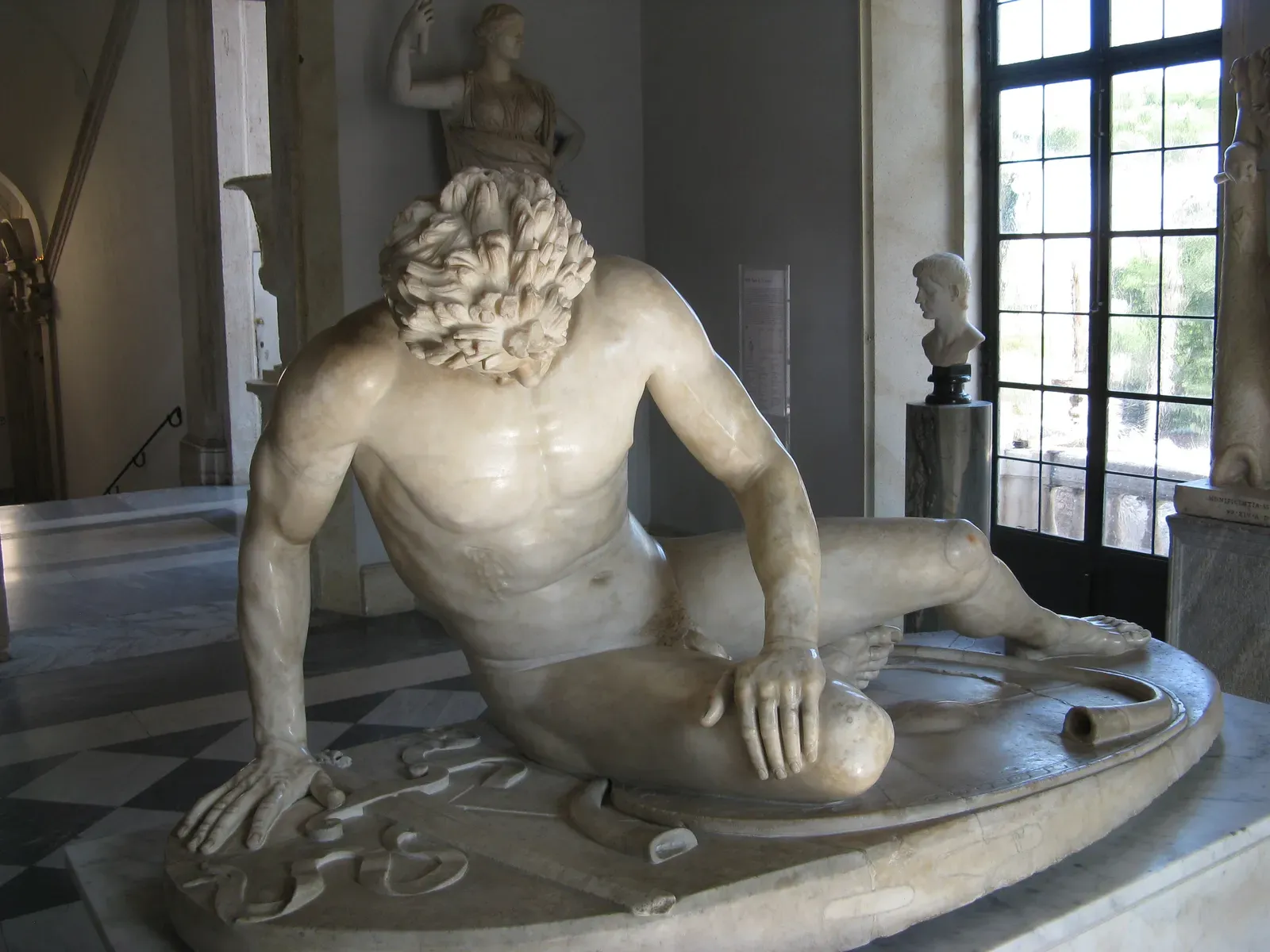
The Dying Gaul is supposed to be raw, almost uncomfortable to look at – a wounded warrior caught mid-collapse. Yet the version many people met in smaller museums felt strangely noble, even peaceful, which should have been the first clue something was off.
When conservators overlaid laser scans of the Capitoline original in Rome with popular plaster and bronze replicas, a pattern emerged: several casts slightly raised his head, relaxed his facial muscles, and softened the twist of his torso. Small adjustments, but emotionally decisive ones. Instead of agonized defeat, the copy read as a stoic hero calmly accepting fate – a 19th-century nationalist fantasy that dominated textbooks simply because nobody bothered checking it against the Roman marble.
#7 – Gothic Cathedral Sculptures That Lost Their Weathering Indoors
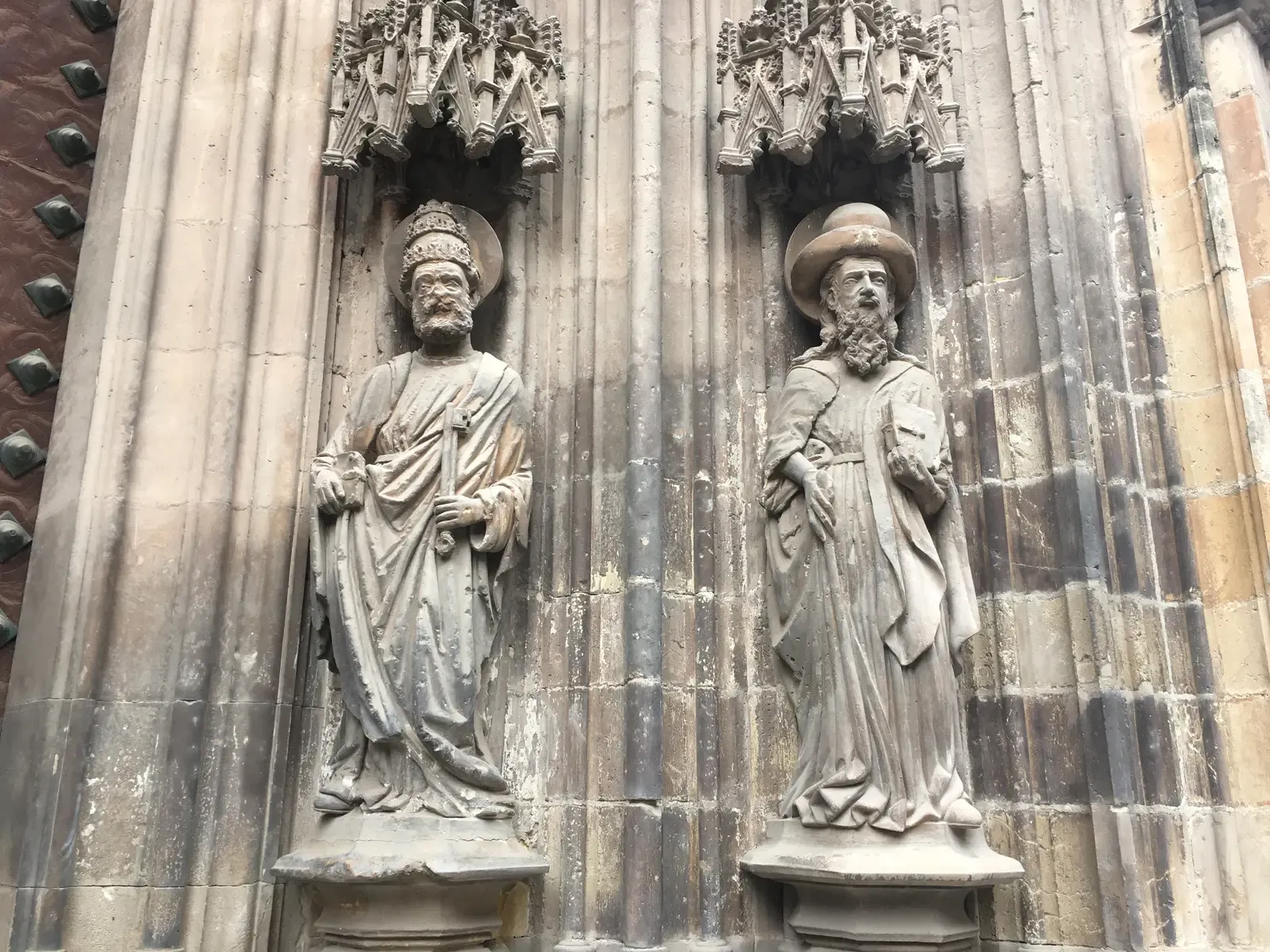
If you’ve ever seen strikingly white Gothic saint statues in a museum and assumed that’s how medieval sculpture always looked, you’ve been quietly misled by a cast. In the late 1800s and early 1900s, teams rushed to mold portal figures from Chartres, Reims, and Strasbourg as pollution and acid rain started eating away at the stone.
Those casts sat in study collections for decades, treated as simple stone-to-plaster translations. Only recent conservator studies revealed the twist: many casts captured pre-cleaning or mid-erosion stages that no longer exist on the originals, which have since been aggressively restored or swapped for copies on the actual façade. Somehow, the “fake” indoor figures now preserve more authentic medieval tool marks than the real statues tourists photograph outside.
#6 – Rodin’s Thinker Copies That Aren’t All the Same “Thinker”
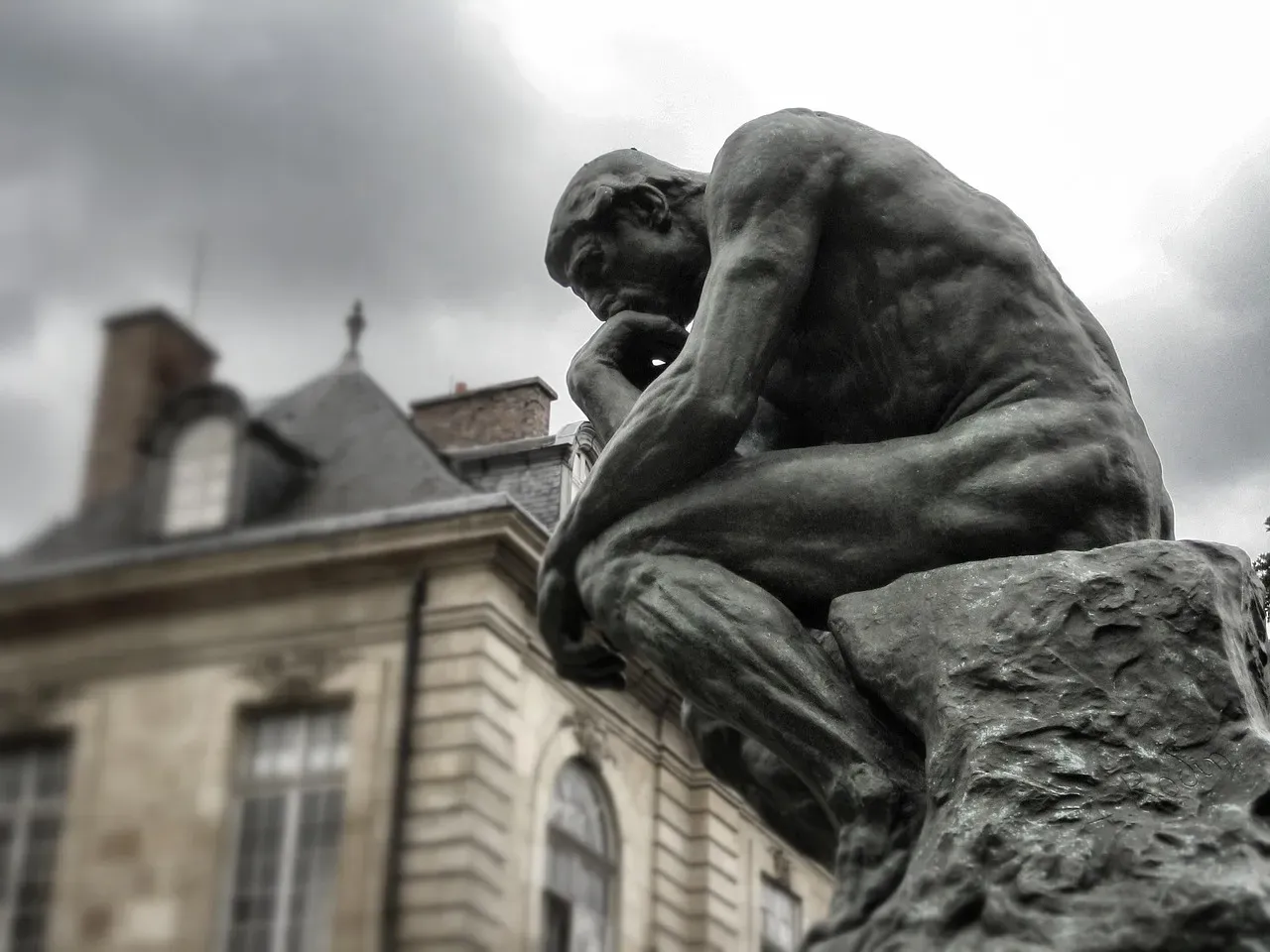
Most visitors treat every version of Rodin’s The Thinker as interchangeable, but line the casts up against the original models and a different story appears. Rodin authorized multiple sizes and editions, and later foundries produced even more, without museums ever bothering to sort early lifetime casts from posthumous ones.
Detailed comparisons between Rodin’s original plasters at the Musée Rodin and widely distributed casts turned up real variation in muscle tension, surface texture, and even the angle of the head. Some later bronzes were cast from molds taken after prior retouching, stacking small changes into a noticeably different figure. For decades, museum catalogues treated these workshop products as equivalent to Rodin’s own hand – a quiet substitution nobody flagged until the slow work of overlaying the versions finally began.
At a Glance
- Rodin conceived The Thinker in the 1880s as part of a larger doorway sculpture called The Gates of Hell.
- The Musée Rodin in Paris still holds many of the original plaster models used to authorize early casts.
- Rodin approved multiple bronze sizes during his lifetime, and more editions followed after his death.
- Some later foundry casts were pulled from molds taken after the surface had already been retouched, quietly compounding small changes.
#5 – Medieval Effigy Casts That Smoothed Away the Politics
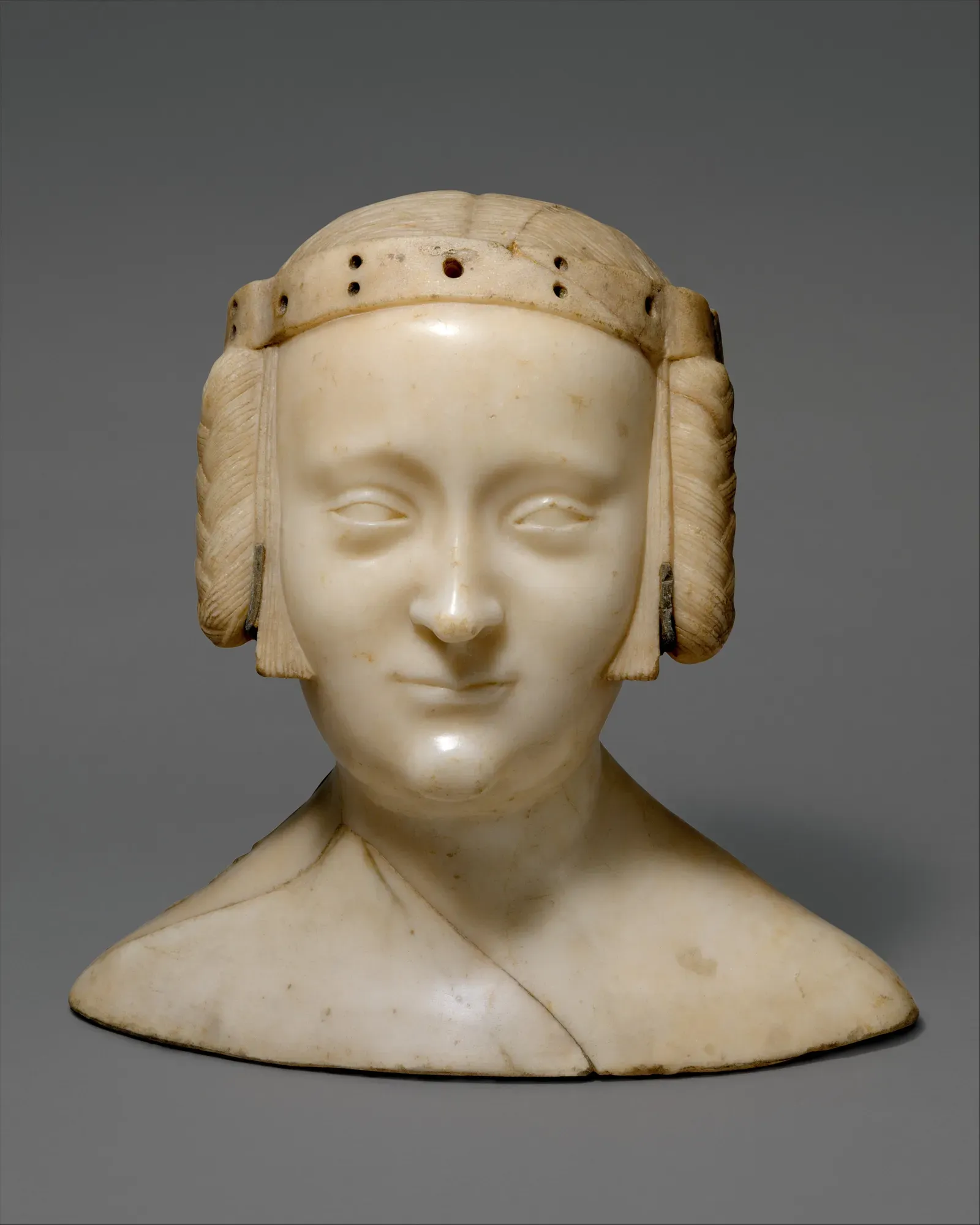
Stone tomb effigies of kings and nobles were never just fancy grave markers – they were political statements carved in stone. The casts historians relied on to study them, though, turned out to be strangely apolitical.
When 20th-century scholars revisited plaster effigies taken from Westminster Abbey, French royal necropolises, and German cathedrals, they noticed subtle inscriptions, heraldic details, dagger sheaths, and small symbolic animals had been blurred, simplified, or dropped entirely. Some were casualties of hasty mold-making, others of later repairs after a chip. Because these plasters were indoors and easy to reach, generations of students studied them instead of traveling to see the real tombs – and entire arguments about medieval self-image had to be rebuilt once the missing details came back into view.
#4 – The “Colorless” Classical Statues That Were Stripped in the Mold Room
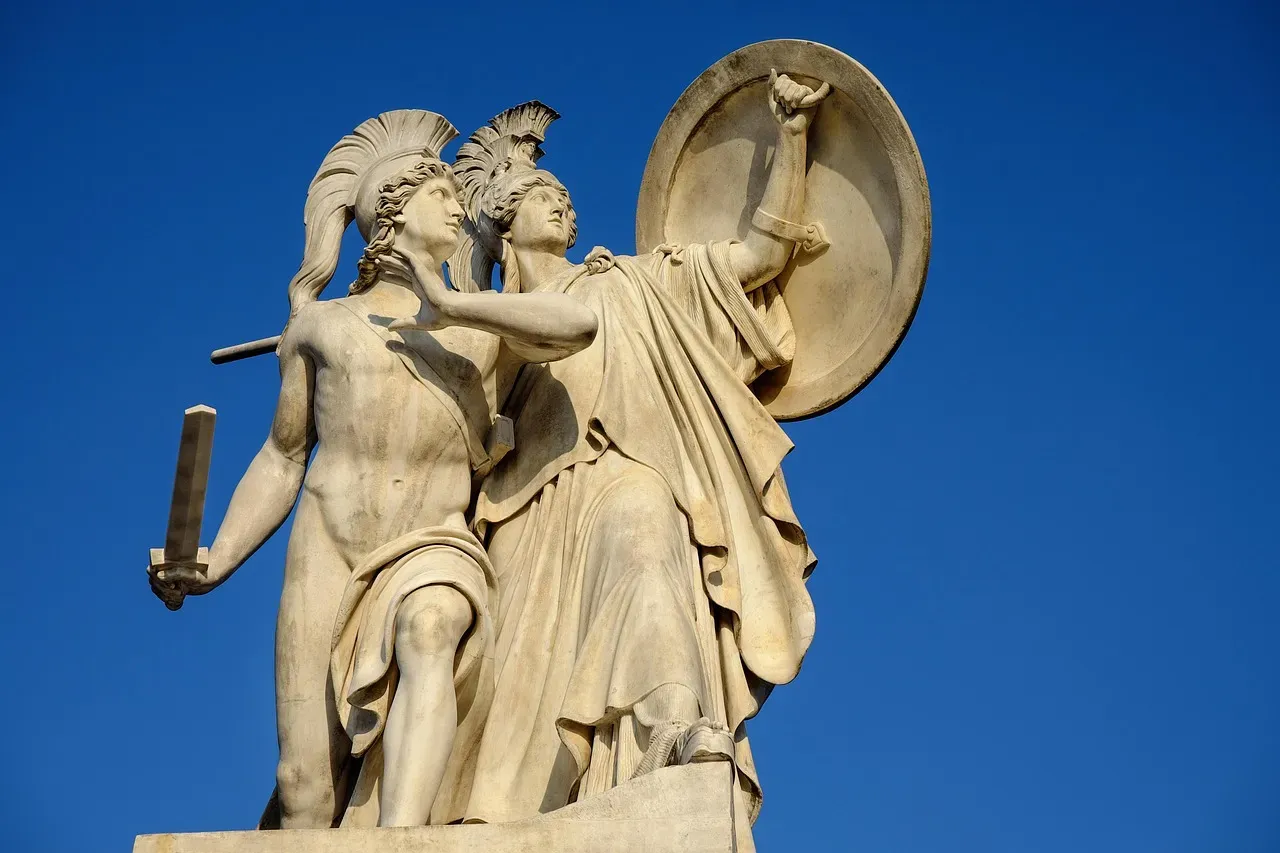
Most people still picture Greek and Roman statues as pure white marble – a myth museums half-created themselves through their cast collections. By the time scholars confirmed ancient sculpture was originally painted in vivid color, countless plaster casts had already locked the lie into place.
19th-century mold-makers usually took their impressions after a sculpture had been aggressively cleaned, and rarely bothered recording any surviving paint traces. In some cases, they scraped or washed off lingering pigment themselves to get a “clean” surface for molding. It took scientific pigment analysis and UV photography on the actual marbles to expose how misleading those blank casts really were – turning objects built to democratize classical art into quiet accomplices in erasing its color.
Worth Knowing
- Scientific pigment analysis and ultraviolet photography have confirmed that many Greek and Roman statues were originally painted in bright color, not left bare.
- Faint traces of red, blue, and other pigments have turned up in the folds and recesses of surviving marble surfaces.
- 19th-century mold-makers typically cast statues only after heavy cleaning, a process that often erased whatever pigment remained.
- The “pure white” look popularized by plaster casts shaped centuries of assumptions about classical taste that scholars are still correcting today.
#3 – Portrait Busts of Emperors That Quietly Changed Their Faces
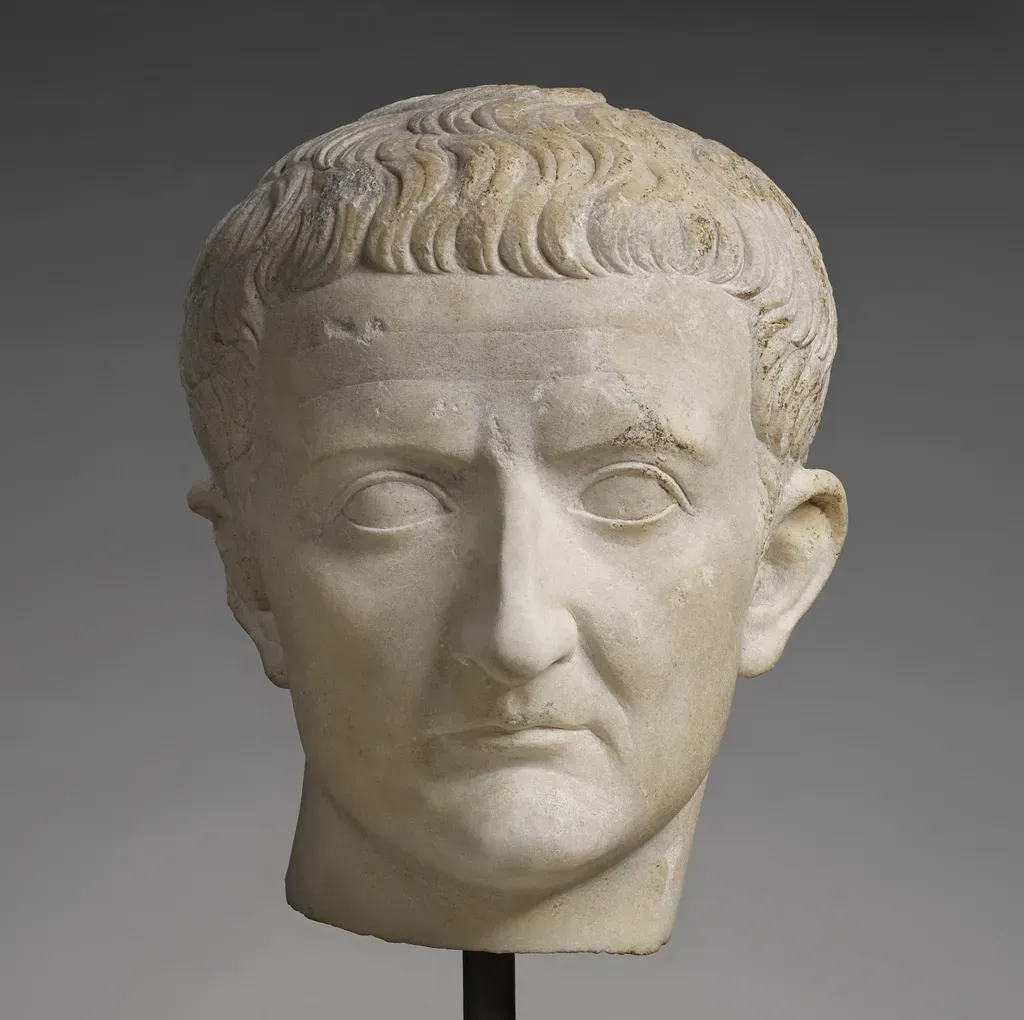
Roman portrait busts feel startlingly specific – like you’re staring straight into the eyes of Augustus or Hadrian. But some of the most widely seen “faces” were filtered through casts that tweaked the details more than anyone realized.
As digitization projects compared busts across collections with old plaster copies, inconsistencies kept surfacing: sharper noses, fuller hair, less sagging skin than the stone originals show today. Some of that is later damage to the marble, sure, but other differences came from 19th-century restorers who filled chips or quietly re-carved features before ever taking a mold. For decades, historians wrote about “how Romans saw their rulers” using smoothed-over profiles that were, in truth, half ancient likeness and half modern touch-up.
#2 – The “Complete” Cathedrals Built from Wrong-Sized Cast Details
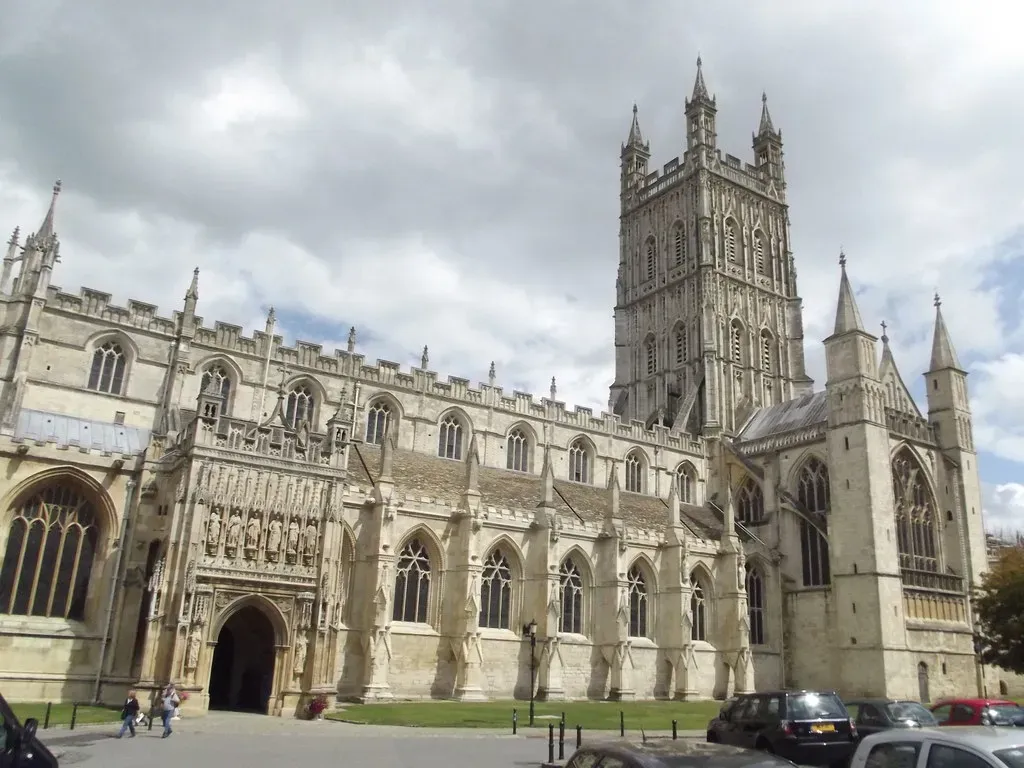
Architectural museums love fragment casts – loose capitals, cornices, and portals pulled from buildings across Europe – lining them up as if each piece is a precise slice of the original. The reality, once anyone checked the measurements, was almost comic.
When researchers compared building surveys to long-displayed casts, they found fragments scaled up or down to fit standard mold frames and shipping crates. A capital might run a few percent larger in plaster; a doorway molding, slightly compressed. Harmless alone – but when curators used these pieces to build “full-scale” composite reconstructions, the small errors multiplied into entire wall sections that never existed anywhere in reality, and visitors walked through them for decades believing they were seeing accurate slices of Chartres or Burgos.
#1 – The Cast Courts That Became More “Real” Than the Original Monuments
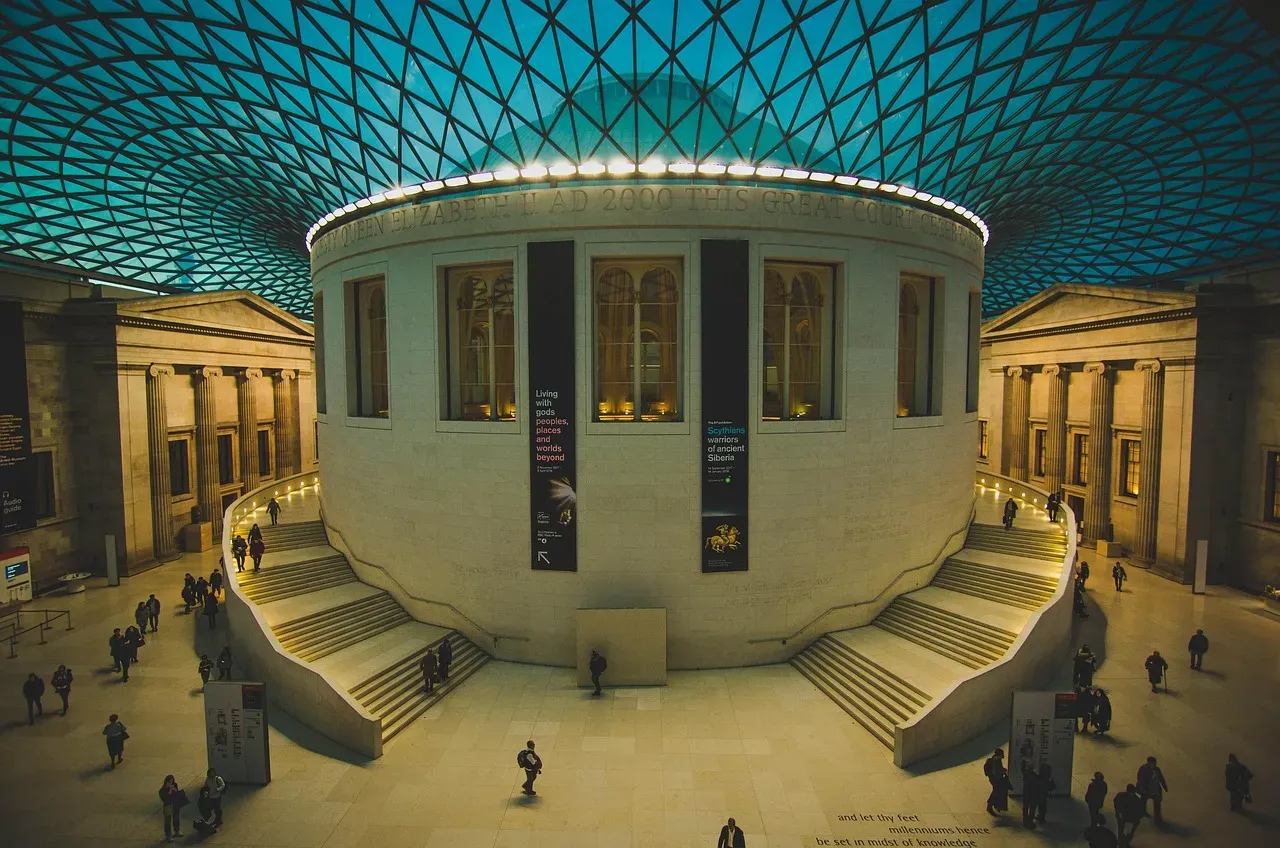
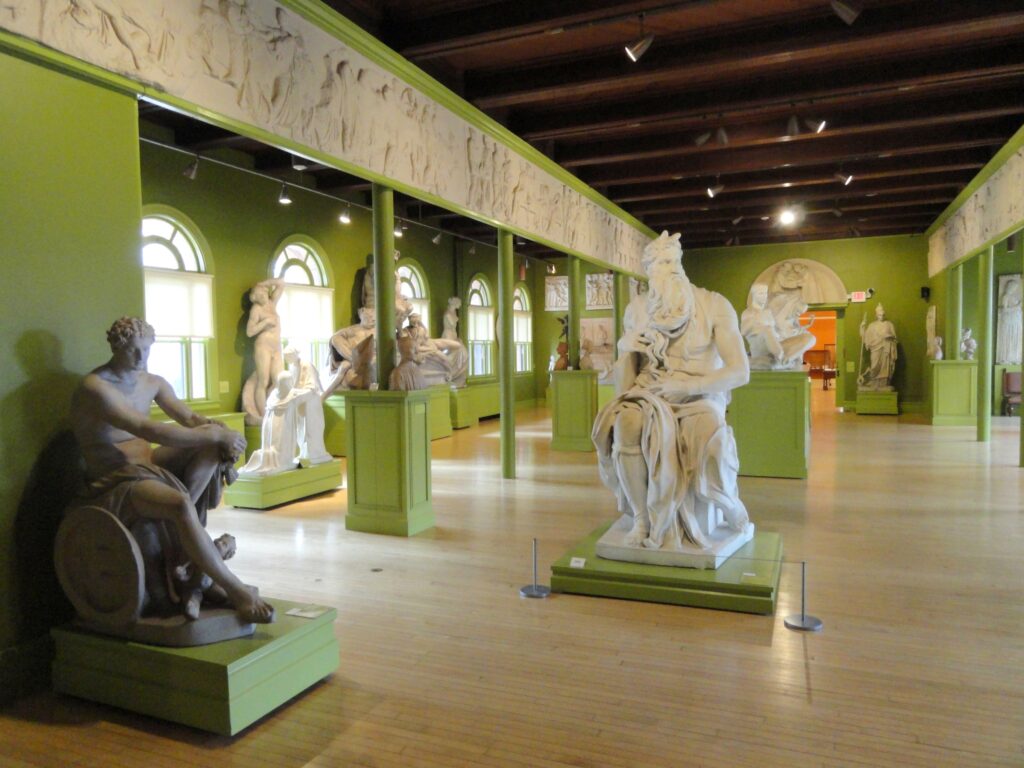
The most dramatic case is also the one casual visitors almost never think to question: full cast courts, like the ones in London’s Victoria and Albert Museum. These vast halls hold life-size reproductions of entire monuments – Trajan’s Column, Spanish facades, Renaissance tombs – assembled from molds taken across Europe, and for over a century they were treated as neutral stand-ins for the real thing.
Only sustained comparison decades later revealed the inversion. In multiple instances, the casts preserved details, inscriptions, and whole sculptural groups that have since been eroded, bombed, or heavily restored on the originals. At the same time, the casts carry their own fingerprints – seams, missing sections, speculative reconstructions from their own era. The result is a double time capsule: part snapshot of a monument at one moment in history, part record of Victorian obsession, and quietly more historically informative than the “real thing” it was built to imitate.
Why It Stands Out
- The V&A’s Cast Courts were designed by architect major general Henry Young Darracott Scott and first opened in 1873.
- The galleries were built to a height of 25 metres specifically to fit two enormous plaster casts of Trajan’s Column, acquired in 1864.
- They also house massive works like the 12th-century Pórtico de la Gloria from the Cathedral at Santiago de Compostela, which arrived in 1866.
- Several of the original monuments replicated here have since suffered war damage, pollution, or heavy modern restoration, leaving the casts as an unexpected historical record.
The Bottom Line
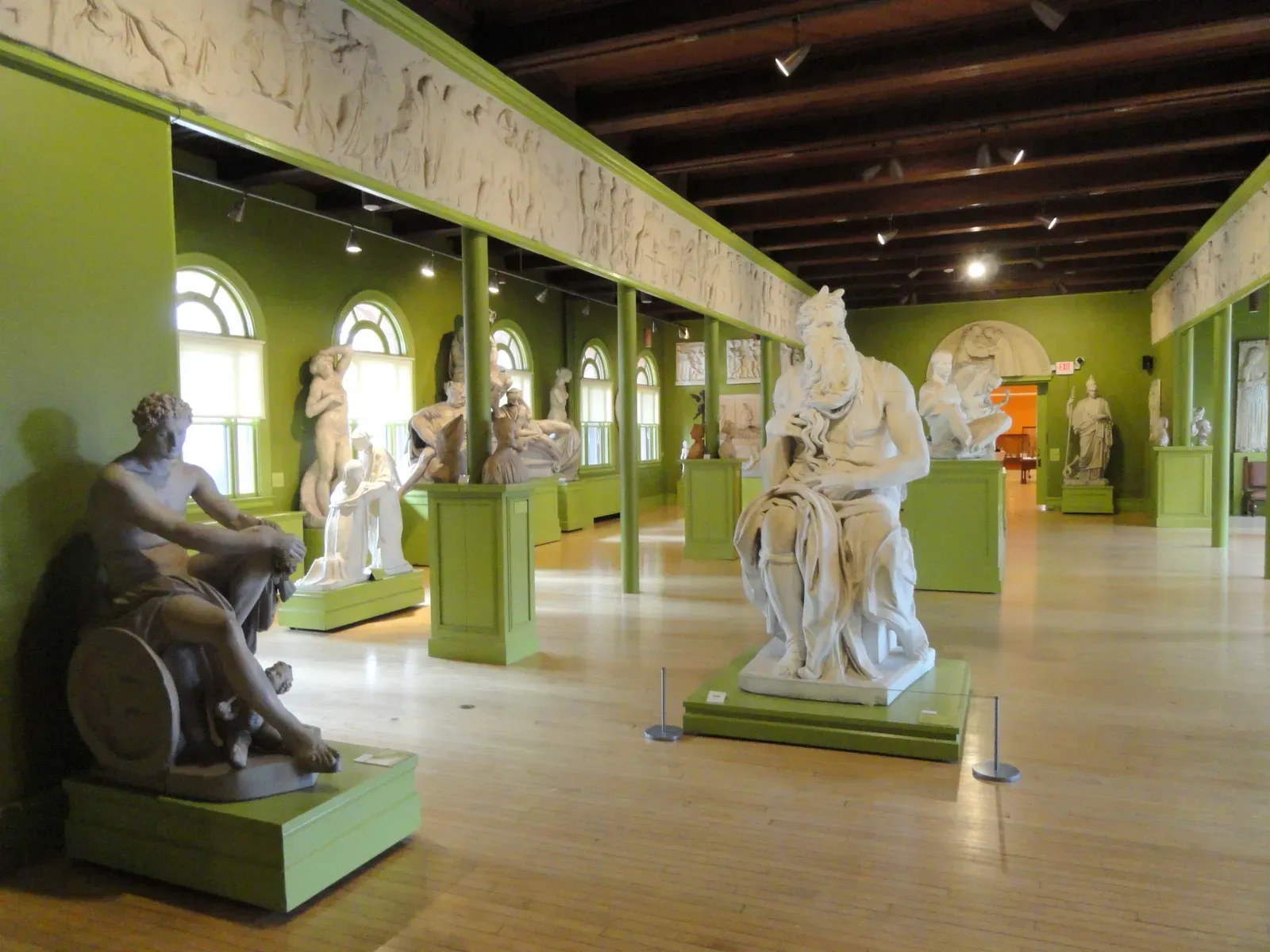
Once museums finally compared long-ignored casts to the originals they supposedly copied, the result was humbling: the “fake” objects sitting quietly in their own galleries had been rewriting art history for over a century. They smoothed bodies, edited faces, erased color, and in some cases preserved detail the real marble and bronze had already lost.
That doesn’t make casts villains. It does puncture the comforting idea that a copy is ever just a neutral stand-in.
A cast is never innocent; it always carries the fingerprints of the moment it was made.
Common conservation-field observation
If you grew up learning art from plaster galleries and textbook photographs, part of your mental museum is quietly wrong – and honestly, I don’t think the fix is to throw the casts out. The fix is to stop pretending they’re invisible. Label them as what they really are: historical actors in their own right, not silent servants of the originals. So which side are you on – are casts harmless teaching tools, or long overdue for a serious rethink?