You’ve probably been told that wood is basically a countdown timer. Rain, bugs, fire, a few decades of neglect, and it’s supposed to be over. Rot, collapse, gone.
So explain this: a wooden ship buried in freezing mud for a thousand years, pulled out of the ground with its carvings still sharp enough to nick your finger. Explain a wooden temple that has survived earthquakes, monsoons, and centuries of war without ever fully rebuilding itself from scratch.
That’s not luck. Around the world, wooden structures have outlasted stone castles, empires, and entire civilizations, in conditions that should have turned them to splinters generations ago. Some of them are still standing right now, quietly making fools out of anyone who assumed wood was the “temporary” material. The twelve survivors below aren’t museum fantasies. They’re proof that endurance sometimes has almost nothing to do with luck, and everything to do with conditions most of us would never think to protect.
#1 – Viking Ships That Refused To Rot In Mud And Ice

Most people assume a wooden ship buried for a thousand years should look like mulch, not a museum centerpiece. The famous Viking ships found in Scandinavia were buried in damp soil and clay, conditions that should have shredded every plank into pulp. Instead, entire hulls, carvings, and even tool marks survived intact.
The secret wasn’t magic, it was a brutal, oxygen-starved environment. Mud and clay sealed the ships into something close to a time capsule, where the fungi and bacteria that normally devour wood could barely function. These ships weren’t gently stored either. They were dragged over land, loaded with stones and grave goods, then buried and forgotten, stress that should have cracked the timbers into nonsense. Yet some emerged nearly whole, their carved dragon prows still snarling after a thousand years underground.
Fast Facts
- The Oseberg ship was unearthed in Norway in 1904, dated to around the early 800s
- The Gokstad ship, found in 1880, stretches nearly 24 meters long
- Burial mounds sealed the ships beneath clay and turf, cutting off oxygen almost entirely
- Carved dragon-head details and tool marks survived well enough to study centuries later
#2 – Japanese Pagodas That Shrug Off Earthquakes And Lightning

Architects still argue about this one. How do thousand-year-old wooden pagodas in Japan keep standing in one of the most seismically violent regions on Earth? These tall, narrow towers should be kindling. They’ve been struck by lightning, rattled by major quakes, and battered by typhoons for centuries, and many have quietly outlived the stone castles built to protect them.
The trick is a hidden central pillar called the shinbashira, paired with joinery that lets each tier sway independently. Instead of resisting an earthquake, the whole structure bleeds off the energy like a wooden shock absorber. What really unsettles modern engineers is that these principles were worked out centuries before seismology existed, purely through trial, error, and paying brutal attention after each disaster. Some earthquake experts now quietly admit these “outdated” wooden designs outperform plenty of modern buildings on flexibility alone.
#3 – Horyu-ji Temple’s 7th-Century Timber That Outlived Empires
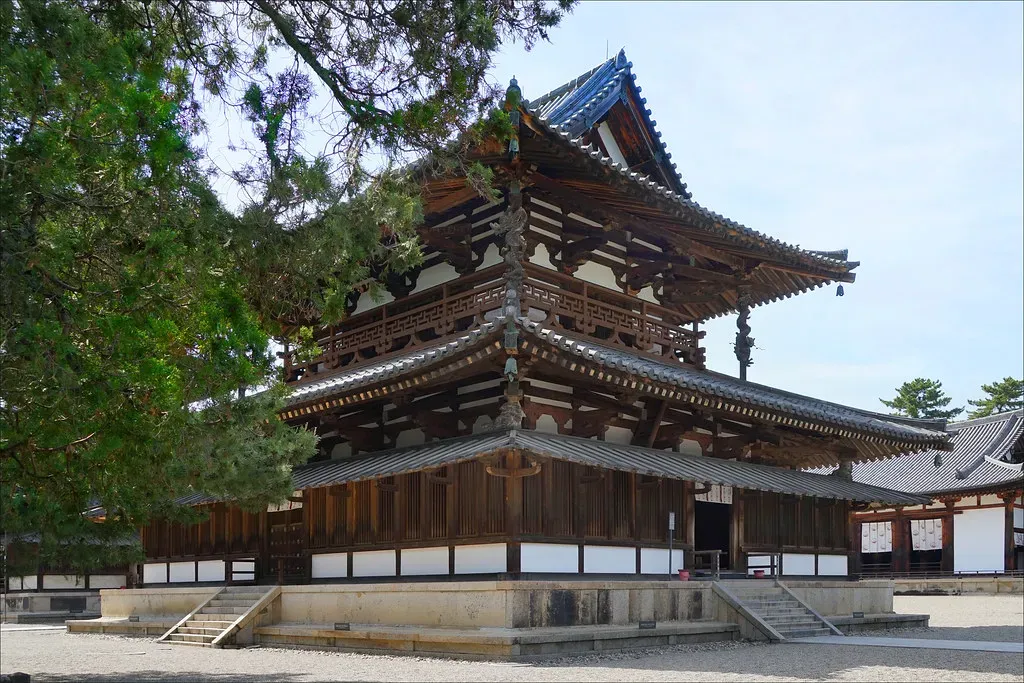
If you think a fifty-year-old deck counts as old, the main halls at Japan’s Horyu-ji temple make that look almost embarrassing. Built around the 7th century, it’s often cited as one of the oldest surviving wooden buildings on Earth, still standing after roughly 1,300 years of humidity, rain, earthquakes, and war.
Tight-grained old-growth timber, huge overhanging eaves, and raised platforms kept rain and ground moisture from ever getting a real foothold. Carpenters replaced only the most decayed pieces over the centuries, keeping the structure’s skeleton ancient while quietly refreshing the sacrificial parts. Some scholars argue that constant repair means it isn’t truly “original” anymore. Others say that misses the point entirely, traditional wooden architecture was never meant to be frozen, it was built as a living system designed to keep surviving.
#4 – Norwegian Stave Churches Surviving Centuries Of Brutal Winters
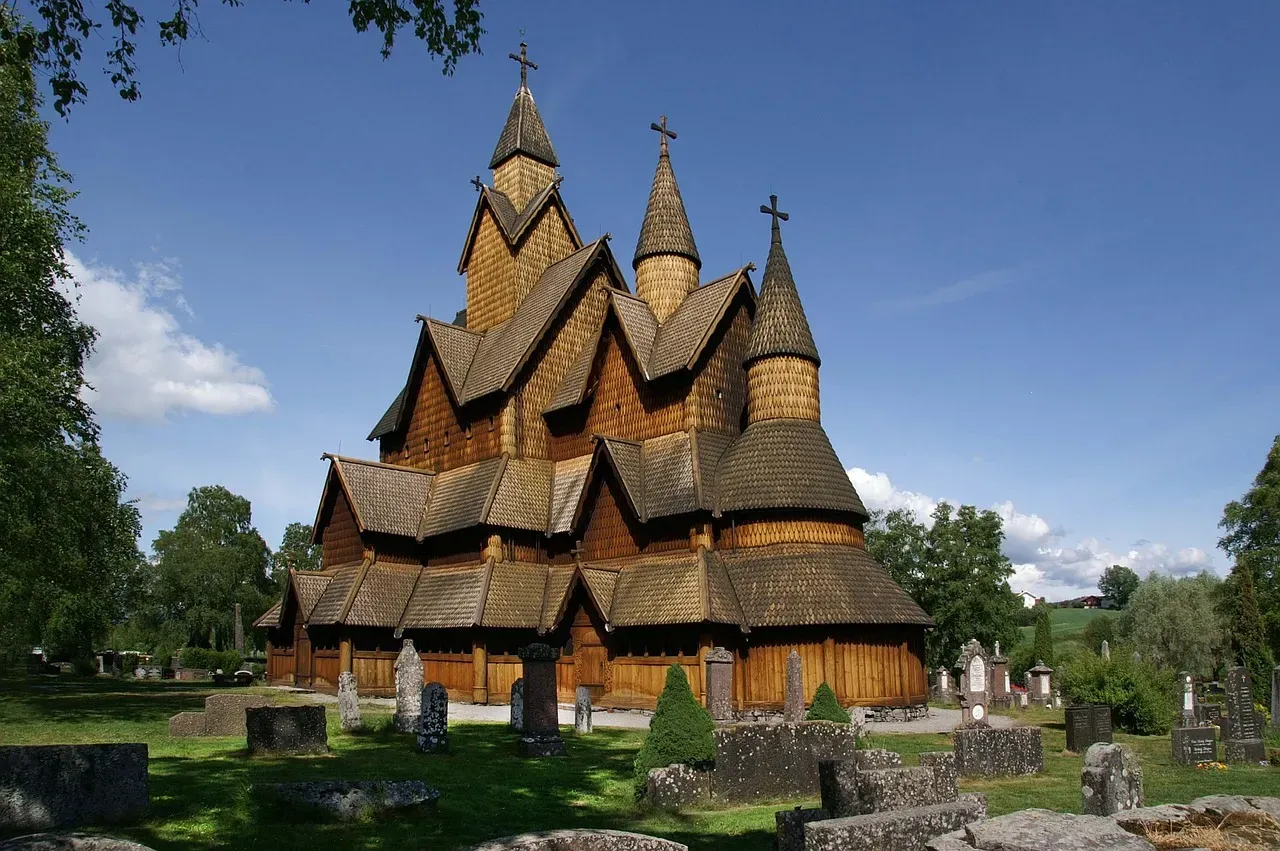
Nordic winters are not kind to wood. Freeze-thaw cycles split beams, trapped snow feeds rot, and long dark seasons practically invite mold to move in. These conditions should have wiped out medieval churches centuries ago. Yet Norway’s stave churches, some built in the 1100s and 1200s, are still standing, their tarred black walls and dragon-headed roofs unmistakable against the snow.
The real trick was an obsession with water management. Builders used steep, overlapping roofs, wide eaves, and stone foundations that lifted the wood clear of wet ground, then coated the exterior in tar and pitch for a shockingly effective seal. But the deeper truth is less romantic than people want it to be: these churches survived because generations of caretakers refused to let them fail. Rotten boards were swapped fast. Roofs were retarred on schedule. The wood is old, but the vigilance behind it is even older.
#5 – The Egyptian Solar Boats That Should Have Turned To Dust
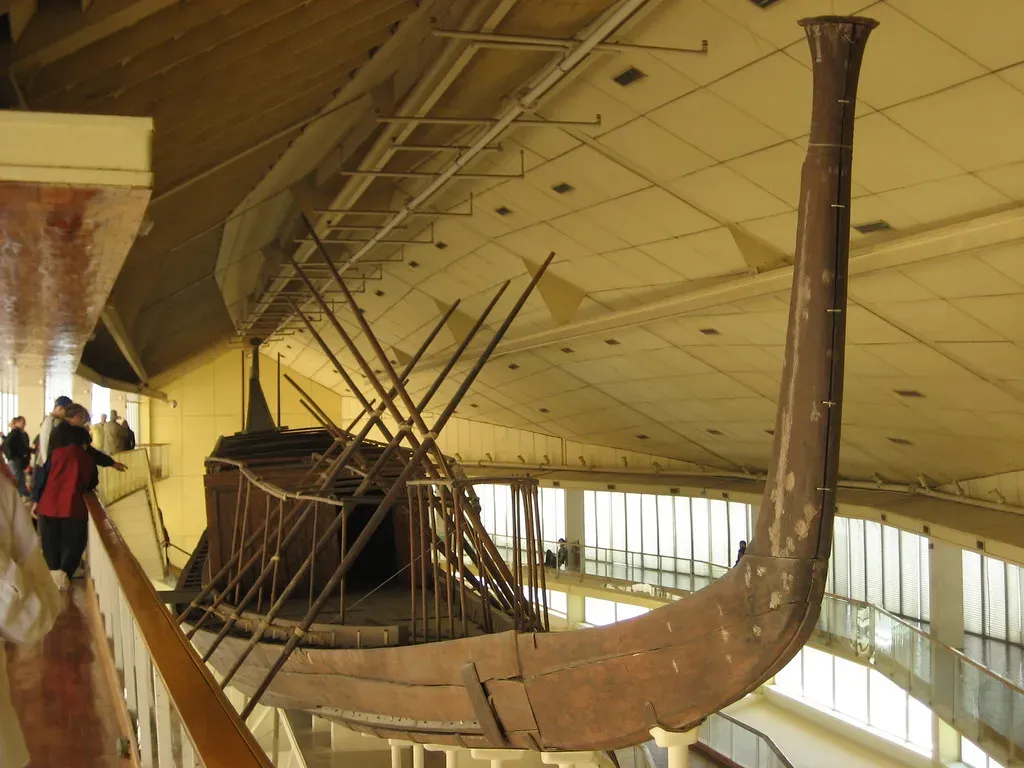
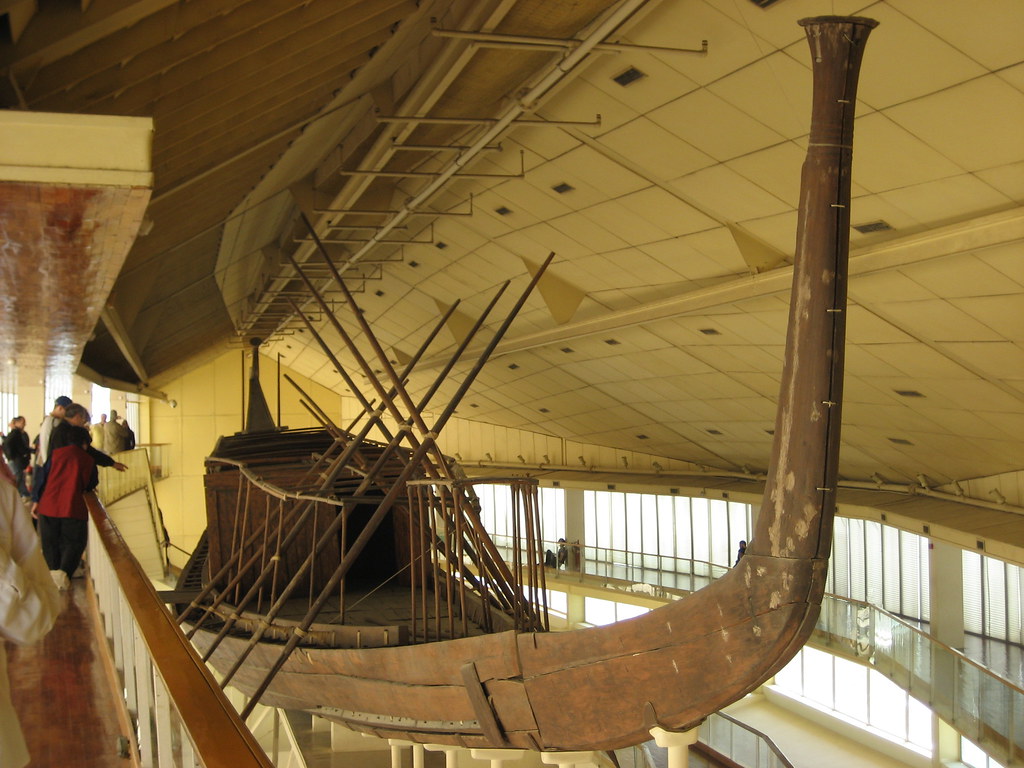
By all logic, a wooden boat sealed in a stone pit for 4,500 years in desert heat should crack, crumble, and turn to powder. Yet near the Great Pyramid, archaeologists uncovered full-sized wooden “solar boats” buried as part of royal funerary ritual. When the pits were finally opened, they found cedar planks so well preserved you could still see the tool marks, the mortise-and-tenon joints, and even the original rope lashings.
The reason is almost boringly simple: the pits stayed completely dry. No moisture meant no fungi, no insects, and almost no temperature-driven swelling or cracking. The desert acted like a slow, natural dehydration chamber on a massive scale. What makes it more unsettling is the size of what survived, full ceremonial vessels, not trinkets. When archaeologists reassembled one boat from thousands of scattered pieces, it wasn’t really a resurrection. It was a reminder that ancient carpenters understood their materials better than we tend to give them credit for.
#6 – Shipwrecks Preserved In Ice-Cold, Oxygen-Starved Water

Drop a wooden ship into warm, shallow seawater and shipworm larvae treat it like an open buffet. But some of the best-preserved shipwrecks ever found were pulled from icy, low-oxygen depths where those destructive organisms simply can’t survive. In these underwater dead zones, wood can sit largely undisturbed for centuries. Cold slows every chemical reaction, and still, oxygen-poor water keeps fungi and shipworm out entirely.
Divers have found masts still upright, rigging blocks still in place, carved details still sharp enough to read like a diary frozen mid-sentence. But the moment that wood hits open air, the clock starts running again, fast. Salt crystals, trapped internal stress, and sudden drying can shatter centuries-old planks within days, which is why recovered timbers often soak in special solutions for years just to survive the rescue. The same sea that protected a wreck for three hundred years can destroy it in three months if nobody’s careful.
Quick Compare
- Warm, shallow seawater: shipworms and fungi can consume exposed timber within years
- Cold, oxygen-poor depths: wood can remain structurally intact for centuries
- Once exposed to air: even the best-preserved wrecks can crack or shatter within days without conservation
#7 – Alpine Log Houses That Outlived The Families Who Built Them
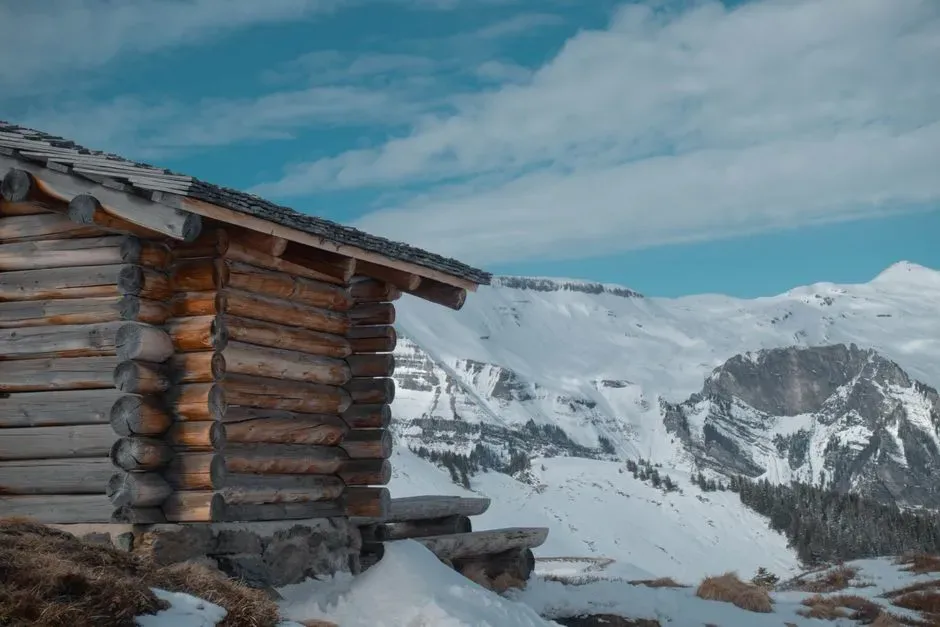
High in the Alps, whole villages still use wooden houses older than most modern nations. These timber homes, some four to five hundred years old, sit in places where snow loads, avalanches, and brutal storms should have flattened them generations ago. Instead, smart siting and stubborn overbuilding turned ordinary shelters into accidental monuments.
Builders chose slow-grown, resin-rich mountain pine and larch that naturally resists insects and rot, stacked the logs on stone bases to keep them off wet ground, and used wide overhanging roofs to dump snow well away from the walls. Here’s the uncomfortable part: many locals now renovate these buildings like they’re 1970s condos, adding insulation and cladding that trap moisture against the original timbers. Preservationists warn we’re quietly undoing centuries of durability in a single renovation season, on houses that were never meant to be monuments, just practical shelter that happened to outlast wars and climate shifts anyway.
#8 – Medieval Timber Frames Hiding Inside “Modern” Buildings
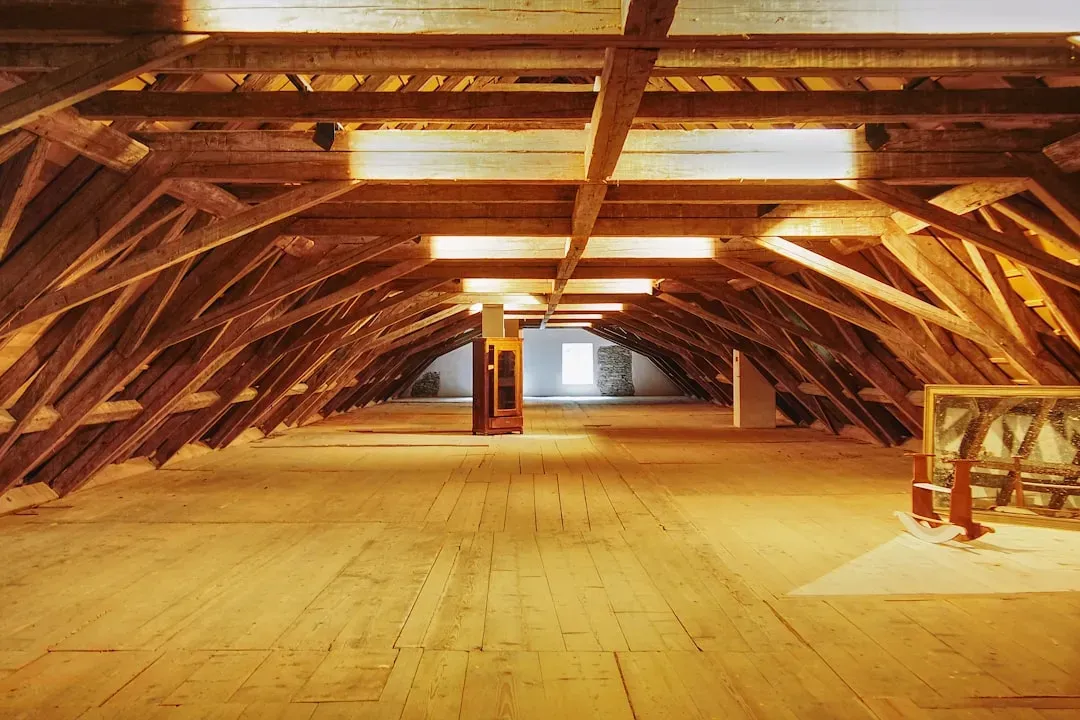
Walk through many old European or American towns and all you see is brick and plaster storefronts. What you don’t see is the secret skeleton underneath. A surprising number of “modernized” buildings are actually centuries-old timber frames, still quietly doing all the structural work behind a much younger face.
Kept dry and relatively stable indoors, wood beams can last astonishingly long, especially when carpenters built in redundancy, so if one post decayed, others simply picked up the load. When architectural fashions changed, owners slapped brick or stucco over the outside, accidentally creating a protective shell that shielded the ancient wood from weather. Some city planners argue that if you can’t see the old timber, there’s no reason to preserve it. Conservationists push back hard: these hidden frames are physical records of joinery skills we barely teach anymore, and tearing them out for glass boxes might be the most short-sighted “upgrade” a city can make.
At a Glance
- Many “modern” storefronts in old European towns conceal timber frames dating back centuries
- Builders often added structural redundancy, so a single decayed post didn’t doom the whole frame
- Brick or stucco facades added later acted as accidental weatherproofing for the wood underneath
- Kept dry indoors, timber framing can remain sound for many hundreds of years
#9 – Log Structures Pickled Alive In Bogs And Peatlands
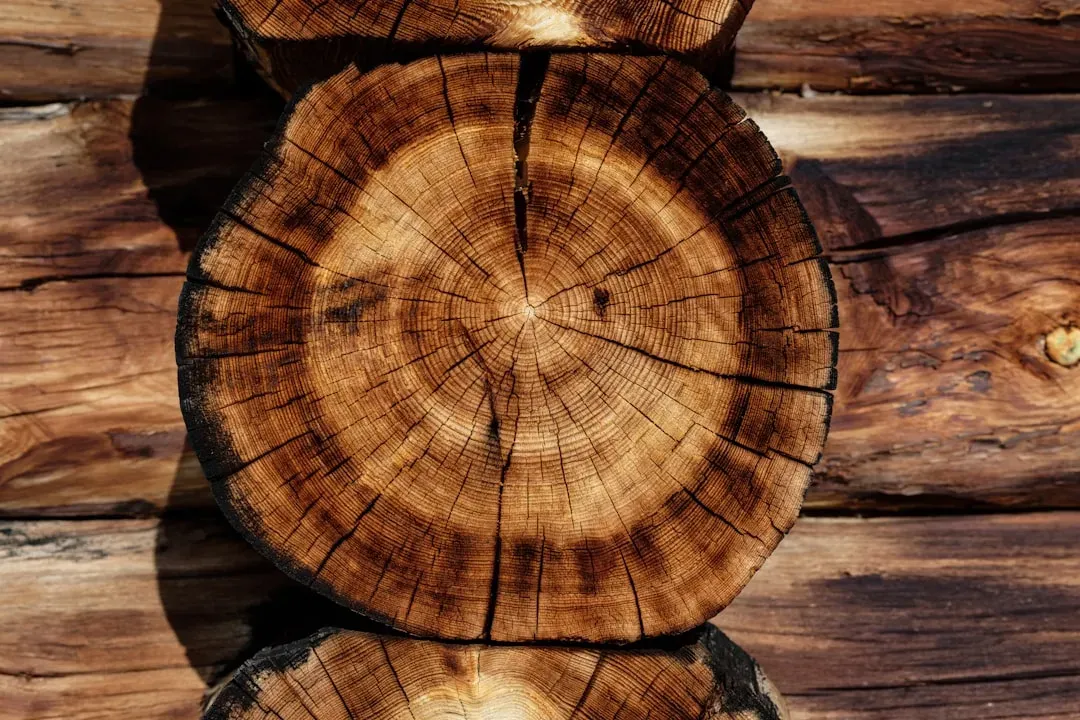
Normally, swampy ground is a death sentence for wood. Constant moisture, hungry microbes, and insects turn beams into sludge within decades. But peat bogs sometimes flip that entire script. Waterlogged, low-oxygen, tannin-rich conditions can almost pickle wood in place, and archaeologists have pulled log trackways, platforms, and building fragments thousands of years old out of the mud with tool marks still visible.
The catch is brutal: the moment these finds hit open air, they can deteriorate terrifyingly fast. Timber that sat stable for two thousand years underground can curl, crack, and crumble within weeks. Early excavations destroyed pieces this way before anyone understood the risk. Today, conservators wrap, soak, and sometimes deliberately re-bury finds until proper treatment is available, an odd twist where the very conditions that hid the wood for millennia turn out to be the safest place to leave it, even after we’ve found it.
#10 – Siberian Cabins Still Standing After Permafrost Froze Time Itself
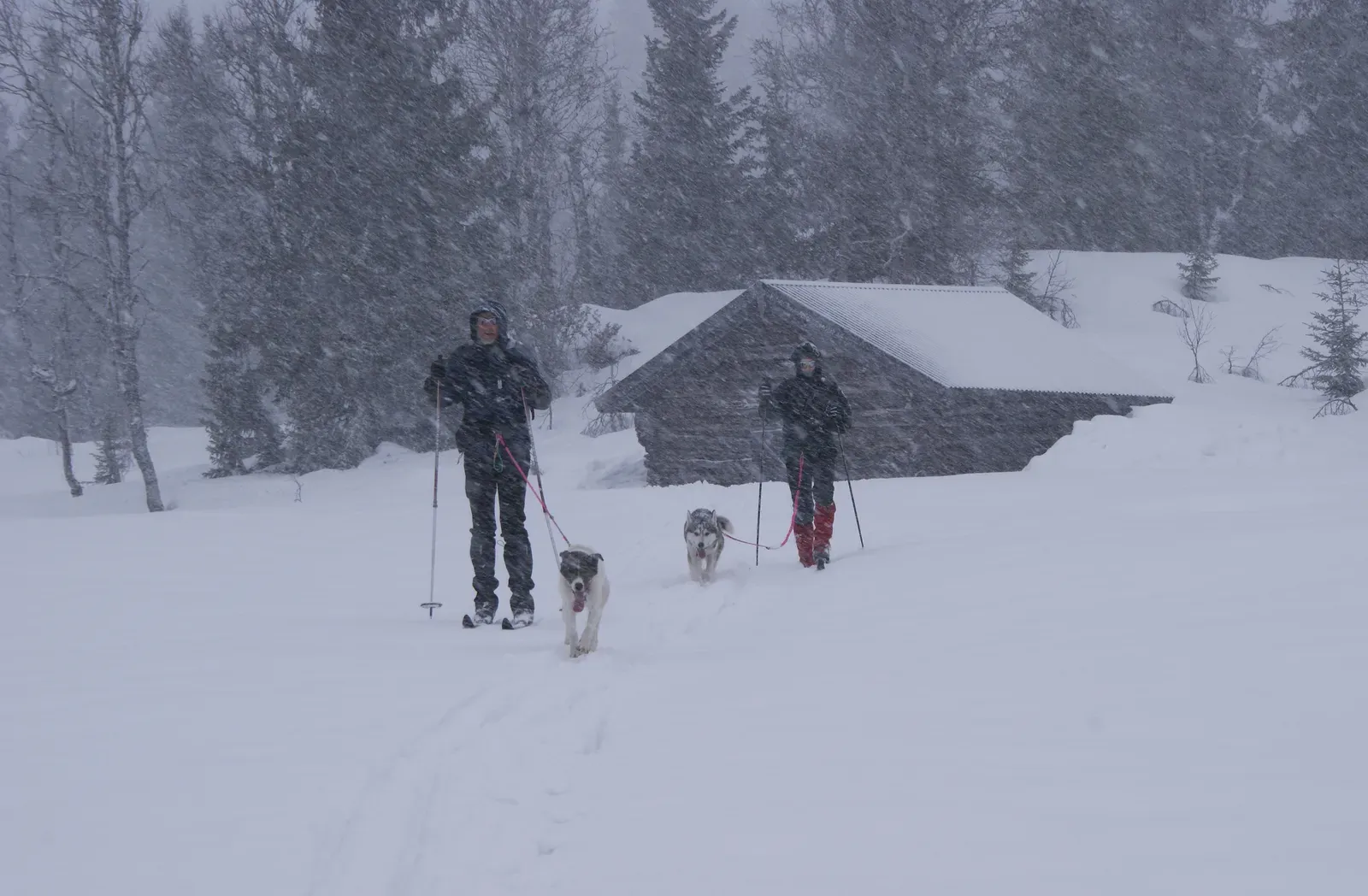
In most climates, a wooden cabin abandoned for a hundred and fifty years becomes a ghost outline of posts and dust. In permafrost, it just keeps standing. Across Siberia, Alaska, and other Arctic regions, log cabins, storage sheds, and entire wooden settlement remains have survived conditions that would annihilate them anywhere else on the planet.
Constant cold locks moisture in a frozen state, so the fungi and bacteria that normally feed on wood barely function at all. Some early-1900s expedition huts still hold wooden crates, tools, and furniture that look almost recently used. Now the twist turns uncomfortable: as the climate warms and permafrost thaws, these survivors are suddenly vulnerable for the first time in a century. Structures that resisted decay for a hundred years are starting to slump and collapse within a couple of decades, which means we’re watching preservation run backward, in fast-forward, and future historians may look back at this exact window as the moment we lost one of Earth’s best natural conservation labs.
Fast Facts
- Permafrost covers roughly a quarter of land in the Northern Hemisphere
- Frozen ground locks moisture in place, starving wood-decaying fungi and bacteria of what they need to spread
- Some Arctic expedition huts from the early 1900s still contain intact wooden crates and tools
- Thawing permafrost is now causing century-old wooden structures to slump or collapse within just a few decades
#11 – Wooden Bridges Still Carrying Traffic After Two Hundred Years
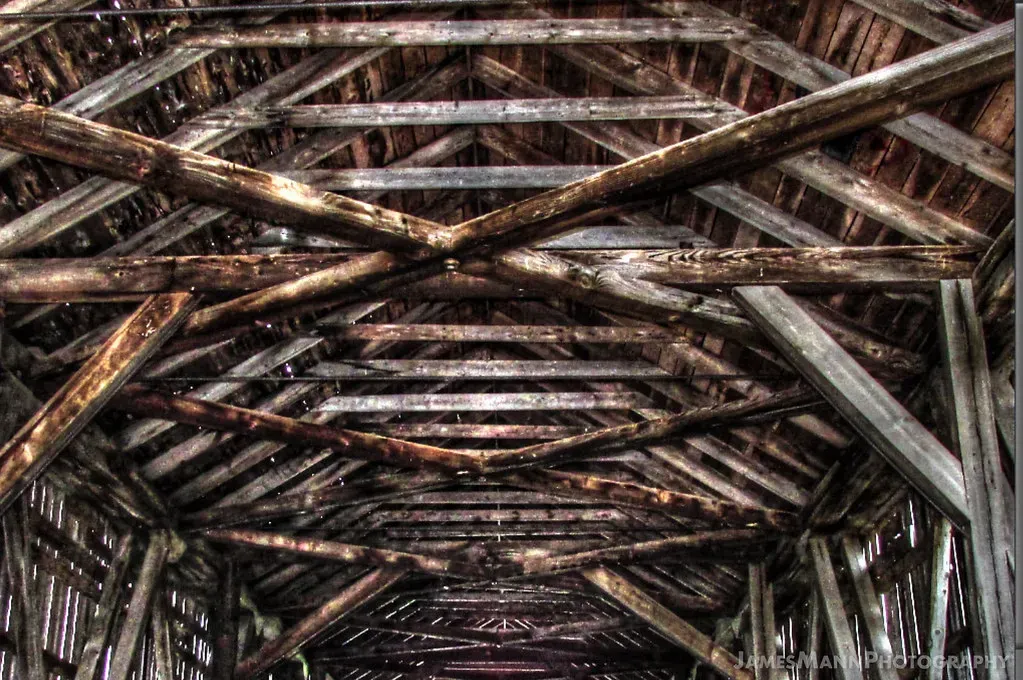
Ask most engineers how long a bridge should last, and you’ll usually hear numbers well under two hundred years, even for steel and concrete. Yet some traditional wooden covered bridges and long-span timber designs have been carrying real loads for well over a century, a few pushing past two hundred years, through freeze-thaw cycles, road salt, floods, and traffic their builders never could have imagined.
The answer is a mix of clever design and shameless overbuilding. Covered bridges weren’t built cute, their roofs were functional armor keeping the structural trusses dry, paired with oversized timbers and joinery that allowed slight movement without splitting. Plenty of municipalities still rush to replace these with concrete, insisting wood is too fragile for modern loads. But inspection records often tell a different story: the original 19th-century timber frequently outperforms the 20th-century additions bolted onto it later. Preservationists argue these bridges don’t prove wood is weak, they prove we forgot how to build things to actually last.
#12 – Wooden Forts That Outlived The Wars They Were Built For
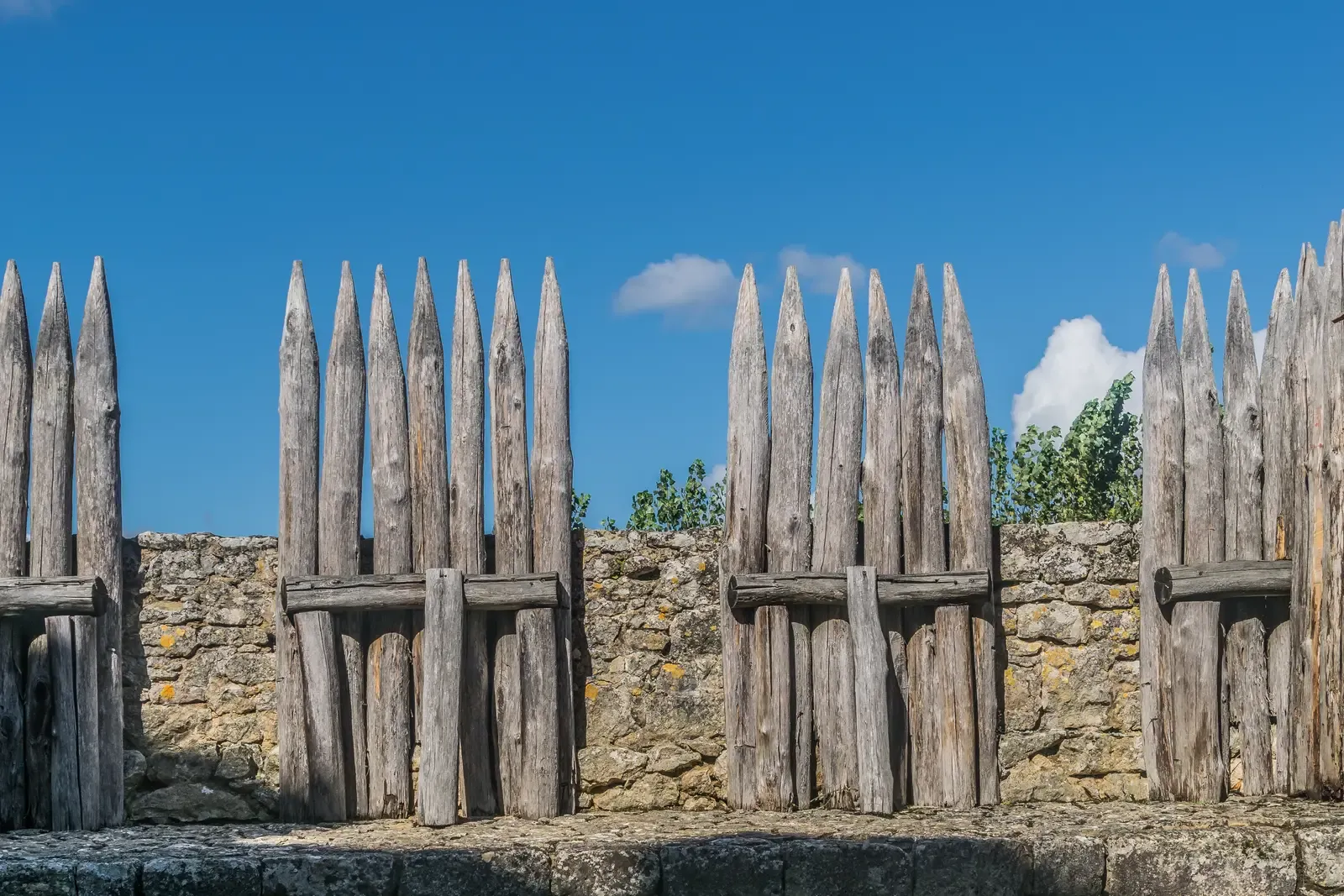
Defensive fortifications were never meant to be pretty, they were meant to absorb abuse and eventually be replaced. Wooden forts, stockades, and palisade walls should have been temporary by design, especially on frontiers hammered by rain, snow, and constant warfare. Yet some historical forts still stand today with original or near-original wooden elements, despite cannon fire, musket smoke, and decades of plain neglect.
Thick, closely spaced posts set on stone footings instead of bare soil, combined with constant patching at the exact spots where rot first appeared, kept these structures alive far longer than anyone intended. Defensive ditches quietly managed water flow away from the walls, creating drier microclimates almost by accident. Some of these forts later became heritage sites and gained a final layer of protection: controlled drainage, regular treatment, restricted contact. There’s something almost poetic about it. Structures thrown up in a hurry for war have outlived the nations that ordered them built, expendable by design, but history turned them into the last wooden witnesses standing.
The Bottom Line
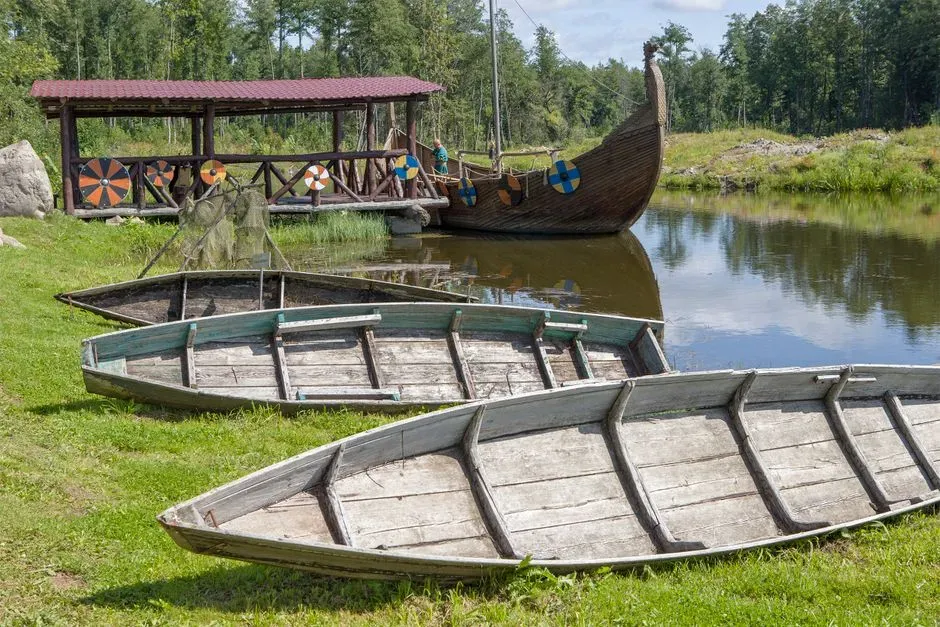
Line them all up, Viking ships in mud, pagodas on fault lines, temples in humid valleys, boats sealed under pyramids, cabins locked in permafrost, and the pattern gets hard to ignore. Wood was never the fragile, disposable material modern marketing insists it is. Under the right conditions, and with ruthless, unglamorous maintenance, it can outlast stone, steel, and concrete without breaking a sweat.
The real failure was never the timber. It’s our planning, our detailing, and our lazy modern habit of assuming we’ll just replace it later. Most of these survivors weren’t built as sacred relics, they were working ships, houses, bridges, and forts that people expected to eventually fall apart. Instead they outlasted the people who built them, the wars fought around them, and in some cases the entire civilizations that raised them. If there’s an uncomfortable truth here, it’s this: ancient builders respected their materials more than we do, and it shows in every plank still standing today.
Which of these survivors surprised you the most, or do you think we’re giving wood way more credit than it deserves? Say so in the comments.