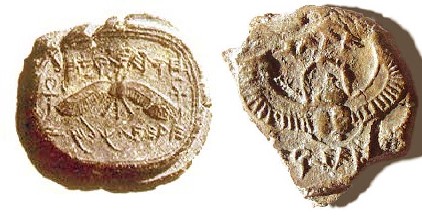
Picture pulling a clay seal out of the dirt after four thousand years underground, wiping away the grit, and realizing the symbols pressed into it exist nowhere else on the planet. Not on the seal next to it. Not on a tablet from the next village. Not in any museum drawer, any excavation report, any corpus anyone has ever compiled. Just this one object, holding a script that showed up once and then simply stopped.
That’s the unnerving part historians don’t love to advertise: writing didn’t always spread the way the textbooks imply. Sometimes it stayed put, locked inside a single workshop, a single official’s desk, a single moment in time. These ten seals are the proof, and a few of them are strange enough to make you question everything you assumed about how ancient scripts actually traveled.
#1 – The Cycladic Seal That Shouldn’t Exist Yet
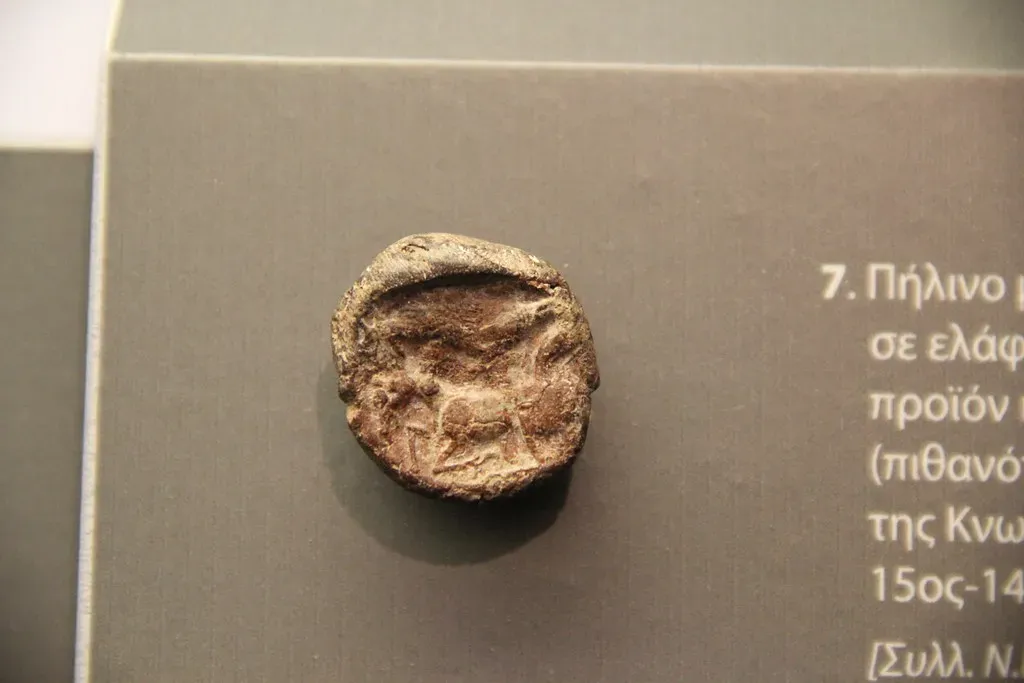
Archaeologists recently pulled two seal impressions off a storage vessel from the Early Bronze Age Cyclades, and the timing alone is a problem. These predate every known Aegean script by centuries. The symbols aren’t scattered decoration either. They line up in three tidy horizontal bands, leaf shapes and spirals and geometric forms arranged with the kind of discipline you’d expect from actual text, not doodling.
Here’s the part that stops researchers cold: nothing like it exists anywhere else. Not on other Cycladic pottery, not on mainland sites from the same window of time. The second impression is looser, more ornamental, mixing triangles and meander patterns, yet it still refuses to match anything in the wider record. Whatever this island was experimenting with, it apparently kept the idea to itself.
#2 – The Borderland Seal That Broke Indus Rules
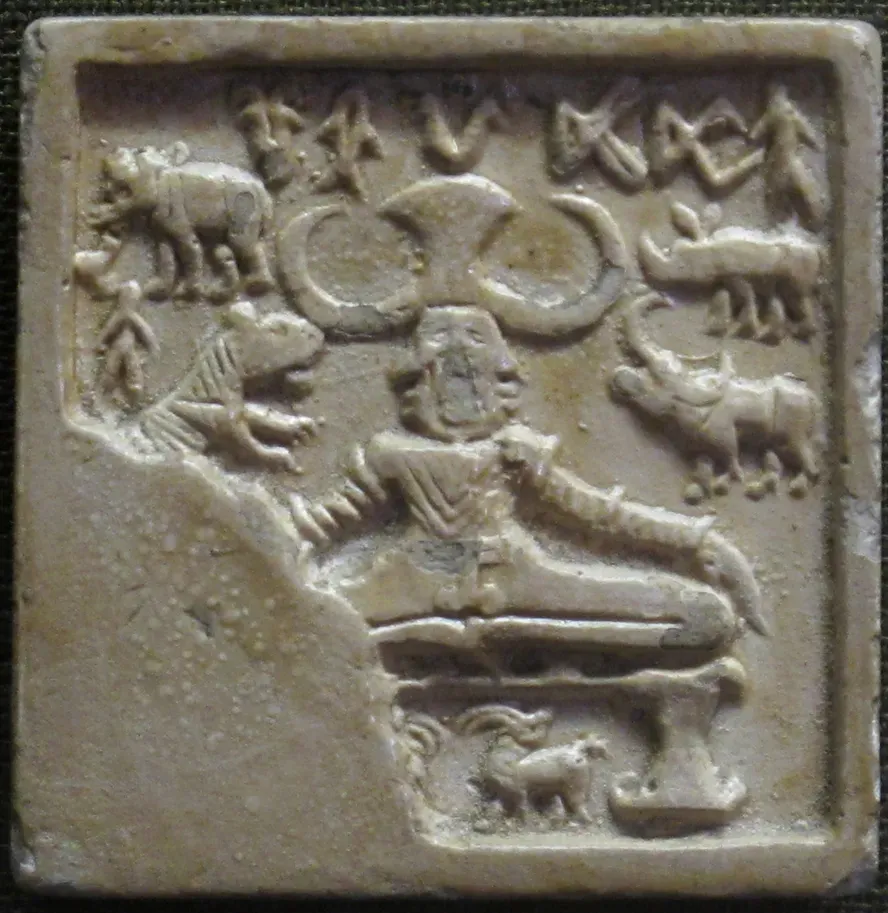
Out in Turkmenistan, at a site called Altyn-depe, someone carved a stamp seal using two signs straight out of the Indus script. That part isn’t shocking on its own. What is shocking is the arrangement: an elephant motif paired with an eight-sign inscription in an order that has never once turned up inside the Indus Valley itself, where thousands of seals have been catalogued.
Think about what that means. A scribe hundreds of miles from the Indus heartland took familiar symbols and rearranged them into something new, something that never made it back home or spread anywhere else along the trade routes. Most Indus material sticks tightly to the core valley, which makes this lone outlier feel almost like graffiti from a frontier office nobody else ever visited.
Fast Facts
- Site: Altyn-depe, southern Turkmenistan
- Signs used: two authentic Indus script characters
- Inscription length: eight signs plus an elephant motif
- Matching layout inside the Indus Valley itself: zero, out of thousands of cataloged seals
#3 – The Nearly-Extinct Script Iran Kept To Itself
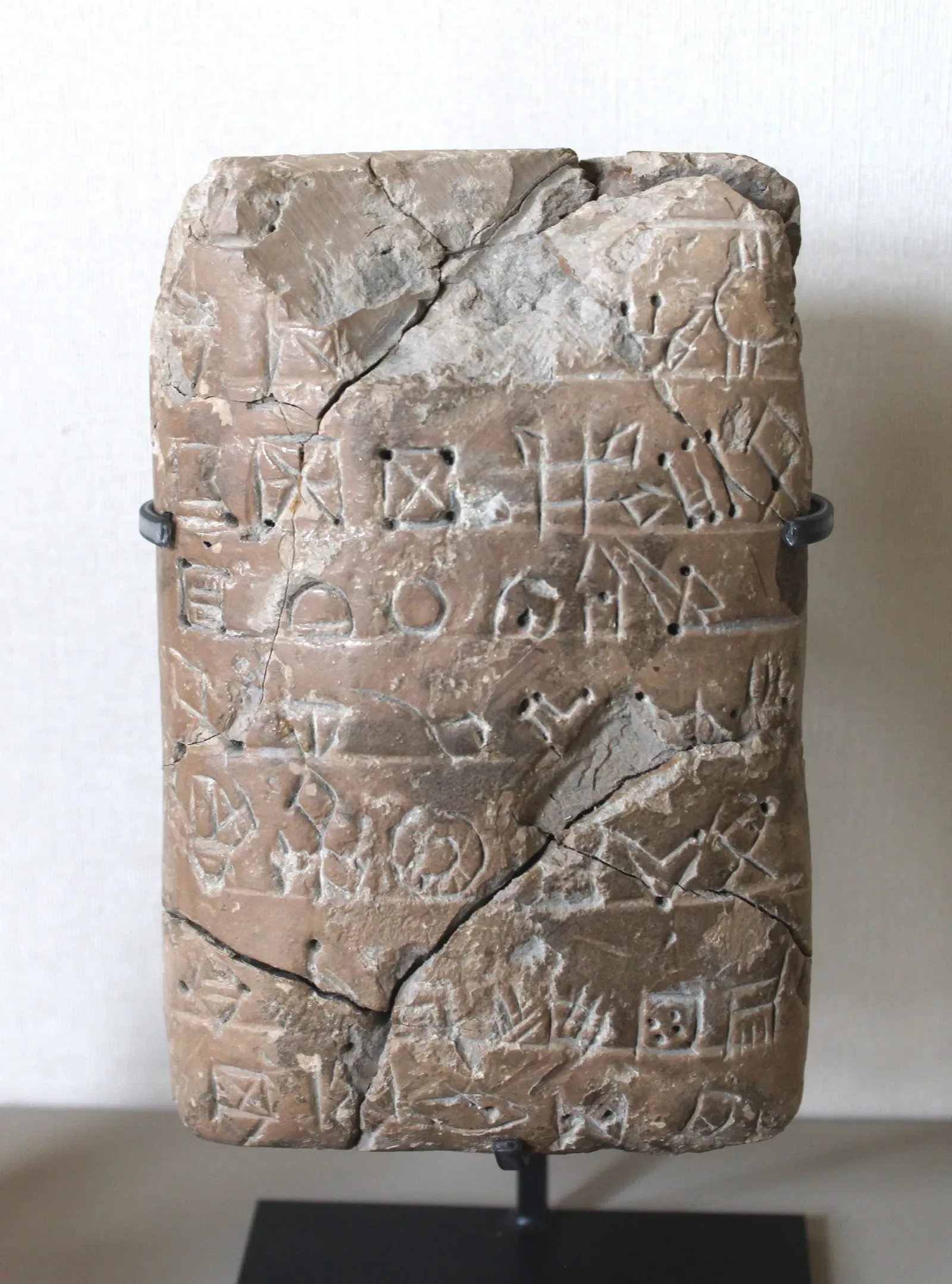
Linear Elamite is one of the loneliest writing systems ever recovered. Fewer than forty texts survive in total, and the ones stamped onto seals are some of the most isolated examples of all. The signs themselves look almost defensive, diamonds, triangles, and jagged lightning-bolt strokes that refuse any easy comparison to Mesopotamian cuneiform or Indus script.
Scholars now believe this script grew up entirely on its own inside Elamite territory in southwestern Iran, with almost no export beyond its home turf. That’s a strange kind of confidence for an ancient bureaucracy to have, building an entire writing system and then barely bothering to share it with anyone outside the neighborhood.
#4 – The Minoan Seals With Sign Combos Nobody Repeated
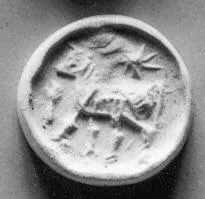
Cretan hieroglyphic script shows up across plenty of Minoan objects, so at first glance it looks like a normal, widely circulated system. Dig into the individual seals, though, and specific sign combinations start looking suspiciously personal, tied to one findspot or one workshop and nowhere else in the entire Aegean corpus.
The hardstone seals from northern Crete are the clearest case. Their pictographic clusters don’t match anything from southern Crete, and they don’t reappear later in Linear A either. That pattern points to something more intimate than administrative record-keeping, possibly personal naming conventions that a single family or workshop invented and never bothered exporting.
#5 – The Tiny Kingdoms That Refused To Write Like Their Neighbors
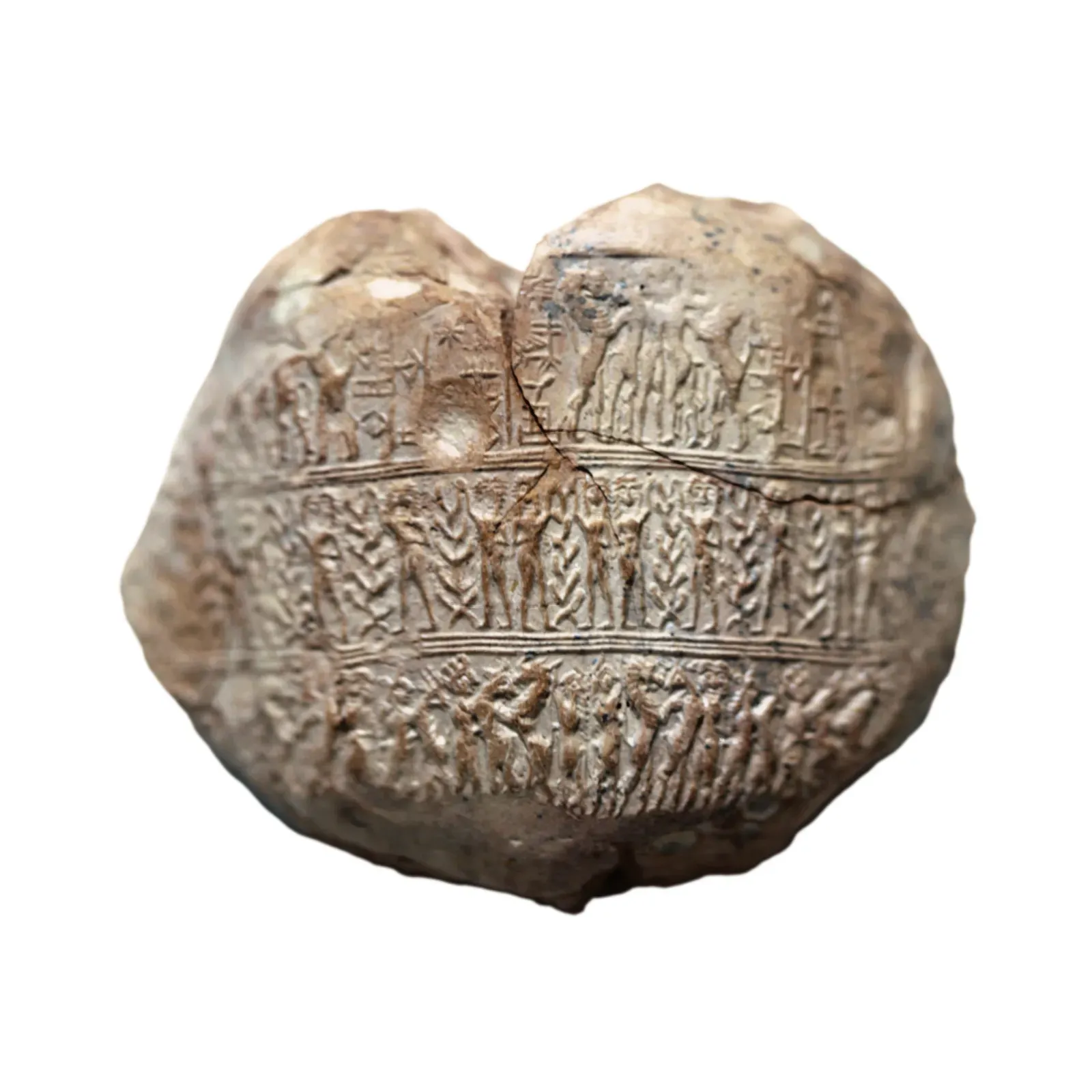
Ammonite, Moabite, and Edomite seals sit right next to Hebrew seals in the broader Northwest Semitic world, sharing a region, a rough time period, and a general alphabet. Yet several of these small stamps carry letter forms and name elements that appear nowhere else in the entire corpus, not even in the well-documented Hebrew material sitting a short walk away.
These weren’t massive kingdoms with sprawling bureaucracies. They were small polities, and it shows in the writing. Each one seems to have developed its own micro-habits for sealing documents and naming officials, a kind of regional dialect in ink and clay that never synced up with its bigger neighbors.
Quick Compare
- Hebrew seals: consistent letterforms and shared naming formulas across many sites
- Ammonite seals: distinct letter shapes tied to one kingdom’s officials
- Moabite seals: unique name elements with no equivalent in Hebrew material
- Edomite seals: rare finds, each carrying its own scribal quirks
#6 – The Royal Seal Buried In A Single Administrative Pocket
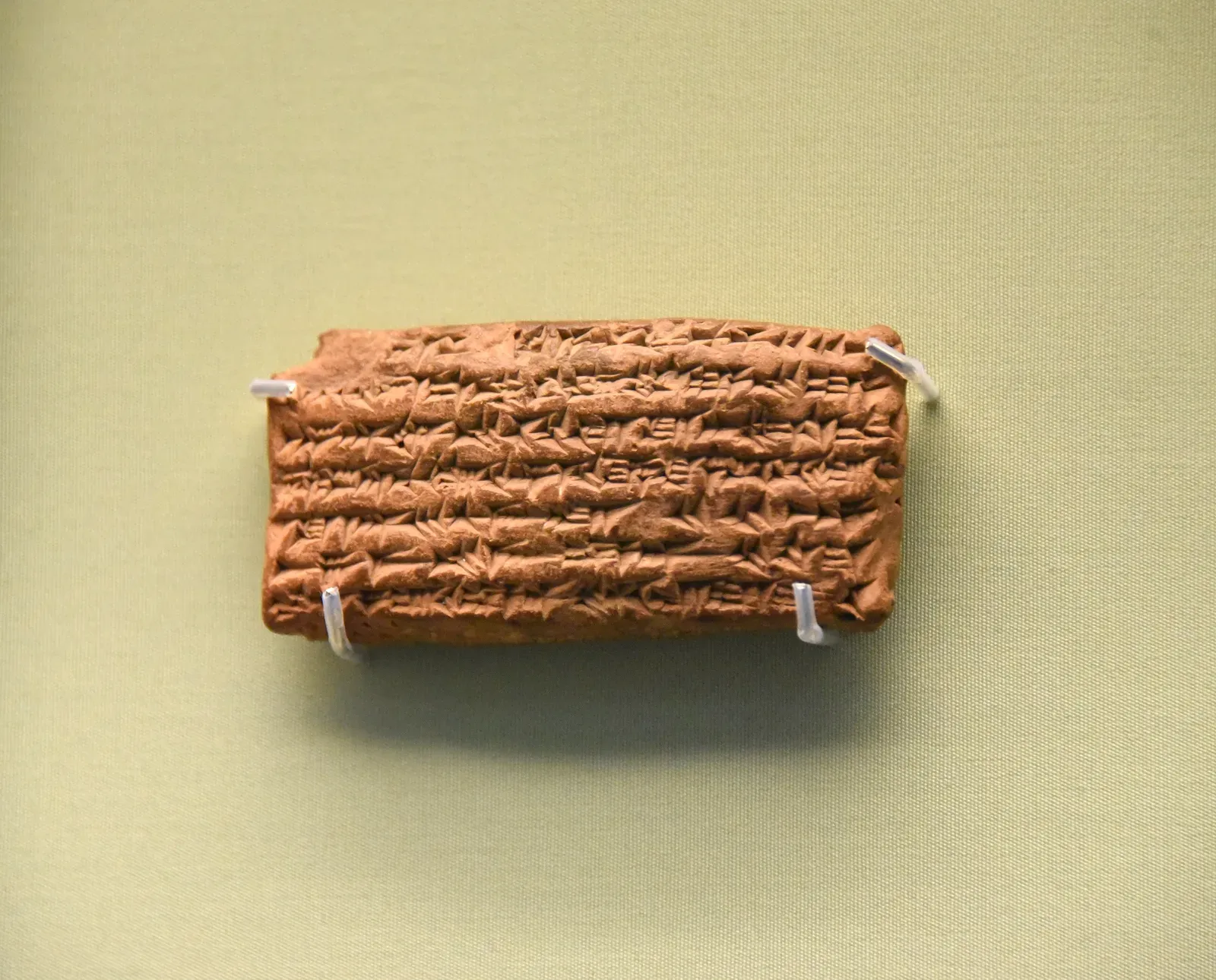
A fired-clay seal recently surfaced in Tajikistan, and it’s a small showpiece: a six-centimeter circular field packed with a king’s bust, mountain goats, geometric framing, and a Bactrian inscription running through the whole composition. Nothing else from the Kushan period matches this exact combination of text and imagery.
Specialists suspect it marked a specific royal official or local ruler operating in one administrative pocket of the empire, and that pocket apparently never talked to anyone else’s seal-carvers. For an empire that stretched across huge distances, this kind of total isolation is a reminder that Kushan bureaucracy wasn’t nearly as uniform as the maps suggest.
#7 – The Motifs That Became Cuneiform Before Cuneiform Existed
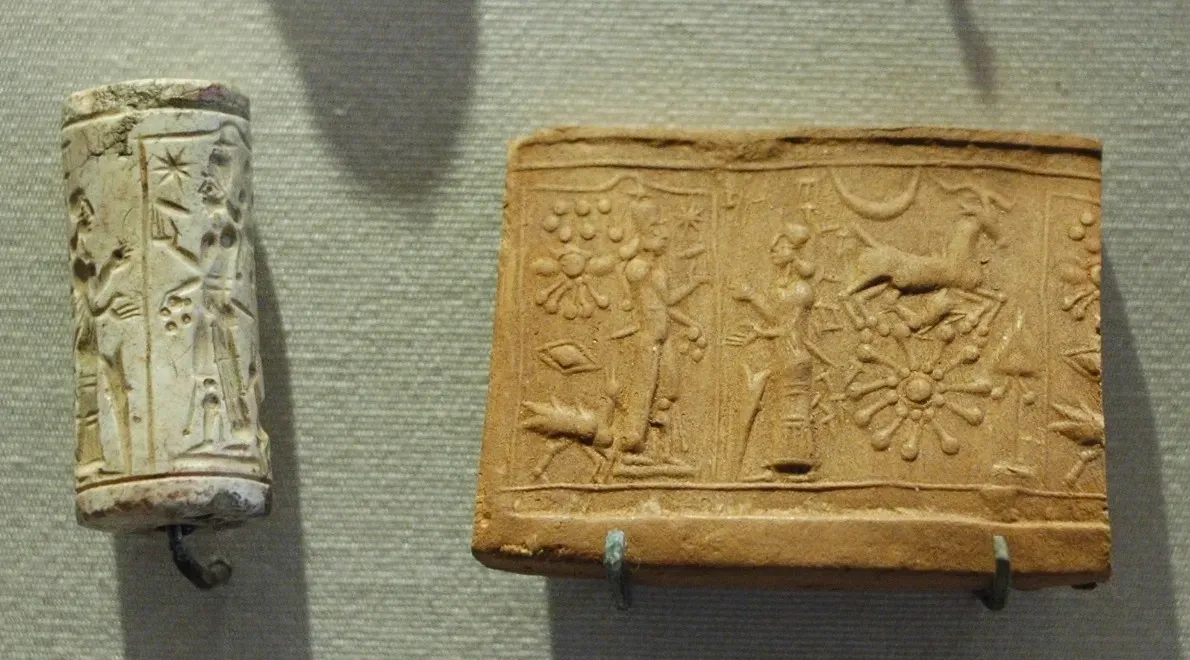
Long before proto-cuneiform became an actual writing system, certain images were already circulating on seals across Southwest Asia: a pole tangled in a net, a vessel wrapped in netting. These pictures eventually hardened into standardized signs. But the specific seal versions carrying them stayed confined to their own local assemblages, never spreading as widely as the writing system they helped create.
That’s the quiet twist here. The ancestor images that eventually became a regional script were themselves hyper-local, clustered in narrow Late Chalcolithic pockets. The script went on to conquer the region. The seals that seeded it never left home.
Worth Knowing
- Pole-and-net and vessel-and-net images circulated before proto-cuneiform existed
- These images later hardened into standardized cuneiform signs
- The original seals stayed clustered in narrow Late Chalcolithic pockets
- The script eventually spread regionally; the founding seals never did
#8 – The Judean Bulla That Broke Its Own Kingdom’s Formula
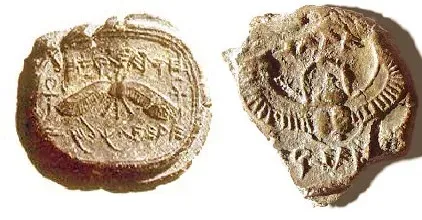
Among the thousands of 8th-century BCE Hebrew bullae recovered from Judean sites, a small handful carry phrasing that simply doesn’t recur anywhere else in the corpus. The famous “Shema servant of Jeroboam” bulla is the standout example, an object using paleo-Hebrew conventions in a way nothing else from the period quite matches.
These outliers usually trace back to specific royal or temple contexts, small pockets of officialdom that left no wider trail once their moment passed. It’s a quiet correction to the assumption that an entire kingdom wrote the same way. Even inside a centralized monarchy, scribal habits could stay stubbornly local.
#9 – The Phoenician Seals That Named Names No One Else Used
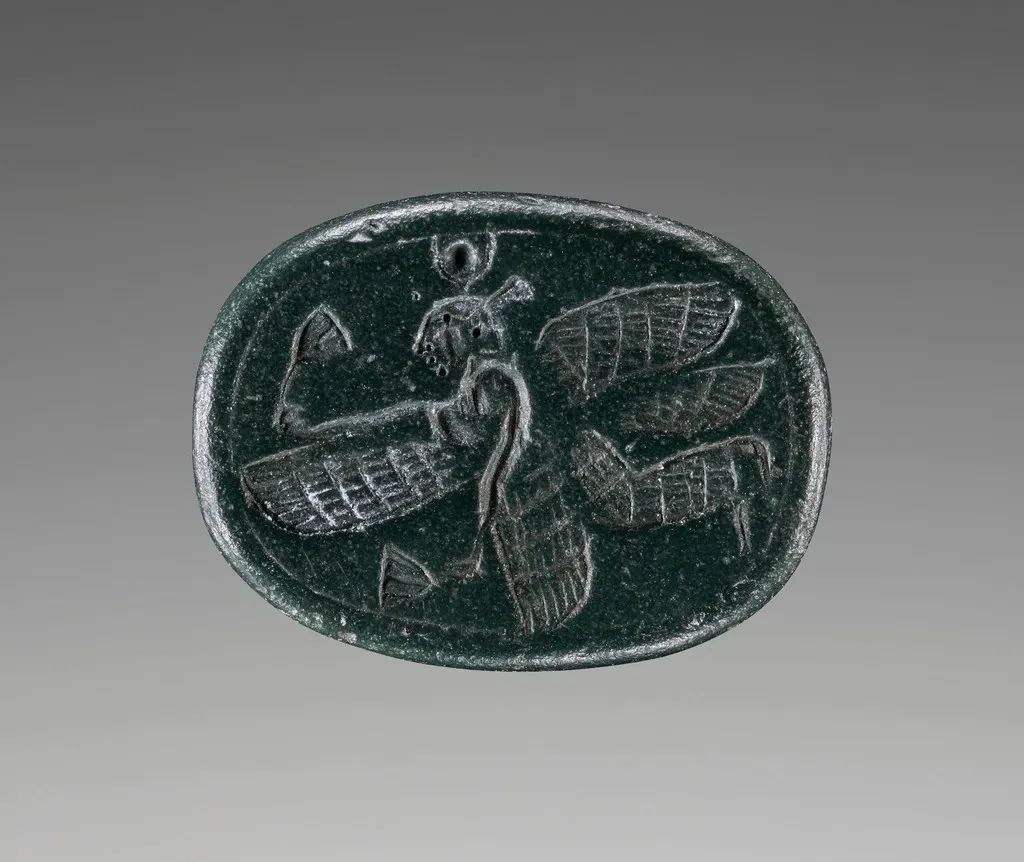
Phoenician and Aramaic seal-carvers usually followed recognizable patterns, but a subset of these seals pair names and titles in combinations that have no parallel anywhere in the published West Semitic corpus. These look like family or professional identifiers built for a specific circle of people, never meant to circulate beyond it.
Compare that to the more standardized formulas common on Hebrew seals from the same broader world, and the contrast gets sharper. It suggests the region was far more fragmented in its writing habits than the tidy narrative of a shared West Semitic scribal culture usually allows for.
At a Glance
- Phoenician and Aramaic seals generally follow recognizable naming patterns
- A subset pairs names and titles found nowhere else in the West Semitic corpus
- These likely served one family or professional circle rather than the wider public
- Hebrew seals from the same era show noticeably more standardized formulas
#10 – The Palace Seals That Never Left The Palace
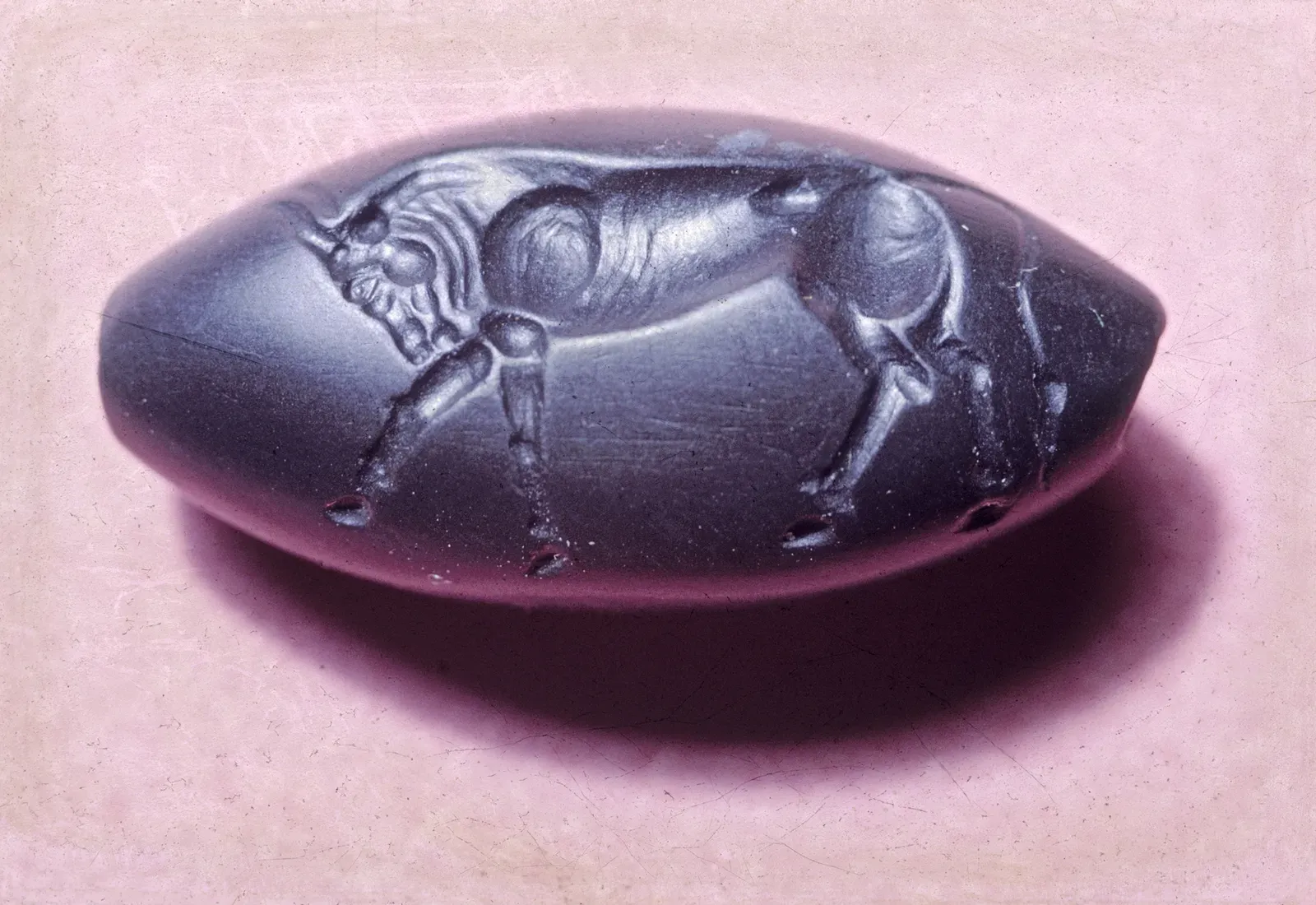
Rounding out the list are a few Minoan and early Mycenaean seals carrying inscriptions or symbol clusters that appear nowhere else in the entire Aegean glyptic record. They mix script signs with imagery in ways tied to specific palace workshops or particular elite individuals, the kind of detail that only makes sense if the seal was made for one person’s use.
Thousands of Aegean seals survive today, which makes the rarity of these particular combinations even more telling. Somewhere inside a Bronze Age palace, someone invented a way of marking authority that never scaled beyond their own workshop walls, and then it simply disappeared with them.
Line all ten of these up and a pattern starts to feel less like coincidence and more like a rule historians have been reluctant to admit: ancient writing didn’t spread evenly, and it definitely didn’t spread fairly. It moved in fits and starts, got hoarded by single workshops, and sometimes died with the one official who understood it. The tidy regional maps in textbooks flatten all of that mess into smooth arrows and shared traditions, but the seals themselves tell a messier, more human story: full of bureaucrats improvising, families branding their own names, and island craftsmen inventing symbol systems that nobody else ever got to see. If anything, that’s the more interesting version of history. Standardization is boring. These one-off scripts are the moments someone was actually thinking for themselves.