Every textbook, every documentary voiceover, every museum placard leans on the same quiet assumption: once a radiocarbon date gets published, it’s carved in stone. Science settled it. Case closed.
Except it isn’t. Over and over, headline-making dates that pushed human history back thousands of years have quietly collapsed under re-testing – sometimes by a decade, sometimes by ten thousand years. Contamination, sloppy lab prep, and stray old carbon sneaking into samples have forced archaeologists to walk back some of their boldest claims, one site at a time.
The corrections almost never make headlines the way the original discoveries did. Nobody issues a press release announcing that a famous “Ice Age” settlement is actually thousands of years younger than advertised. But the paper trail is there, and it tells a story most people never hear – the story of how archaeology quietly polices its own mistakes. Here are 23 dates that didn’t survive a second look.
#1 – Monte Verde’s 14,500-Year-Old Settlement That Wasn’t
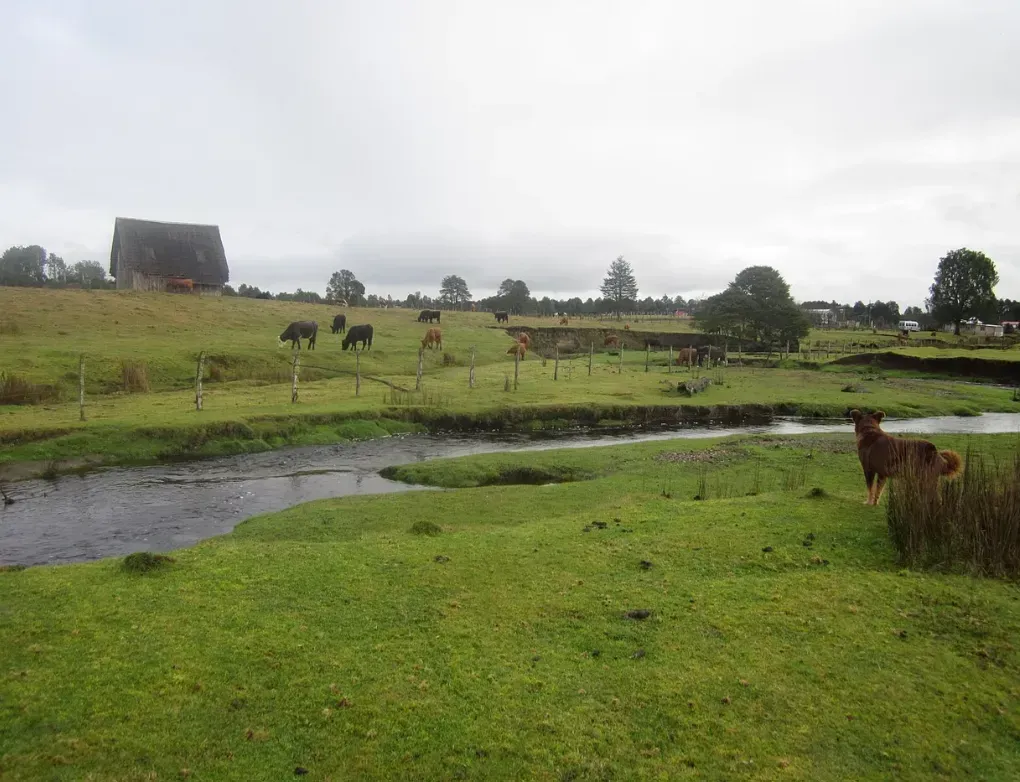
For decades, Monte Verde in southern Chile was the site that rewrote the peopling of the Americas. Researchers claimed humans were camped there at the height of the last Ice Age, roughly 14,500 years ago – a date that demolished the old “Clovis first” theory and made international news.
Modern radiocarbon and luminescence testing caught up with it. The revised ceiling for the site now sits around 8,200 years ago, squarely in the Middle Holocene. A tephra ash layer dated to roughly 11,000 years ago sits beneath the cultural material, physically blocking the older claim, and the original dates turn out to have leaned almost entirely on one research group with little independent replication.
Fast Facts
- Original claimed age: roughly 14,500 years ago
- Revised ceiling: around 8,200 years ago, in the Middle Holocene
- A tephra ash layer dated to ~11,000 years ago physically blocks the older claim
- Original dates relied almost entirely on one research group, with little outside replication
#2 – The Mantle Site’s Century-Long Time Slip
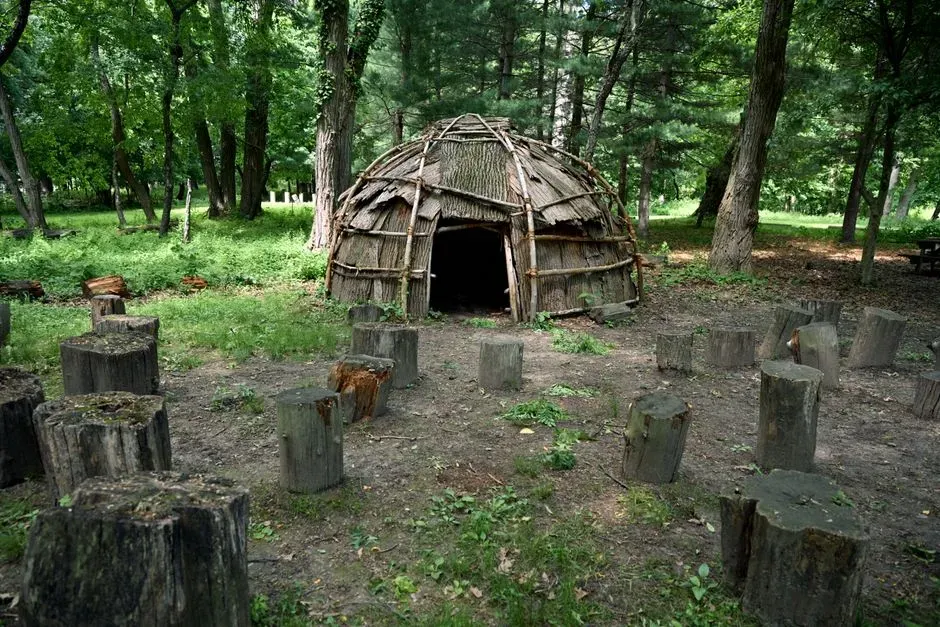
Archaeologists once placed this major Ontario Iroquoian village between 1500 and 1530, based mostly on how few European trade goods turned up in the soil. Fewer beads and metal fragments, the old logic went, meant an earlier date, before European contact took hold.
Fresh radiocarbon testing on short-lived organic samples blew that logic apart. The real occupation window turns out to be 1586 to 1623, with the likeliest range narrowing to 1599–1614 – as much as a full century later than assumed. Absence of trade goods didn’t mean the village was old; it just meant those particular networks hadn’t reached it yet.
#3 – The Draper Site’s Forgotten Century
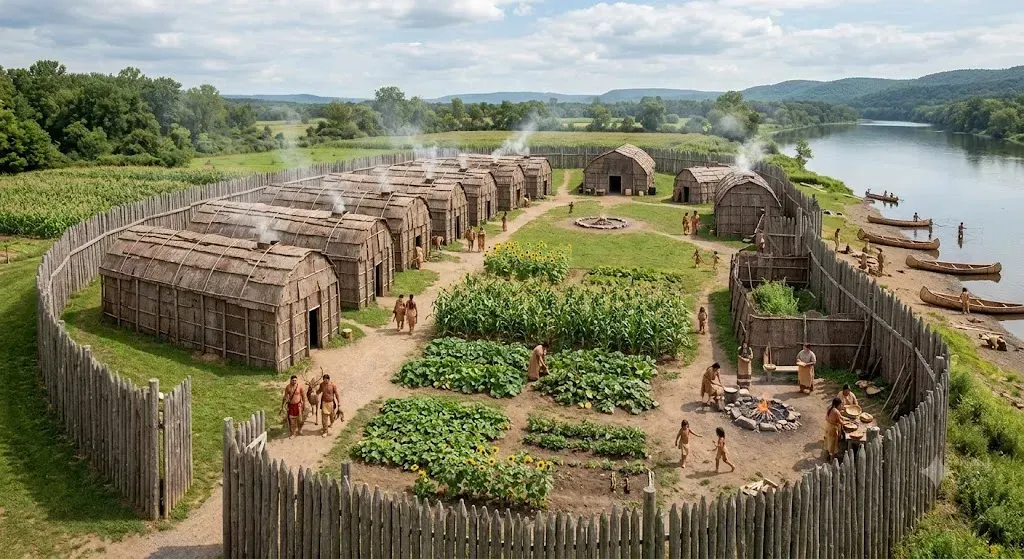
Draper was long taught as a settlement from the second half of the 1400s, one of the earlier chapters in Ontario’s Iroquoian story, back when villages were supposedly smaller and less fortified.
Radiocarbon results now place it between 1521 and 1557 – pushing the site more than 50 years forward and forcing a rethink of when large, fortified communities actually emerged. Similar corrections keep surfacing at other ancestral Wendat sites lacking abundant trade goods, compressing what looked like centuries of gradual conflict and consolidation into a much tighter window in the mid-1500s to early 1600s.
#4 – New Zealand’s Phantom Early Settlers
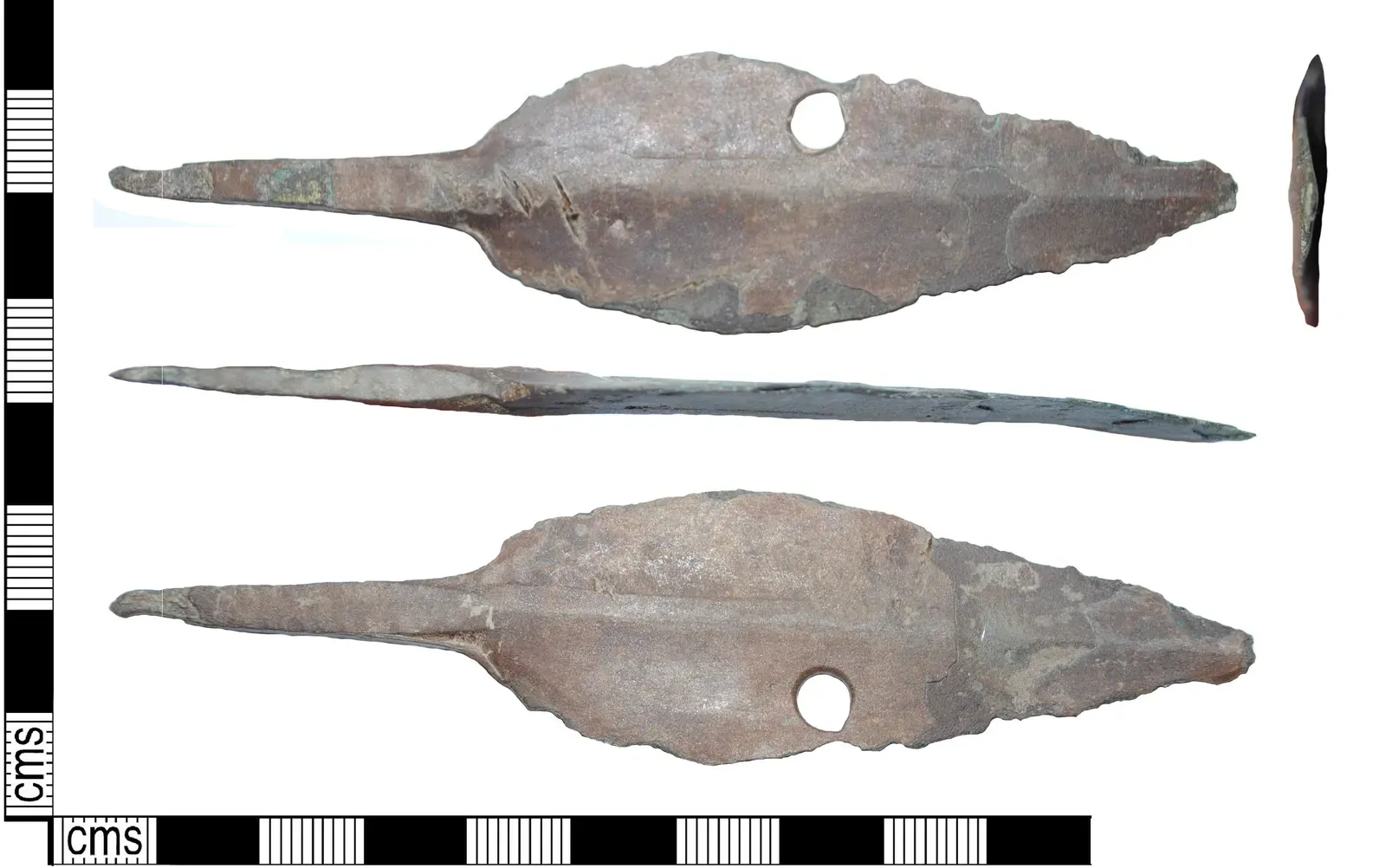
Early rat bone dating suggested Polynesian voyagers reached New Zealand well before 1250 CE, adding centuries to the accepted settlement story and hinting at an earlier, undocumented wave of arrival.
Re-testing with better pretreatment exposed the flaw: old carbon from the rats’ diet, plus outright contamination, had inflated the ages. Once labs cleaned up the method, reliable dates on rat-gnawed seeds clustered after 750 years ago, lining up neatly with the ecological upheaval – deforestation, extinction spikes – that actually marks humans showing up.
#5 – Western Canada’s Ice Age Sites That Vanished
For years, several sites in Yukon and Alberta carried radiocarbon ages of 24,000 to 26,000 years, seemingly proving humans were living in North America during an interstadial window deep in the last Ice Age.
Modern AMS re-dating returned non-finite results – essentially too old for radiocarbon to measure at all – or ages so different they collapsed the original claim entirely. Younger carbon had contaminated the legacy samples and produced convincing but false “finite” ages. Four separate sites failed replication under stricter protocols, a blunt reminder that dates near radiocarbon’s outer limit deserve extra suspicion.
#6 – Bronze Age Spain’s Inflated Timeline
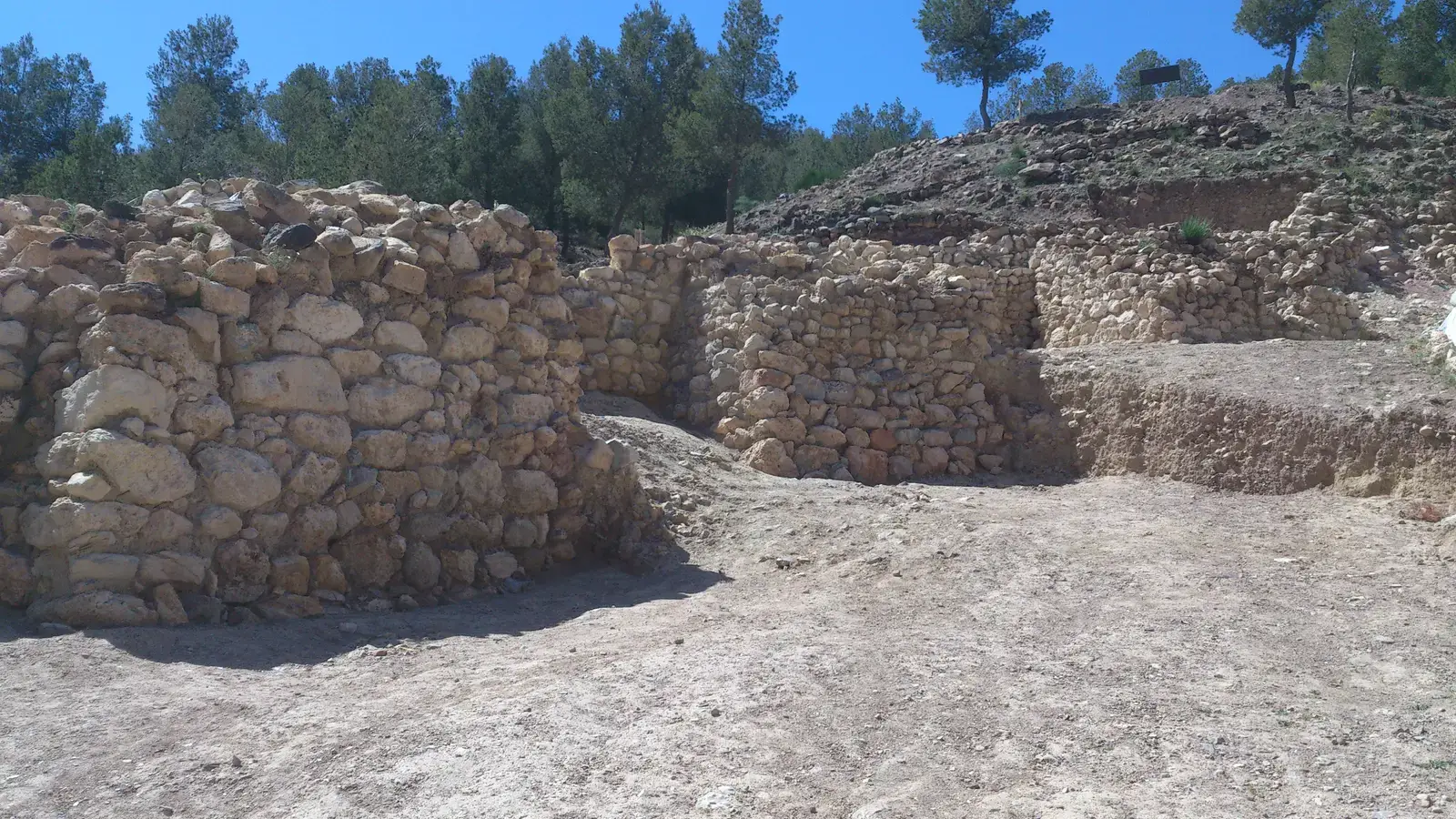
Some early collagen dates from sites like La Bastida in southeastern Spain appeared hundreds of years too old, seemingly pushing the region’s Bronze Age complexity back further than the pottery sequences ever suggested.
Repeat measurements at different labs produced results 200 to 600 years younger, and those numbers matched the ceramic chronology far better. Diagenetic changes and inconsistent pretreatment explained the gap, and in several cases the original Kiel lab results diverged sharply from later Mannheim runs on identical samples. It’s a clean example of why one lab’s number should never be treated as the final word.
#7 – The Southern Levant’s Iron Age Time Warp
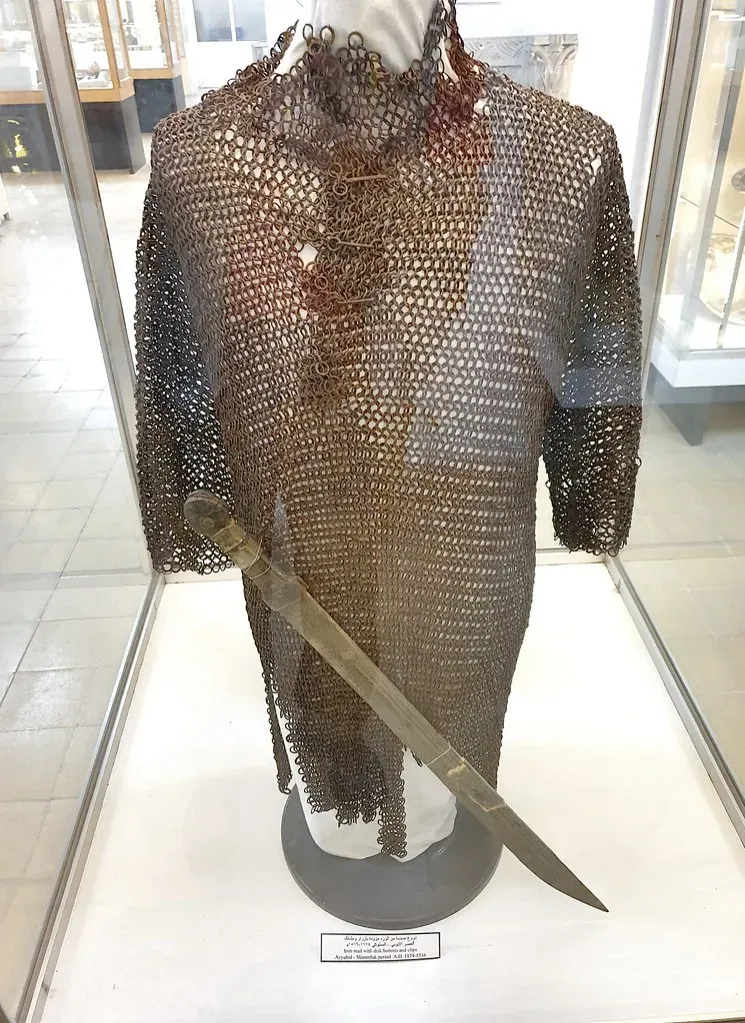
Regional radiocarbon offsets in the southern Levant can silently shift calibrated dates by several decades, a quirk that standard calibration curves don’t fully capture.
Accounting for those fluctuations moves some Early Iron Age ranges lower than the widely used IntCal13 curve predicts. High-precision comparisons between European and Mediterranean records reveal a recurring pattern of positive and negative offsets, and models built around the local signal produce more recent calendar ranges for key sites. It doesn’t overturn the sequence, but it does complicate the heated debate over the timing of the biblical United Monarchy.
#8 – The Santorini Eruption’s Moving Target
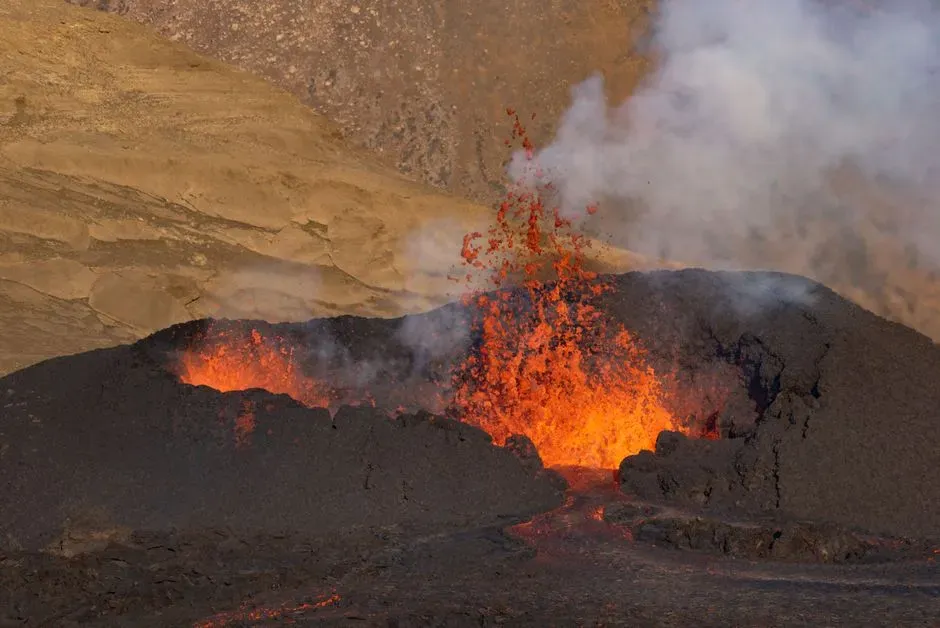
Wiggle-match models for the catastrophic Thera eruption once spread across wide, frustrating plateaus in the calibration curve, leaving a window of uncertainty that historians hated working around.
Adding stratigraphic priors and offset corrections narrows the possibilities and often favors placements slightly later, somewhere in the late 17th to early 16th century BCE. New data from carefully ordered olive wood sequences show how much a smart prior can shift the “most probable” answer. It’s a case study in how calibration plateaus can quietly amplify tiny lab differences into centuries of disagreement.
#9 – Egypt’s New Kingdom Loses a Decade

Seasonal growth differences in Egyptian plant samples produce small but consistent radiocarbon offsets that neutral calibration models don’t account for.
Revised models incorporating those seasonal shifts nudge some ruler accession dates slightly later than standard IntCal runs suggest. The effect is subtle on its own, but it compounds across a multi-century royal sequence. Combined with older legacy data, the adjustments stay modest – a decade or two – yet they still move certain historical anchors forward without overturning the broader high chronology.
#10 – Europe’s Palaeolithic Contamination Scandal
Many early Upper Palaeolithic dates suffered from modern carbon contamination that made ancient bones look far younger than they really were, muddying the timeline of Neanderthals and early modern humans across Europe.
Improved ultrafiltration and pretreatment techniques usually push those dates older – though in some legacy cases the opposite happened, and supposedly ancient results turned out to be artificially old instead. Roughly 70 percent of the oldest published dates in one review showed problems on re-testing. The lesson keeps repeating itself: dates sitting at the edge of what radiocarbon can measure need extra scrutiny, not extra confidence.
Worth Knowing
- Modern carbon contamination made many ancient bones look younger than they actually were
- Better ultrafiltration usually pushes dates older, not younger
- Roughly 70% of the oldest published dates in one review showed problems on re-testing
- Dates near radiocarbon’s outer measurable limit deserve the most scrutiny
#11 – Ontario’s Iroquoian Villages Keep Getting Younger

Multiple villages across the ancestral Wendat network were originally dated earlier simply because they lacked European trade goods in the archaeological record.
New radiocarbon campaigns consistently push those occupations 50 to 100 years later, and the pattern holds across site after site, not just an isolated case. Short-lived samples and Bayesian statistical modeling confirm the shift again and again. The net effect compresses what looked like a long, gradual pre-contact sequence into a shorter, much later window than generations of archaeologists assumed.
#12 – New Zealand’s Seeds Tell a Different Story Than the Bones Did
Rat-gnawed seeds initially gave mixed, confusing signals about when humans first reached New Zealand, muddying an already contested timeline.
Systematic re-testing changed that: every reliable example now post-dates 750 years ago, eliminating claims of a much earlier human presence. The Kaharoa tephra layer provided an independent geological marker confirming the younger cluster, while the earlier bone dates turn out to have suffered from inconsistent gelatin preparation. The revised arrival window finally lines up with the broader pattern of Pacific colonization instead of standing apart from it.
#13 – Mesopotamia’s Middle Chronology Wins the Argument
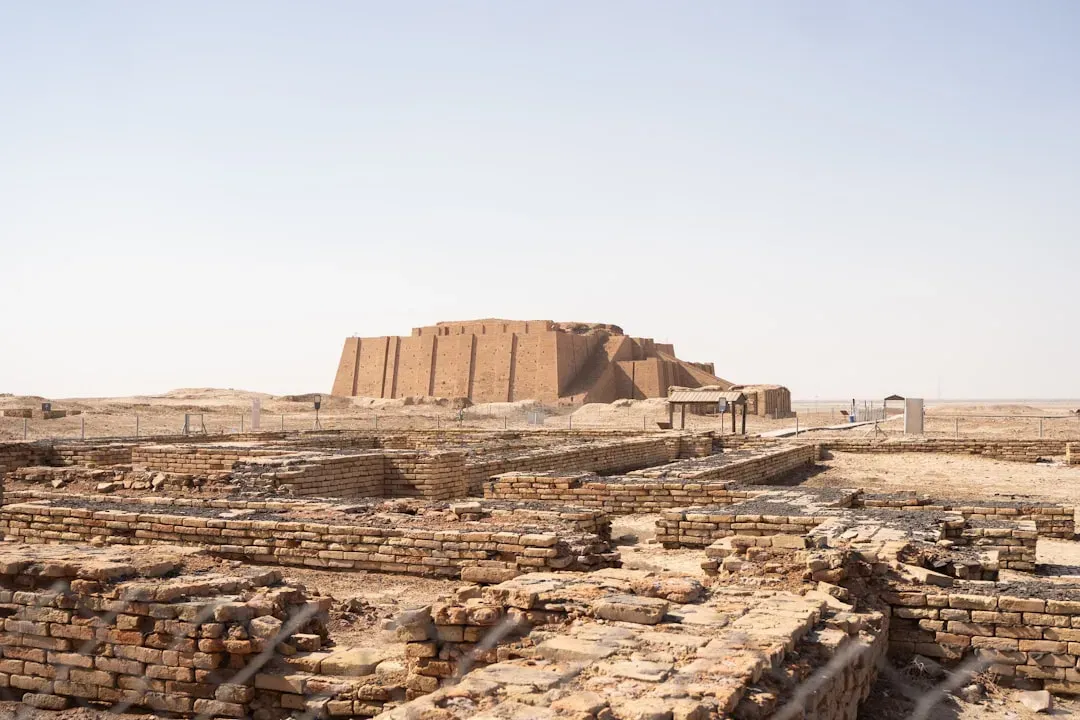
Tree-ring wiggle-matches at Kültepe and Acemhöyük in Anatolia have become the tiebreaker in one of ancient history’s longest-running fights – whether Mesopotamian chronology should run “high,” “middle,” or “low.”
Alternative high or low schemes keep producing inconsistencies against the radiocarbon sequence, while the middle chronology fits cleanly. The robust match narrows the debate to a window of roughly eight years, not centuries. Seasonal offsets and inter-lab differences were tested and found compatible with the middle placement, finally resolving synchronization headaches with Egypt and the Aegean.
Quick Compare
- High chronology: Produces inconsistencies against the radiocarbon sequence
- Middle chronology: Fits cleanly, narrowing the debate to roughly eight years
- Low chronology: Also fails to match the tree-ring and radiocarbon evidence
#14 – Ostrich Eggshells Have Been Lying to Archaeologists for Years
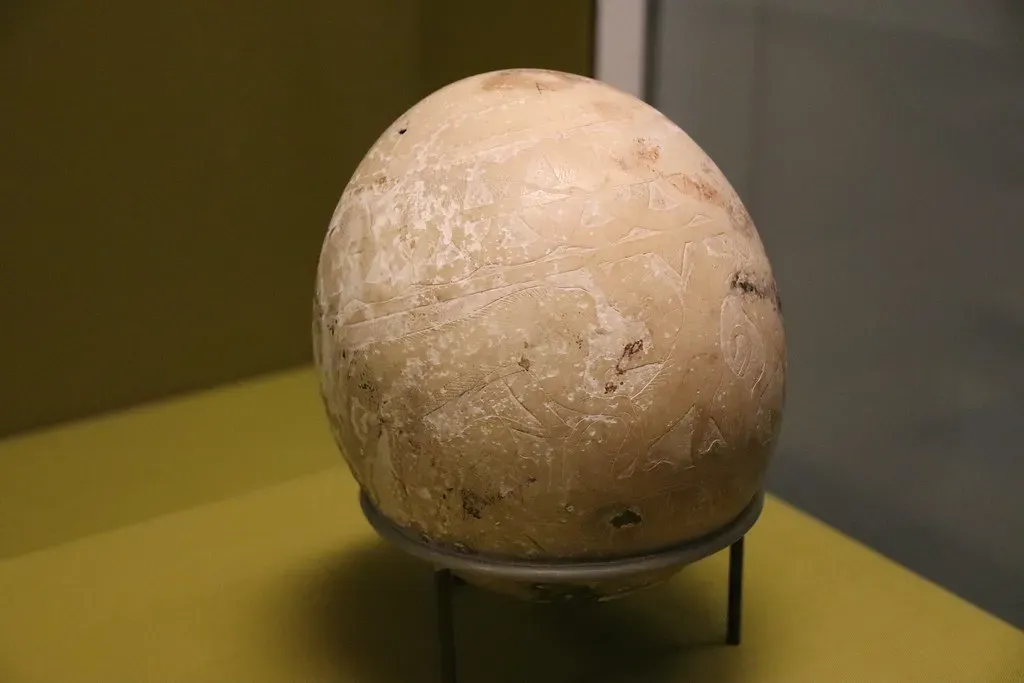
Ostrich eggshell dates frequently overestimate age by hundreds of years, a quiet problem caused by old carbon getting absorbed into the shell during formation.
Direct comparisons with charcoal or bone from identical contexts reveal systematic offsets averaging around 350 years at mid-Holocene sites. Diagenetic changes in hot, dry climates make the problem worse over time. Recent luminescence cross-checks confirm the overestimate, and archaeologists now treat eggshell dates with real caution or apply regional correction factors before trusting them.
#15 – The Glycerol Contamination Nobody Noticed
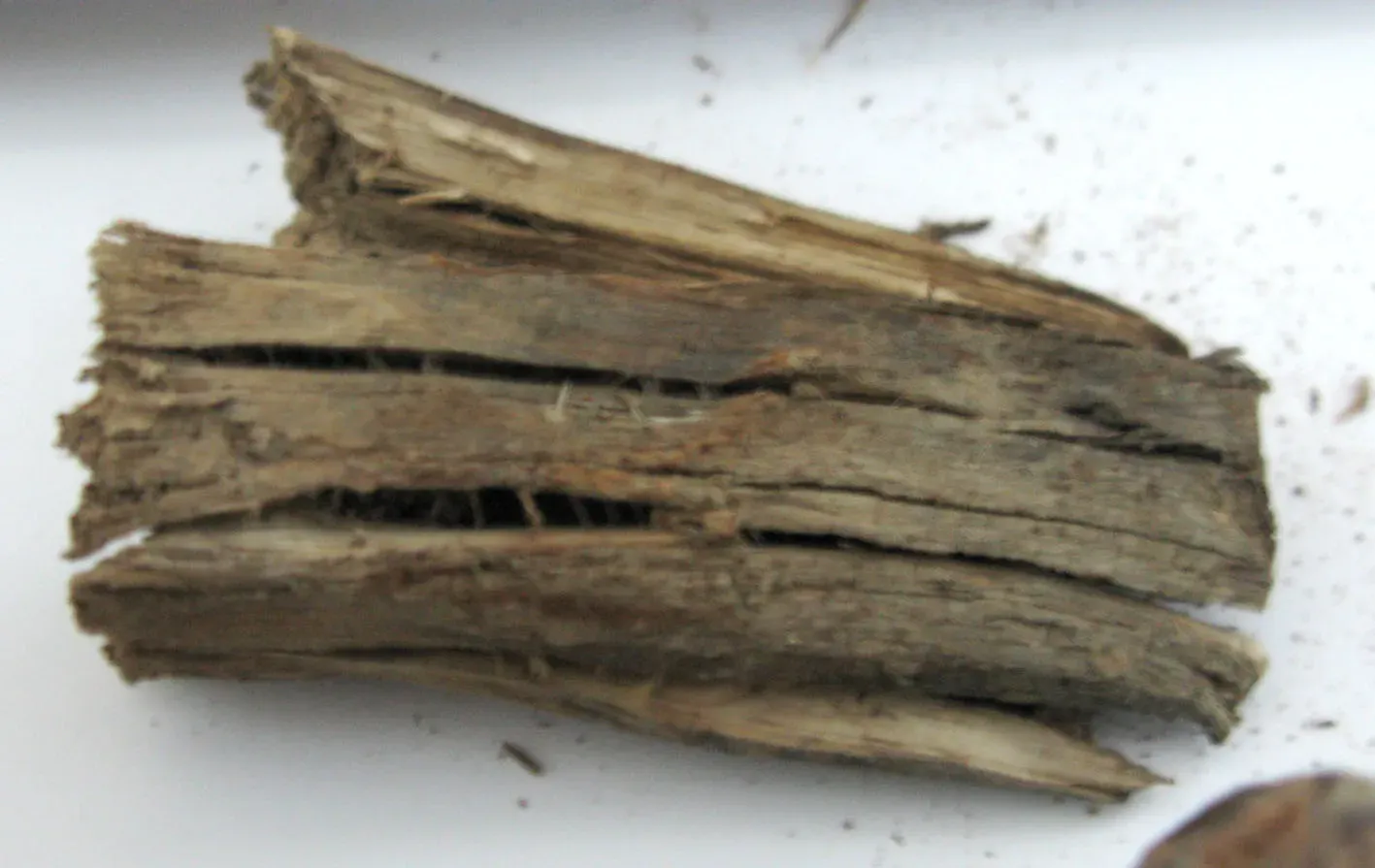
Oxford radiocarbon dates from the early 2000s on certain bone samples carried a hidden contaminant: glycerol, introduced during a specific ultrafiltration process before anyone realized the problem existed.
Re-dating those samples revealed offsets of centuries to millennia, with the original results usually skewing too young. Many published ages from that era now require re-evaluation because of this single procedural flaw. Modern protocols have since eliminated the contaminant entirely, but it’s a sobering example of how one overlooked lab step can quietly distort an entire generation of published chronology.
#16 – Western Canada’s Rejected Ice Age Claims, Round Two
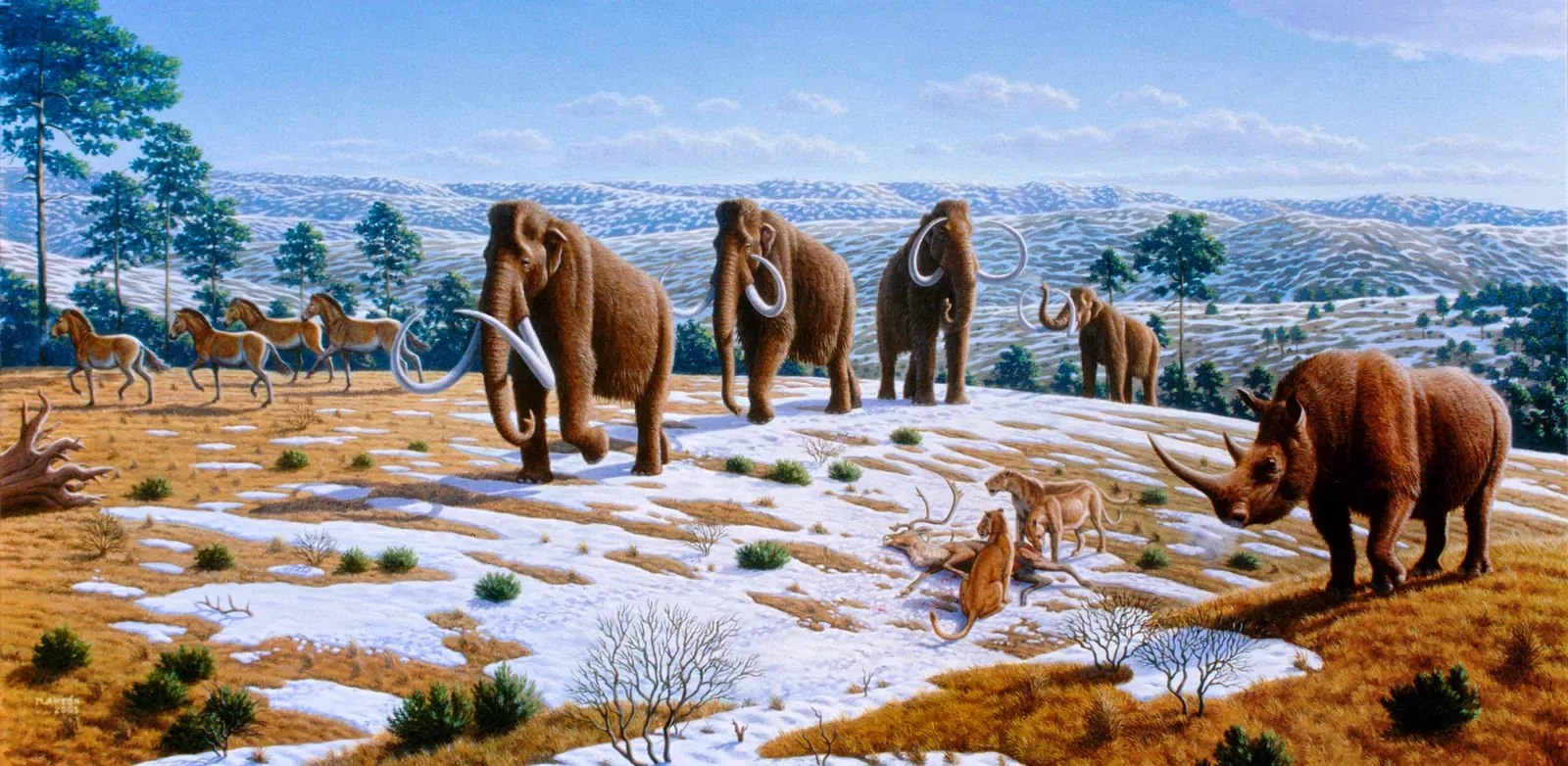
Four sites in western Canada with published Middle Isotope Stage 3 ages simply failed to hold up when researchers went back and tried to replicate them.
New AMS runs returned non-finite or background-level ages, removing these sites entirely from models of interstadial human occupation. Minute amounts of younger carbon contamination had created misleadingly finite dates in the original legacy work. Stratigraphic and taphonomic review further undermined the old claims, reinforcing the case for manually re-checking older radiocarbon compilations rather than citing them at face value.
#17 – The Levant’s Calibration Curve Problem, Revisited
Fluctuating offsets between the standard IntCal curve and southern Levant records shift some Iron Age ranges noticeably lower, and the differences show up repeatedly across probability intervals.
High versus low chronology debates – a rivalry that’s consumed entire academic careers – feel this impact most acutely. Models that allow for the regional offset favor more recent calendar dates across multiple intervals. It’s a small effect on paper, but in arguments where a single decade decides which king built which wall, small effects matter enormously.
#18 – Bronze Age Bones That Gave Five Different Answers
Repeated extractions on the exact same Bronze Age samples produced radiocarbon dates differing by as much as 500 years – a gap large enough to rewrite an entire historical narrative on its own.
Later runs at different labs consistently returned younger results that aligned far better with the stratigraphy on the ground. Variable pretreatment efficiency explains most of the scatter, and the same pattern showed up across multiple Western Mediterranean contexts, not just one unlucky site. Single-extraction results now routinely face demands for independent verification before anyone treats them as settled.
#19 – How a Lab Technique Accidentally Aged New Zealand’s Rats by 1,000 Years

Early lab series on New Zealand rat bones showed systematic age inflation that puzzled researchers for years, hinting at settlement dates that never quite made sense.
Later processing improvements produced younger, far more consistent results across every site tested. Blind tests demonstrated that subtle pretreatment differences alone could shift ages by more than 1,000 years – an almost unbelievable margin for a supposedly precise science. Independent seed dating confirmed the revised, younger cluster, closing the loop on one of archaeology’s stranger lab-driven errors.
#20 – Egypt’s Middle Kingdom Finally Gets Its Number Confirmed

New radiocarbon series combined with known reign lengths now firmly support the “high” chronology for Egypt’s Middle Kingdom, an argument that had simmered for decades.
Low chronology placements fall entirely outside the 95 percent probability range, effectively ruling them out. Seasonal offset tests produce only minor shifts within the high framework, and the combined model achieves a level of precision rarely seen in Bronze Age Egyptology. For once, a long-running chronological fight closes not with more speculation, but with hard data.
#21 – The Olive Trees That Pinned Down a Volcano

Ordered growth-ring sequences from olive shrubs on Therasia, buried by the Santorini eruption, intersect calibration plateaus in a way that finally offers real precision.
Informed priors narrow the eruption window and often favor placements slightly later than unconstrained models suggested. Small laboratory differences get amplified across these plateaus, which is exactly why the exercise matters: it shows how stratigraphic constraints can rescue a date that would otherwise be a coin flip across two centuries.
#22 – Ontario’s “Age of Conflict” Just Got a Century Shorter
Radiocarbon revisions push key fortified Iroquoian sites a full century later than the conventional estimates archaeologists relied on for generations.
The shift moves the archaeological evidence of rising conflict and defensive village-building into the mid-16th century, not the 1400s. Multiple villages show the same 50-to-100-year adjustment, and European goods at a handful of sites help anchor the new, tighter ranges. The compressed sequence rewrites the narrative of pre-contact social change from a slow burn into something closer to a rapid shift.
At a Glance
- Key fortified Iroquoian sites now dated a full century later than once assumed
- Rising conflict and defensive villages now trace to the mid-1500s, not the 1400s
- Multiple villages show the same 50-to-100-year adjustment
- European trade goods at some sites help anchor the tighter, revised ranges
#23 – The Pattern Underneath All 22 Corrections
Across dozens of cases spanning five continents and ten thousand years, the same story keeps repeating: original dates that looked too old get revised downward once independent labs and modern methods get a second crack at them.
Contamination, regional calibration offsets, and evolving lab protocols drive nearly every correction on this list. The most striking part isn’t any single date – it’s how often a single lab or a single legacy result diverged sharply from what later became consensus. Archaeologists increasingly treat a freshly published date as a hypothesis to be tested, not a fact to be memorized, and that shift in attitude is arguably the most important discovery of all.
The Bottom Line
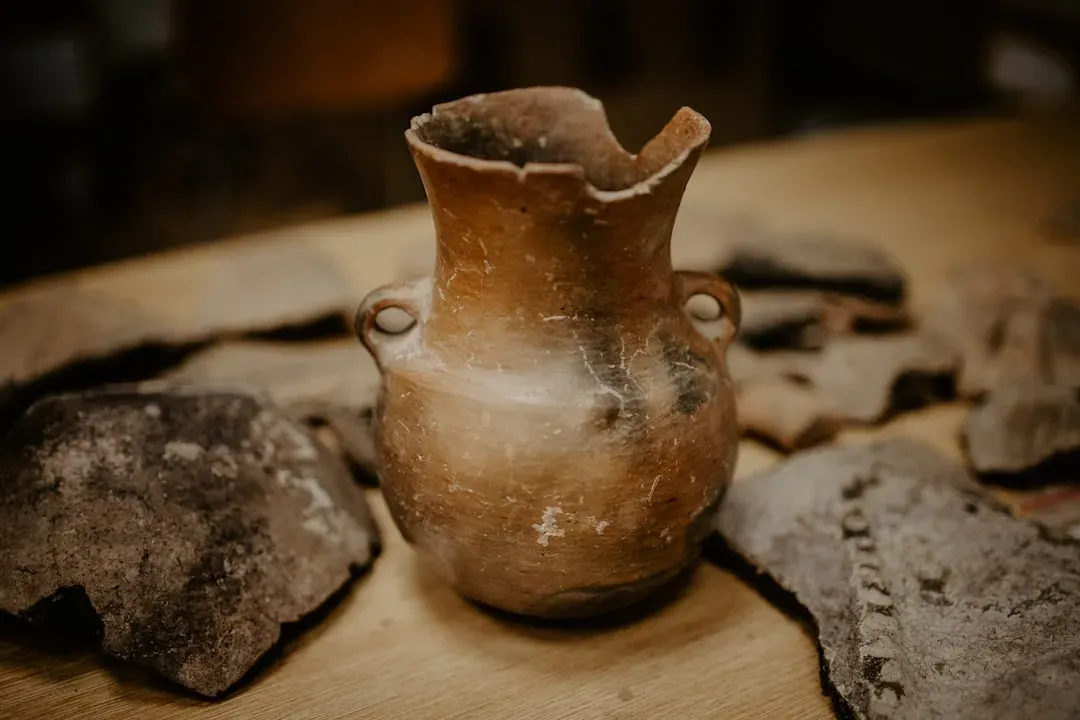
Dozens of archaeological dates have been revised downward after original results refused to replicate, and the pattern is too consistent to dismiss as bad luck. Monte Verde, Ontario’s Iroquoian villages, New Zealand’s earliest rats, and a string of Mediterranean and European sites all tell the same version of the same story: initial ages skewed too old, then corrected forward by decades or millennia once better methods and independent labs actually checked the work.
Here’s the opinion part: this isn’t a scandal, it’s science functioning exactly as it should – slowly, stubbornly, and without much patience for a headline that can’t survive a second lab. The real red flag isn’t that dates get revised. It’s when a single dramatic number sits unchallenged for decades simply because it made a better story. Did we miss one? Drop it in the comments.