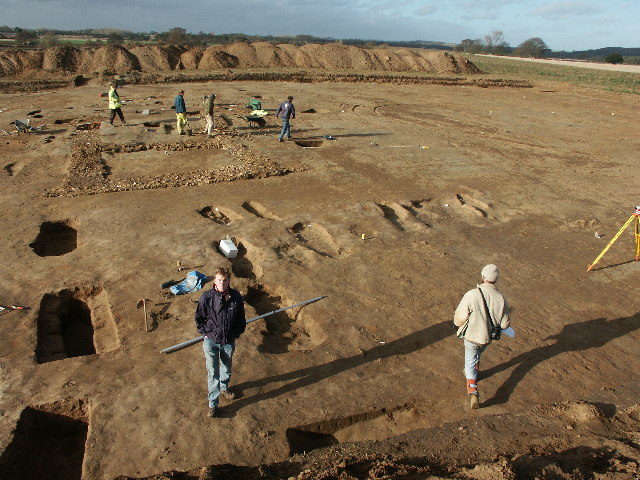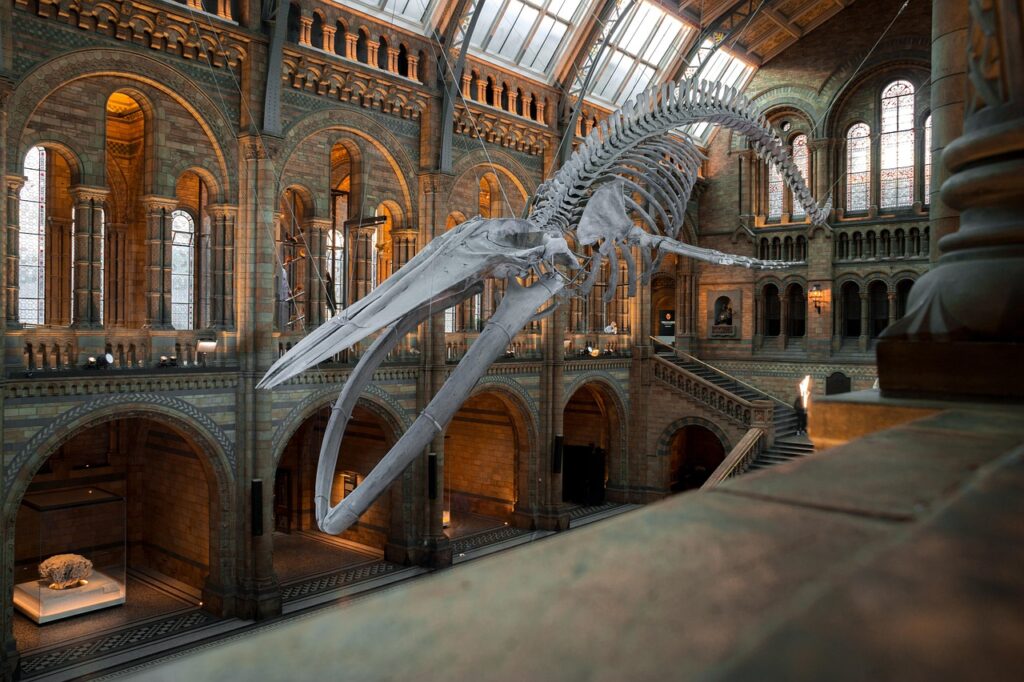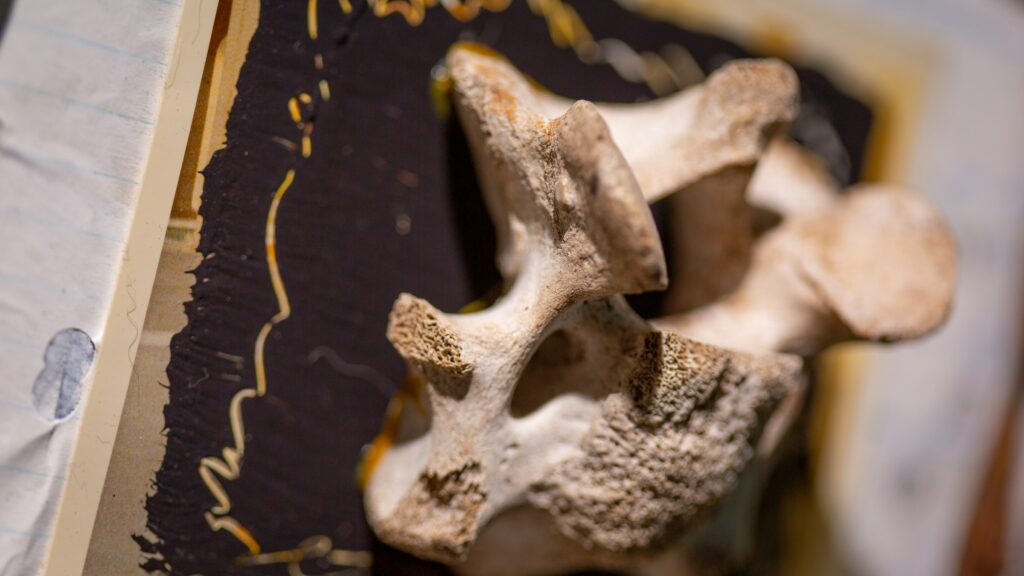
Here’s a thought that should make you a little uneasy the next time you visit a natural history museum: some of those confidently labeled prehistoric “species” were never actually skeletons. They were never even a handful of bones. They were one bone – a tooth, a chip of jaw, a lonely vertebra – that some 19th-century scientist looked at, got excited about, and slapped a Latin name on.
Nobody went back and double-checked most of them. The names just… stuck. They ended up in databases, documentaries, and yes, the same viral animal facts you’ve probably shared without knowing the punchline. So which “monsters” are we still talking about today that might be nothing more than a misread scrap of bone? Let’s start counting down the ten strangest cases.
#1 – The Tooth That Launched A “Sea Monster”
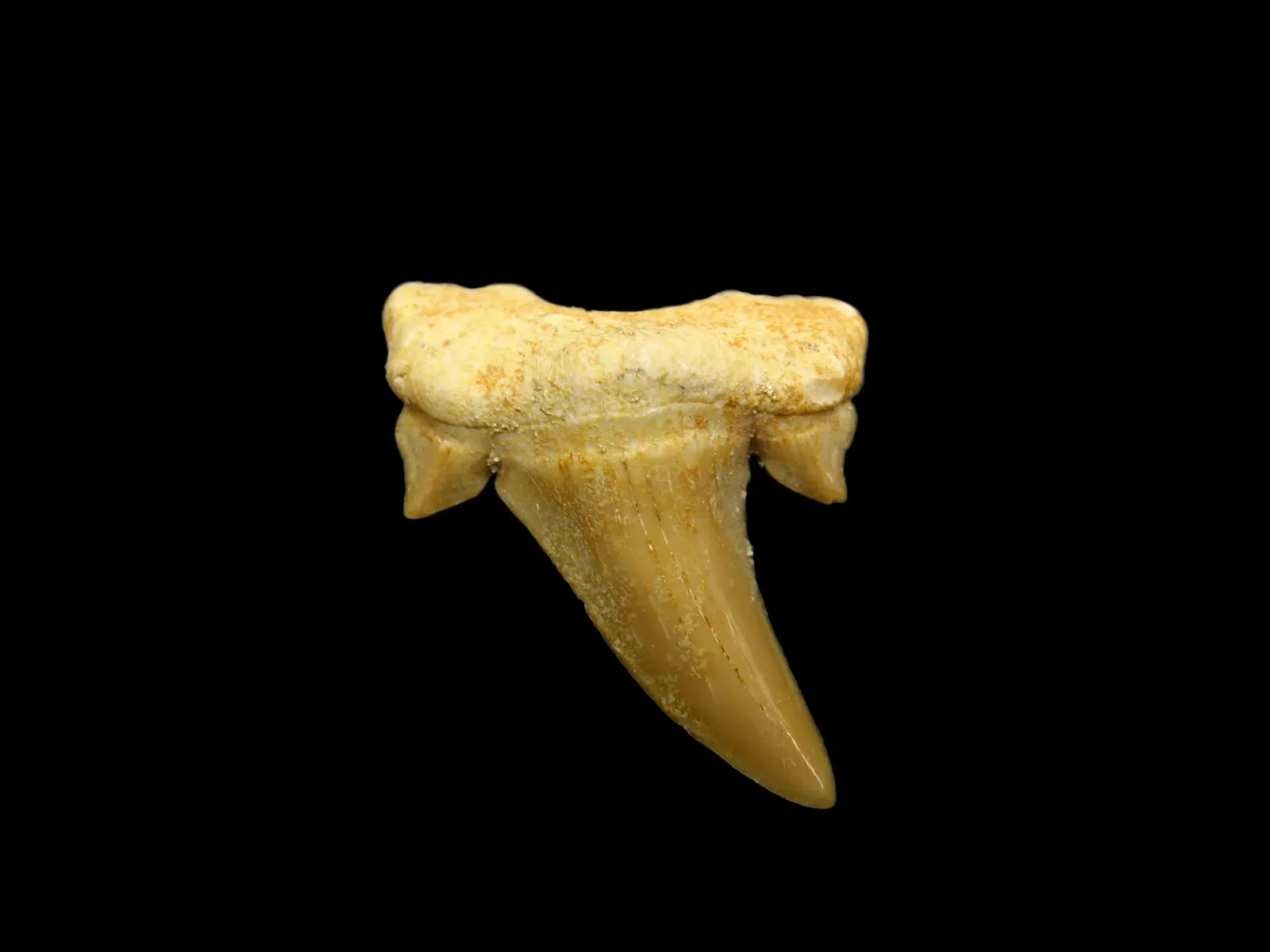
One of the most infamous “species” ever named came entirely from a single, isolated tooth pulled out of marine sediment. On paper, it sounded like something out of a horror movie: a giant sea predator with serrated edges, casually placed in the same conversation as mosasaurs and plesiosaurs. In reality, the whole case for this animal’s existence rested on one tooth that could just as easily belong to something science already knows well.
Early 19th-century paleontologists loved filling in gaps with imagination, and this looks like a textbook case of wishful thinking. When modern researchers dig up these old descriptions, they usually find no detailed measurements, no consistent drawing standards, and zero comparison to material discovered since. Sometimes the original tooth is lost or mislabeled entirely, sitting in a drawer under the wrong catalog number while its “species” name floats around, technically valid and scientifically useless.
#2 – The Single Vertebra “Giant Dinosaur”
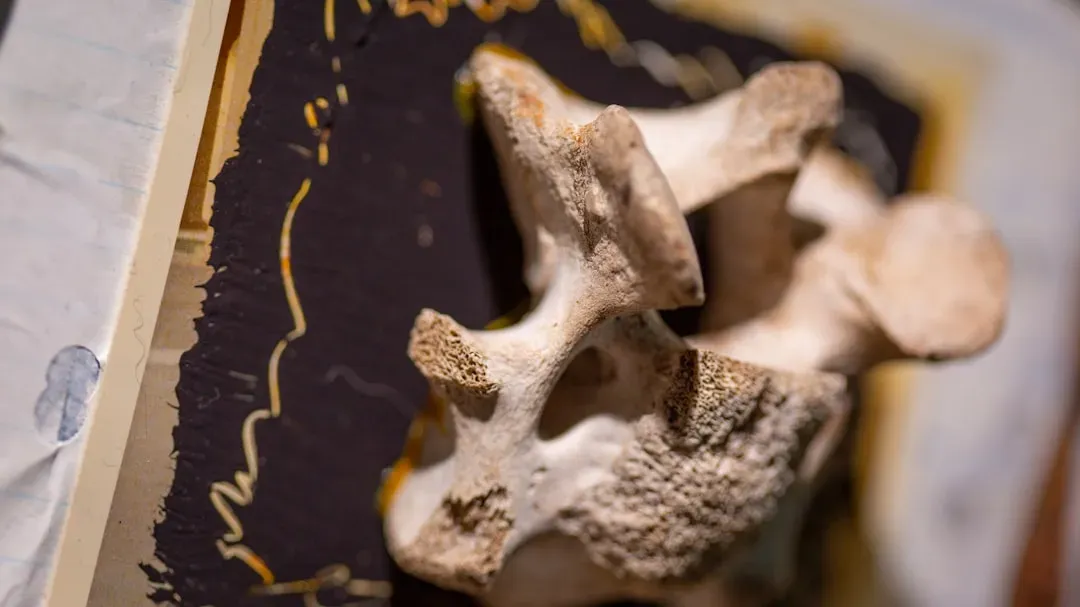
If you’ve ever seen a headline about a dinosaur “bigger than a blue whale,” there’s a decent chance it traces back to one oversized vertebra dug up during the railroad-fueled fossil rush of the 1800s. The logic back then was almost embarrassingly simple: big bone, big animal, new genus. Scientists gave it a dramatic name, published a short description, and never looked back. No ribcage. No limbs. No skull. Just one giant vertebra that nobody has seriously re-examined with modern tools.
Here’s the problem nobody wanted to admit: vertebrae vary wildly even within a single species, and fossilization can crush or stretch them out of shape. A single squashed or elongated vertebra can make an animal look 20 to 30 percent bigger than it actually was. Most experts now treat those record-shattering size claims with real skepticism, and some suspect the bone in question came from a sauropod genus we already know. The “biggest dinosaur ever” myth keeps circulating anyway, because it’s a much better headline than the truth.
Fast Facts
- Fossilization pressure can crush or stretch a single vertebra, distorting its true original size.
- Vertebrae change shape depending on where they sit along the spine, so one bone can’t represent the whole animal.
- Most paleontologists today want several connected vertebrae, ideally with limb material, before confirming a brand-new genus.
#3 – The “New Species” Named From Half A Jaw
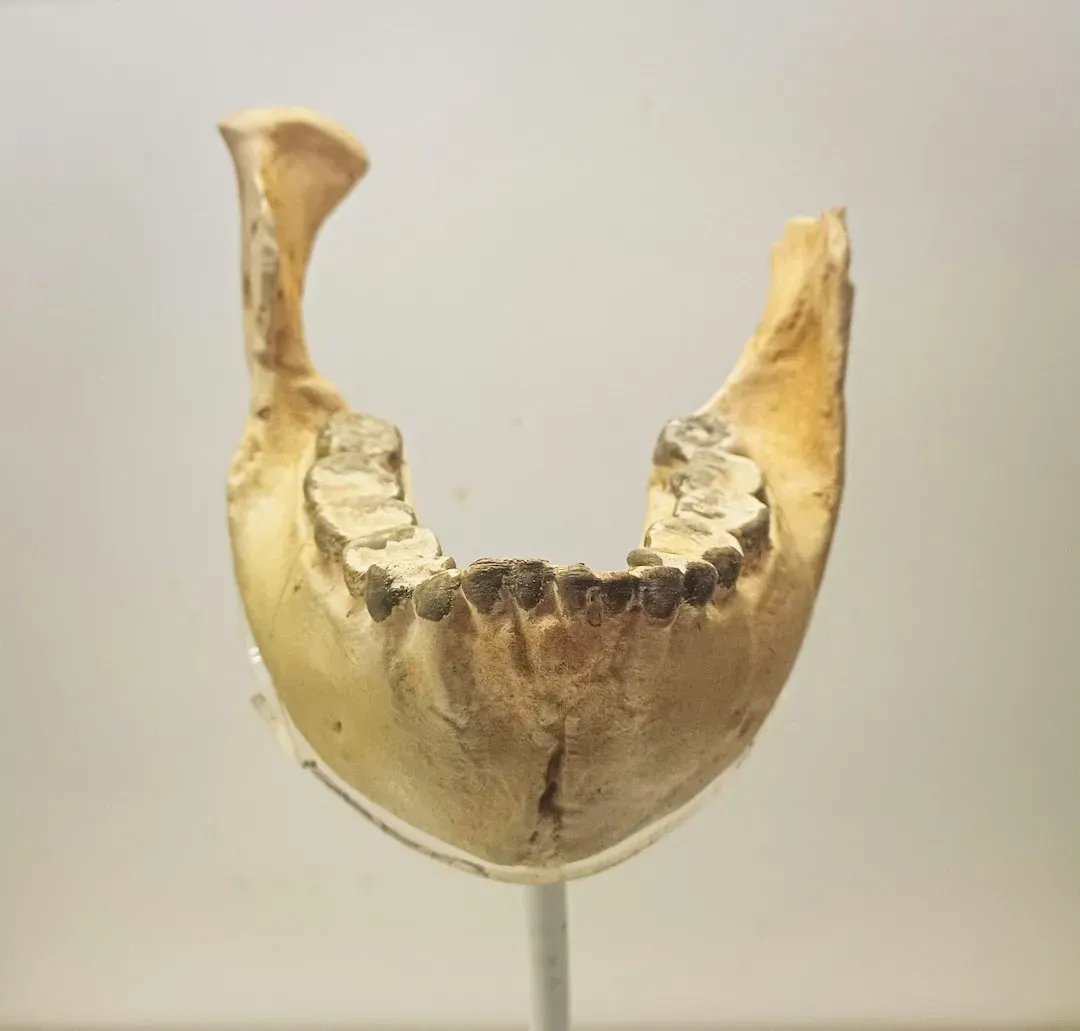
In the golden age of fossil collecting, a broken jaw fragment with a few teeth attached was often treated as plenty of evidence for a brand-new species. One such “animal” exists only as a shattered lower jaw missing most of its useful features. The original writeup leaned hard on the shape of the tooth roots and a few subtle ridges – details that sounded precise at the time but turn out to overlap heavily across related species.
When later researchers laid that fragment next to more complete jaws from the same rock layer, something awkward became obvious: nothing about it stands out. The size, tooth spacing, and wear pattern all fall comfortably within the normal range for a common, already-known animal. Many specialists now suspect this “new species” is just an unremarkable individual that got misbranded so someone could claim naming rights. The name still clogs the databases decades later, confusing anyone who isn’t deep enough in the field to know better.
#4 – A Lone Claw That Spawned A Predator Legend
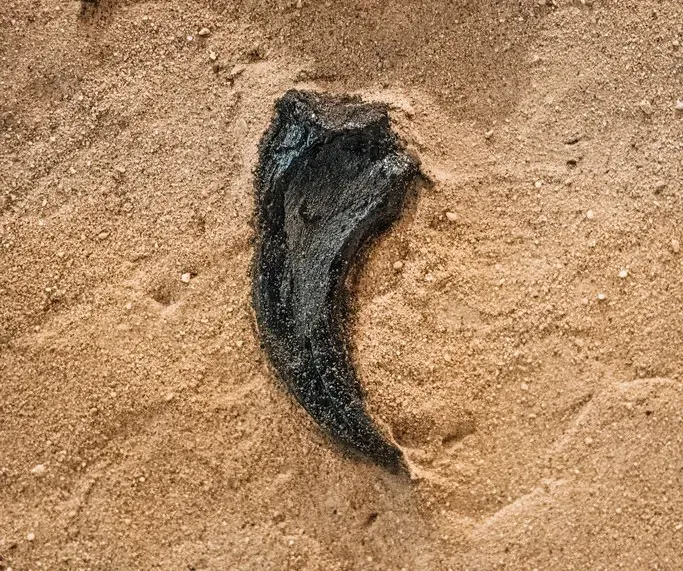
Everyone loves a good killer claw, so when a single, oversized claw bone surfaced in the 20th century, it was instantly cast as proof of a terrifying new predator. Artists sketched it onto a raptor-like body, slashing through prey in dramatic poses. Museum placards leaned into the drama. The actual evidence? One disconnected claw, with nothing else from the skeleton to back up the story.
Modern paleontology treats these “orphan” bones far more carefully, and for good reason. Claws vary depending on age, sex, and even which digit they came from, and without matching hand or foot bones, there’s no way to confirm this was a new species at all. Some researchers now think it may have belonged to a digging or climbing herbivore, not a slasher of any kind. The irony is hard to miss: pop culture’s nightmare predator might be resting entirely on one badly misread claw.
#5 – The Isolated Rib That Became Its Own Species
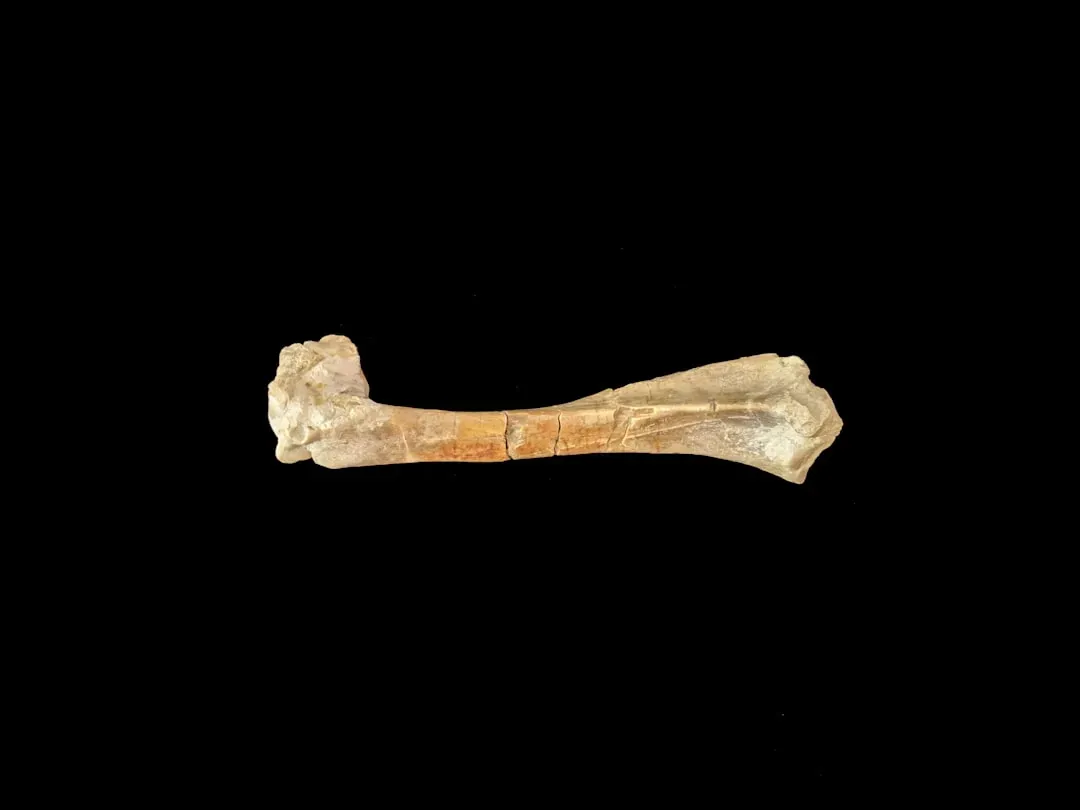
Ribs are among the least useful bones for identifying an animal, and everyone in paleontology knows it. That didn’t stop the field’s 1800s free-for-all from minting an entire genus out of a single curved rib fragment. The original author insisted it was so thick and robust it had to represent something never seen before.
Here’s the catch nobody flagged at the time: ribs change shape along the length of the body and shift with age, health, and old injuries. A healed break or a past infection can make a rib look thicker and stranger than it ever really was. Without a spine, limbs, or skull to connect it to, a rib tells you almost nothing about the animal it came from. When later scientists tried to track down the original locality data, they found vague notes and no clear stratigraphic record – textbook conditions for what taxonomists bluntly call a “doubtful name.”
Worth Knowing
- Ribs are widely considered one of the weakest bones for identifying a species in vertebrate paleontology.
- Rib shape naturally shifts along the ribcage, so a single rib can’t represent an animal’s full anatomy.
- Old injuries, disease, or healed fractures can make an ordinary rib look unusually thick or strange.
- Without a skull or limb bones for comparison, a lone rib offers almost no way to separate species.
#6 – A Mystery Egg With No Confirmed Parents
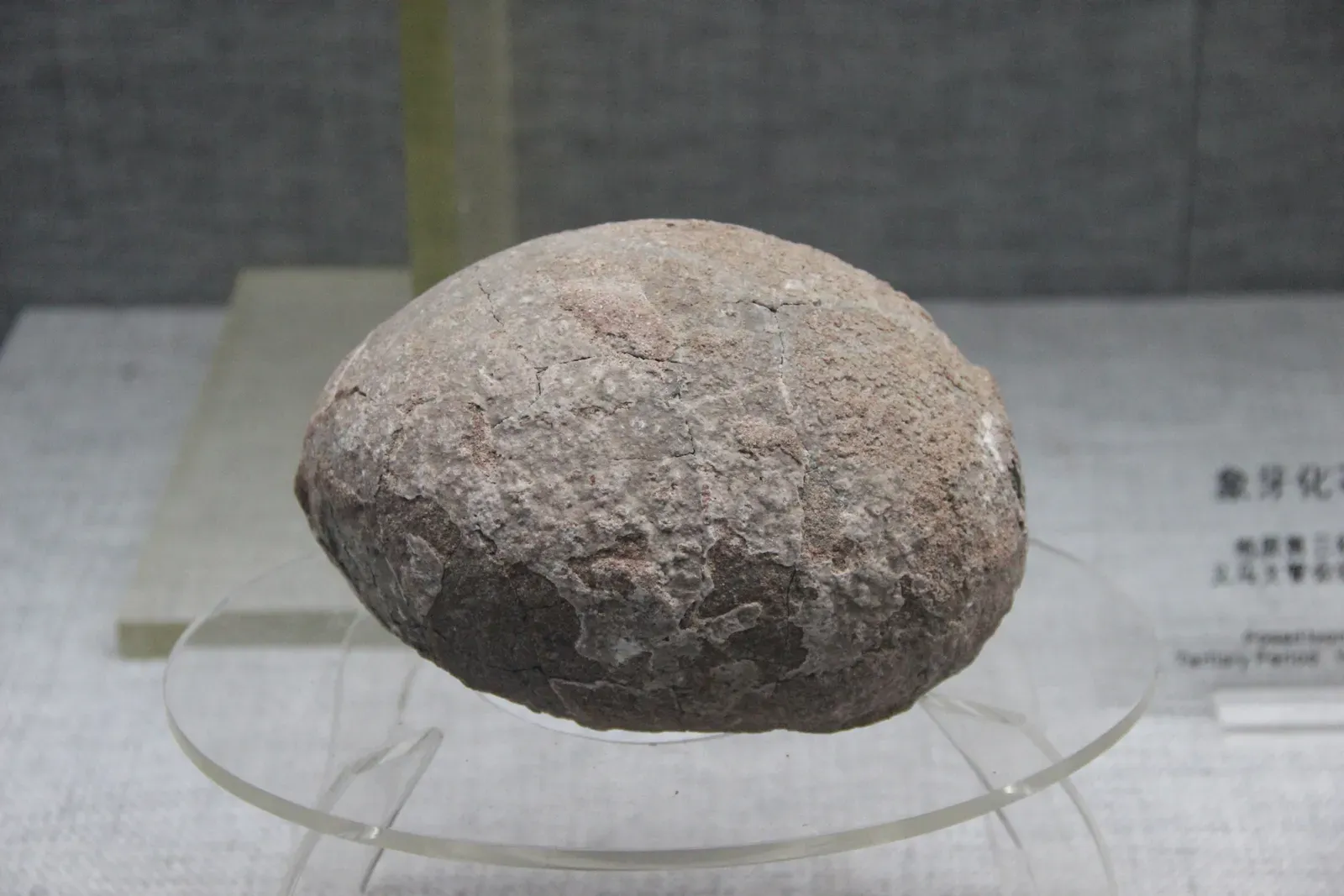
Fossil eggs photograph beautifully, which probably explains why one unusually large, thick-shelled specimen got promoted to full “species of animal” status despite having no embryo, no skeleton nearby, and no clear nest to anchor it. The microscopic structure of the shell looked different enough from known dinosaur eggs that someone handed it its own genus and species, based on shell texture alone. Popular writers took it from there, happily imagining an undiscovered giant dinosaur as the mystery parent.
Most egg specialists today would call that leap reckless. Eggshell traits shift with environment, laying behavior, and even subtle chemical changes that happen after burial, long before anyone digs the egg up. A single egg found alone is one of the weakest possible foundations for naming an entire animal. More careful researchers now stick to neutral labels like “egg type A” unless an embryo or a confirmed parent turns up – leaving that lonely fossil egg as a cautionary tale about chasing a good story over solid evidence.
#7 – A Neural Spine Mistaken For A Brand-New Giant
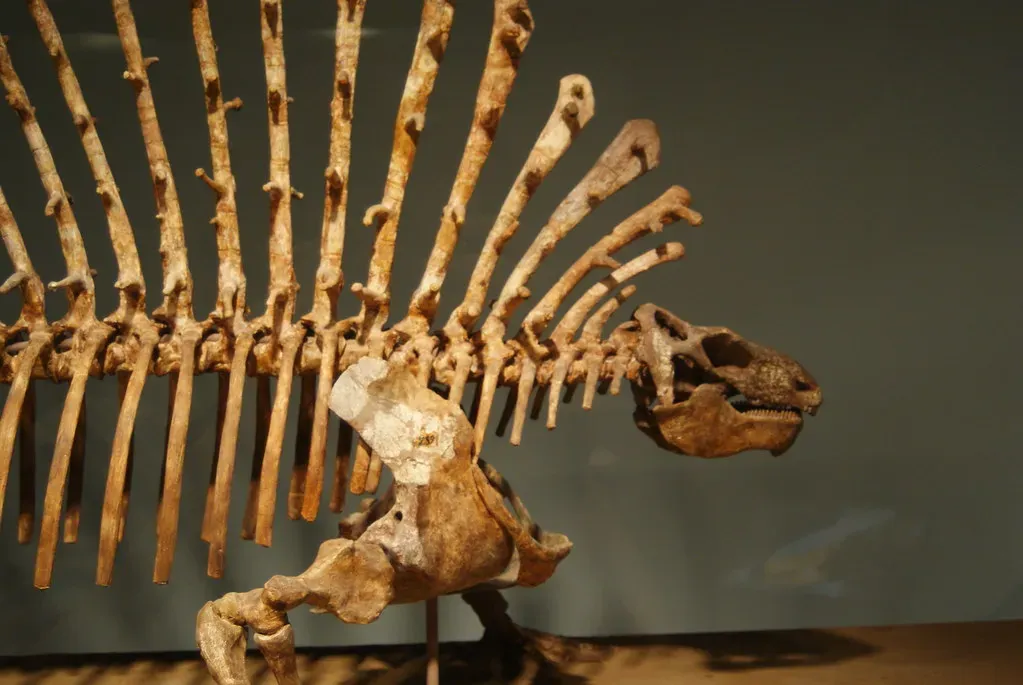
The tall neural spines that form the “sails” on some dinosaurs’ backs can look spectacularly strange when you find just one, disconnected from everything else. In one well-known case, a single elongated spine became the entire basis for a new genus, marketed as a bizarre giant with a towering back structure. Textbooks ran with it for years, even though the holotype was literally one oddly tall spine with almost no supporting context.
Then more complete skeletons started turning up in similar rock layers, and the story fell apart. Tall neural spines, it turned out, weren’t unique to this one supposed species at all – growth stage, individual variation, and even distortion after death can all exaggerate how dramatic a spine looks. What once seemed uniquely extreme suddenly fit comfortably inside the normal range of animals we already had names for. Many researchers quietly stopped using the old name, but taxonomy’s conservative rules mean it never fully disappears – it just waits in the literature to confuse the next unsuspecting reader.
Quick Compare
- Then: a single tall spine was treated as proof of a brand-new, uniquely dramatic giant.
- Now: several related species show similarly tall spines, so height alone no longer confirms a new genus.
- Then: naming relied on a hand-drawn sketch with no detailed measurements.
- Now: CT scans and 3D modeling let researchers compare bone shape with far more precision.
#8 – The “New Mammal” Known Only From A Chewed-Up Tooth
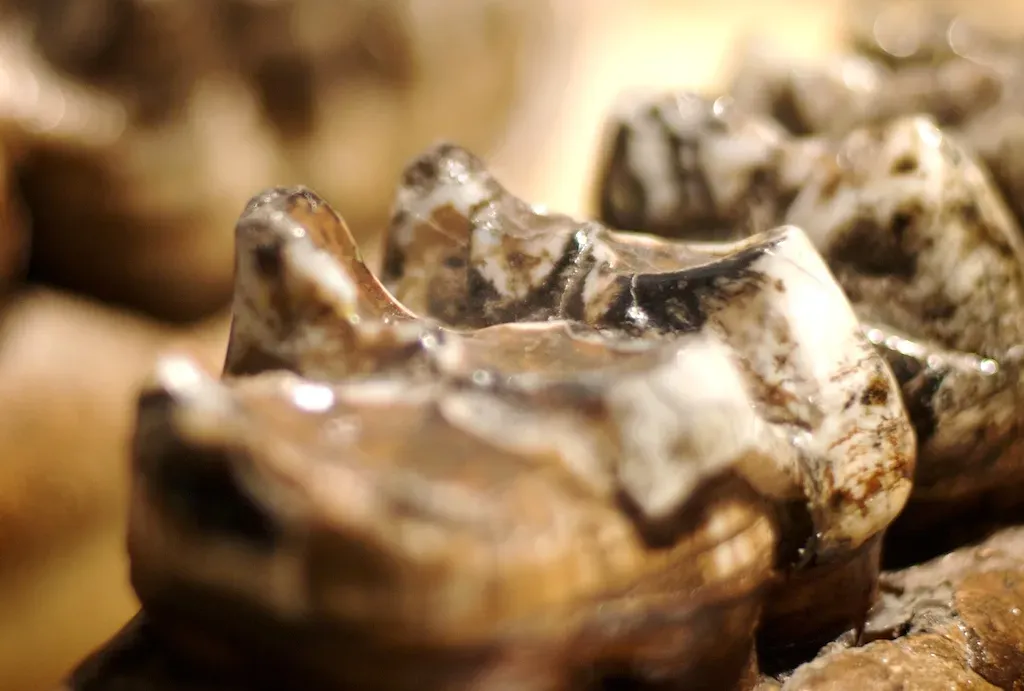
Mammal paleontology runs almost entirely on teeth, and a single molar can sometimes be enough to justify a whole new genus. But there’s a fringe category of names built on badly worn or even partially digested teeth that tell us almost nothing solid. In one case, a fragmentary molar with eroded cusps got hailed as an entirely new branch of mammal, based on tiny differences in crown height and enamel ridges that modern scientists would flag immediately as unreliable.
Later comparisons with more complete jaws from the same site exposed how flimsy that original diagnosis really was. Normal wear from a gritty diet – or worse, damage from passing through a predator’s digestive system – can radically warp tooth anatomy. When your only evidence is a tooth that’s already been chewed, dissolved, or worn down, there’s no reliable way to separate “new species” from “old tooth having a very bad day.” Most researchers today quietly treat the name as a likely mistake rather than a real discovery.
#9 – A Floating “Fish” Built On One Scale
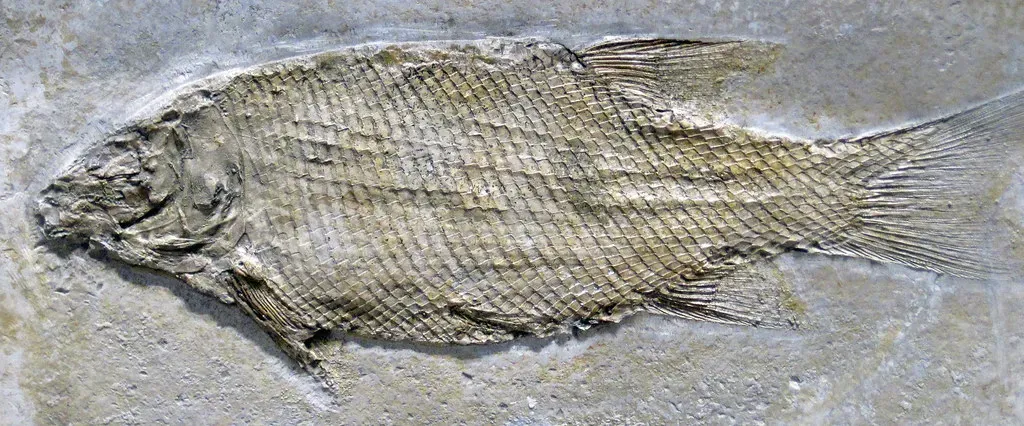
Fossil fish scales can be genuinely gorgeous under a microscope, covered in intricate ornamentation that early 20th-century researchers loved sketching in fine detail. One especially ornate scale – just one, with nothing else attached to it – was declared distinctive enough to deserve its own genus of prehistoric fish. Field guides repeated the name for decades as though it represented a well-documented animal.
In reality, the holotype is a single scale with no skull, no fins, and no body impression to confirm anything about the creature it came from. Scale patterns genuinely matter in fish taxonomy, but they also shift depending on body region, age, and seasonal growth cycles. Without a full series of scales for comparison, there’s no way to know if that unique pattern marks a real species or just an odd patch on an otherwise ordinary fish. As one modern researcher might put it, it’s a bit like naming a whole bird species from a single feather found in a parking lot.
At A Glance
- Fish scale patterns can vary by body region, age, and even the season the fish was living in.
- A single scale carries no information about the skull, fins, or overall body shape of the animal.
- Modern ichthyologists typically want a full series of matching scales, plus skeletal material, before naming a new species.
#10 – The Phantom Species Based On A Bone That’s Now Lost
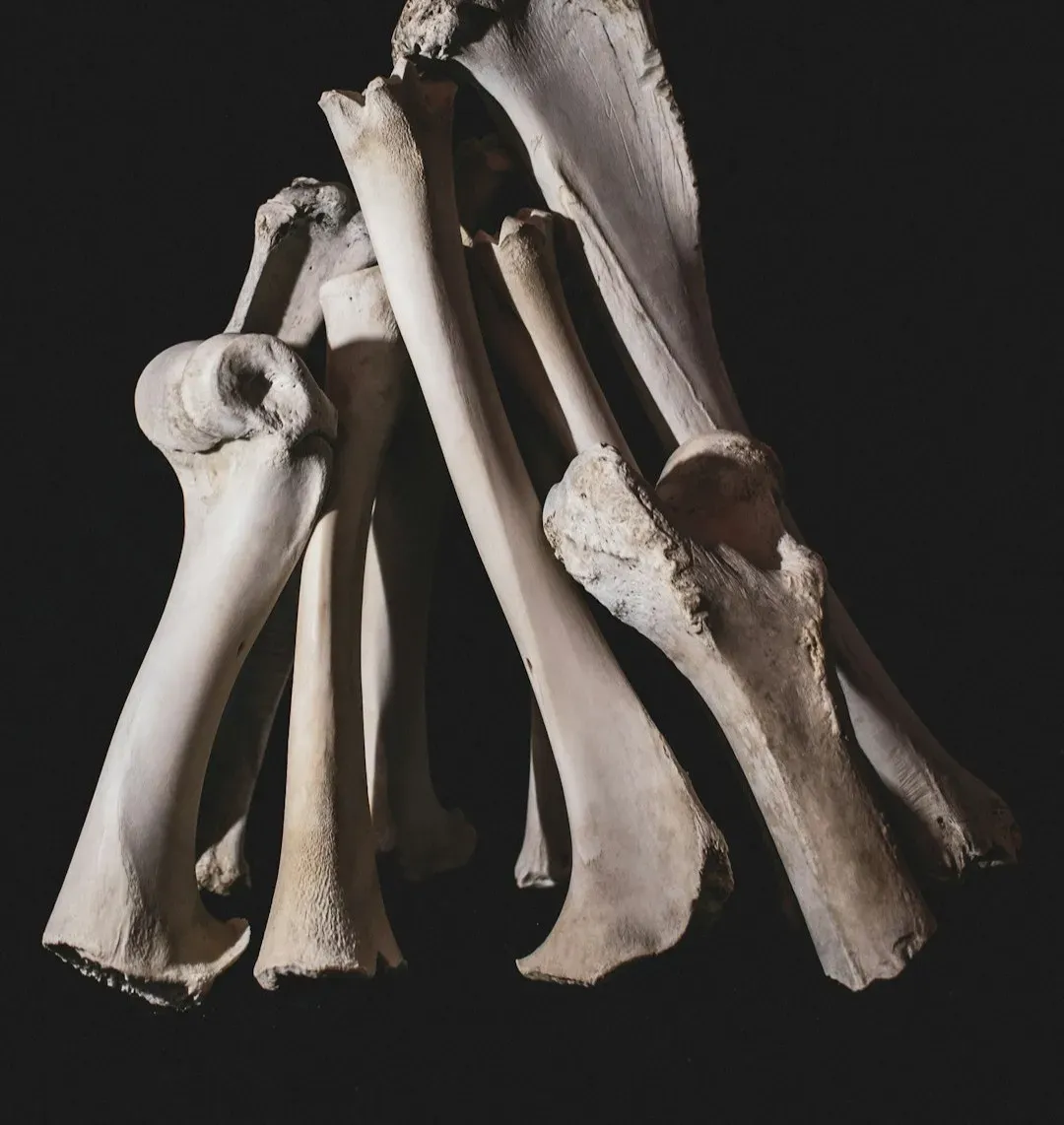
At the very top of this list sits a “species” so fragile it barely exists at all. It was named from a single bone that has since vanished, leaving behind only a 19th-century sketch and a flowery Latin description. Nobody alive today has ever handled the actual holotype. The original illustration is crude, the perspective is off, and the features that supposedly proved something new are either exaggerated or missing entirely.
Modern researchers who revisit the old description can’t even agree on what bone it originally was – a femur? A humerus? A broken piece of pelvis? This is the purest form of phantom taxon: a name with no specimen, no clear diagnosis, and no way to settle the argument. Some think it was a misidentified mammal bone. Others suspect it was just a badly broken piece of a dinosaur we already know. Without the original fossil, the debate stays permanently unresolved.
Absence of evidence is not evidence of absence.
Carl Sagan
The Bottom Line
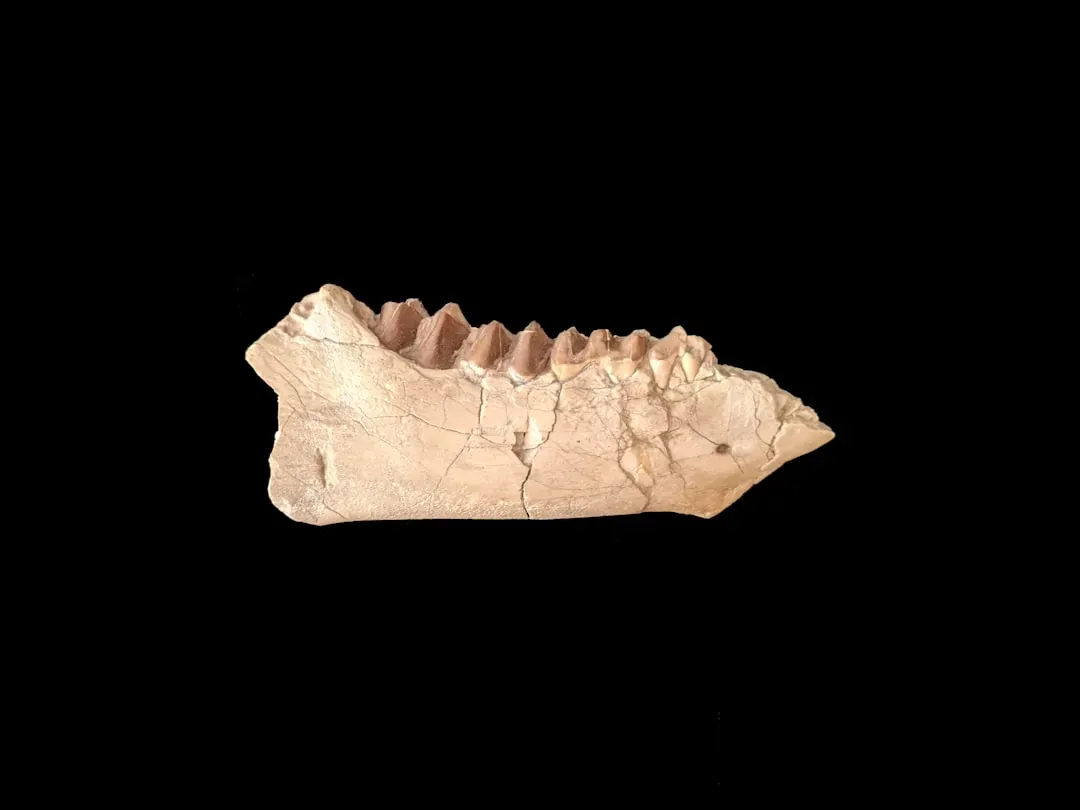
Line them up and the pattern is impossible to ignore: a lone vertebra, a chipped jaw, a claw, a rib, a tooth, an egg, a scale, and a sketch of a bone that no longer even exists. None of that can honestly carry the scientific weight that popular media keeps piling onto it. Most of these names survive purely because of taxonomy’s built-in inertia, not because any serious researcher still believes they’re solid.
My honest opinion? Half of these should have been quietly retired the moment better fossils turned up nearby, and the fact that they weren’t says more about academic stubbornness than it does about ancient biology. These ghost names keep shaping how we picture the prehistoric world through books, documentaries, and social feeds, long after the evidence for them evaporated. So here’s the real question worth sitting with: if one of your favorite “extinct monsters” turned out to be a chewed-up tooth or a crushed vertebra, would you still want to believe in it?