Here’s the assumption almost everyone carries into a history class: eclipses are cosmic clockwork, so any ancient text that mentions one should slot neatly into its assigned century. Modern astronomers can run the numbers backward thousands of years, so a “dated” eclipse should be as solid as a birth certificate.
Except it isn’t. Dig into the clay tablets, temple walls, and court chronicles, and a strange pattern keeps surfacing: some of history’s most famous “fixed” eclipses only make astronomical sense if you rip them out of their assigned century and drop them into another one entirely. Historians blame bad translations. Astronomers blame sloppy copyists. Skeptics wonder if a few of these “eclipses” ever happened at all. The real answer turns out to be stranger than any single theory – and these 13 cases prove it.
#13 – The “Year 15” Eclipse in an Assyrian Chronicle
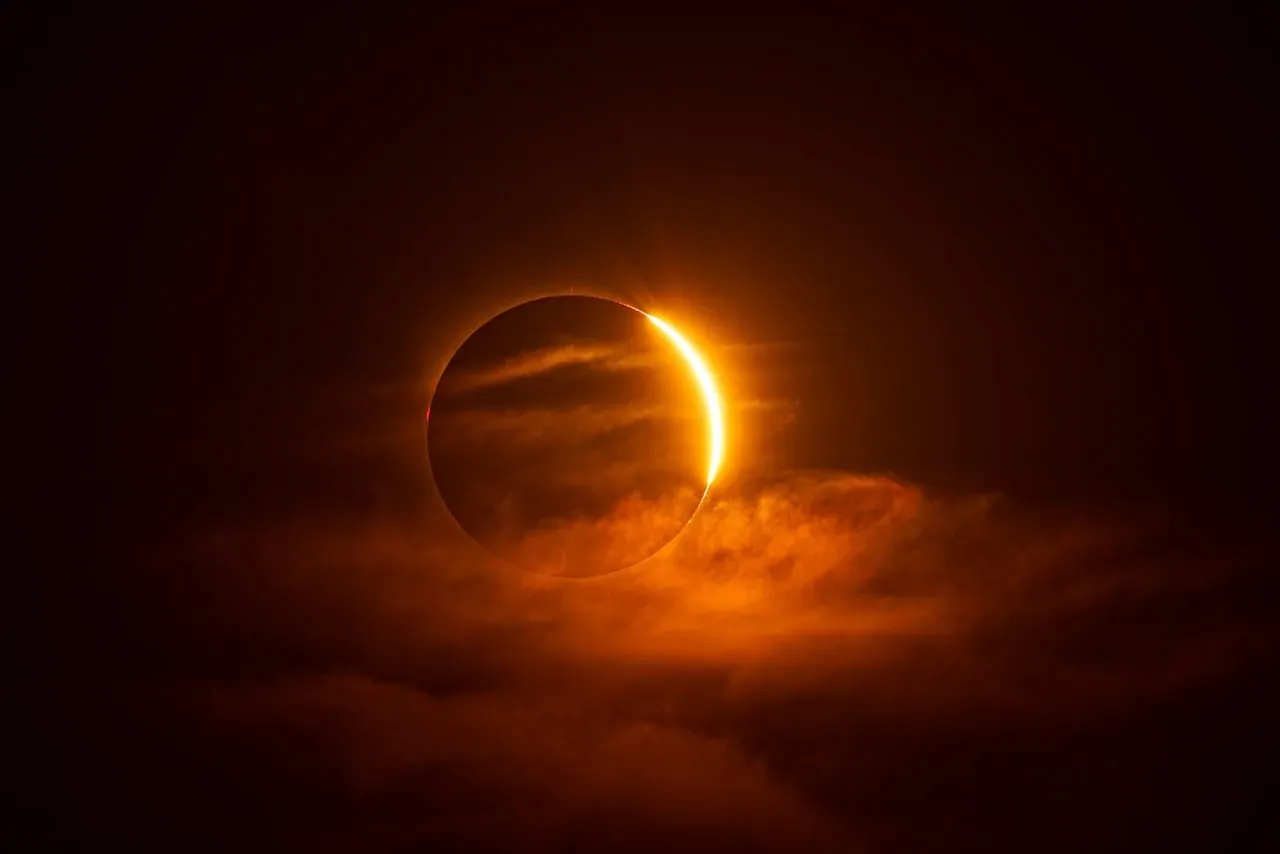
Most people hear “Assyrian eclipse” and picture a date nailed down to the year, maybe even the day. Not this one. A late Assyrian chronicle mentions an eclipse in the “Year 15 of the king,” tangled up with military trouble and grain shortages. For decades, historians casually filed it under the 8th century BCE and moved on.
Modern back-calculations refuse to cooperate. Run the math for Nineveh’s latitude on the assumed date, and no total or deep partial eclipse shows up at all. The text doesn’t even help – it says “harvest time,” which could mean anywhere from May to September depending on the crop. A far better astronomical match appears more than a century earlier, which would mean reshuffling an entire block of Assyrian kings. Some epigraphers now suspect the scribe simply miscopied the regnal year, quietly stranding this eclipse in the wrong reign.
#12 – A Chinese Bamboo Annals Eclipse That Slid a Century
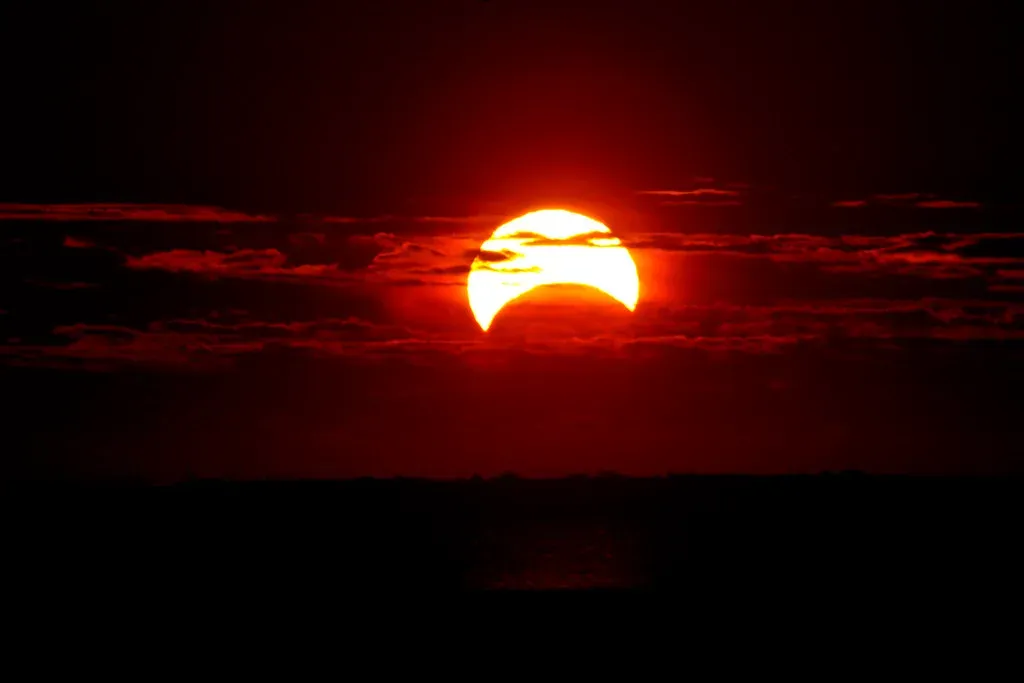
Chinese court astronomers had a reputation for obsessive precision, so their eclipse records were treated as nearly bulletproof. One entry in the Bamboo Annals describes an eclipse “in the king’s 7th year, in the 6th month,” visible in the morning. For generations, that date anchored the early Zhou dynasty like a fixed nail in the timeline.
Then high-precision eclipse computation caught up with the claim. On the traditional date, no eclipse at all would have been visible from the central plains of China – nothing that could have shaken a royal court. Shift the assumed reign back roughly a century, though, and a near-perfect candidate appears: a substantial partial eclipse at sunrise, darkening the sky exactly as described. Some Sinologists still defend the old date on textual grounds, but plenty of astronomers now treat this as the textbook case of one wrong assumption shoving an entire dynasty’s chronology off by a hundred years.
At a Glance
- Traditional date: early Zhou dynasty, king’s 7th year, 6th month, a morning eclipse
- Problem: no eclipse would have been visible from central China on that date
- Proposed fix: push the reign back roughly 100 years
- New match: a strong partial eclipse at sunrise fitting the record almost perfectly
#11 – The Egyptian “Dark Sun at Festival” That Won’t Stay in the 13th Century BCE
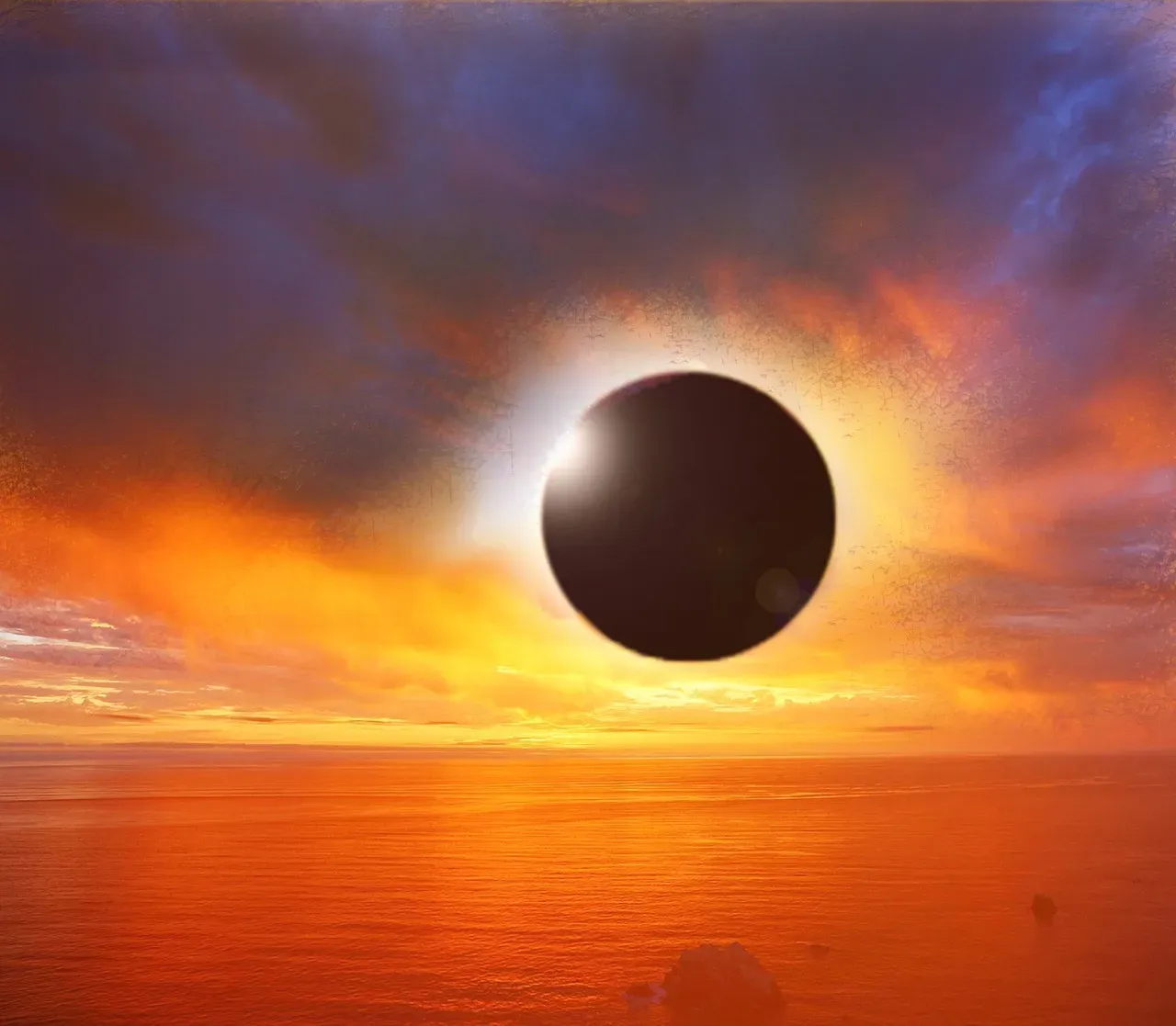
Egyptian priests loved linking celestial drama to festivals, which should make dating easier, not harder. One temple inscription describes the “Sun becoming weak on the day of the Festival” during the reign of a New Kingdom pharaoh usually placed in the 13th century BCE. For years, scholars waved it off as poetic flourish, or maybe just a dust storm rolling in off the desert.
Then astronomers found a tantalizing candidate eclipse – a full century earlier than expected, in the 12th century BCE, with a path that would have brushed northern Egypt at exactly the right moment. That forces an uncomfortable choice: either the inscription isn’t describing an eclipse at all, or the pharaoh’s reign has been misplaced by generations. Egyptologists push back, noting “weak sun” language can just mean divine displeasure. But the astronomical fit is clean enough that some researchers are quietly floating a chronology shift that would ripple through an entire historical block.
#10 – A Babylonian Tablet With a “Phantom” Eclipse Date
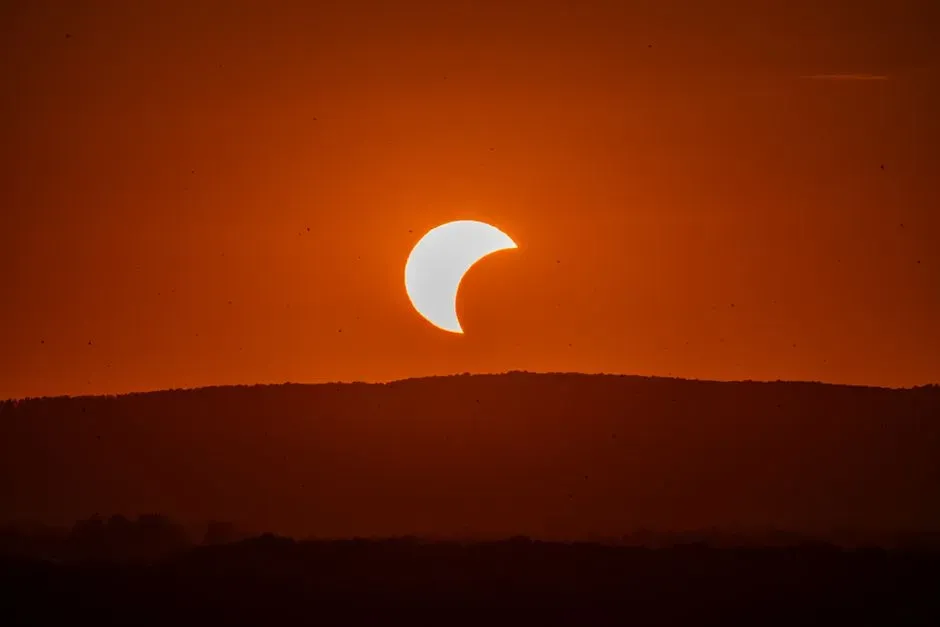
Babylonian astronomers left behind some of the sharpest eclipse records in the ancient world, carved into clay tablets with dates locked to their lunar calendar. One famous tablet describes an eclipse in a specific regnal year that scholars matched to the 6th century BCE, and for a long time the fit looked airtight.
Then better models of Earth’s rotation entered the picture. The culprit is ΔT, the correction factor accounting for how Earth’s spin has gradually slowed over millennia. Once updated ΔT estimates were applied, the supposed 6th-century eclipse stopped matching the tablet’s described magnitude and timing – but a near-identical eclipse popped up if you slide the whole event back into the late 7th century BCE. That single correction ripples outward, threatening to reshuffle how historians date wars, treaties, and the rise of certain Babylonian kings.
#9 – A Greek “Midday Star” Eclipse Misplaced in Classical Times
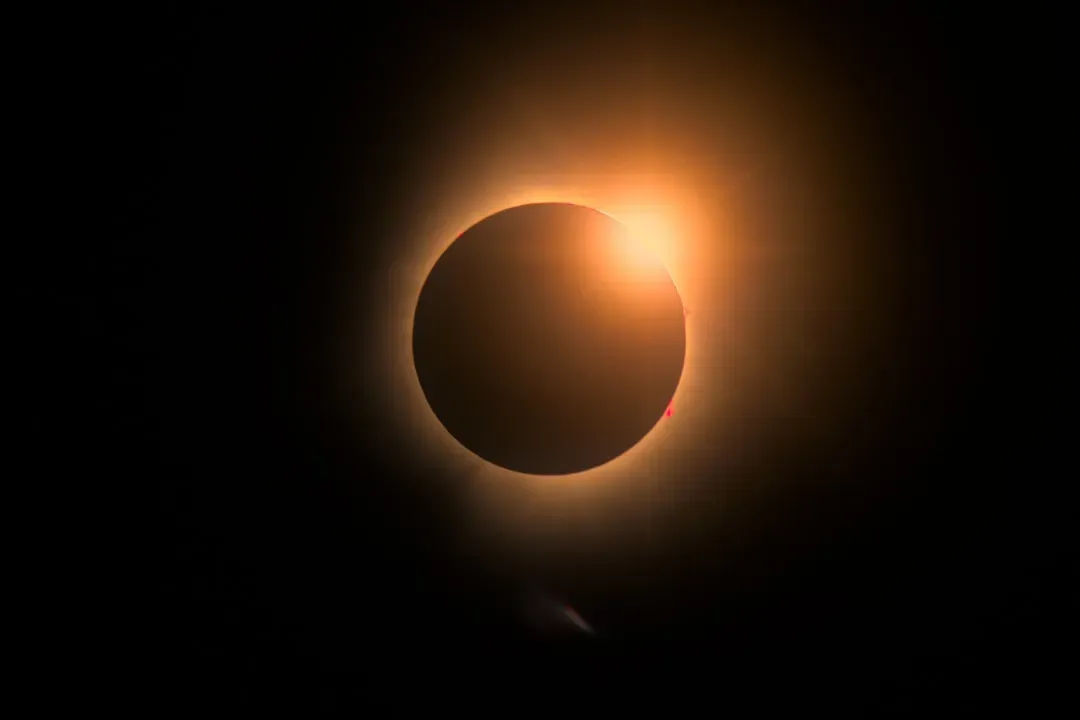
Ancient Greek writers loved a dramatic flourish, so when a source describes “stars appearing at midday” during a battle, historians jumped to attach it to a known total solar eclipse in the 5th century BCE. That identification sat comfortably in textbooks for generations – until someone actually checked whether the geography lined up.
It didn’t. Plotted against the reported battlefield, the eclipse path missed by hundreds of kilometers; the totality zone for that 5th-century candidate never crossed anywhere near the region. Shift the event into the 4th century BCE, though, and a completely different eclipse produces the sudden, terrifying darkness the text describes, right over the likely battlefield. Either the chronicler misdated the battle, or a later writer bolted an older celestial omen onto a story that happened decades away from it.
Quick Compare
- 5th-century BCE candidate: totality path passes hundreds of kilometers from the battlefield
- 4th-century BCE candidate: darkness sweeps directly over the likely battle site
- Verdict: geography favors the later date, not the textbook one
#8 – The Indian Purāṇic Eclipse That Drifted in Time
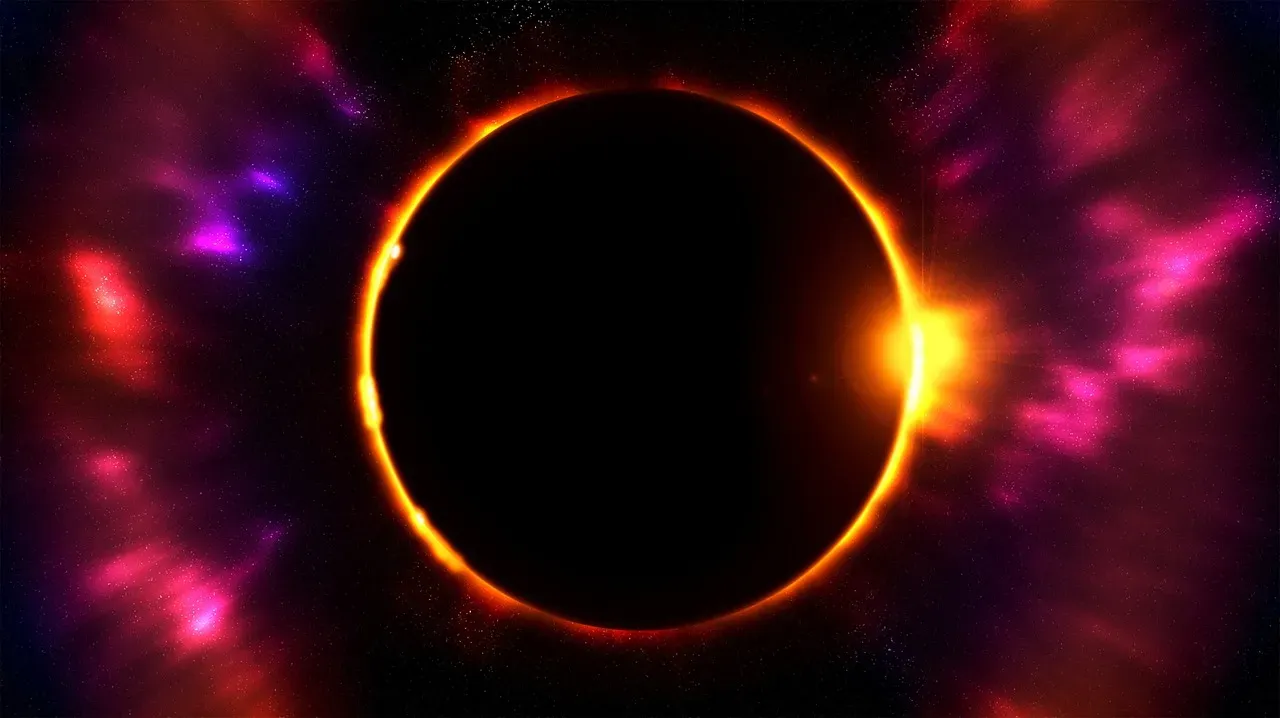
Some Purāṇic and epic texts describe eclipses coinciding with the reigns of semi-legendary kings, including one tied to a royal death and a river that turned “like night at midday.” Nineteenth-century scholars enthusiastically pinned this to a specific 3rd-century BCE eclipse and built entire chronologies on top of that single peg.
Modern cross-checks make that peg wobble badly. On the old date, any eclipse visible from the described region would have been weak and forgettable, nothing like the dramatic darkening the text implies. Slide the royal reign a century forward, though, and a powerful near-total eclipse appears over the same area, matching the seasonal cues almost perfectly. Traditionalists warn against treating myth-heavy texts as astronomical data, but the fit is tempting enough that some researchers now argue an entire dynasty needs to be re-dated because of it.
#7 – The Roman Republic Eclipse That Doesn’t Match Its Consuls
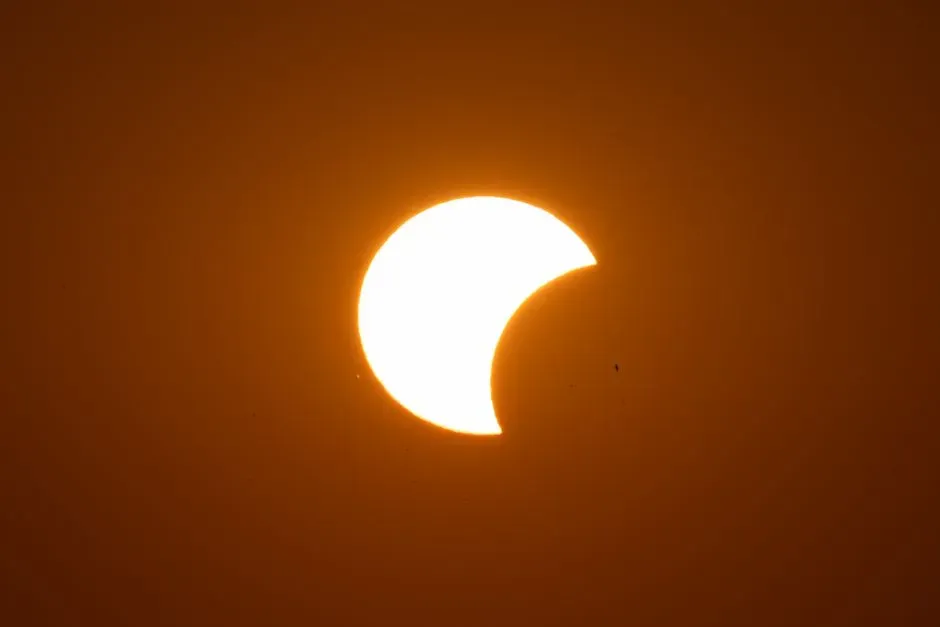
Roman historians anchored their years to which consuls held office, a system that sounds foolproof – until you add an eclipse to the mix. One late source describes a dramatic darkening of the Sun during the consulate of two well-known men in the 2nd century BCE. For a long time, historians shrugged it off as exaggerated weather or a minor partial eclipse.
Re-running the celestial mechanics tells a different story. Around the stated consular year, there’s no major eclipse visible from Italy with anything close to the described intensity. Shift the event 80 to 100 years earlier, though, and a strong eclipse cuts directly over the peninsula in late morning, matching the narrative far better. Either the author misremembered the consuls, or later copyists quietly swapped names to fit a political agenda – and the sky sides firmly with the earlier date.
#6 – A Byzantine Chronicle’s “End-Times” Eclipse Re-Dated
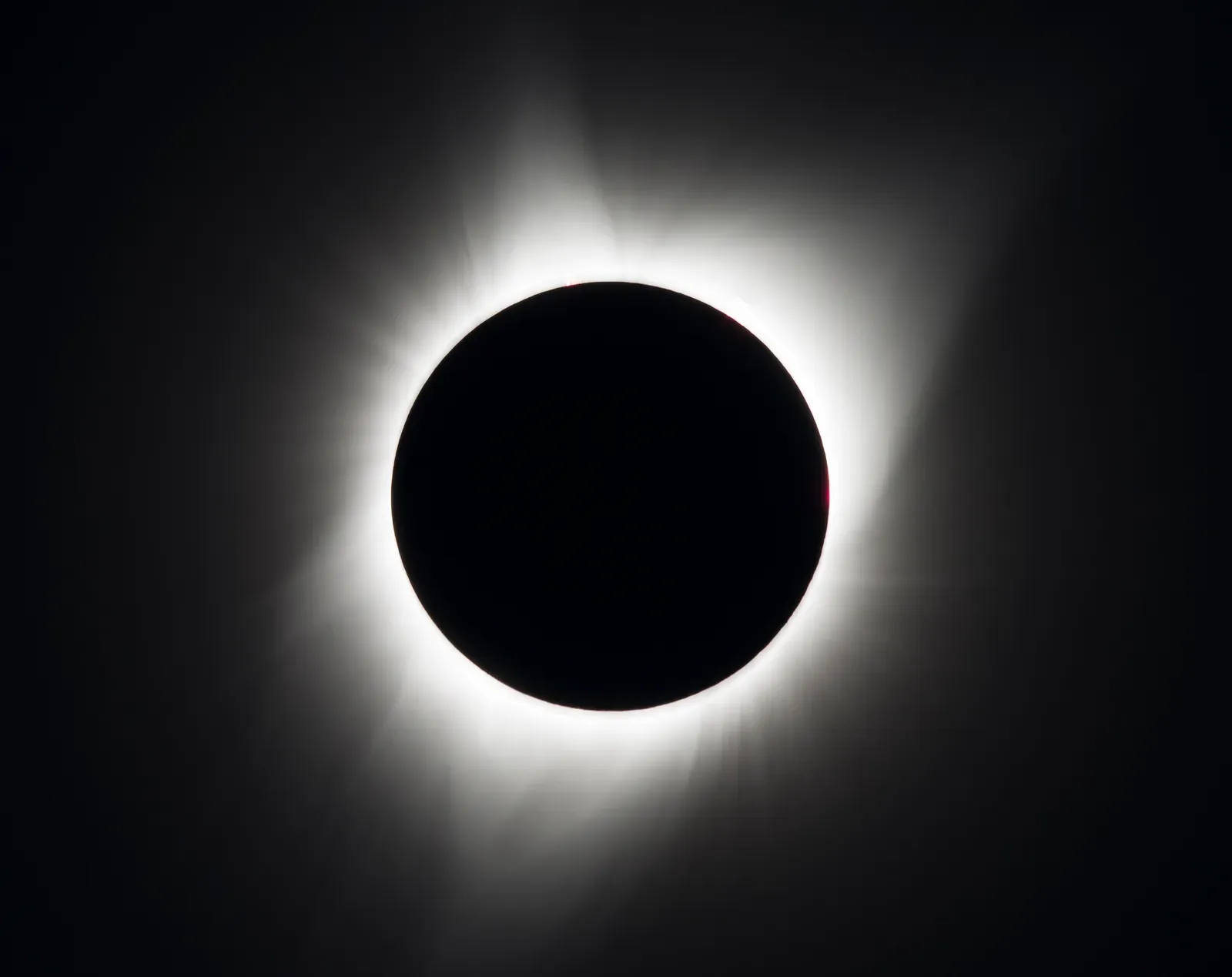
A medieval Byzantine chronicle describes an eclipse so terrifying that people reportedly believed the world was ending – birds falling silent, stars appearing in daylight, people lighting lamps at noon. Later copyists filed the event amid political upheaval and invasions in the 7th century CE, and scholars pointed to a modest eclipse from that era as the culprit.
The problem is that the modest 7th-century candidate barely qualifies. Over Constantinople, the Sun would only have been nibbled at the edge – hardly enough to trigger apocalyptic panic. But a major total eclipse in the 6th century CE, sweeping much closer to the Byzantine heartland, matches the text almost line by line. Some researchers now suspect scribes quietly “updated” the date to sit near more famous political events, unintentionally sliding a genuine sky event into the wrong century.
Worth Knowing
- 7th-century CE candidate: only a slight partial eclipse over Constantinople
- 6th-century CE candidate: a major total eclipse much closer to the Byzantine heartland
- Chronicles often drifted toward more famous political anchors, scholars suspect
#5 – The “Eclipse of Gideon” Problem in Biblical Chronology
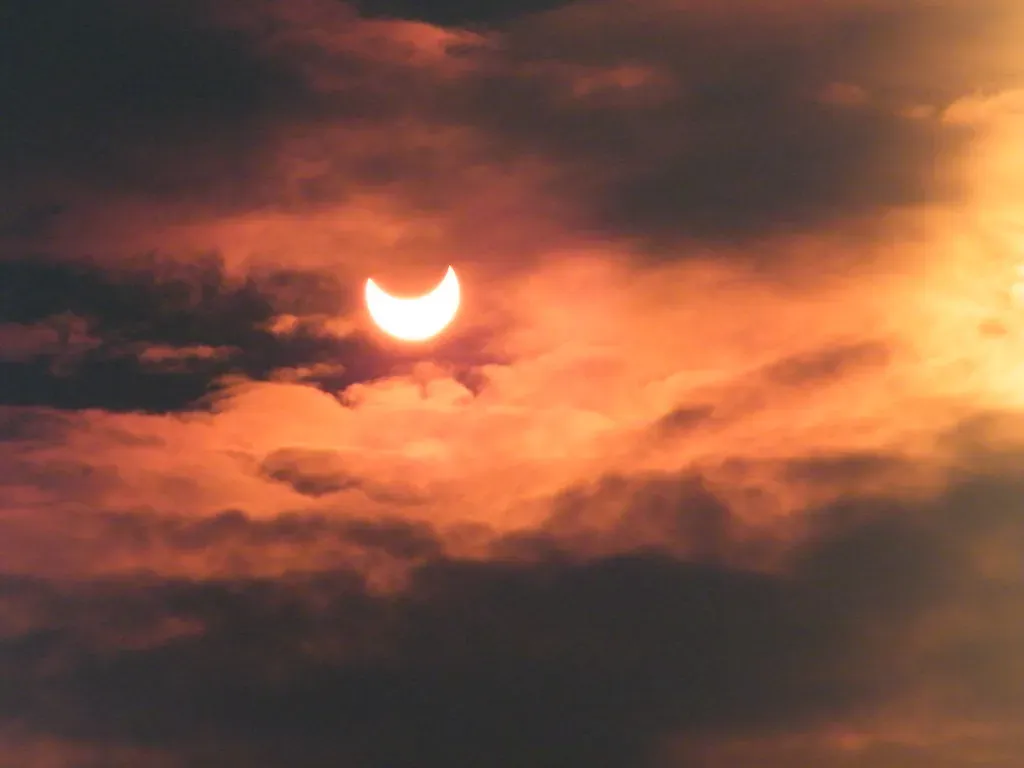
Some chronologists have tried to tie dramatic darkenings in biblical narratives to real eclipses, including one later interpreters linked to the era of Gideon in Judges. Early 20th-century writers eagerly matched this to a supposedly strong eclipse in the 11th century BCE and used it to scaffold an entire biblical timeline.
Better astronomical models make that scaffolding look shaky. The 11th-century candidate simply doesn’t deliver the darkness or path coverage the tradition implies. Move the associated events into the 10th or even 9th century BCE – already a live debate among biblical scholars – and far more impressive eclipses appear over Canaan. The catch nobody mentions enough: the biblical text never actually calls this a solar eclipse in the first place. That label is a modern addition, and treating it as a fixed astronomical anchor may be the riskiest move of all.
#4 – A Mesoamerican Codex Eclipse Misaligned With the Long Count
Pre-Columbian Mesoamerican records sometimes pair eclipse glyphs with calendar dates. One codex features an ominous Sun sign beside a Long Count date that early researchers converted into a 9th-century CE year, then confidently matched to a calculated eclipse grazing the Maya region around that time.
Later refinements to both the Long Count correlation and Maya astronomical understanding complicated the tidy story. With the correlation slightly adjusted, that same written date converts into a different century entirely – closer to the 8th or 10th, depending on which correlation constant you trust. Plug those options into modern eclipse software, and a far more dramatic eclipse matches the geography and iconography better than the original 9th-century guess ever did. It raises an uncomfortable question: were early Mayanists forcing the codex into a convenient century just to make their chronology work?
#3 – The “Lost” Hittite Eclipse and the Century Shuffle
Hittite records are frustratingly fragmentary, but one damaged tablet mentions a darkening of the Sun during the reign of a Great King entangled in wars with Egypt. Older scholarship placed this reign in the 13th century BCE and loosely connected the darkening to a known eclipse path that barely skimmed Anatolia.
Recent analysis shows that barely skimming isn’t good enough – the supposed 13th-century eclipse would have been almost unnoticeable in the Hittite core lands. An earlier 14th-century BCE eclipse, though, crosses much closer and would have produced the kind of striking sky change worth carving into a tablet. If that’s the real match, a cornerstone of late Bronze Age chronology – how Hittite and Egyptian timelines line up – needs a century-level nudge. Not everyone buys it, but the astronomical case is strong enough that serious scholars now treat the earlier date as at least equally credible.
Fast Facts
- Old assumption: a 13th-century BCE eclipse that barely skimmed Anatolia
- Stronger fit: a 14th-century BCE eclipse crossing much closer to Hittite lands
- Stakes: shifting this could nudge Hittite-Egyptian chronology by a full century
#2 – The Controversial Ugarit Eclipse That Rewrites the Bronze Age
The eclipse tablet from Ugarit is one of the most fought-over documents in ancient astronomy. It describes the Sun being “shamed” and stars appearing in the middle of the day, tied to omens for the king. Early proposals happily set this in the 13th century BCE and used it as a major anchor for late Bronze Age chronology across the whole region.
High-precision reconstructions later suggested something more dramatic: a total solar eclipse over Ugarit in the 14th century BCE that fits the description almost perfectly. If that’s the correct match, entire dynastic sequences across the Levant and Mesopotamia might need to shift a century earlier. Critics call this “chronology by wishful thinking,” pointing out that ΔT uncertainty in this era makes pinpointing the path nearly impossible. Supporters counter that the sheer intensity of the text – stars at noon – demands a true totality, something only the earlier century delivers.
#1 – The Thales Eclipse: 585 BCE… or an Entire Century Off?
The most famous ancient eclipse of all is the one supposedly predicted by the philosopher Thales, stopping a battle between the Lydians and Medes cold in its tracks. Every schoolbook gives the same confident date: 585 BCE. The closer you look, though, the shakier even that legendary year becomes.
“Day was on a sudden changed into night.”
Herodotus, describing the eclipse of Thales
The ancient sources are vague, late, and partly contradictory about the exact year and regnal context of the battle. Astronomers can confirm a spectacular total eclipse did cross Anatolia in 585 BCE, which is exactly why the story is so irresistible. But alternative eclipses in surrounding decades – and even a neighboring century – could fit just as well if you loosen assumptions about the battle’s location and timing. Some historians suspect the “prediction” is legendary embellishment retrofitted onto a remembered darkening whose actual year later writers simply guessed at, meaning the most “certain” eclipse date in ancient history might be the shakiest one of all.
The Bottom Line
Ancient eclipse “dates” are nowhere near as solid as textbooks make them look. When modern astronomy re-runs the sky, some of the most cited records only line up if you drag them into an entirely different century – and a few might not describe real eclipses at all.
The friction comes from three messy realities: scribes miscopied numbers, later authors retrofitted omens onto political stories, and Earth’s own rotation history adds unavoidable error bars to every calculation we run. The tempting move is to cherry-pick whichever eclipse flatters your favorite chronology and call it settled.
Serious scholars are more cautious than that now. They treat eclipse references as probabilities, not fixed anchors, and accept that whole dynasties may need sliding when the sky and the text disagree. My own take: the real mistake was never moving an eclipse by a century. It was pretending we ever knew the exact year to begin with. Which of these re-dated eclipses do you find convincing, and which one feels like a stretch?