You walk into a museum and assume you’re looking at the truth, permanently fixed behind glass. That confidence is the whole point of the building – marble floors, dramatic lighting, a skeleton posed like it just stepped out of the Cretaceous. Nobody whispers, “actually, we changed this last spring.”
But they did. Curators quietly repose skeletons, repaint faces, rewrite labels, and swap out objects, often with zero public announcement. Sometimes it’s honest science catching up with old guesswork. Sometimes it’s something messier. Here are 13 reconstructions museums fixed in the shadows – and mostly hoped you’d never notice.
#13 – The T. rex That Slowly Lowered Its Tail
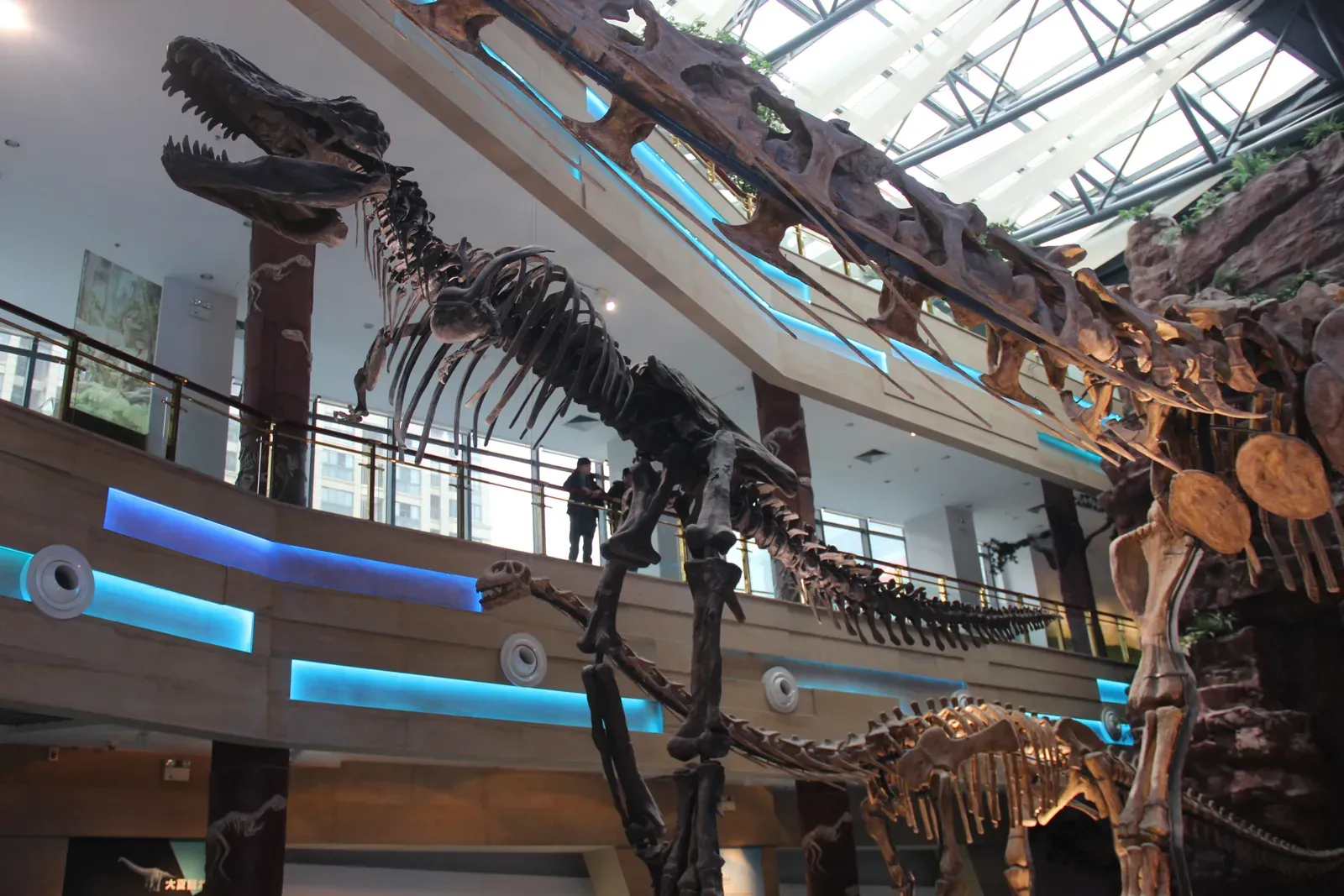
For most of the 20th century, Tyrannosaurus rex stood like Godzilla’s ancestor: upright, tail scraping the floor, head rearing back to roar at the ceiling. It looked terrifying. It was also completely wrong.
Biomechanics eventually proved the tail was a counterbalance, not a kickstand, meaning the real animal walked with its spine horizontal, more sprinter than statue. Museums didn’t announce “we built this wrong for a hundred years.” They just quietly re-scanned the bones, rebuilt the steel armatures, and tipped the whole skeleton forward during renovations, while the old upright pose lives on forever in cartoons, logos, and toy aisles.
Fast Facts
- Early 20th-century T. rex mounts borrowed their tail-dragging, upright stance from outdated “kangaroo-style” dinosaur poses.
- Biomechanical research in the 1970s and 1980s argued the tail worked as a counterbalance, not a drag line.
- By the 1990s, several major museums had quietly begun remounting their skeletons with horizontal spines instead.
- The old upright silhouette still dominates toy aisles, logos, and decades-old films despite being outdated science for more than 30 years.
#12 – Sauropod Necks That Quietly Stood Up Straighter
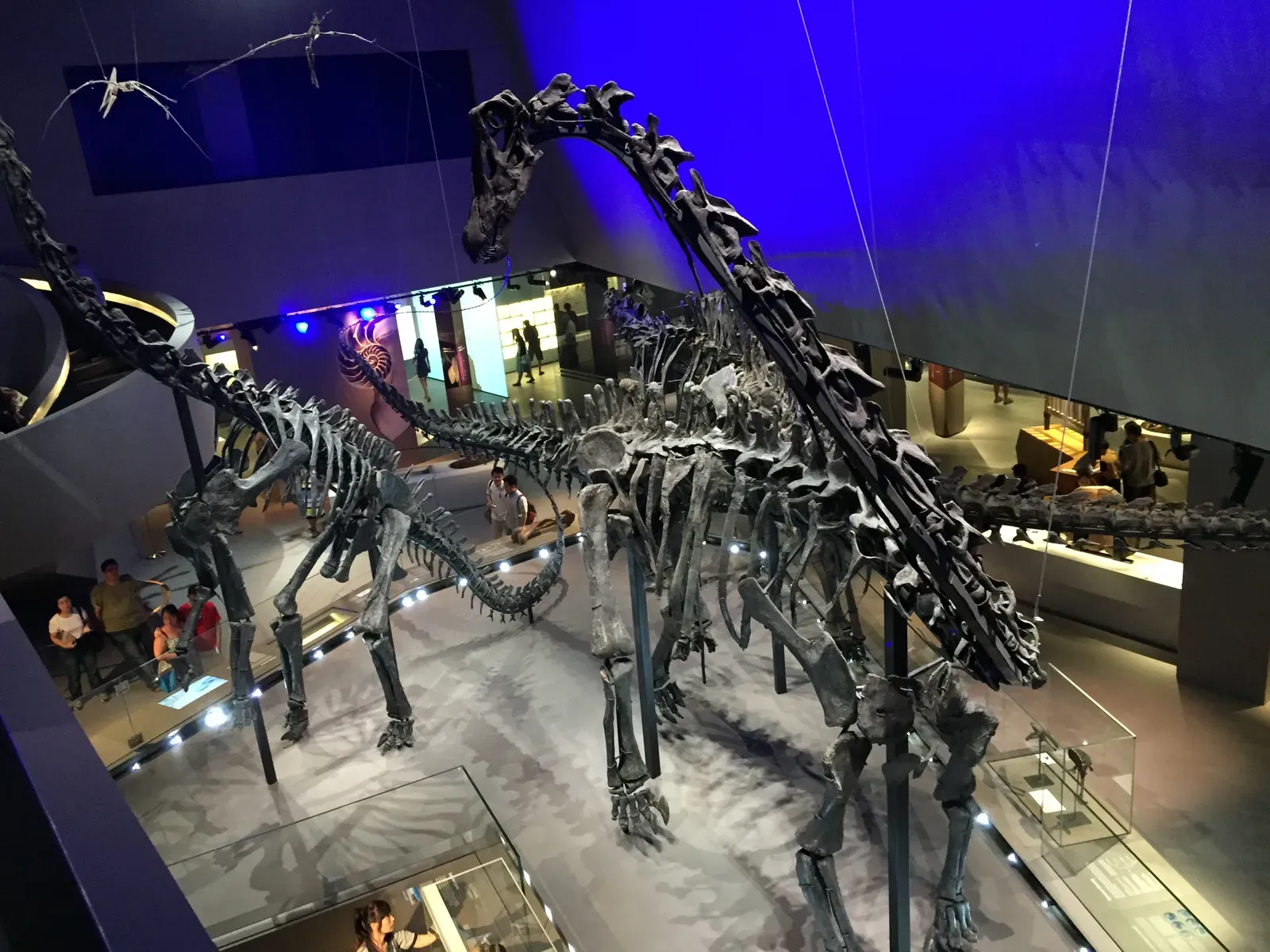
If you pictured long-necked dinosaurs dragging their heads out low and flat like oversized crocodiles, that image came straight from decades of conservative museum mounts. Later research into living animals’ spines suggested many sauropods likely carried their necks much higher, more giraffe than lizard.
Rather than admit the old silhouette was probably wrong, several institutions simply adjusted vertebra angles during touring rebuilds and renovations, tilting the neck a little steeper each time. Old postcards and textbooks still show the low-slung version, but the skeleton in front of you today may be standing at an angle no one publicly explained.
#11 – Iguanodon’s Vanishing Kangaroo Pose
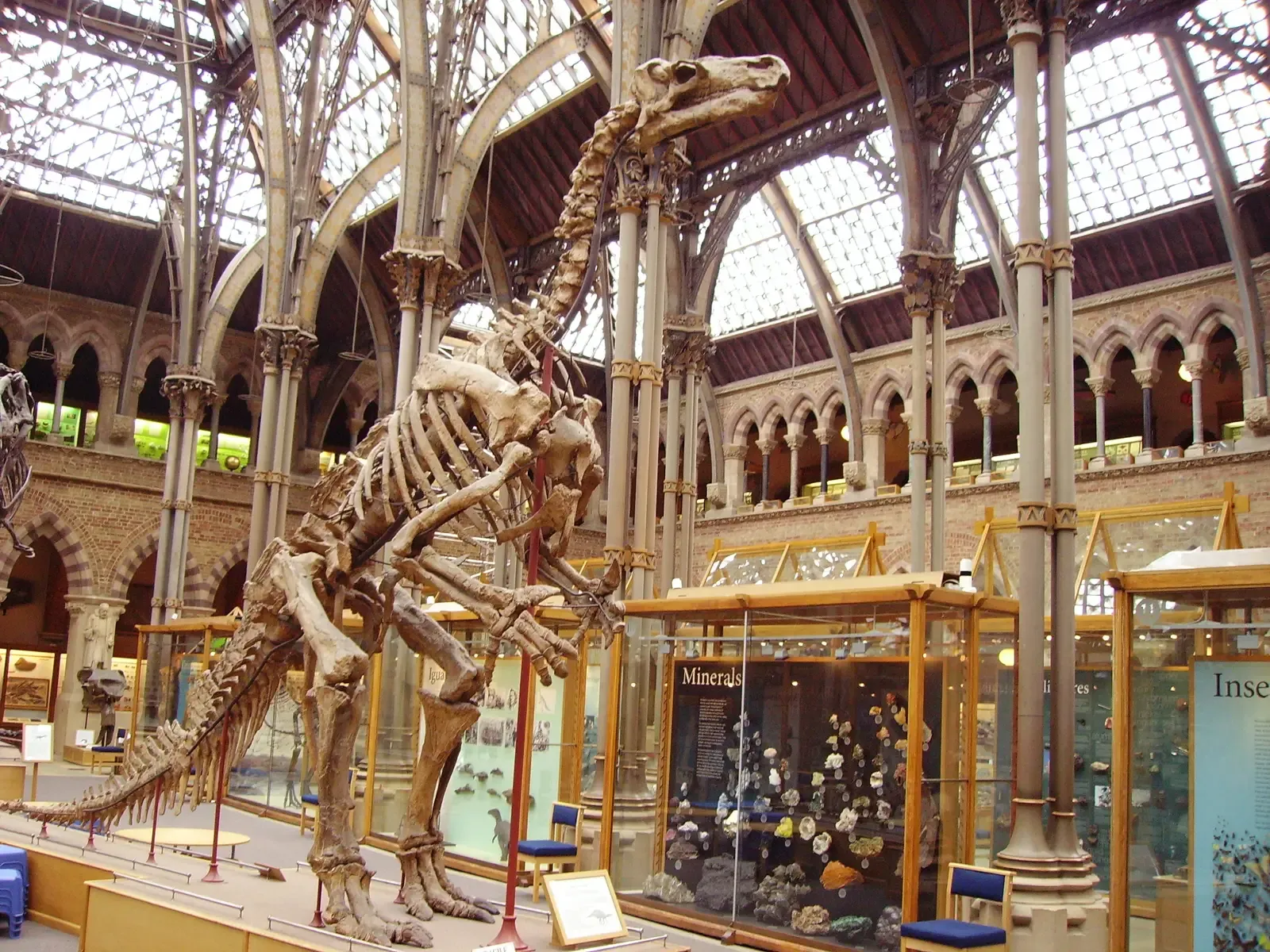
Few museum makeovers are as dramatic as Iguanodon’s. Nineteenth-century reconstructions posed it hunched like a kangaroo, tail dragging as a prop, thumb spikes jutting out like horns on its nose. That image got cast, copied, and shipped to museums worldwide.
Then more complete fossils showed Iguanodon actually walked mostly on four legs, with a stiff tail that couldn’t rest on the ground at all. Curators didn’t hold a funeral for the kangaroo version – they quietly repositioned limbs during refurbishments and let the old pose fade from active display. Storybooks never got the memo.
#10 – Crystal Palace Dinosaurs Gently Edited by Landscaping
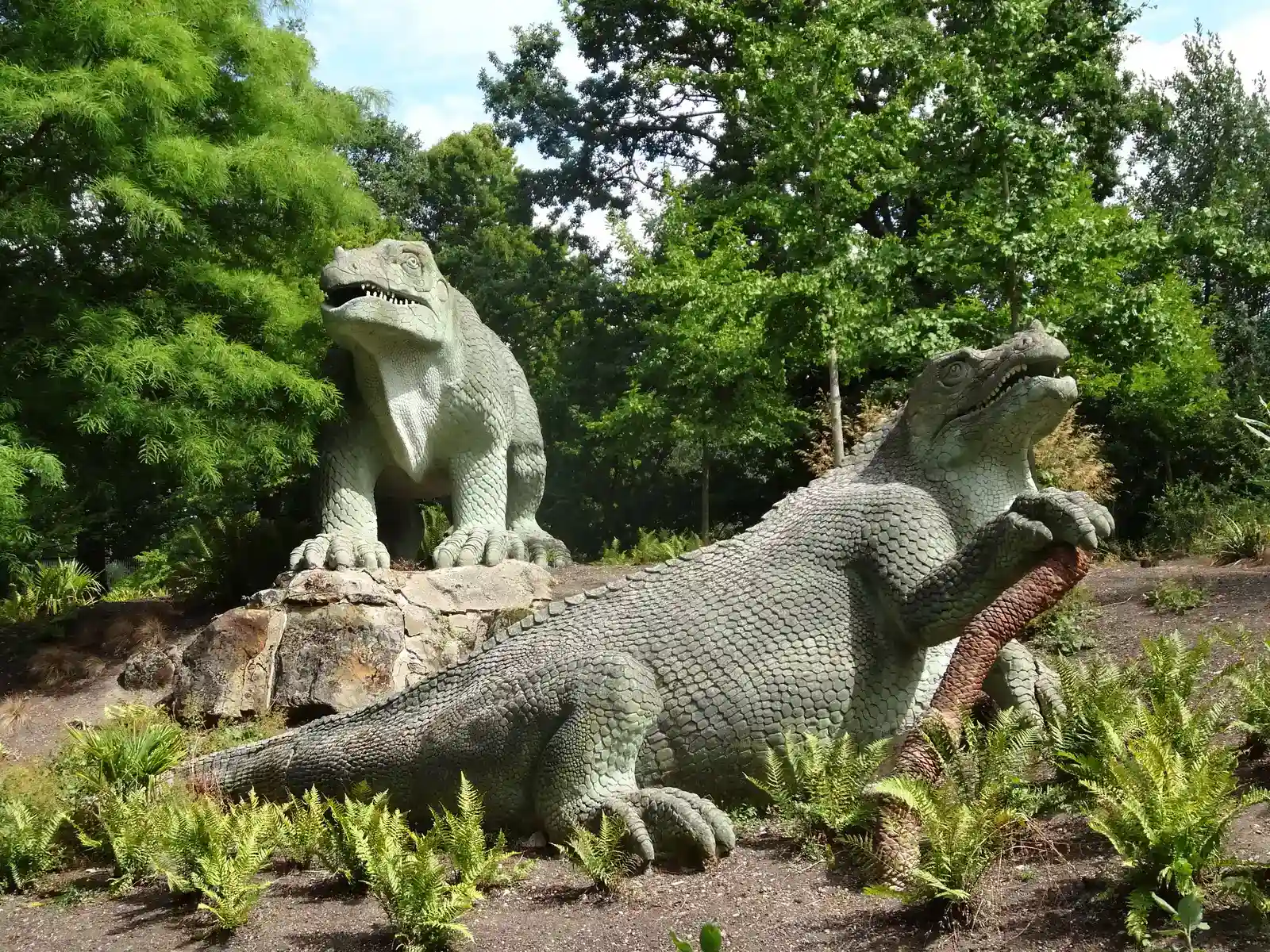
London’s Crystal Palace dinosaurs, unveiled in 1854, are famous today precisely because they’re wrong. Sculptor Benjamin Waterhouse Hawkins built them on the best guesses of his era, decades before complete skeletons existed, and later fossils exposed major errors in horns, proportions, and posture.
Instead of publicly demolishing a Victorian landmark, caretakers got sneaky: shrubs now hide the worst anatomical mistakes, signage quietly rebranded them as “early reconstructions,” and stabilization work has subtly altered outlines to stop them collapsing. Nothing dramatic happened on paper. The whole narrative shifted anyway, from cutting-edge science to a monument celebrating being wrong.
Worth Knowing
- Unveiled in 1854, the Crystal Palace dinosaurs were the world’s first full-scale dinosaur reconstructions ever built.
- Sculptor Benjamin Waterhouse Hawkins worked closely with palaeontologist Richard Owen, the man who coined the word “dinosaur.”
- Even at the time, critics weren’t convinced – a British Museum curator branded the figures a “Crowning humbug” built on shaky evidence.
- Of the more than 30 sculptures in the park, only four – two Iguanodons, a Megalosaurus, and a Hylaeosaurus – are technically dinosaurs at all.
#9 – A Veronese Face Quietly Repainted at the Louvre
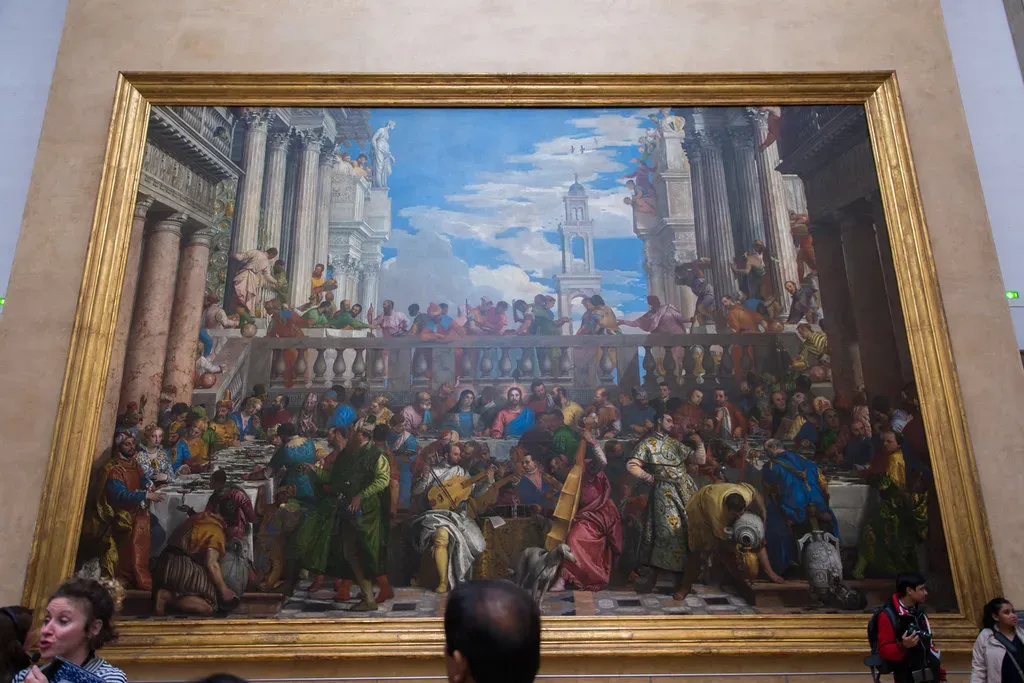
Not every reconstruction involves bones. Paolo Veronese’s “Supper at Emmaus” became an art-world cautionary tale after a 2004 cleaning left a central figure’s face looking, according to critics, like it had gotten a cheap nose job. Watchdogs were furious.
What happened next barely made headlines: a second, quieter round of retouching around 2009 appeared to walk some of those changes back, with no clear public record explaining why. Side-by-side archival photos suggest the face was altered twice, yet most visitors simply saw a painting that “looked fine” and moved on, never realizing they were looking at a mistake being corrected in secret.
#8 – Historic House Rooms Stripped, Then Slowly Put Back
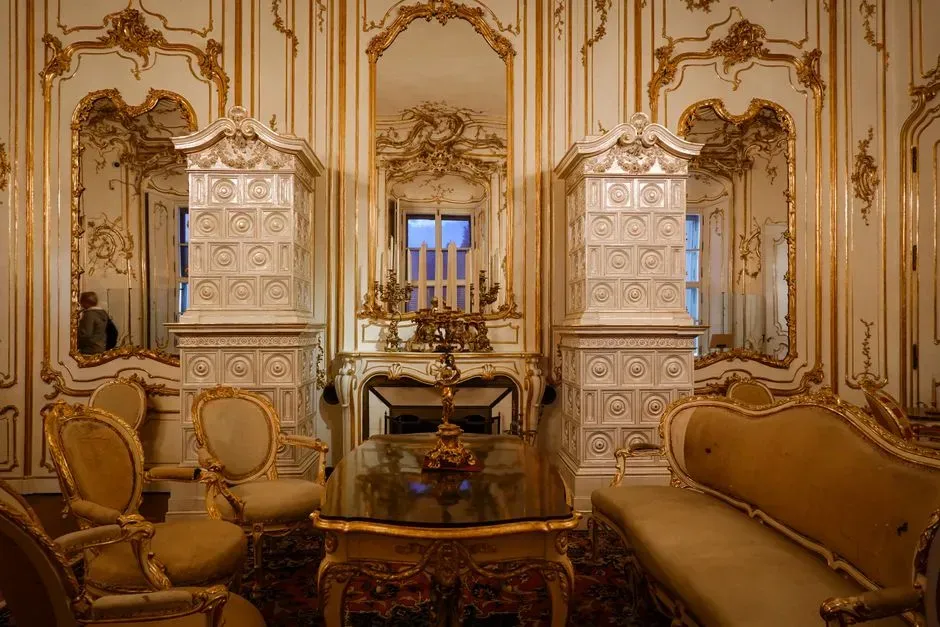
House museums sell a seductive fantasy: step inside and see the past exactly as it was. In reality, mid-century restorers often gutted rooms to chase one “original” date, ripping out mantels and moldings that were themselves historically important.
Later scholars called this a false sense of history, and slowly, quietly, some of that woodwork got reinstalled, doors rehung, colors repainted to match layered evidence rather than one idealized year. Labels rarely say “we over-stripped this house decades ago.” Visitors just feel the authenticity, unaware they’re touring the third version of “the past.”
#7 – The Appomattox and Seneca Falls Stories, Quietly Reframed
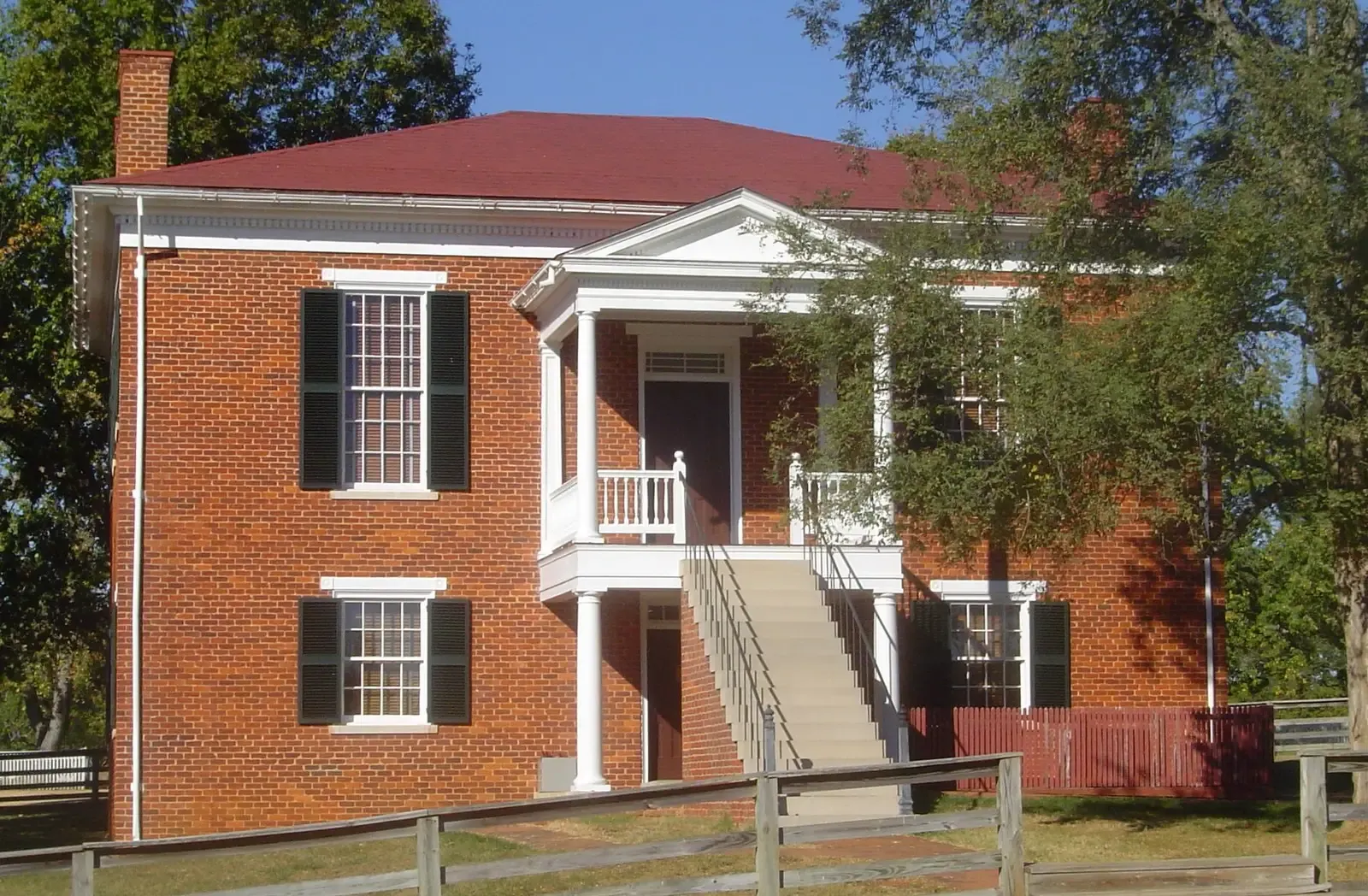
At sites like Appomattox Court House and the Elizabeth Cady Stanton House, early preservation projects leaned hard into rebuilding missing structures to hit one “heroic” moment in time. Later internal guidance warned that even accurate reconstructions can blur the line between original fabric and modern guesswork.
Rather than tear down their own work, these sites shifted the interpretation around it instead – changing which rooms are furnished, which panels get emphasized, how confidently a label claims “this is exactly how it looked.” The buildings stayed put. The story quietly moved underneath them, and most tourists still walk away thinking they saw one settled truth.
#6 – Label “Corrections” in Ancient Galleries
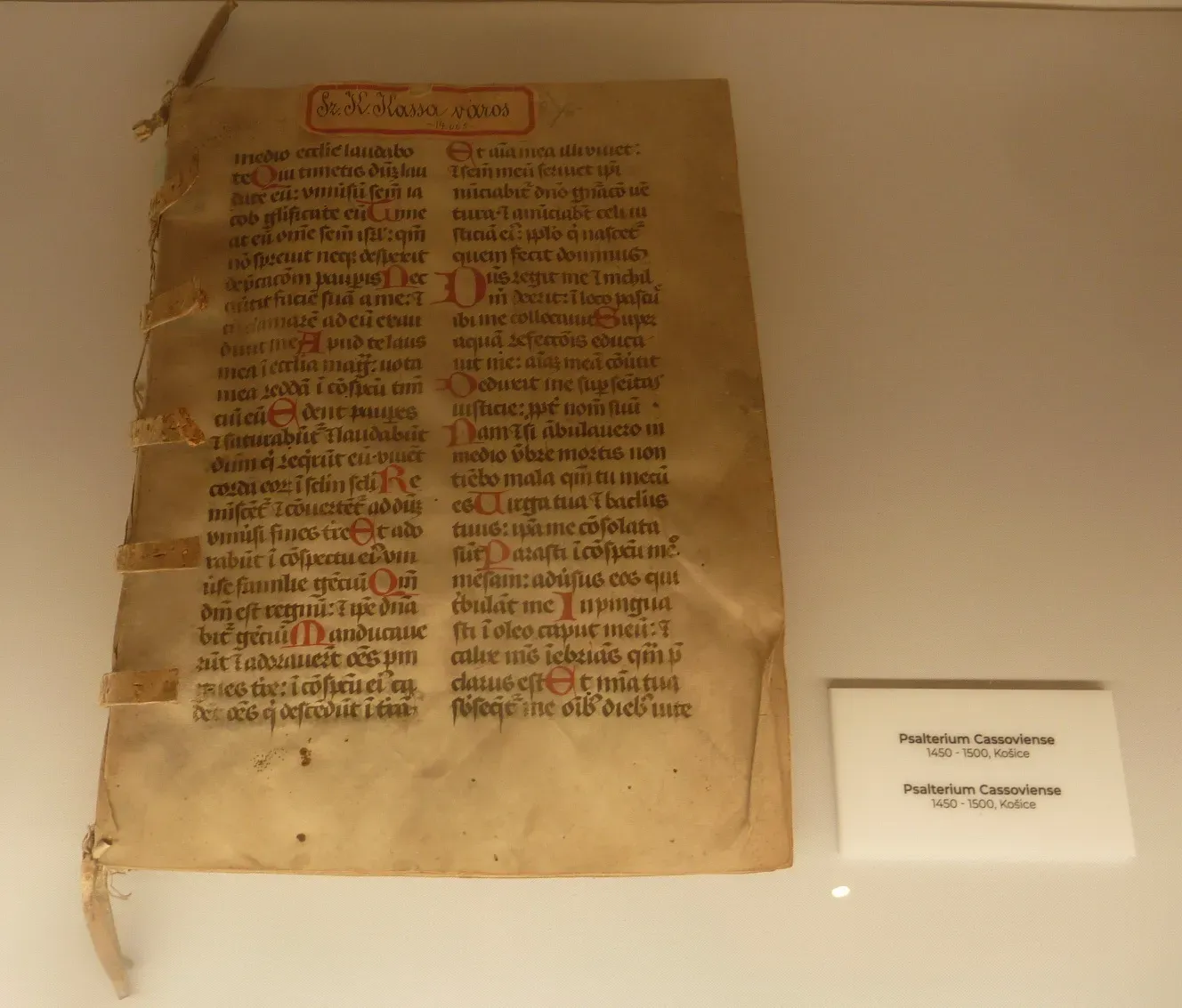
A wall label sounds trivial next to a full skeletal remount, but it shapes everything visitors believe they’re seeing. In recent years, major institutions have quietly revised place names and ethnic labels in ancient Near Eastern galleries, softening or removing terms inherited from older, politically loaded scholarship.
These rewrites almost never come with an explanation. A confident sentence mapping a Bronze Age people onto a modern nation simply gets fuzzier or disappears between one exhibit refresh and the next. The artifacts in the case never move. The story wrapped around them evolves anyway, leaving old guidebooks quoting a version the museum has already abandoned.
#5 – The Enola Gay and the Disappearing Context
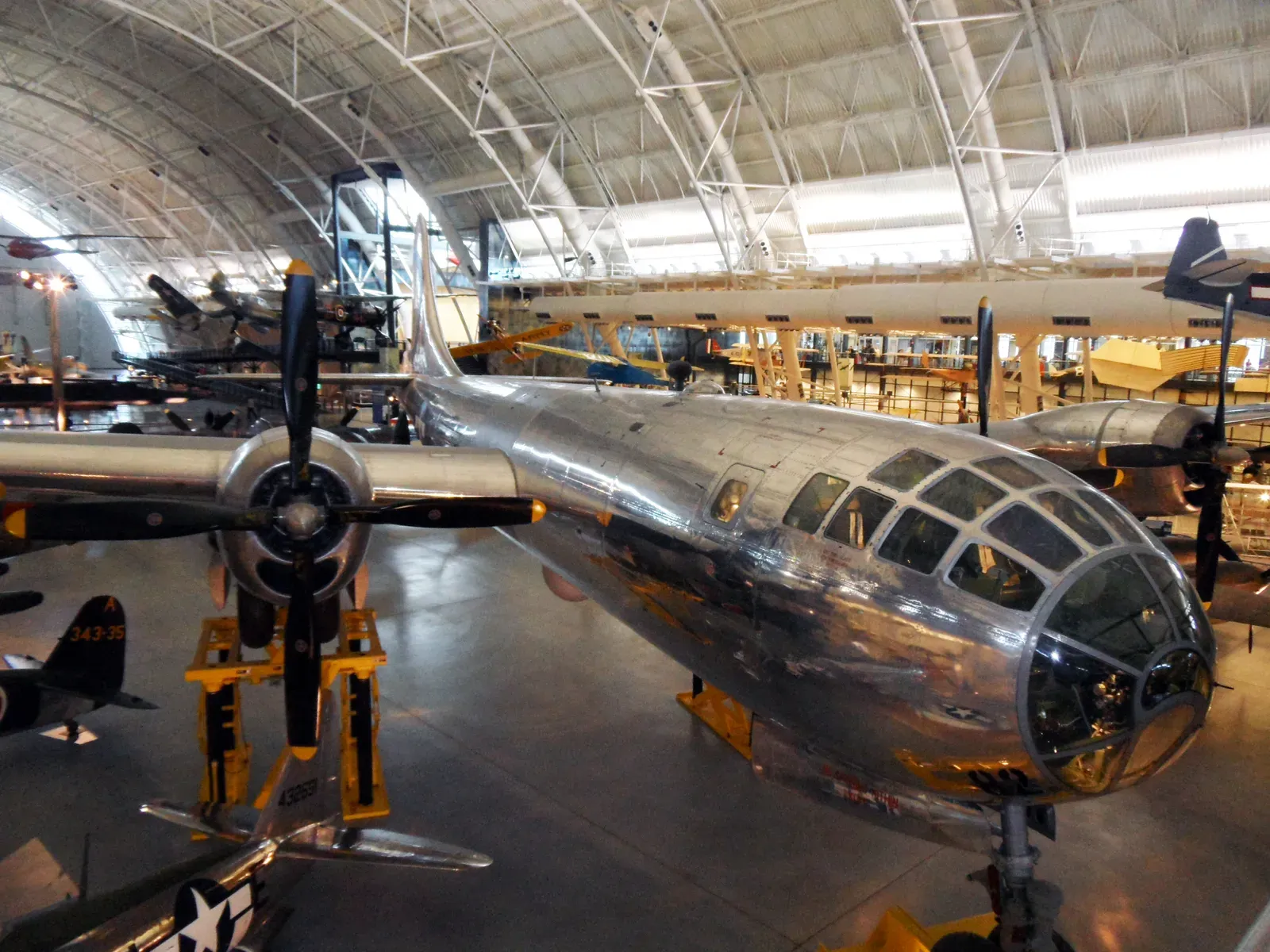
Few reconstructions have been as politically radioactive as the Smithsonian’s handling of the Enola Gay, the B-29 that dropped the atomic bomb on Hiroshima. In the 1990s, curators drafted an exhibit pairing the plane with searing images of the bomb’s human toll. Veterans’ groups and politicians erupted, calling it unpatriotic.
Under pressure, the museum scrapped that concept for a stripped-down display focused mostly on the aircraft itself. Since then, the surrounding panels have been quietly rebuilt more than once, each version trying to balance commemoration against honest history. To an average visitor, the plane is simply “on display.” The story around it has been rewritten in the dark, again and again.
“We made a mistake. We did not give enough thought to the intense feelings such an analysis would evoke.”
I. Michael Heyman, Smithsonian Secretary
#4 – “Reproduction” Objects Quietly Removed
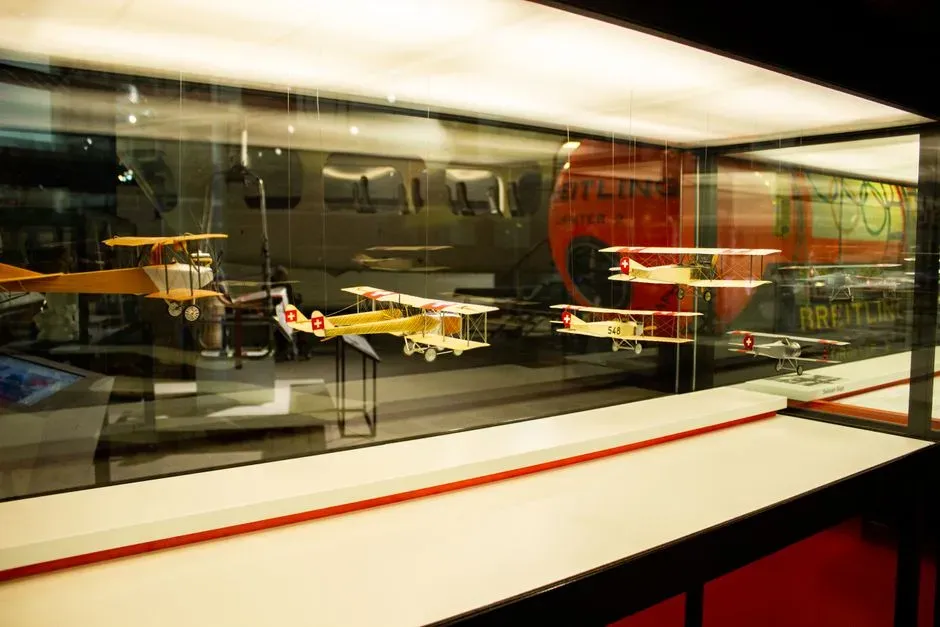
In 2026, a New York exhibition on historical objects hit a snag when reporters discovered some star pieces weren’t originals at all. One item only got the word “reproduction” added to its label after journalists started asking questions – and was then pulled from the show entirely.
The museum called it routine curatorial housekeeping, but the timeline told a different story: public scrutiny forced the rethink. This kind of quiet swap happens more than most visitors realize – lenders pull pieces, condition reports downgrade authenticity, and museums simply rotate in something else and rewrite the label, no press release required.
#3 – An AI-Written Label That Appeared, Then Vanished
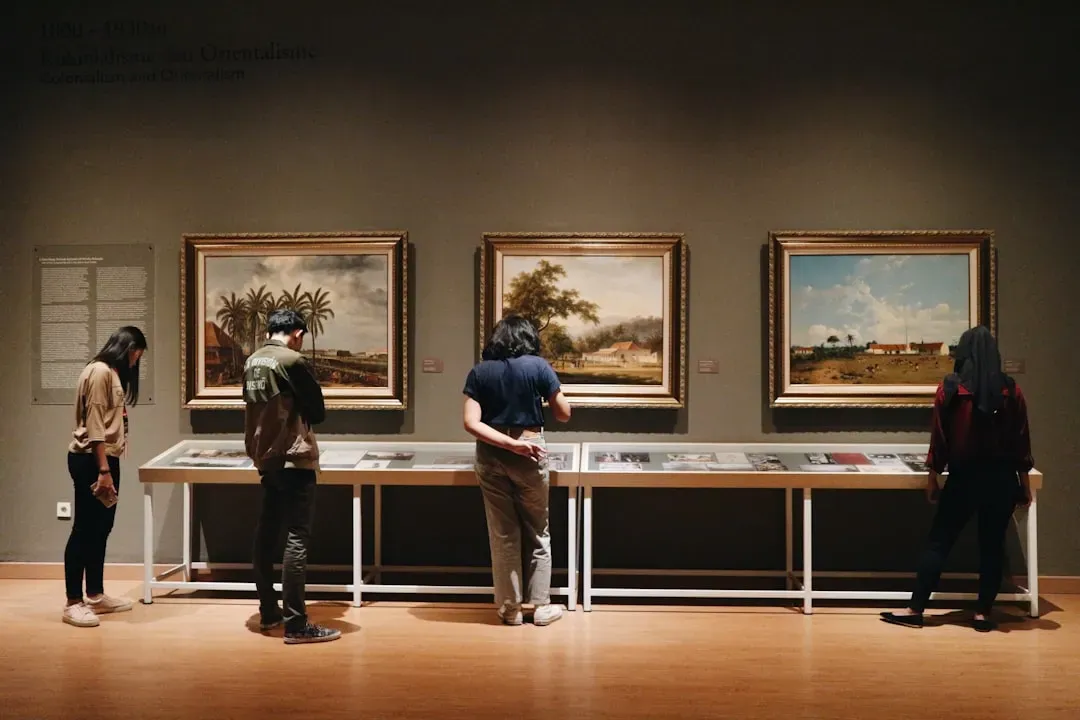
In Denver, an experiment with artificial intelligence briefly turned a wall label into a reconstruction of interpretation itself. The Denver Art Museum tested an AI-generated description on one artwork; a visitor filmed it and posted it online, and the internet immediately debated whether a machine should get to speak for a museum at all.
After the backlash, the museum quietly pulled the label and clarified that AI wouldn’t replace human curators’ voices. It sounds small, but labels are the script that tells you what a painting means – and this one only got caught because social media happened to be watching. How many smaller rewrites slip through with no one filming?
#2 – The Blue Whale That Replaced an Icon
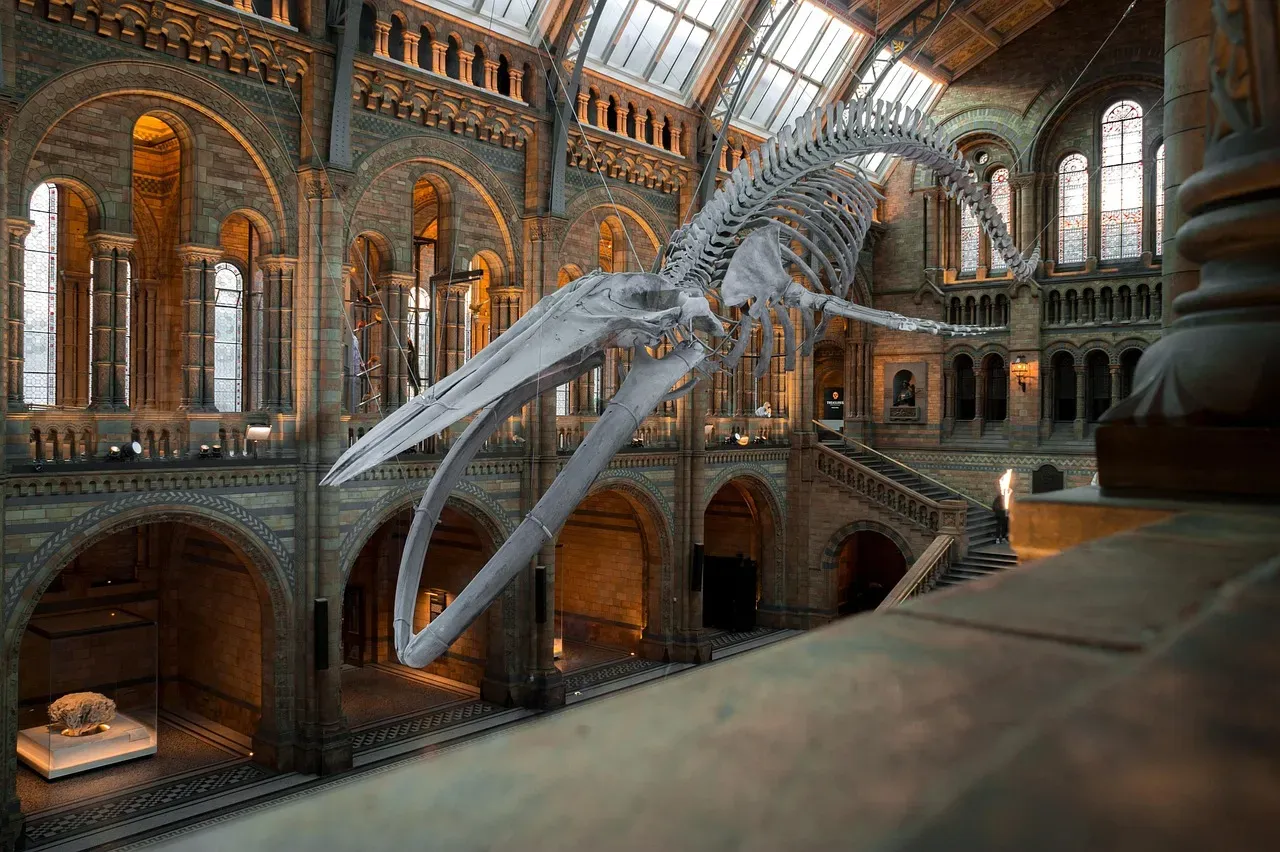
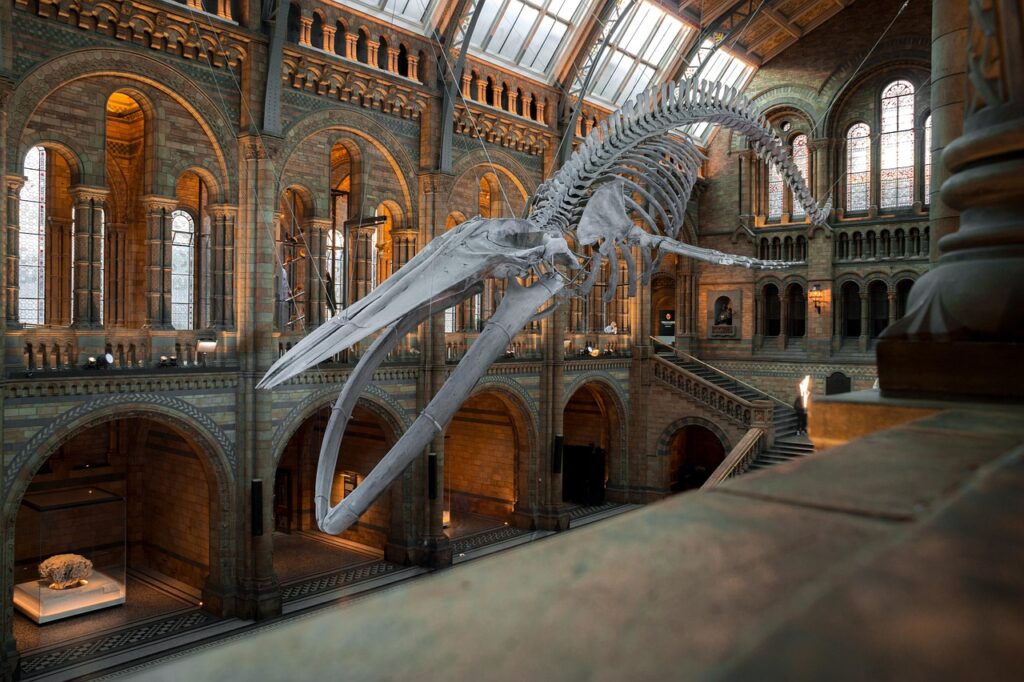
When London’s Natural History Museum swapped the beloved Diplodocus cast “Dippy” for a real blue whale skeleton in its main hall, the official story was all about conservation and “refreshing the space.” Underneath that framing was a quieter truth: Dippy’s pose had already been repositioned and corrected multiple times over the decades to keep up with shifting dinosaur science.
Most coverage treated it as a simple changing of the guard, not an admission that the old centerpiece had been scientifically massaged again and again behind the scenes. Visitors now photograph the soaring whale skeleton with no idea they’re also documenting the latest chapter in a century-long argument over how to picture deep time.
Quick Compare
- Dippy the Diplodocus: A plaster cast, not real bone, that anchored the main hall for nearly four decades.
- The Blue Whale: A genuine skeleton that took over as the new centerpiece in 2017.
- The Official Reason: Framed as a conservation-minded refresh and a nod to ocean life.
- The Quiet Reality: Dippy’s own pose had already been adjusted multiple times to track evolving science long before it was ever swapped out.
#1 – National Narratives Rewritten Panel by Panel
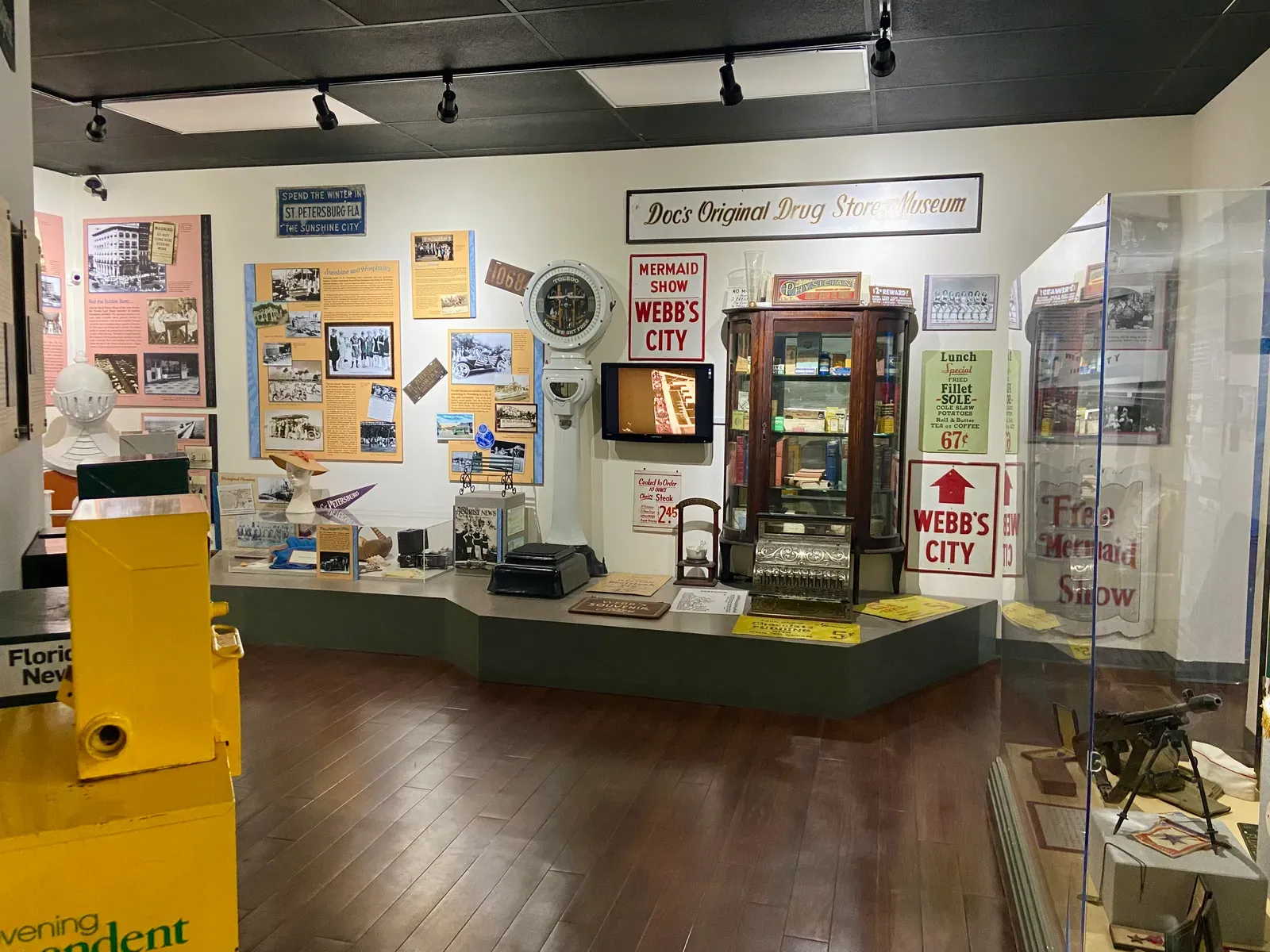
The quietest, most consequential reconstructions in any museum aren’t dinosaur poses or repainted faces – they’re national stories. Political pressure has repeatedly pushed U.S. history sites to adjust how they present slavery, civil rights, and the legacies of major historical figures.
At one prominent site tied to George Washington, a newly installed exhibit reframed him closer to an abolitionist figure, downplaying his lifetime as a slaveholder while staying technically factual sentence by sentence. Earlier exhibits centering enslaved people’s own perspectives were dismantled and replaced with panels claiming to offer more “context.” Nothing about the bricks changed. Everything about the story did, and unlike a mis-posed skeleton, there’s no clean way to remount the truth.
The Bottom Line
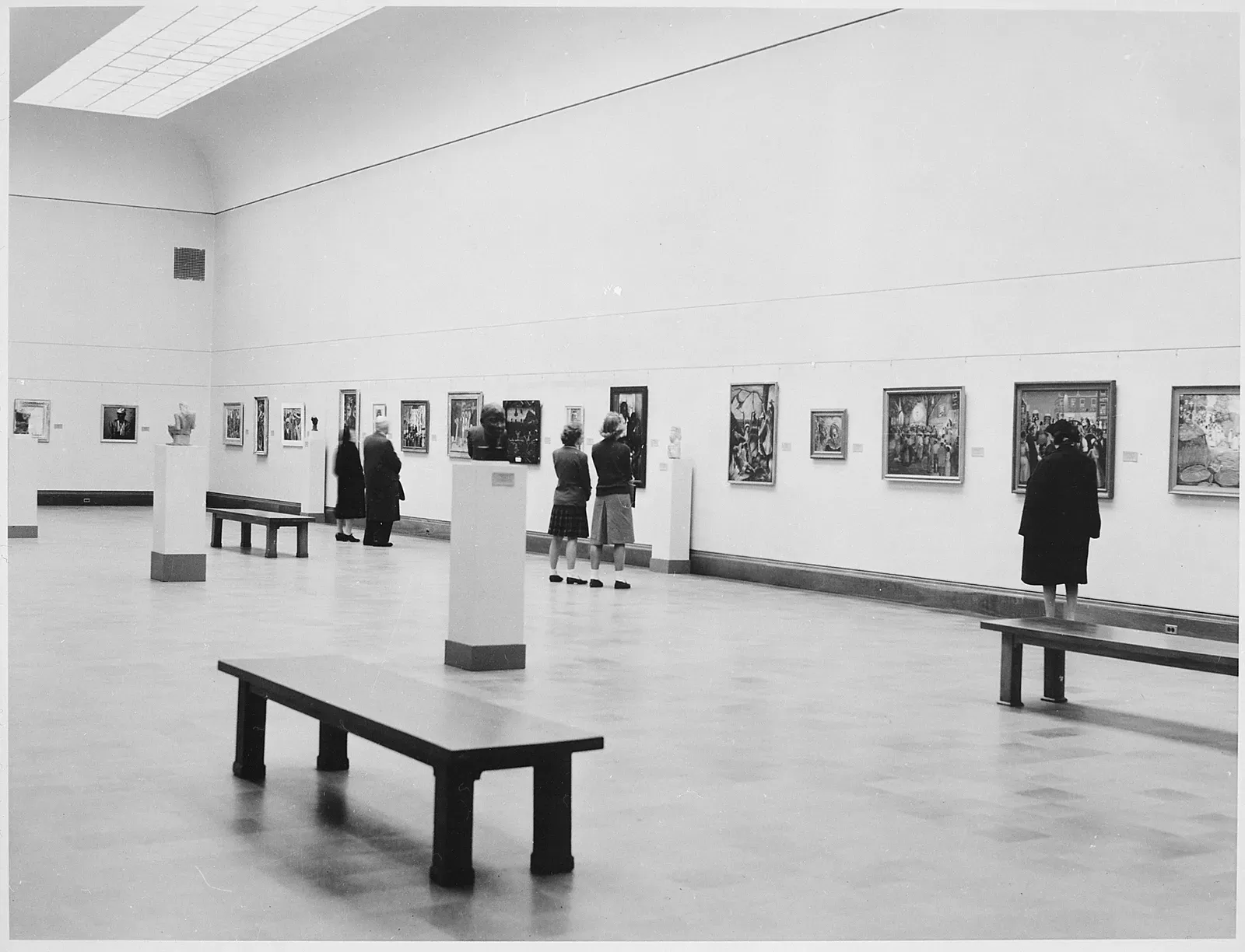
Museum reconstructions were never just about fixing a bone or a paint chip. They’re proof that what hangs behind glass is always a snapshot of what one generation decided was acceptable to show – and what it quietly decided to hide.
Some of these corrections are genuinely heroic: abandoning bad science, undoing a botched restoration, giving a dinosaur the posture it actually deserved. Others are evasive, sanding off controversy or bending a national story to fit political comfort. The real scandal isn’t that museums change their minds. It’s that they almost never admit it out loud.
If institutions want to be trusted, they owe visitors a visible paper trail – old photos, retired labels, honest notes on what got altered and why. Until that becomes standard practice, every “authentic” scene behind glass deserves a second look. Which quiet correction on this list bothers you the most – or does it actually make you trust museums a little more?