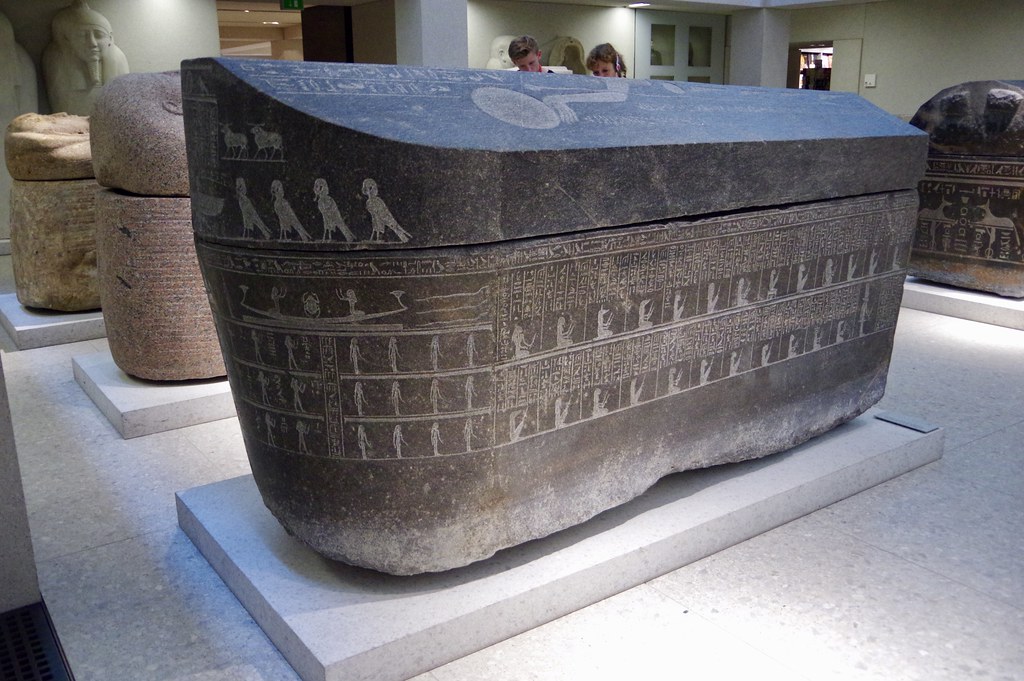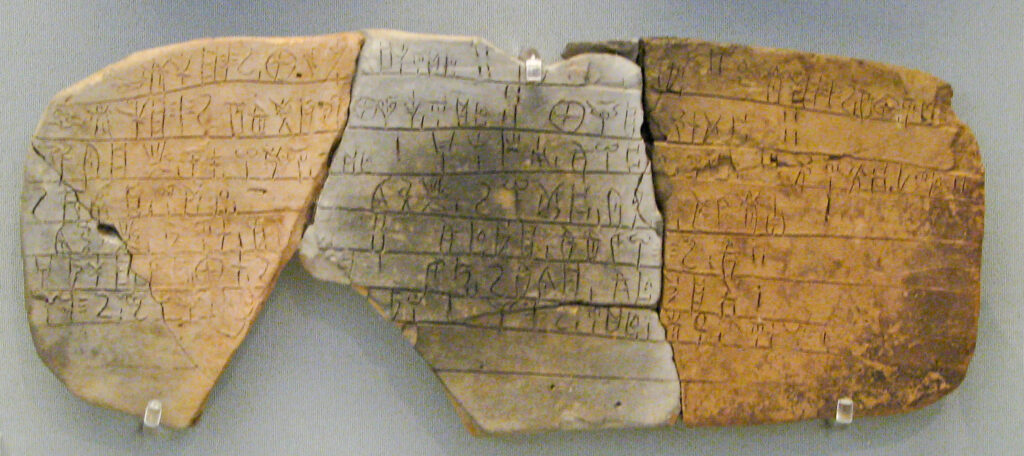
Translators aren’t supposed to make headlines. They quietly convert dead languages into readable prose, and nobody thinks twice about it. But over the last few decades, something strange has been happening in footnotes and revised editions across a dozen ancient languages: words that used to mean “divine light” or “magic chariot” are being rewritten as “radiation,” “gear ratio,” and “pressure differential.” That’s not a conspiracy theory. That’s linguists doing their job more honestly than their predecessors did.
None of this means ancient civilizations had spaceships or nuclear reactors – let’s get that out of the way immediately. What it does mean is unsettling in its own right: passages we filed under “myth” for a century are turning out to encode real technical knowledge, sometimes stuff we assumed nobody grasped until the Enlightenment. Twenty-one of the strangest, best-documented examples are below, starting with a Sanskrit epic that reads less like poetry and more like a blast report.
#21 – The Mahabharata’s “Weapon of Light” That Sounds Uncomfortably Modern
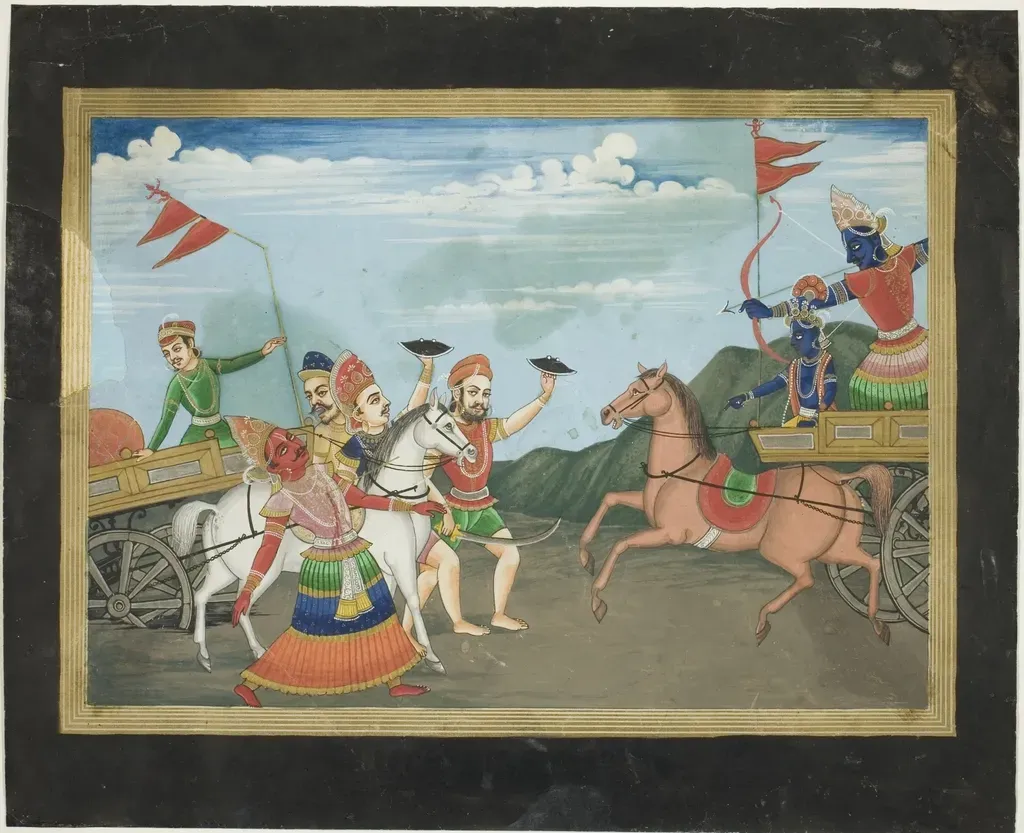
Some Sanskrit scholars now admit they softened the original wording specifically to avoid “ancient nuke” headlines. The Mahabharata describes a single projectile charged with the power of the universe, one that releases blinding light, searing heat, and fallout-like aftereffects. Early translators rendered this as “divine fire.” More recent philologists point out the text also mentions hair and nails falling out and food becoming contaminated – details that line up eerily well with radiation sickness.
Mainstream historians still call this mythic exaggeration, and maybe it is. But it’s hard to ignore how specific the physiological symptoms are underneath the poetic language. At minimum, whoever wrote this understood blast effects, lingering contamination, and staged weapon systems long before gunpowder existed. Some Indologists privately compare sections of the text to battlefield reports, even while publicly insisting it’s pure allegory.
#20 – Ezekiel’s “Wheel Within a Wheel” and the Machinery Nobody Wanted to Admit Was There
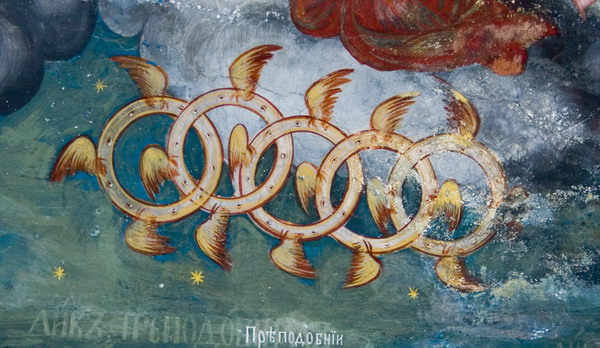
For centuries, translators leaned hard into mysticism specifically to avoid the mechanical implications. In the Book of Ezekiel, the prophet describes a wheel within a wheel that moves without turning, studded with “eyes” all around, generating intense light and noise. Most Bibles frame this as a purely spiritual vision. But the underlying Hebrew uses surprisingly concrete vocabulary for construction, rotation, and noise – workshop language, not dream poetry.
Some translators now acknowledge they picked religiously “safe” words over more literal, mechanical ones. Skeptical engineers reading the raw text see hints of nested, gyroscopic structures capable of omnidirectional movement – features you’d expect from an advanced vehicle, not a Bronze Age cart. That doesn’t mean Ezekiel saw a spacecraft. It does mean his description maps far better onto engineered systems than onto chariots or clouds, and he’s oddly precise in exactly the places you’d expect vagueness.
#19 – The Vaimanika Shastra’s Disturbingly Detailed “Aircraft Manual”
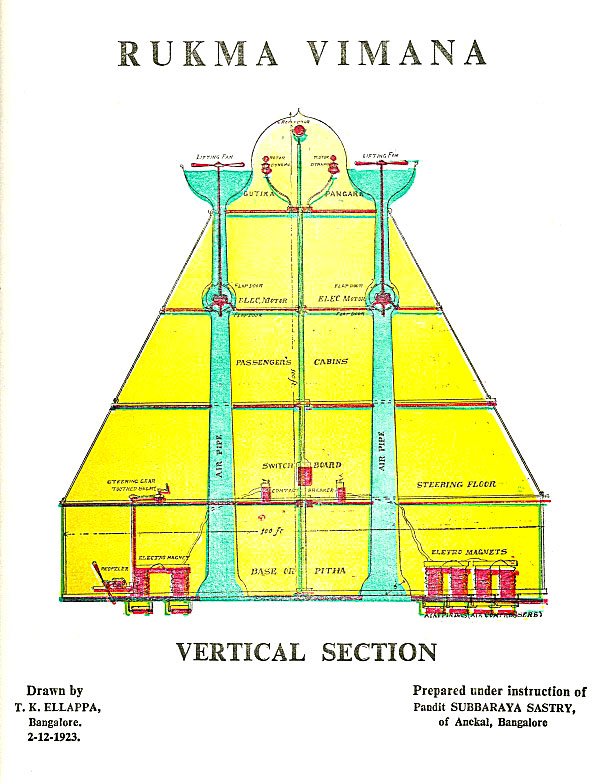
Most academics dismiss this Sanskrit text as a 20th-century forgery, and the language evidence backs them up – it doesn’t fully match older Sanskrit and likely contains anachronisms. Fair enough. But even skeptical translators concede the document is obsessively detailed on propulsion, alloys, aerodynamics, and pilot safety in a way that reads exactly like a design manual, not mythic poetry.
There are sections on fuel mixtures, anti-collision measures, heat-absorbing linings, and even psychological fitness tests for pilots. Engineers who reviewed the designs decades ago argued they wouldn’t actually fly – but that critique still assumes someone was seriously attempting to describe functional aircraft. If it’s a hoax, it’s one built by a disturbingly modern engineering imagination. And if any part of it is older than assumed, we’re missing a real chunk of technological history.
#18 – The Antikythera Inscriptions That Turned Out to Be a User Manual
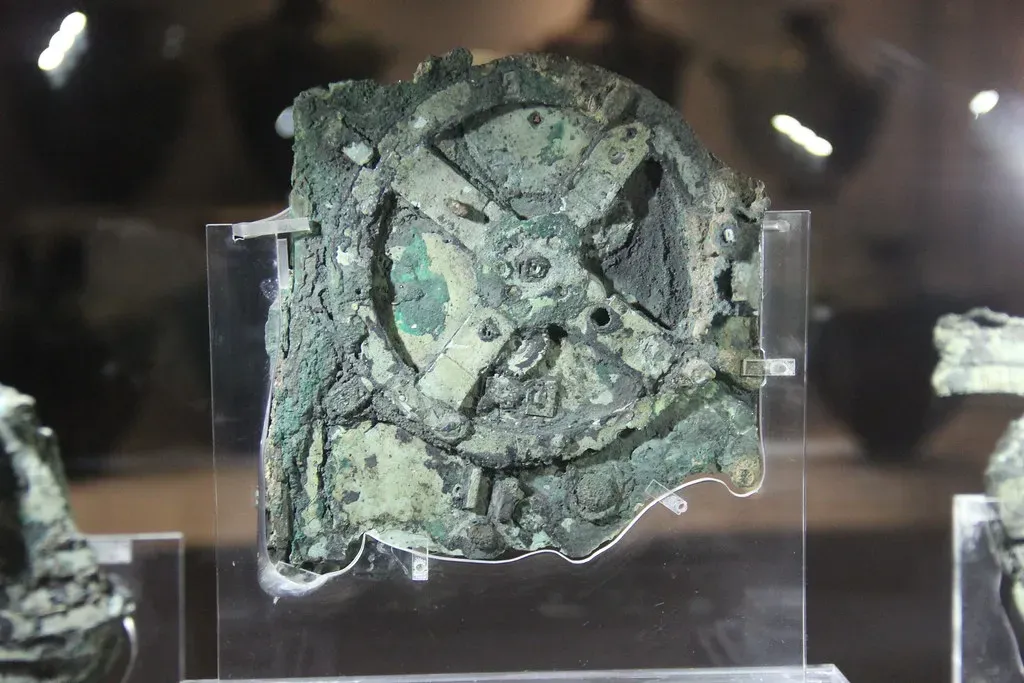
The Antikythera mechanism, a 2nd-century BCE analog computer, came with corroded Greek inscriptions that early translators treated as vague astrological notes. With better imaging, scholars now agree the text includes actual operating instructions, gear ratio explanations, and calibration warnings – language that assumes a user systematically adjusting a multi-gear device, not a priest reading omens.
Phrases once softened into “divine portents” have been retranslated as dry technical terms: settings, indicators, cycles. That shift matters more than it sounds. It proves Hellenistic craftsmen didn’t just build sophisticated calculators – they documented them the way you’d document a lab instrument, not a mystery cult relic. Most people still assume the Greeks had “gears but no industry.” This text suggests a culture perfectly comfortable with abstraction, fine tolerances, and repeatable procedure.
Fast Facts
- Divers exploring a Roman shipwreck off the Greek island of Antikythera in 1901 found the remains of a baffling device.
- It is a metallic device which consists of a complex combination of gears, and dates back to the 2nd century BCE.
- A complex arrangement of over 30 gears could determine with remarkable precision the position of the sun, moon and planets, predict eclipses and track the dates of Olympic Games.
- Widely regarded as the oldest known scientific calculator ever recovered from the ancient world
#17 – The Dendera Reliefs and the Egyptian Text Nobody Wanted to Take Literally
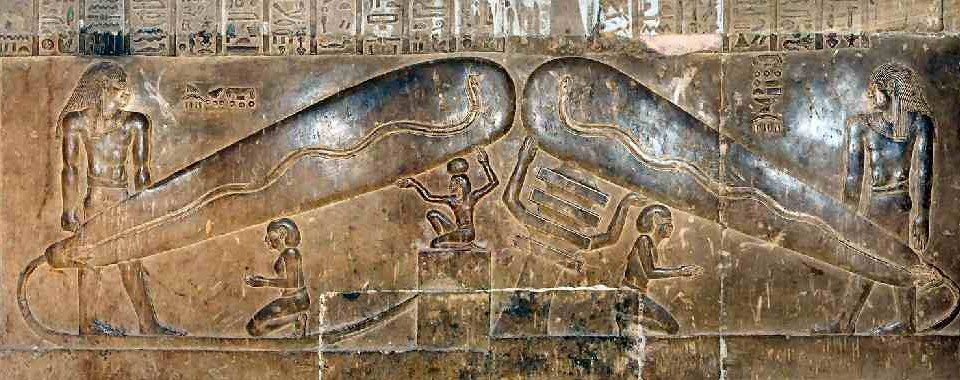
At the Dendera temple, reliefs show figures holding elongated bulb-shaped objects attached to thick cable-like forms. Fringe theorists jumped on this as proof of ancient electricity, which made serious Egyptologists visibly defensive. For years, the hieroglyphic captions were rendered with safe, generic phrases like “symbol of creation.”
Later re-examinations admit the text actually references “radiance,” “enclosure,” and “serpent energy” in ways oddly consistent with contained, directed light. Mainstream scholars insist these are mythic images of the lotus and serpent of creation, and that’s a reasonable reading. But when pressed, philologists admit choosing “mystery” over “mechanism” is partly an interpretive preference, not a linguistic necessity. Bulb-shaped enclosures, a supporting pillar, and explicit text about contained brilliance is at least technologically flavored, even short of literal electricity.
#16 – The Mozi’s Optics Chapters That Predict Camera Obscura Centuries Early
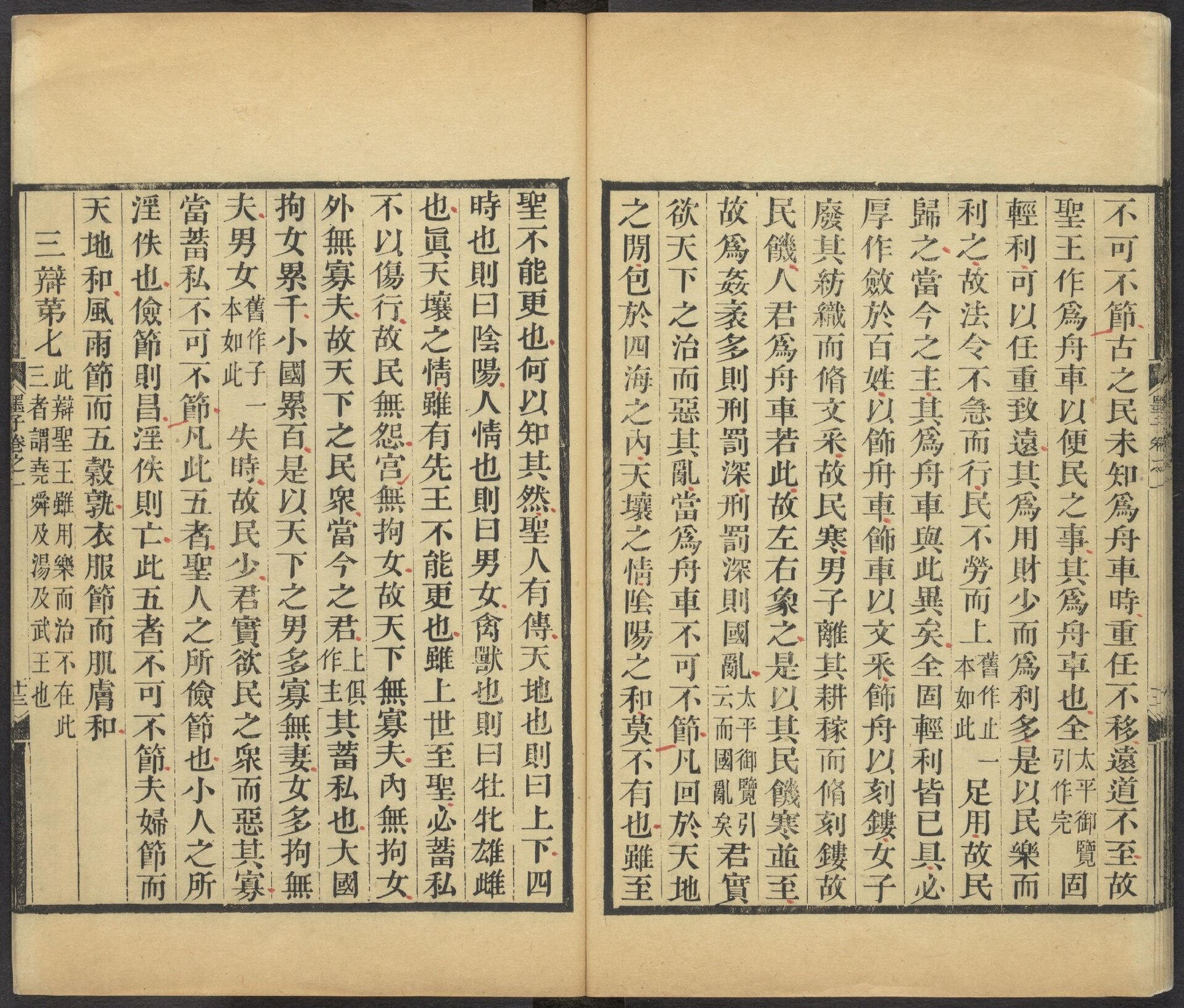
The Mozi, a 5th-to-4th-century BCE Chinese text, doesn’t get the hype Greek philosophy does, but it should. Its “Canons” lay out startlingly clear principles of linear light propagation, pinhole imaging, and camera obscura effects. Older translations watered this down into vague “philosophical reflections on light.”
More literal renderings now reveal stepwise, testable descriptions: light traveling in straight lines, inverted images forming through small apertures, rules governing image size. This reads like someone repeated the experiment and wrote down what happened. It’s fashionable to say optics “begins with Euclid,” but the Mozi shows an entirely different civilization grasping the same geometry centuries earlier, then burying it inside a text better known for moral teachings. That most curricula skip this is a bias problem, not an evidence problem.
#15 – The Sushruta Samhita’s Surgery So Advanced, Modern Doctors Borrowed It
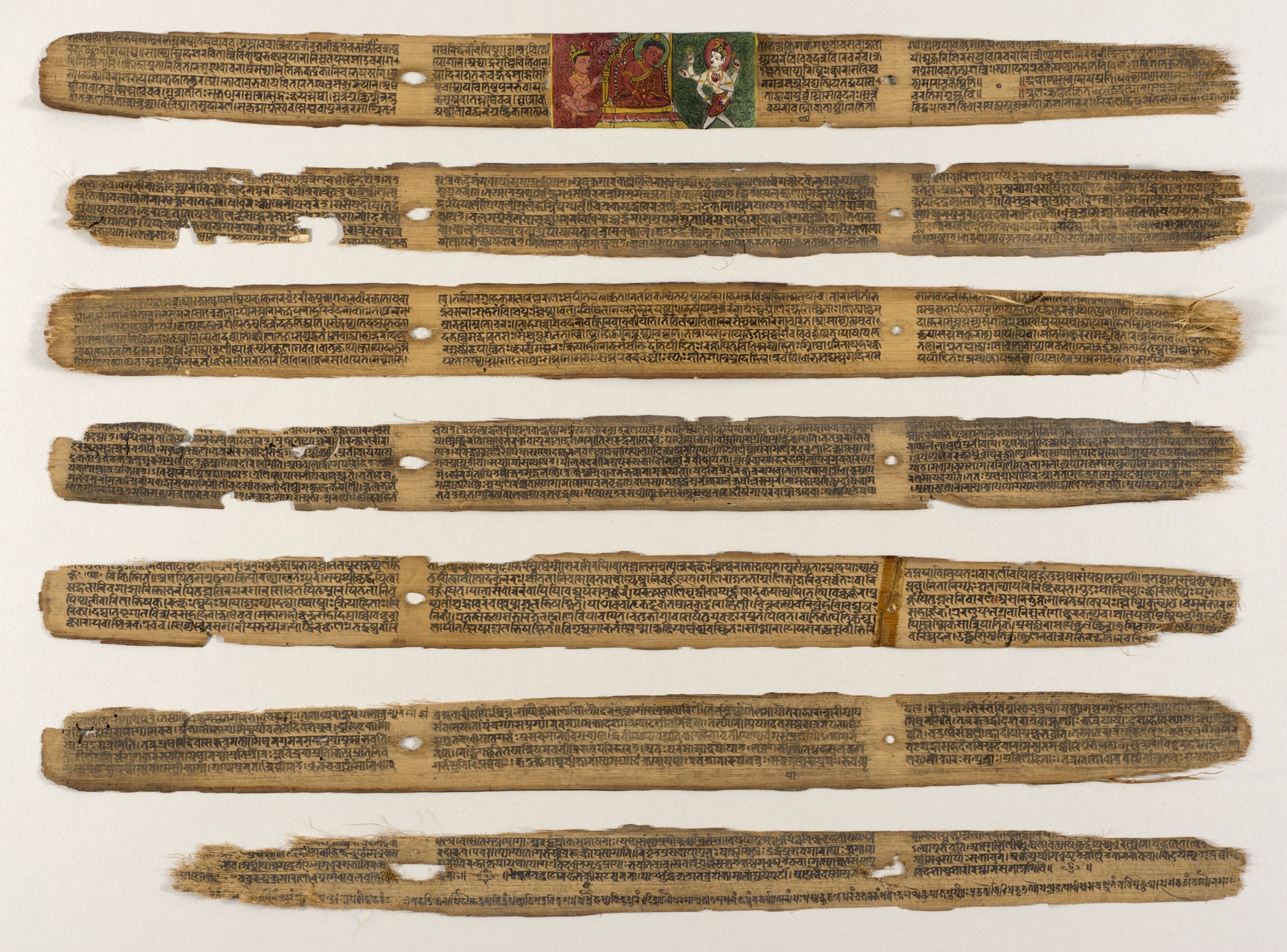
The Sushruta Samhita, an ancient Sanskrit medical treatise, is infamous among historians of medicine for describing hundreds of surgical procedures – from cataract extraction to sophisticated plastic reconstructions. Early European translators treated these as mythic bragging, smoothing precise anatomical terms into generic “healing arts.” Modern philologists have walked that back completely, confirming the Sanskrit is technically accurate and practical, not poetic.
The text details instruments, step sequences, herbal anesthesia, postoperative care, and something close to informed consent. One passage outlines nasal reconstruction so effectively that 19th-century British surgeons adopted it wholesale, calling it the “Indian method” of rhinoplasty. That’s not folk magic – that’s clinical observation refined over generations. Nobody working from a Eurocentric model of history expected Iron Age surgeons to write like this, so for a long time, translators quietly minimized it.
#14 – The Arthashastra’s Espionage Playbook Hiding Inside “Political Philosophy”
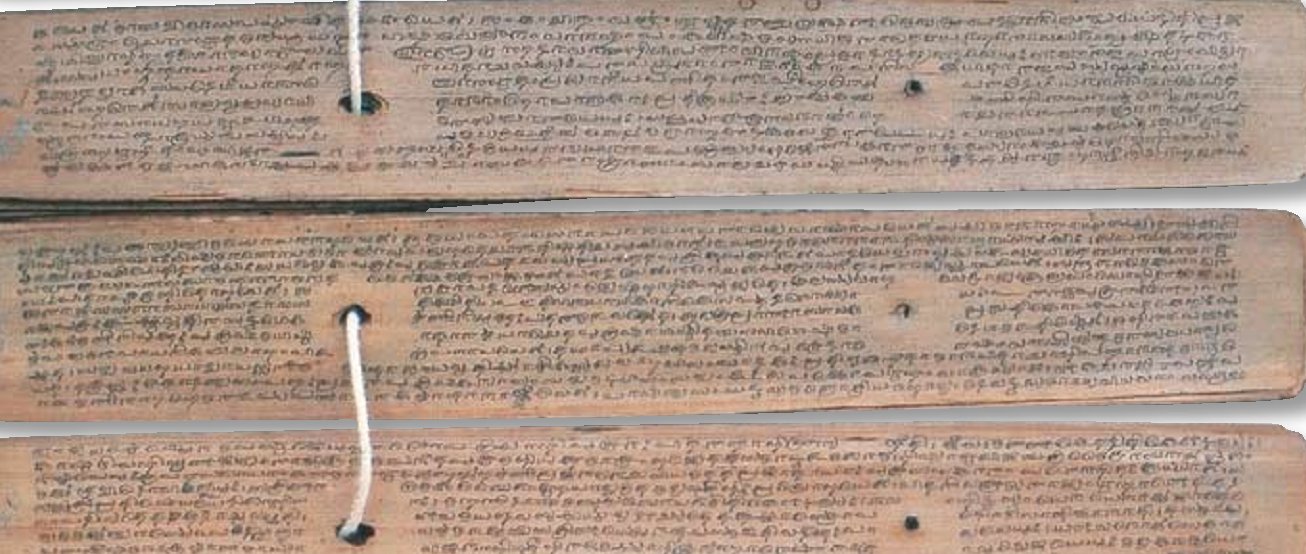
Kautilya’s Arthashastra, roughly 3rd-to-2nd century BCE, sat comfortably in the “political philosophy” bucket for generations. Once fully translated, it turned out to be a chillingly detailed handbook for running espionage networks, coded messages, and psychological operations – double agents, signal systems, cover identities, even early steganography.
Translators initially softened the passages on poison labs, counterfeit currency, and agent handling, likely because none of it fit the stereotype of “spiritual India.” Later editions have gotten blunter about what this actually is: a manual for running a complex intelligence state, assuming advanced logistics, communications, and information management. That’s exactly the kind of invisible technology – organizational rather than mechanical – that moderns like to think we invented in the last few centuries. You can dislike the ethics. You can’t call it vague philosophy.
#13 – The Babylonian Tablets That Quietly Solved Jupiter’s Motion With Calculus-Adjacent Math
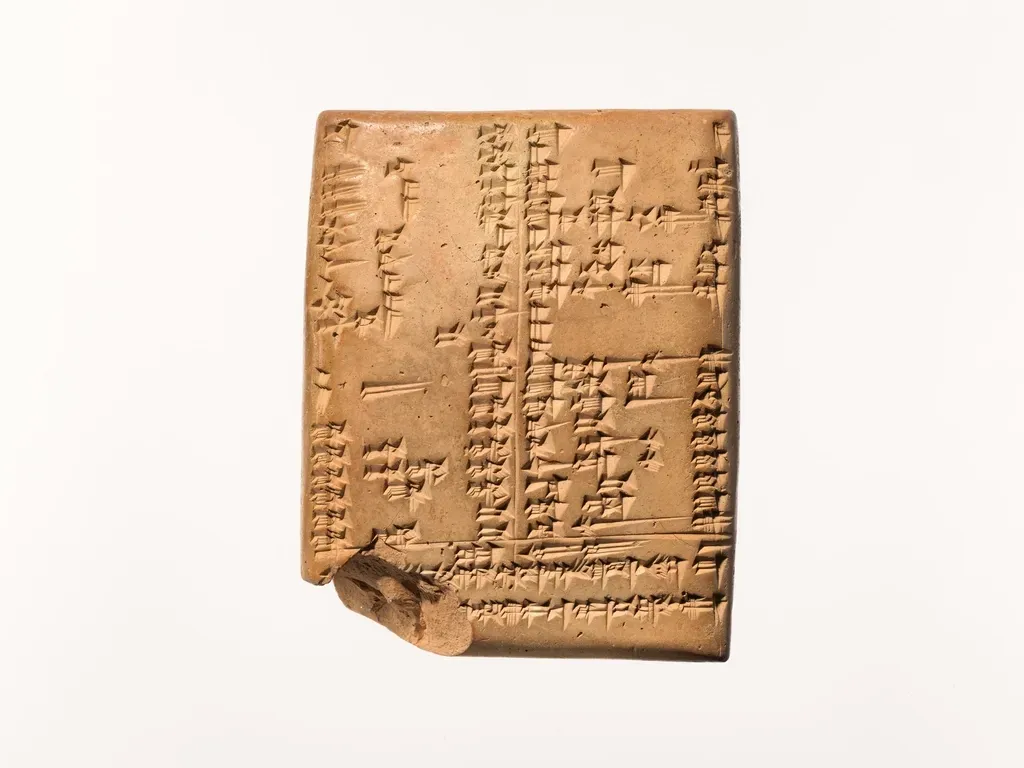
Cuneiform tablets from Babylon look dull on the surface: wedges, columns, gods’ names. But a set of astronomical tablets encodes a mathematical model of planetary motion – specifically Jupiter – using geometric ideas we credited to medieval Europe. For years, translations rendered these tablets as “lists” or “omens.” Only when historians reconstructed the actual computations did the truth surface.
One tablet describes the area under a velocity-time graph to track Jupiter’s movement – a method essentially identical to techniques later credited to Oxford’s medieval calculators and the earliest precursors of calculus. This isn’t poetic language; it’s technical shorthand for a modeling method. These scribes weren’t just staring at the sky. They were manipulating abstractions the way a physics student would today, and that’s a form of cognitive technology the “cradle of civilization” narrative chronically undersells.
#12 – The Periplus of the Erythraean Sea’s Navigation That Shouldn’t Have Been Possible Yet
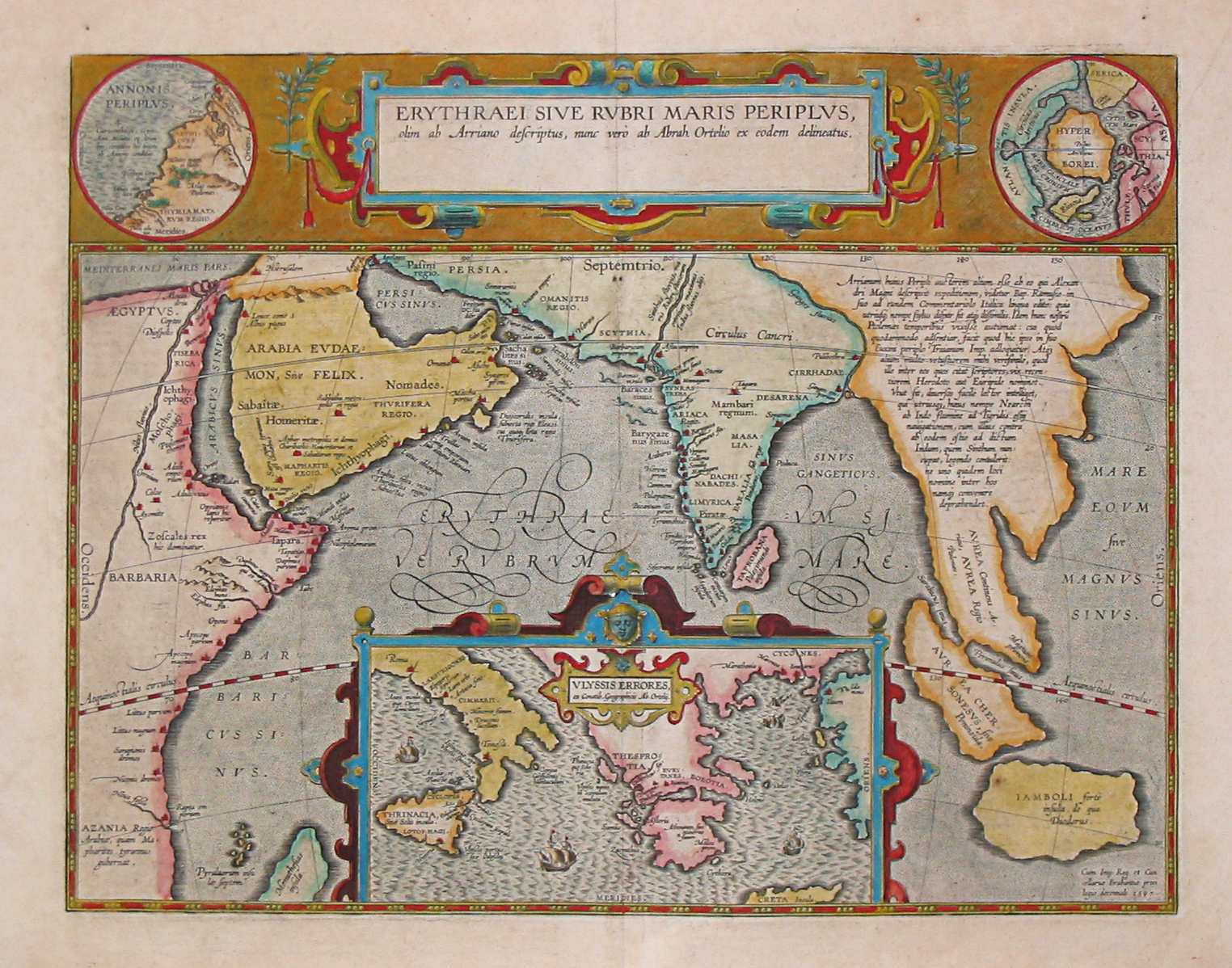
The Periplus of the Erythraean Sea, a 1st-century CE Greek text describing Indian Ocean trade routes, reads on the surface like a sailor’s log. Look closer and you find systematic, repeatable navigation instructions using monsoon patterns, coastal landmarks, and open-sea crossings that required serious empirical mapping. Translators once rendered key terms as vague “winds” and “currents.”
More careful readings show the text describing seasonal vectors and predictable windows – essentially an operational manual for long-range shipping. It implies consistent access to accurate timing and an internal mental map spanning thousands of nautical miles. That’s not GPS, but it’s a cognitive navigation technology far beyond the stereotype of ancient mariners hugging the coastline. The fact that the Periplus treats these techniques as routine, almost boring, hints at a much deeper proto-oceanographic tradition standing behind it, undocumented.
#11 – The Book of Enoch’s Layered Skies That Read Like Flight Logs
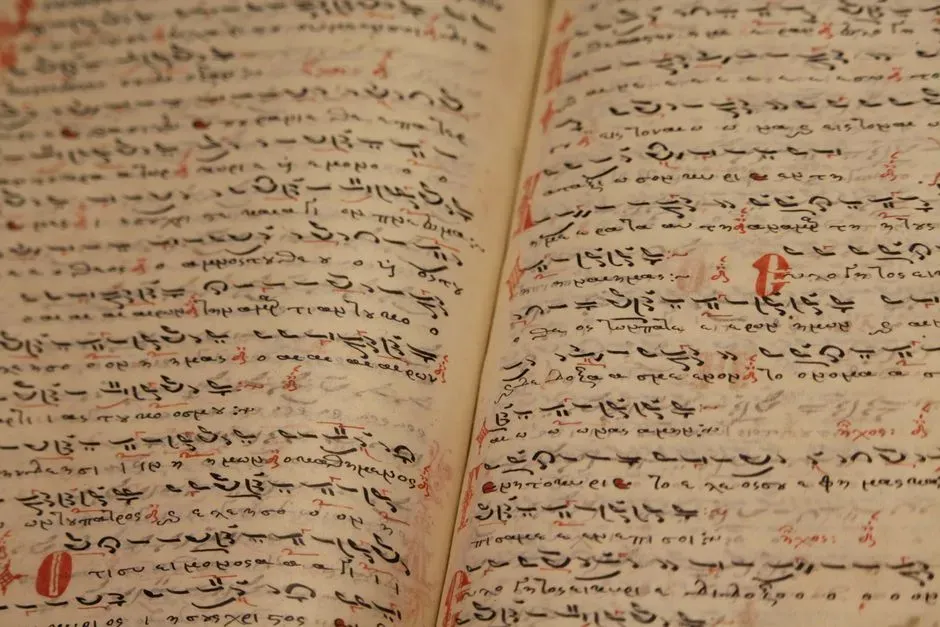
The Book of Enoch, a Jewish apocalyptic text, got sidelined into the “weird religious” bin for centuries, with translators focused entirely on angels and judgment. Largely ignored: how it describes layered skies, pressure changes, luminous phenomena, and trajectories. Some passages read uncomfortably like early flight logs – ascending through multiple “heavens,” crossing distinct atmospheric zones, watching the horizon curve away from above.
Skeptics call this dream imagery, and that’s a fair reading. But modern translators admit earlier editions blurred or spiritualized terms that literally mean “firm layer,” “circling wind,” and “boundary between darkness and light.” Someone was thinking in vertical, stratified models of the atmosphere. Whether that came from mountains, visions, or something else, the cognitive technology is real: a multi-layer airspace map centuries before meteorology existed as a science.
#10 – The Popol Vuh’s Memory Engineering Disguised as Creation Myth

The Popol Vuh, a K’iche’ Maya text, is usually treated purely as mythology. But when linguists stripped away the European Christian gloss added by early transcribers, they found highly structured narrative segments built like memory palaces – spatial journeys, symbolic anchors, repeated “checksum” phrases. It’s less a loose myth collection and more a deliberate information architecture built for oral transmission.
Translators originally flattened ritual cues and repeated line patterns into normal prose, losing the metadata entirely. Newer editions restore these as formulaic phrases and positional markers that function exactly like mnemonics. That turns the text into cognitive technology – a way to encode calendars, genealogies, and astronomical cycles inside a storyworld people could reliably recall generation after generation. Most people think of technology as metal and wire; the Popol Vuh proves information engineering can hide inside myth.
Worth Knowing
- The title translates roughly to “Book of the Community” or “Book of Counsel” in K’iche’ Maya
- It was preserved largely through oral memorization long before it was set down in Latin script
- The narrative weaves creation myth, hero legends, and genealogical record-keeping into one continuous structure
- Its repeated formulaic phrases function much like memory “checksums” found in oral traditions worldwide
#9 – The Copper Scroll’s Inventory System That Looks Like an Ancient Database
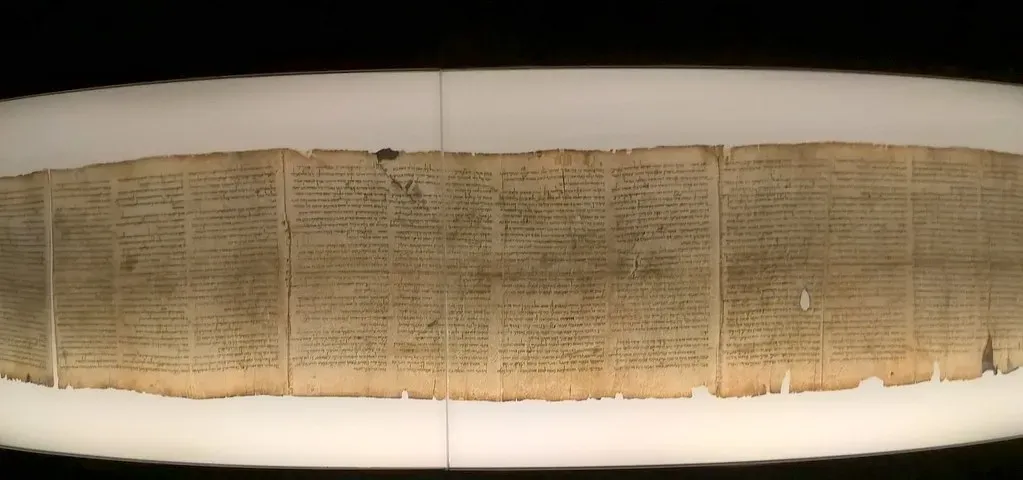
Among the Dead Sea Scrolls, one stands apart: the Copper Scroll, literally engraved on metal, listing dozens of hidden caches of valuables. Older translations treated it like a half-mad shopping list. A closer look shows systematic use of fields, coordinates, and standardized units – eerily reminiscent of a database schema written in plain language.
Each entry follows a structured pattern: location reference, relative distance, depth, quantity. Some scholars now argue it reflects a sophisticated inventory and logistics culture rather than simple hoarding. The choice of copper itself suggests durability was the point – essentially a hard drive for critical data. It’s not advanced in a silicon sense, but it reveals an information-management mindset that contradicts the picture of ancient scribes as passive copyists. They were actively designing resilient data structures.
#8 – Pseudo-Aristotle’s “Mechanical Problems” and the Birth of Engineering Theory
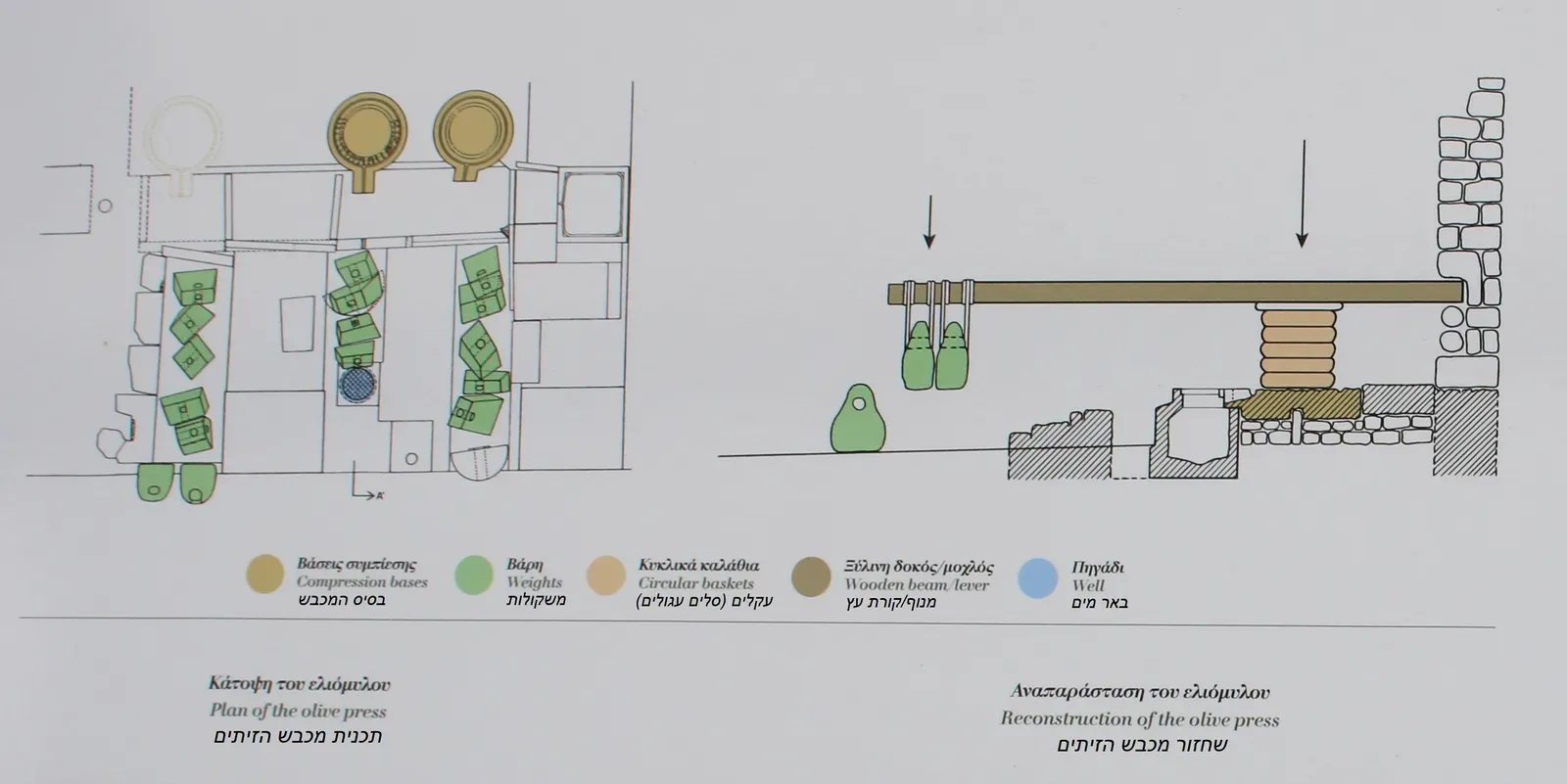
The work known as Mechanical Problems, traditionally linked to Aristotle, poses questions about levers, pulleys, balances, and other devices. For generations, translators smoothed over its most radical aspect: it treats mechanical advantage as a universal, quantifiable principle, and it derives new machines on paper before they exist in any workshop. That’s not craft lore. That’s engineering theory.
The Greek terminology is sharp – ratios, forces, centers of gravity. The text explicitly asks why small forces can move large weights, then generalizes the answer across many devices, which is exactly how modern engineering students are trained to think. That this treatise got filed under “minor works” says more about our philosophical canon than about the text itself. Read it straight, and you’re forced to admit some ancient thinkers were already doing pre-simulation design work.
#7 – The Zhoubi Suanjing’s Trigonometry That Shouldn’t Exist Yet
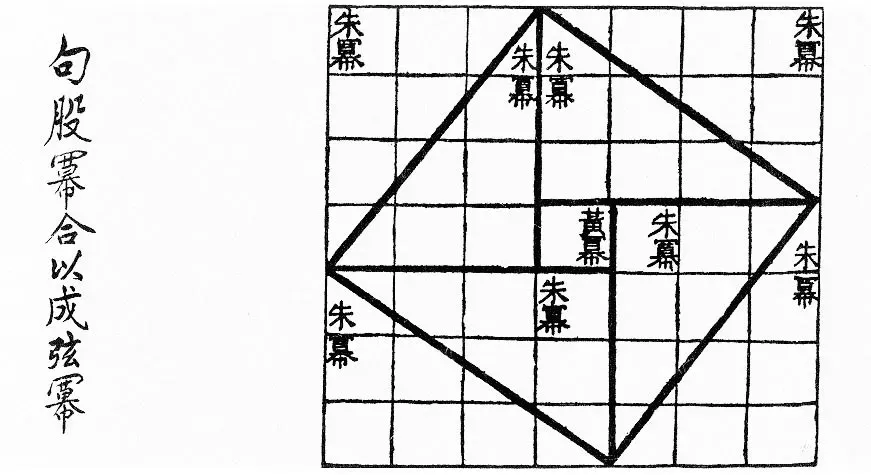
The Zhoubi Suanjing, an ancient Chinese math-astronomy text, looks harmless on the surface: dialogues, problems, diagrams. Buried inside are techniques for measuring the Sun’s height, Earth’s dimensions, and shadow lengths using proportional reasoning that borders on trigonometry. Early translators butchered this, rendering tight technical phrasing into vague “observations.”
Later work has restored the original as rigorous measurement protocol: how to set up gnomons, record changes, infer angles – essentially empirical geometry of the sky. It’s not full modern trigonometry, but it’s a cognitive technology we normally credit to the Greeks or medieval Islamic scholars. You can argue about priority all day. You can’t argue away the methodology – repeatable measurement paired with geometric modeling, miles beyond the “peasants who thought the sky was a dome” caricature people still repeat.
At a Glance
- It was found in China and dates back to the Zhou Dynasty, which lasted from 1046 BCE to 256 BCE.
- The book contains one of the first recorded proofs of the Pythagorean theorem.
- Relies on a gnomon – “Bi” means arm and according to the book, it refers to the gnomon of the sundial – to measure shadow lengths
- From the Tang (618-907 CE) and Song (960-1279 CE) periods onwards, the Zhoubi Suanjing was formally included in the imperial curriculum as an official mathematics textbook.
#6 – The Emerald Tablet’s Startlingly Experimental Lab Protocol
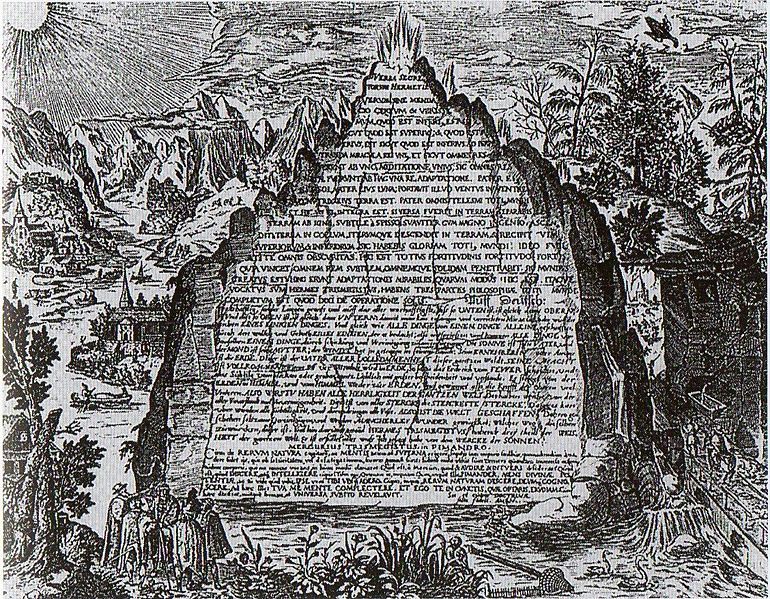
The Emerald Tablet is tiny, cryptic, and wildly over-romanticized. Strip off the later occultism and stick to the oldest manageable versions, and you find instructions that assume controlled heating, phase changes, and iterative refinement of materials. Translators historically leaned into mystical phrasing, but grammatically, many lines are flatly imperative: do this, then that, repeat, separate, recombine.
It reads less like airy philosophy and more like compressed lab protocol. The text presumes access to vessels, furnaces, condensers – basic chemical engineering hardware. More importantly, it frames transformation as process-driven rather than purely magical, which is a huge conceptual leap. If you can reliably change substances by following steps, you’re already halfway to industrial chemistry. Calling it “just alchemy” flattens the real experimental cunning underneath it.
#5 – Plato’s Timaeus and a Universe Built Like a Machine
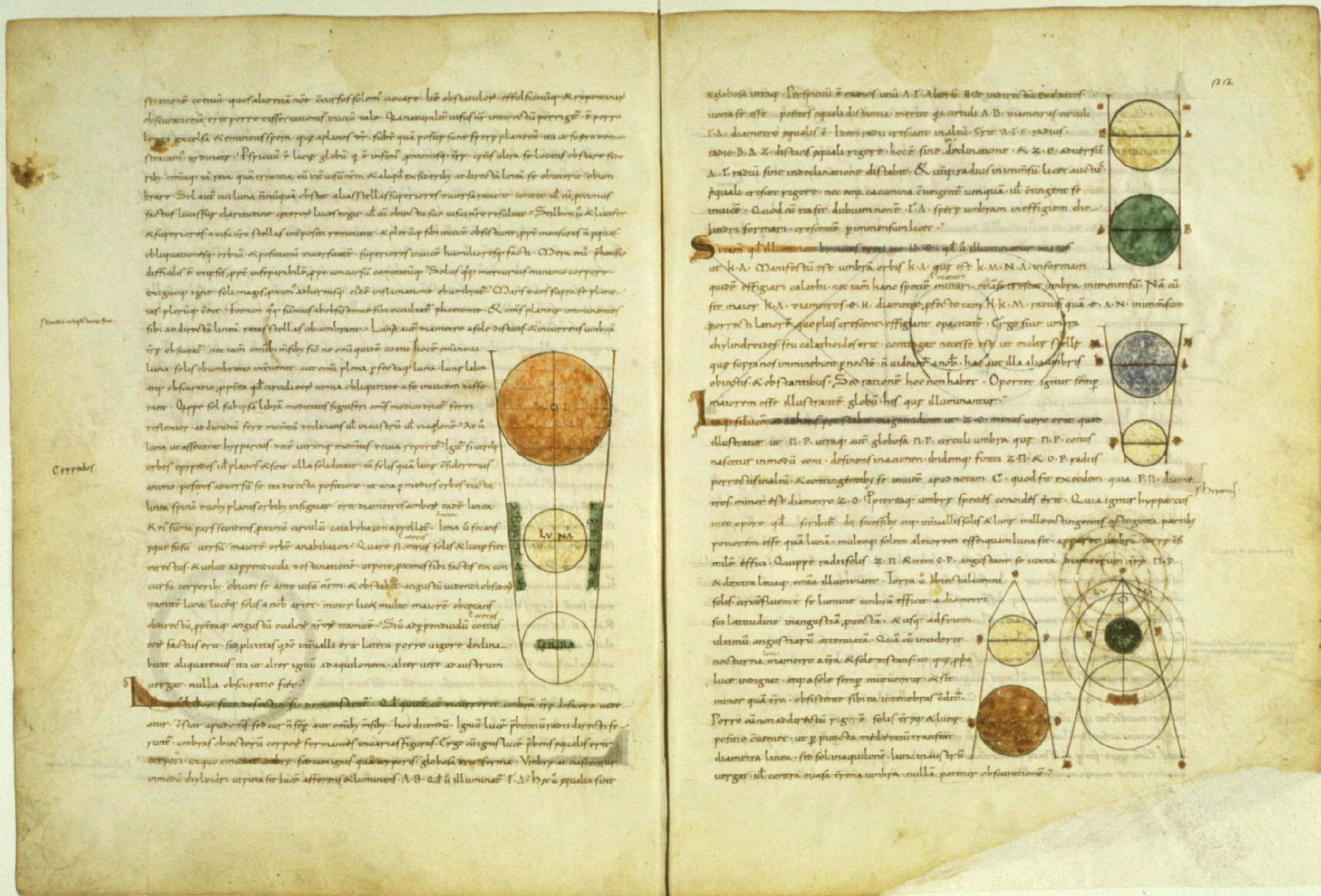
Plato’s Timaeus is usually taught as a bizarre creation myth, and that’s fine as far as it goes. But embedded inside it is a shockingly systematic description of a universe built from discrete, mathematically defined units, governed by consistent rules, assembled by an artisan-like “Demiurge.” Translators tend to smooth over the engineering tone, choosing religiously flavored words over the more literal “craftsman” or “model” terminology.
The text proposes that matter is built from structured geometric elements, combined according to stable ratios – a description that sounds uncannily close to a proto-digital worldview: fundamental building blocks, lawful behavior, emergent complexity. You don’t have to believe Plato “predicted” simulation theory to admit he framed reality as an engineered system long before physics existed as a discipline. Calling this “just myth” ignores how close it gets to information-centric cosmology.
#4 – The Yellow Emperor’s Inner Canon and Systems Biology Before the Term Existed
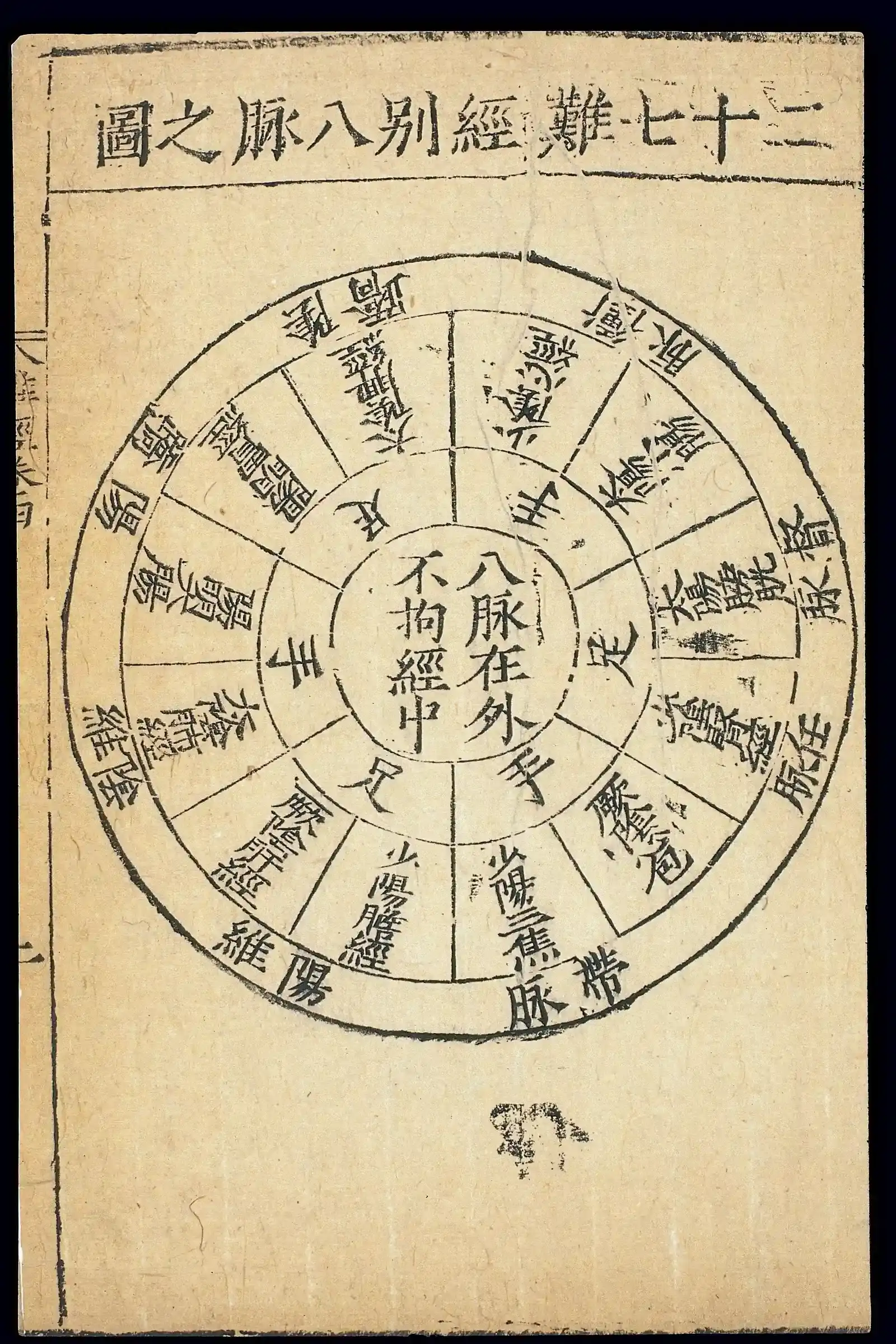
The Huangdi Neijing, foundational to Chinese medicine, used to be translated with heavy emphasis on qi, spirits, and vague “energies” – language Western readers dismissed as pre-scientific fluff. More literal renderings now highlight feedback loops, networks, and regulatory balances, concepts that mirror modern systems biology and control theory almost line for line.
The text describes organs as interdependent nodes, each with inputs, outputs, and regulatory roles. It discusses perturbations, compensations, and homeostasis in surprisingly concrete language. Some metaphors are dated, sure, but the underlying model is cybernetic – the body as a dynamic, self-correcting system. That’s a cognitive technology Western medicine didn’t articulate clearly until the 20th century. Treating ancient writers as if they were just waving incense over symptoms is an interpretive failure, not a factual one.
#3 – The I Ching’s Binary Logic Hidden Inside a Fortune-Telling Manual
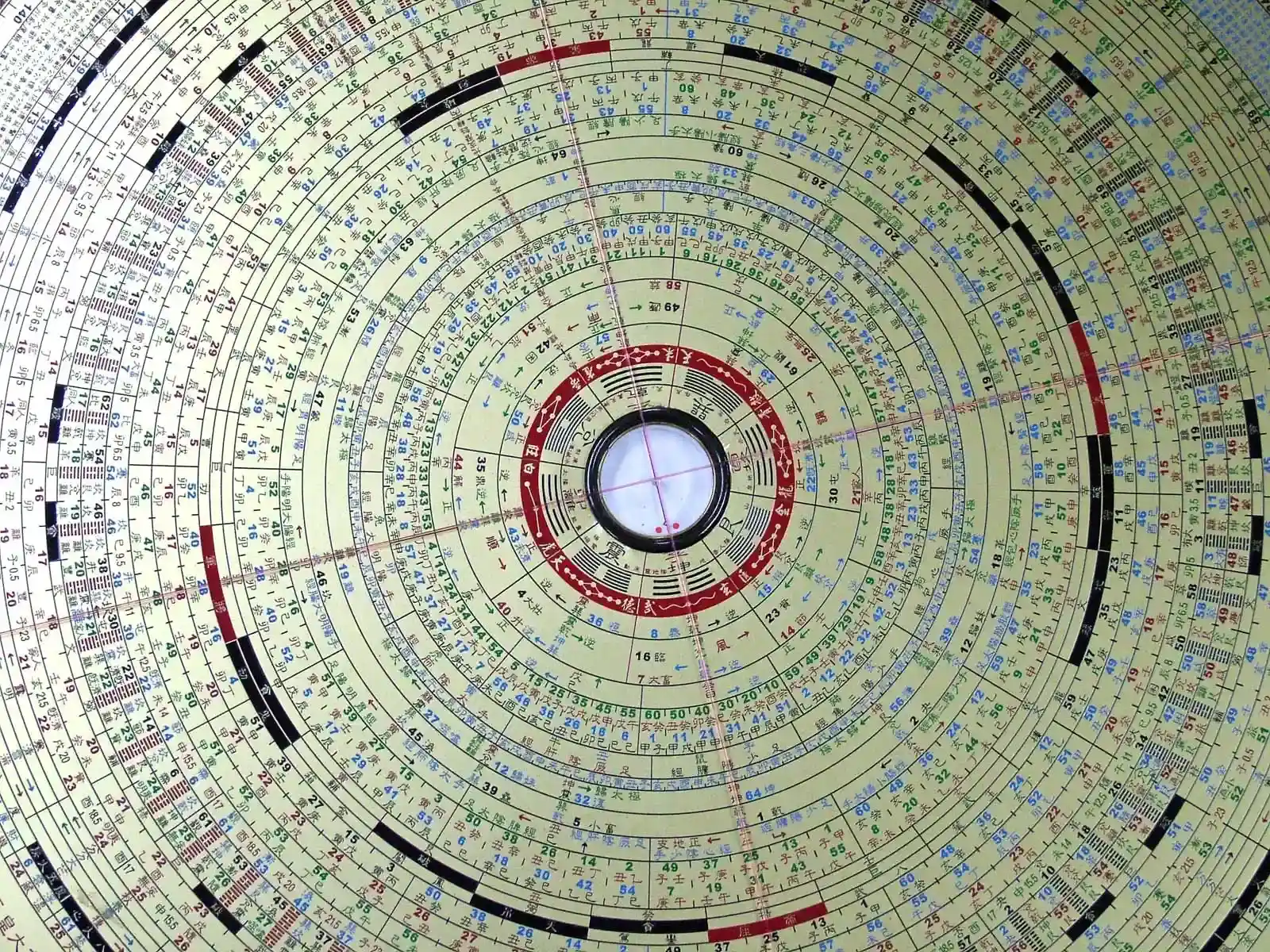
The I Ching, or Book of Changes, gets dismissed by many as a divination manual. Mathematically, it’s something else entirely: a complete system of binary states arranged into 64 hexagrams, each representing a configuration of broken and unbroken lines – essentially 6-bit codewords. Translators long focused on the poetic commentary and skipped right past the combinatorial skeleton underneath.
Modern computer scientists can’t unsee it once they notice. The text defines rules for transforming one pattern into another based on changing lines, equivalent to update rules in cellular automata or state machines. You can read it as a programmable logic device built out of sticks and ink. Its authors didn’t “understand computers” in our sense, obviously. But they understood that complex behavior can emerge from structured manipulation of binary units – a conceptual technology we like to pretend is uniquely modern.
Quick Compare
- I Ching hexagrams: read each hexagram’s six lines from bottom to top, replacing a broken line (yin) with 0 and an unbroken line (yang) with 1
- Binary numerals: the result is a six-bit binary number from 000000 to 111111 – the integers 0 to 63
- The link: Bouvet’s letter enclosing the Fu Xi diagram was dated 4 November 1701 and reached Leibniz in Hanover in early April 1703
- The payoff: Leibniz published “Explication de l’Arithmetique Binaire” in the Paris Academie’s Memoires, noting that the ancient Chinese figures of Fu Xi encoded the same arithmetic of 0 and 1
#2 – The Dresden Codex’s Venus Tables That Embarrassed 19th-Century Astronomers
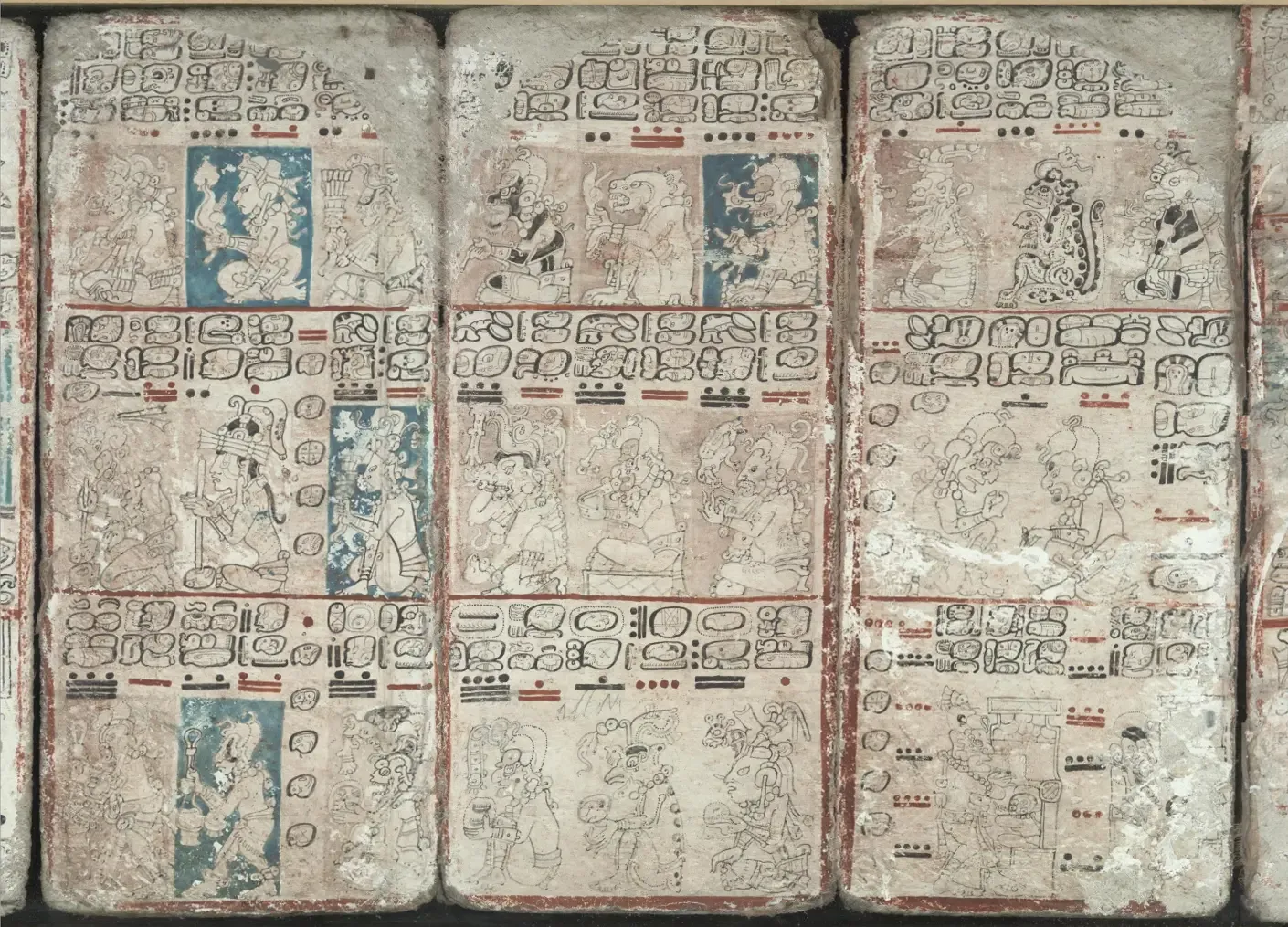
The Dresden Codex contains Mayan astronomical tables, especially for Venus. Early translators sidelined them as “ritual calendars.” Only when someone actually crunched the numbers did the truth land: the Venus cycle calculations are accurate enough to rival, and sometimes surpass, early modern European tables, using integer arithmetic and built-in correction schemes.
The text embeds stepwise correction rules accounting for the fact that Venus doesn’t return to exactly the same spot each cycle – a genuinely non-trivial problem. You can’t fake that with casual sky-gazing; it requires centuries of data and a numerical modeling culture behind it. Translators have since revised their descriptions from “superstitious observances” to neutral “observational cycles,” but the public imagination still pictures pyramid priests waving incense, not data analysts quietly updating an ephemeris. That gap is our bias, not theirs.
#1 – The Rigveda’s Meter That Hides Error-Correcting Code
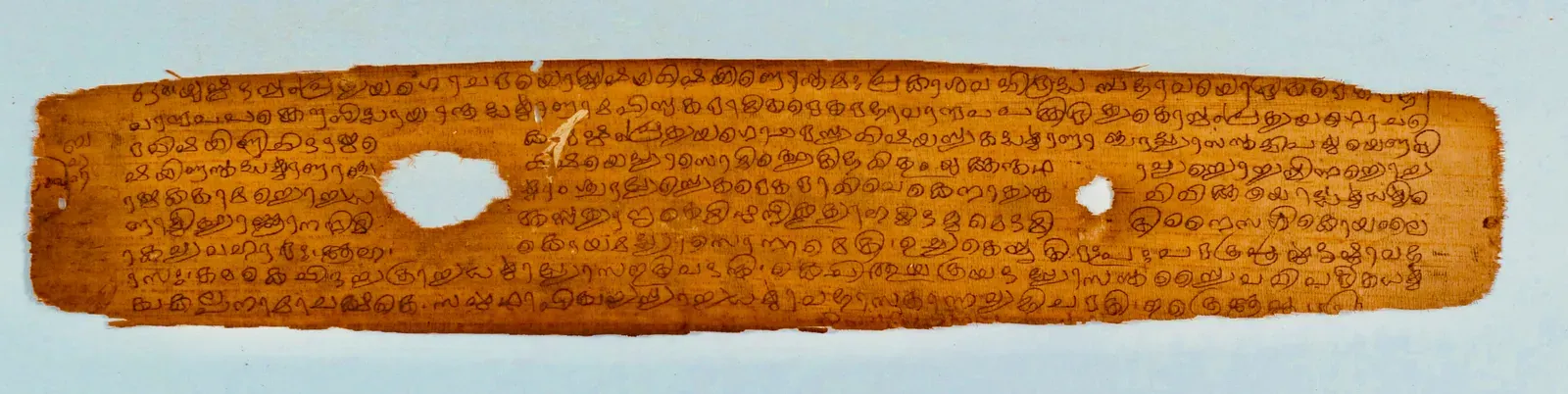
The Rigveda is one of the world’s oldest sacred corpora, and everyone quotes its spirituality while almost nobody talks about its engineering. Its hymns aren’t just poetry – they’re meticulously constructed acoustic structures, with syllable counts, pitch contours, and nested patterns that effectively implement error-correcting codes. Vedic recitation traditions preserved tens of thousands of lines with near-perfect fidelity for millennia, because the text’s form itself is a memory technology.
Translators historically focused on meaning and ignored the architecture entirely. But when linguists and information theorists analyzed the chanting patterns, they found systematic redundancy, cross-recitation checksums, and constraints that make corruption statistically unlikely. This was a deliberate design to store and transmit massive amounts of data across generations without writing – a human tape drive built from meter and breath. Calling that “primitive religion” isn’t skepticism. It’s just not looking closely enough.
The Bottom Line
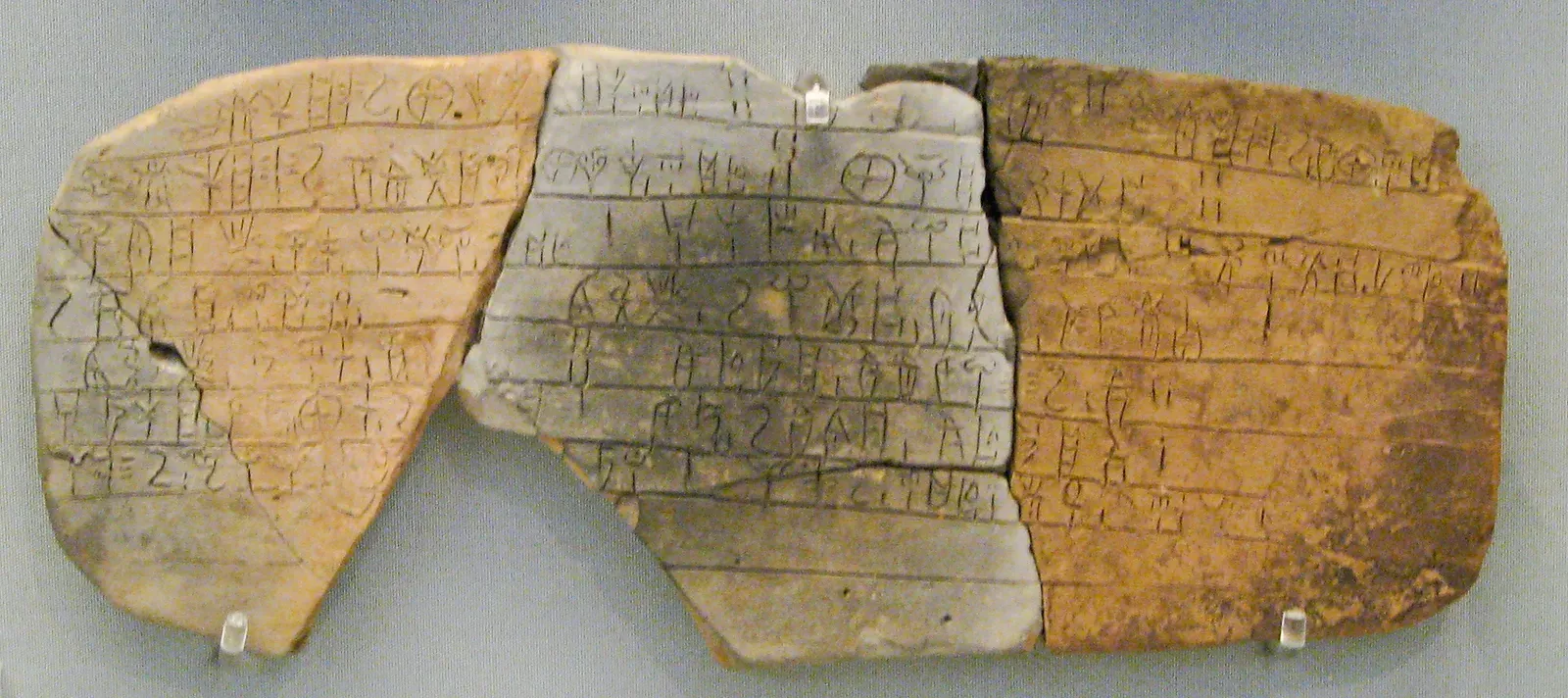
Strip away the condescension and actually read what these texts say – in their own technical vocabulary, with their structures intact – and a pattern emerges fast. Again and again, we find cognitive, organizational, and occasionally physical technologies that don’t fit the cartoon of “people who barely knew which way the Sun moved.” Translators, to their credit, are starting to admit this, usually by quietly swapping softened euphemisms for bluntly technical language.
Does any of this prove lost super-civilizations, aliens, or time travelers? No. Leaning on those explanations is actually the lazy way out.
Extraordinary claims require extraordinary evidence.
Carl Sagan
Sagan’s line cuts both ways here. It’s the reason nobody should jump straight to ancient nukes or alien blueprints. But it’s also the reason we can’t keep waving away the evidence sitting in plain sight, in tablets and scrolls and temple walls, just because it makes an old story feel less exotic and more human. The uncomfortable truth is simpler and more provocative than any ancient-astronaut theory: these people were smarter, more experimental, and more systematic than our progress-worship narrative allows. The real question isn’t “did they have tech?” It’s what else we’ve quietly filed away as myth simply because the alternative makes us feel less special.