Every few months, the same viral claim resurfaces: certain ancient stone vessels are so precise, so glassy-smooth, so geometrically flawless, that modern diamond tooling is the *only* explanation. Aliens, lost technology, secret CNC machines buried in the sand – pick your flavor of impossible.
Except when you actually put calipers, microscopes, and real metrology on these objects, the story gets a lot messier – and a lot more human. Here are the 12 pieces everyone points to as proof of hidden diamond-age machining, and what happens when engineers and archaeologists stop admiring the photos and start measuring the stone.
The ‘Impossible’ Granite Boxes Buried in the Serapeum of Saqqara
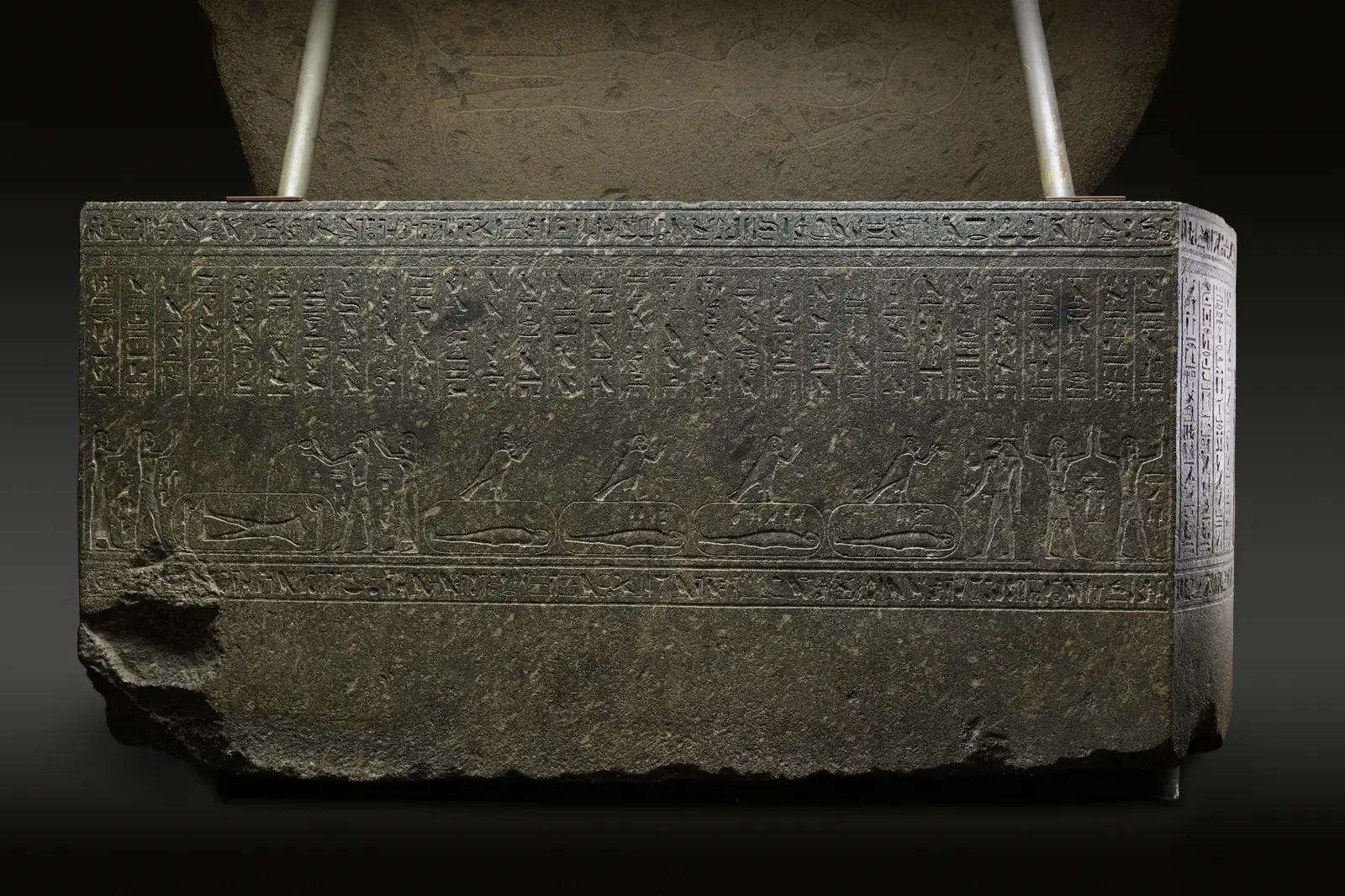
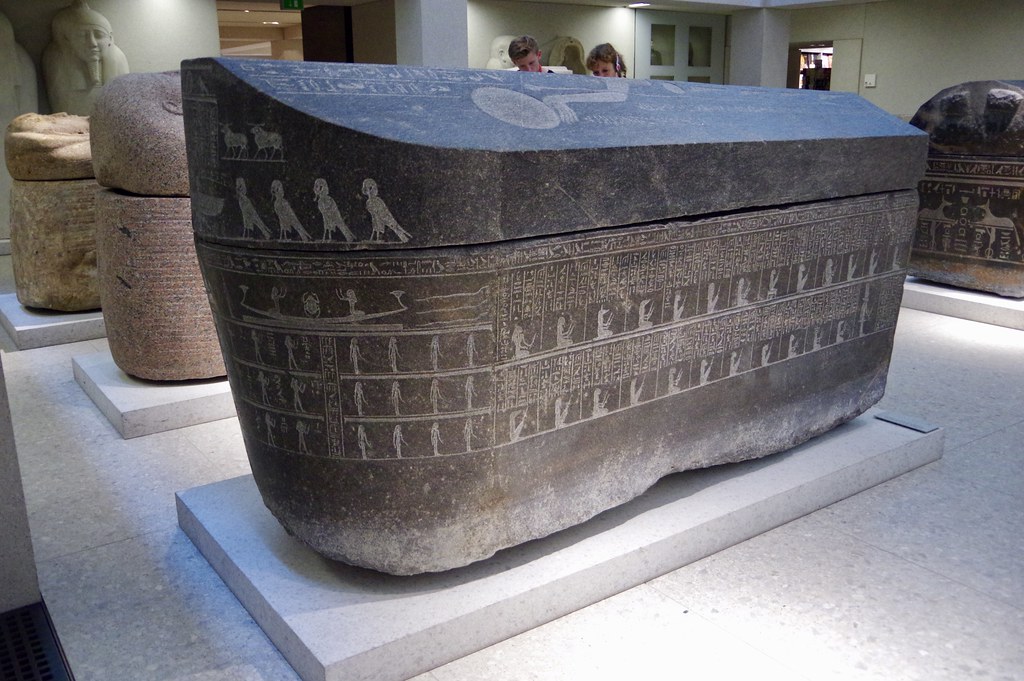
Fans of mystery documentaries love to say the giant granite boxes at the Serapeum of Saqqara “require modern diamond saws.” It sounds convincing – until you look at the details. Granite is packed with quartz, and ancient Egyptians had copper saws plus quartz sand that itself functions as an abrasive. That combination can slowly, but effectively, cut and polish granite surfaces.
Where modern machinists roll their eyes is at the overblown precision claims. When people casually say “machined to aerospace tolerances,” they rarely bring calipers. Careful measurements show good flatness and squareness, but not micron-level perfection, and tool marks consistent with long, patient abrasive sawing have been documented on comparable pieces. You don’t need a Haas CNC; you need time, sand, and squads of skilled workers – which honestly makes these boxes more impressive, not less.
Fast Facts
- Granite’s quartz content sits around 7 on the Mohs hardness scale, roughly the same hardness as the sand used to cut it.
- The largest Serapeum boxes weigh somewhere in the range of 60 to 100 tons apiece.
- Copper doesn’t need to be harder than granite – it just needs to carry an abrasive that is.
- Comparable boxes elsewhere still show visible saw-stroke striations, a signature of manual sawing rather than machine feed.
The Giza Drill Cores Everyone Swears Prove High-Speed Diamond Bits
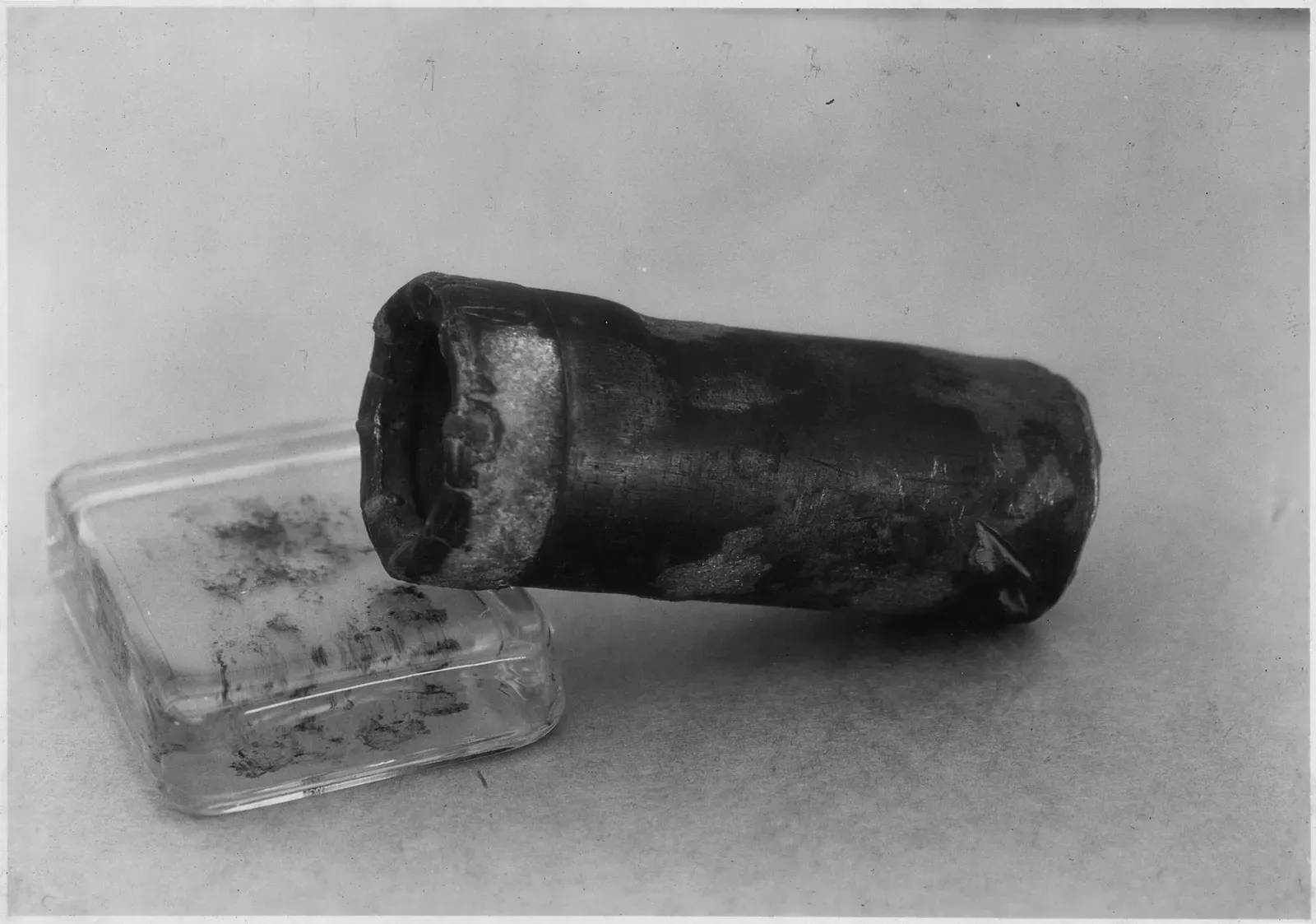
The Giza “drill cores” are often paraded as smoking-gun proof of modern-level drilling. The famous spiral groove on one core has been cited online as evidence of a super-fast, diamond-tipped bit. Reality is more nuanced than the memes suggest.
Experimental archaeologists have reproduced similar cores using copper tube drills, abrasive slurry, and a simple bow drill, creating concentric wear patterns that look shockingly close to the originals. A hand-powered drill doesn’t turn at a perfectly constant speed – slight pauses, directional changes, and wobble naturally create variable grooves. Could modern diamond tooling do a neater job? Sure. Does that mean it must have been used here? Not even close.
The Ultra-Smooth Granite Bowls People Call ‘Machine-Turned’
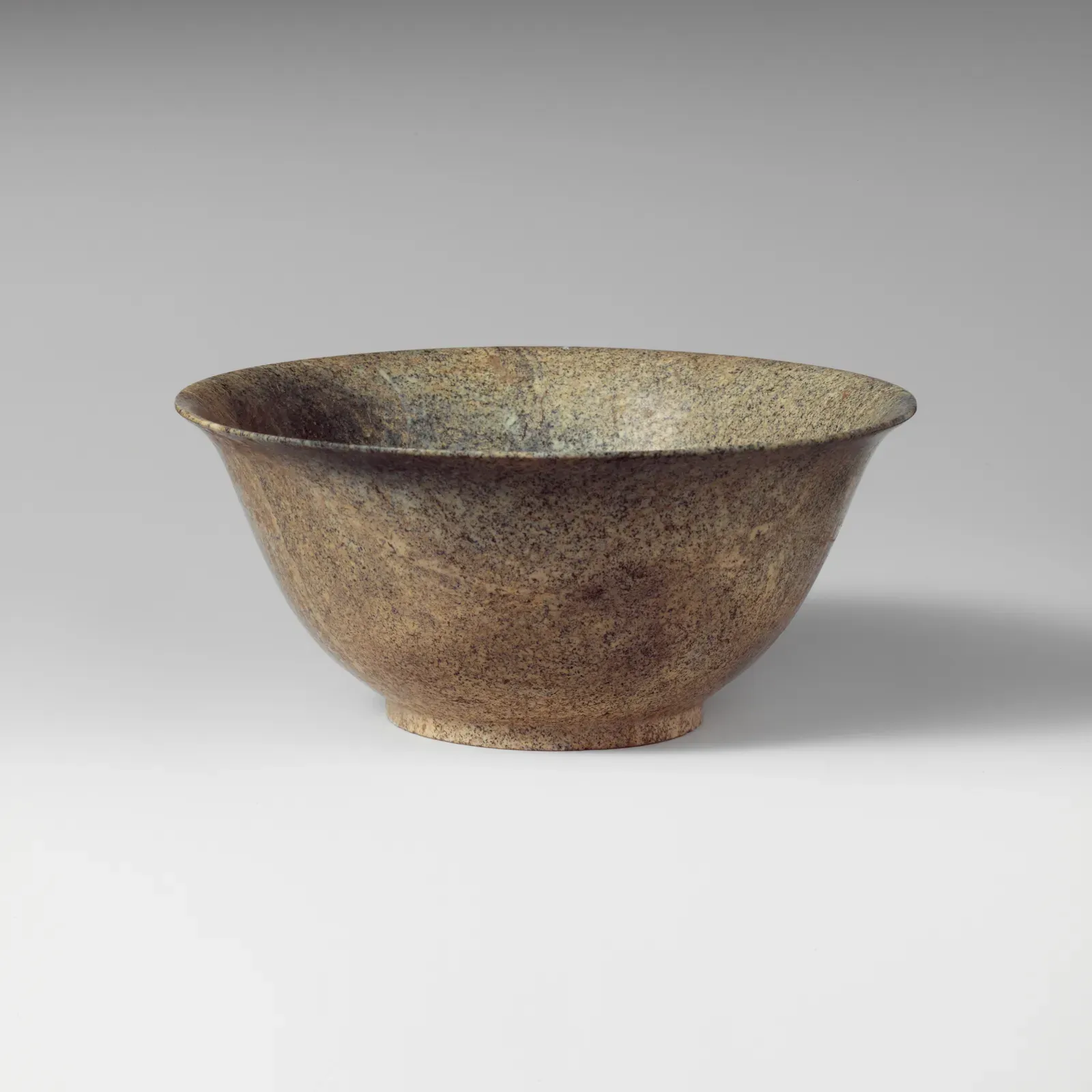
You’ve probably seen photos of ultra-smooth, shallow granite bowls from Egypt captioned, “This curve is so perfect it must be machine-turned.” It’s a bold claim, and an easy one to poke holes in once you stop admiring the lighting.
Many of these bowls show subtle asymmetries, wall thickness variations, and local irregularities that modern quality control would reject instantly. Controlled experiments using wooden or copper mandrels, abrasive slurry, and rotational jigs have produced bowls with nearly identical internal curves. Think of it as a primitive lathe: the rotation doesn’t need electricity, it just needs to be repeatable enough – and repeatable is exactly what obsessive, decades-long craft traditions are built for.
The Thin-Walled Granite ‘Flower’ Vases That Look Physically Impossible
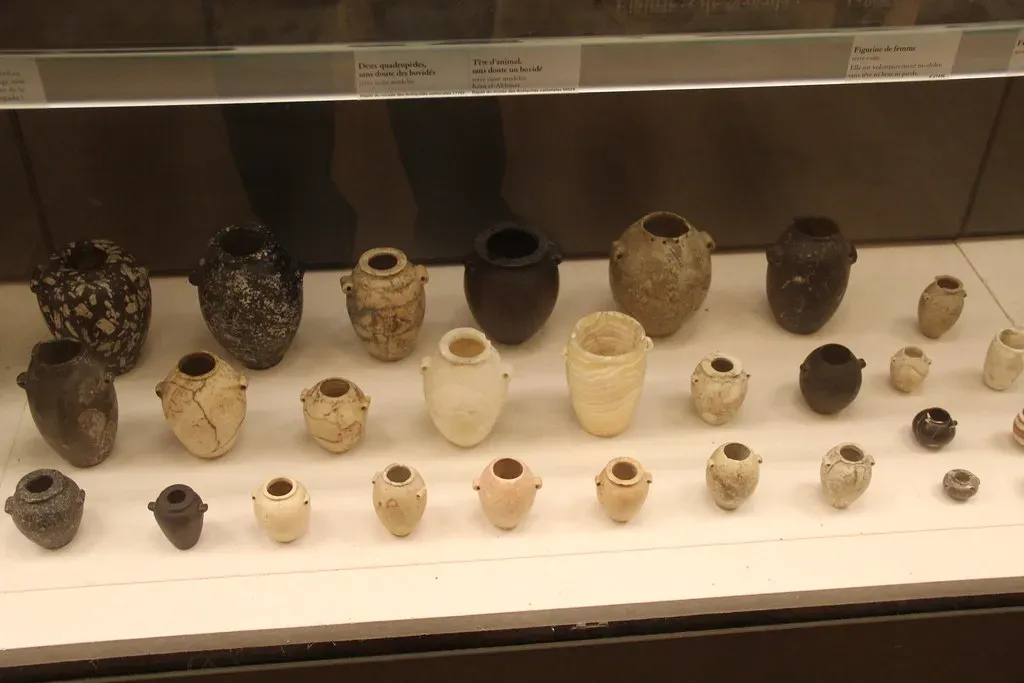
Those thin-walled vases with curves that seem to bloom outward like stone flowers are social-media gold. Narrow necks, expanding chambers, internal surfaces you can barely reach – they look impossible. Cue the popular punchline: “Even today we’d need diamond drills and five-axis CNC.”
Lapidary workers quietly disagree. Hard stone can be hollowed with small stone or bronze tools plus abrasives, working from the top down in agonizingly slow passes, with inner shoulders shaped by bent tools or pivoting handstones while the vessel rotates. This is not comfortable, fast, or cheap – it’s exactly the kind of work you’d only do if labor was abundant and time was treated as free. The fact that some surviving vases are unfinished or internally irregular is the giveaway: that’s a human fingerprint, not a factory tolerance.
The Glass-Smooth Quartzite Statues ‘Steel Can’t Even Scratch’
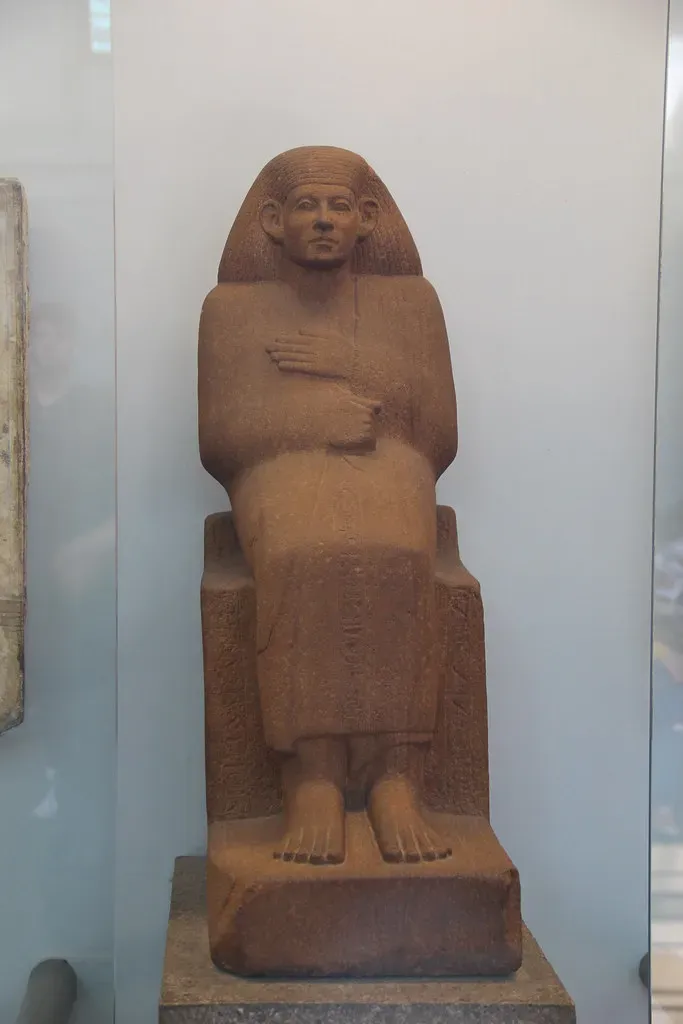
Carved quartzite statues from New Kingdom Egypt often get lumped into the “impossible without diamond tools” bucket because quartzite is brutally hard and its surfaces can look almost glassy. The usual internet claim – “steel can’t even scratch this” – is misleading at best.
Abrasive powders like quartz and emery can outperform the hardness limit of the metal tools carrying them, and microscopic studies of some statues reveal scratches and polishing patterns consistent with abrasive rubbing, not high-speed milling. The symmetry is genuinely impressive, but you also see minor left-right discrepancies, slightly off-center features, and repairs – exactly what manual layout and repeated correction produces. These statues prove extreme skill. They don’t prove sci-fi factories.
The Puma Punku Andesite Blocks Everyone Calls ‘CNC-Machined’
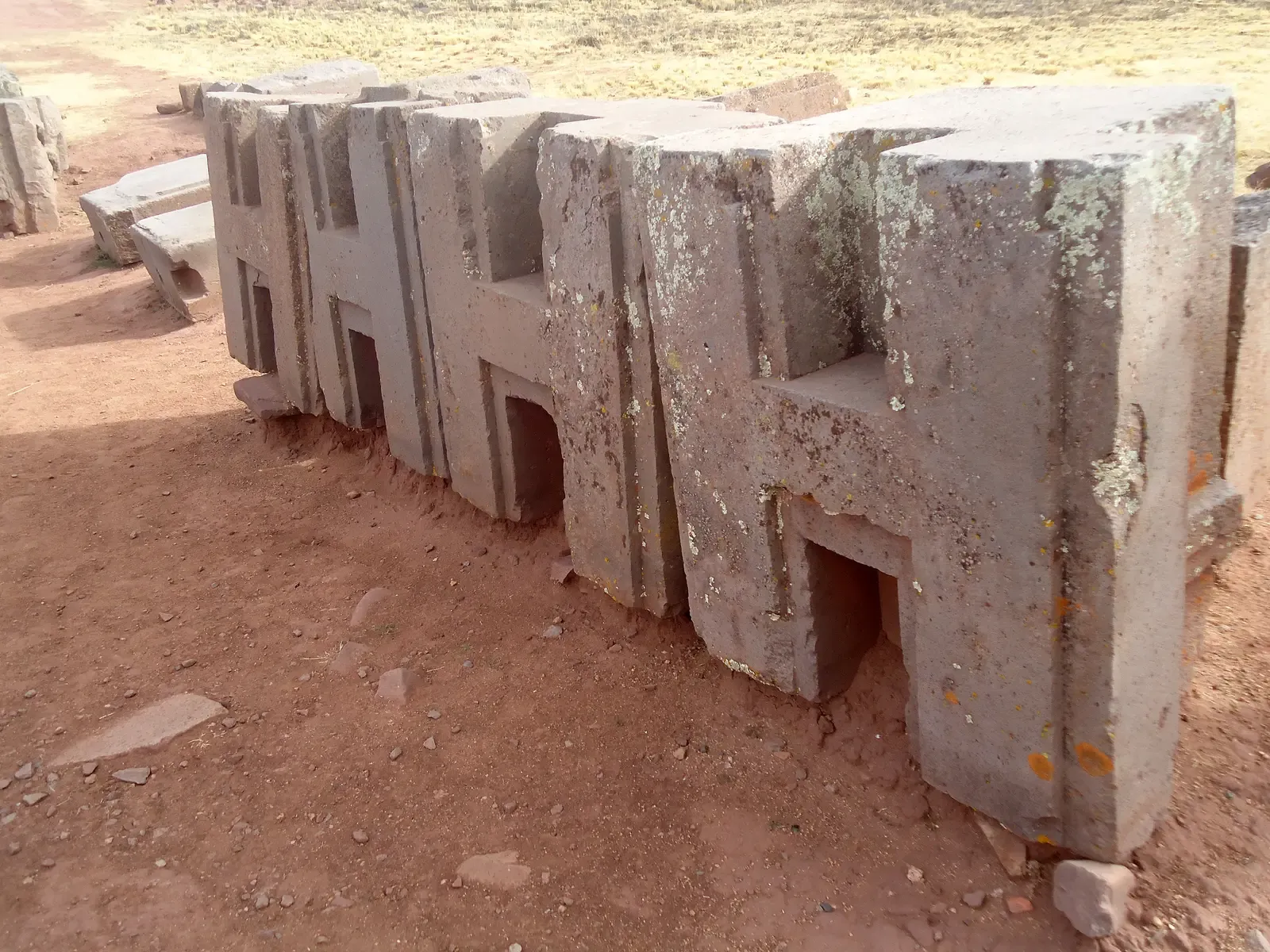
Puma Punku in Bolivia might be the most over-hyped stone site on the internet. Cropped photos of the H-shaped andesite blocks, with their sharp corners and neat recesses, get labeled “impossible stone machining” almost by reflex.
Actual field studies say otherwise. Many edges are chipped, slightly irregular, and far from the dead-square, sub-millimeter tolerances claimed in memes. Andesite is tough, but abrasives still win: pecks, saws, and abrasive cords can cut recesses and slots with surprising neatness, and repeated straight-edge checking can enforce decent linearity without any lasers. It’s a mixed workshop quality profile, not a sterile production line – and still a masterclass in pre-modern project management.
Quick Compare
- The claim: Sub-millimeter tolerances only possible with CNC machining.
- The reality: Field surveys show chipped edges and measurable irregularities from block to block.
- The claim: Perfectly identical, mass-produced-looking blocks.
- The reality: Each block carries its own minor variations consistent with hand tools and repeated checking.
The Diorite Spheres and Bowls Branded ‘CNC-Level’ Perfection

Diorite has near-mythical status in alternative history circles: “stone so hard even modern tools struggle with it.” Again, hardness is only half the story. What actually matters is the abrasive, not the tool carrying it.
Modern lapidaries regularly shape very hard stones with nothing more exotic than silicon carbide grit and simple jigs. Several diorite artifacts show good sphericity, but when you actually measure them, they fall short of true bearing-grade spheres – slight flattening, local bumps, visible zoning. That’s exactly what a skilled artisan with manual shaping and templates would produce. If a modern machinist delivered these as precision parts today, they’d be rejected on the spot.
The Egyptian ‘Laser-Cut’ Trenches With Suspiciously Sharp Corners
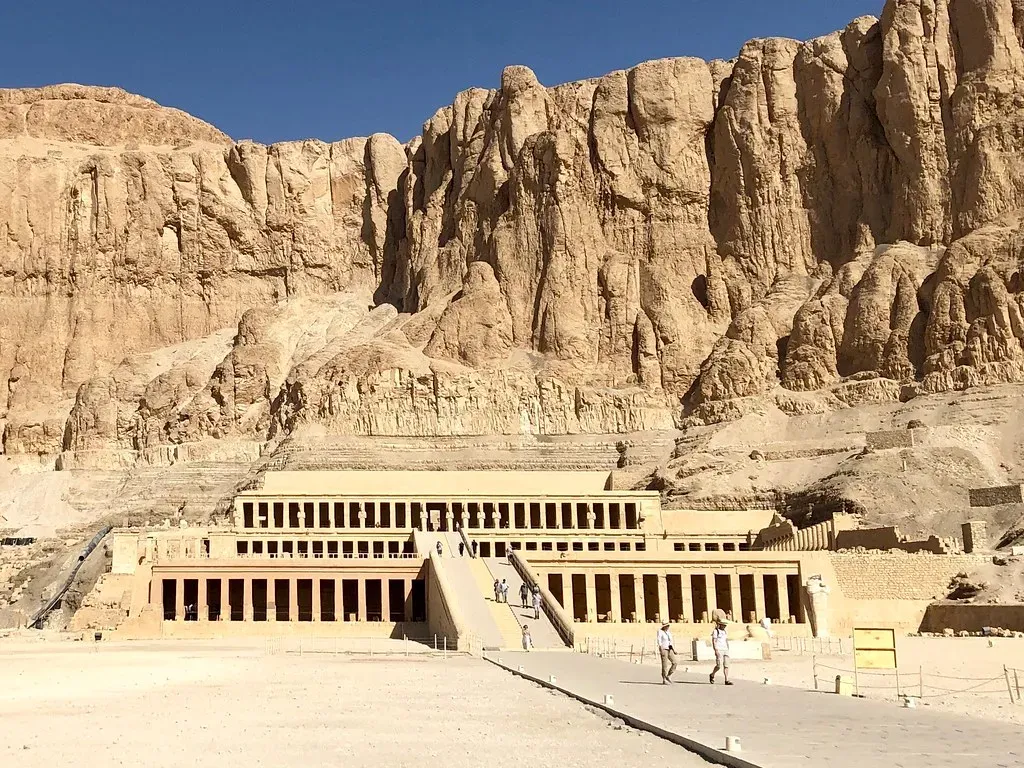
You’ve seen the photos: straight, narrow trenches or sockets in hard stone that look so crisp they’re touted as proof of high-RPM saws, or even lasers. The favorite talking point – “the inner corners are so sharp modern tools would round them” – is simply false.
Egyptologists have long argued that what looks like machine precision is often just the final stage of relentless, iterative hand-finishing.
Common consensus among field archaeologists
Inner corners can be sharpened with hand-held abrasives after a rough cut, alternating chisels, pecking, and abrasive sticks until the edge looks deceptively crisp. When archaeologists document entire surfaces rather than curated close-ups, they find layout lines, mis-starts, and corrections – evidence of iterative craftsmanship, not one-pass machine feeds. The real secret is relentless manual refinement, not a clandestine power-tool industry.
The Disk of Sabu: Egypt’s Strangest ‘Impossible Lathe’ Artifact
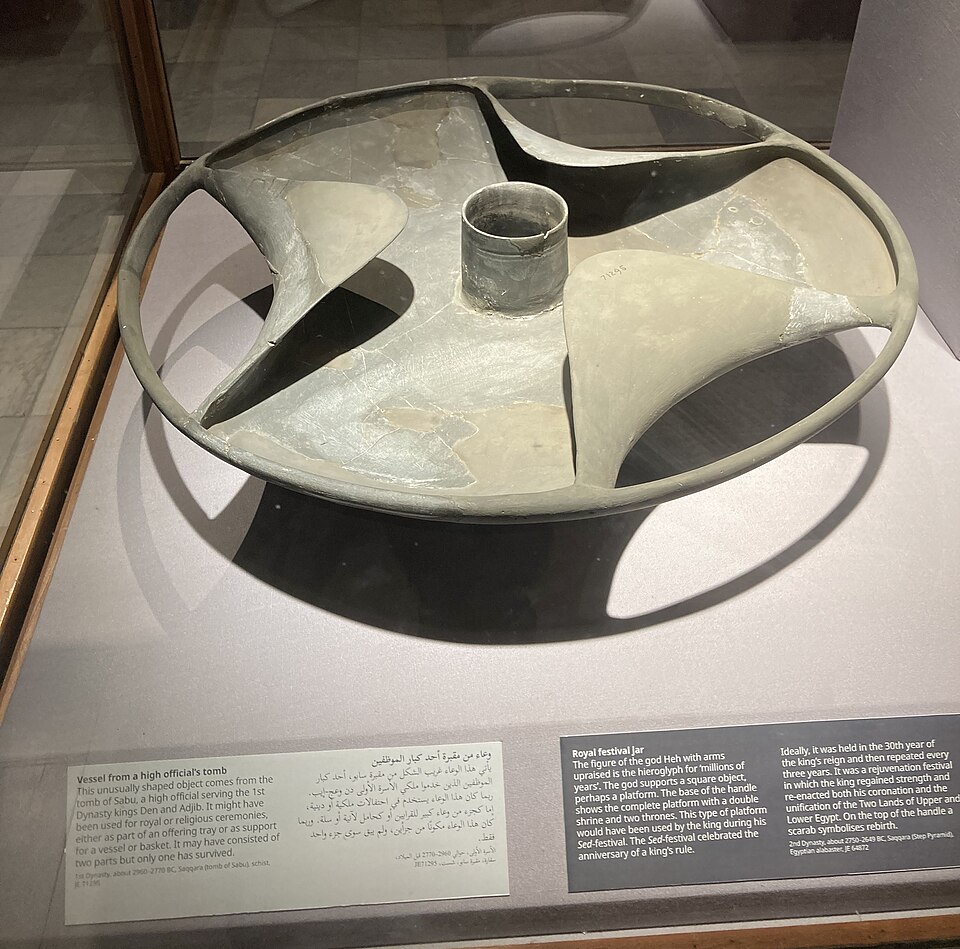
The Disk of Sabu is a social-media favorite: a strange stone object with flared “blades” and a central hub, often claimed to be impossible to carve without advanced lathes and diamond tooling. The first problem is basic – the material is frequently mislabeled as schist; it’s more accurately a fragile metamorphic stone that can delaminate and fracture under rough handling, which already tells you something about how it had to be worked.
Look closely and you’ll see irregularities in the thickness of the “blades,” slight warping, and chips. That’s careful but fallible hand work, not CNC precision. Carvers likely roughed out a disk form, then gradually thinned and undercut the wings using small tools and abrasives, accepting a high risk of breakage along the way. It’s enigmatic and technically demanding – but it isn’t a blueprint for stealth turbines.
Worth Knowing
- The disk was uncovered in a tomb near Saqqara dating to Egypt’s Second Dynasty, thousands of years before any lathe existed.
- Its stone is closer to a delicate metamorphic rock than the tougher schist it’s often mislabeled as.
- The object’s original purpose is still debated, with theories ranging from a ceremonial stand to a symbolic ritual piece.
- Uneven blade thickness and minor chipping point to manual carving under real risk of the piece shattering.
The Granite Sarcophagus in the Great Pyramid’s King’s Chamber
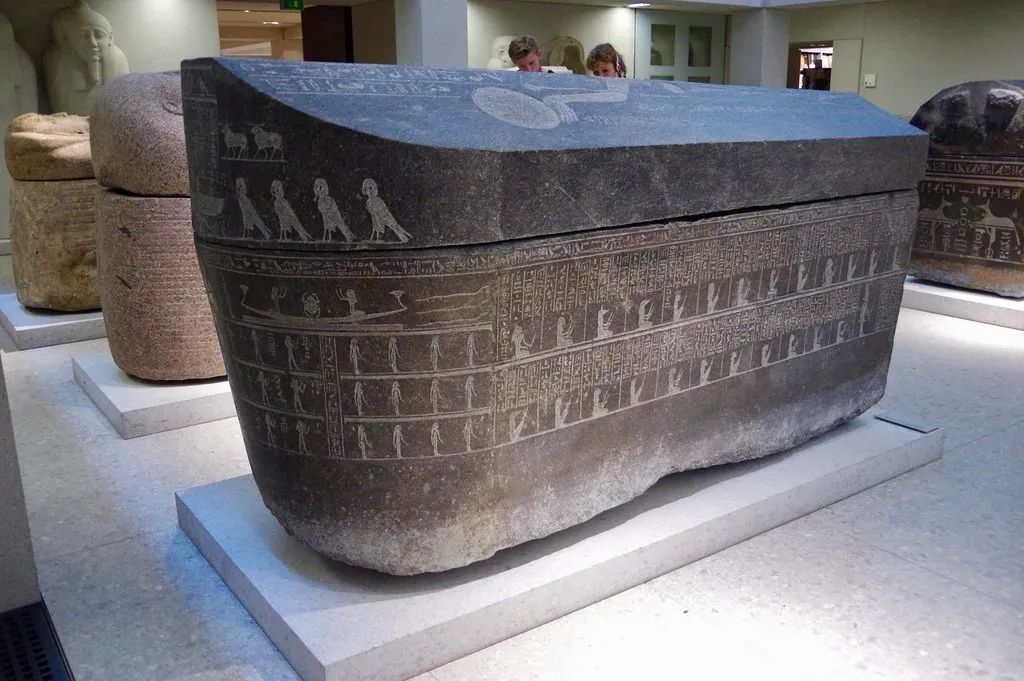
The granite box in the King’s Chamber is another perennial “only modern tools could do this” exhibit. Claims usually center on the interior being “perfectly square and polished” with corners that are “impossibly sharp.” When engineers actually measure it, the picture changes.
The interior is quite straight and reasonably flat, but there are measurable deviations, tool traces, and non-uniformities that don’t match modern machine-tool finishes. Copper or stone tools loaded with abrasive slurry, combined with straightedges and reference rods, can gradually grind an interior to a very good approximation of square. The finish reads like a high-effort hand polish, not a factory-fresh mill surface – and parts of the box look more like work paused mid-process than a showroom demonstration of ultimate precision.
The ‘Laser-Flat’ Basalt Pavements That Aren’t Actually Flat
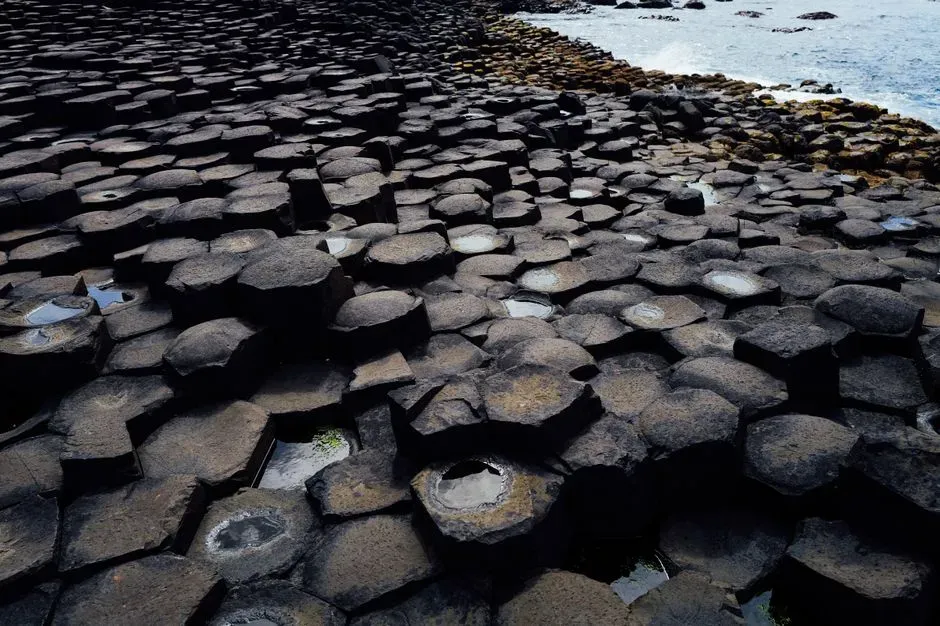
Basalt pavements at certain Egyptian and Levantine sites are often described online as “laser-flat” stones laid with razor-thin joints only possible with diamond saws. Field examination tells a messier, more believable story.
The slabs show variable thickness, local warping, and joints that are tight in some places and gapped in others. Where you do see tight fits, they’re usually the result of trial-and-error dressing and in-situ adjustments, not factory cutting. Basalt can be pecked, split, and ground, and repeated rubbing with abrasive stones against straightedges generates reasonably flat contact surfaces – good enough to look clean and impressive from above, even when the underlying craftsmanship was full of rework and patience, not lasers.
At a Glance
- Basalt sits at roughly 6 on the Mohs scale, tough but still workable with harder abrasives like quartz sand.
- Pavement slabs at several sites vary noticeably in thickness from one edge to another.
- Tight-fitting joints tend to cluster in specific areas, suggesting targeted hand-dressing rather than uniform machine cutting.
- Some basalt paving blocks still show peck marks visible beneath later polishing.
The Real ‘Impossible Artifact’: A Myth Nobody Ever Measured
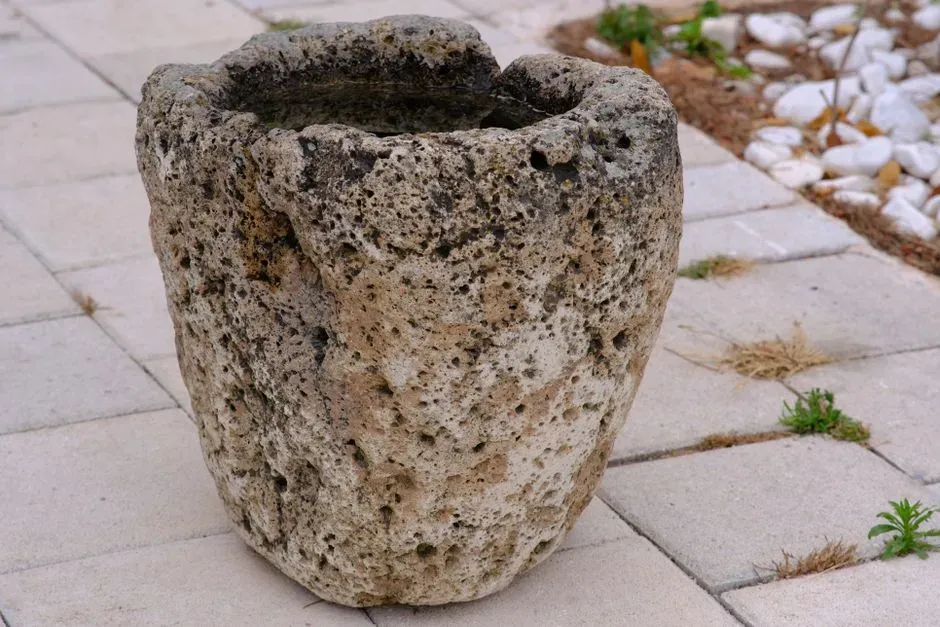
Here’s the uncomfortable twist: the most misleading “stone vessel” isn’t a single artifact at all. It’s the idea that there are specific pieces which cannot be carved without modern diamond tooling. Line up the evidence from all eleven objects above, and no known ancient stone vessel or carved box has been conclusively shown to exceed what’s achievable with abrasives, simple jigs, and a lot of labor. Not one.
What we really have is a gap between internet rhetoric and field reality. Online claims usually rest on exaggerated precision language like “perfect” or “micron-level” with no published measurements attached, plus a habit of ignoring the tool marks and low-tech replication experiments that keep closing the gap. That doesn’t mean we understand every workflow step ancient craftsmen used, or how they organized labor and standardized templates across generations. But “we don’t know every detail yet” is not the same as “therefore they used hidden diamond CNC machines.” The most impossible object on this entire list is a meme, not a stone.
So here’s where I land: the miracle-machine theory isn’t just unsupported, it’s insulting to the people who actually did the work. Every measurement, tool mark, and unfinished edge points the same direction – toward stubborn, brilliant humans grinding stone for years with sand, copper, and unbearable patience, not toward a lost diamond-tooling industry conveniently missing from the archaeological record. The real story was never about impossible technology. It was about what people will endure when prestige is priceless and time is the one resource nobody was short on.